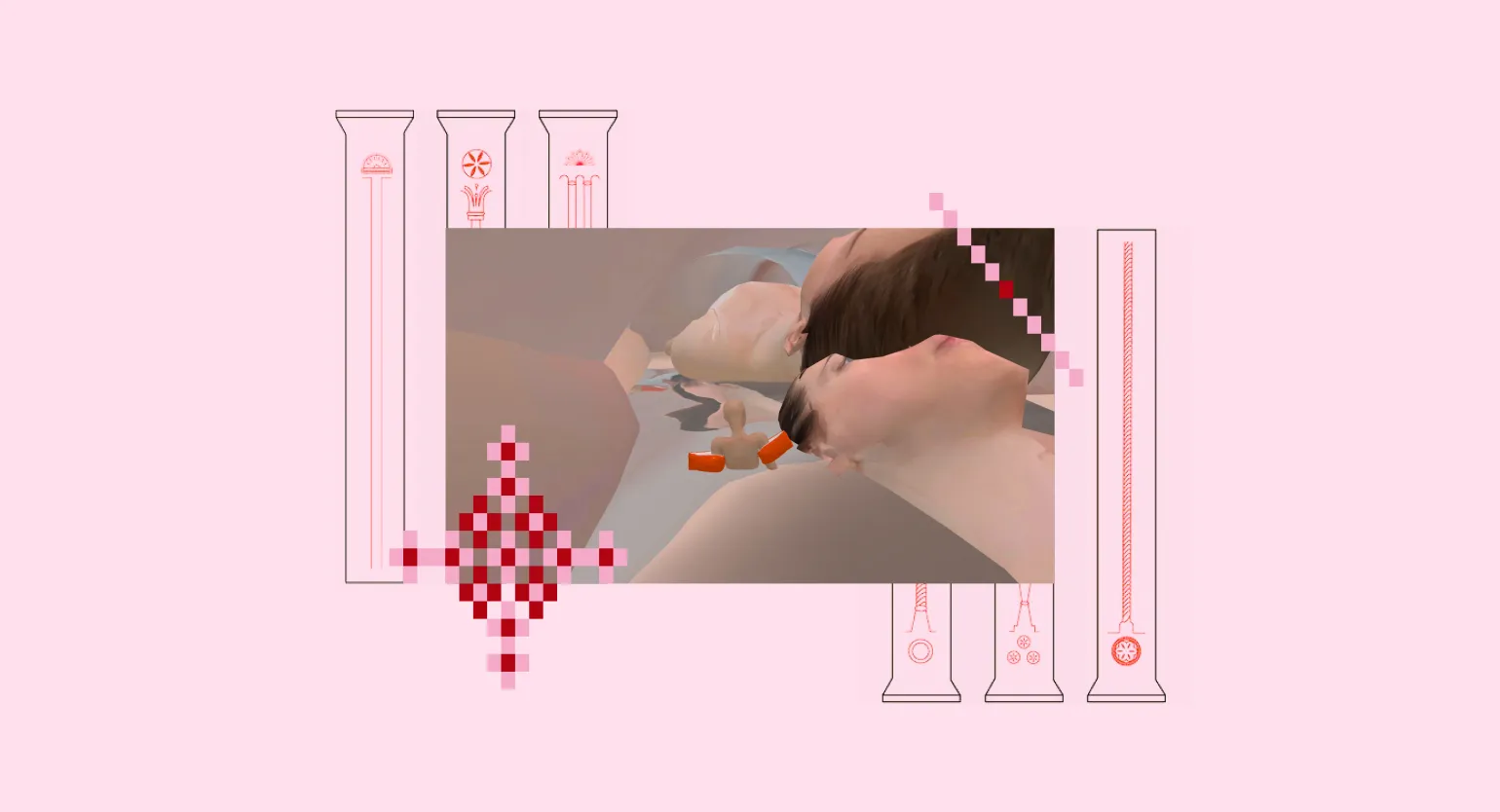
Contents:

Try 4 top design professions for free. Go to Telegram and take a free design course. Add 4 cool cases to your portfolio and decide which direction to develop in next.
Find out moreContemporary art often raises questions among ordinary viewers and generates a lot of controversy. How can we connect profound artistic meaning with a viewer unfamiliar with contemporary art? To achieve this, it's crucial to create a context that will facilitate a better understanding and appreciation of the works. Educational programs, tours, and lectures can play a key role in this process, enabling viewers to develop critical thinking and a personal appreciation of art. It's also worth focusing on creating accessible materials that explain contemporary art concepts in simple language, which will attract a wider audience and reduce barriers to perception.
We reached out to the organizers of the II Chuvashia Biennial of Contemporary Art to find out how they are achieving this goal.
Head of the Chuvashia Biennial of Contemporary Art and art manager. A specialist in the organization and coordination of contemporary art events, as well as the promotion of cultural initiatives. An important role of an art manager is to create a platform for interaction between artists, viewers, and curators, thereby facilitating the development of cultural exchange and contemporary art in the region. The Chuvashia Biennial is a significant event that attracts the attention of both local and international artists, thereby expanding the boundaries of art and its perception.
The Chuvashia Biennial Coordinator plays a key role in the organization and execution of this significant cultural event. They are responsible for coordinating all aspects of the Biennial, including planning, artist engagement, curatorial direction, and partner management. The Coordinator's primary goal is to create a platform for contemporary artists and their works, thereby drawing attention to regional art and its development. The successful implementation of the Biennial strengthens the cultural image of Chuvashia and attracts tourists, while also creating opportunities for the exchange of experiences and ideas among participants. Thus, the role of the coordinator is important for the formation of a cultural space and maintaining a creative dialogue within the community.
Is there contemporary art in Chuvashia?
The Biennale is an important event for Chuvashia, as it promotes cultural exchange and the development of contemporary art in the region. This event attracts the attention of both local and international artists, which creates a unique platform for creativity and dialogue. The Biennale supports local authors, giving them the opportunity to showcase their work to a wider audience. In addition, this event promotes tourism and increases interest in Chuvashia as a cultural center. Participation in the Biennale helps strengthen ties between different cultural communities and promotes the exchange of ideas, which in turn enriches the cultural life of the region.
The Biennale provides a unique platform for research and presentation of the region in which it is held. The main goal of this format is not only to highlight the cultural and artistic aspects of the region but also to convey information about its unique features to an international audience.
We are actively developing the local art scene and representing Chuvashia on the national cultural map. Our goal is to support creative people, promote the exchange of ideas, and draw attention to the region's unique artistic heritage. We organize exhibitions, master classes, and cultural events that help artists and painters express themselves and find new audiences. Participation in such projects not only contributes to the development of local art but also strengthens the community, uniting people with common interests and goals.
You mentioned an external audience. However, the question arises: how important is this for the local public?
Yulia: The main goal of the biennial is to develop art systems in the region, including support for artists, exhibition spaces, and the community itself. Before the first biennial, held in 2022, such a community was absent. We strive to create a platform for interaction and collaboration, facilitating the exchange of ideas and cultural development in the arts.
The Biennale represents a unique transformation of the cultural and artistic space, providing an opportunity to explore Chuvash culture through new and unusual formats. This event becomes a platform for dialogue, allowing viewers to see the familiar in a different light and expand their understanding of Chuvashia's cultural heritage. The Biennale promotes the exchange of ideas and innovations, enriching cultural experiences and drawing attention to the region's artistic practices.
Chuvashia truly has connoisseurs of contemporary art. The region is actively developing cultural initiatives, attracting the attention of both local residents and tourists. Contemporary art is reflected in various exhibitions, galleries, and cultural events held in Chuvashia. Local artists and creative groups are actively involved in the creation and implementation of projects that promote contemporary art. Participation in the region's cultural life allows art lovers to exchange opinions, discuss current trends, and maintain creative connections, which contributes to the development of the artistic scene in Chuvashia.
Yulia: Moisei Spiridonov was already interested in artistic practices and actively developed them in the 1920s. In Chuvashia, academic art, including painting, sculpture, and graphics, is more widespread. This demonstrates the significant influence of traditional art forms on the region's cultural development. Spiridonov, as one of the first, sought to integrate new approaches into this academic environment, opening new horizons for Chuvashia's artists.
Contemporary art attracts attention with its ability to evoke strong emotions and raise important questions. It serves as a catalyst for reflection, forcing the viewer to consider their views and feelings. This interaction allows for a deeper understanding not only of the work but also of one's own beliefs and feelings. Thus, contemporary art becomes an important tool for personal and cultural self-awareness.
Alexandra: The art of every historical period is closely connected to the context of its time. When we look at paintings by Bosch or Bruegel, we experience a sense of recognition thanks to figurative art. However, we may not fully grasp the meaning of what is depicted. Contemporary art, in turn, reflects the complexities of our time and communicates in a language understandable to modern society. It becomes a mirror reflecting current issues and ideas, helping us understand the world around us.
Rework the text without deviating from the main topic. Optimize it for SEO, but you can slightly expand the content. Exclude emoticons and unnecessary characters. Do not add sections such as 1, 2, 3, or *. The text should be clear and structured without unnecessary elements. Read also:
Hieronymus Bosch: Interesting Facts About the Master of Painting
Hieronymus Bosch is an outstanding artist who lived in the 15th and 16th centuries. His work is filled with symbolism and mysticism, making him one of the most enigmatic figures in art history. This text presents facts about Bosch that will help you better understand his unique style and legacy.
Bosch was born around 1450 in the Netherlands. His real name was Hieronymus van Aken. He became known for his allegorical paintings, which depicted human vices and moral lessons. The artist's most famous work is "The Garden of Earthly Delights", which is a striking example of his original approach to painting.
The legends and myths about Bosch continue to inspire researchers and viewers. His paintings are filled with strange creatures and surreal scenes that evoke many interpretations. Many scholars argue that Bosch was a precursor to Surrealism, as his works depict the world of dreams and the subconscious. Bosch also used his paintings as a vehicle for social criticism, exploring themes of religion, morality, and human nature. His works often contain elements of satire, making them relevant today. Interestingly, Bosch left behind few written records of his life, creating additional difficulties for scholars studying his legacy.
The artist worked in a variety of techniques, including oil and tempera, and often utilized vibrant colors and detailed elements that make his paintings easily recognizable. His style has had a significant influence on many subsequent artists, and his works continue to be studied and admired worldwide.
In conclusion, Hieronymus Bosch remains one of the most enigmatic and influential figures in art, and his works continue to generate interest and inspiration among those who study his work.
There is an audience in Chuvashia interested in contemporary art, although it is smaller than in cities such as Kazan and Nizhny Novgorod. Local residents are frustrated by the lack of development in Chuvash contemporary art. This situation is exacerbated by the outflow of young people, which is one of the region's serious problems. Developing the cultural sphere and supporting local artists may be key to reversing this trend and attracting young people back to Chuvashia.
We have noticed a significant number of requests from people born in Chuvashia who left their native places but are eager to return and realize their potential. To this end, we create pulsation points in the region to attract their attention and support their desire to return. Our goal is to create conditions for the development of local initiatives and provide a platform for self-expression.
If you want to be considered a person, build a house
The theme of the home arose from the need to create a comfortable and safe space for living. A home is not only a physical structure but also a symbol of comfort, security, and belonging. In different cultures and historical periods, the home has acquired different meanings, reflecting the lifestyle, traditions, and values of society. In the modern world, the concept of the home continues to evolve, incorporating aspects such as eco-friendliness, functionality, and technology. The discussion of home touches on a variety of issues, including architecture, interior design, sustainable development, and even the emotional component associated with a sense of "home."
Yulia was proposed by curator Irina Konyukhova. She spoke of her with such sincerity and inspiration that it gave the team goosebumps.
In today's world, many connections and values are under threat, and their meaning is lost. The internet, instead of uniting people, often leads to their isolation. The connection between generations is becoming increasingly weak. In this situation, a return to the concepts of warmth, kinship, and closeness seems especially relevant. The theme of home unites people regardless of cultural differences and social status, serving as an important basis for understanding and interaction.
The title of the biennial, "House of Seven Wings," is inspired by a poem by local poet Valem Akhun: "I knitted a round house with seven wings, reached out, and threw white felt over it." In this work, the walls of the round house, reminiscent of a yurt, are associated with wings. The symbolism of the house reflects human nature, its uniqueness, individuality, and connection to family and clan. The Biennale explores these themes, emphasizing the importance of culture and traditions, as well as their influence on contemporary society.
When developing the Biennale program, several key aspects are emphasized. We are creating an exhibition project that includes a variety of venues. In addition, an important element is educational programs aimed at deepening visitors' knowledge. Parallel programs also play a significant role, complementing the main content and introducing new ideas and formats. This approach allows us to create a multifaceted and rich event that promotes the exchange of experiences and broadens the horizons of participants and viewers.
We organized an open competition to create a parallel program to include a variety of activities suitable for a wide audience. The program includes excursions and games based on Chuvash mythology.
When selecting participants, the main criterion was compliance with the stated theme. We also took the curator's choice into account, striving to present a wide range of contemporary art mediums. A significant number of applications were submitted, confirming the high interest in this project.
In 2022, we did not hold any game-based practices or sound art, but an interactive installation by Masha Dantsis is planned for this year. This project will allow viewers to witness the fascinating process of searching for a digital home, allowing them to delve deeper into the exploration of new art forms and technologies. The installation promises to be a unique experience connecting viewers with modern digital concepts.
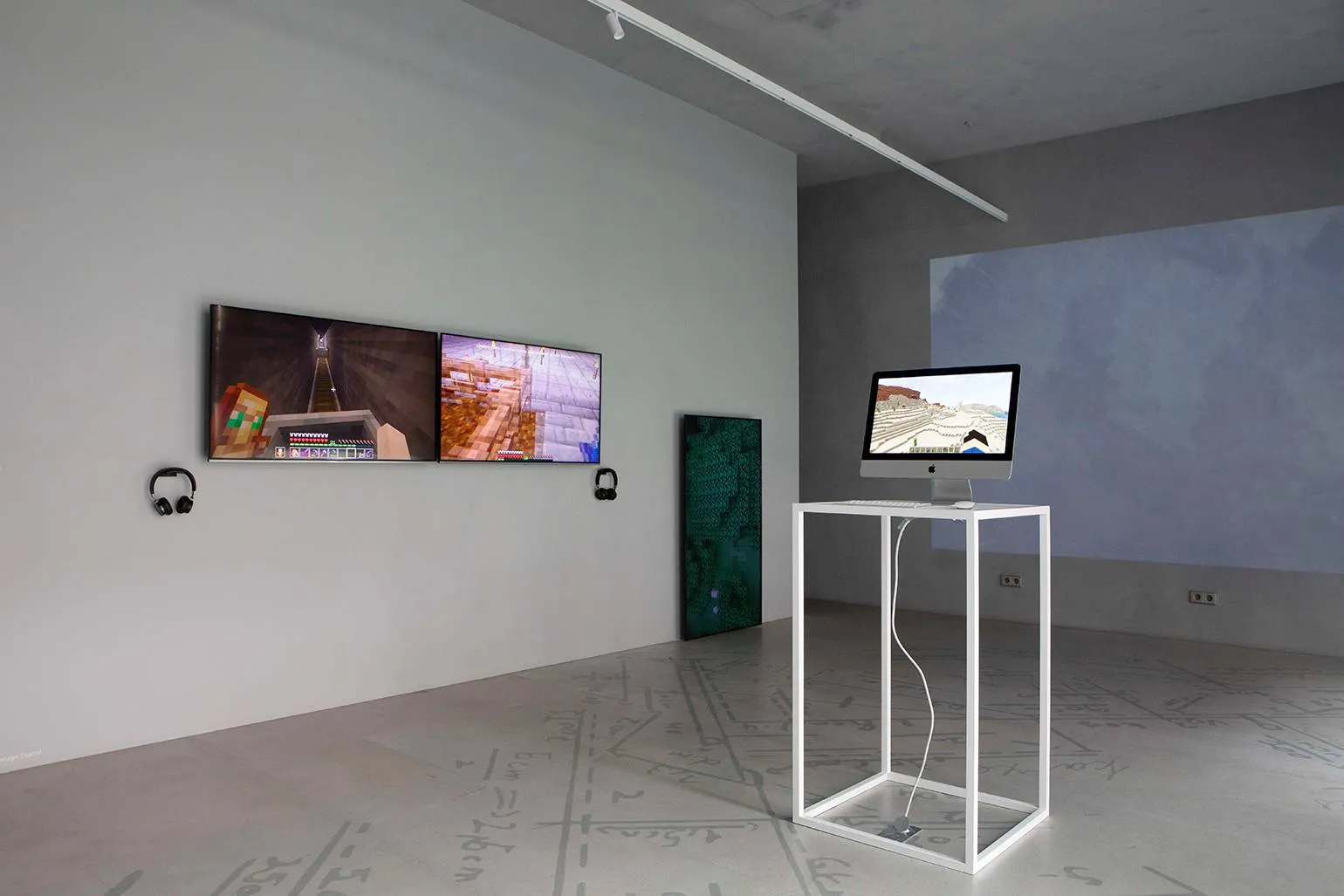
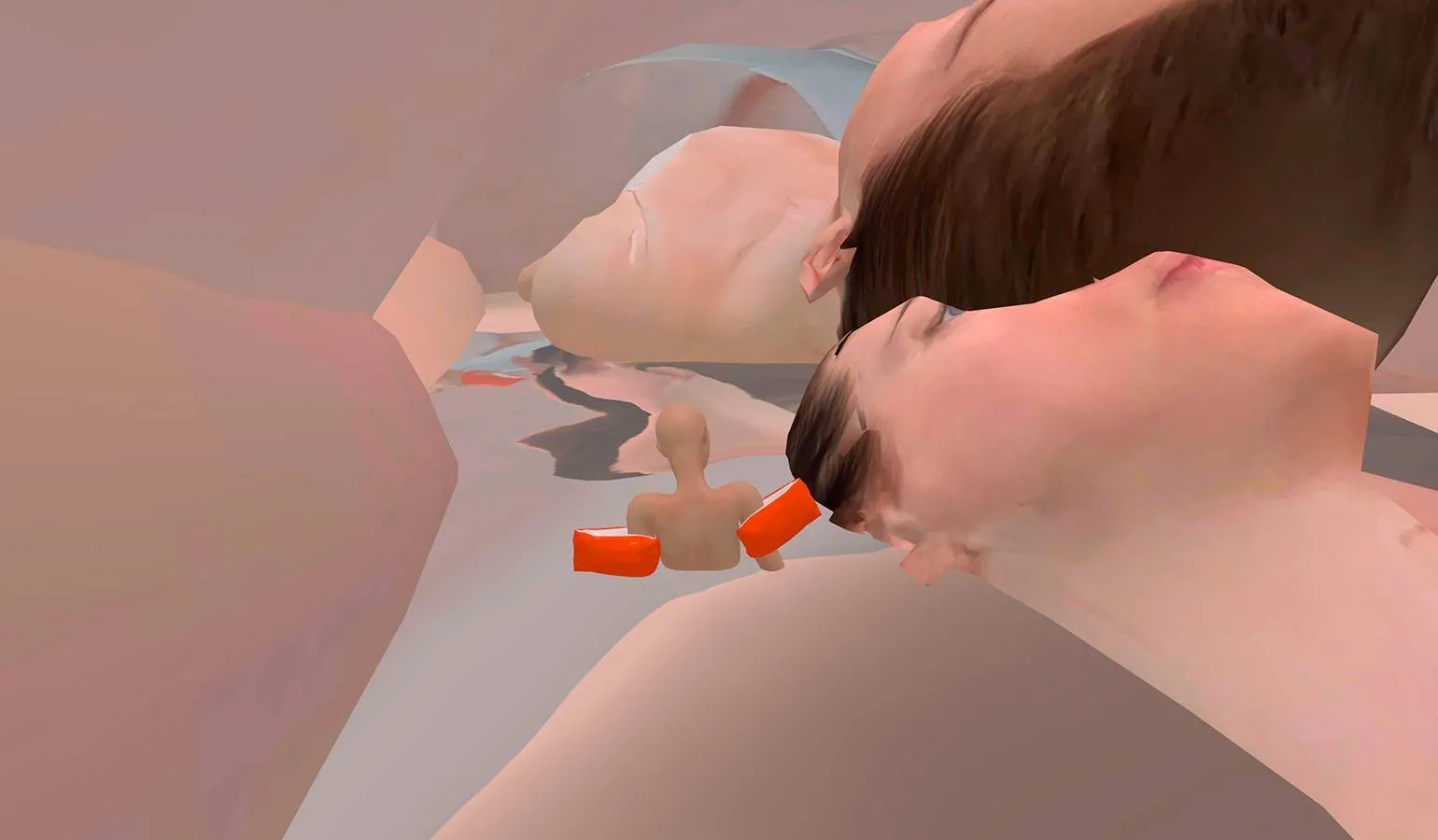
Tatyana Andreeva designed a curtain for the Chuvash Drama Theater, which attracts attention with its originality and artistic concept. Alexandra Kochetkova presented a video art piece exploring a being without gender or age. This work balances immersion in digital eternity with the desire to preserve individuality. The project combines elements of contemporary art and theatrical design, emphasizing the importance of identity in the age of digitalization.
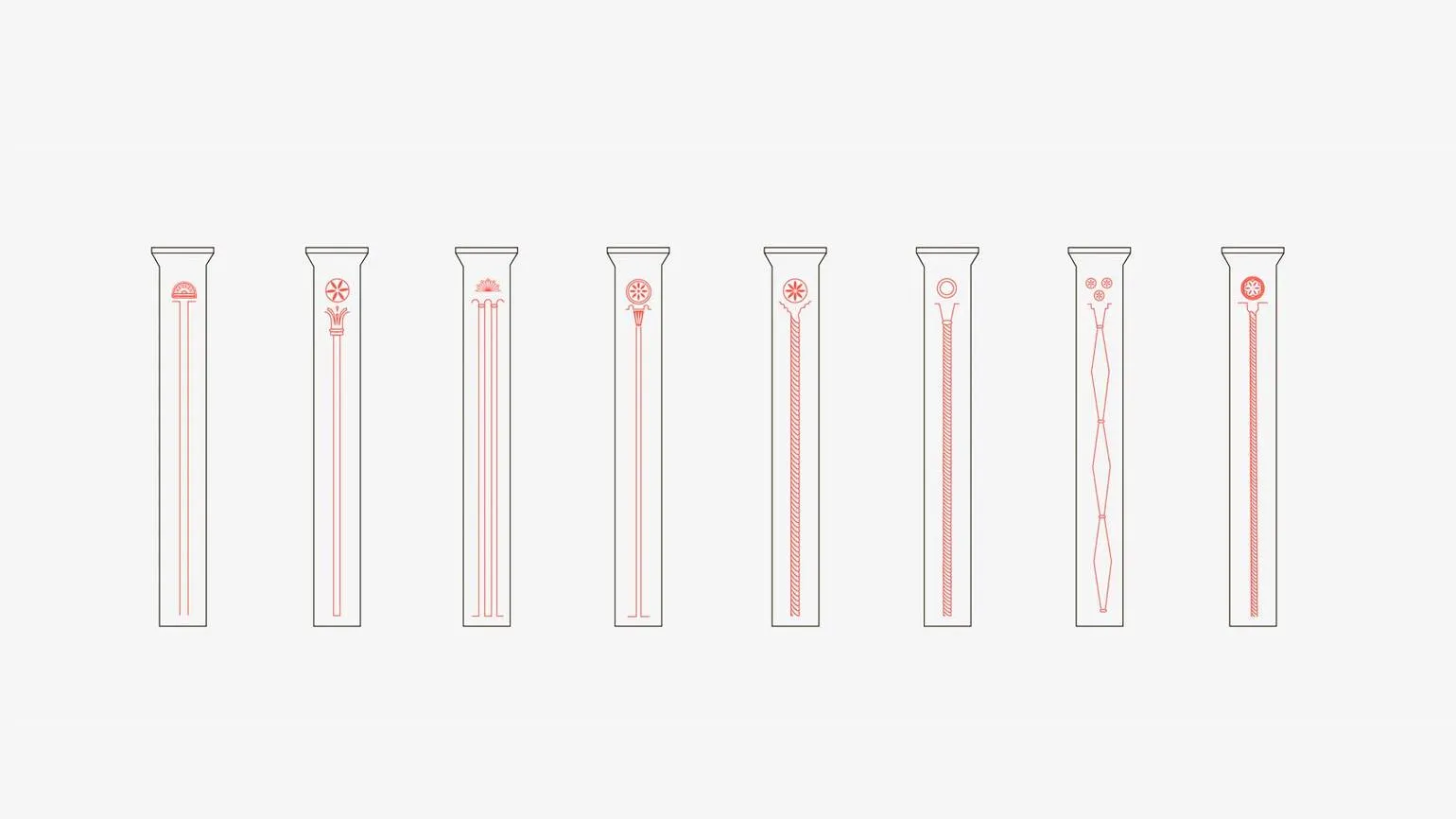
In her project "Voice", Olya Makhno fills the space with ceramic objects that refer To the details of the past. Poli Marco's "Dowry" project, inspired by Chuvash culture and the embroideries of her great-grandmother, Feodosia, includes seven surpan canvases symbolizing the connection between the past and the present. These works highlight the importance of cultural heritage and traditions, as well as their influence on contemporary art.
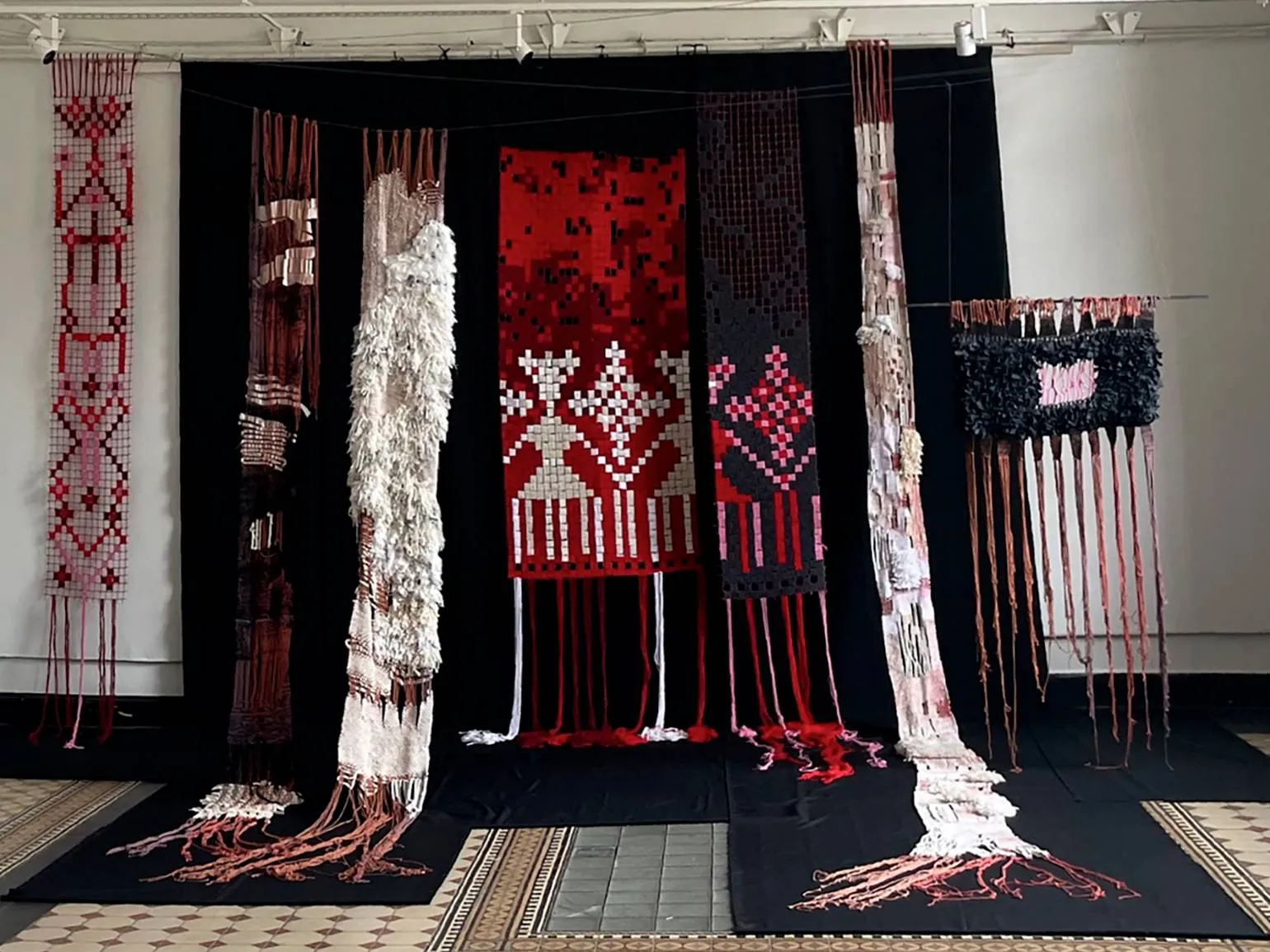
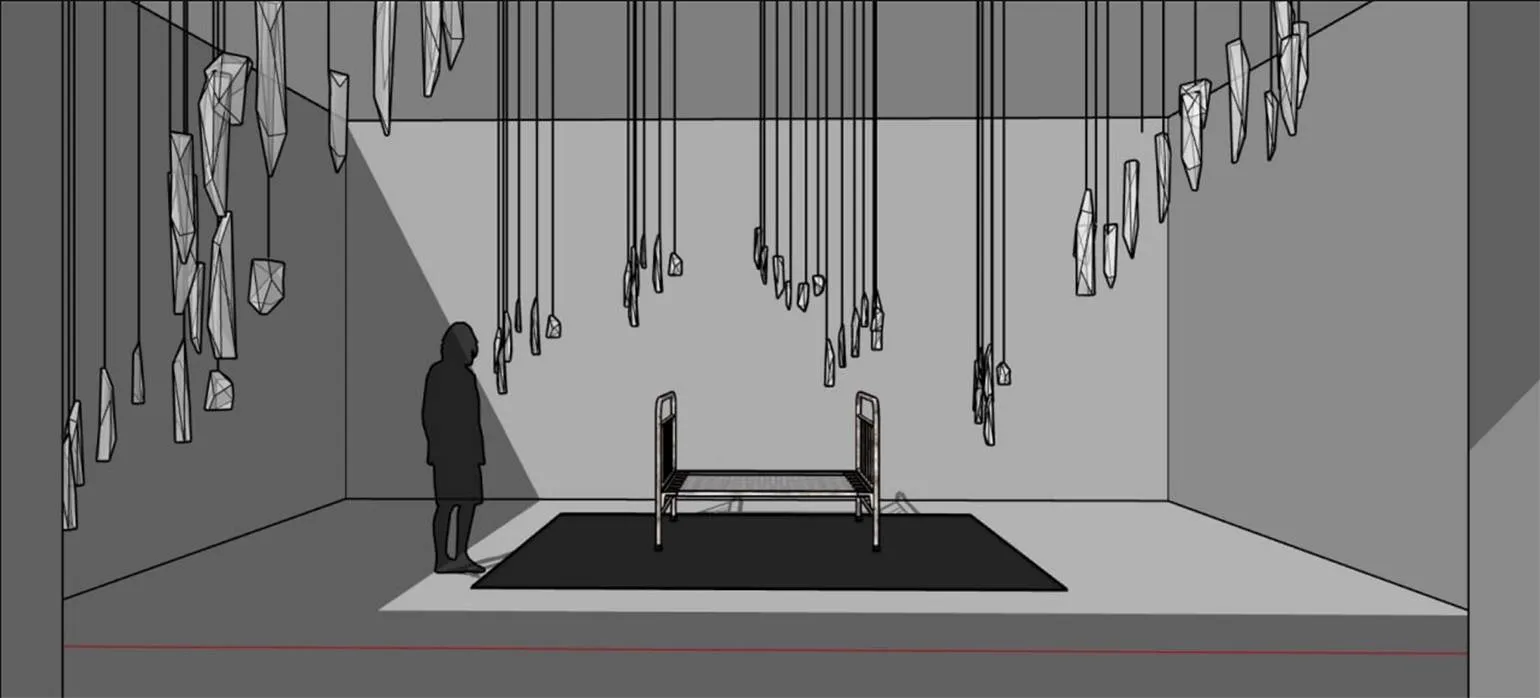
The topic of identity and roots is extremely relevant for Chuvashia. In the context of globalization and cultural exchange, it is important to preserve and develop the unique traditions, language and customs of the Chuvash people. Identity shapes not only cultural heritage, but also social ties, strengthening the local community. Understanding their roots helps the Chuvash understand their place in the modern world and promotes the preservation of cultural diversity. It is important not only to study history but also to actively integrate elements of traditional culture into everyday life, which contributes to the formation of a strong identity among young people. Thus, the topic of identity in Chuvashia requires attention and support for the further development and preservation of cultural values.
Each generation has its own perspective on identity and belonging. For some, pride in their homeland, such as Chuvashia, and proficiency in the local language play a key role in their lives. Others may prefer to conceal their roots, which also reflects the diversity of perceptions of cultural identity.
Currently, only a small group of young people is actively engaged in Chuvash culture, language, and artistic expression. Nevertheless, this process and the desire to popularize Chuvash traditions represent an important phenomenon. A passion for cultural heritage helps preserve the uniqueness of the Chuvash language and traditions and also sparks interest in their study among a wider audience. Supporting and developing Chuvash culture plays a key role in preserving and passing it on to future generations.
Tatarstan is a successful example, where the popularity of local brands and the presence of chains offering local cuisine have become commonplace.
Alexandra: Yes, we are neighbors and have close cultural ties. The uniqueness and identity of Tatarstan are largely determined by religion, which serves as the foundation for uniting people. Religious traditions and rituals play an important role in the lives of local residents, helping to strengthen social ties and preserve the region's cultural heritage.
Every person strives to answer an important internal question: "Who am I?" This search for identity often leads to a turn to one's native culture. Culture is the foundation upon which our understanding of ourselves and our place in the world is built. By studying traditions, customs, and historical heritage, we can better understand our roots and shape our worldview. Thus, interaction with culture becomes an important stage in finding one's place in life.
If you are looking for quality information, pay attention to our content. We offer relevant materials that will help you better understand the topics covered. Our goal is to provide readers with useful resources that promote learning and development. We strive to ensure that every visitor to our site finds exactly what they need here. Stay tuned for new articles and research.
The exhibition "Svoyasi" is a unique event that initiates a profound discussion about the social and cultural aspects of modernity. The exhibition focuses on issues of identity, belonging, and interaction in society. Participants have the opportunity to immerse themselves in a world of art that reflects current issues and experiences of people.
The works of artists presented at the exhibition make us think about how we perceive ourselves and others, as well as how social connections shape our identity. "Svoyasi" not only demonstrates a diversity of artistic styles and approaches but also serves as a platform for the exchange of opinions, making it an important cultural event.
This exhibition raises questions that affect each of us and aims to stimulate discussion about our role in society and how art can influence our perception of the world.
Chuvash culture is unique and multifaceted, combining elements of ancient traditions and modernity. One of its distinctive features is its rich folklore heritage, which includes folk tales, songs, and dances reflecting the life and customs of the Chuvash people. Chuvash music, using traditional instruments, creates a unique atmosphere, immersing the listener in a world of ancient customs.
Also worth noting is the unique Chuvash written language, based on the Old Church Slavonic alphabet, which makes the language and culture of Chuvashia unique in the Russian context. The Chuvash are proud of their crafts, such as weaving and woodcarving, which are passed down from generation to generation, preserving their authenticity and distinctiveness.
The culinary traditions of Chuvashia are also worthy of attention. Chuvash cuisine includes many dishes prepared according to ancient recipes that have become an integral part of the people's cultural identity. Special holidays and rituals that showcase community spirit and respect for ancestors reflect strong family and social ties. Thus, Chuvash culture is an important element of Russia's diverse cultural heritage. It not only preserves ancient traditions but is also actively developing, integrating into modern society. Understanding this culture allows for a deeper appreciation of its significance and place in this multiethnic country. Alexandra: The Chuvash language is a unique language that descended from Bulgar and has survived to the present day. It contains many archaic elements absent from other Turkic languages, making it particularly interesting and distinguishing it from other languages in this group. The preservation of such elements underscores the richness and diversity of the linguistic heritage of the Chuvash people. Initiatives aimed at supporting and promoting the arts are actively developing in the region. One significant step was the opening of a cultural center in the New City, which has become a venue for creative projects and events. This venue not only promotes local artists but also draws attention to cultural events, which in turn fosters the development of the creative community. Exhibitions, master classes, and lectures are also held, allowing residents of the region to deepen their knowledge of art and discover new trends. This creates conditions for cultural exchange and interaction between diverse creative communities.
Yulia: Our team includes young contemporary artists who actively create unique projects, exploring the intersections of fashion, decorative and applied arts, and contemporary art. Among us are recognized masters such as Praski Vitti and Alexander Nasekin, who continue to develop their style and have the opportunity to interact with a younger audience, inspiring a new generation of artists.
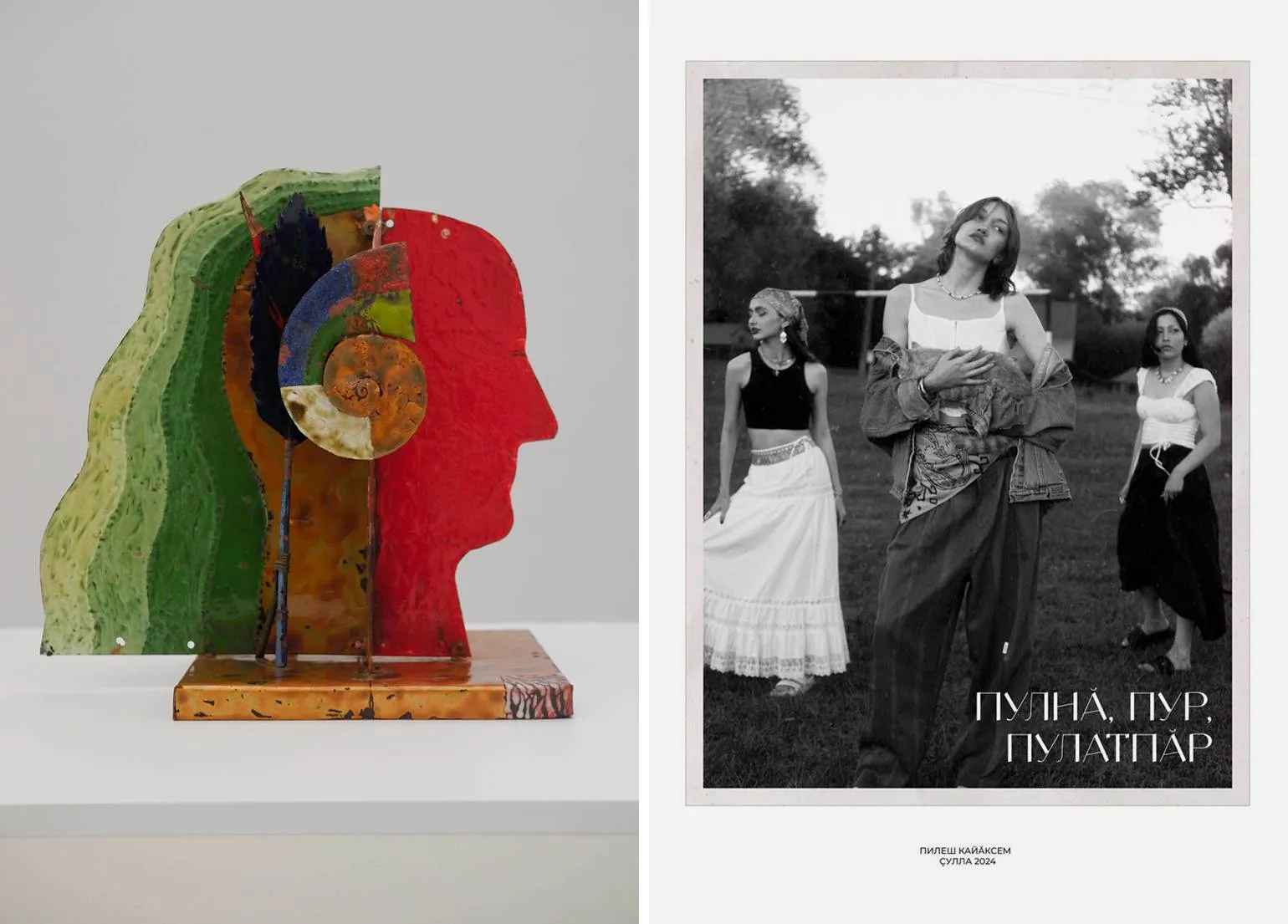
Locations as Participants of the Biennial
The Biennial will take place at several significant venues, each with its own unique history and significance. These locations were not chosen randomly: they are centers of cultural life and art, which makes them ideal for holding such a large-scale event. The venues have modern infrastructure, which will allow participants and spectators to enjoy high-quality exhibitions and events. Moreover, each of them reflects the spirit of the city and its cultural heritage, which adds additional meaning to the works on display. Thus, the Biennial will not only present works of art but also create a platform for dialogue about contemporary art in the context of the historical and cultural significance of these places.
Yulia: The first venue is the local drama theater in Cheboksary. This theater was founded in 1918 in Kazan and then moved to Cheboksary a few years later. The theater building, located on the city's main square, was built in 1961 and has become an important part of the region's cultural life. Numerous theatrical productions are held here, attracting audiences from all over the city and the region.
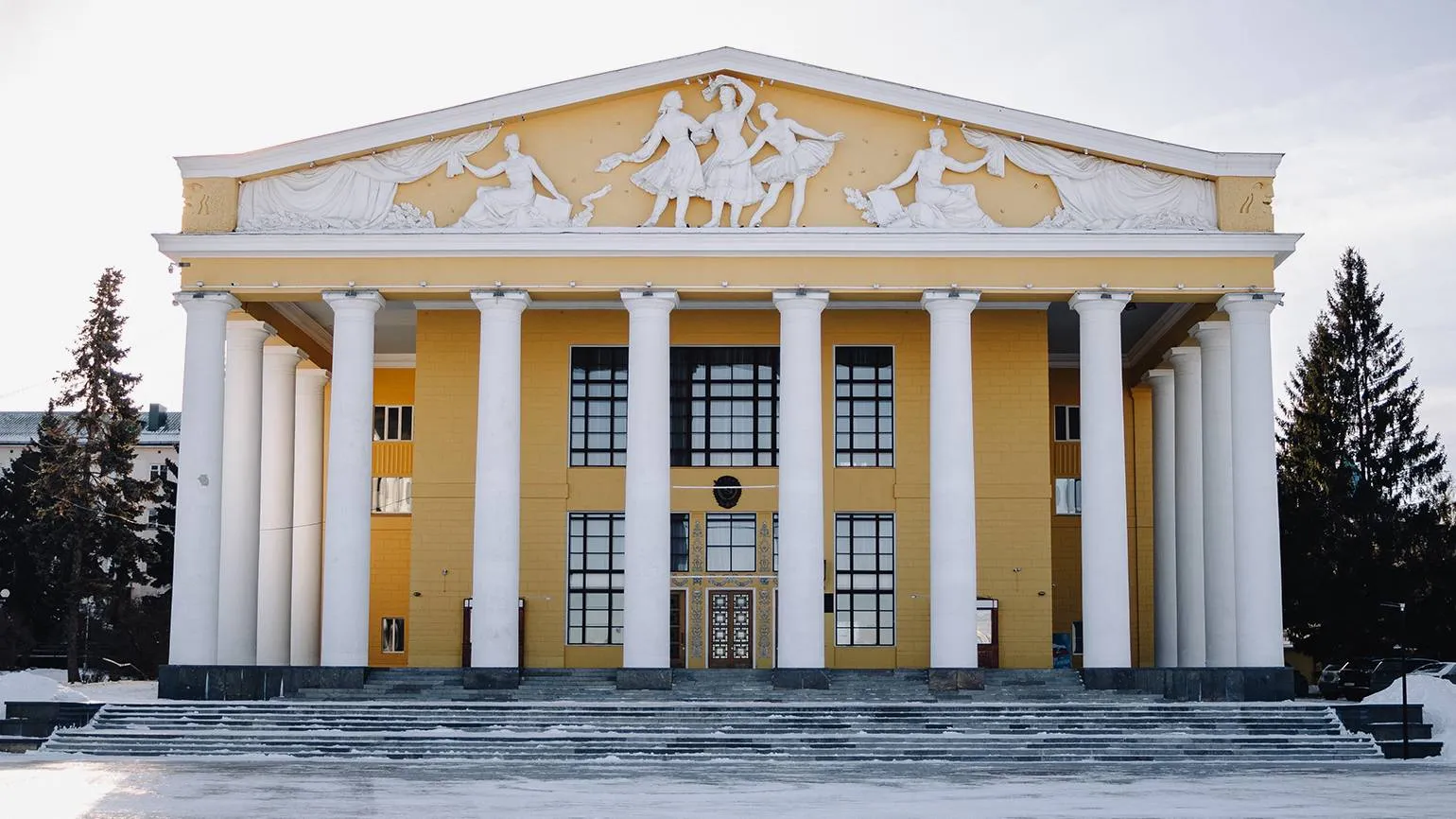
This theater played a key role in forming a habit of theatrical art and creating an audience. Performances were staged in the local language, which contributed to the development of linguistic identity. Initially, the theater combined drama, opera, and ballet, but over time these genres became separated. Thus, the theater became an important cultural center where spectators could enjoy a variety of theatrical forms and deepen their knowledge of the local culture.
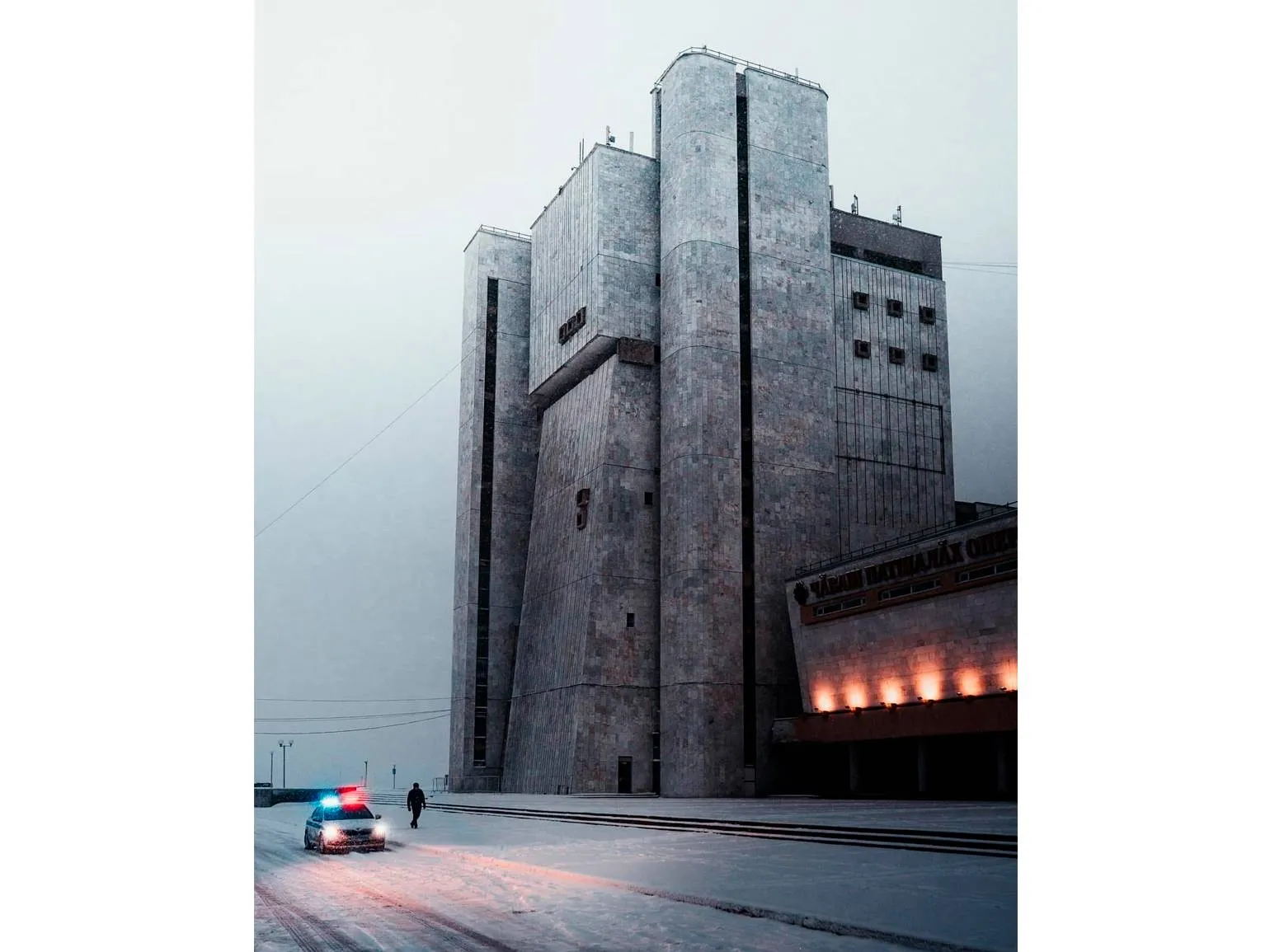
Theatre and the biennial represent a unique creative collaboration that enriches both sides. For the theatre, this is an opportunity to conduct a new experiment, and for the biennial, a chance to attract the attention of new artists and directors. Such cooperation contributes to the expansion of artistic horizons and the exchange of ideas, which ultimately enriches the cultural space.
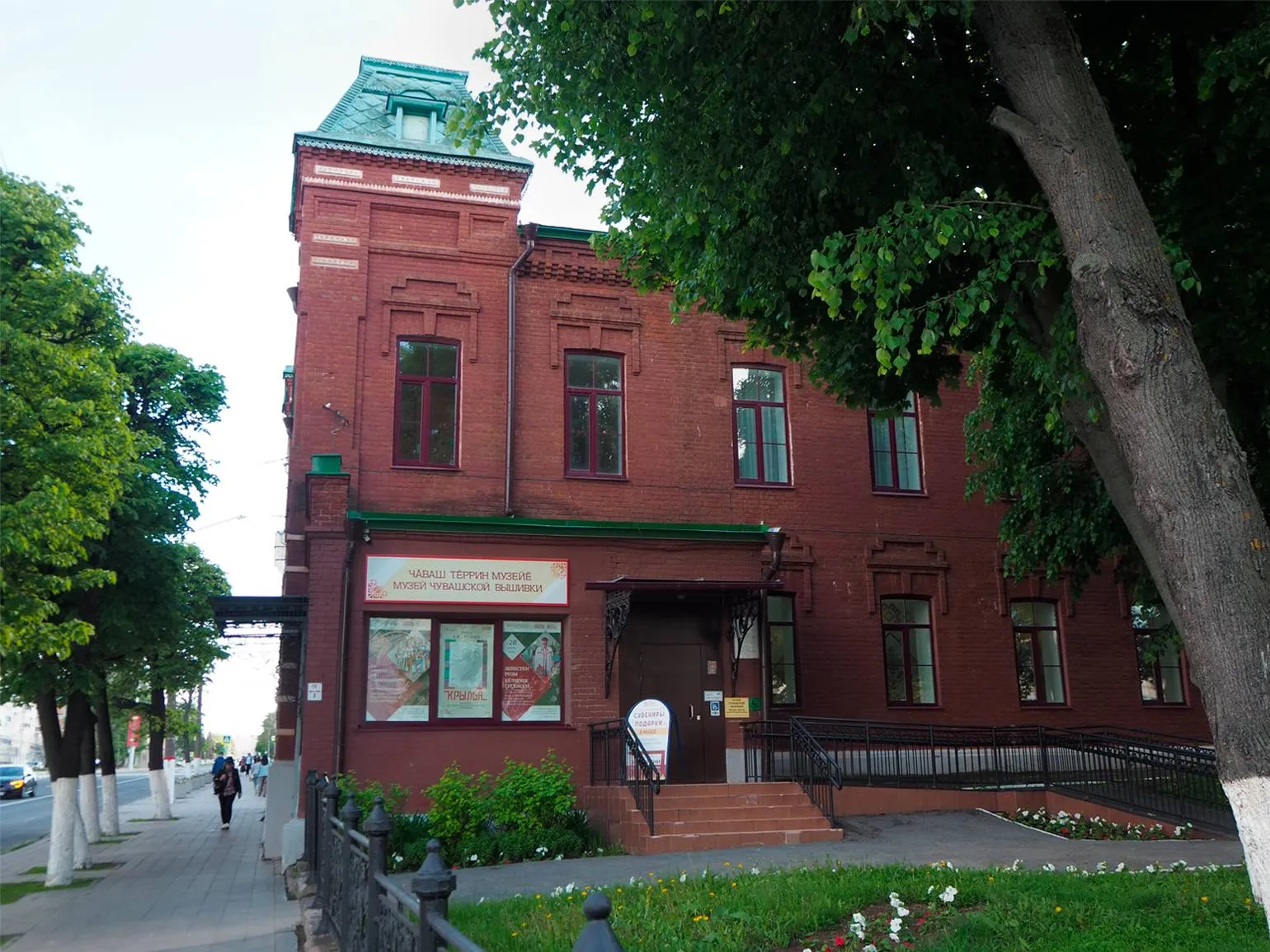
The second site is the Museum of Chuvash The museum, whose building is approximately 100 years old, houses a permanent exhibition dedicated to decorative and applied arts, as well as temporary exhibitions, including works by young artists. The museum will host an art residency, the results of which will be showcased in the village of Abashevo. This is a unique opportunity to see contemporary interpretations of traditional art and support emerging artists.
Abashevo is a significant historical site, where ancient burial mounds were discovered in 1925. The village became the basis for a Bronze Age archaeological culture dating from the second half of the 3rd millennium BC to the early 2nd millennium BC. We are proud of the trust placed in us and are pleased to present an exhibition of works that are still in the process of creation.
The third location is the courtyard of the National Museum. This multicultural urban space will host markets featuring local artisans, Biennale merchandise sales, and a cozy café. It will also host film screenings, lectures, and an installation by Lena Kolesnikova and Sasha Grach. A library will be located inside, where visitors can explore and interact with new publications. This space will become an important part of the city's cultural life, bringing together art, education, and local initiatives.
The Sverkhnovy Cultural Center, which opened its doors relatively recently, is ready to host its first major project – a biennial of contemporary art. This space is ideal for presenting current artistic practices and experiments, reflecting the spirit of the times and contemporary trends in art.
How to show that art is not hostile
Are you concerned that your audience might not understand the material presented? What methods do you use to foster a dialogue between viewers and art?
Yulia: The biennial is a new format of cultural event for Chuvashia. Since this is only the second time the event is being held, we continue to explain its essence and significance to the audience.
We use various approaches to presenting works at the biennial, including the release of brochures and audio recordings with commentary from the artists. Visitors can come up and listen to the artists share their thoughts and ideas about the creation of their works. This allows for a deeper understanding of the works' meaning and immersion in their concept.
We offer curator-led tours and have also launched courses for mediators, who will serve as a link between art and its viewers. A dialogue format is key to overcoming mistrust and resolving emerging issues. Our goal is to create an open and accessible atmosphere where everyone can gain a deeper understanding of art and its meaning.
Alexandra: We didn't set any restrictions on recruiting mediators, so we welcomed people with a wide range of experiences. They all strive to increase their awareness of contemporary art and make it accessible to a wider audience. Among them, you can find retirees, students, and those who are new to art.
Exhibitions of contemporary artists are held in Chuvashia, although their number is limited. The Biennale could be an important step in the development and expansion of the region's cultural sphere. This event will help attract new audiences, demonstrating that contemporary art is open to dialogue and capable of discussing a variety of topics. The increasing number of exhibitions and events in the field of contemporary art contributes to the formation of a positive perception of and interest in this direction.

Reading is an important part of our lives. It not only develops thinking, but also enriches our inner world. Books, articles and other materials help us gain new knowledge and expand our horizons. It is important to choose high-quality sources of information to get the most out of what you read. Read a variety of genres to find inspiration and new ideas. Don't forget that regular reading improves concentration and memory. Invest time in reading, and you'll see how it impacts your life and career.
Russian Code: Lion Symbol in Iconography
The lion symbol occupies an important place in Russian iconography, representing strength, courage, and divine protection. As one of the symbols of Christianity, the lion is often associated with the Apostle Mark, who is depicted with this animal. In iconography, the lion can also represent royal power and divinity, making it a significant element in religious artwork.
Icon painters used the image of the lion to convey deep spiritual meanings. This symbol emphasizes the greatness and strength of faith and also serves as a reminder of the need to protect and safeguard spiritual values. In iconography, the lion is often depicted in the context of sacred and biblical scenes, enhancing their significance and lending them additional facets of interpretation. Studying the symbolism of the lion in Russian iconography opens new horizons for understanding cultural and spiritual heritage. Importantly, each element of the icon, including the lion, carries special meaning, reflecting the unique style of iconography and its connection to the history of Rus. The Chuvashia Biennial has the potential to become an important catalyst for change in the region's cultural and artistic environment. This event not only promotes the exchange of ideas between artists but also draws attention to current social and artistic issues. Through exhibitions, master classes, and discussions, the Biennial creates a platform for dialogue that can inspire both professionals and art enthusiasts. Participation in the Biennial allows artists to showcase their work, and viewers to expand their horizons of artistic perception. Thus, the Chuvashia Biennial is capable of not only activating the local cultural community but also promoting the development of new trends in contemporary art.
Yulia: These changes in the community contribute to the emergence of new initiatives and the search for like-minded people. Artists are realizing that they don't have to wait for a biennial or any other occasion to organize an exhibition. They can create their own exhibitions by establishing collaborations with shopping centers or other spaces. This opens new horizons for creative people and makes art more accessible to a wider audience.
Inner Chuvashia
Cheboksary is a unique city that offers many reasons to visit, especially during the biennial. Firstly, the Cheboksary Biennial is an important event in the world of contemporary art, where you can see the works of both established and emerging artists. It is an excellent opportunity to get acquainted with the latest trends in art and expand your cultural horizons. Secondly, the city itself is famous for its rich history and cultural heritage. Strolling its streets, you can admire architectural monuments and picturesque views, making the trip not only cultural but also aesthetically pleasing. Thirdly, Cheboksary is known for its hospitality and friendly atmosphere, making your stay comfortable and memorable. By visiting the Biennale, you will not only experience aesthetic pleasure but also have the opportunity to immerse yourself in the unique atmosphere of this amazing city.
Our city is conveniently located: just an hour's flight from Moscow and St. Petersburg, and also in close proximity to other cities on the Volga. This makes it an ideal destination for a short weekend getaway.
Cheboksary is located on a picturesque stretch of the Volga River. In summer, the city becomes an attractive resort, offering the opportunity to ride a steamboat, relax on the beach, or stroll along the long embankment. On the Biennale website, we provide recommendations for visitors to help them better understand not only the art world but also the region itself. Here you'll find tips on the best places to stay, what souvenirs to bring back, and where to eat.
The third reason is the opportunity to experience and interact with a unique event that is rarely held in our region. This offers a chance not only to broaden your horizons but also to become part of something meaningful and unusual. Participating in such events helps establish new contacts and exchange experiences with like-minded people.
Alexandra: The Biennale brings together many artists presenting unique projects. As Yulia noted, the Volga is incredibly beautiful in summer. This event attracts the attention of not only professionals but also art enthusiasts, creating an atmosphere of creativity and inspiration.
Chuvash culture represents a rich and multifaceted world that often remains unnoticed. We are familiar with the cultures of various countries, but our understanding of the diversity that exists within our own country is often limited. Chuvash culture encompasses unique languages, traditions, and customs that are worth exploring and exploring. Immersing yourself in this world opens new horizons and allows you to better understand the heritage and identity of our people. Unique elements of Chuvash culture, such as folklore, art, and crafts, make it an important part of Russia's cultural diversity.
Learn more about design on our Telegram channel. Subscribe and stay up to date with the latest trends and ideas in the world of design.
Read more:
- The art of collaboration: how partnerships between artists, brands, and architects are changing cities
- Aesthetic amanita: 10 artists who use fly agarics in design
- Why the painting "The Rooks Have Come Back" by Alexey Savrasov is not only about spring, but also about personal grief
- "Graphics require additional attention": an interview with the founder of Set Projects, Anna Bryntsalova
- 10 brands of extraordinary jewelry created by girls from Russia
Profession Graphic Designer PRO
You will learn how to create corporate identity elements and graphics for business. You will put together a portfolio that reflects your style and confirms your design skills. You can start a career in a studio or as a freelancer.
Find out more