Contents:

Course with employment: "Commercial Profession Illustrator"
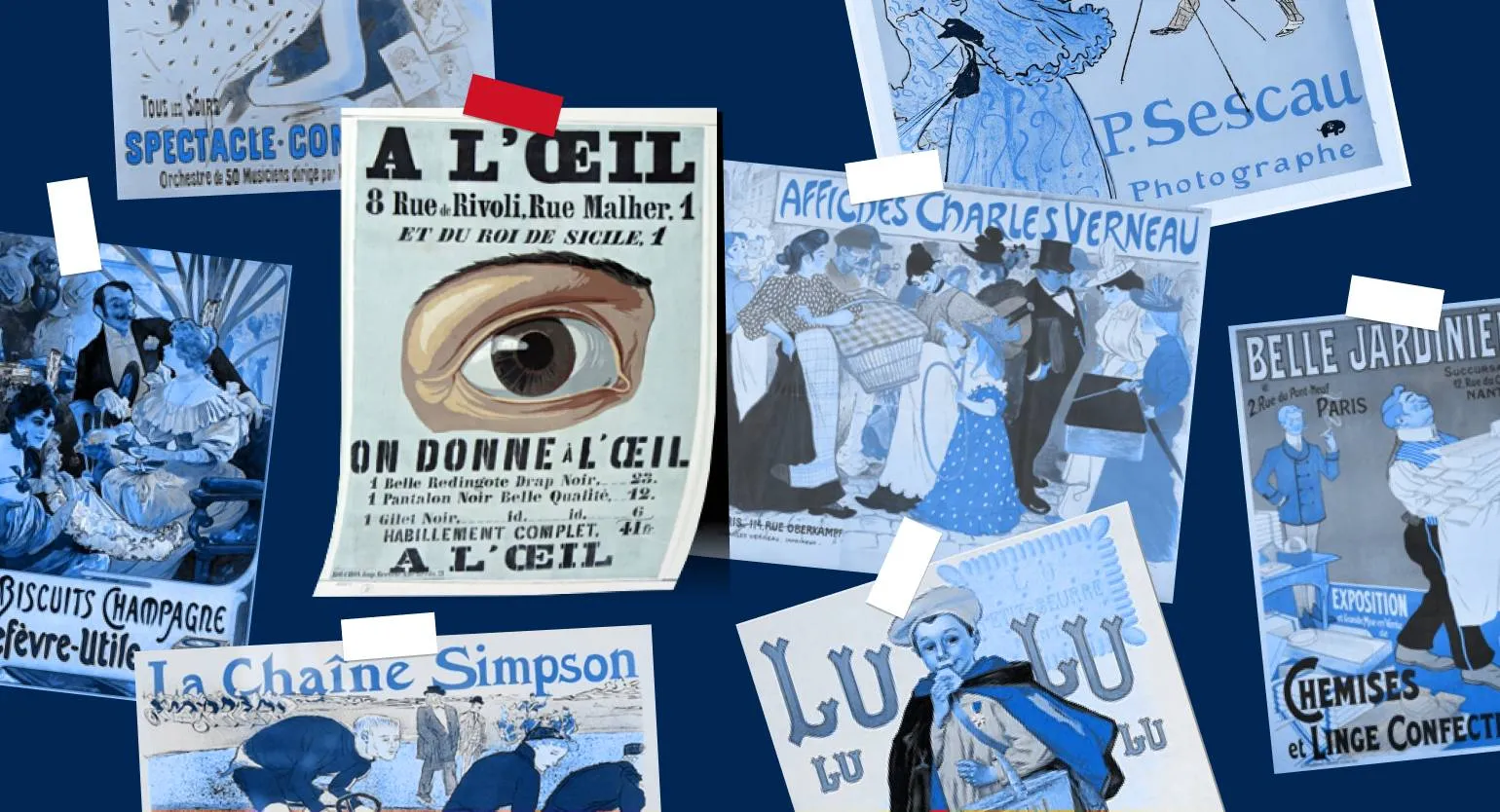
Find out moreThe Musée d'Orsay in Paris is hosting the unique exhibition "Art on the Street" (L'art est dans la rue) until July 6, 2025. This event stands out for its scale and in-depth research, making it the first of its kind. The exhibition features nearly 230 works by renowned artists of the second half of the 19th century, such as Alphonse Mucha, Toulouse-Lautrec, Bonnard, Steinlen, and Chéret. The exhibition goes beyond archival visual materials to explore the golden age of the art poster. "Art on the Street" allows viewers to better understand the cultural and social changes of the era, immersing them in the atmosphere of the time and art.
Theater posters featuring Sarah Bernhardt, department store advertisements, and announcements of new novels by Émile Zola created a vibrant and multifaceted visual landscape of the capital. This kaleidoscope not only attracted the attention of city residents but also sparked controversy among critics, who argued that such elements detracted from the image of the European capital. While advertising and posters became an integral part of city life, they also reflected cultural changes and social trends, making them an important object of analysis.
Belle Époque advertising is a unique phenomenon, reflecting the cultural and social changes of its time. This period, spanning the late 19th and early 20th centuries, marked a milestone in the development of the advertising industry. Advertising of the period was vibrant, creative, and emotionally charged, helping to shape new ways of thinking about consumption.
During the Belle Époque, advertising not only sold products but also shaped public perceptions of fashion, lifestyle, and ideals. Using vibrant imagery and innovative techniques such as posters and print advertising, it captured audiences' attention and left a lasting impression. This cultural phenomenon is worth studying because it demonstrates how advertising can influence public sentiment and shape cultural trends.
Understanding Belle Époque advertising not only helps us better understand the historical contexts but also draws lessons for modern marketing, where creativity and emotional connection with consumers continue to play a key role.
"All Paris is a Shop"
Parisian posters of the second half of the 19th century represent a unique combination of advertising and artistic expression. These posters not only promoted goods and services but also served as an important element of the city's cultural life. Bright colors, creative illustrations, and innovative fonts captured the public's attention, creating an emotional connection with the products. These posters became emblematic of the era, reflecting changes in society and consumer tastes. Studying them allows for a deeper understanding of the development of advertising and art in the 19th century, as well as the influence of these factors on modern visual design.
During the period of active industrialization in Europe and America, transportation systems rapidly developed. This led to both wealthy individuals and ordinary citizens traveling en masse, as never before in human history. The process of bourgeoisification continues, and more and more people gain access to new opportunities for travel and discovery. Industrialization not only changes economic conditions but also shapes new social trends, fostering increased population mobility and the development of a tourist culture.
Despite political instability, as one republic replaces another empire, Paris continues to attract aristocrats and the nouveau riche from around the world seeking fashion, entertainment, and new experiences. In response to the demands of these sophisticated clients, merchants and entrepreneurs, striving to survive in the face of social upheaval, offer a variety of shops, arcades, theaters, and cabarets, creating a unique atmosphere for relaxation and shopping. Paris remains a cultural hub where fashion and art intertwine, offering visitors an unforgettable experience.
Locals are an important part of the clientele. Women prefer to have fun during the day, while men often look for opportunities to relax after work and on weekends.
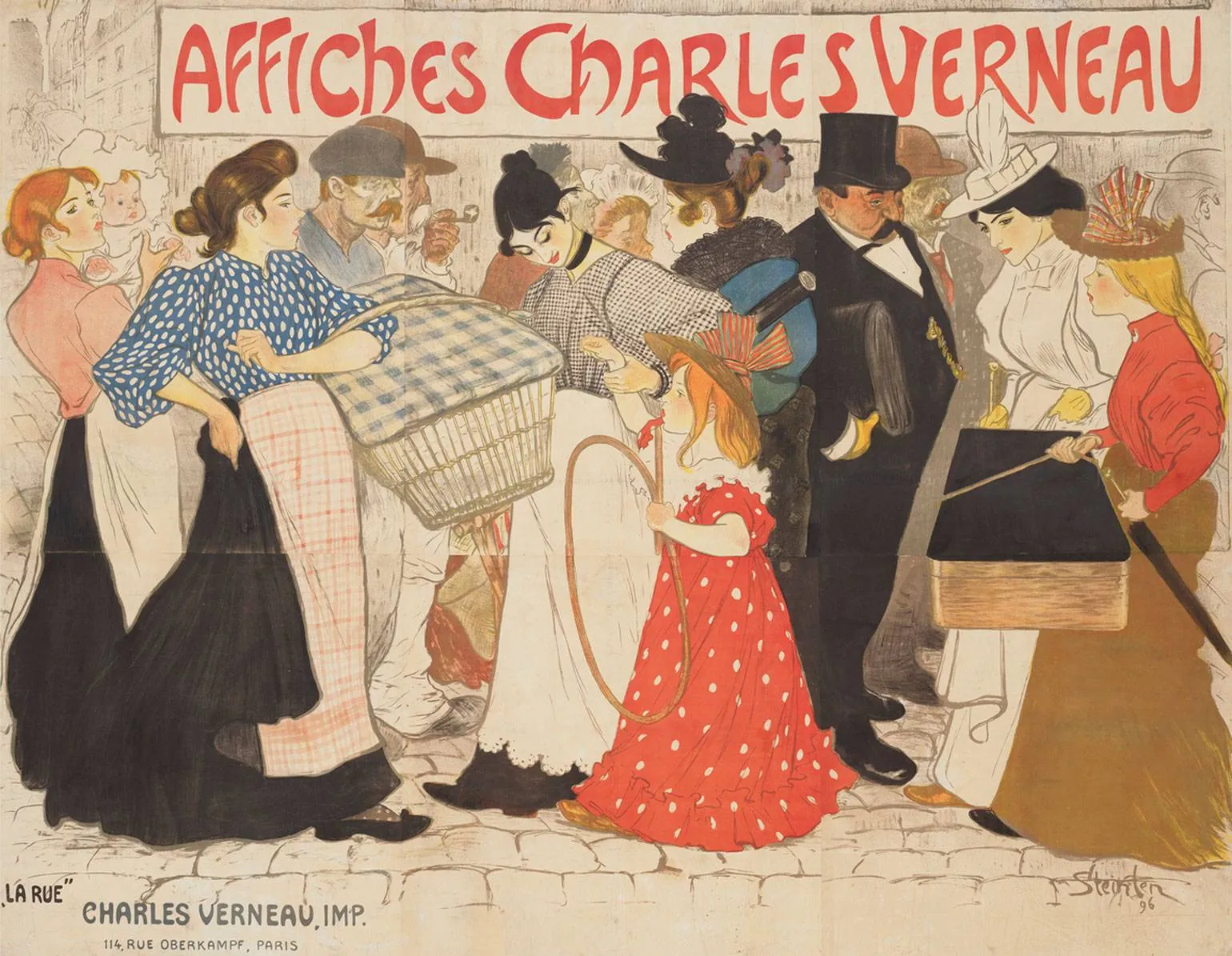
"All Paris is a shop," observed the Russian poet Yevgeny Baratynsky. The city is saturated with mom-and-pop shops, department stores, and arcades, creating a unique retail atmosphere. Bright and eye-catching advertising has become an essential element for successfully competing in this dynamic retail space. Paris, as a center of fashion and culture, requires its entrepreneurs to take a creative approach to advertising to stand out from the crowd.
Creating works of art has always been an important aspect of the lives of artists, graphic artists, and lithographers striving for fame and financial success in the capital of art. Becoming a salon artist and attracting the attention of wealthy clients is not an easy task. Nevertheless, the need to earn a living forces them to seek new opportunities and approaches in their work.
In today's world of vibrant commerce and the public's desire for new experiences, printing technology plays a vital role. These technologies are becoming the foundation for fine art masters, enabling them to bring their ideas to life. Innovative printing methods open up new possibilities for artists, ensuring high quality and a variety of formats. Thanks to modern technology, art is becoming more accessible, and the public can enjoy masterpieces in a variety of formats and media. In a vibrant market, printing technologies help create unique works that attract attention and generate interest. Lithography workshops offer the opportunity to order large-format prints suitable for covering billboards and entire building walls. These services allow for the creation of vibrant and eye-catching advertising materials that effectively attract attention and convey essential information. Thanks to modern printing technologies, such formats guarantee high image quality and durability, making them an ideal solution for outdoor advertising.
Advertising Technologies of the 19th Century
In the third quarter of the 19th century, on the orders of Napoleon III, a large-scale reconstruction began in Paris, headed by Baron Haussmann. The medieval structure of the city was destroyed to make way for new streets and boulevards, as well as modern high-rise buildings. As a result of this process, the end walls, to which new buildings were subsequently added, were often left empty and used as large advertising spaces. The reconstruction of Paris not only changed its architectural appearance, but also created new opportunities for business and advertising, which contributed to the development of the city's culture and economy.
Giant banners resembling wallpaper, consisting of smaller sections printed using lithography, were pasted to the walls of the city. Advertisements also filled the temporary fences enclosing construction sites in the city, which was undergoing large-scale reconstruction. This visual chaos became an integral part of the urban environment, reflecting the dynamics of change and active development of infrastructure.
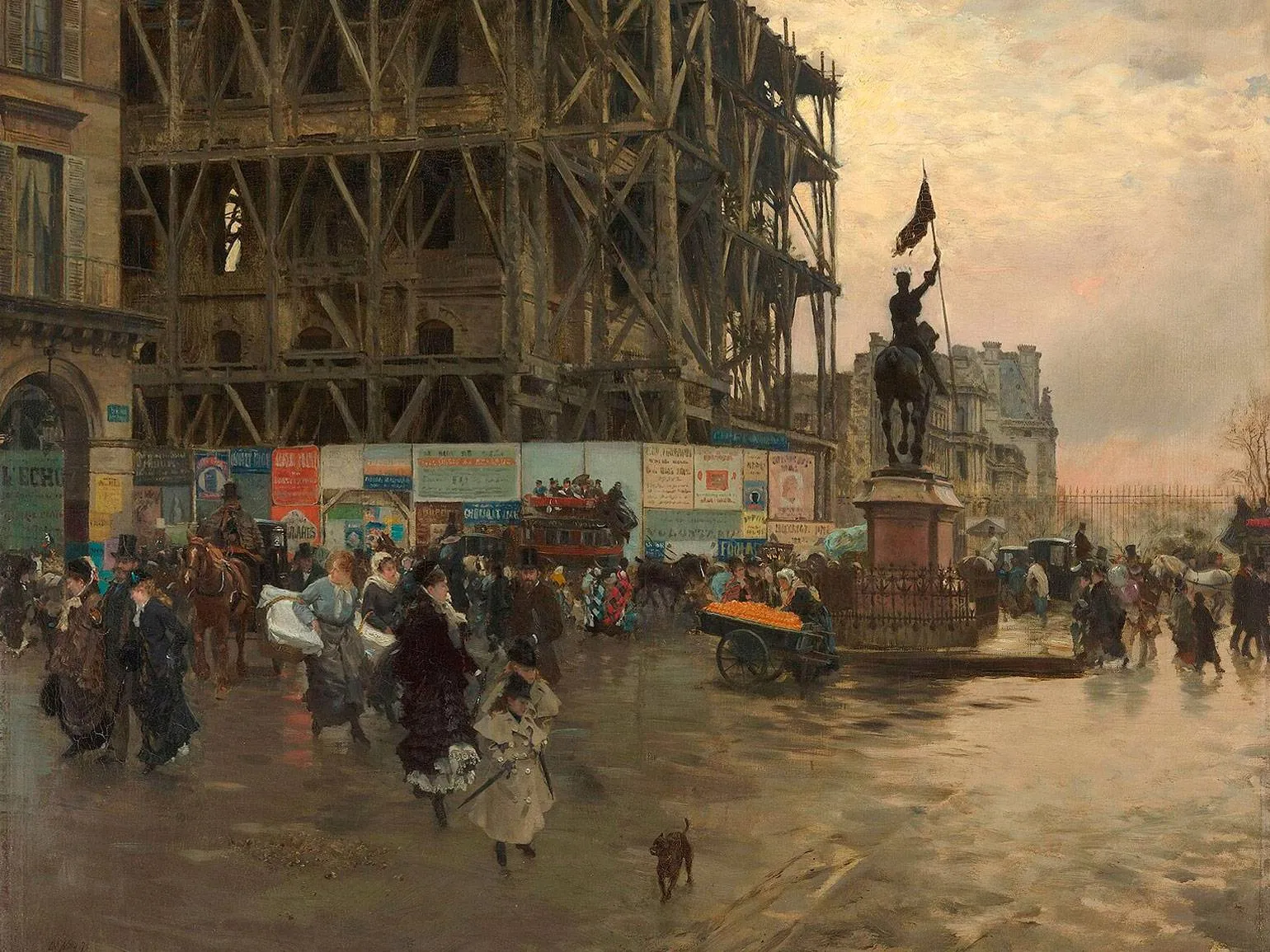
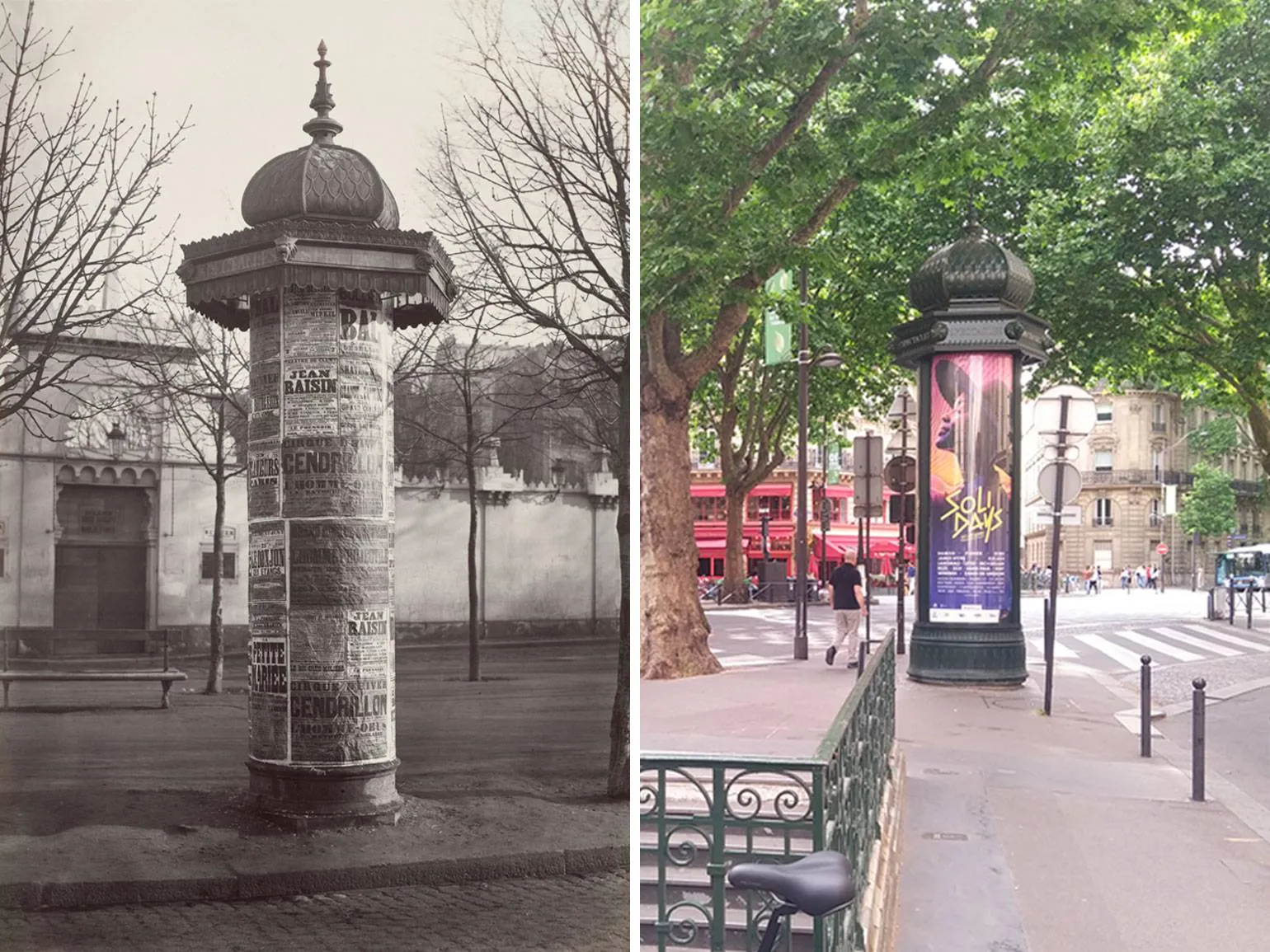
Advertising in the 19th century went beyond walls and fences. Industrial designers of this period developed unique advertising media that attracted attention and effectively conveyed information about goods and services. These creative solutions became the basis for the formation of the modern advertising space, where aesthetics and functionality play a key role.
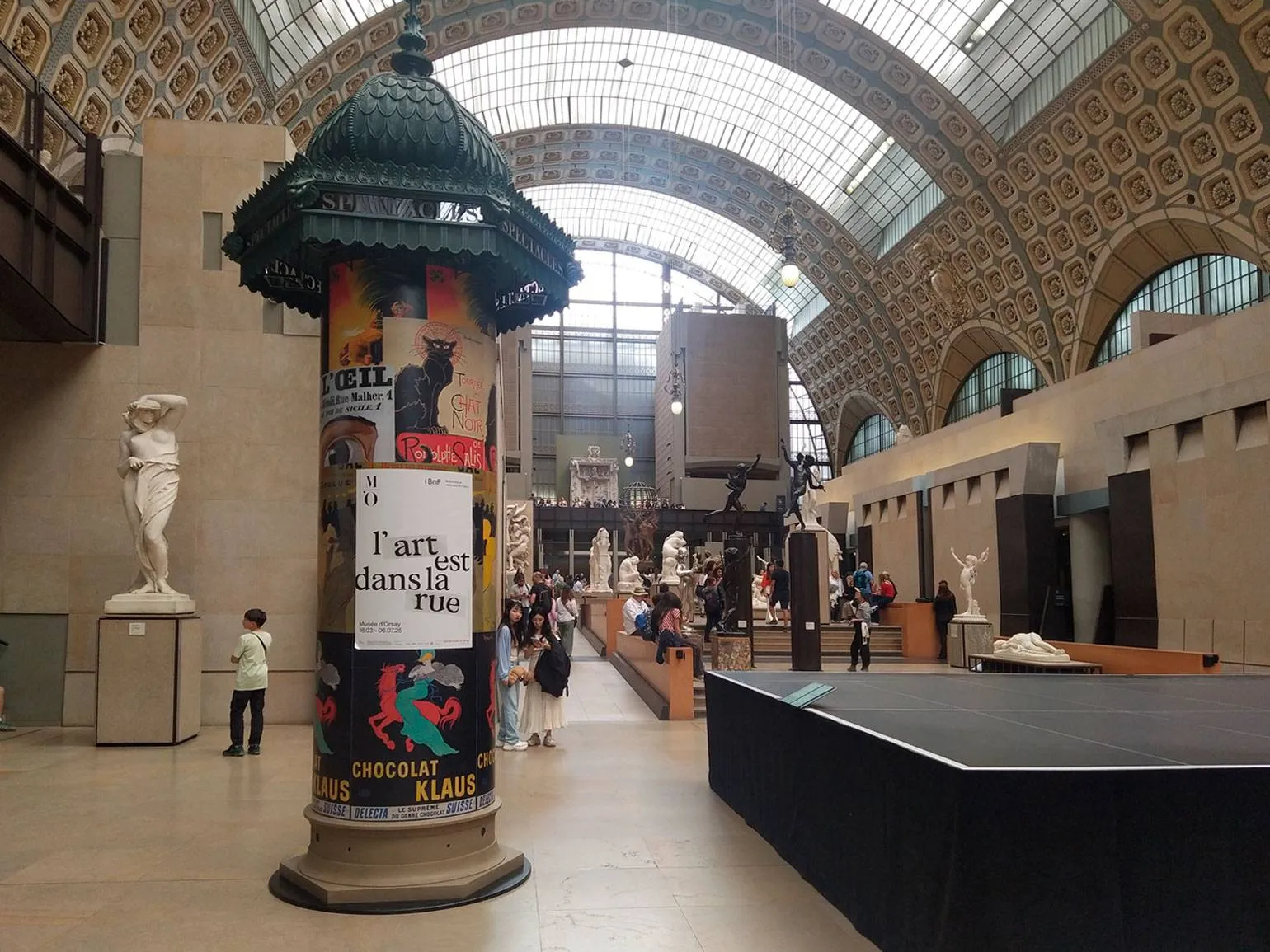
In 1868, the capital's printer Gabriel Morris received permission from the authorities to install pedestals for pasting theater posters. His design included not only an aesthetic function but also a practical one: janitors could store brooms and other cleaning tools inside the pedestals. These innovative bollards have become an important part of urban infrastructure, combining elements of culture and public services.
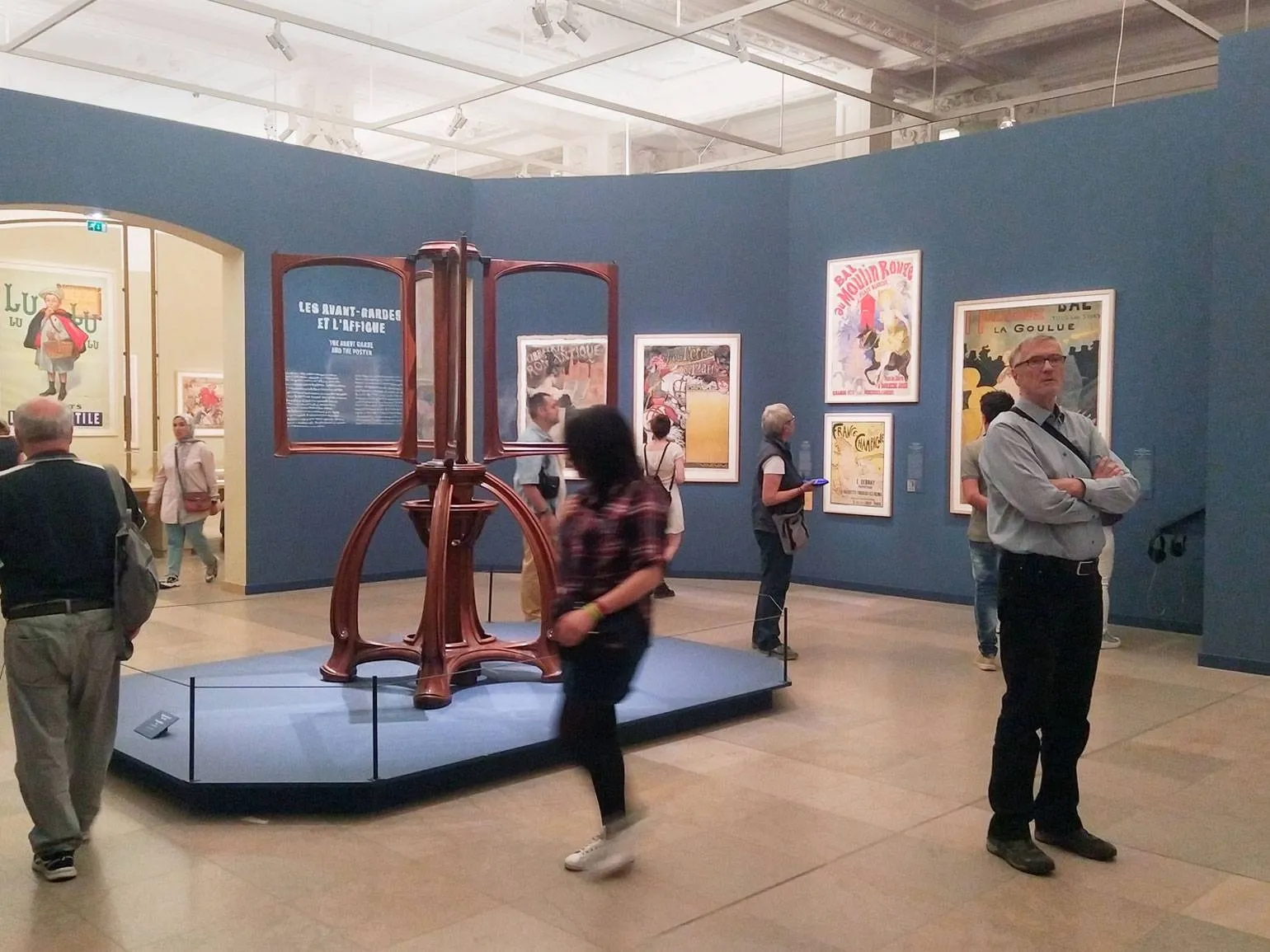
Eugène Vallin created a poster stand, a carved wooden structure with an exquisite Art Nouveau design. This stand emphasized the artistic value of posters and became an important element in interior design, bringing elegance and style to any space.
Read also:
Style: A Visual Guide to Eras
Visual style, reflecting different eras, is an important aspect of the history of art and design. Each era has its own distinctive characteristics that shape its unique aesthetic. From ancient Greek symmetry and Renaissance harmony to modern minimalism, each era brings something new to the world of visual perception.
This visual guide to eras allows for a deeper understanding of how cultural, social, and technological changes influenced art and design. By focusing on key elements such as color palette, texture, and form, we can see how they reflect the spirit of the times. For example, the Baroque era is dominated by opulent details and dramatic contrasts, while the Modernist era emphasizes functionality and simplicity.
Studying the visual styles of different eras not only enriches our knowledge of culture but also inspires the creation of new works of art. It is important to understand how these styles interact with each other and how they continue to influence contemporary design. This visual guide to the eras will be a valuable resource for designers, artists, and anyone interested in art history.
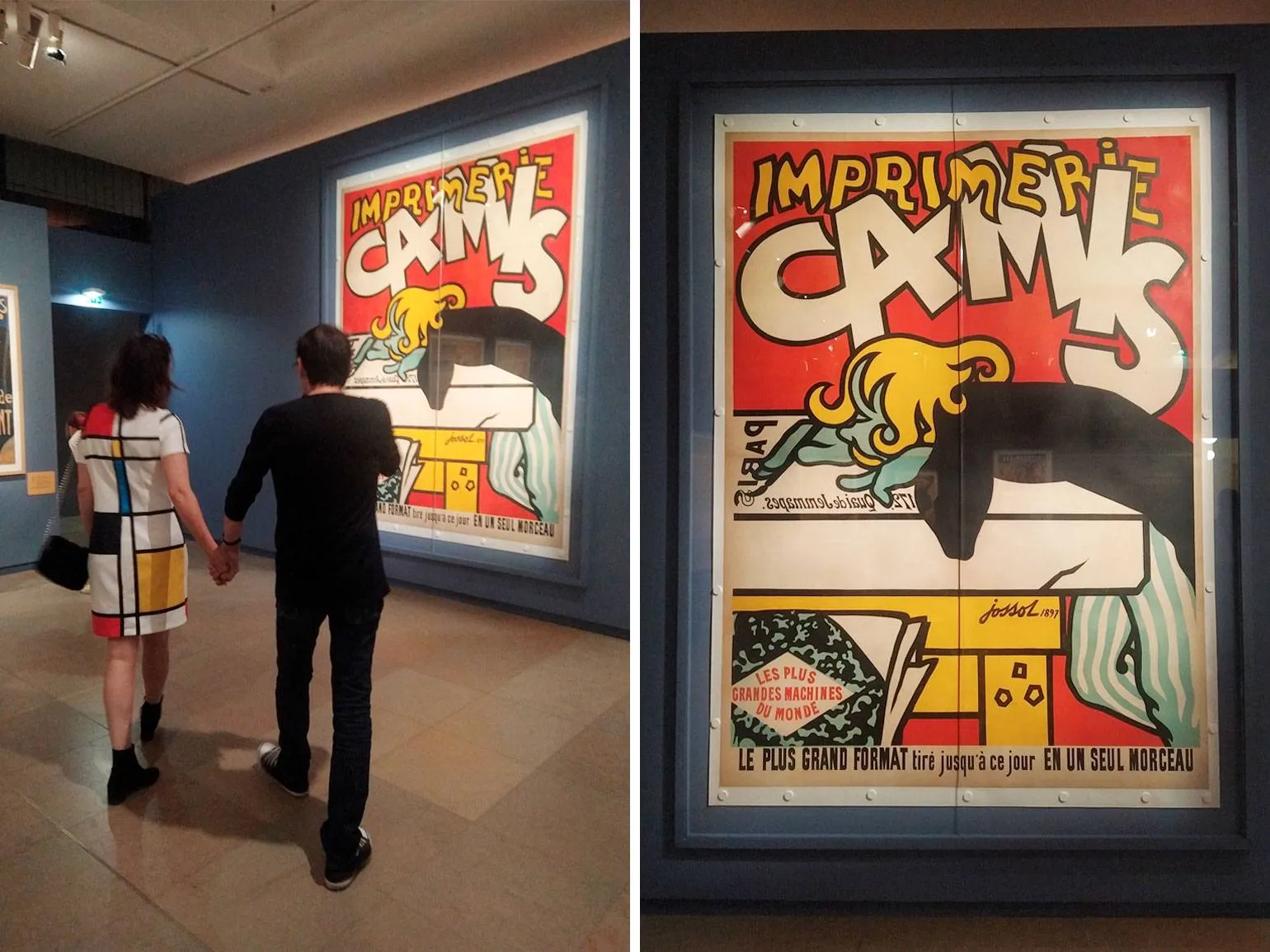
Lithographic presses have become more sophisticated, leading to significant improvements in printing technology. The advertisement also highlights this technological advancement, highlighting its impact on print quality and productivity. Modern lithographic presses provide more precise and faster printing, meeting growing market demands and increasing the efficiency of production processes.
Artist Henri Gustave Jaussaud introduces the new Camis printing press. At first glance, this poster may resemble a French comic strip from the second half of the 20th century or Roy Lichtenstein's pop art from the 1960s, but it was actually created in 1897. This work of art demonstrates an innovative approach to printing and visual perception, making it significant in both historical and contemporary contexts.
The Camis press is capable of producing full-size printed images, including the largest advertising materials on a single sheet. The graphic depicts a mustachioed lithographer immersed in his work—he represents the producer, not the consumer. The lithographer traces the letters of the address on the stone in mirror image, which is important for correct reproduction during printing. His blue-faced figure, sprawled on the slab, also evokes a smile. This work can be considered a precursor to Pop Art: it combines elements of prints, editions, bright, saturated colors, and a touch of humor. The use of such artistic techniques emphasizes originality and creativity, which makes works on the Camis printing press in demand in the world of contemporary art and advertising.
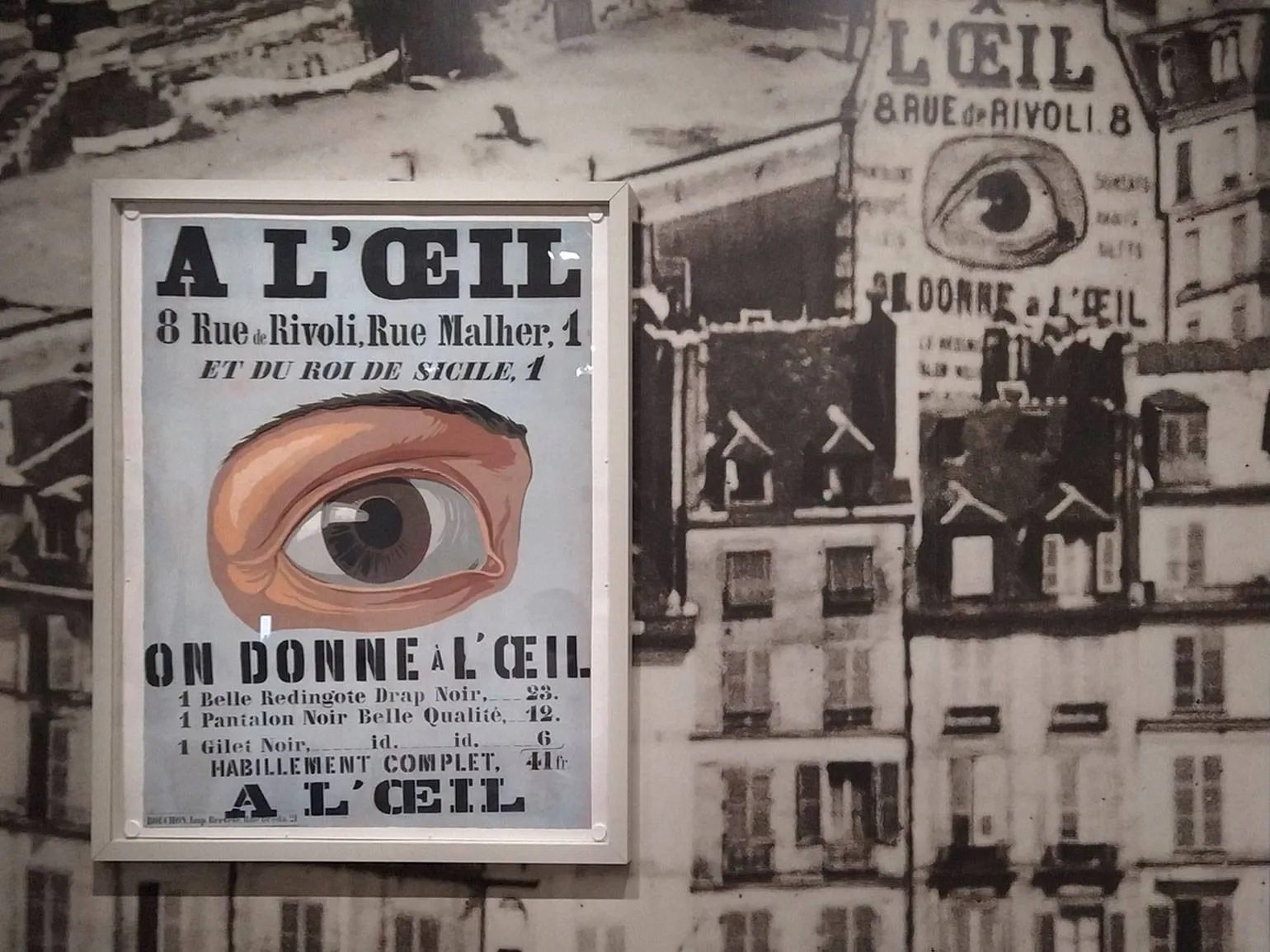
From the heights of a six-story building, a huge eye gazes down upon the city. On the side wall, facing the Seine, is an advertising banner offering to buy a frock coat, trousers, and a vest on credit. This visual accent attracts the attention of passersby and creates the atmosphere of a modern urban 生活. Advertising clothing on credit is becoming increasingly popular, which underscores the relevance of fashion trends and consumer interest.
The advertising poster with the headline "On donne à l’œil" has two meanings in 19th-century French: "We give it away for free" and "We sell it on credit." It attracts the attention of buyers, creating a sense of trust and opportunity. You came, we noticed you, and now you have a chance to pick up the suit with the option to pay later. This approach emphasizes the uniqueness of the offer and makes it more appealing to the target audience.
This expression is similar to the Russian "to get something for one's pretty eyes." It features captivating, ambiguous copywriting and a striking image of an eye that attract attention and encourage a visit to the Rue de Rivoli shopping area to at least briefly explore its atmosphere. The Rue de Rivoli offers unique shopping and cultural opportunities, making it a must-see.
The Father of the French Poster
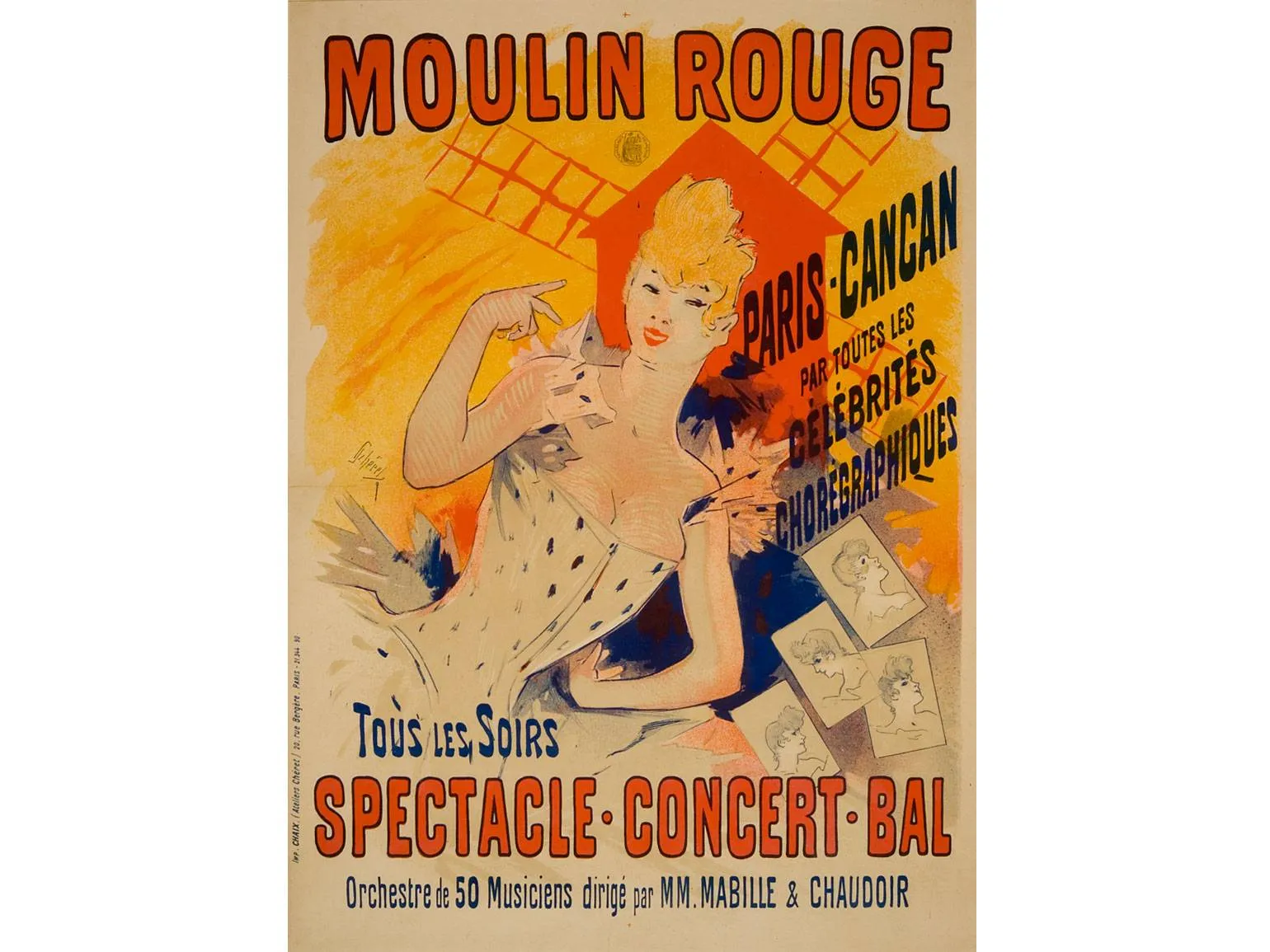
Jules Chéret is the founder of the French advertising poster, leaving a significant mark on the history of advertising. His works, depicting cheerful girls, are reminiscent of "fantastic flowers blooming on the mold of old gray walls," as his contemporaries noted. These bright images urge people to attend variety shows, buy bicycles, gas, and sweets. The smiles and playful gestures of the models make his posters memorable and attractive, which contributed to the development of advertising art in France.
Chéret was born into a family of printers and showed an interest in art from a young age. At the age of 13, he began studying lithography and worked in a workshop that printed religious images. However, his true preferences were different, and he spent time in Parisian museums, fascinated by the paintings of Watteau and Fragonard, masters who created intimate and sentimental scenes. This influence of light Rococo was reflected in his later work, giving it a unique style and depth.
At the age of 30, in 1866, he opened his first lithography workshop in Paris, after visiting London and learning the technique of chromolithography. In this workshop, he began printing color posters, which became an important stage in his career and in the development of lithographic art.
Under his direction and using his sketches, images of famous French brands of the 19th century were created, such as the Moulin Rouge cabaret, the Café Tambourine, the Lara cocoa shop, and the exhibitions of the World's Fair. These creations have become symbols of their era and continue to arouse interest in modern viewers, reflecting the rich cultural history of France.
Explore additional materials:
The Eiffel Tower is an iconic landmark of Paris and one of the most famous symbols of France. This 300-meter-tall iron structure attracts millions of tourists every year. Built in 1889 according to the designs of engineer Gustave Eiffel, the tower became a true masterpiece of engineering and architecture.
Originally conceived as a temporary exhibition structure for the World's Fair in Paris, the Eiffel Tower gained popularity over time and became a permanent part of the city's landscape. The tower consists of 18,038 metal parts, held together by more than 2.5 million rivets. Each level of the tower offers unique views of Paris, making it a popular spot for photographs and romantic strolls.
Visitors can ascend to observation decks for breathtaking views of the city and learn more about its history and construction in the museums located within the structure. The Eiffel Tower is illuminated every night, creating a magical atmosphere that makes it especially attractive for evening visits.
This unique landmark not only symbolizes Paris but is also an important part of France's cultural heritage, attracting the attention of both locals and tourists from around the world.
Chéret significantly simplified the poster-making process by introducing a technology that allowed for two-color prints on a single lithographic stone. In his work, he used a dotting technique, which ensured airiness and smooth transitions of color. To achieve this, the stone was processed to create a porous texture, allowing the paint to be printed not as a solid fill, but as a series of dots, reminiscent of modern raster images. This approach not only improved print quality but also expanded the artistic possibilities of lithography.
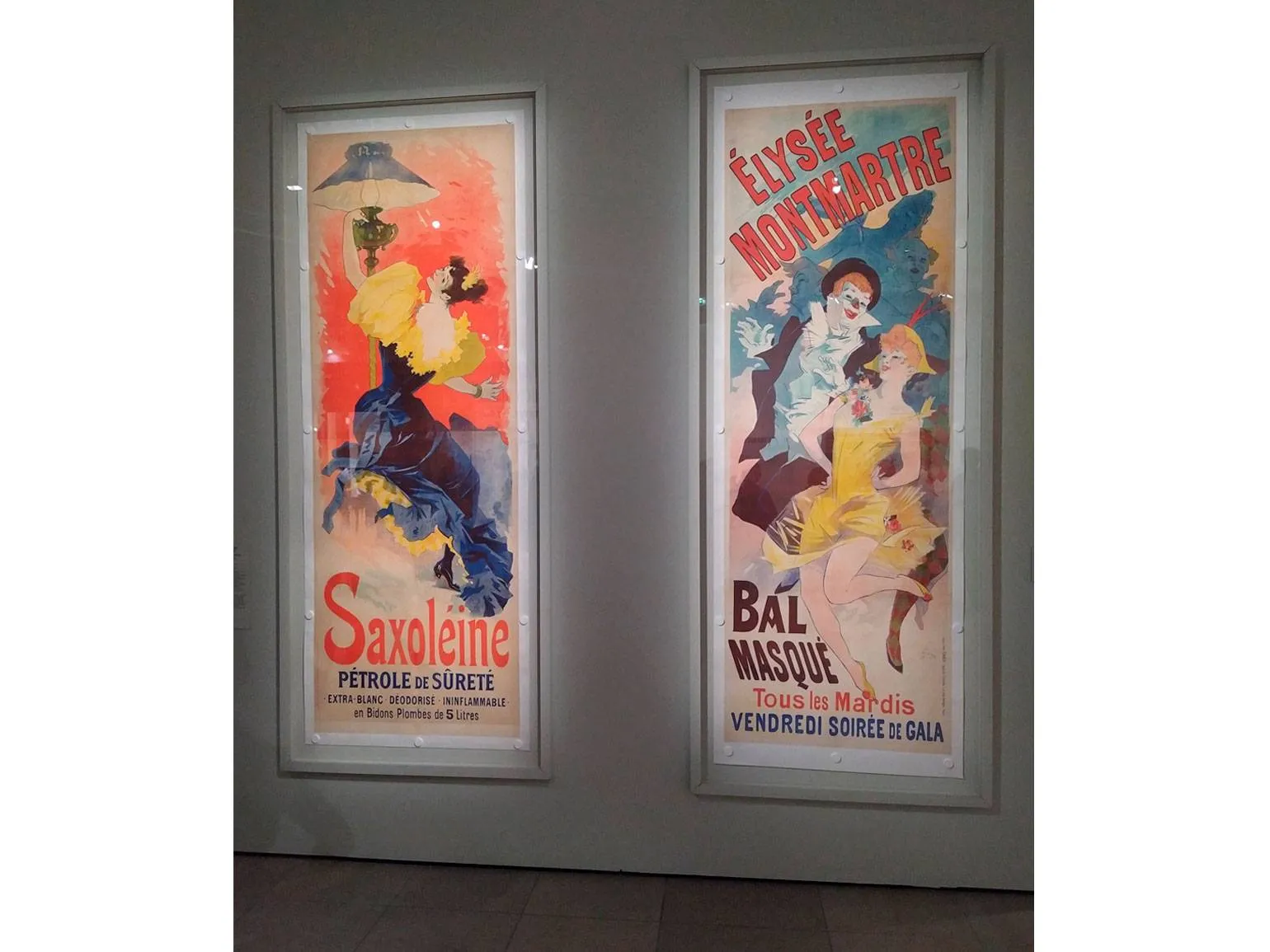
A poster for a masquerade ball in Montmartre, dating from 1890, depicts red, blue, and yellow dots that, when viewed from a distance, create orange, lilac, and crimson hues. This visual effect demonstrates the mastery of color and its perception characteristic of late 19th-century art. The poster not only attracts attention with its bright colors, but also reflects the atmosphere of the time when balls and masquerades were becoming an important part of the cultural life of Paris.
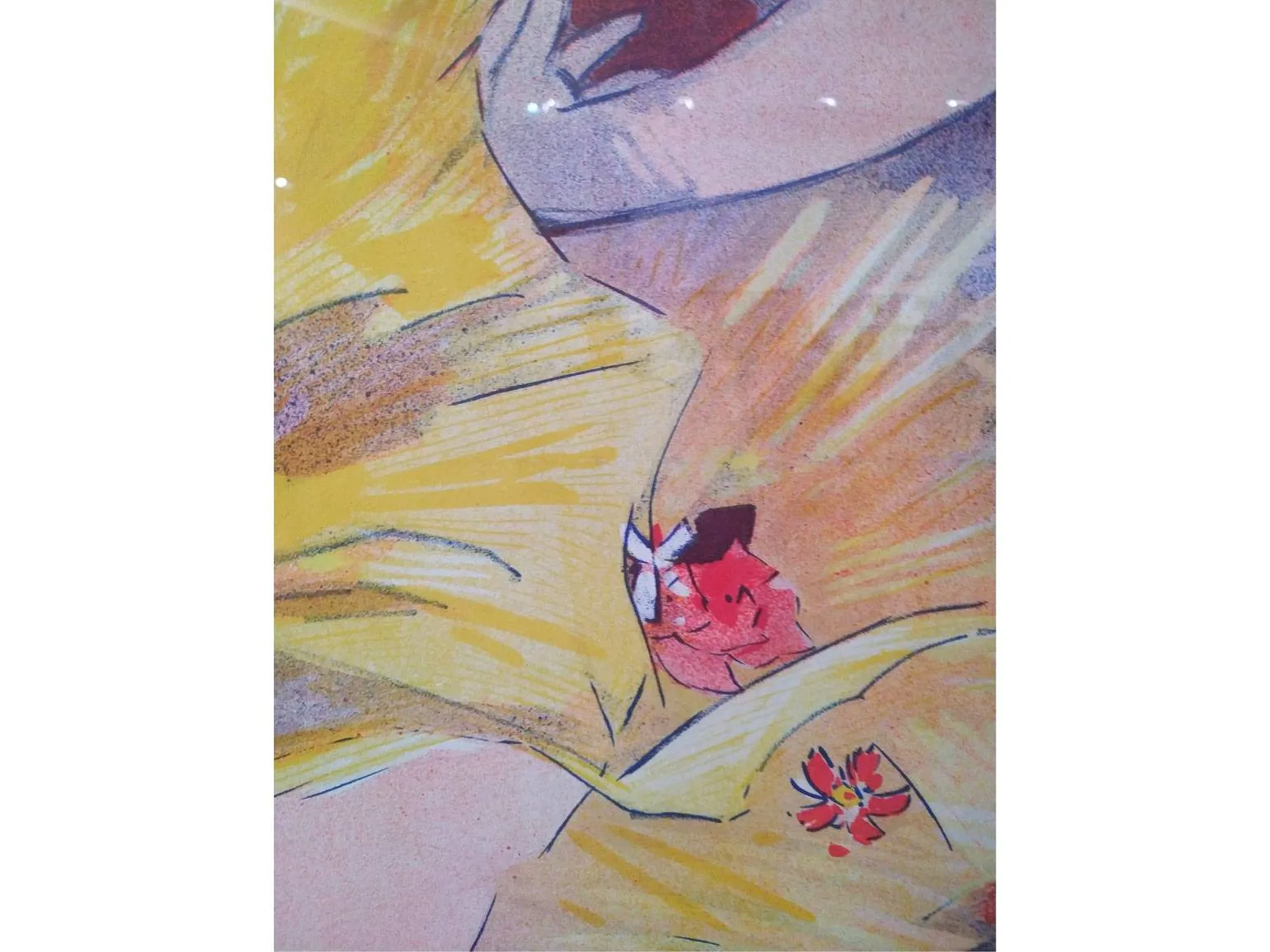
This advertisement for Saxoline, a safe fuel for gas lamps, showcases a clever combination of colors. The deep blue of the dress's shadows conveys its velvety texture, while the yellow gigot sleeves, fashionable at the time, are brightly illuminated by the lamplight. The coral wall background adds warmth and coziness, perfectly matching the characteristics of gas lamp fuel. This use of color highlights both the aesthetic and functional value of Saxoline, making it an attractive choice for consumers.
The image's heroine is imbued with dynamism: the folds of her dress resemble foaming sea waves, as in famous Japanese woodblock prints. At the same time, the lamp and the Saxoleine headline are stable and consistent elements, creating a sense of trust in the brand. Here the importance of the psychology of color and form, which shape perception and emotional connection with the product, is evident.
Buy, Eat, Drive
"Woman is powerless against advertising, and she is fatally drawn to all kinds of noise," argued the protagonist of Émile Zola's novel "The Ladies' Paradise," published in 1883. In this work, the author reveals the inner workings of a Parisian department store, which absorbs neighboring shops selling fabrics, gloves, and umbrellas. As a result, shoppers were able to purchase all their necessities in one place. The reduction in prices in department stores was offset by an increase in turnover, which made them attractive to a wider audience. This phenomenon marked a turning point in retail, opening new horizons for consumer behavior and marketing.
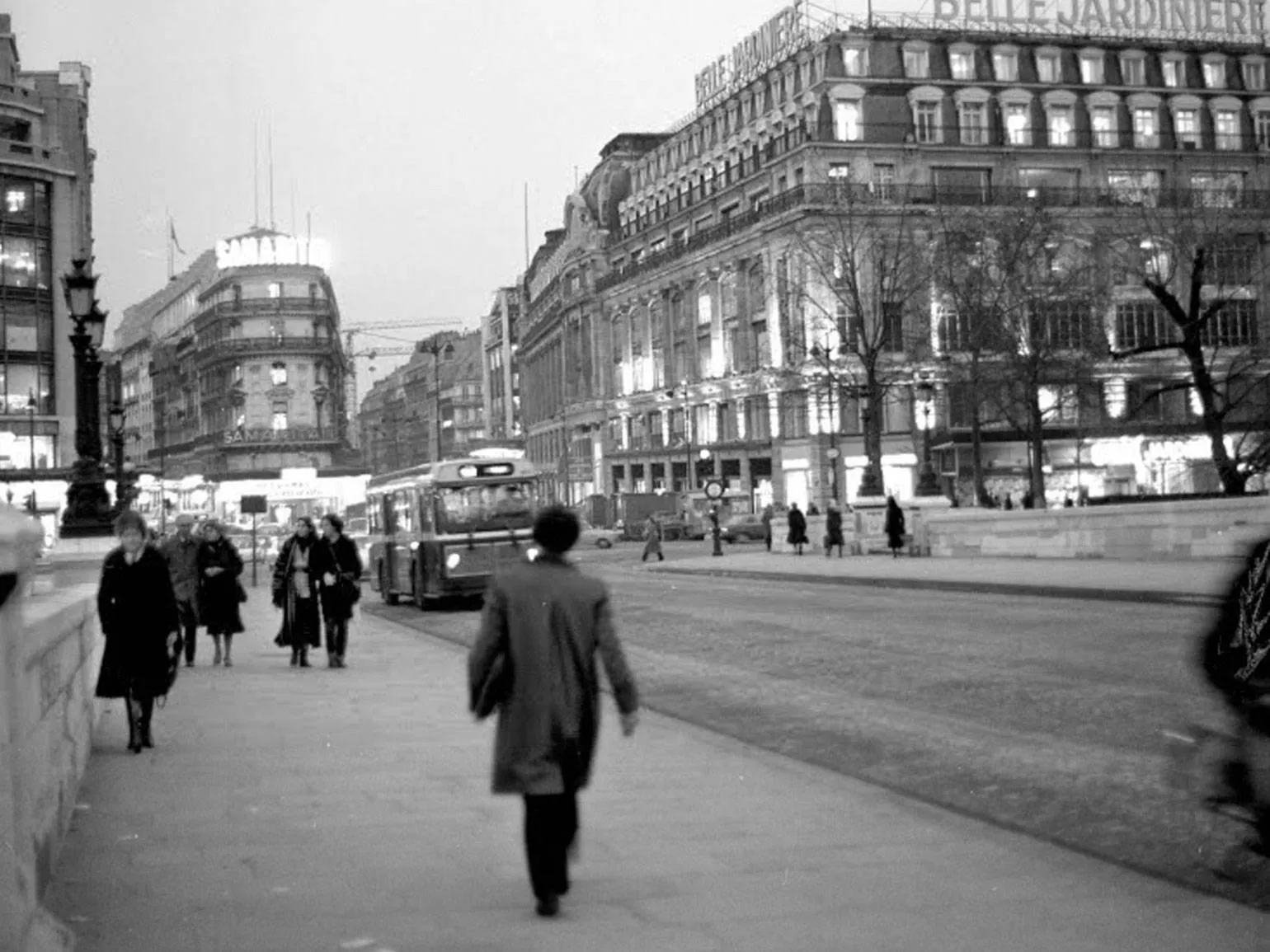
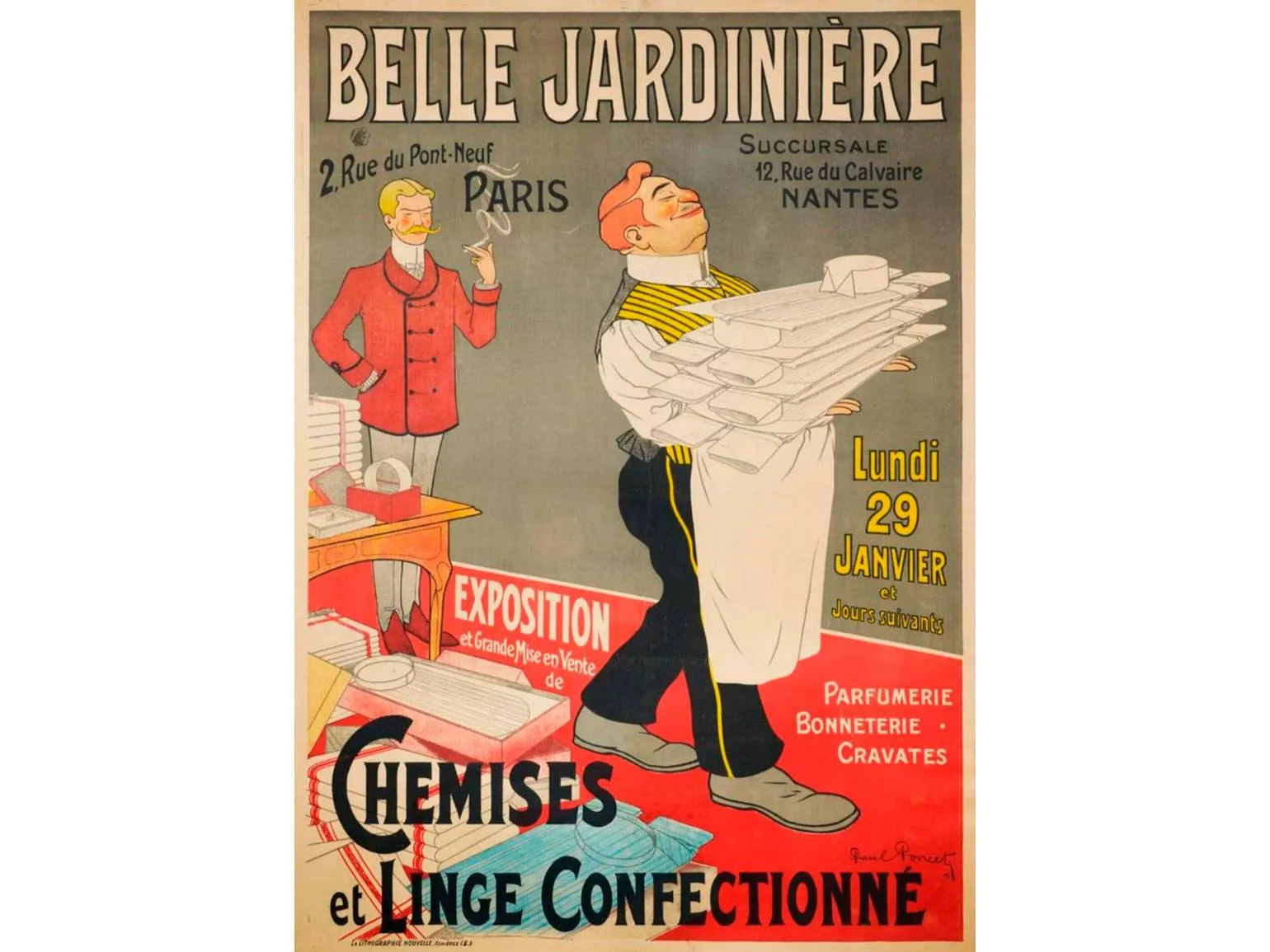
The literary image of the department store "La Belle Jardinière" (The Beautiful Gardener) is largely based on a real store that offered ready-to-wear dresses at affordable prices. The concept of "multiple sizes in one style" became a new convenience for 19th-century shoppers, opening up opportunities for fashionable choice and simplifying the clothing shopping process. This approach to selling women's clothing reflects changes in consumer habits and perceptions of fashion at the time, making it an important element of the cultural context of the era.
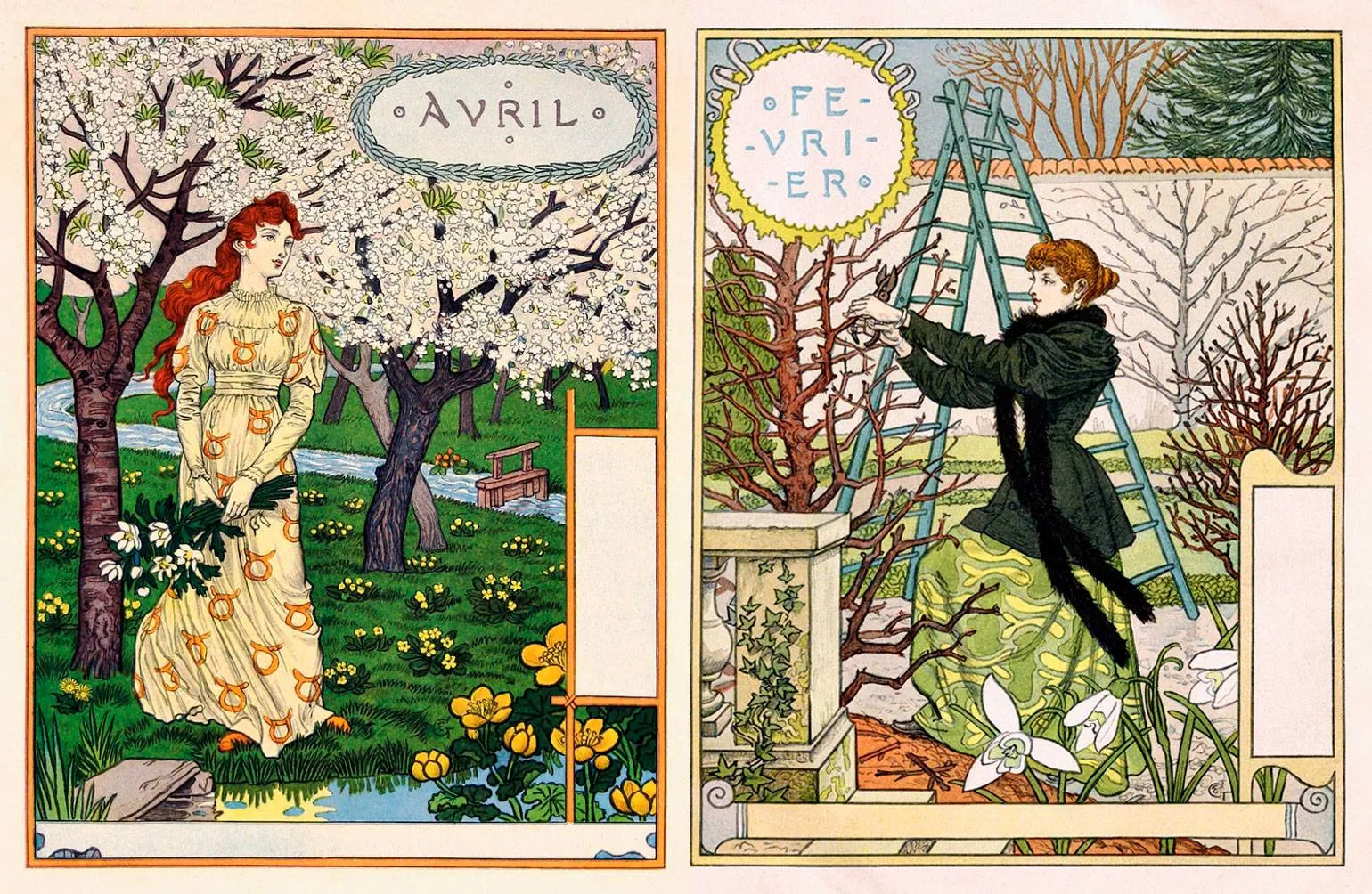
The La Belle Jardinière department store regularly publishes seasonal clothing catalogs, distinguished by their vibrant illustrations. The cover of the winter issue features a woman in a coat skating, while the spring issue features a portrait of a girl with long red hair, reminiscent of Pre-Raphaelite figures, against the backdrop of a blooming garden. These catalogs not only showcase current fashion trends but also inspire customers to create stylish looks for any time of year.
Photography emerged in the second half of the 19th century, and by the end of the century, the fashion genre began to emerge. However, mass-produced halftone printing of photographs in the press only became widespread in the 20th century. During this time, graphic artists continued to create new collections, depicting narrative scenes. These images help customers understand what outfit would be appropriate for various occasions for men, women, and children. Thus, graphic art and fashion are closely intertwined, shaping the visual culture of their time.
Eugène Grasset, a Swiss artist and graphic artist, worked in Paris and created vibrant advertising materials for a department store. His work was also published as a calendar, depicting young women tending their gardens at different times of the year. These calendars have become true works of art, demonstrating Grasset's mastery of atmosphere and seasonal changes.
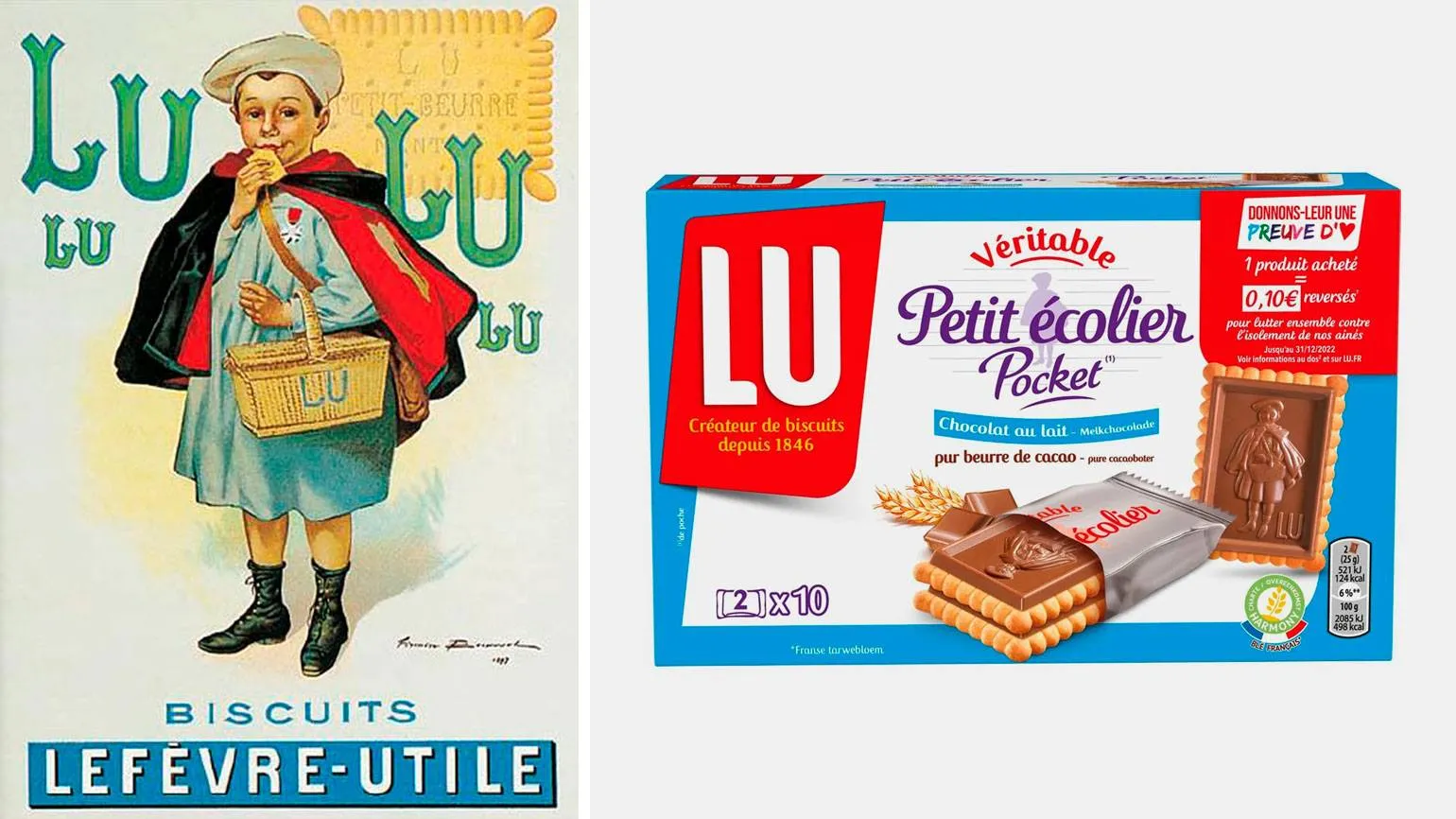
Sweet ads have always made young women and children smile. Nineteenth-century advertising specialists realized that images of children attracted women's attention to advertising posters. As a result, the image of a boy in a beret carrying a basket appeared in advertising materials for cookies produced by a factory founded in Nantes in 1846. This approach proved to be an effective tool for attracting audiences, emphasizing associations with innocence and childhood joy.
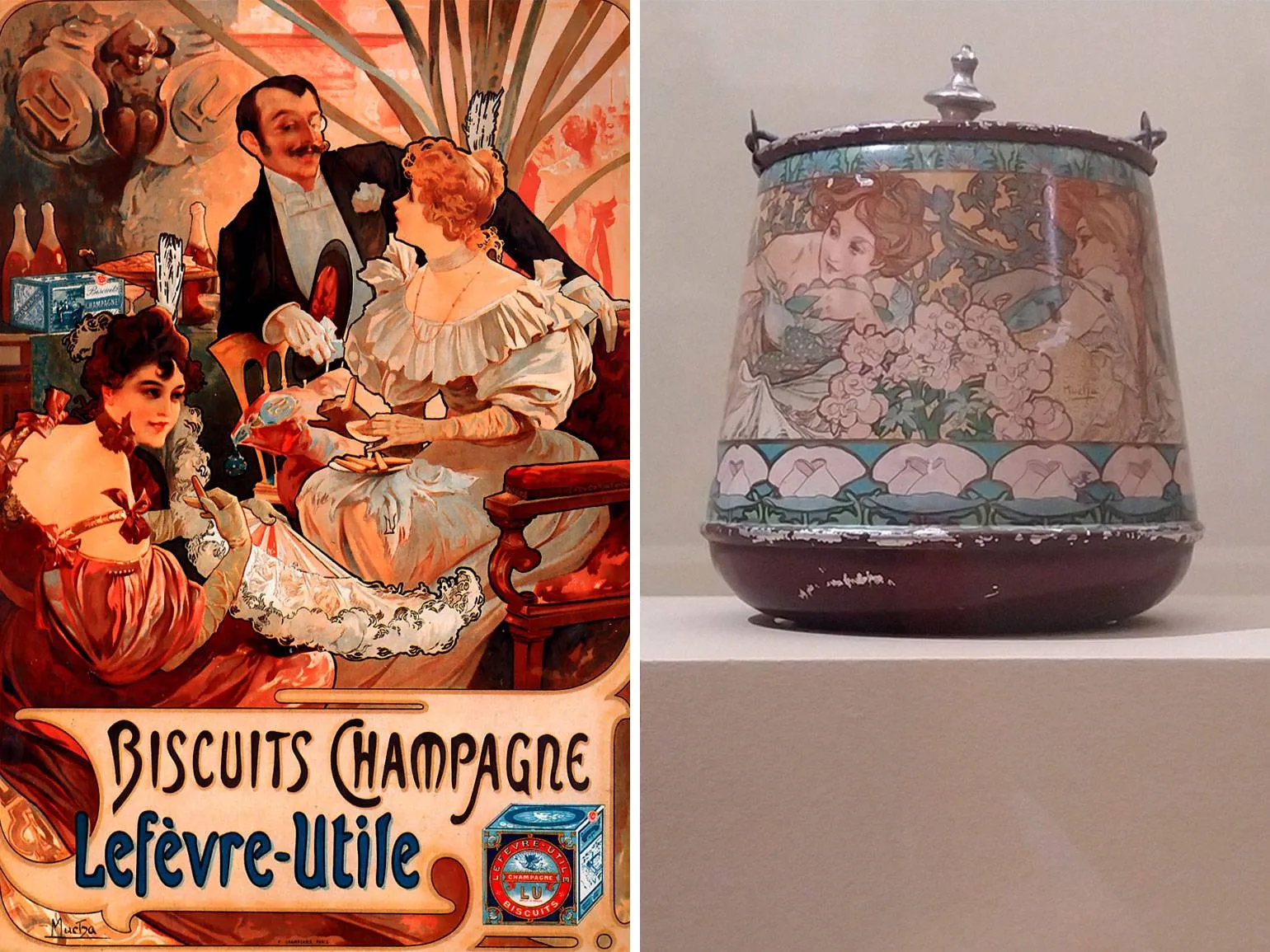
Mucha also decorated metal biscuit boxes, which became essential elements in teacup sideboards. These decorative boxes not only add aesthetic value but also serve as a practical storage solution for sweets. The use of such boxes emphasizes the style and harmony of the table setting, making tea drinking more refined.
The aesthetics of everyday life during the Art Nouveau era evolved to the point that one no longer had to be a wealthy aristocrat or bourgeois to own an object created with the participation of a famous artist. The mass production of decorated household items such as mirrors, snuffboxes, and calendars contributed to the development of general public tastes. This phenomenon made art accessible to a wider range of people, forming a new outlook on everyday life and interior design.

Read also:
Art Nouveau, or Modernism, is an artistic and architectural movement that emerged in the late 19th – early 20th centuries. This style is characterized by a desire for harmony and organicity, manifested in refined forms, flowing lines, and the use of natural motifs. Art Nouveau emphasizes aesthetics and functionality, combining art and craft. In architecture, Art Nouveau is characterized by free composition, asymmetry, and original decorative elements, making buildings unique and memorable. Furthermore, this style found expression in graphic design, furniture, and jewelry, creating a holistic artistic image. Art Nouveau was a response to industrialization and mass production, striving to restore individuality and craftsmanship to art.
Safe bicycles with pneumatic tires appeared during the Belle Époque and became a symbol of new freedom. Interestingly, female images on bicycle posters reflected the ideas of the first wave of emancipation: women behind the wheel were not restricted by multi-layered skirts and puffy sleeves. These images emphasized women's desire for independence and an active lifestyle, which was an important step in their fight for equality. The bicycle became not only a means of transportation, but also a symbol of change, which contributed to a shift in public opinion about the role of women in society.
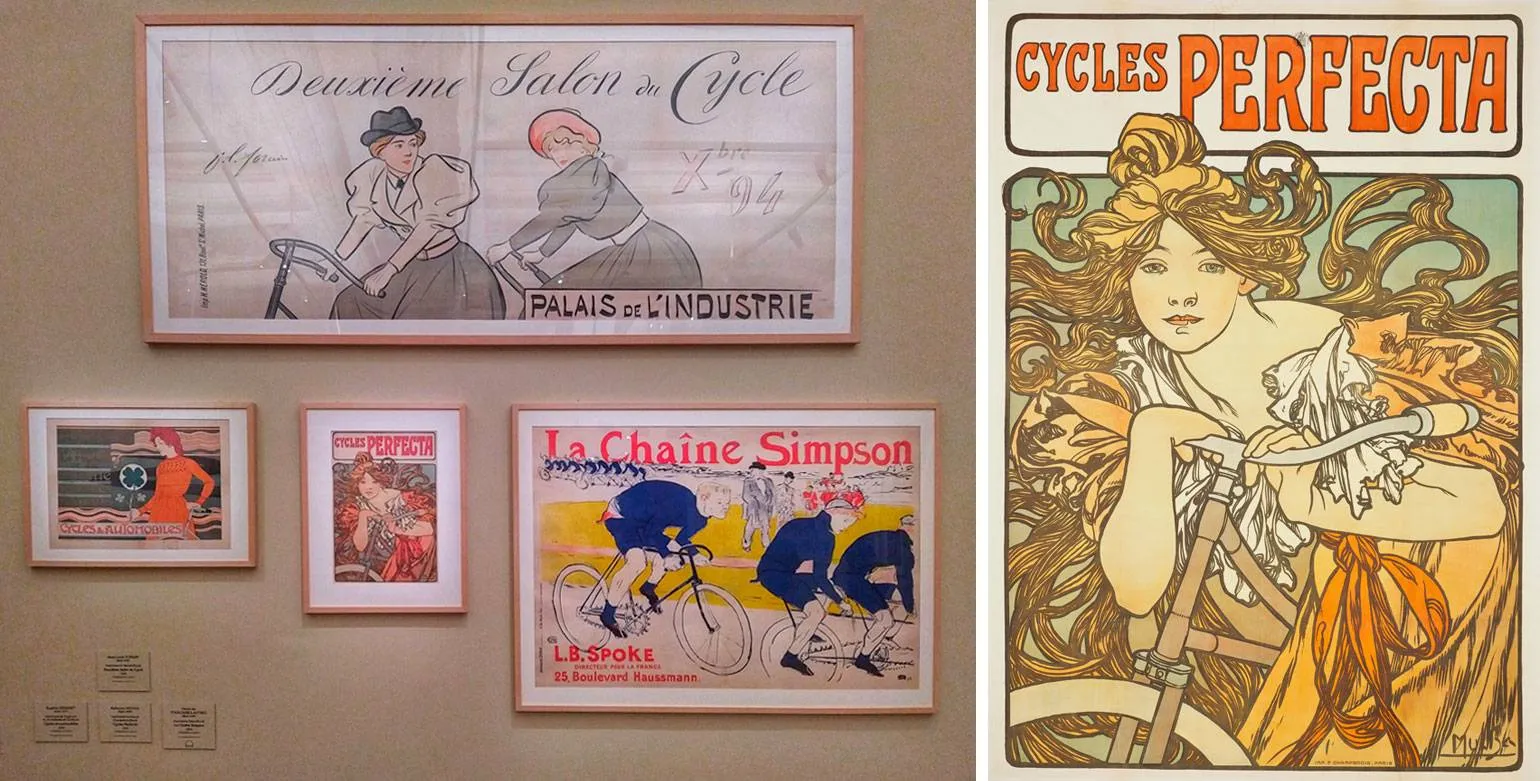
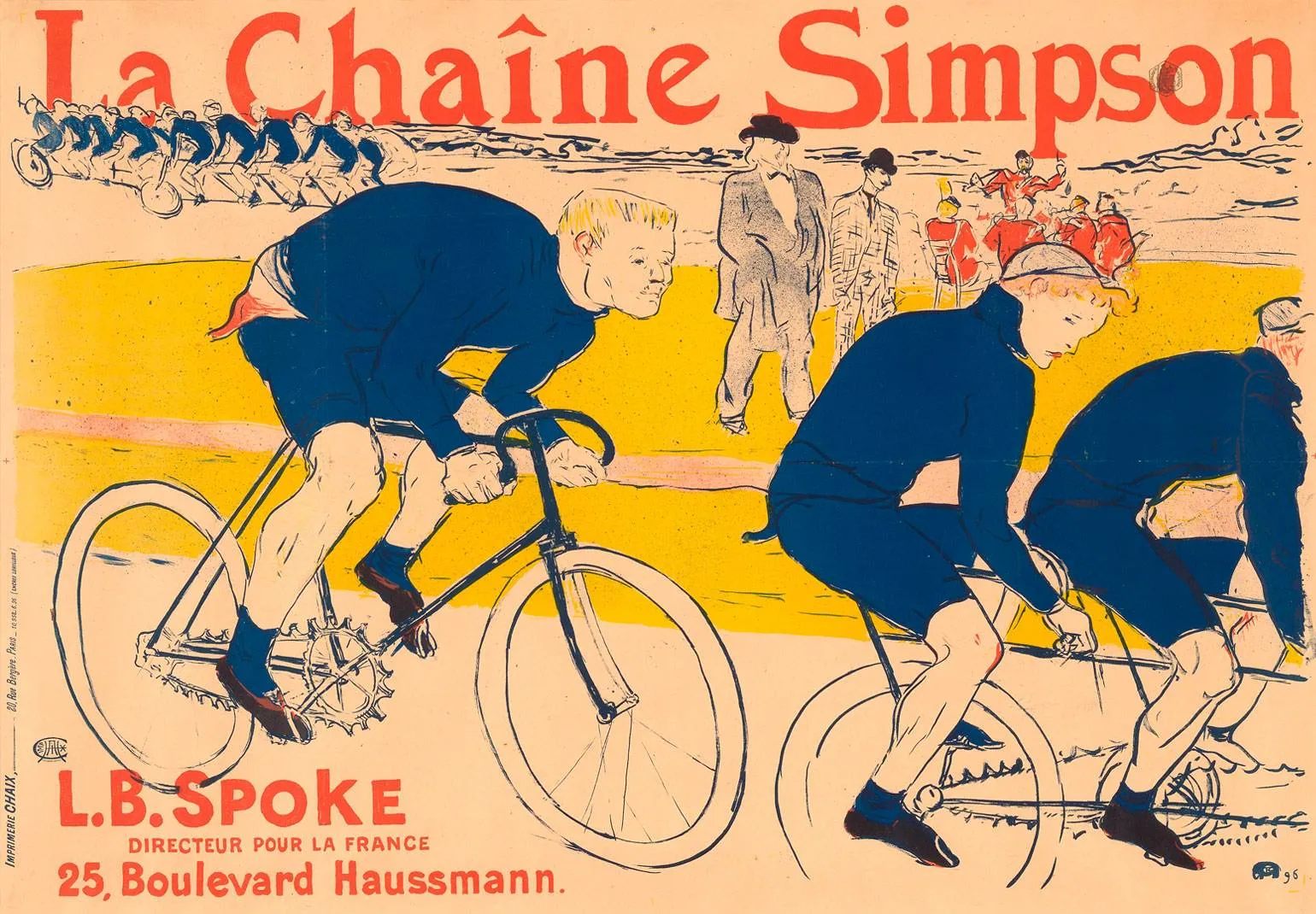
The poster for the Second Bicycle Salon, held at the Palais de l'Industrie in 1894, was created by the impressionist and graphic artist Jean-Louis Forain. Posters designed by Eugène Grasset in 1899 and Alphonse Mucha in 1902 attracted attention for their elegant depictions of women. While Henri Toulouse-Lautrec featured a men's race in his advertisement, emphasizing the dynamism and excitement of cycling. These works of art not only promoted the event but also reflected the cultural trends of their time, demonstrating how the bicycle had become a symbol of freedom and progress.
How Alphonse Mucha Created an Icon
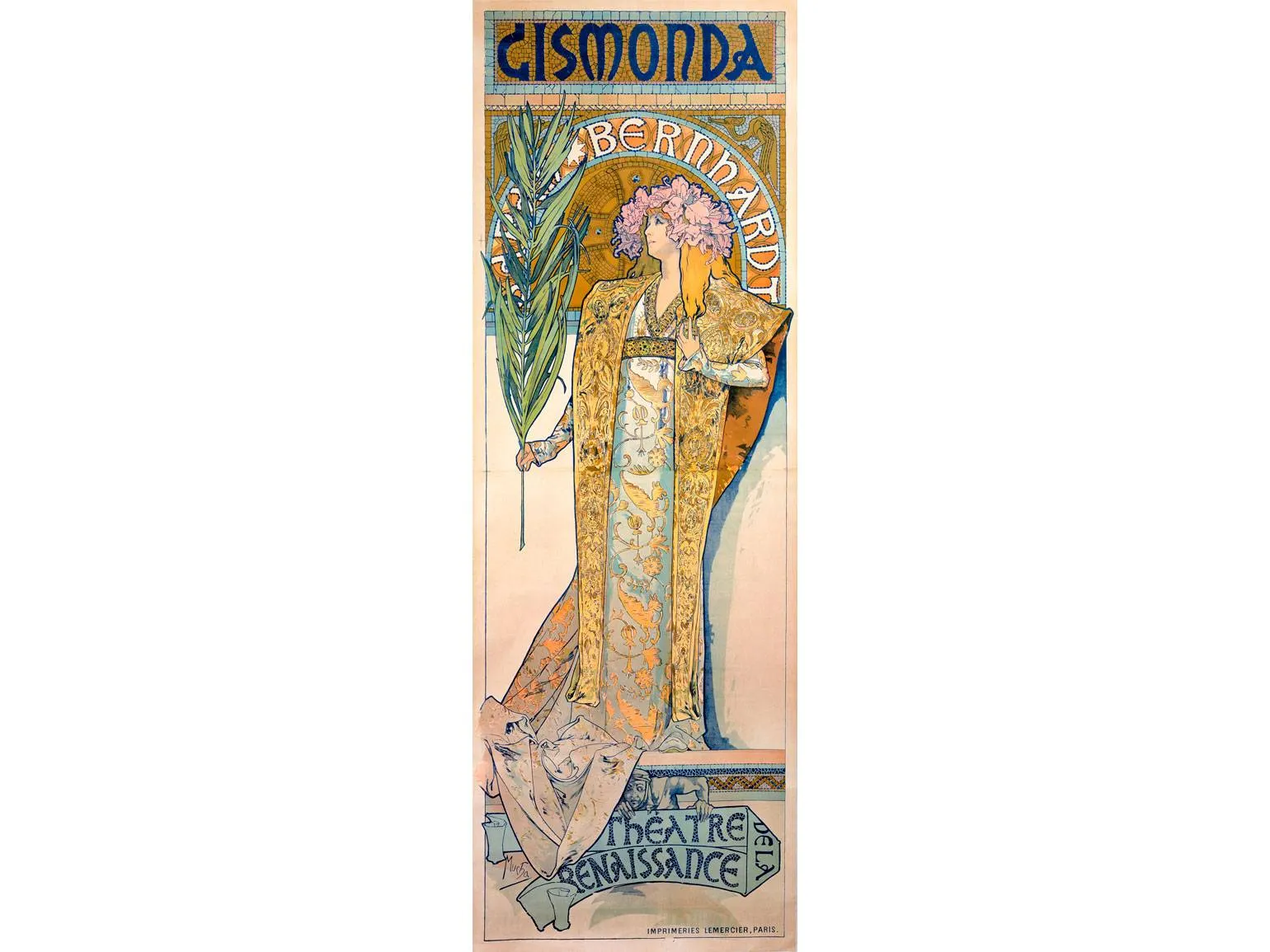
On Christmas Day 1893, Alphonse Mucha, after six years of working in Paris as an illustrator, received a commission from the Théâtre de la Renaissance to create a poster for the play Gismonda. The premiere had already taken place, but Sarah Bernhardt, who played the lead role, was dissatisfied with the sketch the printing house had provided. While other artists declined the new commission ahead of the holidays, Alphonse Mucha accepted, albeit rushed to complete the work. This project marked a significant milestone in his career and opened new horizons in the world of theater graphics, cementing his reputation as one of the leading exponents of Art Nouveau.
The work marked a significant milestone in the artist's rise to fame. The diva was won, and Alphonse Mucha took the position of chief set designer at the theater. In the following years, he created numerous iconic posters for such productions as "The Lady of the Camellias," "The Samaritan," "Tosca," "Hamlet," "Lorenzaccio," and others. These works not only strengthened his reputation, but also had a significant influence on the development of theatrical art and graphic design.
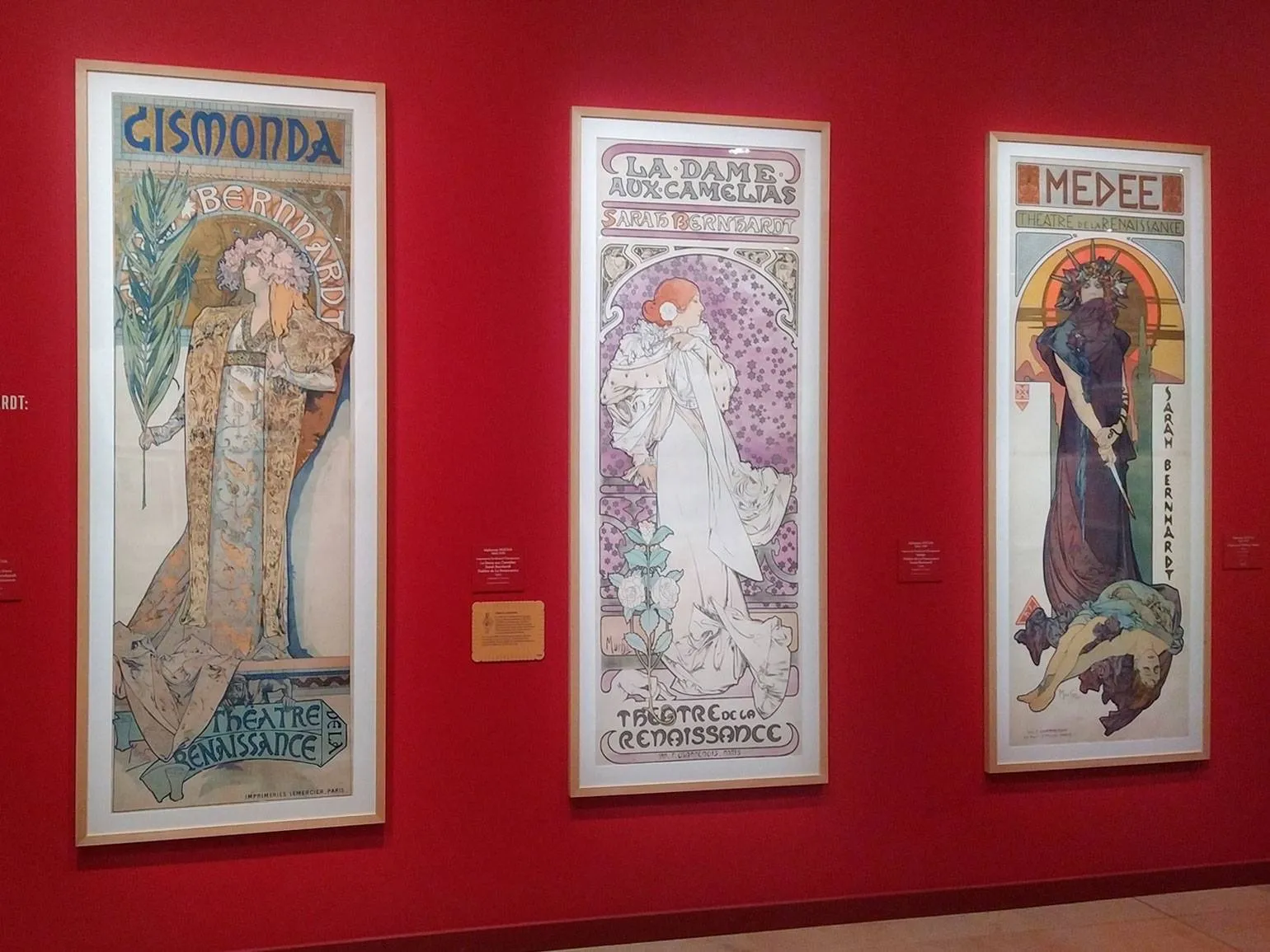
Sarah Bernhardt is considered the first actress to consciously control her image in the media. As her popularity grew, so did the demands on advertising: she strove for high-quality images that reflected her talent and beauty. Striking images of the actress, who was discussed in Europe and America, drew attention to the posters and contributed to her fame, as well as increased interest in the artists who created these visual materials.
Alphonse Mucha didn't just create attractive images; he worked in conceptual graphics. In his advertising for "Gismonda," he used a portrait of the actress, complemented by the play's iconic symbol—a palm branch. The "Medea" poster emphasized the dagger. Mucha framed the heroine's head with semicircles, drawing the viewer's attention to her. He decorated the elongated poster with floral ornaments and patterns borrowed from ancient mosaics, using muted silver and gold tones. This approach to design allowed him to create visually appealing and expressive works that still delight viewers today. Mucha brought the elegance and nobility of academic art to the poster genre, transforming posters into true works of art on the streets of Paris. These works of art became accessible to everyone—from aristocrats to bourgeois, students to workers. Mucha transformed the poster from a mere advertising medium into a vital part of urban culture and visual art, opening new horizons for perception and creativity. Mucha actively shaped and promoted the Art Nouveau style, influencing the visual tastes of Parisians of all walks of life. His works became a symbol of the aesthetic revolution, helping to popularize this artistic movement in Paris and beyond. Art Nouveau, characterized by refined lines and natural motifs, gained widespread recognition thanks to Mucha's efforts. The artist's name and the name of the printing house are often found on posters. The poster "Gismonda," printed lithographically using six stones at the Lemercier printing house, measures 200 by 70 cm. This work represents the muse of the Belle Époque in full growth, clothed in golden hues that warm and decorate the gray and gloomy Paris of January. The posters attracted attention and became the subject of discussion. Collectors were not above bribing poster posters to get their hands on rare pieces. Some even cut down posters at night. Over time, posters began to be perceived not just as advertising materials, but as full-fledged works of art with historical and cultural value.
How Toulouse-Lautrec Trampled the Canons
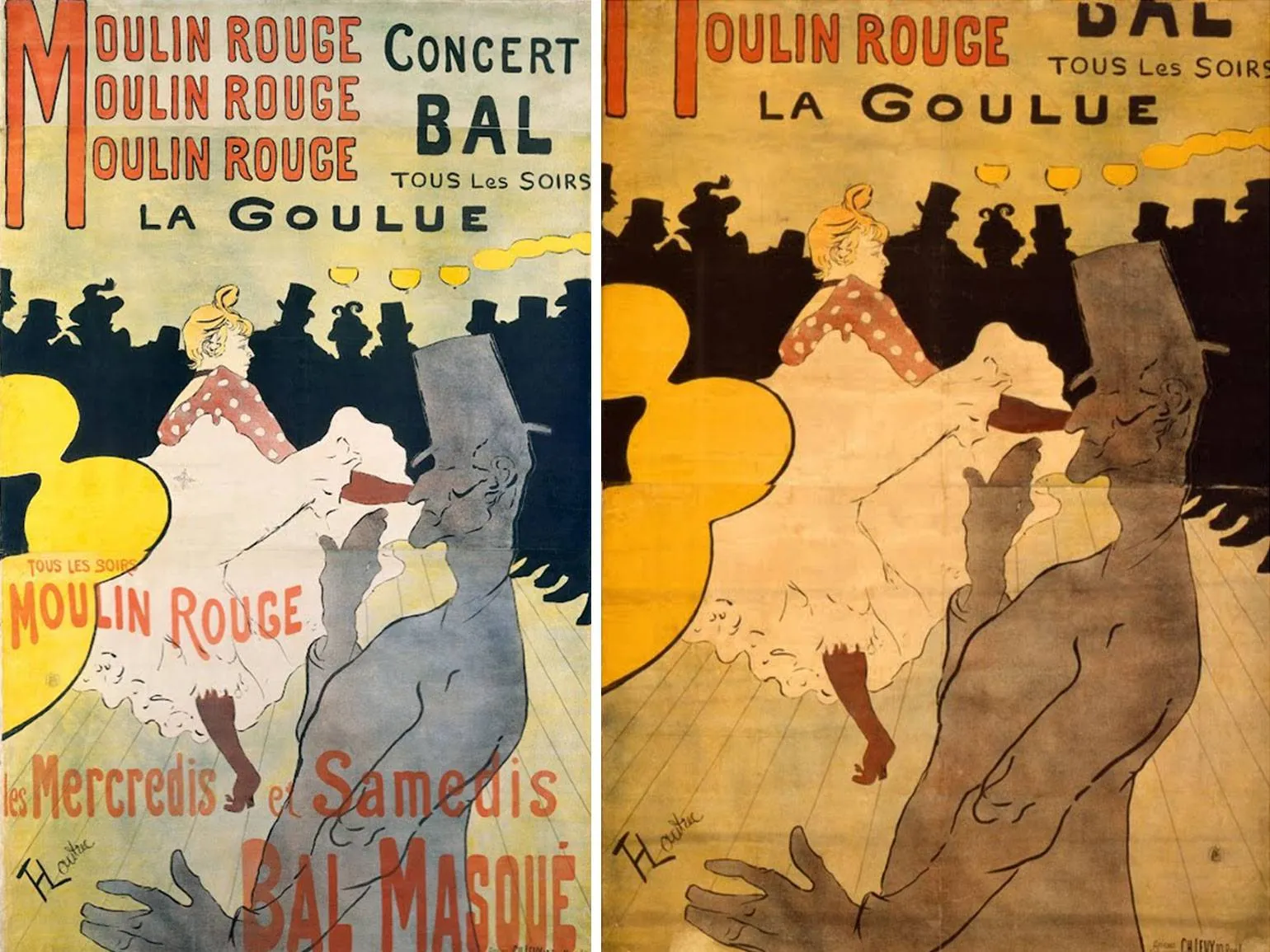
With his composition, Alphonse Mucha makes the viewer admire the prima Sarah Bernhardt, creating the sensation of looking up. In contrast, Henri Toulouse-Lautrec invites us to immerse ourselves in the world of the artists' dance, presenting them as representatives of a lower genre. Both works reflect different aspects of artistic life and draw attention to the unique characteristics of their characters, thereby creating a contrast between high and low art.
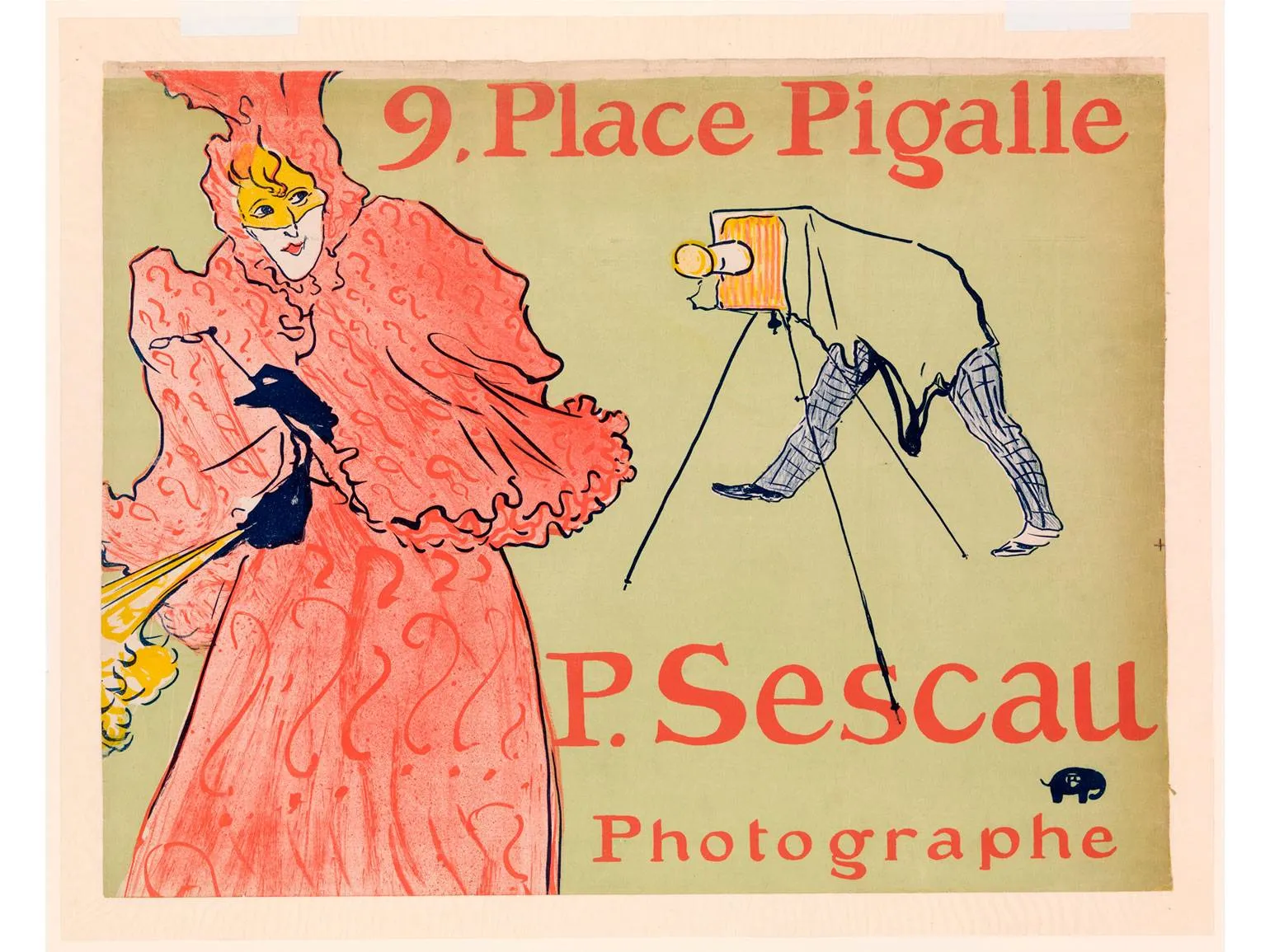
In the fall of 1891, a poster was created for the opening of the Moulin Rouge cabaret. It boldly and photographically captures the shots: in the foreground, dancer Valentin, known by the nickname "Boneless," strikes a dynamic pose. Behind him, the vibrant and meticulously detailed figure of La Goulue stands out, lifting her snow-white petticoat. In the background, a black stripe depicts a crowd of patrons, creating an atmosphere of celebration and excitement. This poster became a symbol of the new theatrical art and attracted the public to a unique venue that would later become iconic.
The three main elements—the dancer's nose and hand, and the dancer's leg in a red stocking—intersect at a single point, creating a balance with another dominant feature, La Goulue's profile. This composition emphasizes the dynamics and expressiveness of the elements, uniting them into a single whole.
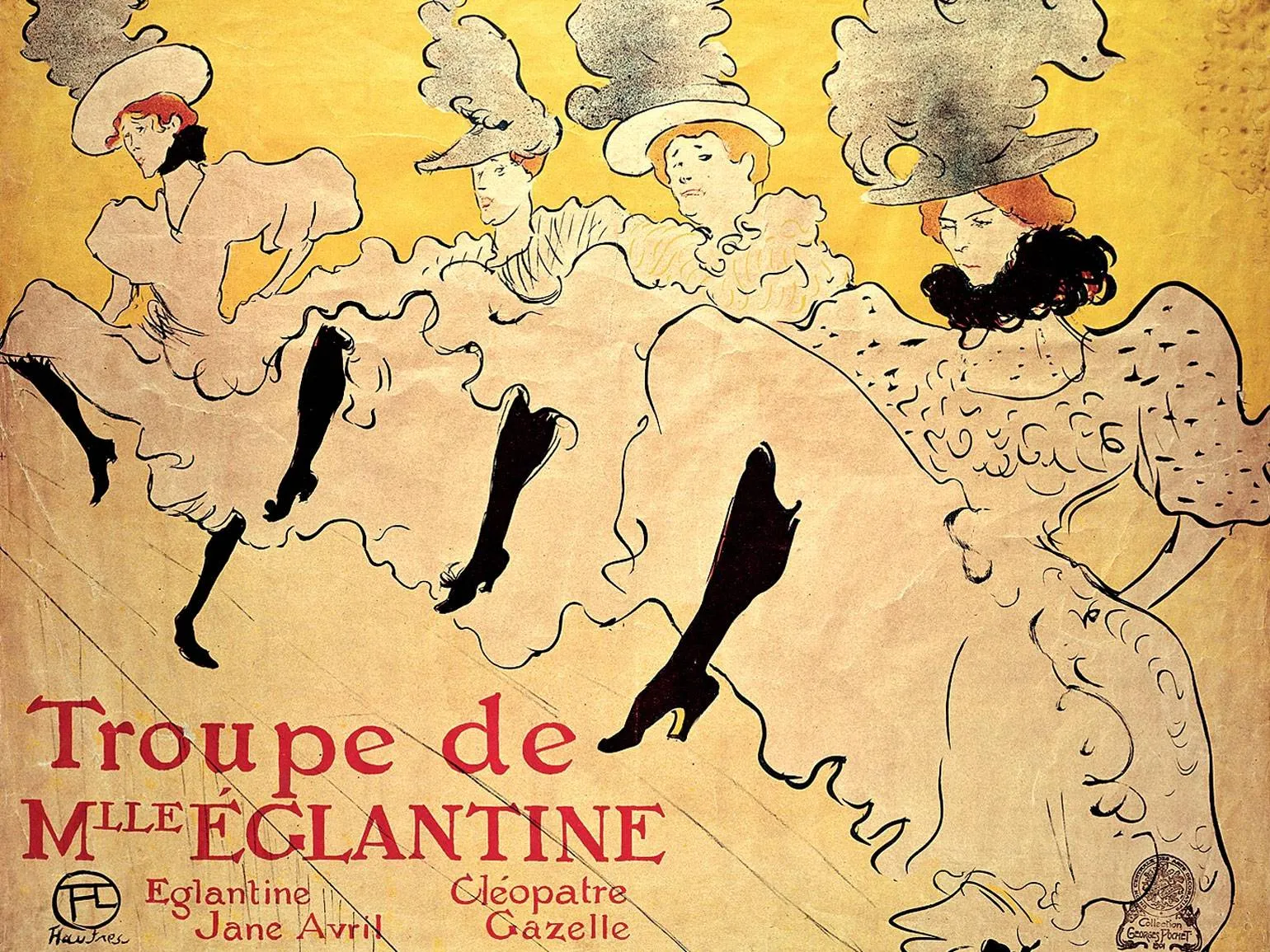
At the end of the 19th century, Jules Chéret recognized the value of posters as an artistic medium and the public's interest in them. He began publishing a collection of the best works of Parisian artists in a reduced format, entitled Les Maîtres de l'affiche (Masters of the Poster). The success of this series attracted the attention of other publishers, who followed his example, which contributed to the popularization of posters as an art form and their distribution to a wider audience. This phenomenon became an important stage in the development of advertising graphics and the visual culture of the time.
Posters from the turn of the 19th and 20th centuries continue to be popular at Parisian flea markets. They are a unique way to convey the atmosphere of the Belle Époque, when the rustling of skirts and the jingle of coins filled the streets of the city. These historical artifacts attract collectors and lovers of antiquity, creating an opportunity to touch the past and feel the spirit of the times. Posters not only decorate interiors, but also serve as a valuable object for studying the culture and art of that era.
Learn more about design in our Telegram channel. Subscribe to stay up-to-date with interesting content and updates!
Read also:
- Beware of Art Nouveau! History of Design, the Very Beginning
- Design History: 1910s–1920s
- Movie Posters: Art, Marketing, and Yellow
- Hokusai's "The Great Wave off Kanagawa": All About the Painting
Profession Commercial Illustrator
You will learn to professionally create commercial illustrations, characters, and animation. Choose a specialization and prepare a portfolio. Learn how to promote your personal brand and make illustration your main source of income.
Learn more