Contents:
Learn: Profession Florist PRO
Find out moreIn recent years, earth, moist and saturated with life, as well as soil with branched roots and germinating seeds, have become increasingly popular in museum exhibitions and private galleries. In her new column, art historian Maria Savostyanova analyzes how contemporary art uses the earth as an expressive material and where exactly this occurs. She reveals how artists integrate elements of nature into their work, emphasizing the connection between art and the environment.
In Contemporary Art
In 2022, curator of the 59th Venice Biennale, Cecilia Alemani, chose the surrealist "Milk of Dreams" as the theme of her exhibition. Within this project, she identified three key issues, focusing on the interaction of humans and humanity with the Earth. Many artists responded to this call, creating a unique space for discussing pressing issues of ecology and human identity in the context of the contemporary world.
At the Biennale, the most "earthy" installations were performed by the American performer, artist, and poet Precious Okoyomon and the Colombian artist Delcy Morelos. They transformed the famous halls of the Arsenal using soil, stones, and vegetation, creating an atmosphere that immersed viewers in moist, earthy aromas. The installations emphasized the connection between humans and nature and provoked profound reflection on our place in the ecosystem.
Delsy Morelos has been actively engaged in painting and sculpture for thirty years, using natural materials such as soil, clay, fabric, and fiber in her works. In her work "Earthly Paradise" (2022), she created a unique space by forming it from massive earthen blocks into a labyrinth. To truly experience the atmosphere of "Earthly Paradise," one must navigate the narrow passages of the labyrinth, inhaling the scent of the earth and feeling its texture, warmth, and moisture. Morelos added the aromas of cinnamon, cloves, and other spices to this sensory experience, enhancing the connection with nature and allowing for a deeper understanding of her work.
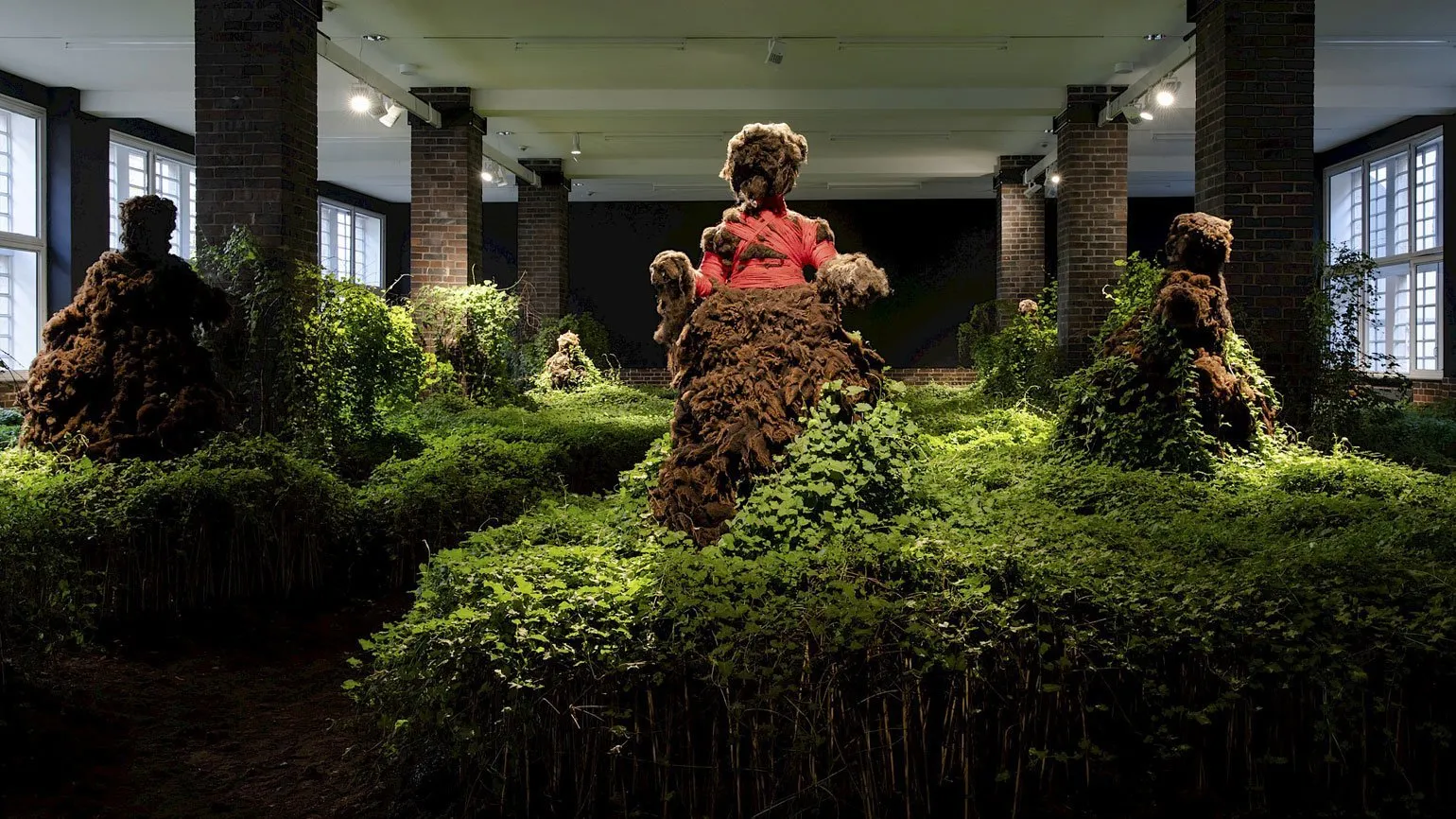
In the installation "Seeing Earth Before the End of the World" (2022), Precious Okoyomohn transformed a hall of the Venetian Arsenale into a stunning greenhouse. The earth layer, covered in dense vegetation, is complemented by butterflies and sculptural figures made of mud and blood. This artistic project immerses viewers in a unique atmosphere, exploring the connection between humans and nature and raising questions about the future of our planet. The installation invites reflection on the consequences of human activity and ecology, creating a visual dialogue about existing challenges.
Daniel Lee's installation "Untitled Entities" (2022), presented this spring at the New Museum in New York, vividly reveals the biological processes occurring in the fertile soil. The artist used jute fabric coverings, flowers, straw bales, and dirt containing spores and seeds. These elements were allowed to slowly decompose over time in the museum's halls, evoking a variety of reactions from visitors. The installation focuses on the interaction of nature and art, exploring the themes of decay and renewal.
Critics still struggle to pinpoint this fascination with the land, calling it contemporary land art and contrasting it with the classic land art of the 1970s. At that time, artists transformed vast tracts of land, and many of their works were visible only in aerial photographs. This art served as a demonstration of power and an expression of will over territories. Contemporary interpretations of land art continue to explore human interaction with nature, creating unique works that reflect current environmental, social, and cultural issues.
Today, land as an element of nature symbolizes the feeling of climate collapse, which became the main challenge before the pandemic. Installations dedicated to the land emphasize that the human body is inseparable from the environment. The Earth lives, breathes, and interacts with us, undergoing significant changes over time. It is important to recognize this interconnectedness to better understand our place in the ecosystem and the need to respect nature.
In Design
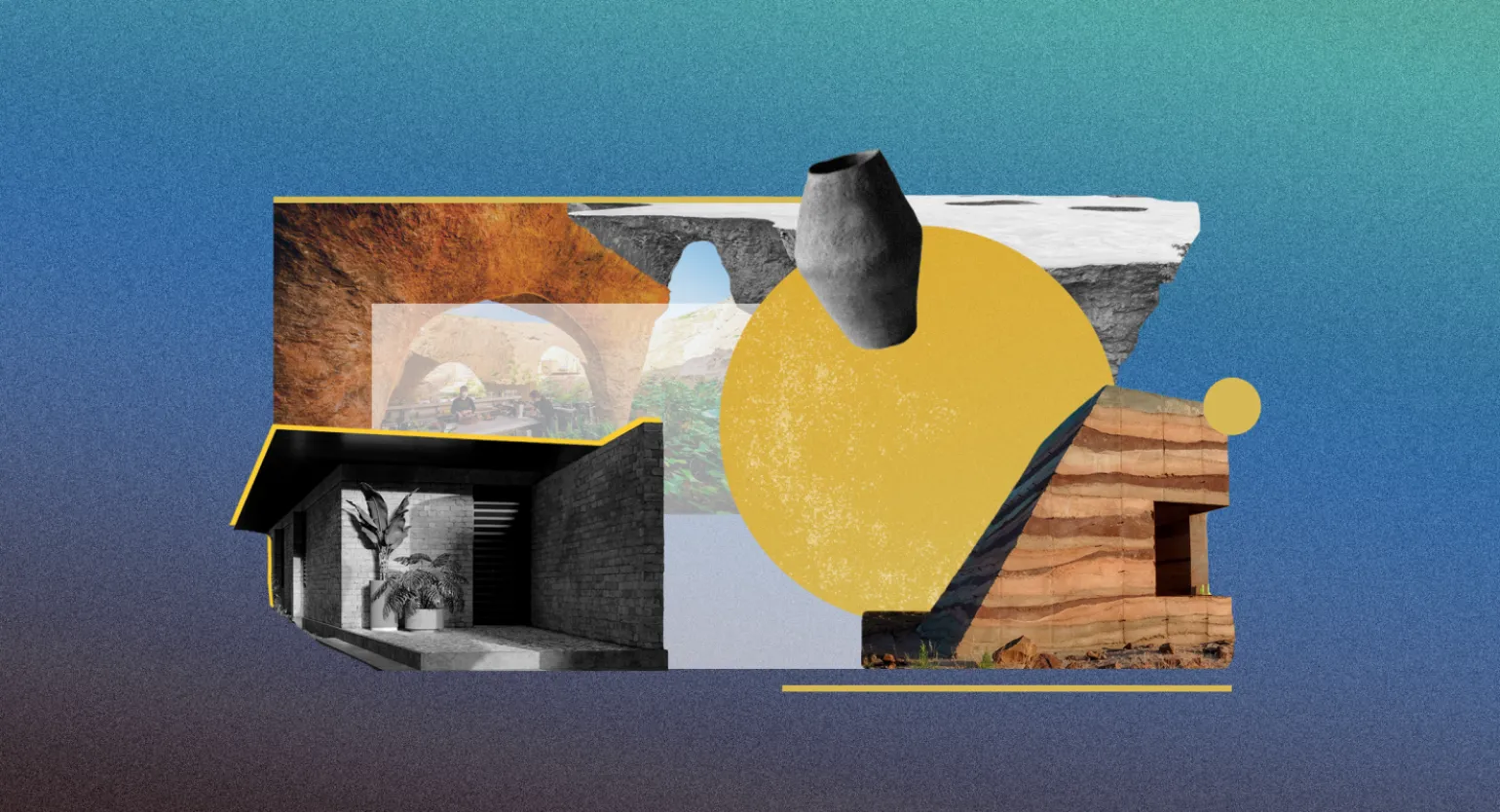
Earth is an important source of inspiration and experimentation in design. Architects and designers view it as a unique material for creating buildings and objects. This natural resource has its own aesthetics and diverse meanings, allowing designers to use it in their work to convey deep meanings and ideas.
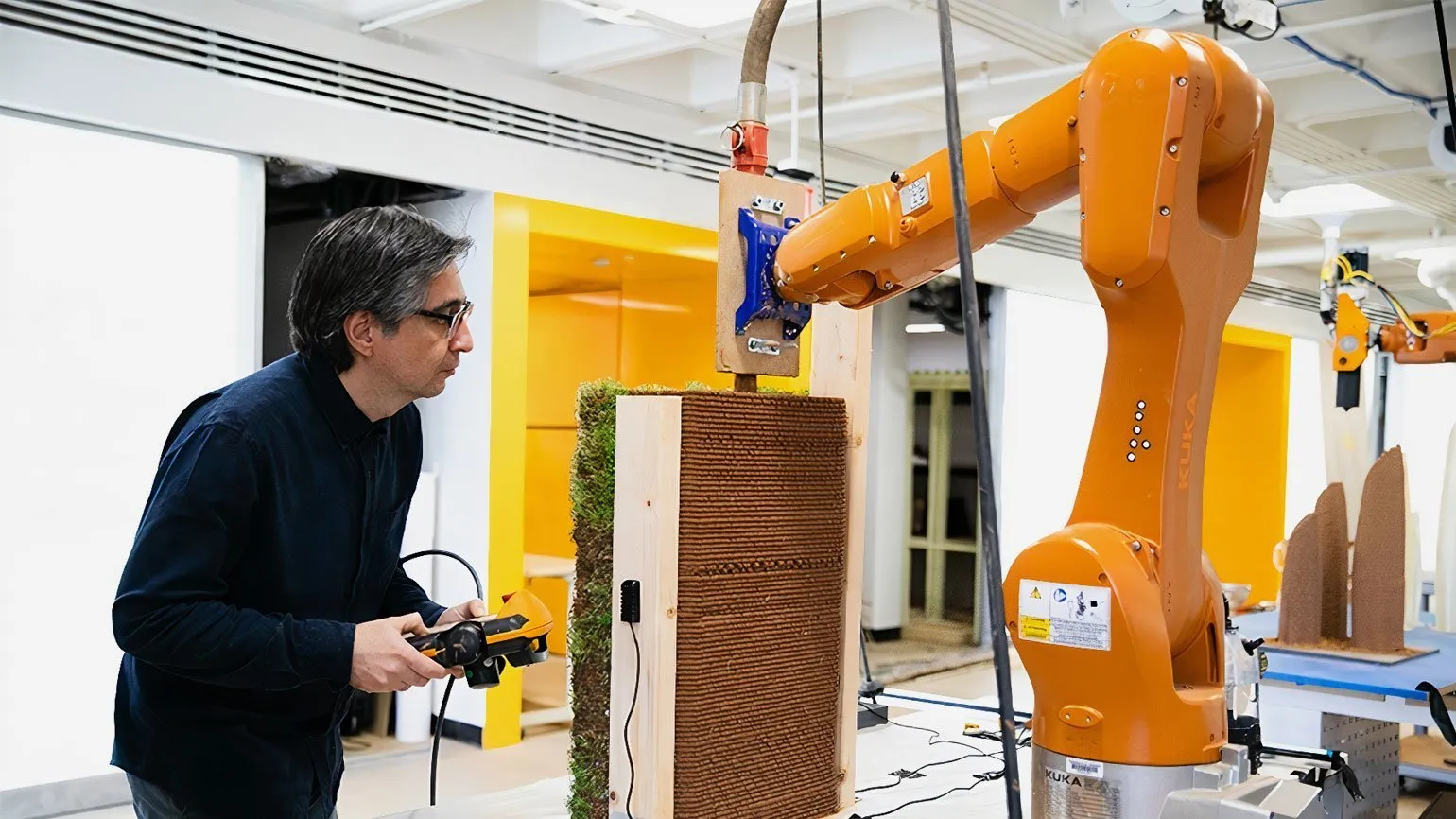
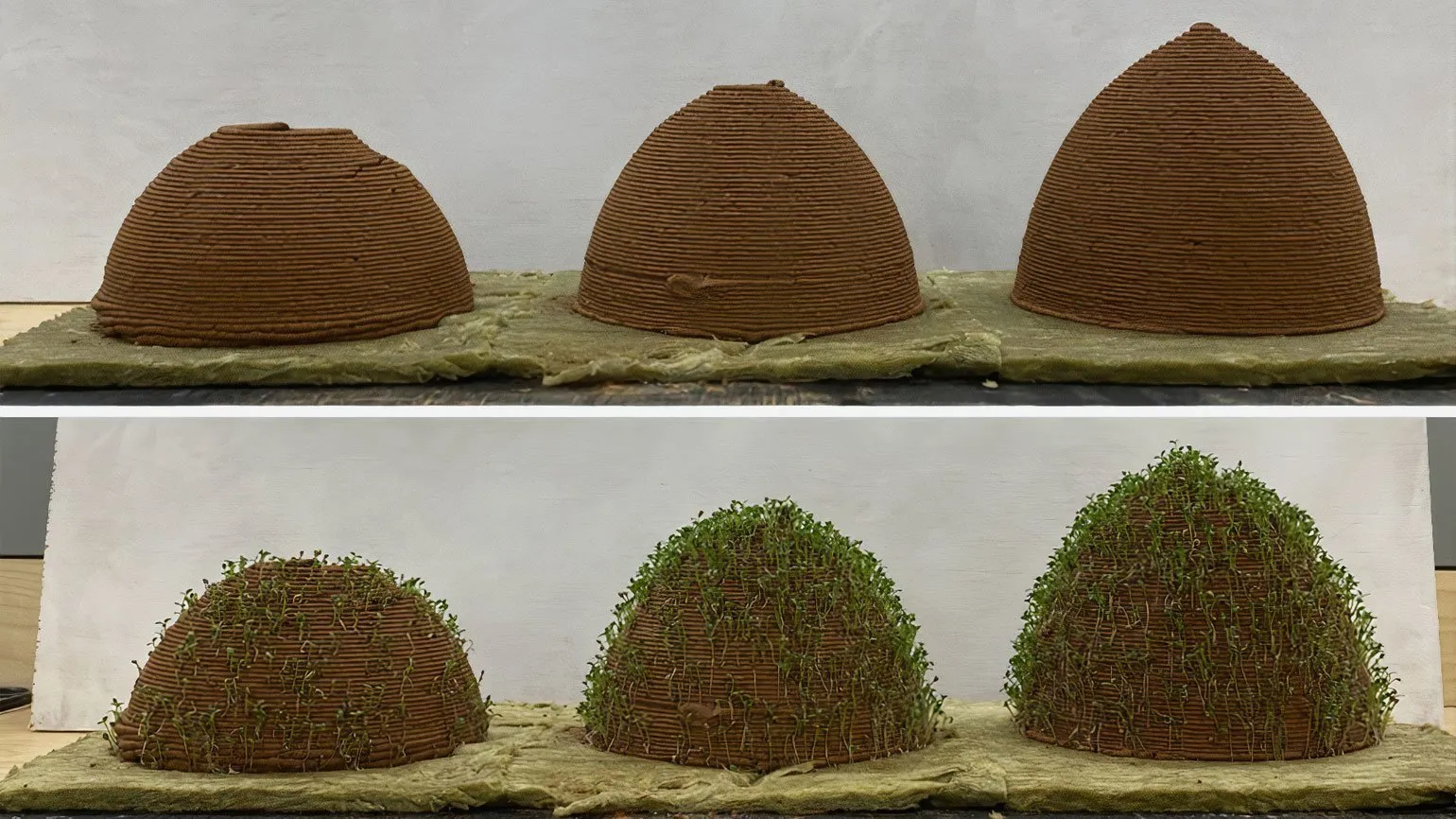
Researchers from the University of Virginia, including mathematician Jie Ma, ecologist David Carr, architect Ehsan Baharlow, and associate professor Spencer Barnes, have developed an innovative bioengineering technology. This technology has the potential to significantly change the appearance of buildings and the methods of their construction. Their experiments resulted in flowering structures created from soil and seeds that can be 3D printed. With further scalability, these biostructures could become the basis for building homes, opening up new horizons in architecture and sustainability.
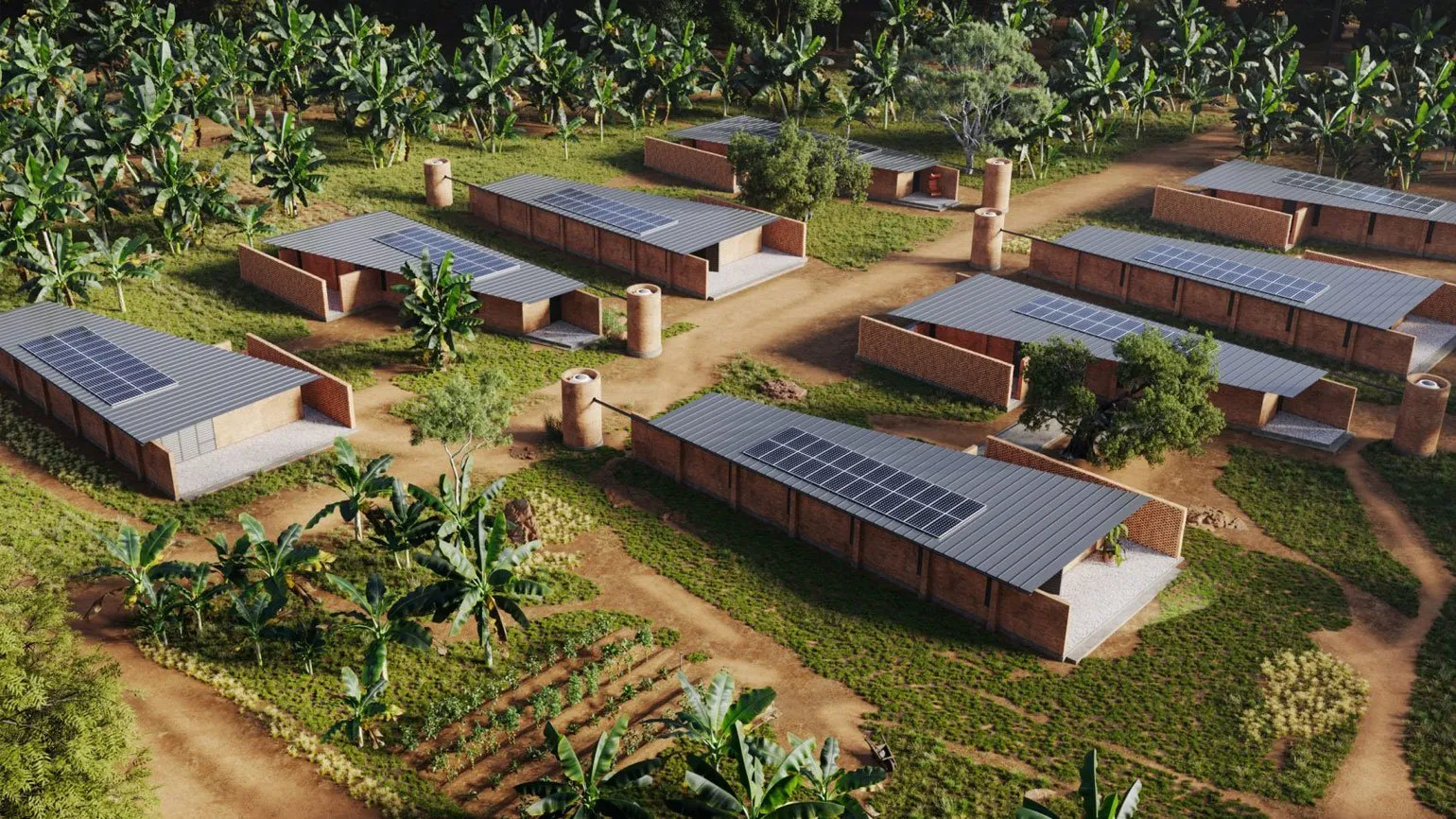
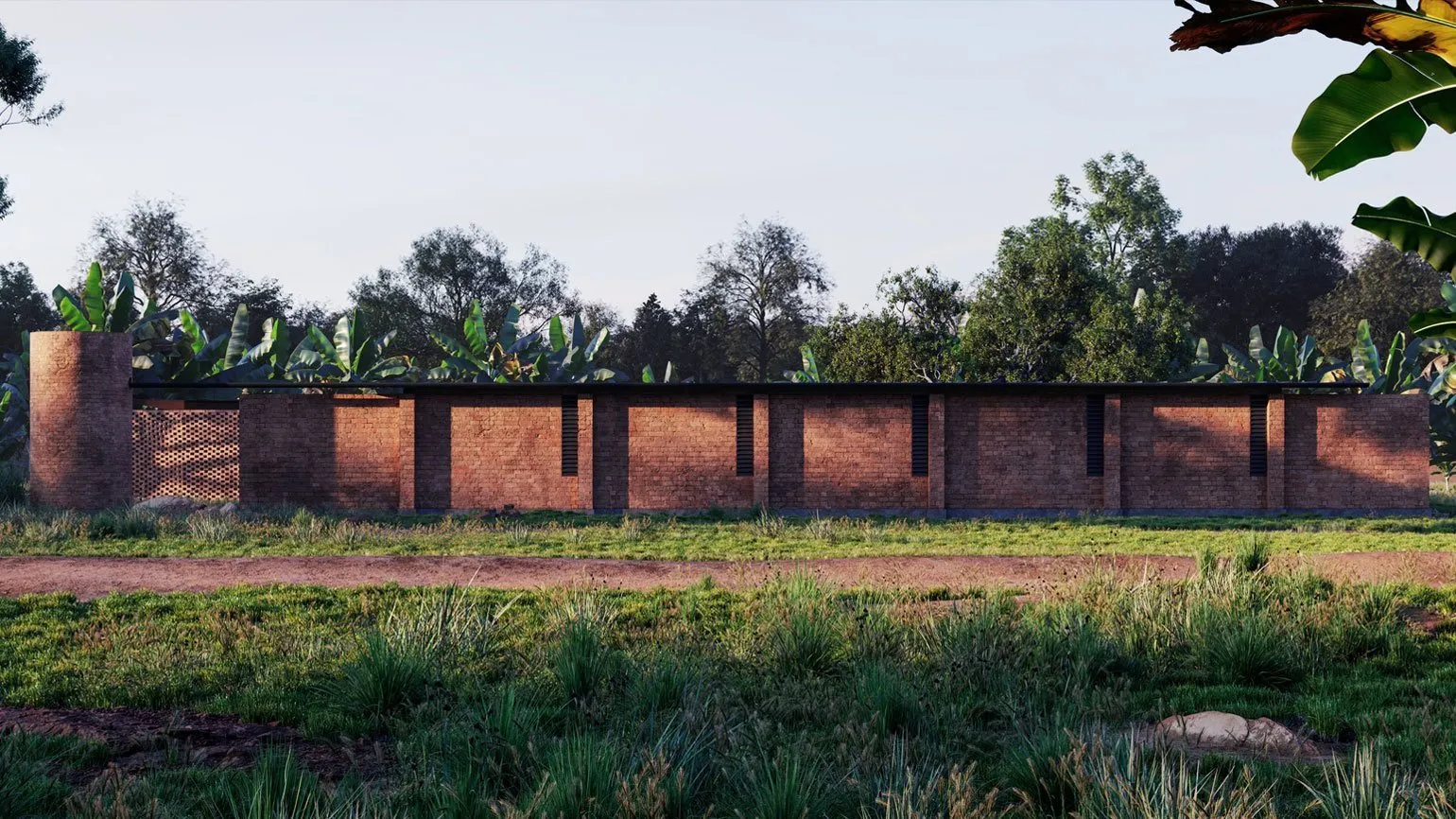
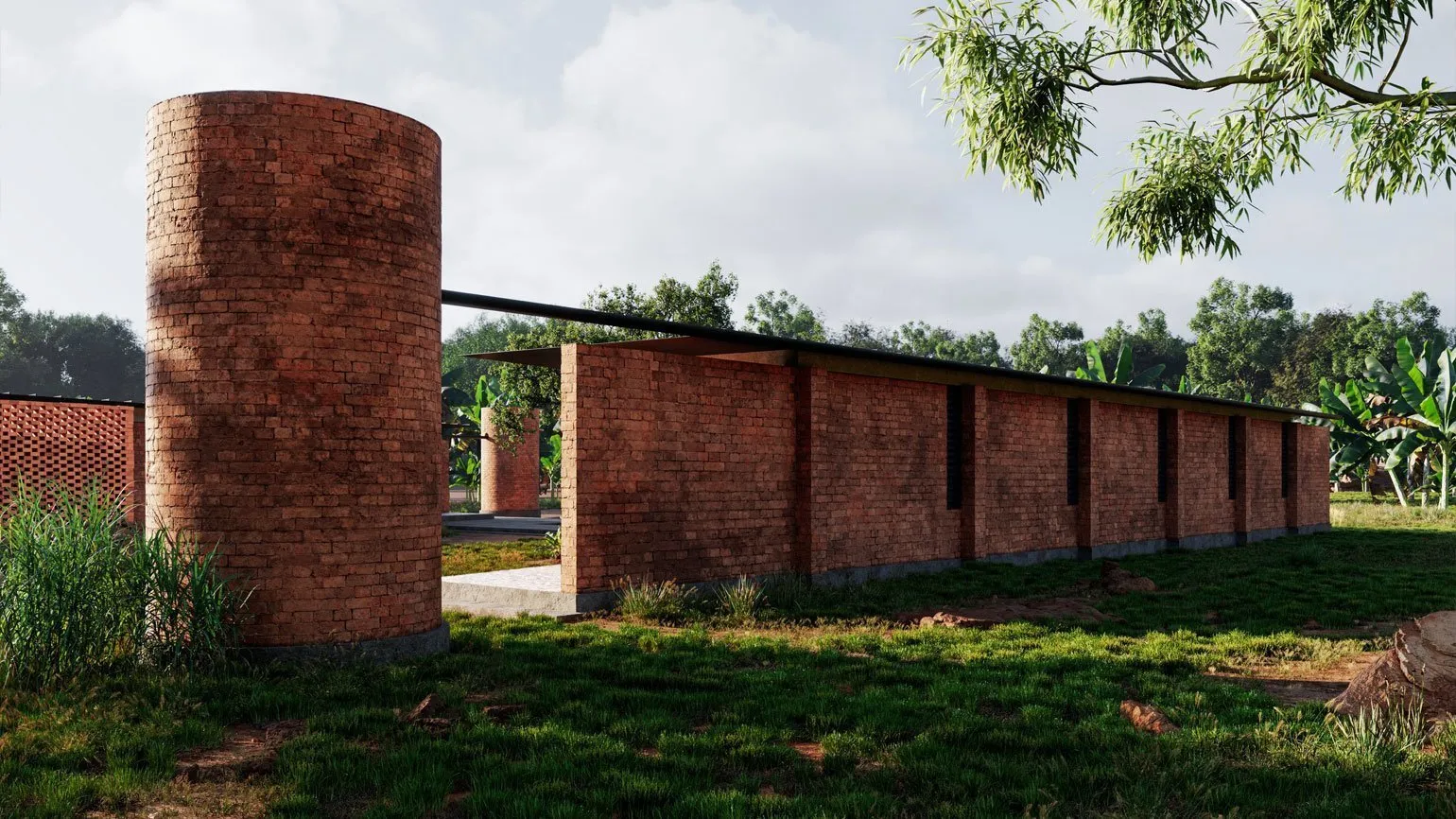
Earth as a building material is becoming increasingly relevant for developing countries. Architect Mark Thorpe presented a project for residential buildings in Uganda, which will be built almost entirely from biobricks, consisting of 90% local soil. The remaining components include a mixture of cement, sand, lime, and water. The structures are already completed, and Thorpe has plans to expand his business. Using local resources not only reduces construction costs but also promotes sustainable development, which is important for countries with limited financial resources.
Designer Jessica Martin created a unique structure from compacted earth in the Arizona desert as part of her diploma project at the School of Architecture (TSOA) in the USA. This project is a shelter for people, plants and animals. The structure has a pyramidal shape with an open top and a window located on one of the sides. The total area of the structure is 48 square meters, which allows for a small bed and table, as well as a fire pit, providing warmth and comfort in this original shelter. The project emphasizes the importance of sustainable architecture and harmony with nature, making it relevant in today's context.
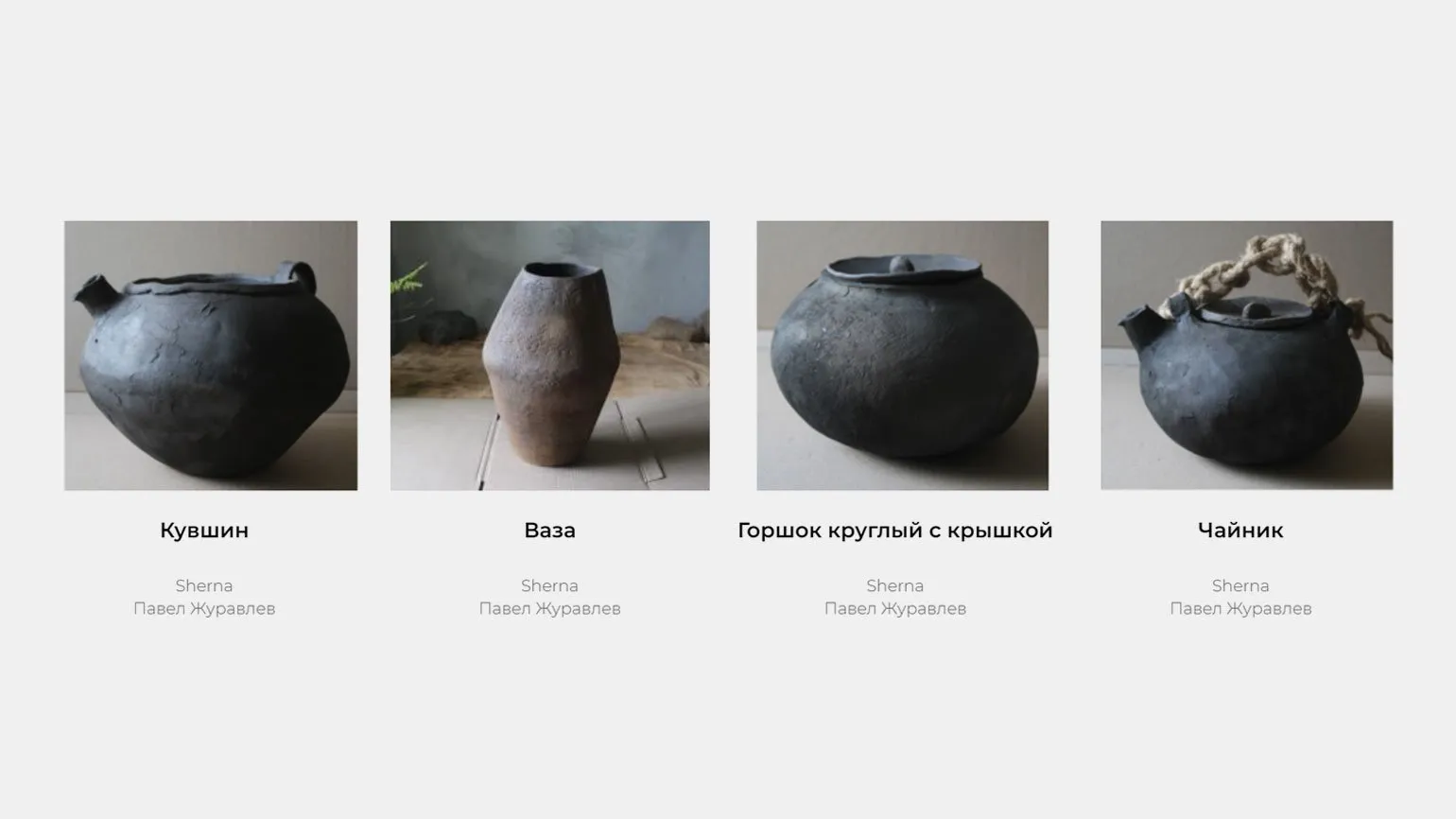
Wild clay, consisting of a mixture of stones, sand, and soil, is a unique material close to the earth. Russian ceramicist Pavel Zhuravlev chose wild clay as his primary material for creating ceramic pieces. His works, such as black, textured pots, vases, and bowls reminiscent of forms created from bog peat, are highly expressive. These unique pieces attract attention and are successfully sold not only in Russia but also in European galleries.
Zhuravlev fires ceramics in a small, primitive kiln, where the flames of wood come into direct contact with the fired pieces. The limited space of the kiln facilitates the creation of finely detailed textures. This unique process allows for the creation of pieces with unexpected and unique characteristics. Each creation becomes not only an artistic object, but also the result of an individual approach to ceramic art, which makes each work unique and valuable.
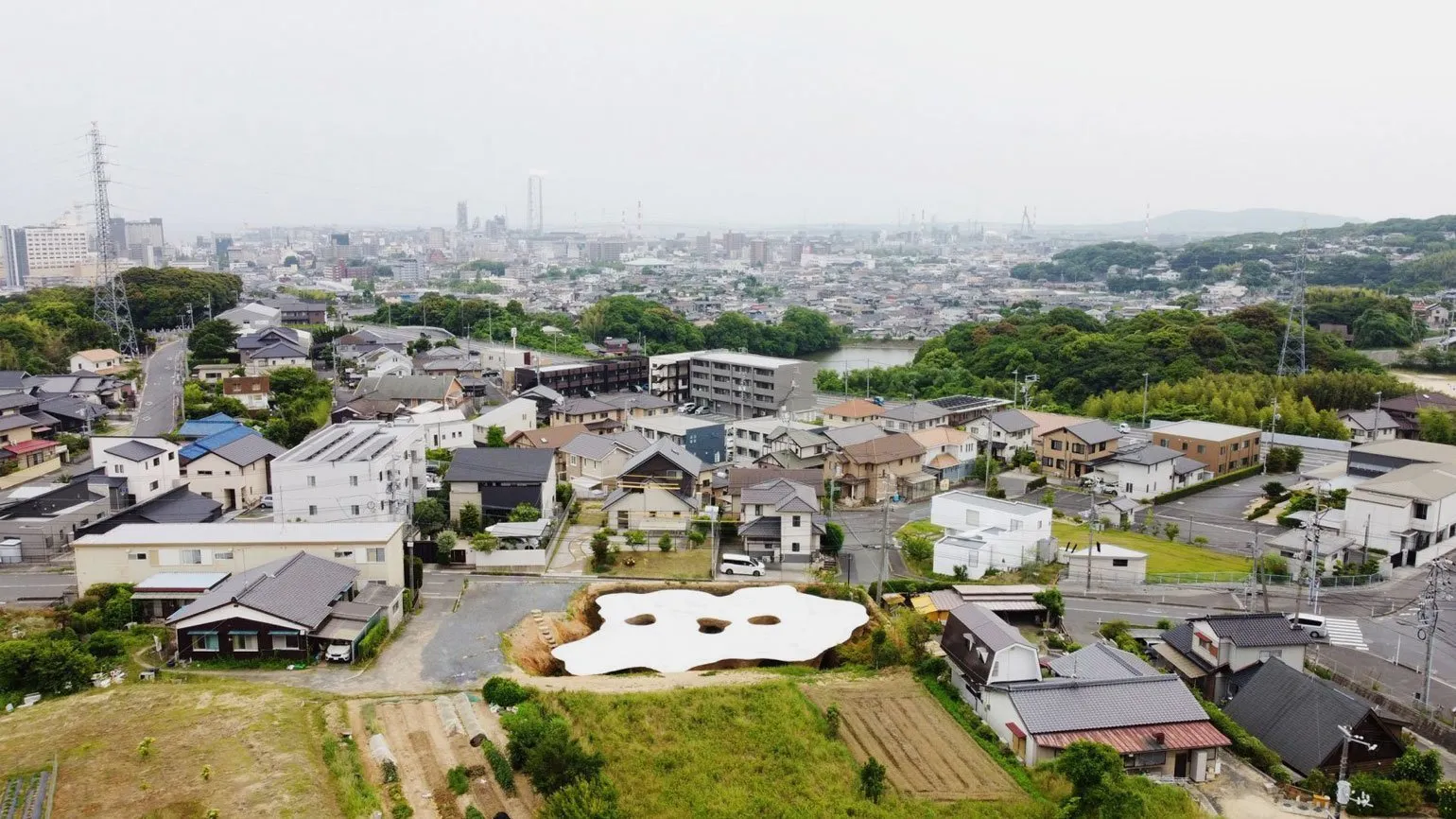
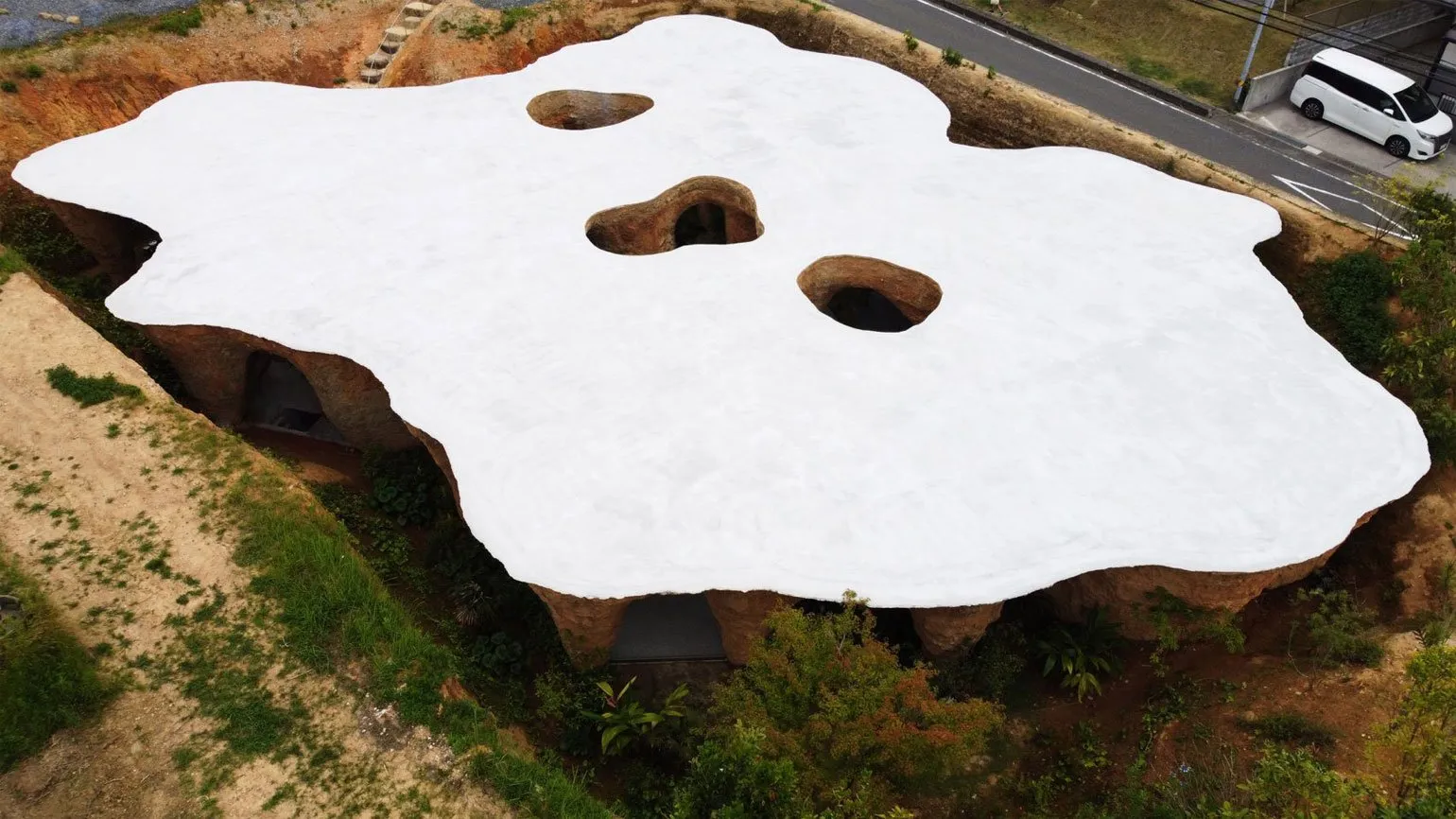
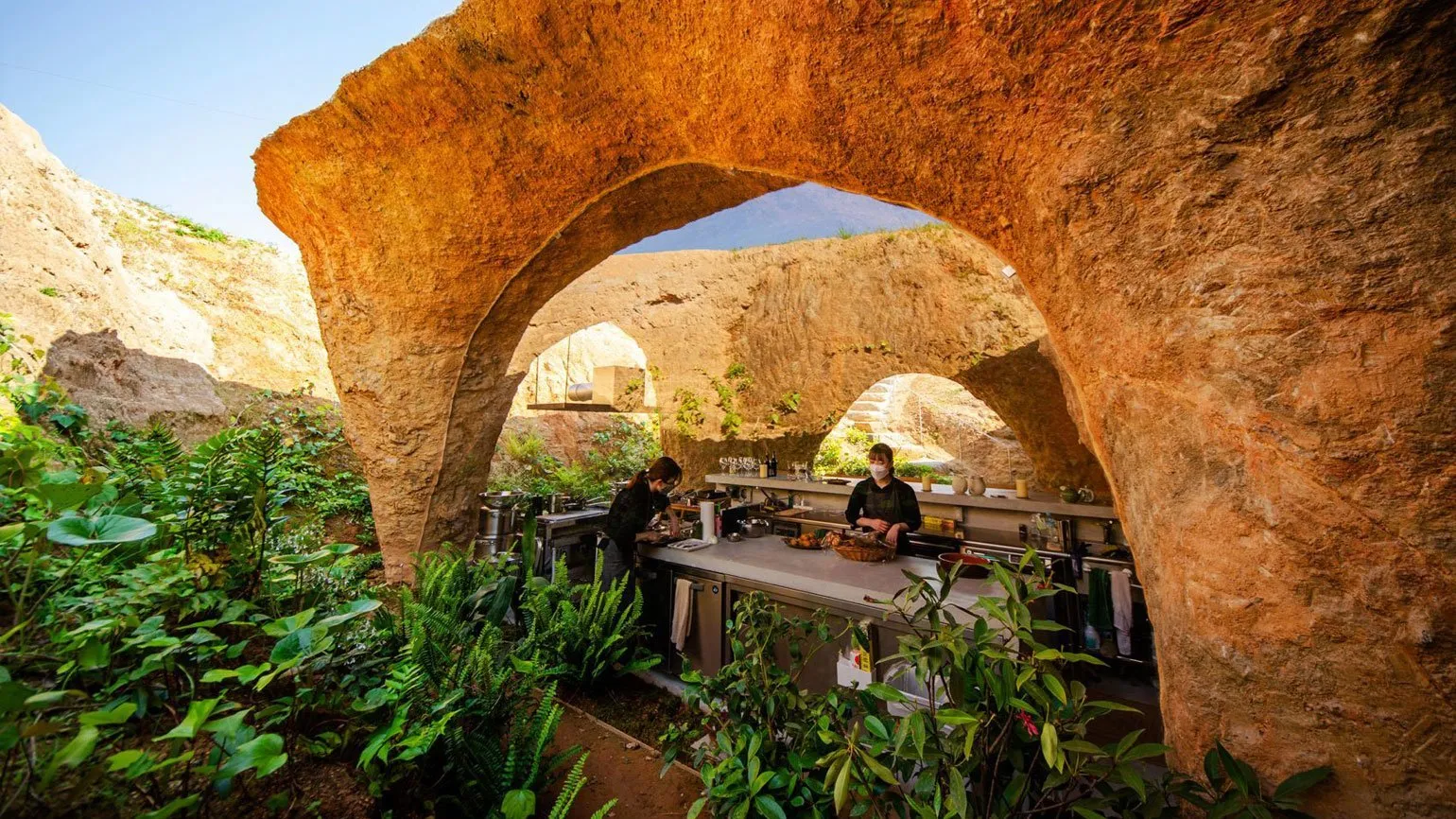
Earth can become an interesting decorative element in functional buildings. Japanese architect Junya Ishigami, known for his minimalist and airy style, has demonstrated this in his new project. He designed a private home and restaurant for chef Motonori Hirata. The structure is based on concrete, which serves as a strong framework for the building. The architectural design is presented as a labyrinth, where cavernous spaces are connected by arched openings and columns reminiscent of stalagmites, covered in textured mud. This approach emphasizes the harmony between natural and artificial materials and creates a unique atmosphere for visitors. Concrete is poured into dug pits, which serve as molds. The surrounding soil is then removed. Ishigami anticipated that the mud would wash off the concrete, but upon seeing it on the structure, he decided to leave it as a coating. To prevent the mud from being washed away by rain, it was reinforced using traditional Japanese techniques. This solution emphasizes the harmony between natural elements and modern construction methods, creating a unique aesthetic effect.
The organic form and earthen surface give the house and restaurant a sense of solidity and antiquity, as if they had been in this location for centuries. This architectural solution emphasizes harmony with the surrounding nature and enhances the atmosphere of permanence and sustainability.
Almost ten years ago, an interesting experimental technology was presented at the Biodesign exhibition at the New Institute Rotterdam. Designer Erez Nevi Pana developed an innovative dough consisting of soil and mycelium, which can be baked in the oven. The primary goal of this technology is to create stools and chairs durable enough for everyday use. This discovery marks a significant advance in sustainable design, offering an alternative to traditional materials and facilitating eco-friendly furniture production.
The designer developed a unique mixture combining soil with mushrooms and other natural materials. This mixture rises like dough through biochemical reactions. It can then be shaped using plaster or wooden molds. The hardened pieces are baked, which gives them strength and allows for processing: sanding, sawing, and drilling. This approach to creating eco-friendly furniture and decor opens new horizons in design and sustainable production.
Erez Nevi Pana, a professional baker, carefully honed his ideal recipe, resulting in the creation of a unique series of simple molded furniture pieces. During the process, the designer also experimented with molding cups from this material. One of the main problems was that the "earthen" cup retained water, but also imparted an unpleasant taste. Erez admits his recipe isn't yet perfect, but he's confident he's moving in the right direction. Work to improve the material's quality and functionality is ongoing, opening up new possibilities for using molded pieces in interior design.
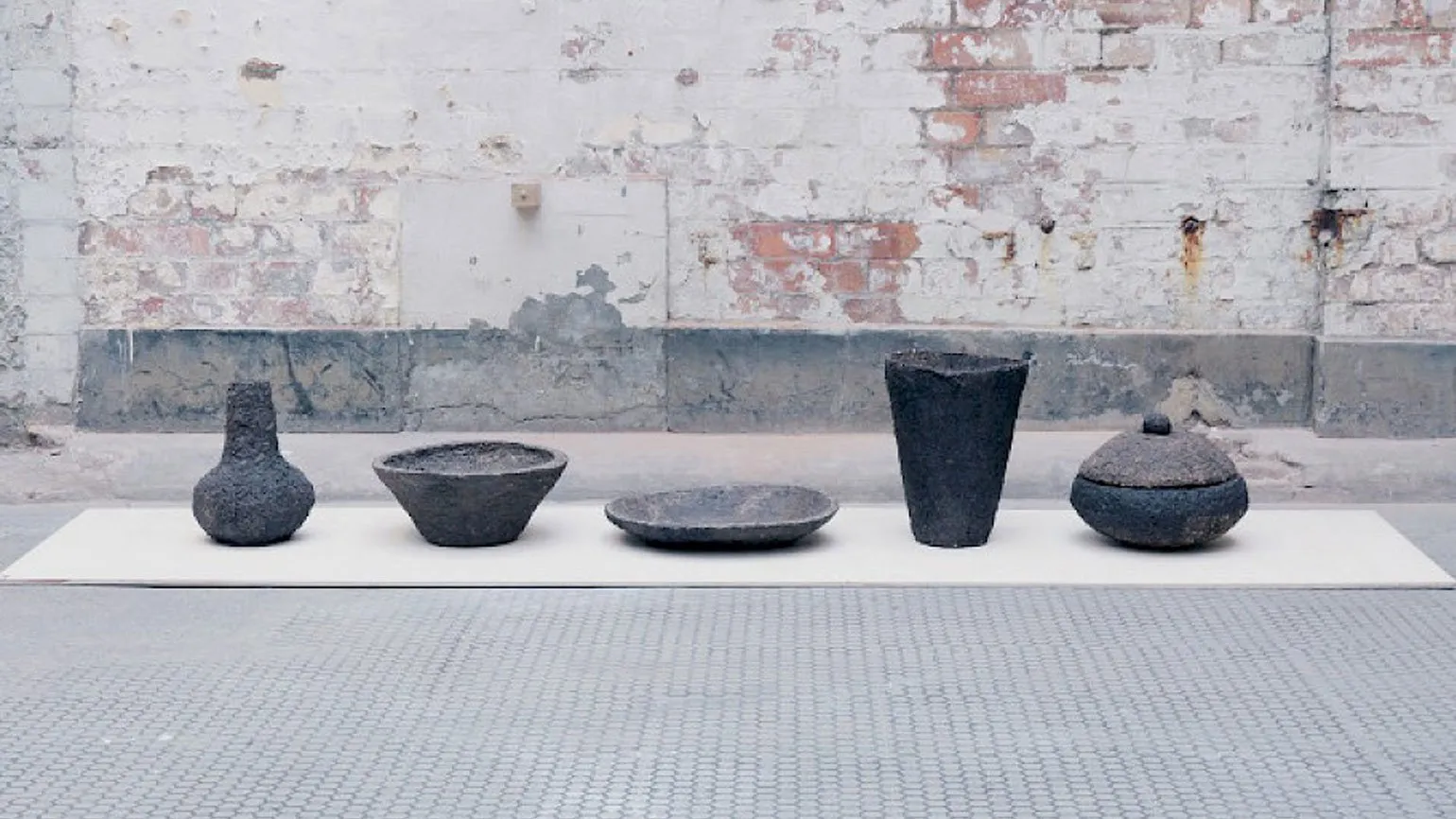
Not only fertile and natural soils, but also diseased and damaged ones can provide the basis for interesting design. Swedish artist Hilda Hellström, while a student at the Royal College of Art, developed a unique thesis project titled "The Materiality of Disaster." A year after the disaster at the Tohoku Daiichi power plant, she traveled to Japan and collaborated with local rice farmer Naoto Matsumura, who had decided to remain in the evacuated area. He shared his knowledge of the land and helped collect soil samples from rice fields that had become unusable after the disaster. Using these samples, Hilda Hellström created five "dirty" vessels, the shapes of which varied depending on the typology of local ceramics. The vessels were free of radiation, as the soil was excavated 40 cm below the surface. This project highlights the importance of interaction between design and ecology, and demonstrates how art can draw attention to the problems associated with the consequences of natural disasters.
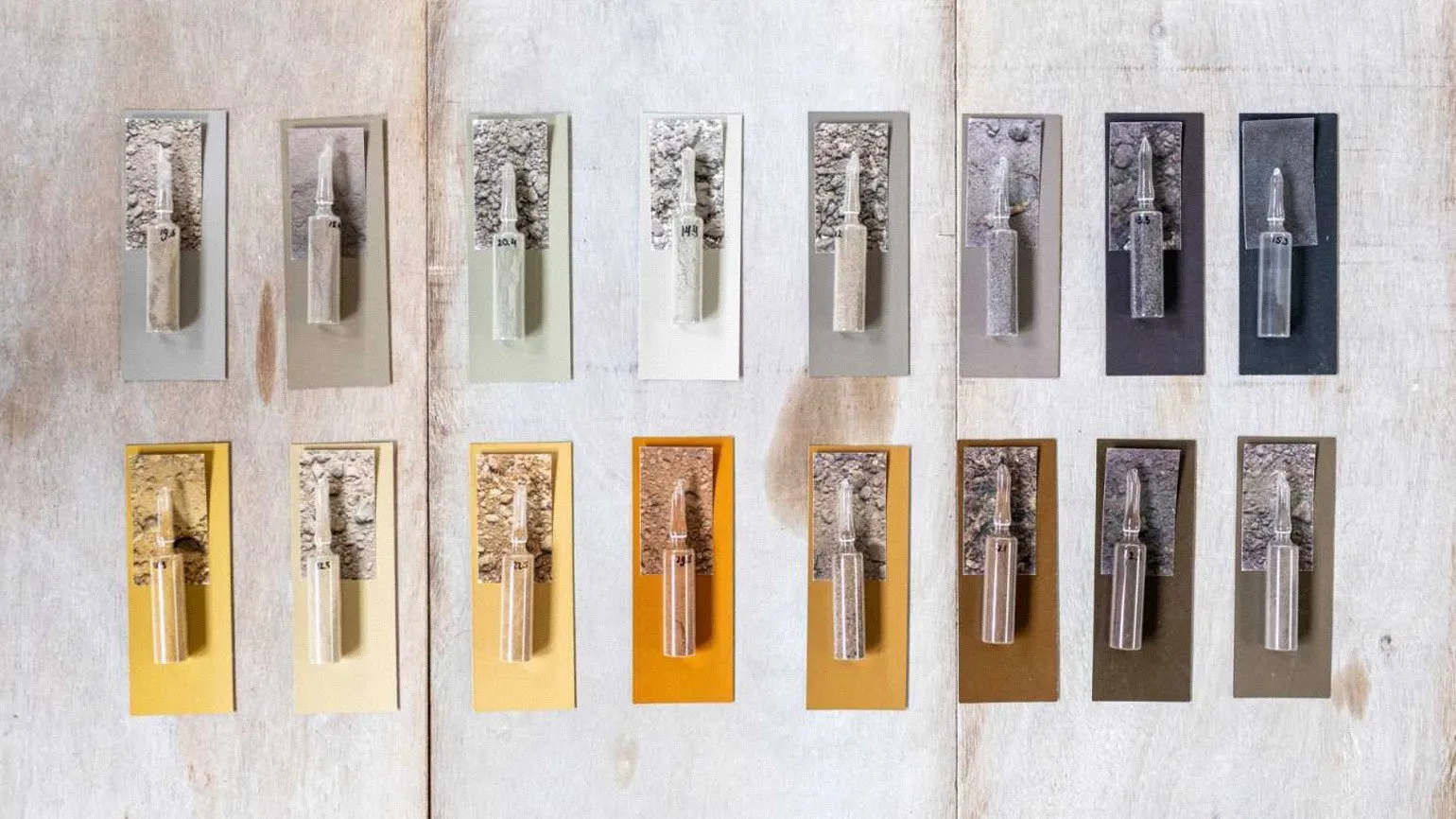
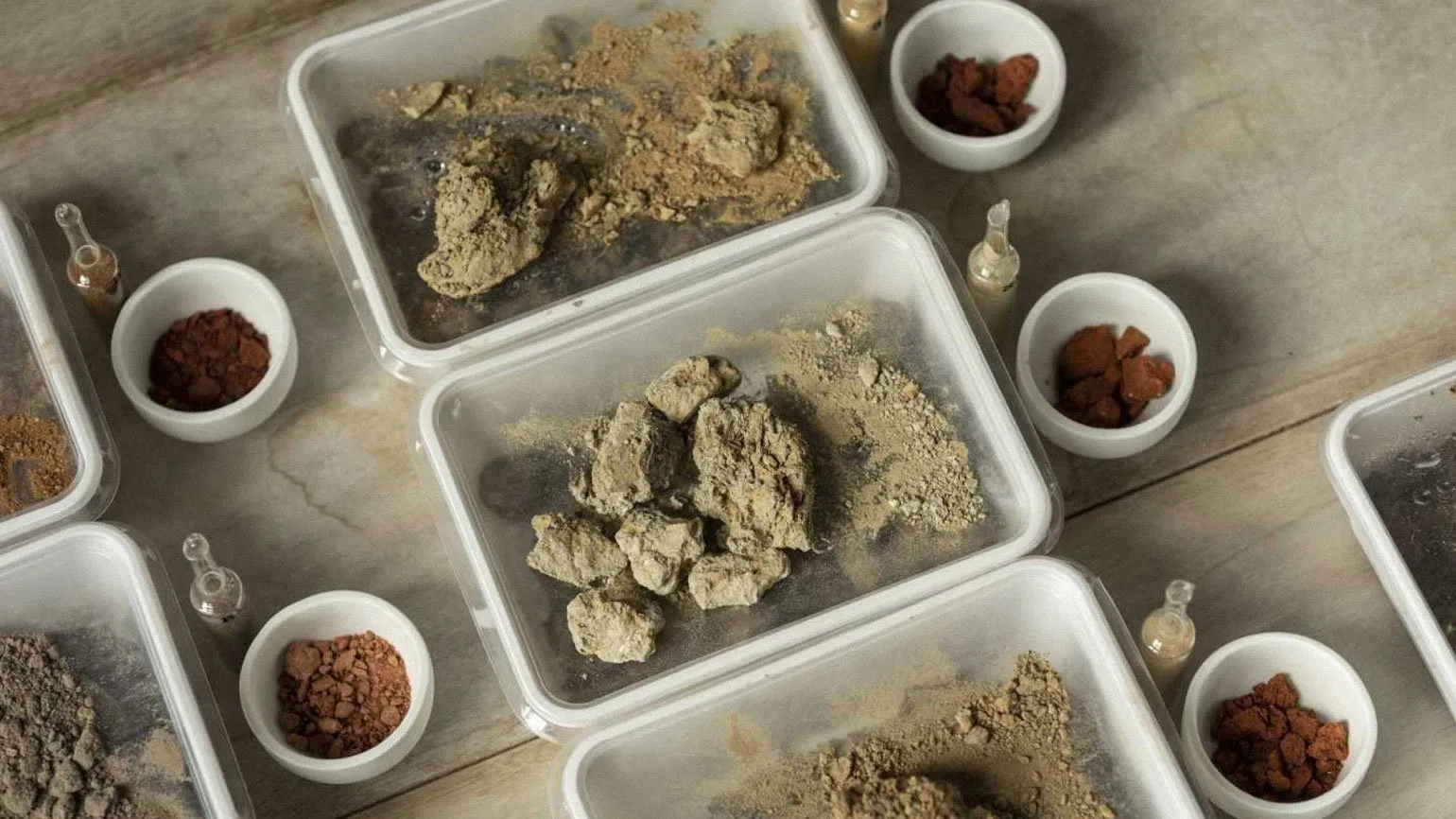
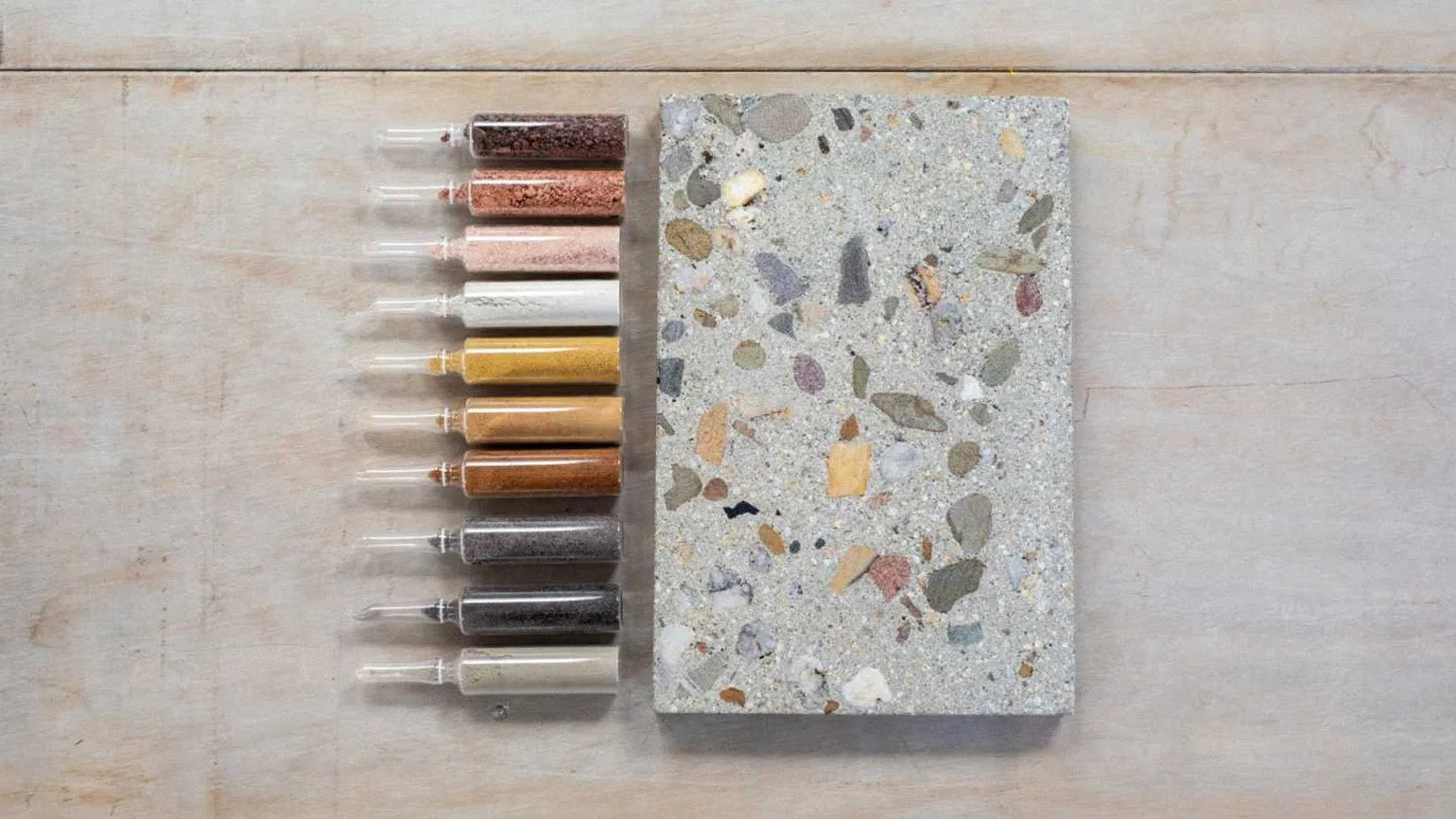
The Earth interests designers not only from an aesthetic point of view perspective, but also in the context of social interaction. For example, the Dutch studio Atelier NL implemented the De StraatMakers project, which collected soil samples from Eindhoven. This research project was commissioned by the municipality when city officials were considering color schemes for road surfaces. Atelier NL engaged local residents in creating the archive, resulting in 150 soil samples collected from 30 different locations across the city. This initiative not only highlighted the uniqueness of local identity but also facilitated community engagement in the urban planning process.
Drilling to a depth of one meter at various points throughout the city allowed for a picture of the diversity of soil layers. It was discovered that earth, sand, clay, humus, and peat vary significantly in color across the city. When fired at high temperatures, the soil oxidizes, further highlighting the unique color characteristics of each site. The collected samples made it possible to create a unique earth palette for the city, reflecting its natural diversity and geological heritage.
It will be interesting to see how long designers will be fascinated by using earth in their projects. We are on the threshold of a new trend that may lead to bold experiments with this material, or, under the influence of digital technologies, this direction will quickly exhaust itself and remain just an unusual phenomenon of the early 2010s. It is important to monitor the development of this hobby to understand whether it will become the basis for new design solutions or will become a thing of the past, leaving only memories of its relevance.
Find out more:
- A chair made of seaweed, a raft, and fairytale furniture: how Milan Design Week 2022 went
- Sensory design: how sensations come into design
- “Designed and made in Russia”: Maria Savostyanova’s column about the competition for designers
Profession Florist PRO
You will learn to create complex bouquets and work with potted plants. You will be able to decorate weddings or interiors. Master a creative profession, improve your florist skills, or start your own business.
Find out more