Contents:
- The History of Illustrations for "Little Red Riding Hood"
- Illustrations for the Fairy Tale "Rapunzel"
- The History of Illustrations for "The Snow Queen"
- Illustrations for the Fairy Tale "Tinderbox"
- The History of "The Wizard of Oz"
- The History and Illustrations of "Beauty and the Beast"
- Illustrations for the Fairy Tale "Cinderella": A Look at Creativity

Commercial Illustrator: 5 Steps to a Successful Career
Find Out moreThe History of Illustrations to "Little Red Riding Hood"
The fairy tale "Little Red Riding Hood" has served as a source of inspiration for artists for centuries. The first known illustration to this famous tale was created by the British artist John Thomas Peel in 1851. What makes this work unique is that it was executed in oils, and the surviving black-and-white reproduction allows us to appreciate the artist's skill and the emotional depth of the work. Little Red Riding Hood continues to generate interest due to its universal theme, which encourages contemporary artists to rethink and interpret it in their works.

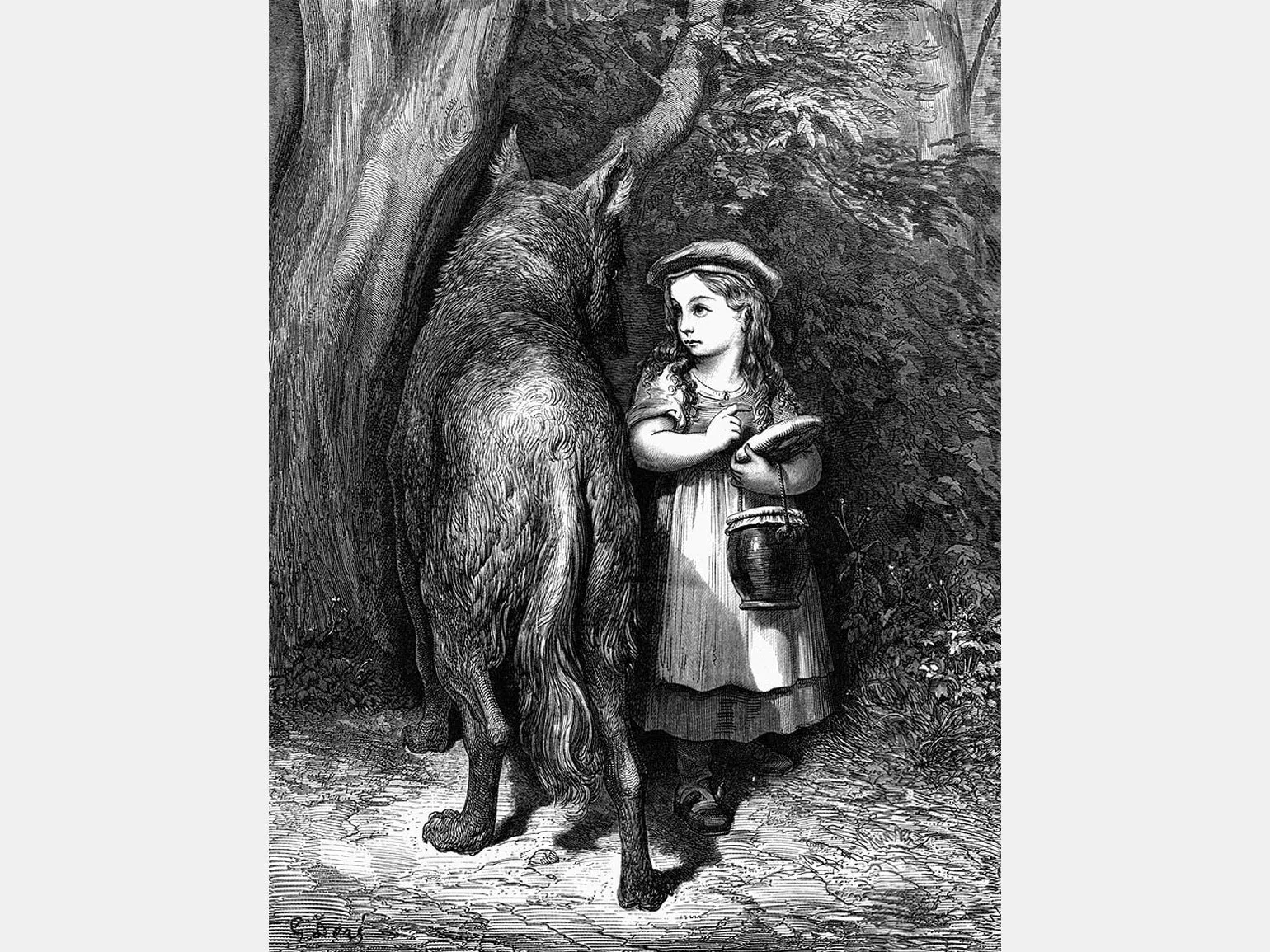
The first significant illustrator, The French artist Gustave Doré created a series of images for various scenes from the fairy tale. His woodcut works brought him international renown. In 1862, the first illustrated edition of "Little Red Riding Hood" was published, becoming a true masterpiece in the world of illustration. Doré was able to convey the atmosphere and emotion of a fairy tale through his detailed and expressive images, which has made his work sought after and recognized over the years.

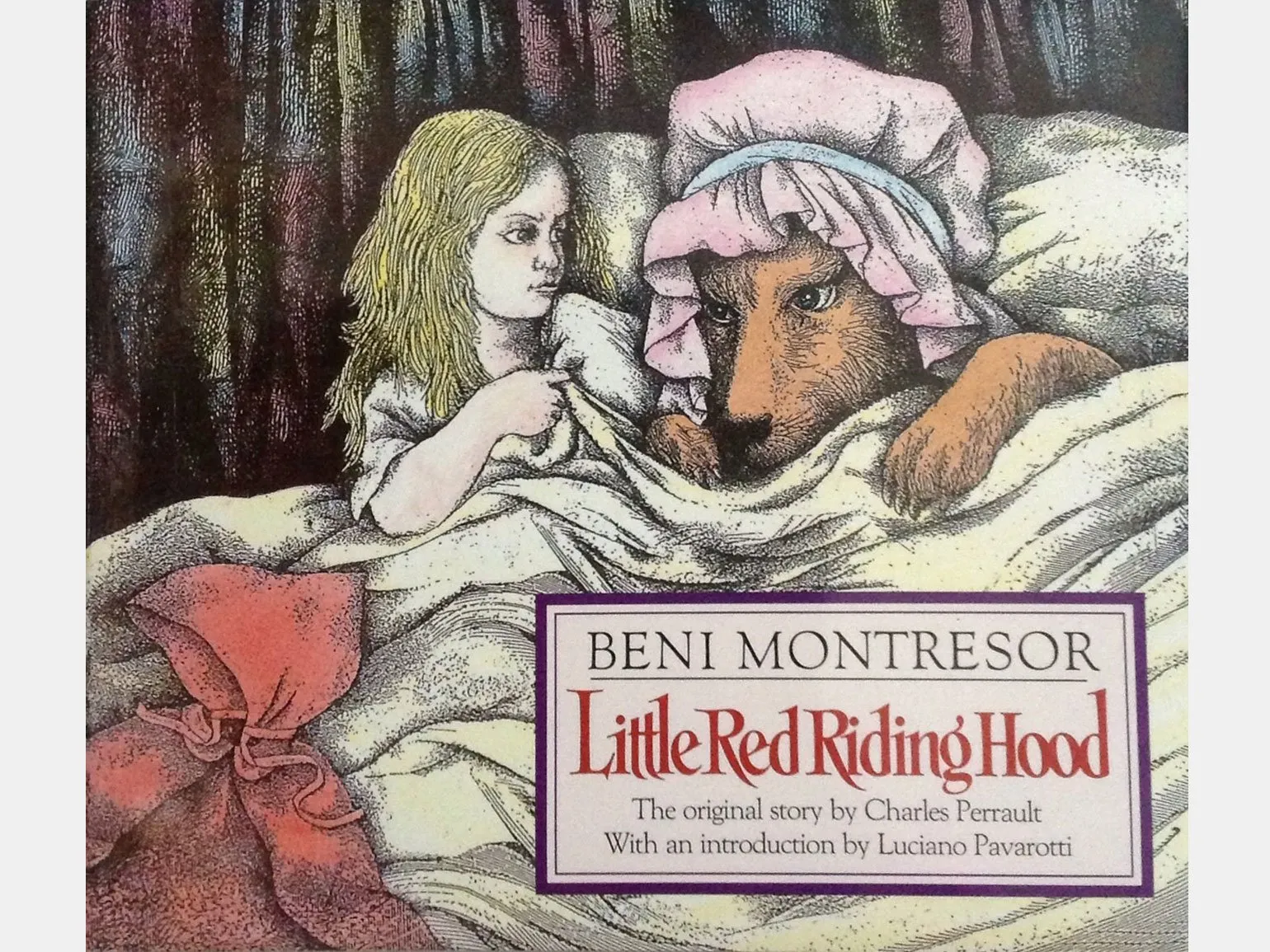
In the 20th century, Italian artist Beni Montresor created a unique homage to the works of Gustav Doré, bringing his own style and vision of the fairy tale. His works reflect a deep understanding of classical plots, combining traditional elements with a modern approach. Montresor masterfully interprets well-known stories, adding new details and emotional depth, which makes his work interesting for fans of both Doré and fairy tale art in general.
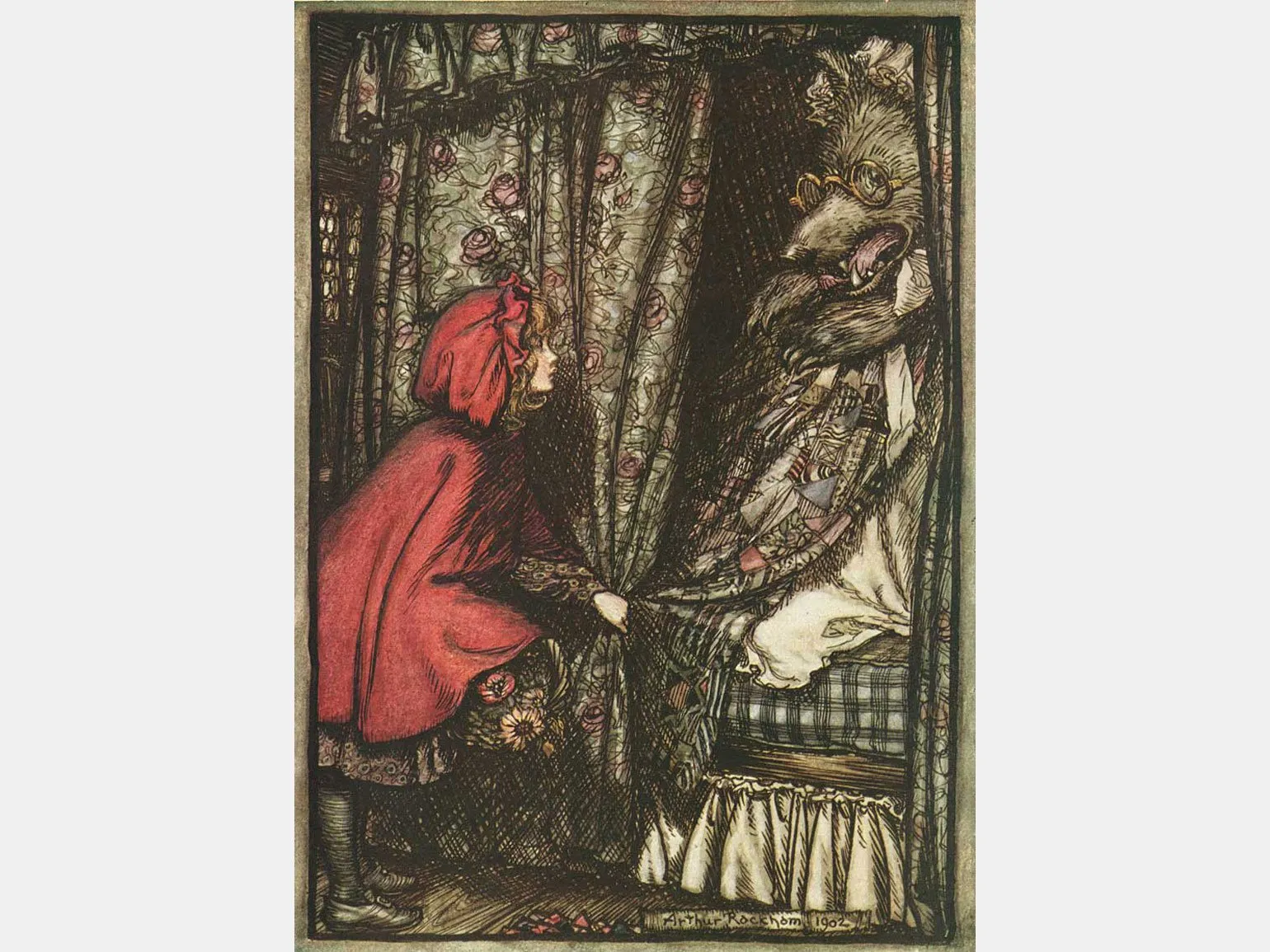
Throughout the centuries, the fairy tale "Red "Little Riding Hood" has inspired many renowned illustrators. In 1909, British artist Arthur Rackham presented his unique illustrations, using ink and watercolor techniques. His works became iconic, adding a new dimension to the classic story. Rackham's influence on the visual arts continues to be felt today, and his interpretation of Little Red Riding Hood remains one of the most memorable in the world of illustration.
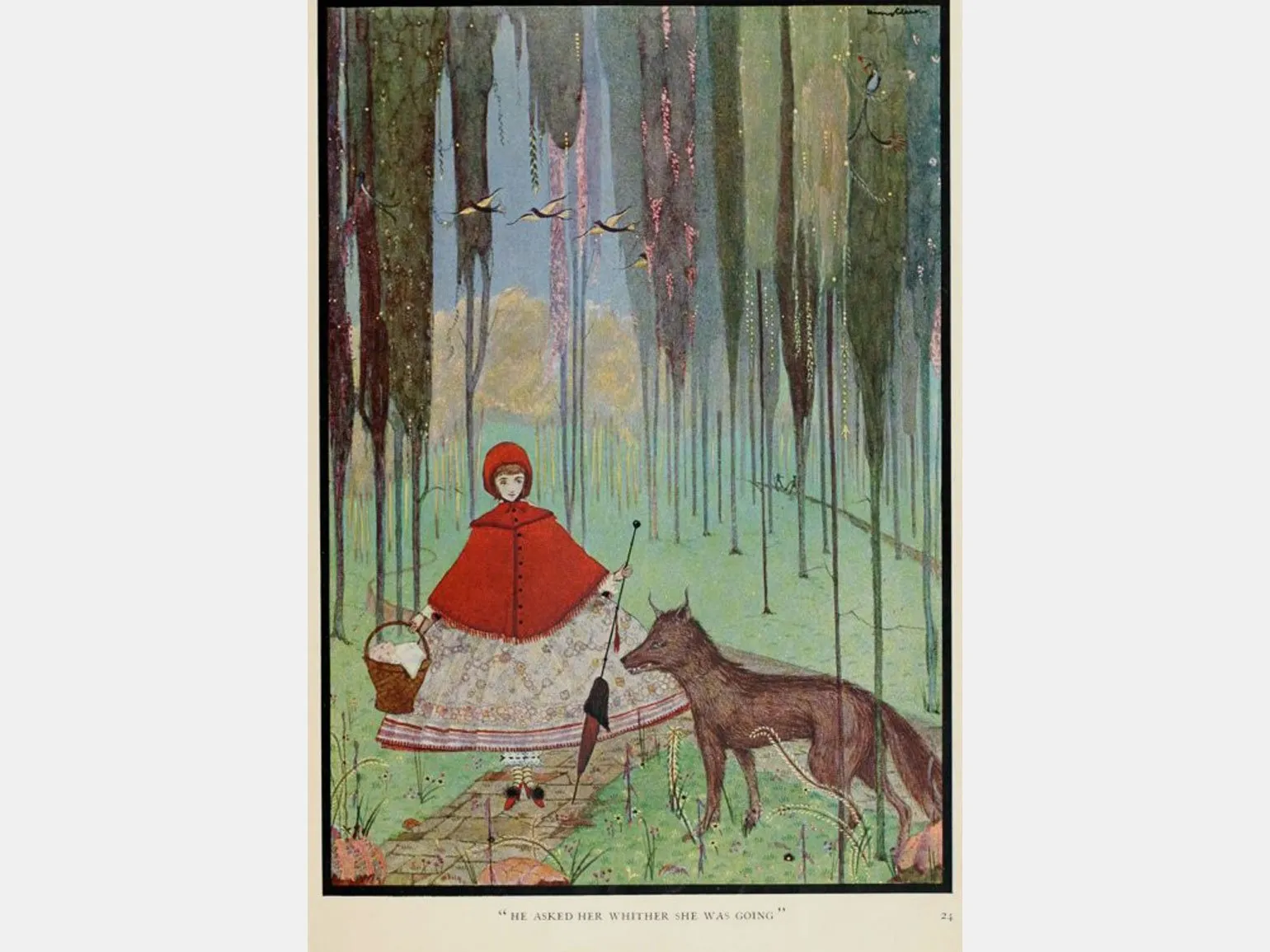
Artists regularly adapt classic fairy tales, reflecting the spirit of their era. An example of this is the work of Irish artist Harry Clarke, who in 1922 interpreted "Little Red Riding Hood" using elements of Art Nouveau in his illustrations. Such adaptations not only update familiar plots but also introduce new artistic ideas, allowing modern audiences to take a fresh look at traditional stories.
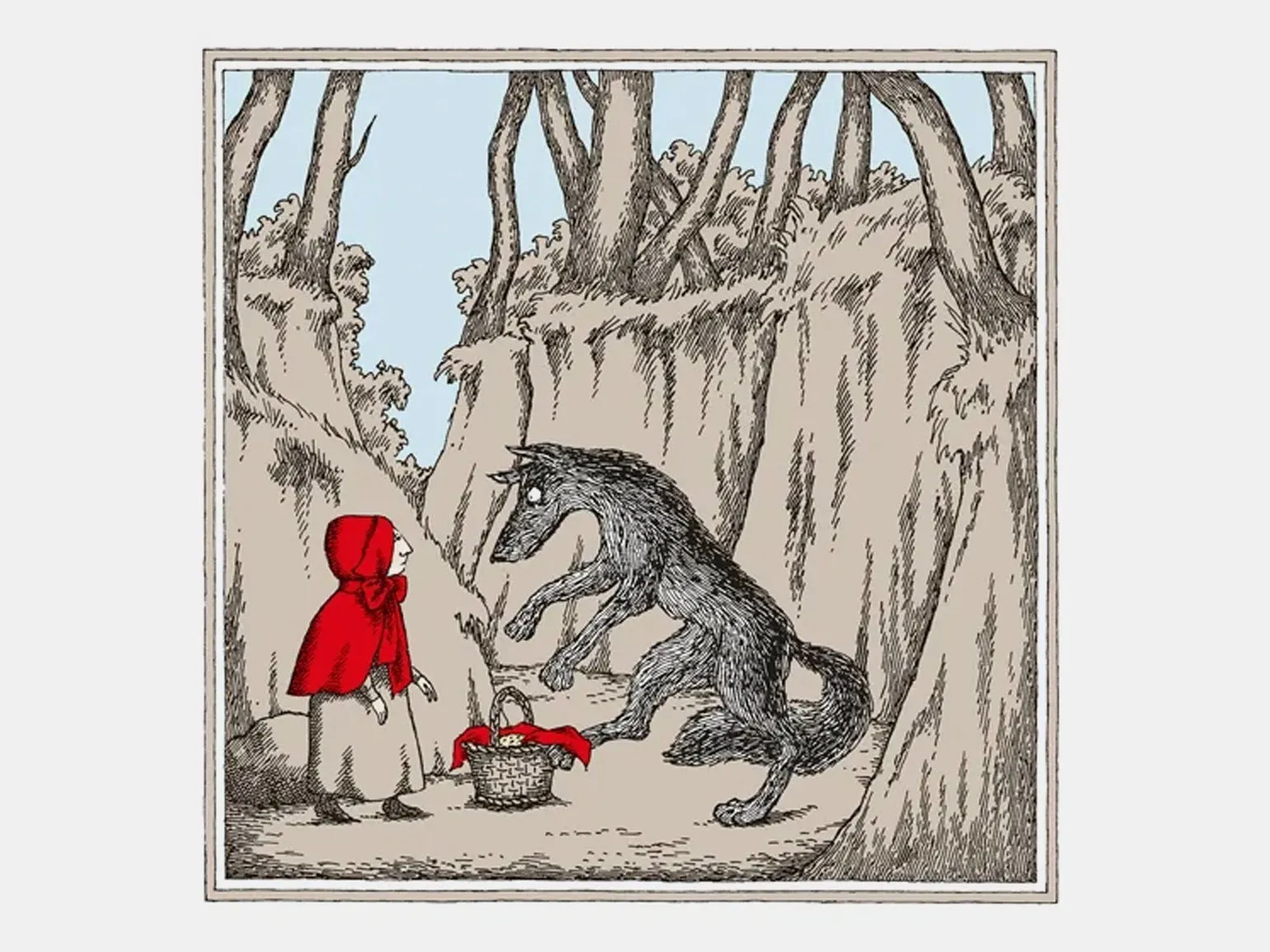
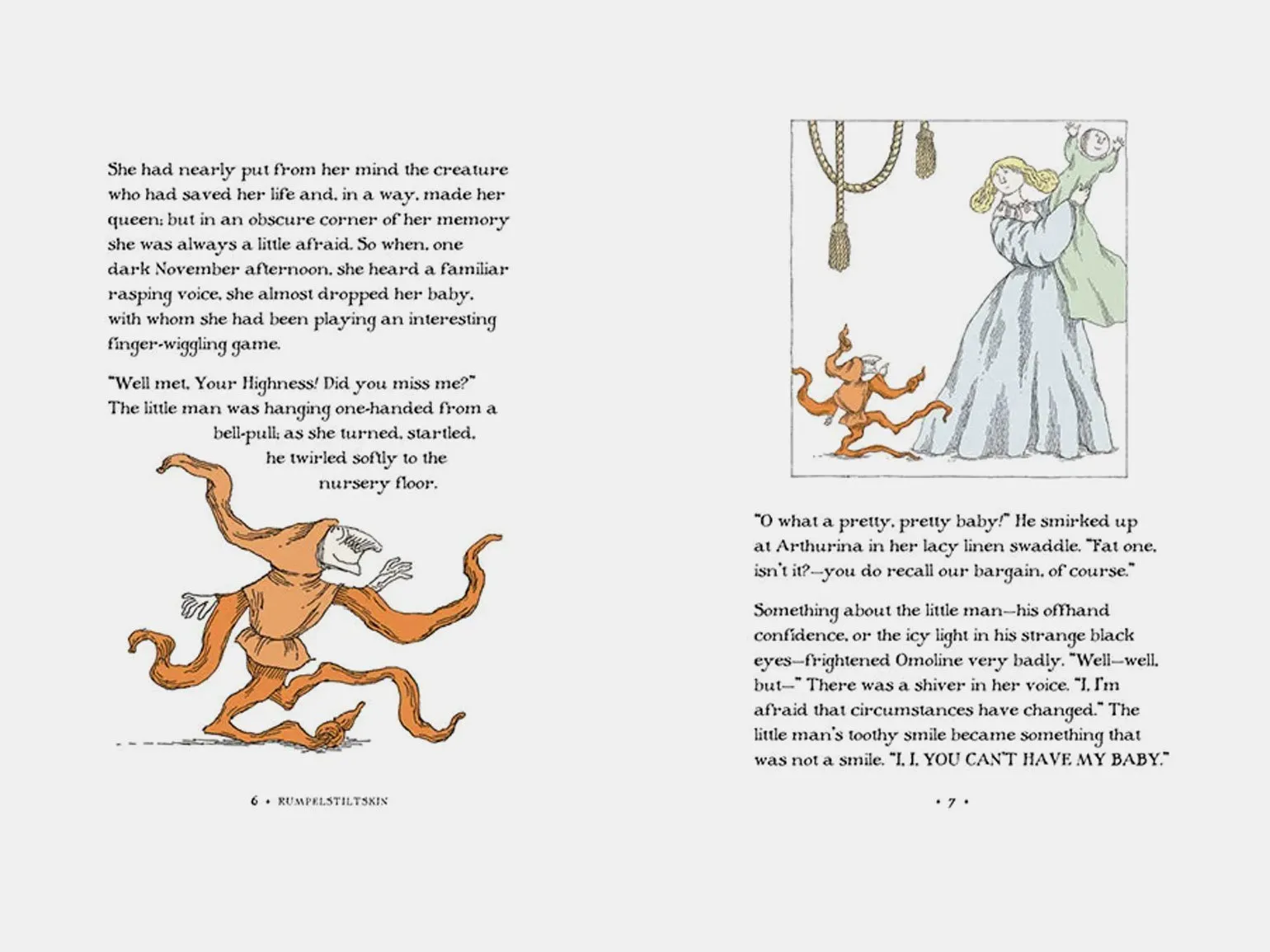
In 1973, American artist and writer Edward Gorey, renowned for his unique style and dark humor, presented his interpretation of the classic fairy tale "Little Red Riding Hood." His work encompassed both illustrations and standalone literary works, allowing him to create a unique atmosphere in the art world. Gorey's version brings a fresh take on a familiar story, combining elements of dark comedy and artistic expression, making his work particularly memorable and appealing to lovers of literature and art.

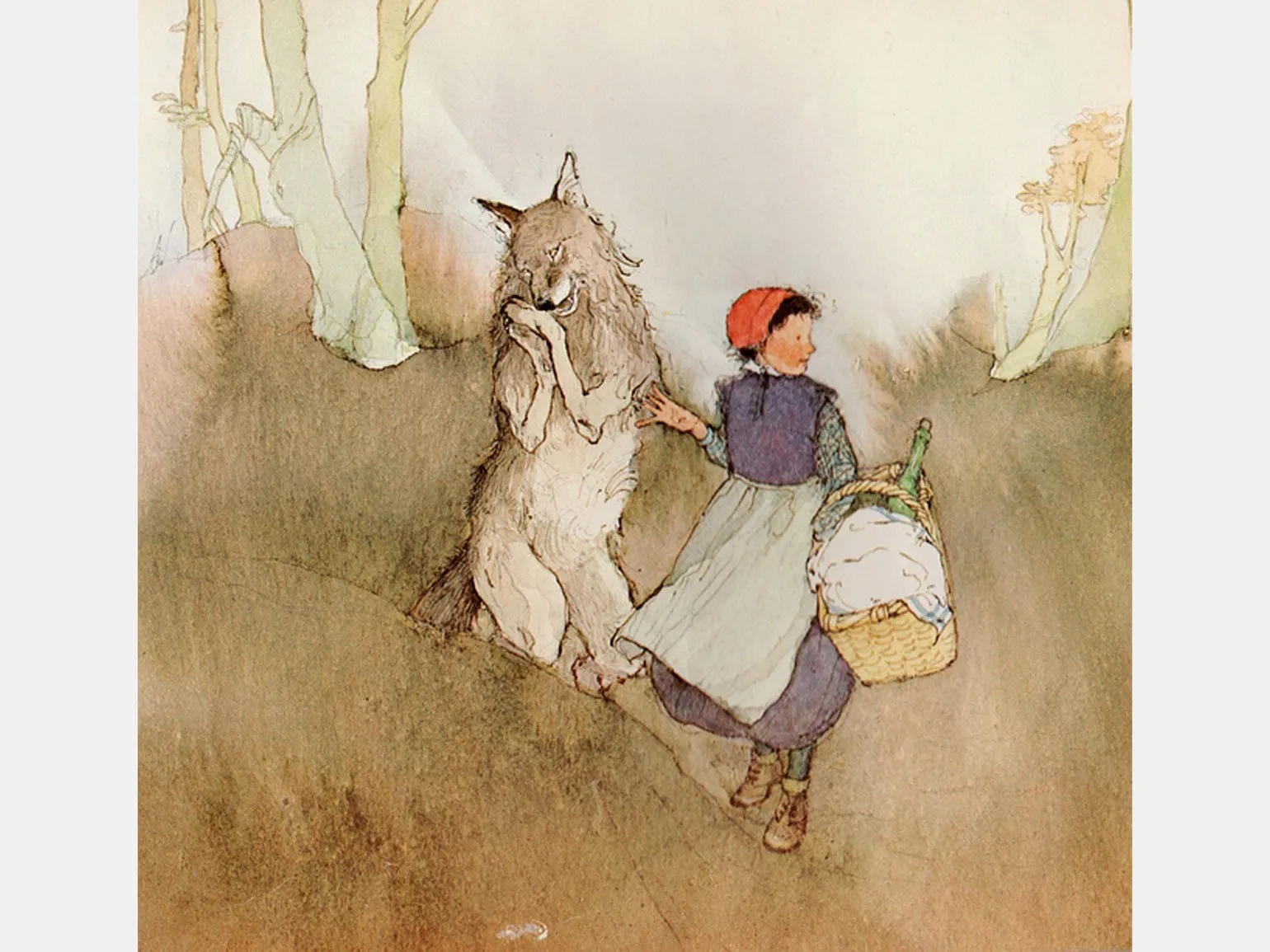
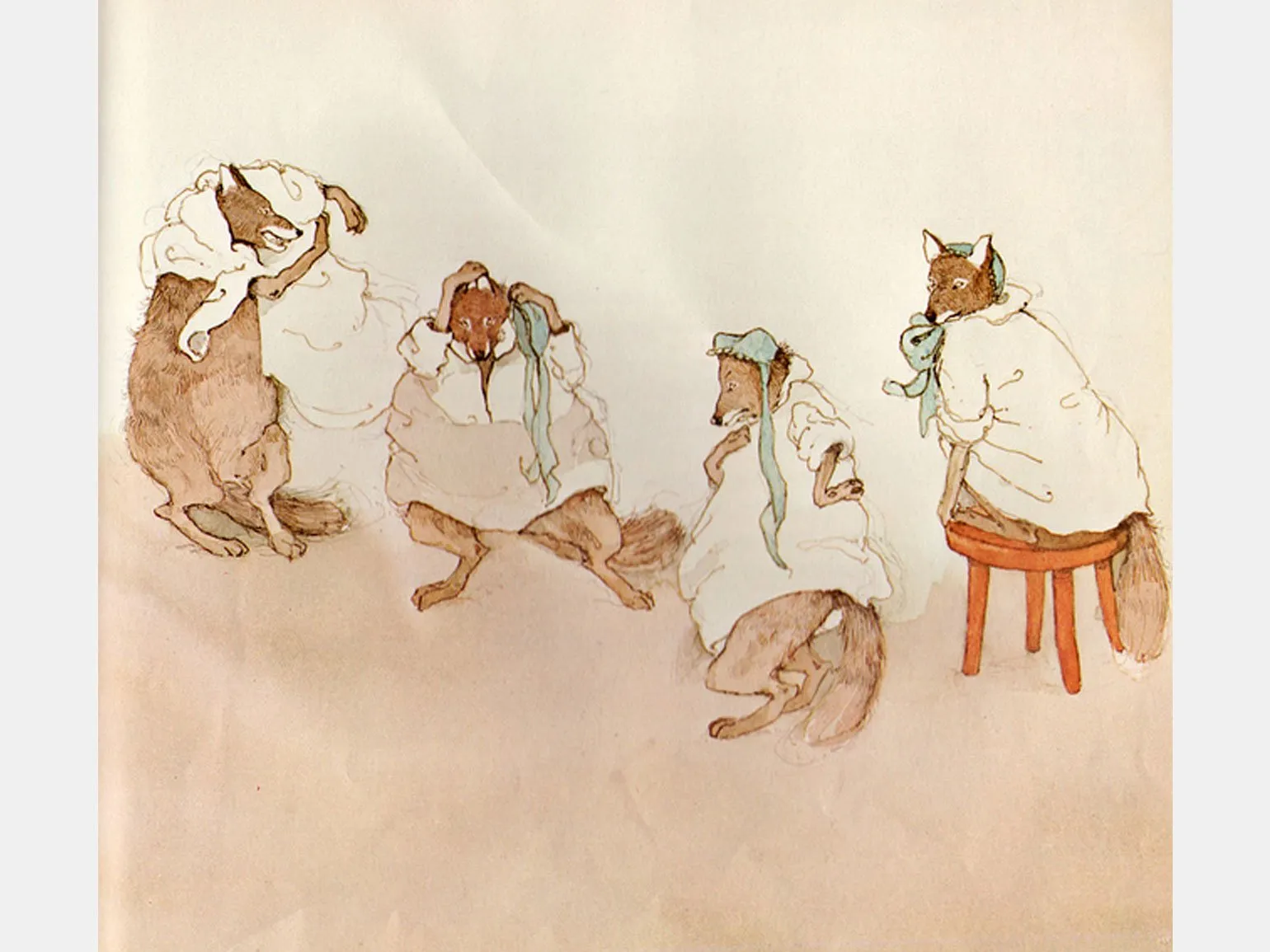
Austrian artist Lisbeth Zwerger's 1995 version of Little Red Riding Hood features watercolor illustrations that beautifully complement the story. This take on the classic fairy tale is captivating, with vibrant, expressive images that bring the text to life. Lisbeth Zwerger is also known for her illustrations of Hans Christian Andersen's fairy tales and other children's works, demonstrating her mastery in conveying the emotional depth and magic of children's literature. Each page of this book invites the reader into a world of fantasy, making it not only interesting for children, but also attractive to parents who appreciate high-quality literary design.

Illustrations for the fairy tale "Rapunzel"
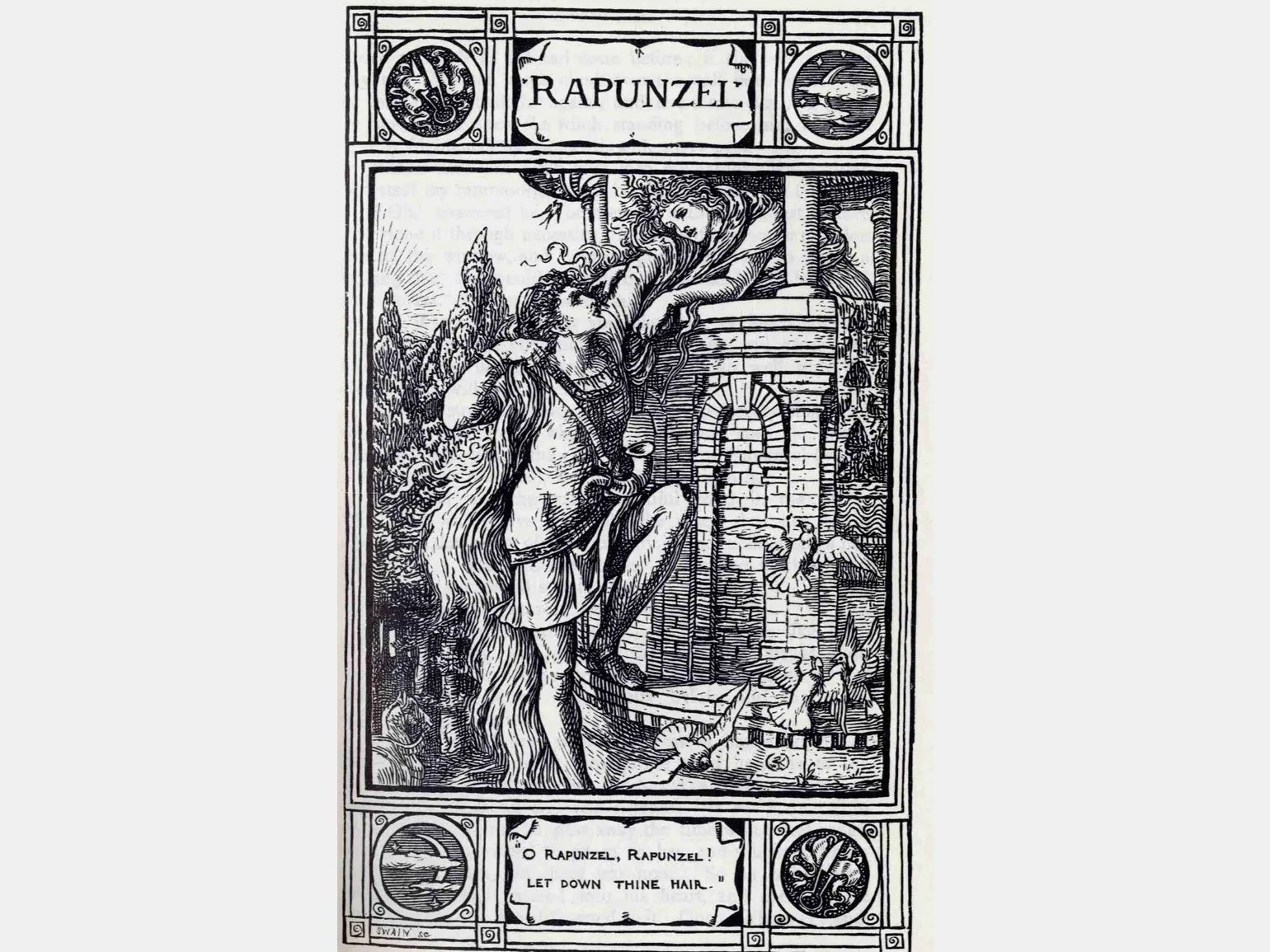
The fairy tale "Rapunzel", familiar to many from childhood, has become a source of inspiration for many artists who create unique illustrations. One of the first significant illustrators who worked on this fairy tale is Walter Crane. His 1982 cover reflects the distinctive style that also appears in his other books. These illustrations not only complement the text but also bring the story to life, immersing readers in the magical world of "Rapunzel." The artwork helps create a deep emotional connection with the story, making it even more memorable.
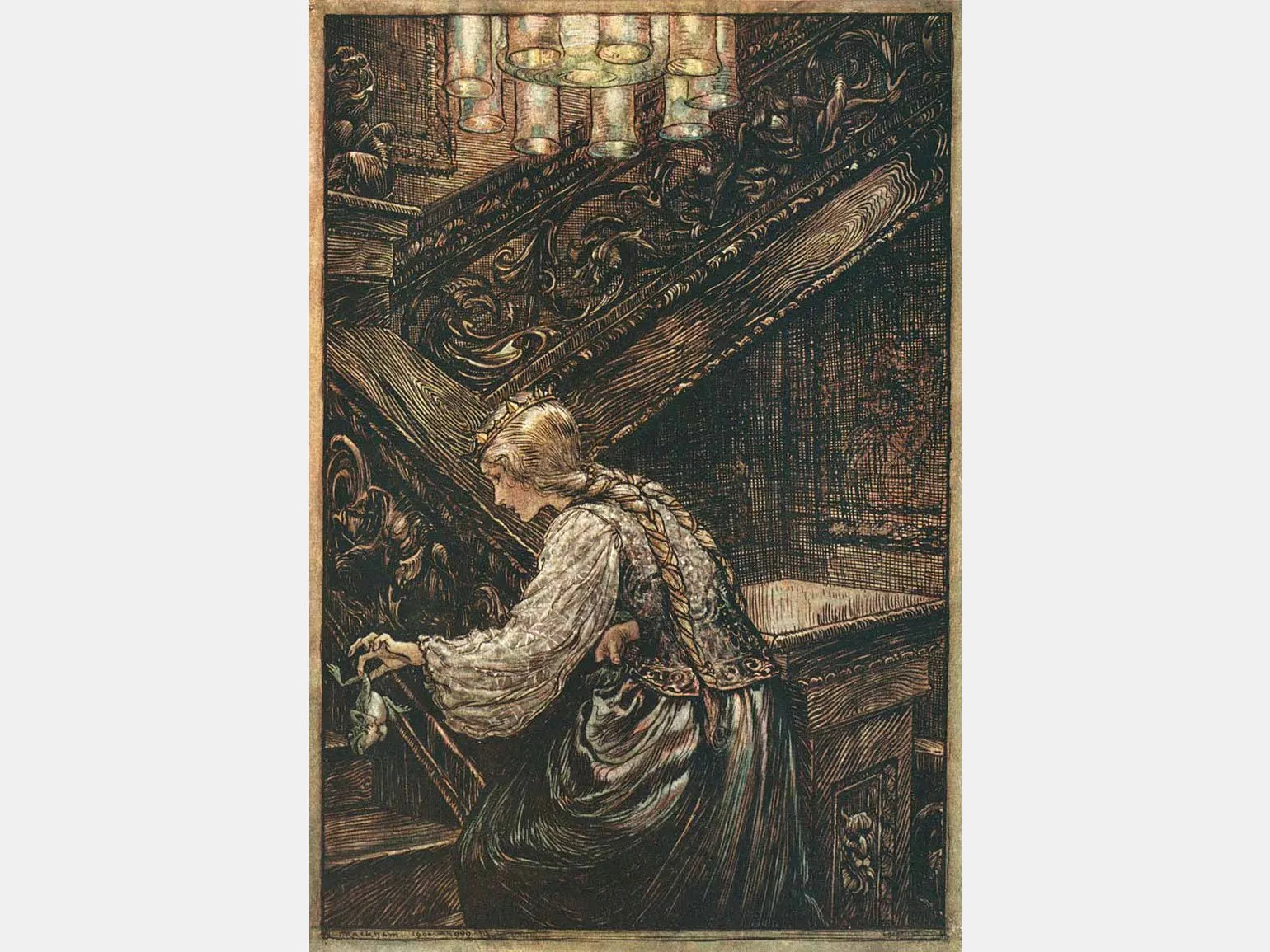
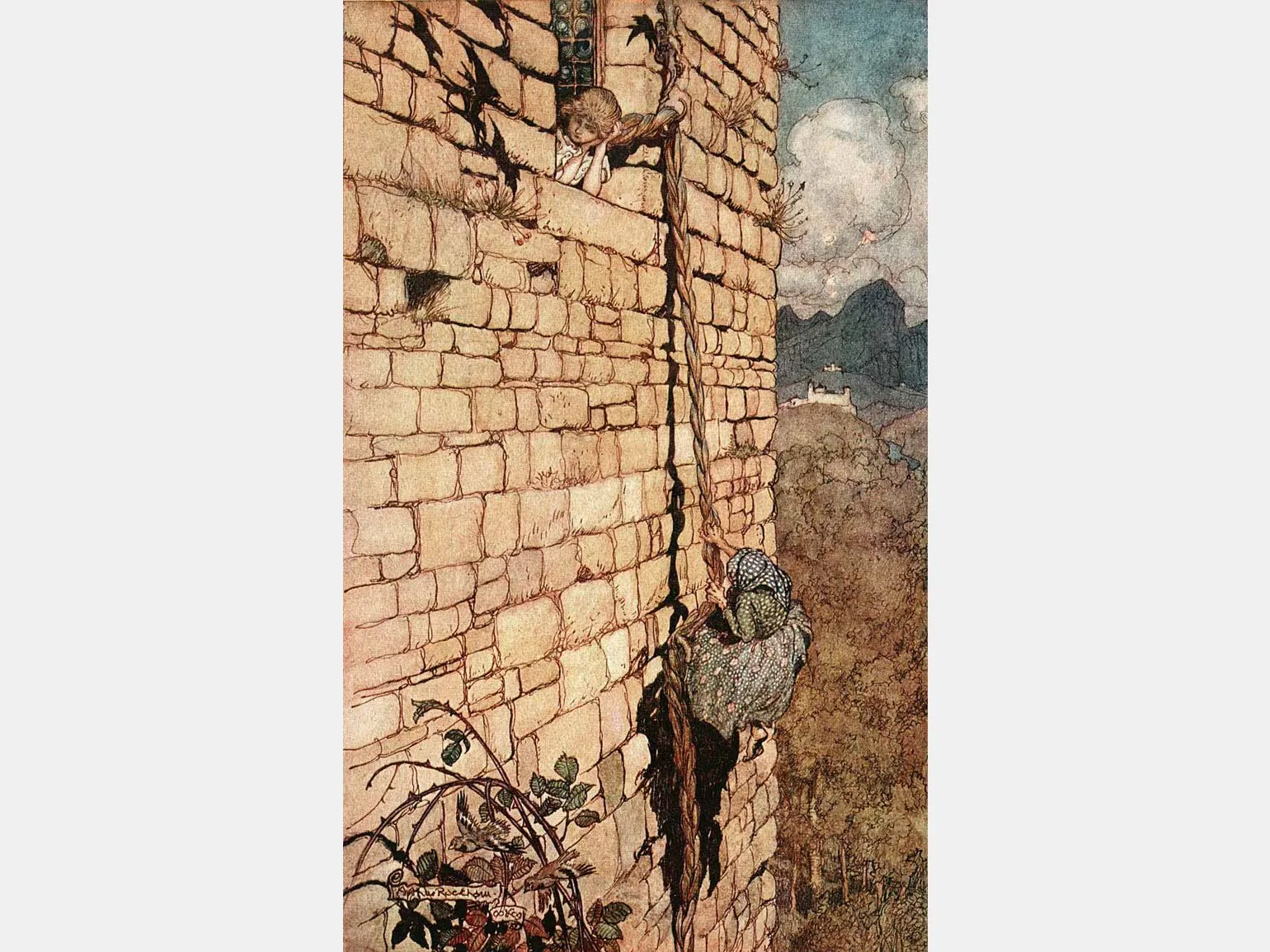
In 1909, Arthur Rackham created illustrations for the fairy tale that continue to inspire and delight audiences. His works are imbued with a magical atmosphere, which is clearly evident in his famous paintings. Rackham masterfully conveyed the magic of a fairytale world, making his illustrations relevant to this day.
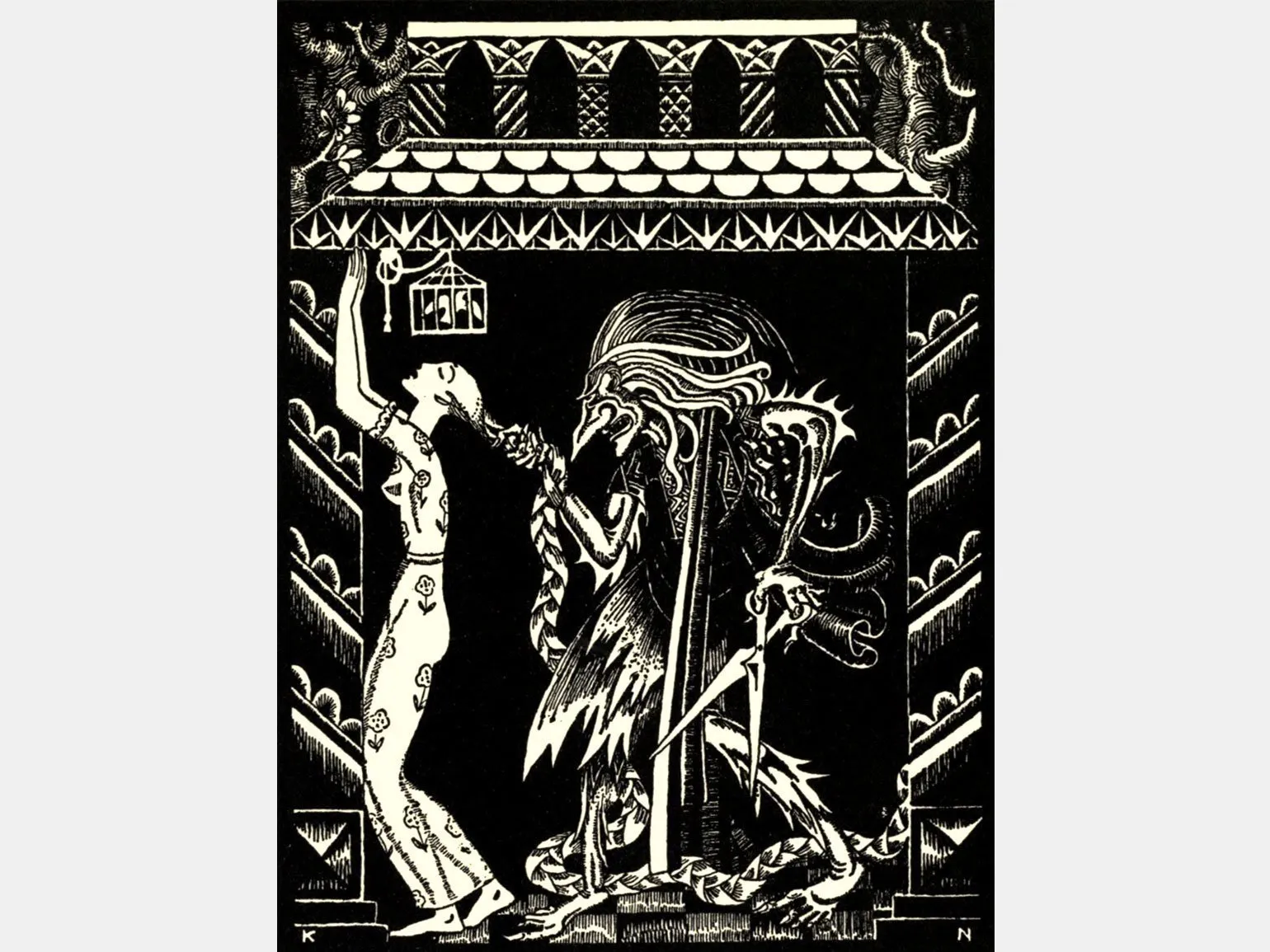
Kai Nielsen made a significant contribution to the illustrations for "Rapunzel." In 1925, he created a unique series of images that harmoniously intertwine elements of the fairy tale and reality. His works are distinguished by expressive detail and masterful use of color, allowing you to deeply immerse yourself in the magical world of this classic fairy tale. Nielsen managed to convey an atmosphere of mystery and adventure, which makes his illustrations indispensable for understanding the plot of "Rapunzel".
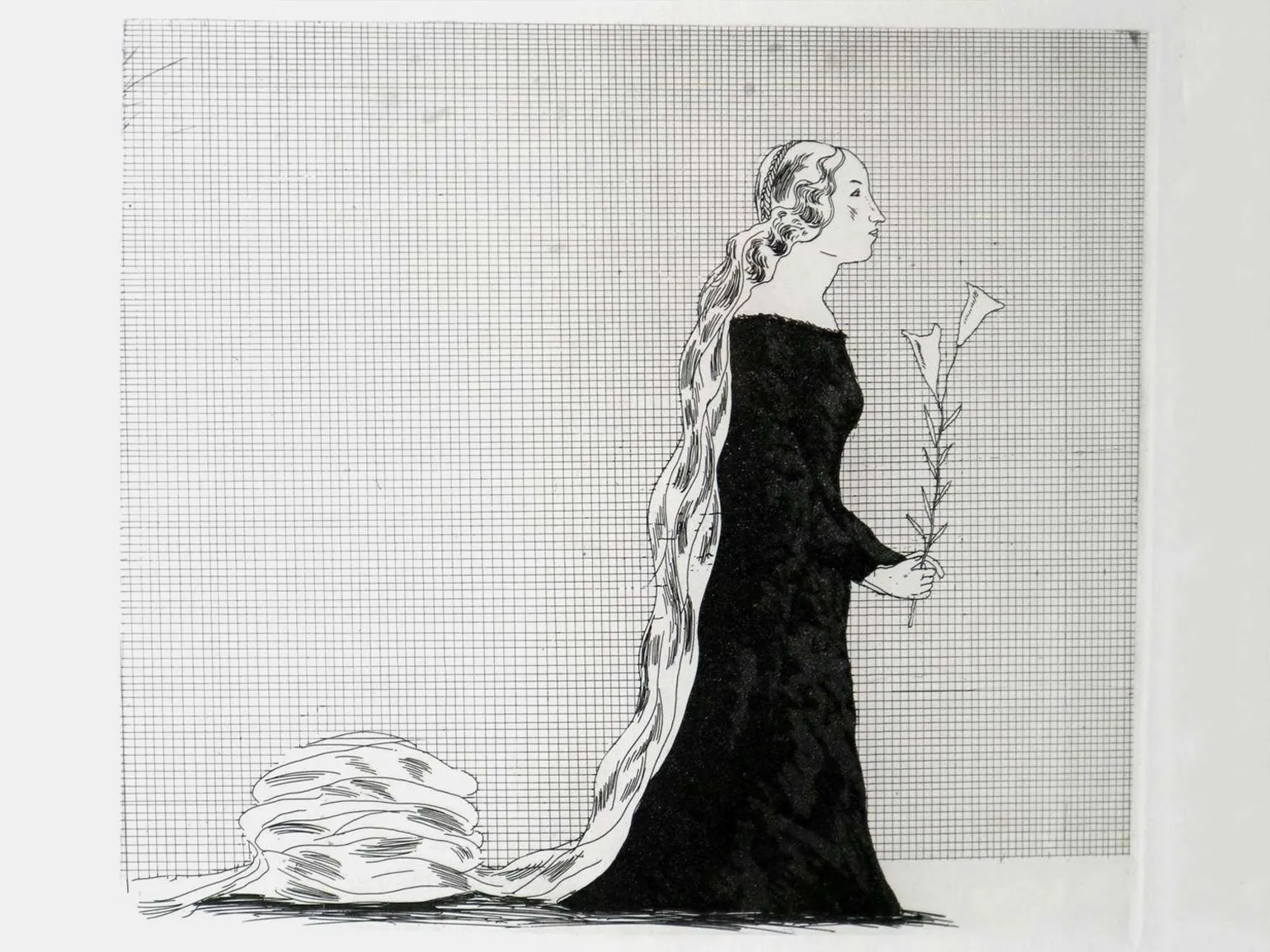
In the 1960s, David Hockney developed a unique series of illustrations for the brothers' fairy tales Grimm, among which "Rapunzel" stands out. While his works aren't always considered children's, they certainly attract attention thanks to their unique aesthetics and artistic style. Hockney's illustrations offer a fresh take on classic fairy tales, combining traditional elements with modern interpretations. These works inspire both adults and children, highlighting the profound connection between art and literature.
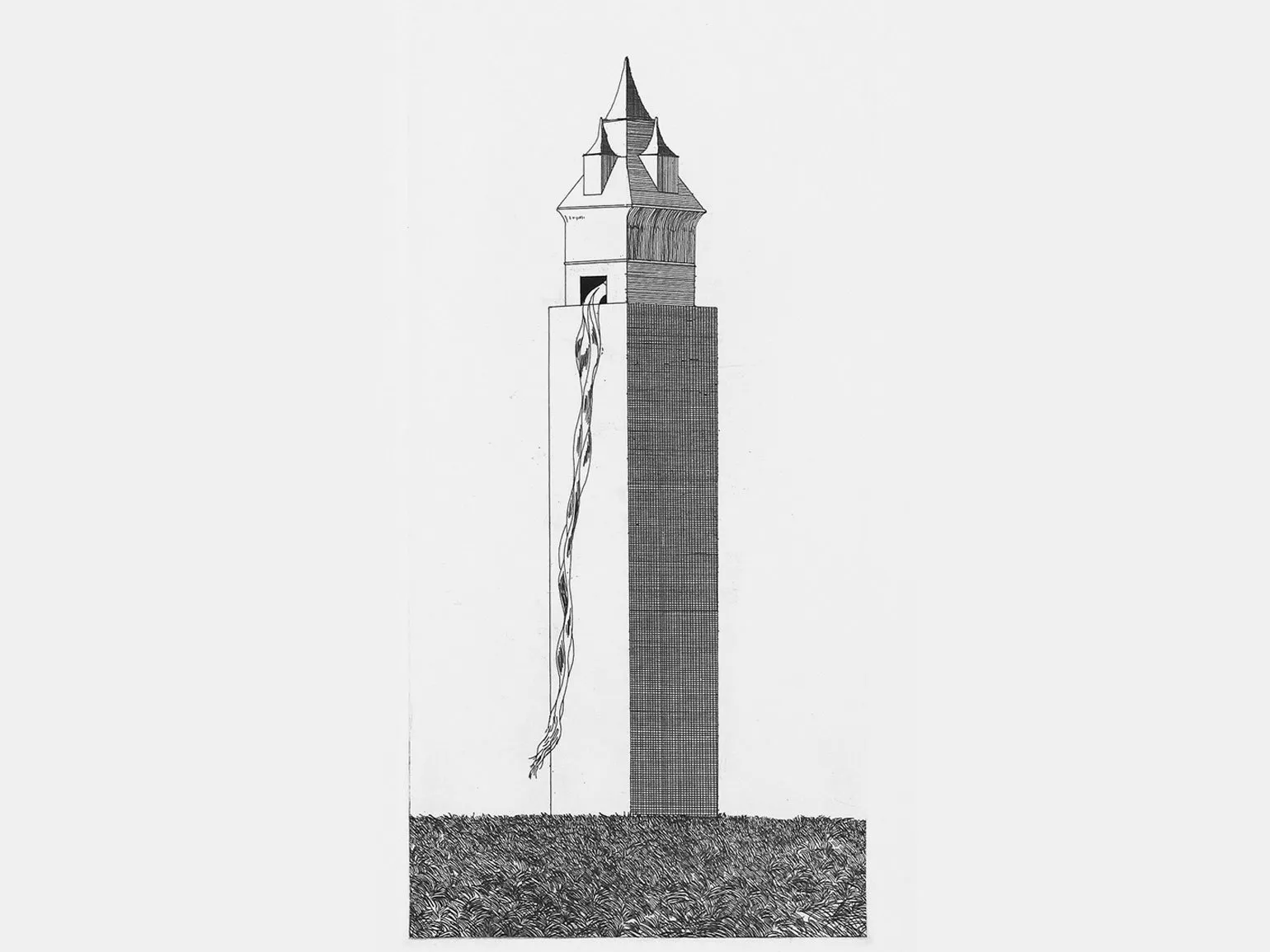
The Fairy Tale Architecture project, led by curators Kate and Andrew Bernheimer, offers an original interpretation of famous fairy tales through architectural forms. As part of this project, the architects create unique spaces inspired by stories such as "Rapunzel", allowing readers to immerse themselves in a fairytale world. Each architectural work becomes not just a visual interpretation, but also an interactive experience that opens up new horizons for perceiving classic fairy tales. This project promotes creativity in architecture and inspires new approaches to old stories, making them accessible to modern viewers.


The History of Illustrations to "The Snow Queen"
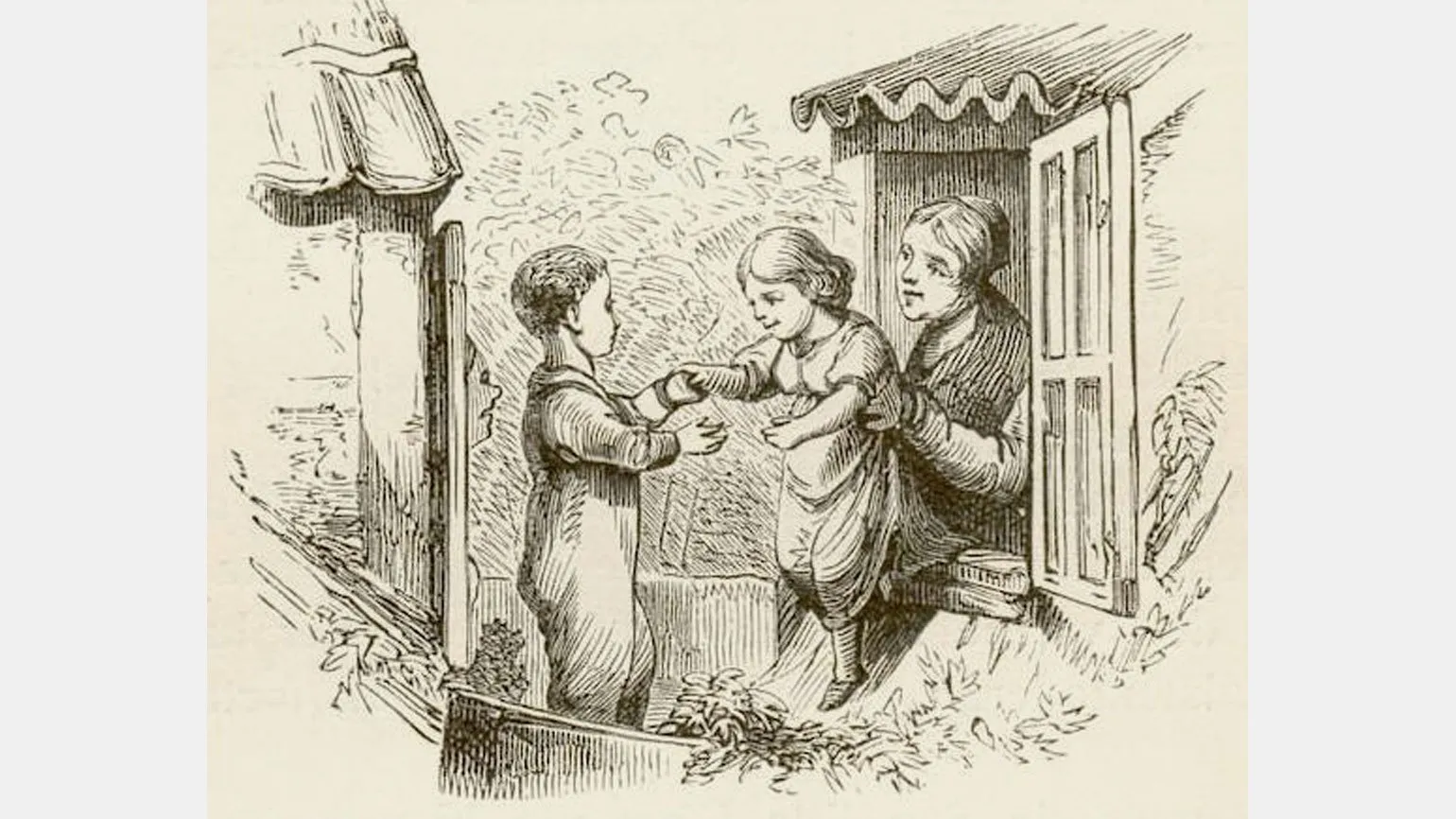
Hans Christian Andersen's fairy tale "The Snow Queen" has gained popularity among readers and has become a source of inspiration for many artists who create bright illustrations. The first to visually interpret this magical story was the Danish artist Wilhelm Pedersen. In 1844, he presented his engravings, which continue to delight art and literature lovers. Pedersen's illustrations not only help to better understand the plot, but also give a special atmosphere to Andersen's fairy-tale world, preserving its magic and charm over the years.
At the end of the 19th century, the illustration of this fairy tale was turned to Arthur Rackham, renowned for his expressive monochrome images, brought a new dimension to the narrative, making it more dramatic and engaging. Rackham's works became an important part of the visual culture of the time and continue to inspire artists and readers to this day. His illustrations not only highlight key plot points but also create an atmosphere that allows for a deeper understanding of the emotional component of the tale.
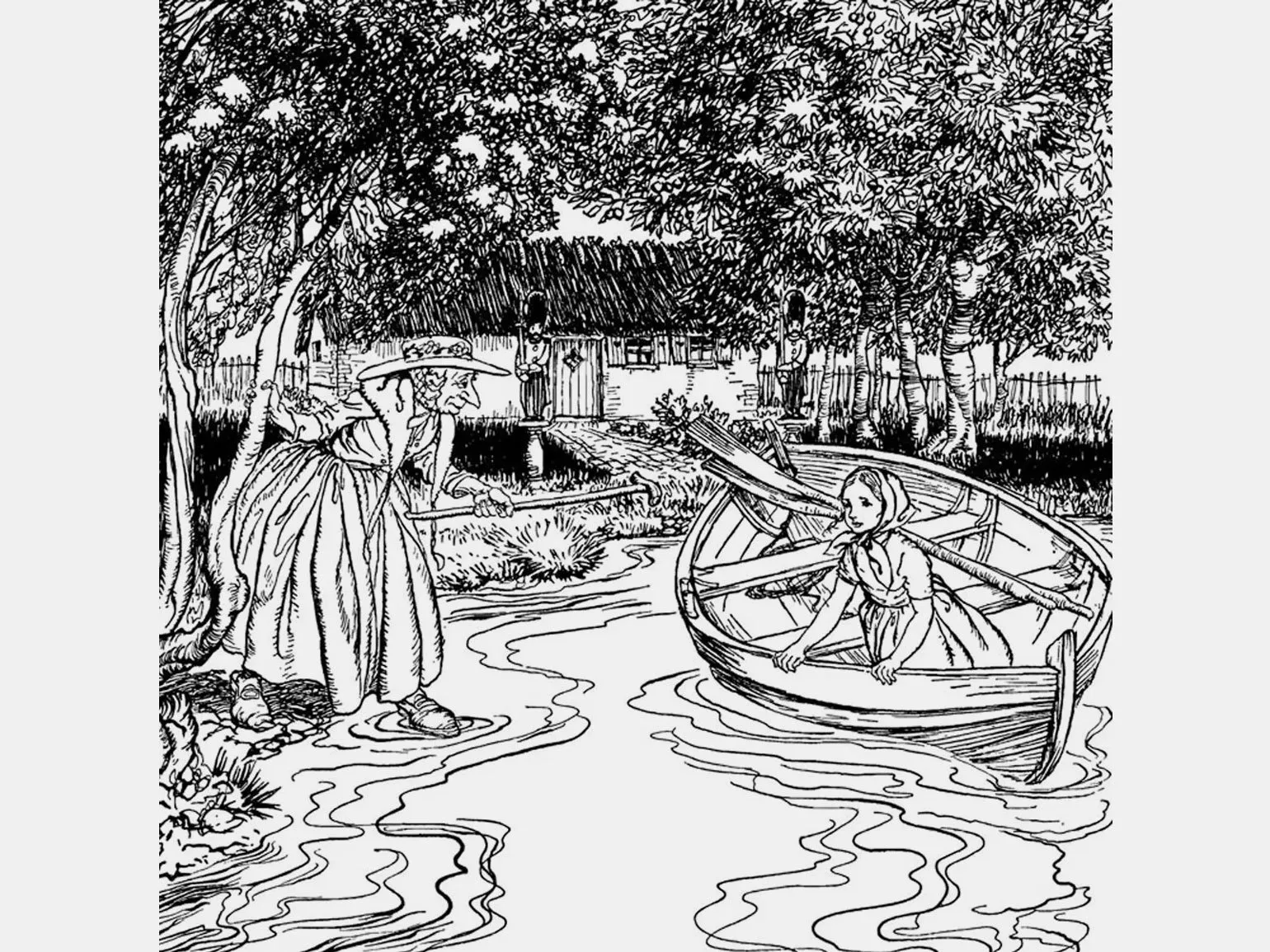
French artist Edmund Dulac made a significant contribution to the history of illustrations to "The Snow Queen." In 1911, he created a unique series of works distinguished by their sophistication and oriental themes. Dulac, renowned for his magical illustrations for children's books, managed to imbue the story with a unique atmosphere, emphasizing the magic and mysticism of the fairy tale. His work continues to inspire art and literature enthusiasts alike, remaining relevant in today's world.
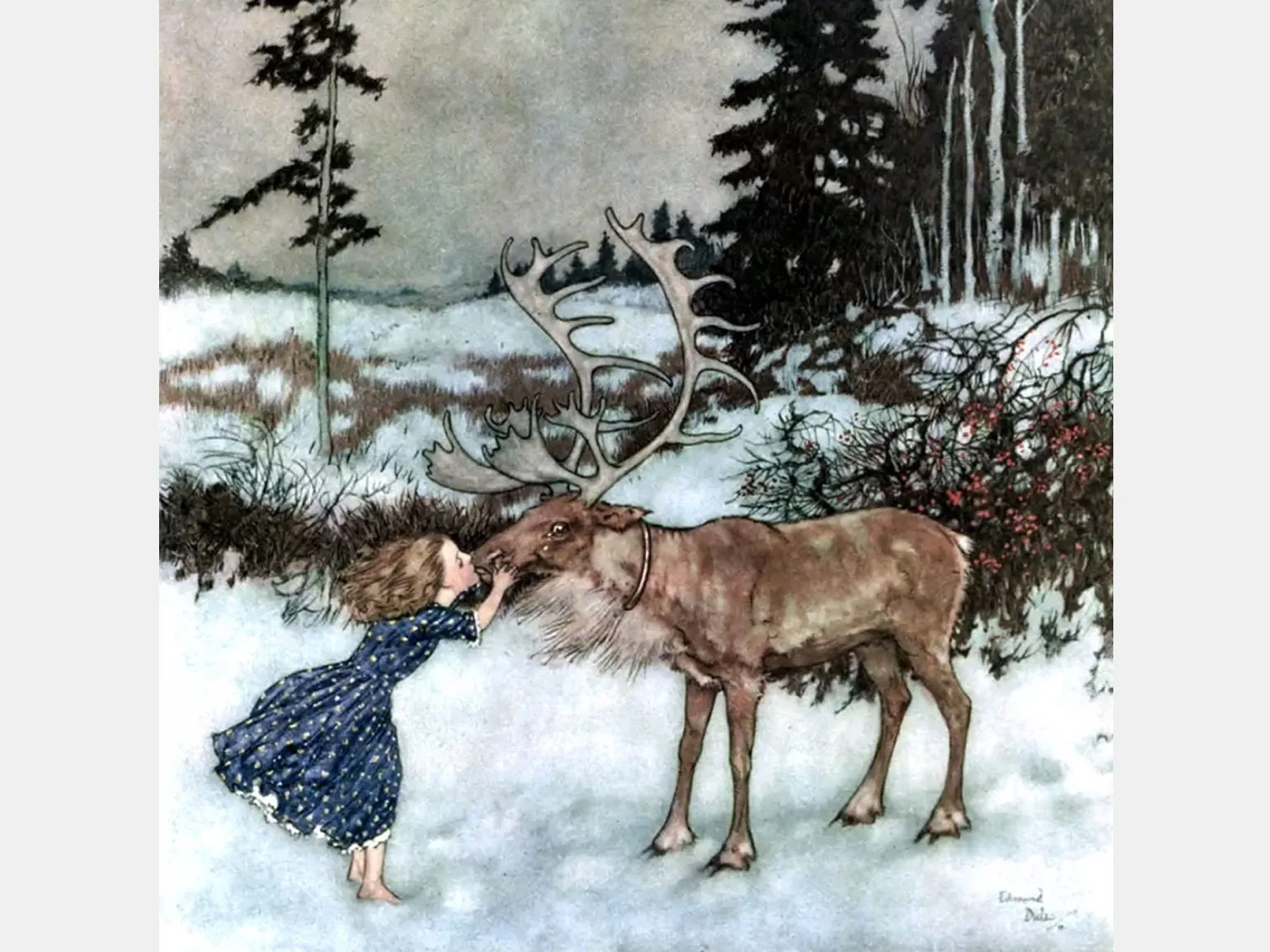
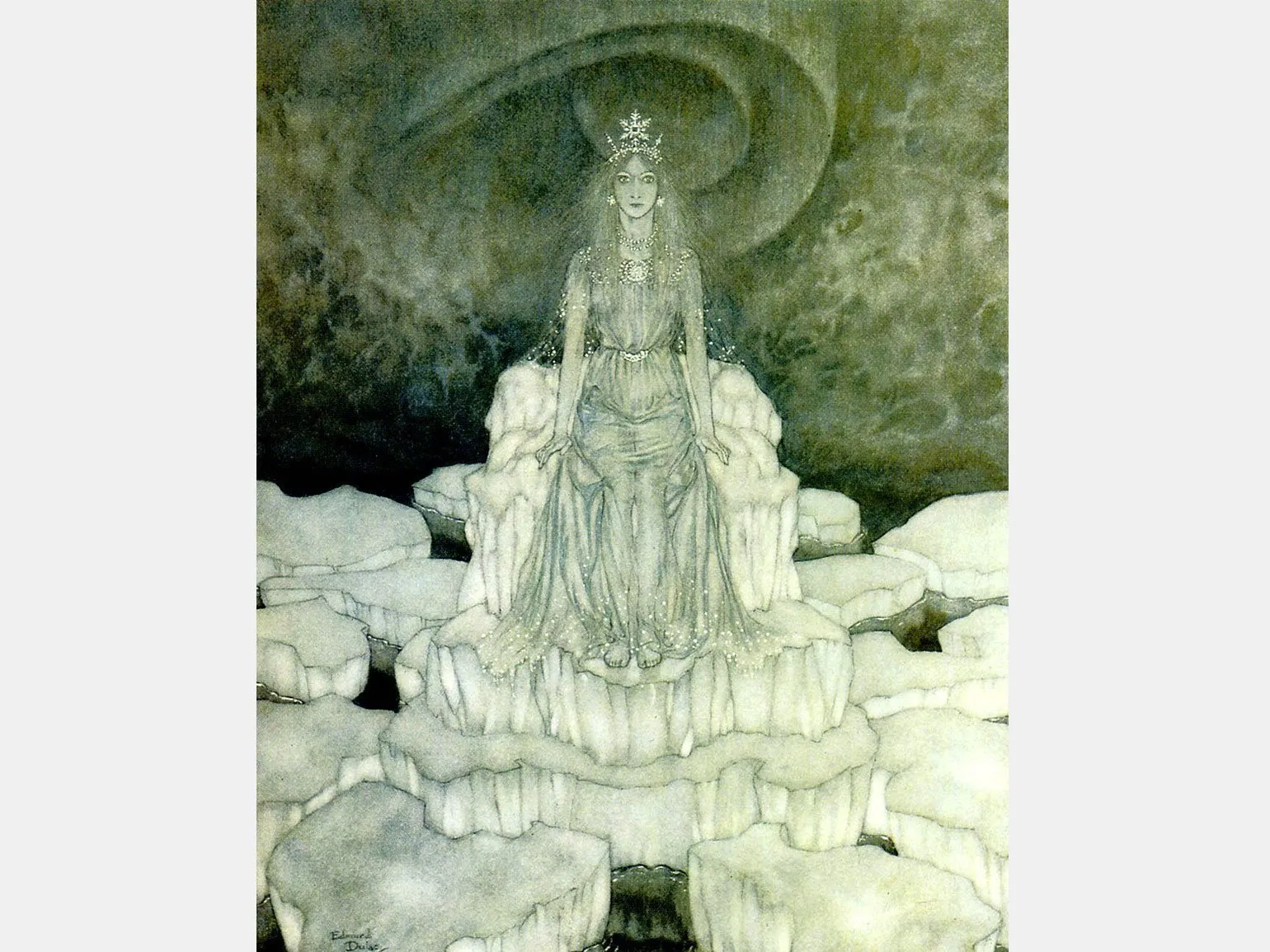
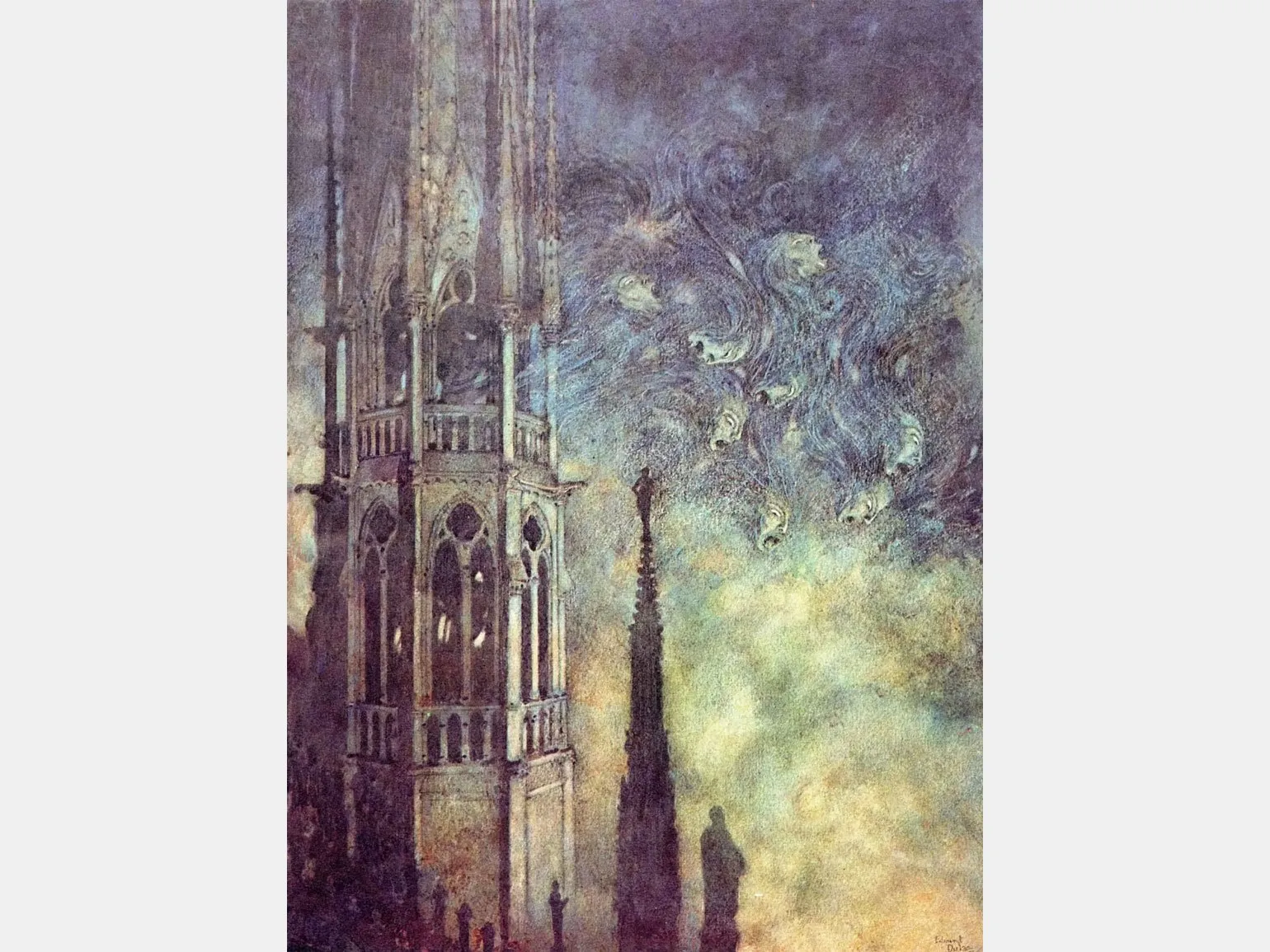
In 1924, Kai Nielsen continued the tradition of creating illustrations using watercolor technique and ease of execution. His works retained the characteristic features of the illustrations to "Rapunzel", but were supplemented with light, translucent shades. These changes enhanced the fairy-tale effect of his works, making them more attractive and magical.
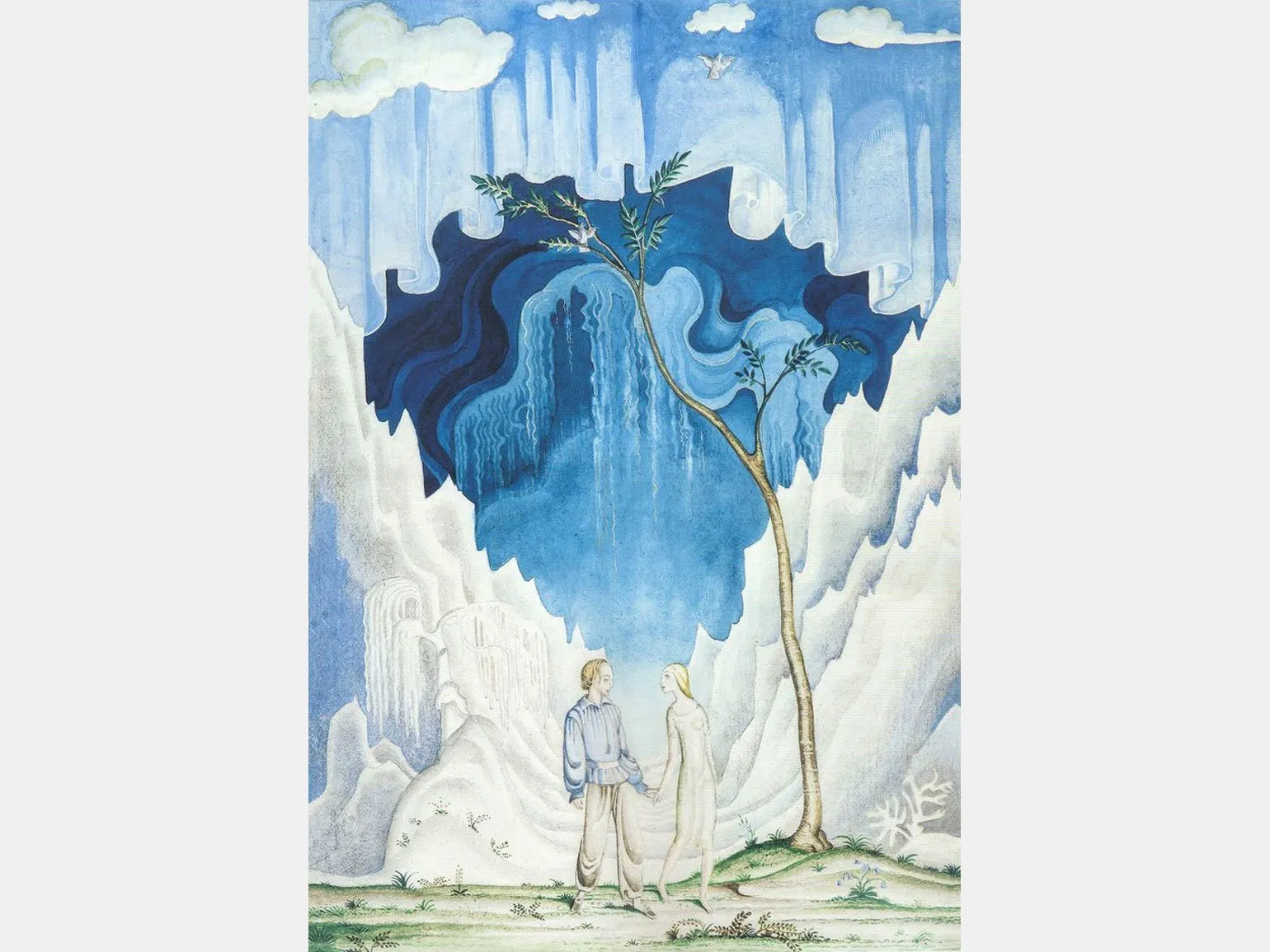
The history of illustrations to The Snow Queen vividly illustrates the influence of different eras and artistic styles on the perception This classic fairy tale. Each illustrator brings their own unique interpretation, giving each picture book a unique character. These visual interpretations not only enrich the plot but also allow for a deeper understanding of the emotional component of the work, making it relevant for new generations of readers. Thus, illustrations become an important part of literary heritage, highlighting the diversity of artistic approaches to the classics.
Illustrations for the fairy tale "The Tinderbox"
The fairy tale "The Tinderbox", created by Hans Christian Andersen, continues to inspire artists and illustrators over the years. In the 19th century, its artistic rendition was presented by Henry Ford, not to be confused with the owner of the automobile factory. The British artist became famous for his monochrome illustrations for children, which remain relevant and attract the attention of new generations of readers. These images highlight the depth and magic of the tale, helping young viewers better understand its plot and moral. Interest in "The Tinderbox" remains high today, which is why the work continues to occupy an important place in culture and art.
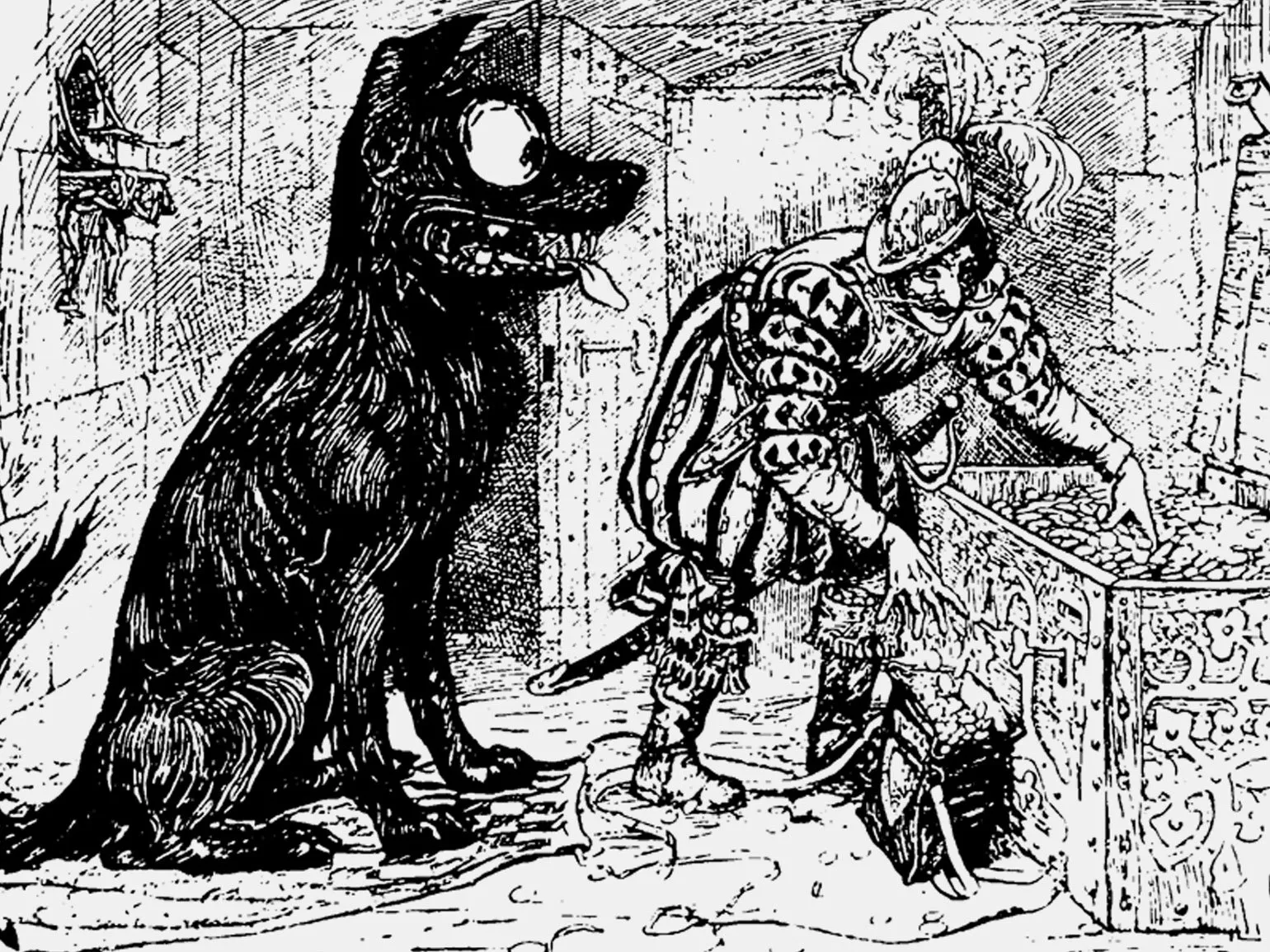
Kai Nielsen, an outstanding illustrator, left a noticeable mark on the visualization of this fairy tale. His watercolors, in particular the image of the famous dog, have become true works of art that delight both children and adults. Nielsen's art captures attention with its vibrancy and depth, creating a magical atmosphere that helps readers delve deeper into the fairy tale world.
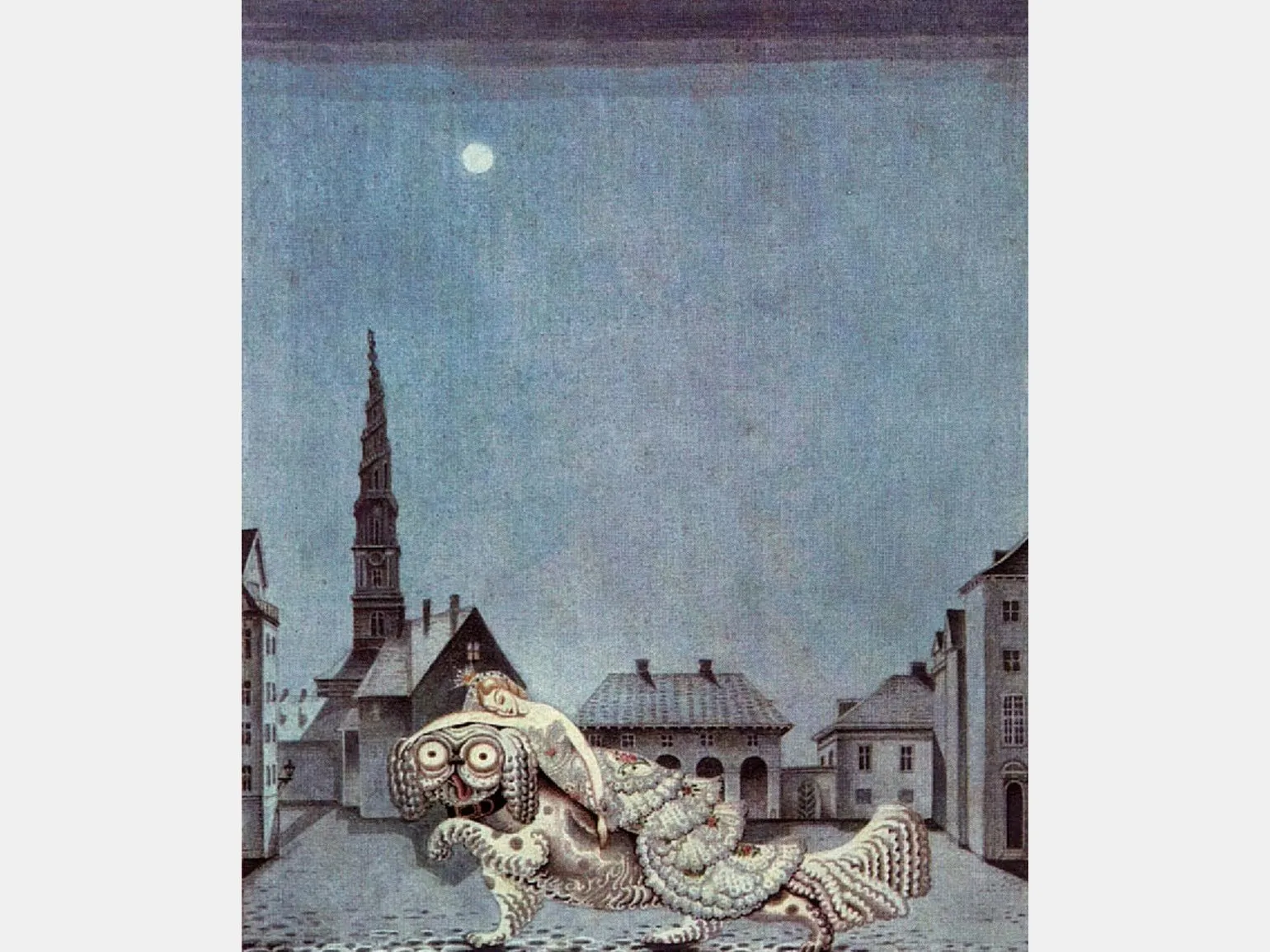
At the beginning of the 20th century, Irish artist Harry Clarke, famous for his Clarke, a renowned stained glass artist for churches, created unique illustrations for the fairy tale "The Tinderbox." Clarke's Art Deco works brought a fresh perspective to this classic story. His illustration of a dog and a soldier became a symbol that inspired generations of readers. Clarke's stained glass windows and illustrations remain iconic works of art, fusing traditional motifs with contemporary artistic trends.
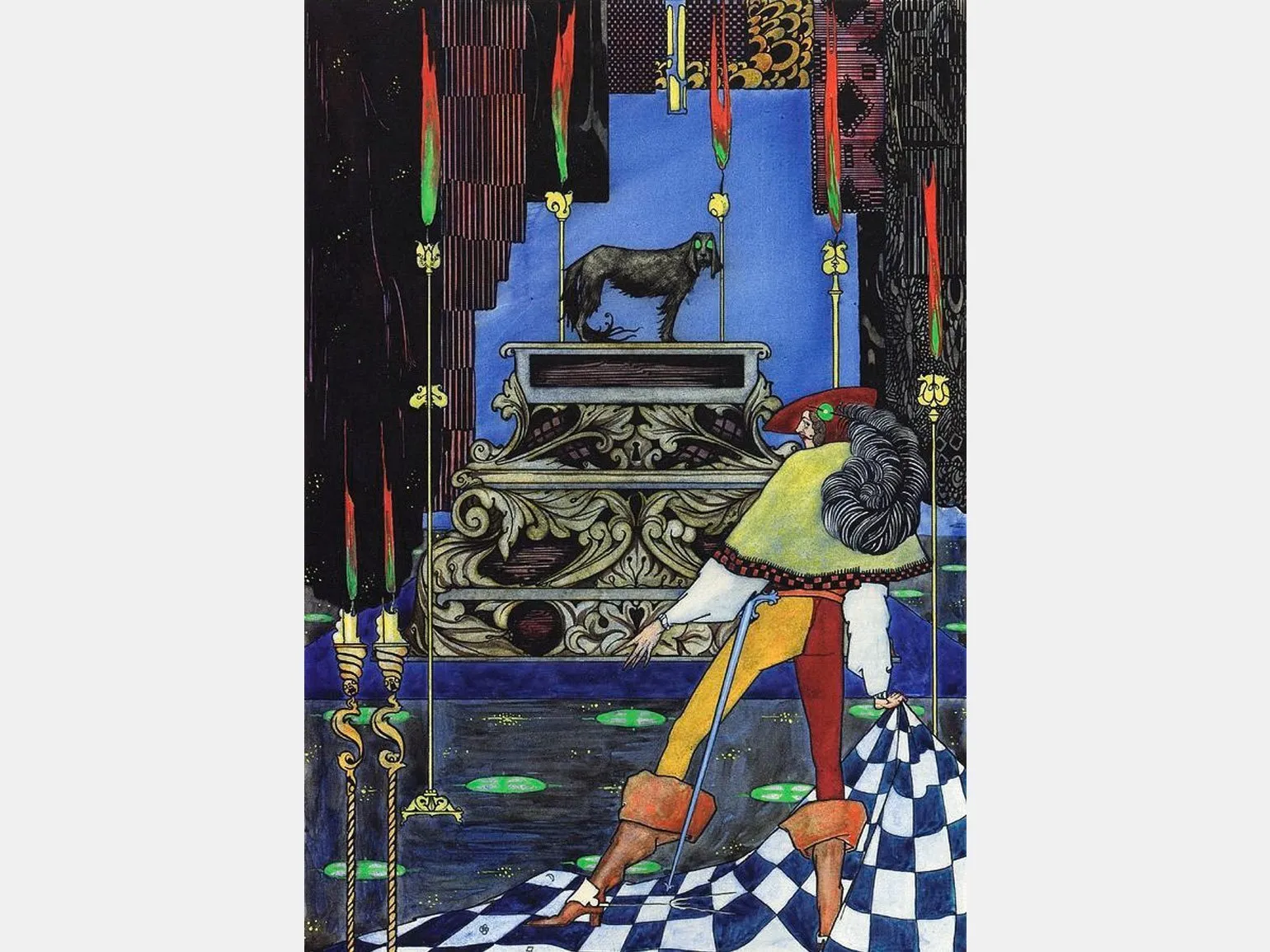
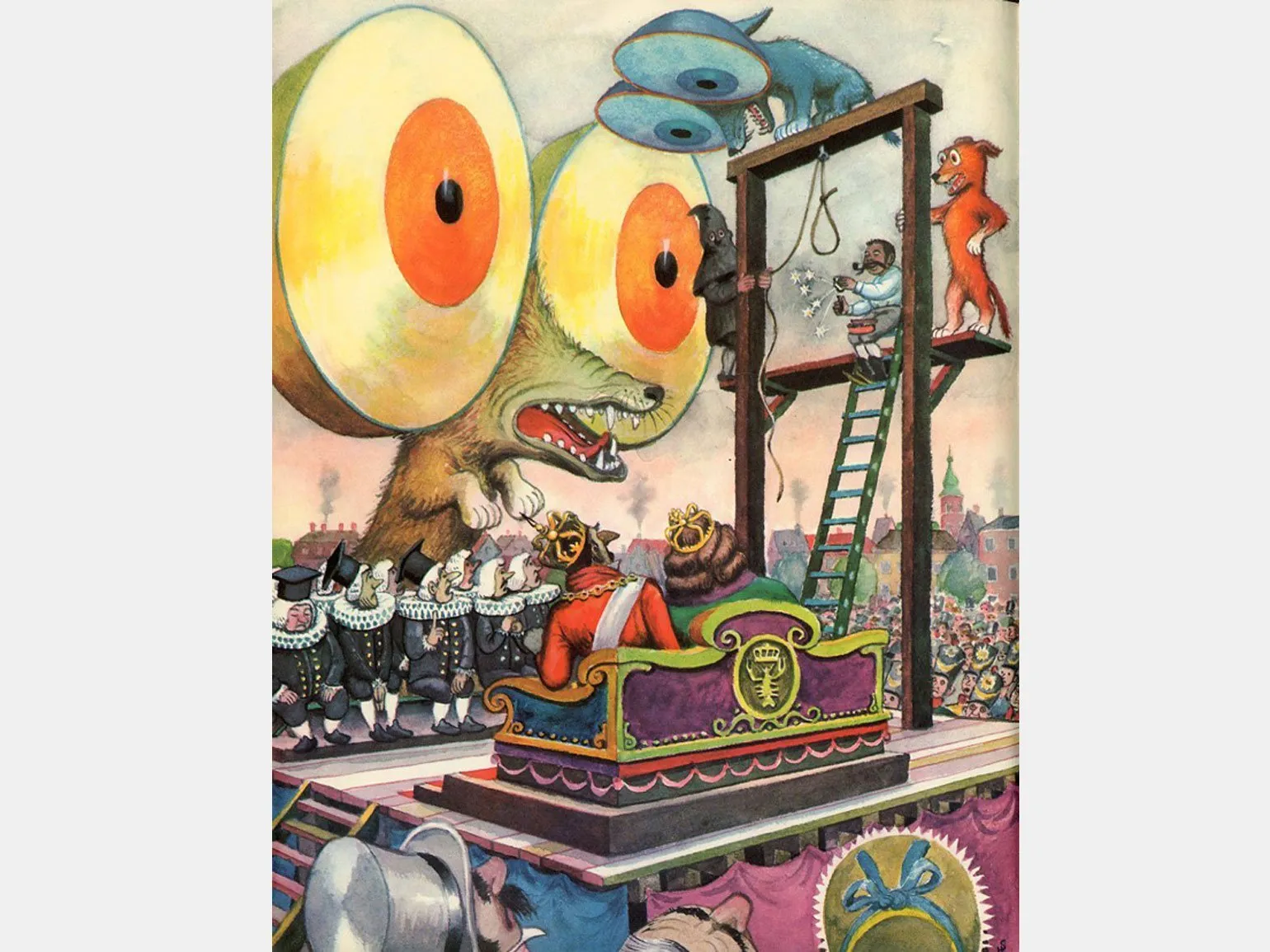
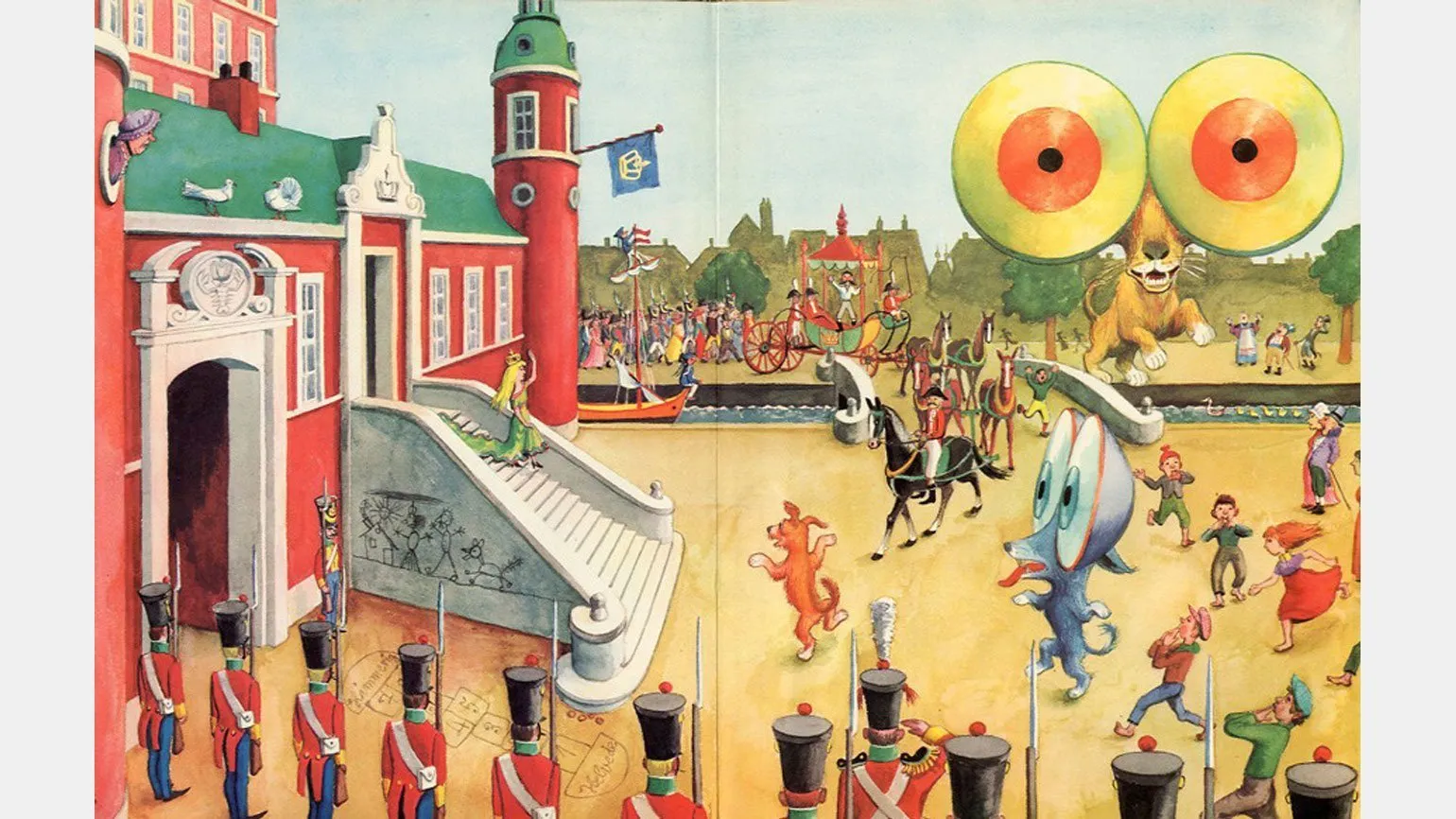
Swiss illustrator Henry Strub, active since 1956, has earned recognition for his unique and expressive eyes. His illustrations for the fairy tale "Tinderbox" stand out among others thanks to their original style and high level of detail, making each work especially memorable. Strub masterfully conveys the emotions and personality of his characters, captivating and engaging viewers. His work remains relevant and in demand, combining artistic talent with a deep understanding of literature.
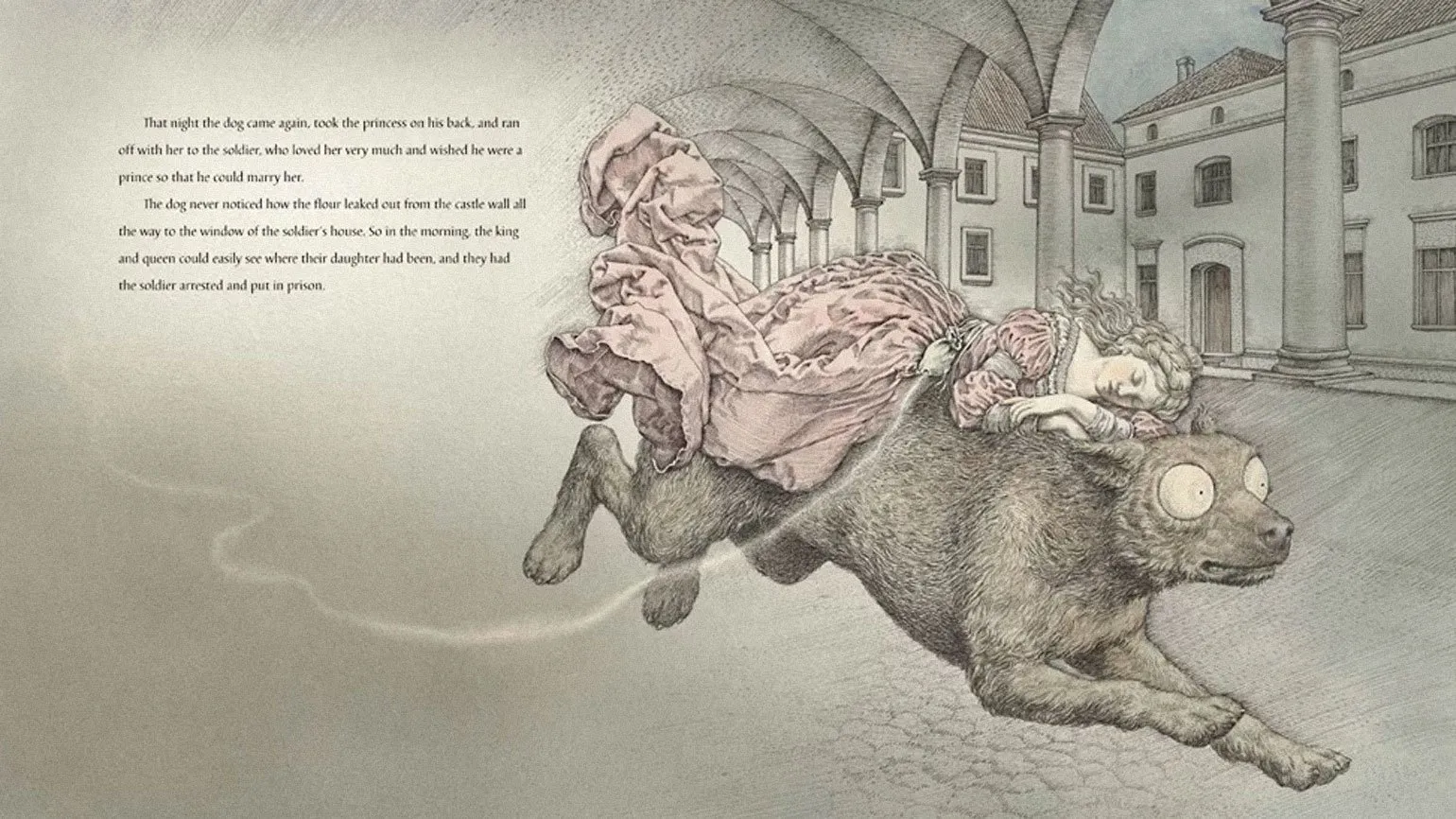
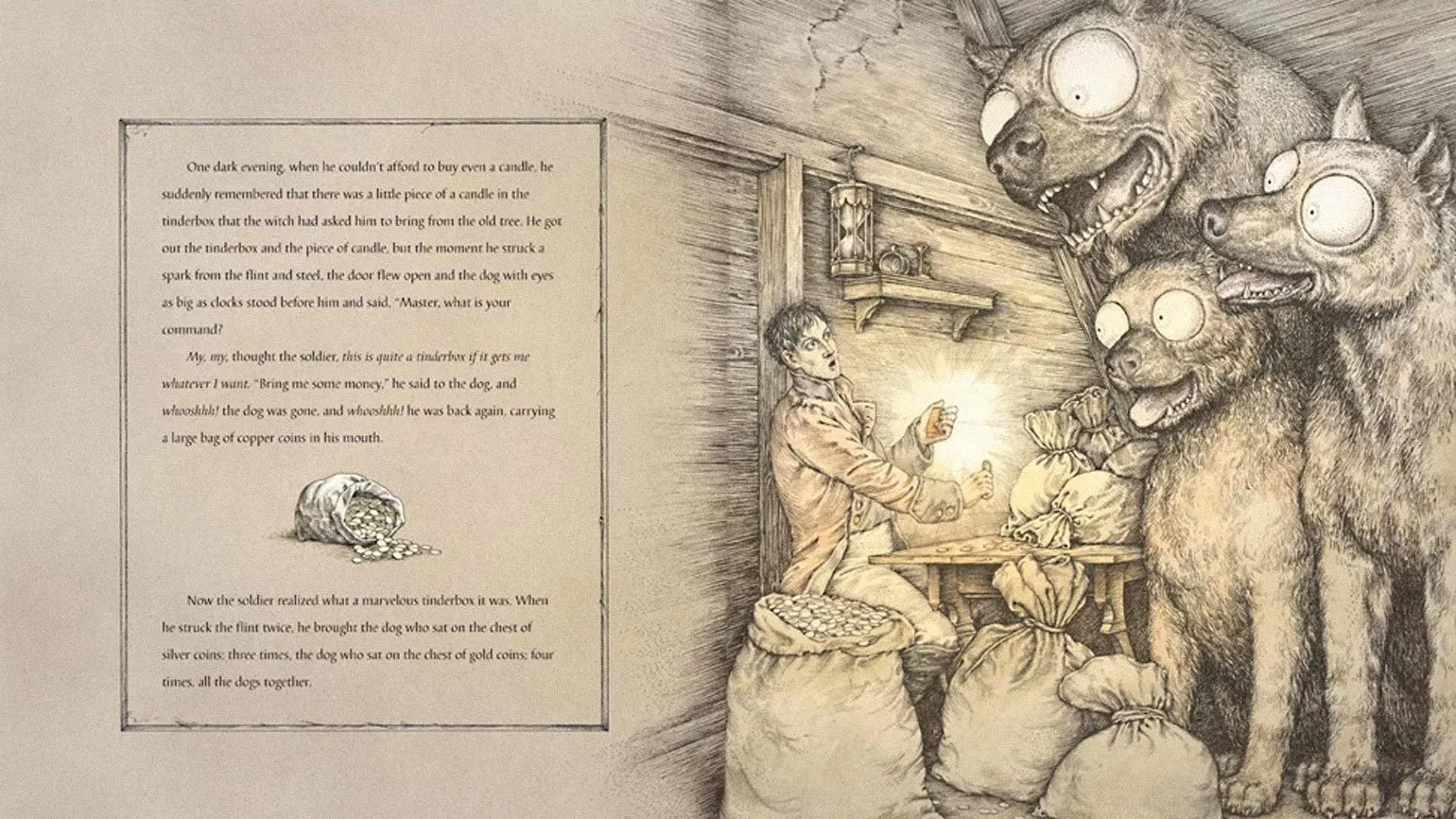
Bagram Ibatullin is a contemporary Russian illustrator who offers his own unique interpretation of fairy tales, combining elements of traditional and modern art. His illustrations are distinguished by bright colors and an original style, which makes them especially appealing to audiences of all ages. Ibatoullin's works not only inspire children but also resonate with adults, which contributes to the popularity of his work.
The Story of "The Wizard of Oz"
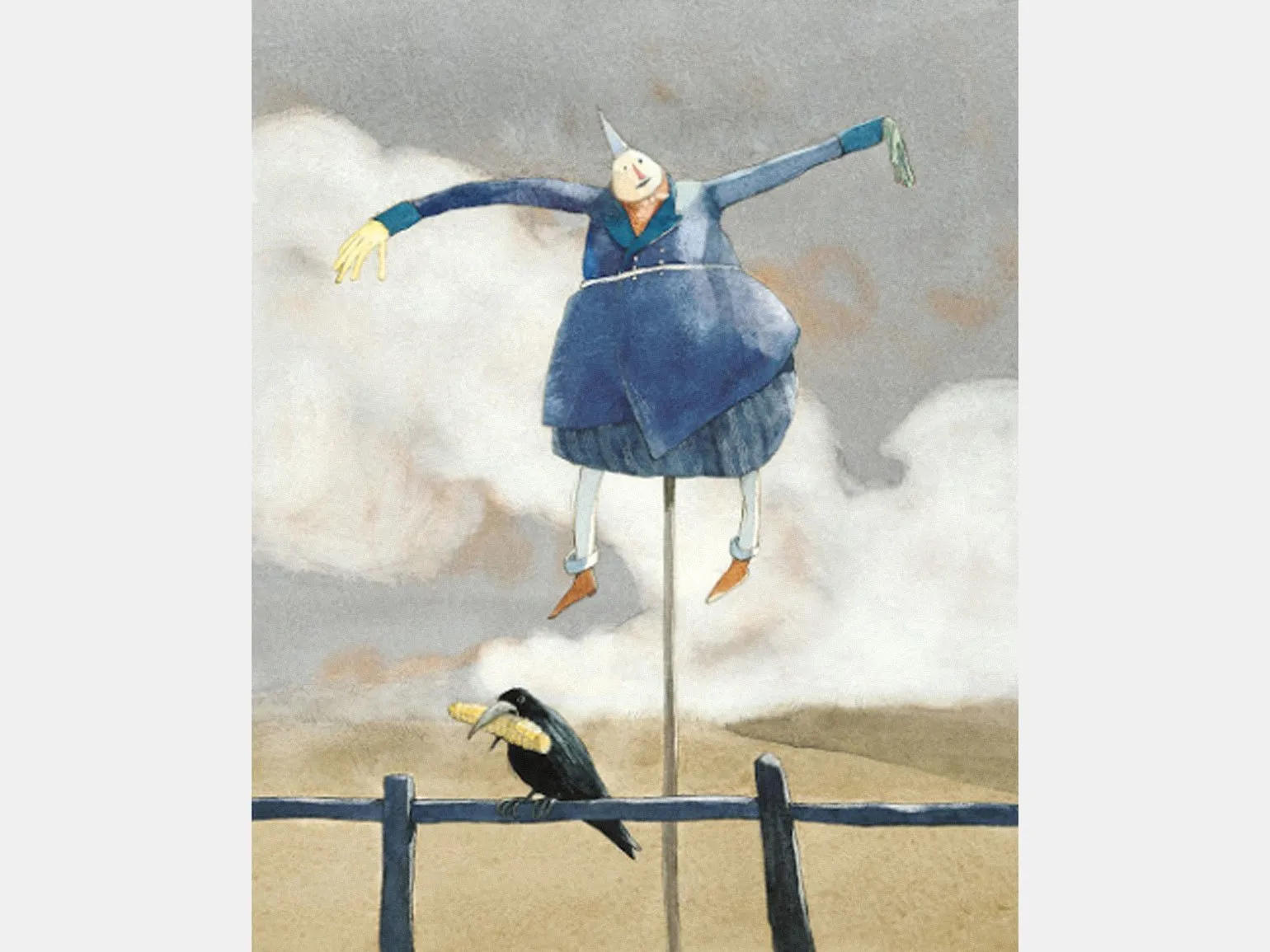
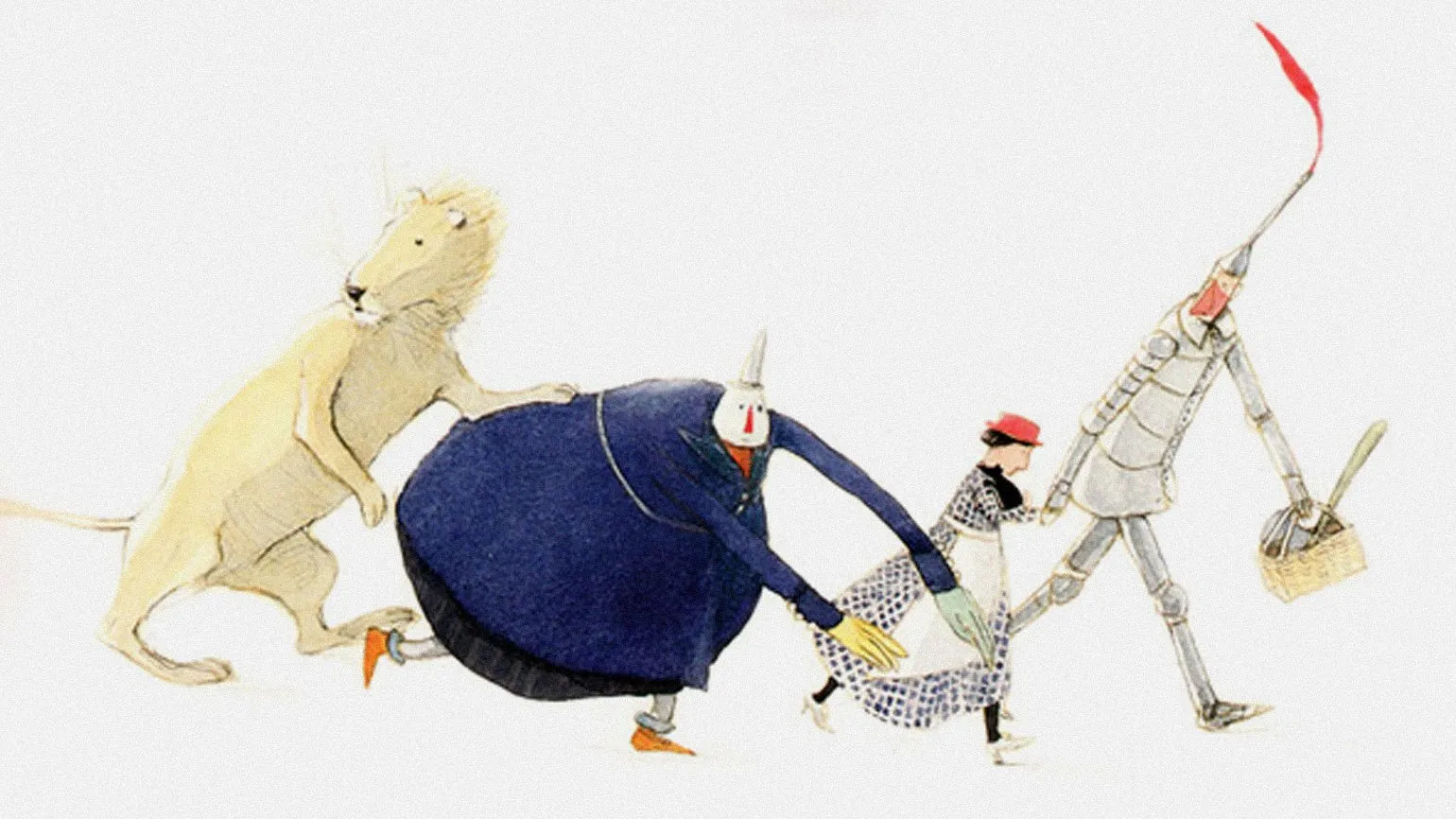
The fairy tale "The Wizard of Oz", written in 1900, quickly gained popularity and recognition among readers. Unique illustrations created by William Denslow played a key role in its success. This American artist and cartoonist created numerous vibrant color lithographs that not only enriched the text but also became the main visual associations with the work. Denslow's illustrations help to immerse you deeper into the magical world of Oz, making the tale even more appealing to children and adults.

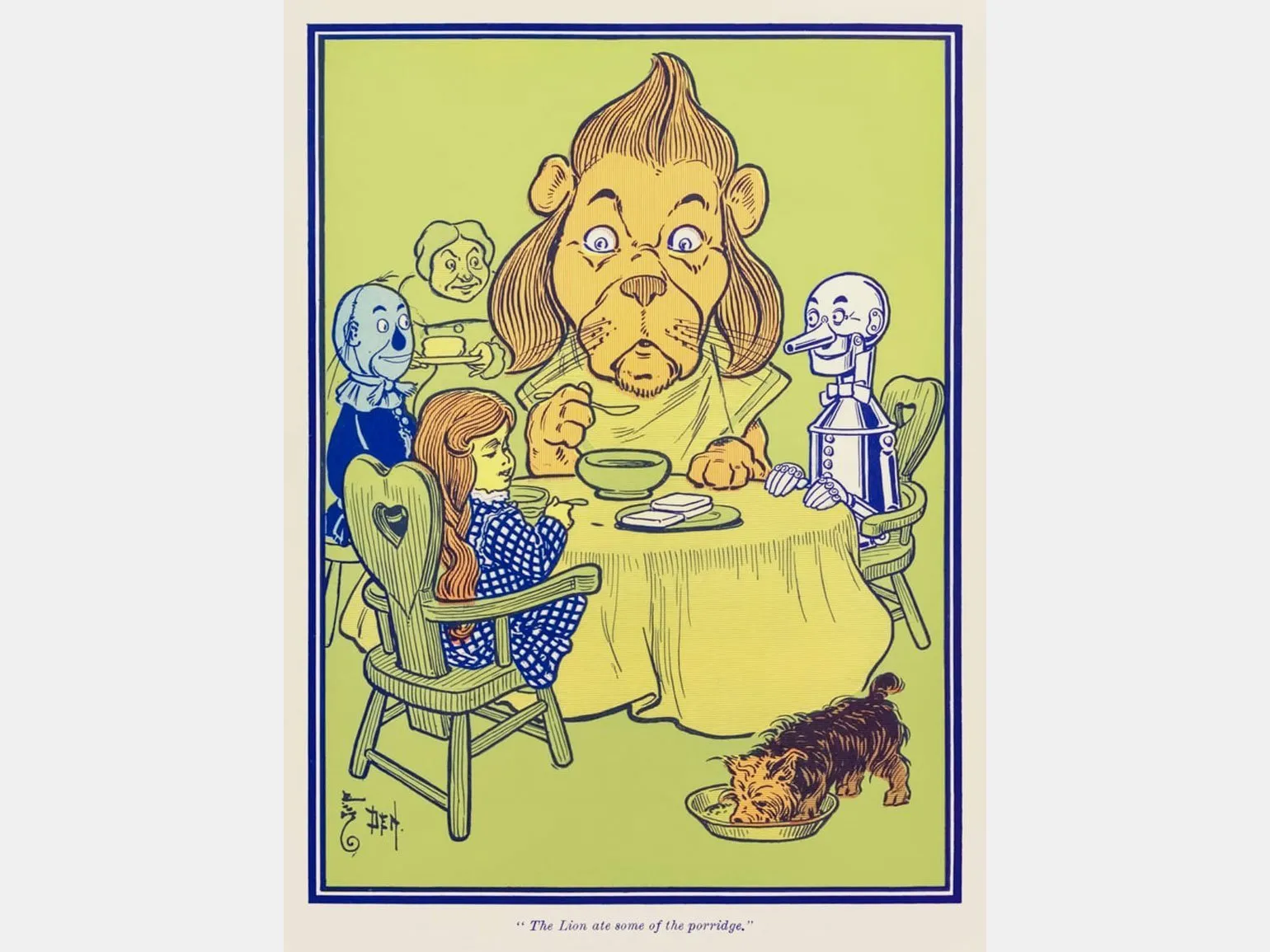
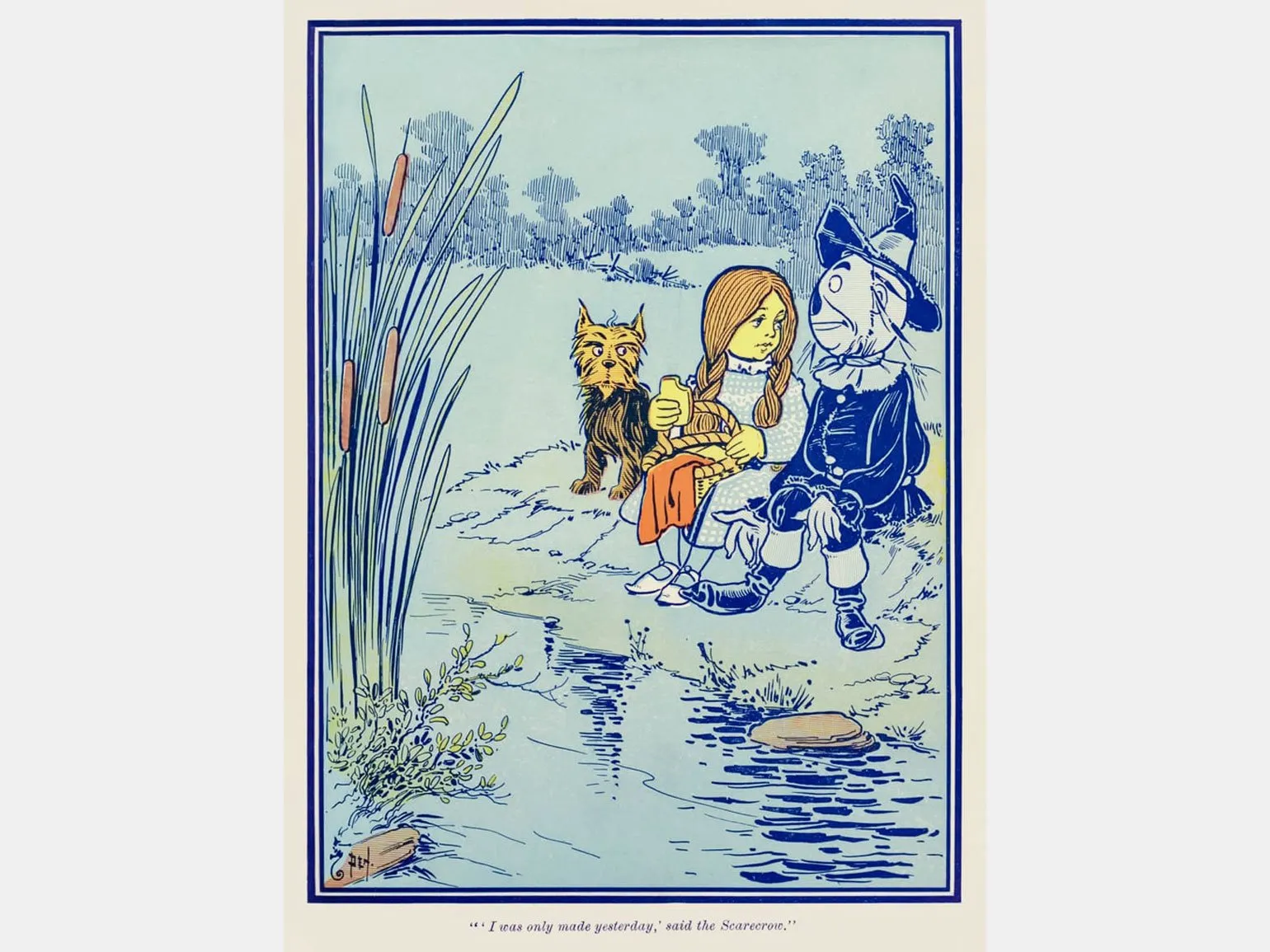
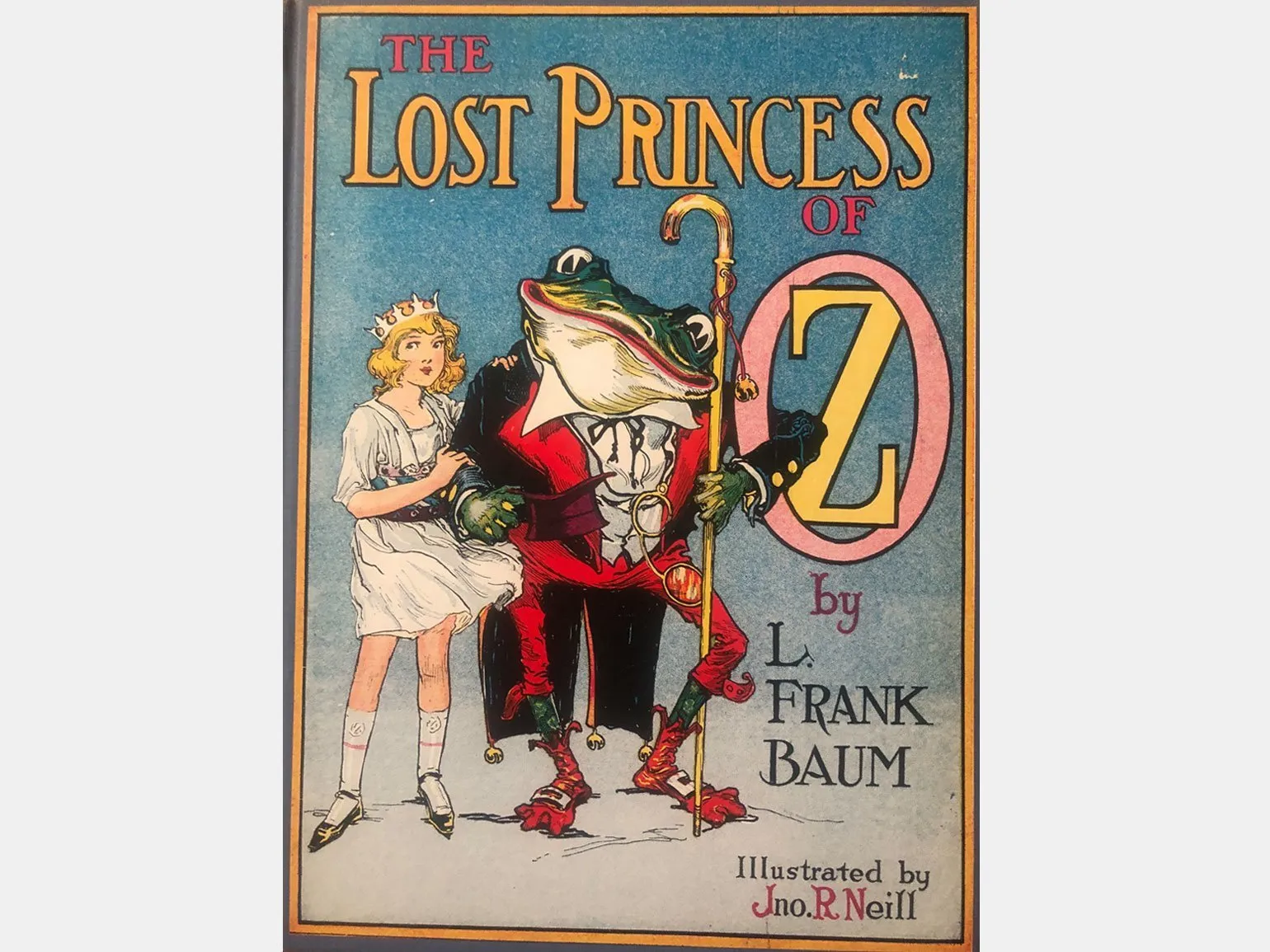
In 1921, the book gained particular popularity, which caused increased interest in its illustrations. In connection with this, artist John Neel was invited to create new images and covers for the series. His work brought a fresh perspective and became an integral part of the legacy of The Wizard of Oz. Neill's illustrations not only enriched the visual perception of the work, but also helped attract the attention of new readers, which contributed to the further distribution and popularization of the book.

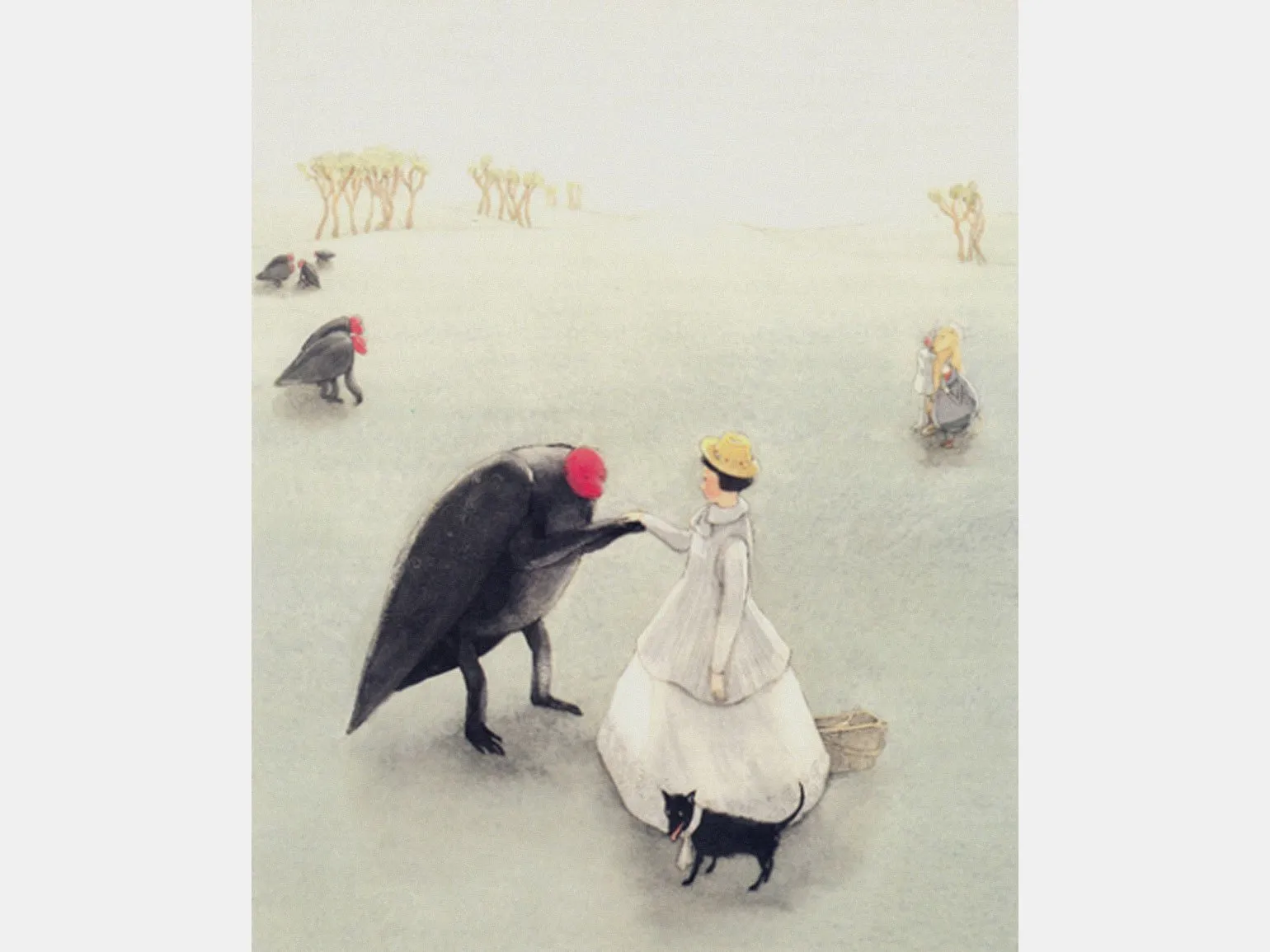
Modern interpretations of fairy tales continue to attract audiences. Lisbeth Zwerger presented her unique watercolor illustrations, which, like her work on Little Red Riding Hood, are distinguished by their bright style and deep emotionality. These illustrations not only convey the atmosphere of the classic fairy tale, but also give it new nuances, making it relevant for the modern reader. Zwerger's work enriches the visual culture of fairy tales, allowing viewers to take a fresh look at familiar stories.

Beauty and the Beast Story and Illustrations
Beauty and the Beast is a famous French fairy tale, first published in the mid-18th century. Although the original text remains anonymous, its magical world has inspired countless artists who have created unique illustrations over the centuries. This story of love and transformation continues to captivate readers and audiences, inspiring numerous adaptations in film, theater, and literature. The tale explores powerful themes of kindness, inner beauty, and the possibility of change, making it resonant today.
One of the first well-known fairy tale illustrators was Walter Crane. In 1885, he created a series of illustrations for this famous tale. A talented artist and architect, Crane became renowned for his vibrant and detailed works, which later became classics in the world of illustration. His unique style and mastery of conveying emotion and plot have made his works indispensable in children's literature.
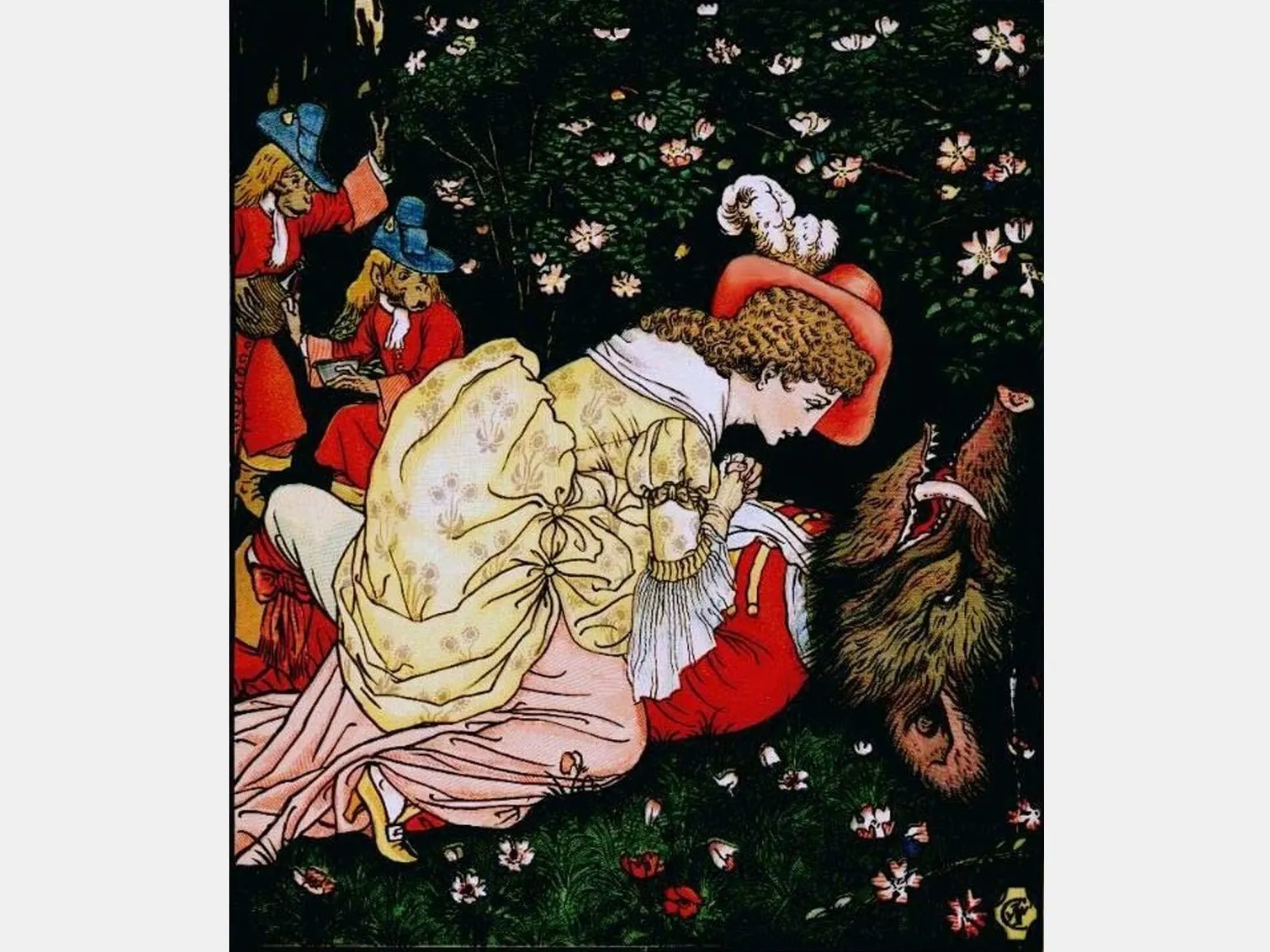
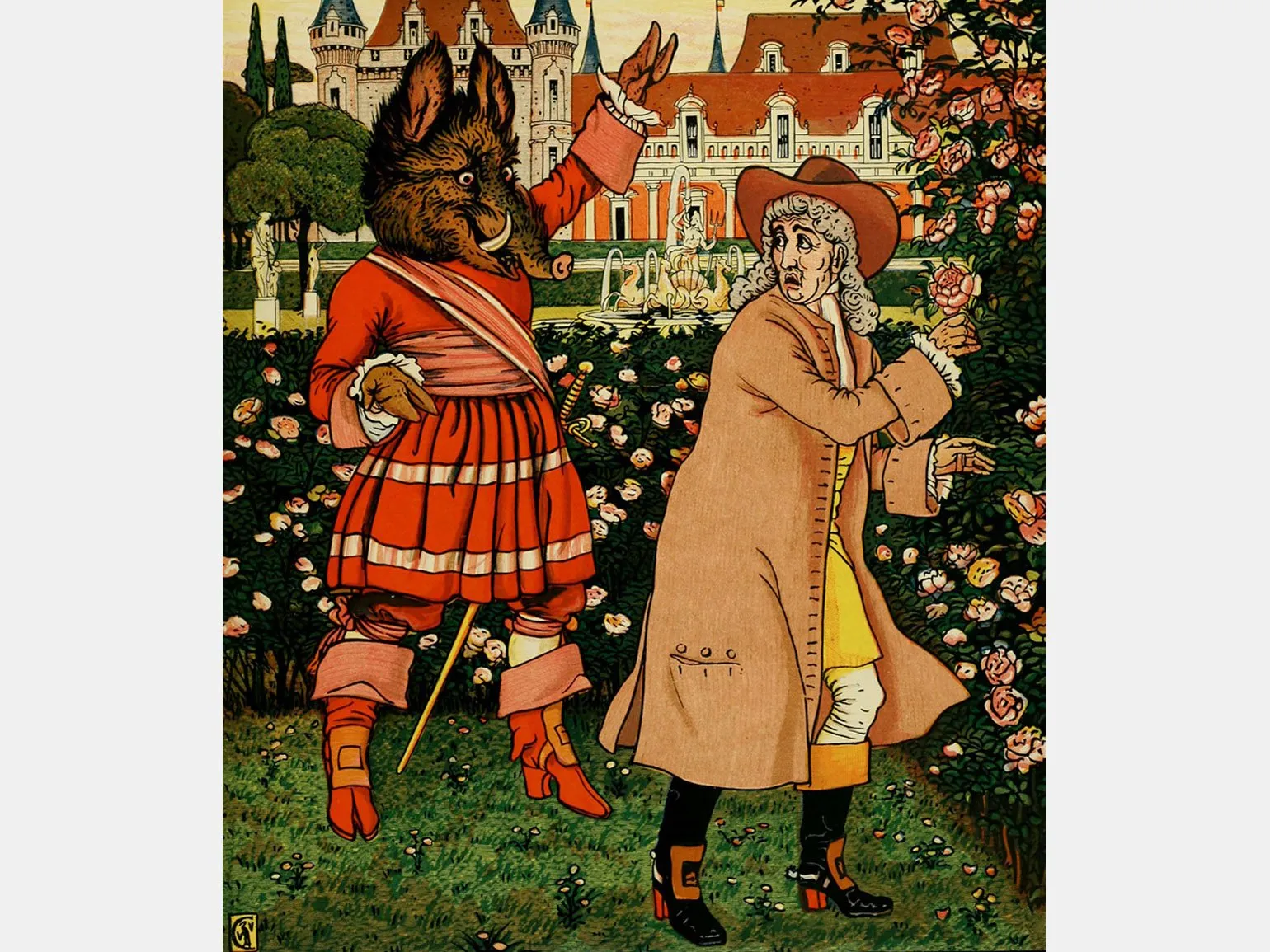
Edmund Dulac is an outstanding representative of the illustrative art, whose works are distinguished by refined taste and high skill. His illustrations for "Beauty and the Beast" perfectly convey the atmosphere of the fairy tale, thanks to bright and emotional images. Dulac skillfully used color and light, creating magical scenes that attract attention and immerse the reader in a world of fantasy. His unique style and ability to convey emotions make his work relevant and in demand to this day.
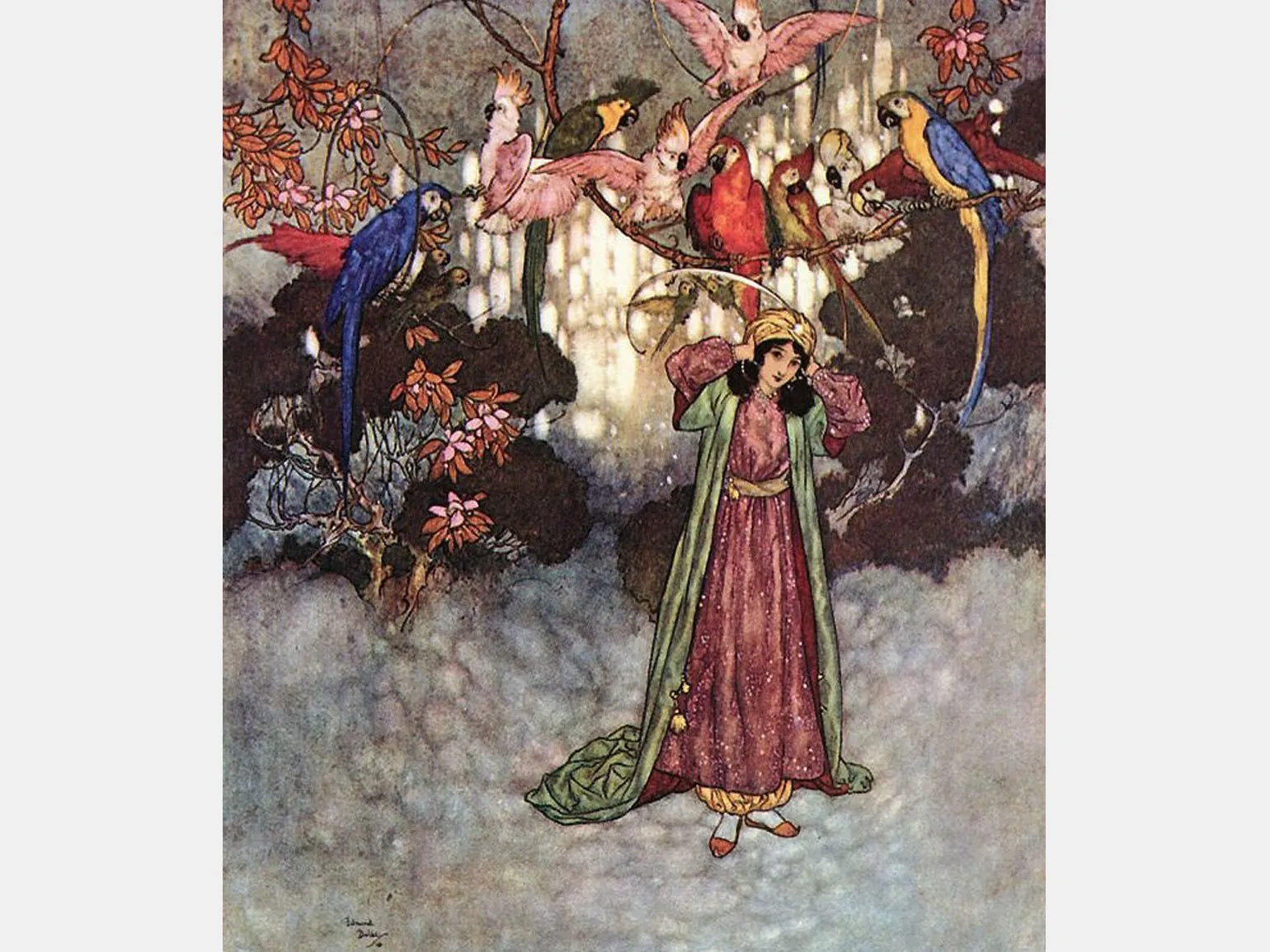

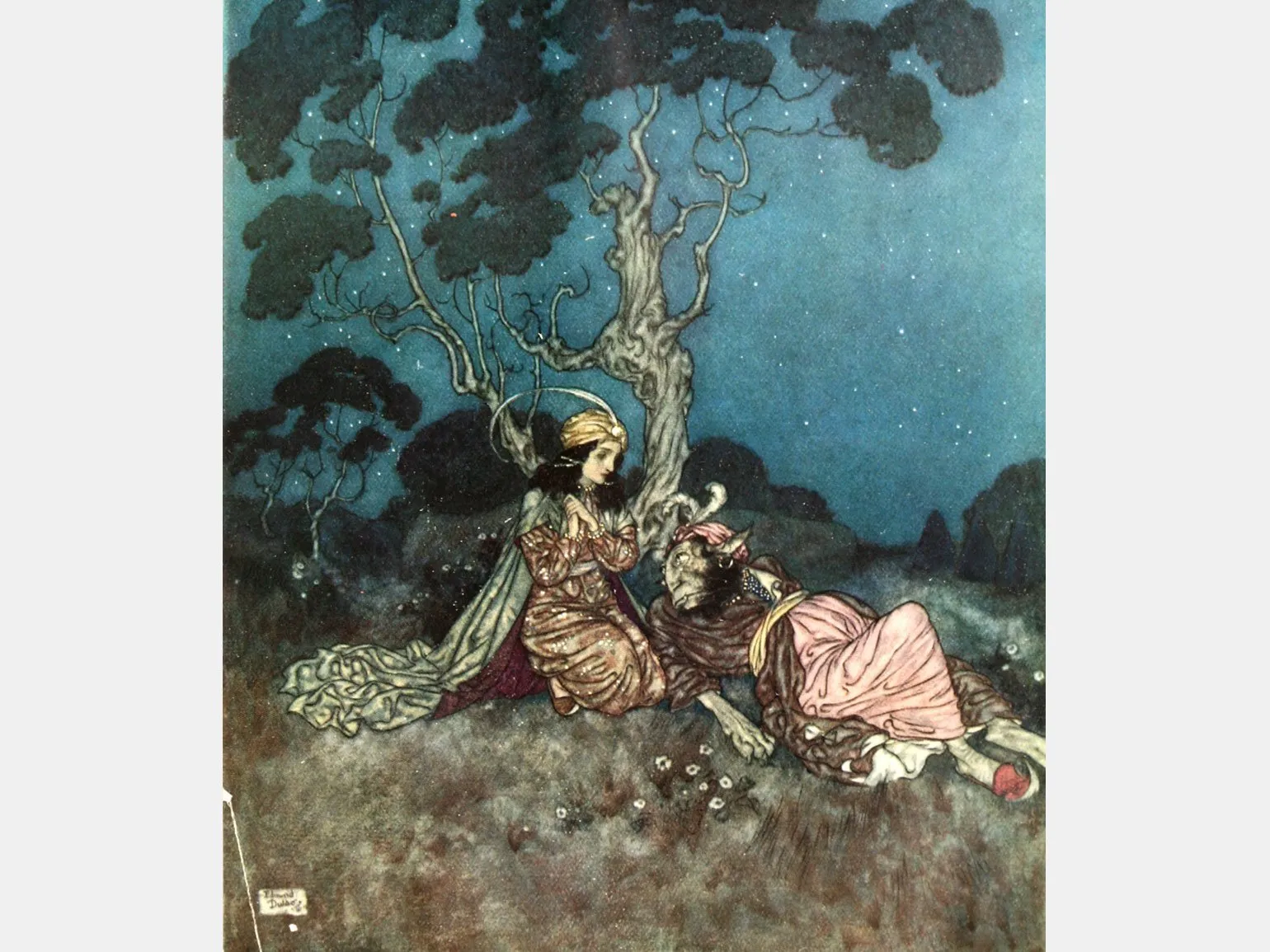
Scottish artist Anna Anderson, who worked in the late 19th and early 20th centuries, created unique and memorable illustrations for this fairy tale. Her work continues to attract attention and interest among connoisseurs of art and literature. Anderson masterfully conveyed atmosphere and emotion, filling each illustration with depth and meaning. Her contribution to the visual interpretation of fairy tales remains significant and relevant, highlighting the importance of art in the perception of literary works.
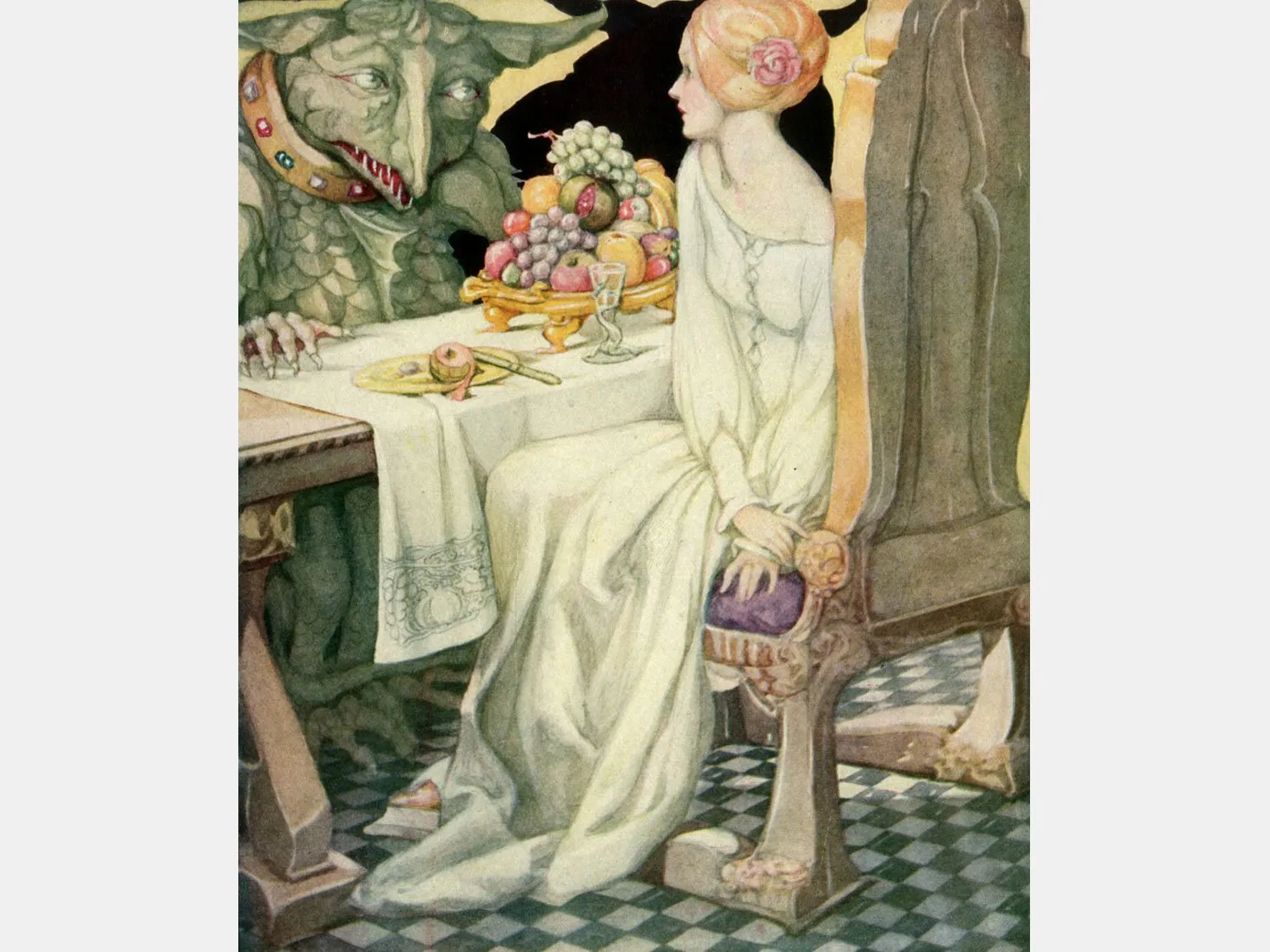
During this period, Margaret Tarrant presented her interpretation of "Beauty and "Monsters" offers viewers unique illustrations that immerse them in the magical world of this classic fairy tale. Its artistic style adds new nuances to the story, allowing readers to more deeply experience the atmosphere and emotions of the characters. Tarrant masterfully conveys magic and drama, making her work especially valuable to fairy tale fans.
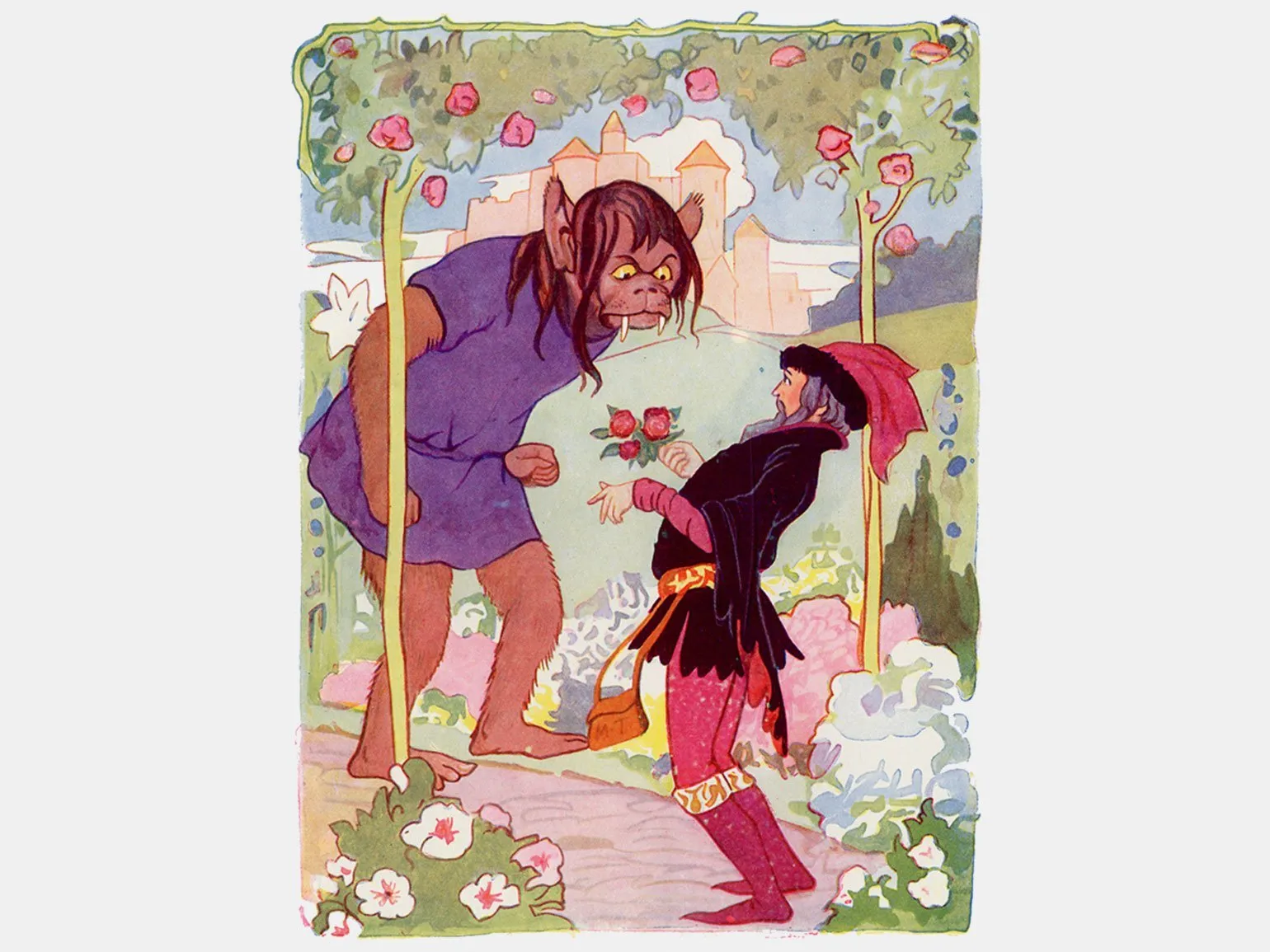
In 1971, American artists Alice and Martin Pruvenson created unique illustrations for the classic fairy tale "Beauty and the Beast." This creative pair worked closely together and illustrated over 40 children's books throughout their careers. Their style, distinguished by vibrant colors and a fairytale atmosphere, made their works popular among readers. The Provensons' illustrations not only complement the text but also add visual magic, captivating children and adults alike.
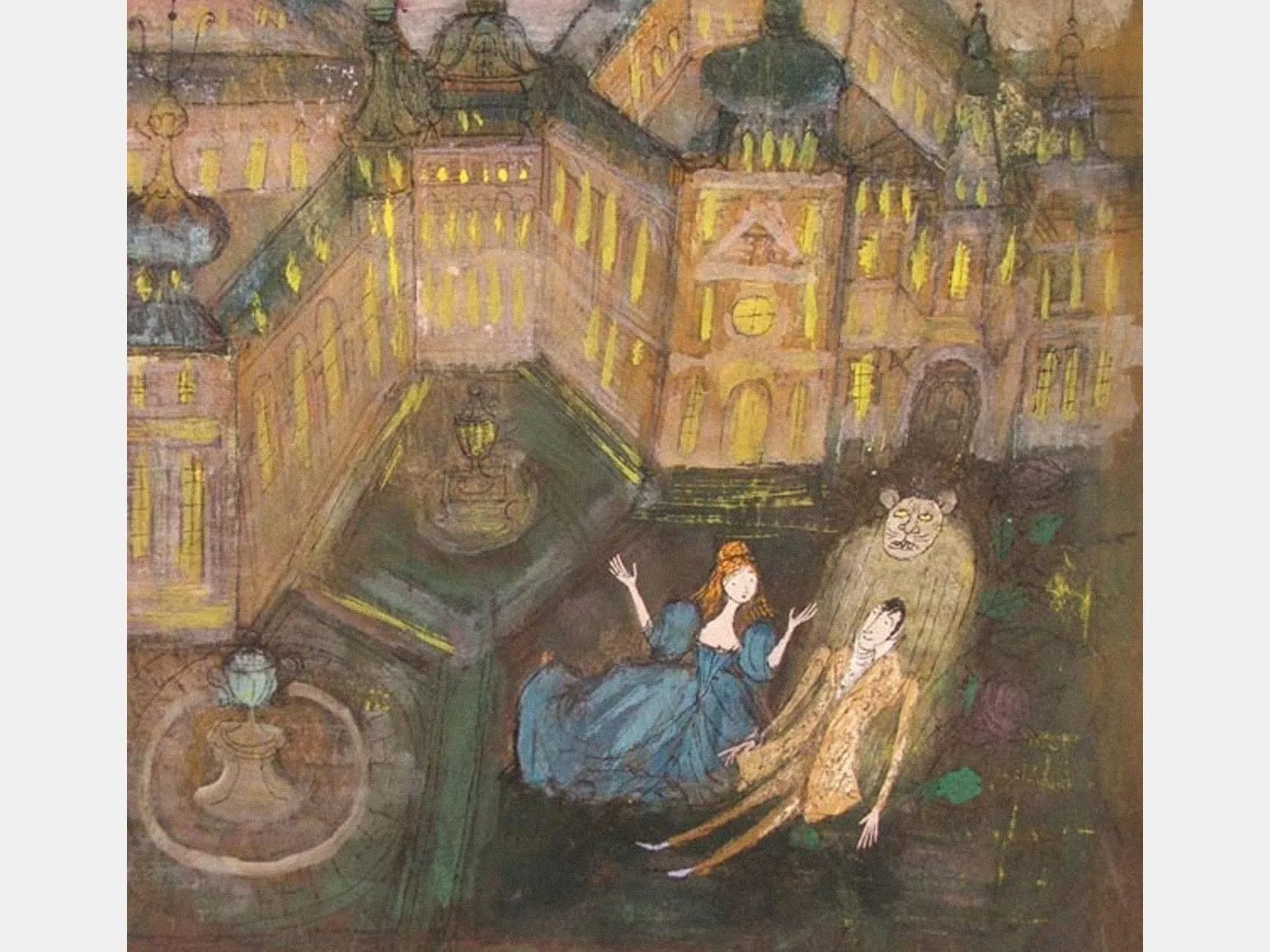
Illustrations to The fairy tale "Cinderella": A Look at Creativity
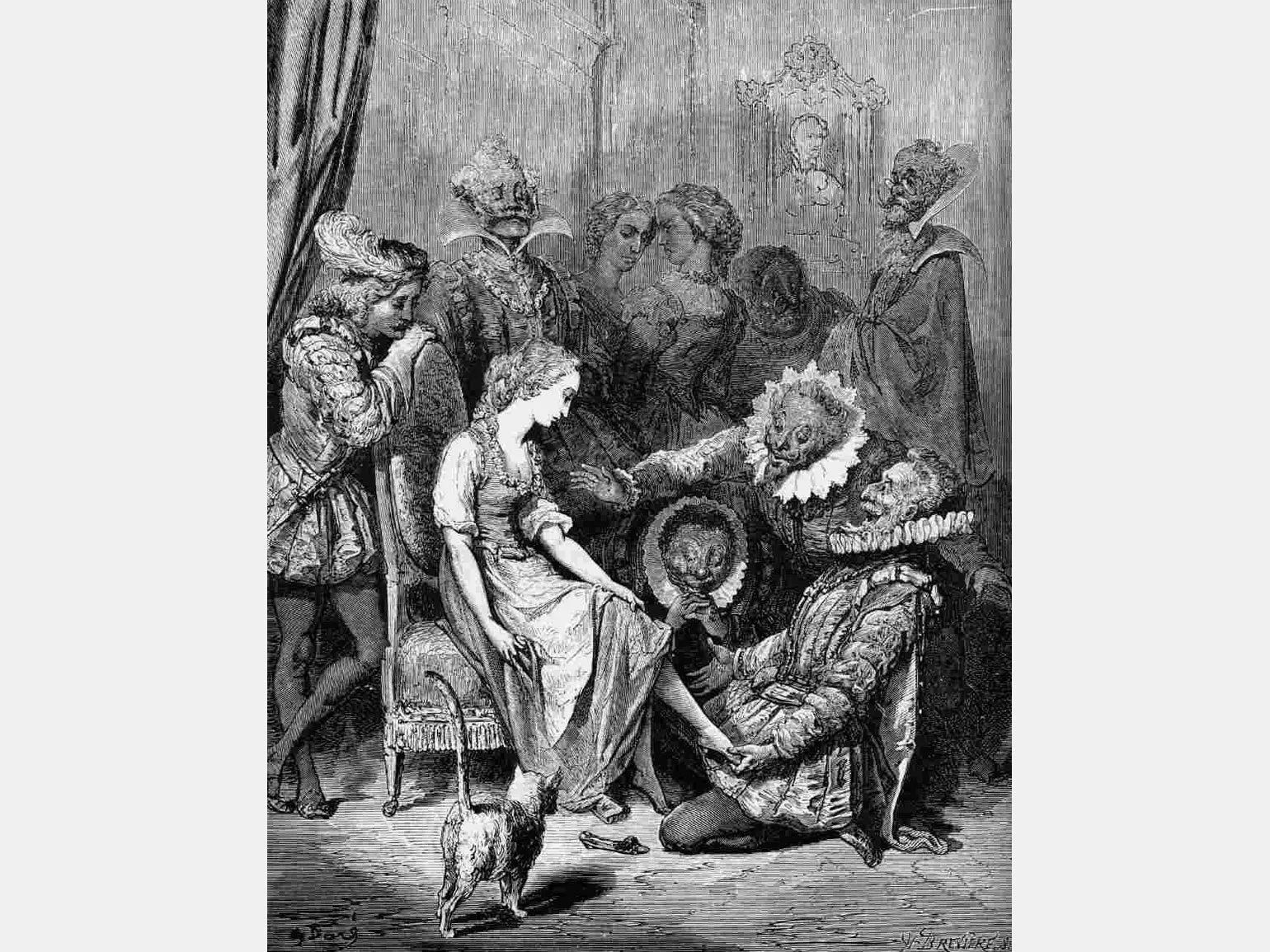
The fairy tale "Cinderella" has inspired many artists to create unique illustrations. One of the first was Gustave Doré, who in 1862 presented his interpretation of this popular story. His works became famous for their expressive engravings, which captured the magic and atmosphere of the fairy tale. Doré's illustrations remain relevant and in demand to this day, attracting the attention of art lovers and fans of classic fairy tales.
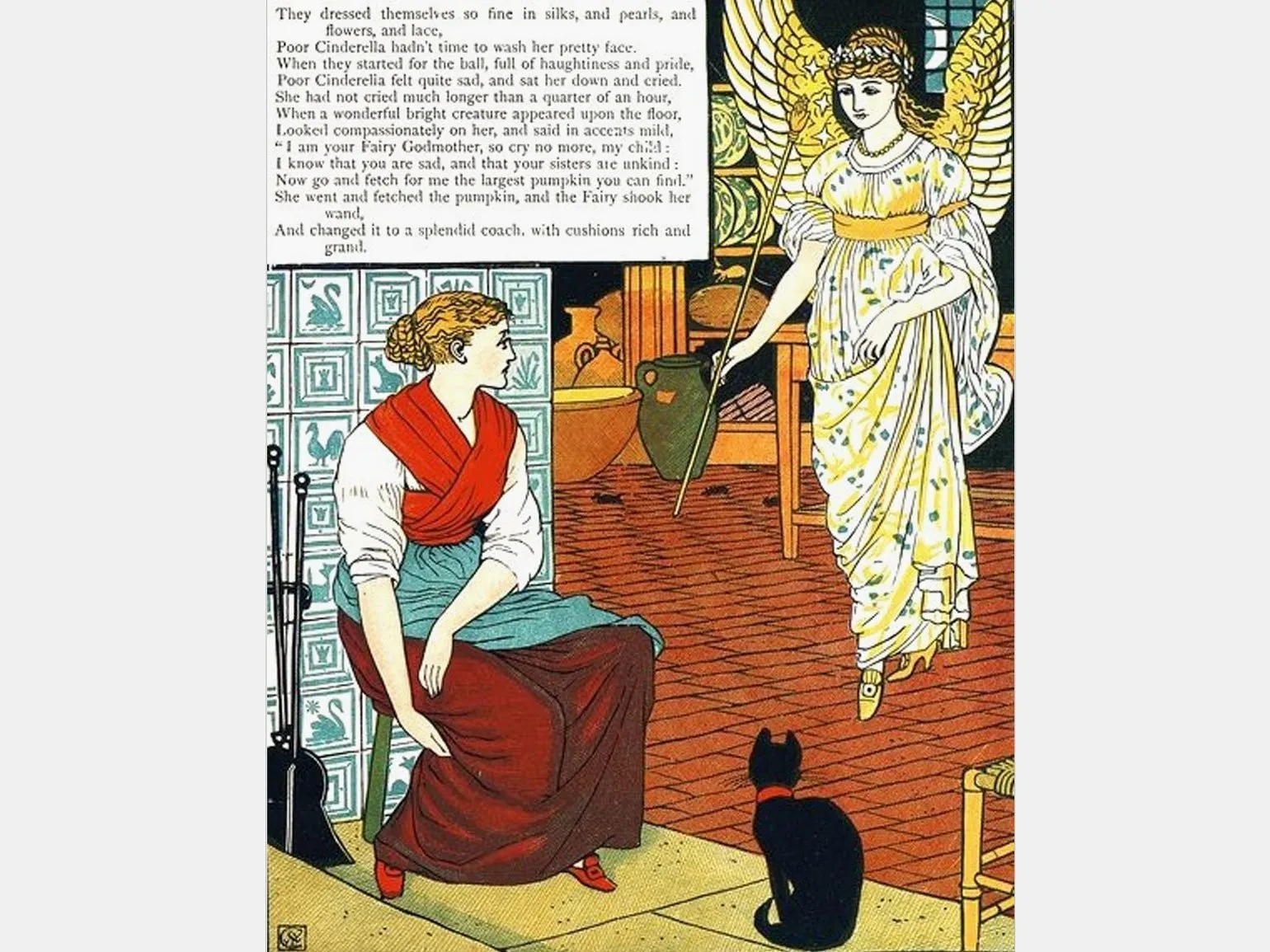
In 1911, British illustrator Walter Crane offered a unique interpretation of the fairy tale "Cinderella." His work stands out for its rich colors and detailed composition, making it one of the most memorable adaptations of the story. Crane's illustrations bring new visual elements to the classic fairy tale, highlighting the magic and emotional intensity of the plot. This work became a significant contribution to illustrated literature and continues to inspire artists and readers around the world.
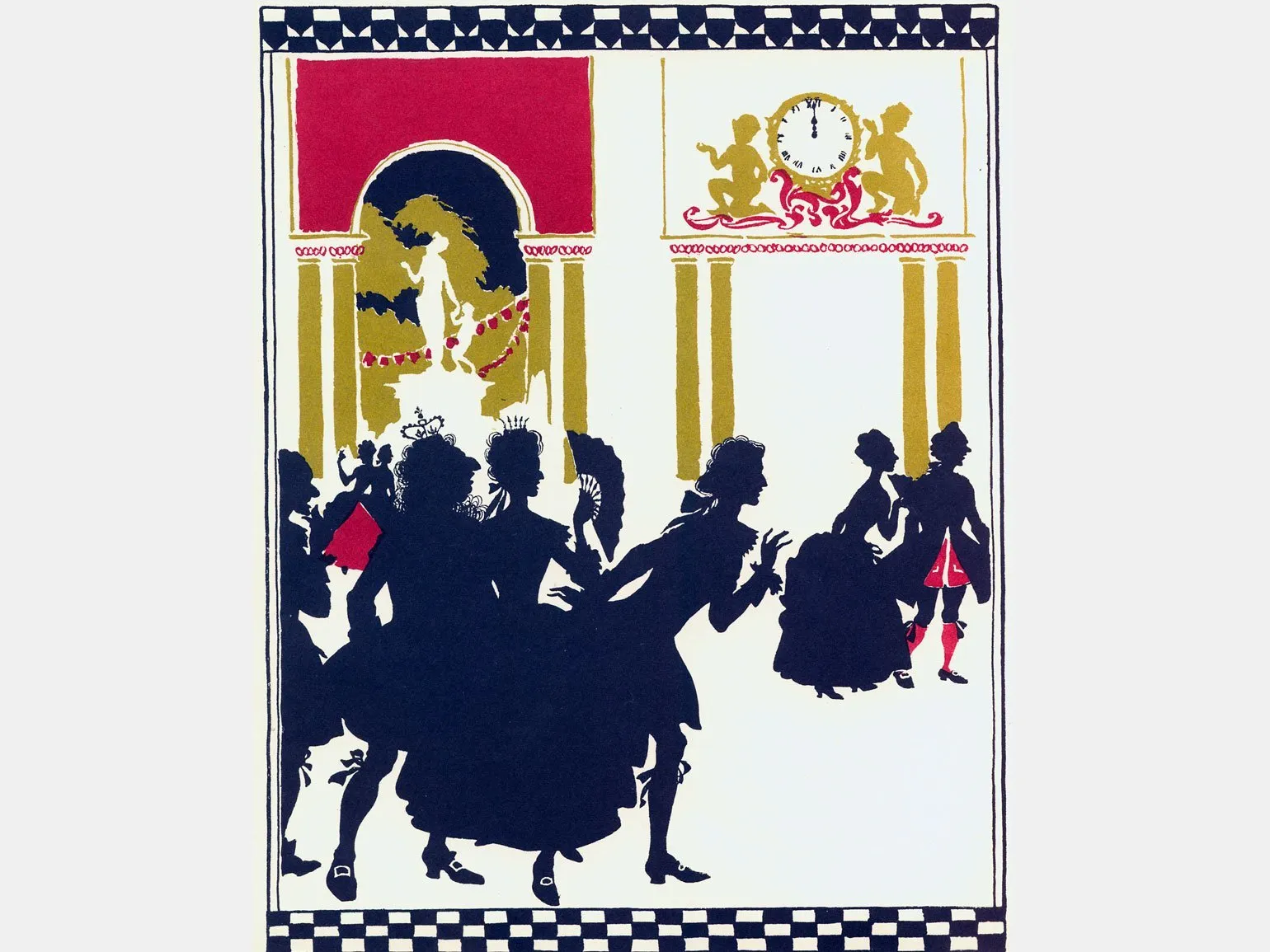
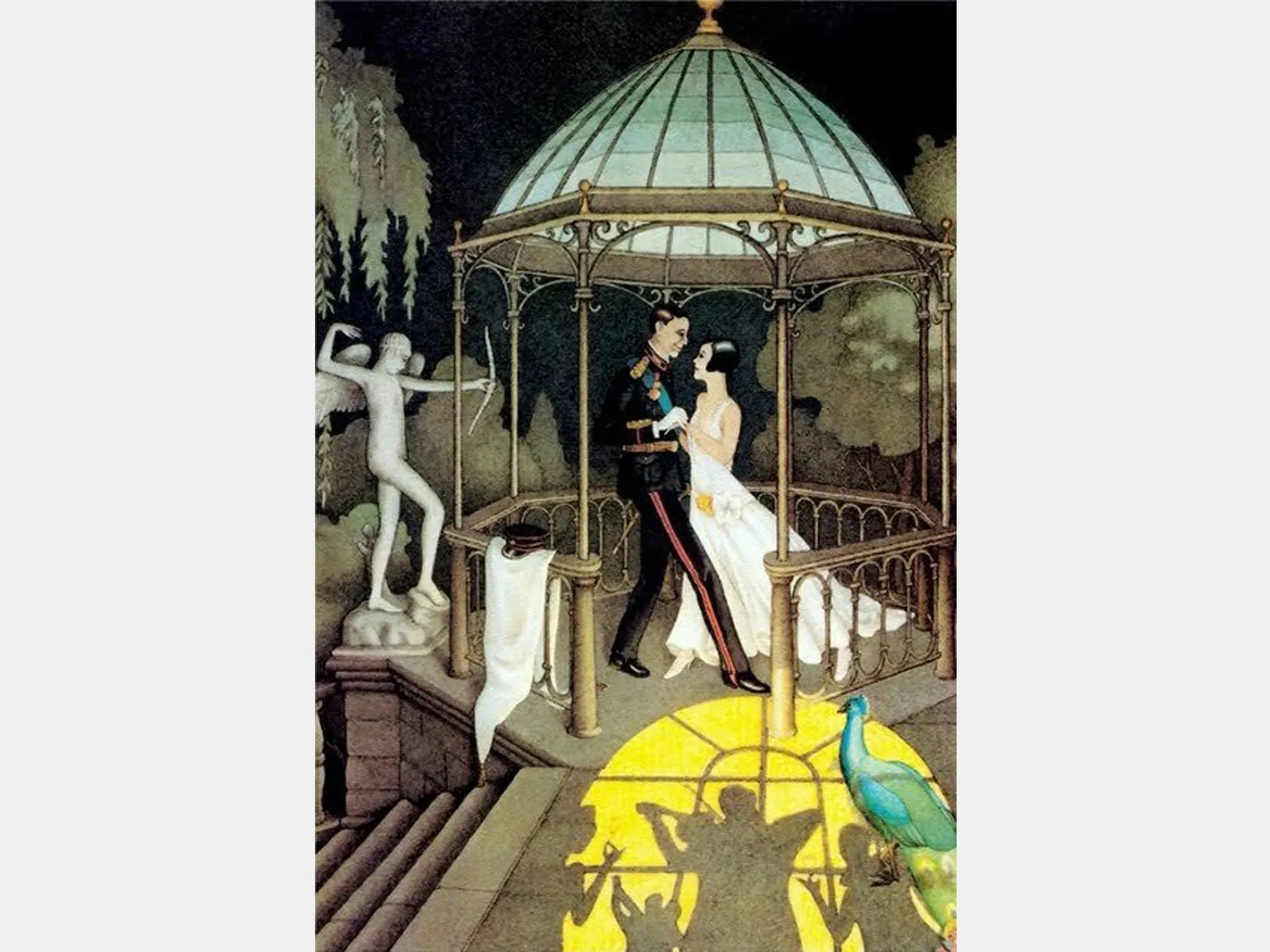
Arthur Rackham, creating his illustrations in the 1920s, used a silhouette style that emphasized the contrast between Cinderella's everyday life and her magical ball. His works are distinguished by their minimalist approach and expressive play of light and shadow, which lends them a unique atmosphere. Rackham masterfully conveys the emotions and moods of his characters, creating memorable images that remain etched in the viewer's mind. His unique style became a milestone in illustration, inspiring subsequent generations of artists.


Soviet readers will undoubtedly remember Cinderella thanks to the illustrations by Erik Bulatov and Oleg Vasiliev. In 1971, they published their interpretation of this fairy tale by Detgiz. Their vibrant and expressive works not only captured the spirit of the times but also became classics of children's illustration, filling readers' hearts with warmth and magic. These illustrations helped create a unique atmosphere that continues to inspire a new generation.
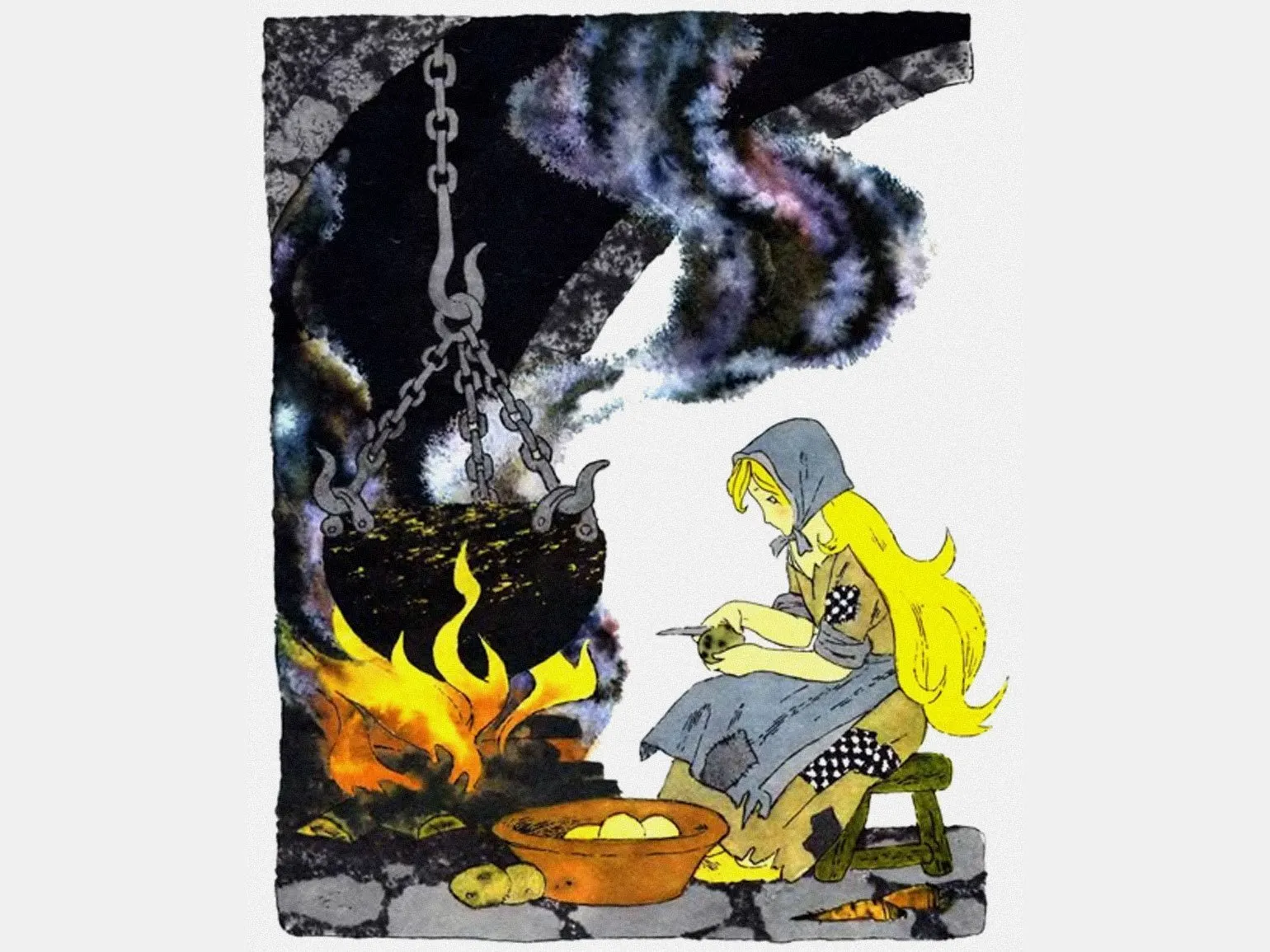
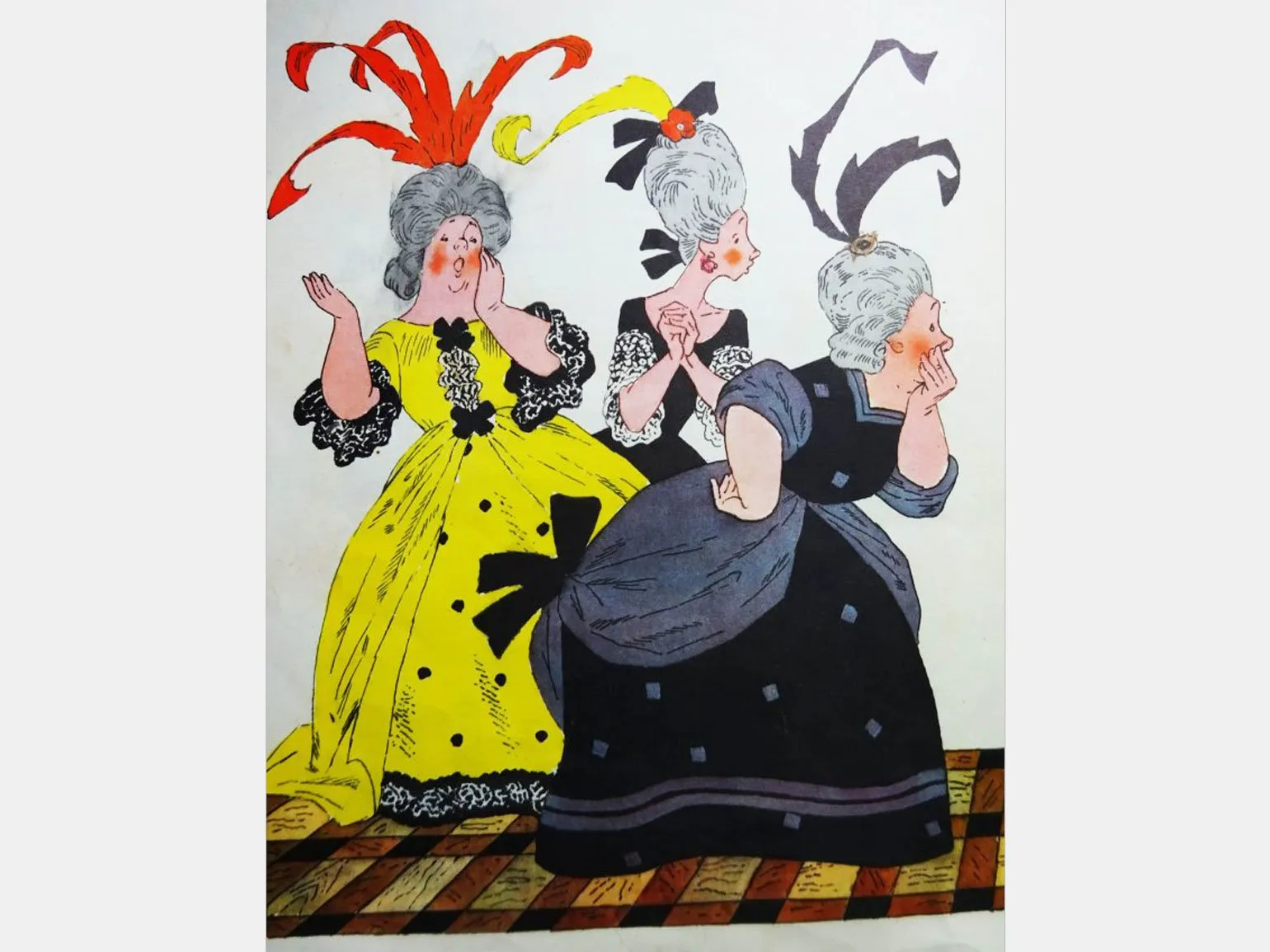
Modern interpretations of classic works of art continue to attract attention. In 1983, Italian artist Roberto Innocenti presented his illustrations, distinguished by high quality and unique style. His works not only convey the spirit of the original, but also add new facets of perception, which makes them relevant to this day. Innocenti masterfully combines traditional techniques with modern approaches, creating visual stories that touch the viewer on an emotional level.
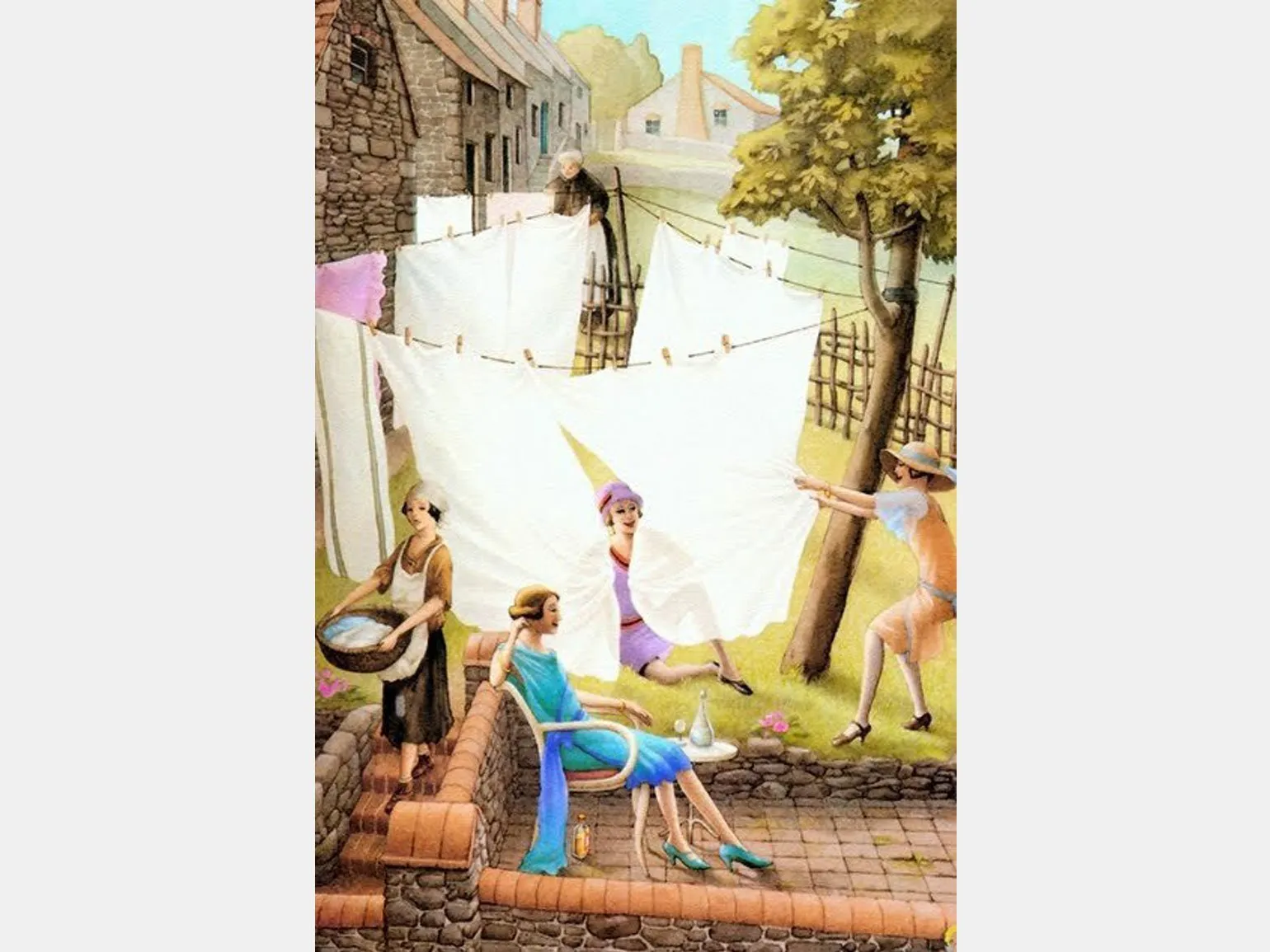
If you are interested in illustrations to classic works, we recommend you check out our selections of the best books. We have collected articles that can inspire you and expand your understanding of the art of illustration. In these materials, you will find information about significant illustrators, their works and influence on the perception of literary works. Dive into the world of book design and discover new facets of the classics.
- 5 books with stunning illustrations for inspiration
- 5 great books with illustrations by famous artists
- Test for book lovers: guess the work by the illustration
Commercial illustrator: 7 Steps to Professional Success
Want to become a commercial illustrator? Learn 7 key steps to creating a successful portfolio and promoting your personal brand!
Learn more