
Contents:

Try 4 top design professions. Free ➞ In 5 days, you'll get acquainted with illustration, UX/UI, web, and graphic design. Add 4 cool cases to your portfolio and decide which direction to take next.
Learn moreMoney, power, education, prestige: what hats meant
For thousands of years, headdresses have served as a means of indicating social class. In ancient times, slaves often went headless, while soldiers used helmets for protection in battle. Kings and rulers stood out in the crowd, wearing golden crowns symbolizing their power and status. The rest of the population also wore hats to indicate their position in the social hierarchy. Headdresses not only served a practical function but also played an important role in society, emphasizing status and belonging to a particular group.
Initially, headdresses served a utilitarian function, protecting a person from adverse weather conditions such as sun, wind, cold, and rain. This practical necessity significantly influenced their aesthetic appearance, especially in cultures of the lower social strata. Over time, headdresses began to acquire not only protective qualities but also aesthetic value, reflecting the style and status of the wearer.
Artists often experienced financial difficulties and wore berets, which could be easily sewn from readily available fabrics. These headdresses did not require hatter skills or high-quality materials. Peasant women preferred scarves, as they securely held their hair in place and protected the neck, especially while working the land.
The visual power of this accessory lies in the fact that it quickly became a symbol of certain values and messages. The beret is associated with freedom and creativity, while the headscarf symbolizes humility and employment. These accessories not only complement style but also reflect the life attitudes of their wearers, which makes them an important part of fashion culture.
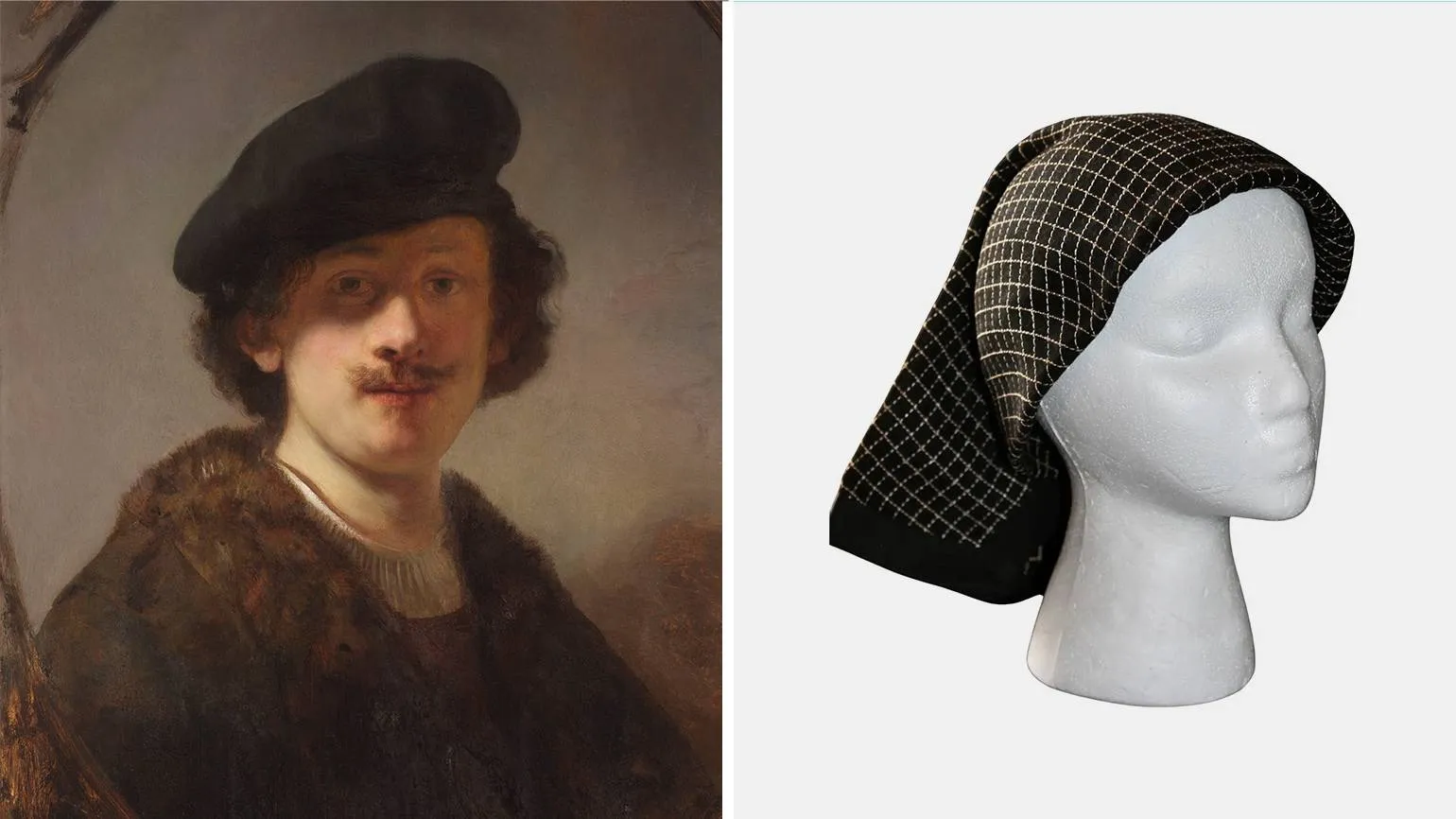
Hats and similar headdresses have served as important symbols of social status, professional affiliation, and legal norms in various cultures around the world. This visual and symbolic language was particularly pronounced in Europe and then spread to the Americas and colonized regions. In each of these cultures, hats not only served a practical function but also reflected features of social status and identity.
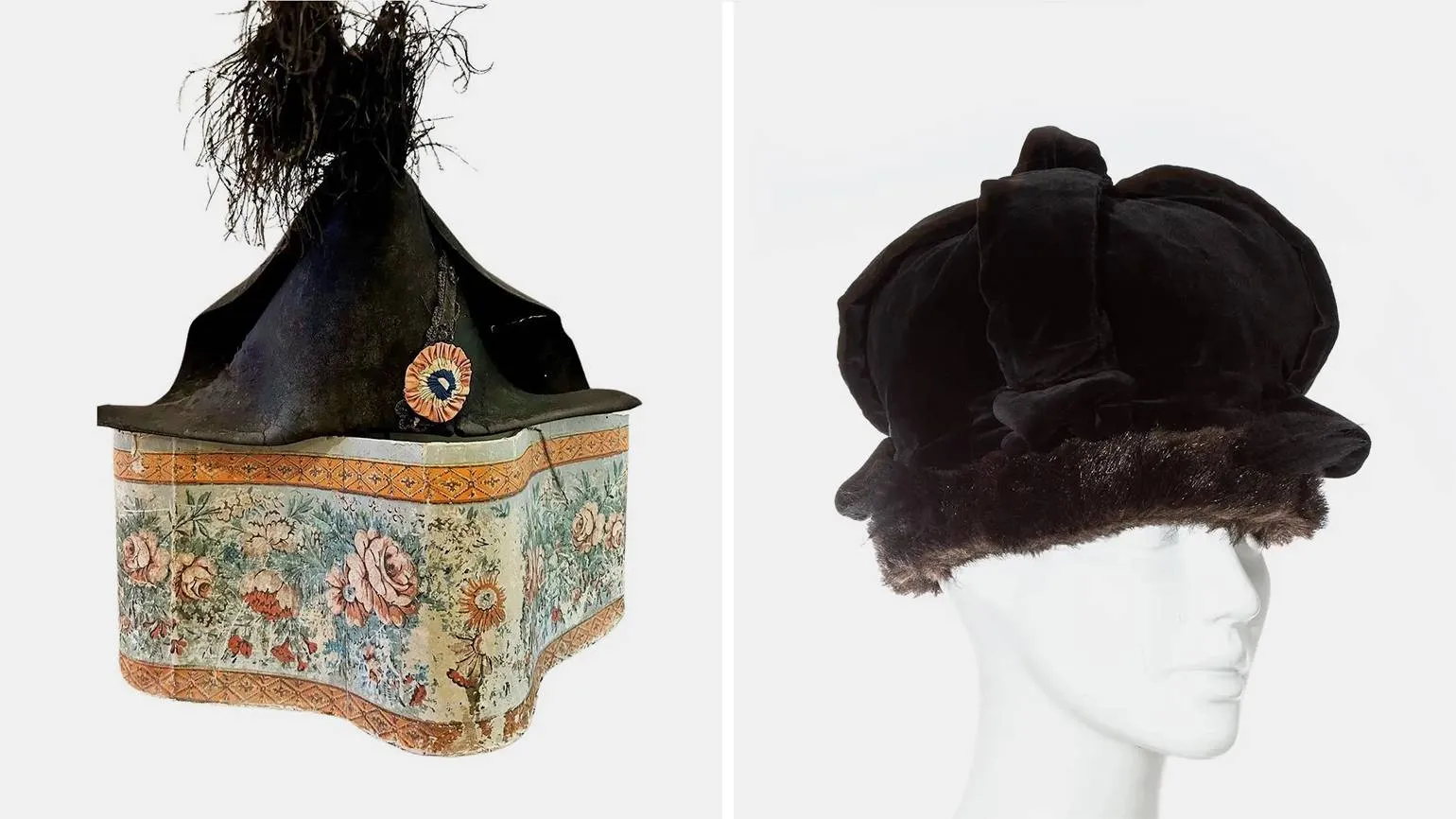
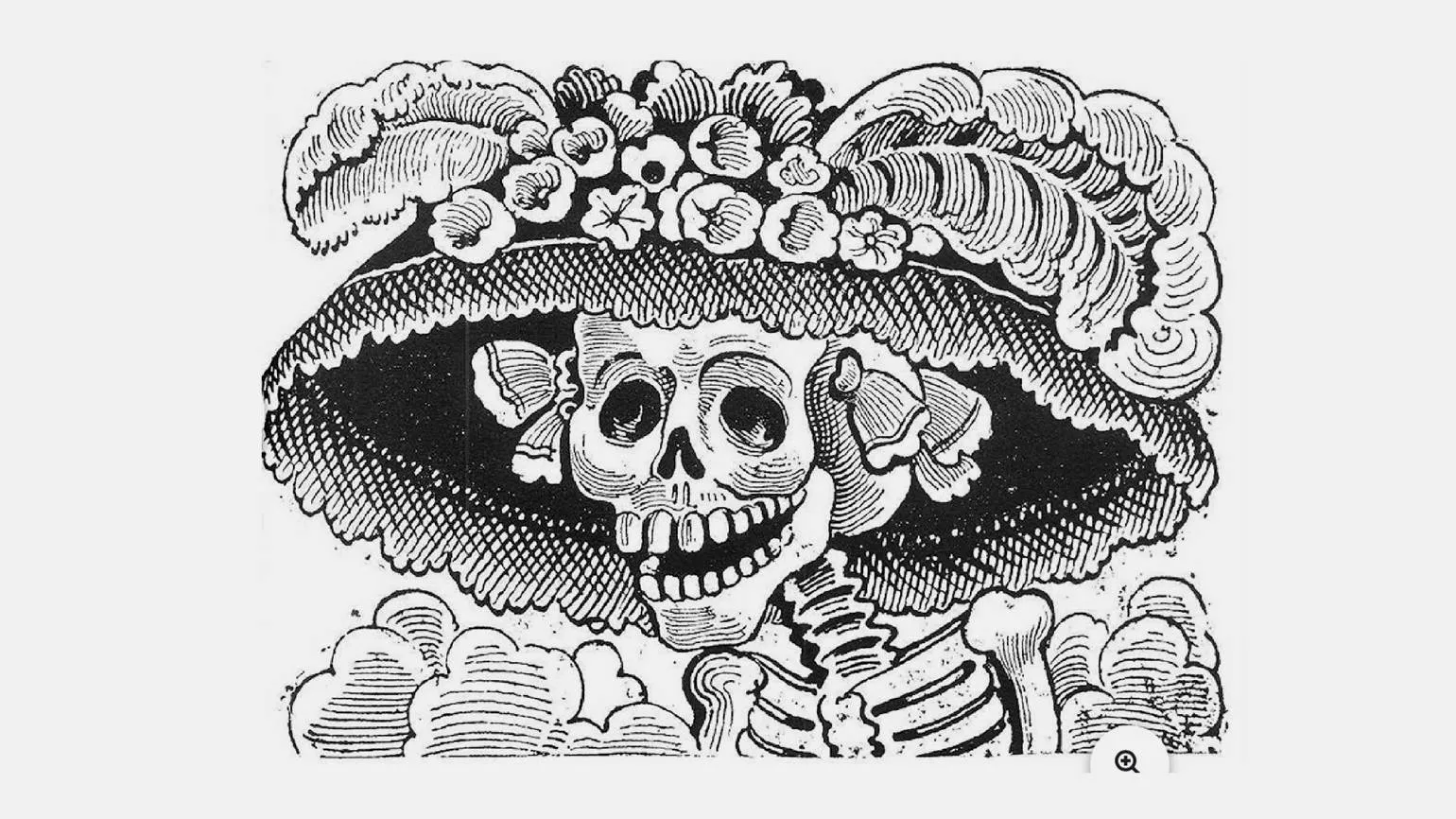
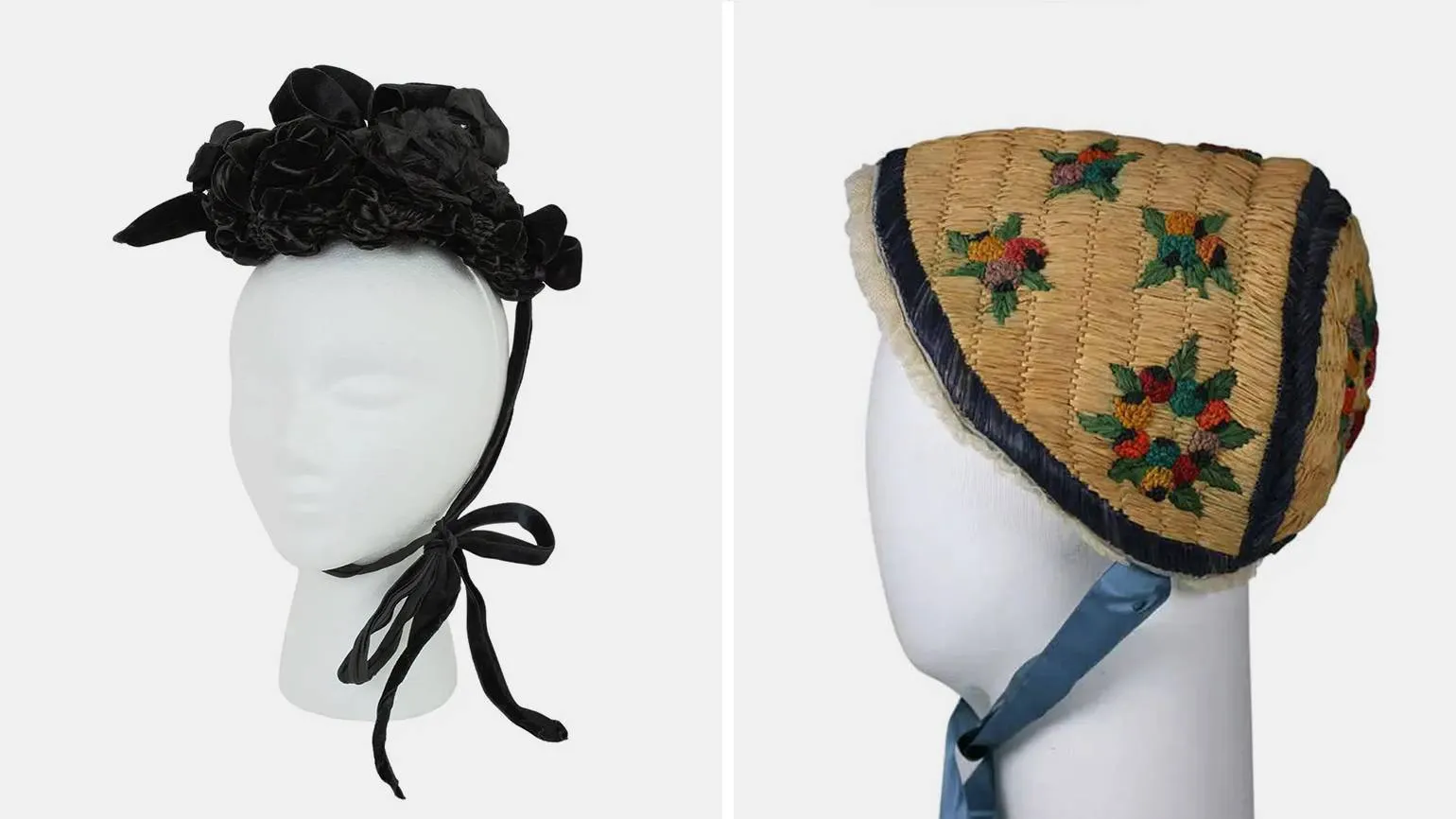
Hats serve as an important indicator of cultural and ethnic affiliations. The wide-brimmed Stetson cowboy hat is associated with Texan Americans, while the sombrero indicates Mexican identity. The hijab symbolizes the cultural and religious values of Muslim women. The bowler hat continues to be a sign of the collected British man, and the beret embodies French bohemianism. Each of these hats not only serves a protective function but also reflects the unique traditions and customs of its people.
Stereotypical headdresses serve as a strong indicator of the cultural identity of their owners. In the media and graphic design, such headdresses are often used to visually convey identity and traditions. They highlight the characteristics of different cultures and nations and help shape public perception. It is important to understand how these symbols influence perception and the role they play in the formation of stereotypes.
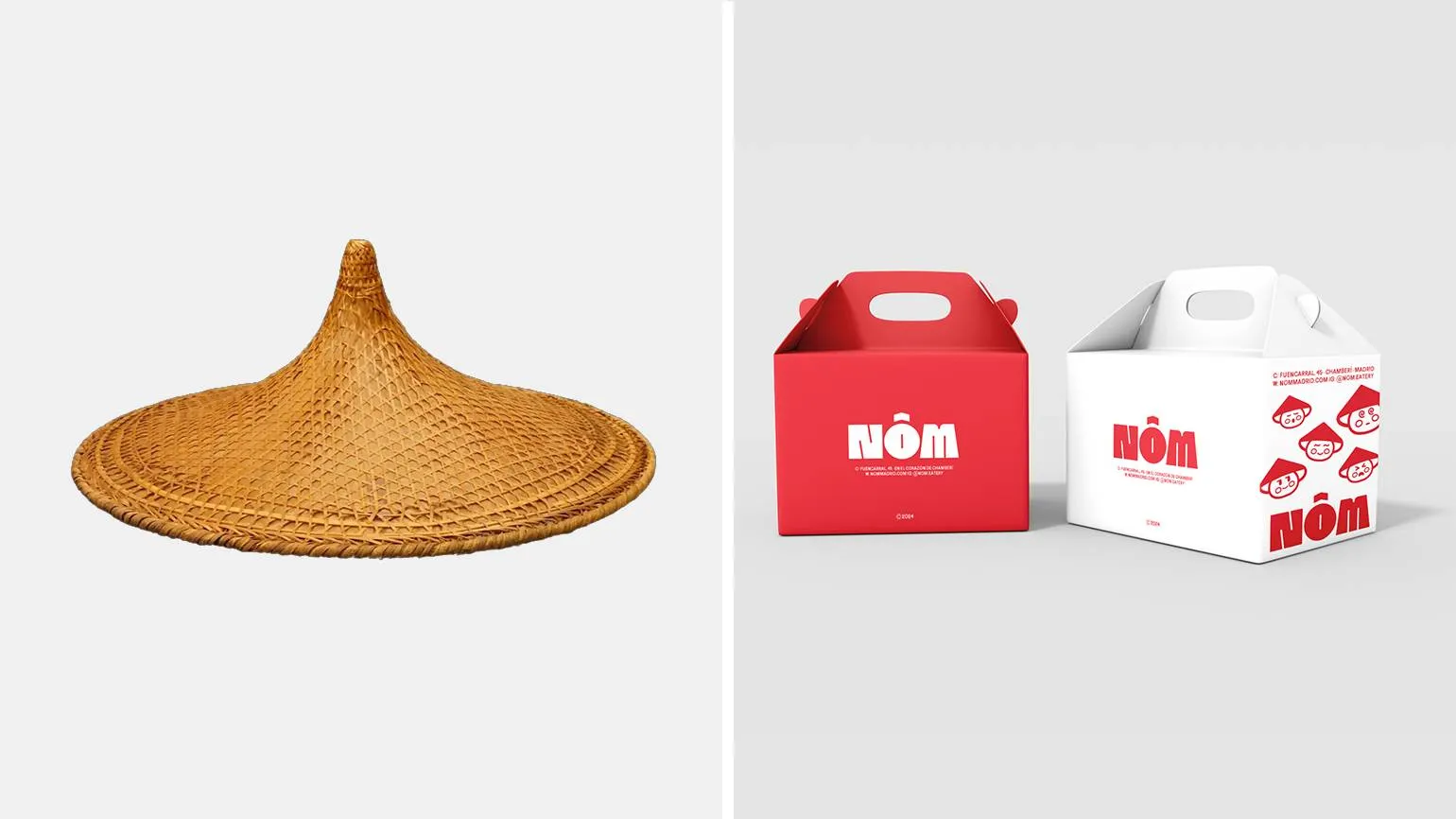
Today, in a post-global world, wearing hats from different cultures has become the norm. Previously, representatives of one culture rarely considered wearing headwear characteristic of another tradition. Now, hats are perceived as a fashion accessory or an element of a masquerade costume. However, this phenomenon gives rise to the ethical issue of cultural appropriation, when using elements of another culture can be perceived as disrespectful. It is important to be aware of how and in what contexts we wear such things in order to respect cultural characteristics and traditions.
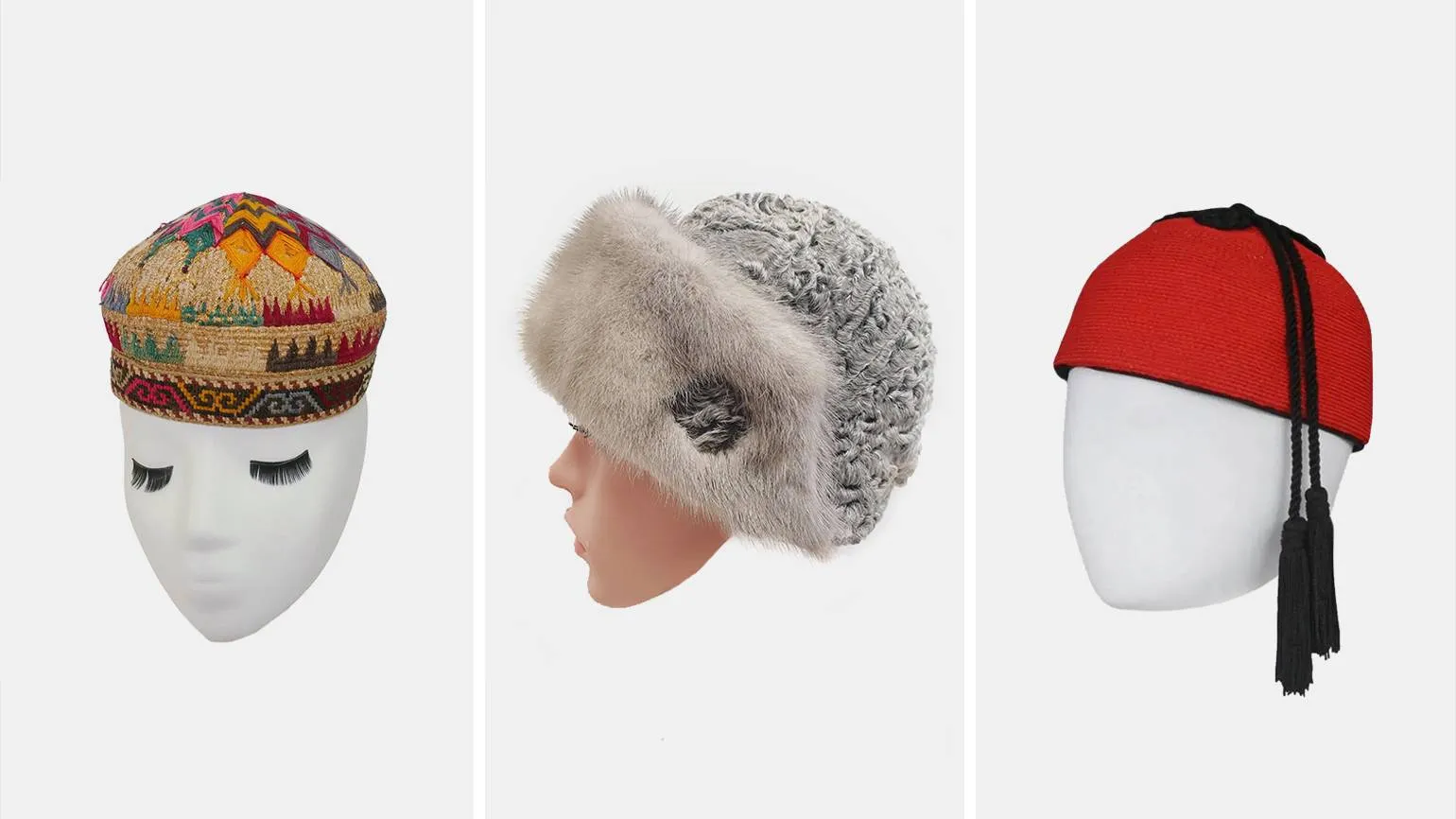
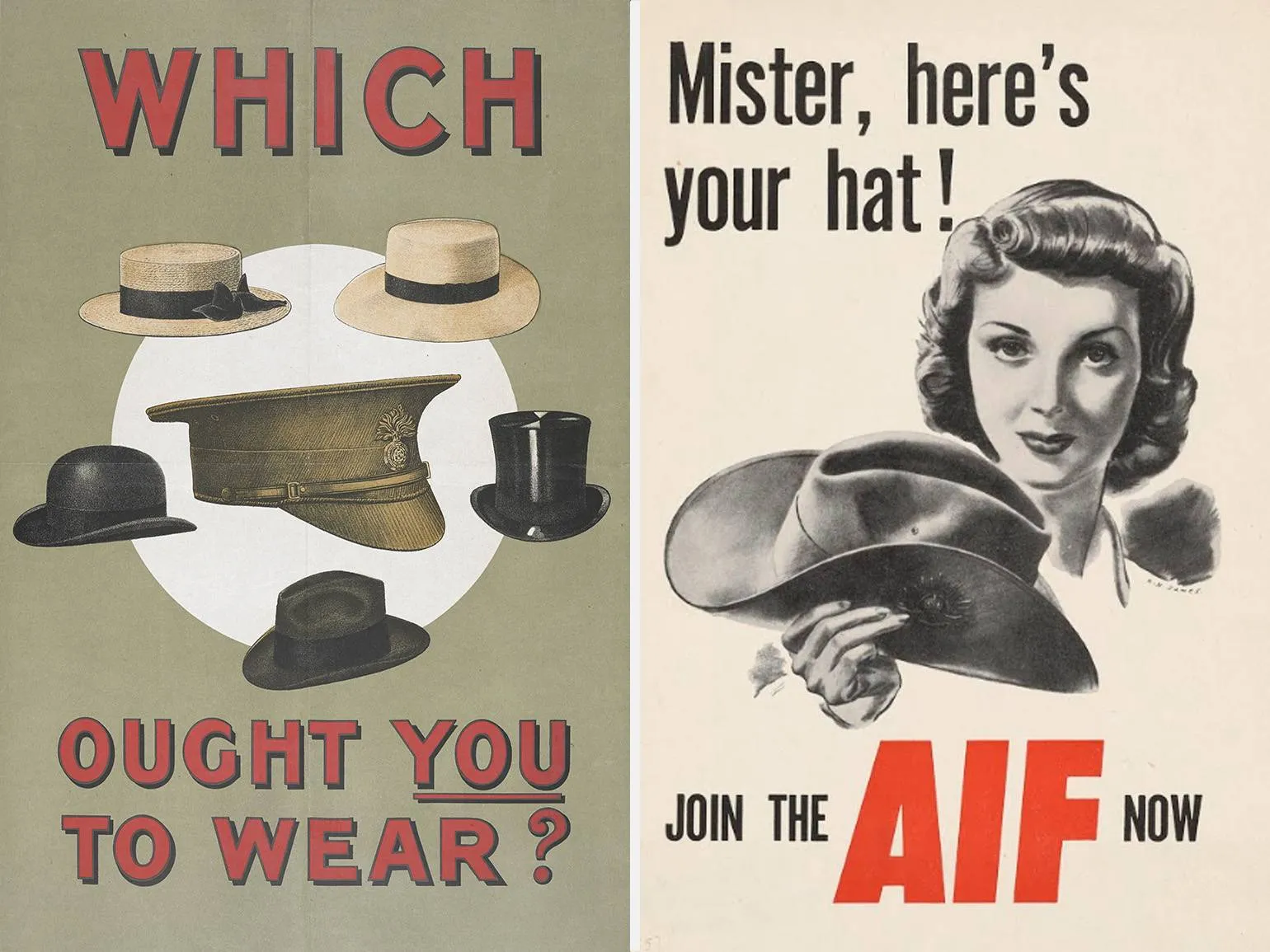
Headgear has played a vital role in identification and functionality in government defense, law enforcement, medical, and other services for centuries. It serves as symbols, distinguishing armies and branches of the military, as well as identifying military and civilian marine personnel. In law enforcement and emergency services such as police and fire departments, headgear, including helmets and balaclavas, not only serves as identification but also provides protection, which is critical in high-risk environments. Thus, headgear is not only a uniform element but also an important safety and identification tool in various fields.
In the past, nurses wore a variety of hats to identify which hospitals they worked in. Today, mandatory headgear for medical personnel has become more standardized thanks to the Red Cross and mass production. However, anyone can still quickly recognize a medic by the distinctive shape of their cap. This uniform element not only symbolizes the profession but also emphasizes the importance of the role of medical workers in society.
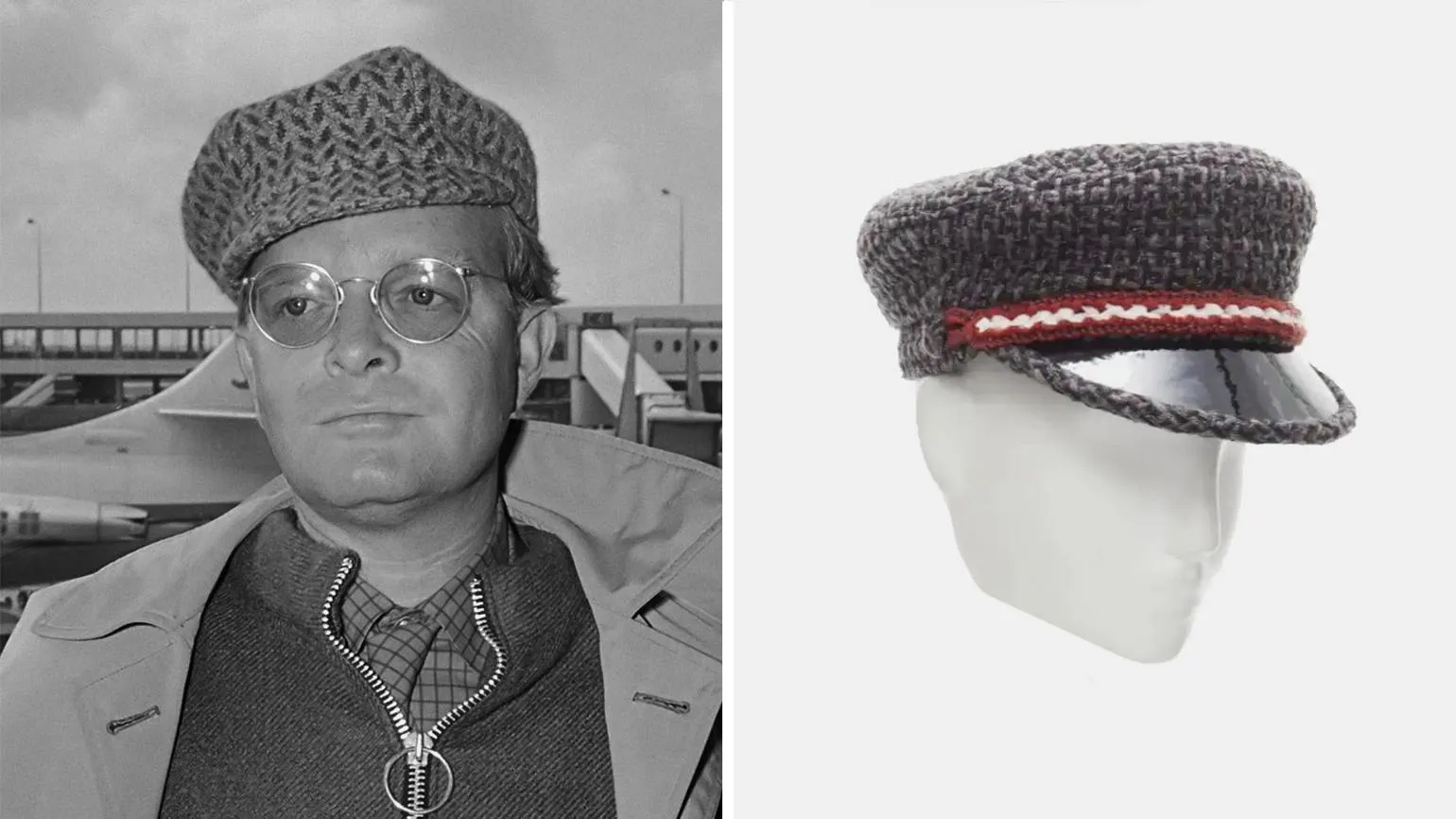
Mercury, Felt, and the Mad Hatter
Hats play an important role in our daily lives, as evidenced by set expressions and proverbs. These accessories not only protect from the sun and rain, but also emphasize individuality and style. Hats can become the finishing touch to an outfit, expressing personal preferences and mood. Their influence on fashion and culture cannot be overestimated, and they continue to be relevant in modern trends.
- "To take off your hat" is a sign of respect.
- "It's in the hat" - everything ended successfully, happily.
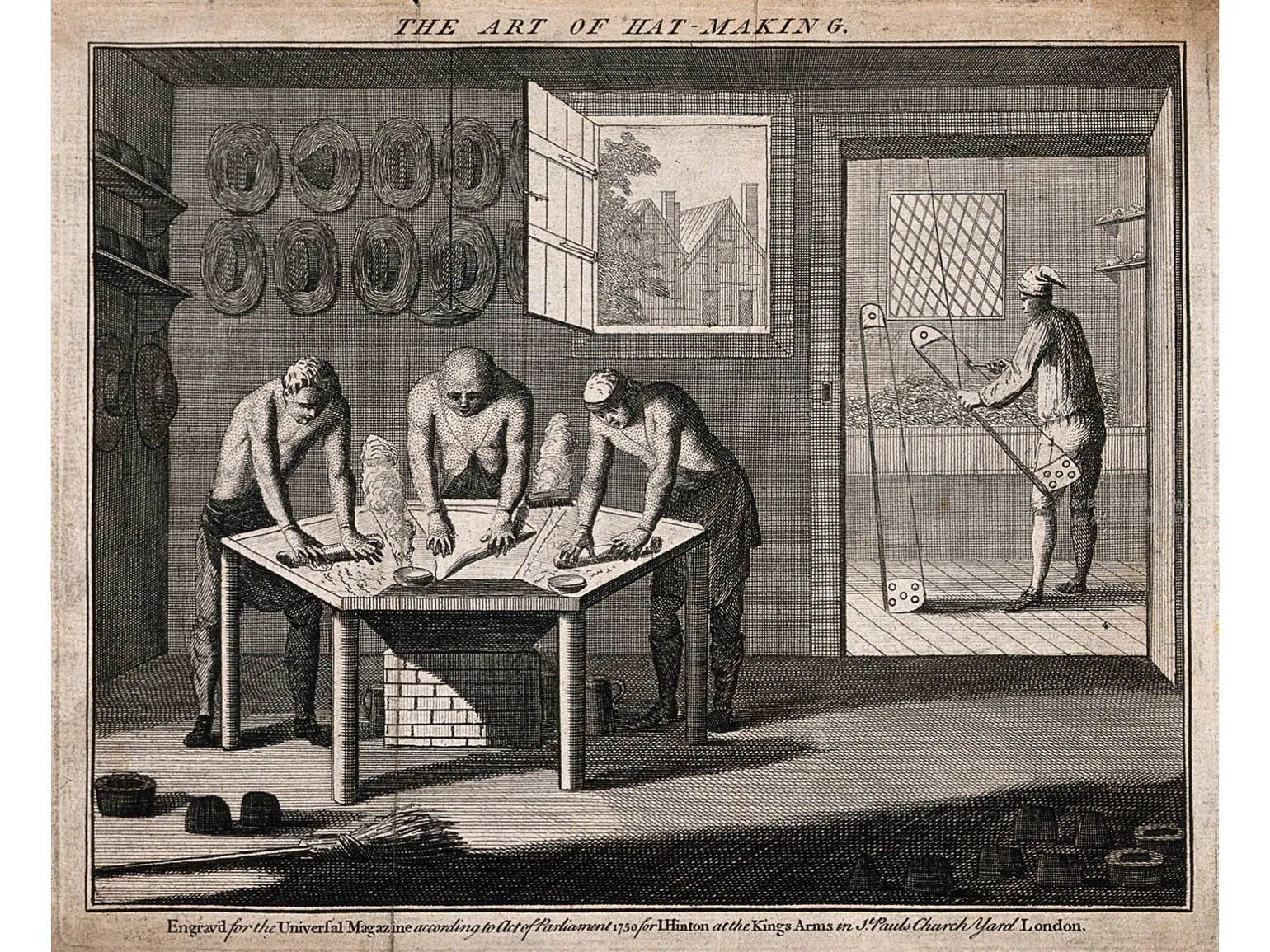
In English, there is an expression "mad as a hatter", which is associated with the image of the Mad Hatter from Lewis Carroll's fairy tale "Alice in Wonderland". This name is no coincidence, since in the 19th century, hatters really often suffered from mental disorders. The cause of this phenomenon was the inhalation of mercury vapor used in the production of felt hats. Symptoms of brain damage included severe twitching, disorders, slurred speech, and distorted vision. Thus, the image of a hatter became a symbol of madness, which emphasizes the dangerous consequences of exposure to toxic substances on human health.
Hats in Tsarist Russia
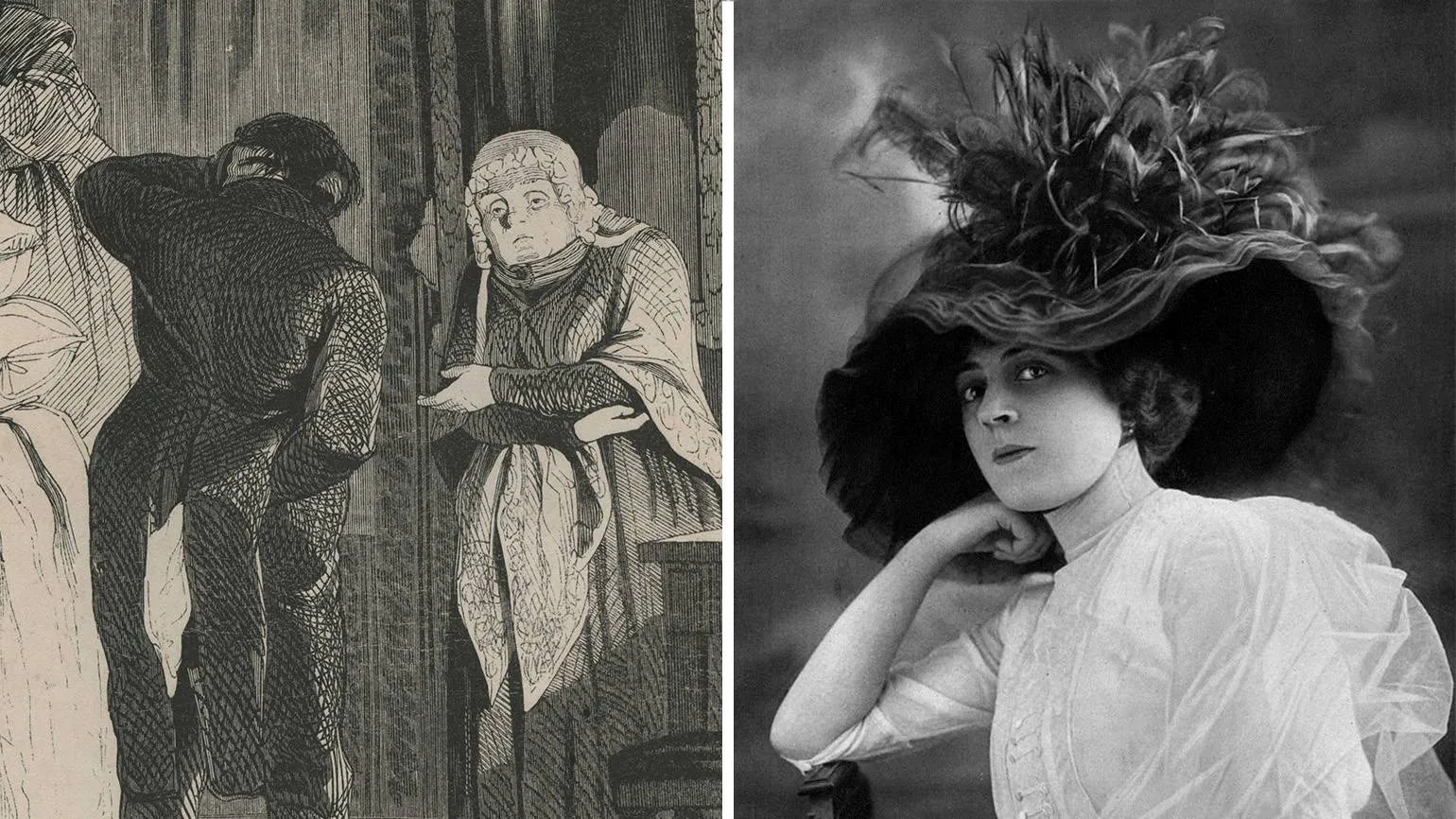
Hats in Russian culture served as a clear visual indicator of a person's social status. From the 19th century until the First World War, headwear reflected not only fashion but also belonging to a certain class. Different hat styles and materials emphasized the owner's status, tastes, and social position. Hats became a symbol of respect, elegance, and status, which was especially important in a turbulent time of change and reform. The influence of hats on social relations and a person's status in society cannot be overestimated, and they remain an important element of Russia's cultural heritage.
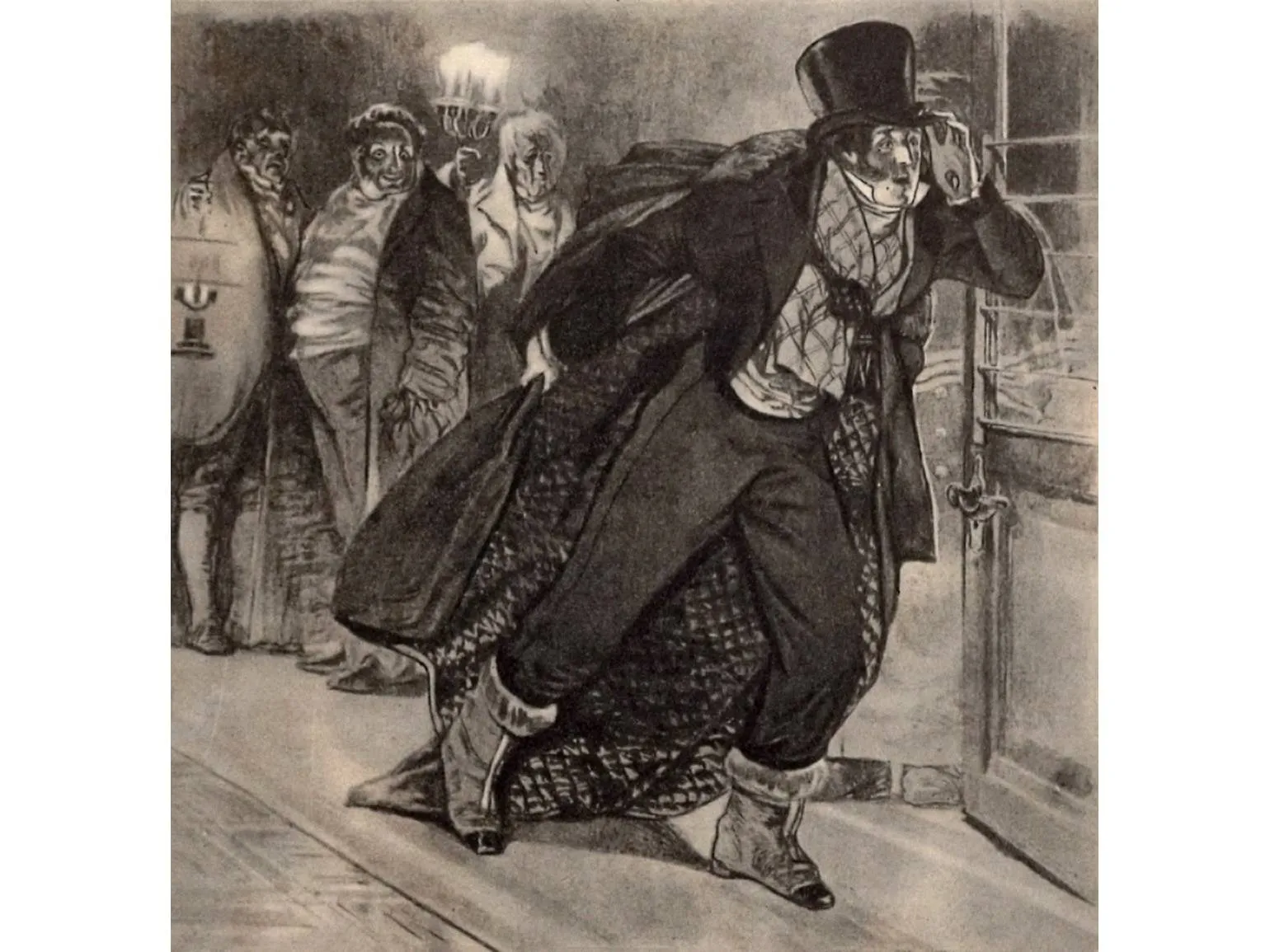
- Top hats were worn by representatives of the upper aristocracy and wealthy city dwellers. This headdress was a sign of high status and wealth, as well as the situation - a top hat was worn for an evening promenade with a wife or for a trip to the theater.
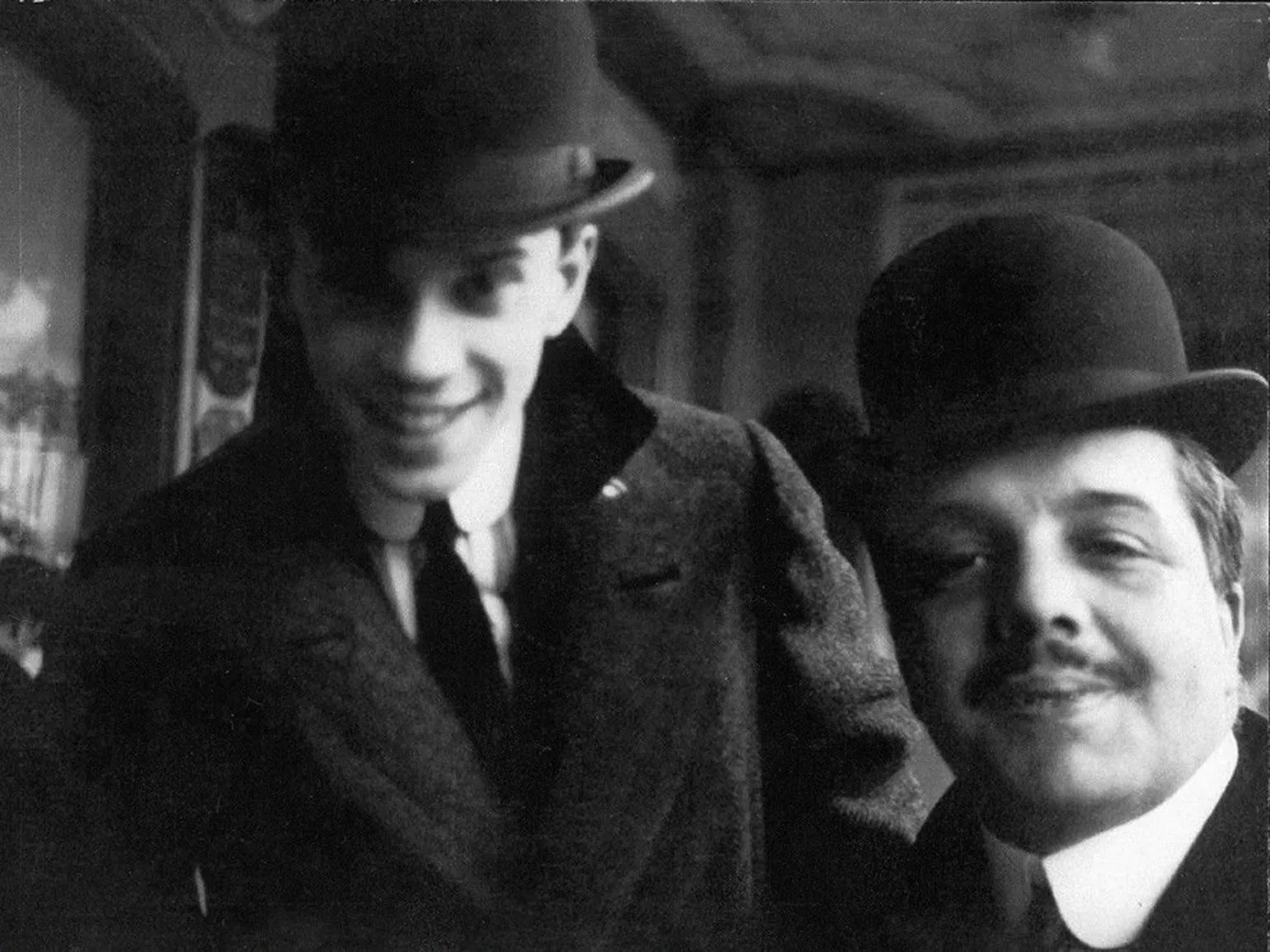
- Bowler hats were common among politicians and representatives of the middle class - entrepreneurs, doctors, and lawyers.
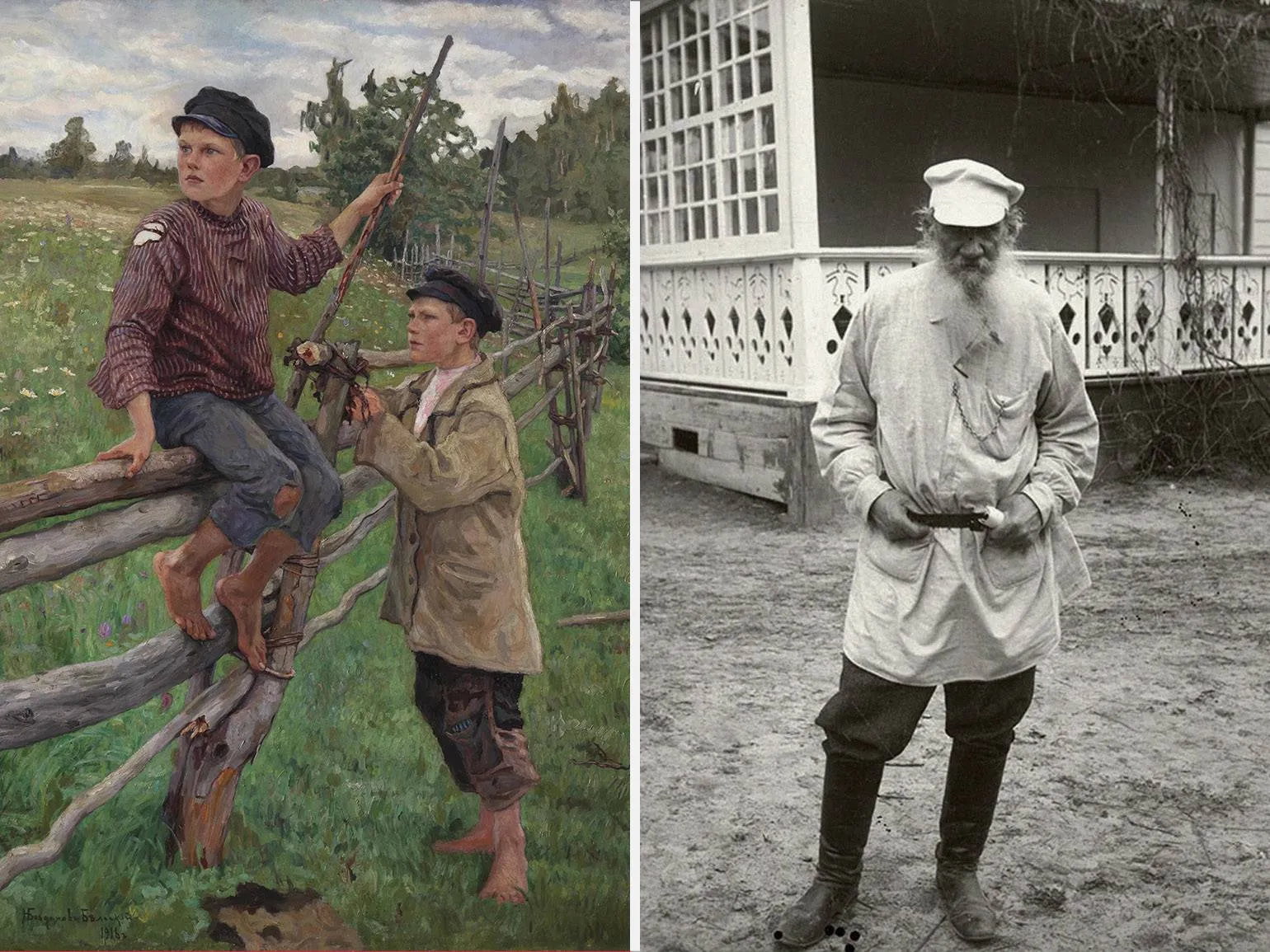
- Caps and peaked caps were worn by the military, civil servants and peasants, which also indicated belonging to a certain social group.
Women's hats in Russia, as in other developed countries, served as a symbol of social status and had to be appropriate for various situations. Their choice and style reflected not only fashion trends but also social norms. Hats were considered an important accessory that emphasized the individuality and status of the owner, and also served as an addition to the image depending on the season and event. The right choice of hat could significantly change the perception of a woman's appearance, making her more elegant and stylish.
Hats in the USSR
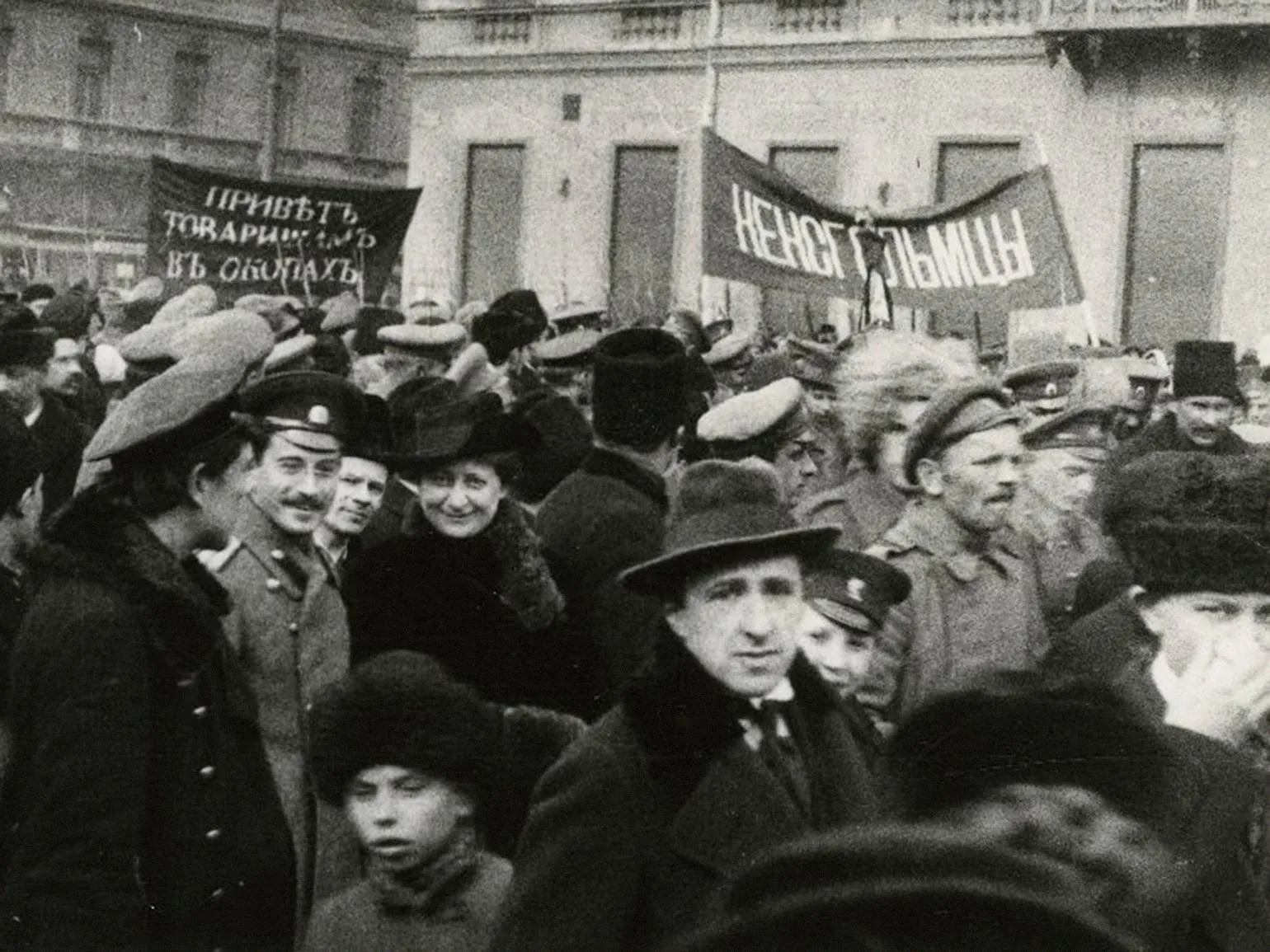
After the 1917 Revolution, Russia underwent dramatic social and economic changes, which significantly affected fashion. Attitudes toward hats became less formal, and their designs became more restrained and utilitarian. This change in fashion symbolized a general desire for simplicity and functionality, which corresponded to the new realities of life in the country.
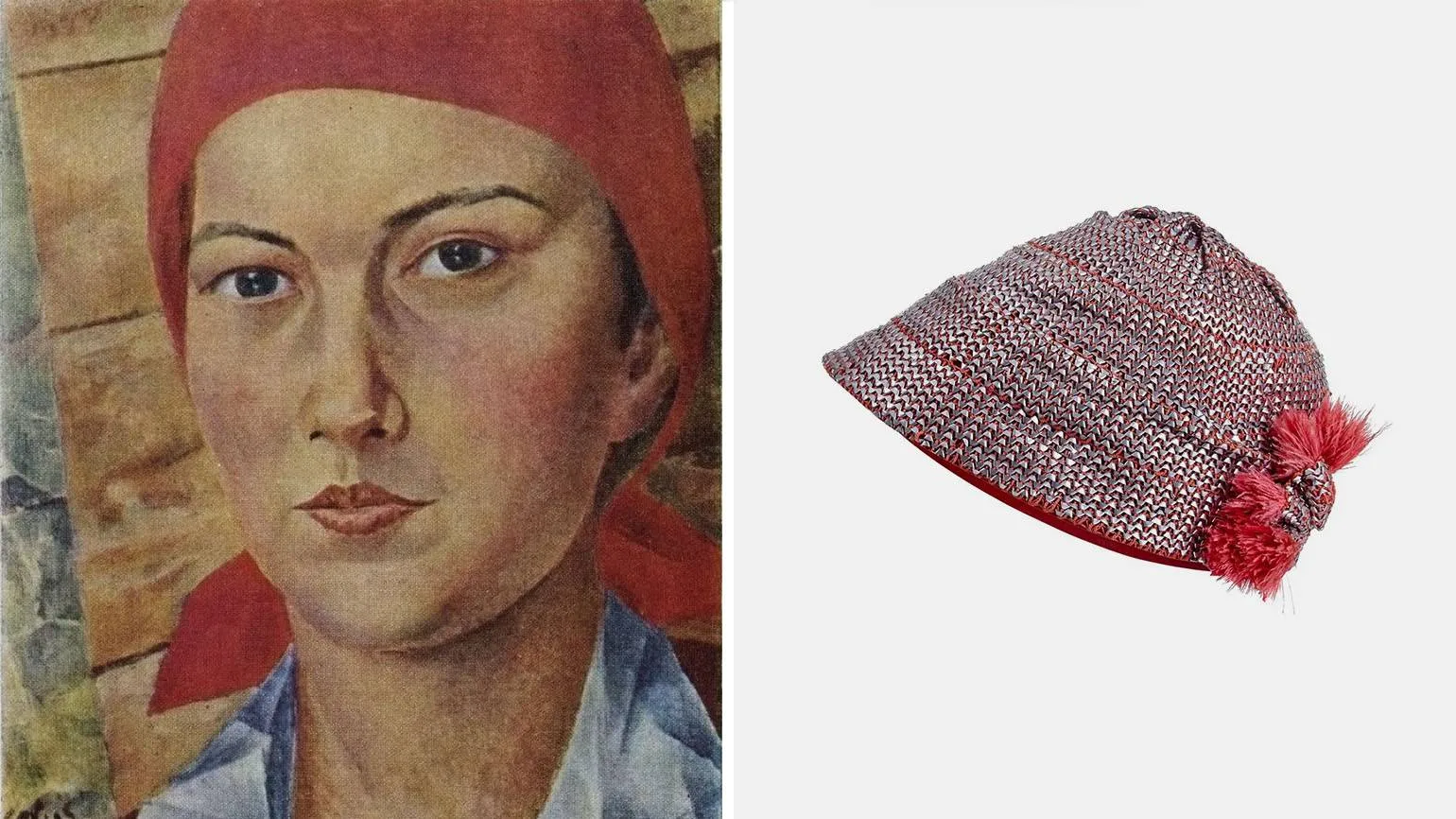
Expensive hats lost their popularity and became associated with the bourgeoisie, making them inaccessible to most people. Gradually, various social groups began to switch to simpler and more practical headwear, such as caps and scarves. These accessories, previously associated with the working class and peasantry, began to be perceived as a convenient and affordable option for everyday wear. This transition reflects changes in fashion and social conditions, emphasizing the desire for functionality and comfort.
Women who participated in the revolution used red headscarves as a symbol of their struggle for social change and justice. These scarves became an iconic element, personifying the desire for equality and improving the life of society.
However, the disappearance of complex headwear designs was associated not only with the Russian revolution. This trend was observed around the world, where traditional shapes and patterns gave way to simpler, more functional designs. Changes in fashion and social preferences significantly influenced the design of hats, making them more versatile and accessible to a wider audience. Fast forward to Paris, to Coco Chanel, who was living with Boy Capel, a successful financier. One day, she decided to create hats—not ordinary ones, but stylish and practical ones, unlike the bulky models she saw at the races where Boy often took her. Coco rented two rooms on Rue Cambon, with the sign "Chanel Modes" emblazoned on the door. Boy Capel secured her a deposit at Lloyd's, an important step in her career. A year later, thanks to successful hat sales, Coco was able to redeem the deposit. Boy, smiling slightly and twirling his mustache, said, "I thought I was giving you a toy, but in reality, I gave you freedom." This moment became the starting point for Coco Chanel's future success in the fashion world.
In his book "1913. What I Really Wanted to Say," Florian Illies immerses the reader in the atmosphere of the run-up to the First World War. The author masterfully conveys the mood of the era, describing the cultural and social changes taking place in Europe during this period. The book explores the lives and destinies of famous personalities, as well as everyday moments that seemed insignificant, but in fact anticipated future events. Illies emphasizes how individual destinies are intertwined with historical processes, creating a unique picture of the time. This work is an important contribution to understanding pre-war Europe, allowing the reader to realize how quickly the world is changing and how easy it is to miss significant moments that shape the future. The book "1913. "What I Really Wanted to Say" is not only a historical narrative, but also a profound reflection on human nature and time.
Read also:
Anything can become a legend, and the history of the Chanel fashion house is one such example. a vivid confirmation. Founded by Gabrielle Chanel in the early 20th century, this brand has become a symbol of elegance and style. Chanel destroyed traditional notions of women's fashion, offering simplicity and comfort instead of corsets and complex styles.
Since its inception, Chanel has brought such innovations to the fashion world as the little black dress and the Chanel No. 5 fragrance, which have become icons. The brand not only changed the approach to women's clothing, but also had a significant impact on the industry as a whole.
Today, Chanel continues to inspire fashionistas and designers, remaining synonymous with luxury and sophistication. The history of this fashion house is not just a story about fashion, it is an ode to independence and courage in self-expression.
With the onset of industrialization and urbanization in the Soviet Union, life became more comfortable and fulfilling. At this time, a new visual image of the Soviet citizen was formed. In the 1930s, hats became popular again, especially among urban intelligentsia. Women began to wear small cloche hats and other stylish accessories, while men preferred felt hats and bowlers. This style reflected changes in society and contributed to the formation of cultural identity.
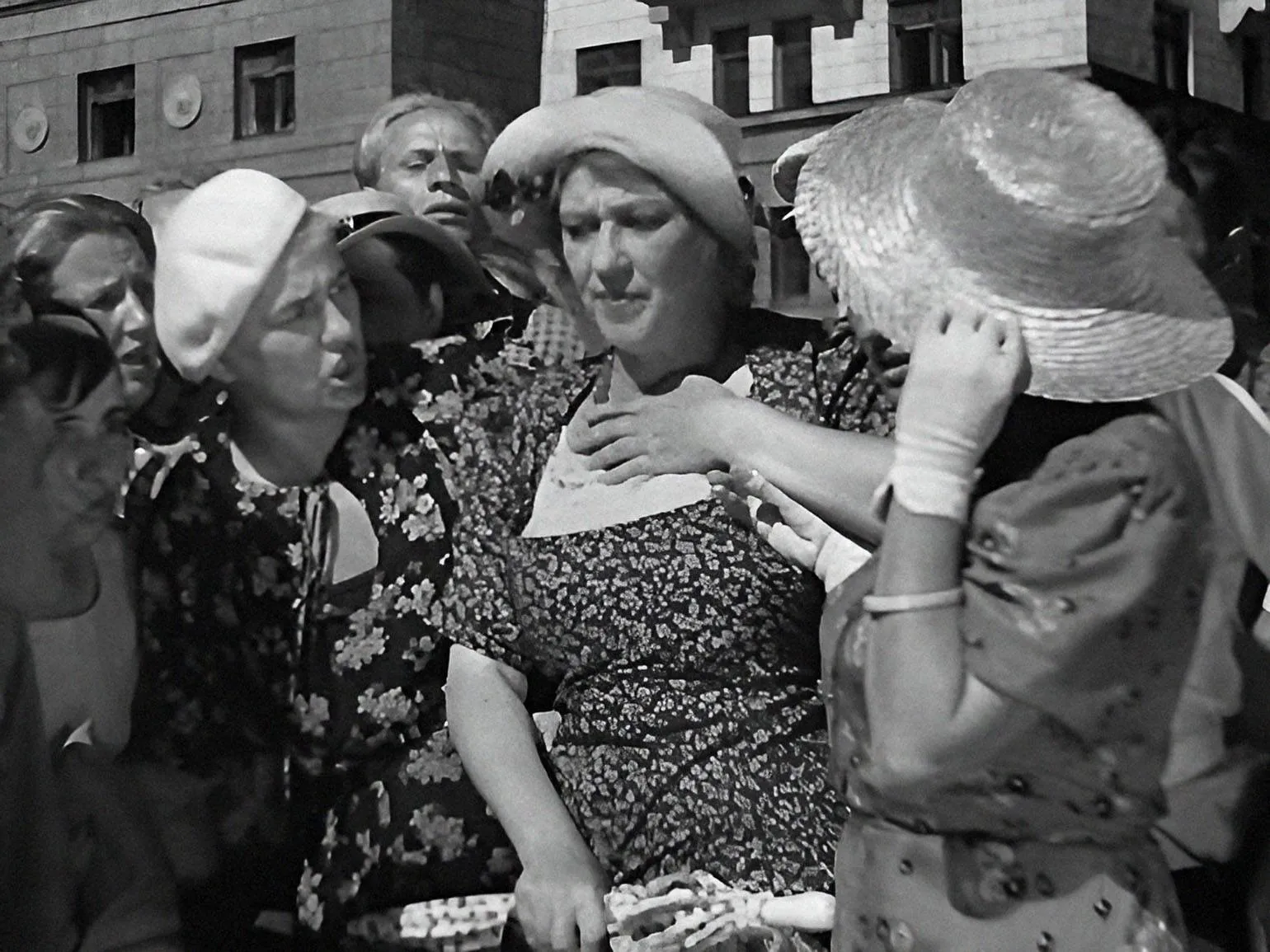
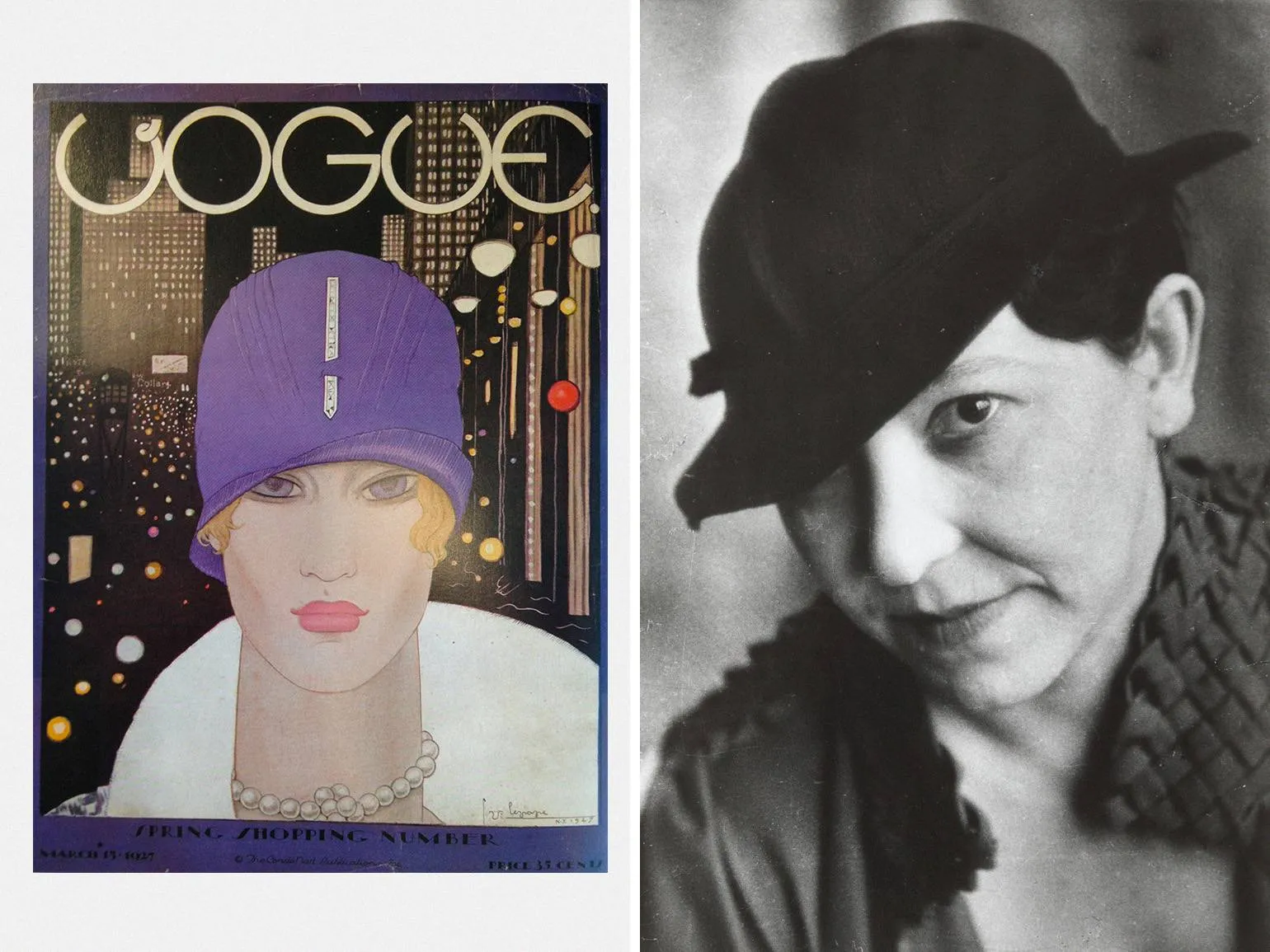
In the 1940s and post-war years, hats and caps played an important role both as practical accessories and as symbols of distinction between military and civilians. These Headwear not only protected from adverse weather conditions but also served as an expression of individuality and social status. Military hats were distinguished by their strict forms and functionality, while civilian models offered a variety of styles and materials. Thus, hats and caps became an integral part of the era's fashion, reflecting the spirit of the times and cultural changes.
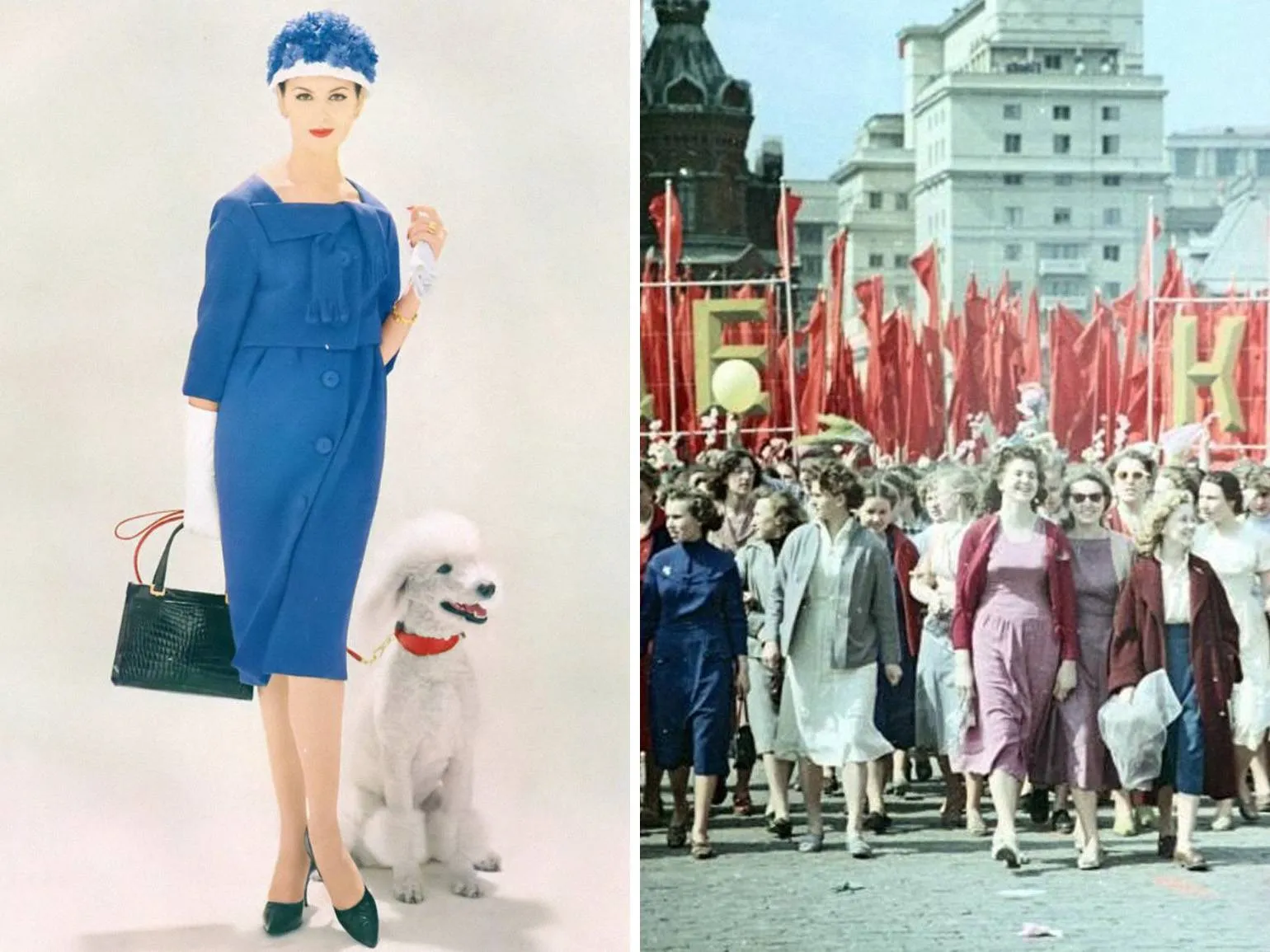
In 1959, the Dior fashion house held its show in Moscow, and the event became a real sensation. French models, showcasing stylish outfits, strolled the streets of the capital, creating a striking contrast with the everyday clothing of Soviet women. Compared to the practical scarves and headdresses worn by Muscovites, the models' hats looked not only fashionable but also somewhat out of place in the Soviet reality. This show opened a new chapter in the history of fashion in Russia, highlighting the differences between Western and Soviet styles.
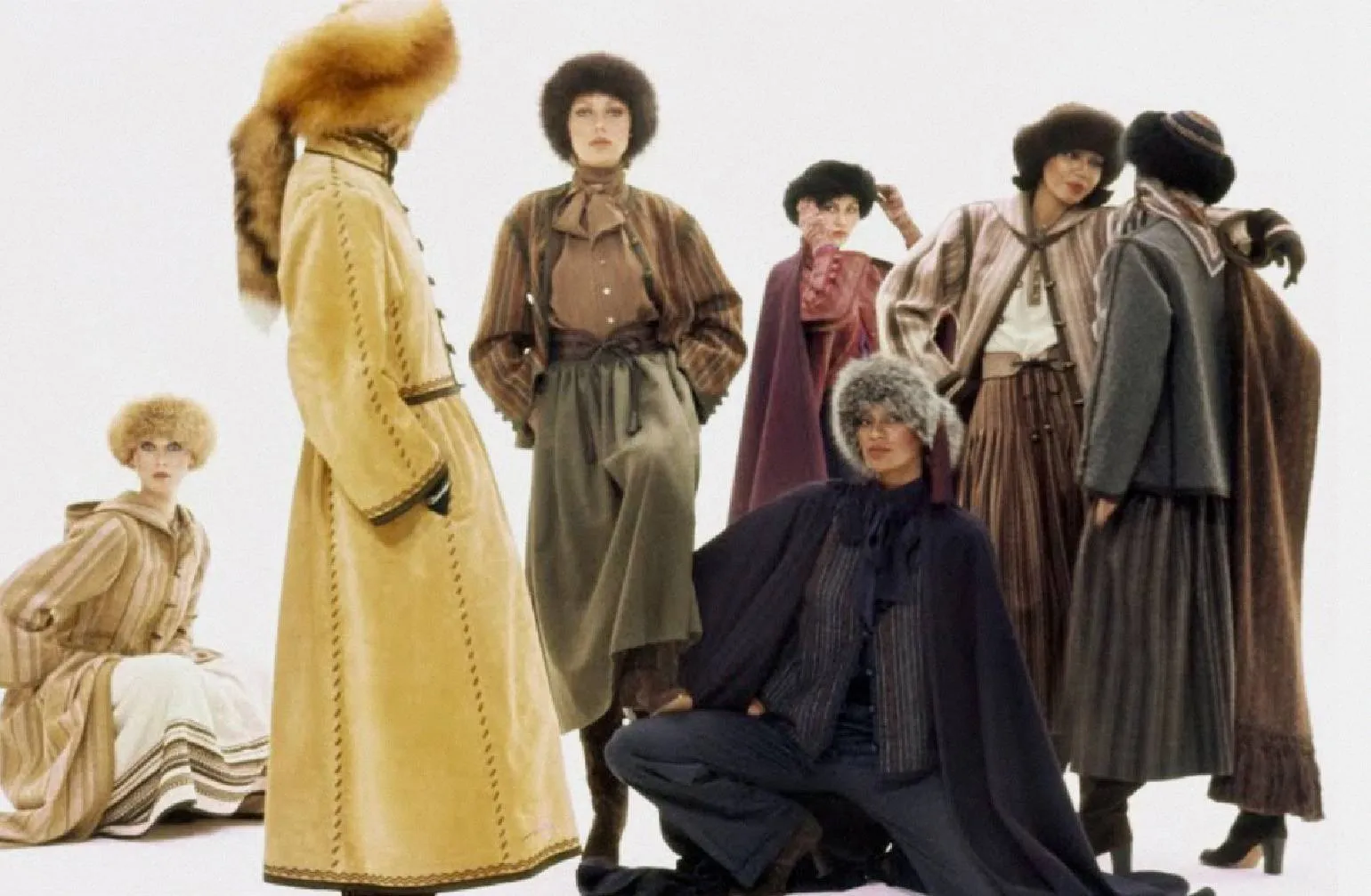
In the 1970s, there was a noticeable trend for winter hats both in the Soviet Union and abroad. In 1976, the haute couture house Yves Saint Laurent organized a show called Opéras et Ballets Russes or Haute Russian. This event was a unique interpretation of Sergei Diaghilev's Russian Seasons, as well as images associated with Siberia and Lara from Doctor Zhivago. Models wore fur-trimmed hats, which were designed to be worn indoors. Around this time, the word "chapka" appeared in English to describe such winter headwear.
In the Soviet Union, fur hats in the style known in France as a la russe had been worn before. However, their popularity increased significantly in the 1970s thanks to the release of the cult film "The Irony of Fate, or Enjoy Your Bath!" This film not only became a symbol of Soviet cinema but also contributed to a revival of interest in traditional fur hats, which embodied the comfort and warmth of the winter season. Fur hats have become an integral part of fashion, associated with comfort and a stylish lifestyle.

Reworked text:
We recommend you read additional materials.
Slavicgirl: almost a billion views. What Slavic aesthetics are in demand today?
Slavic aesthetics have gained popularity due to their uniqueness and cultural distinctiveness. In recent years, there has been a growing interest in various aspects of Slavic culture, reflected in social media and video platforms. Along with Slavicgirl, other trends such as Slavic nature, traditional rituals, and folk festivals also stand out.
Slavic mythology is a popular theme, inspiring artists and creatives to create content. There is also interest in Slavic cuisine, where traditional recipes are becoming the focus. Another important component is folk crafts and artistic products that highlight the rich heritage of the Slavic peoples.
Thus, Slavic aesthetics continue to gain popularity, attracting attention both locally and internationally.
Why did hats begin to disappear?
Hats gradually lost their popularity in the 20th century for several objective reasons. Firstly, changing fashion trends and clothing styles played a significant role. With the development of a more relaxed and comfortable lifestyle, many people began to prefer practical clothing that did not require accessories such as hats. Secondly, social changes, including the rise of informal culture and changing norms of behavior, also contributed to a decline in interest in headwear. Furthermore, mass production and the availability of a variety of clothing made hats less necessary in everyday life. As a result, hats became associated with formal occasions and lost their functionality as an everyday accessory.
- Headwear often protected from the sun. When the first pairs of modern sunglasses were mass-produced in 1929, people no longer needed to rely on a wide-brimmed hat to protect their eyes.
By the 1940s, sunglasses had become an essential accessory, and the first sunscreens with SPF began to appear on the market. This era marked a shift in approach to sun protection, as hats lost their practical purpose and became more of a style statement than a means of protection. Sunglasses and creams provided a new level of protection for skin and eyes from harmful ultraviolet radiation, which made them popular among the general population.
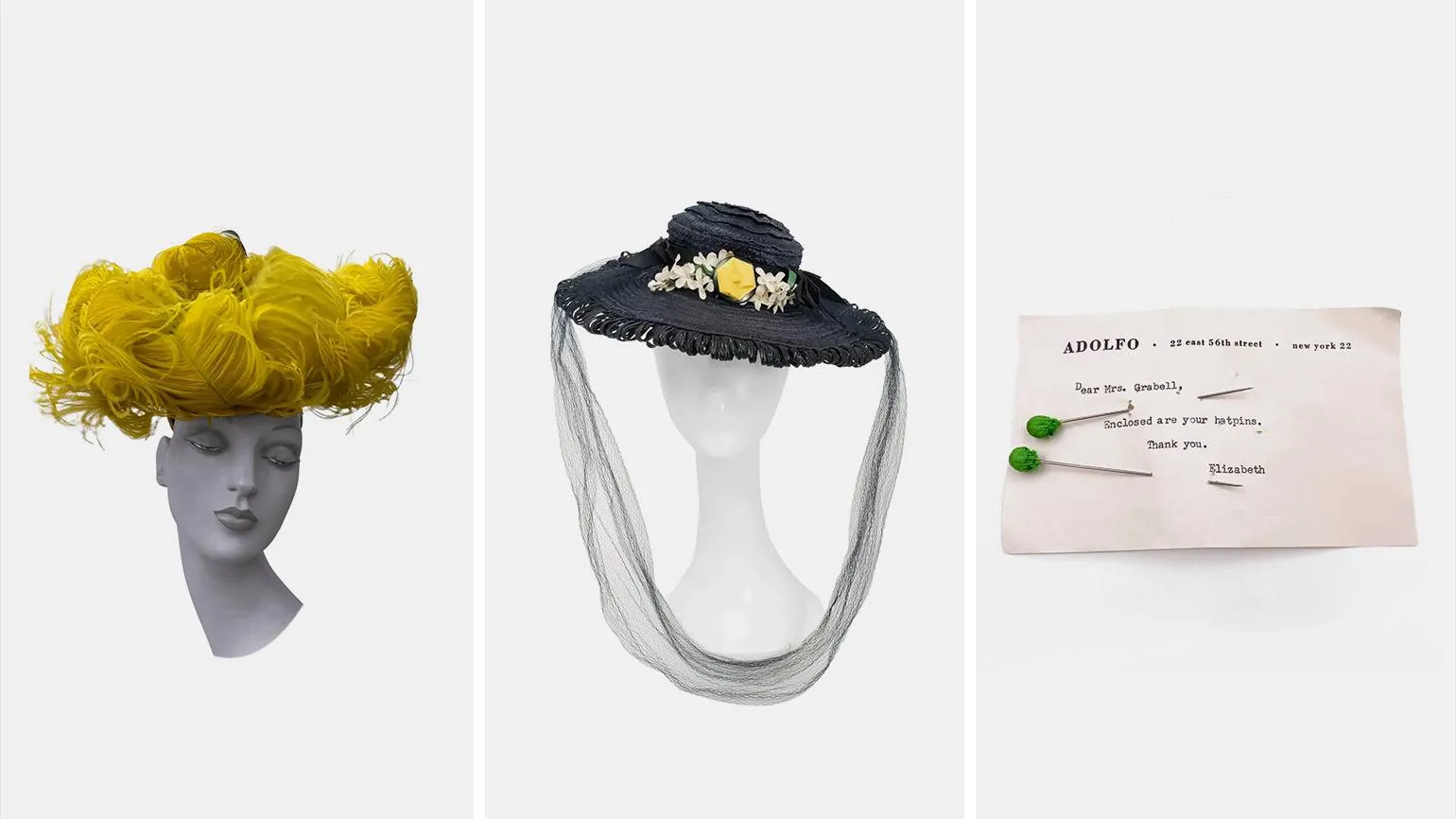
- Fashion changed dramatically after World War II and the "redivision" of the world.
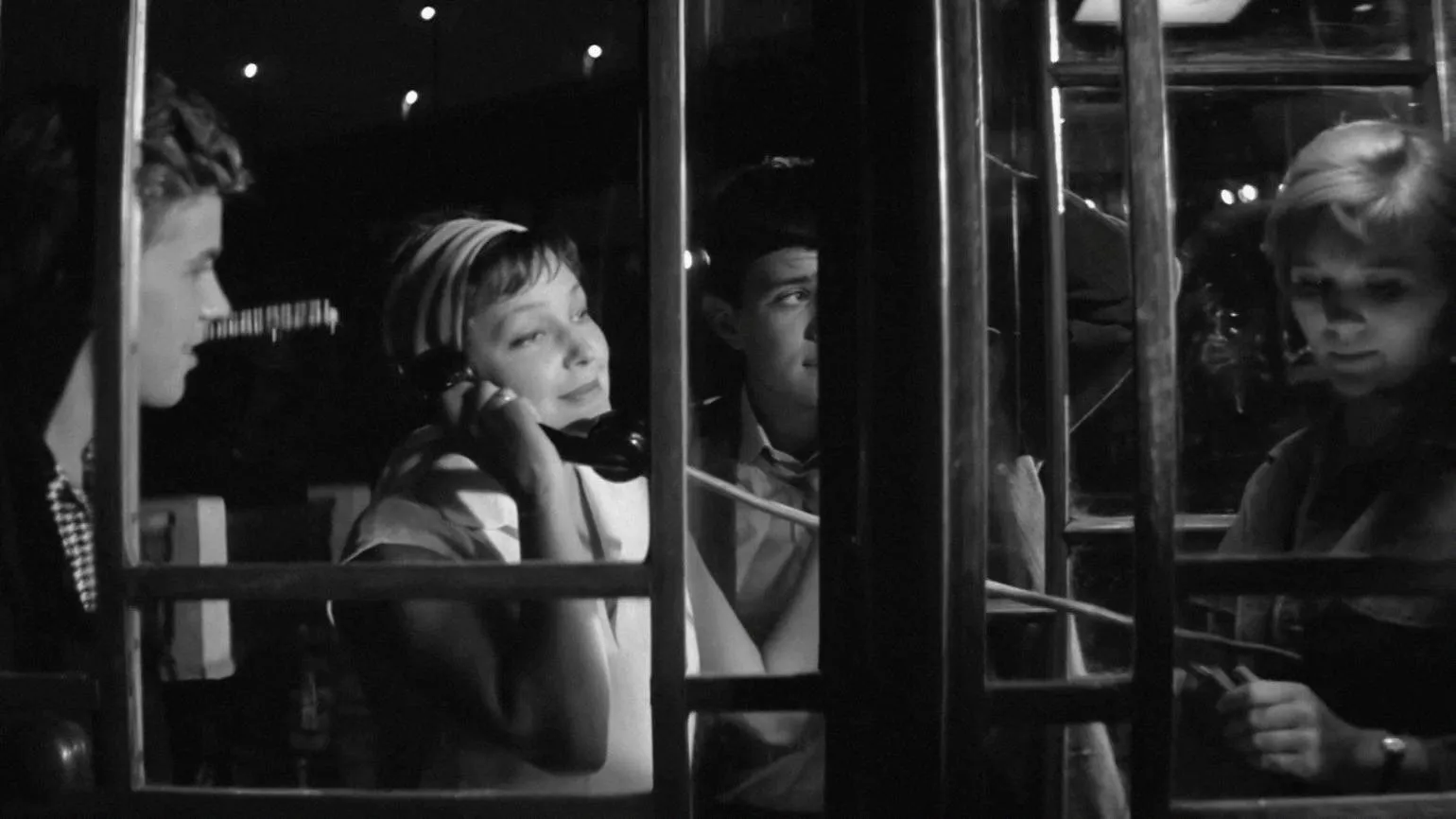
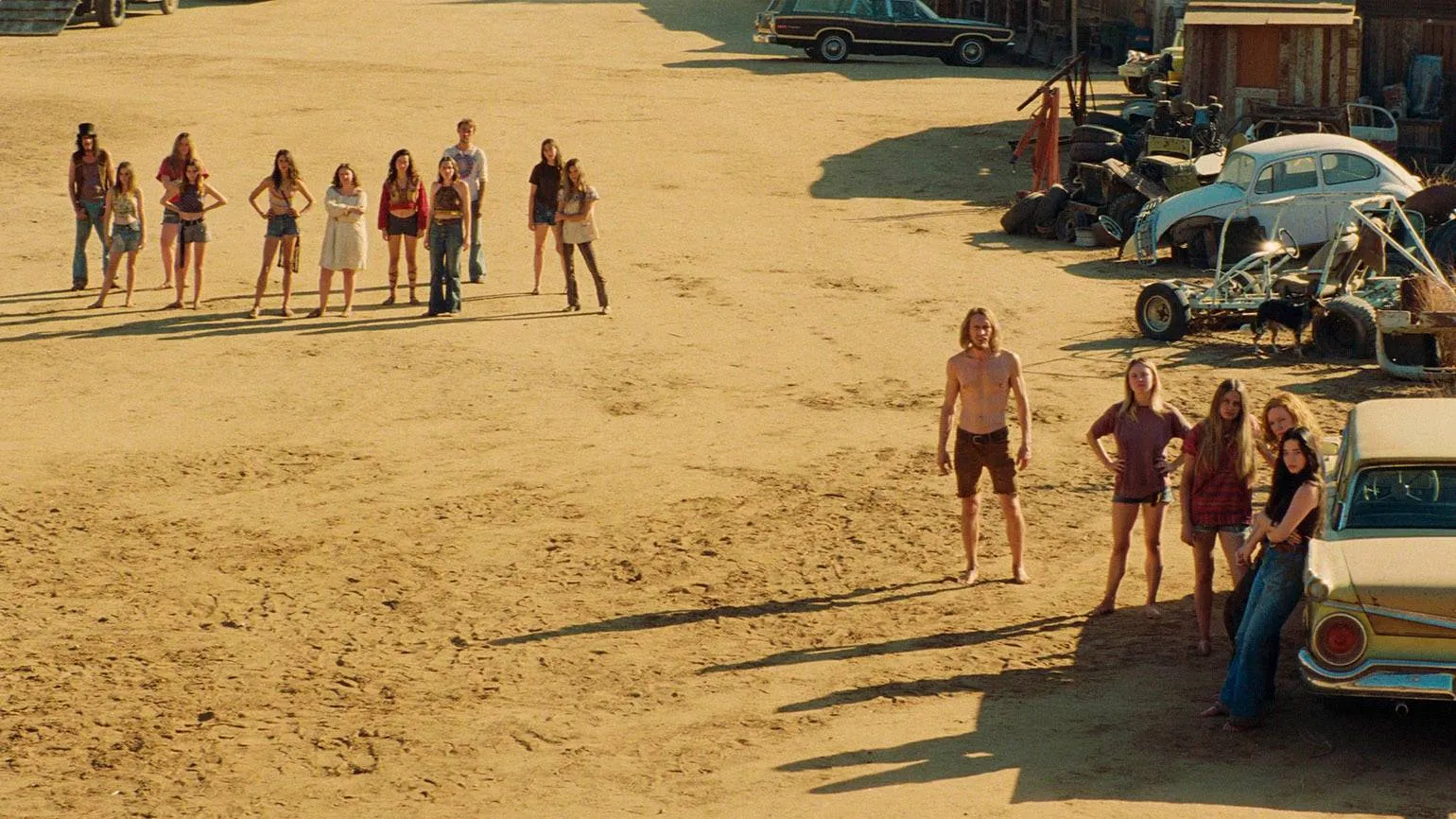
The 1950s and 1960s saw a significant rise in youth culture, which became a rebellion against established societal norms. This era was characterized by a rejection of formal dress codes and traditional ways of expressing social status, such as wearing hats. Young people strove for self-expression and freedom, which was reflected in their clothing style and lifestyle. This cultural shift has become the basis for many modern trends that define the identity of the younger generation.
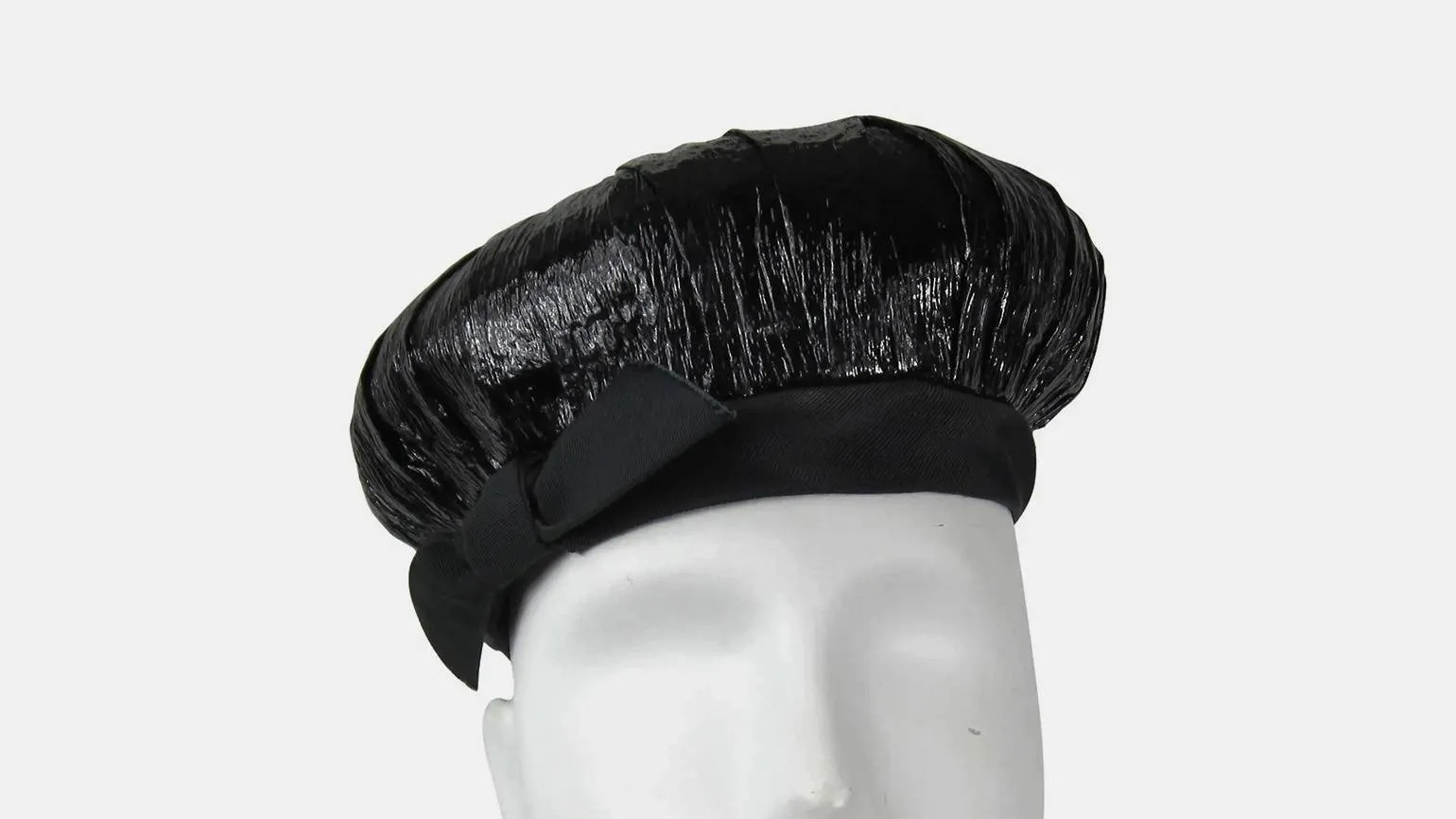
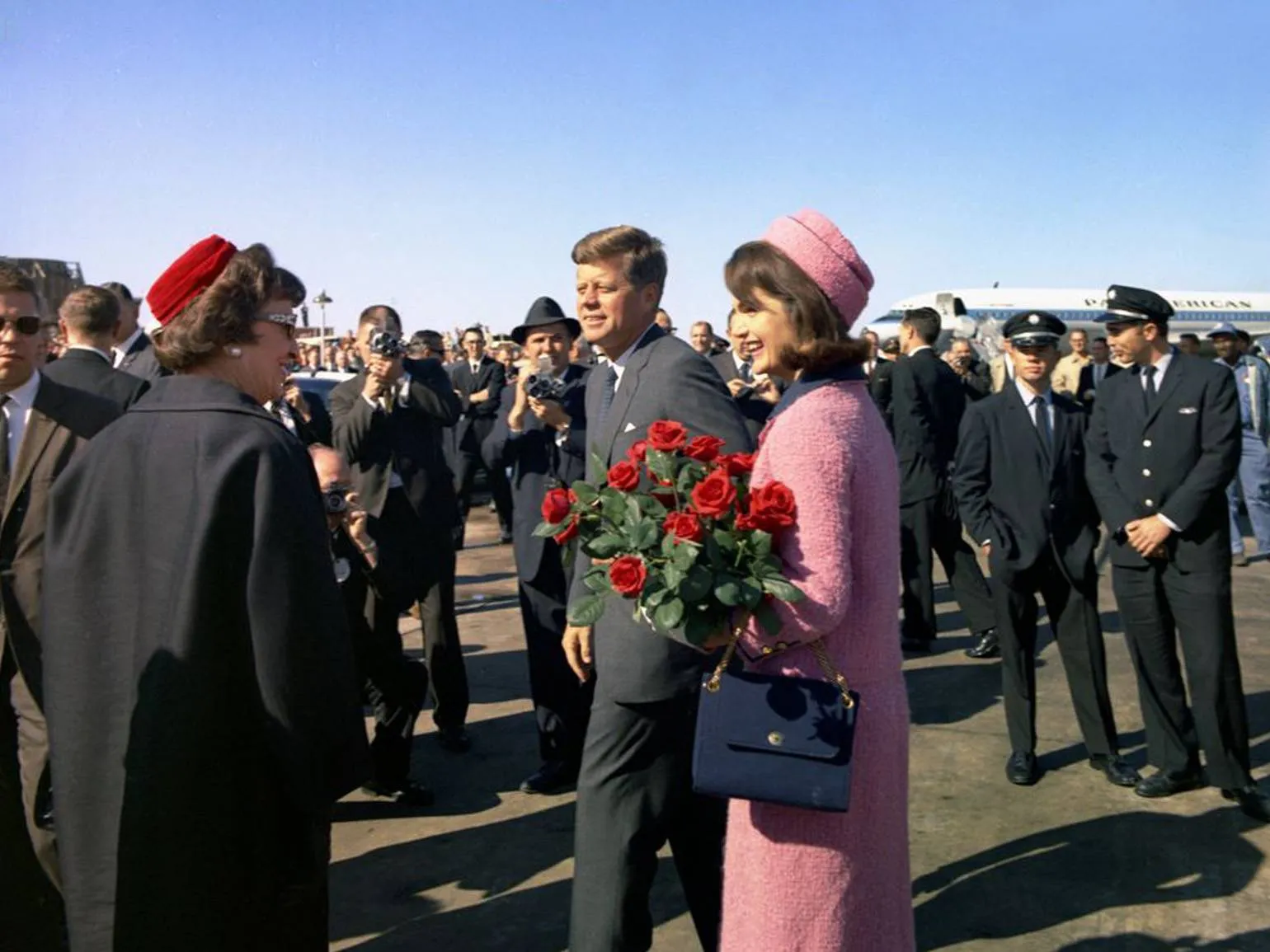
Jackie Kennedy, a style icon of the 1960s, brought traditionally elegant hats back into mainstream fashion. Her signature pillbox hats became a symbol of sophistication and refinement, inspiring women in the United States and other developed countries to follow her example. Jackie's style continues to influence fashion, emphasizing the importance of accessories in creating a complete look.
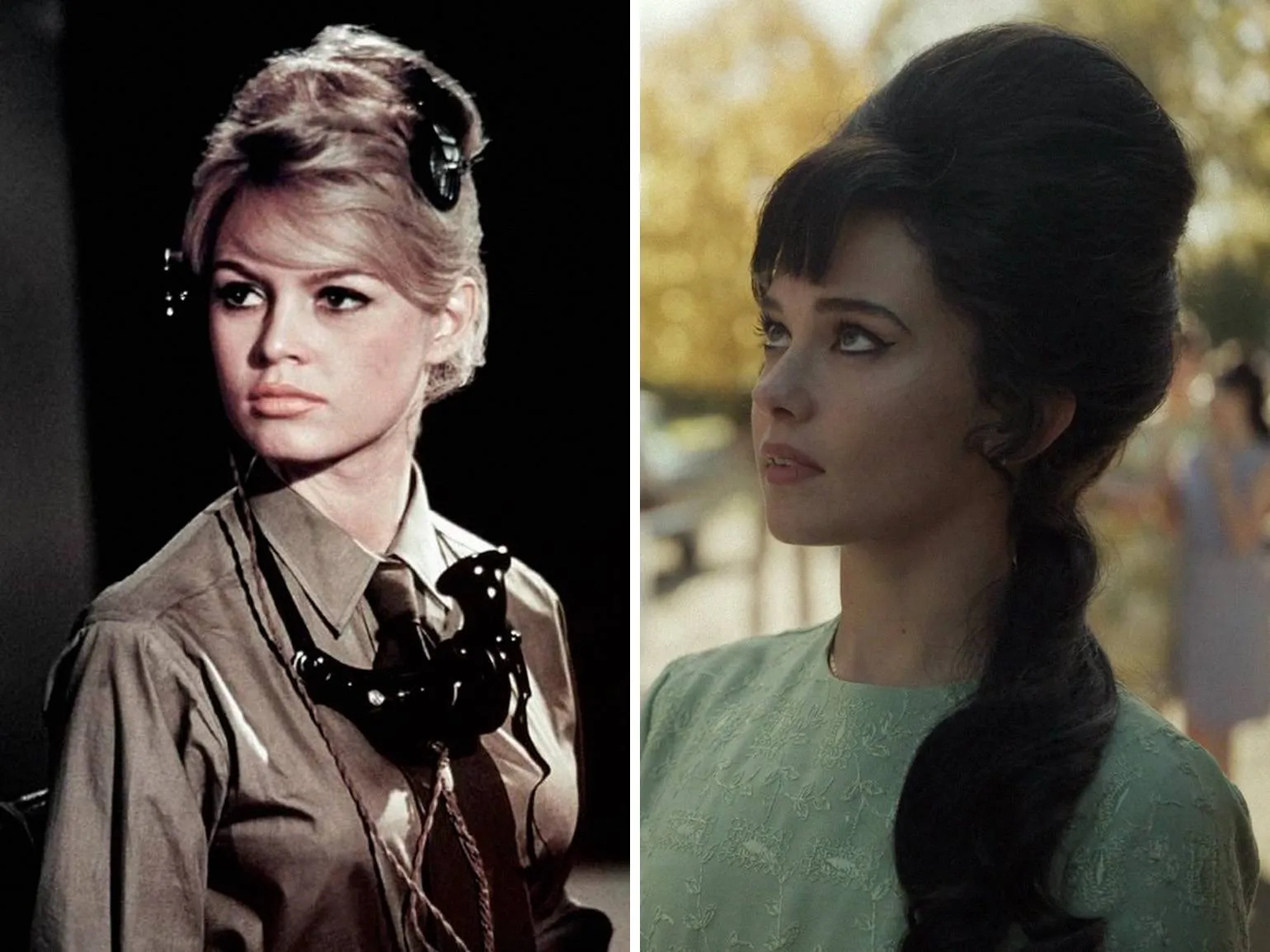
- In the 1960s, high hairstyles and bouffants with generous use of hairspray came into fashion: this product was mass-produced and advertised.
The volume of hats began to cause discomfort when worn, which led to women abandoning this accessory.
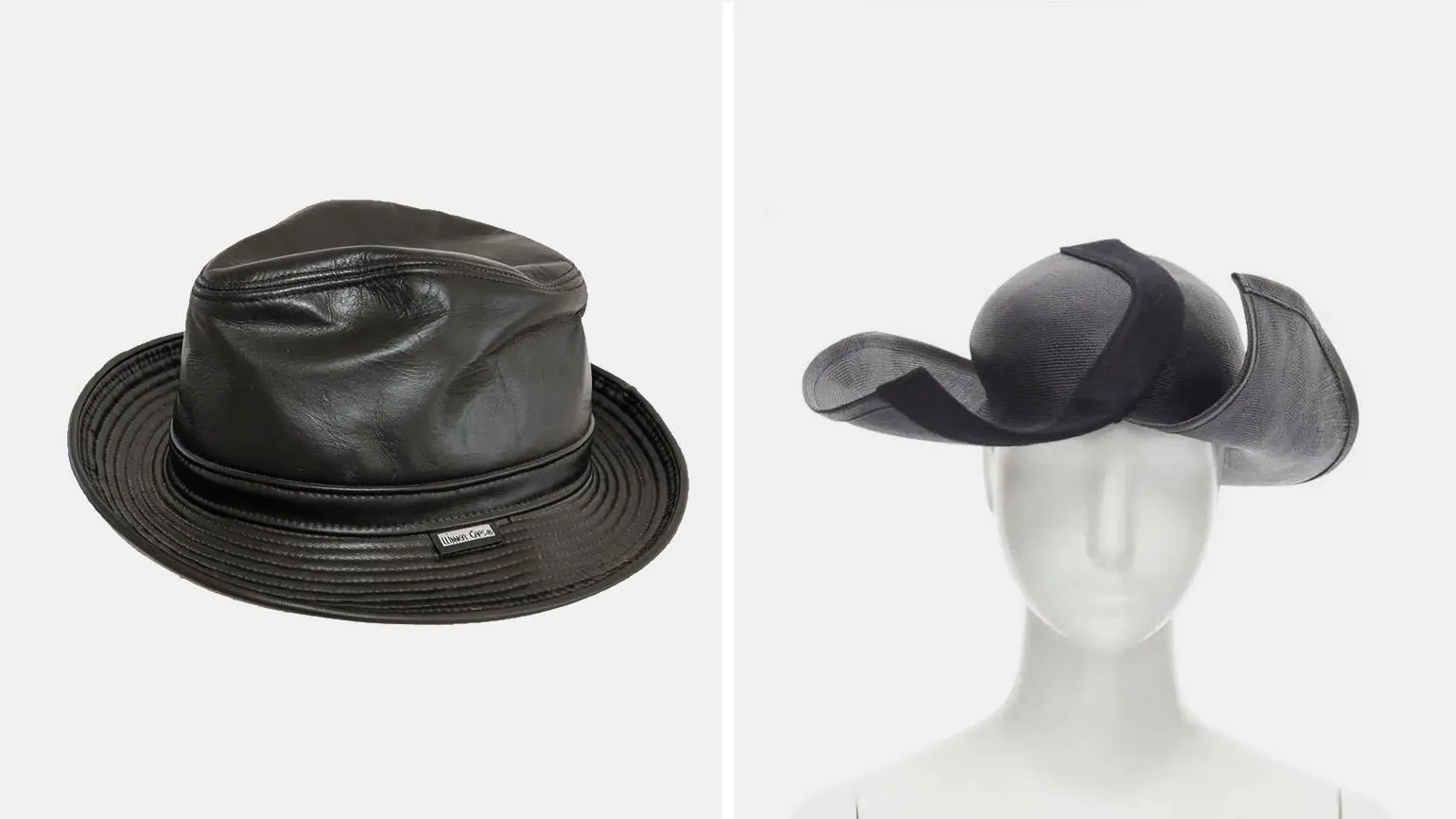
- The 1980s were all about increasing democratization and speed of travel. Hats as an attribute of decency gradually disappeared into the world of styling.

Read also:
The history of design in the 1980s and 1990s. Part Two: Graphic Design
In the 1980s and 1990s, graphic design experienced significant changes due to advances in technology and changing cultural trends. The advent of computer graphics revolutionized the field, allowing designers to experiment with new forms and styles. Programs such as Adobe Photoshop and Illustrator became essential tools, greatly simplifying the process of creating complex graphic designs.
This era also saw the rise of pop culture and mass media. Designers began to actively use bright colors, unconventional fonts, and bold compositions, reflecting the spirit of the times. Visual elements became more dynamic and expressive, which helped attract audience attention.
In the 1990s, graphic design became more accessible thanks to the proliferation of personal computers and software. This contributed to the emergence of a new generation of designers who brought fresh ideas and approaches. While traditional printing and design methods remained relevant, digital technologies began to dominate, opening up new horizons for creativity.
It's also worth noting that this period saw increased attention to sustainable design and environmental issues. Designers began to recognize their responsibility to society and the environment, leading to the emergence of more responsible and ethical practices.
Thus, the 1980s and 1990s became an important milestone in the history of graphic design, combining innovation, cultural change, and new approaches to visual art. These decades marked the beginning of modern trends that continue to evolve and influence design today.
When the hat is the protagonist of the event
Horse racing requires the wearing of hats. This is not only a tradition, but also a style element that gives the event a special atmosphere. Hats at horse races are an important attribute for participants and spectators, emphasizing the elegance and sophistication of the event. Choosing the right hat can be a true art form, as it must complement your outfit and fit the overall spirit of the event. Wearing a hat to the races isn't just about adhering to the dress code; it's also an opportunity to express your individuality by adding unique details to your look.
The Kentucky Derby, America's most famous horse race, borrowed the tradition of creating original hats from Britain's Royal Ascot. For Derby spectators, hat design becomes an integral part of the event and is as captivating as the race itself. Hats can be incredibly creative and extravagant, attracting attention and emphasizing the individuality of their owners.
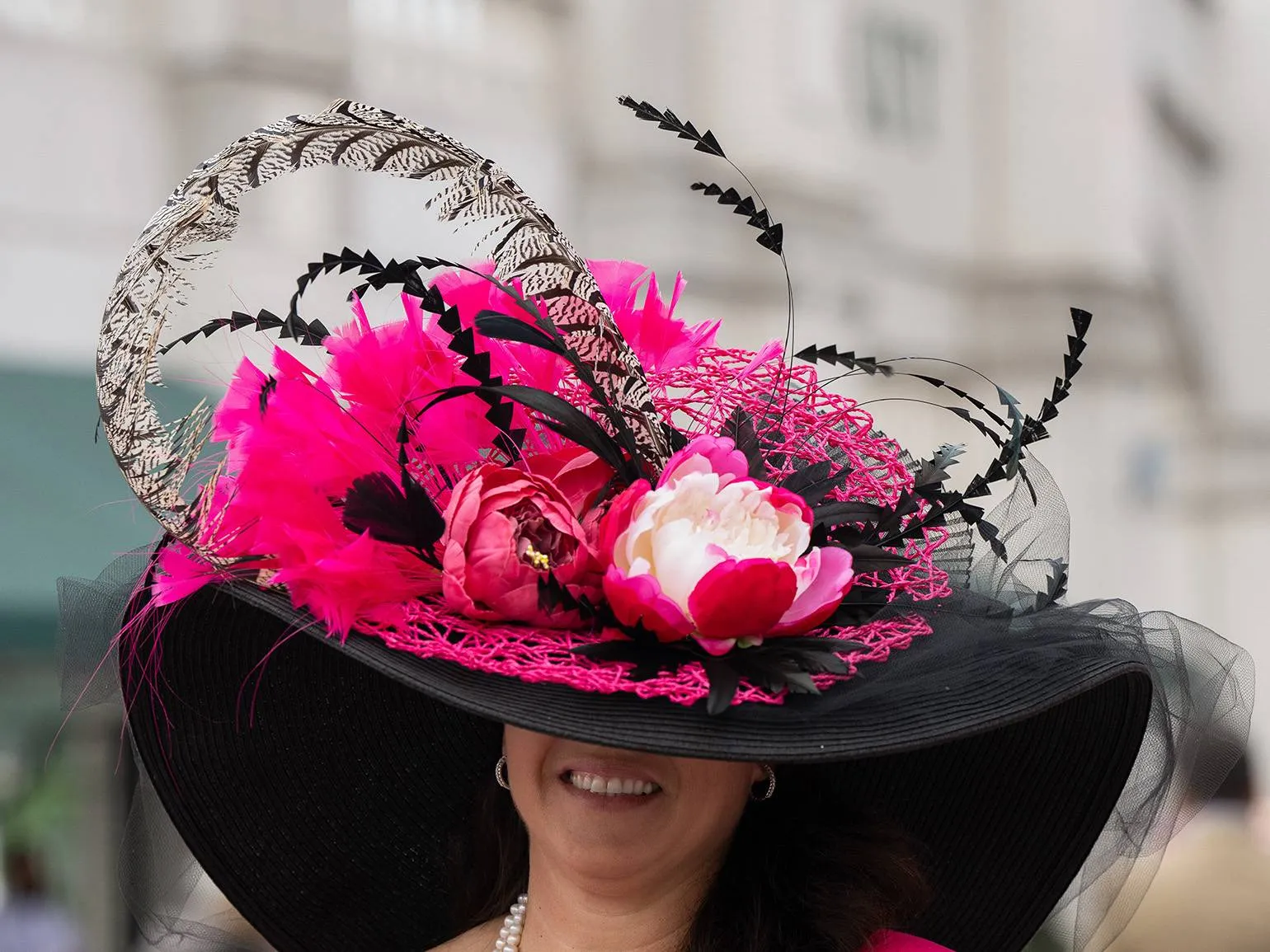
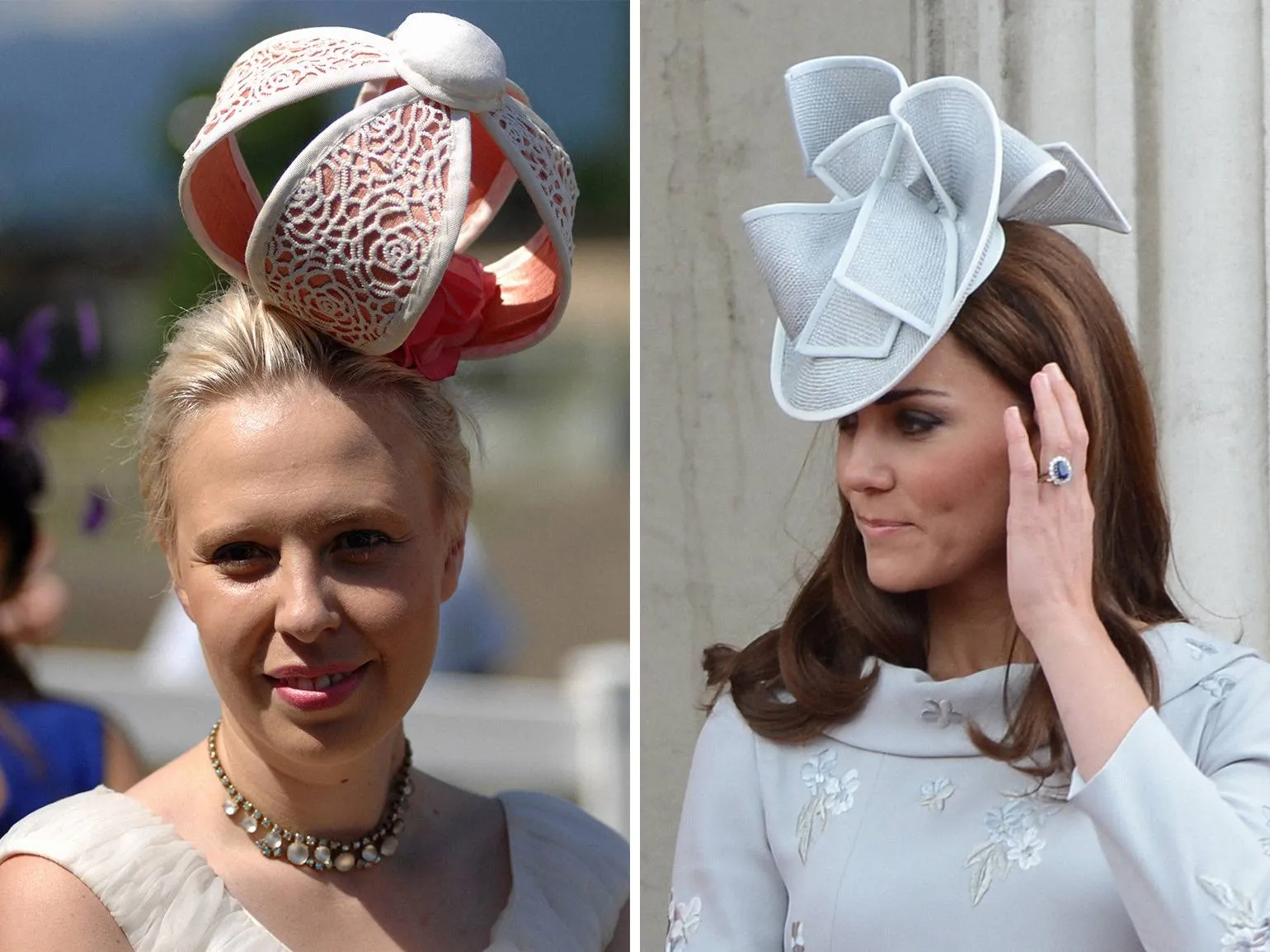
A fascinator is a stylish headdress A headdress that serves as an alternative to a traditional hat. These accessories are typically made of various materials, such as feathers, flowers, or beads, and are attached with a ribbon or clip. Unlike a hat, a fascinator is purely decorative: it covers only a small portion of the head and provides no protection from the elements. Facinators are ideal for special occasions, such as weddings and cocktail parties, adding sophistication and personality to an outfit. The term "hatinator" originated in the early 2010s and describes a unique headdress that combines the characteristics of a hat and a fascinator. A hatinator is secured to the head with a ribbon, similar to a fascinator, but its appearance is closer to a classic hat. This accessory has become popular at fashion events and celebrations, adding a touch of elegance and originality to any look. Hatinators come in a variety of styles and designs, making them a versatile solution for events ranging from weddings to cocktail parties.
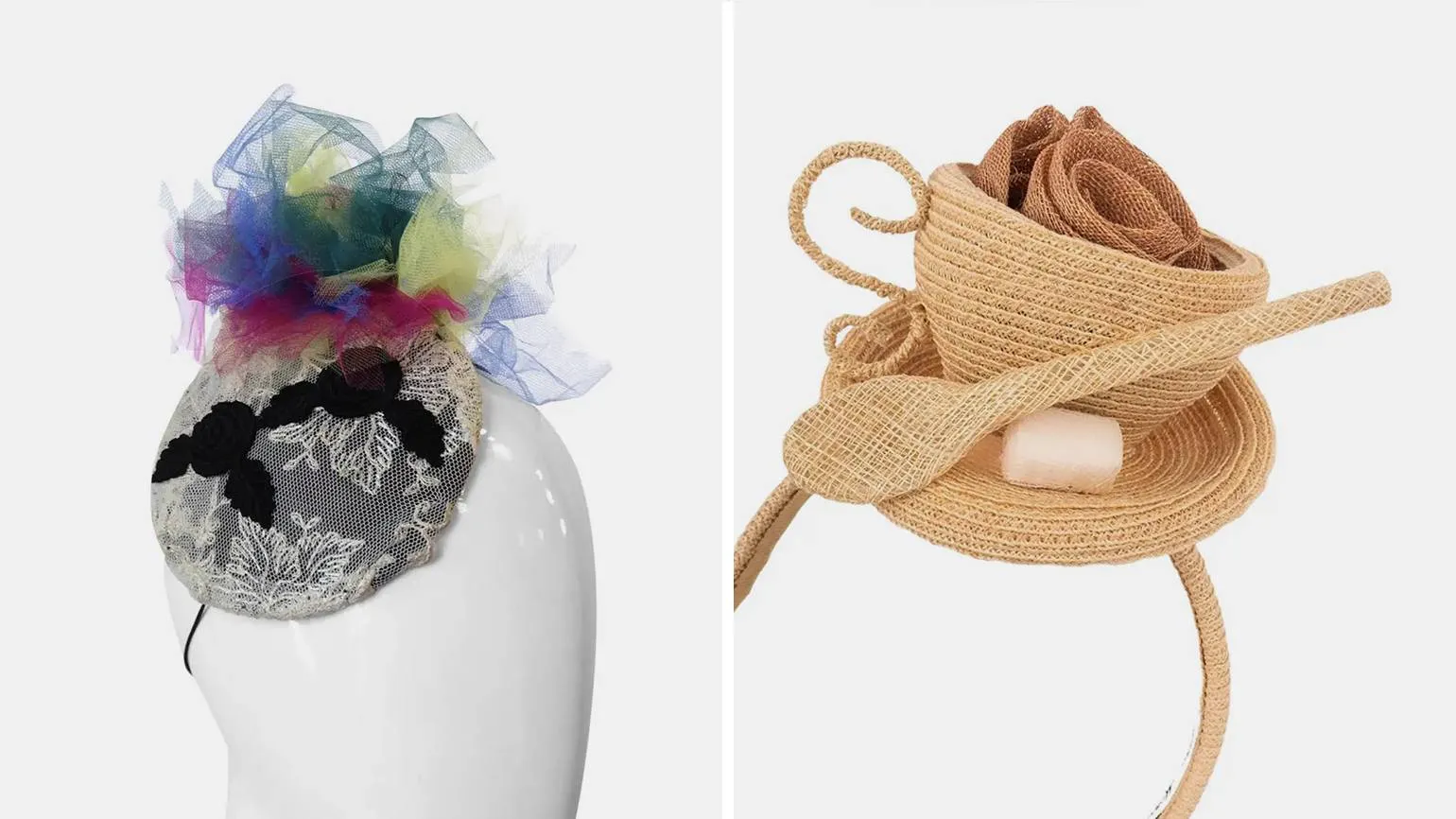
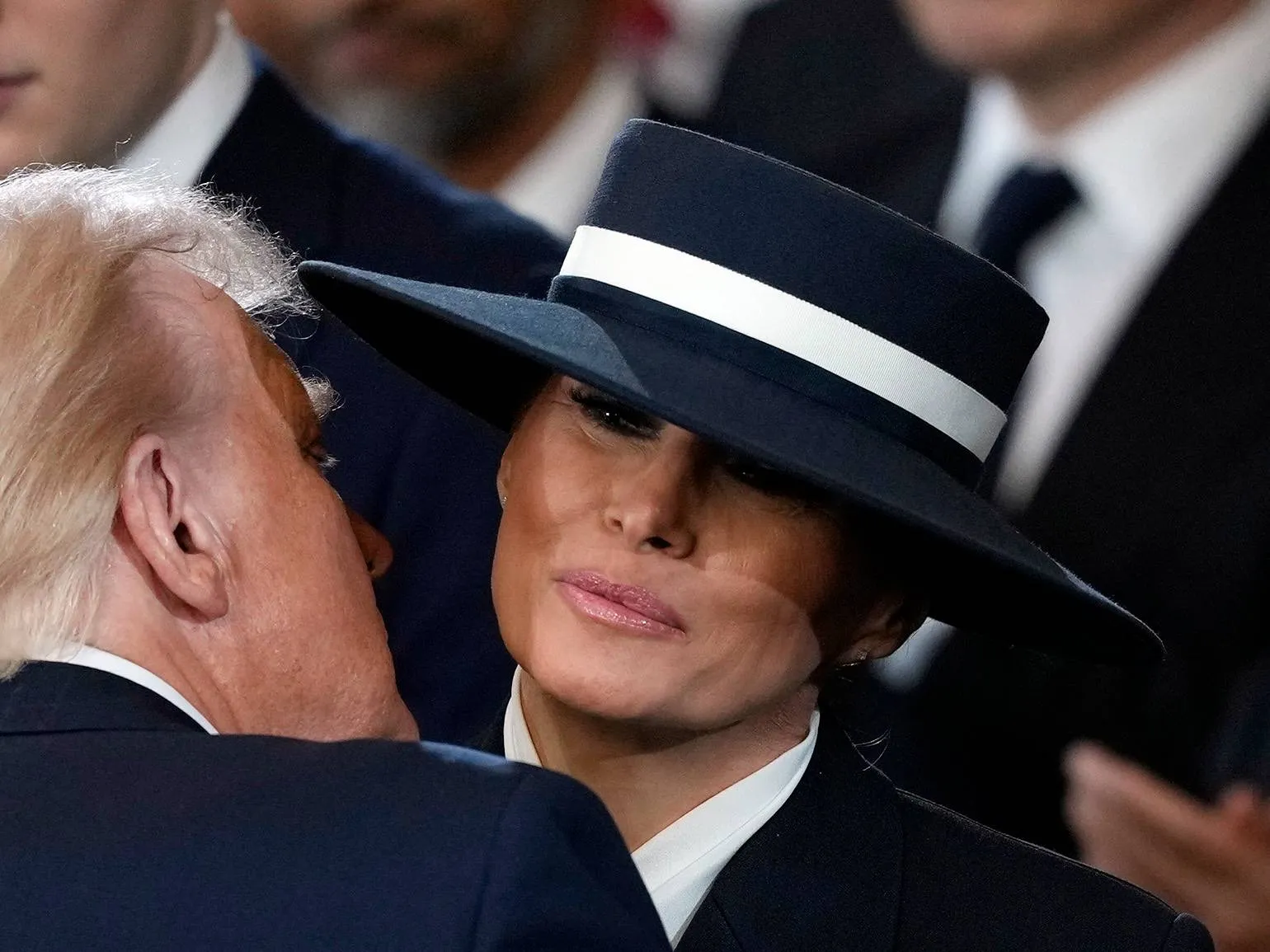
Ascot has a strict dress code. In 2012, Queen Elizabeth II banned fascinators at Royal Ascot, making full-length hats mandatory. This rule emphasizes the importance of tradition and formal style at one of the most prestigious equestrian events in the world.

Graduation ceremonies at leading Western universities are an important event, where the academic cap with a tassel is an integral attribute. Tossing the hats into the air symbolizes the transition to a new, adult life. This tradition has made the image of the academic cap a symbol of intellect and educational achievement. Graduation is not only a celebration of the end of education, but also an important stage on the path to professional growth and self-realization.

The tradition of graduates throwing their hats into the air originated in the United States among the cadets of the Military Academy West Point in the mid-19th century. Cadets wore gray peaked caps, known as Confederate caps, in honor of the Confederate States of America. After completing their studies, cadets no longer wore these caps, symbolizing their transition to a new life. By discarding their caps, they marked the end of their studies and the beginning of a new chapter, making this gesture an important ritual for many graduates.
Over time, this custom spread to civilian educational institutions and gained popularity in other countries. Confederate hats were transformed into black caps, which became a symbol of a certain tradition and identity of students.

Hats
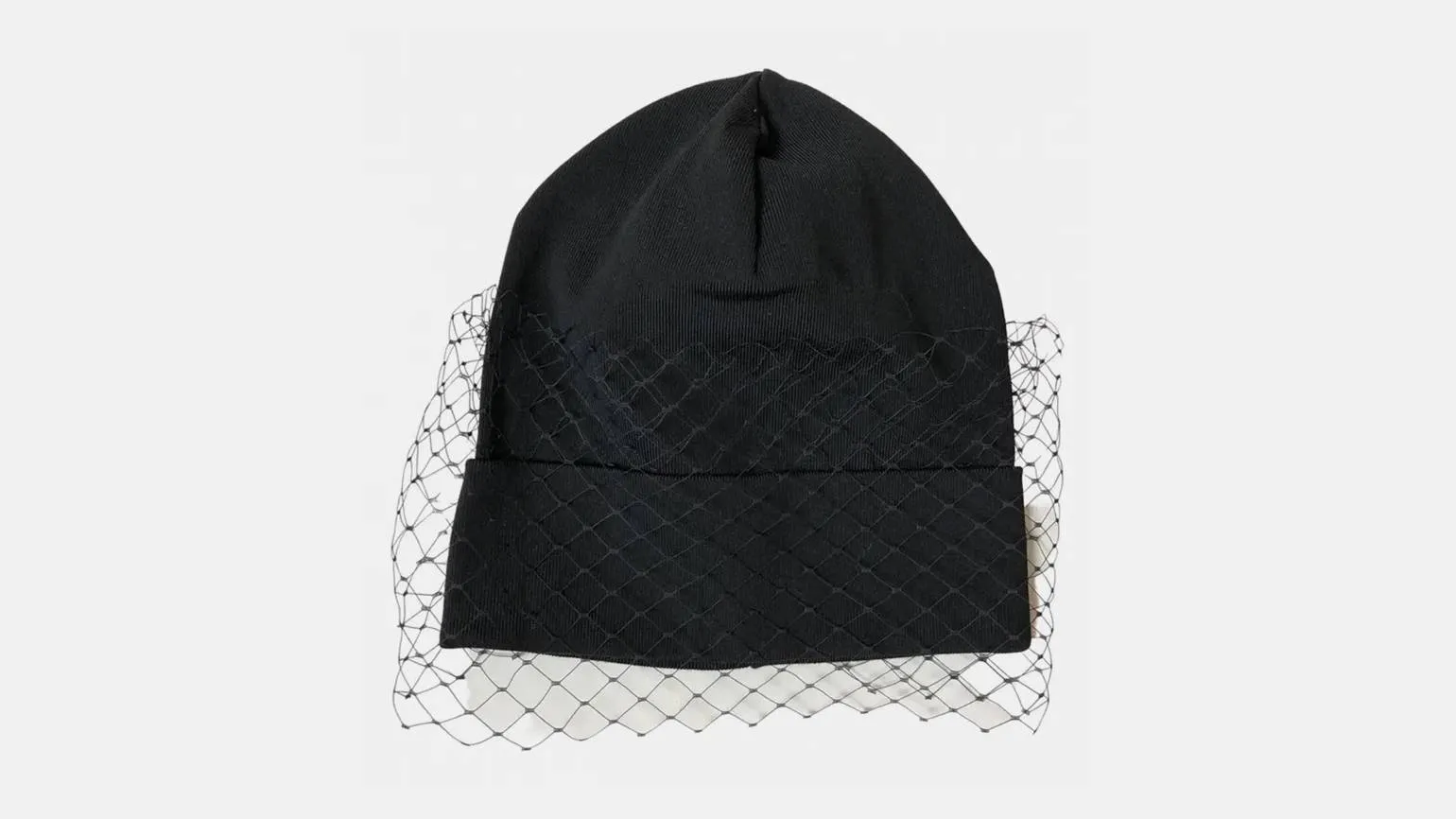
In today's world, baseball caps, berets, beanies, and felt hats with narrow brims are essential headwear, perceived as part of an everyday wardrobe. These accessories are worn not only for protection from the cold, but also as a fashion statement. Headwear has ceased to be a symbol of status or social role; its use has become more democratic and diverse. They allow one to express individuality and style, and harmoniously complement a variety of looks.
In recent years, there has been a revival of 20th-century hats on the fashion catwalks. In 2024, mass-market brands already presented the pillbox hat, which alludes to the style of Jackie Kennedy. This hat has become a symbol of elegance and sophistication, making it a relevant accessory for modern fashionistas. The return of such models underscores the interest in retro trends and classic elements in modern design.
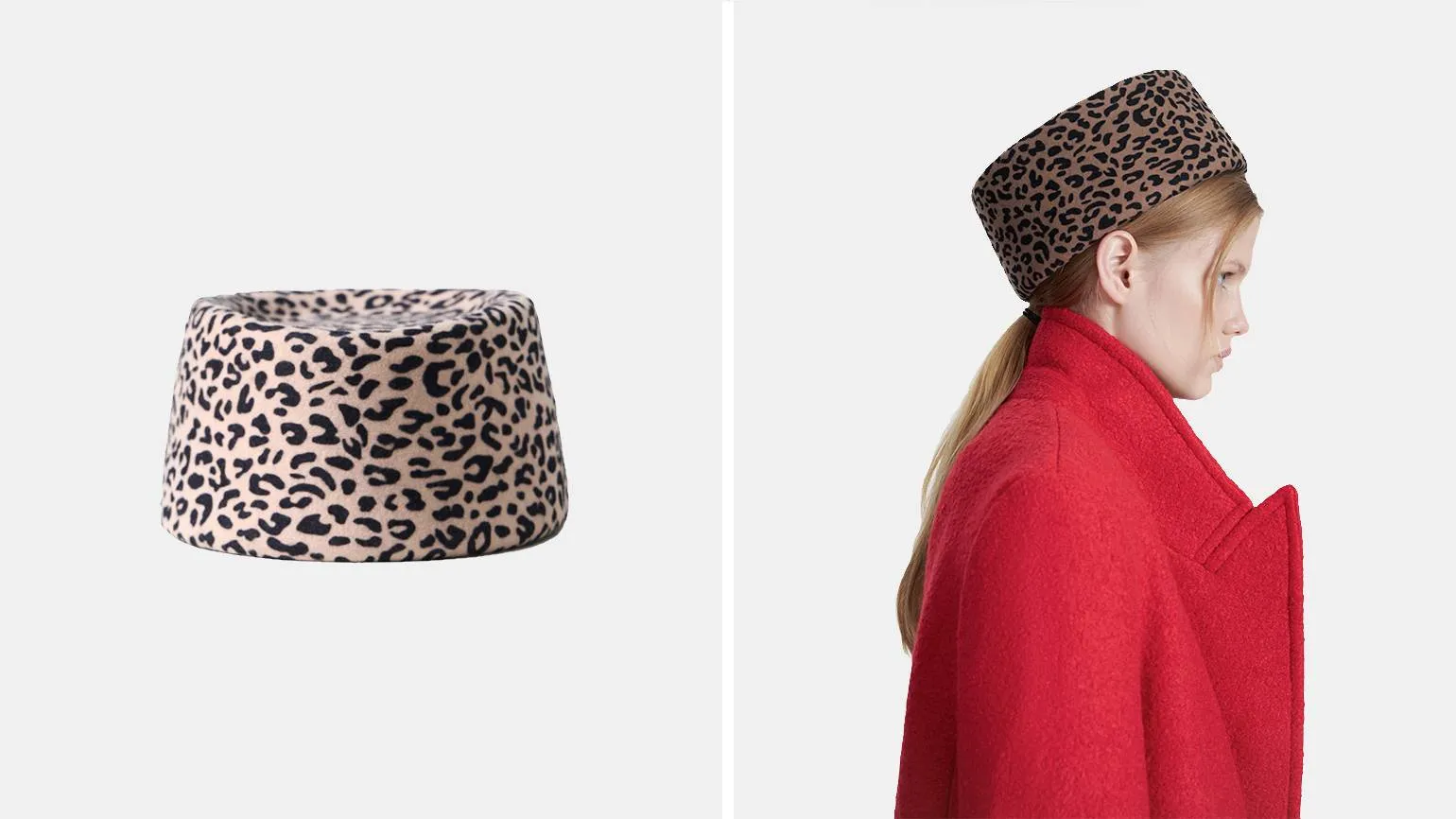
Bob Dylan's song "Leopard-Skin Pill-Box Hat" "Dedicated to the leopard-print "pillbox," which was very popular in the 1960s, the song's lyrical hero expresses his disappointment in love and criticizes the superficial nature of fashion trends, personified by the leopard-print hat. This composition not only reflects the atmosphere of its time, but also raises important questions about values and the true nature of human relationships.
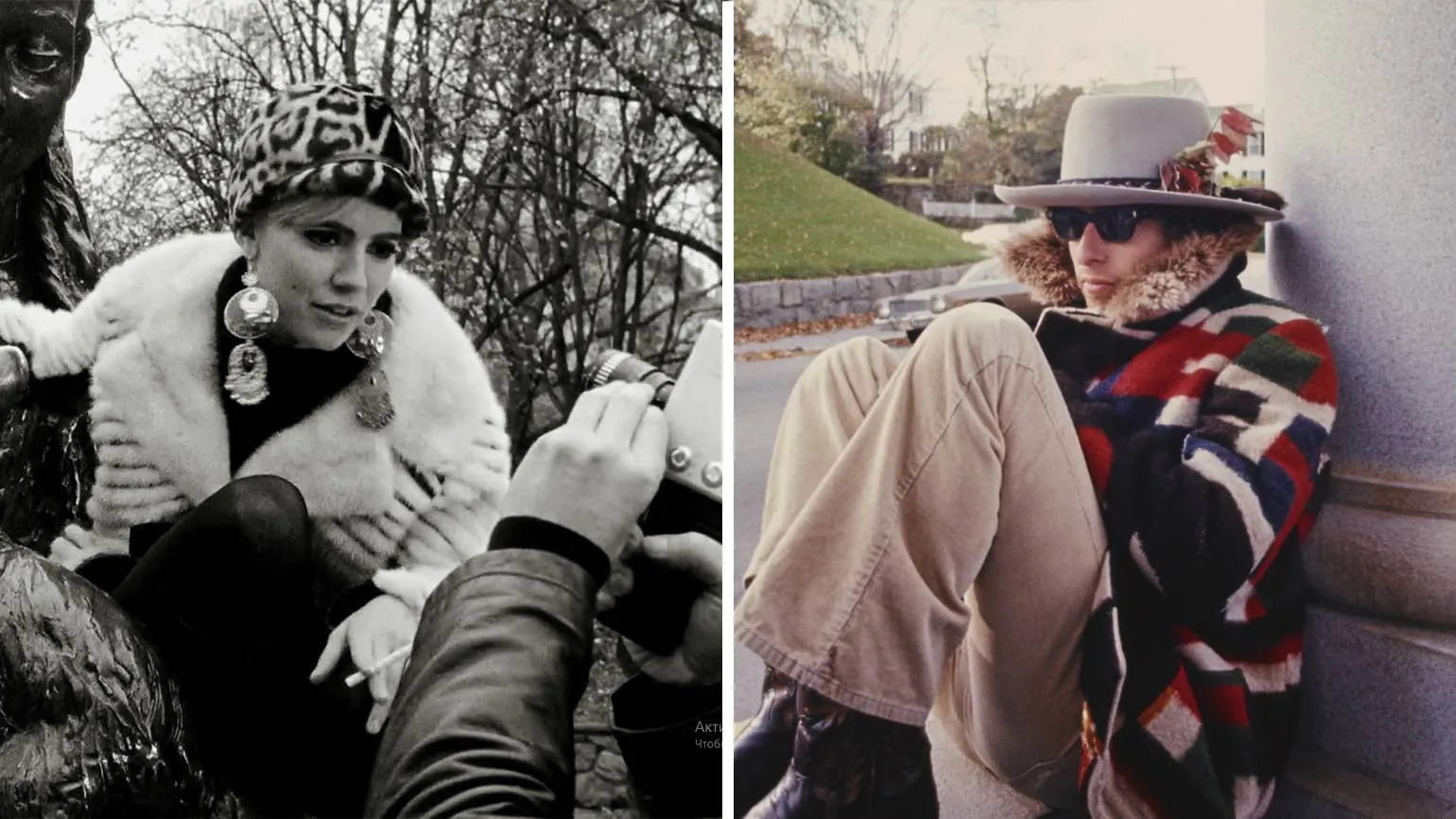
There are many reasons why wearing hats has become less popular, from the advent of the automobile to the social change that swept society in the 1960s. However, hat fashion is cyclical, and each season they come back in style in different variations. Hats not only serve a functional role, protecting from the sun and bad weather, but also serve as a stylish accessory that can highlight individuality. With each new season, designers offer fresh ideas and interpretations, which makes hats an important element of a fashionable wardrobe.
Profession Graphic Designer PRO
You will learn how to create corporate identity elements and graphics for business. You will put together a portfolio that reflects your style and confirms your design skills. You can start a career in a studio or as a freelancer.
Find out more