Contents:
- First: Everyone starts somewhere. Don't compare yourself to others.
- Second: Study, study, study. Look to the best.
- Third: Practice, go towards your goal, and don't take failure to heart.
- Fourth: Don't miss opportunities. People are much friendlier than you think.
- Fifth: Choose an environment that will support you.
Try 4 top design professions. Free ➞ In 5 days, you will get acquainted with illustration, UX/UI, web, and graphic design. Add 4 great case studies to your portfolio and decide what direction to take next.
Learn MoreMongoDB recently hosted a meetup about impostor syndrome and how designers can overcome this psychological challenge. During the discussion, I shared my experience and offered some helpful tips for those facing this challenge. Impostor syndrome can negatively impact your professional performance, but there are strategies that can help you overcome self-doubt and boost your self-esteem. It's important to recognize your accomplishments and seek support from your peers and community.
Early in my career, I faced intense self-doubt, which became a significant obstacle to success. Although moments of doubt still arise, I am now much better at handling them. I hope my tips will be useful to those who also struggle with self-confidence.

First: everyone starts somewhere. Don't compare yourself to others
Imposter syndrome is a common problem, especially early in your career. It arises from a distorted assessment of your own skills and the abilities of your colleagues. You may often feel like you're on the verge of being exposed: you believe others will soon realize you lack the necessary knowledge and experience. This dangerous state can hinder your professional development and diminish your self-confidence. It's important to recognize that many people face these kinds of doubts and learn to overcome them to build a successful career.
If you're just starting out in design or have recently changed positions, this may be your situation.

My final year at university was particularly challenging for me. During this period, I realized that the technical field no longer held the same interest for me. My classmates were actively applying to prestigious master's programs, interviewing, and choosing from a multitude of job openings, while I felt the need to change direction and focus on product design. This shift in priorities became an important step toward finding my true calling and fulfilling myself in the creative field.
I've always been careful about planning my future, but now I feel lost. Three years of intensive training seemed like they should have given me a solid career start, but in reality, my professional experience turned out to be little more than training. I don't have clear plans for the future, and I feel like I'm falling behind others. I especially lack confidence when I look at those who initially chose the design profession.

Simply sitting and complaining does not solve the problems. I realized that I was starting my career late. Many of my peers had already decided on their career path before entering university. I chose the wrong path and didn’t realize it right away. Now I have to start from scratch, and I try to perceive this situation positively. Instead of criticizing myself without reason, I focus on what I can change and actively work on my development.
Second: study, study, study. Focus on the best
Product design covers many fields, including visual, information, and graphic design. To become a successful designer, you need to find harmony between these areas. It is important to remember that creating a well-thought-out and intuitive product requires a team, as it is necessary to consider the needs of not only the business and users, but also managers, engineers, and stakeholders. Therefore, there is always an opportunity for professional growth and training in this field.
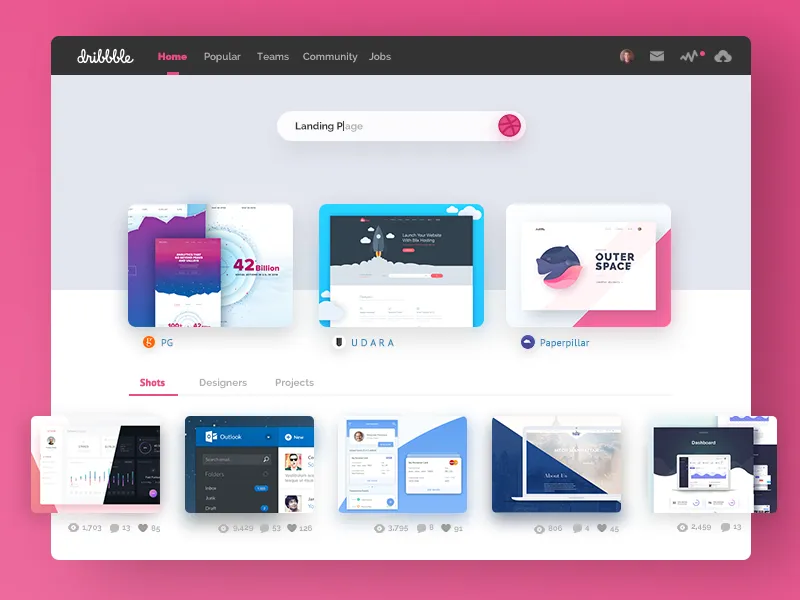
We live in the information age, when the Internet offers a variety of useful resources. One of my favorite tools is Muzli, a Chrome extension that provides current design news when you open a new tab. Medium lets you explore the work of leading studios, and Dribbble serves as a source of inspiration, showcasing the work of designers from all over the world. These resources help you stay on top of current trends and develop your design skills.
Reading books remains my main passion, and I believe there are a number of works that every designer should study. Among my recent reads, I recommend "Ruined By Design," a book exploring the responsibility of designers in the age of technology. Also worth checking out is "The Great Discontent," a magazine featuring interviews with creative professionals and inspiring new ideas. I also can't help but mention Cal Newport's "Stop Dreaming and Get to Work!", which had a significant impact on my perception of work and helped me find satisfaction in my professional life. These works can be valuable resources for any designer looking to grow and understand their impact on the world.

Improve your skills and continually grow by aiming high. This will not only enhance your personal reputation but also positively impact the image of your projects. Regular improvement allows you to remain competitive and draw attention to your achievements.
Third: Practice, Go Towards Your Goal, and Don't Take Failure To Heart
Luck occurs when careful preparation meets opportunity. This is an important aspect, which shows that successful results are often the result not only of chance, but also of hard work and a willingness to act. Preparation creates the foundation for successfully seizing opportunities that may arise in life.
Seneca, a famous philosopher and writer of ancient Rome, made significant contributions to the development of Stoicism. His works cover the topics of ethics, moral values, and human passions, making them relevant in modern society. Seneca emphasized the importance of inner peace and control over emotions, which is the foundation of Stoic philosophy.
His letters and treatises offer profound reflections on life, death, and the meaning of existence. Seneca called for a reasonable approach to life, taught to accept difficulties with dignity and use every situation as an opportunity for growth. His thoughts on wisdom, friendship, and humility continue to inspire people around the world.
Studying Seneca's works not only allows you to better understand the philosophy of Stoicism but also to apply these ideas to your daily life to achieve harmony and inner peace.
This quote holds a special place in my heart because I experienced it firsthand. Knowledge only becomes truly valuable when you put it into practice. Action is a key element in the process of learning and self-improvement.
It's hard to count how many sleepless nights I spent working on my portfolio in my senior year. I created mockups in Sketch one after another until my hands were tired, and on the way home, I thought about how the interview would go. I applied to every suitable job opening and emailed my favorite designers asking for a consultation.
At first, I thought my efforts weren't producing results, but over time, I began to notice progress. I became much more confident in talking about my completed projects and no longer felt helpless when receiving test assignments. Of course, rejections still caused discomfort, but my confidence grew.
I created a spreadsheet with all the openings I applied to. I'm sure it's still saved on my laptop. It's hard to remember the exact number of rejections, but I estimate there were about 75. Some companies didn't even bother to respond to my inquiries.
I received my first internship offer After six months of searching, I landed a summer internship at BuzzFeed. I vividly remember that March day when my manager called, and I couldn't contain my joy. My efforts had finally paid off, and I was thrilled. Just two weeks later, I received a second offer—a fall internship at Wish. It felt like a dream come true: I had hope. While these internships weren't the full-time jobs I was looking for, I felt a genuine thrill knowing I was moving in the right direction. If it weren't for my persistence, I would never have discovered the opportunities I'd only dreamed of.
Fourth: Don't miss opportunities. People are much friendlier than you think.
I already mentioned the designers I admire. Well, 70% of them responded within a week and agreed to a video call. I listened to their stories about their creative journeys, asked questions about my portfolio, and improved my soft skills. These professionals provided me with invaluable assistance. However, it's important to remember that if you don't ask for support, you won't get it.
Each job interview I had helped me reflect on my previous projects and reduce my fear of interviews. These conversations became a source of important information about the skills and knowledge I needed to develop. As a result, I successfully completed two stages of internships, which ultimately led to a job offer at MongoDB.

During my internships, I actively communicated with colleagues, which contributed not only to Not only did they help me build friendships but they also provided valuable insights from their experiences. This approach allowed me to deepen my professional skills and better understand teamwork. Networking with more experienced professionals has become an essential part of my professional growth.
Fifth: Choose a Supportive Environment
Over the course of a lifetime, a person spends approximately 90,000 hours at work. This means that colleagues are some of the most important people in our daily lives. It's important to surround yourself with people who value and support you. Creating a positive work environment not only promotes productivity but also improves your overall mood. The choice of your workplace environment impacts your quality of life and career advancement. Therefore, it's important to focus on building strong and trusting relationships with your colleagues.
I express my sincere gratitude to my colleagues and mentors at MongoDB for their support. I was given the opportunity to participate in side projects, interact with different teams, and share my posts on LinkedIn. One of the memorable moments was that after one of my presentations I received a standing ovation, which was a significant recognition for me.

Working in a pleasant environment significantly increases the level of satisfaction. Not everyone has the opportunity to choose from several job openings or companies, but if the opportunity presents itself, it's worth paying attention to the team and the atmosphere within it. It's important to understand that working with professionals and like-minded individuals impacts not only productivity but also overall well-being and success at work. Choosing the right environment can make your career more successful and enjoyable.
Profession Graphic Designer PRO
You will learn how to create corporate identity elements and graphics for business. You will put together a portfolio that reflects your style and confirms your skills as a designer. You can start a career in a studio or as a freelancer.
Find out more