Learn: The Profession of a Retoucher
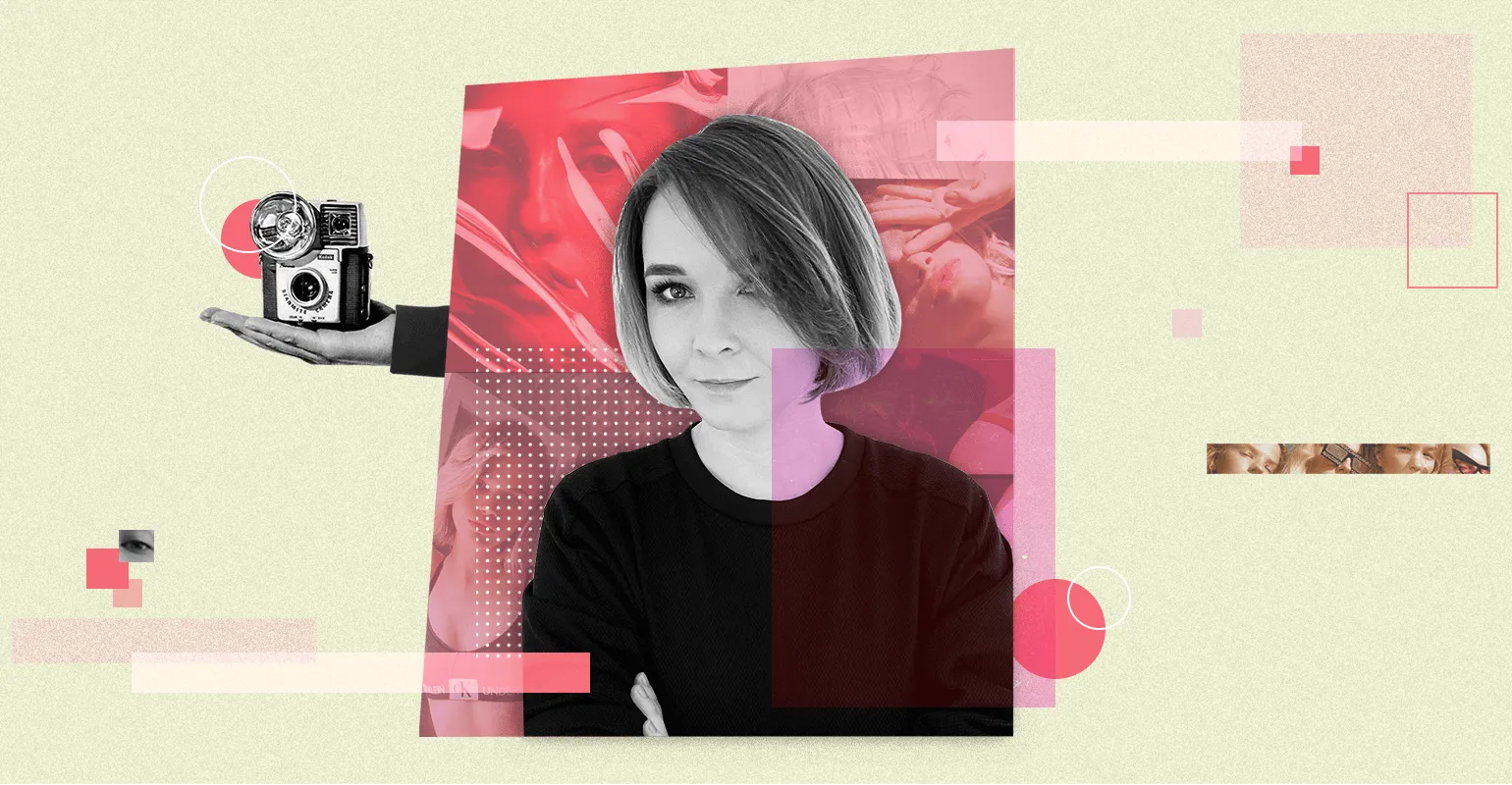
Find out moreElena Popova, a professional in the field of beauty retouching with eight years of experience, has collaborated with such famous publications as Vogue, ELLE, Forbes, Playboy and Esquire. She has also completed projects for major brands, including Google, Pepsi, Samsung, Reebok, L'Óreal, and Casio. Her work is distinguished by its high quality and attention to detail, making her a sought-after specialist in the industry.
Elena continues her professional work, conducting original master classes and providing support to participants in the Computer Graphics Artist program. At the workshops, she helps improve retouching skills, which contributes to the development of participants and the enhancement of their competencies in the field of computer graphics.
Elena shared her story with us.
- about the most unusual order and retouching trends;
- how to follow trends and stay ahead of them;
- about her favorite working techniques and the gold standard;
- about her income level, first orders and reaching the Playboy level;
- about her love for the process, assholes and sports.
Cat and natural retouching
During your eight years in the industry, you have probably had the opportunity to collaborate with all the famous glossy magazines. Please share your most unusual order, the one that you remember the most.
The cover photo, in which I retouched the cat, while the model remained unchanged.

The modern trend toward naturalness is truly becoming increasingly popular. It encompasses various areas, including fashion, cosmetics, and even food. In addition, there is a growing interest in sustainable consumption and ecology. People are increasingly choosing products that are not only safe for health but also have a minimal impact on the environment. Other important trends include the use of technology in everyday life, the development of online education, and an emphasis on health and well-being. This focus on naturalness and sustainability reflects society's desire for a more conscious and harmonious lifestyle.
The trend toward no-retouching is a concern for professional retouchers, but it is important to understand that post-production includes not only retouching but also color correction. Therefore, it is important to deepen your knowledge of color correction, frame composition, and managing accents through the placement of lighting nuances. Mastering these tools and developing an artistic taste will help you more easily adapt to changing trends in the retouching industry. In the context of modern photography, the ability to work with color and light is becoming key to the successful completion of a project.


Calvin Klein's advertising campaign featuring model Stella Lucia is a prime example of the current trend for natural retouching. In an era when consumers value sincerity and naturalness, this approach sets the brand apart from its competitors. Minimal photo editing emphasizes the model's natural beauty and individuality, which builds trust in the product. Using natural aesthetics in advertising helps strengthen Calvin Klein's image as a company focused on the real values and lifestyles of its customers.
Trends change quite regularly, and their shifts depend on many factors. Social, economic, and technological changes primarily influence trends. For example, new technologies can create demand for certain products or services, which, in turn, influences market trends. Cultural and social movements also play a significant role, altering consumer preferences and the relevance of certain styles and trends. It's important to monitor these changes to remain competitive and adapt to new market conditions. Trend analysis allows you to predict future changes and prepare for them in advance.
In today's world, change occurs rapidly, and all trends adapt to global trends. The demand for natural retouching, for example, is a result of movements such as self-acceptance and body positivity, as well as the desire for a healthier perception of oneself and others. If you're aware of these changes, you have the opportunity to not only follow trends but also anticipate them in your professional field. One easy way to stay on top of current trends is to regularly monitor your Instagram feed. Trends are everywhere, and they're easy to spot if you're paying attention.
When considering current trends, it's worth asking yourself: should you follow them or stick to your own sense of aesthetics? Balancing current trends with your personal vision can be key to success. Following trends can help you attract your audience and adapt to changing preferences. However, true originality often comes from a deep understanding of your own style. It's important to find harmony between external influences and your own creative expression to create unique and memorable content.
My opinion about life and my profession is that it's important to stay true to yourself. You can't do high-quality work if it doesn't align with your inner beliefs and values. If your vision differs greatly from the mainstream, there's a risk that you won't be able to realize your potential in your chosen field. In such situations, it's wiser to consider changing careers rather than continuing in a direction that conflicts with your principles.
I prefer to work with publications that strive for quality content and have a clear editorial policy. Interesting projects with a professional team are always inspiring. I especially value collaborating with publications that actively develop their online platforms and integrate modern SEO approaches, which allow them to reach a wider audience and increase search engine visibility. This experience not only enriches me but also contributes to my professional growth.
Among my clients, I especially value Ukrainian Vogue, since it was with them that I acquired a lot of useful knowledge and experience.

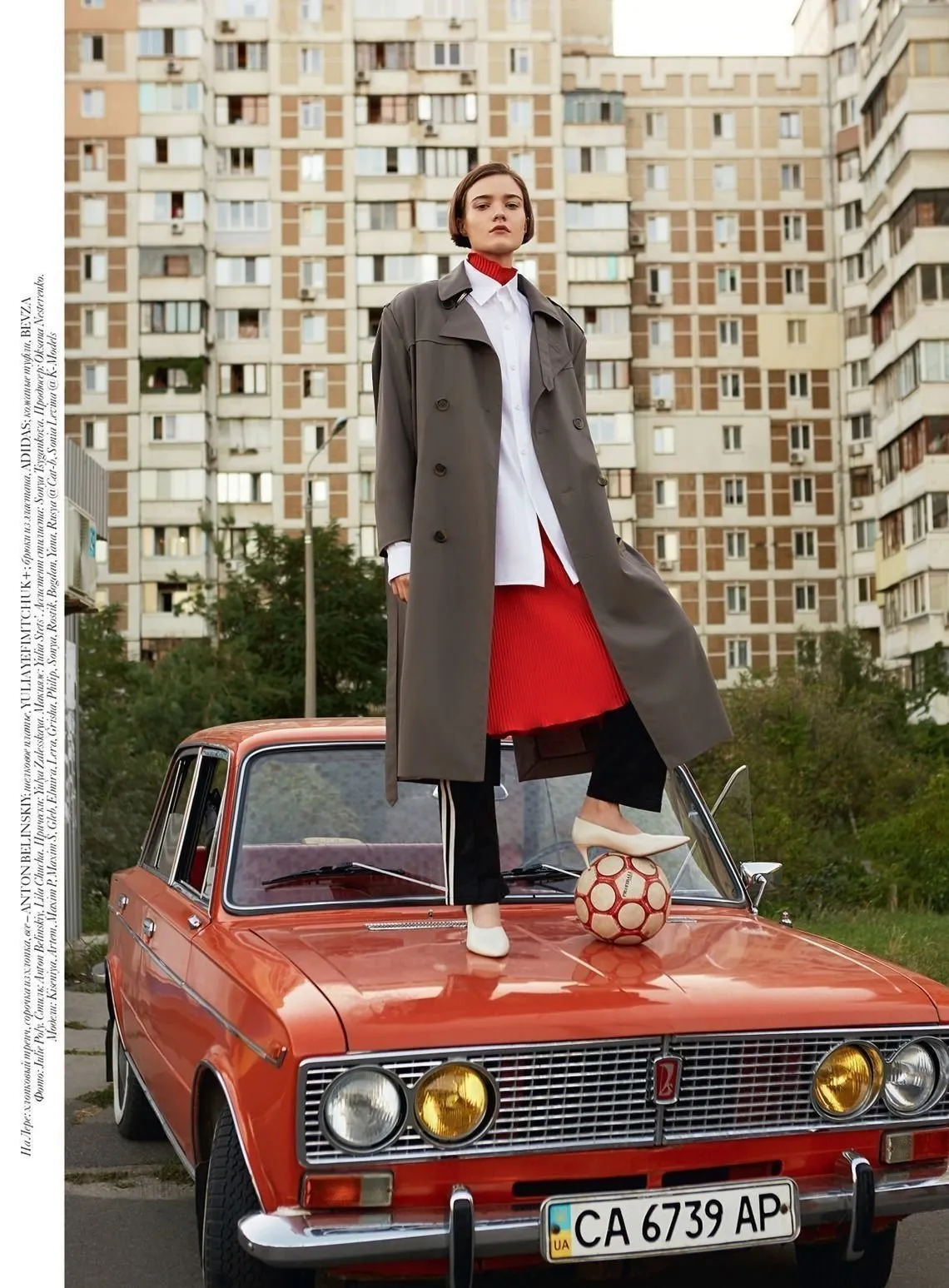
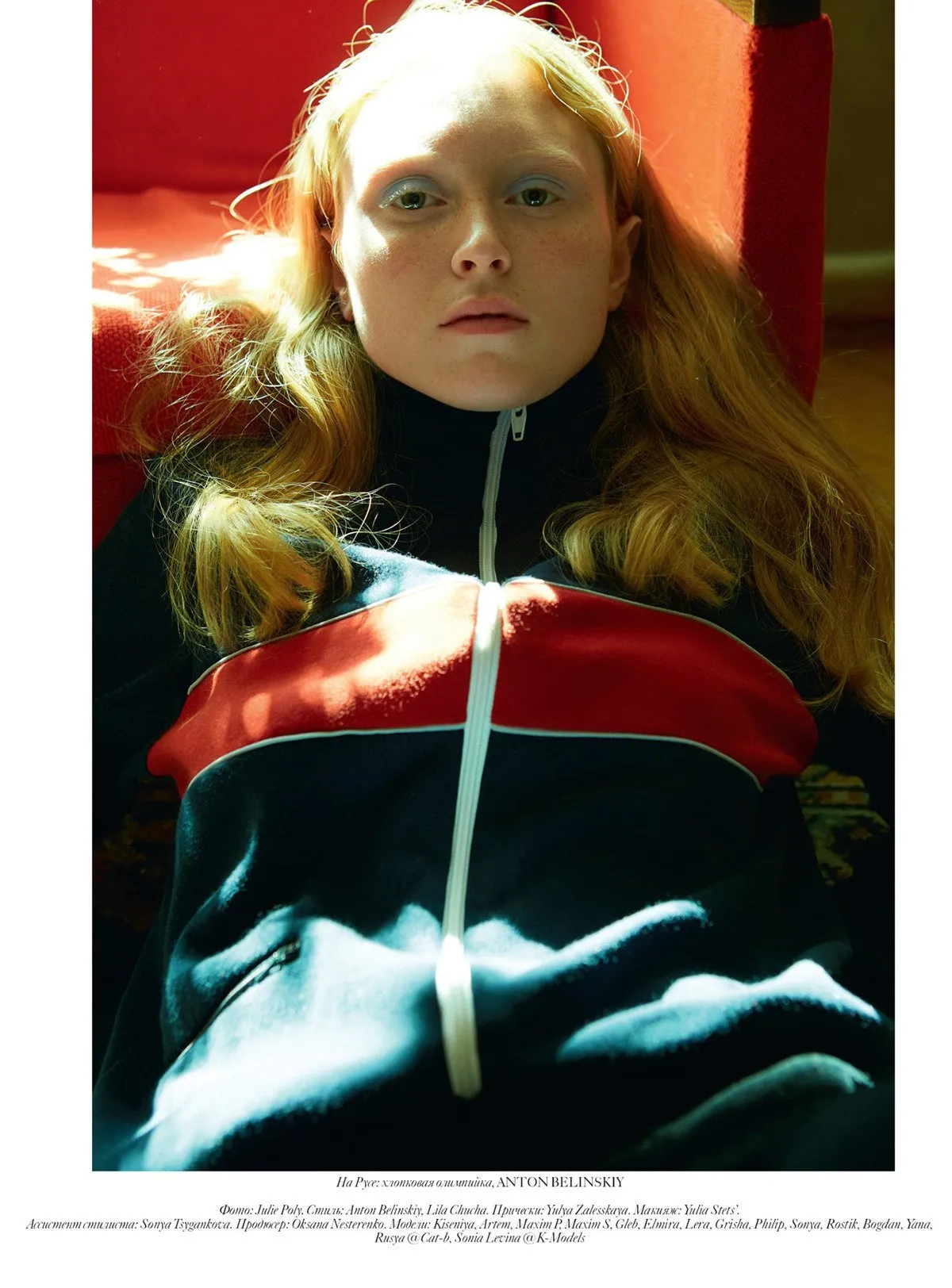
A creative shoot doesn't always require bold makeup or vibrant outfits. In most cases, a compelling story is built around a powerful and original idea. Most importantly, it's a concept that can capture attention and evoke emotion, making each photograph unique and memorable. A strong idea serves as the foundation for creating visual content that will stand out from the crowd and attract the target audience.
Do you participate in the shoot or are you solely focused on the final product?
Unfortunately, I wasn't able to participate in the shoot. However, clients often provide me with a mood board and consult with me on the shoot beforehand, which significantly simplifies the subsequent retouching process. This is especially true for photographs planned for use in collages. I highly appreciate this approach, as it allows you to save time and effort for the retoucher, providing a higher quality result.
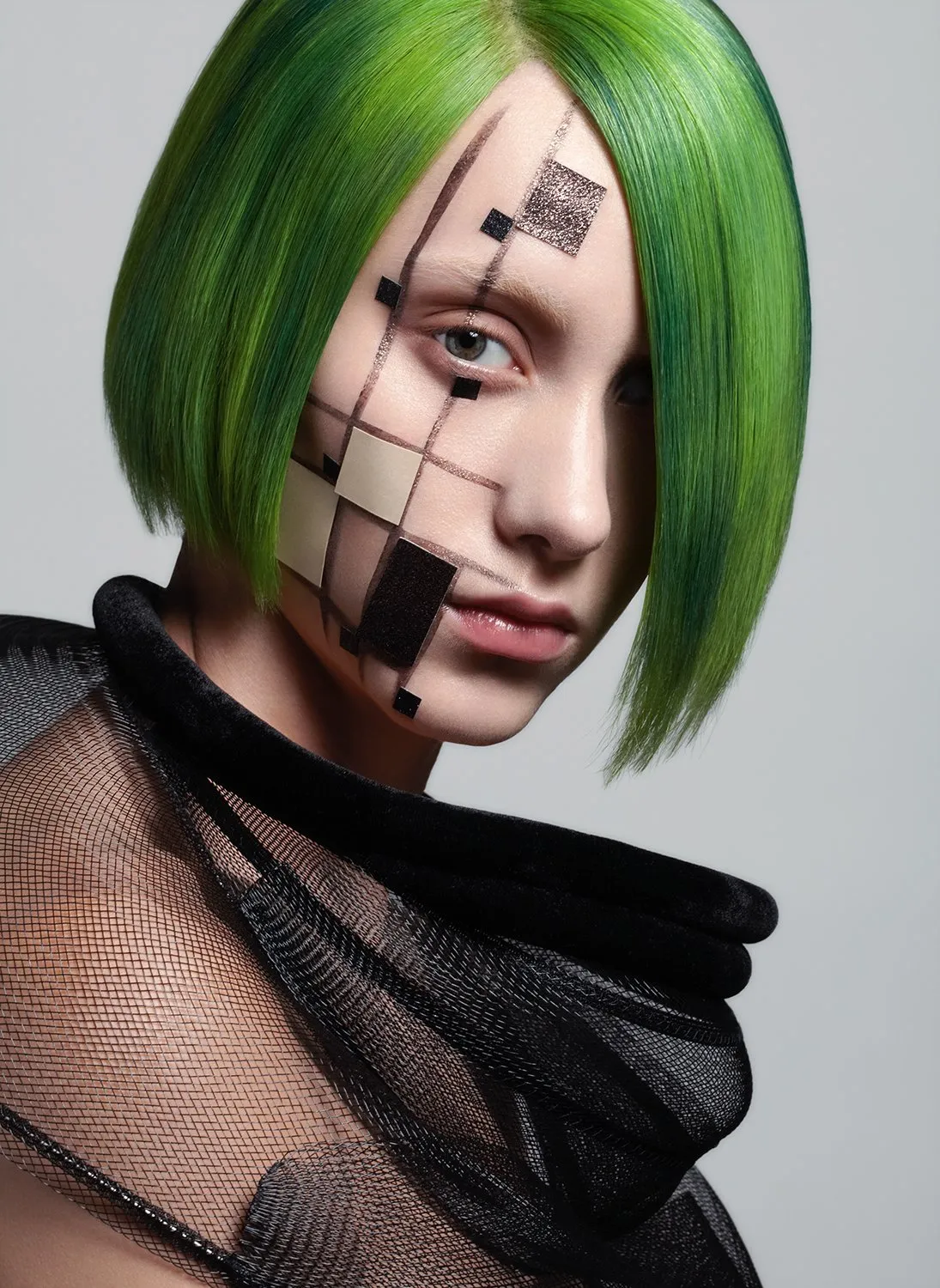
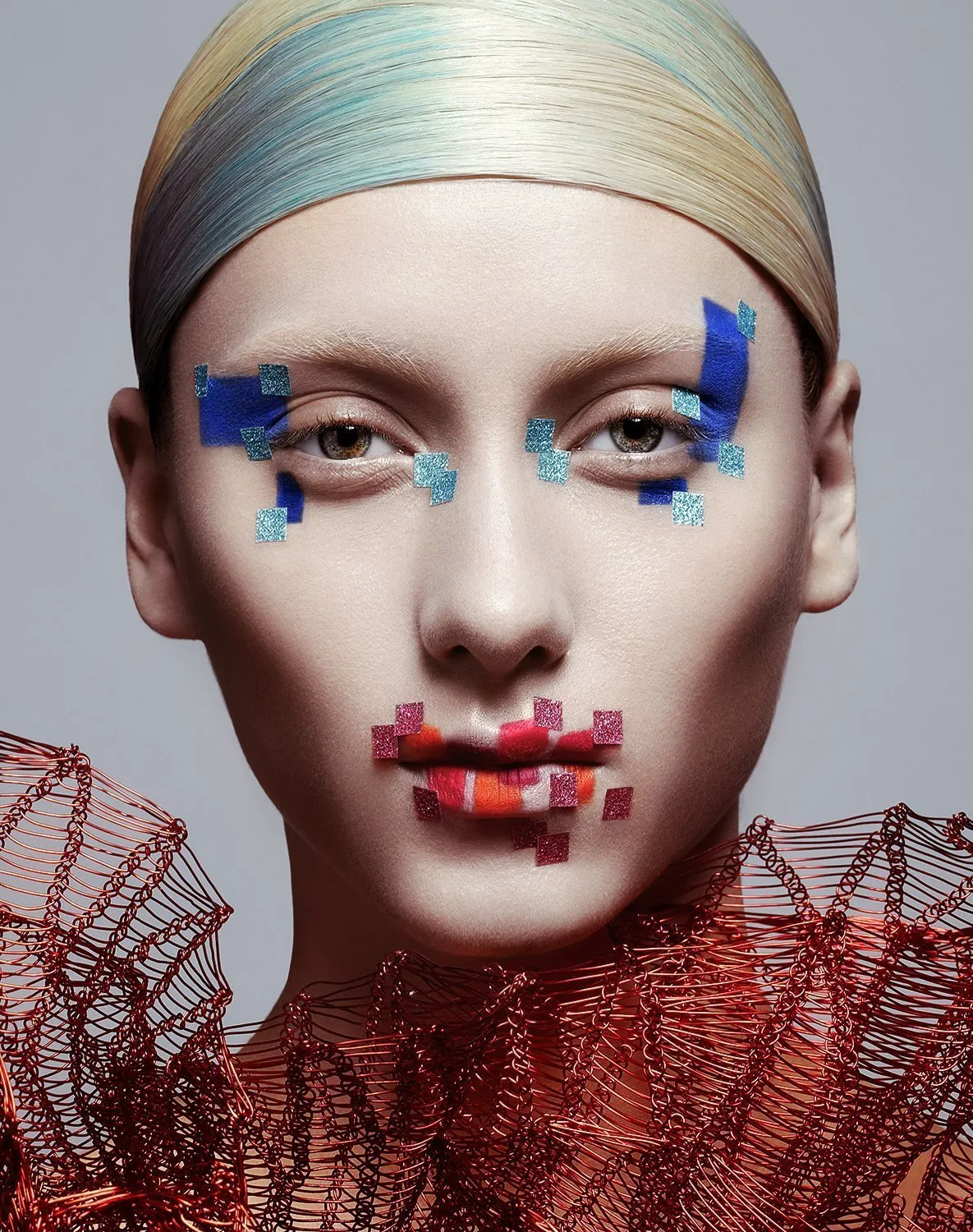
You can reach $1,000 a month in about a year.
How long did it take you to go from a beginner to a professional?
Judging by the quality of the image, I have made significant progress in my work. This was possible because I devoted 12-14 hours a day to this activity. Being a true professional is not only about having certain skills, but also a constant desire for self-development. I realize I still have plenty of room to grow and improve my skills.
The earnings of a good retoucher can vary depending on experience level, region, and specific job type. On average, experienced retouchers can expect a salary of 50,000 to 150,000 rubles per month. However, in large cities and when working with well-known brands, this figure can increase significantly. Specialists who offer unique skills and style can earn even more, especially if they freelance or work for agencies specializing in advertising and commercial photography. It's important to note that successful retouchers constantly develop their skills, staying up-to-date with new trends and technologies, which also impacts their income.
Freelancers differ from office workers in that their income is not fixed, but depends on the volume of work completed. Essentially, freelancers act as entrepreneurs, which gives them the opportunity to earn more. With the right approach, you can reach an income of $1,000 per month in about a year. Earning potential increases significantly over time. In contrast, in-office retouchers typically earn significantly less.
I've always been a freelancer. I looked for my first orders through specialized platforms and social media. I participated in competitions and offered my services to acquaintances and friends. Creating a portfolio was an important step, which helped attract clients. Gradually, I gained experience and expanded my client base, which contributed to my professional growth.
When I decided to become a retoucher, I saw a recruitment ad for a large company that was opening a new retouching department. Given my significant experience in photography and the presence of a retouching portfolio, I was hired as the head of the department. Thus began my first year in the profession, which I spent in an office, immersing myself in the world of professional image processing and team management.
When I realized that I was ready to develop in my profession, I began communicating with photographers whose style appealed to me and offered them my retouching services for free. Thanks to this, I quickly built a high-quality portfolio and transitioned to freelancing. I actively messaged many people on Facebook, found my pricing niche, learned how to negotiate, delved into the specifics of the field, expanded my portfolio, and made new connections.
The first year of freelancing is often accompanied by anxiety: you need to learn many new skills, your income remains modest, and the workload can be significant. However, my passion for retouching helped me overcome these challenges. I still love this work, and it continues to bring me joy.
I decided to take up retouching because I've always been drawn to the art of image manipulation. Retouching not only improves the quality of photographs but also conveys a certain mood and atmosphere. I saw this as an opportunity to express my creativity and help others enhance the beauty and individuality of their images. Furthermore, with the development of digital technologies and the increasing demand for high-quality visual content, I realized that retouching skills could be in demand and useful in various fields, such as advertising, fashion, and photography.
I came to retouching from photography. At some point, I realized that post-production attracted me more than all the previous stages of image creation. I decided to follow my interests and focus on what was truly close to my heart. Early on, I encountered a shortage of retouchers, a lack of industry support, and a lack of training materials. I took a risky decision, and it paid off. Retouching has become not only a profession for me, but also a real hobby, allowing me to create unique images and reveal the potential of each photograph.

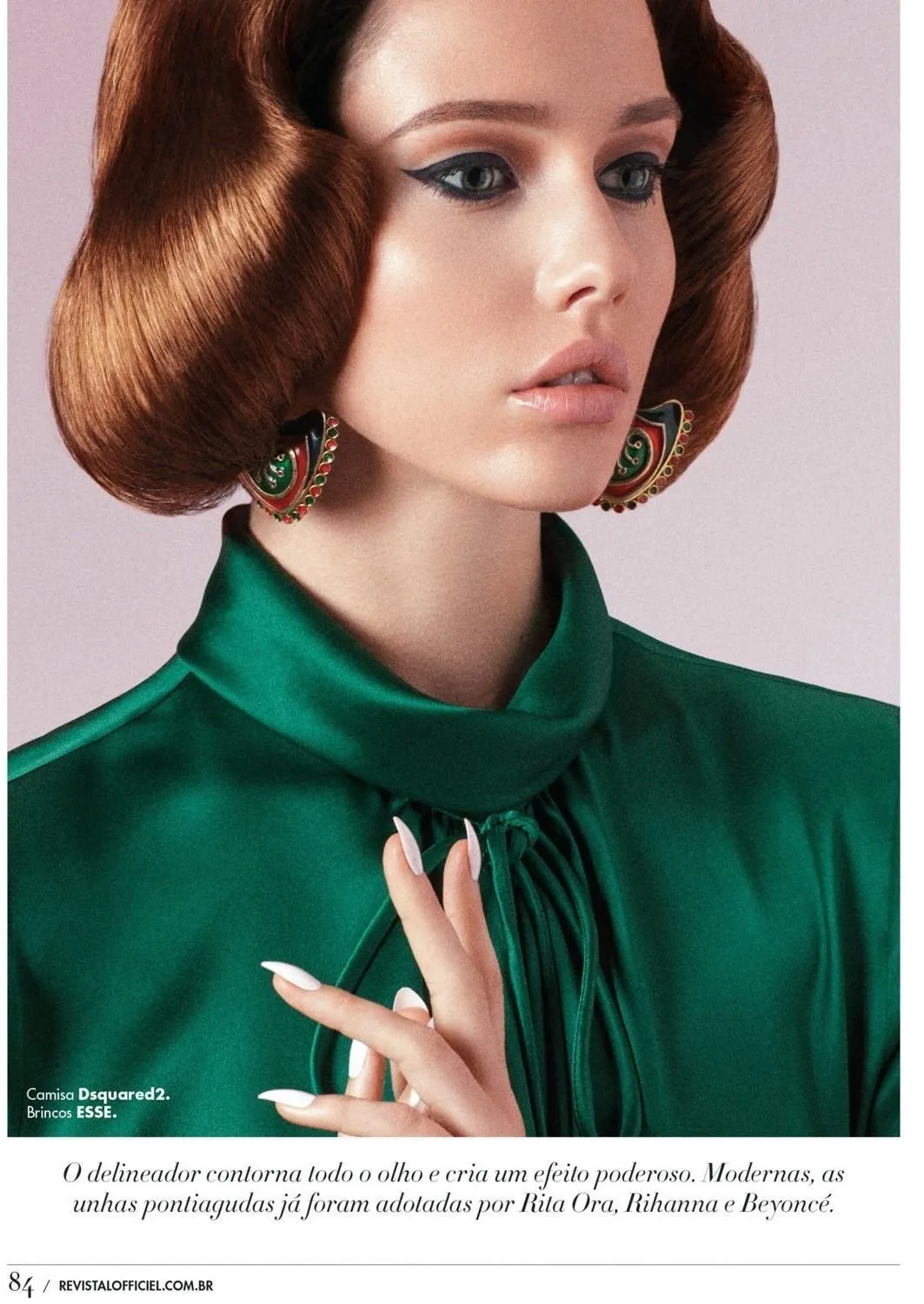
Elena follows the principles of non-destructive retouching, which allows you to adjust previously performed actions at any time without affecting subsequent changes. This method provides flexibility in the editing process and allows you to preserve original images, which is especially important for professional photo work. Using non-destructive retouching allows you to create high-quality content, while maintaining the ability to make edits at any stage of processing.
Have you ever wanted to explore related fields, such as product photography or portraiture?
I'm looking to deepen my knowledge of color correction. This creative process, in my opinion, is more important than retouching. I already have significant practical experience, but I want to seriously explore all aspects of color correction. Unfortunately, there's not much high-quality information on this topic, so I'm forced to turn to related fields, such as color correction in video, and study the work of artists.
Clients often contact me with a variety of requests. The most common tasks include website creation and optimization, online store development, user interface and experience improvement, and SEO optimization to increase search engine visibility. We also frequently see requests for content development, including articles, blogs, and product descriptions. Clients are also interested in competitor analysis and social media strategies. It's important to remember that each task is unique and requires an individual approach to achieve maximum results.
Your portfolio is a key tool for attracting clients, so its development must be conscious and strategic. Many clients come to me with requests for color correction and natural retouching. It's important to present your work in a way that showcases not only your skills but also your unique style. This will help you stand out from the competition and attract a target audience interested in high-quality photo editing.
To attract clients from renowned brands like Playboy and Vogue, you need to focus on several key aspects. The first thing you should do is create a high-quality portfolio that showcases your style and level of professionalism. It's important to include a variety of work that reflects your creativity and ability to adapt to different client requirements.
Furthermore, it's helpful to actively participate in professional events and competitions, which can increase your visibility in the industry. Building a network of contacts with other professionals can help you open up new opportunities and gain referrals.
Don't forget about online promotion. Optimize your website and social media profiles for search engines so they are easily accessible to potential clients. Use keywords related to your business to increase your chances of attracting the right audience.
Also, it's worth keeping up with current fashion and design trends to stay competitive. Finally, it's important to be persistent and not be afraid to try different approaches when working with clients to ultimately achieve the results you desire.
Sometimes luck can play a role, and you may get the opportunity to work with a major magazine early in your career. However, in my case, it took considerable effort. At first, I faced "imposter syndrome," which prevented me from believing in my abilities. It took me time to convince myself that I was qualified enough and ready for large-scale projects. Once I overcame this internal barrier, opportunities started coming one after another.
In addition to psychological preparation, it was necessary to carry out a significant amount of work: develop a high-quality portfolio and create a website; pay attention to the formation of image and reputation; improve time management skills and other soft skills.


Working with major publications requires not only a high-quality portfolio but also the skills to effectively communicate with the client. Reputation plays an important role, as well-known clients often choose to cooperate with proven performers. The ability to establish contact and understand the client's needs contributes to the successful completion of projects and strengthen business relationships. Therefore, developing communication skills and creating a positive image are becoming key aspects for freelancers and content specialists.
Creating a portfolio and developing soft skills are two important aspects of professional growth. Each of them has its own challenges. Building a portfolio requires meticulously crafting projects, selecting the best examples, and presenting your skills effectively. It's a process that requires time and effort to showcase your accomplishments.
On the other hand, developing soft skills such as communication, teamwork, and emotional intelligence is also challenging. These skills are formed through experience and interaction with people, which can be both exciting and challenging.
Ultimately, both processes are important for a successful career. Therefore, it's worth focusing on both creating a high-quality portfolio and developing your soft skills to be competitive in the job market.
Problems with soft skills become a significant obstacle for freelancers. There are many such skills, including effective communication with clients, time management, and self-organization. Each of these aspects plays a key role in achieving success in freelancing. Developing soft skills not only improves interactions with clients but also increases productivity, which ultimately leads to higher income and a stable career. By focusing on these skills, freelancers can significantly increase their chances of success and overcome potential challenges in their professional work.
Selling yourself is one of the most challenging tasks. It often feels like you're imposing yourself on others. However, I realized that this perception of developing a personal brand is misguided, and this realization became key to my advancement. Building a personal brand requires confidence and an understanding of your uniqueness. It's not about imposing something, but about presenting your own values and skills. Proper positioning and the ability to share your experience will help attract attention and build trust in your brand.
Problems with clients are quite common, especially among those new to the service industry. It's important to be prepared for various situations that may arise during the collaboration. Firstly, a lack of clear communication can lead to misunderstandings of expectations and requirements. It's essential to discuss all project details in advance to avoid unpleasant surprises. Secondly, uncertainty about task deadlines can lead to conflicts. It's recommended to set realistic deadlines and discuss them with the client. Additionally, be prepared for some clients to change their requirements as the work progresses. In such cases, it's important to remain flexible and find compromise solutions. Finally, it's important to recognize that not all clients are ideal. The ability to handle difficult situations and find common ground will be essential for success in this field.
Newcomers to client work will encounter all types of difficult clients. Even describing every possible problem won't provide a complete understanding of the situation—only personal experience will help develop the necessary skills for effective interaction.
Newcomers to freelancing often go through a phase of low-cost orders, which is an important point in their career. It is at this stage that they encounter various problems, as clients willing to pay minimal amounts often turn out to be the most difficult. A low order price often comes with an increased number of difficulties to deal with. While this isn't a strict rule, it is a fairly common occurrence.
Experience interacting with clients allows me to quickly identify potential problems in interactions. This skill cannot be conveyed in words; it is developed solely through practice. I prefer to turn down a request rather than waste my nerves on a difficult relationship with a client.
For those who want to get into retouching, it is important to learn the basics of graphic editing software. It's recommended to start by mastering programs like Adobe Photoshop or Lightroom, as they offer a wide range of image editing tools. Practice is key: experiment with different techniques to understand how to improve your photos. Pay attention to details such as color correction, textures, and lighting. Studying the work of professional retouchers can provide useful ideas and inspiration. It's also helpful to consult online courses and tutorials to help deepen your knowledge. Don't forget to develop your own style to make your work stand out from the crowd. Continuously strive to improve your skills and stay up-to-date on new trends in photography and retouching. Make sure your chosen field truly excites you. Success in retouching is impossible if you feel forced to engage in the process. Discover your passion for retouching, and this will help you achieve high results and job satisfaction. Avoid collaborating with toxic people, even at the initial stage of your career, for the sake of gaining experience. Even if they offer attractive photographs for your portfolio. Even with high pay. Focus on working with professionals who will help you develop and succeed.
Early understanding the importance of exercise plays a key role in maintaining health. Sedentary work negatively affects physical fitness and well-being, and exercise can effectively compensate for this. Regular physical activity helps improve blood circulation, strengthen muscles, and increase overall energy levels. Integrating exercise into your daily life promotes not only physical but also mental well-being, which is especially important for people engaged in mental work. Don't put it off, start taking care of your health today.
Blitz
A film that impressed me with its visual beauty is "Waterworld". Its stunning cinematography and use of color palettes create a unique atmosphere. Each scene is filled with detail and vibrant images, making for a truly captivating viewing experience. The beauty of the visuals in this film not only attracts attention but also serves as an important element of the storytelling, highlighting the emotional moments of the plot.
Films such as Hero (2002), Blade Runner 2049, The Cell (2000), My Blueberry Nights (2007), Mad Max: Fury Road (2015), The Danish Girl (2015), In the Mood for Love (2000), The Book of Eli (2010), Stalker (1979), Helena (2011), and Skyfall (2012) are outstanding works of art that have left a significant mark on cinema. Each of these films has a unique style and profound meaning, making them indispensable for study and analysis. Their diversity and impact on audiences confirm the importance of cinema as an art form. The list of such films is endless, highlighting the richness and diversity of world cinema.
Name three retouchers whose work inspires you. Considering their techniques and approaches can help you develop your own style and improve your retouching skills. Studying the work of masters in this field can significantly enrich your experience and expand your creative horizons.
I draw inspiration from my Instagram feed, which I update regularly.
Before quarantine, I visited several countries. Each of them left vivid impressions and unique memories. Traveling enriched my experience and broadened my horizons. I enjoyed different cultures, cuisines, and traditions, which made each trip unforgettable. Traveling helps you better understand the world and the people who live in it.
I recently went on a road trip with my family along the scenic routes of Bulgaria and Romania. It was an unforgettable adventure, full of new impressions and discoveries. We enjoyed the beauty of the natural landscapes, explored historical sites, and got to know the local culture. Bulgaria amazed us with its cozy villages and magnificent beaches, and Romania surprised us with medieval castles and picturesque mountains. This trip was a great opportunity to strengthen family ties and create lasting memories.
What language would you like to learn?
I need to complete my English language studies.
If I hadn't dedicated myself to retouching, I probably would have chosen another creative profession related to visual arts. Perhaps it would have been a job in photography or graphic design, where I could continue to develop my skills in creating and processing images. I might also be interested in a career in illustration or video editing, where the ability to convey emotions and ideas through visual media is important. In any case, I would seek opportunities to express my creativity and work with images, as visual art has always been an important aspect of my life.
I could become an analyst, a hairdresser, a programmer, or a chef—I have an interest in many professions. However, I'm sure that, regardless of my choice, I would enjoy doing what I love. It is important to do what you love, as it brings satisfaction and allows you to develop in your chosen field.
Retoucher Profession
You will learn how to retouch and color correct photos from scratch. Learn how to promote your services and be able to process high-quality photos for yourself or to order.
Find out more