Contents:
- Definition of a mascot and its role in marketing
- Benefits of using mascots
- Frequently asked questions about mascots
- What is a mascot and how is it different from a logo?
- Famous mascots and their role in branding
- Modern trends in the use of mascots
- Animation: a new level for mascots
- Mascot or character: what's the difference?
- Famous Mascots: Who Are They and What Role Do They Play?
- How Relevant Are Mascots in Modern Marketing?
- Modern Mascots: Are They Always Flat Images?
- Can One Brand Have Several Mascots?
- Who Designs Mascots?
- Mascots: From Flat to Realistic
- Variety of Mascot Styles for Different Platforms
- Can One Brand Use Several Mascots?
- Who Designs Mascots?
- How to Develop a Career in Design mascots?

4 Top Design Professions: A Free 5-Day Course!
Learn MoreMascots are a key marketing element that helps establish an emotional connection between a brand and its target audience. They are not just characters, but powerful tools that can increase brand awareness and attract consumer attention. Properly designed mascots can become company symbols, promoting customer loyalty and strengthening the brand image. Using mascots in advertising campaigns allows you to create memorable images that remain in the minds of the audience and contribute to increased sales.
Definition of a Mascot and Its Role in Marketing
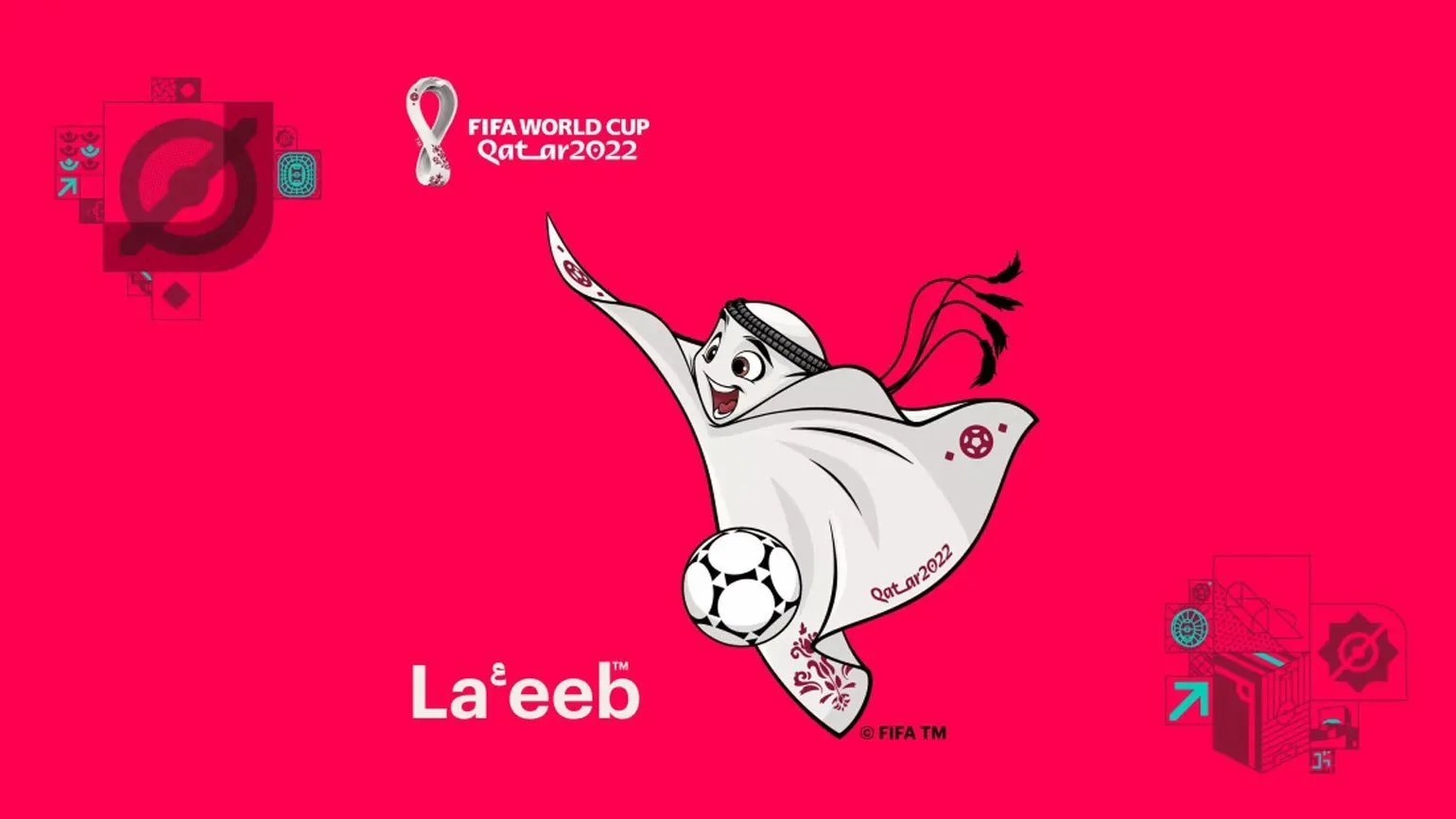
A mascot is a talismanic character that is associated with a specific event, organization, or brand. Mascots play a vital role in creating a brand's image and identity, making them indispensable in a variety of fields. Mascots are widely used at the Olympic Games, sports championships, and professional teams, where they help foster an emotional connection with fans. Many well-known brands also develop unique mascots to strengthen their identity and attract consumer attention. A well-chosen mascot can significantly increase brand awareness and create a positive image. A mascot can take various forms: an animal, a person, or even a fictional creature. The choice of mascot is determined by marketing goals, brand positioning, and the interests of the target audience. For example, the mascot for the 2022 FIFA World Cup in Qatar has an Arabic name and attire that reflects local traditions. This approach helps create an emotional connection with viewers and increase brand recognition. An effective mascot can attract attention and create a positive image for both an event and a company.
Creating a mascot requires deep analysis and understanding of the target audience. Research shows that 70% of consumers prefer brands with bright and memorable mascots. This underscores the importance of mascots in forming a positive company image and their ability to increase sales. A well-designed mascot not only attracts attention but also creates an emotional connection with customers, which can lead to increased loyalty and increased interest in products. Investing in creating a unique and attractive mascot can be a key factor in success in a competitive environment.
Advantages of Using Mascots
Mascots have a number of significant benefits. Firstly, they help increase brand awareness by creating a memorable image that attracts the audience's attention. Secondly, mascots contribute to the formation of an emotional connection with consumers, which strengthens loyalty to a product or service. In addition, they can be used to promote events and promotions, which increases target audience engagement. Mascots can also become part of a marketing strategy by participating in social media and advertising campaigns, which helps expand reach and attract new customers. Ultimately, using mascots in business creates additional opportunities for brand growth and development. Increasing brand awareness Creating an emotional connection with customers Increasing interest in products and services Participating in advertising campaigns and events A mascot plays a key role in a successful marketing strategy; its impact on brand perception is extremely significant. A well-chosen mascot can create an emotional connection with the audience, increasing brand awareness and trust. Thanks to its uniqueness and charisma, a mascot contributes to the formation of a positive image and helps stand out in the market. Integrating a mascot into advertising campaigns and communication channels strengthens connections with the target audience and promotes products and services effectively.
Frequently Asked Questions about Mascots
Answers to frequently asked questions will help you better understand the importance of mascots in modern marketing. Mascots play a key role in creating a brand identity and establishing an emotional connection with the audience. They can become a symbol of a company, increasing its recognition and customer loyalty. Effective use of mascots in advertising helps attract attention and strengthen the brand's image. Understanding their impact on consumer perception and interaction allows marketers to develop more successful promotion strategies.
- How to choose the perfect mascot image for a brand?
- What design elements are important when creating a mascot?
- How can a mascot influence sales?
For more detailed information and examples of successful mascots, we recommend visiting the FIFA and AdAge websites. These resources present many interesting cases and ideas that can inspire you to create a unique mascot for your event or brand. Mascots play a vital role in attracting attention and shaping an image, so studying successful examples will help you better understand how to create an effective and memorable character.
What is a mascot and how is it different from a logo?
A mascot is not just an image, but a full-fledged character with a unique history and dynamic development. Unlike a traditional logo, a mascot has a character that is carefully crafted to effectively engage with the audience. When creating a mascot, various poses and facial expressions are developed, which is especially important for brands that use animation. This approach allows for a deeper connection with consumers and increases brand awareness. The mascot becomes the face of the company, helping to foster a positive image and build customer loyalty. Mascots play an important role in marketing strategies, enabling brands to establish an emotional connection with consumers. Their use in various formats, including animation, makes mascots more engaging and memorable. Effective mascots help create a unique company image, increasing brand awareness and fostering customer loyalty. Including mascots in advertising campaigns allows you to stand out from the competition and attract the attention of your target audience.
Famous Mascots and Their Role in Branding
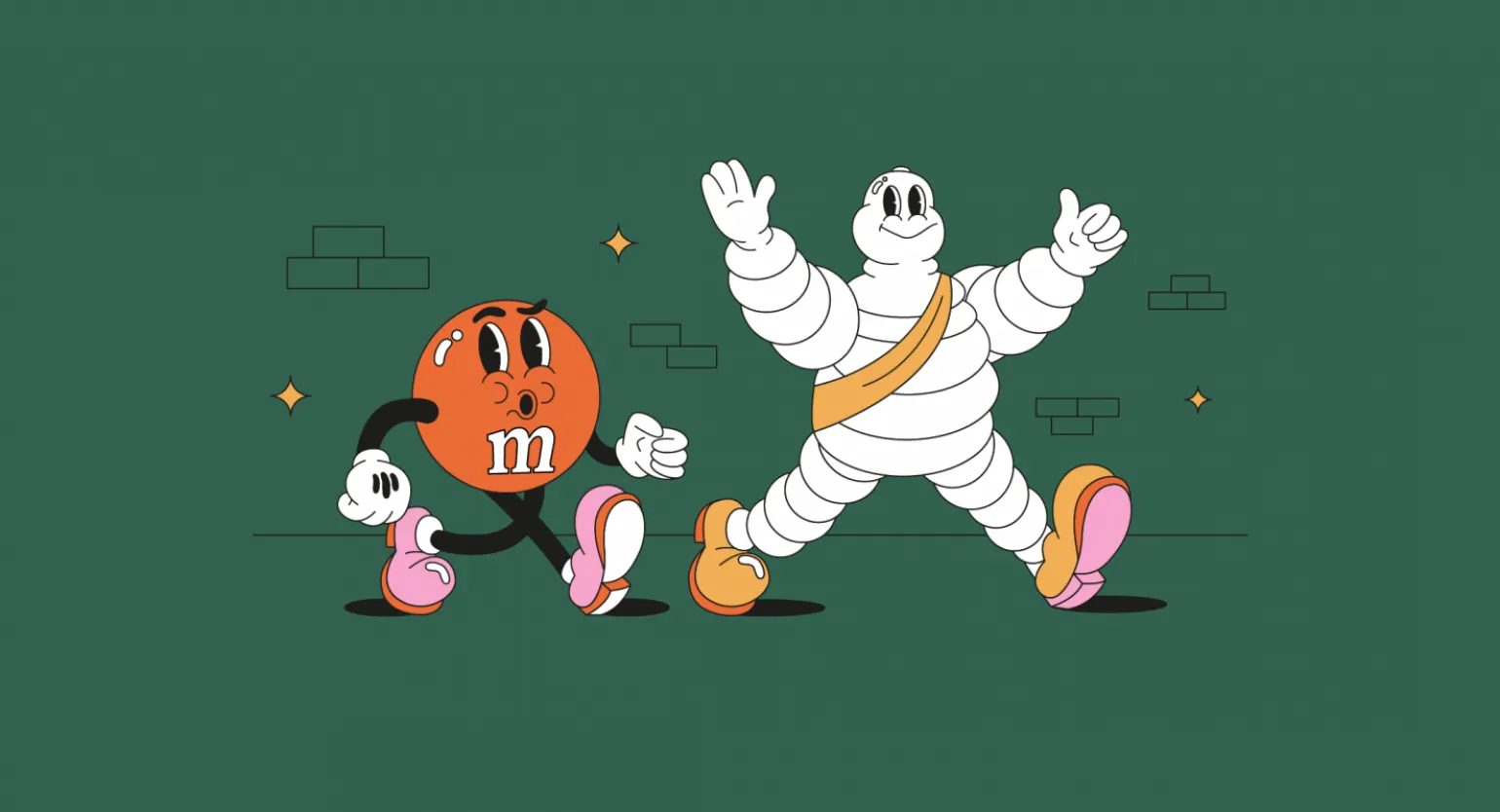
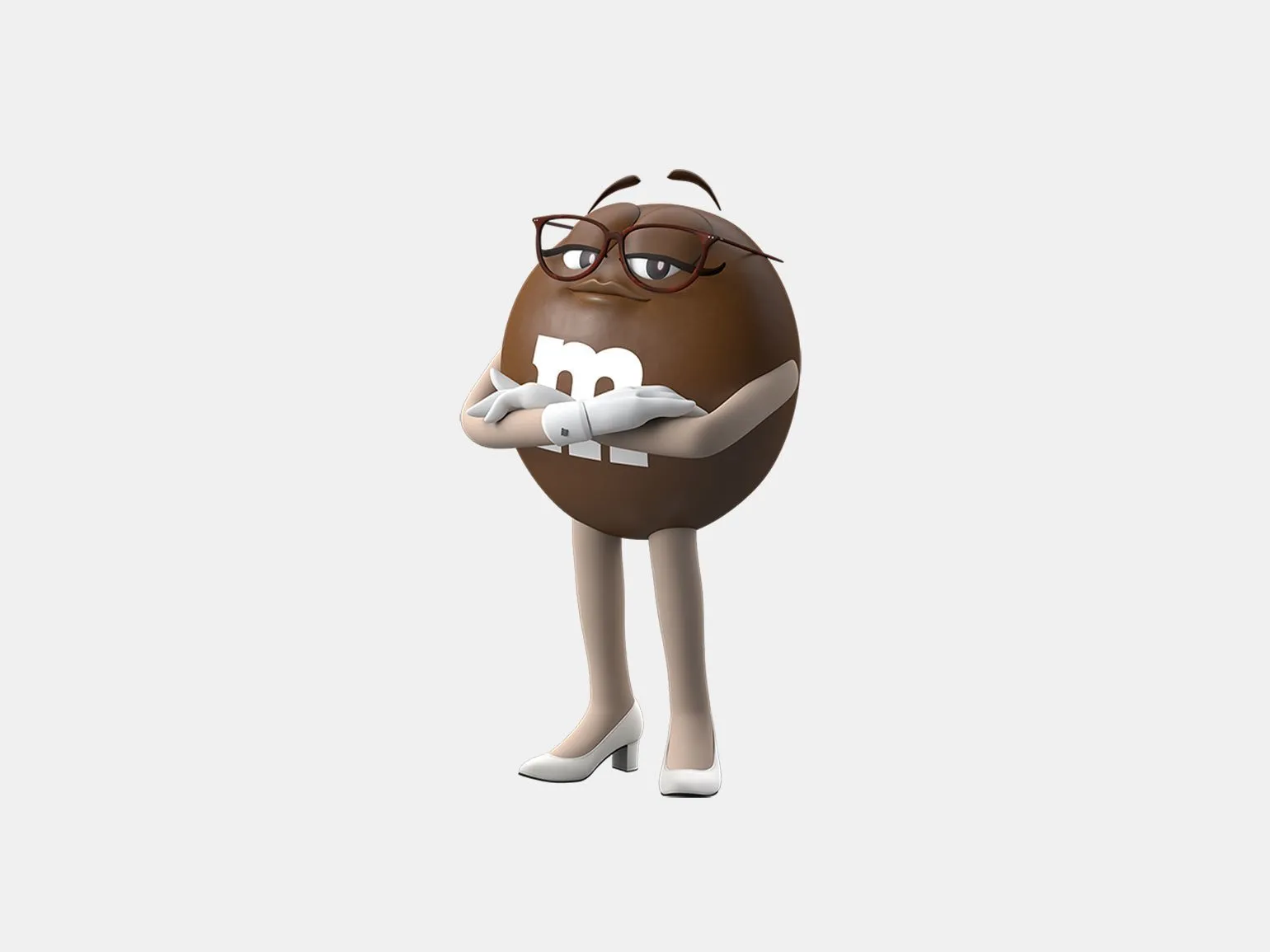
Mascots play an important role in product branding, especially for children and everyday products. They help create an emotional connection between the product and the consumer. Examples of successful mascots include Chester the leopard, who became the symbol of corn puffs, and Mr. Proper, representing cleaning products. These characters not only attract attention but also help build brand awareness, making it more appealing to the target audience.
Large companies like Sber use mascots to integrate their products and simplify complex concepts. SberCat, for example, is actively used in chatbots and social media, creating a unified visual brand identity. Using mascots not only helps with customer communication but also increases company awareness. Visual images like the SberCat make brand interactions more accessible and appealing, which helps build customer loyalty.
Modern Trends in Using Mascots
Mascots play an important role in shaping corporate identity and are actively used in various media formats, including web design and mobile applications. They contribute to the creation of a unified visual image, which simplifies the content development process and increases its appeal to the audience. Effective use of mascots helps brands stand out from the competition and strengthens their identity in the market.
Brands are actively developing their visual presence on social media and other platforms. Using mascots significantly simplifies the content management process, eliminating the need to generate new ideas for each post. Simply change the character's expression or add new elements to attract the audience's attention. This not only saves time but also helps create brand recognition and consistency in the digital space.

Animation: A New Level for Mascots
Animation brings mascots to life, giving them character and personality. Modern trends in motion design are fueling the growing popularity of animated characters in branding, making them an effective tool for attracting attention and creating a memorable company image.
Animated mascots are actively used on corporate portals and training platforms. They not only interact with users but also provide tips, congratulate achievements, and create a friendly atmosphere. Thanks to their unique characteristics, mascots help improve the user experience, increasing engagement and motivation. Their use contributes to the creation of a positive company image and fosters loyalty among employees and customers. Animated mascots are becoming an important tool for training and supporting users, making the process more interactive and engaging.

Mascot or character: what's the difference?
Not all characters in logos can be considered mascots. A mascot is not just a static image, but a dynamic character that evolves and has its own unique history. It can connect with the audience and add an emotional component to brand perception, which helps strengthen its identity and increase consumer loyalty. Creating a mascot requires a deep understanding of the target audience and their preferences, which allows the brand to stand out from the competition.
Creating a mascot requires careful development of its character, defining its role within the brand and how it interacts with consumers. To achieve a convincing character, designers develop a variety of poses and facial expressions. With animation, the possibilities for creating such poses become virtually limitless, making the mascot more dynamic and appealing. An effective mascot can improve brand perception, strengthen ties with the target audience, and increase consumer engagement.
Mascots are an effective branding tool that help create a unique image and increase product recognition. They are actively used in marketing strategies, especially in the children's goods and household goods segments. The use of mascots helps establish an emotional connection with the target audience, which significantly increases brand loyalty and contributes to the formation of a positive image. Properly designed mascots can become a symbol of the company, attracting attention and strengthening associations with the products.
Famous mascots: who are they and what role do they play?
Among the well-known advertising characters, Chester, a leopard who represents corn sticks, and Mr. Proper, personifying cleaning products, stand out. These mascots play a key role in marketing strategies, as they effectively attract the attention of the target audience and help increase brand recognition. Using striking and memorable images helps companies establish an emotional connection with consumers, which in turn increases product loyalty and promotes successful sales. Mascots play an important role in the corporate identity of large companies, as they help unify diverse products and simplify complex mechanisms for consumers. A striking example is Sber's SberCat, which has become a symbol of financial literacy. This mascot is actively used in chatbots and social media, helping to strengthen the brand and increase its recognition. Using mascots in marketing not only attracts the attention of the audience, but also creates an emotional connection with customers, which, in turn, helps improve the image of the company.
Mascots play an important role in strengthening the emotional connection with a brand and facilitate effective communication with consumers. They create a bright and memorable image, which can be a deciding factor when choosing a product among many similar offers. Creating a unique mascot for your brand helps you stand out in the market, attract attention, and contribute to customer loyalty. Using mascots in marketing strategies can significantly increase brand awareness and improve product perception.
How relevant are mascots in modern marketing?
Mascots continue to play a key role in marketing strategies in 2023, providing companies with an effective tool for shaping their image and interacting with their target audience. They are widely used in visual communications and are becoming an integral part of corporate identity. Using mascots allows brands to establish an emotional connection with customers, increasing recognition and trust in their products or services. In a competitive market, creating a unique and memorable mascot can significantly enhance a company's marketing efforts.
Modern brands are actively working to create recognizable visual content, including social media posts, website pop-ups, and YouTube video intros. Mascots are an excellent tool for achieving this goal, as they help create a unified visual language. This facilitates user perception and promotes better brand recall. Using mascots in content not only draws attention to products and services but also creates an emotional connection with the audience, which in turn strengthens brand loyalty.
The benefits of using mascots in marketing are obvious. Firstly, they significantly simplify the content development process. Instead of generating new post ideas every time, you can adapt an existing character, saving time and resources. Secondly, mascots help improve customer interaction by becoming the "face" of the brand. This contributes to increased loyalty and engagement, as characters evoke positive emotions and are associated with specific company values. Thirdly, mascots are highly adaptable. Simply changing a character's facial expressions or posture can create unique content for various platforms and formats, allowing you to maintain interest in your brand over time. Using mascots as a marketing tool can significantly improve a company's image and attract more customers.

According to a HubSpot study, 63% of marketers emphasize the importance of visual content in their promotional strategies. Mascots, as an integral part of visual content, help brands stand out from the competition and maintain interest in their products. Effective mascots can create an emotional connection with the audience, increasing brand awareness and loyalty. Visually representing a company through mascots helps attract attention, improve memorability, and make communications more memorable. In a highly competitive market, the use of mascots is becoming an important tool for successful promotion and strengthening a brand's position.
Modern Mascots: Are They Always Flat Images?
Modern mascots often have a flat design, which ensures their easy adaptation in digital products. Flat design, characterized by simple vector shapes, allows for easy scaling of images while maintaining high quality. This makes mascots ideal for use in a variety of media formats, including websites and mobile apps. The flat style also promotes better brand perception, making it more memorable and appealing to audiences.
The advantages of flat mascots are obvious. They are lightweight, which is especially important for web animation. This allows designers to quickly create videos with flat characters, and users can enjoy instant content loading. The lightweight nature of such mascots not only speeds up the creation process but also improves user experience, which in turn has a positive impact on SEO. Using flat mascots in web design helps increase user engagement and retention, which is an important aspect of a successful online presence.
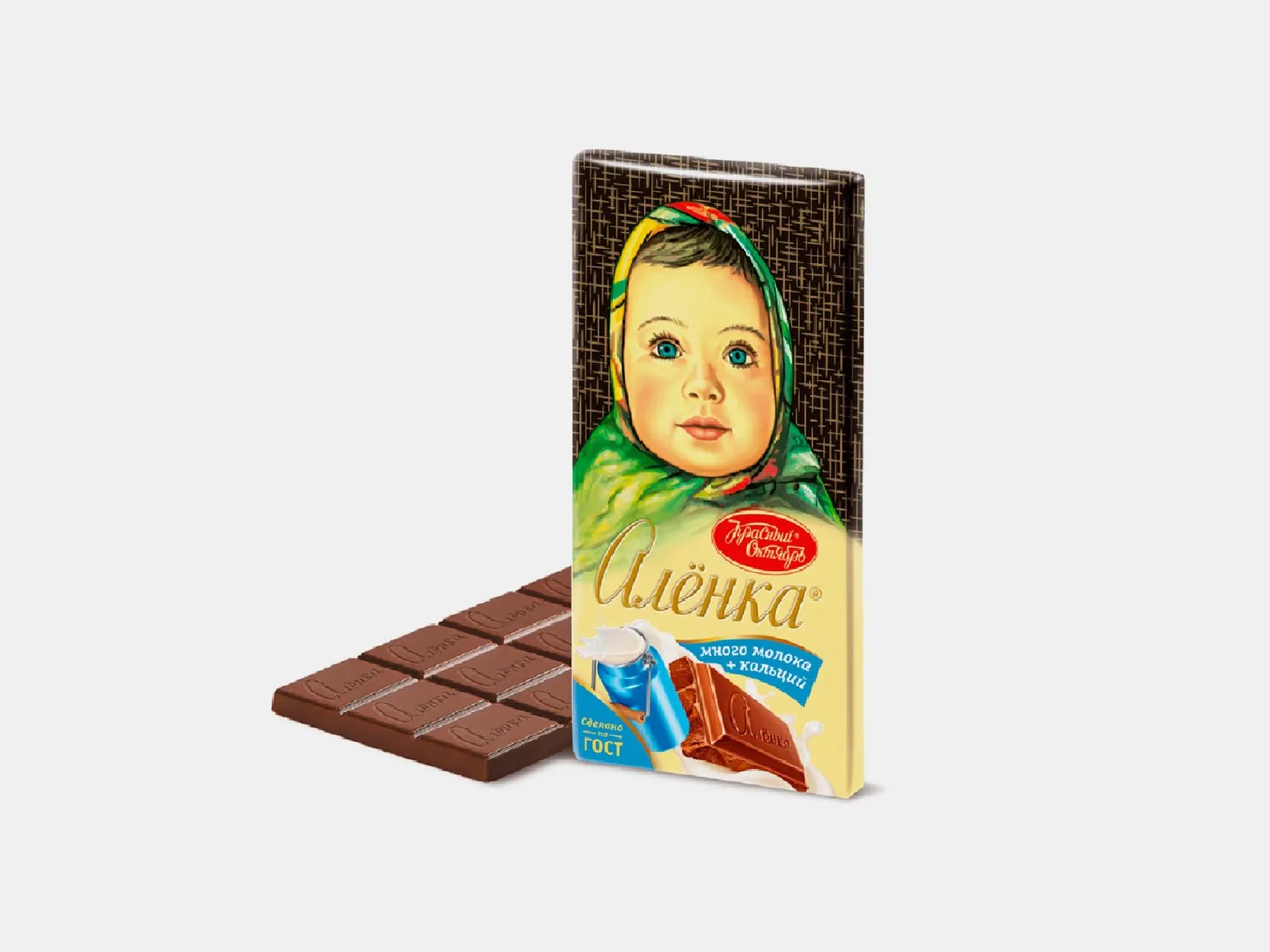
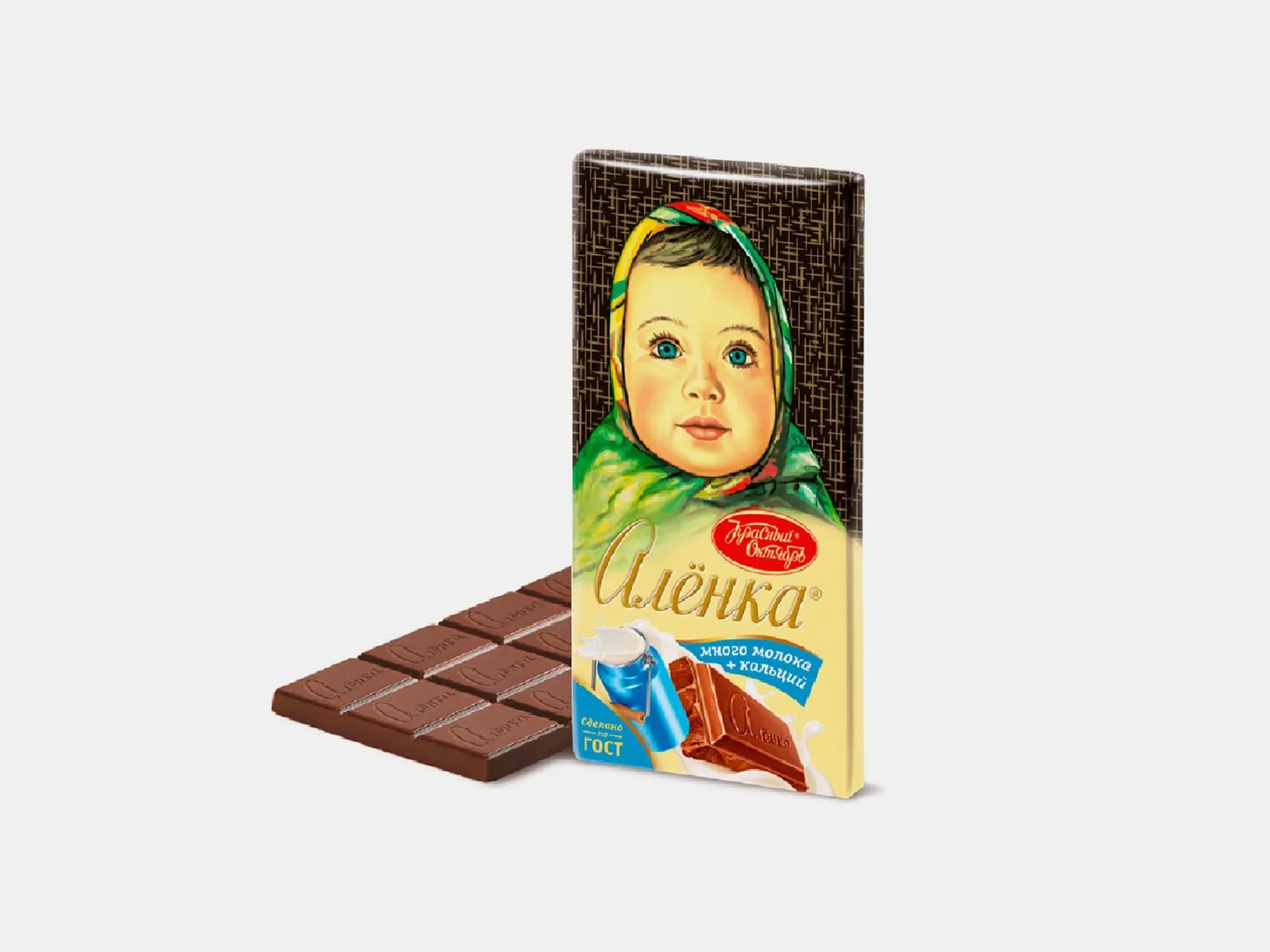
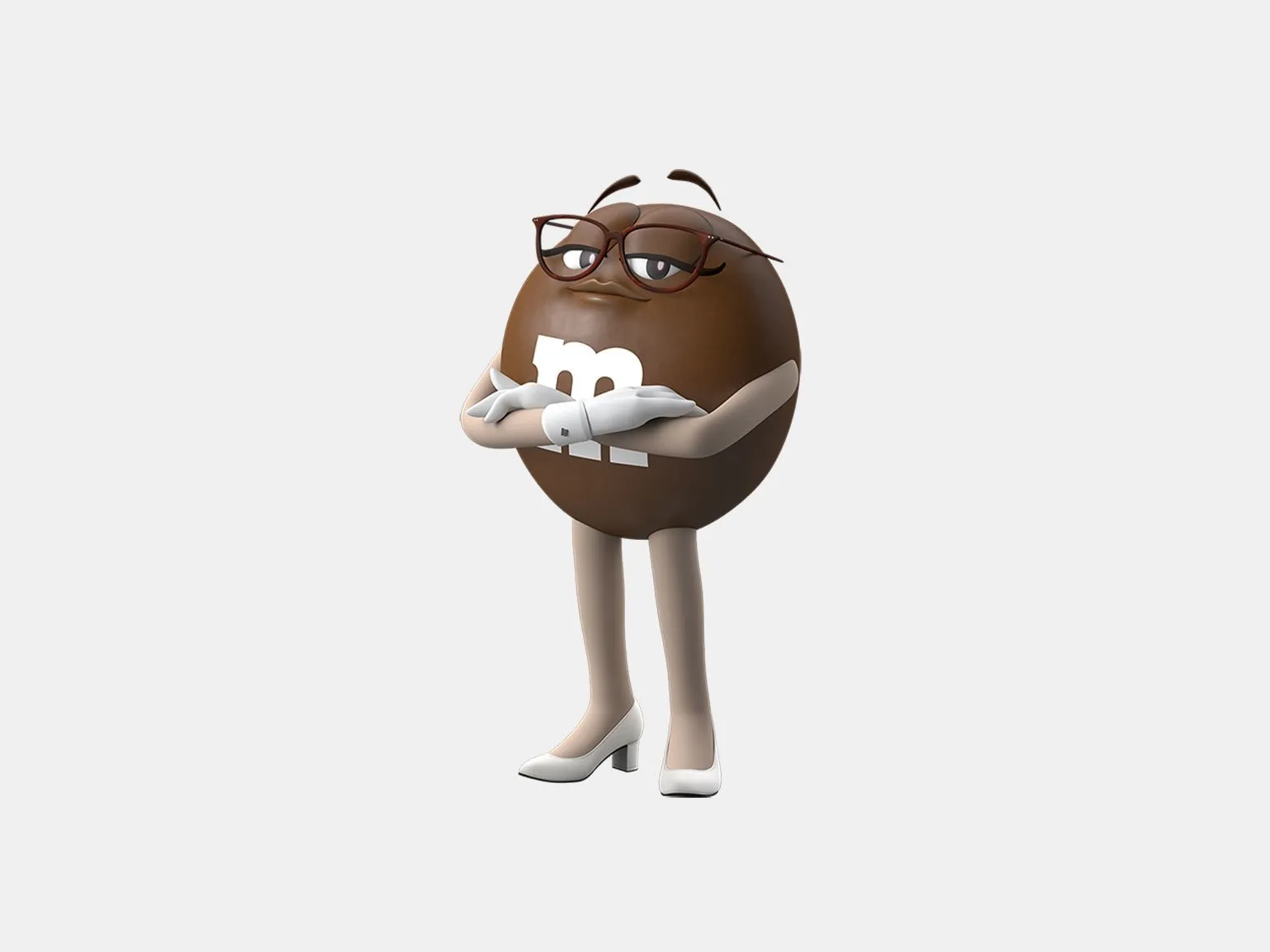
Mascots can be both 3D and realistic. Milka's advertising, for example, uses an image of a real cow, which gives the brand a unique character and contributes to its memorability. Realistic mascots help create an emotional connection with consumers, reinforcing associations with product quality and naturalness. Using such images in marketing allows brands to stand out from the competition and strengthen their identity.
Large brands, such as Milka, use various versions of their mascots to create an appealing image. Product packaging features both hand-drawn illustrations and images that are more reminiscent of photographs. This allows brands to effectively attract consumer attention and stand out on store shelves. Using a variety of image formats helps strengthen brand associations and improve brand recognition.
Large companies use a variety of image styles for maximum impact. Flat design, for example, is great for mobile apps and social media, but on large billboards, it may appear less appealing. Therefore, the same mascot can be presented in a variety of techniques, maintaining its recognizability and adapting visual content to different formats and audiences. This variety of styles helps companies effectively engage with customers and maintain brand relevance across platforms.

Can one brand have multiple mascots?
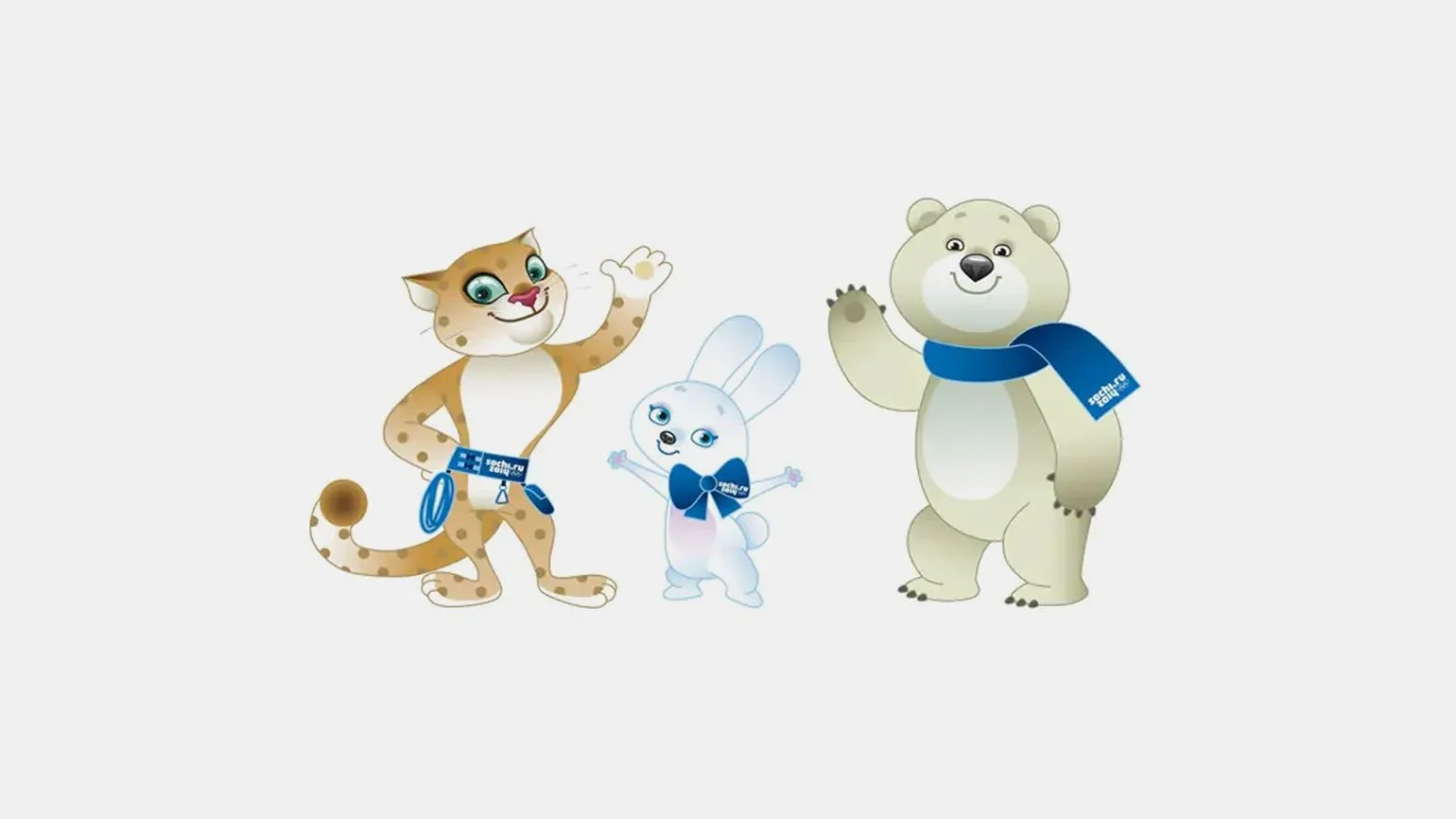
Some brands, although less common, create multiple mascots for different purposes. For large companies and large-scale events, entire teams of characters are developed, each symbolizing certain brand characteristics. This approach allows for more effective interaction with the target audience and strengthens the company's image. Mascots can be used for a variety of marketing strategies, including advertising, events, and social media, which helps in creating unique and memorable branding.
Understanding terms such as USP (Unique Selling Proposition) and ToV (Tone of Voice) plays a key role in marketing. These concepts are essential for successful brand communication and positioning. Check out our glossary, a useful resource for designers looking to gain a deeper understanding of marketing strategies and improve the effectiveness of their work.
Who designs mascots?
Creating mascots is a process that requires not only the skills of illustrators and graphic designers, but also a deep understanding of marketing. A mascot is not just a set of images, but a carefully crafted character with a unique personality and a clear role in communicating with the consumer. A properly designed mascot can effectively convey brand values, strengthen its image, and evoke an emotional connection with the audience. Therefore, it is important to consider not only the visual component, but also the strategy for interacting with the target audience when creating mascots.
To be successful, designers need to understand the processes taking place in the marketing department. We recommend studying marketing books, which will quickly provide the necessary knowledge and skills for effective collaboration with marketers. This will help improve communication and the quality of projects, which will ultimately lead to the successful implementation of design solutions.
Follow our Telegram channel to receive more interesting design content! We regularly publish updates, tips, and inspiration to help you develop your skills and deepen your design knowledge. Don't miss out on the latest trends and helpful resources.
We recommend checking out these additional resources:
- Corporate Identity: Why is it Needed and What Does It Include?
- What is a Brand Book?
- The Psychology of Red in Design
- Who Was the First Graphic Designer: the Owner of a Puppet Theater and the Creator of the Nivea Font?
Modern mascots are most often implemented in a flat format, due to ease of use and adaptation for digital platforms. Flat design, with its simple vector shapes, allows designers to scale images without loss of quality. This makes flat mascots ideal for web animation and various digital applications. The flat style not only improves visual appeal but also promotes better user perception of information, which is especially important in a highly competitive online space. Effective use of mascots in flat design helps brands stand out and be remembered, which in turn increases their recognition and helps attract the target audience.
The advantages of flat mascots are obvious. They are lightweight, which helps videos and images load quickly on web pages. Users appreciate the loading speed, and designers get the opportunity to quickly create animations using such characters. Flat mascots not only improve user experience but also help increase engagement thanks to attractive visual content. Their simplicity and versatility make them ideal for various platforms and devices, which also has a positive impact on website SEO.
Mascots: From Flat to Realistic
Mascots play an important role in branding and marketing, going beyond simple flat images. In recent years, there has been a rise in the popularity of 3D and photorealistic mascots, which can attract attention and create a deeper connection with the audience. A striking example is the Milka advertisement, where the mascot is presented in the form of a realistic cow. This approach gives the brand uniqueness and authenticity, making it more memorable for consumers. Using such mascots can significantly increase customer engagement and strengthen a company's image in the market.
Large brands, such as Milka, actively use different versions of their mascots. Product packaging features both hand-drawn illustrations and images that visually resemble photographs. Each of these versions has a unique style, which allows the brand to attract consumer attention and stand out on store shelves. Using different approaches to depicting mascots helps create variety and maintain customer interest in the product.
Diversity of Mascot Styles for Different Platforms
Brands that target a wide audience and use multiple communication channels cannot limit themselves to a single style. For example, flat design looks optimal on social media and mobile apps, but on large billboards, flat images can lose their appeal. This emphasizes the importance of using different design techniques for the same mascot to ensure its recognition across all platforms. Using a variety of styles allows the brand's visual representation to be tailored to the specifics of each channel, which in turn enhances perception and engagement with the audience. Maintaining a mascot's identity is an important aspect of its successful perception. Regardless of the chosen style—whether a flat image, 3D rendering, or photography—the mascot must remain easily recognizable to the target audience. This ensures that it effectively fulfills its role in promoting the brand and maintaining its image. Ensure your mascot's visual elements align with your brand's core values and messaging to ensure it becomes an integral part of your marketing strategy.
Can one brand use multiple mascots?
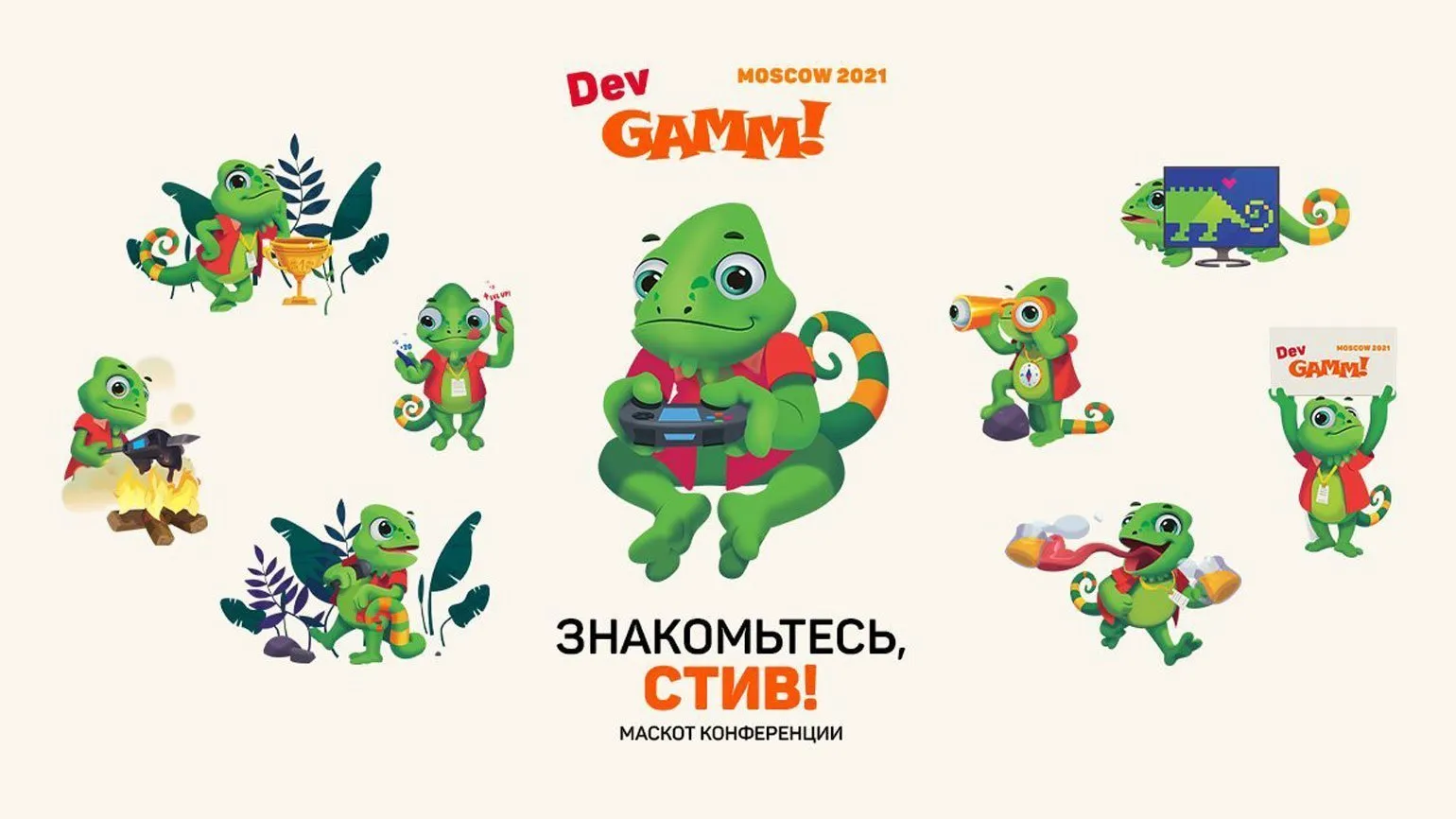
Some well-known brands resort to creating multiple mascots, although this practice is rare. This strategy can lead to a scattered target audience’s attention, but for large events or significant brands, it becomes justified. Each mascot can personify a specific aspect or value of the brand, which deepens engagement with the consumer and helps better convey key messages. Using multiple characters can increase recognition and attract different audience segments, making the brand more multifaceted and interesting.
If you’re looking to understand terms like unique selling proposition (USP) and tone of voice (ToV), we recommend checking out our comprehensive glossary. It explains in detail the nine essential marketing concepts every designer needs to be successful. Understanding these terms will help you communicate effectively with clients and create compelling offers.

Who designs mascots?
Mascot creation is a multifaceted process that requires a careful approach. Illustrators and graphic designers with the necessary illustration skills play a key role in character development. However, a mascot is more than just a collection of images with various poses and emotions. It is a detailed character with a unique personality that actively interacts with the target audience and contributes to the brand's development. A well-designed mascot can attract attention, generate interest, and form an emotional connection with customers, making it an important tool in marketing strategies.
Successful mascot development requires close collaboration between designers, marketers, and brand managers. This interaction allows for the creation of a character that will not only attract the target audience but also effectively convey the brand's core values. This approach ensures a harmonious combination of visual aesthetics and strategic positioning, which ultimately helps strengthen the company's image in the marketplace.
How to develop a career in mascot design?
To succeed in design, mastering key marketing principles is essential. We've compiled nine marketing books that will help designers quickly acquire essential knowledge and skills. These resources will allow you to better understand the strategies for promotion and interaction with the audience, which in turn will improve the quality of design solutions and increase their effectiveness.
Commercial Illustrator: 5 Steps to a Successful Career
Want to become a successful illustrator? Learn 5 key steps to creating a portfolio and promoting your personal brand!
Learn more