
Contents:

Try your hand at 3D design. Go to Telegram and take a free course on 3D modeling in Blender for beginners. Create your first portfolio projects and receive useful gifts.
Learn moreModernism in architecture has become an important movement, reflecting a desire for the future. It emerged in the first quarter of the 20th century as a response to the challenges of industrialization, urbanization, and changing social conditions. At this time, people began to actively experiment not only with political systems, but also with everyday life. The main principles of modernism were functionality, minimalism, and the desire to search for new forms. Architects of this era sought to create spaces that would meet the demands of modern society, rejecting excesses and traditional styles in favor of innovative solutions.
In the Soviet Union, modernism and constructivism merged into a single cultural and architectural tradition, forming a unique visual style that continues to inspire architects, designers, and connoisseurs of urban aesthetics. This epochal synthesis of styles became the basis for many modern approaches in architecture and design, leaving a significant mark on the history of art.
We invite you to embark on a unique route that encompasses the most important landmarks of Moscow modernism and constructivism. You will be able to see the experimental neighborhoods of Chertanovo and conclude your journey at Le Corbusier's masterpiece, the Tsentrosoyuz Building, constructed of tuff. This route will allow you to better understand the architectural ideas and heritage that have shaped the face of modern Moscow.
Route Map
- Northern Chertanovo Microdistrict
- Tram #3 to the stop "Serpukhovskaya Zastava" - Danilovsky Market
- Commune House on Lesteva Street
- Shukhovskaya Tower
- A.N. Kosygin Russian State University
- By bus E10 to the metro station "Lubyanka" - Tsentrosoyuz House
Start: experimental quarter of Northern Chertanovo
Address: Northern Chertanovo microdistrict, landmark - house 4, block 404.
Period: 1975–1982.
In the early 1970s, construction began on one of the first experimental residential neighborhoods in the USSR, which became an important testing ground for new technologies and architectural planning solutions. This project was originally called the "Model and Promising Residential District." The neighborhood became a symbol of the desire for innovation in construction and improved quality of life. The introduction of modern approaches to housing design and construction has created comfortable living conditions and set new standards for future residential complexes in the country.
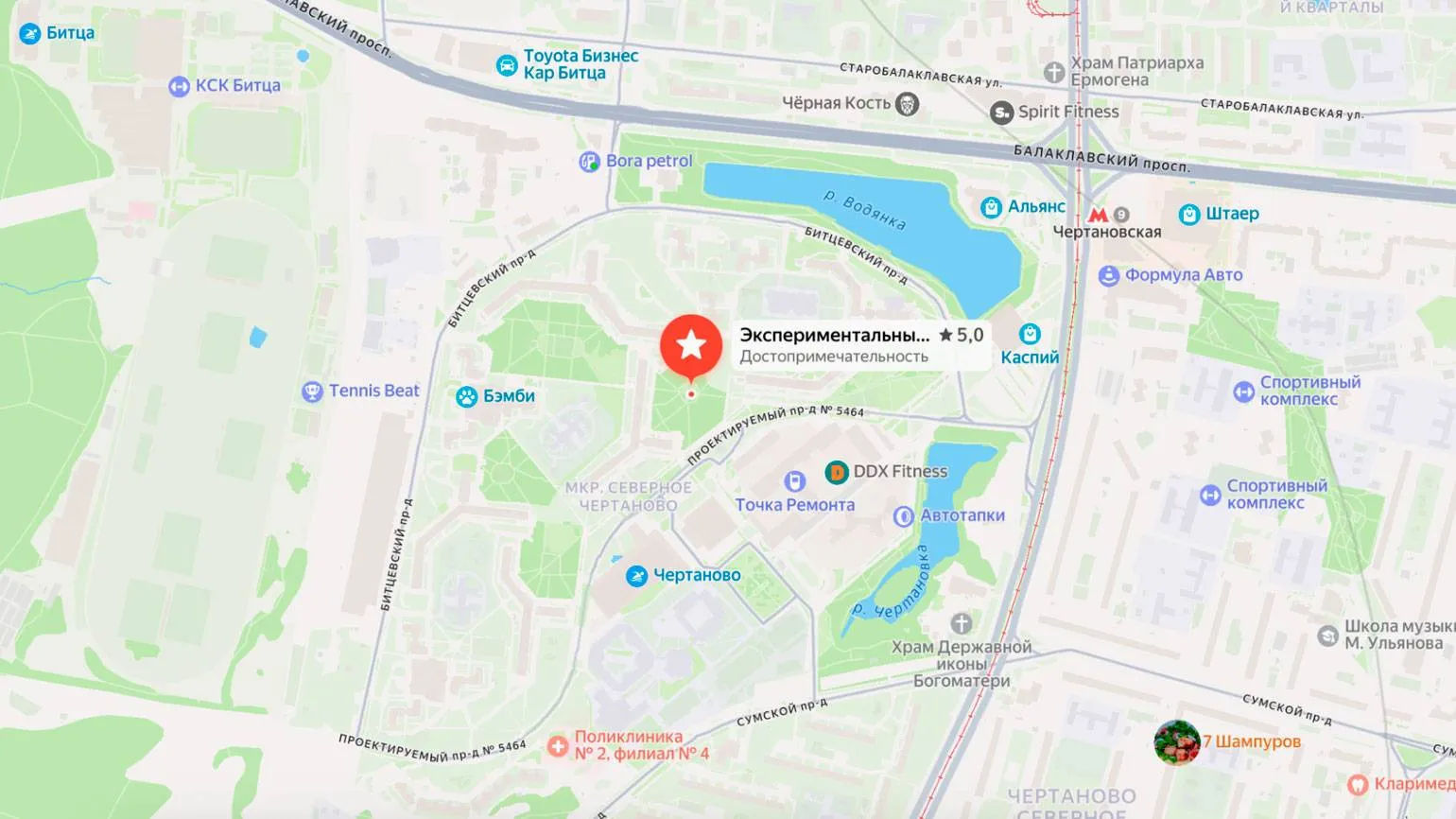
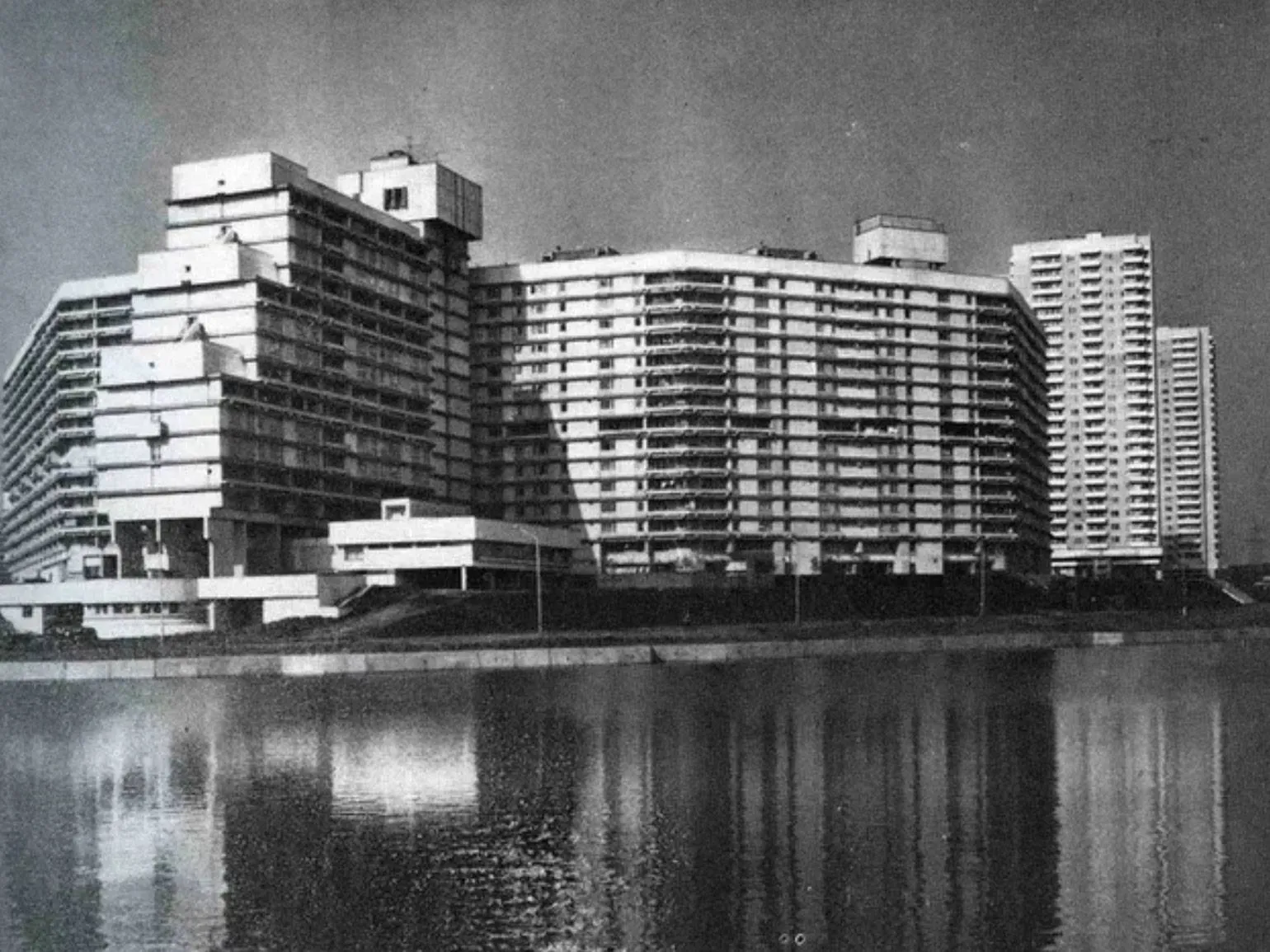
Large-format reinforced concrete panels were used for the first time at an experimental construction site in Northern Chertanovo. The project included testing various layouts for apartments, stairwells, and utility lines. The purpose of these tests was to create standard solutions for further use throughout the country, as well as to identify possible deficiencies that might not meet the needs of Soviet citizens.
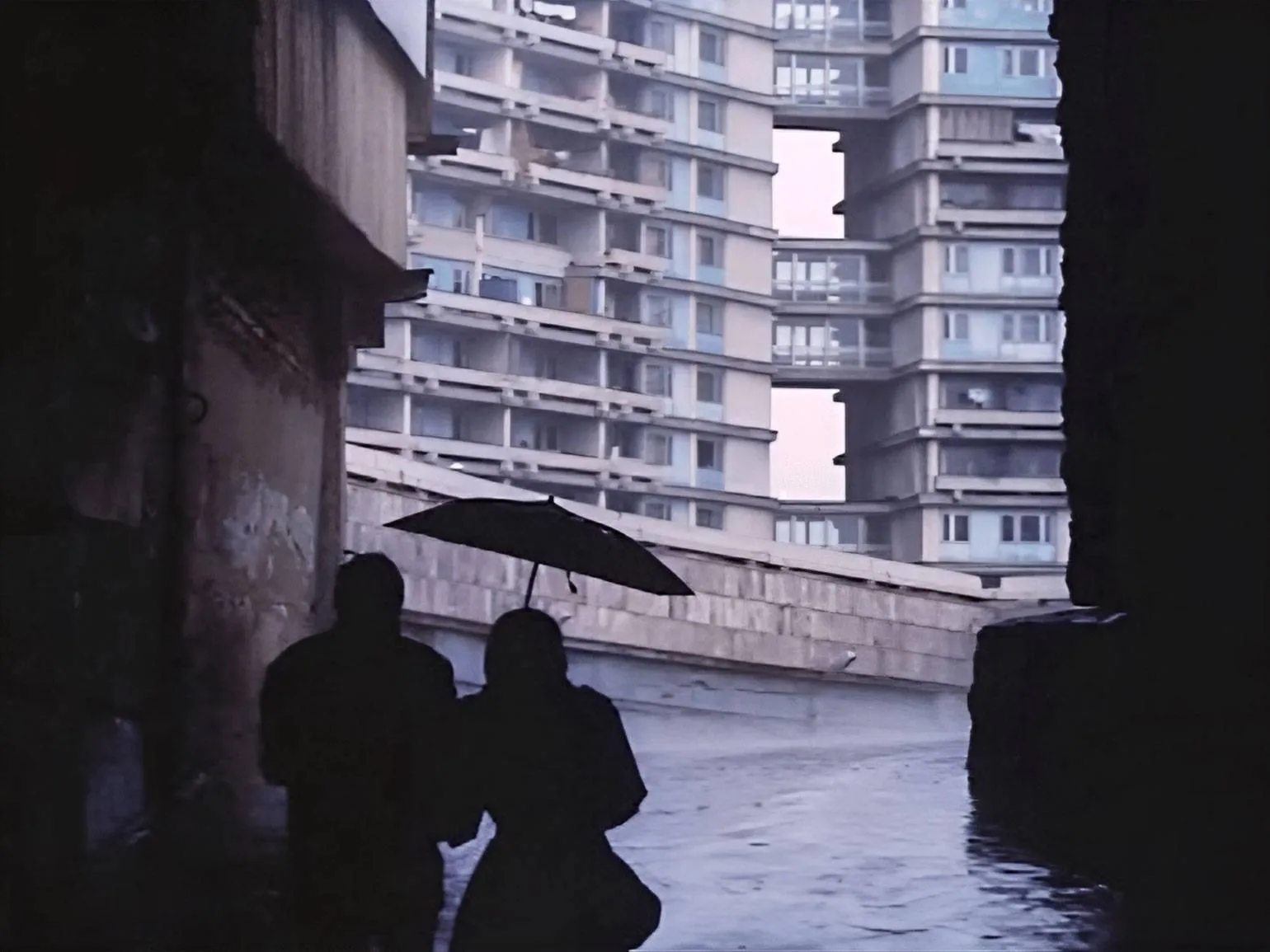
The neighborhood includes a residential building designed for artists, with cozy studios on the top floor. It features private ring roads and underground parking accessible through a car wash. The walkways between the buildings are equipped with heated hallways, allowing for easy movement between buildings without going outside. This comfortable architectural approach creates ideal conditions for living and creativity.
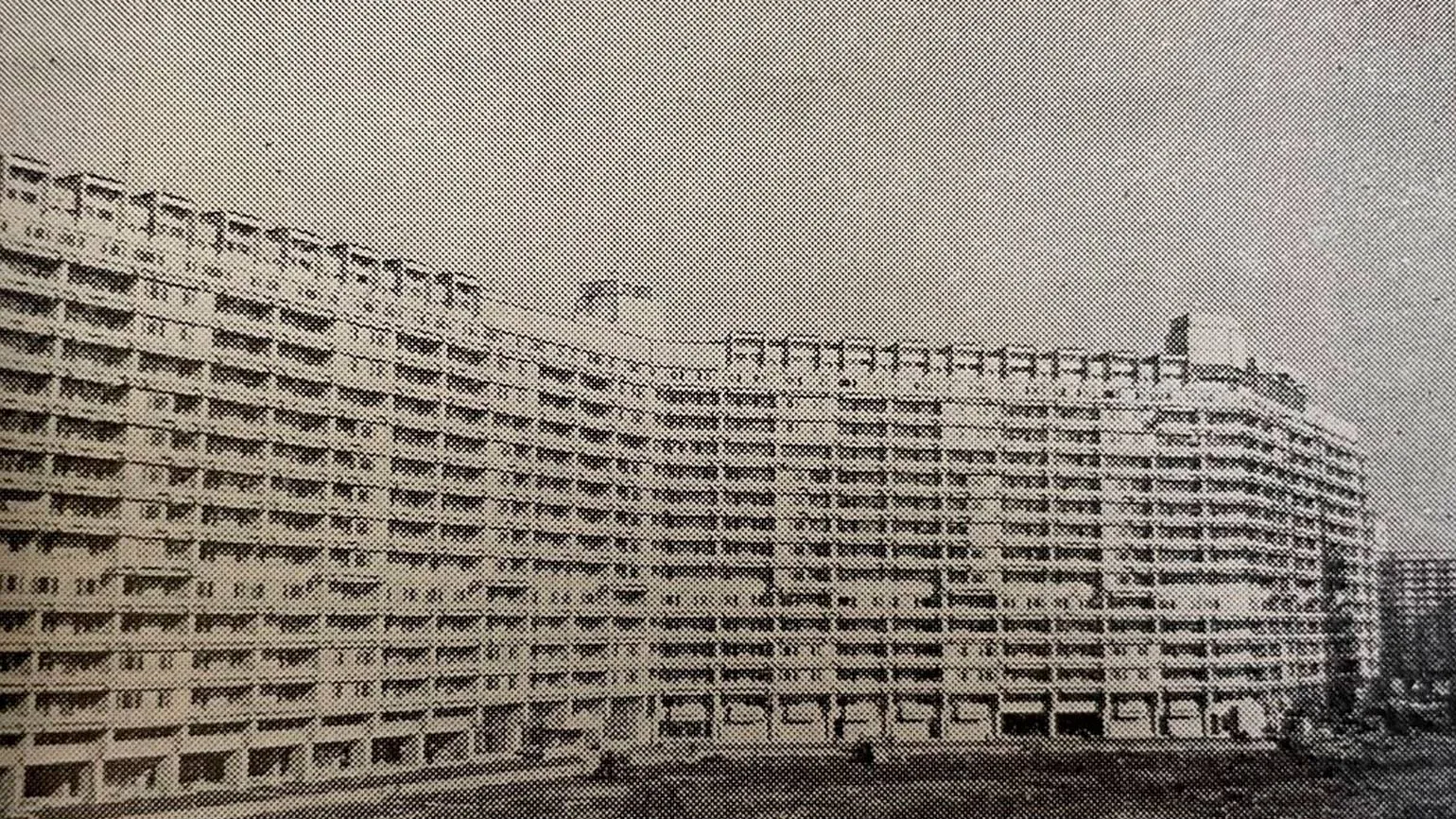
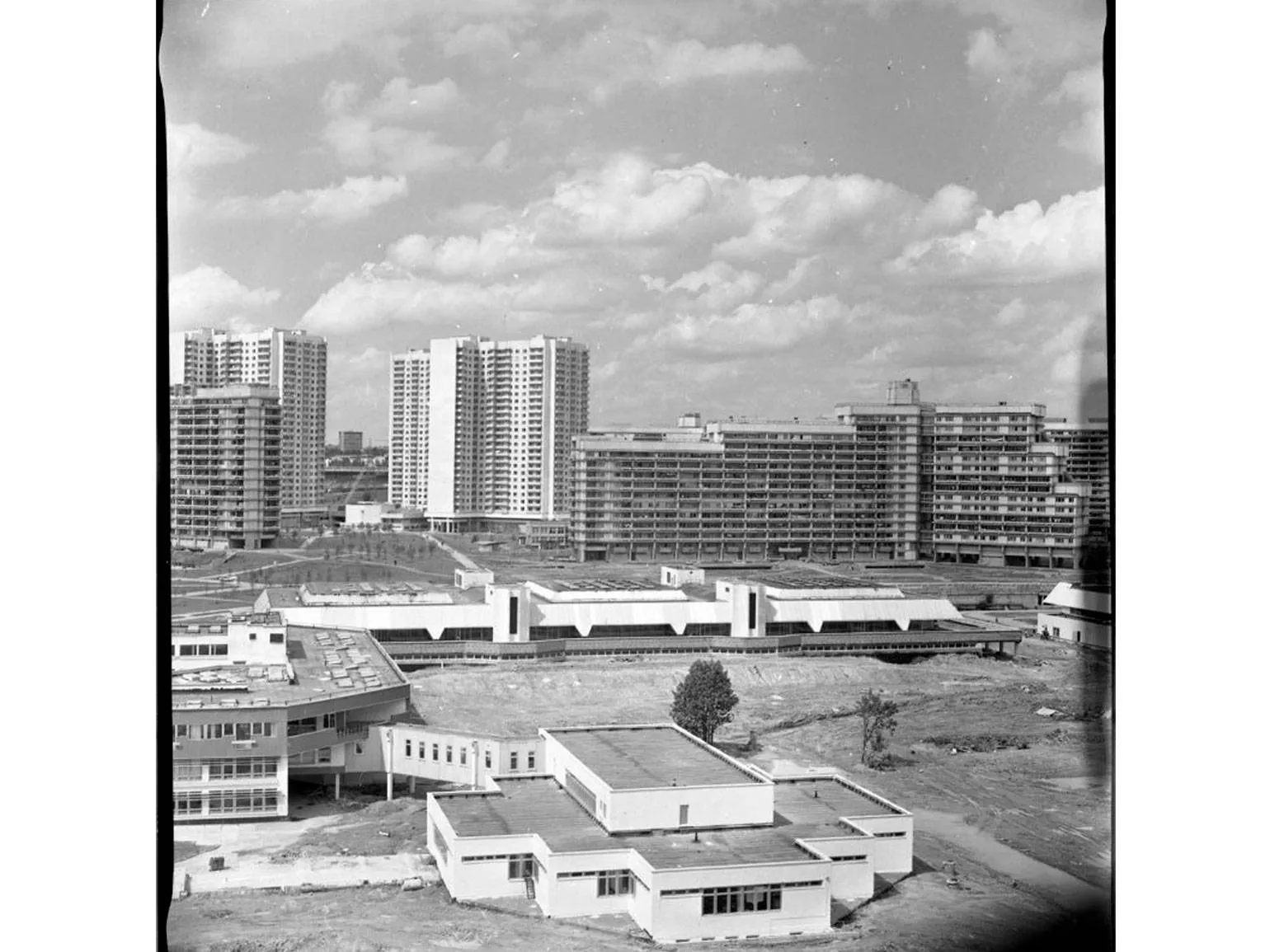
In the seventies in the Soviet Union, complex developments were considered promising, but they did not become a model for further development. These projects did not lead to the formation of a typical organization of urban life, which limited their influence on architectural and urban planning approaches in the country.
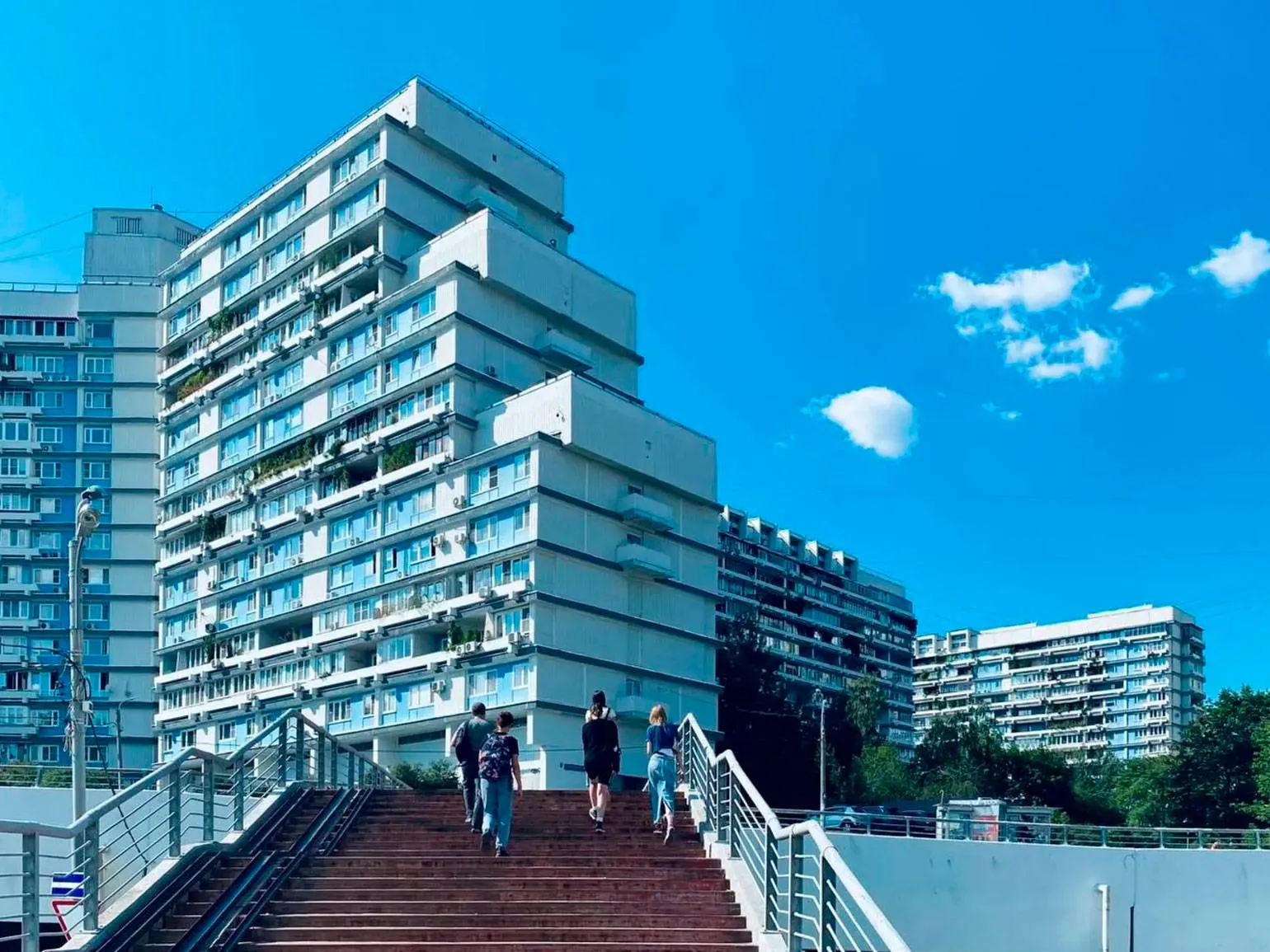
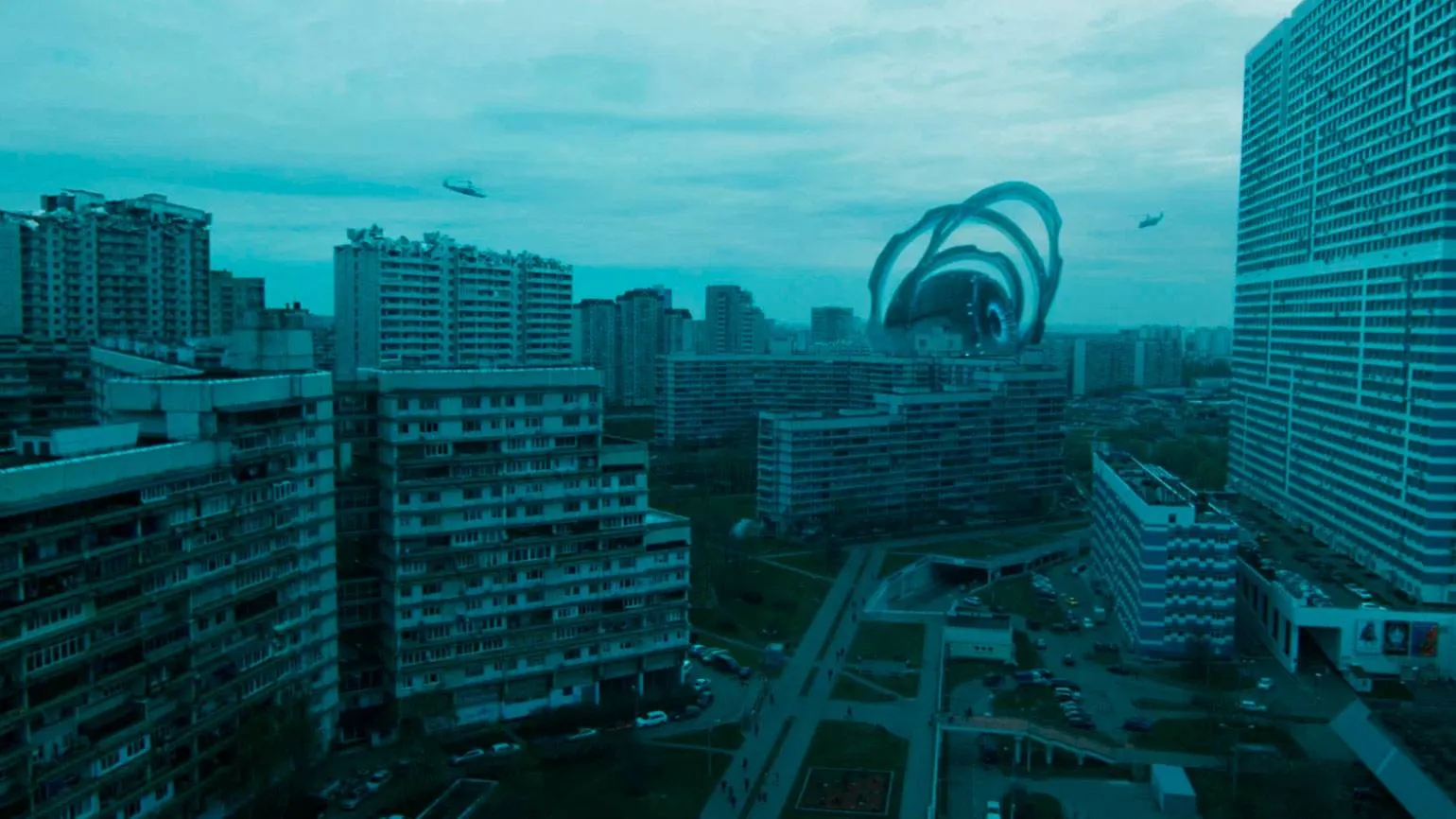
Northern Chertanovo has become a popular location for filming. The concrete facades of this area often appear in dramatic films, documentaries about subcultures, and music videos by artists such as Husky, LSP, and Kasta. This place not only attracts the attention of filmmakers, but also becomes a symbol of street culture, reflecting the unique atmosphere and character of the area.
We're heading to the tram stop near the Chertanovskaya metro station. We need tram #3. The journey to the Serpukhovskaya Zastava stop will take about half an hour. We recommend sitting by the window to enjoy the changing cityscapes: from the mass housing construction of the 1960s to the historical industrial part of the city.
Concrete dreams: urban projects in oil fields
Modern oil fields are becoming platforms for the implementation of bold architectural ideas and projects of the future. With rapidly growing populations and increasing demand for resources, cities built in such areas can become models of sustainable development and innovative technologies. By using advanced building materials and methods, comfortable and functional spaces can be created that blend harmoniously with the natural landscape. New urban concepts in oil fields embrace renewable energy sources and environmentally friendly technologies, minimizing their negative impact on the environment. Such cities can integrate not only residential and commercial infrastructure but also recreational areas, parks, and green spaces, creating a favorable living and working environment. Developing projects for future oil field cities requires a comprehensive approach and collaboration between architects, engineers, and environmentalists. As a result, unique spaces may emerge that will become not only centers of production, but also examples of how to live in harmony with nature, using the resources the earth provides.
Danilovsky Market near the Tulskaya metro station
Address: Mytnaya Street, 74.
The year 1986 was significant in many respects. This time was marked by important events in world politics, culture, and science. During this period, significant changes occurred that would influence the future. In politics, the world observed tense relations between countries, and in culture, new musical and cinematic trends were appearing on the horizon. Scientific research also took a step forward, opening new horizons for humanity. The year 1986 remains remembered as an era of change and significant achievements.
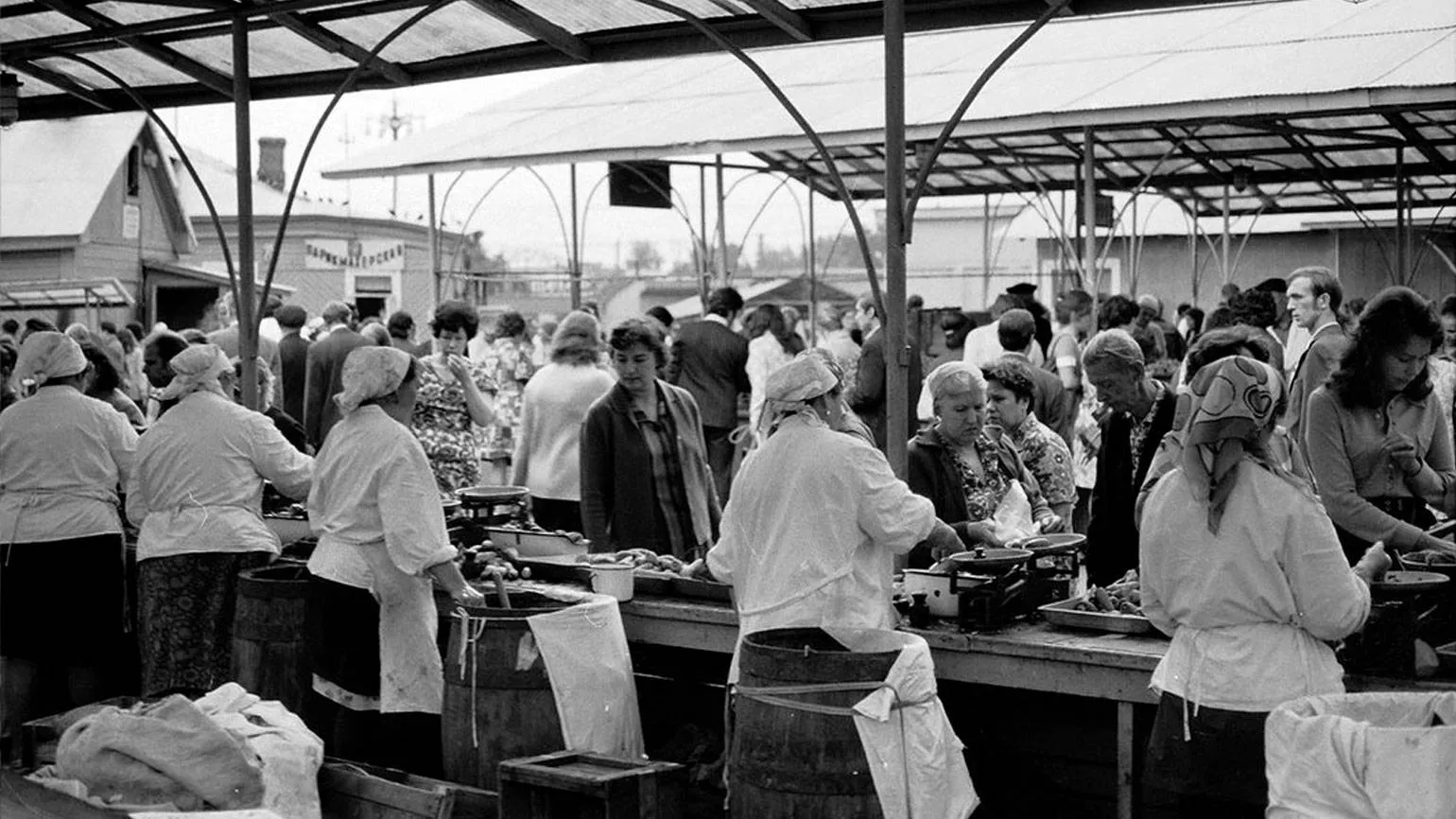
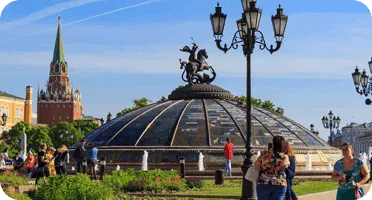
This place has become a dynamic and bustling center, which in the mid-2010s acquired a cult status among foodies and lovers of urban culture. Its unique gastronomic offerings and interesting architectural solutions attract the attention of not only locals but also tourists.
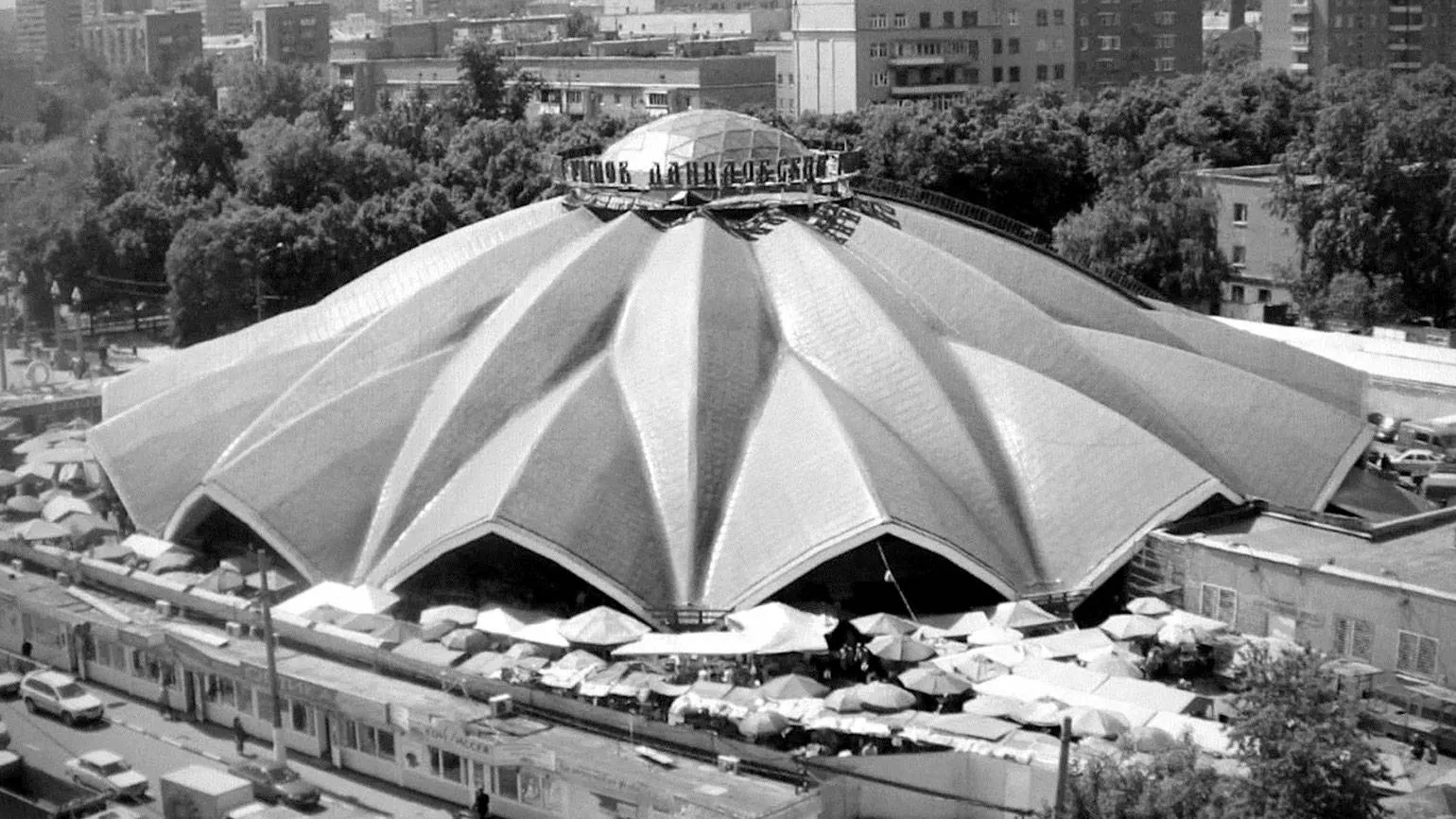
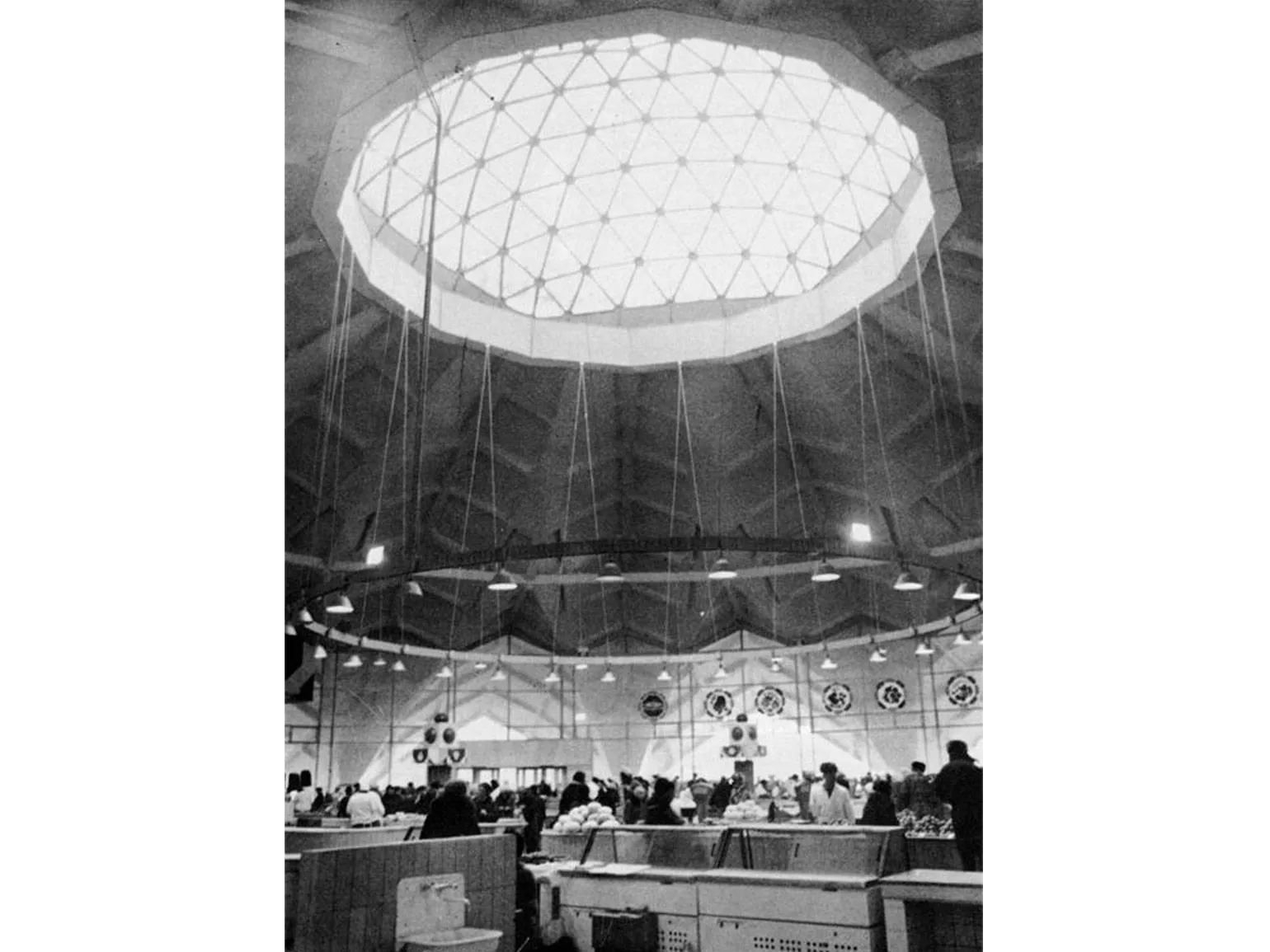
From the sidewalk, the building appears functional, lacking any striking decorative elements, save for the triangular windows that span the entire height. However, when viewed from above, the market's rounded shape with radial "ribs" is reminiscent of a squash. This unique architectural form attracts attention and creates an interesting visual effect, which makes the building a noticeable element of the urban environment.
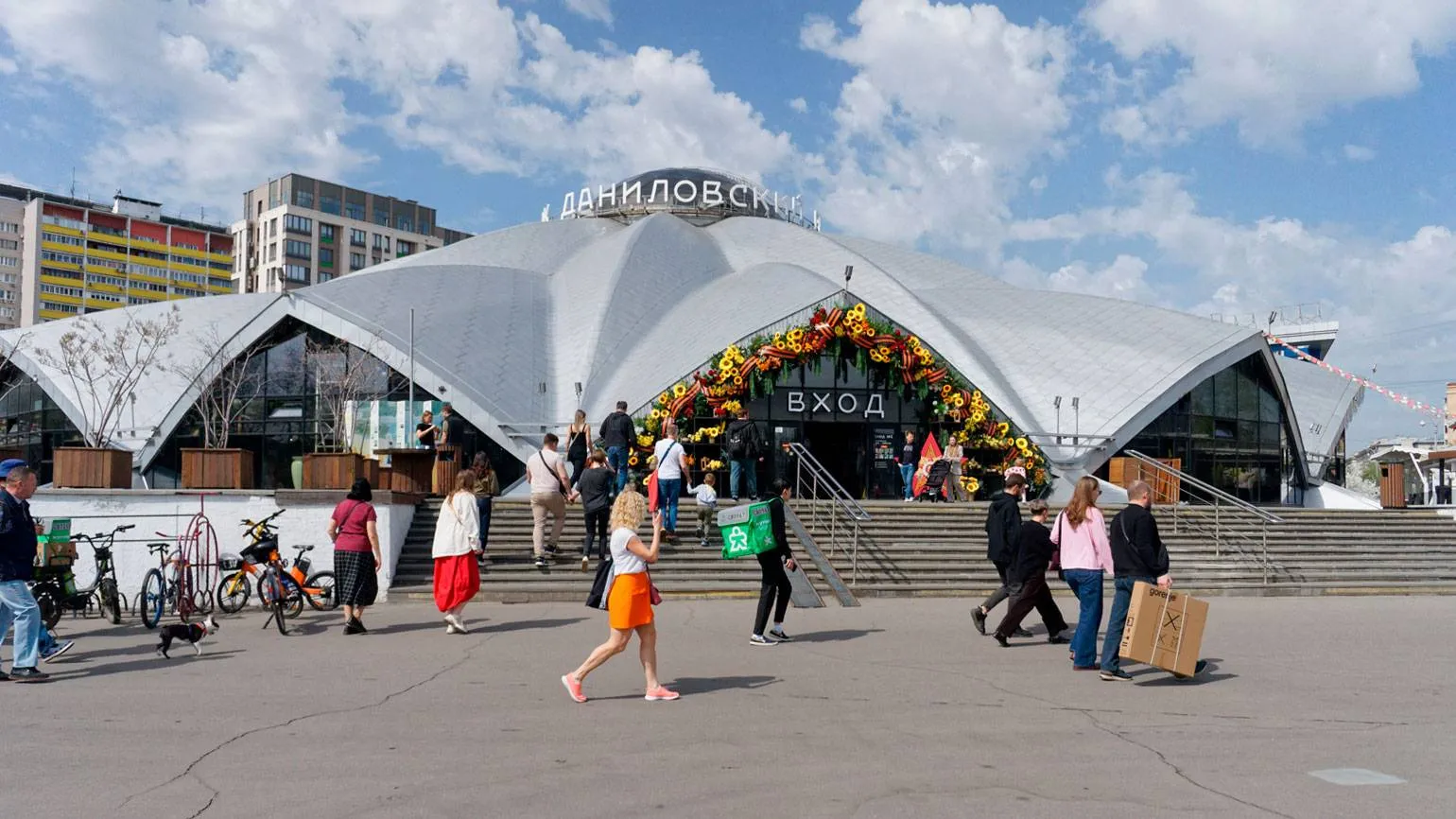
A unique example of a utilitarian retail building that retains the spirit of modernism, despite The development of postmodernism is represented by this market, built in the late 1980s. Its playful design stands out against traditional architectural designs while maintaining the functionality and practicality characteristic of modernist buildings. The market building demonstrates how aesthetic and utilitarian aspects can be successfully combined to create a space that attracts attention and serves as an important hub for local commerce.
Read also:
Moscow's Unloved Children: A Study of Luzhkov Architecture
Luzhkov architecture, which has become an iconic phenomenon for Moscow, evokes conflicting feelings among residents and guests of the capital. In this text, we will consider the key aspects and examples of this architectural era.
The architectural style that emerged during Yuri Luzhkov's tenure is characterized by bold forms and vibrant colors. Many projects have become symbols not only of their era but of the city as a whole. For example, buildings such as the Russian Museum and the Triumphal Arch attract attention both for their scale and their unusual design.
However, despite its merits, Luzhkov's architecture is often criticized. The multi-story complexes and shopping centers built during this period are perceived by many as inappropriate and disruptive of the city's historical harmony. This creates a sharp contradiction between modern trends and Moscow's classical architecture.
When studying Luzhkov's architecture, it is worth noting not only its negative aspects but also its contribution to the development of urban infrastructure. The buildings erected became part of city life, providing new spaces for work and leisure.
Thus, Luzhkov's architecture is a complex and multifaceted phenomenon that continues to generate discussion and debate. Understanding its place in the history of Moscow helps to better appreciate the changes that have taken place in the capital in recent decades.
Commune House on Shabolovka
Exact address: Lesteva Street, 18. Lesteva Street is located in the city center and is easy to access. If you are looking for a place to spend time or conduct important business, this address is an excellent option.
1929 was a landmark year in world history. This year was marked by many significant events that influenced the economy, culture, and politics. 1929 marked the beginning of the Great Depression, one of the most severe economic crises in history. Stock markets crashed, leading to mass unemployment and poverty.
On the cultural front, 1929 was marked by the emergence of new movements in art and literature, such as surrealism, which began to gain popularity. The film industry began the transition from silent to sound films, which changed the perception of films and expanded their audience.
Thus, 1929 became a turning point that shaped many aspects of modern society and the economy, leaving a deep mark on history.
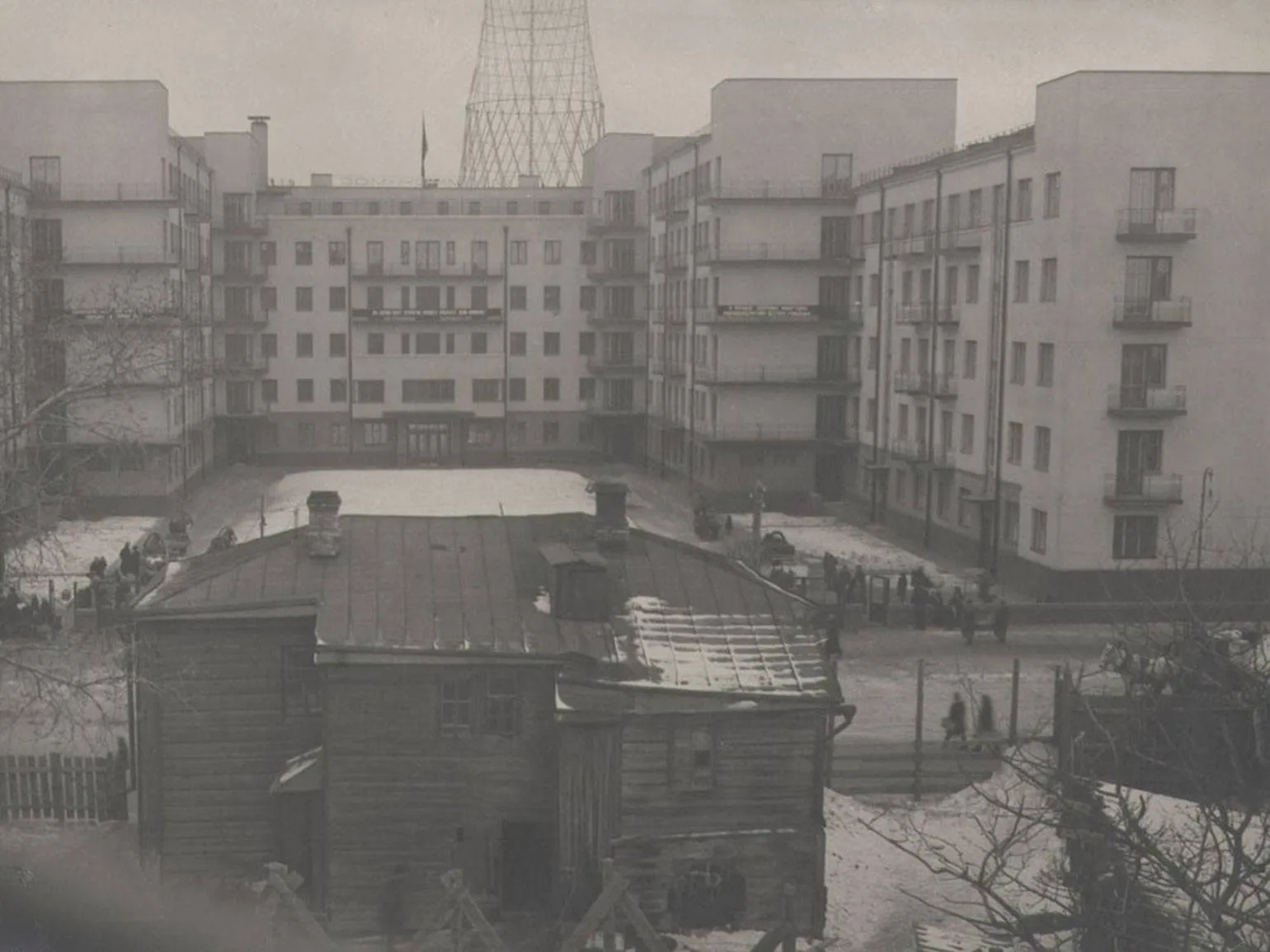
The first communal house in Moscow was built in 1929 in a rapidly developing industrial area located near Shabolovka Street, on Khavskaya Street, now known as Lesteva Street. This project was an important architectural and social experiment, reflecting the ideas of the time about cohabitation and a new format of life. The communal house symbolized the desire to create collective housing where people could not only live but also interact with one another, sharing common spaces and resources.
The communal house project became the subject of active discussion not only among architects and officials, but also among future residents, who contributed their suggestions and wishes. This interaction allows us to create a space that best meets the expectations and needs of its inhabitants, making the project unique and interesting.
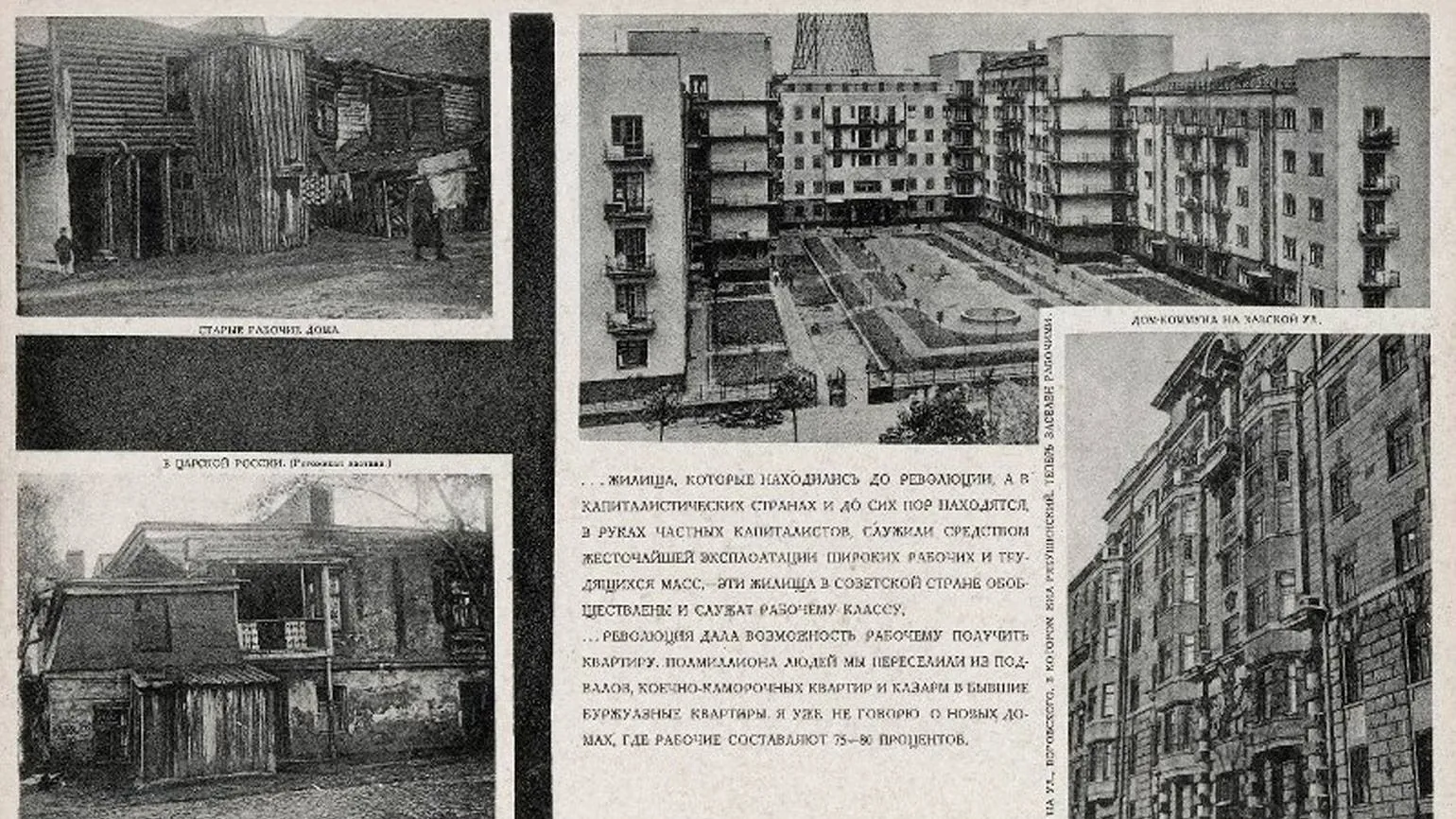
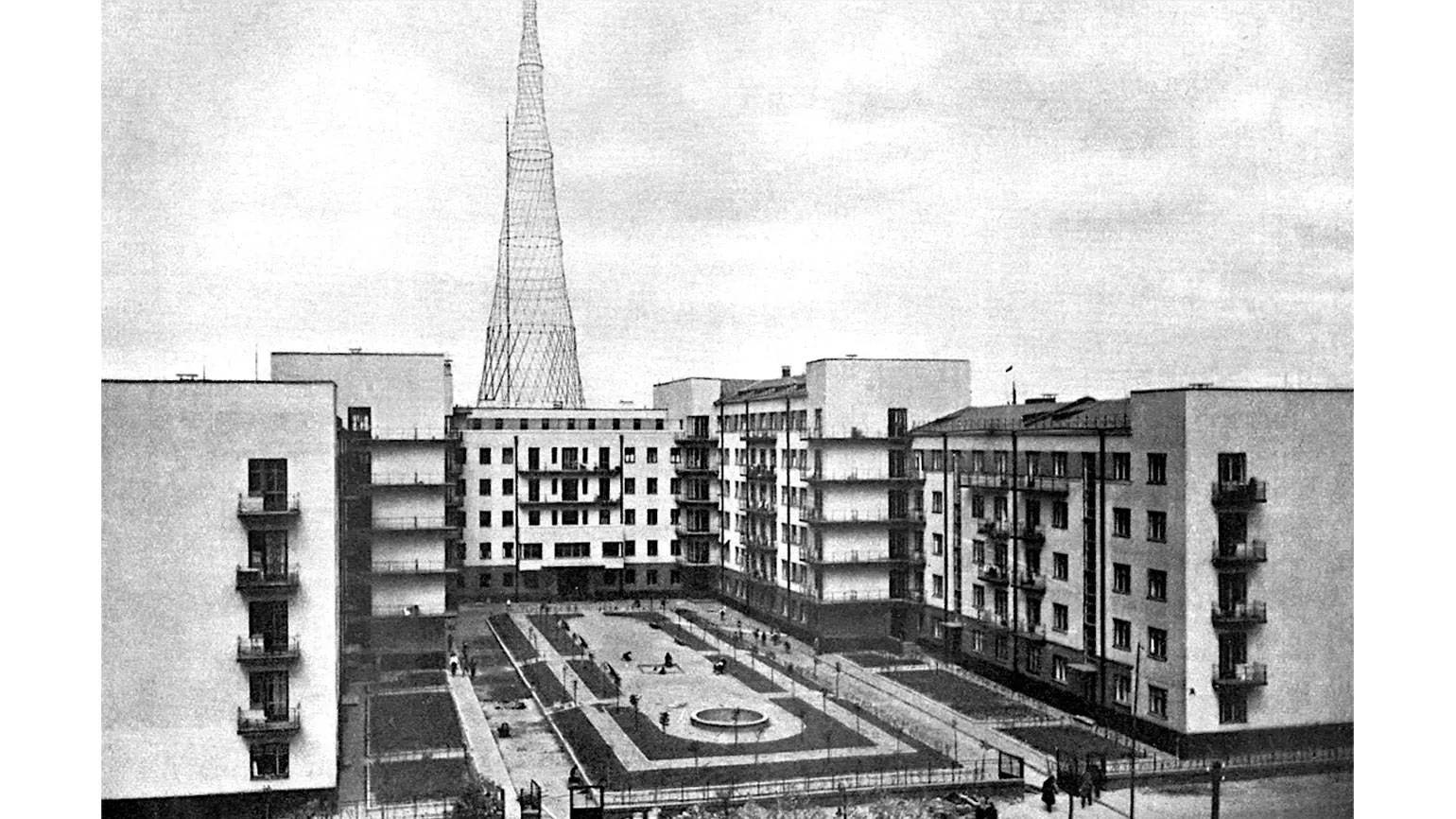
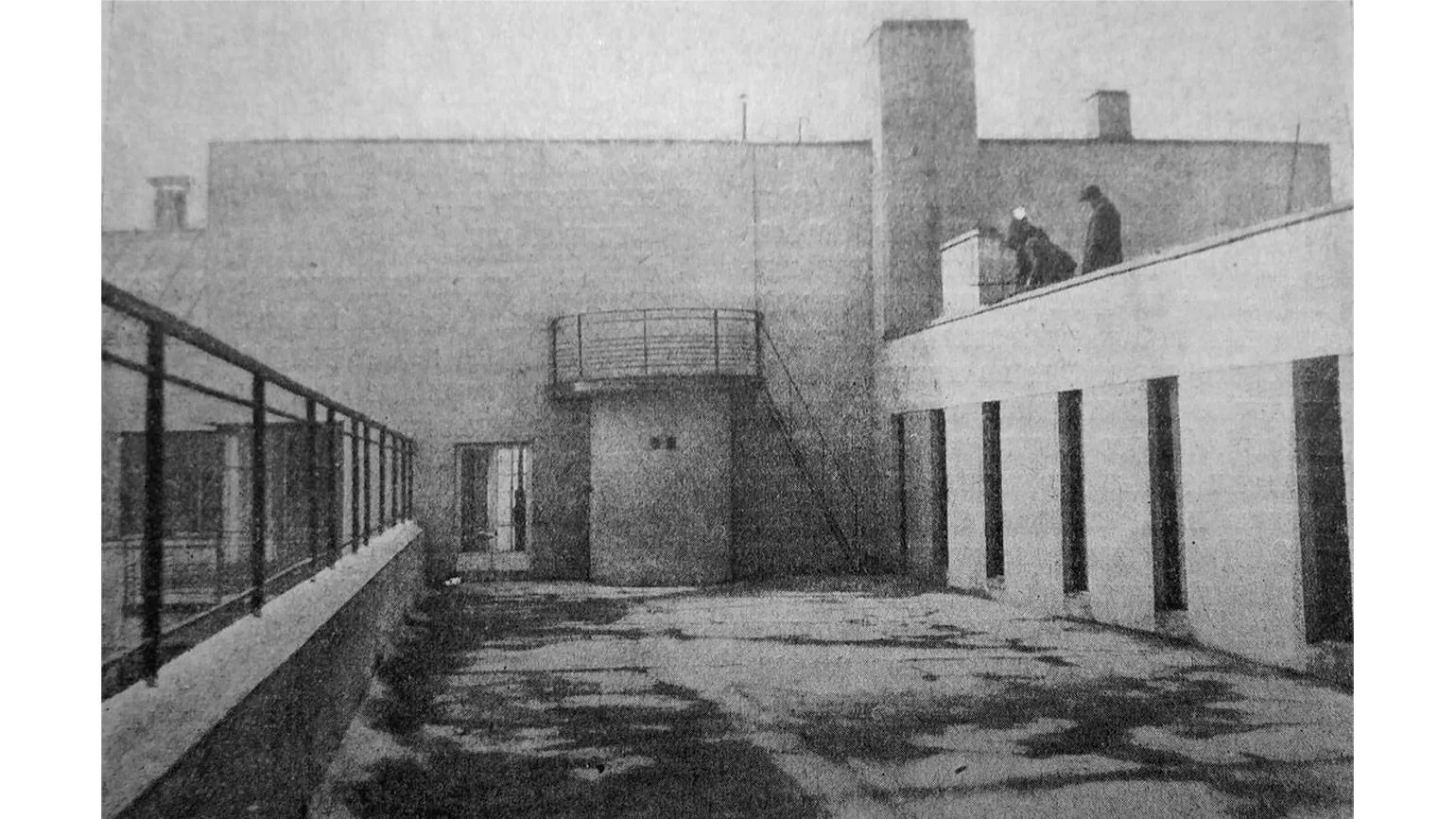
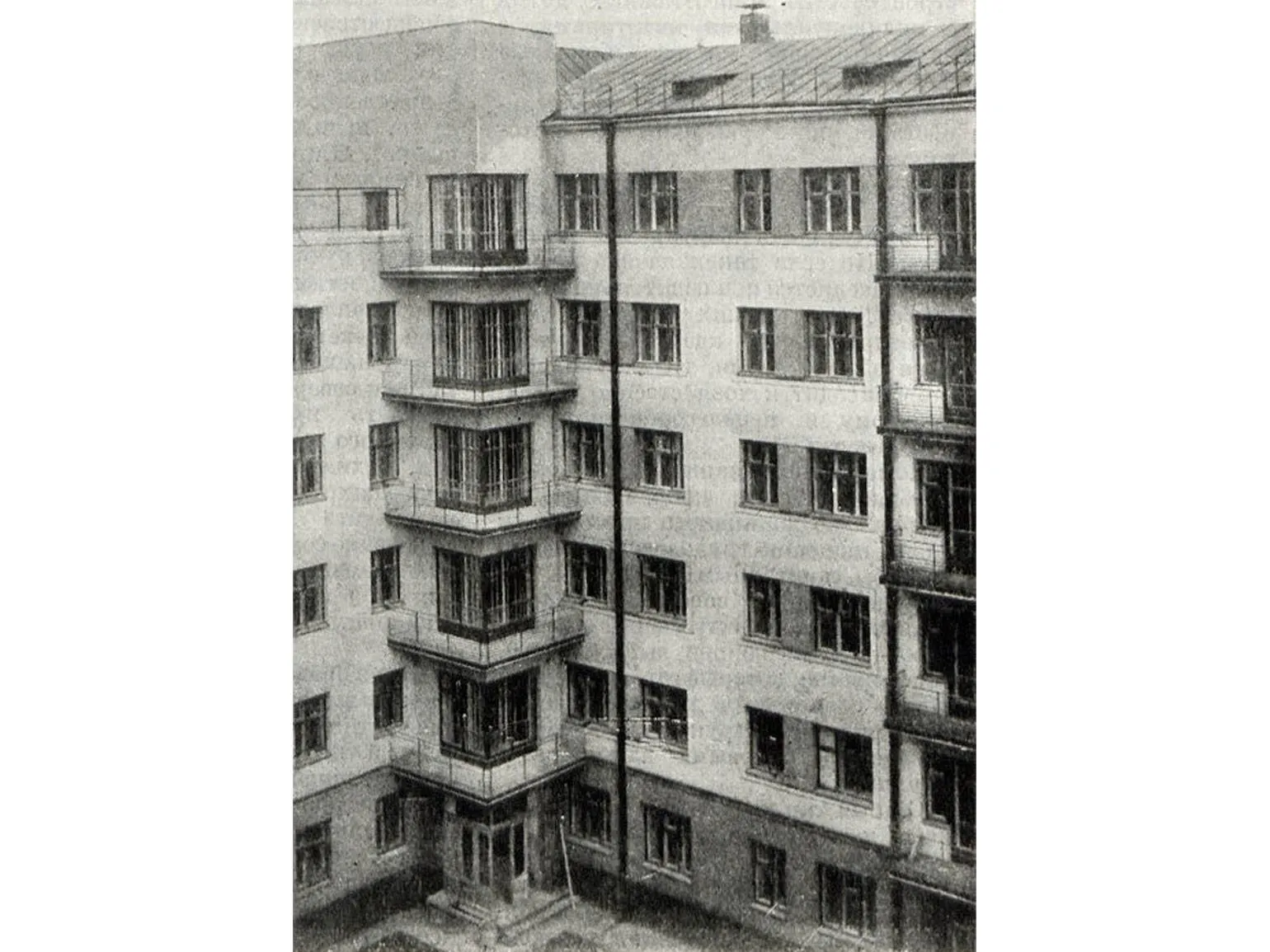
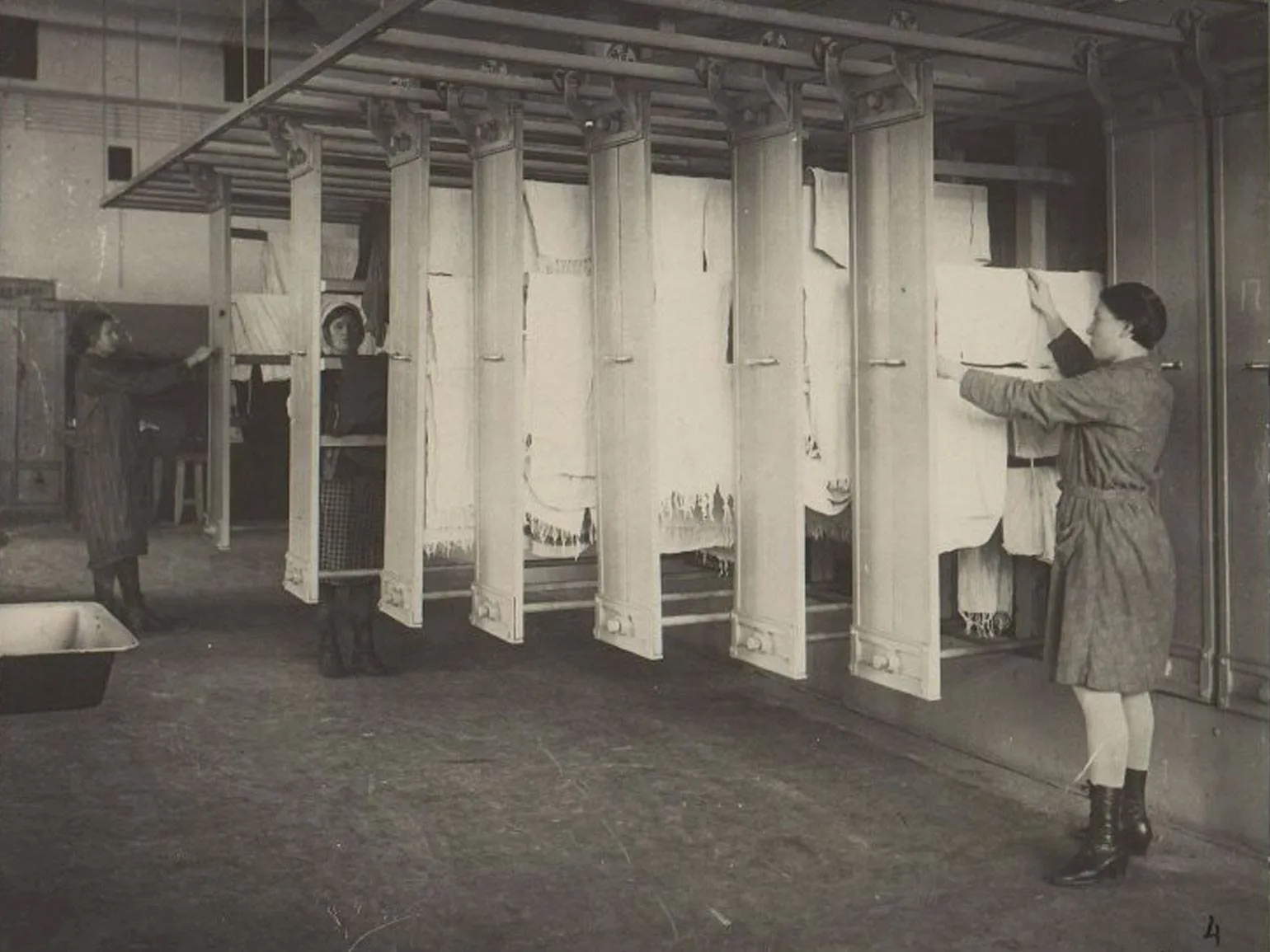
The communal house building was designed as a modern social housing, including a common dining room, laundry, kindergarten and library. These spaces were conceived not only as functional, but also as elements contributing to the creation of a comfortable living environment. The concept is based on Le Corbusier's principles: minimizing everyday chores allows people to focus on work, science, and culture. This approach to spatial organization reflects the desire to create a harmonious society where everyone can develop and realize their potential.
The building was constructed as two blocks. The first block includes 230 residential units without kitchens or bathrooms. These units feature shared bedrooms for 9-12 people, reminiscent of a dormitory format. The second block consists of 40 standard two- and three-bedroom apartments intended for engineers and executives. This approach to organizing living space ensures comfortable living for various categories of residents.
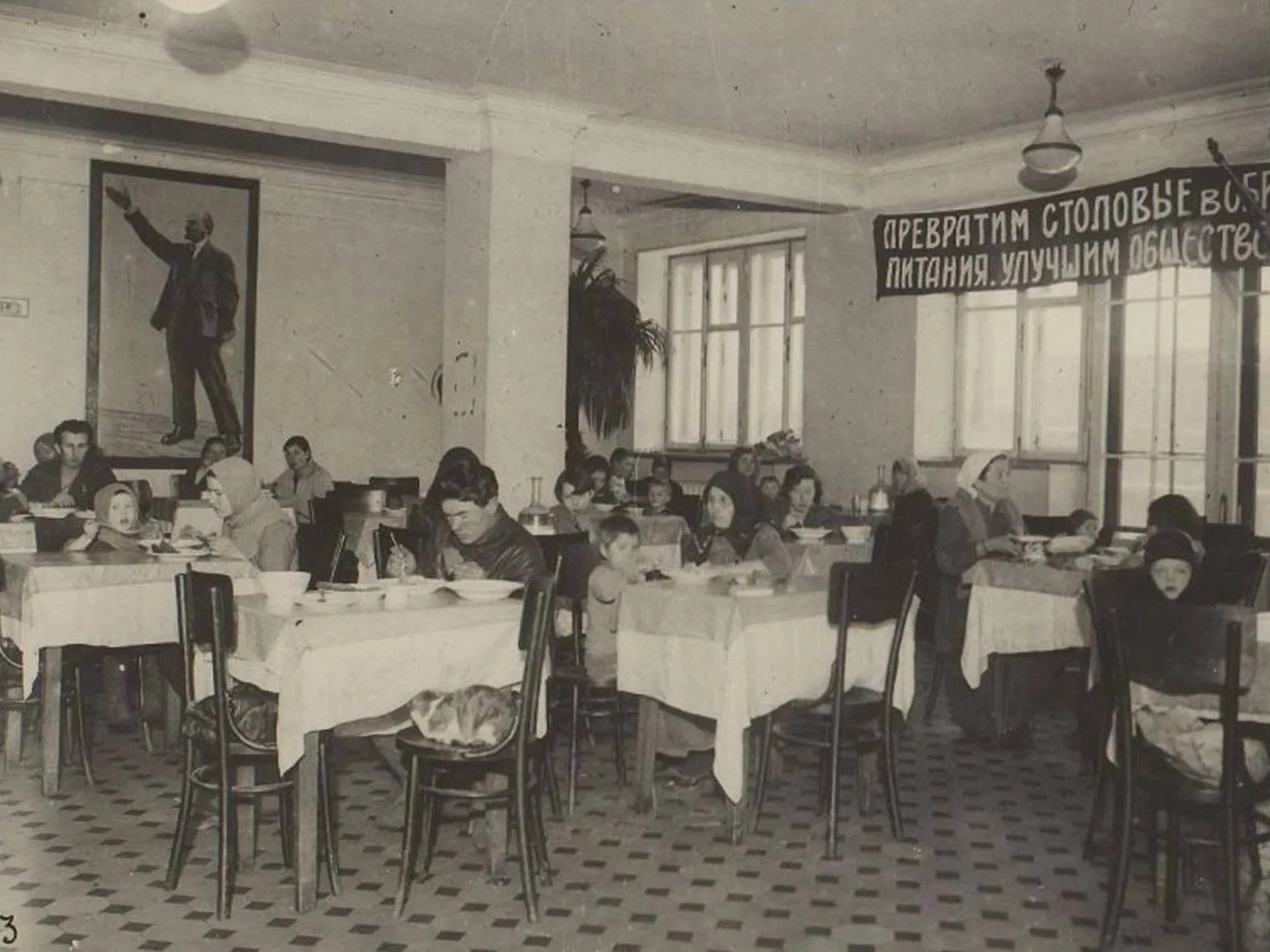
The building became the embodiment of a constructivist utopia in which architecture served social goals and the formation of a new person. The 1930 rules for residents stated that bringing icons was prohibited upon moving in, and that everyone was required to eliminate their illiteracy within a year. This reflects the desire to create a new society, where education and social values played a key role.
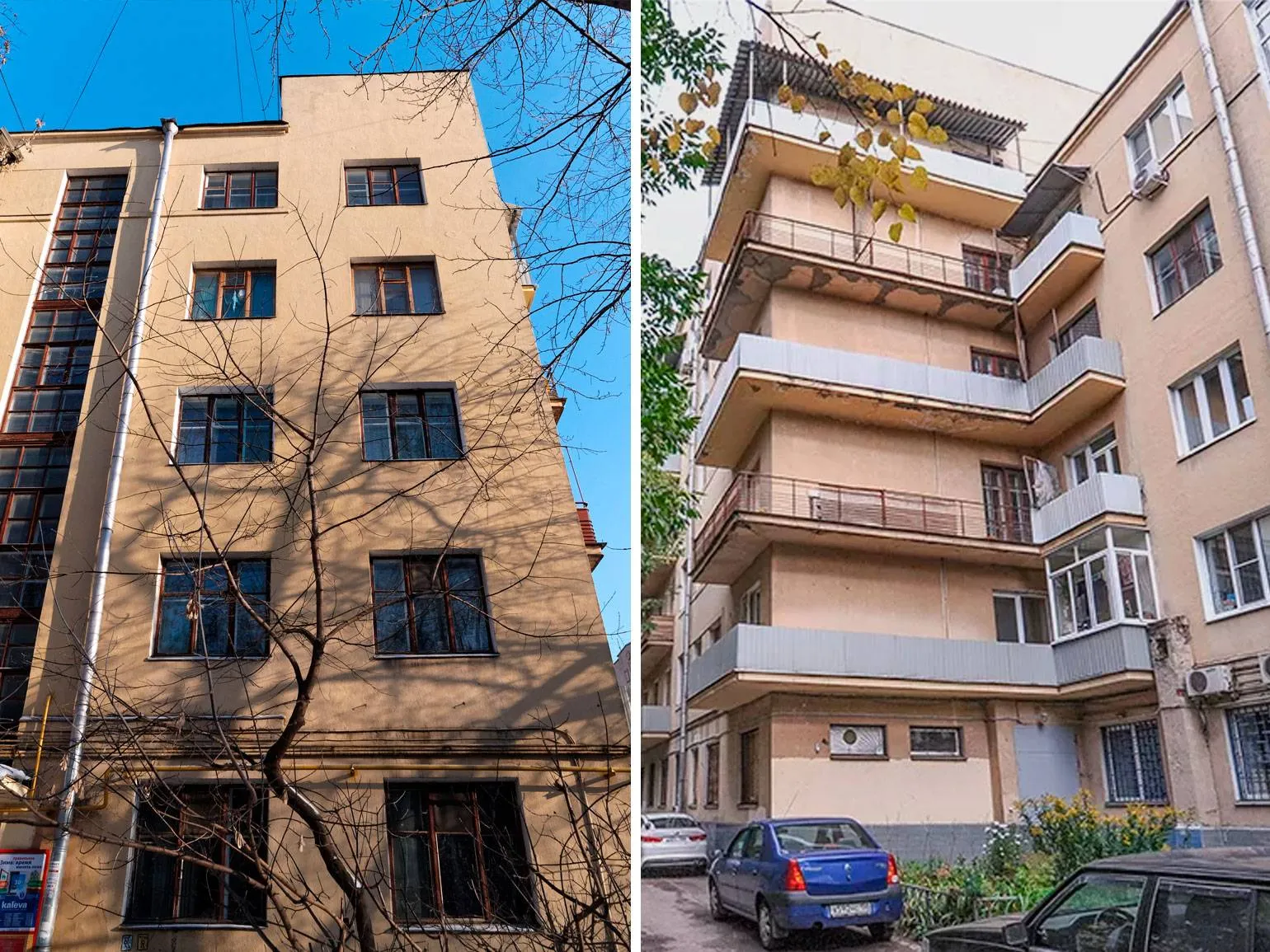
If possible, climb the street stairs. From there, you'll have a view of our next stop—the Shukhov Tower, rising majestically into the sky.
Read also:
The Silk Road to Khrushchev-era buildings: how the USSR became a country of carpets
The Soviet Union, despite its industrial focus, became known Thanks to a variety of carpets. Carpets produced in the USSR became a symbol of home comfort and national culture. Their appearance and spread can be linked to the historical legacy of the Silk Road, which facilitated the exchange of not only goods but also cultural traditions.
Carpets made in various republics of the USSR reflected unique styles and techniques passed down from generation to generation. Carpet production became an important part of the economy, contributing to the development of local crafts and traditions. Khrushchev-era apartments, typical housing for Soviet citizens, were often decorated with carpets, which not only served as a decorative element but also contributed to improved thermal and sound insulation in the apartments.
Today, carpets from the USSR are an intriguing cultural artifact that evokes nostalgia and interest among collectors. Their diversity and quality make Soviet carpets in demand in the modern market, confirming that the traditions and art of carpet production continue to live and develop.
Shukhovskaya Tower
The exact address: Shabolovka Street, 37. This address is located in the city center and is a convenient location for residents and guests of the capital. Shabolovka Street is known for its historical buildings and developed infrastructure. Various shops, cafes and offices are located here. If you are looking for a convenient place to work or live, Shabolovka Street, 37 is an excellent choice.
The year 1922 became an important milestone in history. This period is characterized by significant political, economic and cultural changes that influenced the world community. In 1922, the First World War ended, and many countries began to rebuild their economies and social structures.
At this time, Russia was experiencing significant events related to the Civil War and the formation of the Soviet Union. In other countries, such as Germany and Italy, political tensions were growing, which would later lead to the emergence of totalitarian regimes. Cultural life was also in full swing: literature, art, and music developed, reflecting the spirit of the times and the desire for change.
Thus, 1922 became a year of change that had a long-lasting impact on the political and cultural map of the world.
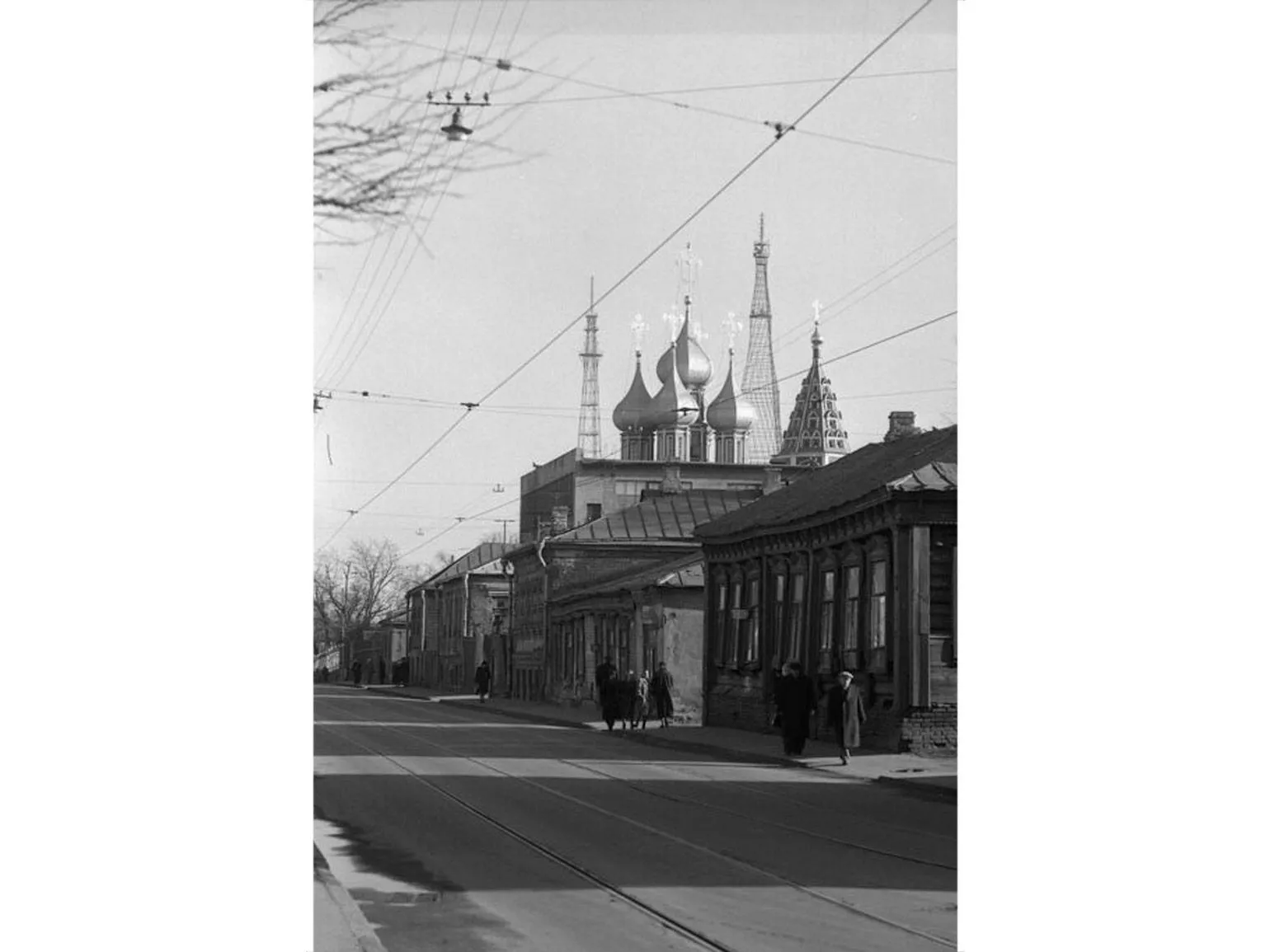
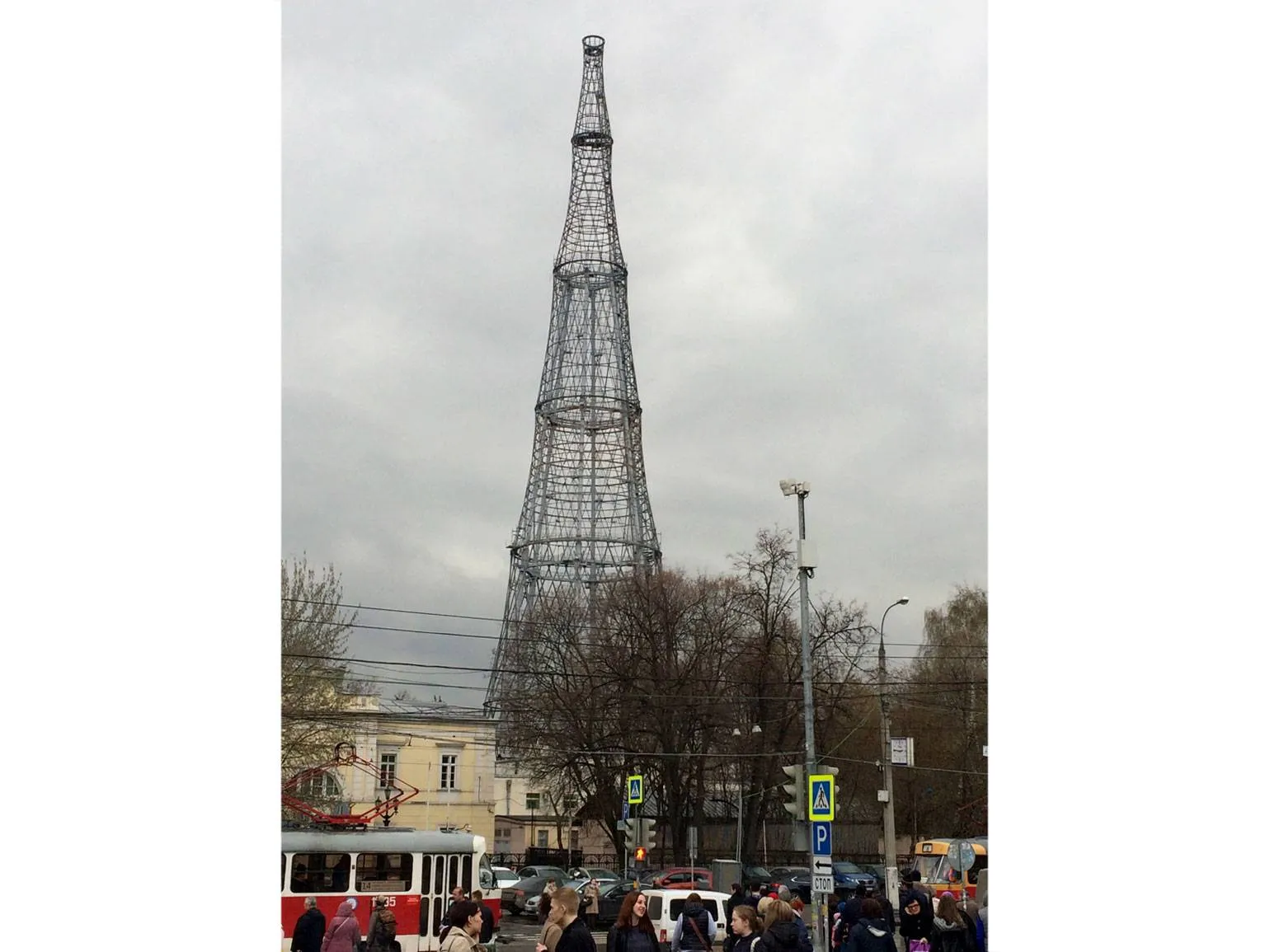
The love affair between architecture and engineering was embodied in Vladimir Shukhov's design. The Comintern Radio Tower, as it was originally called, is one of the most significant technical achievements of the Soviet era. This unique structure combines elegant design and advanced engineering solutions, making it an outstanding example of architectural heritage.
During the tower's construction, sparse and low-rise buildings were located around it. Industrial and residential complexes were just beginning to appear in this area of the Donskoy Monastery. For Muscovites, the 150-meter tower has become a symbol of amazing progress, impressive architecture, and new horizons for urban development.
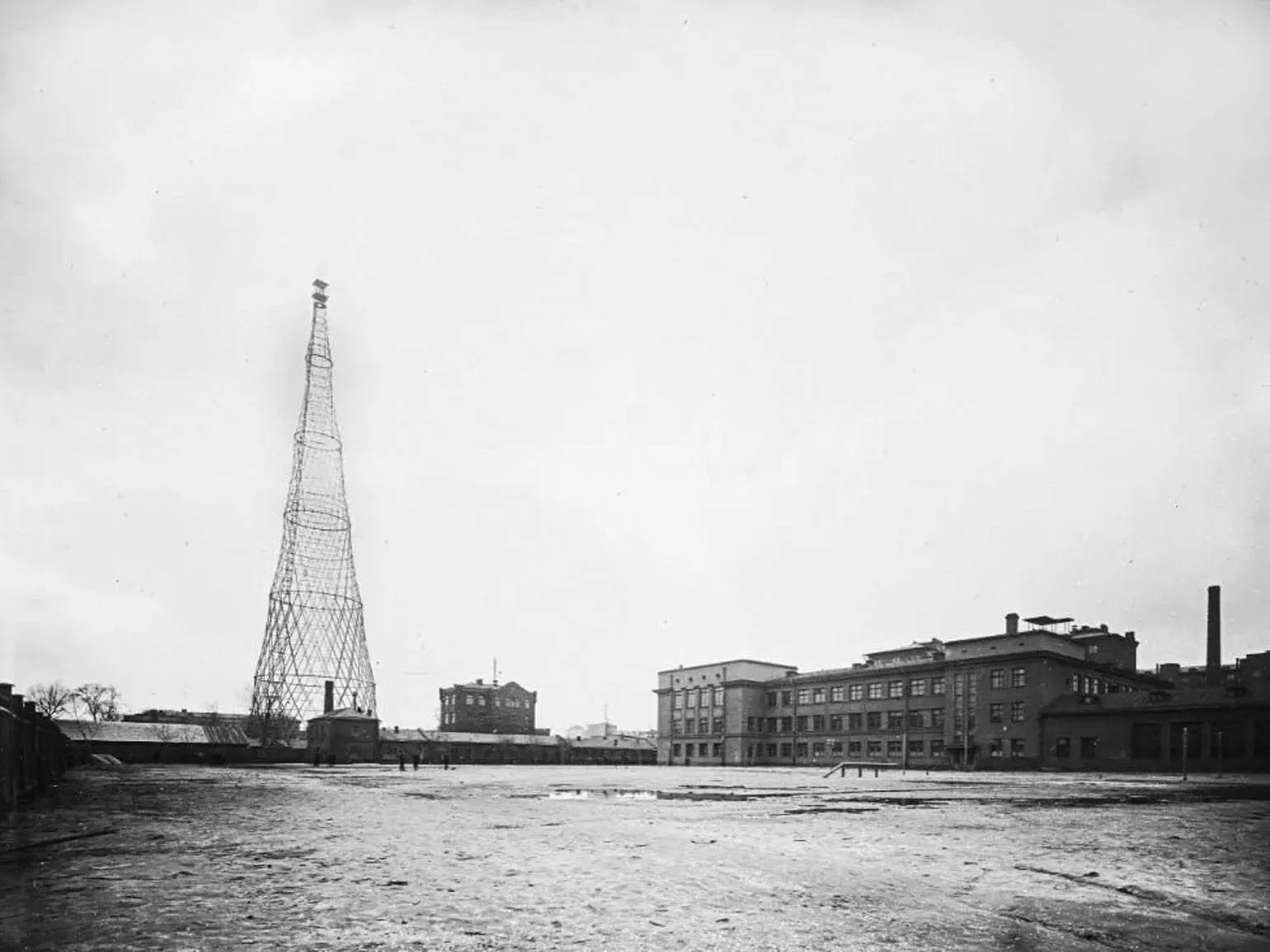
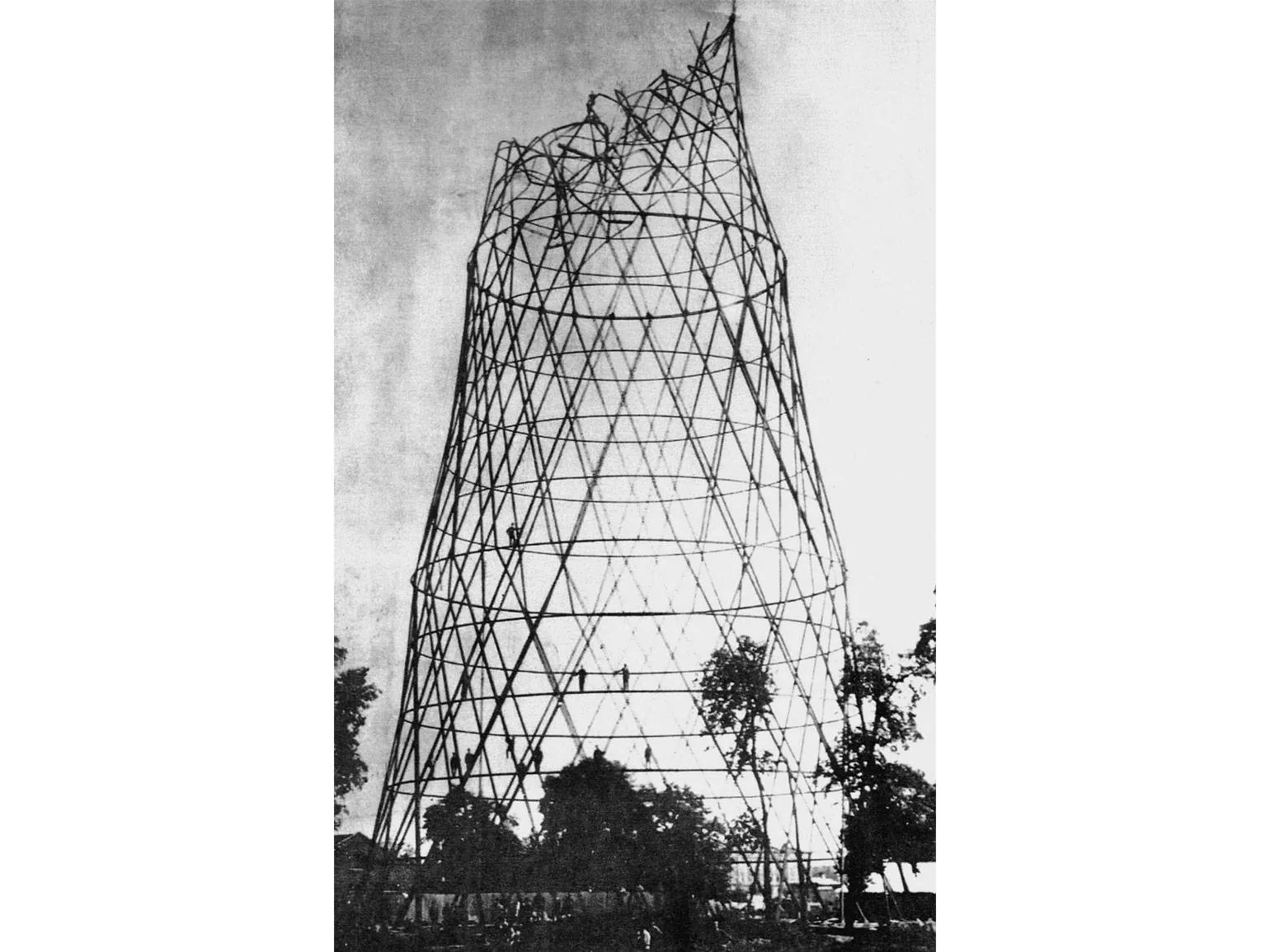
The most modern The young Soviet state needed a radio tower. Shukhov designed it using hyperboloid sections, which were initially assembled on the ground. The second section was mounted inside the first and hoisted upward using cables, and the third and fourth sections were installed in a similar manner. This innovative approach eliminated the use of cranes and scaffolding, making the process more efficient and cost-effective.
Read also:
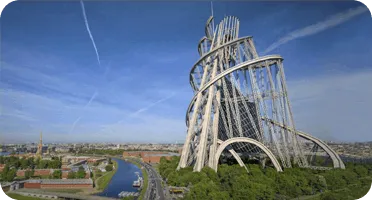
The Tatlin Tower is an iconic project by Russian architect Vladimir Tatlin, which became a symbol of avant-garde architecture of the early 20th century. Completed in 1919, this structure was planned as a monument to the Third International and was to become a functional space for political and cultural events. The tower's height exceeded 400 meters, making it one of the most ambitious architectural projects of its time.
The tower's structure is based on a spiral, symbolizing the pursuit of progress and new ideas. The structure was conceived as a dynamic object that would rotate, providing various functional areas: exhibition spaces, offices, and even a café. Although the tower was never built, its concept had a significant influence on architectural thinking and continues to inspire designers and architects around the world.
Tatlin's Tower became not only a visual expression of new ideologies but also an important stage in the development of 20th-century architectural language, combining elements of constructivism and futurism. The project demonstrates how architecture can serve not only aesthetic but also social purposes, reflecting the spirit of the times.
Today, the Tatlin Tower is considered a cultural and historical monument, symbolizing the desire for innovation and new ideas in architecture.
Kosygin Russian State University
Address: Malaya Kaluzhskaya Street, 1. This property is located in the city center and is easily accessible to visitors. Malaya Kaluzhskaya Street is known for its infrastructure and proximity to major transport hubs. If you need to know more about this location or its features, we are ready to provide detailed information.
The year 1976 became an important milestone in history, marked by significant events and achievements in various fields. That year, many cultural, political and social changes took place that influenced the following decades. In the field of art and music, 1976 became a time of vibrant experiments and new directions, which was reflected in the work of many famous performers. The political events of that year also left a noticeable mark, shaping public opinion and influencing international relations. The year 1976 provides an important historical context that is worth studying to understand the present.
Until 2012, the institution was called the A.N. Kosygin Moscow State Textile University. From 1920 to 1991, it functioned as the Moscow Textile Institute. The university's main building is located on Malaya Kaluzhskaya Street. The university is one of the leading educational institutions in the field of textile industry and design, offering a wide range of educational programs and conducting research in this field.
This academic building is an architectural embodiment of the textile industry. It not only serves an educational purpose but also highlights the importance of the textile industry in the modern world. Here, students can gain practical knowledge and skills necessary for a successful career in the textile industry. The building's unique design inspires creativity and innovation, reflecting the dynamism and development of textile production.
In the 1960s, the Soviet Union saw rapid growth in the production of synthetic fabrics, and the Textile Institute played a key role in this. Graduates of the Institute were involved in equipment design and the development of innovative materials. By the end of the 1970s, a new building in the modernist style was constructed for the Textile Institute, which became a symbol of progress in the textile industry.
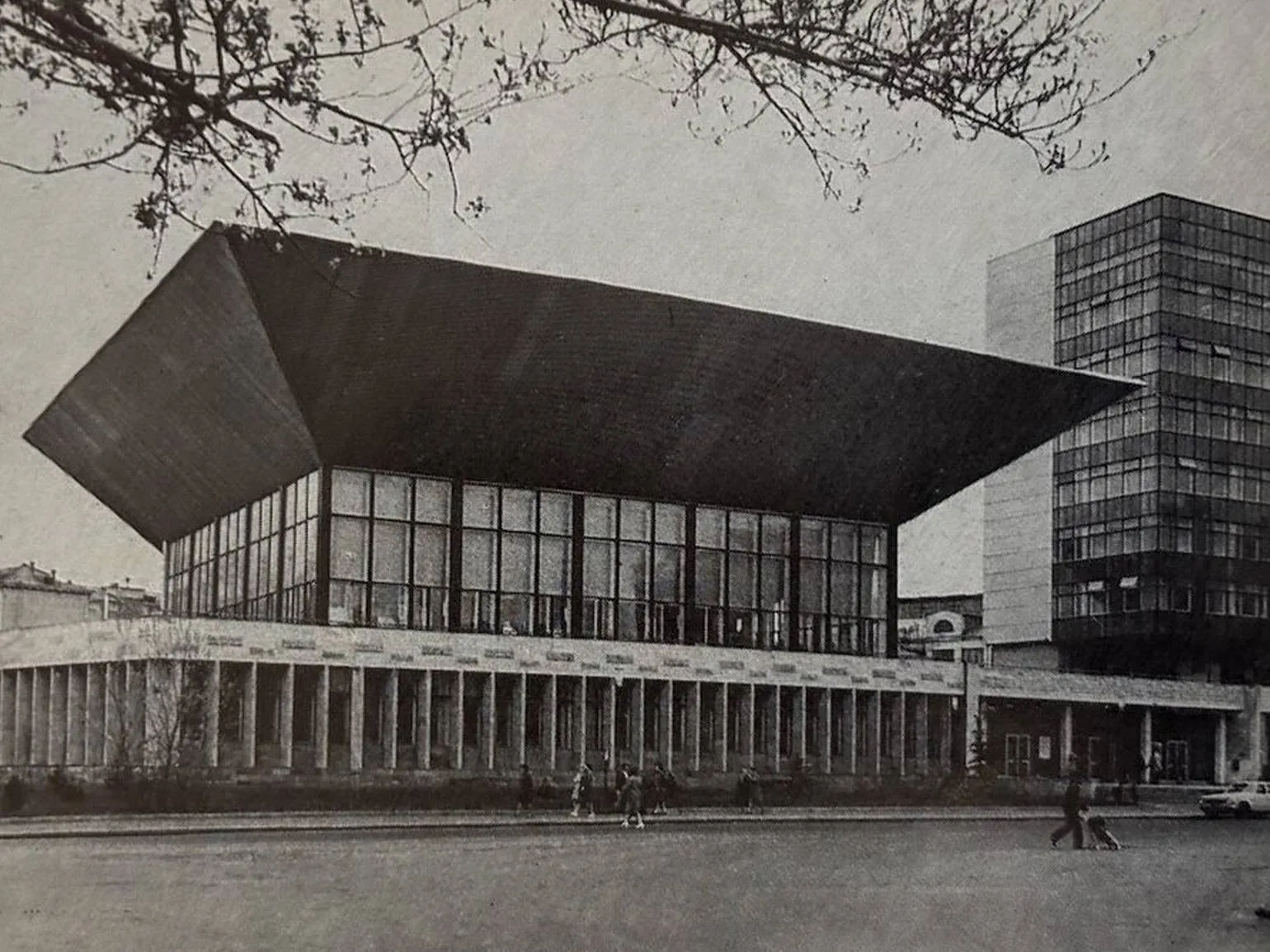
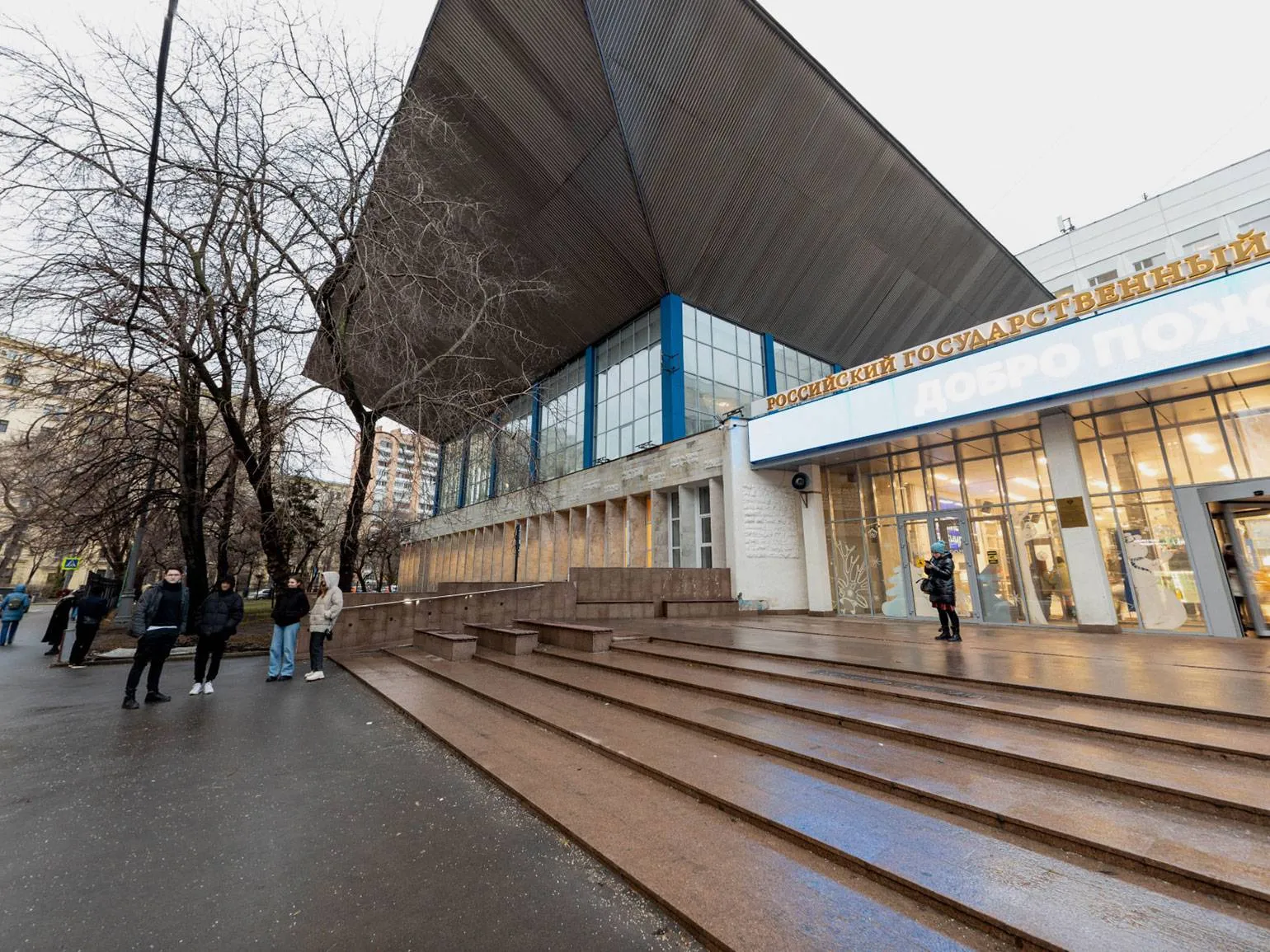
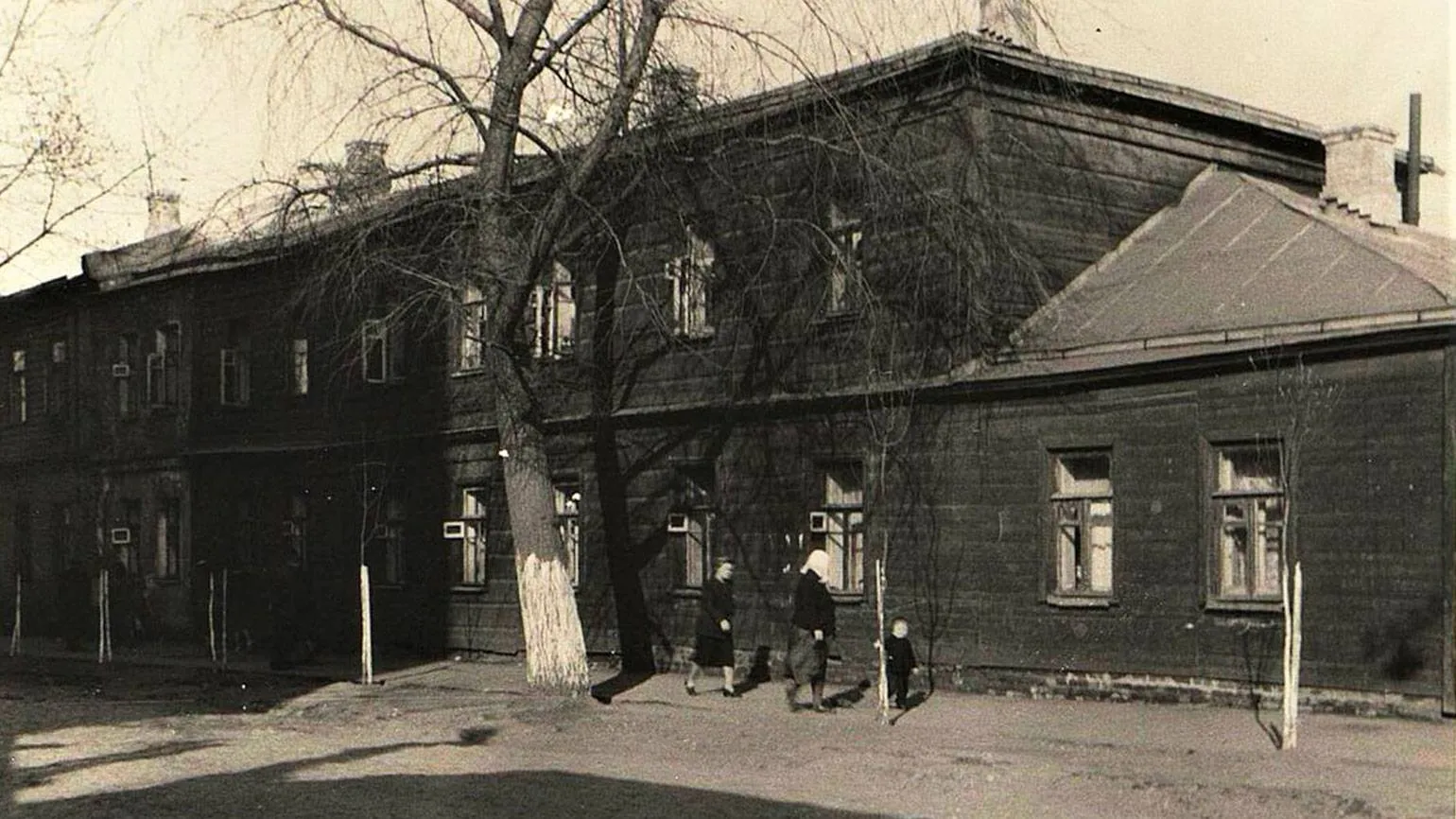
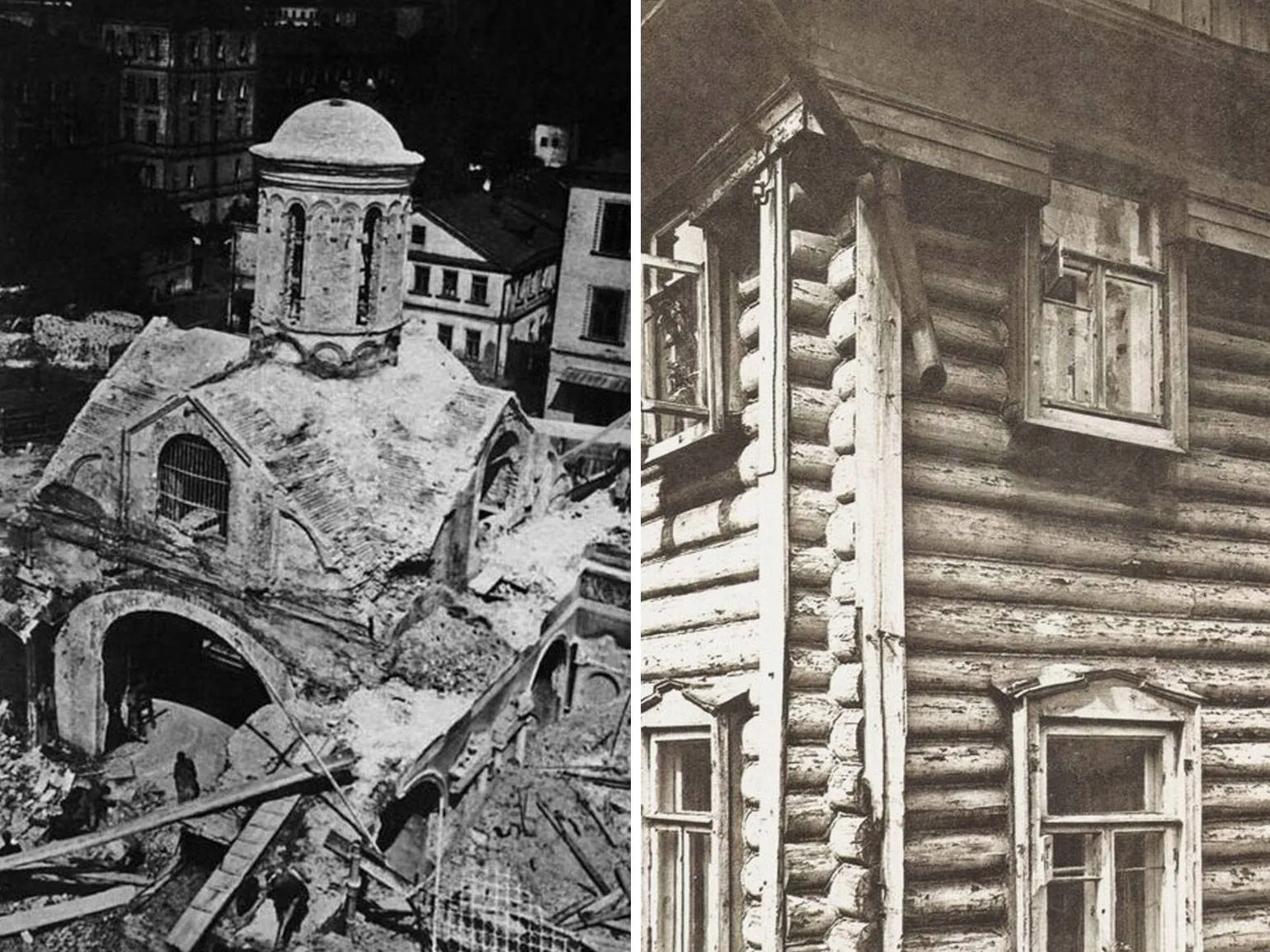
In order to improve functionality and aesthetics, it was decided to demolish wooden and brick buildings that previously served as housing for workers of the Red Proletarian factory, which was known before the revolution as Bromley Brothers Mechanical Plant. This decision is due to the need to modernize the site and improve conditions for production activities.
To get to the final point, located next to the Textile Institute, find the stop "Akademika Petrovsky Street". Take bus E10 and go to the stop "Metro Lubyanka". After exiting the metro, walk up Myasnitskaya Street, where your final destination awaits.
Finish: Tsentrosoyuz Building
The exact address is Myasnitskaya Street, 39, Building 1. This address is located in the city center and is a convenient location for visiting various institutions and organizations. Myasnitskaya Street is known for its historical heritage and developed infrastructure, which makes it attractive for living and doing business.
The period from 1928 to 1936 is an important stage in history, encompassing significant events and changes. This time period was marked by both social and political transformations that influenced the development of society. During this time, important historical events took place that shaped the political map of the world. These years witnessed the struggle for rights and freedoms, as well as economic changes that shaped the future of various countries. Exploring the events of 1928-1936 allows us to gain a deeper understanding of the context and consequences of those years, as well as their impact on modern times.
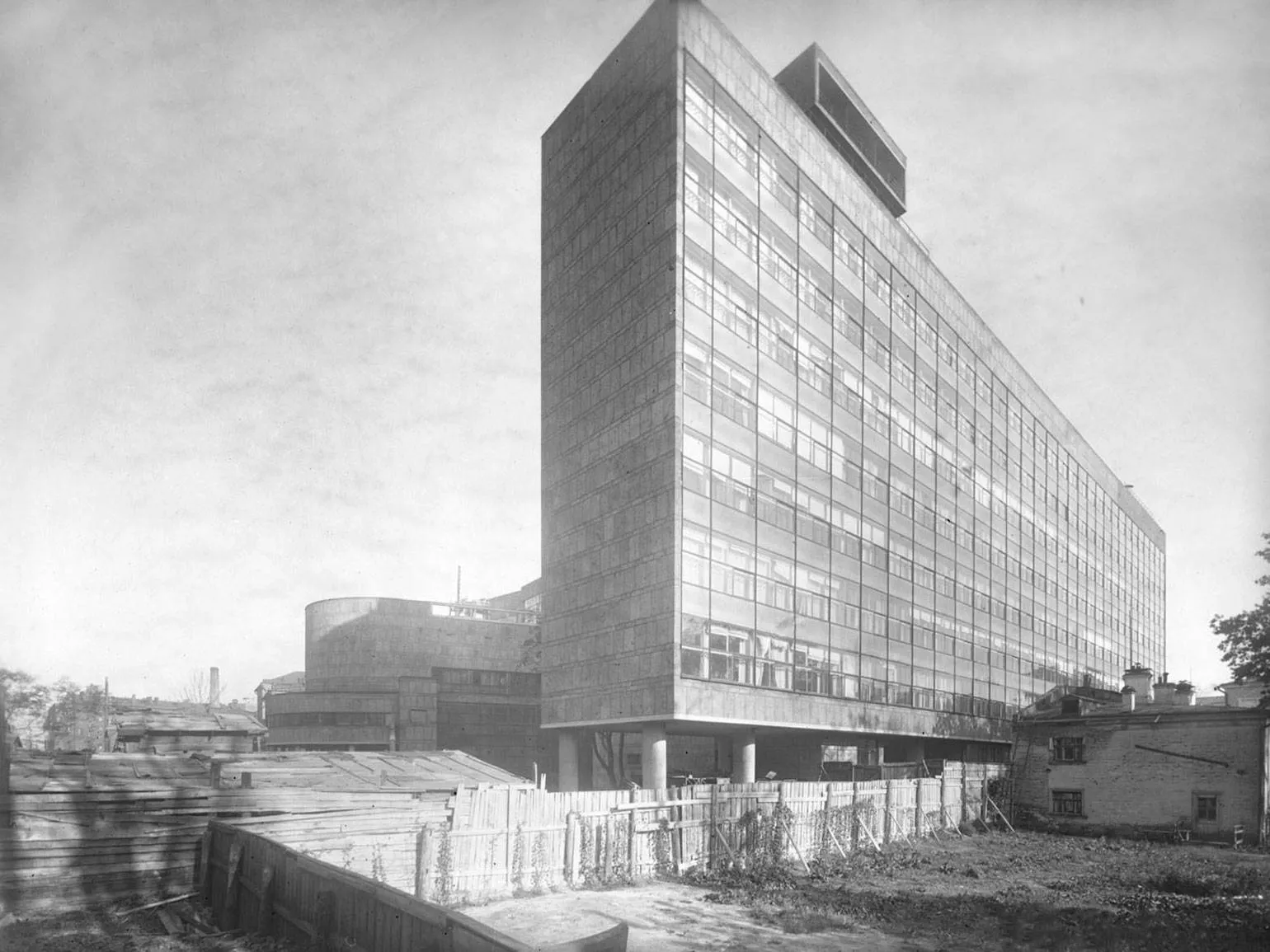
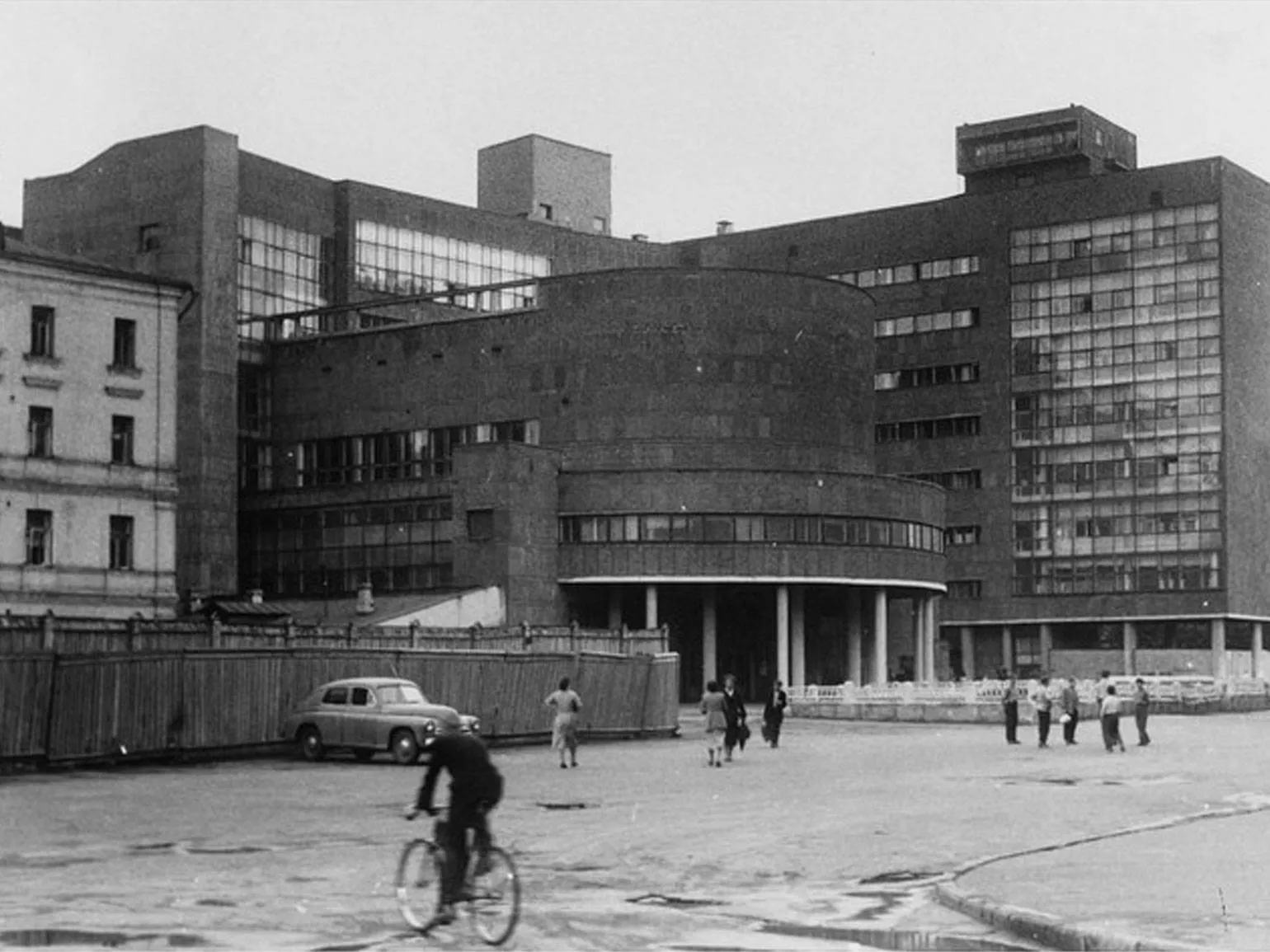
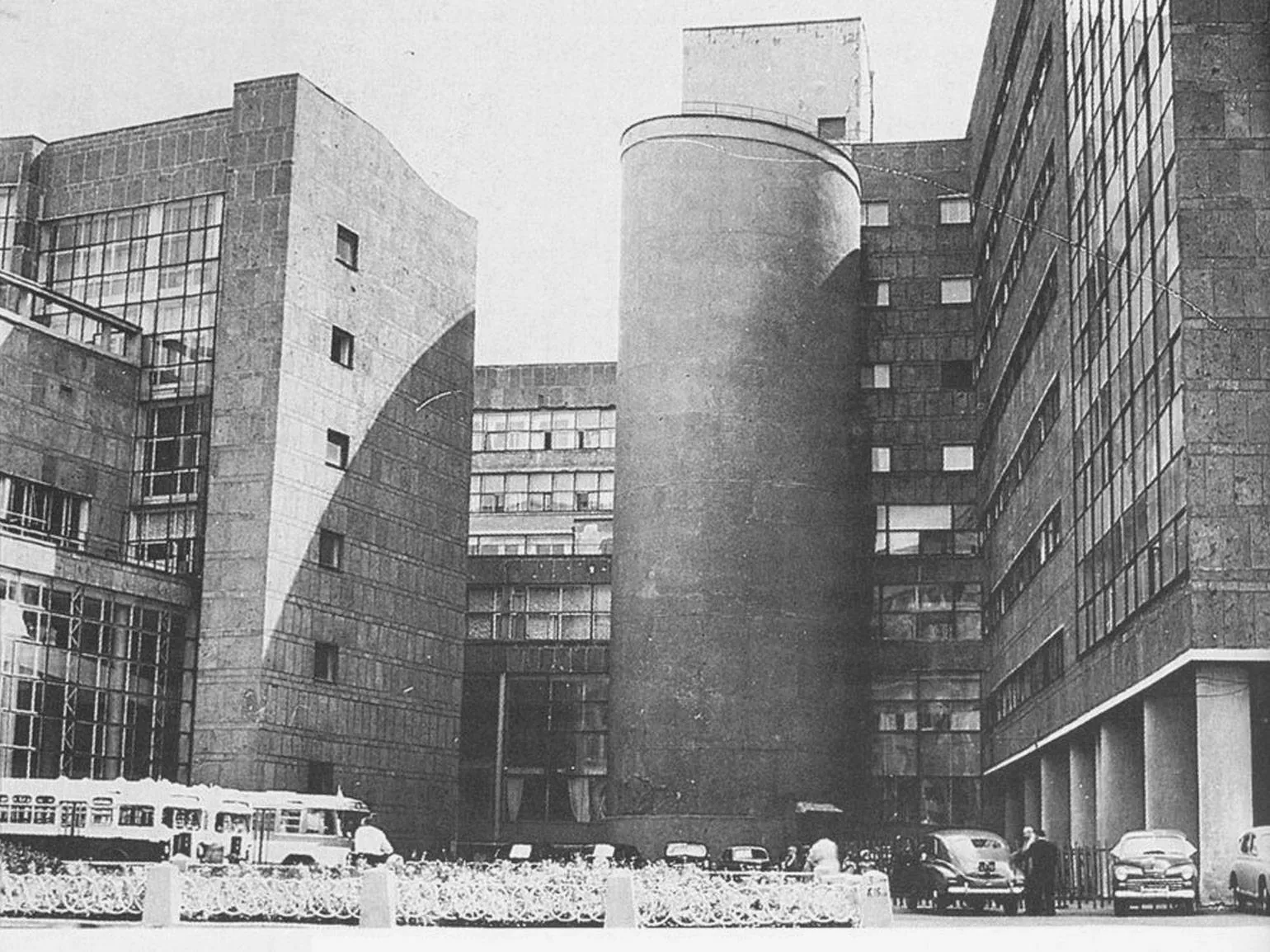
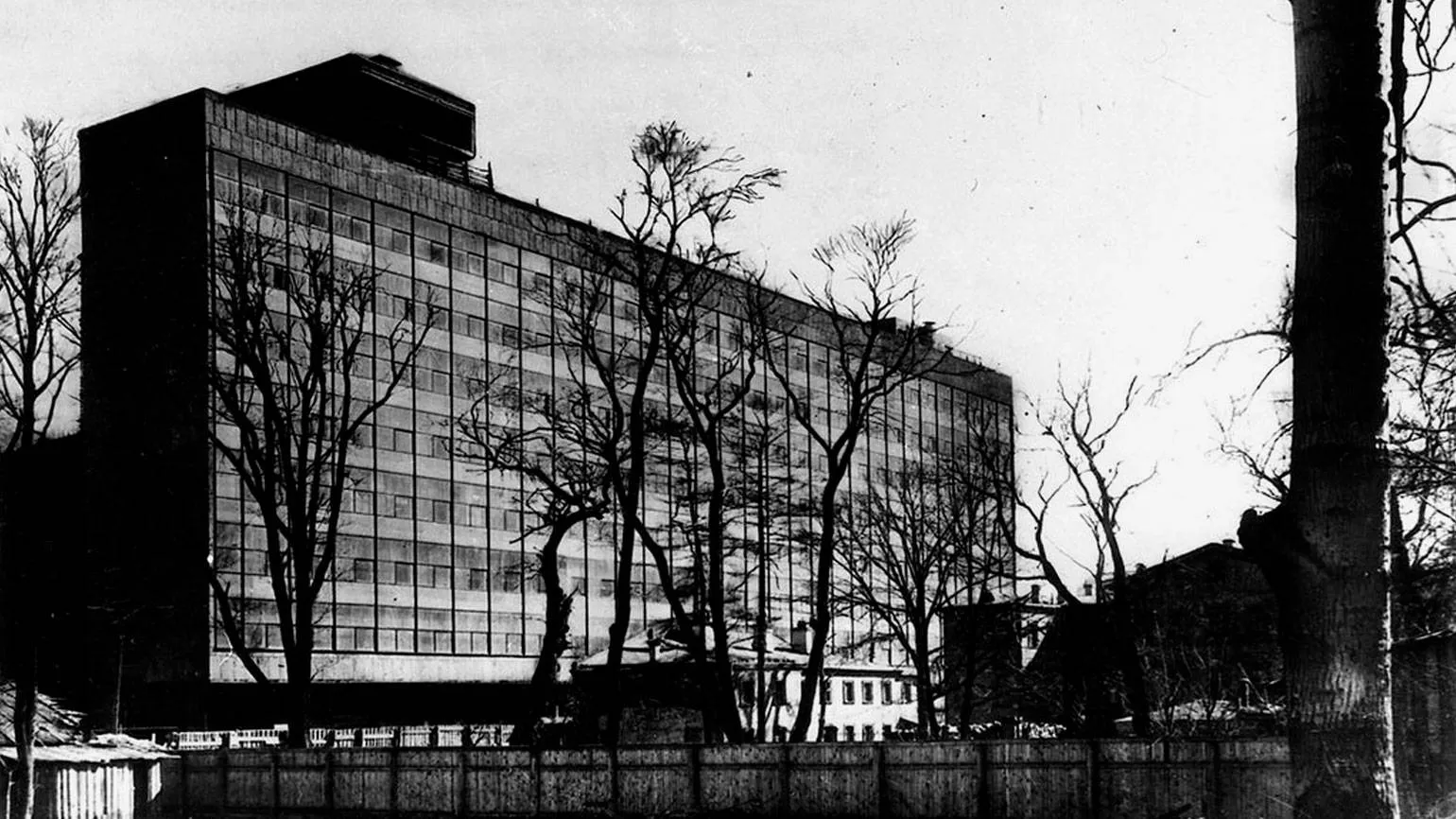
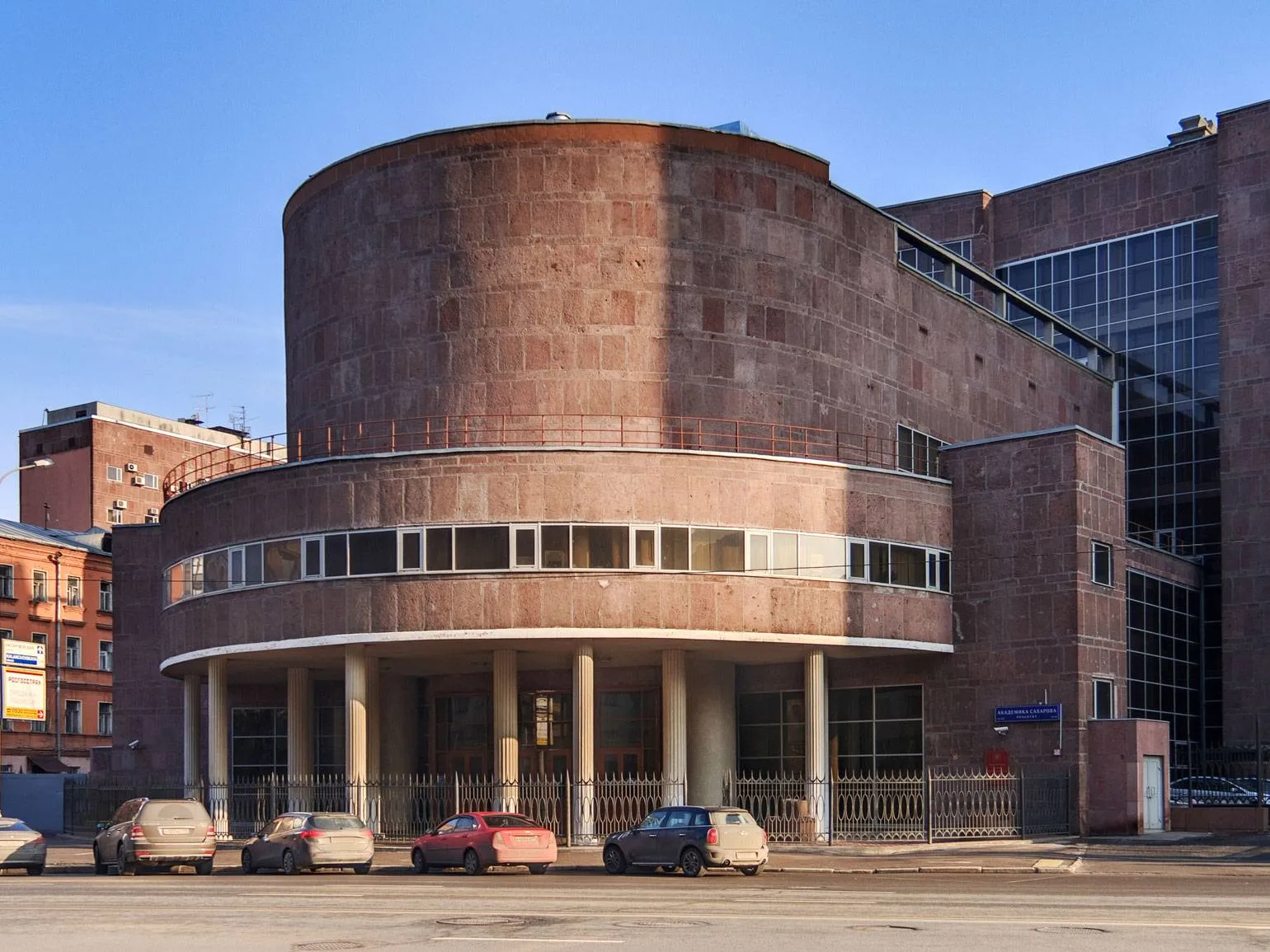
Our route concludes at the Centrosoyuz building, formerly known as the People's Commissariat of Light Industry. It is one of the most outstanding architectural works of the 20th century in Russia. Designed by the renowned architect Le Corbusier and his student, Nikolai Colli, it is the only project by the great French master completed in the USSR. The architectural solutions used in this building still arouse interest and admiration, emphasizing the uniqueness of the style and innovative approaches of that time.
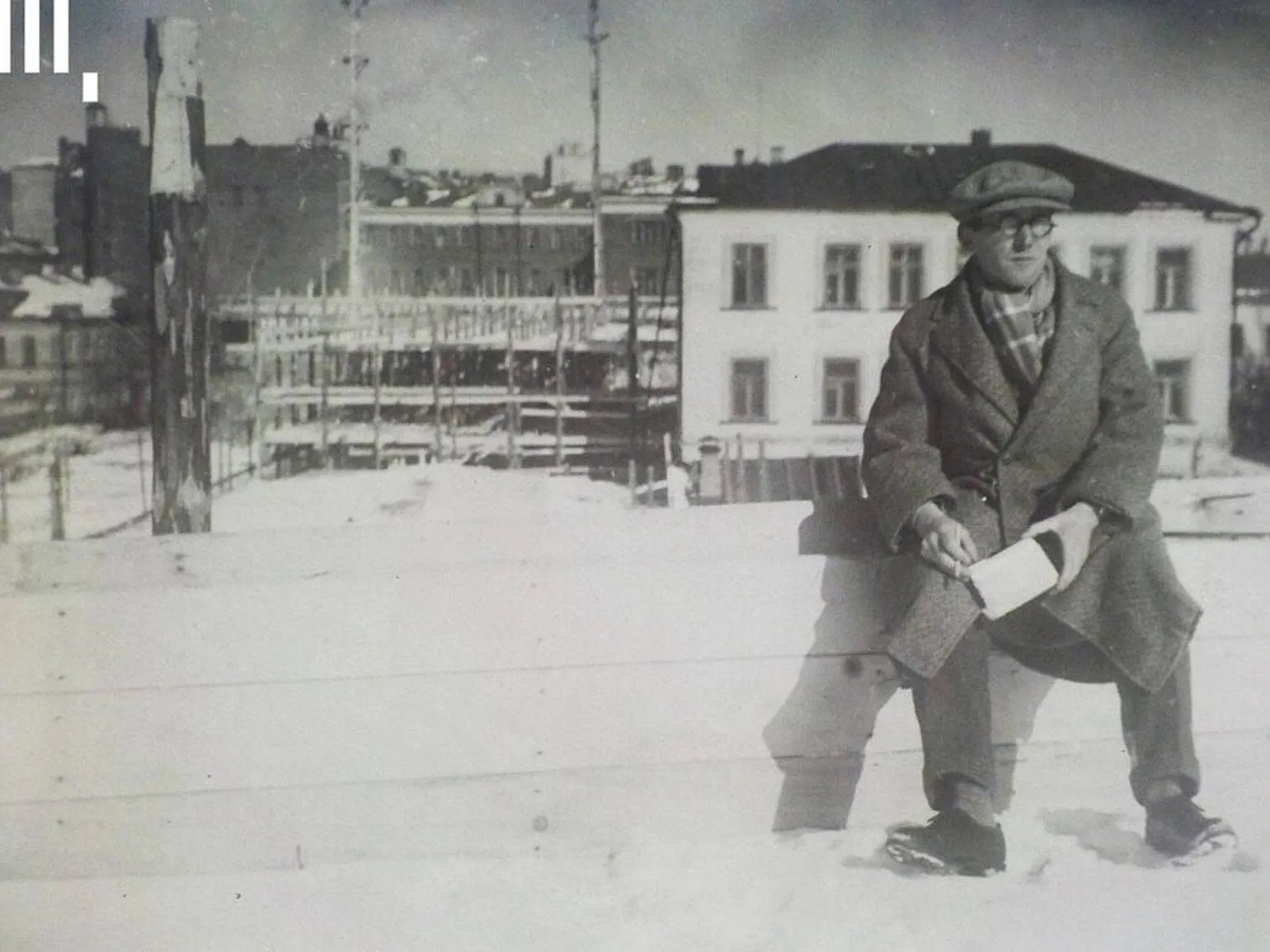
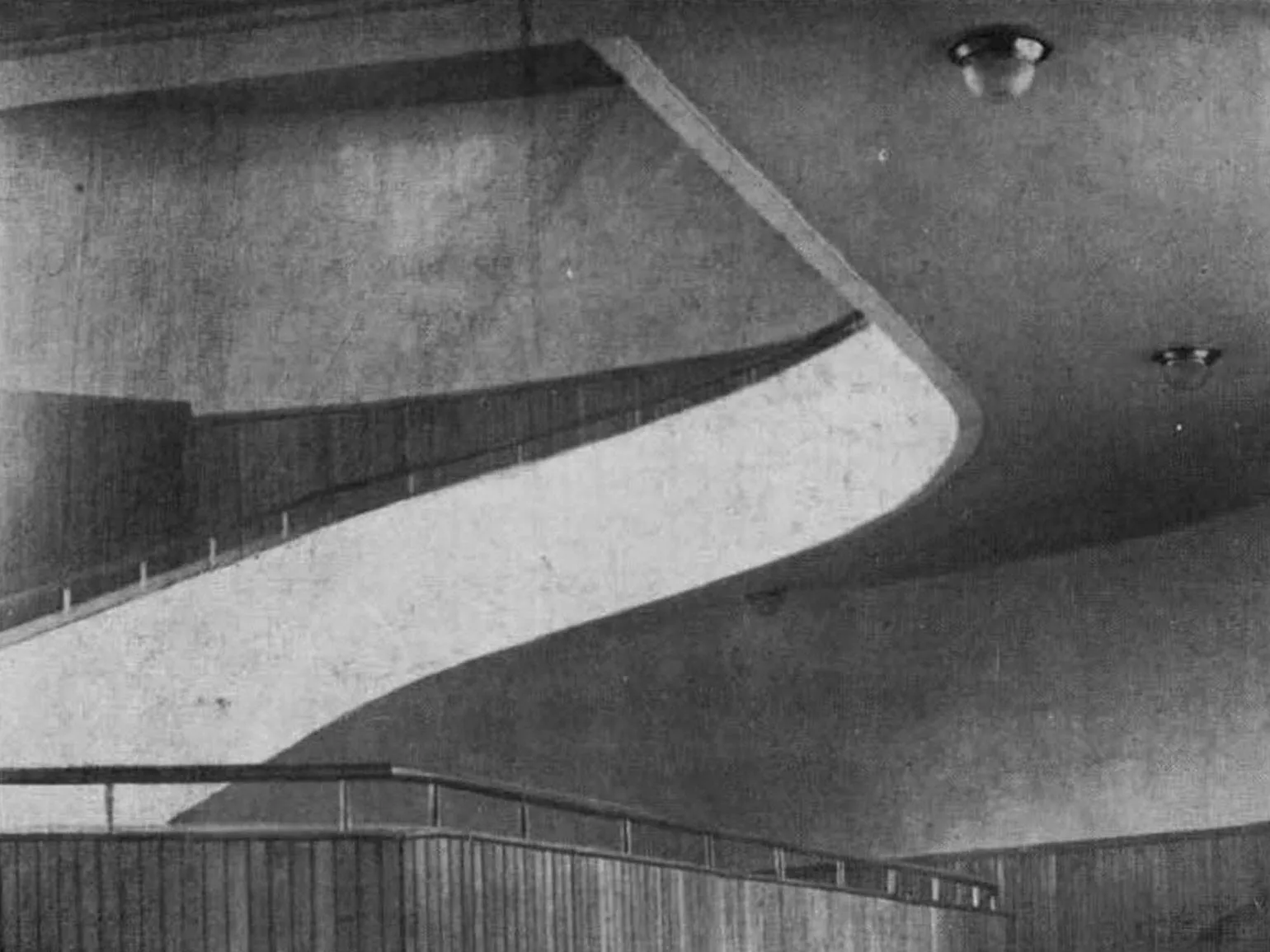
Column-like legs, flat roofs, ribbon glazing, and an open interior layout are key elements of modernist architecture. Particularly noteworthy are the ramps that connect the fifth and first floors, replacing traditional staircases. This design element symbolizes a move into the future, emphasizing an innovative approach to space and functionality. Architectural solutions in the modernist style are not only aesthetically pleasing but also practical, creating comfortable living and working conditions.
Reading is an important part of our lives, and understanding its importance cannot be overestimated. It enriches our inner world, develops thinking and promotes personal growth. In addition, reading helps improve concentration and memory, which is useful both in studies and in professional activities. It is important to choose quality sources of information to get the most out of reading. Books, articles, and scientific research can become reliable companions on the path to self-improvement and broadening your horizons.
Continue to explore the world of literature and discover new horizons. Reading not only strengthens knowledge but also inspires creative achievement. Don't miss the opportunity to make reading an integral part of your life.
Narkomfin Building: The Fate of an Architectural Utopia
The Narkomfin Building, built between 1928 and 1930, is a striking example of constructivism and a symbol of the architectural utopia of its time. This unique residential complex was conceived as an ideal space for living and working, reflecting revolutionary ideas about the socialist way of life. However, over time, the building underwent significant changes and faced a number of problems.
Despite the original concept of comfortable and functional housing, the Narkomfin Building lay in disrepair for a long time. Gradually, its architectural and historical value began to be lost. In recent decades, the building has attracted the attention of both architectural researchers and activists advocating for its restoration and preservation. Today, the Narkomfin Building has once again become a source of interest. A restoration project aimed at returning the building to its original appearance is being actively discussed and implemented. This is not only an attempt to preserve the architectural heritage but also a restoration of the utopian ideas embodied in the design. The Narkomfin Building continues to be an important part of the architectural debate and a symbol of the search for something new in the urban environment.
Learn more about design by subscribing to our Telegram channel. Here you will find current trends, tips, and inspiration in the field of design. Join our community to stay up-to-date with the latest news and receive useful recommendations.
Of course, I am ready to help with the text revision. Please provide the text itself to be edited.
- Gesamtkunstwerk GZ: How the Moscow State University high-rise was built
- One of the capital's main losses. An excerpt from the book "Vanished Moscow"
- Creative ghetto: how the literary town of Peredelkino appeared and what it became
- Half-timbered building: what kind of architectural style is this?
Profession Graphic Designer PRO
You Learn to create branding elements and graphics for your business. You'll build a portfolio that reflects your style and demonstrates your design skills. You can start a career in a studio or as a freelancer.
Find out more