
Contents:
- What is a behavioral pattern in psychology?
- Pattern in graphic design: what does it mean?
- What does an African pattern look like?
- How are unique patterns created?
- What are generative patterns and how are they changing the world of design?
- How can generative patterns be used in the interior?
- Where else are patterns used?
- New horizons: unique generative patterns in design
- Pattern Making: Simplicity or Art?
- Why Have Patterns Become Such a Popular Choice?
- What is the Difference Between a Texture and a Pattern?
- Frequently Asked Questions About Textures and Patterns
- How to Create a Seamless Texture: A Step-by-Step Guide
- Modern Trends in Using Seamless Textures
- Can Patterns Be Animated?
Top 4 professions in design: learn in 5 days!
Learn moreWhat is a behavioral pattern in psychology?
In psychology, the term "behavioral pattern" describes a stable sequence of actions characteristic of a person in different situations. This is a key concept that allows for a deeper understanding of the mechanisms of habit and reaction formation. Understanding behavioral patterns helps analyze and predict behavior, which is an important aspect in both personal and professional life. Studying these patterns can help identify problems and find effective strategies for solving them.
In UX design, the term "pattern" refers to the habits and behavior of users. Analyzing these patterns helps designers develop intuitive interfaces that improve the user experience. Understanding how users interact with products allows us to create more effective and attractive solutions that meet the needs of our audience.
Pattern in Graphic Design: What Does It Mean?
In graphic design, the term "pattern" refers to seamless patterns consisting of repeating elements. Such patterns are widely used to create textures, backgrounds, and other visual components that add depth and appeal to designs. Patterns can range from simple geometric shapes to complex, detailed images, allowing designers to experiment with visual aesthetics and create unique solutions for various projects. The use of patterns in design promotes harmony and integrity, making the final product more memorable and professional.
Modern design trends are increasingly focused on cultural motifs, and African style occupies a special place in this direction. African style attracts attention with its vibrant colors, unique patterns, and deep symbolism, making it a popular choice for interiors and fashion. The use of African motifs in design creates an atmosphere of exoticism and originality, which is especially prized in modern interiors and architecture. The use of African elements not only enriches the visual aesthetic but also introduces cultural diversity, making the space more unique and memorable. African patterns are a wonderful decorative element that can add an exotic and cozy touch to an interior. Their use in interior design creates an atmosphere rich in life and dynamism. These patterns are ideal for creating a unique style that will distinguish your space and give it personality. Using African motifs in textiles, furniture, and accessories helps create a harmonious blend of cultural elements, making the interior more expressive and appealing.
What does an African pattern look like?
We present an African-inspired pattern that illustrates unique traditional motifs and distinctive color schemes. This design reflects Africa's rich cultural heritage and can be a great accent for your projects. Using such patterns adds depth and authenticity, emphasizing the connection with the history and culture of the continent.

How unique Patterns?
Pattern creation is an art based on the principles of composition. Each pattern is formed from sets of elements that are repeated and combined to achieve visual harmony. Designers use graphic editors to experiment with these elements, changing their angle of rotation and filling empty space. It is important to consider not only aesthetic aspects but also functional ones, so that the pattern is not only beautiful but also easy to perceive. The right combination of colors, shapes, and textures helps create unique and memorable designs, which makes patterns popular in various fields, such as fashion, interior design, and graphics.
Patterns are classified into two main types: simple and complex. Simple patterns include geometric shapes and lines that are easy to perceive and can serve as a background or accent. Complex patterns have a large number of details and textures, which makes them visually more appealing and interesting. The more elements and nuances a pattern contains, the more expressive it appears on the surface on which it is applied. Using a variety of patterns in design creates a unique atmosphere and draws attention to an object.
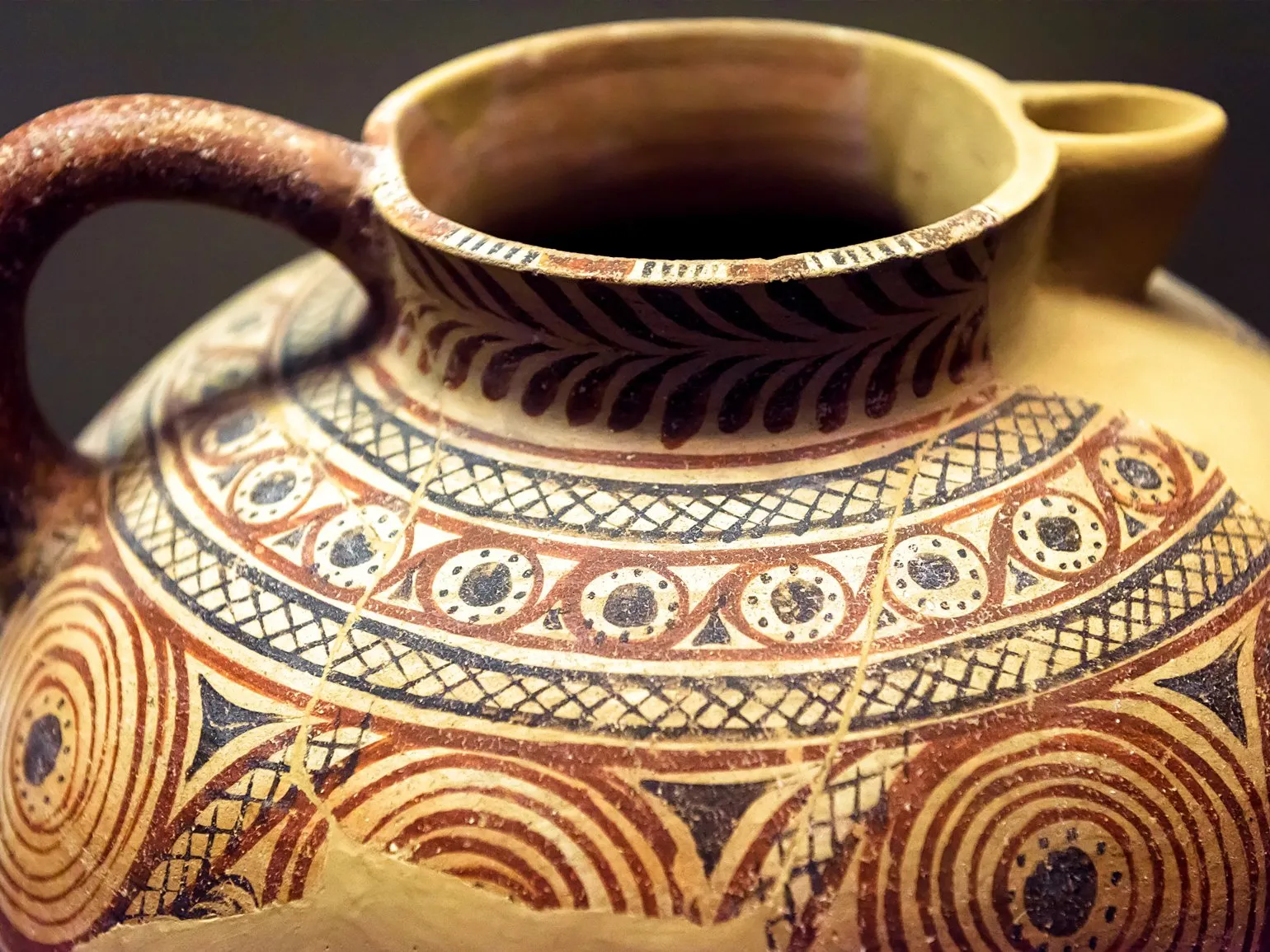
Patterns have a long and rich history, dating back to ancient civilizations, which used patterns as important decorative elements in everyday life, architecture, and textiles. In those days, creating patterns required not only high precision but also considerable skill, making these pieces particularly valuable and relevant to modern designers. Patterns continue to inspire creative people, serving as a source of ideas for new projects and concepts in design and art.
What are generative patterns and how are they changing the world of design?
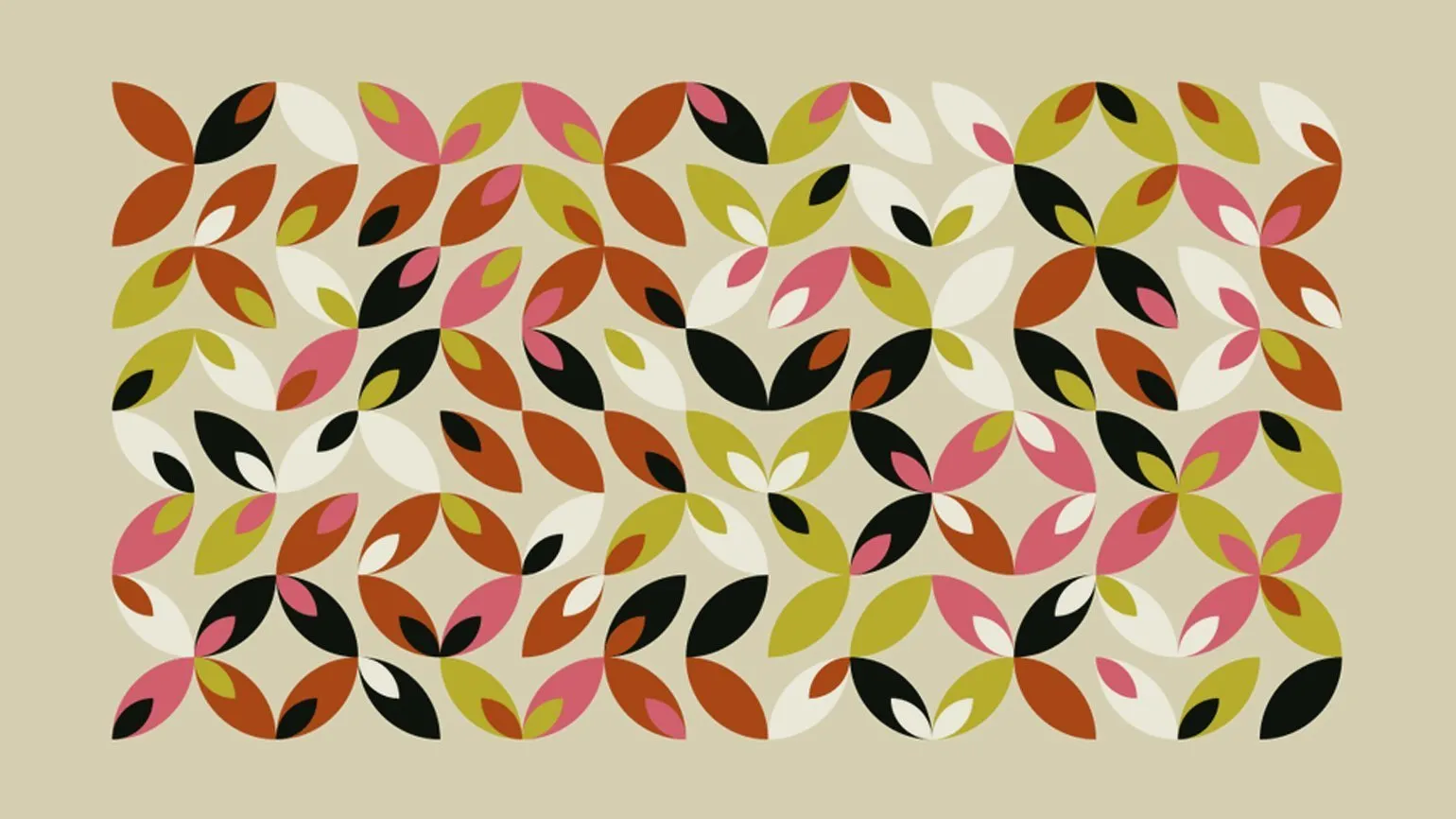
With the development of neural network technologies, we are seeing the emergence of generative patterns. These unique patterns are created based on a single sample, which the neural network adapts into an infinite number of variations. This approach allows for the generation of images with a unique pattern of any size, making them ideal for decorating large spaces. Generative patterns are finding application in art, interior design, and the textile industry, opening up new horizons for creativity and individuality in design.
How can generative patterns be used? Patterns in the interior?
Creating wallpaper with a generative pattern is challenging, as it requires printing on an entire wall. However, traditional wallpaper typically uses repeating elements, making it a convenient and popular option for interior design. Repeating patterns not only create a harmonious space but can also be used in a variety of applications, such as notebook covers, book pages, and furniture upholstery. Using such patterns allows you to add style and individuality to any room, making it more comfortable and attractive.
Where else are patterns used?
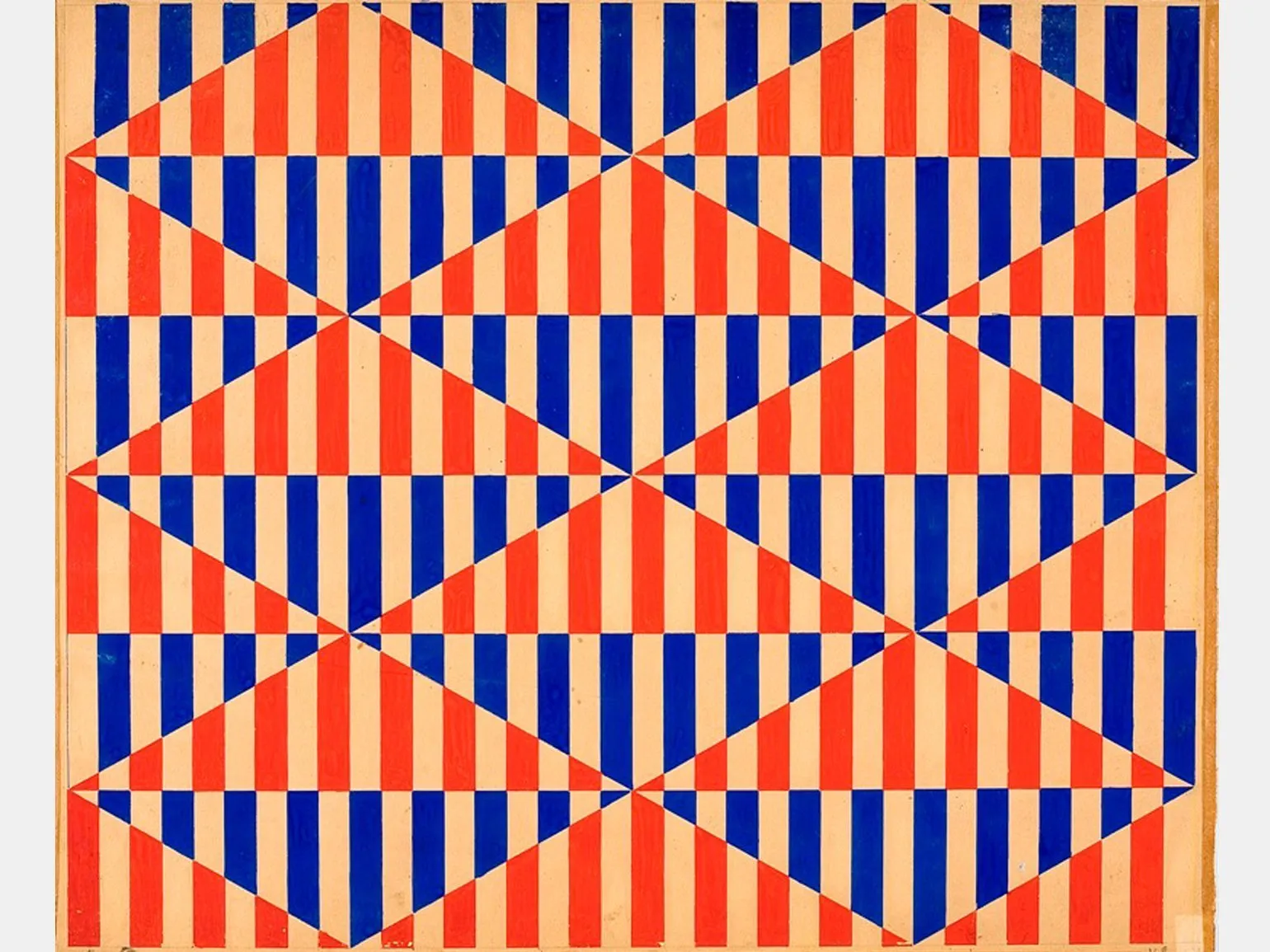
Patterns play an important role not only in interior design but also in branding. Brand designers develop unique patterns that are recorded in the brand book along with logos and fonts. These signature patterns can be seen on packaging, advertising materials, merchandise, and even employee uniforms, creating a unified visual style and enhancing brand recognition. Correct use of patterns contributes to the formation of a positive company image and helps attract the attention of the target audience.
Studying examples of pattern application in various fields, including branding, industrial design, and user interfaces, will help you get inspired and generate new ideas. Patterns play a key role in creating unique solutions and improving product perception. In branding, they can form the basis for developing a corporate identity, while in industrial design, they help optimize functionality and aesthetics. By exploring various approaches and examples from these fields, you can expand your horizons and find effective solutions for your projects.
New Horizons: Unique Generative Patterns in Design
Modern technologies, including neural networks, offer designers unique creative opportunities. Generative design, which is based on complex algorithms, allows for the creation of patterns unparalleled in traditional art. This is made possible by the ability of neural networks to generate images with unique and original patterns. The use of neural networks in design opens up new horizons, enabling the creation of impressive visual solutions and expanding the boundaries of traditional artistic methods. Thus, integrating neural networks into the design process not only enriches it but also significantly accelerates the creation of original content.
Generative patterns differ from traditional ones in that they are created from a single source element, unlike classic patterns, which are repeated multiple times. This approach allows for the creation of unique visual elements that are ideal for decorating large spaces, including walls, floors, and textiles. Generative patterns open up new possibilities in design, allowing you to achieve originality and individuality in the interior.
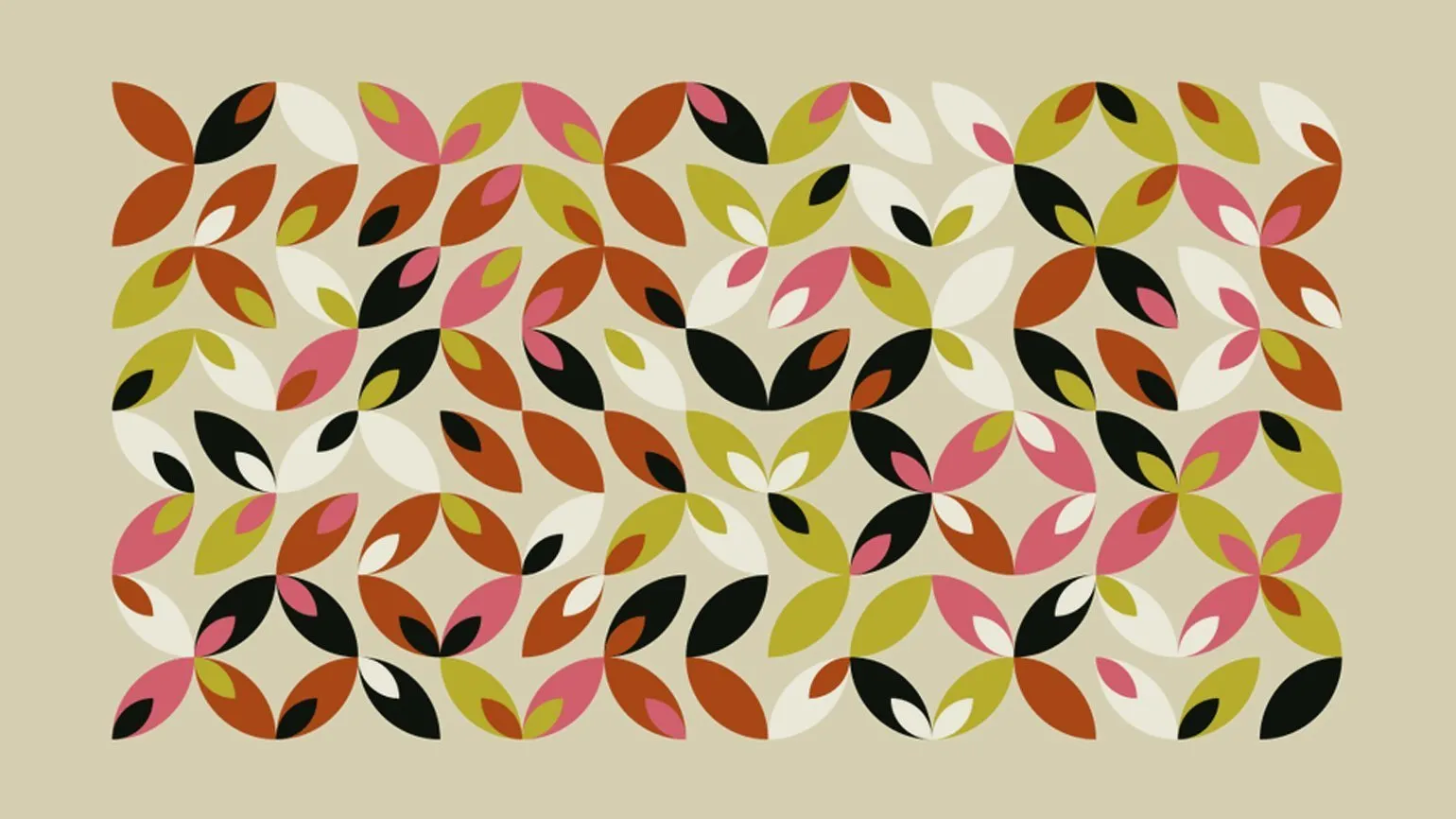
Creating Patterns: Simplicity or Art?
Creating unique graphic patterns can seem like a daunting task, especially when smooth transitions between images are essential. However, modern graphic tools like Photoshop and Figma greatly simplify this process. Using these programs, designers can effectively develop patterns, integrating various elements and creating harmonious compositions. Intuitive interfaces and a variety of features like layers, gradients, and textures allow users to easily experiment with designs and achieve the desired results. It's important to remember that unique graphic patterns can significantly enhance a project's visual appeal and recognizability.
In this article, we'll discuss how to effectively use free pattern plugins in Figma. These tools will help you streamline your workflow and stimulate creativity. We'll cover key plugins that facilitate the creation of unique patterns and provide tips for integrating them into your design. Using these resources will not only save you time but also significantly improve the quality of your Figma projects.
For developing more complex and unique patterns that incorporate a variety of elements and textures, it's important to use hand-drawn illustrations. Each element can be a standalone illustration, requiring meticulous attention to detail and conceptual development. Hand-drawn illustrations allow for a high degree of originality and expressiveness, making patterns more appealing and memorable. This process fosters a unique visual style that sets your work apart from the crowd of standard designs.
A key aspect in creating patterns is high precision calculations. It's important that elements fit together precisely, which will help achieve harmony and aesthetics in the overall visual perception. The correct combination of shapes, colors, and textures contributes to an attractive and balanced design. Attention to detail is essential to ensure that each element contributes to the overall effect of the pattern.
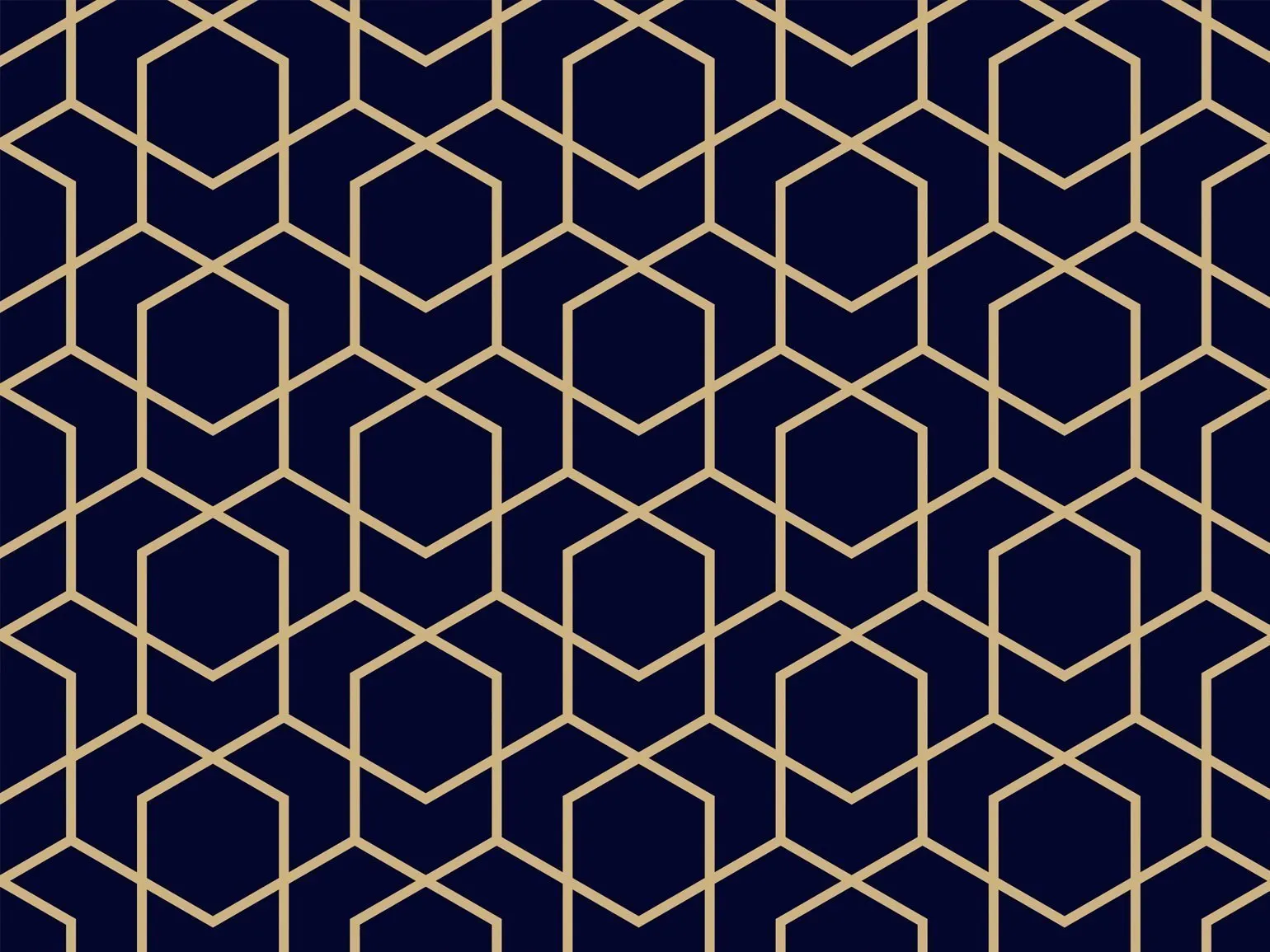
Why have patterns become such a popular choice?
Patterns Patterns have become quite popular due to their versatility and functionality. Unlike traditional images, which must be adapted to the surface dimensions, patterns easily adapt to any conditions. This is especially relevant in design, where precision and aesthetics are crucial. Using patterns in various fields, such as graphic design, textiles, and interiors, helps create harmonious and attractive visual solutions. Thanks to their flexibility, patterns allow designers to effectively implement ideas and achieve the desired result without worrying about size mismatches or image distortion. One of the key advantages of patterns is their ability to seamlessly connect. A repeating pattern can be trimmed anywhere, eliminating the risk of distortion and maintaining visual harmony. This property makes patterns an excellent choice for decorating large surfaces such as walls, floors, and textiles. Their versatility allows for the creation of stylish and cohesive interiors, where every element harmonizes with one another. Patterns not only add visual interest but also help divide a space, highlighting its features and creating a unique atmosphere.
Patterns are widely used in various design fields, such as interior design, graphic design, and fashion. Their use allows you to add depth and texture, which contributes to the creation of unique and memorable visual images. Effective patterns can not only decorate a space but also emphasize the individuality of a style, making it more expressive and attractive.
What is the difference between texture and pattern?
Texture and pattern are key elements in visual design, each performing its own unique role. Texture is an image that imitates a specific surface, such as grass, sand, brick, wood, marble, or paper. It can be created from both drawings and photographs. Effective use of texture helps create depth and realism in a design, adding visual interest and tactile sensations. A pattern, in turn, is a repeating element or composition that can be used to create a background or accents in a design. It is important to understand the differences between texture and pattern to achieve a harmonious visual series.
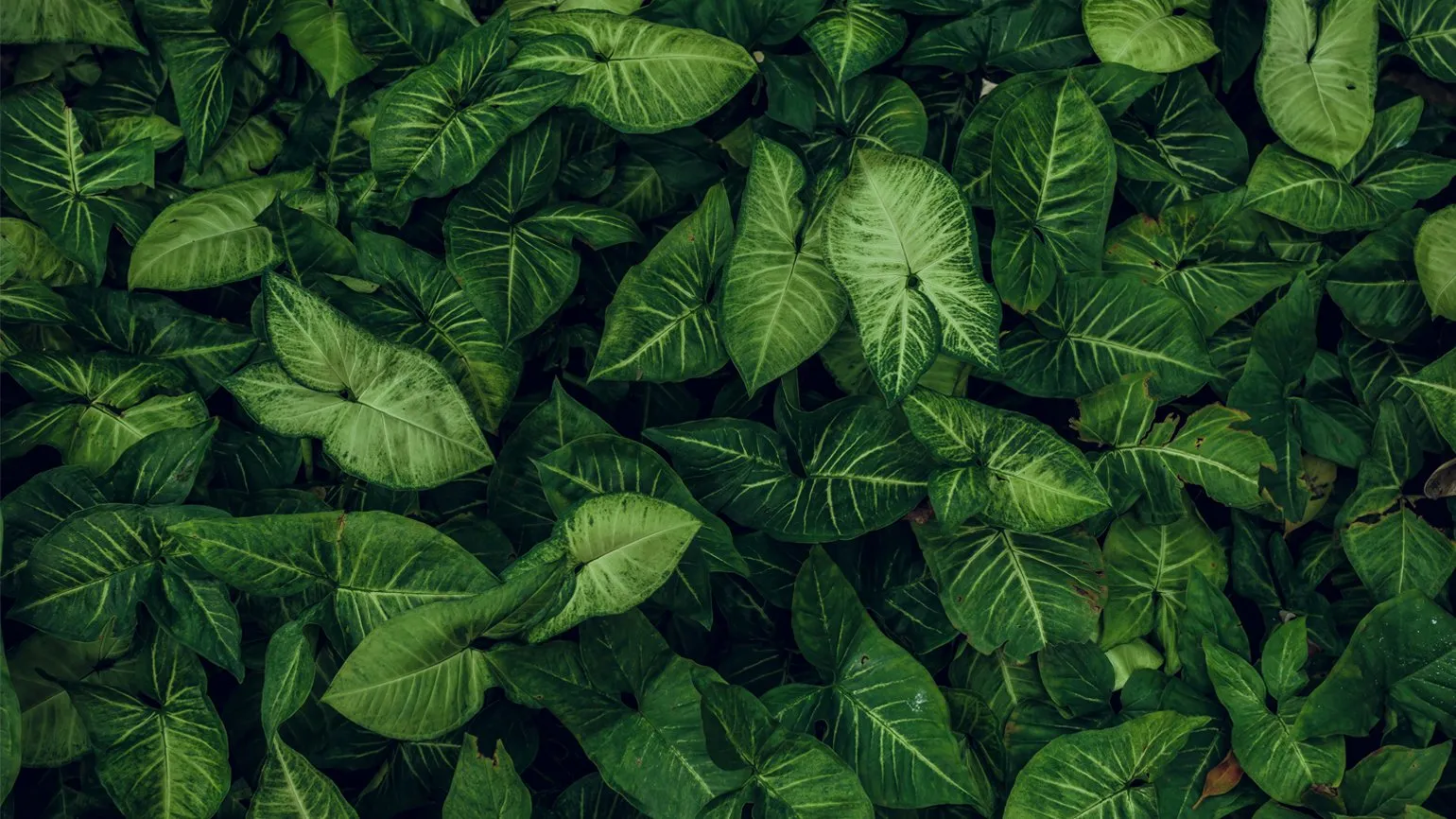
Texture is a key aspect of visual perception. At first glance, it may appear uniform, but upon closer inspection, it becomes apparent that its details are not strictly repeated. Texture elements may be similar, but each one is unique, creating a visual effect distinct from strictly repeating patterns. This variety in texture adds depth and interest, making it an important element in design and art. Proper use of texture can significantly enhance the overall perception and aesthetic value of a project.
For a deeper understanding of the differences between patterns and textures, it should be noted that patterns are most often repeating elements, such as those found in wallpaper or textiles. Patterns add visual rhythm and consistency to a design, creating recognizable motifs. In contrast, textures serve to create depth and volume, adding tactile sensations and variety to a visual composition. Thus, the combination of patterns and textures enriches the design, giving it harmony and expressiveness.
Frequently Asked Questions about Textures and Patterns
Textures play an important role in various fields of design, including graphic design, web design, 3D modeling, and interior design. They add visual interest and depth, enhancing the overall aesthetics of projects. Numerous online resources can be used to find high-quality textures. Platforms such as Shutterstock, Unsplash, and Pexels offer a wide selection of high-quality textures that you can use in your projects. Properly chosen textures not only enrich the visual perception but also help convey the desired mood and atmosphere.
Creating unique textures for design is an art that provides ample opportunities for creative expression. Unique textures can significantly enhance the visual appeal of projects, adding depth and character. Using original textures helps you stand out from the competition and makes your design more memorable. The importance of texture in design lies in its ability to add emotion and create atmosphere, which is especially relevant in digital art and web design. Developing your own textures allows designers not only to experiment but also to find new approaches to problem solving.
How to Create a Seamless Texture: A Step-by-Step Guide
Seamless textures, or repeating patterns, play a key role in modern design. Their ease of integration into projects and ability to significantly improve visual perception make them popular among designers. To create a seamless pattern, select a fragment of the image and carefully process its edges. This ensures a seamless connection with other fragments, allowing you to create striking and harmonious surfaces. Using seamless textures helps create a unique style and atmosphere in any design, be it web design, graphics, or interior design.
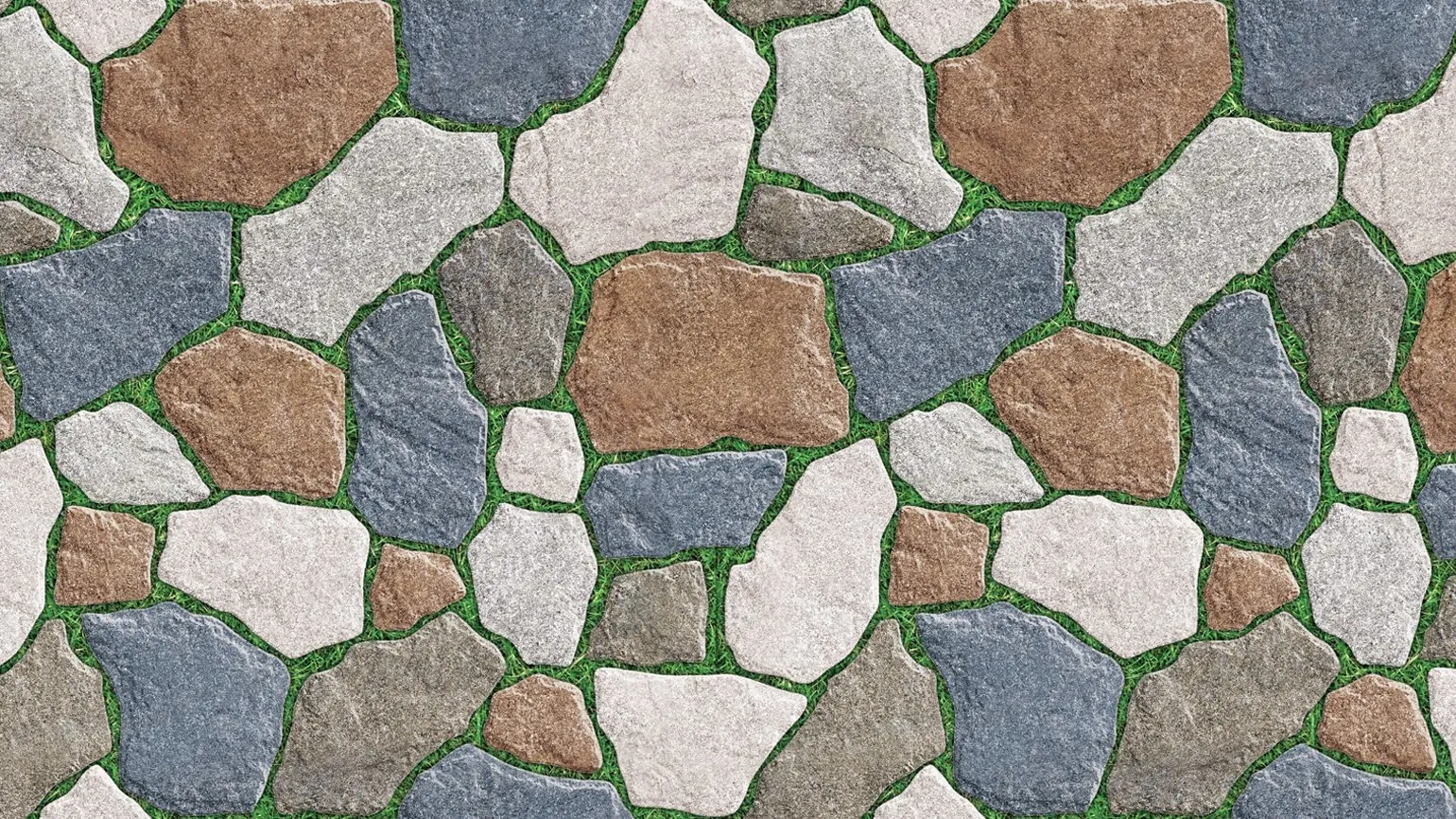
For a deeper understanding of the process of creating seamless textures, we highly recommend studying our detailed Photoshop tutorial. In this guide, you'll find helpful tips and modern techniques that will greatly simplify your work and allow you to create high-quality textures.
Modern Trends in Seamless Textures
Seamless textures, although less commonly used in modern design, remain popular. They remain in demand in areas that require the imitation of natural materials. Such textures are widely used in furniture, tile, and textile manufacturing, allowing for the creation of aesthetically pleasing and functional products. Their use helps designers achieve a harmonious combination of elements and ensures high-quality interior design, giving them a natural and organic look.
Seamless patterns imitating a variety of surfaces play a key role in the creation of three-dimensional objects and modeling of locations in computer graphics. The use of such patterns gives designers and developers the opportunity to implement creative ideas with a high degree of realism. Seamless patterns ensure continuity of textures, which makes scenes more natural and appealing. Because of this, they are widely used in video games, animation, and virtual reality, enhancing the overall perception of visual content. Seamless textures are widely used in various fields, including graphic design, 3D modeling, and web design. They provide a realistic display of surfaces, allowing for the creation of attractive visual effects. Important areas of use for seamless textures include game creation, animation, and architectural visualization. These textures help achieve a high degree of detail and depth in images, which is especially important for design professionals. Seamless textures also simplify the editing process and save time, as they can be easily scaled and applied to various surfaces without visible seams.
- Interior design — to create unique and natural looks for walls and floors.
- Creating game locations — to achieve maximum visual impact.
- Furniture modeling — to convey the texture and color of various materials.
Seamless textures are an effective tool for streamlining the process of creating unique materials and improving the visual perception of a project. With modern design trends emphasizing naturalness and environmental friendliness, the use of such textures is becoming especially relevant. They allow you to create harmonious and attractive surfaces, which contributes to the overall quality of the design and user satisfaction.
Designers often face the question of choosing a suitable seamless texture for their projects. It is necessary to consider not only visual characteristics, but also functional features. Textures that imitate wood are ideal for creating a cozy and warm atmosphere in interiors. Conversely, concrete textures fit perfectly into industrial styles, giving the space a modern and minimalist look. The right choice of texture can significantly impact the perception of a project, so it is important to approach this aspect of design carefully.
Can patterns be animated?
Animating patterns is a fun and creative process that adds dynamism and expressiveness to visual projects. However, using animation in design requires careful consideration. Proper use of animation can significantly enhance the user experience, but excessive or inappropriate animation can be distracting and confusing. It's important to harmoniously combine animation with other design elements to achieve the perfect balance between aesthetics and functionality.
Animation plays a key role in how patterns are perceived, so it's crucial to consider both the context and the target audience. Effective use of animation can significantly improve user interaction with content, highlight important elements, and create a more engaging visual experience. When developing animation solutions, consider the preferences and behavior of the target audience to ensure maximum effectiveness and meet user expectations.
Static patterns, as demonstrated in the video, have a friendly and versatile style. They open up a wide range of possibilities for creative expression, allowing designers and artists to experiment with shapes and colors. Using static patterns in design helps create unique and memorable visual solutions that attract attention and generate interest.
Furthermore, we will consider a number of useful resources that can serve as a source of inspiration and help in exploring patterns. You can find a variety of examples and ideas that will help you better understand and apply different approaches in your work. These resources will be useful for both beginners and experienced professionals looking to expand their knowledge and skills in this field.
- From adinkra to shweshwe: all about African patterns
- Patterns, stars, and gradients: identity for an IT company from the USA
- 49 useful and interesting websites for artists and illustrators
Graphic Designer PRO: 5 Steps to a Successful Career
Want to become a graphic designer? Learn 5 key steps to creating a portfolio and a successful start in the profession!
Learn more