
Contents:

Try 4 top professions in design. Free ➞ In 5 days, you will get acquainted with illustration, UX/UI, web, and graphic design. Add 4 cool case studies to your portfolio and decide which direction to develop in.
Learn morePrince Philip, Duke of Edinburgh, passed away in London on April 9. He died just two months before his centenary. Prince Philip went down in history as the Prince Consort, who did not occupy the throne but remained a reliable supporter of Queen Elizabeth II. Less well known is his passion for painting: the Prince collected paintings and painted his own oils. He attached great importance to design and art, which emphasized his creative nature.
Since 1969, the Duke has been a patron of the Chartered Society of Designers (CSD), which was founded in the UK in 1930. Originally known as the Society of Industrial Artists, the society and its members played a significant role in Britain's recovery from World War II in the 1950s. Thanks to the Duke's support, the society received a royal charter in 1976, underscoring its importance and influence in the design field.
In 1959, the Duke, representing the Chartered Society of Designers, established a prize for outstanding achievement in design, which quickly established itself as one of the leading awards in the field. The prize was later renamed The Prince Philip Designers Prize. The Duke also served on the judging panel, underscoring his active role in the development of design. This award continues to recognize outstanding designers and their contribution to the industry, promoting higher standards and innovation in design.
Since the early 1970s, the prize has begun to shift its priorities, moving away from design as work with the visual language of industry and focusing on engineering solutions. Currently, awards are given to developers working in key fields such as transportation, medicine, and scientific equipment. This reflects current trends, where innovative engineering achievements are becoming more important than visual design, highlighting the importance of technical solutions for modern society.
Until 1990, designers were awarded for their specific developments. However, with the onset of this year, the vector of evaluation has changed: now designers are receiving recognition not only for individual projects, but also for their overall contribution to the development of design and achievements in this field.
Let's take a look at the winners that caught our attention.
Nova tableware for Ecko Plastics
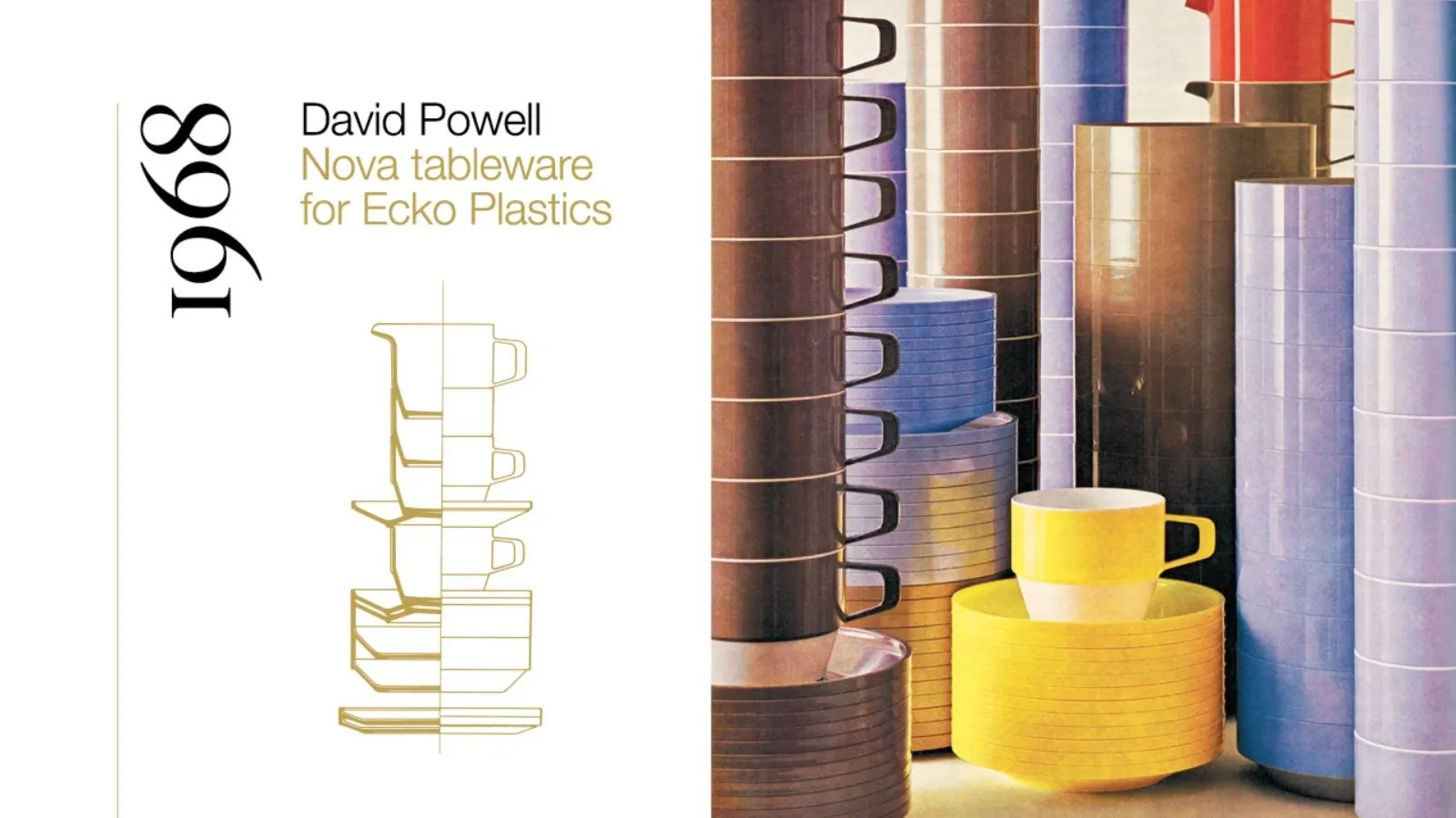
This innovative tableware, made of high-tech plastic, offers not only a contemporary design but also a unique storage concept. The saucers, plates, cups, and sugar bowls are stackable, significantly saving kitchen space. Judges noted the ease of production and the high degree of product compliance with consumer needs. This tableware perfectly combines functionality and style, making it an excellent choice for modern households.
The pieces were produced in both solid and multi-color combinations. David Powell successfully transformed consumer perceptions by demonstrating the advantages of modern plastic as an alternative to traditional materials. This approach not only transformed the market but also opened up new possibilities for product design and functionality.
The modern concept of stackable cookware has found widespread use in a variety of settings, from IKEA stores to restaurants, demonstrating the relevance and practicality of solutions developed in the 1960s. Stackable cookware not only saves space but also provides convenient storage and transport, making it an ideal choice for both home and professional kitchens. Innovative designs and materials used in the production of stackable cookware continue to inspire designers and chefs around the world, emphasizing the importance of functionality and aesthetics in the modern world.
PlayPlax Playset
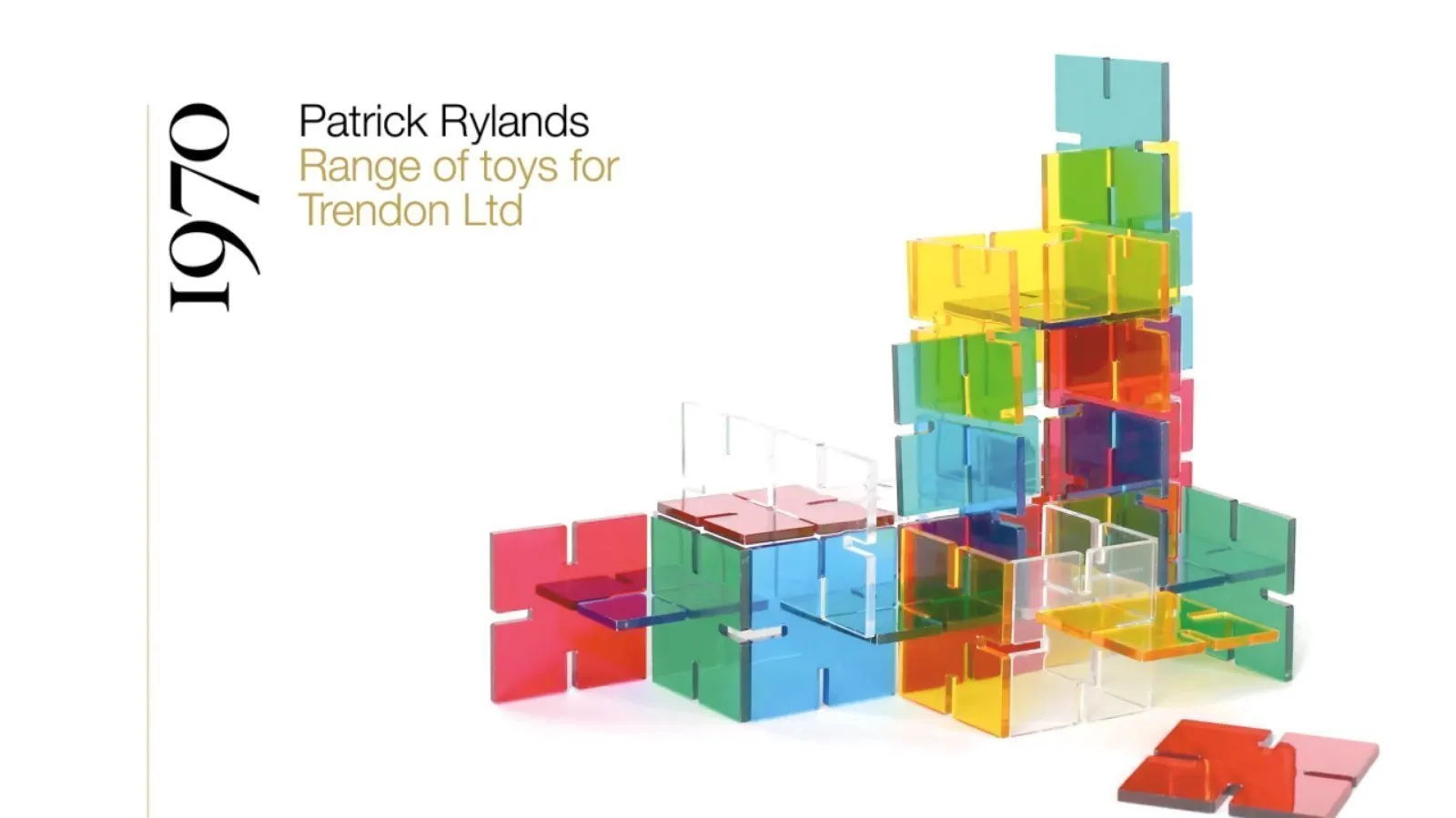
Patrick Rylands dedicated more than 30 years to toy design and became famous for the unique construction set he invented in 1966. To date, over a million copies of this construction set have been sold. Its brightly colored square pieces allow for an endless number of three-dimensional combinations, making it popular with children and adults alike. The construction set not only entertains but also promotes creative thinking and spatial perception.
Rylands initially designed the parts and then formalized them into drawings. This solution saved time and resources, as prototypes were not created. The designer went straight to production, speeding up the entire process. This approach demonstrates efficiency and optimization in the production cycle.
In 1970, PlayPlax was added to the MoMA (Museum of Modern Art) Christmas assortment, where it was sold alongside signed lithographs by renowned artists Roy Lichtenstein and Robert Indiana. This move confirmed PlayPlax's status as an art and design object, drawing attention to innovation in the field of the games industry and contemporary art.
For services to graphic design
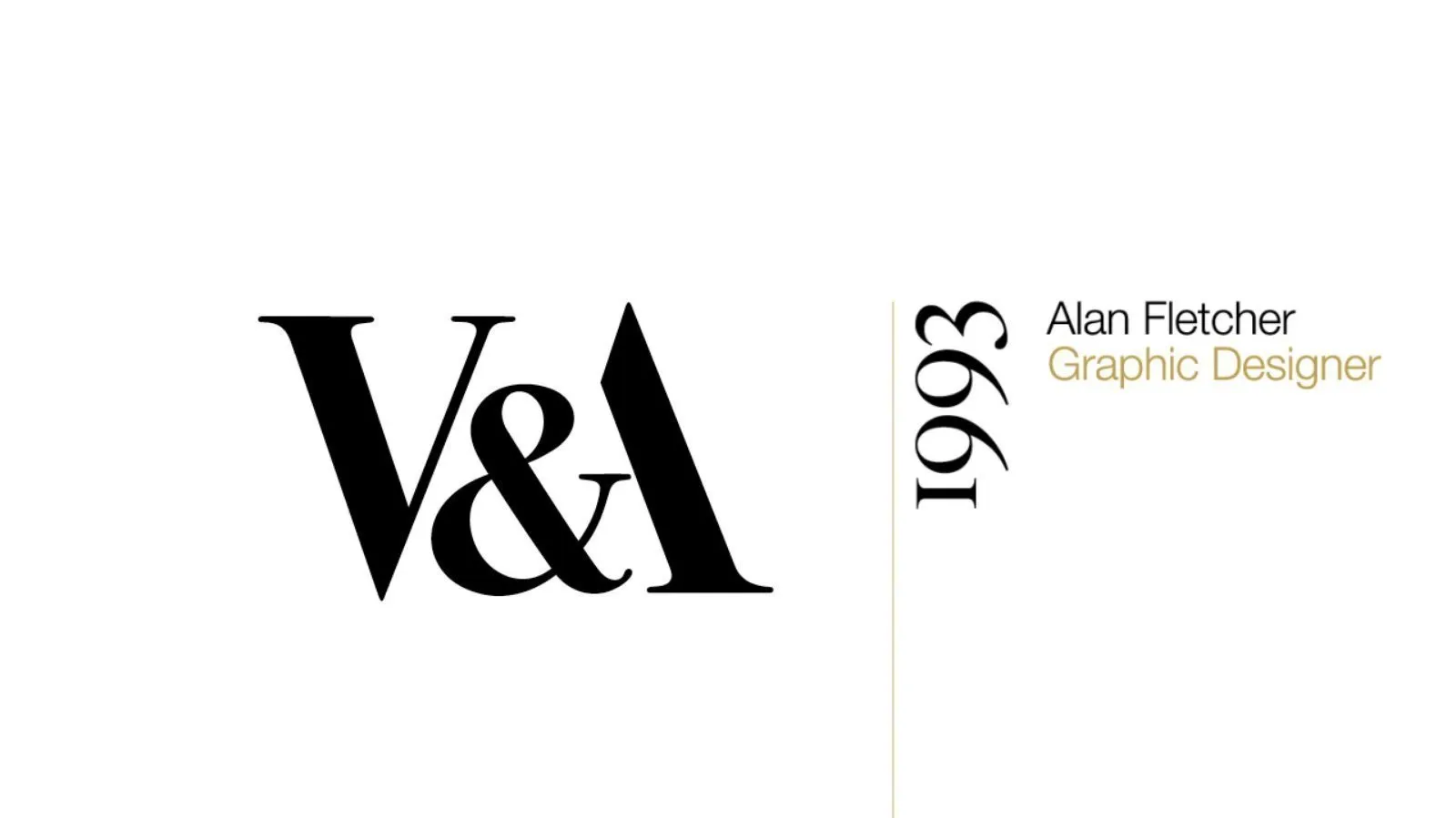
Alan Fletcher is an outstanding pioneer of graphic design in the UK, who has had a significant influence on designers around the world. Traveling and living in different parts of the world, he harmoniously combined the graphic traditions of Europe and North America. This allowed him to develop a unique and expressive style that continues to inspire new creators in the field of design. Fletcher has become a symbol of an innovative approach, which has made his work an important element in the history of graphic design.
Fletcher is an outstanding author of books on design, the winner of numerous awards and recognitions. The Prince Philip Award is one of the significant milestones in his career. This designer received it in 1992, at the time when he left the Pentagram studio, which had been the main one in his professional life for the past twenty years. This decision was carefully considered: by the age of sixty, Fletcher had tired of corporate design and was uncomfortable with internal conflicts within the studio. His departure marked an important stage in the search for new creative solutions and opportunities in design.
In 1993, Alan Fletcher took up the post of art director at Phaidon, but that is a separate topic. The Victoria and Albert Museum logo, designed by Fletcher in 1989, has retained its original form for over twenty years. This logo has become a symbol not only of the museum but also a milestone in graphic design, emphasizing the institution's unique style and heritage.
For services to the development of design
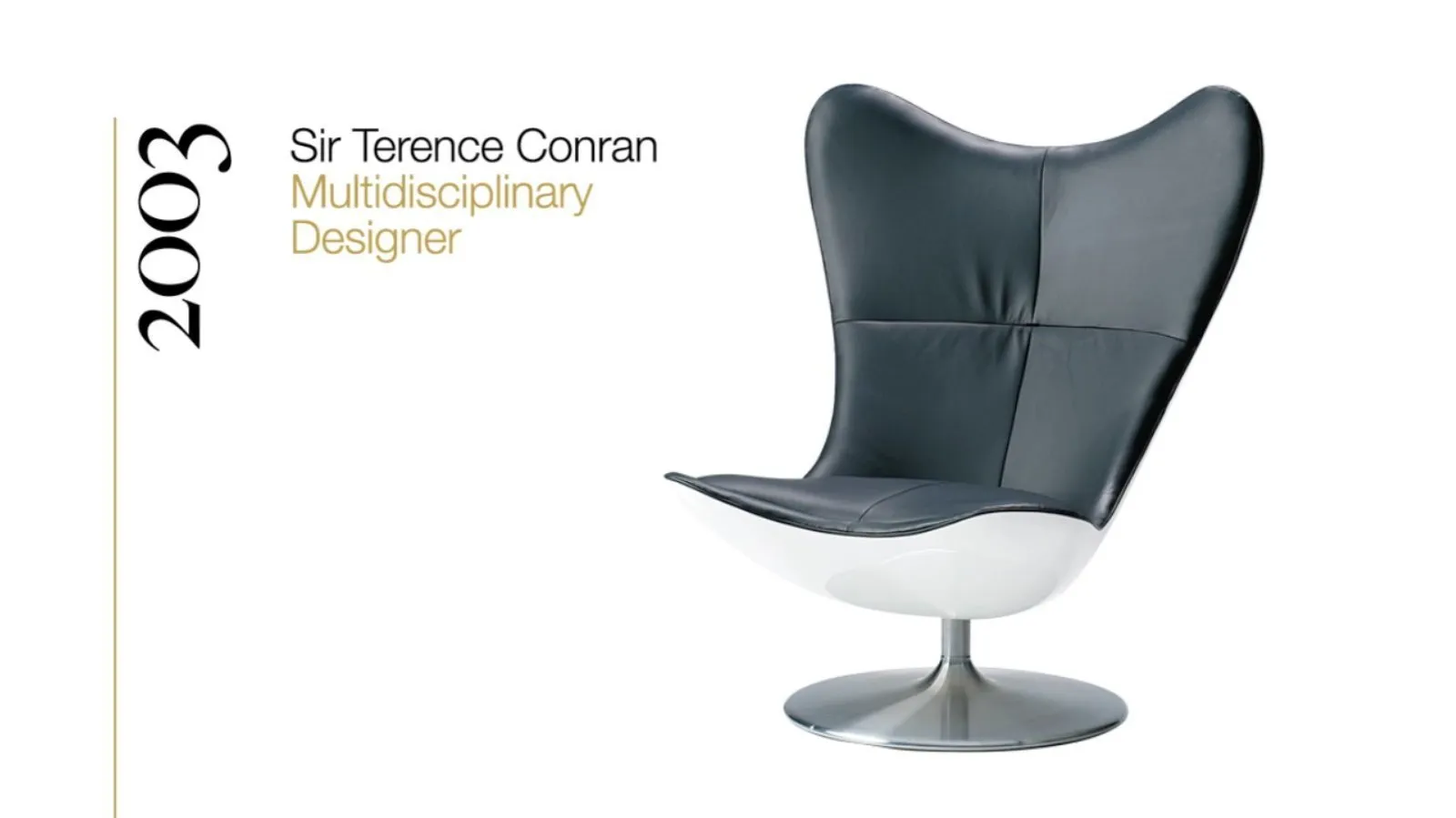
Terence Conran adheres to the principles of comfort, functionality, and minimalism in his designs. Having begun his career with textile design, he soon became known for his furniture design. His work is distinguished by a timeless design that remains relevant over the years and remains progressive even after decades. Conran's furniture is not only aesthetically pleasing but also practical, making it ideal for modern interiors.
Terence Conran is a prominent figure in the design world, known not only as a designer, but also as a successful businessman, writer, and restaurateur. He is also a co-founder of the London Design Museum, which underlines his contribution to the development of this field. Design permeates all his projects: from a designer furniture store and publishing books on design to developing interiors and writing articles on contemporary design trends. Conran became a symbol of an innovative approach to design, combining creativity and business.
In 1983, Terence Conran, a renowned designer, was knighted and awarded the Order of the Companions of Honour for his outstanding achievements in the field of design.