Contents:
Learn: Profession Fashion designer
Learn moreCoco Chanel became an icon of the 20th century, embodying charisma and storytelling. Her biography, consisting of both real and fictional facts, formed a unique system of codes that made the Chanel brand a symbol of luxury for over a century. Thanks to her innovative approach to fashion and a deep understanding of feminine nature, Chanel was able to create a style that remains relevant and in demand in the modern world. The Chanel brand continues to inspire generations, maintaining its reputation as one of the leading symbols of elegance and style.
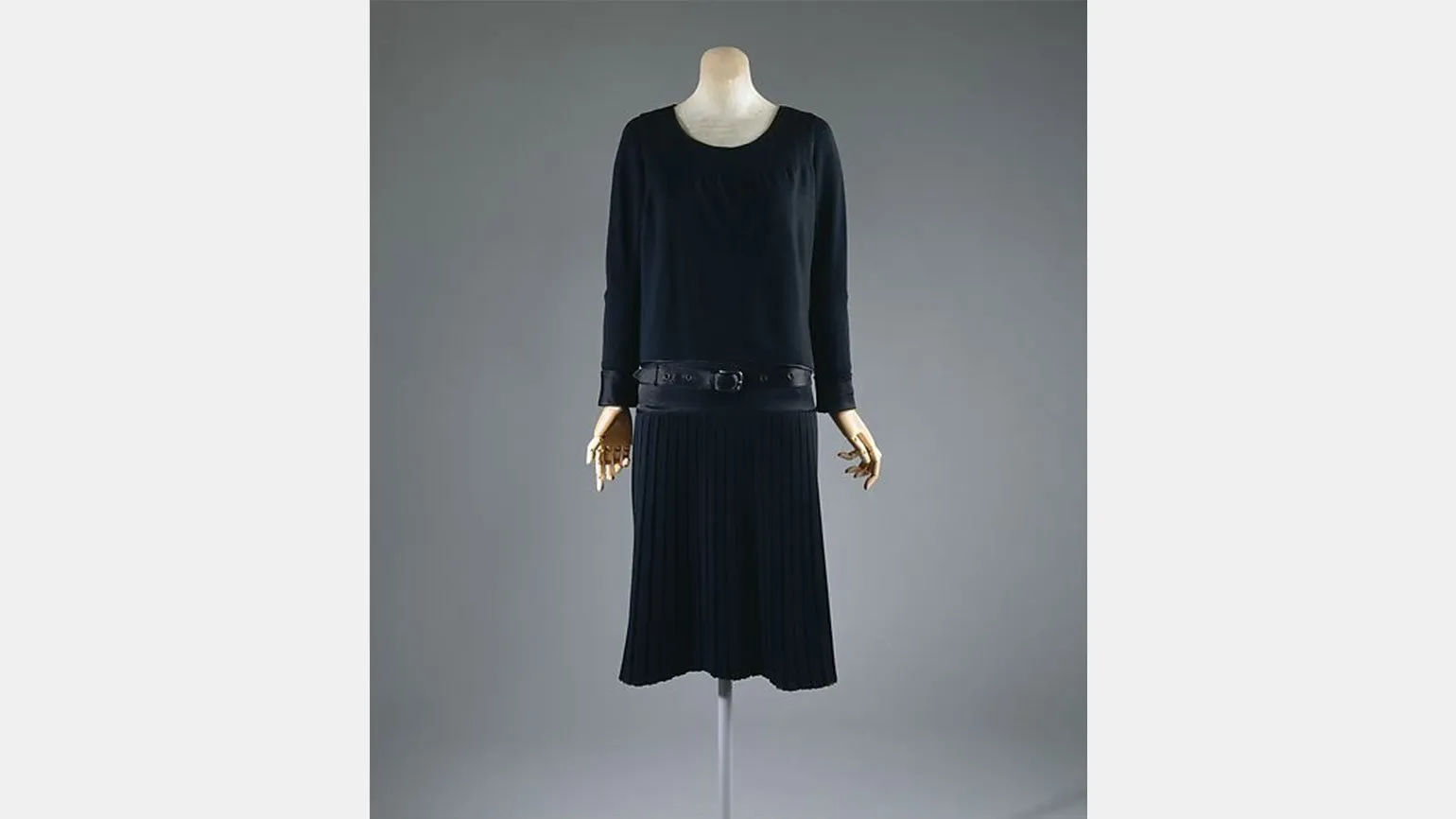
In this article, we will examine how Gabrielle Chanel shaped her identity and founded the famous fashion house, as well as how Karl Lagerfeld transformed it into a successful empire. Gabrielle Chanel, known as Coco Chanel, became a symbol of style and elegance, changing the perception of women's fashion. Her innovative approaches and original ideas led to the creation of iconic pieces such as the little black dress and the skirt suit.
With the arrival of Karl Lagerfeld, a new era began at the House of Chanel. He introduced modern elements and adapted classic traditions, which contributed to the growth of the brand's popularity. Lagerfeld not only updated the collections, but also unlocked the brand's potential on the international stage, turning Chanel into one of the most desirable and successful fashion empires in the world. The story of Gabrielle Chanel and Karl Lagerfeld is a shining example of how talent and creativity can transform the fashion industry.
Saumur, Aubazine and Moulins
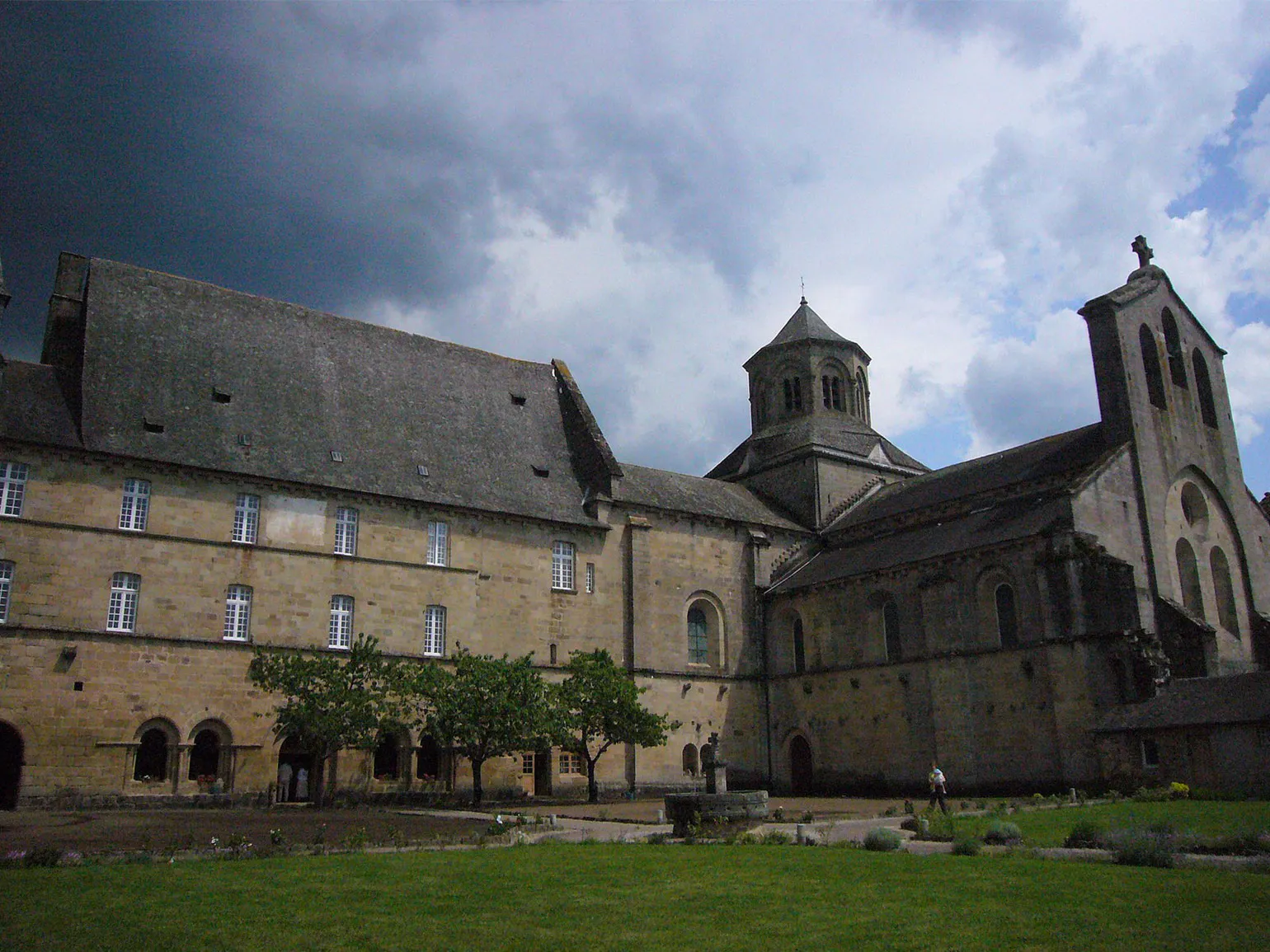
Gabrielle Bonheur Chasnel, known as Coco Chanel, was born in 1883 in Saumur, located in the picturesque Loire Valley. Her family went through difficult times: her mother worked as a laundress in a hospital, and her father was an itinerant salesman. Due to poverty, her parents were unable to attend their daughter's birth registration, and her surname was misspelled in official documents—with a "z." This error remained, becoming part of her biography. Coco Chanel went on to become one of the most influential figures in the world of fashion, changing the perception of feminine style and elegance. At age 11, Gabrielle and her siblings were left without a mother, and their father sent the three daughters to an orphanage at the abbey in Aubazine. The orphanage was run by Catholic nuns of the Cistercian order, known for its strict discipline and emphasis on asceticism and work. Gabrielle spent her formative years here, completing her basic education and mastering the profession of a seamstress.

After leaving the orphanage, Gabrielle settled in a Catholic boarding house in the town of Moulins, where she began a new, freer life. She worked as a seamstress and performed in a cabaret for the local garrison's soldiers. Soon, Gabrielle met the wealthy officer Étienne Balsan and moved to his estate. It was in this environment that she discovered the meaning of a rich and idle life, as well as the extravagance that money affords. However, her most significant event was meeting the English aristocrat Arthur Capel, whom she later called her greatest love. This meeting became a starting point in her life, changing her not only as a woman, but also as a future fashion icon.

Read also:
Elegant black: the influence of color on brand perception
Color plays a key role in shaping brand perception. Elegant black is associated with luxury, strength, and sophistication. It has the ability to attract attention and create an impression of stability and confidence. Using black in brand design can emphasize its uniqueness and status.
Black is often used in logos, packaging, and advertising materials to differentiate a product from competitors and evoke positive emotions in the target audience. It creates contrast, providing visual clarity and emphasizing important elements.
Furthermore, black can serve as a versatile background, allowing other colors to appear more vibrant and appealing. It is important to remember that color perception can vary depending on cultural backgrounds and context, so the use of black should be thoughtful and purposeful.
In conclusion, elegant black can significantly impact a brand's image, helping to create a memorable and appealing visual style. Using this color correctly will help strengthen positioning and increase consumer loyalty.
Deauville, Biarritz and Paris
At the Balsan estate, Chanel began creating hats and outfits of her own design, including reworking men's clothing. In 1910, she opened her first hat studio in central Paris, and in 1912, a boutique in the resort town of Deauville. These steps became important milestones in her career and served as the foundation for the further development of the Chanel brand, which became a symbol of elegance and style.
Here, she began selling jersey tracksuits, which became a catalyst for significant changes in fashion and women's perception of their bodies and activity. Previously used exclusively for men's underwear, jersey is transformed by Chanel, creating new silhouettes and styles. They allowed women to dress quickly, move freely, and be active outdoors. This was an important step toward more comfortable and practical clothing for women.
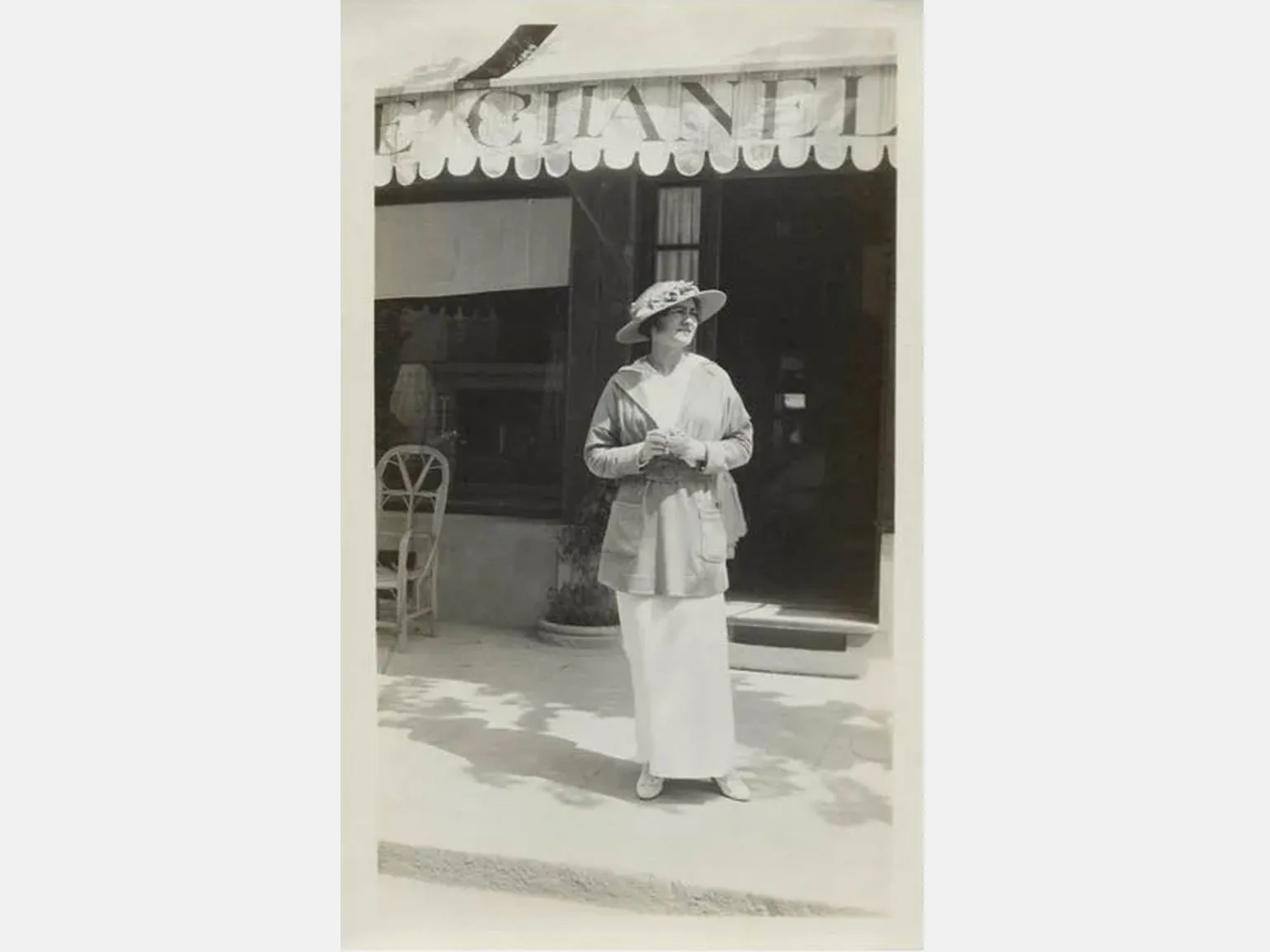
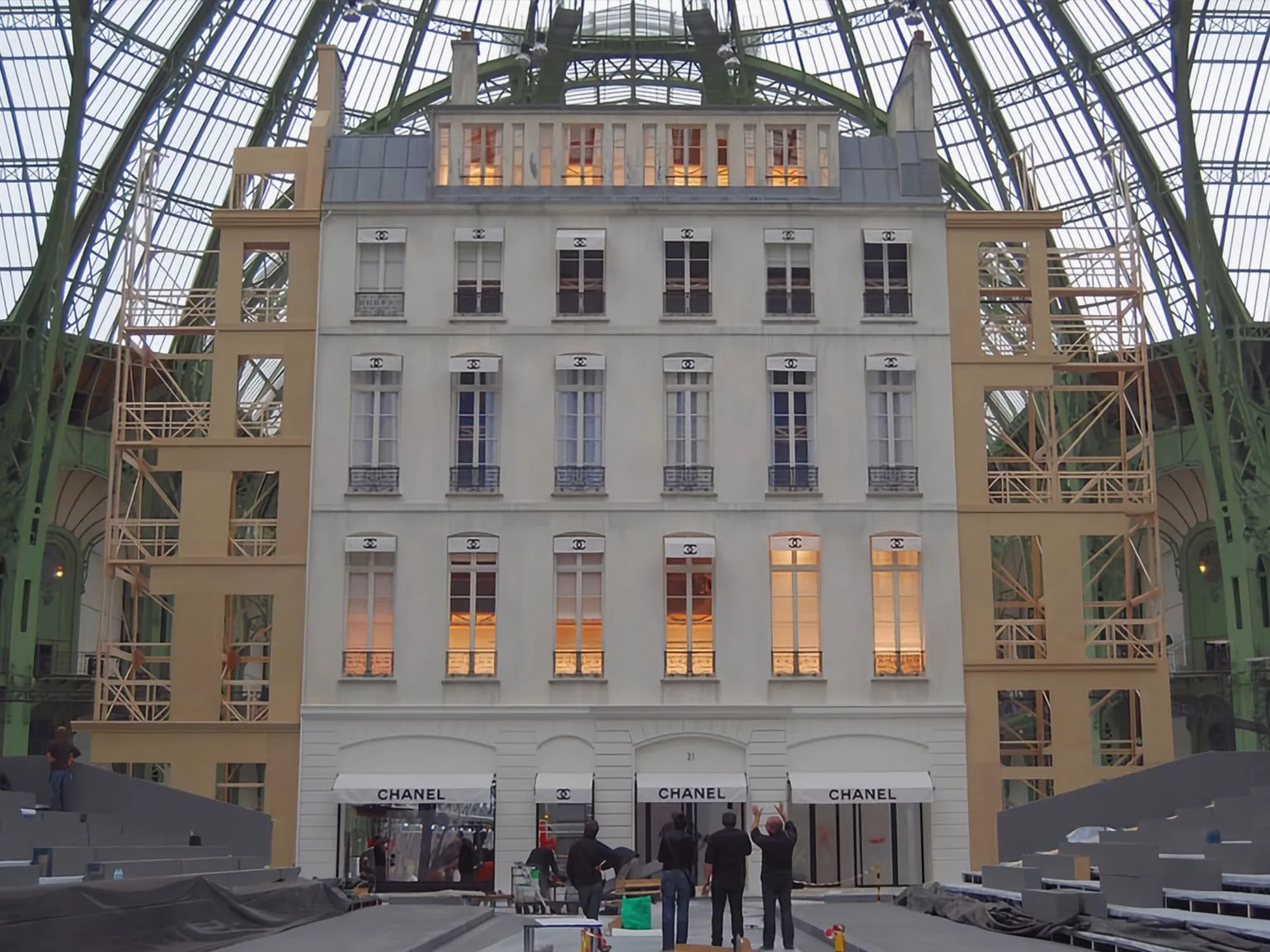
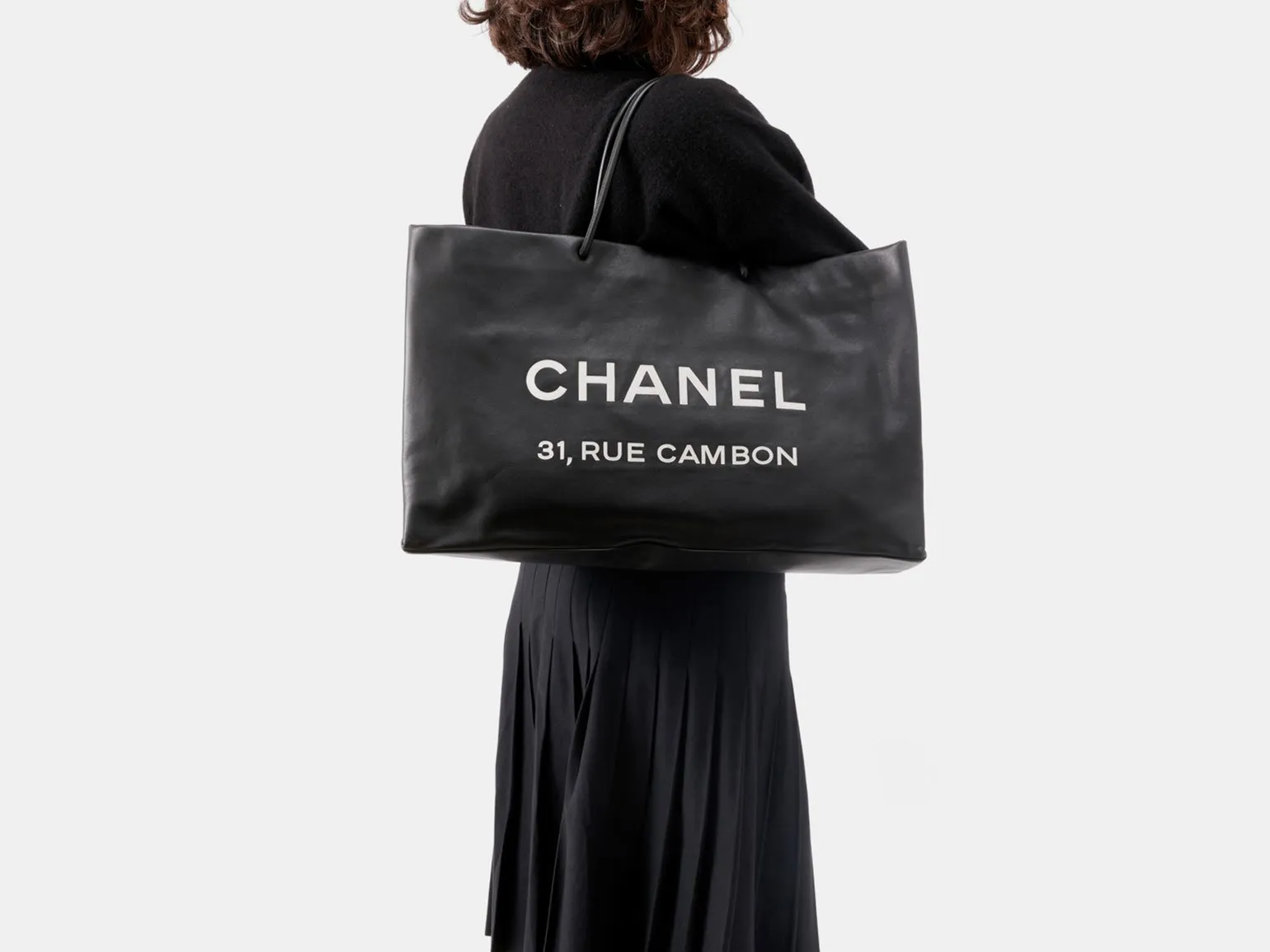
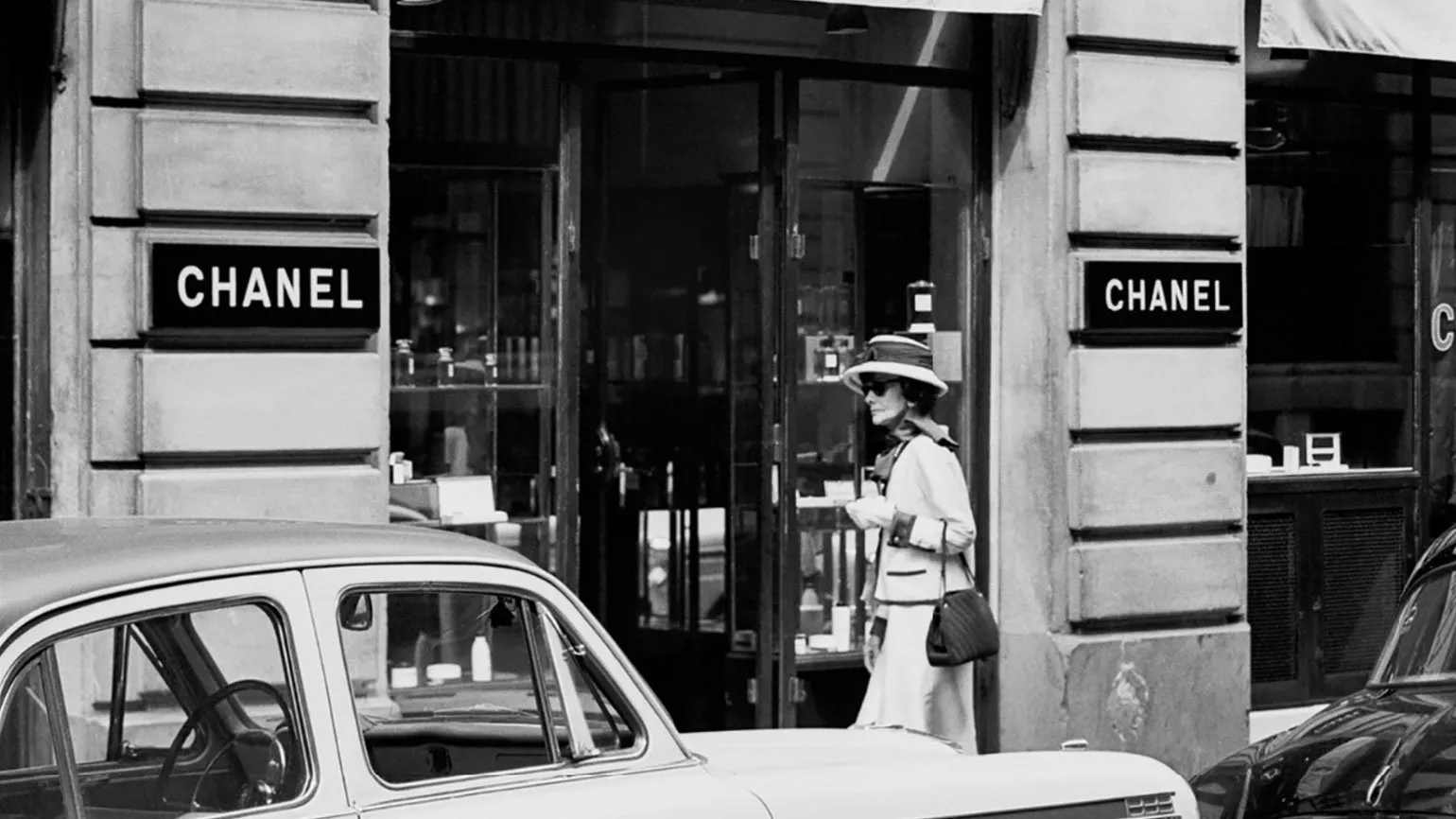
In 1915, Gabrielle Chanel opened a couture house in prestigious Biarritz, hiring 300 employees. Three years later, she moved her business to 31 rue Cambon in Paris. This address became a symbol and a central location for the Chanel brand, creating a legendary reputation that remains to this day.
N5 and Bel Respiro
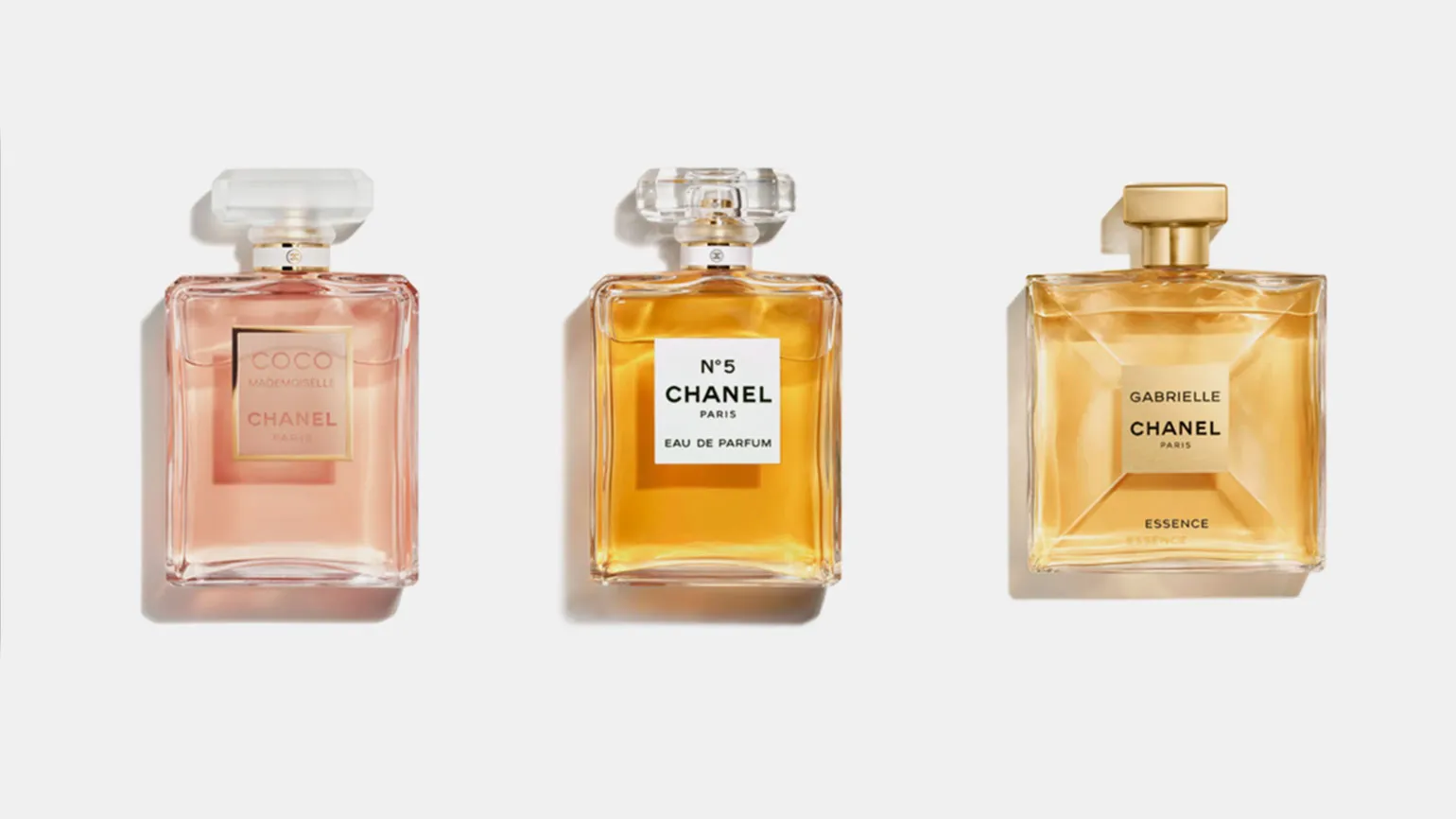
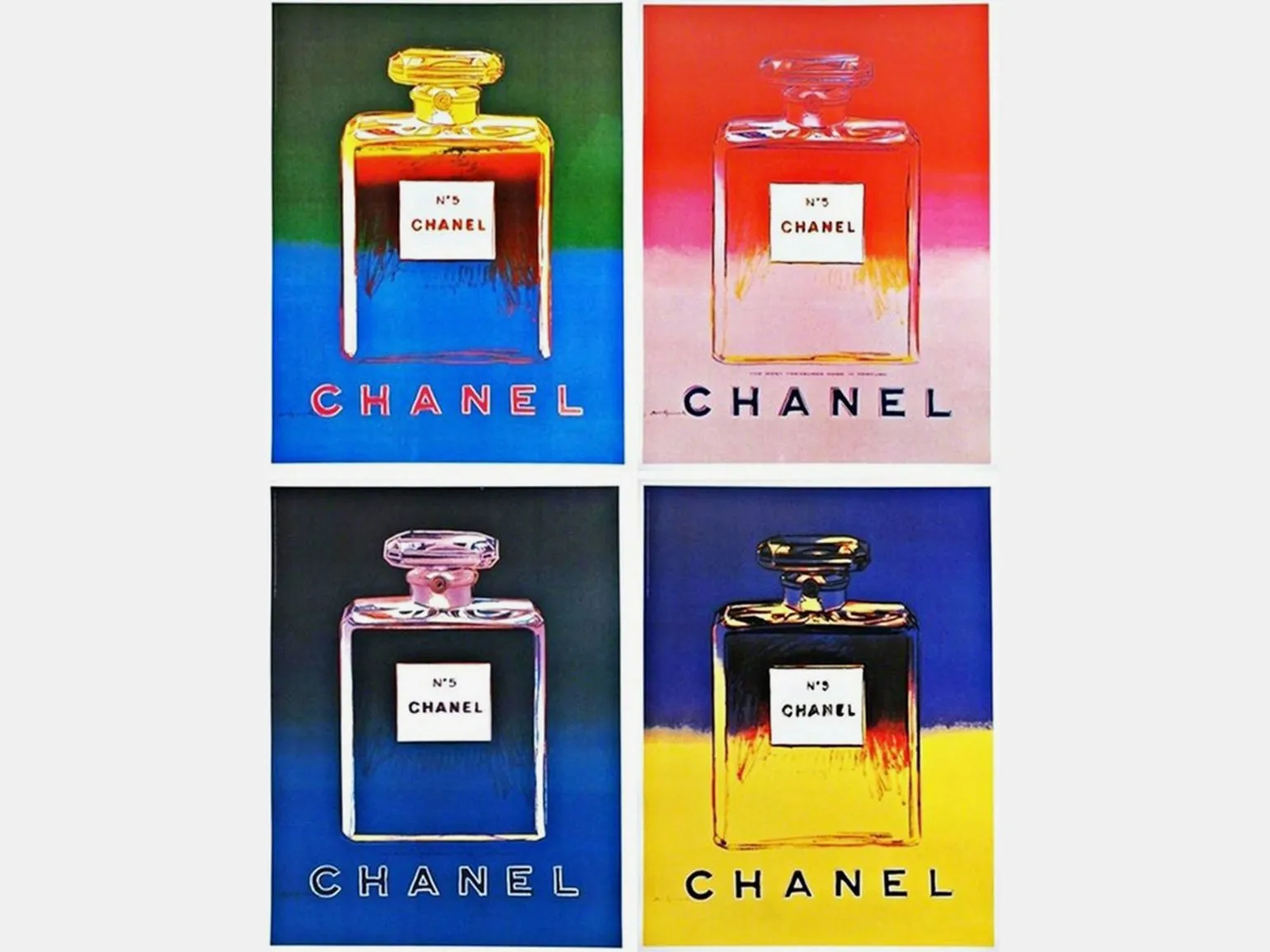
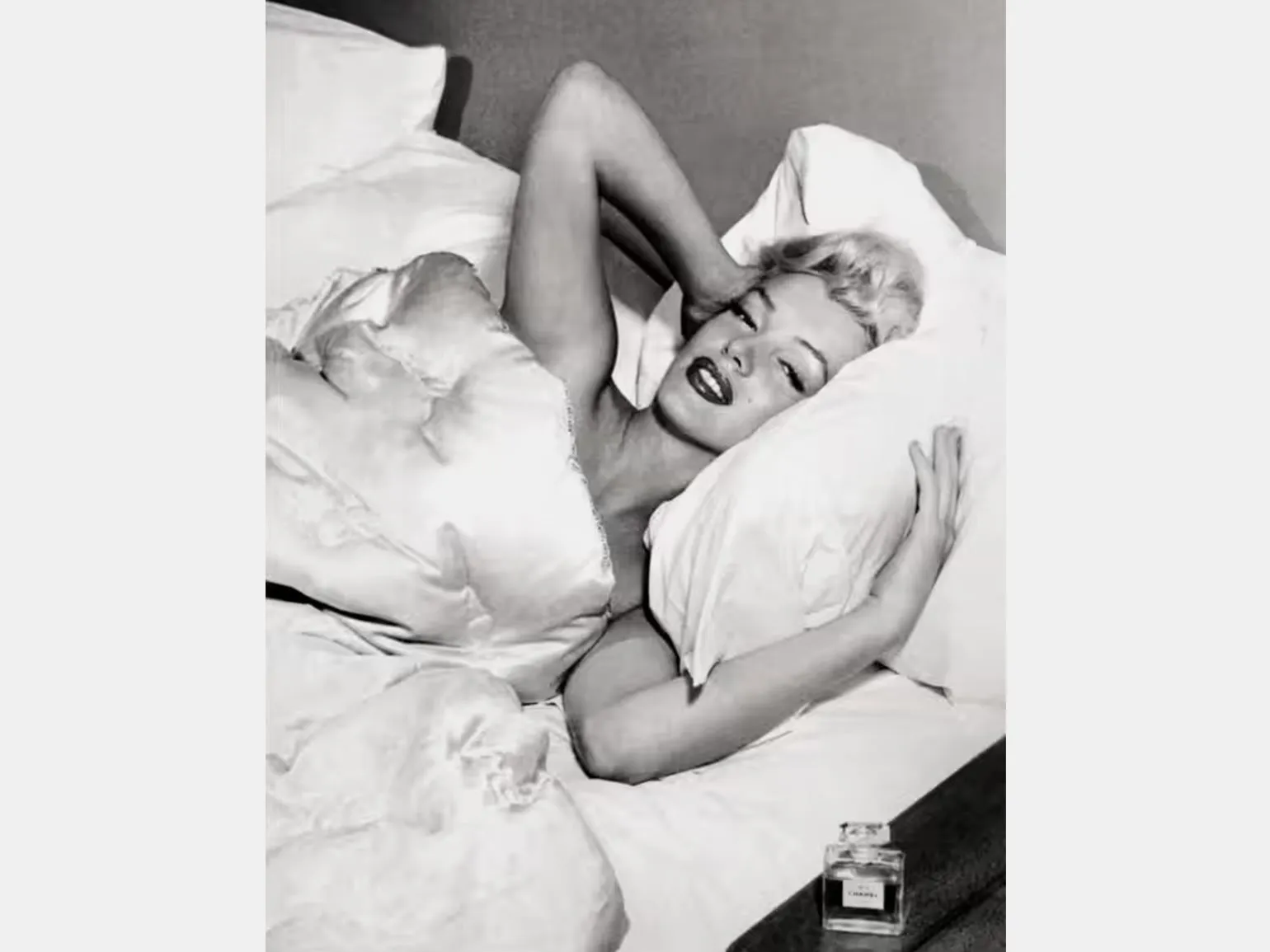
Chanel perfume was introduced in 1921 N5, which immediately became the subject of numerous legends. The fragrance's composition was created by Russian immigrant Ernest Beaux, adding to its uniqueness and mystique. The perfume bottle likely references a whiskey decanter or classic cologne bottles, emphasizing the brand's style and elegance. Chanel N5 not only became a perfume icon but also embodies the spirit of the times in which it was created, continuing to inspire generations of fragrance lovers. "Number Five" remains one of the most famous and iconic fragrances in the world. Created for women, this perfume has become a symbol of elegance and sophistication. Its unique formula and inimitable bouquet of notes have made it a perfume classic. Since its launch, "Number Five" has captured the hearts of millions and remains highly sought after. This fragrance not only reflects style and individuality, but also embodies eternal femininity.
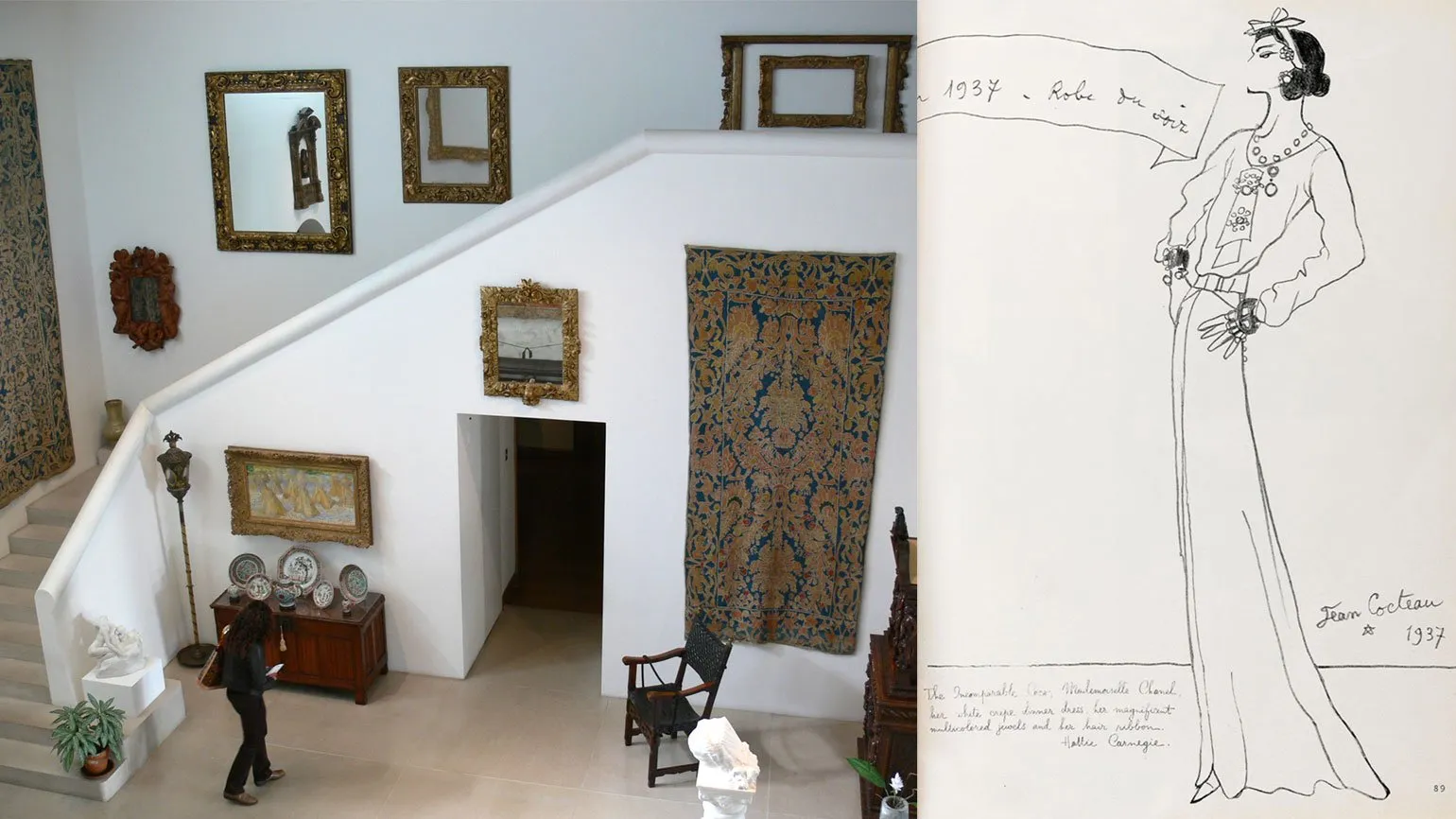
The 1920s and 1930s became Chanel's era in Russia. During this period, she was surrounded by prominent émigrés such as Igor Stravinsky, Sergei Diaghilev, and Boris Lifar, as well as the famous dancer Vaslav Nijinsky and Grand Duke Dmitri Pavlovich. Intricate embroideries for the Chanel fashion house were created with the participation of Grand Duchess Maria Romanova. Stravinsky and his family even lived at her estate, "Belle Respiro," located in the suburbs of Paris. These years were a significant period not only for fashion but also for cultural life, contributing to the creation of a unique style that embodied the spirit of the times. Chanel's connections with ballet masters, artists, and the Russian aristocracy had a significant influence on her work. In 1927, she commissioned Ernest Beaux to create the perfume Cuir de Russie, which became a symbol of refined luxury. Chanel also designed stage costumes for the Ballets Russes, cementing her reputation as a couturier capable of merging fashion and art. Byzantine aesthetics and Russian motifs have become important visual codes for the House of Chanel, enriching its collections with unique elements and style.
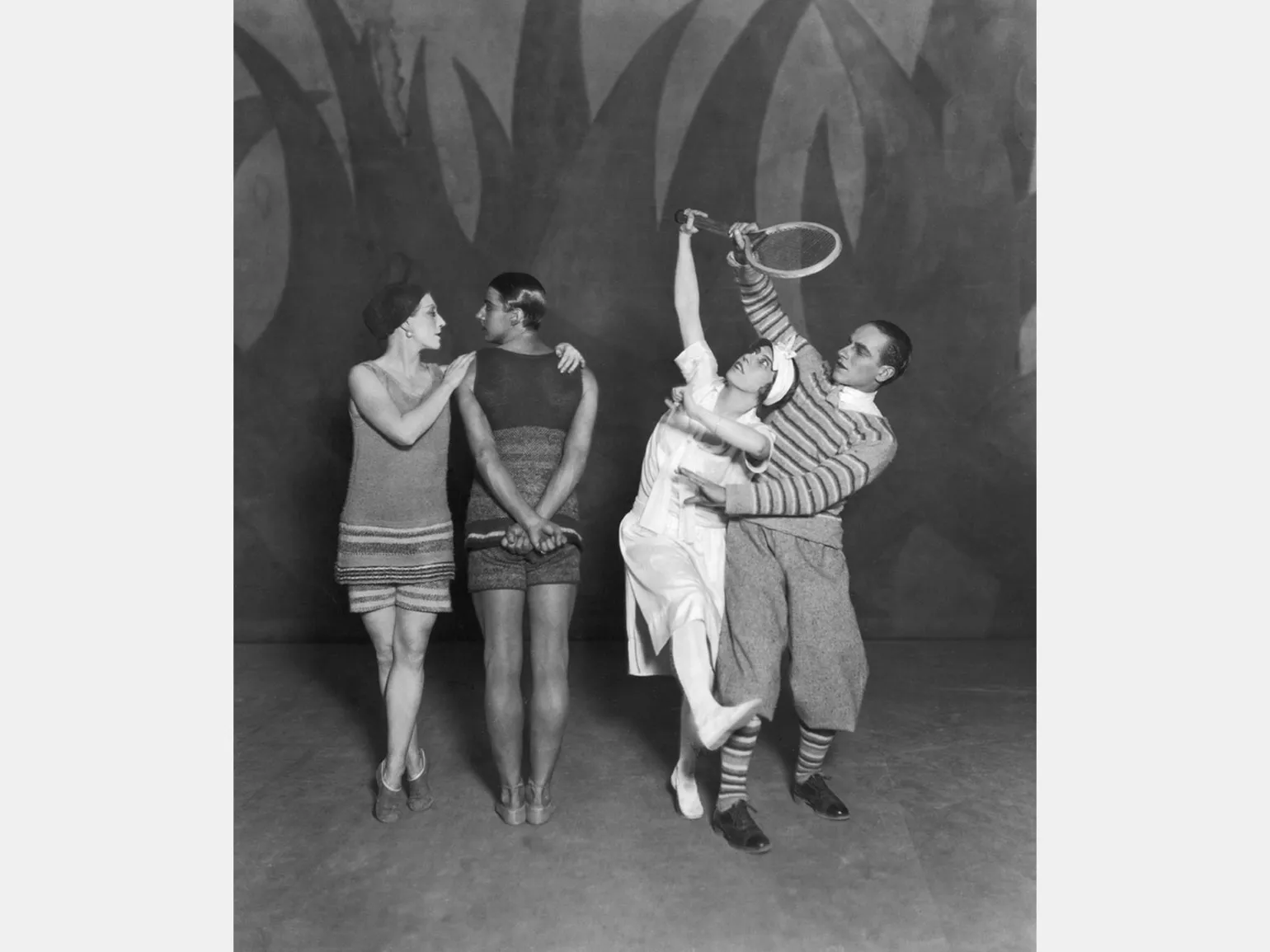
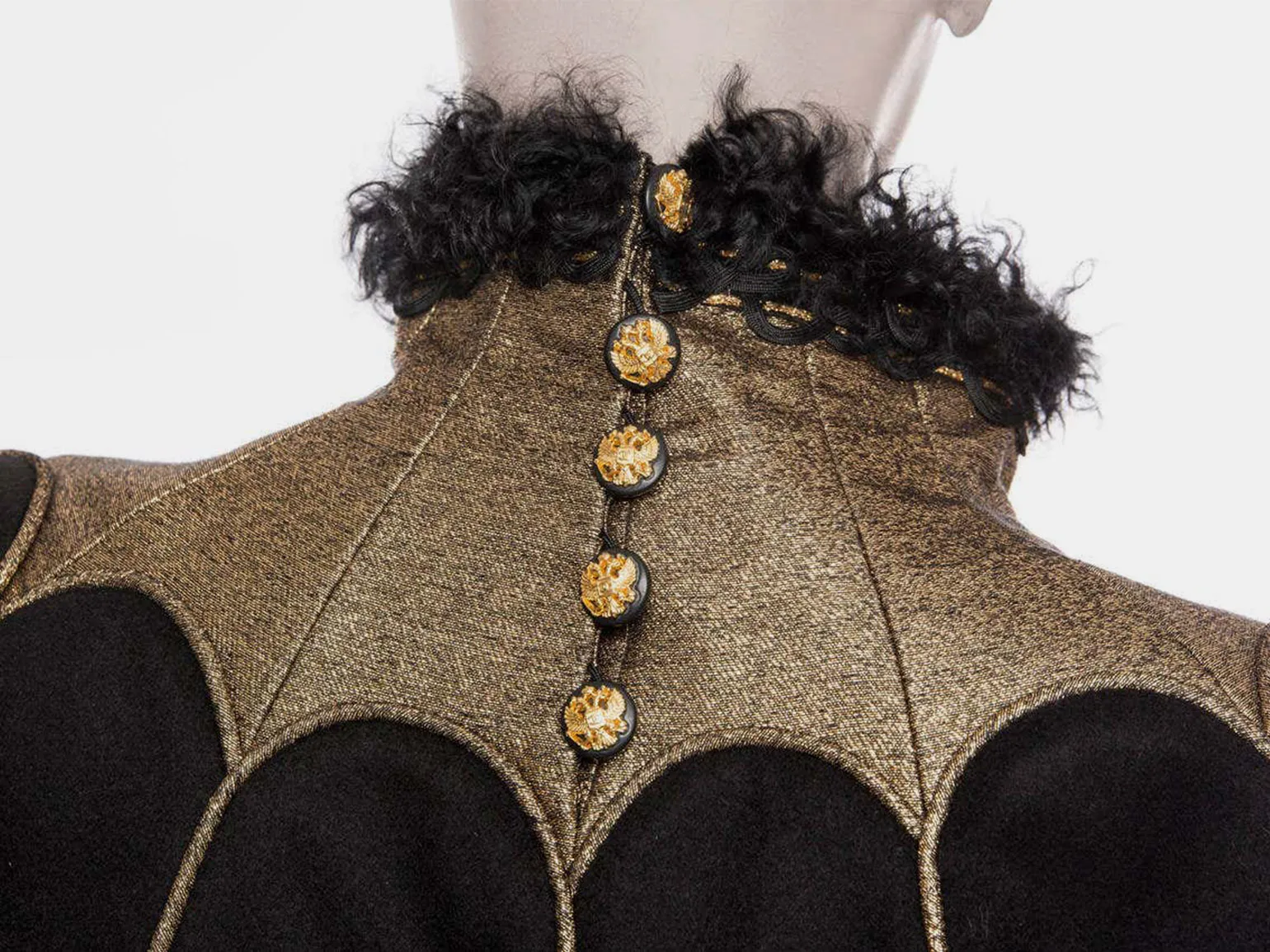
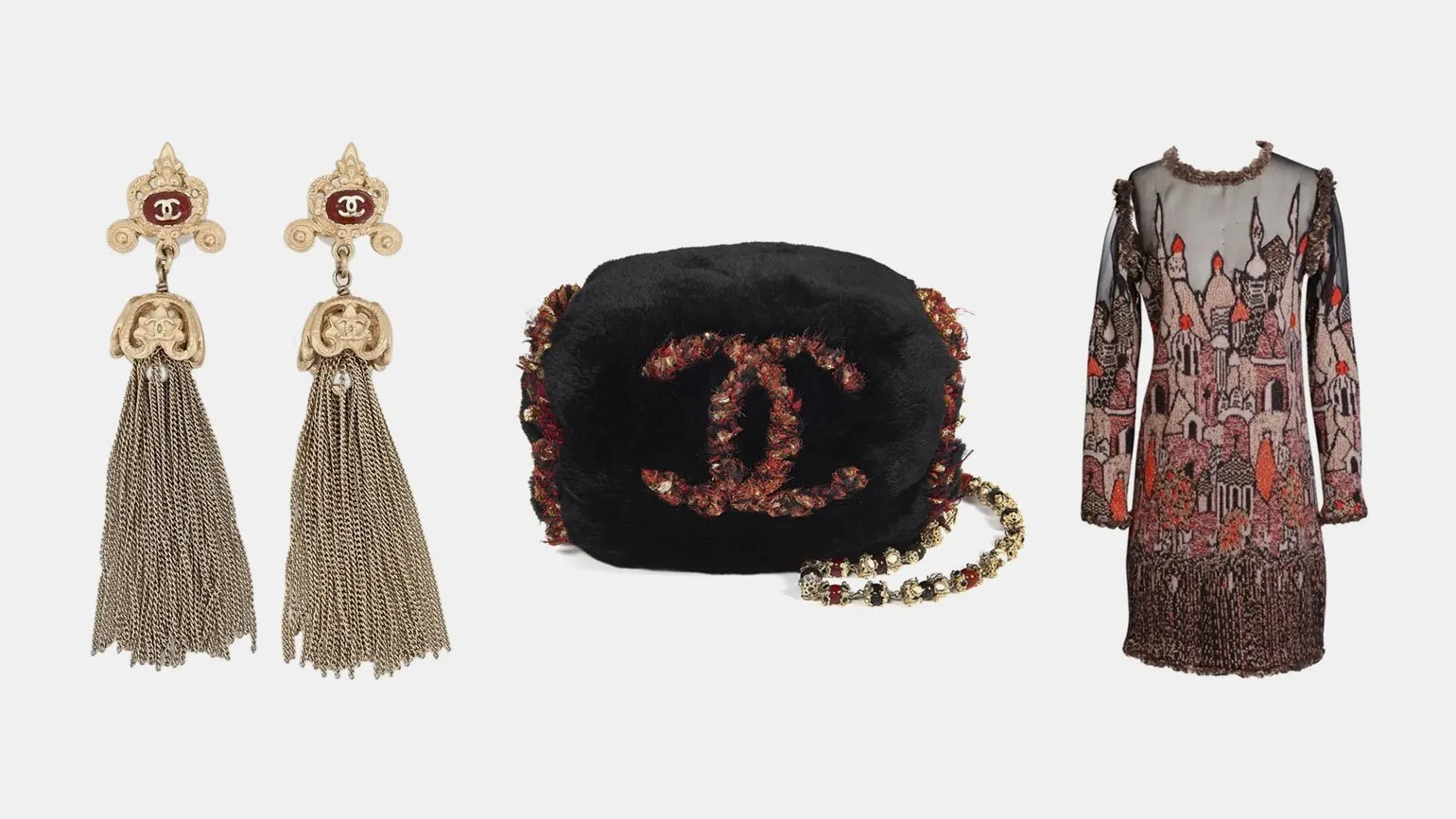
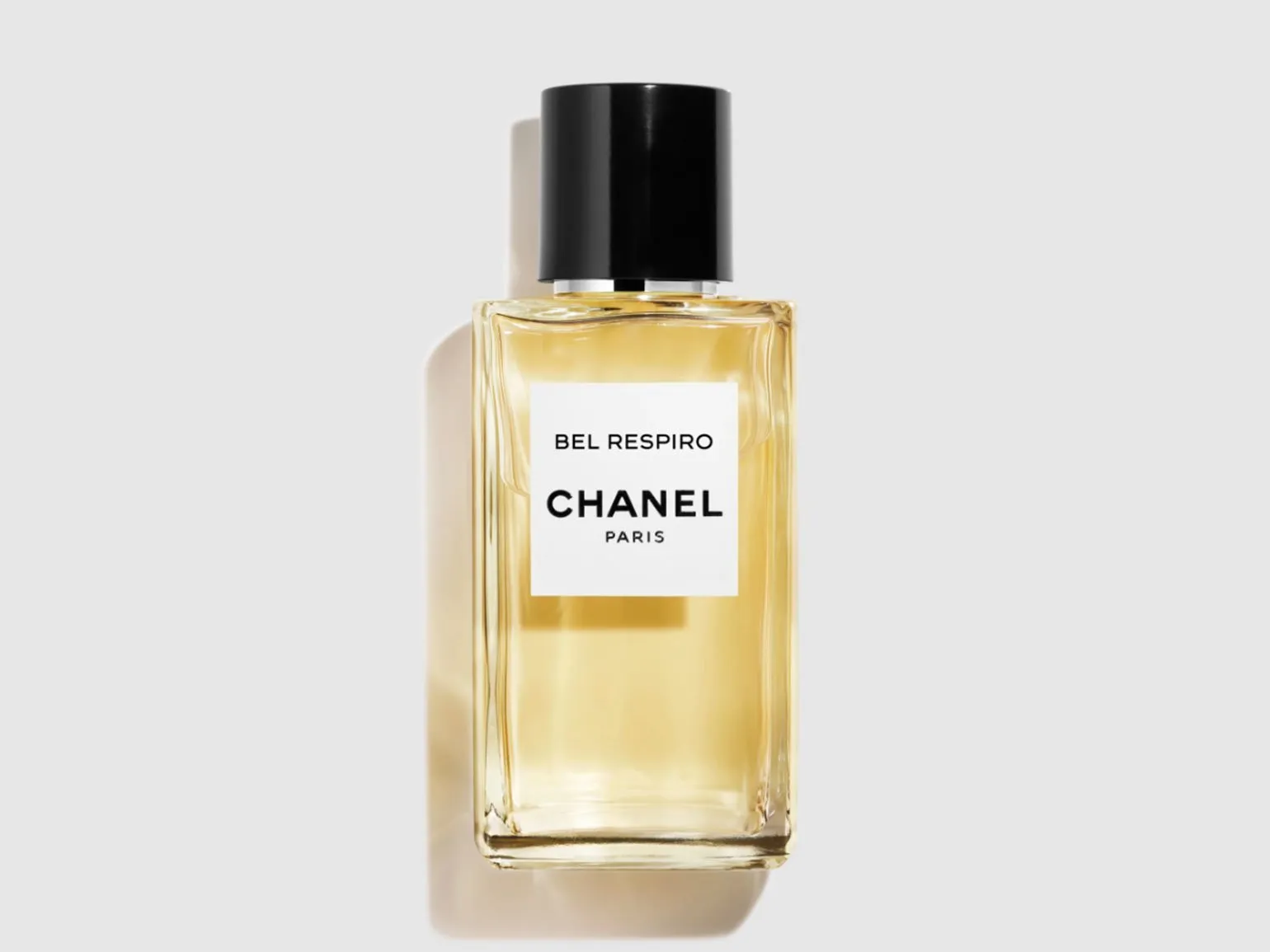
During this time, Gabrielle acquired the status of a close friend and muse for many famous artists, including Jean Cocteau, Picasso, Salvador Dalí, and Luchino Visconti. Her influence on these artists was significant, contributing to the development of their creative ideas and projects. Gabrielle became not only a source of inspiration, but also an important figure in the cultural life of her time, playing a key role in the formation of artistic movements and styles.
England and the Riviera
Chanel's personal connections with members of the British aristocracy and politicians became a significant milestone in her biography and had a tangible impact on the world of fashion. These relationships not only expanded her social circle but also contributed to the development of her unique style, which combined elegance and simplicity. Interacting with high-profile personalities helped Chanel cement her position in the fashion industry and inspired her to create new collections that reflected the spirit of the times and social changes.
She had the opportunity to interact with Winston Churchill and could have become the Duchess of Westminster. The Prince of Wales, the future King of Great Britain, was deeply infatuated with her. These historical connections underscore her importance in high society and her influence on the country's political life.
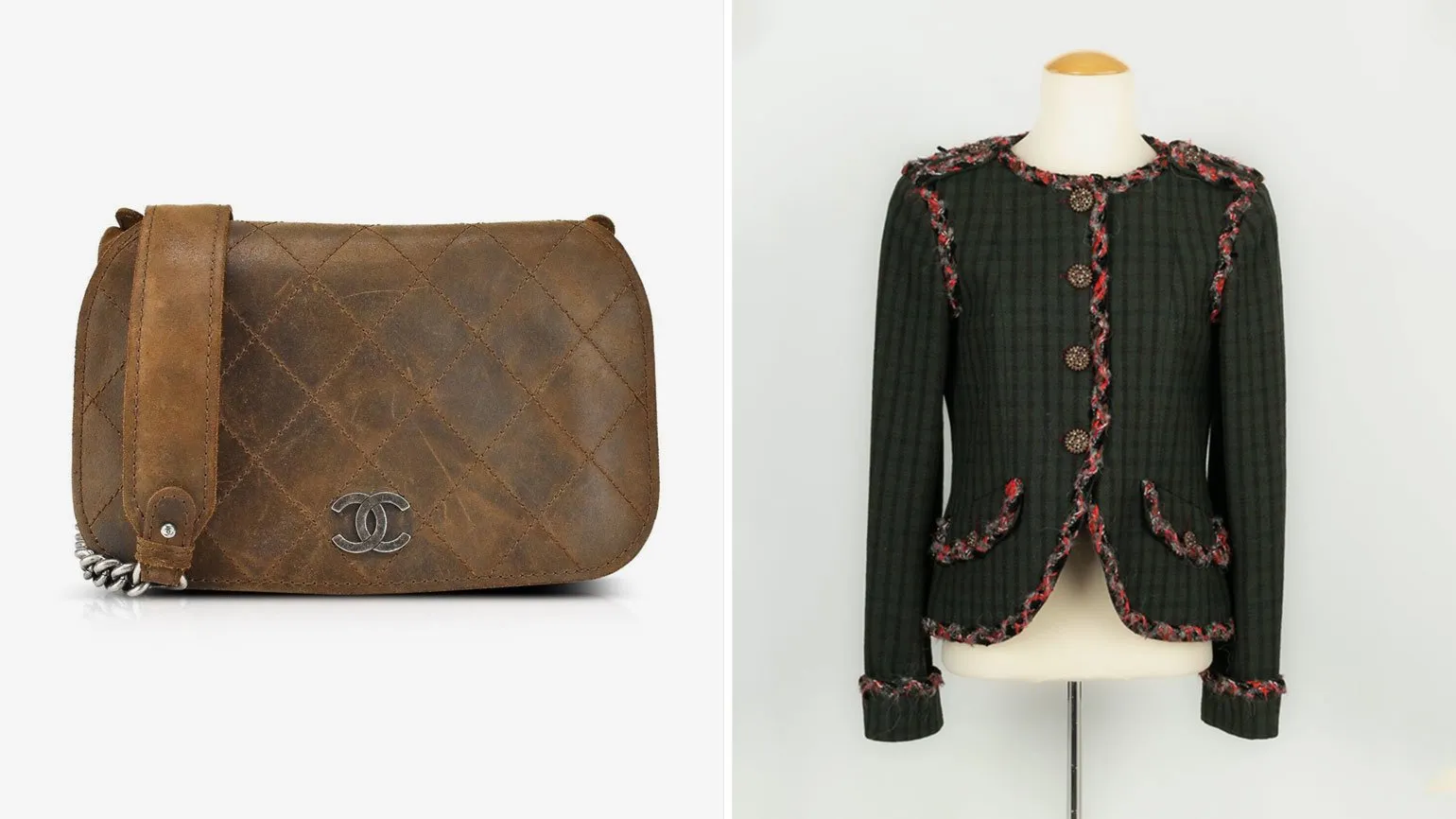
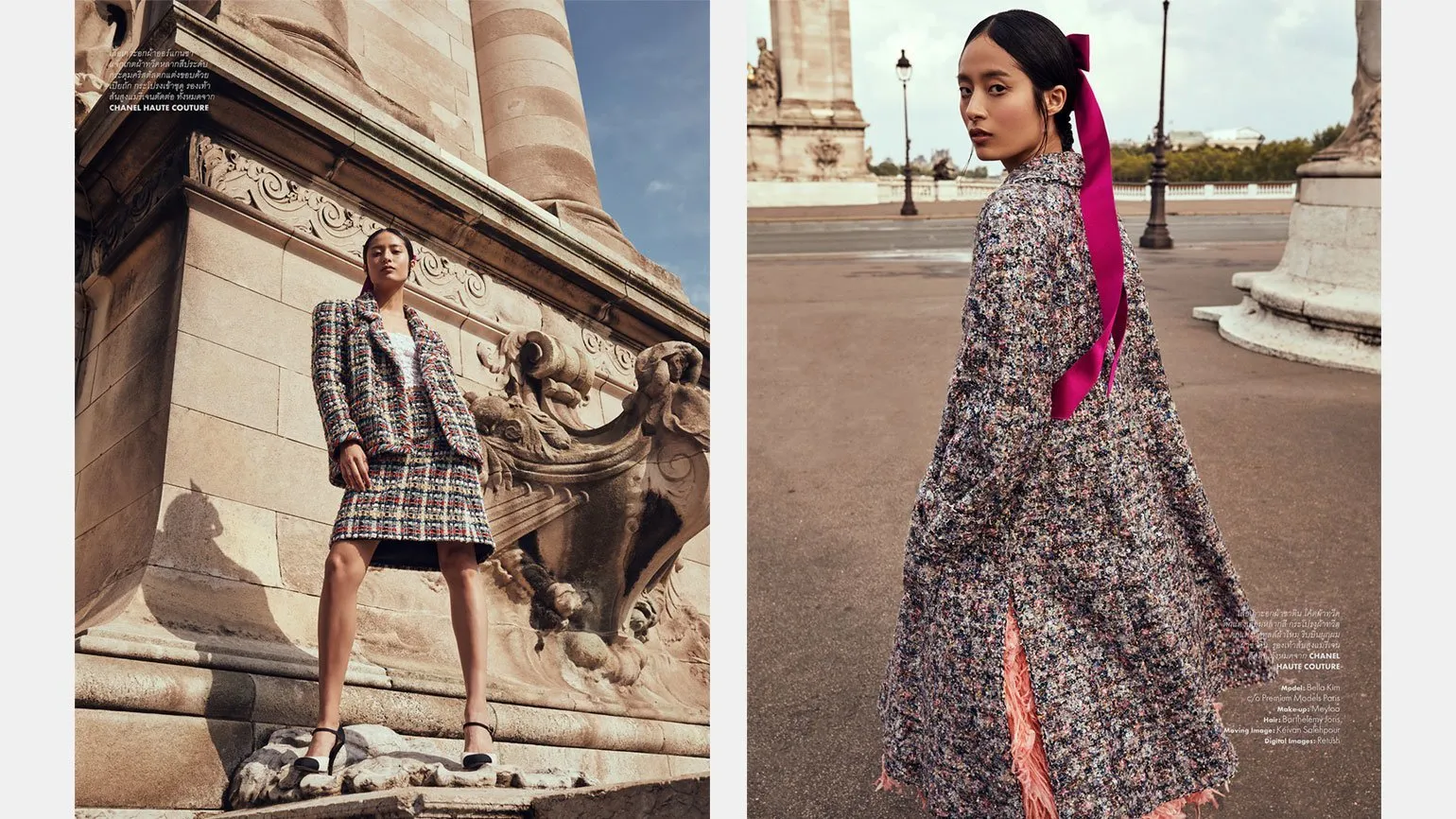
Gabrielle's affair with the Duke of Westminster contributed to the popularization of tweed. This dense material was used to make suits that were worn for hunting and fishing. Coco Chanel also sometimes chose tweed outfits to protect herself from the cold. Tweed was originally created for utilitarian purposes: Scottish and Irish mills produced this durable and stiff material for workers and farmers. Over time, tweed became a symbol of style and elegance while retaining its functionality. The couturier decided to adapt tweed for women's wardrobes, transforming it into a colorful, soft, and thinner material than the traditional one used by Scottish hunters. From this innovative fabric, she created a suit that became a style icon: a set of a narrow skirt and a straight jacket dubbed the "Chanel uniform." This look embodies elegance and freedom, demonstrating how fashion can combine tradition with modern trends.

The Duke of Westminster was one of the wealthiest men on the planet. He gifted Gabrielle Chanel with numerous jewels and works of art, but his most significant gift was a plot of land on the French Riviera. On this land, Chanel built the villa La Pausa, whose architectural style reflected the Abbey of Aubazine. The geometry of the window openings was reminiscent of the N5 bottle, and the interiors were decorated in exquisite beige and white tones, creating an atmosphere of refined elegance.
The atmosphere and aesthetics of La Pausa had a significant influence on the design of clothing and accessories of the Chanel fashion house. The brand began to adhere to the philosophy of "less is more," but this did not mean abandoning luxury. On the contrary, minimalism in design emphasized the high quality of materials and craftsmanship, which allowed for the creation of unique collections that harmoniously combine style and elegance. Chanel continues to be a symbol of sophistication and refinement, bringing innovation to the world of fashion while remaining true to its traditions.
Hollywood
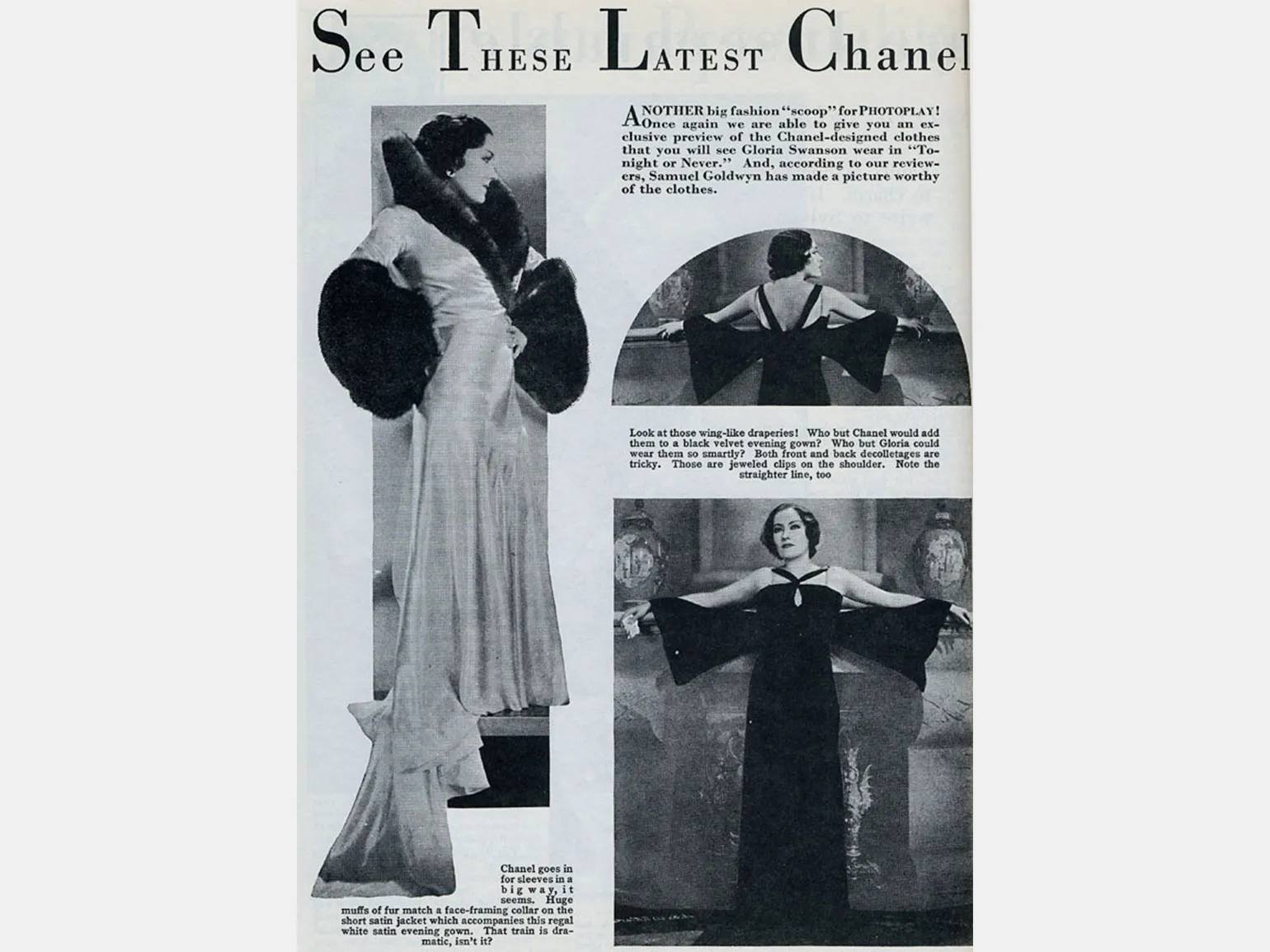
In 1931, Samuel Goldwyn invited Gabrielle to Hollywood to work on costumes for movie stars. He adhered to the principle that one should not save on expenses and should involve only the best specialists in their field in the production of films of his studio United Artists. Mademoiselle's primary task was to reorganize the company's costume department so that films would feature heroines dressed in outfits that reflected the latest Parisian fashion trends—fashion that had not yet been seen in Paris itself. This created a unique style and set new standards in the film industry, attracting the attention of audiences and critics. Chanel designed costumes for actresses in only two films. Her unique style did not meet Hollywood standards, and her clothes did not stand out for their flamboyance on screen. Nevertheless, Chanel's influence on fashion and cinema remains significant. Her approach to design and attention to detail shaped a new vision of women's clothing, which, in turn, influenced subsequent generations of fashion designers and filmmakers. Greta Garbo and Marlene Dietrich became exclusive clients of the famous fashion house, underscoring their influence on the world of fashion and style. Their clothing choices and preferences contributed to the brand's popularity and the formation of new trends in the industry.
Paris, Place Vendôme, Hotel Ritz
At the beginning of World War II, Gabrielle Chanel closed her fashion house, leaving only a boutique open, where accessories and the iconic N5 perfume continued to be sold. As a result of this decision, 4,000 employees were left without jobs. Mademoiselle Chanel moved to the Hotel Ritz, located just a five-minute walk from her home on Rue Cambon, which symbolized her desire to maintain style and comfort even in difficult times.
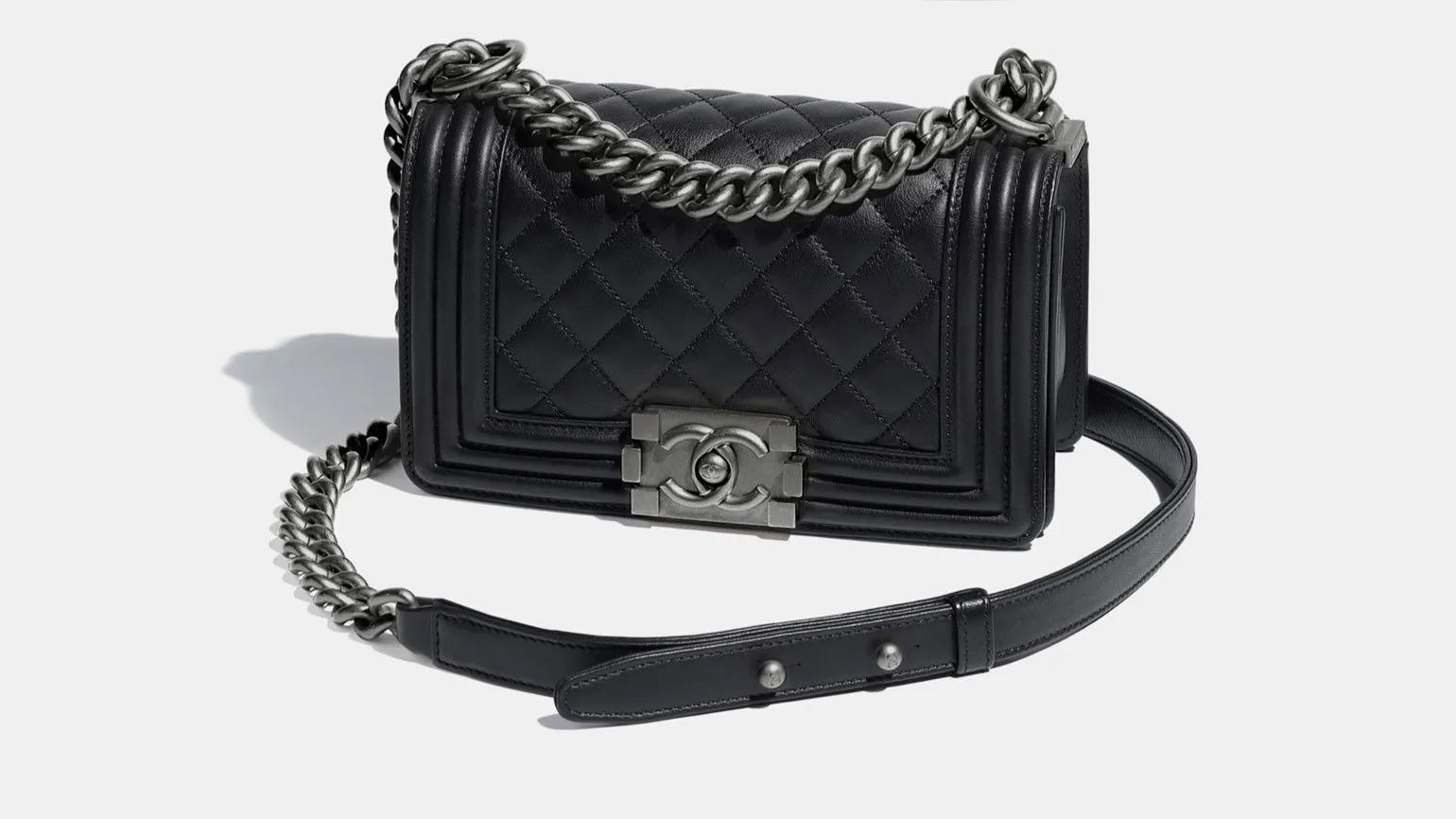
During World War II, Chanel ceased her design activities and moved to Geneva in 1945 to avoid accusations of spying for Nazi Germany. During this time, influence on the world of Parisian fashion shifted to male designers such as Christian Dior, Cristóbal Balenciaga, and Robert Piget. The House of Chanel was reborn in 1954, when 71-year-old Coco Chanel presented a new collection that was enthusiastically received in the United States. The Chanel brand continued to create pieces that immediately became symbols of Parisian elegance. These items include a handbag with a chain strap and ballet flats with a black toe. The design of these pieces continues to inspire and is copied by thousands of manufacturers around the world. The Chanel brand continues to be associated with high style and impeccable quality, remaining relevant in the fashion industry for decades.
Until her death on January 9, 1971, Gabrielle lived at the Ritz Hotel, which became her home during the last years of her life. This famous hotel not only provided her with comfort and privacy, but also served as a place to meet friends and family. Gabrielle's life at the Ritz embodies her status and cultural influence, which left a significant mark on history.
Kaiser Karl
Unlike many other luxury fashion brands now owned by conglomerates LVMH or Kering, the House of Chanel remains in the hands of a single family—the Wertheimers. The family has run the brand since its inception in the 1920s, when Pierre Wertheimer became Coco Chanel's business partner. Keeping Chanel in the hands of a single family preserves the brand's uniqueness and traditions, making it one of the most recognizable and respected in the fashion world.
In 1983, Alain Wertheimer brought in designer Karl Otto Lagerfeld from Chloè, giving him complete freedom to implement changes that would revitalize the brand. Lagerfeld became Chanel's creative director and remained in this position until his death in 2019. Thanks to his vision and innovation, Chanel underwent significant transformation, strengthening its position in the fashion market and becoming a symbol of style and elegance.
Karl Lagerfeld, a German designer known for his significant influence on the fashion industry, was nicknamed "Kaiser Karl." Like Gabrielle Chanel, he managed to transform his life and unique style into a true legend. Lagerfeld became a symbol of creativity and innovation, leaving behind an indelible mark on the fashion world.
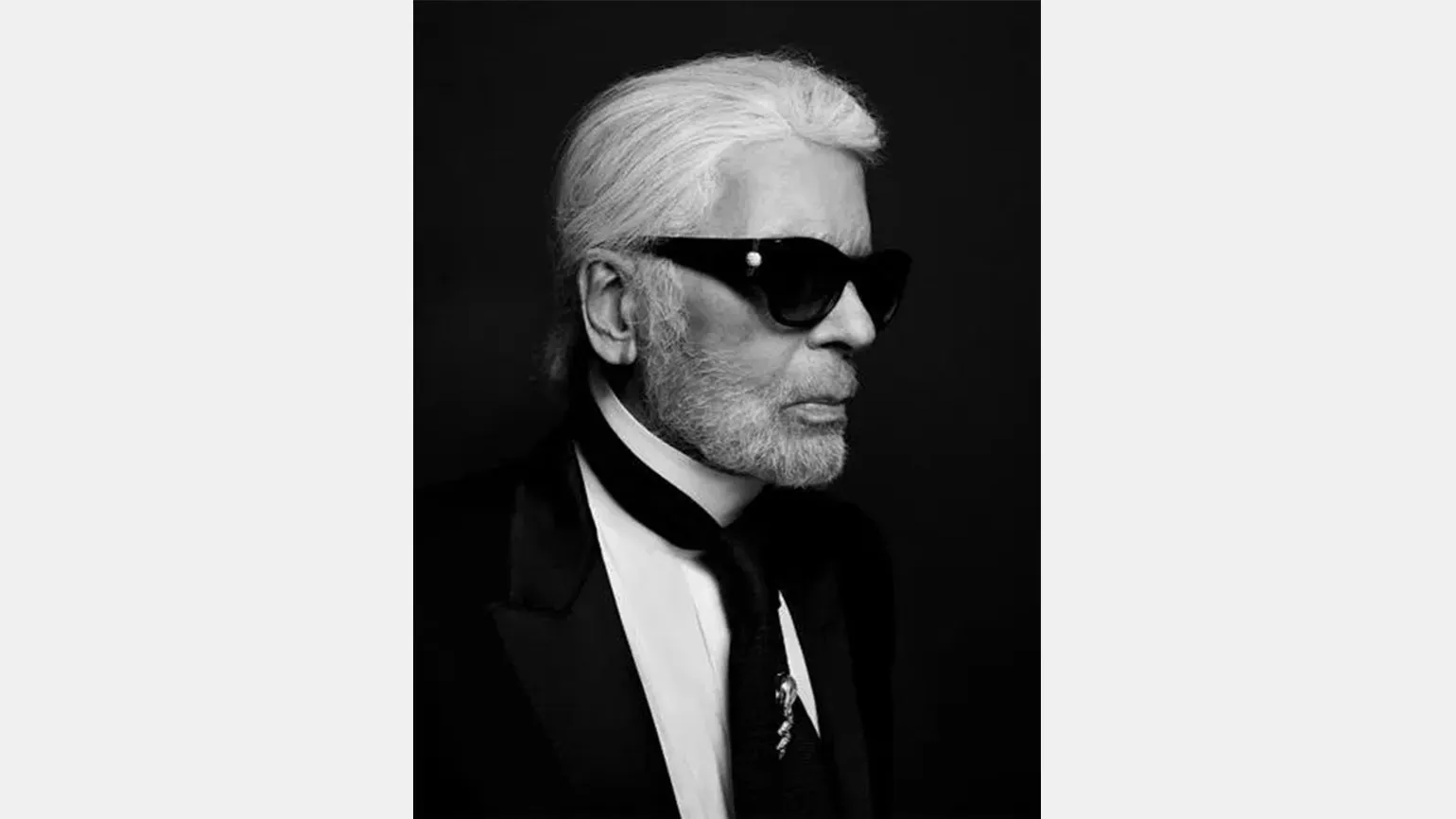
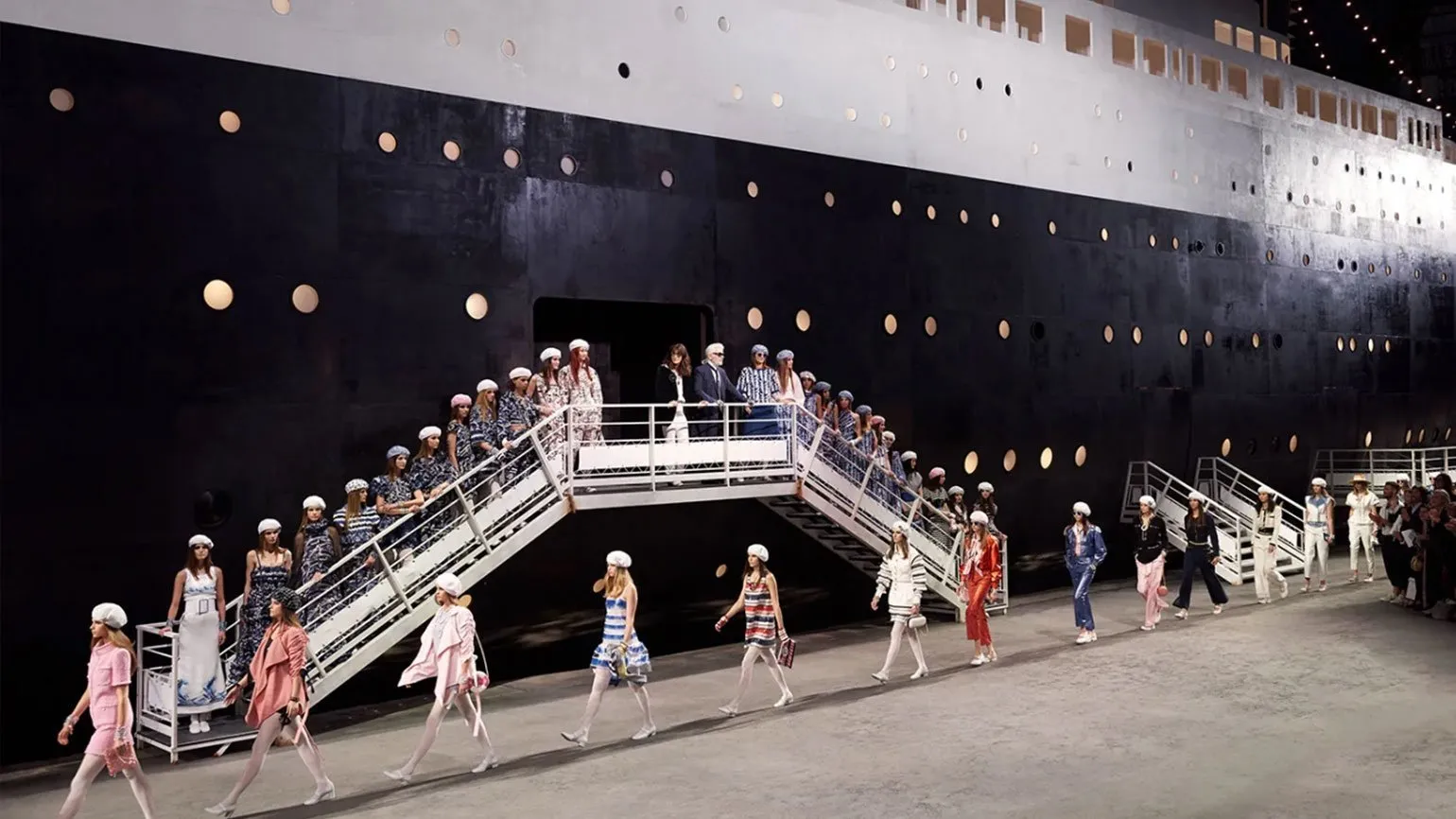
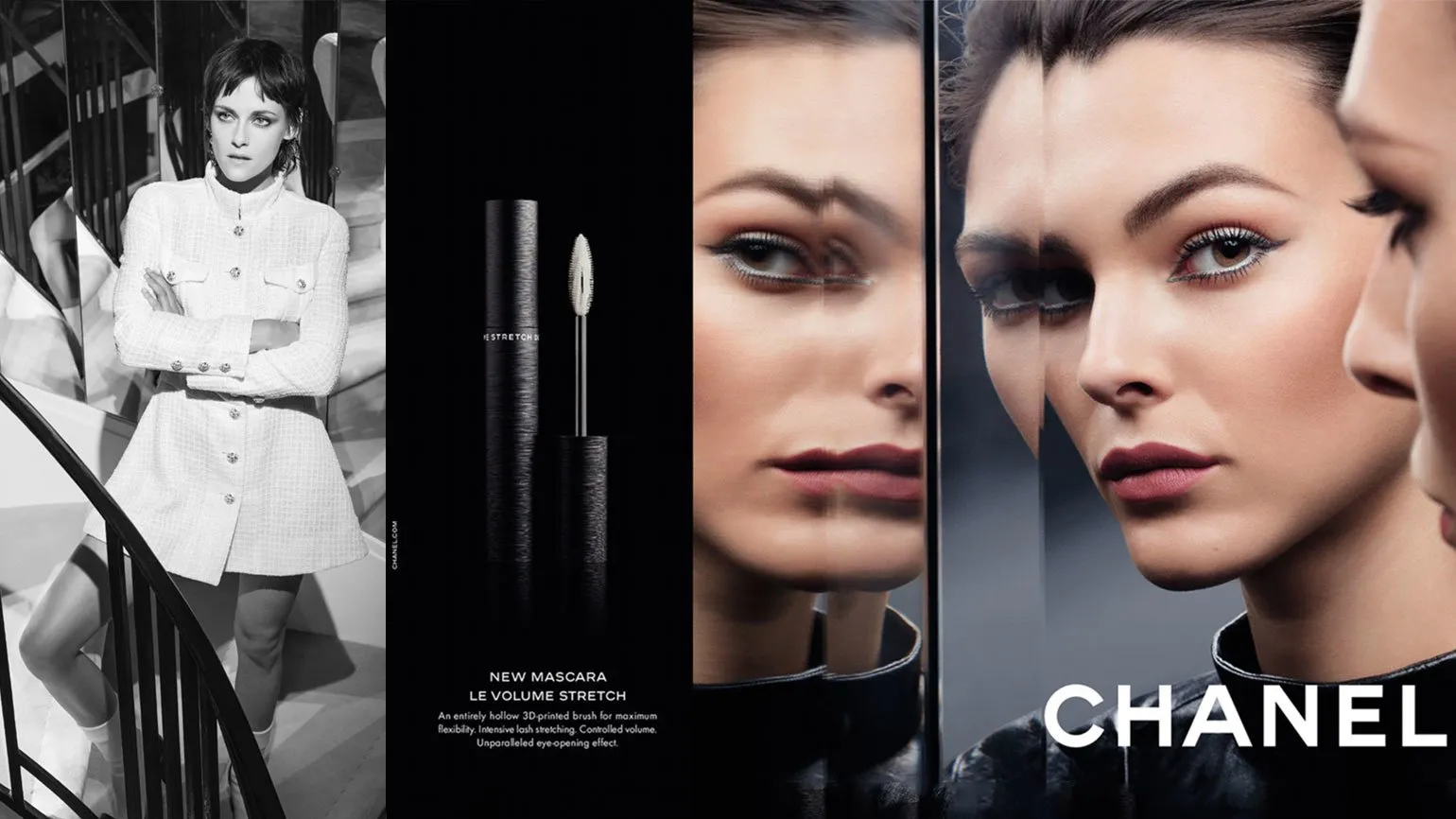
Under Karl Lagerfeld's leadership, the House of Chanel grew into a successful business and one of the most coveted fashion brands in the world. He masterfully combined Coco Chanel's legacy with modern elements, updating the brand's visual style. The brand began to actively attract a younger audience from the United States and Asia, while retaining its traditional clientele - mature women from Europe and America, for whom Chanel continues to be a symbol of the "aristocratic uniform."
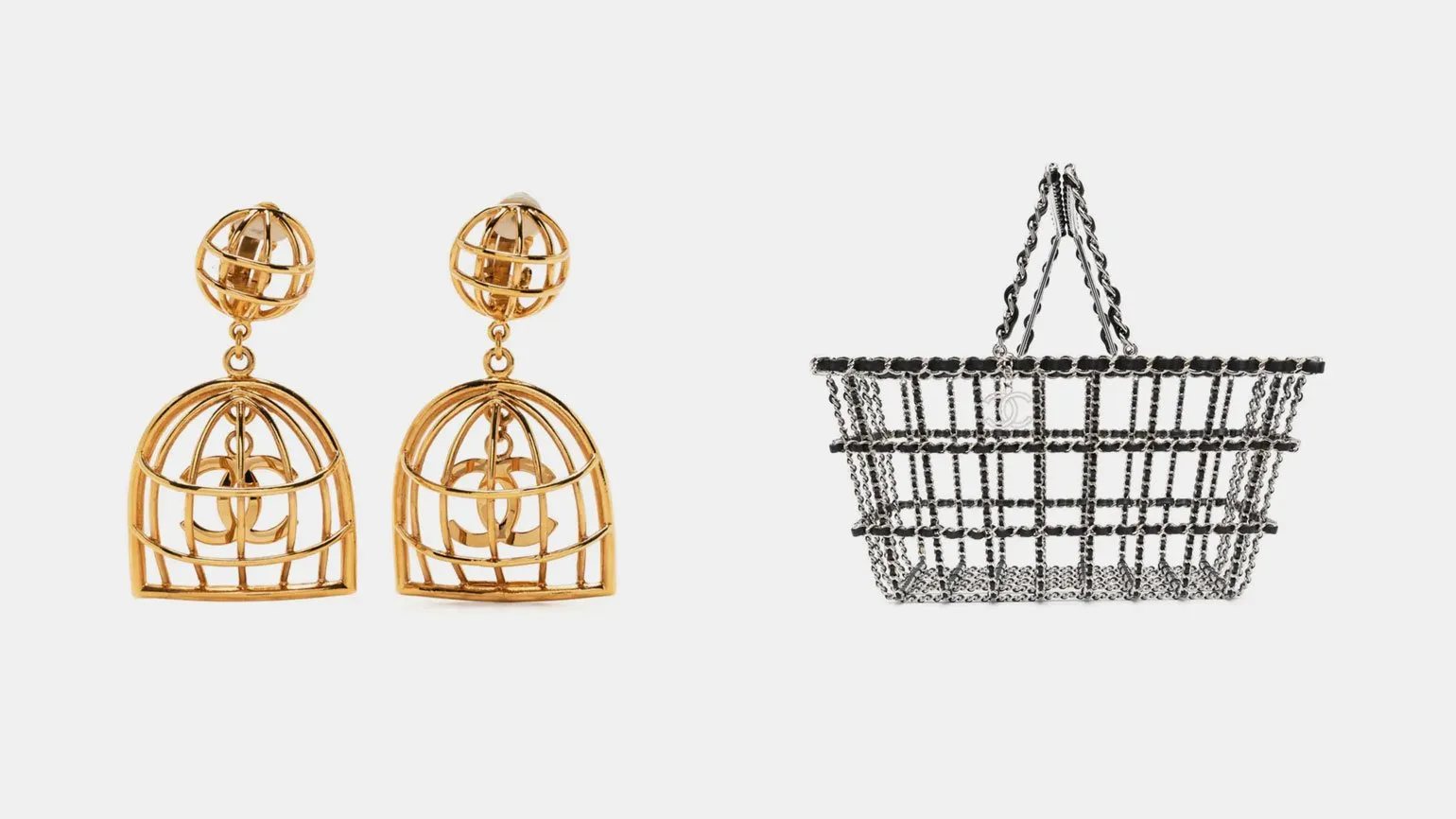
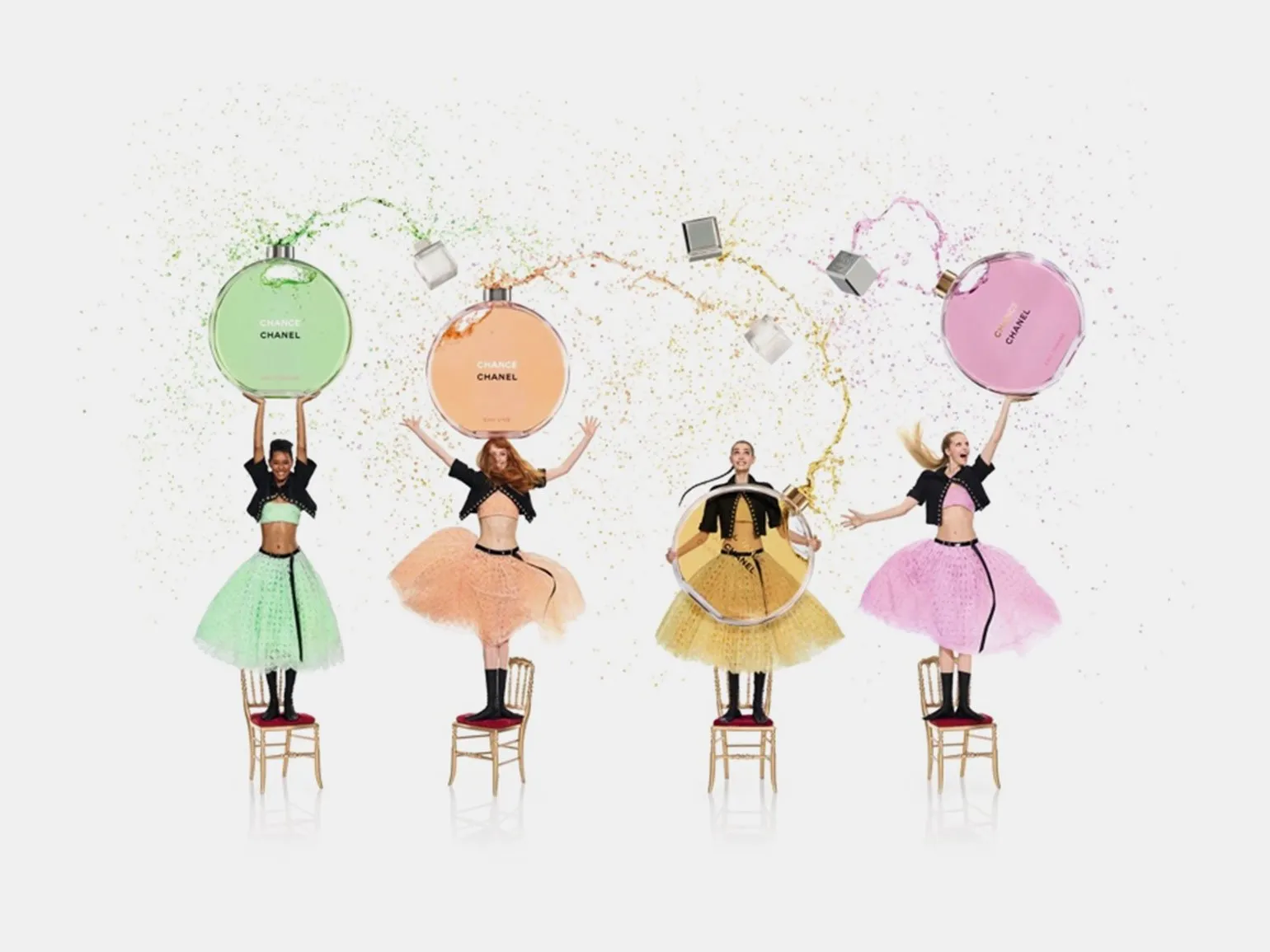
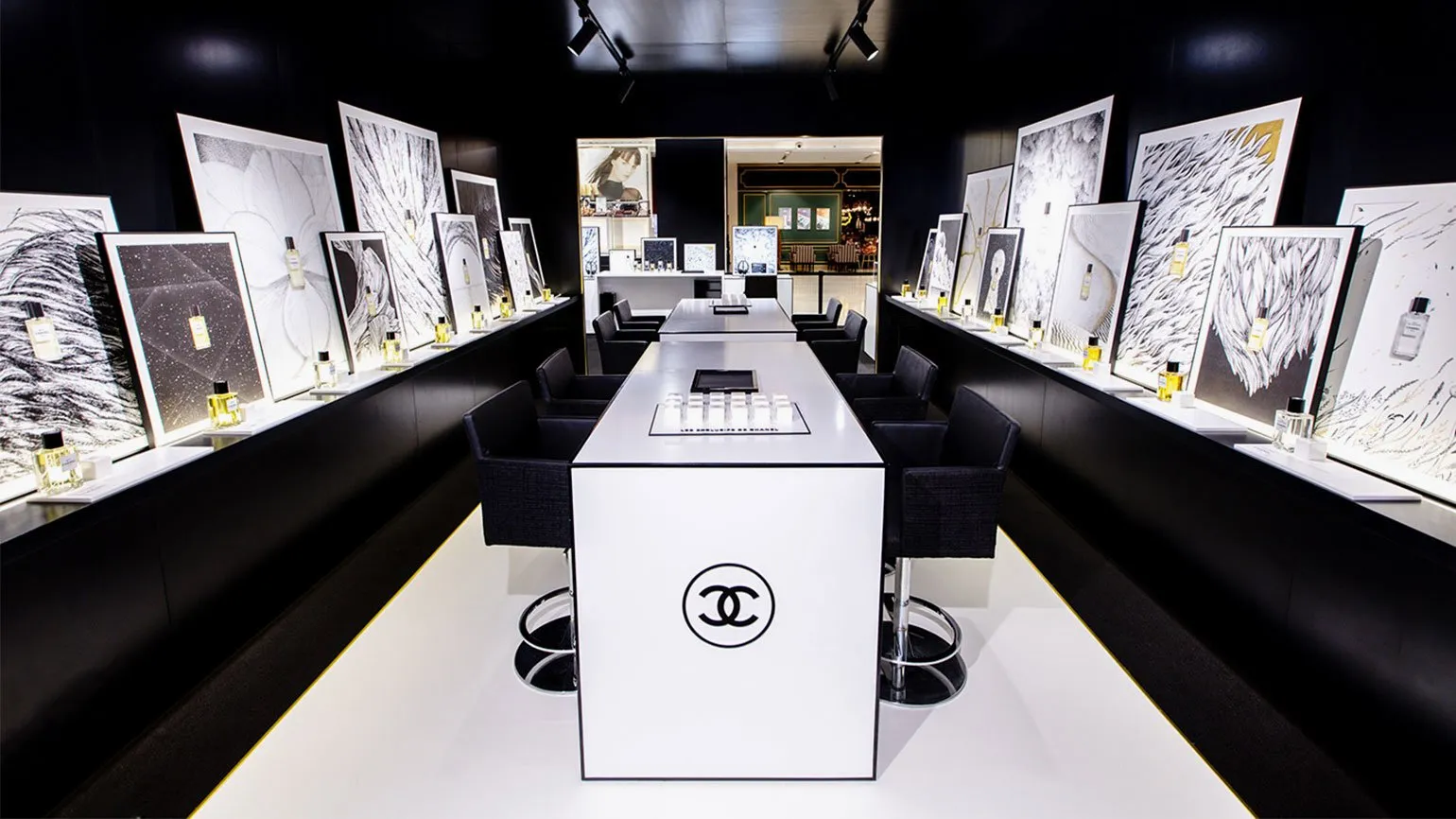
CHANEL presents a unique boutique tool developed by Caroline Defrance. This video on the Vimeo platform demonstrates innovative approaches and stylish solutions that will help improve the customer experience and enhance the appeal of CHANEL stores. Discover how this tool contributes to the creation of an exceptional atmosphere and highlights the uniqueness of the CHANEL brand in the world of fashion and luxury.
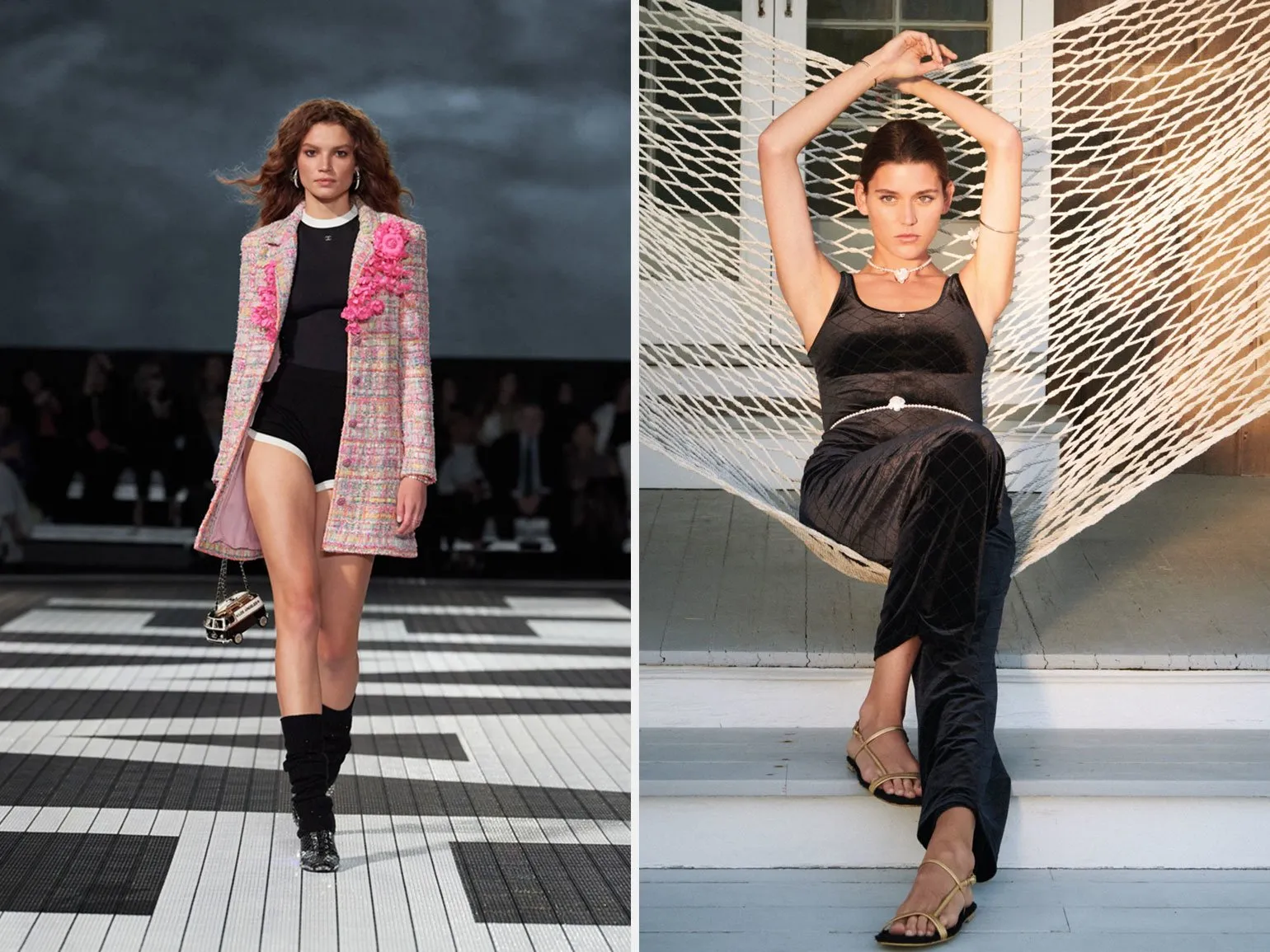
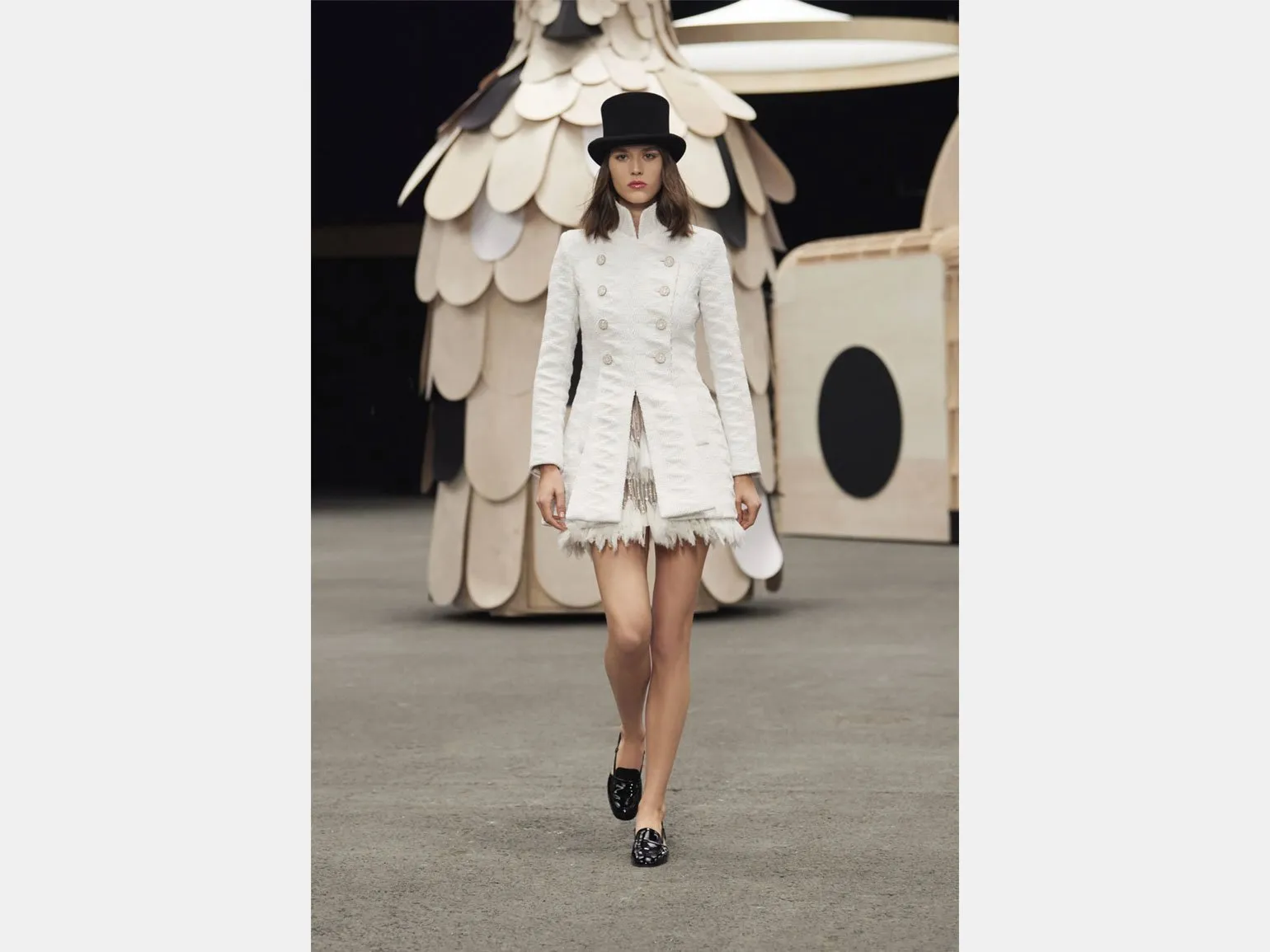
Following the departure of Karl Lagerfeld, Virginie Viard became Creative Director of the House of Chanel, having worked alongside the legendary designer for 30 years. She continued to develop and adapt Coco Chanel's legacy, introducing fresh ideas and interpretations, while preserving the essence and uniqueness of the brand. Viard strives to integrate contemporary trends with classic elements, attracting new audiences and maintaining the brand's relevance in the global fashion market.
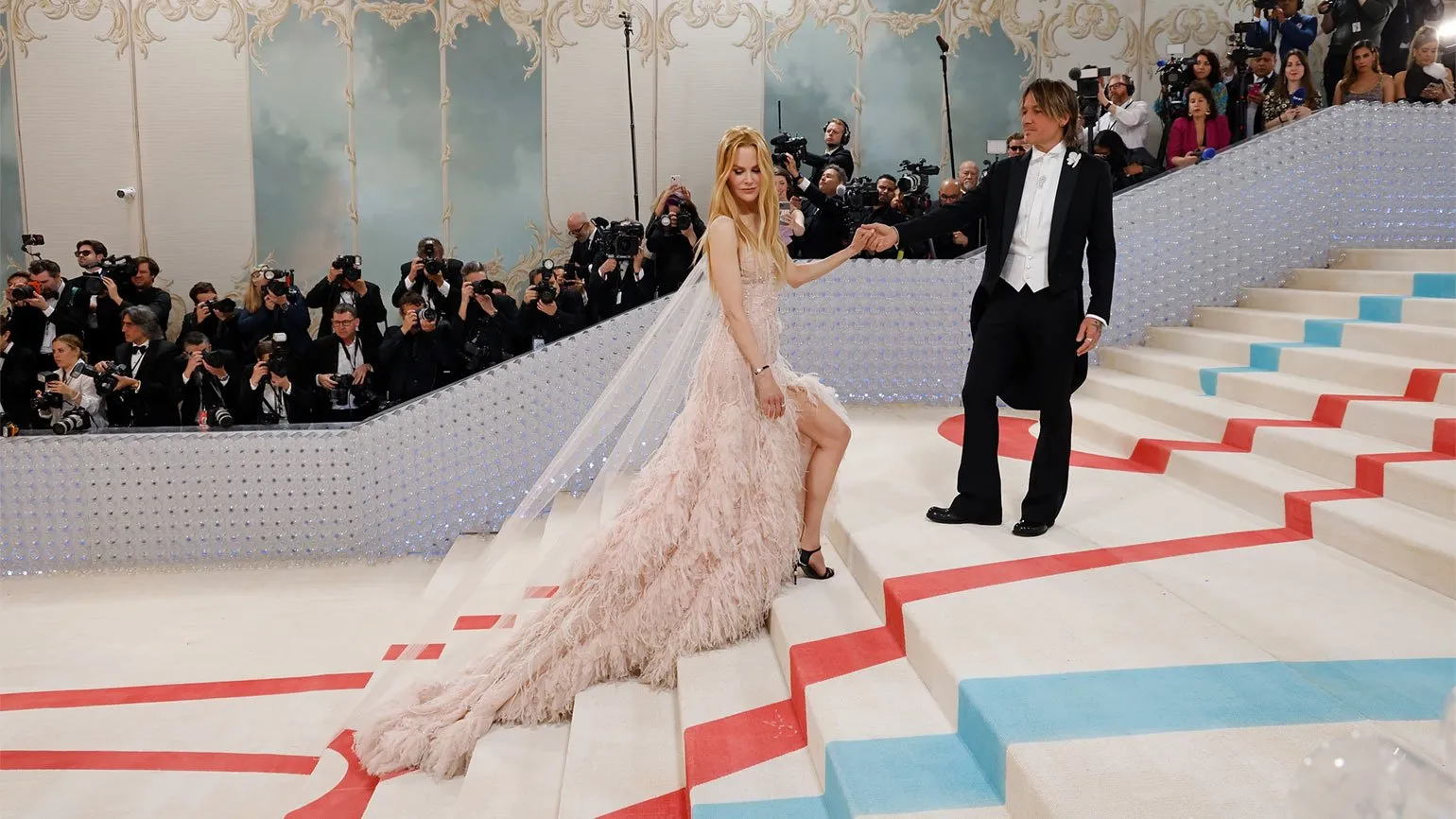
In 2023, the Metropolitan Museum of Art held a landmark retrospective, "Karl Lagerfeld: The Line of Beauty." The exhibition was designed by renowned designer Tadao Ando, who created a unique space to present Lagerfeld's work. At the Met Gala, celebrities wore vintage Chanel gowns, highlighting key design elements of this iconic fashion house. The exhibition not only celebrated Karl Lagerfeld's contribution to the world of fashion, but also drew attention to his outstanding art and influence on modern style.
Learn more about design by subscribing to our Telegram channel. There you will find relevant materials, useful tips and inspiration for your projects. Don't miss the opportunity to develop your design skills.
Pay attention to the following materials:
- Fashion history: the little black dress
- The only couturier who knew how to cut and sew. The history of the Balenciaga fashion house
- Cecil Beaton: film, fashion and war reports
- Bauhaus and VKHUTEMAS. Design history: 1920-1930s
- Design history. 1930-1940s
Fashion designer profession
You will learn everything a designer should be able to do: come up with original models, create fashion sketches, work with production and even sew with your own hands. You can release your first clothing collection, start a career in the fashion industry, or turn a hobby into a profitable business.
Find out more