
Contents:

Interior Designer: 7 Steps to a Successful Career
Learn MoreThe Evolution of the Roman Colosseum: From Ancient to Modern Times
The Colosseum, a grand amphitheater in Rome, was founded in 72 CE under the direction of Emperor Vespasian and completed in 80 CE during the reign of his son Titus. This outstanding historical monument embodies the power of the Roman Empire and its architectural achievements. The Colosseum not only served as a venue for spectacular games and gladiator fights but also became a model of ancient Roman engineering, attracting millions of tourists from around the world. Its impressive size and unique design testify to the high level of skill of ancient architects. The Colosseum remains an important cultural and historical symbol that continues to influence modern art and architecture. Emperor Titus, who ascended the throne after the fall of Nero's tyranny, decided to transform the appearance of Rome. In place of Nero's magnificent palace and its vast park, Titus initiated the construction of the Colosseum. This grandiose structure became a symbol of the new Rome, providing residents of the capital with the opportunity to enjoy a variety of entertainment and spectacles, strengthening the city's cultural life. The Colosseum not only became a center of public life but also demonstrated the majesty of imperial power, fostering national unity through mass events.
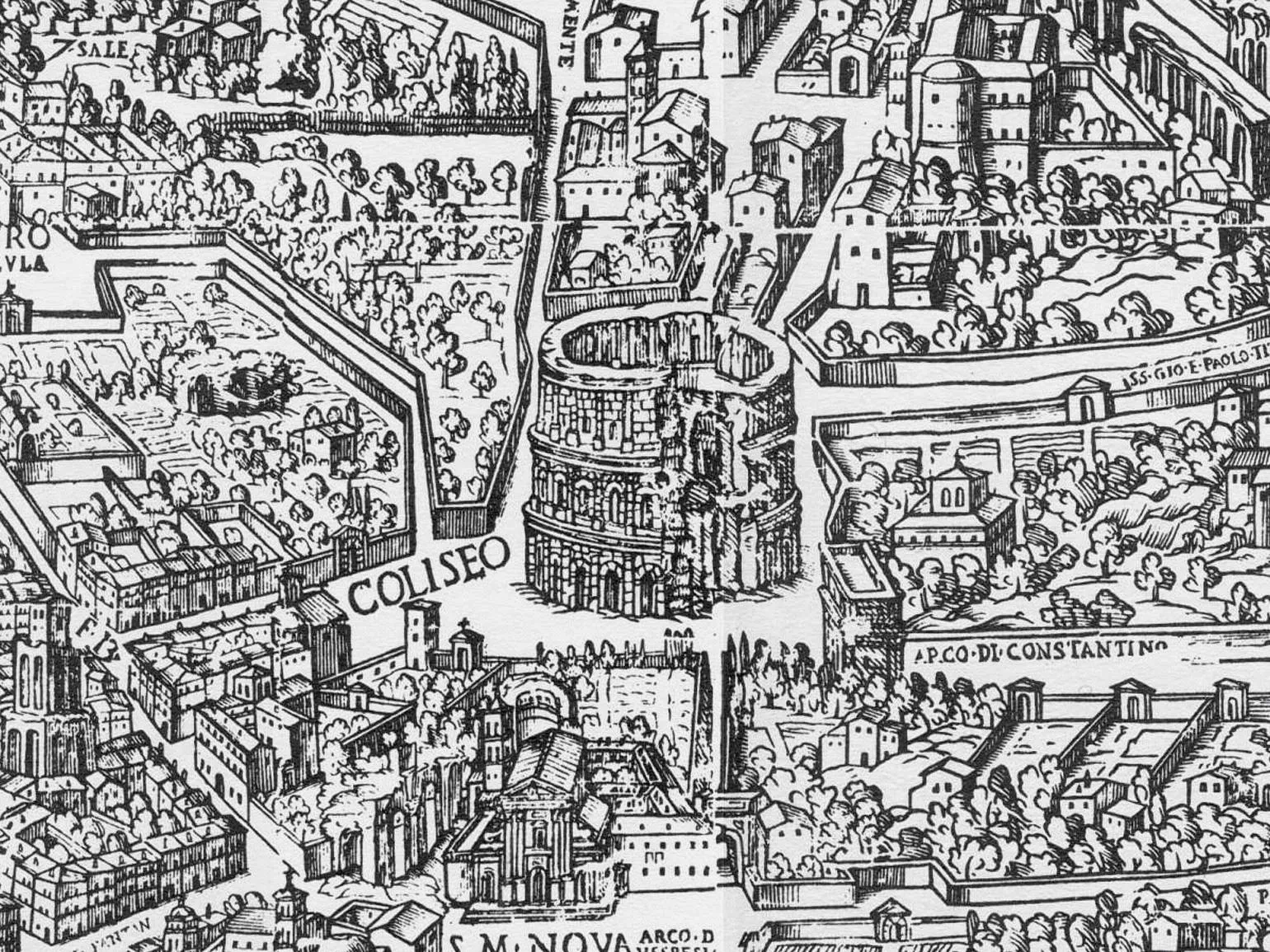
At the height of its splendor, the Colosseum was a symbol of the Roman Empire and a venue for spectacular events, including the famous gladiatorial combats. These events provided the Romans with much-needed entertainment and spiritual nourishment, embodying the concept of "bread and circuses." However, with the fall of the empire and the barbarian invasions, the Colosseum gradually began to decline. In the 6th century, the amphitheater was converted into a cemetery, and its arches and interior spaces were adapted for housing and workshops. This demonstrates how quickly cultural and architectural achievements can lose their significance in the face of historical change. The Colosseum, once majestic, became a reflection of Rome's decline and the changing lifestyle of its inhabitants.
Despite numerous earthquakes that have affected its structure, the Colosseum has managed to survive the centuries. In the 18th and 19th centuries, the popes began actively preserving the Colosseum, carrying out significant reconstructions and fortifications. These measures preserved this unique architectural monument, which continues to attract tourists from around the world and serves as a symbol of ancient Roman culture.
In the 20th century, the Colosseum was inscribed on the UNESCO World Heritage List, marking a significant milestone in its history. Today, the Colosseum is not only an archaeological site but also a symbol of cultural heritage, attracting millions of tourists from around the world. This majestic structure, built in ancient Rome, continues to inspire people with its architecture and history, becoming a popular tourist attraction. A visit to the Colosseum allows you to immerse yourself in the atmosphere of ancient gladiatorial battles and learn more about the cultural significance of this unique monument.
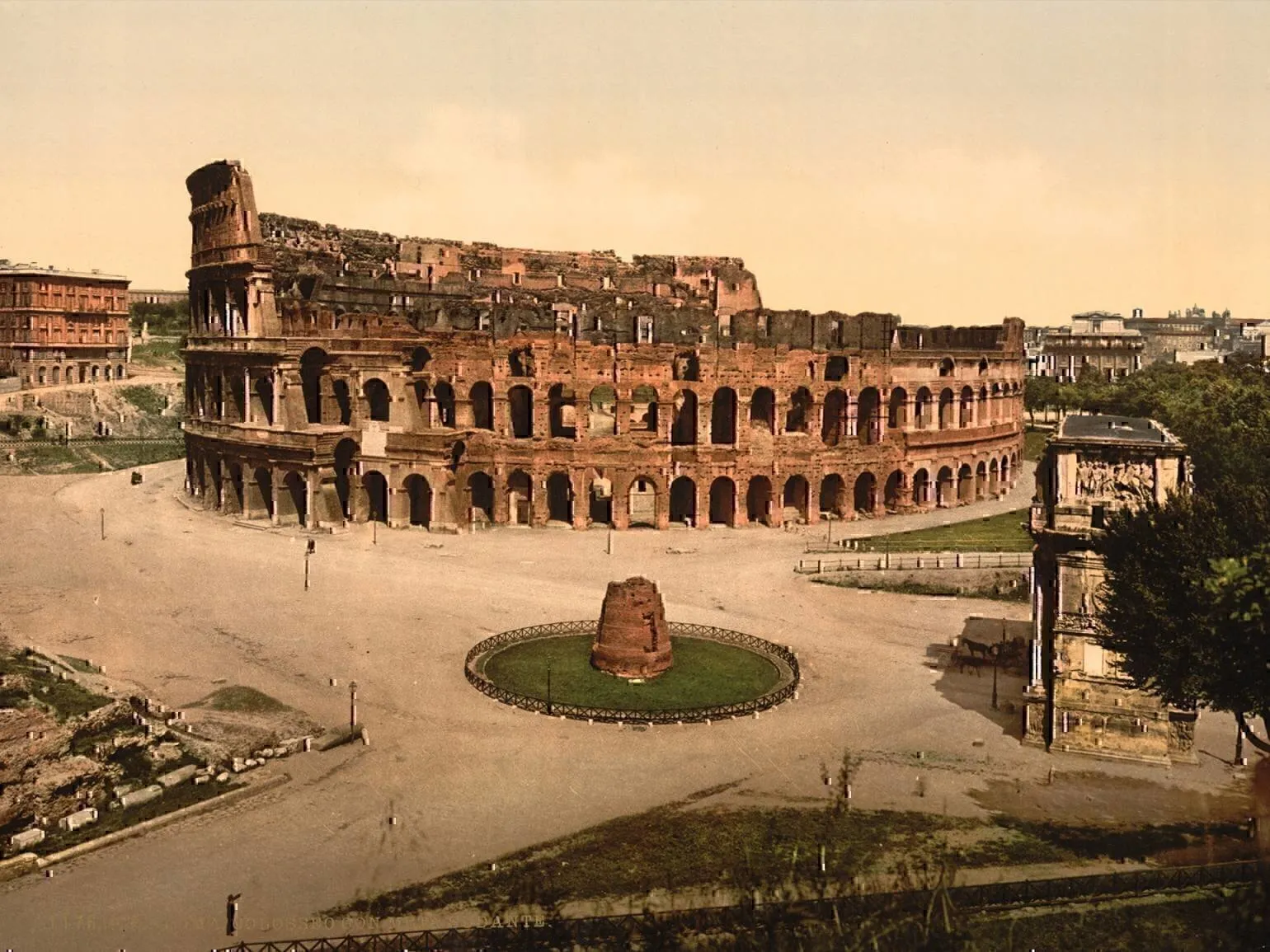


Architectural Features of the Colosseum: External and Internal Overview
The Colosseum, a majestic symbol of Rome and an outstanding architectural monument, has an oval shape with dimensions of approximately 189 by 156 meters. The height of its walls varies from 48 to 50 meters, which emphasizes the grandeur of this historical building. The Colosseum is supported by 80 columns and walls that are evenly distributed from the center, creating an impressive structure. This ancient amphitheater, built in the 1st century CE, has become not only the center of spectacular events but also an important cultural heritage site, attracting millions of tourists from all over the world. The Colosseum is an important symbol of Rome and a testament to the engineering prowess of the ancient Roman civilization.
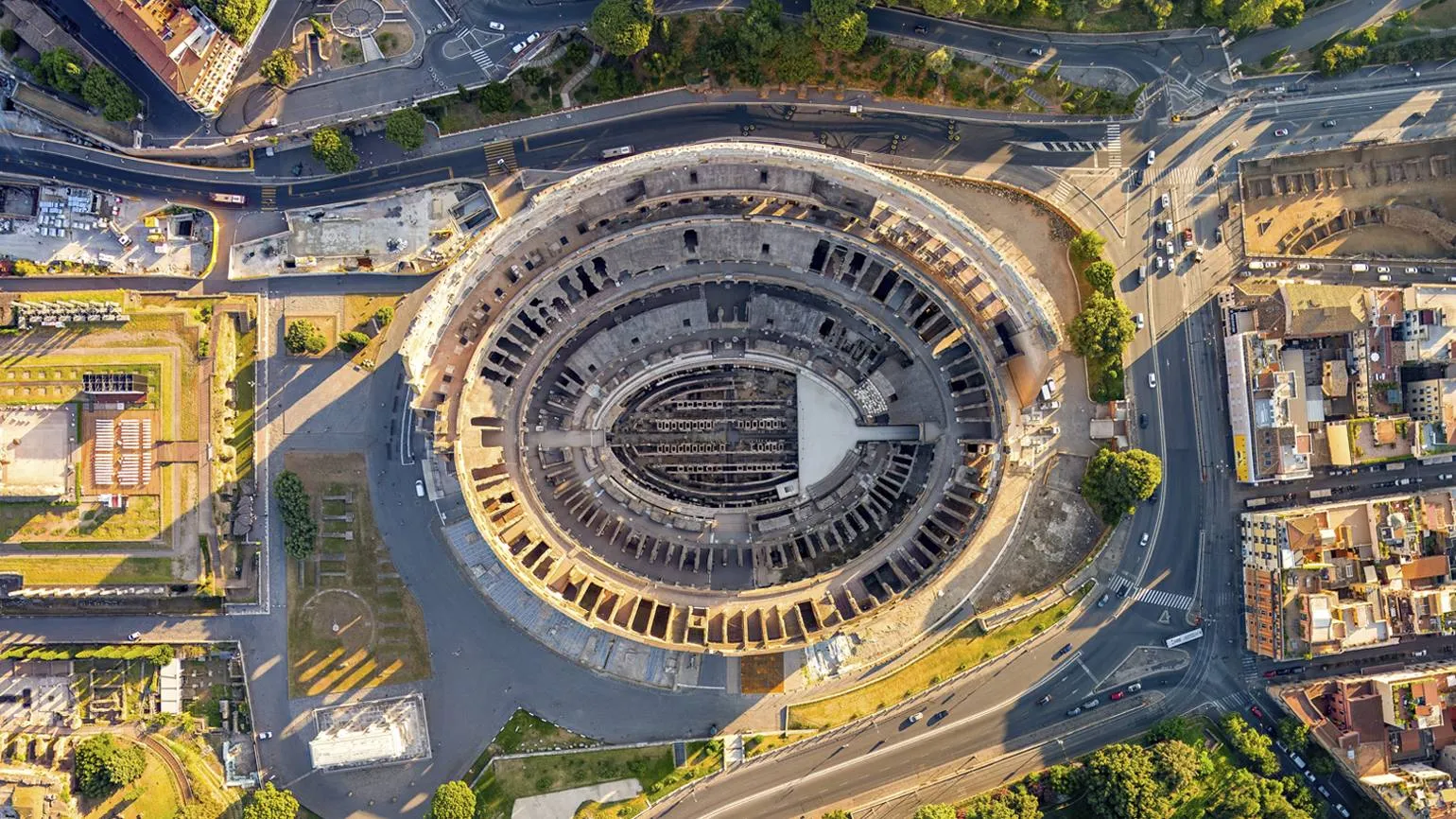
The Colosseum, a majestic structure of Ancient Rome, originally consisted of three levels. However, in the 80s AD, Emperor Domitian carried out a large-scale reconstruction, adding a fourth floor. This innovation significantly increased the arena's capacity, allowing it to accommodate between 50,000 and 80,000 spectators. This transformation played a key role in the development of Rome's entertainment industry, making the Colosseum a center for mass spectacles and spectacular events.
Spectator seating in ancient arenas was organized into ring-shaped tiers, each designated for a specific social group. The entrances and staircases leading to the various tiers were clearly separated, demonstrating a high level of organization and planning. This system of corridors and seating arrangements continues to influence the design of modern sports arenas, ensuring the comfort and safety of spectators. Effective arena architecture not only improves the spectator experience but also contributes to a better perception of the events taking place on the site.
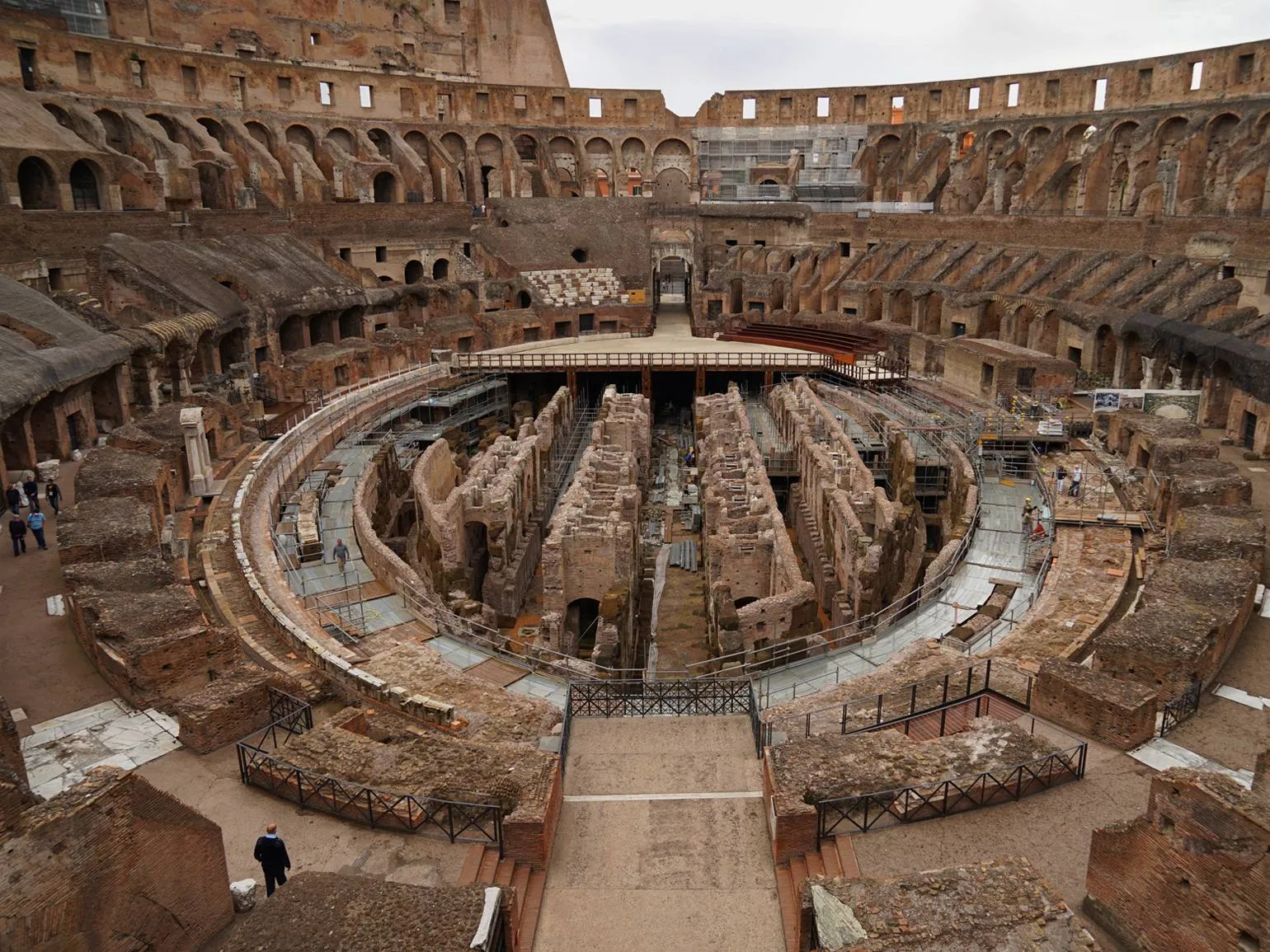
The lower structure of the amphitheater, known as the hypogeum, was a complex network of corridors and cellars. This system housed the lifting mechanisms used to transport gladiators and wild animals into the arena. The Hypogeum was a remarkable engineering achievement of its time, demonstrating the advanced technology and spatial organization of ancient Roman amphitheaters.
The first three levels of the building feature symmetrical arches and columns, creating a harmonious architectural composition. The upper tier is decorated with pilasters, lending the structure an elegant appearance. In the past, the arches of the second and third floors were framed by statues of mythological figures, emphasizing the grandeur and historical significance of this site. Such architectural elements attract attention and create a unique atmosphere, making it an important part of cultural heritage.

The Colosseum, the famous Roman amphitheater, was equipped with a retractable roof, called a velarium, which provided protection for spectators from adverse weather conditions. This roof operated thanks to a complex system of ropes, highlighting the engineering skill of the ancient Romans. Furthermore, for reenactments of naval battles, the arena was filled with water to a depth of up to one meter, demonstrating the high level of theatrical art and innovative approaches to organizing spectacles of the time.
The arena, measuring 83 by 48 meters, was equipped with a wooden surface onto which sand was laid. The Colosseum, a majestic structure, was built of travertine limestone, held together with iron clamps, as well as marble and brick. A devastating earthquake in 1349 caused part of the southern façade to collapse, and the remaining stones were used in various building projects in Rome. The Colosseum remains a symbol of ancient Roman architecture and engineering excellence, attracting tourists from all over the world.
Where can you see architectural references to the Colosseum?
Architectural and design solutions inspired by the majestic Colosseum can be found all over the world. Architects, artists, and designers pay special attention to the iconic cylindrical forms, arcades, and multi-tiered structure. Some of them recreate the Colosseum's imagery exactly, while others only hint at its elements, creating associations that convey the spirit of this majestic monument. Such interpretations not only enrich modern architecture but also serve as a tribute to historical heritage.
In the 1970s, two round nine-story buildings designed by architect Yevgeny Stamo and engineer Alexander Markelov were built in the center of Moscow. These unique structures, made of standard panels and connected at an angle of 6°, were called the "Moscow Coliseums." Their unusual design became a striking example of the architectural approach of the time and attracted the attention of both residents and tourists. The "Moscow Coliseums" embody the bold ideas of Soviet architecture, combining functionality and originality, which makes them an important part of the historical and cultural heritage of the capital.
Each building has a diameter of 155 meters and includes six arches that lead to an enclosed courtyard. The trapezoidal shapes of the interior spaces give the architectural project a unique character and visual appeal. This feature not only improves the aesthetics of the space, but also creates functional zones that promote comfortable living.

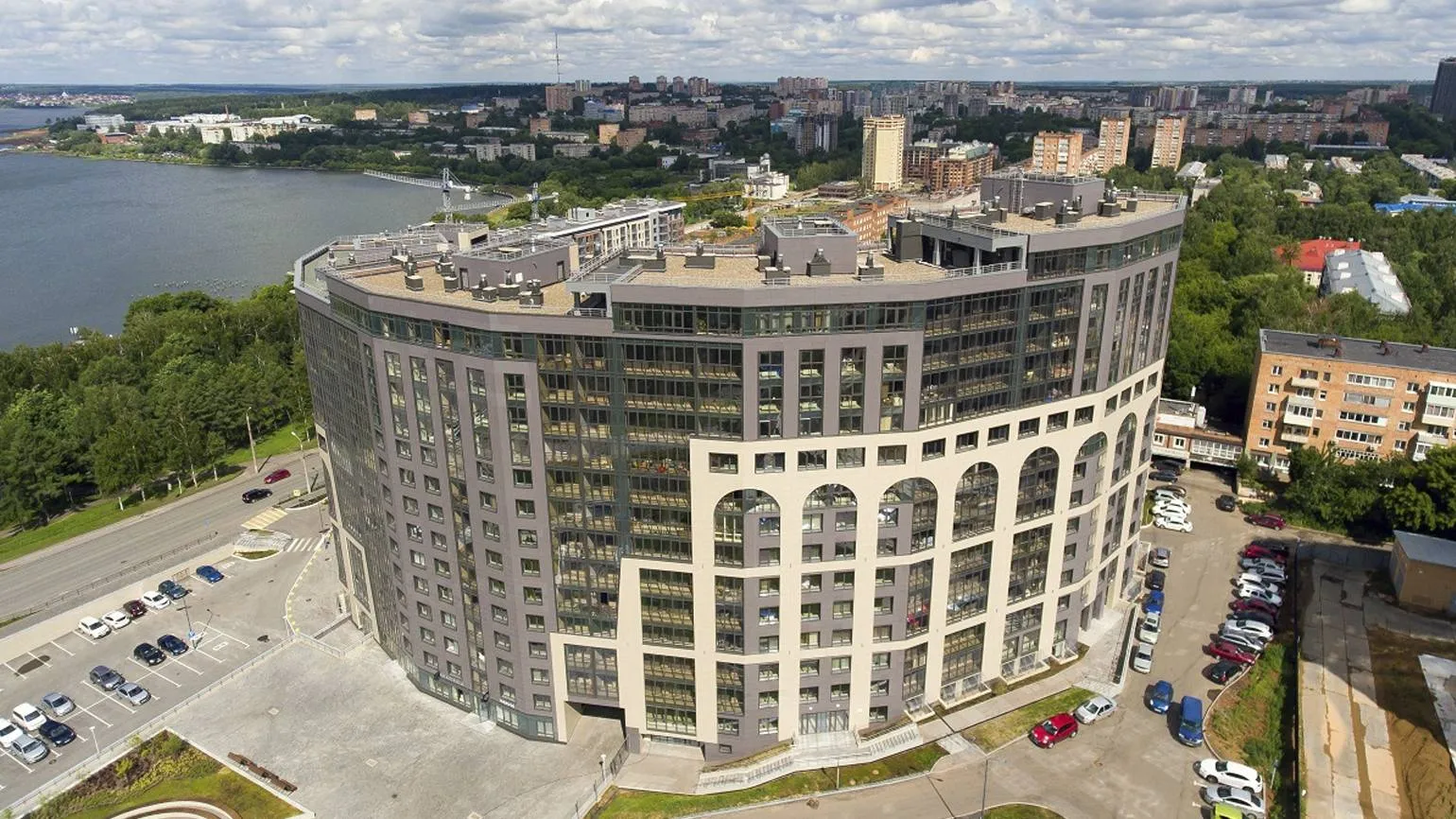
Residential complex "Colosseum" The Colosseum in Izhevsk is a striking example of architectural inspiration based on the form of a Roman amphitheater. The building, with its semicircular configuration and segments of varying heights, creates visual associations with the famous Colosseum, which partially lost its height due to destruction. This project emphasizes the uniqueness of the architectural style and brings elements of classical architecture to modern residential construction. Not only does it attract attention with its design, but it is also becoming an important part of Izhevsk's urban infrastructure.
The Sydney Coliseum Theatre concert hall, which opened in 2019 according to the design of the COX architectural bureau Architecture, is a contemporary interpretation of the Colosseum. Its cylindrical shape and curved roof create a harmonious and minimalist design, highlighting the elegance of contemporary art. This space has become an important cultural venue in Sydney, hosting a variety of events, including concerts, theatre performances, and other creative events. The Sydney Coliseum Theatre attracts locals and tourists alike, offering a unique experience and high-quality sound.

For centuries, artists visiting Rome have created works reflecting the grandeur of the Colosseum. For example, Gaspar van Wittel's painting "The Colosseum, View from the South-East" (c. 1700) illustrates how this historic structure was integrated into the daily life of the Romans. The Colosseum, a symbol of ancient Roman architecture and culture, continues to inspire artists, attract tourists, and remains an important part of Rome's historical heritage.
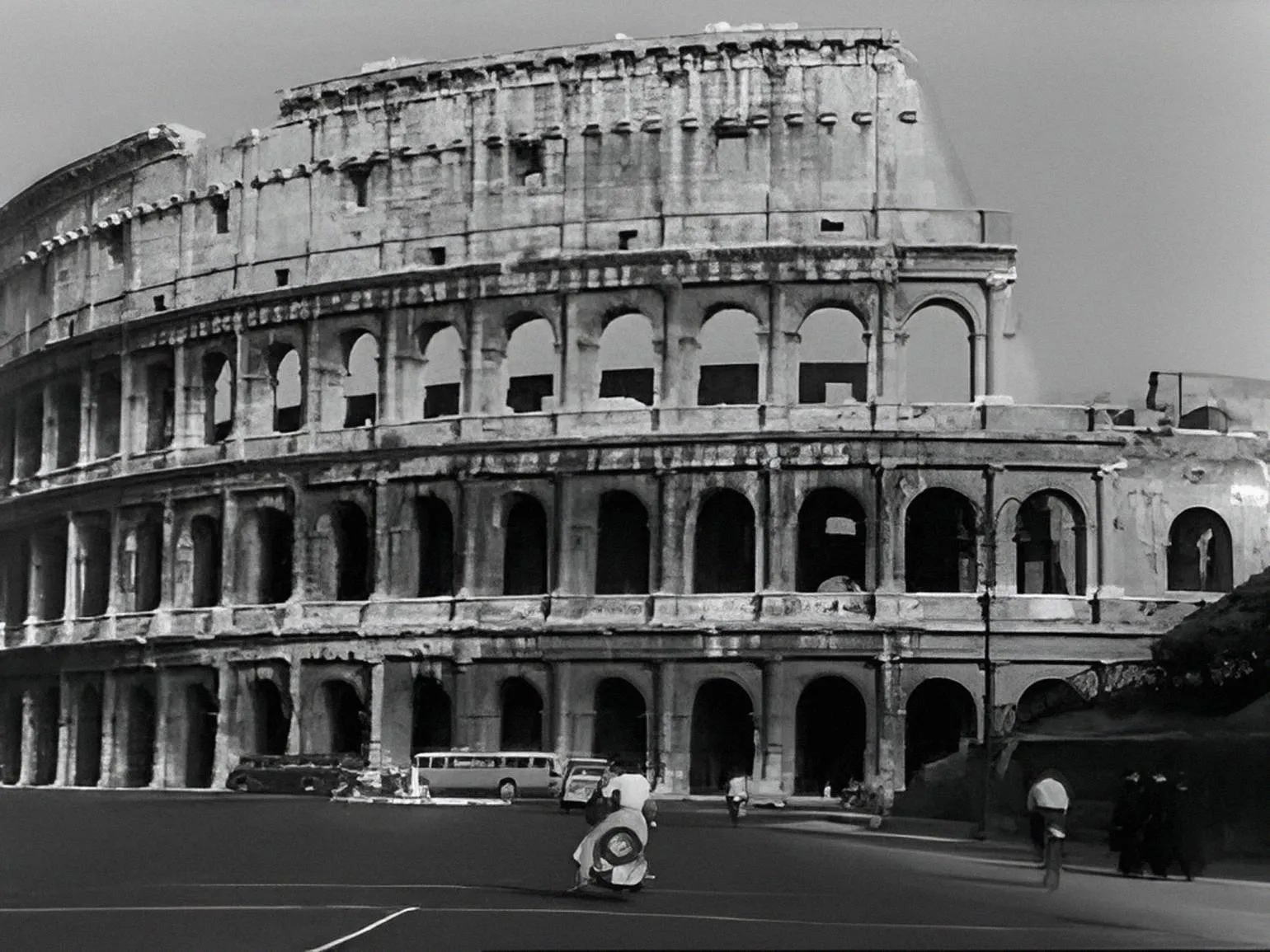
The Colosseum serves as a popular backdrop for numerous films set in Rome. In the film "Roman Holiday," the main characters make a point of visiting this famous historical structure, underscoring its significance and appeal to tourists and filmmakers. As a symbol of ancient Roman architecture and culture, the Colosseum continues to inspire screenwriters and directors, making it an integral part of the visual narrative of Rome.
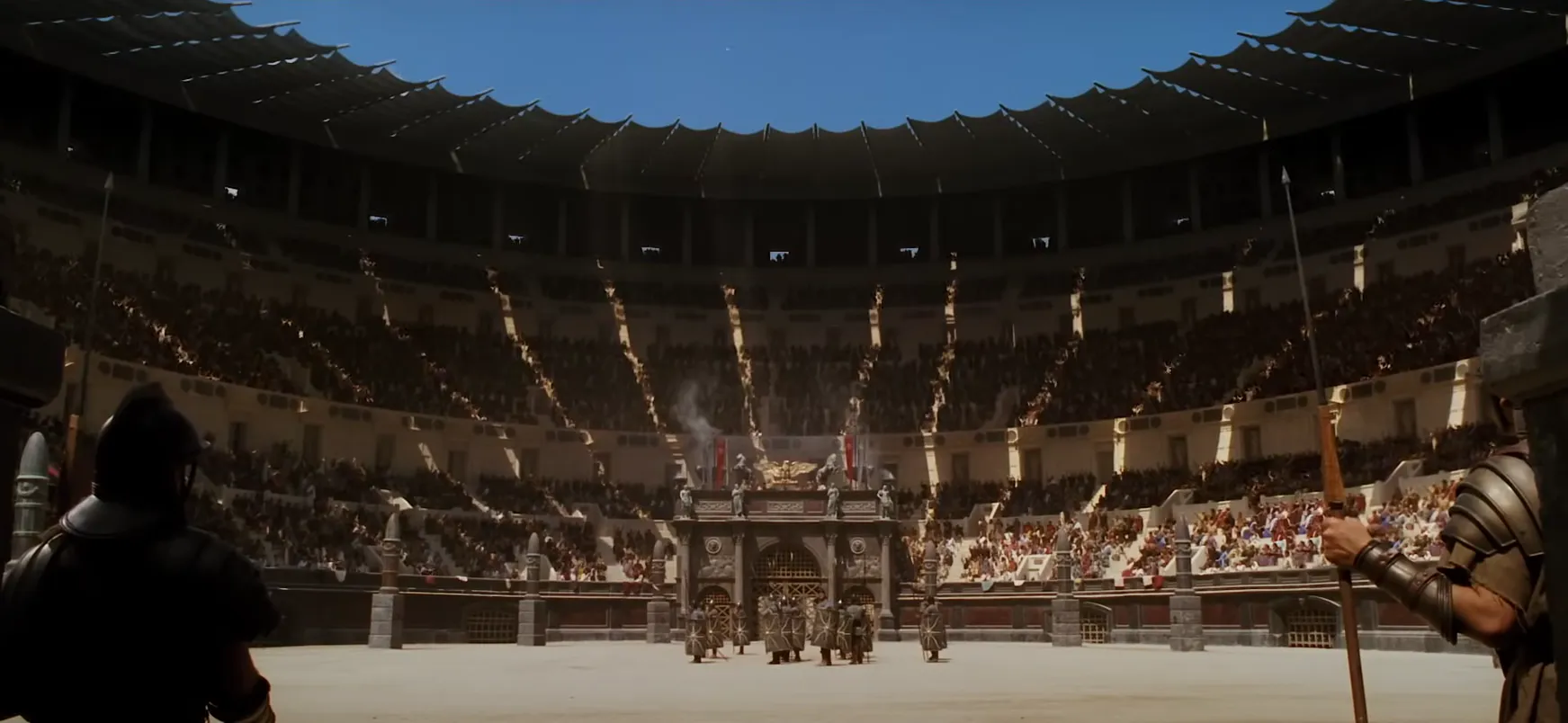
Scene from the film "Way of the Dragon" starring Bruce Lee and Chuck Norris, the film perfectly captures the atmosphere of the Colosseum, despite being shot on a soundstage due to a lack of permission to use the amphitheater itself. This iconic moment showcases not only the actors' skill but also their ability to convey the spirit of the ancient Roman arena, making the film particularly memorable for audiences.
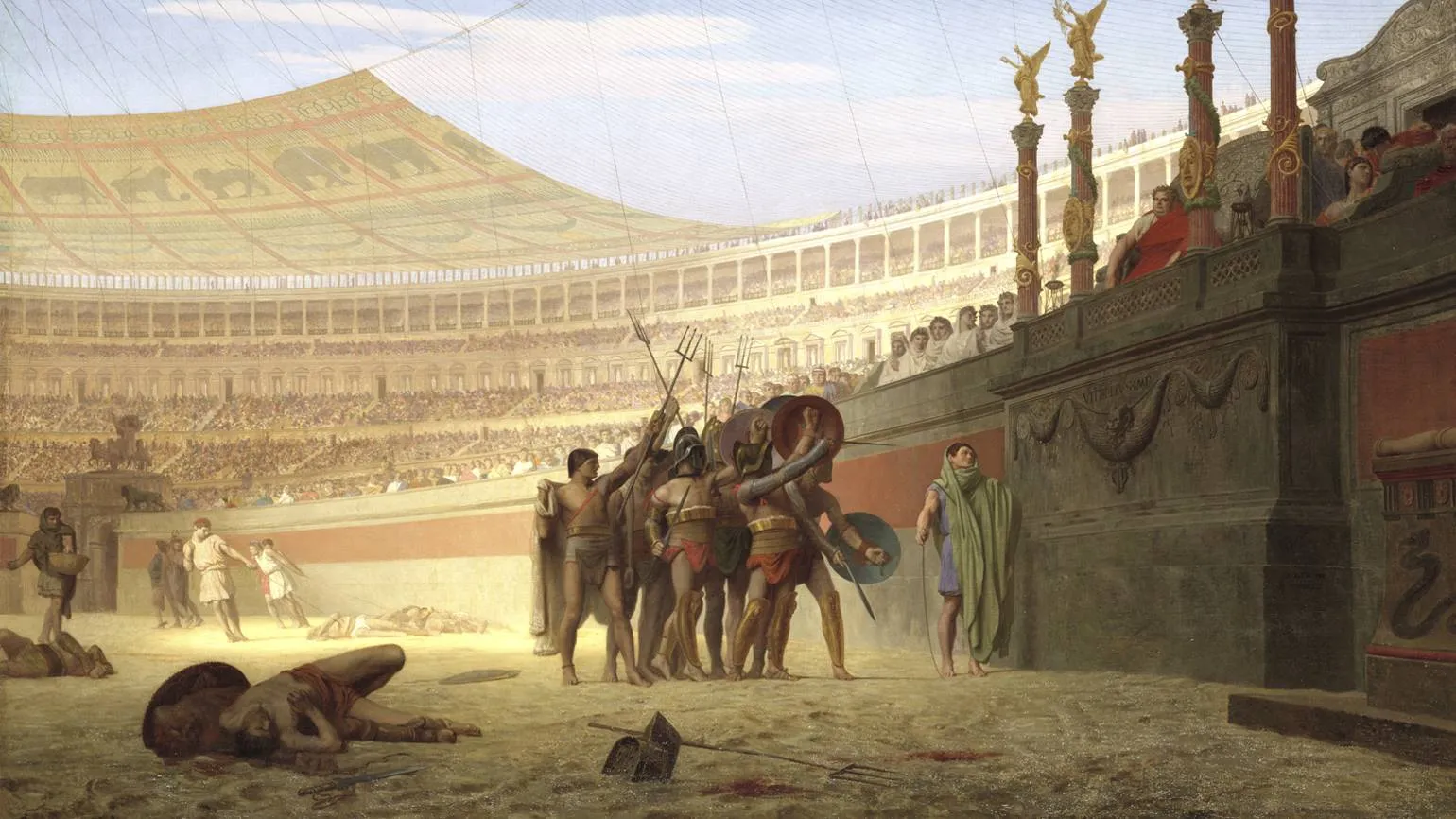
In 2004, Pepsi released a commercial featuring celebrities, including Britney Spears and Beyoncé, who performed the song "We Will Rock You" while dressed as gladiators. CGI was used to create the visual effects, which allowed for the creation of a spectacular backdrop featuring the Colosseum. This creative approach not only emphasized the strength of the brand but also attracted viewers to the unique combination of music and visual art. The ad became a landmark event, showcasing innovation in advertising and the cultural influence of pop stars.

Designers actively use the image of the Colosseum in their projects to highlight historical heritage or reference Italy. For example, in the Colosseum coffee shop logo, the Colosseum was transformed into a coffee cup, creating an original association with this famous place. This approach not only attracts attention to the brand but also generates interest in customers, associating the products with cultural and historical values. Using symbols associated with history helps create a unique image and strengthen ties with customers, which is especially important in a competitive environment.


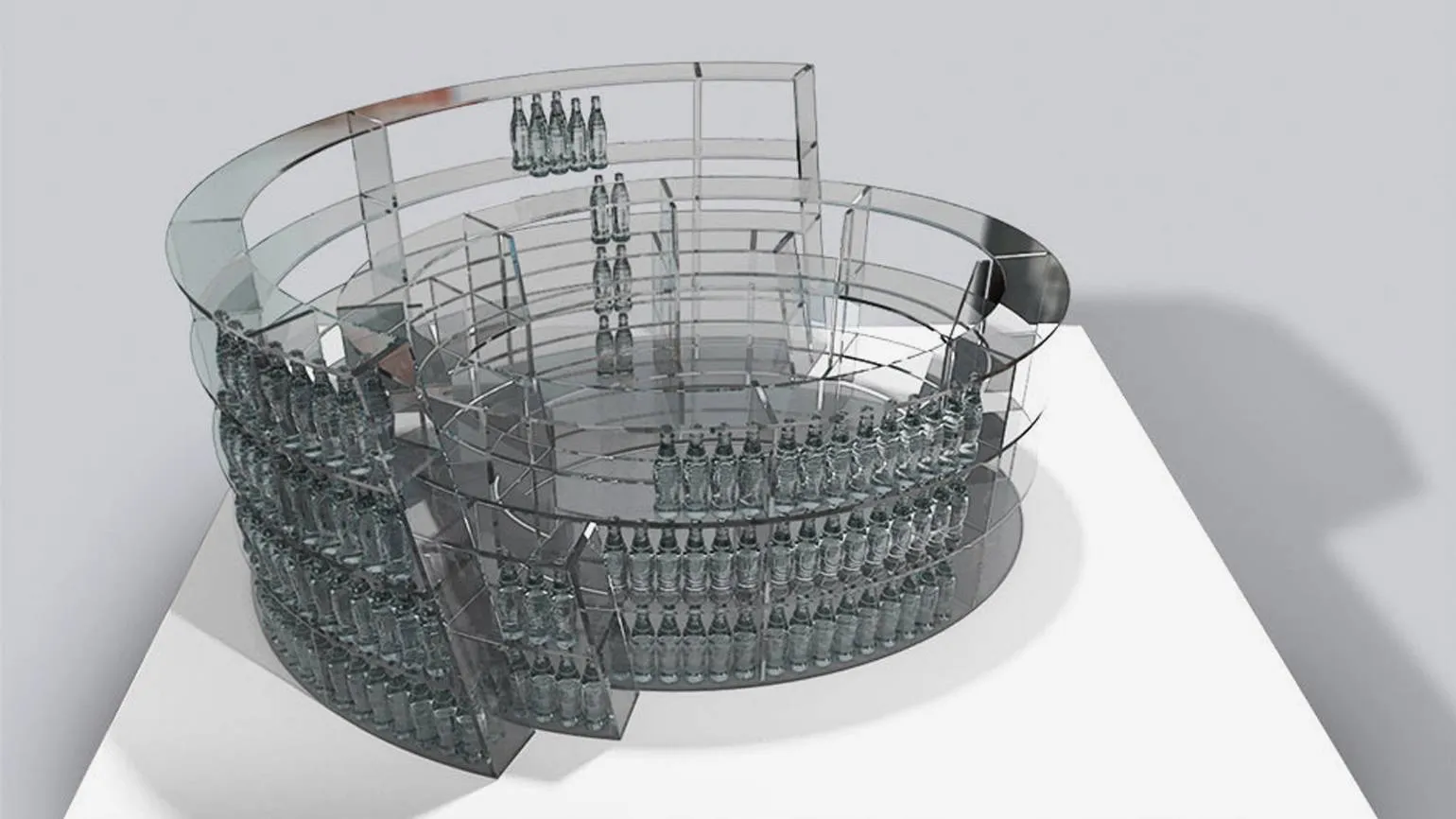
The Colosseum remains a source of inspiration for designers who create unique interior items, including console tables and sofas that reflect the shape of the amphitheater’s stands. This connection to history underscores the Colosseum's enduring appeal and its influence on contemporary design.
Interior designer: 7 steps to a successful career
Want to become an interior designer? Learn 7 steps to a successful career and start transforming your space today!
Learn more