
Contents:

Try 4 top design professions. Free ➞ In 5 days, you will get acquainted with illustration, UX/UI, web, and graphic design. Add 4 cool cases to your portfolio and decide which direction to develop in next.
Learn moreColor is a key element of visual design in various fields, including interior, product design, advertising, branding, and interfaces. The right choice of colors and their combinations can attract users' attention, shape their perceptions, and evoke certain emotions, including trust. Using color schemes, you can effectively engage your target audience and enhance brand communication. Aesthetics and functionality, based on the competent use of color, play a vital role in the success of any visual project.

Reworked text:
Also explore:
Research shows that a website's color scheme significantly impacts user trust. The psychology of color perception plays a key role in shaping first impressions of a website. Properly chosen colors can increase trust and facilitate better perception of information. Bright and warm hues are often associated with positive emotions, while cool and dull colors can evoke wariness. Choosing a color palette not only impacts visual aesthetics but also user experience, making it an important element of web design. To increase trust in your website, consider the psychology of color and tailor the design to your target audience.
Colors have significant meaning and can evoke various associations in people. Color psychology examines how different hues influence perception and behavior. Understanding these associations can be useful in various fields, such as marketing, design, and art. For example, red is often associated with energy and passion, while blue can evoke feelings of calm and trust. Using this knowledge, you can effectively use colors to create the desired effect and attract attention to products or services.
What is Color Psychology
Color psychology is a specialized field that studies the influence of colors on human emotions, behavior, and mental states. Color can have a significant impact on our perception of the world around us. This influence is often explained by cultural and historical associations that are formed over time. Understanding the psychology of color can be useful in various fields, such as marketing, design, and art, where the correct choice of color scheme can help create the desired mood and enhance an emotional response.
The perception of colors can vary significantly depending on region and cultural characteristics. For example, in Western countries, white is traditionally associated with purity and solemnity, while in India it is perceived as a symbol of mourning. These differences are due to local cultural contexts and diverse religious traditions. Understanding these nuances helps to better navigate intercultural communications and take into account the peculiarities of color perception in marketing and design.
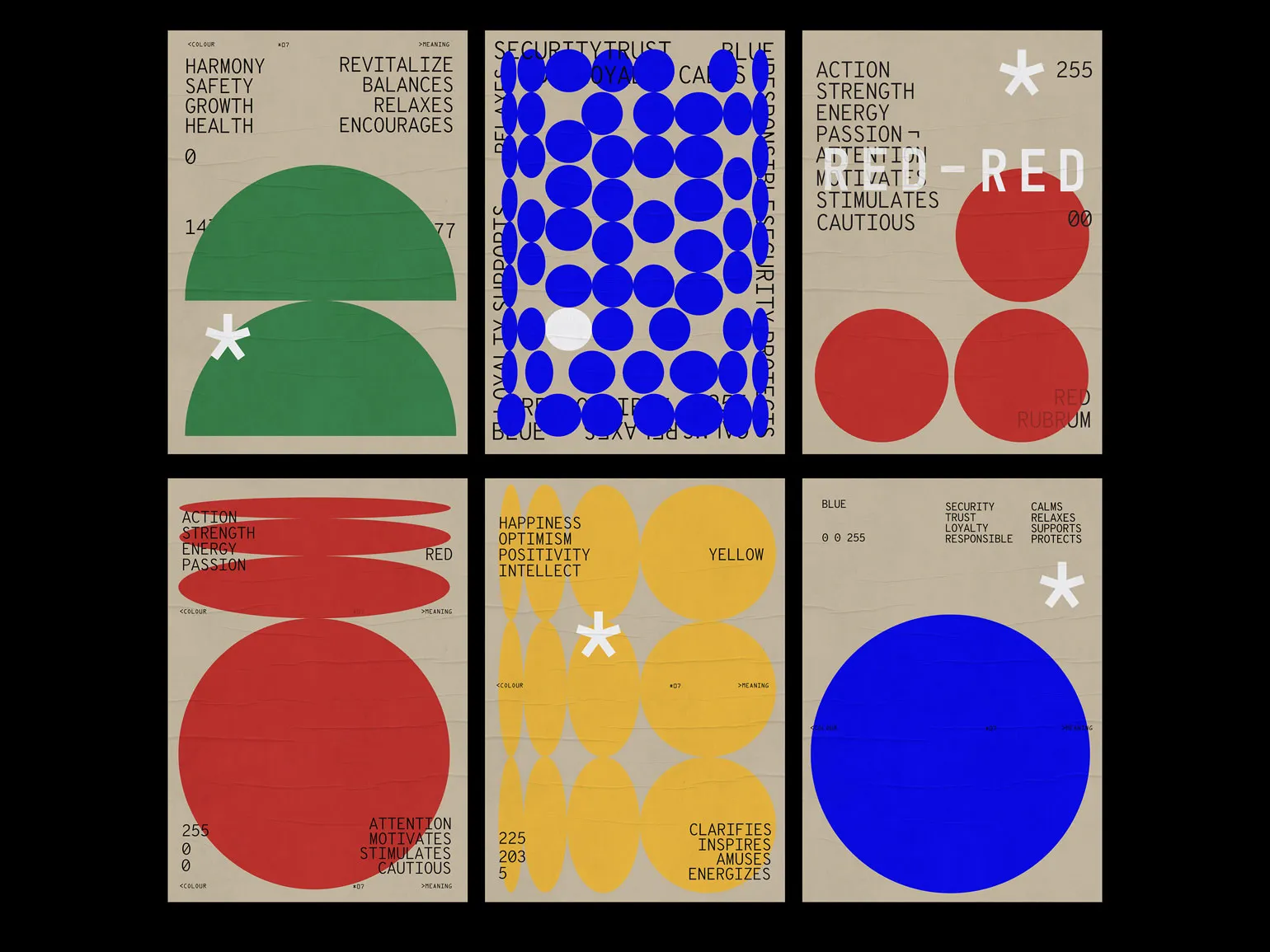
What colors are associated with and how they affect a person
Knowledge about the influence of colors on a person is actively Used by marketers and specialists in various fields, color is a simple and accessible tool that can create a memorable brand image. Properly chosen colors can not only build customer loyalty but also motivate them to purchase a product. Effective use of color in marketing helps create an emotional connection between the brand and the consumer, which in turn increases the likelihood of purchase and strengthens the company's position in the market.
Most people have associations with colors. For example, the term "selling red" evokes images of expressiveness, dynamism, and modernity. When it comes to the eco-friendliness of a product, "clean" green comes to mind, symbolizing nature and environmental awareness. These color associations play an important role in marketing and design, influencing the perception of brands and products. Understanding these characteristics can help companies communicate more effectively with consumers and create attractive visual images.
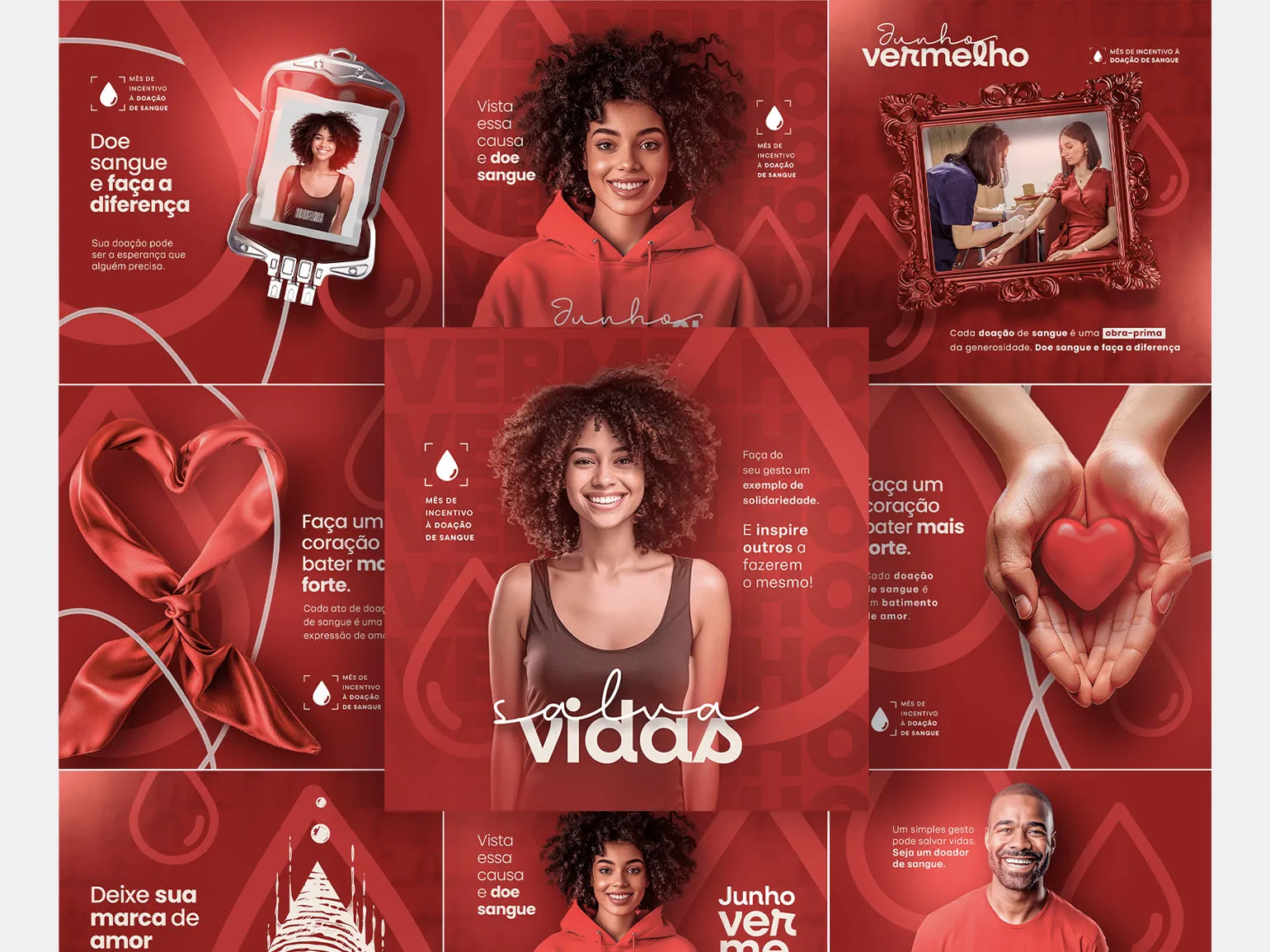
When choosing colors for their products, creators consider established ideas about their audience and their preferences. For example, products aimed at women are often designed in pink tones, while those for young children are presented in soft pastels. However, design can also challenge conventional stereotypes, engaging users through the contrast between expectations and reality. This approach not only attracts attention, but also helps to stand out from the competition, which is important in a saturated market.
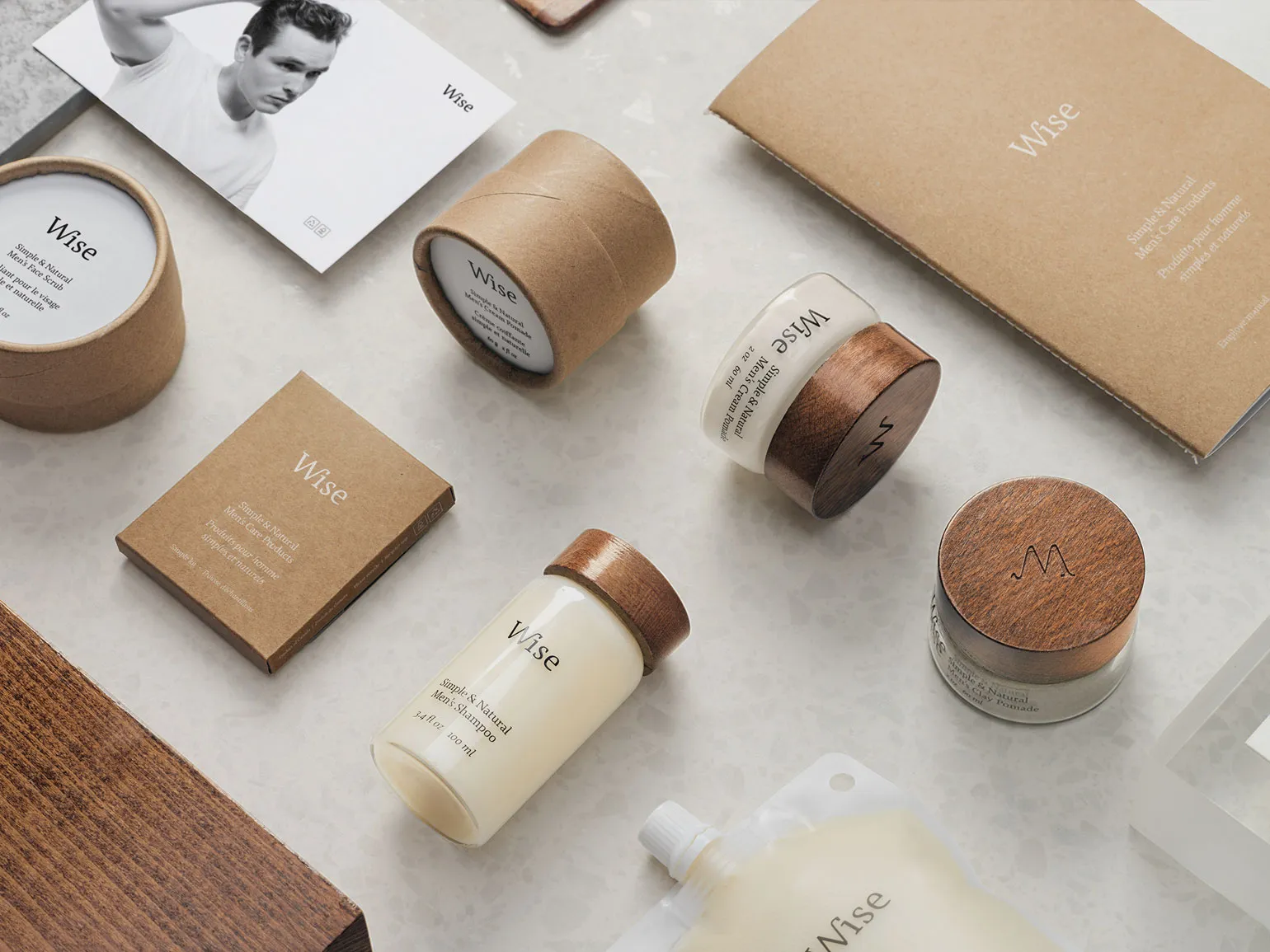
Colors play an important role in design and can convey various emotions and meanings. Each color has its own associations and can influence the perception of a product or service. For example, red is often associated with energy and passion, making it suitable for accents. Blue, on the other hand, evokes feelings of calm and trust, making it a popular choice for corporate design. Green symbolizes nature and health, making it ideal for eco-friendly brands.
When developing a design, it is important to consider not only aesthetic aspects but also the psychological perception of colors by the target audience. The right choice of color palette can significantly enhance the appeal and effectiveness of marketing materials. Using colors in combination with other design elements, such as fonts and images, creates a harmonious and memorable impression.
In conclusion, understanding the meaning of colors and their impact on perception will allow designers to create more effective and attractive solutions that resonate with the audience.
Red has many meanings and associations, the most prominent of which are blood, fire, and love. This color has a powerful emotional impact. Using red in interiors can increase energy and productivity, but over time, it can lead to states of apathy and irritability. Correct use of red in interior design can create a dynamic atmosphere, but it is important to consider its impact on a person's psycho-emotional state.

Culture. In the European tradition, red symbolizes love and passion, as well as protest and revolution. It is associated with luxury and power, which has been demonstrated over the centuries in the use of red robes and clothing by rulers, high-ranking officials of the Catholic Church, and the privileged classes of society. Red continues to be a significant element in culture, representing strength, energy, and important social change.

Marketing and Branding. Red is the color of choice for bold people ready to assert themselves as leaders. In corporate identity, red symbolizes success, challenge, speed, and a proactive approach to life. Using red in branding helps attract attention and create a memorable image, which increases brand recognition and strengthens its market position. Red can evoke strong emotions, making it an effective tool in marketing strategies.
Global brands such as Coca-Cola, Ferrari, the Chicago Bulls, Louboutin, and Cartier actively use this strategy to promote their image and products. These companies have established themselves as leaders in their industries thanks to unique approaches to marketing and advertising. Coca-Cola attracts attention with vibrant advertising campaigns, Ferrari is associated with luxury and high technology, and the Chicago Bulls remain a symbol of sports and team spirit. Louboutin is known for his shoes with their distinctive red soles, while Cartier is considered the benchmark for jewelry. These brands demonstrate how the effective use of marketing strategies can strengthen their position in the market and attract the attention of the target audience.


Reading is an integral part of our lives, and it opens new horizons for us. Books, articles, and blogs help expand our horizons, deepen our knowledge, and develop critical thinking. It is important to choose quality sources of information to receive reliable data and useful advice. Join those who value reading and discover the world of possibilities it offers. Don't forget to share your findings and recommendations with others to inspire new discoveries.
Red That Sells: The Impact of Color on Brand Perception
Red holds a special place in marketing and branding, as it can evoke strong emotions and associations. Using red in logo, packaging, and advertising design can significantly influence brand perception. This color is associated with energy, passion, strength, and determination, making it an effective tool for attracting consumer attention.
Research shows that red can stimulate purchasing activity by creating a sense of urgency and encouraging action. Brands that use red in their palette can create a sense of dynamism and confidence, which is especially important in competitive industries.
However, it is worth remembering that the perception of red can vary depending on cultural contexts and the target audience. It is important to consider these nuances when developing a branding strategy. Proper use of red can not only attract attention but also strengthen emotional connections with customers, fostering brand loyalty.
In conclusion, red is a powerful tool in the marketer's arsenal. Its ability to evoke emotion and motivate action makes it indispensable in building a successful brand image.
Orange has many meanings and associations. It is often associated with optimism, creativity, comfort, and safe warmth. In general, orange has predominantly positive connotations, such as youth, energy, and vitality. This color is especially popular with children due to its brightness and vibrancy. However, orange can also evoke negative associations, such as autumnal melancholy or excessive loudness and rudeness. It is important to consider these nuances when using orange in design, fashion, and art to achieve the desired emotional effect.

Orange is a symbol of spirituality in Hinduism and Buddhism. and is associated with the Svadhisthana chakra, which is responsible for sexuality, joy, and creativity. In Western culture, orange has a variety of interpretations. It is the primary color of Halloween, used in warning signs and life jackets, and is also associated with punishment, as inmates in American prisons wear orange uniforms. This dual nature of orange makes it an interesting object to study in the context of cultural differences and symbolism.


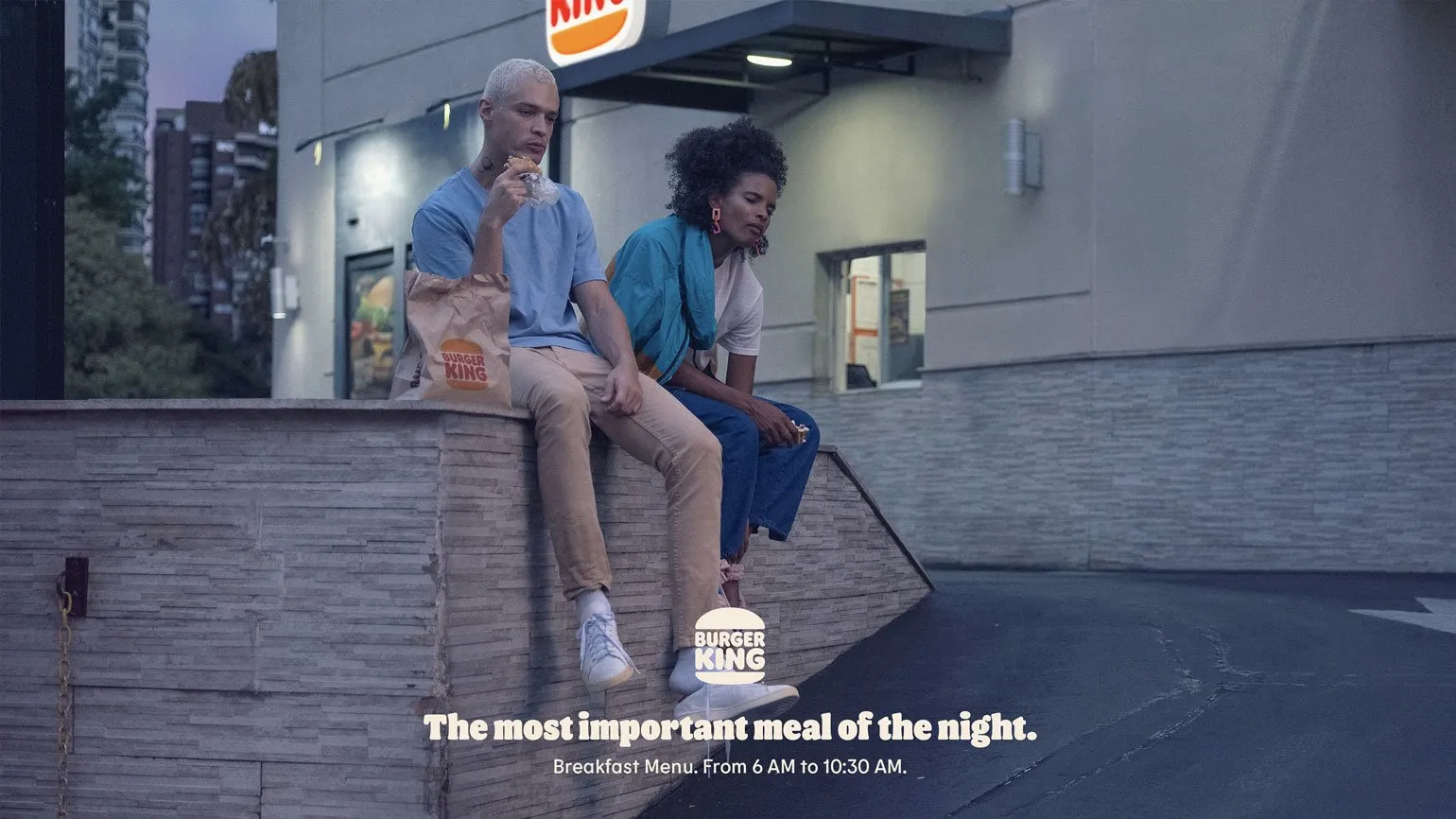
Branding and Marketing. Orange attracts companies that want to emphasize their proactive stance and adventurous spirit. This color is ideal for premium brands, as noble coral and terracotta shades are associated with boldness and prestige. They pair harmoniously with luxurious beige and white tones, creating a striking visual that helps distinguish a brand from its competitors. Using orange in marketing materials can strengthen emotional connections with audiences and attract new customers. Many well-known brands, such as Amazon, Burger King, Nickelodeon, Harley-Davidson, and Fanta, actively employ various strategies to attract and retain customers. These companies employ modern marketing approaches, including social media advertising, content marketing, and innovative advertising campaigns. Successfully utilizing these methods allows them to remain competitive in the market and maintain high levels of audience engagement. Each of these companies finds unique ways to interact with consumers, which contributes to their growth and development.

Read also:
Creative Orange: The Impact of Color on Brand Perception
Colors play a key role in shaping brand perception. Associated with creativity and energy, orange has the ability to attract attention and evoke positive emotions in consumers. It symbolizes optimism, friendliness, and innovation, making it an effective tool for brands looking to stand out in the marketplace.
Using orange in branding creates a sense of dynamism and youth, which is especially important for companies targeting a younger audience. This color can be successfully applied to logos, packaging, and advertising materials, strengthening the visual identity of a brand.
It's also worth noting that orange can help increase engagement and encourage action. It's often used in call-to-action buttons, making it an effective tool in digital marketing. Proper use of orange in design can significantly improve conversion and increase interest in a product or service.
Thus, creative orange has a significant impact on brand perception, contributing to a positive image and attracting the target audience.
Yellow occupies a special place in the color palette of the visible spectrum. It is associated with sunlight and evokes positive emotions such as joy and cheerfulness. However, yellow can also have negative connotations associated with illness, aging, and anxiety. When using yellow in interiors, it's important to consider its impact on spatial perception: too much of this color can cause anxiety and overload the eyes, which negatively impacts the nervous system. The right combination of yellow with other colors helps create a harmonious and cozy space in which it will be comfortable to be.


The color yellow has rich cultural significance and was considered sacred in ancient times, due to its associations with the sun and gold. In many cultures, it symbolizes wisdom and high status. For example, in China, only the emperor had the right to wear yellow clothes, which emphasized his exclusivity. In art, especially at the turn of the 19th and 20th centuries, yellow acquired new meaning. Modernists began to actively use it in their works, giving it a special expressiveness and emotional charge.


Branding and marketing play a key role in shaping a company's image. The use of yellow in identity helps create an atmosphere of fun, happiness, and warmth. Marketers actively use yellow price tags to stimulate impulse purchases and attract consumer attention. This approach helps increase sales and strengthen the connection between the brand and customers, creating a positive emotional response.
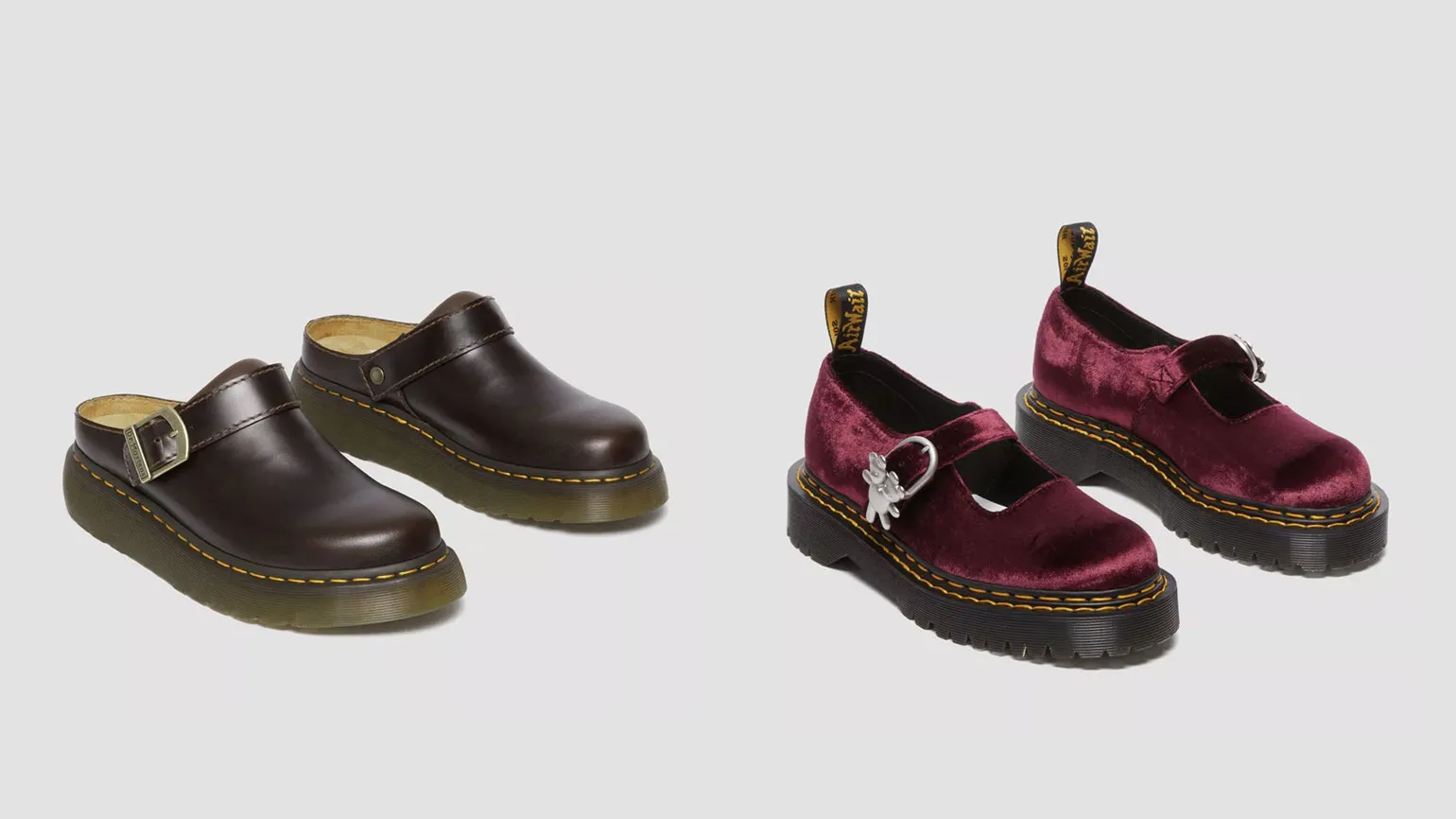
Many well-known brands use this technology, including McDonald's, National Geographic, Kodak, Dr. Martens, and Lego. These companies are implementing innovative solutions to improve their products and services, allowing them to remain competitive in the market. Using modern technologies helps them attract consumer attention and increase customer satisfaction.

Reworked text:
Explore additional materials:
Sunny Yellow: The Impact of Color on Brand Perception
Sunny yellow is a powerful branding tool. It is associated with positivity, energy, and warmth, making it appealing to consumers. Using yellow in logos and advertising materials can evoke feelings of joy and optimism in customers, which helps create a positive company image.
Colors play a key role in shaping brand perception. Research shows that yellow has the ability to attract attention and stand out from other hues. This makes it ideal for attracting customers and creating memorable visual images. Companies that use yellow in their palette can strengthen associations with innovation and creativity.
It is important to consider that color perception can vary depending on cultural contexts. In some countries, yellow symbolizes happiness and prosperity, while in others it may be associated with caution. Therefore, when choosing a yellow color for a brand, it is necessary to consider the target audience and their perceptions.
In conclusion, sunny yellow has a significant impact on brand perception. Its use can help companies stand out in the market, evoke positive emotions in consumers, and form strong associations with products and services.
Brown is not a color in its own right, but is a shade obtained by mixing blue, yellow, and red. This color plays an important place in nature and is associated with concepts such as fertility, stability, and naturalness. At the same time, brown can have negative connotations associated with dirt, dullness and decay. Using brown in design and interiors can create a feeling of coziness and warmth, but it is important to consider its dual meaning to avoid unwanted associations.


Culture. For the ancient Egyptians, brown represented fertility, stability, and the comfort of the hearth. For the Greeks, it symbolized the human life cycle, spanning the stages from birth to resurrection. The Slavic peoples associated brown with the image of a bear, emphasizing its power and strength. In the Middle Ages, brown became associated with poverty and hopelessness, as it was the color worn by peasants.

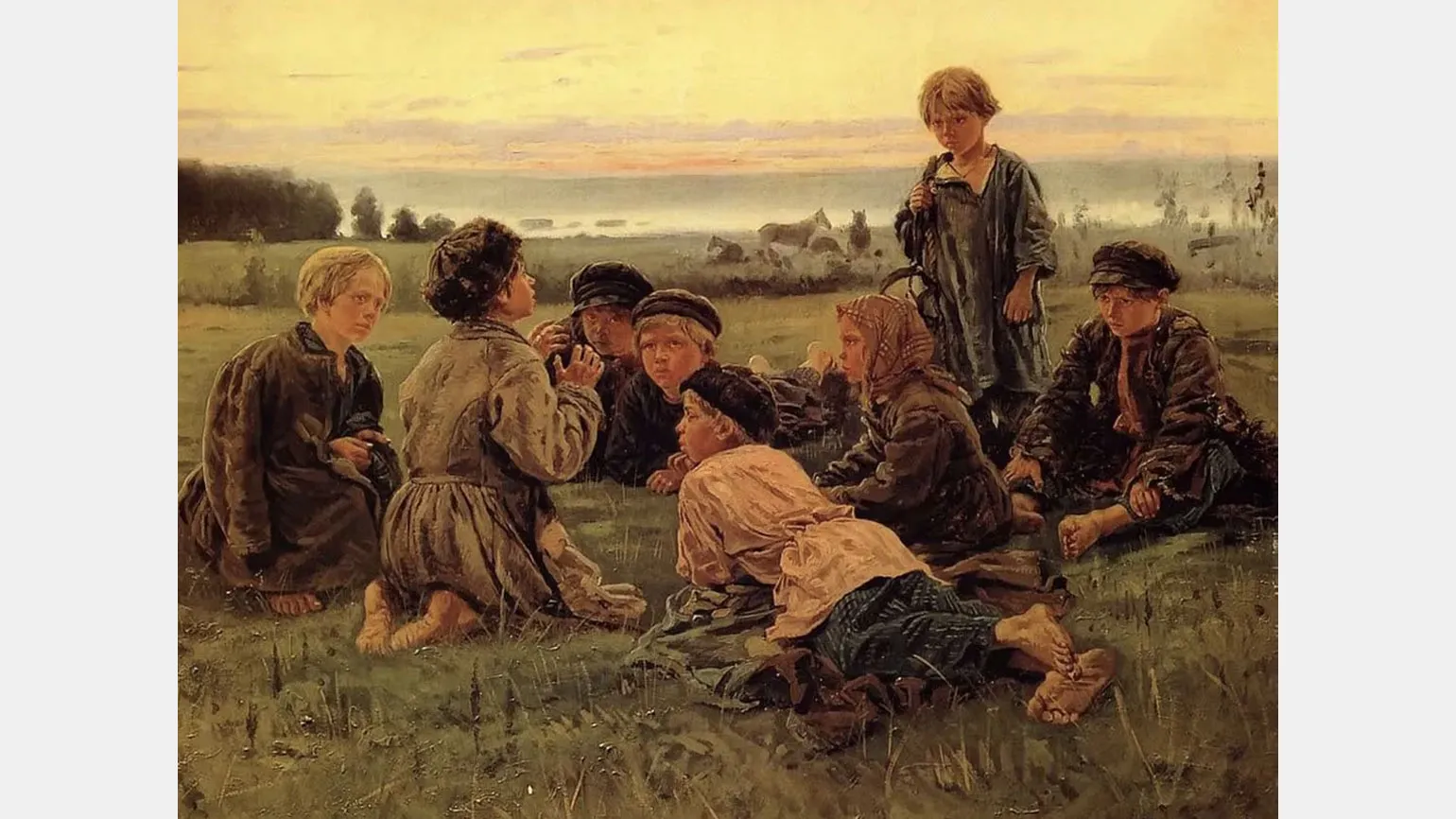
Branding and marketing often overlook brown because of its bland message and possible negative associations. However, this color can be quite effective in the identity of cafes or pastry shops, where it creates a cozy and warm atmosphere. Brown can also be used as a neutral background for bold, contrasting elements, allowing key details to stand out. Long-established companies often choose brown to emphasize their conservatism, status, and commitment to tradition. Using brown in design can help build trust and a strong image, especially in industries that value tradition and quality. Who uses brown products? Snickers, Louis Vuitton, UPS, Karavaev Brothers, Nescafe. These brands actively employ their unique strategies to attract customers and increase awareness. Snickers offers delicious candy bars, Louis Vuitton is associated with luxury and style, UPS ensures reliable delivery, and Karavaev Brothers provides high-quality service. Nescafe is conquering the coffee market by creating a variety of products to meet consumer needs.


To improve search engine visibility and attract the target audience, this text needs to be reworked. Keyword and phrases should be integrated naturally while maintaining the main idea.
Research current topics related to your product or service. This will help create content that will be interesting to your audience. Don't forget about the importance of unique and useful information to keep users on the page and increase the likelihood of them returning.
Optimize headings and subheadings to contain keywords. Use meta tags and alt attributes for images to improve SEO rankings. It's also worth paying attention to internal and external links, which can increase your site's authority. Adding high-quality images and videos can improve content perception and increase the time users spend on your site. Update information regularly to stay relevant and relevant to user needs. By following these guidelines, you can create high-quality content that will meet the interests of your audience and search engine requirements. The color brown in psychology and its meaning as illustrated by famous brands Brown is associated with stability, reliability, and earth. In psychology, it evokes feelings of comfort and coziness, making it a popular choice for brands seeking to build trust and a sense of security. Many well-known companies use brown in their visual identities to convey these qualities. For example, chocolate brands such as Hershey's and Cadbury actively use brown in packaging and advertising, emphasizing the naturalness and taste of their products. Coffee companies such as Starbucks use brown tones to create a warm and inviting atmosphere, associating themselves with comfort and enjoyment. Brown also symbolizes simplicity and strength, making it suitable for brands associated with ecology and sustainability. Companies that emphasize natural and organic products often choose brown to emphasize their commitment to environmental values. Overall, brown plays an important role in shaping brand image and influences consumer perception. It helps create an atmosphere of trust and comfort, making it an effective marketing tool. Green has a significant impact on a person's emotional state. It helps reduce stress and creates an atmosphere of calm and tranquility, making it one of the most comfortable shades. This color is associated with the spring awakening of nature, symbolizing renewal and youth, but can also recall inexperience. Green can be used in interiors, design, and fashion to create a harmonious space conducive to relaxation and recuperation.
The term also has strong negative connotations, such as illness, envy, dependence, and deception. Examples of set expressions associated with these meanings include "green serpent," "green melancholy," and "turned green with envy." These phrases highlight the negative aspects associated with color, which is often associated with emotions and states that cause discomfort or suffering.


Culture. The color green has polar meanings, even within the same country and social group. In medieval Europe, green was associated with youth and purity, but also conjured associations with meanness due to its association with snakes and frogs. In the 17th century, bright green clothing became popular among fashionable individuals, but the use of arsenic as a dye negatively impacted their health. In the Catholic tradition, green became a symbol of St. Patrick, underscoring its importance in culture and religion.
In arid Egypt, green was associated with life and well-being, underscoring its importance in culture and religion. In India, the green sari is a popular choice for weddings and festive occasions, symbolizing joy and prosperity. In China, green represents the East and spring, but also has a dual meaning, associated with themes of treason and betrayal.


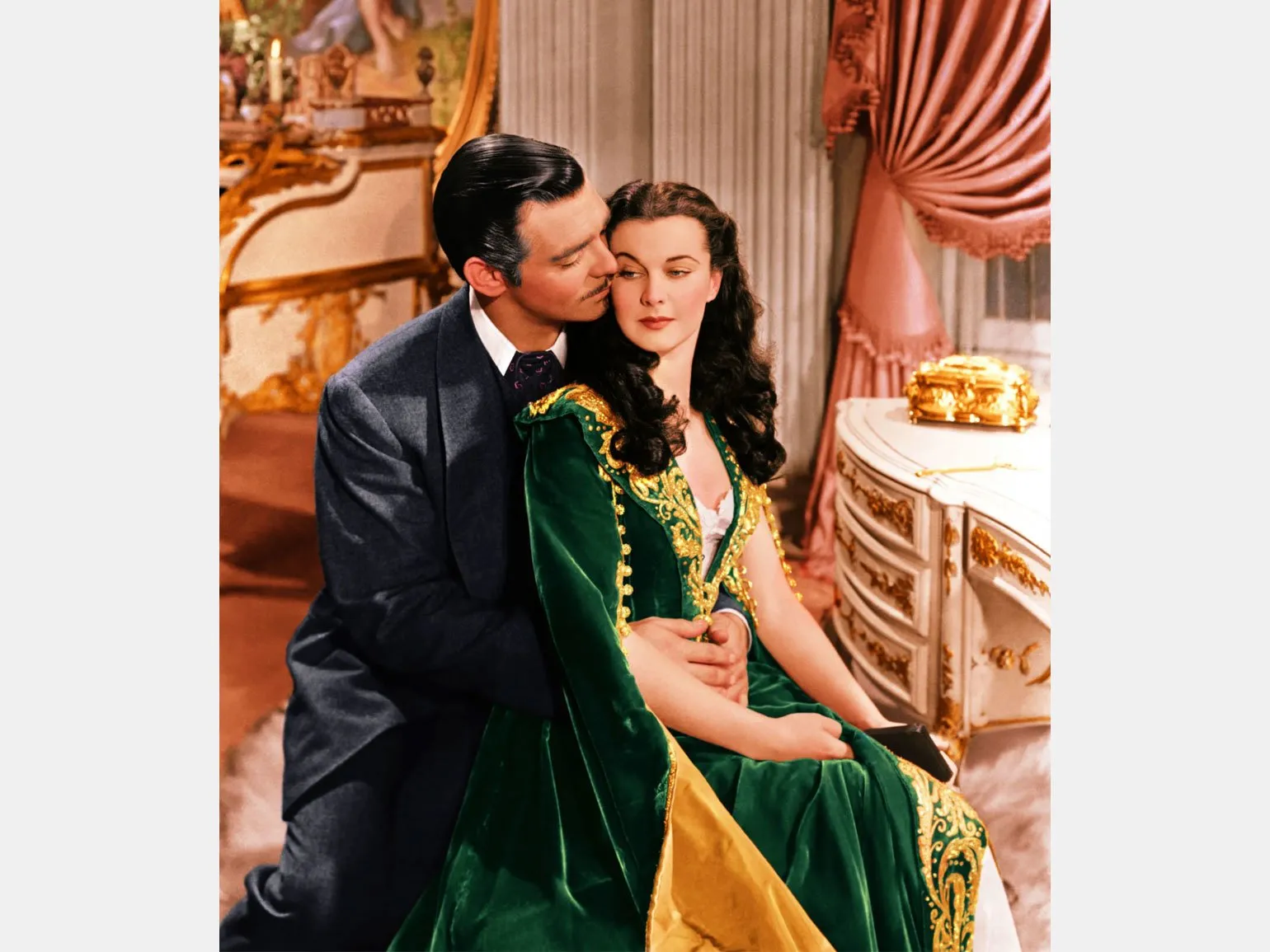

Branding and Marketing. In the 20th century, green was associated with nature and ecology, making it a symbol of sustainable development. Companies in the tourism, healthcare, insurance, and agriculture industries actively use green in their visual identities. This color helps create an image of prosperity, reliability, and harmony with the environment, which is especially important for attracting environmentally conscious customers.
Many well-known brands use various marketing strategies to strengthen their market presence. Such companies include Starbucks, John Deere, The Matrix, Sprite, and BP. These brands successfully use unique approaches to interacting with customers and promoting their products, which helps increase their recognition and consumer loyalty.


Read also:
Friendly Green: The Impact of Color on Brand Perception
Color plays a key role in shaping brand perception. Green is associated with nature, freshness, and harmony, making it a popular choice for companies seeking to convey an image of friendliness and sustainability. Using green in branding can evoke positive emotions in consumers, creating a sense of trust and security.
Green has the ability to attract attention and evoke associations with environmental friendliness, which is especially important for companies focused on sustainability. Research shows that brands that use green in their palette are often perceived as more responsible and caring about customers.
A brand's visual identity based on green can be a powerful tool for creating an emotional connection with the target audience. This allows companies not only to stand out from the competition but also to strengthen their reputation. Thus, properly selected shades of green can significantly enhance brand appeal and consumer loyalty.
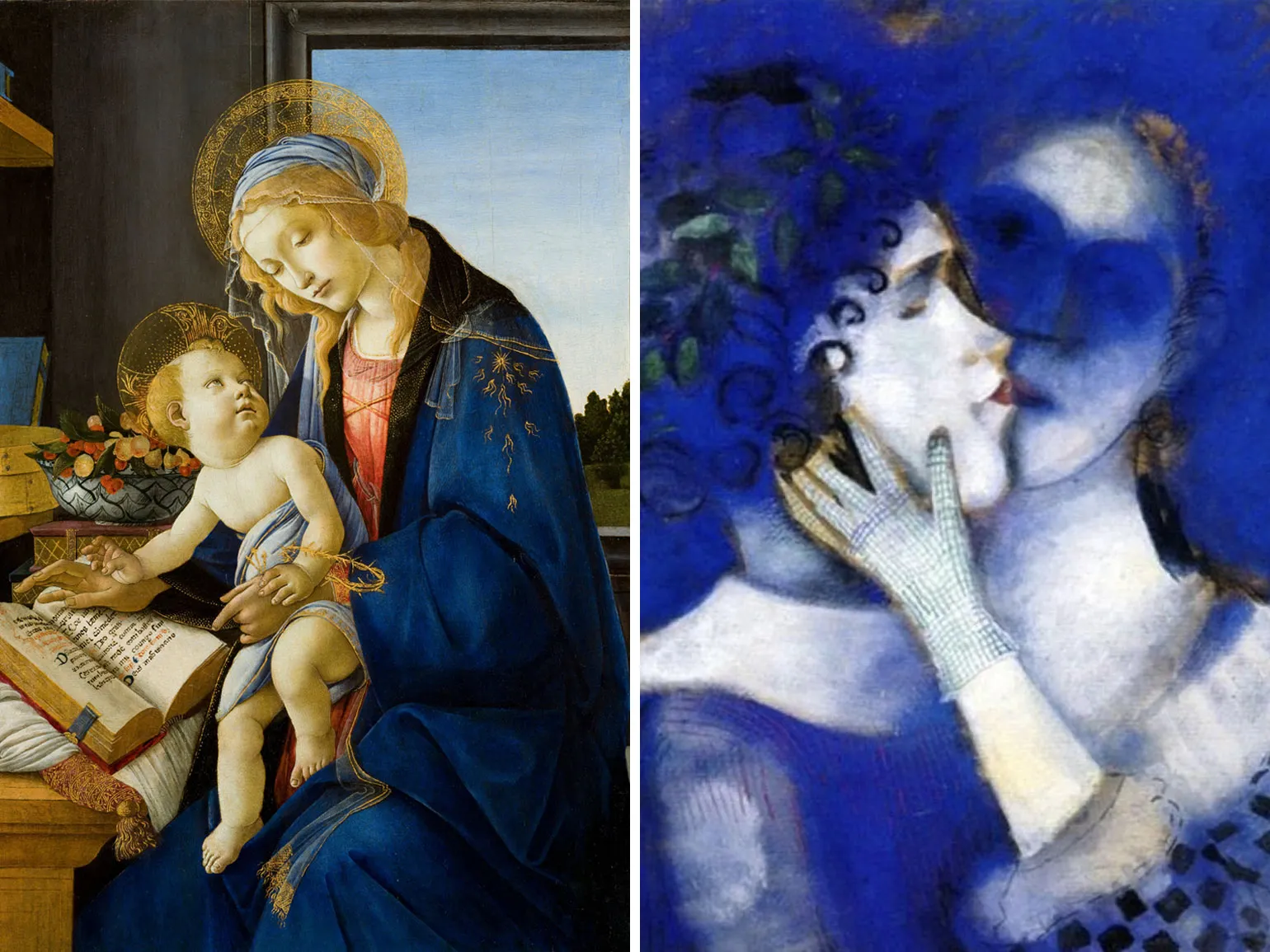
Blue has a calming effect and helps reduce anxiety. It evokes pleasant associations with the sea and sky, creating an atmosphere of calm and tranquility. However, it's important to note that excessive use of blue can lead to mood depression and depression. :The optimal use of blue in the interior and design will help achieve harmony and create a comfortable space.

Culture. In the ancient period, blue was associated with strangeness, but over time it acquired the meaning of a symbol of peace and kindness. In Europe, blue has come to symbolize harmony and devotion. However, in Latin America and China, this color is considered a symbol of mourning. In heraldry, blue signifies honesty and noble birth, emphasizing the importance of these qualities in cultural and historical contexts.
In modern society, the colors blue and light blue have gender significance. Boys often choose clothing in these shades, and many brands design men's collections based on the color blue. Blue is associated with masculinity and strength, making it a popular choice in men's fashion.

Branding and Marketing plays a key role in shaping a company's perception. According to a 2018 Marketo Engage study, blue is the most common color in branding. It symbolizes reliability, calm, and confidence. Many companies choose shades of blue for their products and services, seeking to instill trust, stability, and security in consumers. The right choice of color in branding can significantly influence audience perception and strengthen a company's position in the market. Using blue helps create a positive image and build customer loyalty. Global brands such as IBM, Gillette, Bounty, and Kenzo actively use advanced technologies and innovative solutions to improve their products and customer service. These companies employ effective strategies to remain competitive in the market and meet consumer needs. The use of modern technologies allows them to optimize processes, improve the quality of goods and services, and strengthen their positions in various segments.


Reading is an important part of our lives, and it can enrich our experiences and knowledge. Scientific research shows that reading develops thinking, improves concentration, and promotes vocabulary expansion. Each book offers a unique perspective on the world, allowing readers to immerse themselves in different stories and ideas. Regular reading not only helps develop creativity but also increases emotional intelligence. Read and discover new horizons, letting books become your compass in the vastness of knowledge.
Read also:
The color blue plays an important role in psychology and has a unique meaning, making it a popular choice among well-known brands. This color is associated with qualities such as trust, stability, and confidence. Brands that use blue in their designs strive to evoke a feeling of reliability and professionalism in consumers.
Many large companies, such as Facebook, Twitter, and IBM, choose blue in their branding strategy. This helps them create an emotional connection with their audience and strengthen their reputation. Color psychology indicates that blue can reduce anxiety and promote focus, which is especially important in a highly competitive environment.
The use of blue in marketing materials and product packaging helps increase customer trust and improve brand perception. Therefore, understanding the meaning of blue and its impact on consumer behavior is an important aspect in developing a successful marketing strategy. Blue not only attracts attention but also helps cement a company's positive image in the minds of consumers.
The meaning of purple lies in its unique combination of calm and balanced blue with energetic and passionate red. This color is associated with mystery, mysticism, and spirituality, evoking boundless evening skies and the alluring universe. Purple also symbolizes creativity and imagination, bringing an element of inspiration and originality into life.

The color purple has deep cultural significance and symbolizes spirituality and mysticism. In Islam, purple is associated with divine qualities and mirages, while in Catholicism and Judaism, it represents repentance and redemption. In the Middle Ages, purple became a symbol of luxury and power, as only members of the upper classes could afford fabrics of this color. Thus, purple continues to be an important symbol in various cultures, reflecting diverse aspects of spirituality and status. Purple is an important element of French Impressionism, used by many artists to create expressive and atmospheric canvases. Claude Monet, Paul Gauguin, and Auguste Renoir, among others, actively used purple haze to convey the mood and emotion of their works. This color added depth and richness to their works, highlighting the uniqueness of the Impressionist style. The use of violet in painting became a symbol of the search for new expressive means and a deviation from traditional artistic approaches.

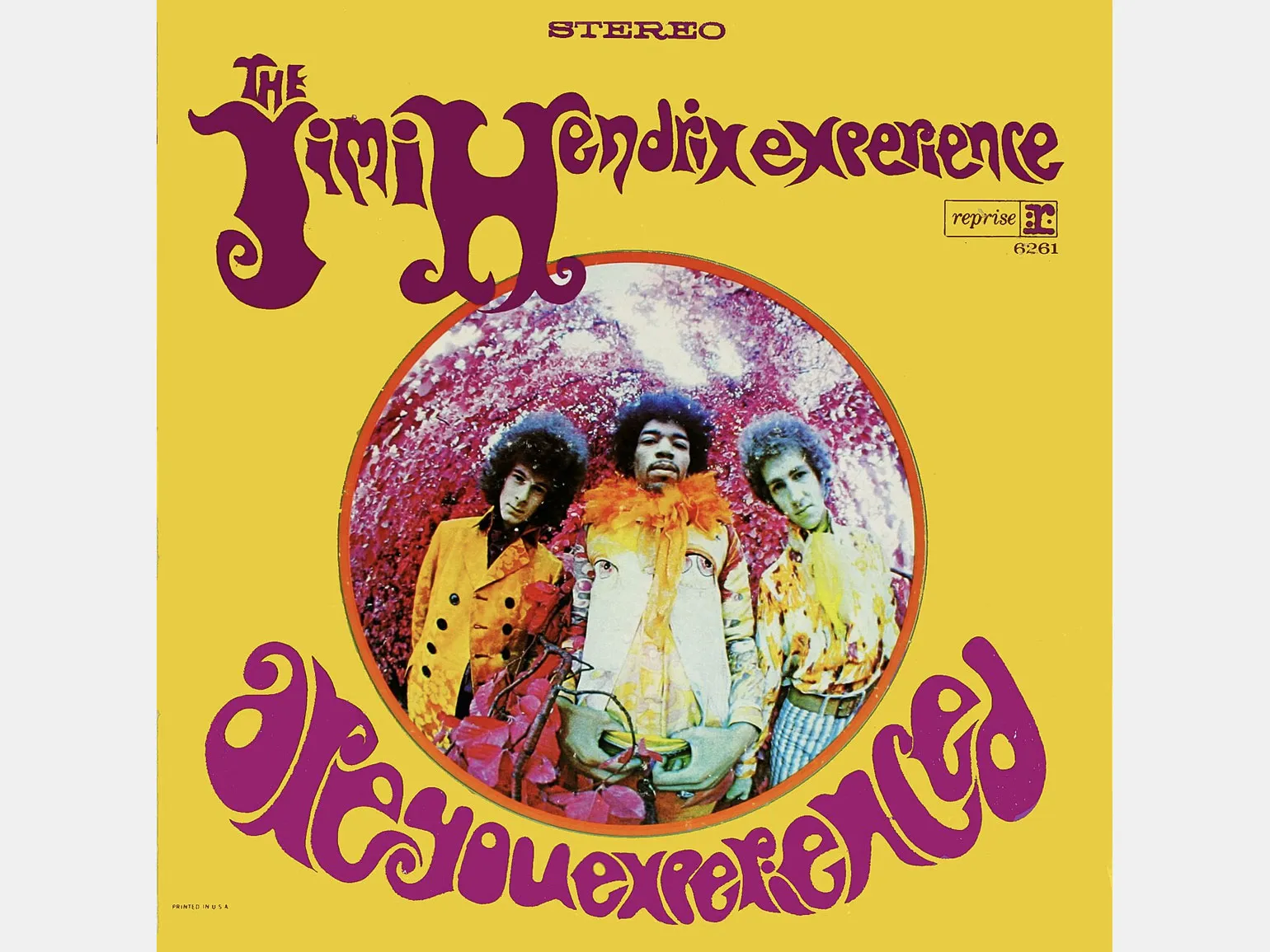
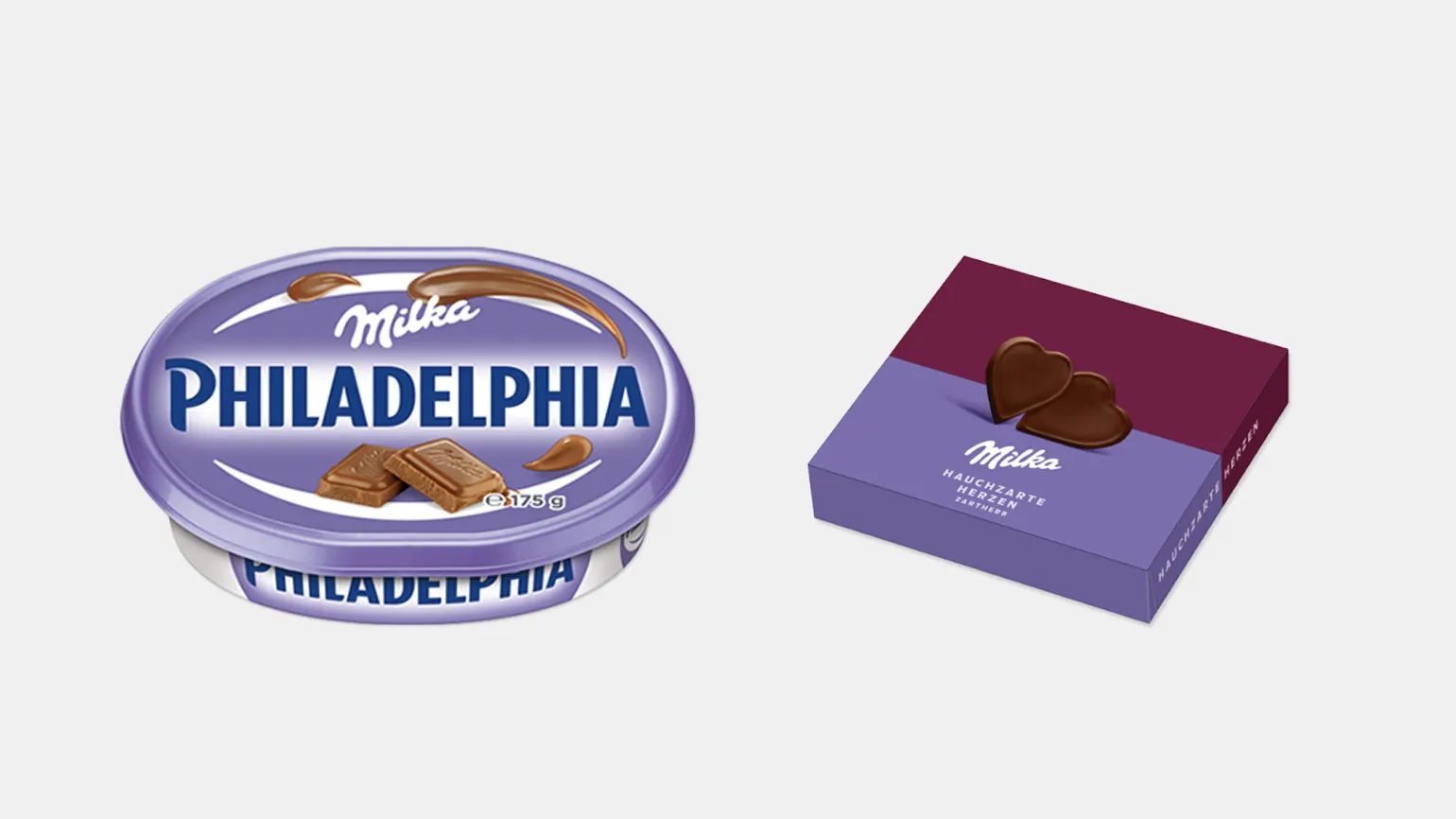
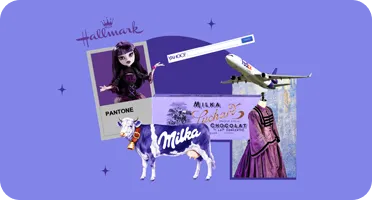
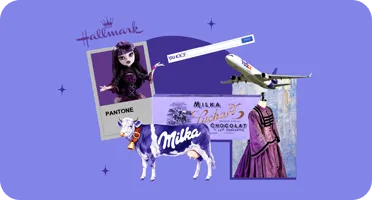
Branding and marketing. Purple is a difficult color to use in branding due to its ambiguous perception—some may perceive it as pink or blue. Brands that embrace purple emphasize their uniqueness and can draw on the color's historical significance, associating it with luxury and sophistication. The choice of purple can emphasize a brand's individuality and attract the attention of a target audience that values unconventional solutions and emotional depth. The use of the Milka, Hallmark, FedEx, Monster High, and Yahoo brands demonstrates the wide range of companies that trust the quality and recognition of their products. These brands actively employ modern marketing strategies to increase their visibility in the marketplace. Milka is known for its chocolate products, Hallmark offers unique cards and gifts, FedEx provides reliable worldwide delivery, Monster High attracts young people with interesting characters, and Yahoo provides a variety of online services. The combination of these brands highlights their importance across industries and their ability to attract and retain customers through innovative approaches and creative marketing.
Rework the text, staying on topic. Don't add anything extra. Adjust the text for SEO and supplement its content. Avoid emoticons and unnecessary characters. Don't use sections like 1., 2., 3., and *. Just provide clean text.
Read also:
The color purple: influence on brand perception
The color purple has a unique ability to evoke associations and emotions, which makes it an important tool in branding. This color is often associated with luxury, creativity, and spirituality. Using purple in logos, packaging, and marketing materials can help a company stand out from the competition and create a memorable image.
Purple can attract the attention of target audiences, especially in segments related to art, fashion, and cosmetics. It generates interest and can stimulate an emotional connection with the brand. Color psychology shows that purple evokes feelings of calm and tranquility, which can positively impact product perception.
When developing a brand's visual identity, it is important to consider shades of purple, as each can convey different messages. For example, light shades of purple can be more playful and friendly, while darker shades can be associated with elegance and seriousness.
Incorporating purple into marketing strategies can significantly increase customer engagement and strengthen their loyalty. Brands that use purple can create a unique image that is perceived as innovative and modern. This makes purple a powerful tool for creating a positive image and successfully promoting in the market.
The meaning of black. Black is not a color in the conventional sense, but represents a tone that we perceive in the absence of visible light emanating from an object. However, we traditionally classify it as a color. Black is associated with luxury, prestige and formality, as well as with classic design elements. At the same time, it symbolizes darkness, night, fear, loneliness, depression and mourning. Black has a multifaceted meaning and is actively used in fashion, art and interior design, emphasizing elegance and depth.
The color black is often associated with negative meanings in language. Expressions such as "black day", "black streak", "black work" and "black magic" Reflect difficulties, unfavorable circumstances, and negative phenomena. These phrases emphasize the hard work, troubles, and harm associated with this color. Thus, black becomes a symbol of suffering and problems, which is reflected in our speech.

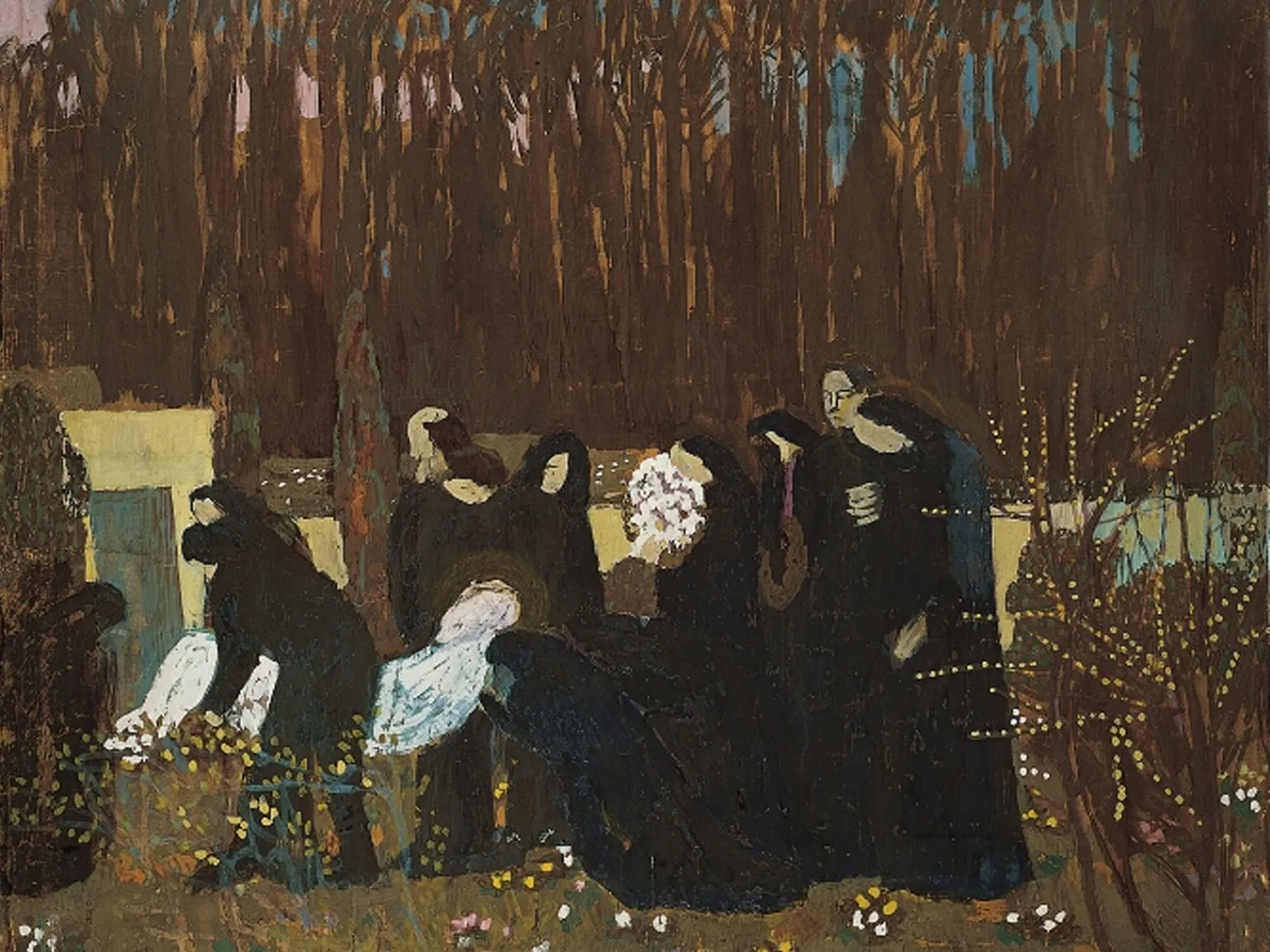
The culture of black pigment has deep historical roots, being one of the first pigments mined by man. In ancient Egypt, black symbolized fertility and vitality, associated with fertile land. In Christianity, black in clothing became the personification of humility and renunciation of worldly pleasures. For centuries in Europe, black clothing was associated with hard work, poverty, and mourning. However, over time, it acquired a new meaning, becoming a sign of professional affiliation. Black robes were worn by judges, clergy, and university students, emphasizing authority and status. Thus, black not only reflects cultural and historical changes but also continues to play an important role in our perception of professional and social identity.
In the 19th and 20th centuries, black became a symbol for various radical political movements, including anarchism, as well as fascism in Germany and Italy. The color became associated with extreme political views and protest against the existing order, reflecting a desire for change in the social structure. Black was used during this period as a visual sign of identity and unity among supporters of radical ideologies.


Branding and Marketing. Black is often chosen by companies offering premium products. This discreet, yet expressive color emphasizes the status, seriousness, and solidity of the brand, evoking associations with reliability and confidence. Using black in product design and advertising materials helps create a unique image, which is important for attracting target audiences and fostering positive company perceptions.
Well-known brands such as Audi, Lush, Playboy, Chanel, and Adidas actively use modern marketing strategies to promote their products. These companies implement innovative approaches, which allows them to remain competitive in the market. Using marketing allows them to effectively communicate their values and unique offerings to their target audience. Brands such as Audi and Chanel focus on creating a premium image, while Lush and Adidas emphasize sustainability and social responsibility. Playboy, in turn, uses creative content to attract attention and engage audiences. Each of these brands demonstrates the importance of adapting to changing market conditions and consumer preferences.


Read also:
Elegant Black: The Impact of Color on Brand Perception
Colors play a key role in brand perception and the formation of its image. Black, in particular, is associated with elegance, luxury, and strength. It can create a sense of confidence and status, making it a popular choice for many companies seeking to emphasize their exclusivity.
Using black in branding can effectively convey a message of high quality and premium quality. Many famous brands, such as Chanel and Gucci, use black in their logos and packaging to evoke associations of exclusivity and style.
However, it is important to consider that black can evoke different emotions depending on the context. It can be perceived as strict or even aggressive if used in excessive quantities. Therefore, skillfully combining black with other colors and design elements will help balance brand perception.
Research shows that color palettes can significantly influence consumer purchasing decisions. Therefore, companies wishing to create a strong and attractive brand must carefully select colors, including black, to achieve the desired effect and establish an emotional connection with the target audience.
Pink has many meanings and associations. It symbolizes innocence, romance, childish happiness, and carefree spirit. Pink also evokes images of cotton candy and Barbie dolls, making it particularly appealing to children and women. This color is often perceived as gendered, traditionally associated with girls and femininity. Pink has the ability to create a warm and cozy atmosphere, making it a popular choice in interior design and fashion.

Pink is traditionally perceived as a symbol of frivolity, naivety and weakness. However, in modern society, this stereotype is being actively challenged. For example, the pink ribbon, which has become a symbol of the fight against breast cancer, represents the strength and resilience of people battling this serious disease. This approach demonstrates that pink can symbolize not only tenderness, but also courage, overcoming difficulties, and support.

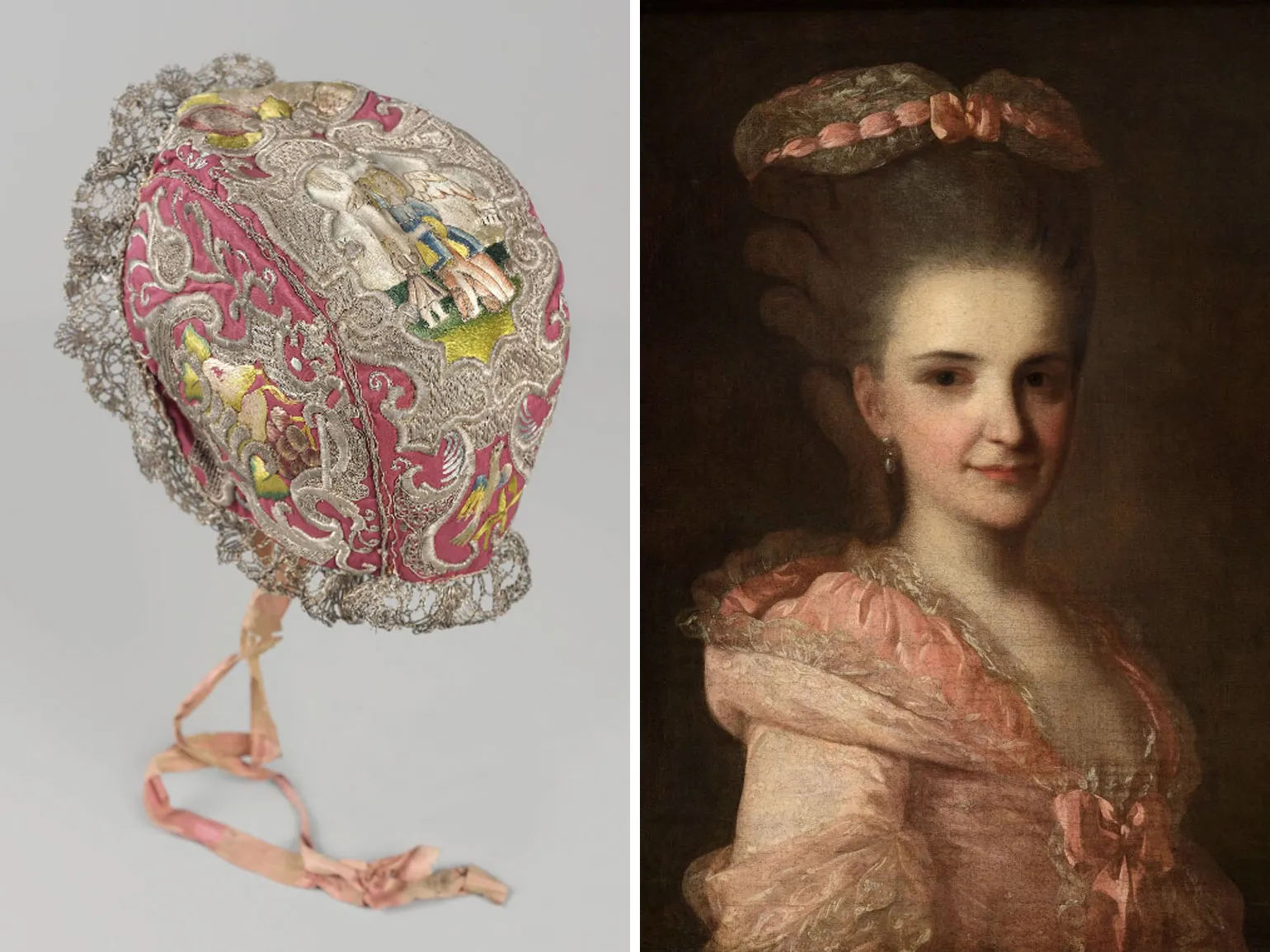
Culture. In the Middle Ages, pink was considered exotic and was used mainly by wealthy and progressive people. In the 18th century, during the heyday of the Rococo style, pink became popular in clothing and interior design. It was boldly worn by both women and men, contributing to its widespread adoption and changing social perceptions. Pink symbolized not only wealth but also sophistication, making it a popular choice in fashion and design at the time. In China, pink was long perceived as a shade of red rather than a distinct color. In Korea, pink symbolizes kindness and trust, underscoring its cultural significance. The color pink has different associations and meanings in these countries, reflecting unique cultural characteristics.
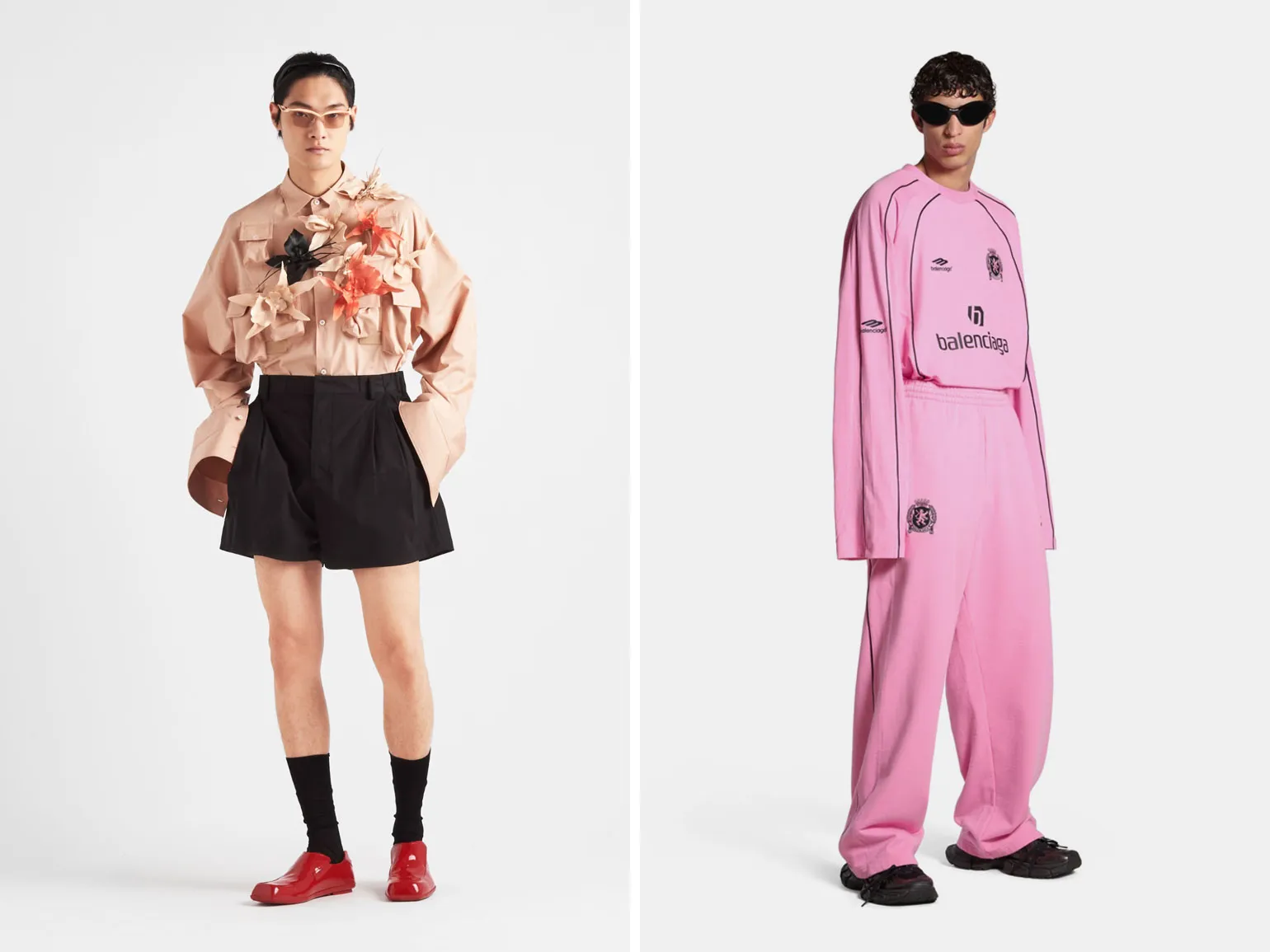

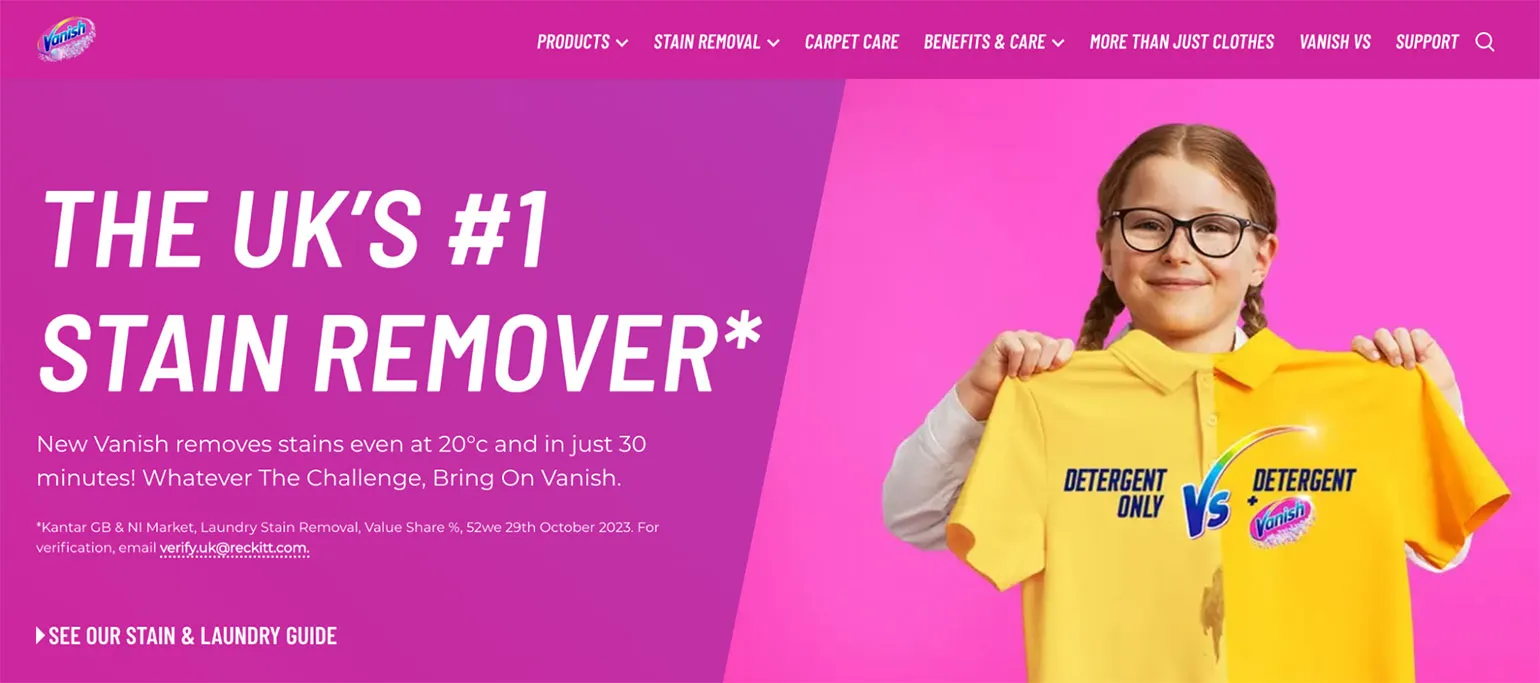
Branding and marketing. Shades of pink are widely used in the designs of companies targeting a female audience, such as clothing, cosmetics, and lingerie brands. Pink's associations with youth, cheerfulness, and tenderness are actively exploited by brands producing children's toys, sweets, and those working in the entertainment industry. This color helps create a positive image and attract the target audience, creating an emotional connection with consumers. Proper use of shades of pink in branding can significantly increase product recognition and appeal. Many well-known brands use this technique, including Baskin Robbins, Victoria's Secret Pink, T-Mobile, Vanish, and Duracell. These companies choose it to enhance the quality of their products and improve customer engagement. The use of innovative solutions allows them to remain competitive in the market and attract a new audience.

Read also:
Provocative Pink: The Impact of Color on Brand Perception
Colors play a key role in shaping brand perception. Provocative pink, in particular, can significantly influence consumers' emotional reactions and their attitudes toward a product or service. This color is associated with playfulness, tenderness, and femininity, making it particularly appealing to certain target audiences.
When using pink in branding, it is important to consider its meaning in the context of culture and the target audience. Pink can evoke positive emotions, improve mood, and create associations with caring and comfort. This makes it ideal for brands targeting women and children, as well as for companies that want to emphasize their creativity and modernity. However, excessive use of pink can lead to negative consequences, such as the perception of a brand as too frivolous or not serious. Therefore, it is important to find a balance and use this color in combination with other branding elements for the best effect. Proper use of provocative pink in logos, packaging, and advertising materials will help create a unique image and attract the attention of the target audience. Research shows that color influences consumer decision-making, so brands that consider the psychology of color gain a competitive advantage in the market. White, like black, is not a color in the traditional sense, as it does not have a hue and belongs to the achromatic shades. Nevertheless, white is rich with meanings and associations. It is often perceived as a symbol of purity, simplicity, honesty, kindness, and chastity. White is associated with new beginnings and freshness, making it a popular choice in interior design, fashion, and art. Due to its neutrality, white creates a sense of space and lightness, allowing it to pair harmoniously with other colors. White is associated with snow, which symbolizes cold and winter. In large quantities, this color can evoke feelings of loneliness, emptiness, and despondency. It is important to consider that white, despite its positive associations with purity and light, in excess can create an atmosphere of isolation and depression.

Culture. The color white has opposite meanings in different countries. In the West, it symbolizes peace, purity, and wedding celebrations. Meanwhile, in China, Japan, and India, white is associated with mourning and death. In religious teachings, white is often associated with paradise and divine perfection. Mystically, it represents goodness and light, opposing evil. Previously, white clothing was only available to the privileged classes due to its impracticality and difficulty in maintaining. Today, white has become a trend and holds an important place in fashion, serving as a basic and fashionable shade. This versatile palette allows for the creation of stylish looks for a variety of occasions, from casual wear to evening wear. White not only visually enlarges the space but also emphasizes individuality, making it a popular choice among fashionistas around the world.


Branding and Marketing. The psychology of white in corporate design plays an important role in creating a clean, simple, and natural image of a company. Consumers associate this color with safety, eco-friendliness, and freshness, which helps build trust in the brand. Using white in a corporate identity helps highlight a company's core values and attract the attention of its target audience. Proper use of white in design can enhance the perception of a brand as modern and reliable, which in turn increases its competitiveness in the marketplace.
Many well-known brands use our products, including Apple, Wikipedia, Valentino, Michelin tires, and Dove. These companies choose us for our high quality and reliability, confirming our reputation in the marketplace. We pride ourselves on offering solutions that meet the highest standards and continue to evolve to meet our customers' needs.


Reading is an important aspect of our lives that enriches knowledge and develops thinking. It helps improve concentration and broaden horizons. Books, articles, and blogs provide useful information and inspiration. Reading allows you to immerse yourself in new worlds, explore different ideas, and gain new perspectives. Regular reading helps develop vocabulary and improve writing skills. In addition, it can be a great way to relax and take a break from the daily routine. It is important to choose interesting and relevant topics so that reading is enjoyable and beneficial. Don't forget that a variety of genres and formats makes the reading process even more engaging.
White in Psychology and Its Meaning in Famous Brands
White is associated with purity, simplicity, and freshness. In color psychology, it often symbolizes innocence and new life. Many famous brands use white in their corporate identity to emphasize these qualities and create a positive impression of their products.
For example, in the automotive industry, companies like Tesla use white for their models to emphasize modernity and eco-friendliness. In the tech industry, Apple uses white in the design of its devices, which is associated with elegance and innovation.
Furthermore, in the fashion industry, white is often used to create an image of minimalism and sophistication. Brands such as Calvin Klein and Ralph Lauren use white as the primary color in their collections to convey ideas of quality and style.
Therefore, white plays a key role in shaping the image of brands. It helps create associations with high standards, purity, and modern trends, making it a popular choice among many companies.








Learn more about design by subscribing to our Telegram channel. We share the latest news, helpful tips, and inspiring design ideas. Join us to stay up to date with the latest trends and improve your skills.
Check out the following materials:
- What goes with gray
- What color can do
- Coloristics: what you need to know
- How to choose and create a color scheme for a website
- What is Itten's color wheel and how to use it to find beautiful combinations
Graphic Designer PRO Profession
You will learn how to create corporate identity elements and graphics for business. You will build a portfolio that reflects your style and confirms your design skills. You can start a career in a studio or as a freelancer.
Find out more