
Try 4 top design professions. Free ➞ In 5 days, you will get acquainted with illustration, UX/UI, web, and graphic design. Add 4 compelling case studies to your portfolio and decide on your next direction.
Learn moreIn the "History of One Design" section, we explore outstanding design objects, focusing on the premises of their creation, meaning, and influence on the evolution of visual culture. We share interesting facts and analyze how these design solutions shaped not only the aesthetic but also the functional aspects of the world around us. Each design object is not just a work of art, but an important element that reflects the cultural and social changes of its time.
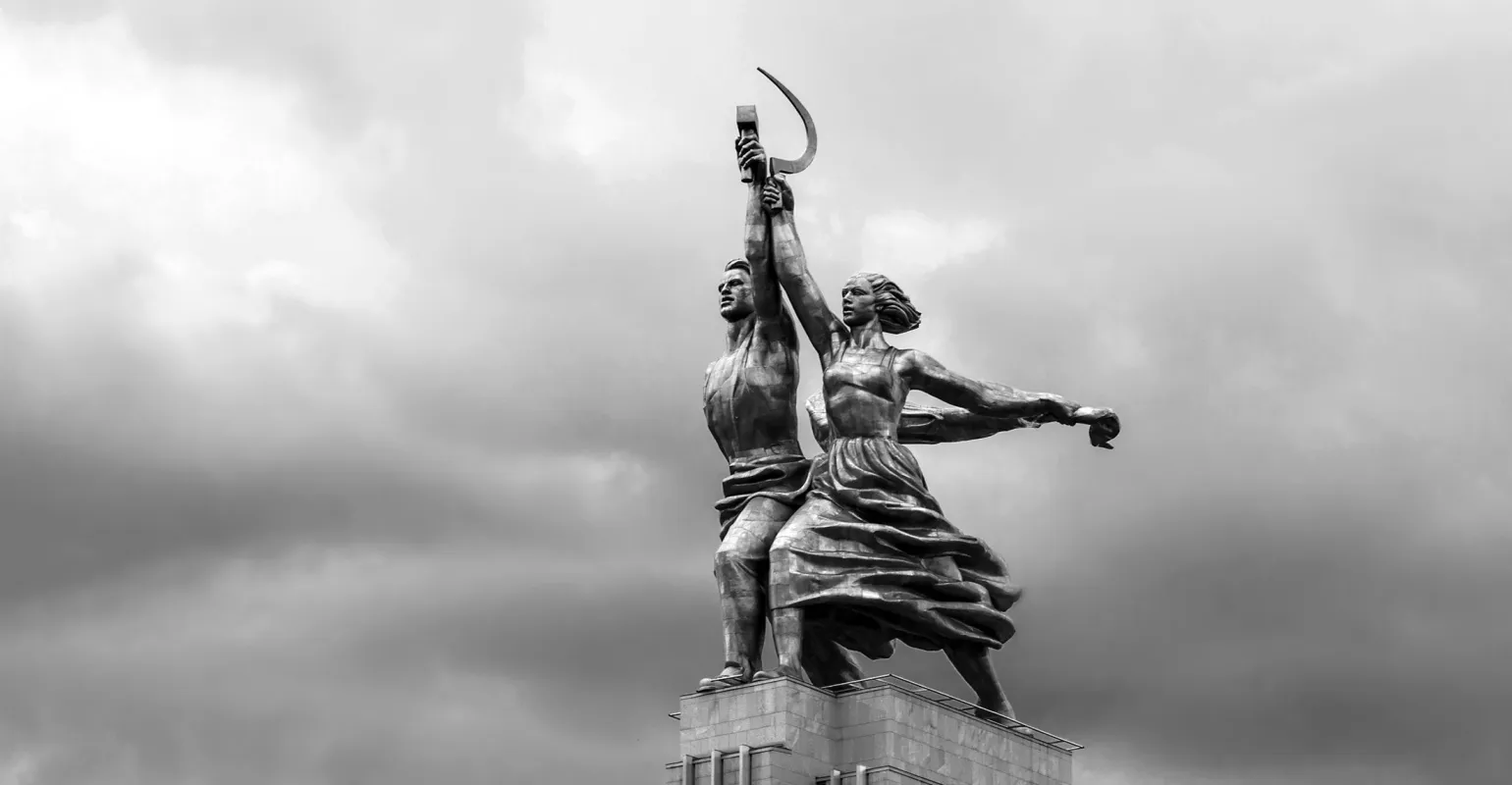
The "Worker and Kolkhoz Woman" monument is one of three key Soviet monuments, along with the "Motherland" and "Soldier-Liberator." This monument, created by great masters, is a symbol of the new man, raised in the spirit of communist ideals. Two dynamic figures depicted in motion embody labor, unity, and the desire for social prosperity. The monument not only reflects the historical realities of its time but also serves as an important part of cultural heritage, attracting the attention of tourists and researchers.
Creation
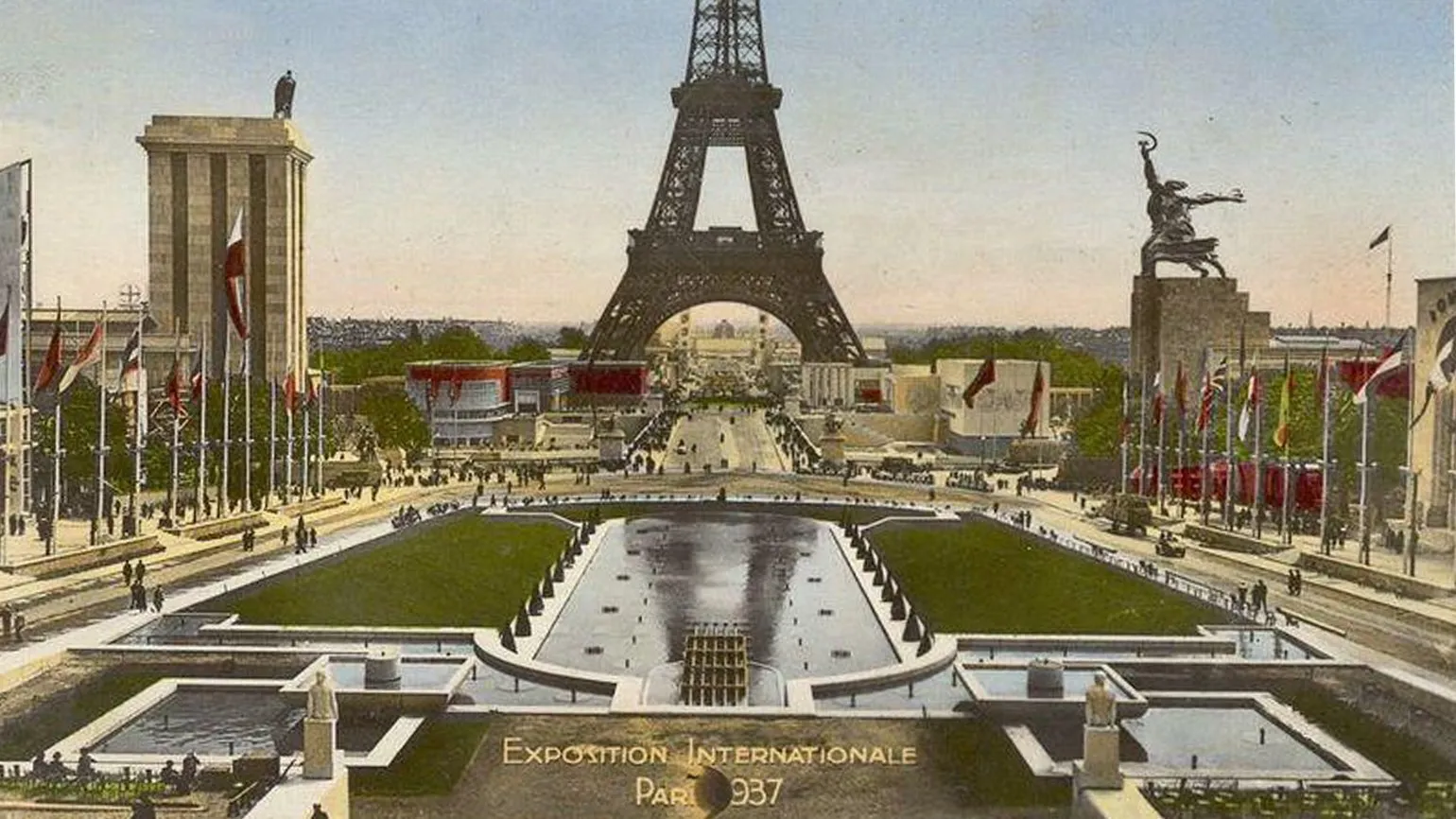
The composition "Worker and Kolkhoz Woman" was created for the 1937 World's Fair of Arts and Technology in Paris. Against the backdrop of the international community's wariness of the Soviet Union, the Soviet government sought to present its country as effectively as possible. This sculpture symbolizes the unity of the working class and the peasantry, reflecting the ideas of socialist realism and progress. The project became an important part of the USSR's cultural diplomacy, demonstrating the achievements of Soviet industrialization and collectivization.
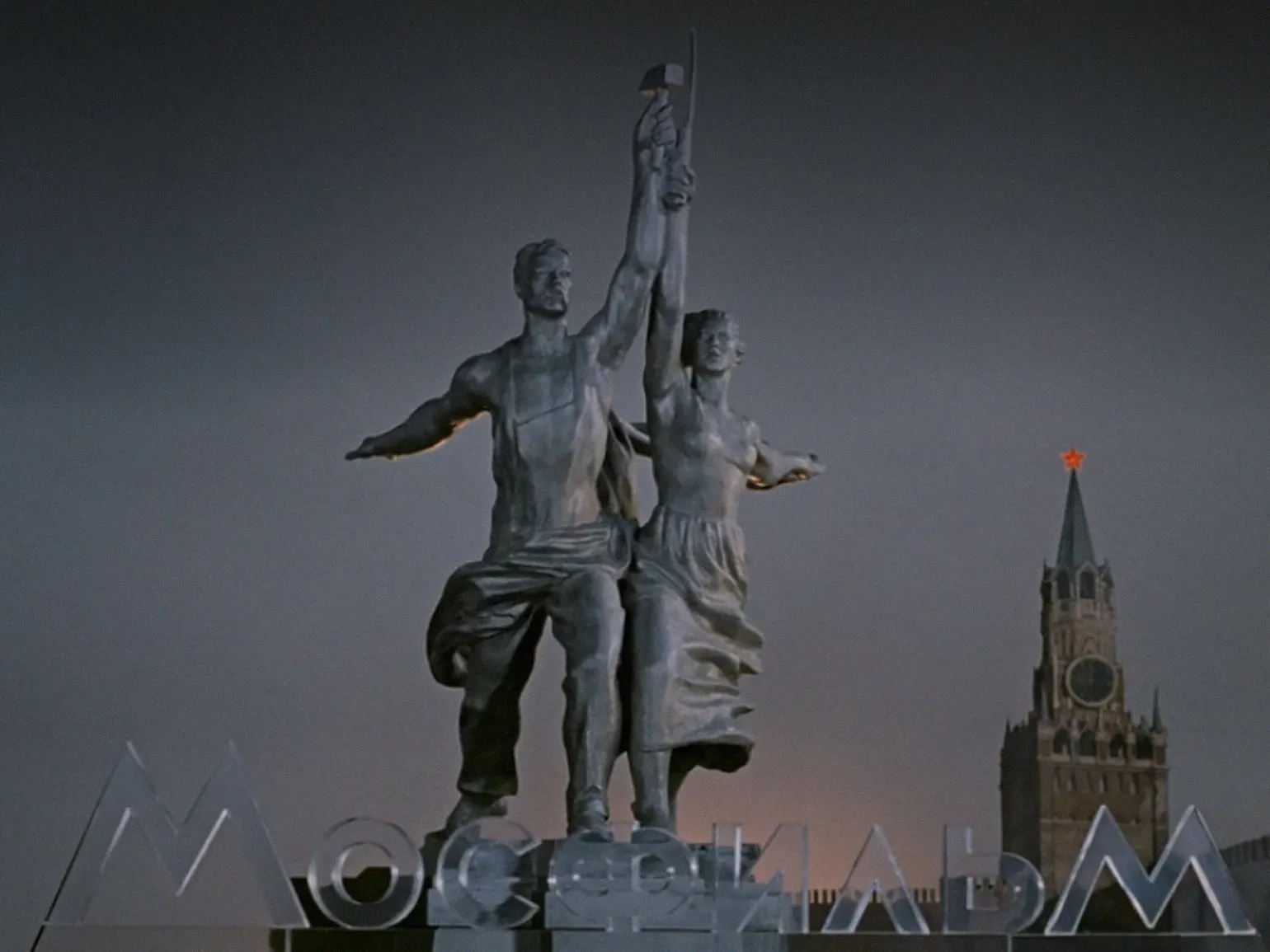
The monument was the ideological and compositional dominant feature of the Soviet pavilion. The sculpture stands 25 meters tall and stands on a 34-meter pedestal opposite the German pavilion, topped with a Nazi eagle. This monument became an important symbol of the clash of ideologies and cultural conflicts of its time.
The "Worker and Kolkhoz Woman" monument is the result of collaboration between two outstanding authors. The concept and sketch of the monument were developed by the Soviet architect Boris Iofan, known for his projects of "Stalin's skyscrapers". The sculpture was realized in plastic form by the talented sculptor Vera Mukhina. This monument embodies the unity of labor and agriculture, symbolizing the aspiration for a socialist future.
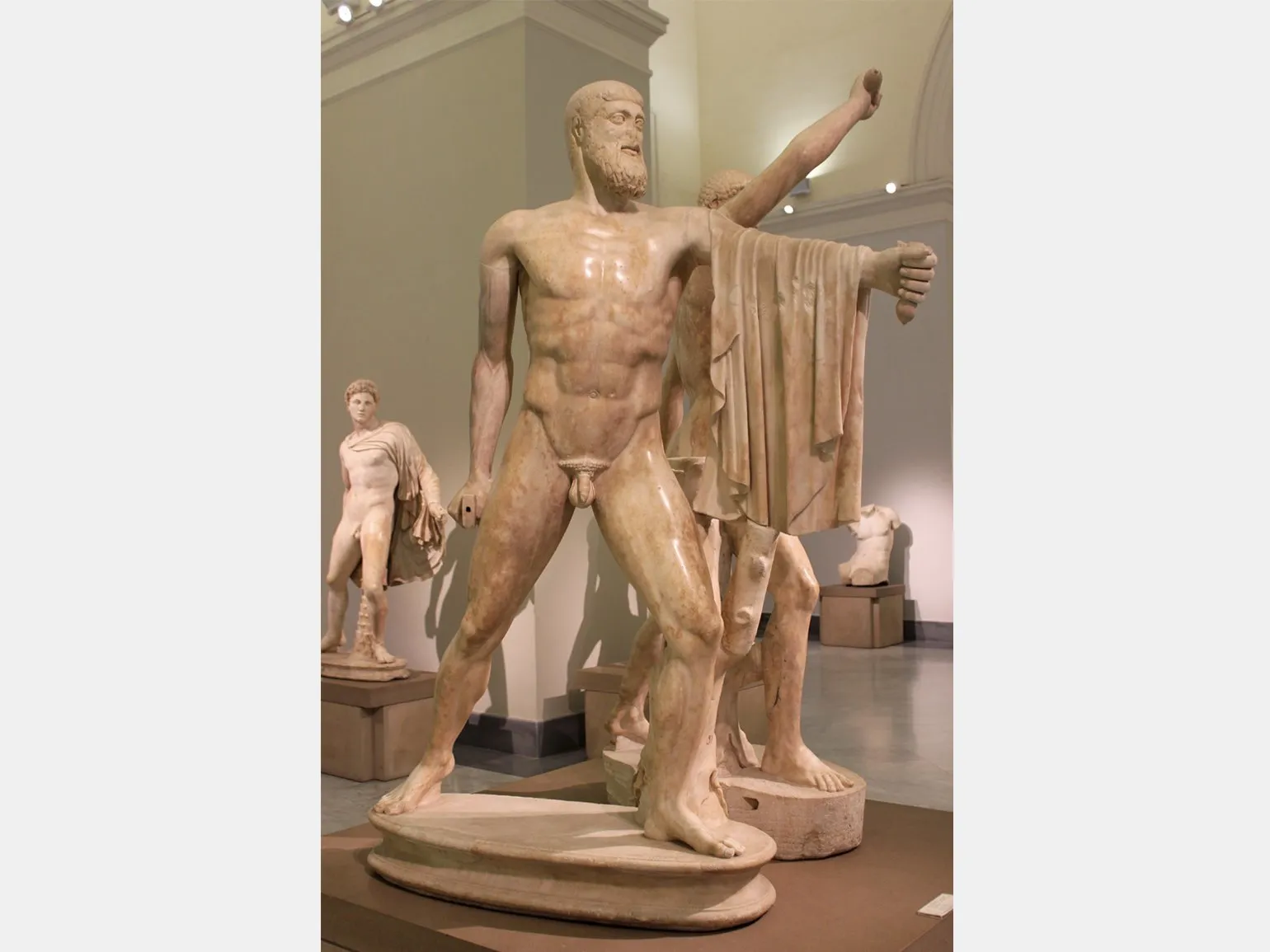
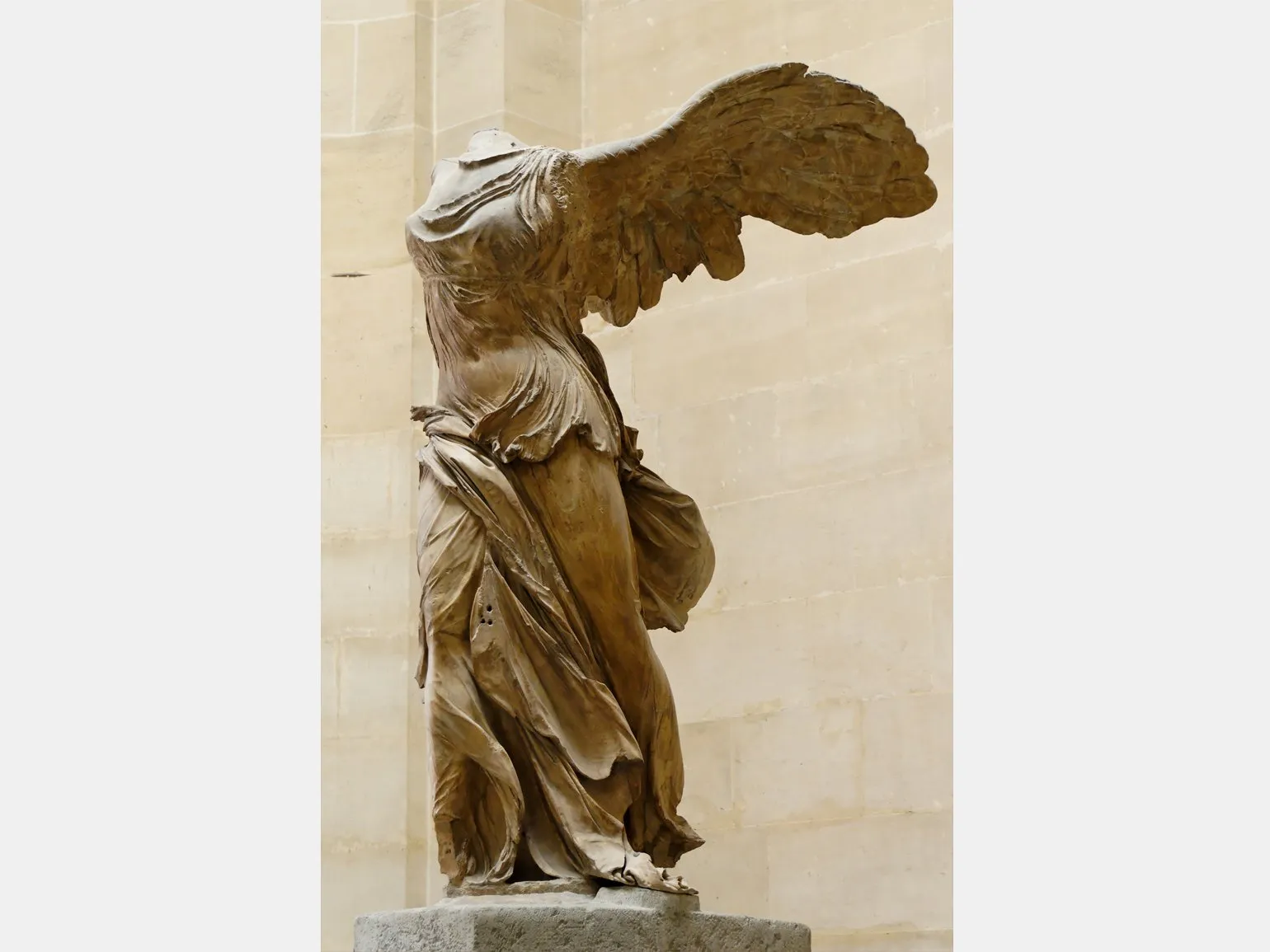
Iofan drew inspiration from two significant historical examples. The first is the ancient Greek statue "Tyranslayers," depicting Harmodius and Aristogeiton. These two figures, standing back to back, demonstrate dynamism, with one leg forward and the other raising a sword. The second example that influenced Iofan's work is the Nike of Samothrace, a marble sculpture depicting the goddess of victory in motion, as if striding forward. These classic works of art embody the ideas of strength and dynamism, which became the basis for Iofan's work.
Idea
The monument is a sculptural group consisting of two figures - a man and a woman, who stand shoulder to shoulder, raising a hammer and sickle above their heads. These images symbolize the two key social forces that ensured the Bolsheviks' rise to power - the peasants and the workers. The sculpture not only reflects the historical context but also serves as a reminder of the significance of these classes in the revolutionary events.
The collective farm woman is based on the image of an 18-year-old Komsomol member, while the male figure was modeled after a ballet dancer. Initially, the sculptures were presented naked, but the committee responsible for approving the monument demanded that they be clothed. As a result, Vera Mukhina added overalls to the worker and a sarafan to the peasant woman, and adorned the composition with a decorative scarf. This scarf plays a key role in the sculpture's design, linking the figures together and balancing the verticals, adding harmonious horizontal lines to the statue.
The sculpture's shape, an isosceles triangle, creates a sense of dynamism. Mounted on a massive pedestal, "Worker and Kolkhoz Woman" seem to take off and hover in the air. Instead of traditional bronze or copper, the monument was created using thin sheets of stainless chrome-nickel steel, which effectively reflects light, emphasizing the uniqueness and modernity of the work.
The composition is a monumental statement on the creation of a new communist state based on the unification of the working and peasant classes. This state shapes its citizens into heroes of a new era, who confidently move towards equality and happiness.
Influence
The Soviet exhibition achieved impressive results, winning 270 awards, including 95 Grand Prix, 70 gold, 40 silver, and 6 bronze medals, as well as more than 50 diplomas. The success of the Paris Exhibition prompted government authorities to take notice of the sculpture, created specifically for the pavilion. In 1939, the monument was erected at the entrance to VDNKh. In 1948, the "Worker and Kolkhoz Woman" statue became the official symbol of the Mosfilm studio, further strengthening its status. The statue has been repeatedly depicted on a series of postage stamps and collectible coins, which testifies to its cultural significance and popularity.
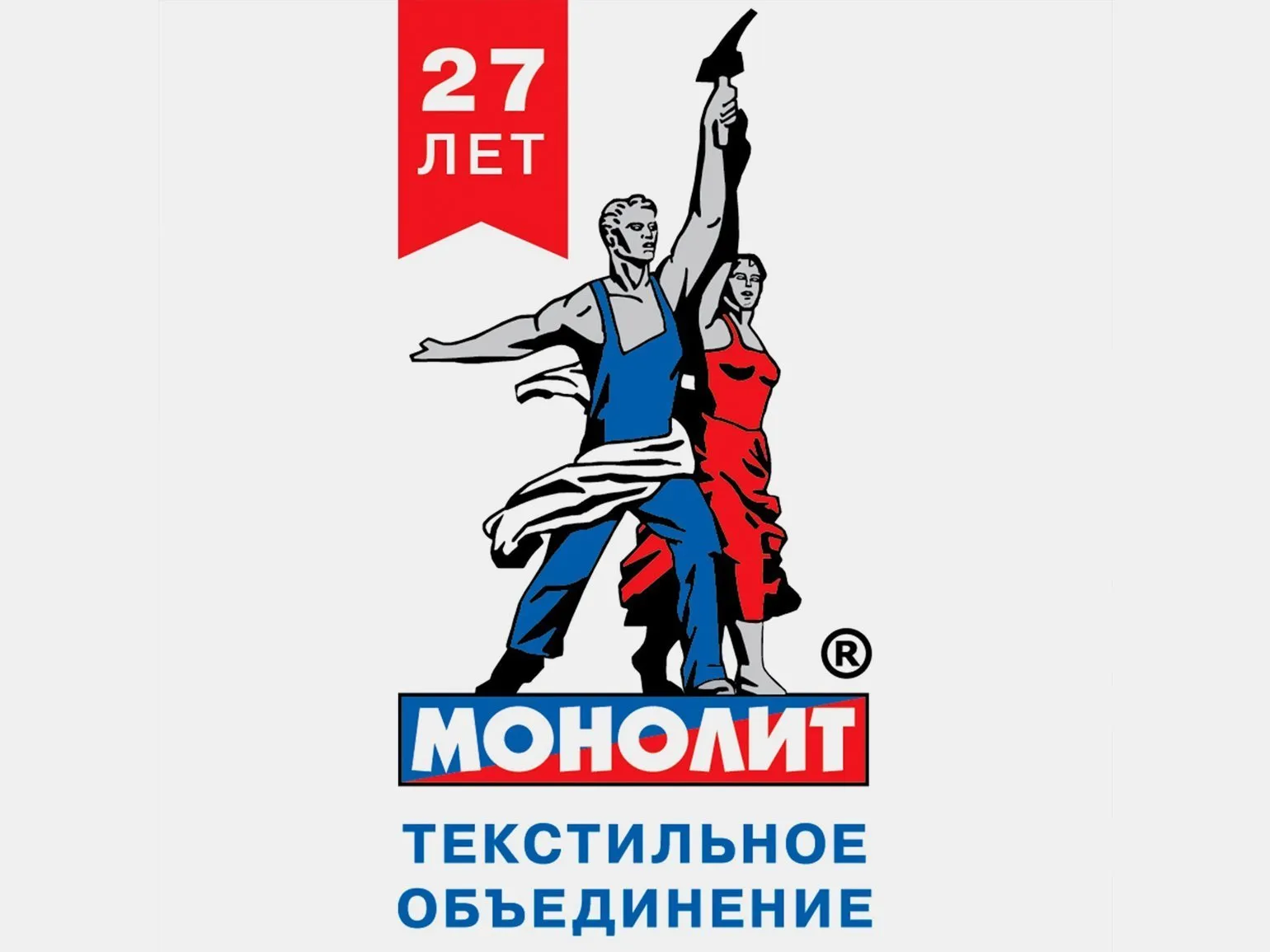
To promote the Java Gold cigarettes, Advertising posters featuring the "Worker and Kolkhoz Woman" film, where the characters held a pack of cigarettes instead of the traditional hammer and sickle. The Monolith clothing factory adopted this image as its logo. The Lianozovsky Distillery used this visual element on its labels, which contributed to brand recognition and strengthened its image in the market.
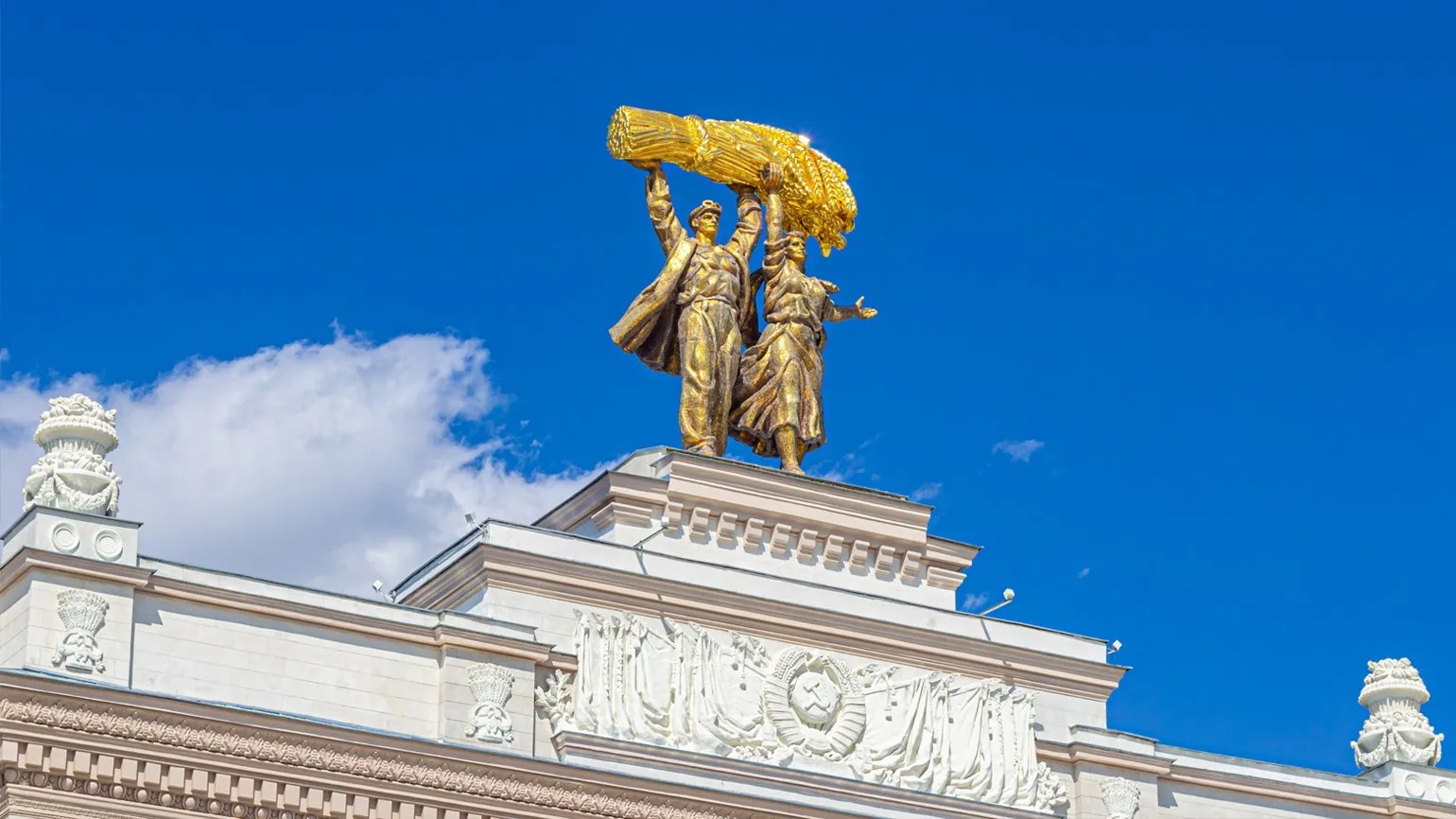
«Rabochiy "Worker and Kolkhoz Woman" set a new trend, presenting people of ordinary professions as symbols of the era. In 1954, a sculpture depicting a tractor driver and a collective farm woman raising a sheaf of grain over their heads was installed on the arch of the main entrance to VDNKh. This monument, created by Sergei Orlov, was a clear homage to "Worker and Kolkhoz Woman," emphasizing the importance of labor and ordinary people in society. The sculpture embodies the spirit of the times and the ideals that were relevant to that era, and continues to inspire modern generations.
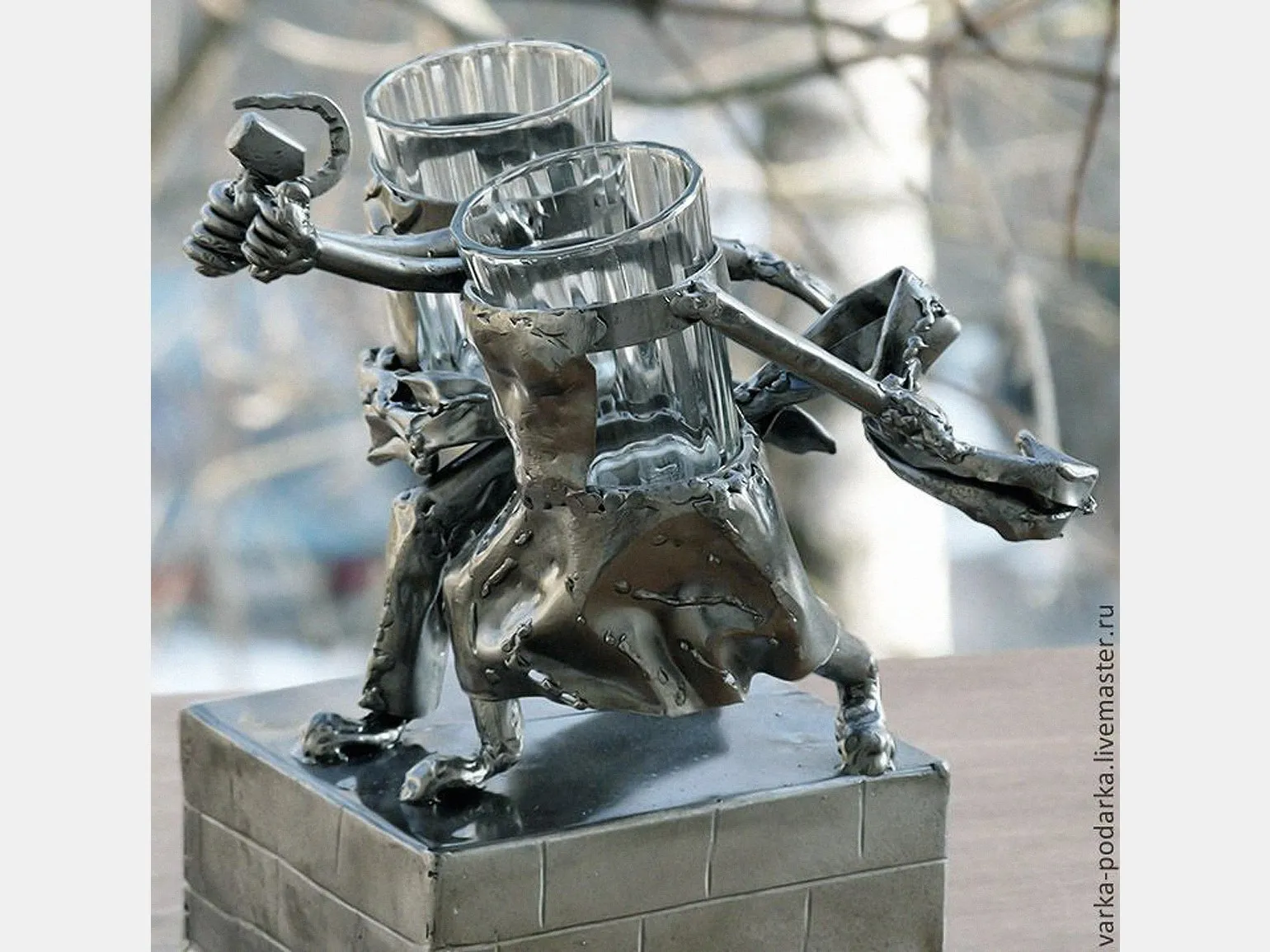
Having acquired a cult status, the image of the sculpture has become a popular design element symbolizing the Soviet era and ideology. It is actively used to decorate tableware, print on clothing and posters, as well as in printing. The image of the sculpture finds its place in the production of figurines and coasters, which emphasizes its importance and influence on modern design.
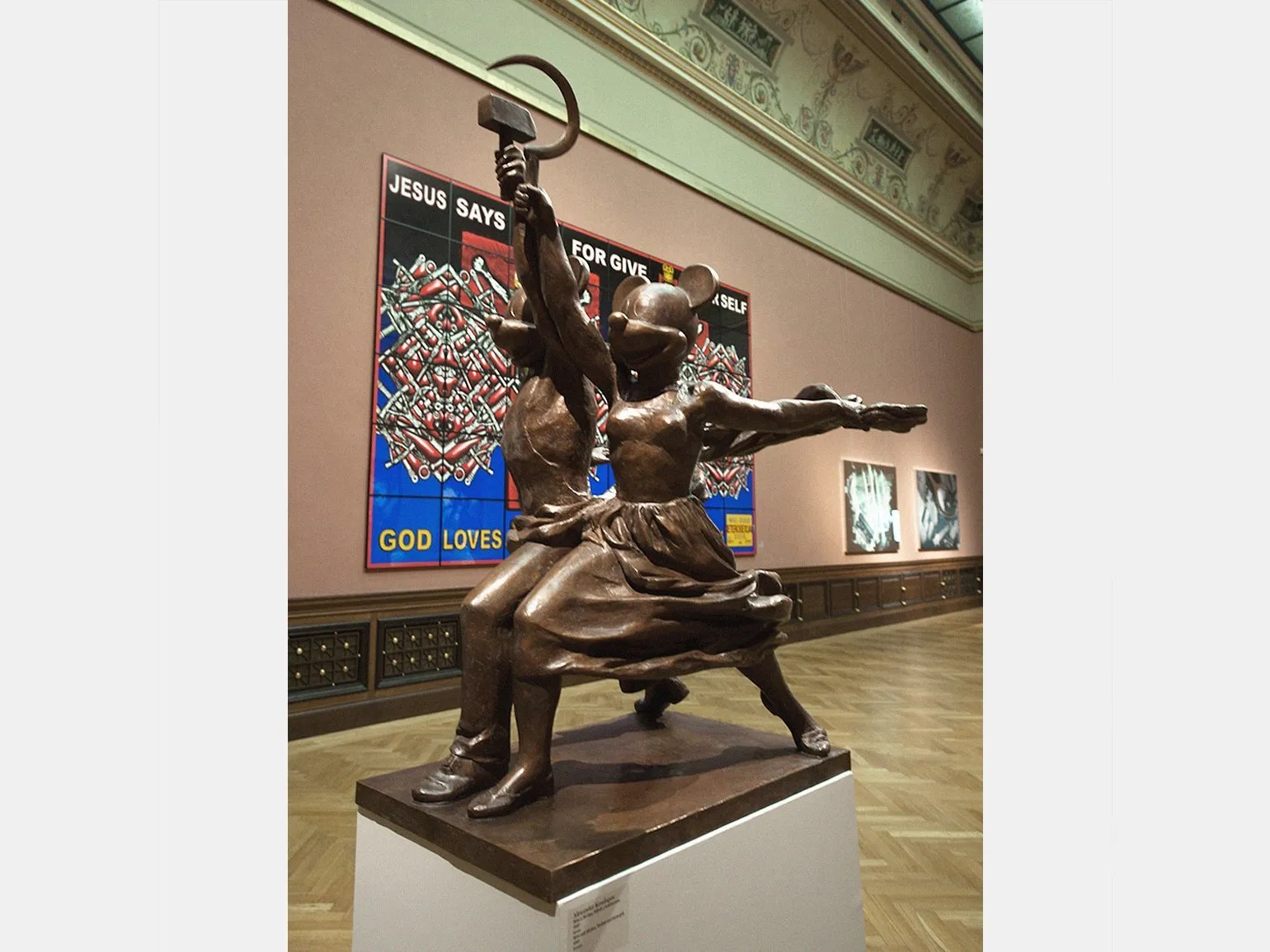
Kitsch is traditionally associated with the stretching of images and their A reimagining. An example of this is the work of the renowned socialist artist Alexander Kosolapov—the sculpture "Worker and Kolkhoz Woman," which depicts Mickey Mouse and Minnie Mouse instead of the usual heroes' heads. This interpretation emphasizes the pop and ironic approach to classic symbols of the Soviet era.
Profession Graphic Designer PRO
You will learn how to create corporate identity elements and graphics for business. You will put together a portfolio that reflects your style and confirms your design skills. You can start a career in a studio or as a freelancer.
Find out more