Contents:
- Svoyasi: The Path of Contemporary Russian Art
- What is the "Svoyasi" exhibition about and how does it relate to contemporary art?
- Svoyasi: User flow, ownership of exhibits, curatorial mistakes
- Theory: What is contained within the exhibition and how decorative devastation affects us all
- What is ultimately wrong with the "Svoyasi" exhibition?

Try 4 top design professions. Free ➞ In 5 days, you will get acquainted with illustration, UX/UI, web, and graphic design. Add 4 cool cases to your portfolio and decide which direction to develop in.
Learn moreSvoyasi: The Path of Contemporary Russian Art
In March 2025, the State Historical Museum held an exhibition that attracted public attention. The exposition was dedicated to significant events and achievements in the history of the country. The exhibition offers a unique opportunity to immerse oneself in cultural heritage, as well as to see rare historical artifacts. The exhibition's explanatory note explains that the project's goal is to preserve and promote historical memory and inspire visitors to explore the past.
The house's space is clearly organized and filled with symbolism that reflects man's relationship with nature, the material world, and others. The hut serves as a model of the cosmos, and the outside world is perceived as "God's tower." This perception emphasizes the harmony between man and the environment, creating an atmosphere of comfort and connection with nature. It is important to note that each element of the interior and architecture plays a role in shaping this symbolism, fostering a deep understanding of man's place in the world.
The exhibition's semantic structure is based on an analogy with the structure of a peasant hut. Here you will find elements representing different parts of the house: the porch, the vestibule, the upper room, the bins, the women's corner, and the red corner. Each of these areas symbolizes unique aspects of traditional village life, immersing visitors in the atmosphere and culture of peasant life.
The functional purpose of each space is analyzed in the context of various aspects of modern life. The analogies discovered highlight the importance of certain images. Understanding these spaces allows for a deeper understanding of their impact on everyday life, social interactions, and cultural practices. Every space, whether residential, work, or public, plays a key role in shaping our perception and interaction with the world around us.
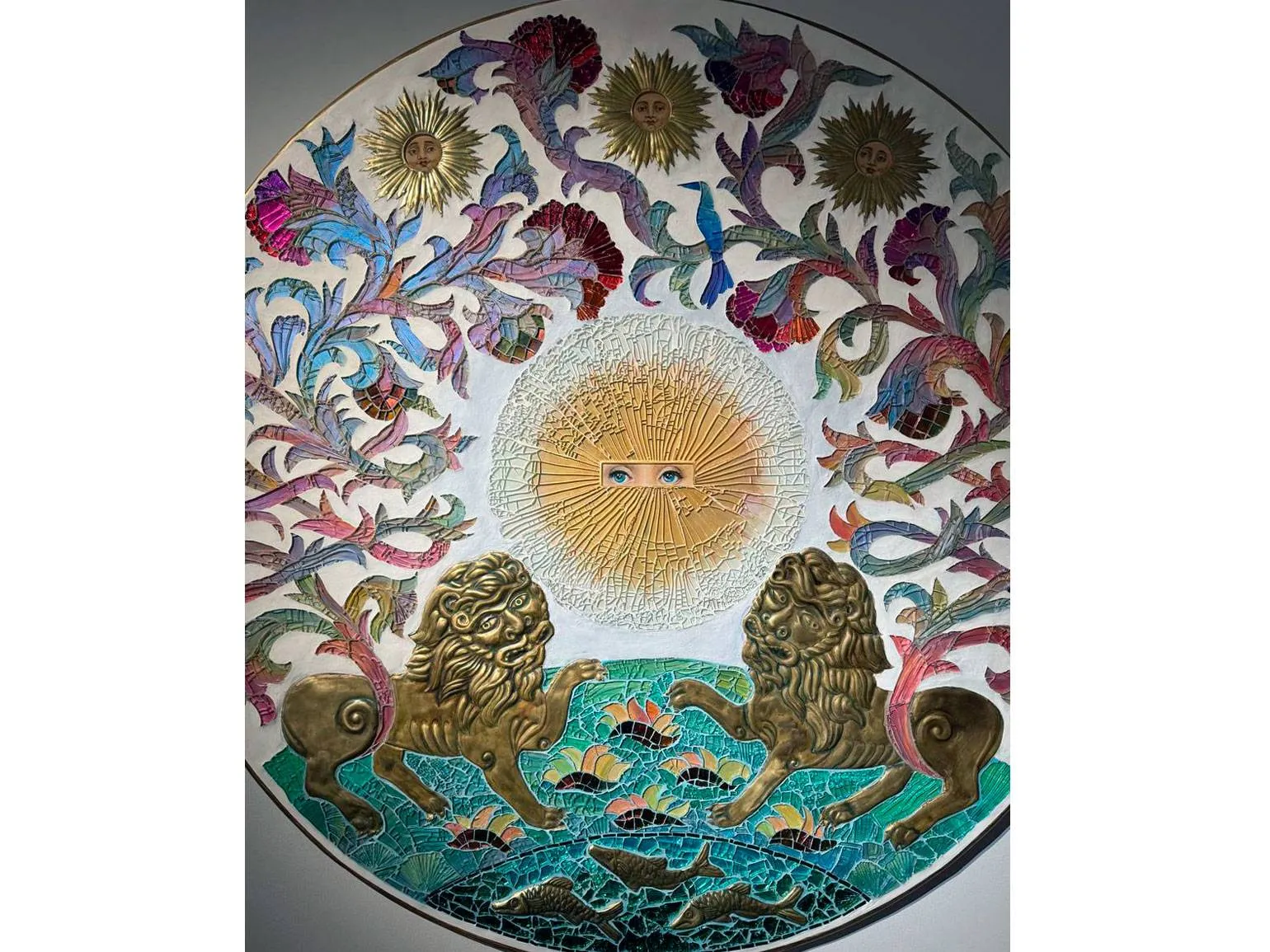
Expectation creates the impression of a structured space where new interpretations will be presented within the context of a peasant hut. One might expect a significant amount of Christian art, as the peasant hut is not just a place for compact living but also a ritual space closely linked to church traditions, seasonal holidays, and themes described by Vladimir Propp. This place reflects deep cultural and spiritual connections that have developed over centuries and provides a unique opportunity to explore the relationship between everyday life and religious rituals.
At the entrance, viewers are greeted by a unique hybrid of a Japanese torii and a Chinese garden pavilion, creating an atmosphere of Eastern harmony. This architectural element immediately immerses you in the atmosphere of traditional Eastern culture, combining the aesthetic features of both countries.
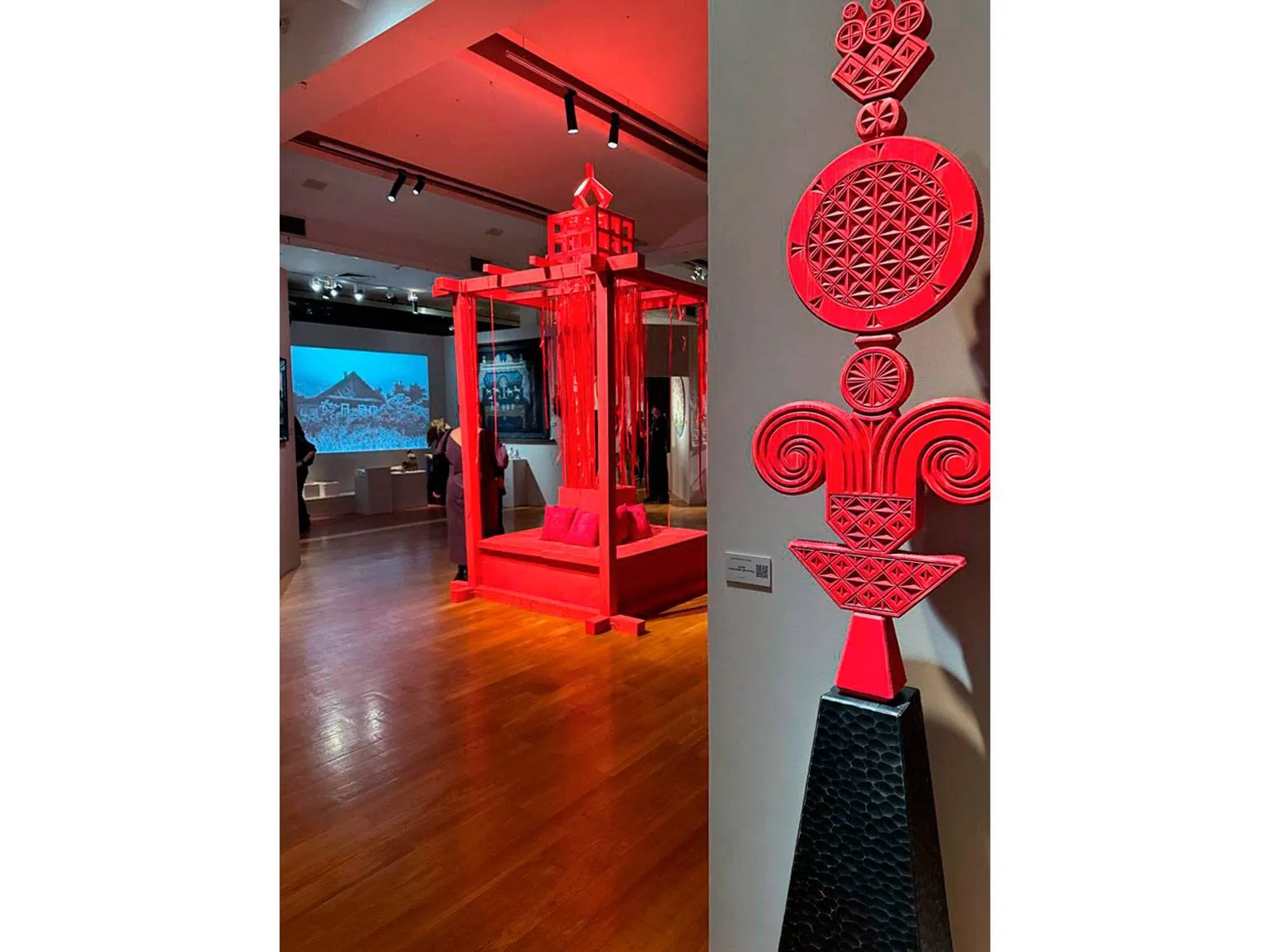
Object Artist Anna Matorina's "House Makosh" bears some resemblance to Shinto structures. In modern Slavic neopaganism, Makosh is considered one of the most prominent goddesses. This art project not only reflects cultural roots but also emphasizes the importance of preserving traditions and beliefs. Makosh, as the goddess of fate and handicrafts, occupies a prominent place in the Slavic pantheon, making this object significant in the context of contemporary art and cultural identity.
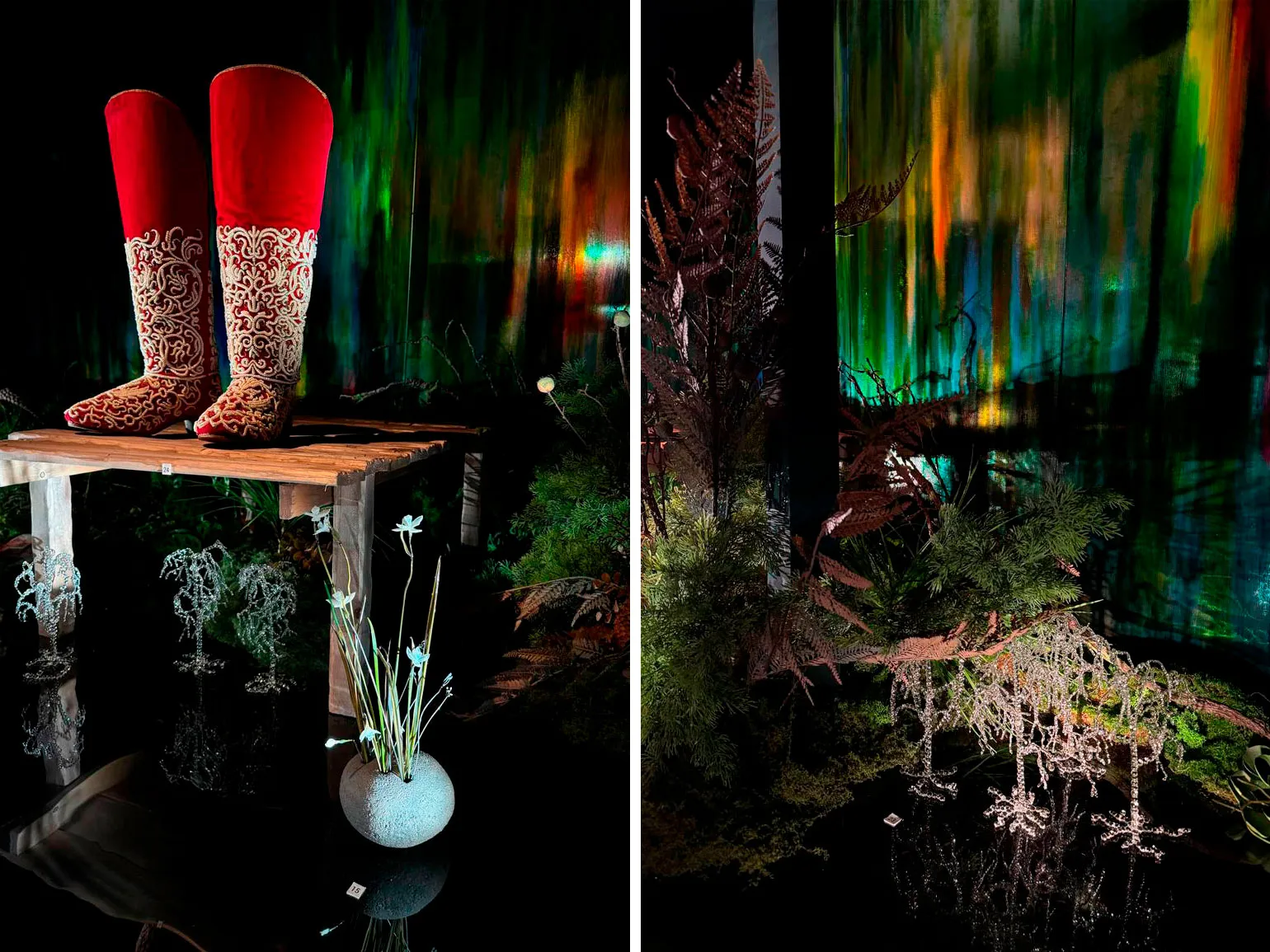
At a certain point, a swamp appears in the sacred space of the hut. This place is imbued with the atmosphere of the northern lights, decorated with kokoshniks and kokoshki, as well as artificial irises. Such elements create a unique and magical atmosphere, bringing elements of folk art and natural beauty to the setting. The swamp becomes not only a geographical object, but also a symbol of the connection of traditions and nature, reflecting the richness of cultural heritage.
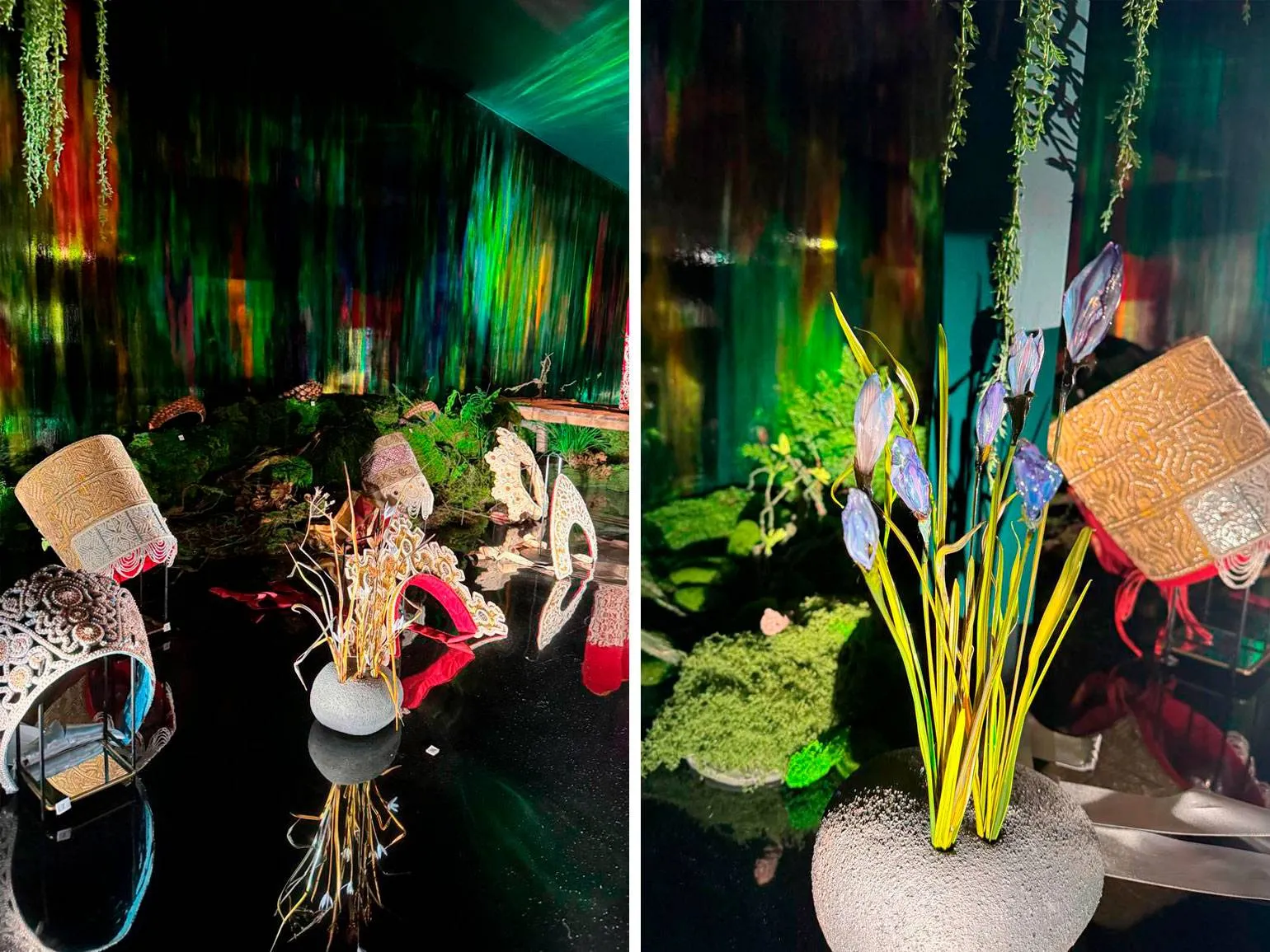
In Rus', Each peasant had a personal swamp in the entryway dedicated to Makosh, which also served as a dressing room. The hut had a surprisingly postmodern look, combining traditional elements with functionality. Every aspect of this space reflected the unique worldview of the peasants, where nature and everyday life were intertwined, creating harmony between man and the world around him.
What is the "Svoyasi" exhibition about, and how does it relate to contemporary art?
Putting aside the sensationalist narrative, it's worth considering what contemporary artisans and artists are creating in the spirit of Russian style. Interestingly, if the exhibition had been devoted to decorative and applied arts or props, it would have made much more sense. It could have featured replicas of boyar clothing, embroidered boots, and ancient figurines of deities, all of which reflect the unique heritage and traditions of Russian art. The works of contemporary masters can not only revive forgotten crafts but also interpret them in a new light, creating a connection between the past and the present.
To understand the peasant hut, which is not really one, we spoke with experts—theorists and practitioners. We sought to understand the essence of "Svoyas": is it irony, post-irony, or a play of postmodernism with the Russian cultural code? If this is really so, then how convincing was this game?
Svoyasi: user flow, ownership of exhibits, curatorial errors

Chief producer of the Moscow branch of the Yeltsin Center. His responsibilities include coordinating and implementing cultural projects aimed at promoting Boris Yeltsin's legacy. An important task is creating high-quality content and organizing events that attract visitors and increase interest in Russian history and culture.
For over ten years, I worked as an executive producer, coordinator, and technical director at contemporary art exhibitions in Russia, Italy, and France. My experience covers all aspects of organizing and implementing artistic events, allowing me to effectively manage projects and collaborate with artists, curators, and other exhibition participants.
The exhibition is housed in a single room, the architectural design of which allows visitors to move around in a circular pattern. Standing in the center of the room and turning your head, you can take in the entire exhibition at a glance. This allows for a better perception of the presented works and creates a unique experience for each visitor.
Me This attracted me because it created a sense of logical consistency in the narrative. I value this quality as a spectator and a professional.
I visited the exhibition six times.
At first, I carefully studied the text on the wall opposite the entrance to better understand the information. However, during my first walk around the exhibition, I did not find the stated zoning.
When implementing projects that require zoning, graphic designers are often hired to develop wall structures. In this process, the walls are designed taking into account the specifics of the architecture, and the zones are designated using visual elements and labels. This allows for the creation of functional and aesthetically pleasing spaces.
This is a simple yet highly effective solution with an attractive design. It combines functionality and aesthetics, making it an excellent choice for attracting attention.
In this place, I was sorely lacking labels, as I could not determine where exactly I was based on the exhibits on display. Captions play a key role in understanding the curator's concept and help visitors better understand the context of the objects on display. Without them, the exhibition becomes difficult to understand, and visitors become lost in interpretation.
I doubted my choice when I intuitively began moving counterclockwise. The exhibition description states that the display reproduces the structure of a traditional izba: storage sheds, entryway, upper room, stove, women's corner, and red corner. Although I leave aside the question of the correctness of such a presentation of the hut, the exhibition curator assured me that my route really corresponds to the intended concept.
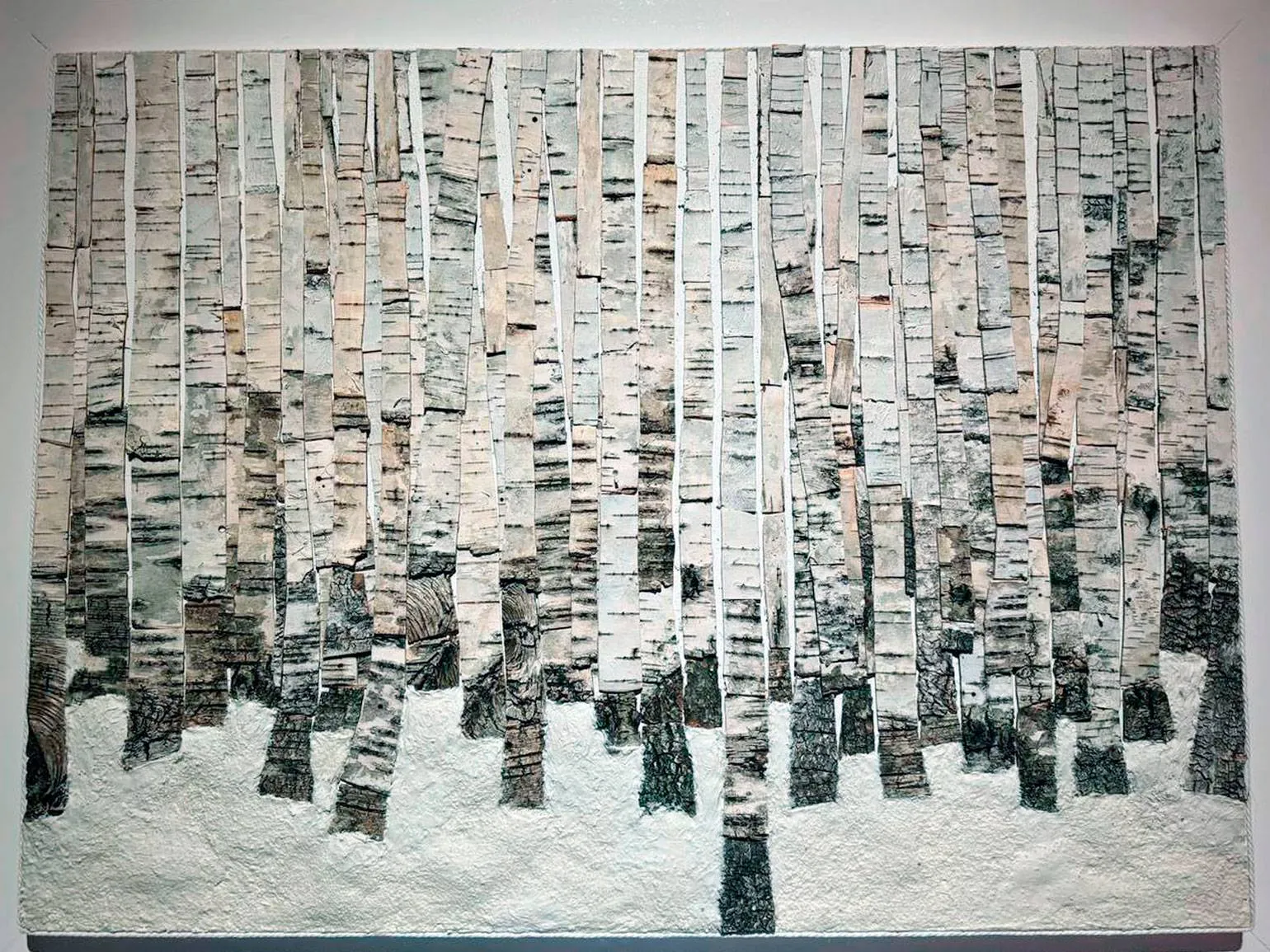
While touring the exhibition, I noticed that the area where the "bins" were supposed to be contained contained elements related to table settings and vaguely religious themes. The "entryway" featured works featuring birch trees, the painting "Mother Earth," and the installation "Horsetail." The next area, designated the "upper room," resembled a bedroom, filled with nightlights, lamps, vases, pots, and transparent cubes filled with hay. At that moment, I wondered whether this was an art object or part of the exhibition design. Only on the third pass through the exhibition, after studying the list of authors, it became obvious that this was a design element.
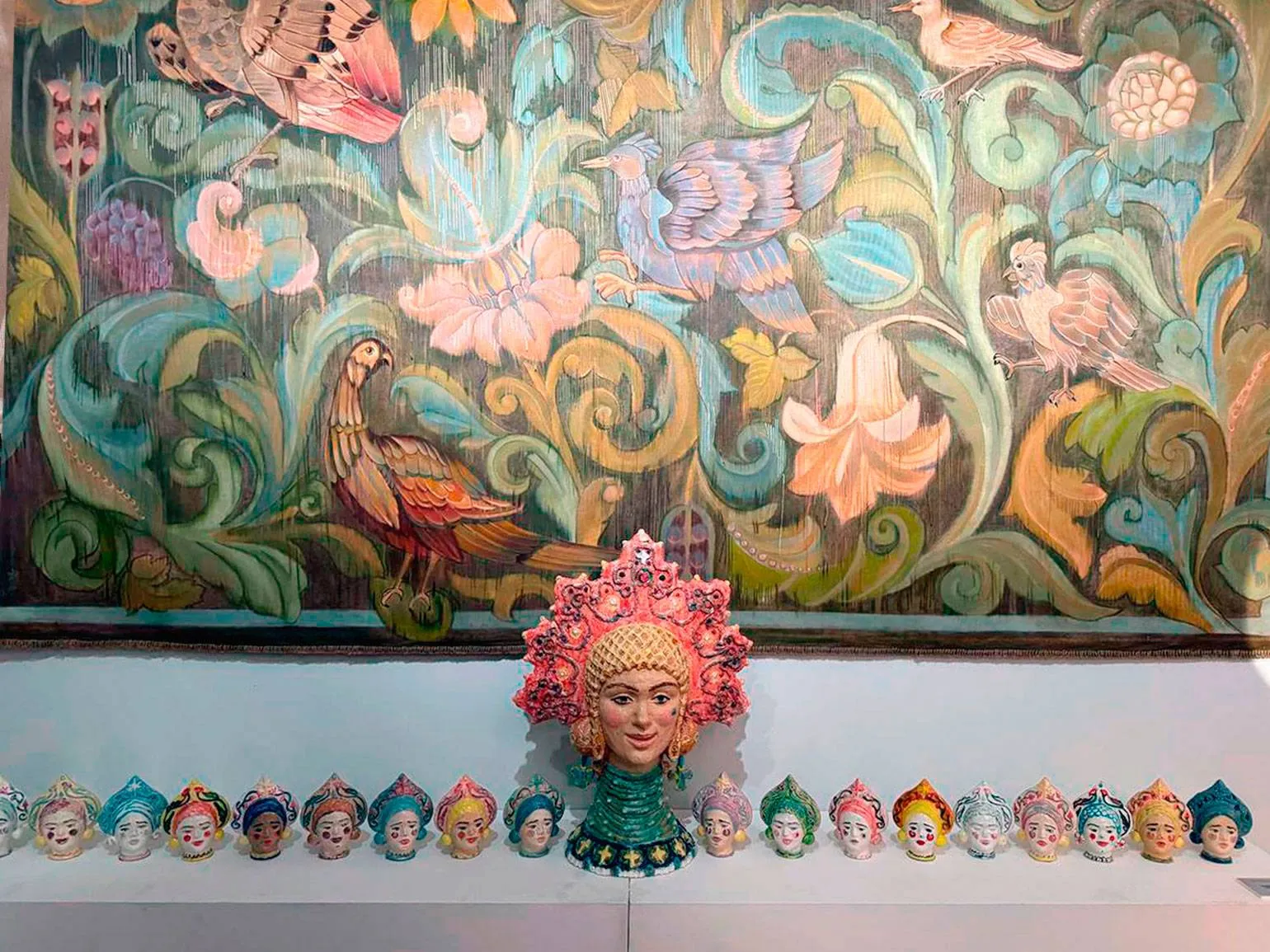
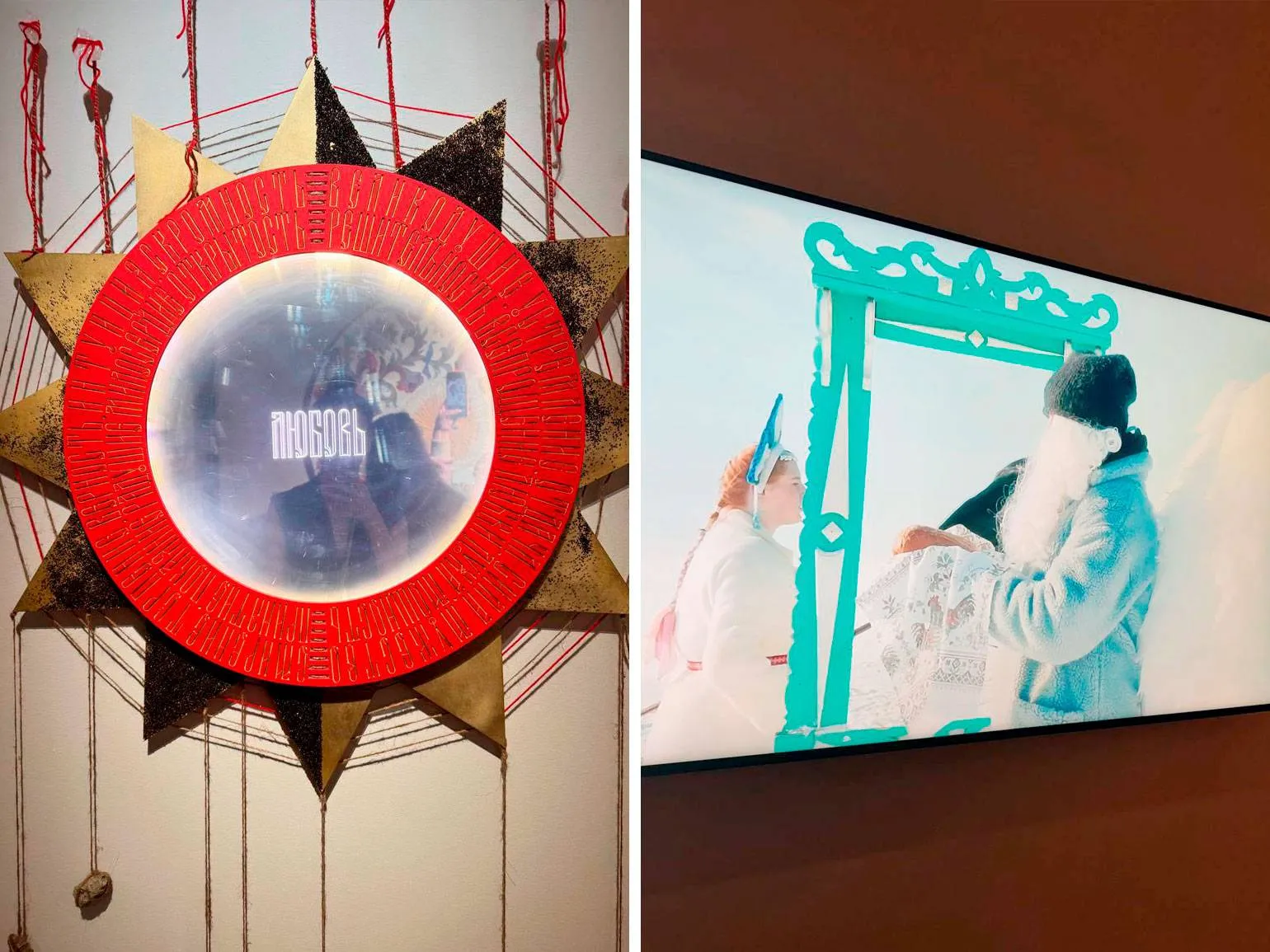
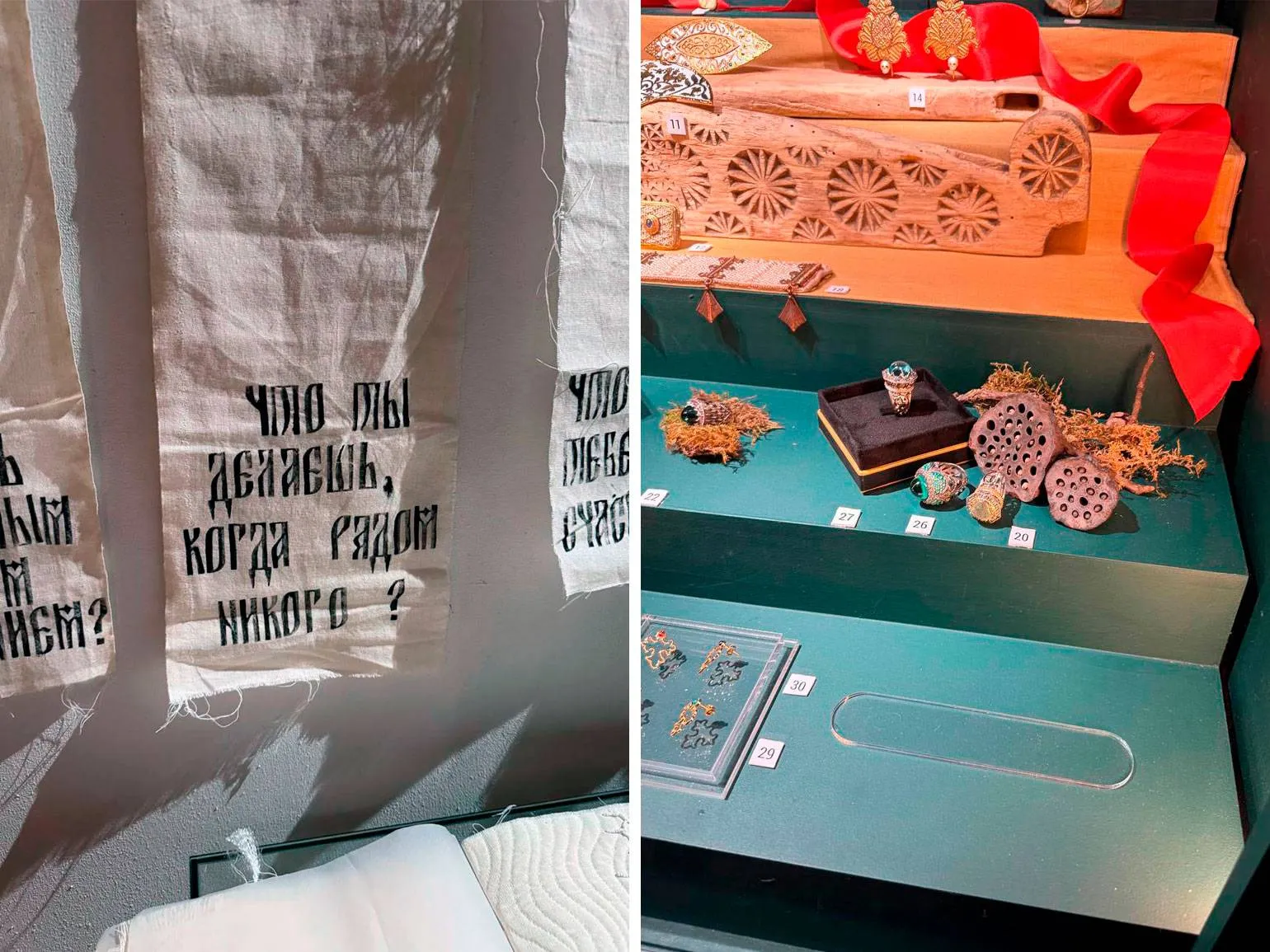
The extensive section was perceived as a "women's corner," as it was filled with kokoshniks, jewelry, and other objects traditionally associated with the feminine world. According to the logic stated in the text, the next section should have been the "red corner," but instead, two areas were presented with disparate works and a large projection of a hut, followed by the "corner" area.
The exhibition concluded with an image of a baby, which I searched for with the help of the caretaker, but never found. Instead, I came across an installation with cockerel lollipops, but I didn't understand what significance it had in the context of the exhibition.
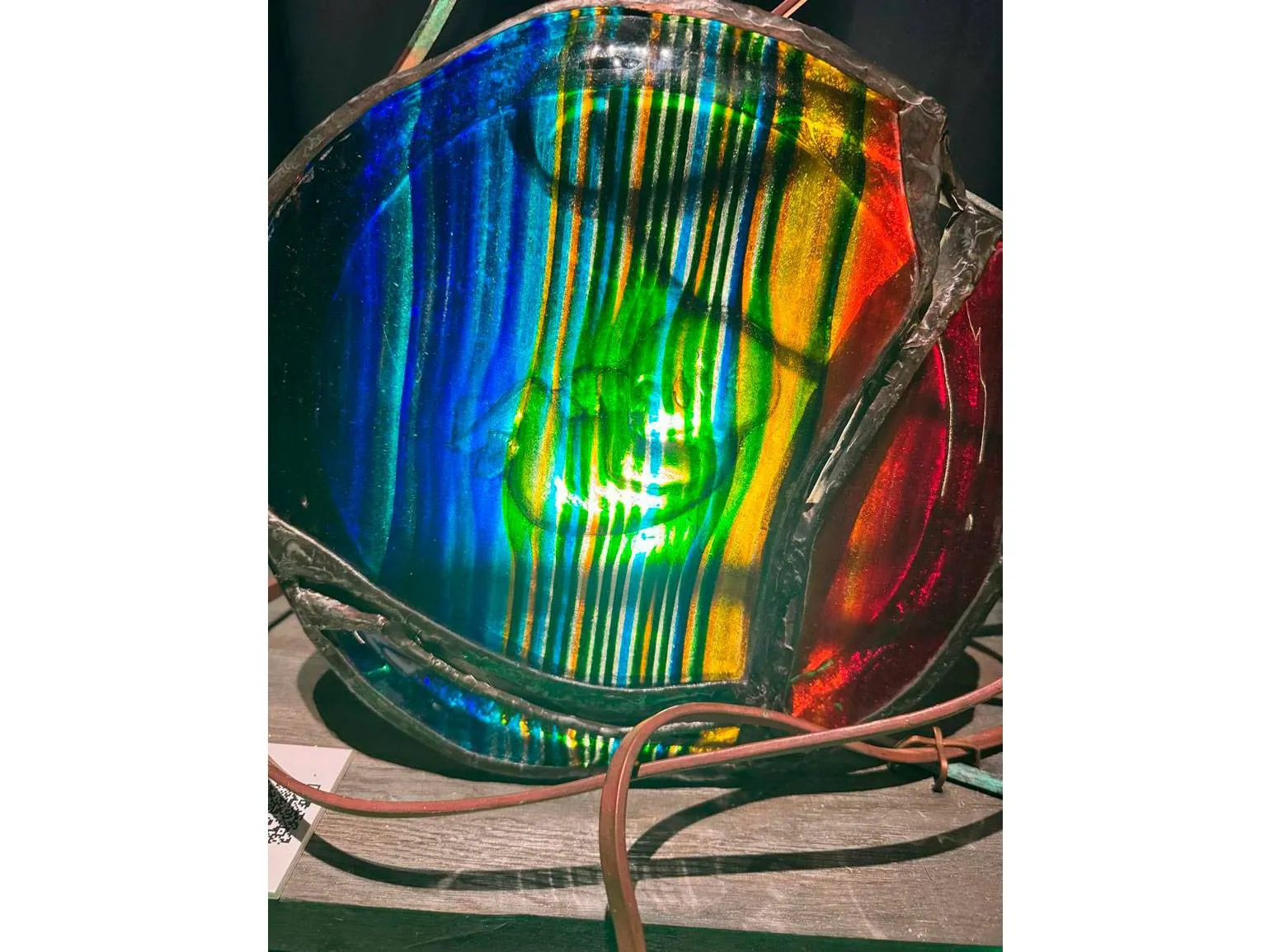
Understanding what you're seeing and grasping the logic of the exhibit itself and the exhibition as a whole is quite difficult. Unfortunately, detailed explanations providing in-depth information about the artworks were lacking. At the entrance, there was only introductory information about the exhibition and brief labels about the works. These labels contained QR codes that directed to the general exhibition page, rather than to more detailed descriptions of individual exhibits.
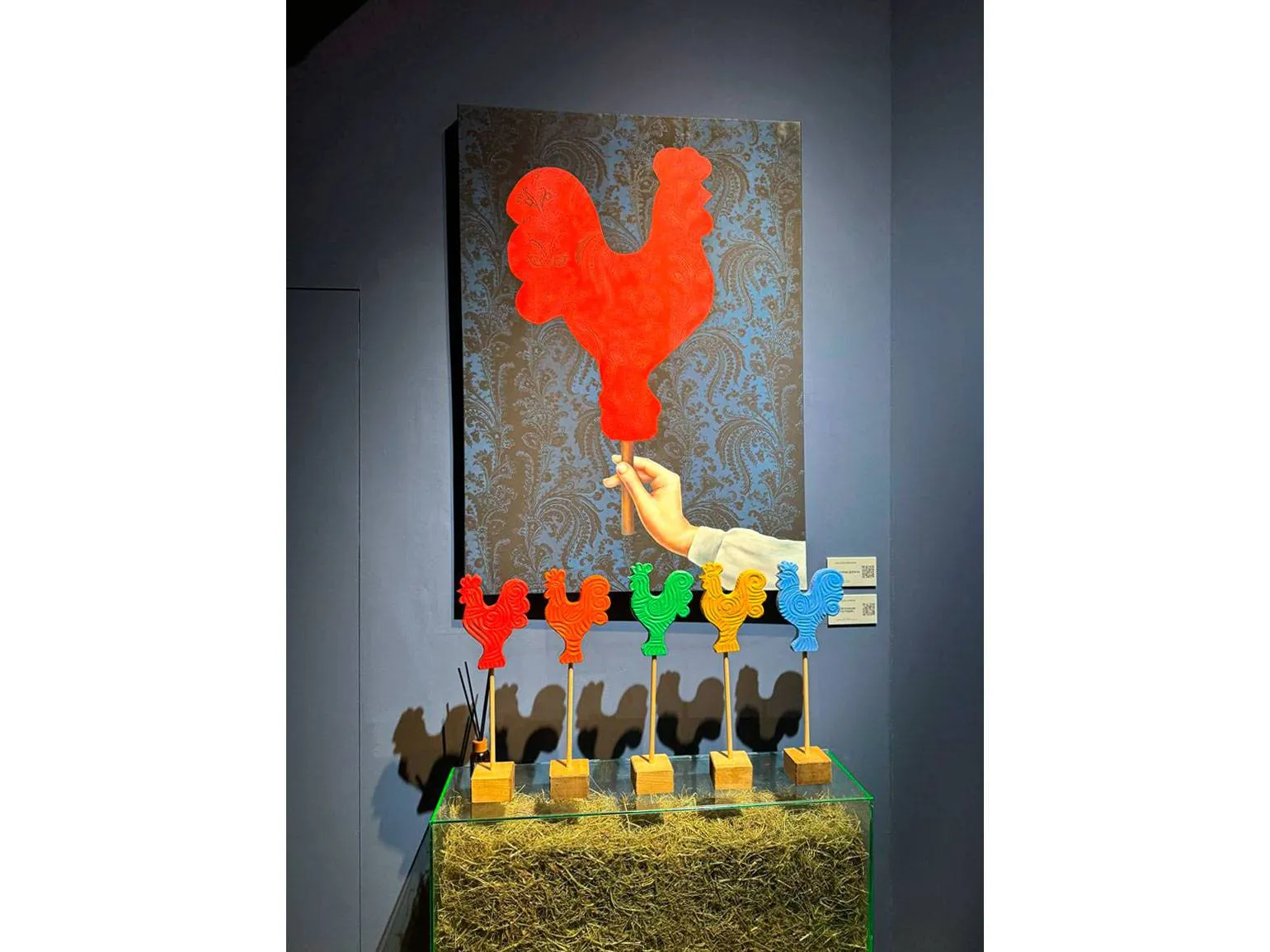
All of this significantly complicated the understanding of the curator's intent. The simple viewer route and clear zoning, which initially attracted attention, turned out to be an illusion. As a result, the content of the exhibition did not correspond to its form, which reduced the overall perception and made it difficult to deeply immerse oneself in the presented works.
The project raises many questions, and, unfortunately, the exhibition only exacerbated the situation, adding even more ambiguities.
Many viewers did not seek to delve into details and simply enjoyed the works on display. There were many visitors, and, overall, the exhibition made a positive impression. The overall atmosphere of the event was bright and inspiring, which contributed to a pleasant perception of art.
Most of the exhibits presented in the exhibition are dedicated to decorative and applied arts. If I were an art critic, I would be interested in the question: why is the State Historical Museum (SHM) turning to two new directions—contemporary art and a museum of decorative and applied arts? This arouses curiosity and makes one think about the goals and strategies of the museum's development in the context of current artistic trends.
Theory: What is inside the exhibition and how decorative devastation affects us all
PhD in Art History, independent curator, and associate professor at the Higher School of Economics. A professional in the field of art history, she has experience in curating and teaching. She specializes in current trends in art, as well as in the research and analysis of cultural phenomena. In her work, she combines theoretical knowledge with practical experience, which allows for a deeper understanding of contemporary art and its impact on society.
The question of the difference between decorative and applied art and high art remains relevant today and requires more in-depth analysis. This topic concerns not only museums and private galleries, but also contemporary artists. Currently, there is a lack of a comprehensive discussion capable of identifying the problems we face in this context. Such a discussion is necessary for a better understanding and awareness of the boundaries between these two artistic fields.
Projects like "Svoyasi" actively contribute to the development and development of important discussions. They stimulate the exchange of opinions and ideas, which in turn contributes to a deeper understanding of current issues.
Successful work with national and folk cultures in contemporary art and museum design requires a systematic study of these aspects. This includes an in-depth study of one's own past, history, and art. Important components of this process include the study of folklore, scientific restoration, and educational programs such as workshops and classes for children. All these elements must be combined into a single system and integrated into everyday life, which will help preserve and develop cultural identity.
The integration of folk art was actively explored and developed within the framework of modernism, which spans various stages of the 20th century. Modernism sought to reflect changes in society and culture, which contributed to new approaches to folk traditions and their integration into contemporary art. This interaction allowed for the creation of unique forms of expression that unite the past and the present.
Modernism contributed to the consolidation and scaling of national cultures of the 19th century, which had previously been fragmented and local. This artistic style, despite certain smoothings, strove to create a common stylistic denominator and integrate diverse cultures into a single artistic system.
The VDNKh ensemble is a striking example of modernism in architecture. On the one hand, here one can observe monuments to the stylistic adaptation of various national cultures, and on the other, the manifestation of a common, unified style. This style is distinguished by its massiveness and imperial character, which creates an impression of grandeur and monumentality. The architectural solutions of the ensemble continue to evoke strong emotions and admiration, remaining relevant today. VDNKh is not only a cultural center, but also a symbol of historical heritage, which attracts the attention of both residents and tourists.
Formed on a scientific and ideological basis, this identity has gone through several significant stages of evolution. The early 20th century saw the development of Art Nouveau, a style in which national styles were expressed in curved and original architectural elements, blossoming like flowers. This period was characterized by a desire for innovation and harmony, which contributed to the creation of unique architectural forms and the expression of cultural values through visual art. Modernism was characterized by a heavy and monumental quality, often manifesting itself in flat generalizations of various stylistic trends, national and folkloric forms. The advent of postmodernism brought a radical upheaval: old concepts were rethought, styles were blended, and familiar ideas were emptied. This period became more familiar to viewers than, for example, Stalin's Empire style. Postmodernism had a significant influence on contemporary art and architecture, becoming the basis for further experimentation and innovation. We continue to draw on postmodernist ideas, exploring their potential in contemporary contexts.
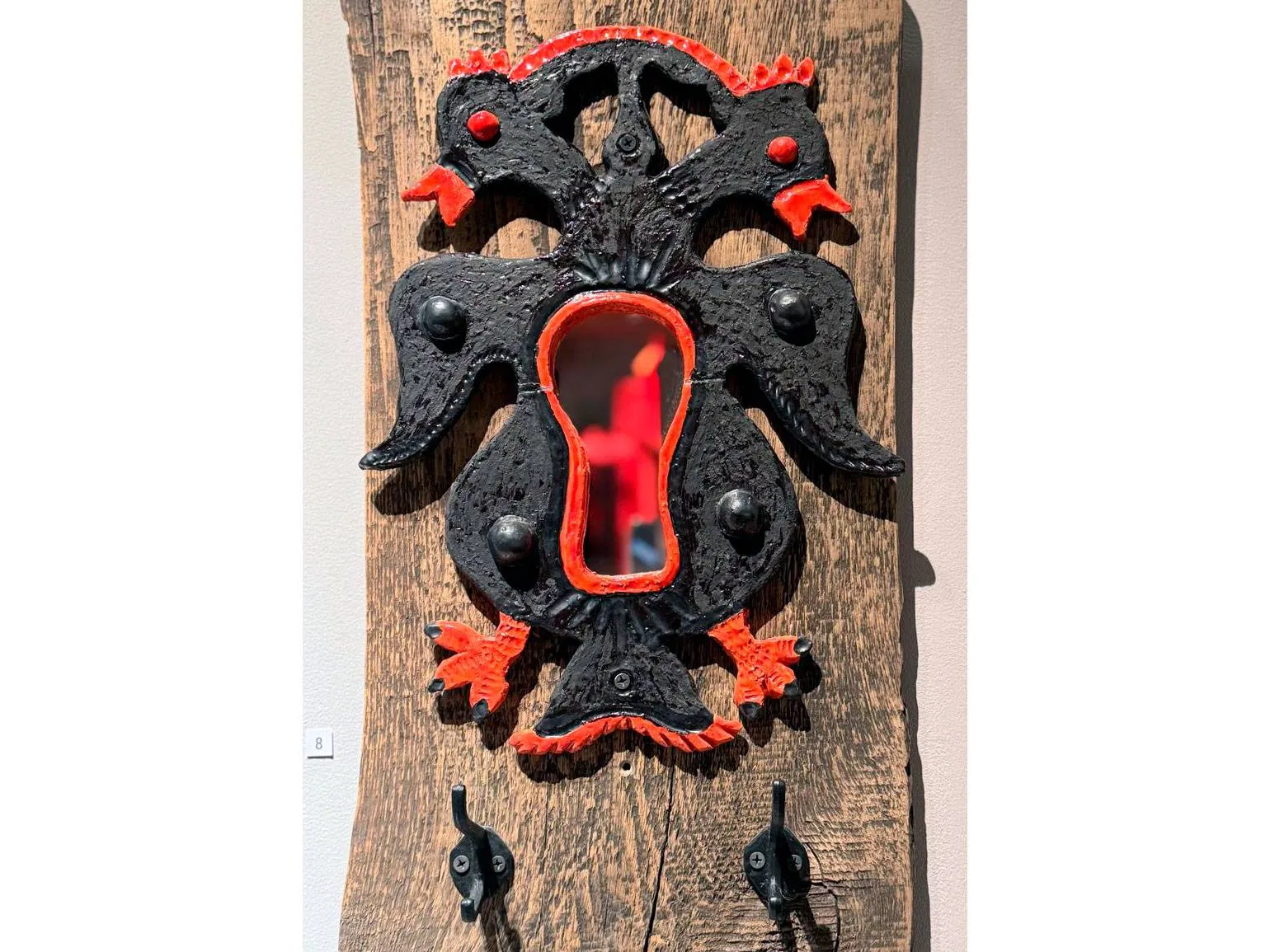
Neomodernism is a current style that currently dominates the decorative and applied arts and the broader visual paradigm. This approach retains elements of modernism, but becomes lighter and free of excess. Neomodernism emphasizes functionality and aesthetics, reflecting contemporary trends and societal needs. In this context, it serves as a bridge between classical traditions and innovative solutions, making it an important movement in contemporary art and design.
We observe its presence in high-quality works of video art and visual art, as well as in contemporary cinema. Although the technical execution is impeccable, it often proves too sterile.
Postmodernism and neomodernism are phenomena characterized by the decorative emptying of folklore content. These concepts serve as labels, tags, and signs reflecting changes in cultural discourse. They demonstrate how traditional elements of folklore can be interpreted and reimagined in modern contexts. This leads to the creation of new meanings and forms that, although referring to the past, at the same time form unique artistic expressions in contemporary society.
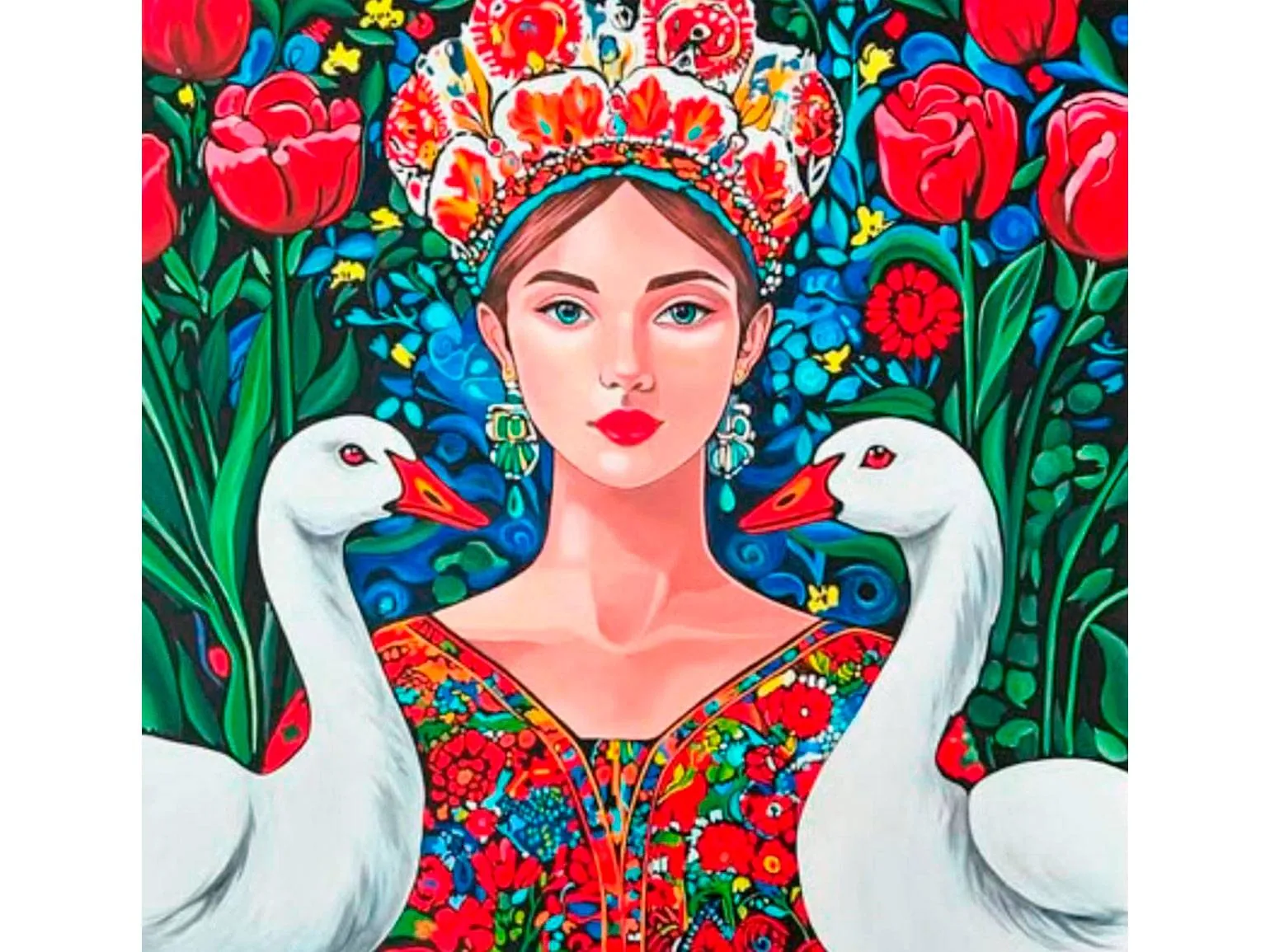
New Age can also be considered a postmodern movement, in which folklore is used purposefully to solve practical problems. A classic example is Tarot cards. Originally developed as a gambling game in the Middle Ages, by the 17th century they had transformed into a system of divination. Nowadays, Tarot cards have become a popular designer gift, reflecting an interest in esotericism and self-knowledge.
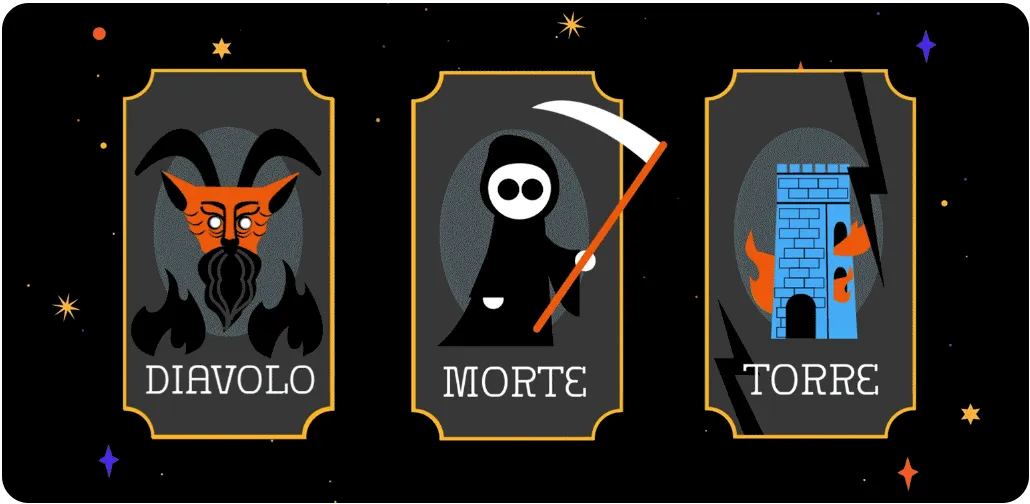
Check out additional materials:
The history of design and magic: the evolution of cards Tarot
Tarot cards have a long and fascinating history, dating back to the Middle Ages. Over time, their design has undergone significant changes, reflecting the cultural and artistic trends of different eras. Originally used for playing, the cards' meanings evolved over time, becoming an important tool in divination and self-discovery.
Each Tarot deck has a unique visual style, ranging from traditional imagery to modern interpretations. These design changes not only highlight the evolution of artistic expression but also influence the perception of the cards' meanings. For example, the classic Rider-Waite deck, released in the early 20th century, became a standard, influencing many subsequent versions.
Modern Tarot artists and designers continue to experiment with visual elements, adding new symbols and styles, making each deck unique. These changes in Tarot card design not only attract the attention of collectors but also contribute to the popularization of divination and self-knowledge practices in modern society.
Thus, the history of Tarot cards is not only the history of magic, but also the history of art and design, reflecting changes in human perception and spirituality.
Modern fashion themes emphasize the fragmentation and practical application of various systems of national, folklore, and popular knowledge, as well as artistic practices. This reflects a growing interest in cultural traditions and their integration into contemporary art and design. Such approaches not only enrich the creative process but also contribute to the preservation of cultural heritage, bringing new meanings and contexts to it.
This perception of identity can be confusing, creating the impression that it is only a superficial element, like a suit. It is important to understand that identity is formed on the basis of deep personal and social factors, and its meaning goes beyond external appearance. Identity exploration opens new horizons for self-knowledge and understanding how internal and external aspects influence our perception of ourselves and the world around us. We can borrow elements from various cultures, combining them like the details of a costume. Ultimately, the urban lifestyle, influenced by urban consumer culture and media, becomes central to our identity. This synthesis of cultural elements enriches our perception and creates unique trends that reflect the dynamics of modern society. City life becomes not only a backdrop, but also a primary source of inspiration for creativity and self-expression.
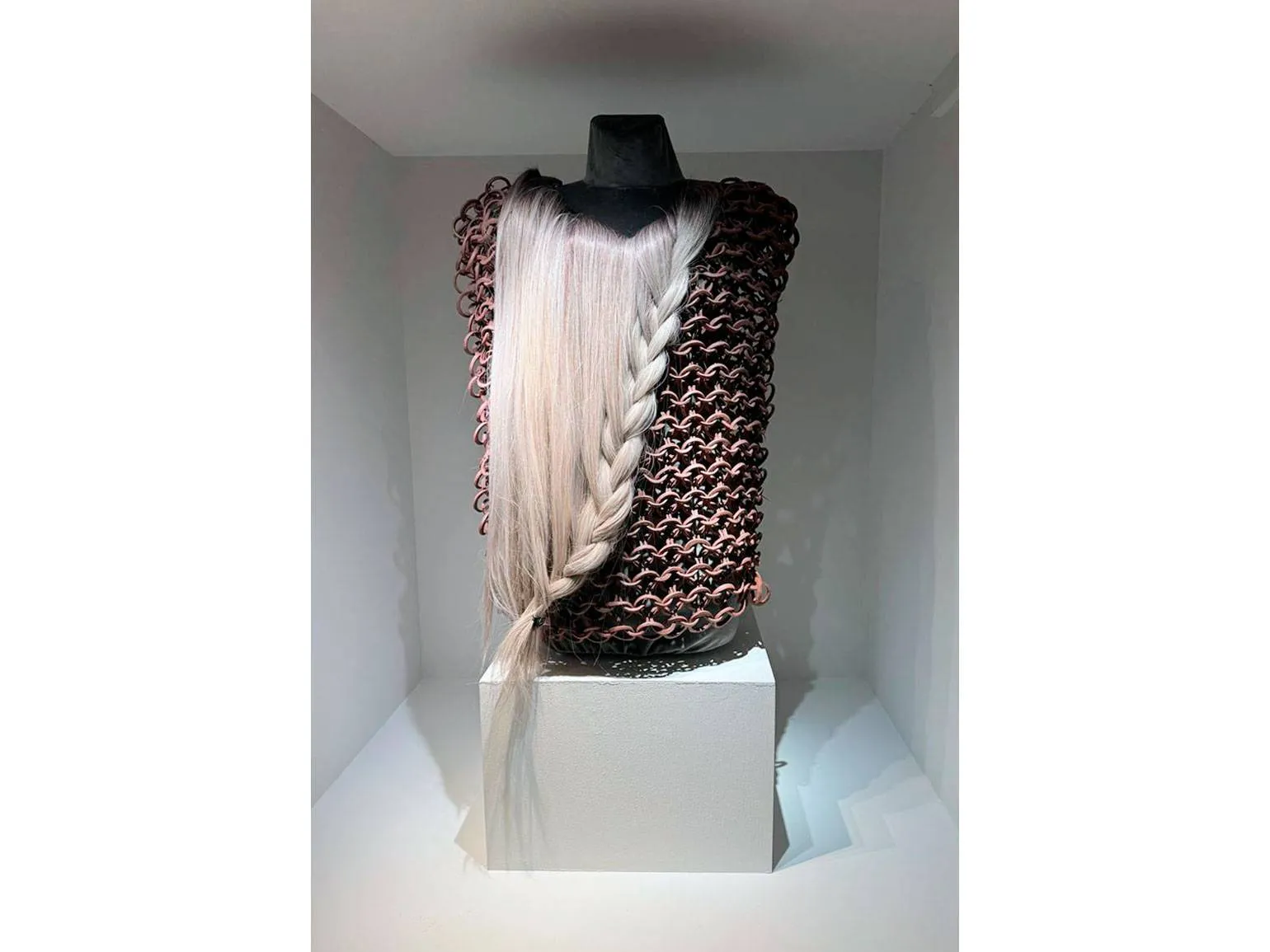
There is an important boundary here that needs to be re-marked in a specific way.
This perception of identity leads to a superficial understanding and the loss of true meanings embedded in historical, artistic, and mystical aspects. Folklore and national traditions play a key role in preserving these deep meanings, and their substitution leads to the loss of cultural identity. Preserving and understanding the true roots of identity is essential for the formation of a sustainable cultural heritage.
Modern curators believe that audiences require large-scale, expansive projects that are easily understood. Vivid elements of the "identity suit" allow them to quickly become familiar with the content and move on to everyday activities. This approach facilitates faster engagement of viewers and simplifies the process of information comprehension, which is especially relevant in the context of today's information flow.
This is a serious mistake, as the purpose of art is much broader. Even decorative and applied arts fulfill important functions in the lives of modern people. Viewing an exhibition merely as an entertaining and superficial event is disrespectful both to art and to oneself. Art is meant to deepen awareness, provoke reflection, and enrich the human inner world, making it an important aspect of cultural and spiritual development.
Contemporary neomodernist society faces an internal crisis, tired of its superficiality and two-dimensionality. This weariness is becoming increasingly noticeable as people begin to recognize the need for depth and meaning in life. In a world saturated with information and visual stimuli, there is a desire for more meaningful and meaningful interactions, highlighting the need to rethink values and approaches to life.
People, based on experience, seek a deeper understanding. It is precisely this depth that the museum offers, which can be considered its distinctive feature. By visiting the museum, a viewer unfamiliar with art can encounter the diversity of contemporary culture, which is closely connected to history, ancient traditions, and folklore. The museum becomes a unique space where different eras and styles intersect, allowing each visitor to expand their horizons and deepen their knowledge of cultural heritage.
The works of Johann Nikadimus, featured in the exhibition, are highly sought after due to his specialization in the restoration of antique kokoshniks. He has chosen a narrow yet relevant topic that encompasses not only the history of scientific restoration but also the rethinking of modern headwear and its influence on contemporary fashion. His deep immersion in the material makes Nikadimus's work vibrant and engaging, which attracts the attention of modern viewers.
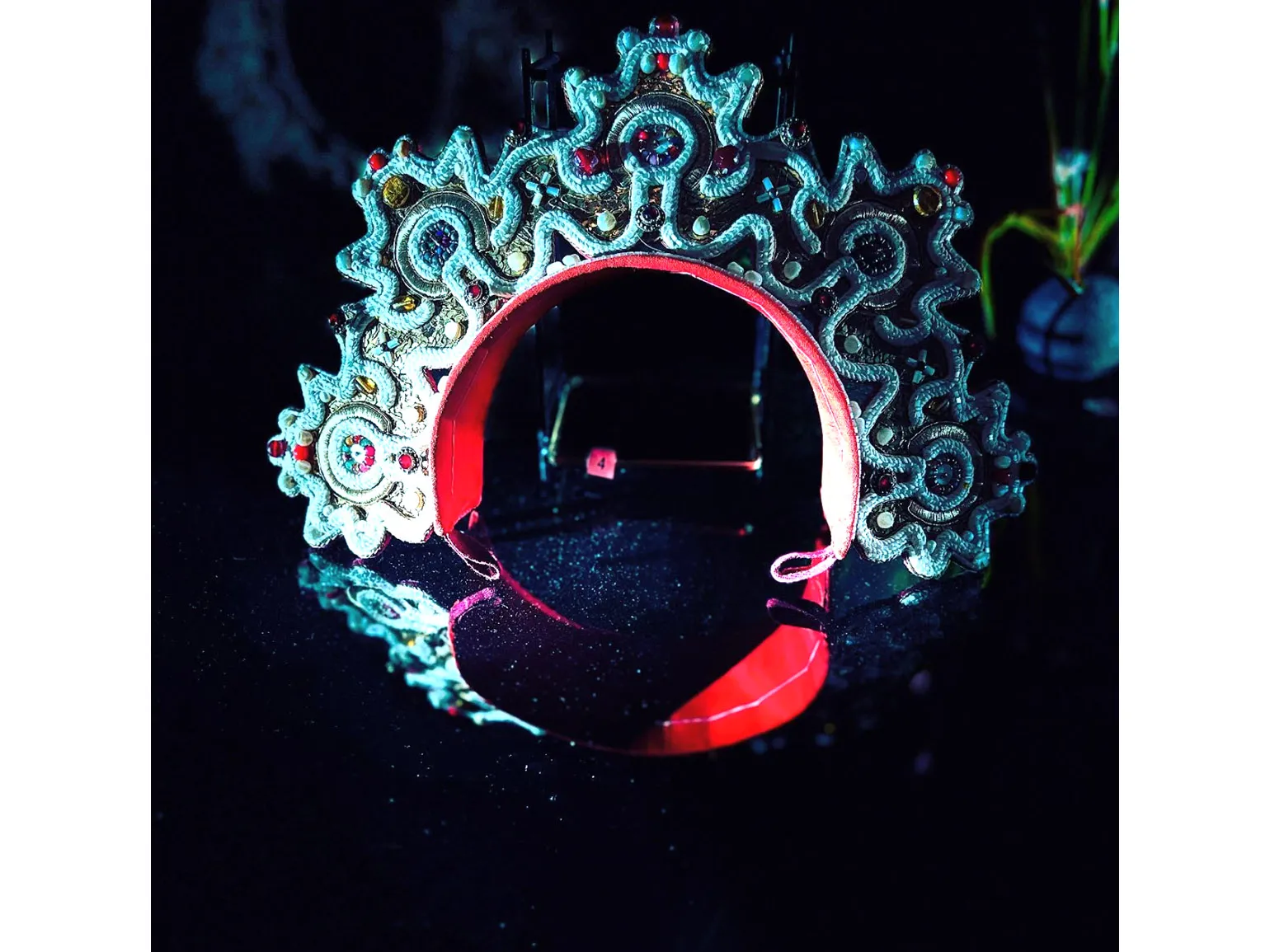
All these elements are amazingly interconnected and open up new possibilities for modern people. They can feel part of significant history and integrate it into their everyday lives. This creates a unique experience that allows for a deeper understanding of their place in the world and connect personal experiences with historical events.
Museums, galleries, and open-call contemporary art events are obliged to set ambitious goals for both viewers and artists. This approach not only enriches the cultural environment but also contributes to the development of contemporary art. As a result of such efforts, we can expect a new round in artistic practice and perception, which will inevitably occur in the near future.
What's ultimately wrong with the "Svoyasi" exhibition?
Humanity is tired of simulations and is looking for genuine cultural practices. Museum exhibitions and art objects become acts of resistance to simplification, offering viewers a profound engagement with art. Everyone has the right to evaluate the extent of this resistance and determine which forms of it are worthy of respect. In this context, the exhibition "Svoyasi", unfortunately, demonstrates insufficient resistance to simplification.

A special project is a unique event that brings together specialists from various fields to solve specific problems. Within the framework of a special project, knowledge and experience are integrated, which allows for achieving high results. Such projects can span various fields, including science, technology, business, and social initiatives. The main goal of a special project is to develop innovative solutions and implement effective practices that promote the development and optimization of processes. Participation in a special project provides an opportunity to expand your network of professional contacts, exchange experiences, and improve your skills. Special projects often become catalysts for change and play an important role in achieving sustainable development.
Style: A Visual Guide to Eras
The visual style of different eras represents a unique combination of artistic movements, cultural characteristics, and technological advances. Each era has left its mark on the history of art, architecture, and design. This guide will help you better understand and appreciate the visual characteristics of different periods.
In antiquity, for example, elements of symmetry and proportion predominated, serving as the basis for the creation of harmonious forms. In the Middle Ages, the emphasis shifted to religious themes, reflecting the spiritual values of society through stained glass, mosaics, and cathedral architecture.
The Renaissance elevated human individuality, evident in vibrant colors, realistic depictions of figures, and deep perspective. The Baroque, meanwhile, was characterized by opulence and drama, using light and shadow to create expressive compositions.
The Enlightenment and Neoclassicism returned to ancient ideals, but with an emphasis on rationality and strict forms. The 19th century ushered in the Industrial Revolution, transforming not only technology but also visual styles—from Romanticism to Impressionism.
The 20th century was a time of experimentation and avant-garde, where artists sought new forms of expression, leading to the creation of various artistic movements such as Cubism, Surrealism, and Minimalism. These changes in visual language continue to influence contemporary design and art.
Studying visual style across eras not only enriches our cultural background, but also contributes to a better understanding of how historical contexts shape our perception of art and design.
Read also:
- Bauhaus and VKHUTEMAS. History of Design: 1920s–1930s
- The Silk Road to Khrushchev-era Apartments: Why the USSR Became a Country of Carpets
- New Construction or Genuine Antiquity: How to Tell the Difference?
- The 5 Most Beautiful Concepts of Russian Brands
- Through the Eyes of an Architect: Why is the New Tretyakov Gallery Building on Kadashevskaya Embankment a Failure?
According to a court decision, the activities of Meta Platforms Inc. in the sale and operation of the social networks Facebook and Instagram in the Russian Federation are recognized as prohibited. This decision is based on accusations of extremist activity.
Profession Graphic Designer PRO
You will learn how to create corporate identity elements and graphics for business. You will put together a portfolio that reflects your style and confirms your skills as a designer. You can start a career in a studio or as a freelancer.
Find out more