
Contents:

Top 4 design professions: learn in 5 days for free!
Find out moreUnderstanding Tropes: Their Role in Language and Art
The term "trope" has its roots in philology and encompasses a variety of expressive devices, such as allegory, irony, personification, metaphor, and hyperbole. These elements make language more lively and engaging. Without them, speech would be overly literal and monotonous. For example, instead of the phrase "iron character" we would use "a very persistent person," and the expression "burning with an idea" would be replaced by "being extremely passionate." The use of tropes enriches communication, allowing emotions and images to be conveyed more vividly and expressively.
A visual environment devoid of tropes would significantly lose emotional richness and depth. Paintings, sculptures, and architecture would become less expressive, which underscores the importance of tropes not only in language but also in art. Tropes serve as a link between the viewer and the work, adding layers and depth to perception. Without them, art would become flat and one-dimensional, depriving it of the ability to evoke emotion and reflection. Thus, tropes play a key role in creating an emotional connection between art and the viewer.
Tropes play a key role in conveying complex ideas concisely and effectively. They evoke associations in viewers, allowing them to quickly grasp the essence without the need for detail. This turns tropes into a universal language of images, simplifying communication and enriching the visual context. As a result, the design becomes more meaningful and inspiring, which facilitates better information retrieval and an emotional connection with the audience. Using tropes in design not only improves comprehension but also enhances the impact of the content presented.
Art and Tropes: Examples of Visual Metaphors
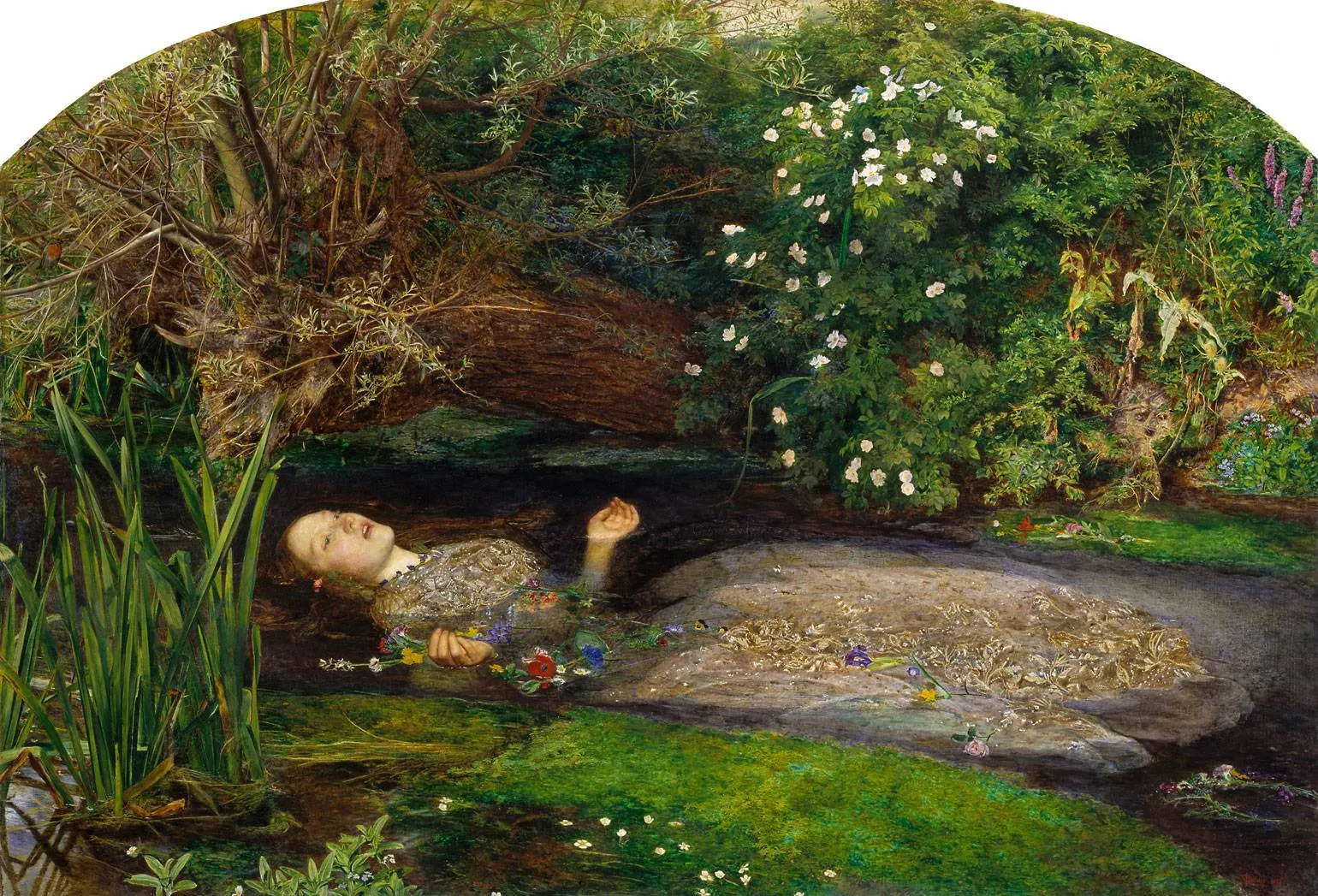
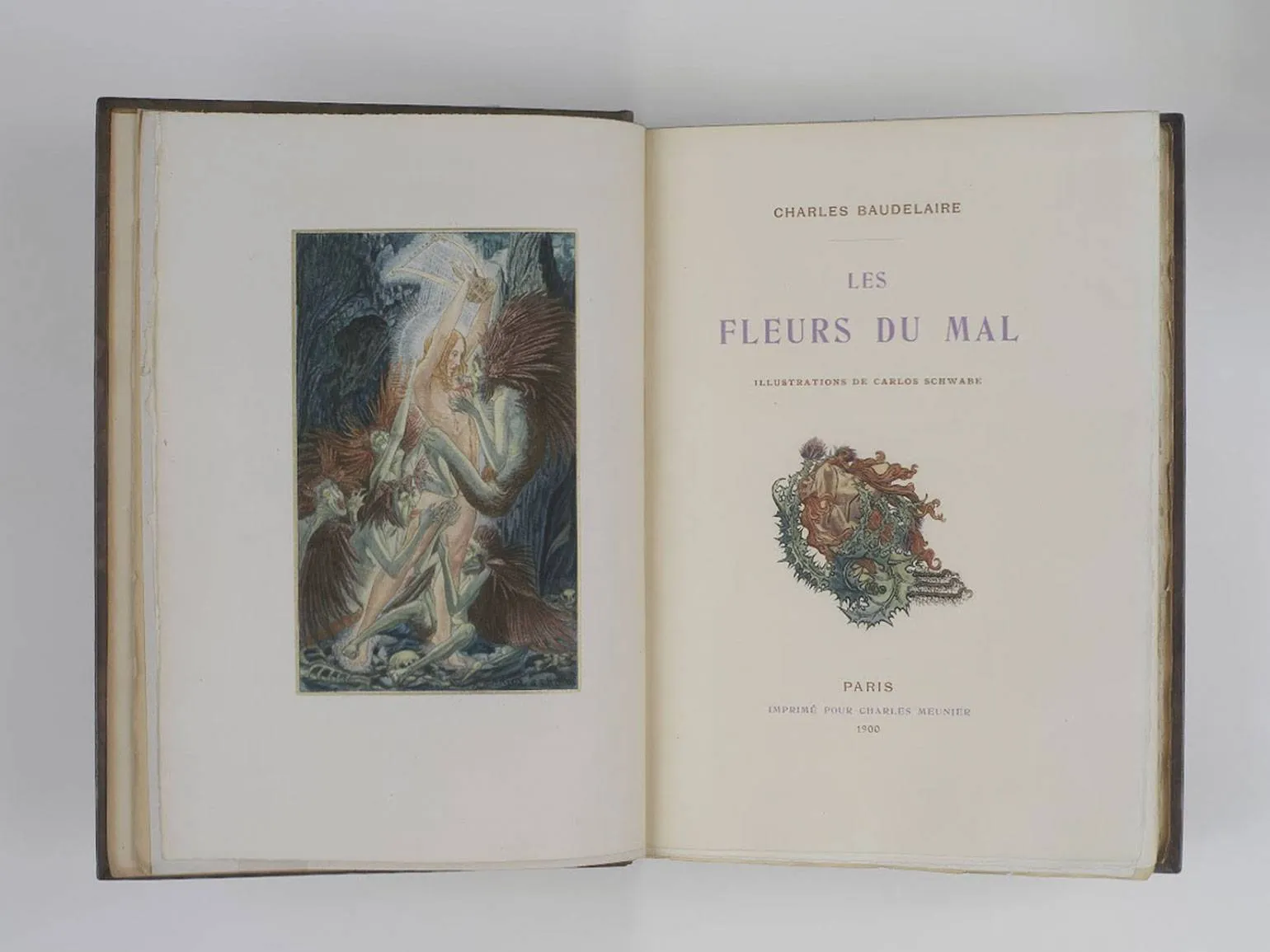
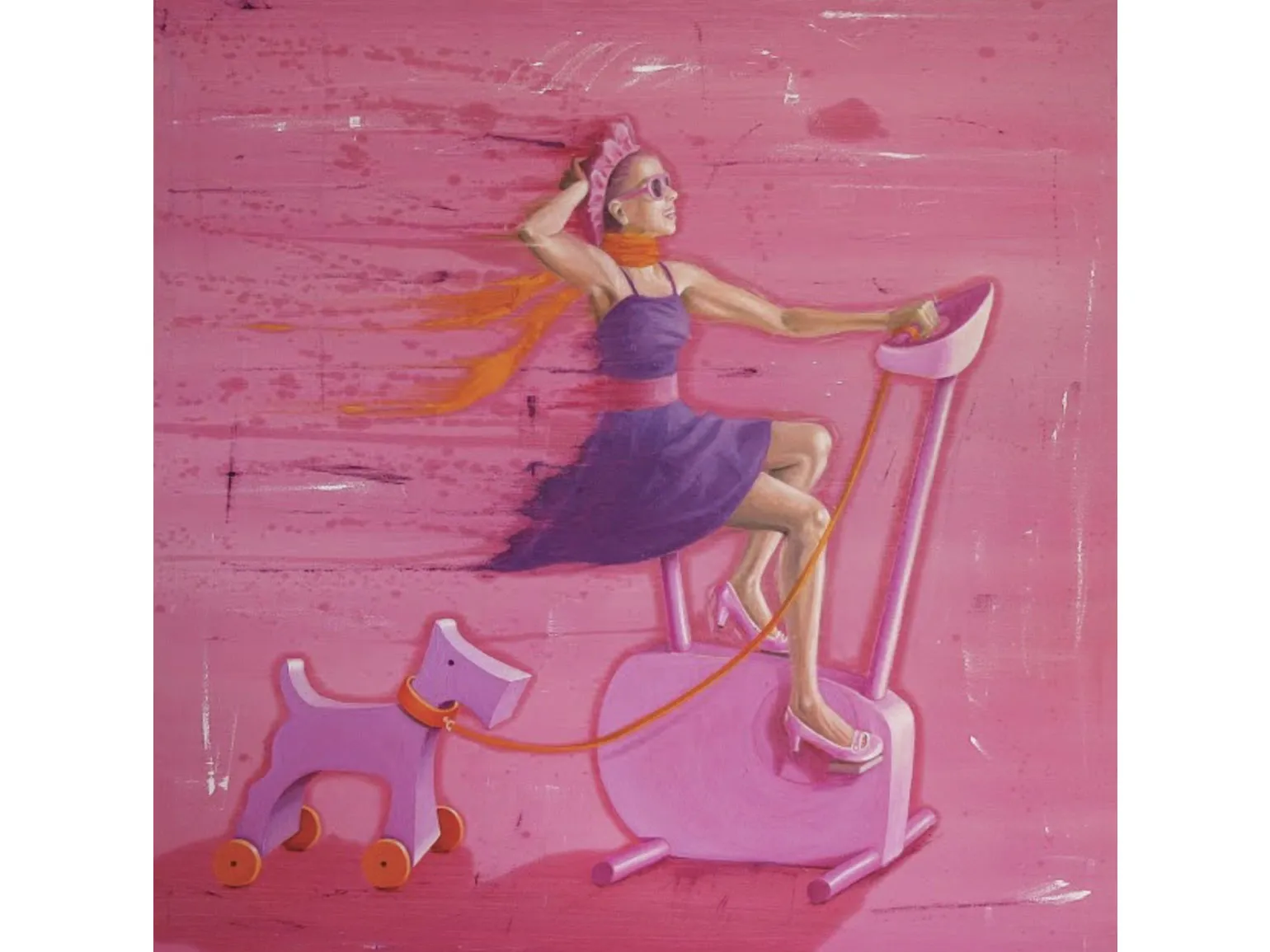
Conclusion: The Importance of Tropes in Contemporary Art
Tropes are an important tool for creating depth and ambiguity in both language and art. They enrich our perception, allowing us to find new meanings and interpretations. Understanding tropes helps us better comprehend texts and works of art and deepens communication. For a more in-depth exploration of the influence of tropes on art and communication, we recommend consulting the work of researchers such as Herbert Radcliffe and Marian Woolf. These authors offer valuable insights and analysis to help you better understand how tropes shape our perception of the world.
The Variety of Tropes in Design: How to Use Them Effectively
Tropes play a key role in design, spanning areas from product design to communication. Their application is relevant in both everyday tasks and creative projects. It is important to explore the different types of tropes and their interpretation in the context of design. Tropes not only enrich visual language but also help establish an emotional connection with the audience, making designs more expressive and memorable. Let's consider how different tropes influence the perception and functionality of design, as well as how they can be effectively integrated into projects for maximum results.
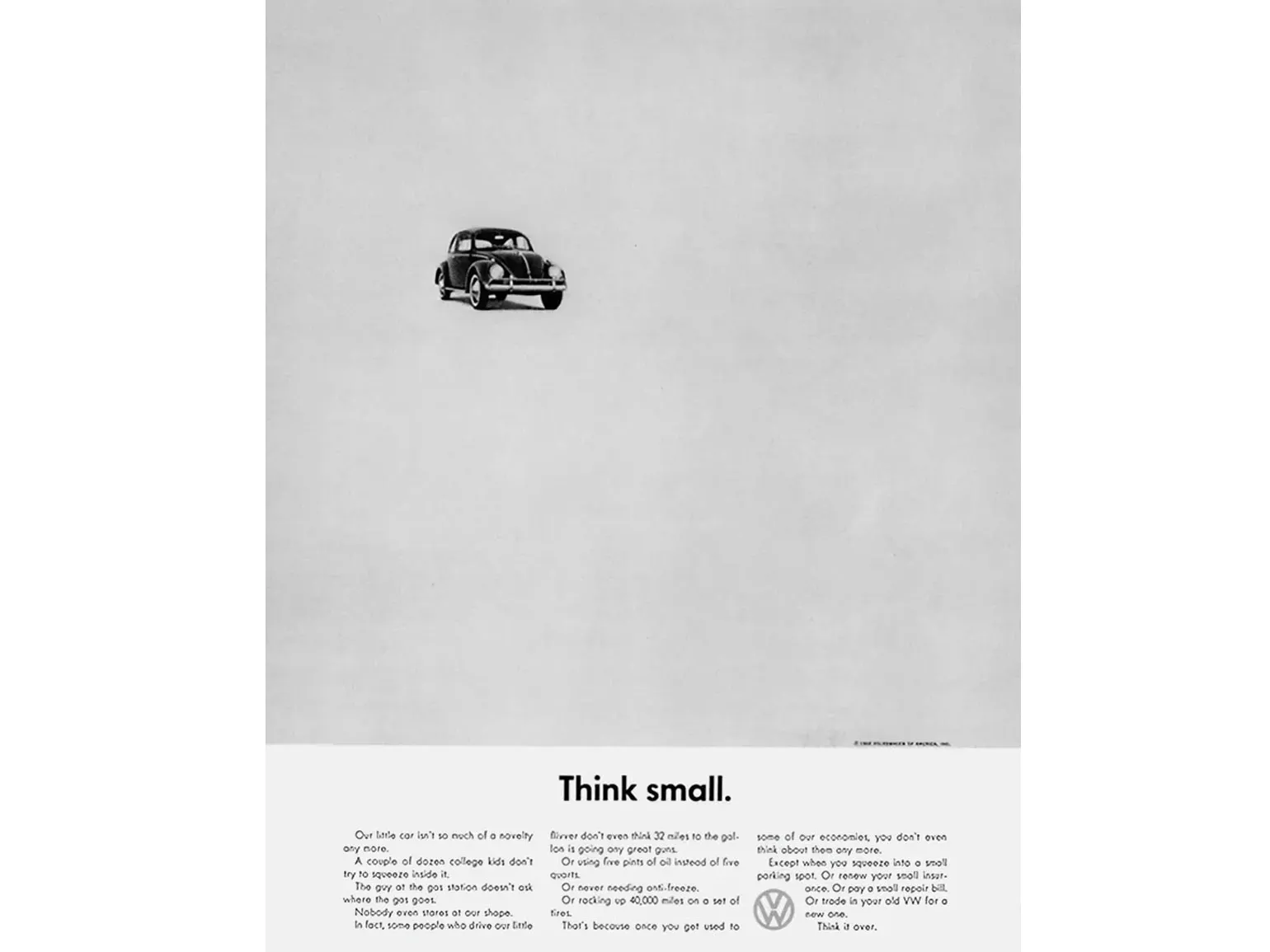
Allegory is a method of visualizing abstract ideas using concrete images. A striking example of the use of allegory is the Volkswagen Beetle advertising campaign of the 1960s. It employed minimalist visual solutions accompanied by the slogan "Think small." This approach contrasted with the large, luxurious cars popular at the time and emphasized the advantages of a compact car. Thus, the allegory not only drew attention to the product, but also created a unique image of the Volkswagen Beetle, distinguishing it from its competitors.
- This advertisement emphasizes the affordability and practicality of the Volkswagen Beetle, creating an allegory that emphasizes the advantages of a small car.
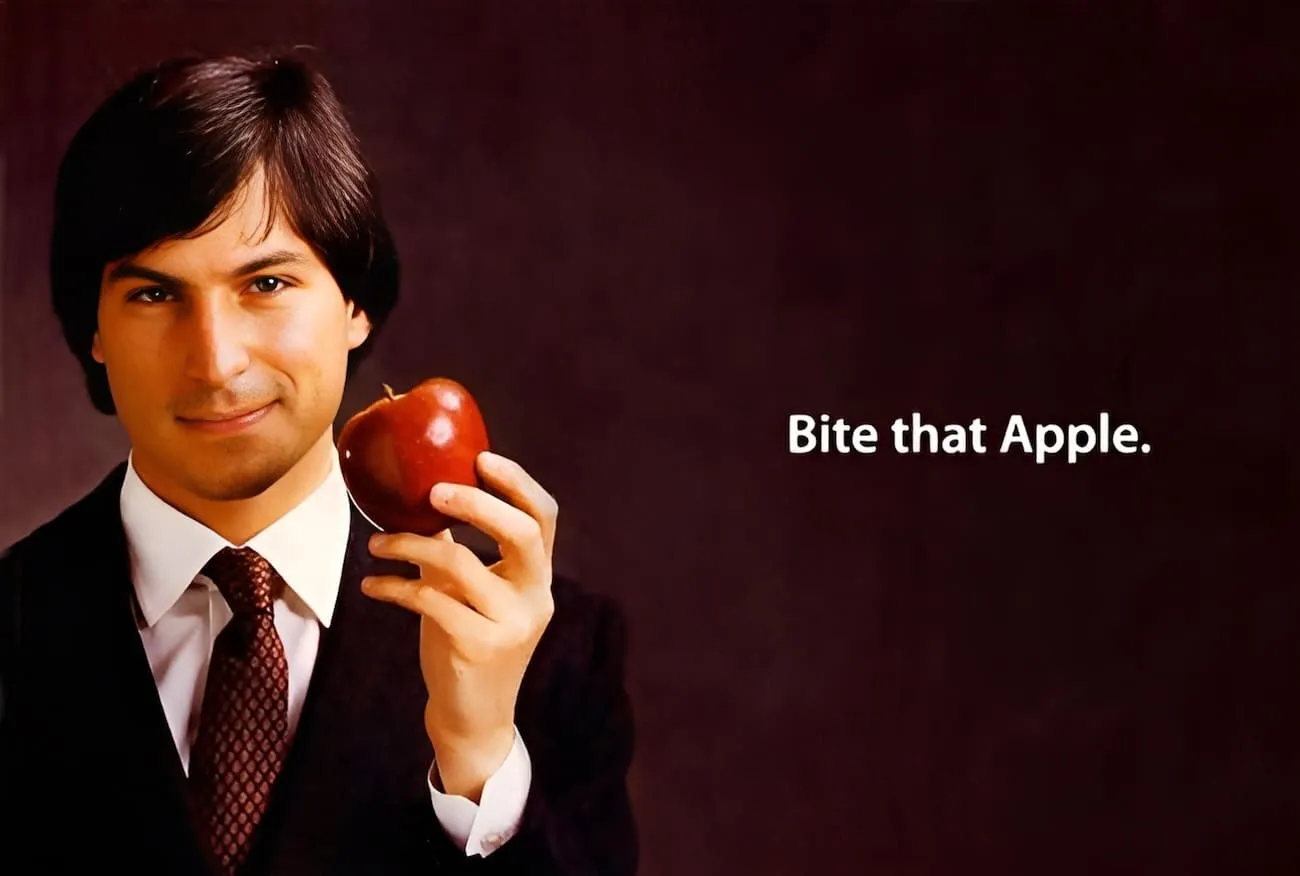
A metaphor is a way of denoting one object using the attributes of another, which helps shorten the text and gives it semantic depth. An effective visual metaphor can significantly increase interest in a brand. For example, the Apple logo, which is a bitten apple, symbolizes knowledge and innovation. Using metaphors in branding not only improves perception but also helps create an emotional connection with consumers.
- In the creative for Tabasco, a drop of sauce on an ear of corn turns the kernels into popcorn, using a play on words: ‘hot’ — ‘spicy’ and "hot."
An analogy is a precise comparison that conveys a complex meaning through a simple image. For example, a phone stand that resembles a chair performs a similar function, but is designed for the device. Using analogies helps people better understand and perceive information, making it more accessible and understandable to their audience.

Irony in design plays an important role in creating memes and attracting audience attention. Spotify's ad, which uses an ironic meme about self-deception, demonstrates how humor can be effective in promoting a brand. Using irony helps evoke an emotional response in consumers, which makes content more memorable and viral. Thus, using ironic elements in design becomes a powerful tool for marketing and communication.

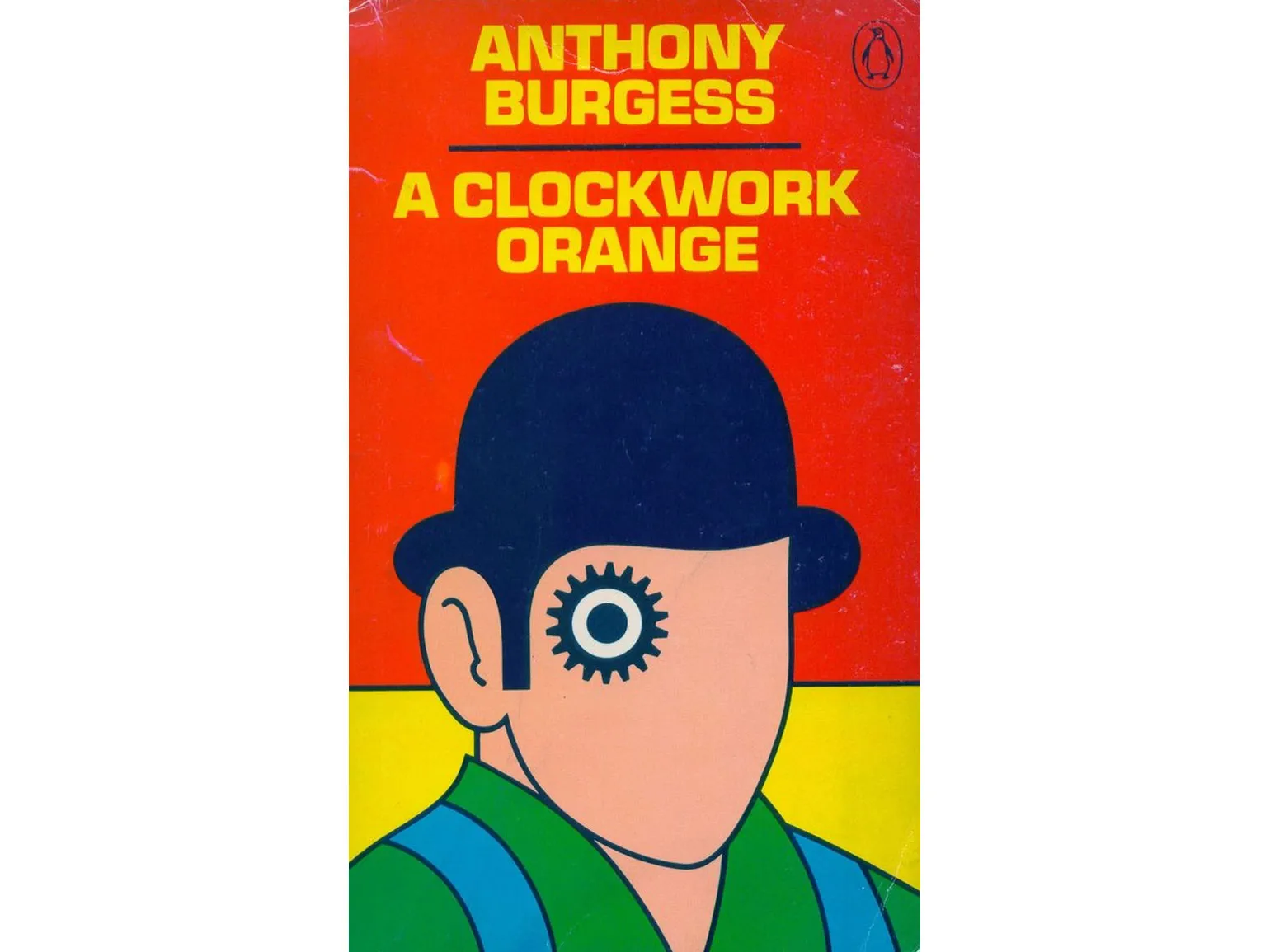
An allusion is a reference to well-known cultural images that can evoke an immediate emotional response in the reader. For example, the cover of Anthony Burgess's "A Clockwork Orange" is stylized to resemble advertising graphics from the 1960s, creating a multi-layered context and enhancing the perception of the work. The use of allusions in literature and art allows the author to deepen the meaning of his works by connecting them to cultural and historical realities. This makes the work more multifaceted and opens up new horizons for analysis and interpretation.
Hyperbole in design plays a key role in attracting attention to products. An example is an advertisement for sunscreen, in which the tube creates a significant shadow on the beach. This visual technique effectively highlights the cream's protective properties, making it more noticeable to consumers. The use of hyperbole not only highlights the product but also reinforces its value proposition, significantly increasing interest from the target audience.

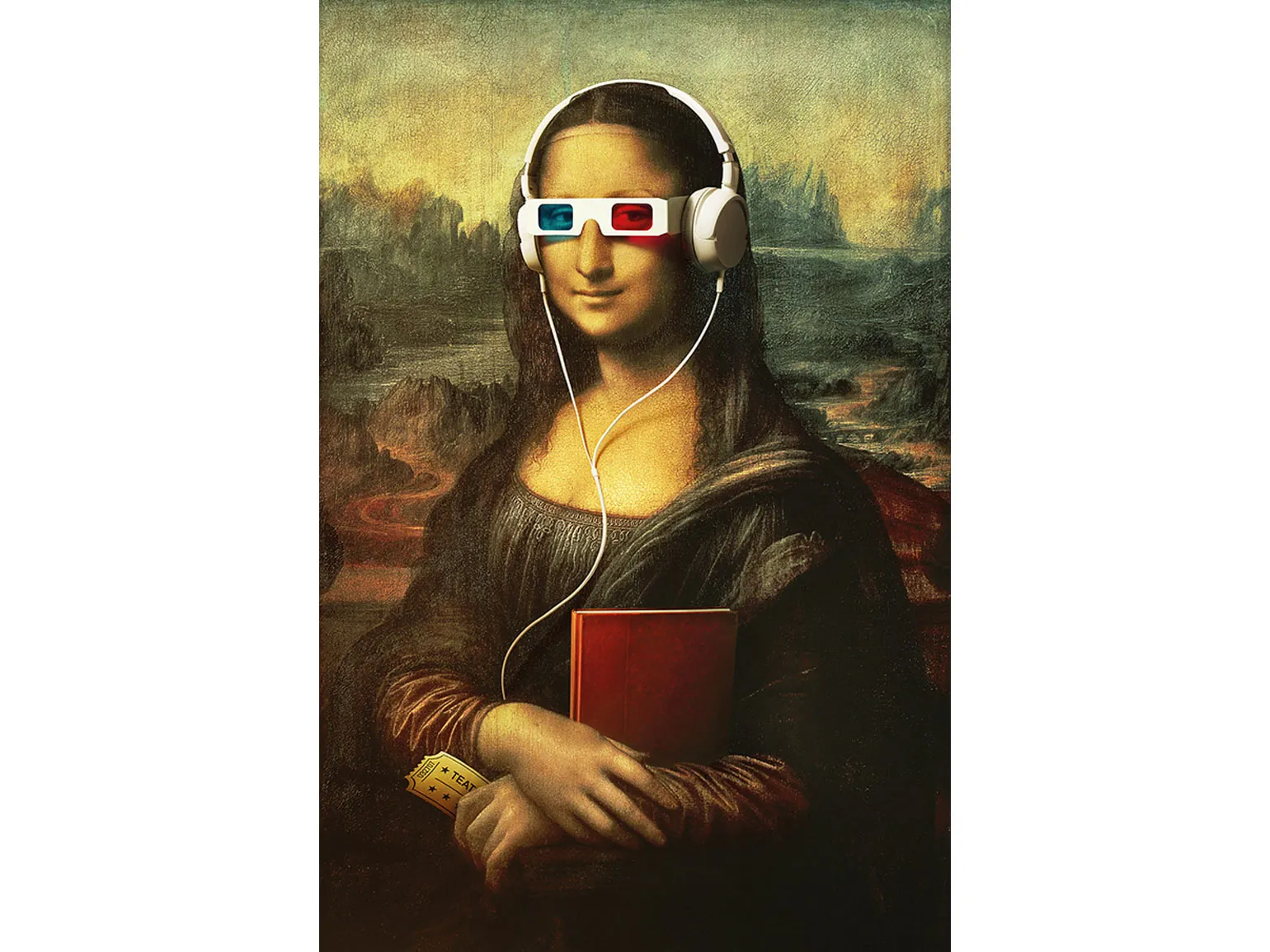
Parody provides designers with a unique opportunity to combine different cultural contexts. For example, using the famous image of the Mona Lisa in advertising materials requires a creative approach to create a memorable and witty piece. This approach not only attracts attention, but also promotes deep engagement with the audience, generating interest and discussion. As a result, parody has become a powerful tool in the modern designer’s arsenal, allowing for the creation of original and memorable works that effectively convey a brand’s concept and values.
When using tropes in design, it is important to think through their application carefully. This will help emphasize the main idea and avoid overshadowing it. The correct use of tropes helps create vivid and memorable visual images that effectively convey a message. It is necessary to strive for harmony between design elements and the main concept to achieve maximum impact and attract the audience's attention.
The variety of tropes in design opens up broad horizons for creative expression. Considering the target audience and context, you can develop an effective visual language that will resonate with users. The correct use of tropes helps convey meaning and emotion, making the design more appealing and memorable. By relying on these principles, designers can create unique and functional solutions that facilitate successful interaction with the audience.
For inspiration, it is worth paying attention to current design trends, including elements of retro style and an emphasis on accessibility. These trends help create solutions that are not only aesthetically pleasing but also user-friendly. Studying current trends will help you stay abreast of changes and adapt your designs to the demands of the times.
Effective Selection of Design Tropes
Choosing the right design tropes is not only a task, but also an art form that can become a striking calling card of your brand. This process should be approached with awareness and careful preparation. Properly selected design elements will help emphasize the uniqueness of your brand, attract the attention of your target audience, and create a memorable image. Pay attention to the color palette, fonts, and composition to create a harmonious and attractive visual accompaniment. A thoughtful choice of tropes will ensure not only aesthetic appeal but also the functionality of your design, which will ultimately increase recognition and trust in your brand.
- Study your target audience.
Understanding your audience is the basis for developing engaging visual content. Knowing their age and gender is just the beginning. It's important to create detailed profiles of your target audience, including aspects such as location, professional activities, hobbies, and media preferences. Also, consider which social media platforms they're most active on. This will help you develop content that resonates with your viewers and effectively conveys your message.
A designer who understands their clients' needs and preferences is able to create unique and easily digestible visuals. This approach not only satisfies clients' needs but also differentiates the project from the competition, ensuring its appeal and memorability. Effective use of design solutions contributes to the formation of a positive brand image and improves interaction with the target audience.
- Gradually introduce symbolism into visualizations.
Creating a striking and memorable visual image is a challenge. For example, an image of a wastepaper basket has not previously been associated with deleting files. However, familiar symbols, such as the clapperboard in a McDonald's advertisement, can significantly speed up the perception of information. Effective visual images help users quickly navigate content and create a positive first impression. Therefore, it is important to consider symbolism and associations when developing graphic elements so that they effectively fulfill their functions and facilitate easy perception of information.

- Avoid overused cliches.
Clichés are repeated elements that lack context, which reduces their effectiveness. For example, using an image of hands holding a smartphone in a recipe video may confuse the audience because it is unrelated to the main topic of the content. To make materials more engaging and informative, it's important to avoid such clichés and focus on original and relevant solutions that truly add value and help convey the main idea.
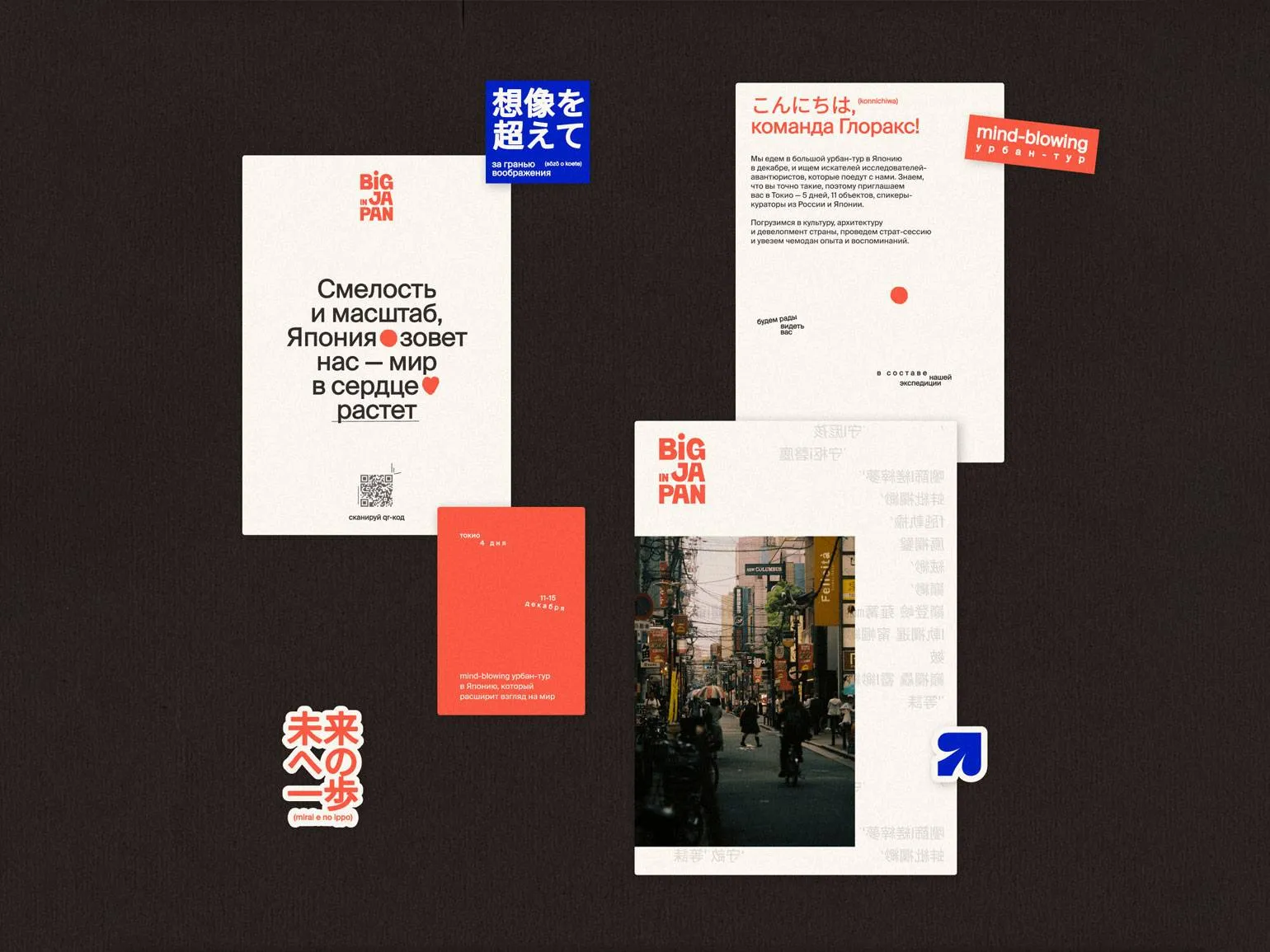
At Flowwow, we develop social media guidelines, accompanying them with illustrations that highlight the practical value of the information presented. Our goal is to make content more accessible and visual for users, which contributes to better perception and assimilation of the material.

- Limit the number of tropes in the image.
Avoid creative overload. Using multiple tropes in a single image complicates perception and can negatively impact the effectiveness of your idea. Clear and concise visual content helps better convey a message to the audience and increases the likelihood of recall. Focus on one main trope or concept to make your creative more appealing and understandable.

- Systematize successful solutions.
Creating an audience portrait is an ongoing process. Regularly analyzing advertising campaign results allows you to identify the most effective design elements that can be integrated into your brand identity. This facilitates more precise targeting and increases conversions. Constantly updating and optimizing your approach to your target audience ensures competitiveness and marketing effectiveness. Pay attention to changes in consumer preferences and adapt your strategies accordingly to achieve maximum results.
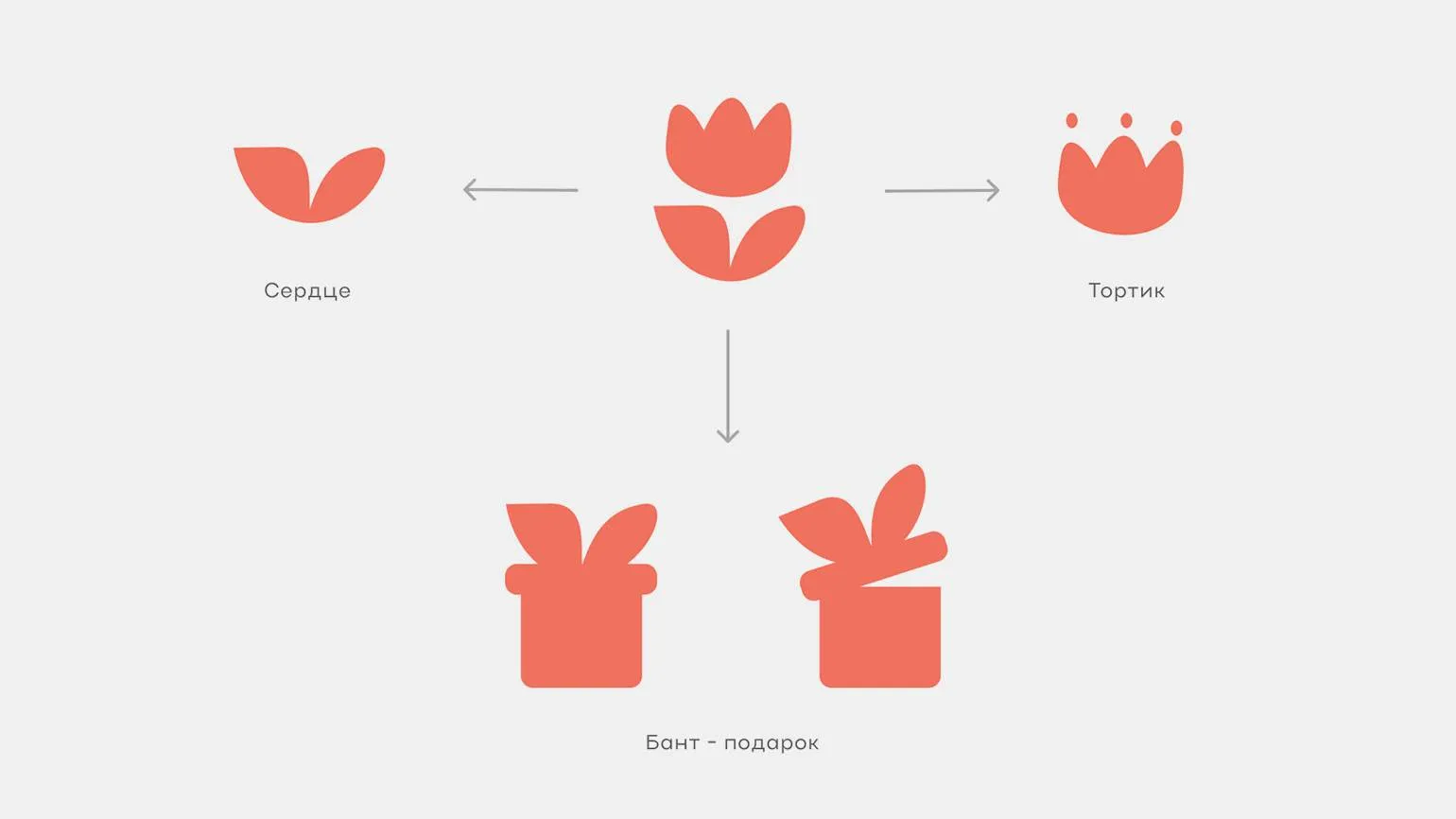
Flowwow's logo is a flower that changes depending on the product offering, whether bouquets or gift cakes. This reflects the diversity and individuality of the company's services, emphasizing its ability to adapt to customer needs. Each element of the logo symbolizes creativity and uniqueness, which makes the brand easily recognizable and memorable.
- Use the power of AI.
Artificial intelligence cannot create unique ideas, but it can greatly simplify the idea generation process by building on existing concepts. Once a core solution has been identified, AI can suggest multiple design options, allowing for the efficient development of ideas and improved implementation. This makes AI an indispensable tool for designers and creatives who strive for innovation.
My main tool for creating images is Midjourney, and for further refinement I use Recraft.
Graphic Designer PRO: 5 Steps to a Successful Career
Want to become a graphic designer? Learn 5 steps to creating a portfolio and starting a career!
Learn more