Contents:
Try 4 top design professions. Free ➞ In 5 days, you will get acquainted with illustration, UX/UI, web, and graphic design. Add 4 cool cases to your portfolio and decide which direction to develop in next.
Learn MoreHearts, smiley faces, arrows, crosses, and stars are simple graphic elements that effectively convey ideas, images, and actions. The symbols we know today didn't immediately acquire their meanings, but were shaped by culture and time. Each of these symbols has its own history and context, which gives them special significance in communication and self-expression. Understanding their meaning allows us to gain a deeper understanding of digital communication and use these symbols to convey emotions and thoughts.
In this article, we will examine the origins of popular design symbols and their historical significance. Used in various fields, these signs not only attract attention but also carry deep meaning. From ancient cultures to modern design, each symbol has its own unique history, reflecting the cultural and social aspects of its time. Understanding these meanings helps designers create more meaningful and effective visual communications and connect with audiences on a deep level.
Heart
The heart has traditionally symbolized love in culture. Due to its simplicity and positive associations, this symbol has become popular in design, acquiring deeper meanings such as caring, approval, and delight. Logos and advertising materials featuring the heart can be found across industries ranging from fashion to tech, highlighting the versatility and appeal of this symbol. Using the heart in branding helps create an emotional connection with the audience and strengthen the company's image.
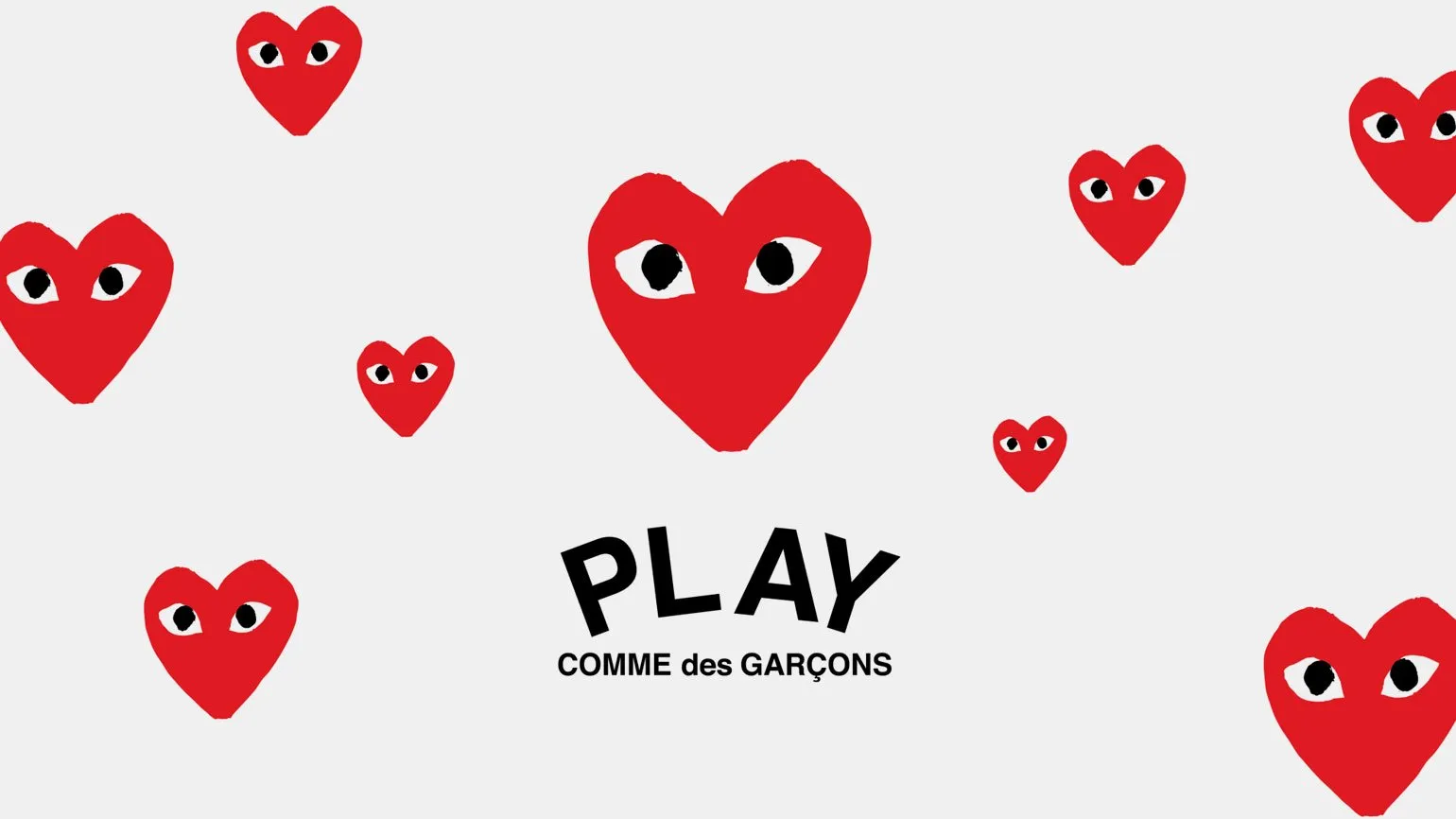
The human heart muscle is significantly different from the familiar heart symbol. The shape we associate with the heart originated in ancient times and was used to depict ivy leaves, fig trees, grapevines, and silphium, a plant used as a contraceptive. The reasons why this symbol came to represent love remain unclear.
The heart symbol, instead of a realistic depiction of the human organ, first appeared in 13th-century literature. Over time, this symbol was transferred to playing cards, which likely contributed to its widespread popularity and distribution. The heart has become a universal symbol of love and emotional connection, making it relevant in a variety of contexts, including art, culture, and everyday life.

Smiley
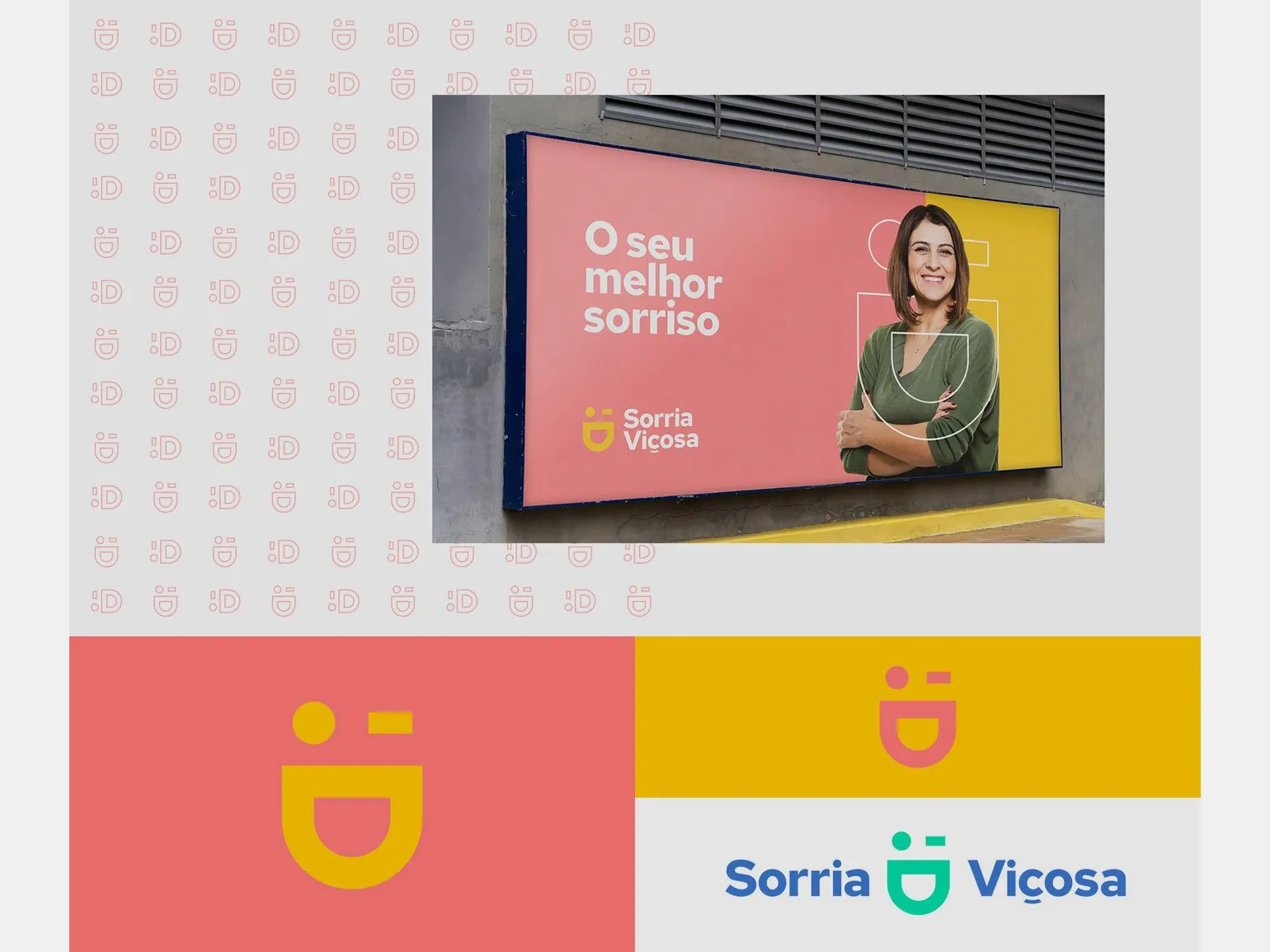
A popular element in design is a positive sign that is widely used in various projects. Its vibrant and inspiring impact makes it sought after by designers and marketers. Positive signs help create an optimistic mood and attract attention, which is especially important in modern visual content. Using such symbols can improve brand perception and increase audience engagement.
The smiley is a symbol that appeared relatively recently, in the middle of the 20th century. Its creator is the American designer Harvey Ball, who developed a simple yellow face commissioned by an insurance company. The primary purpose of the smiley face was to improve employee morale. This simple yet effective symbol quickly gained popularity and became an integral part of visual communication in the modern world. Emoticons are used to convey emotions and moods in texts, social media, and instant messaging, making communication more vivid and expressive. With the advent of computers, emojis—graphic symbols that have become an integral part of digital culture—began to be widely used in online communication. These emoticons not only enrich textual communication but also serve as important design elements, lending emotional coloring and visual appeal to messages. Emojis help convey mood and intonation, which makes communication more lively and expressive.

Arrow
Direction plays an important role in design, associated with movement and dynamism. It can serve as a symbol of variability and speed, creating a sense of activity and energy in visual compositions. Correct use of directions in design helps to direct the viewer's gaze, focusing attention on key elements and creating harmony in perception.
According to one version, arrows indicating direction began to be used in Ancient Greece. Originally, they were footprints that, over time, were eroded by rain and wind, taking on the shape familiar to modern users. However, this remains only a hypothesis, and the exact origin of arrows remains unclear.
The first graphic images of arrows appeared in 18th-century artifacts, where they were used to indicate cardinal directions on compasses and river directions on maps. These images became an important element of navigation and cartography, allowing people to better navigate space and understand the geographic features of an area. Arrows on maps and compasses played a key role in the development of travel and exploration, facilitating the discovery of new lands and improving navigation technologies.
Tick
This symbol is used to indicate correct answers or successfully completed tasks. It has found wide application in design and advertising, emphasizing achievements and quality.

The check mark is an ancient symbol, the origin of which is of interest to scientists. During the Roman Empire, the Latin letter "V" was used as an abbreviation for "truth" ("veritas"). Over time, with rapid writing, the shape of the "V" evolved, leading to its modern form. This symbol has become a universal sign of approval and is used in a variety of contexts, from educational institutions to office documents.

Triskelion
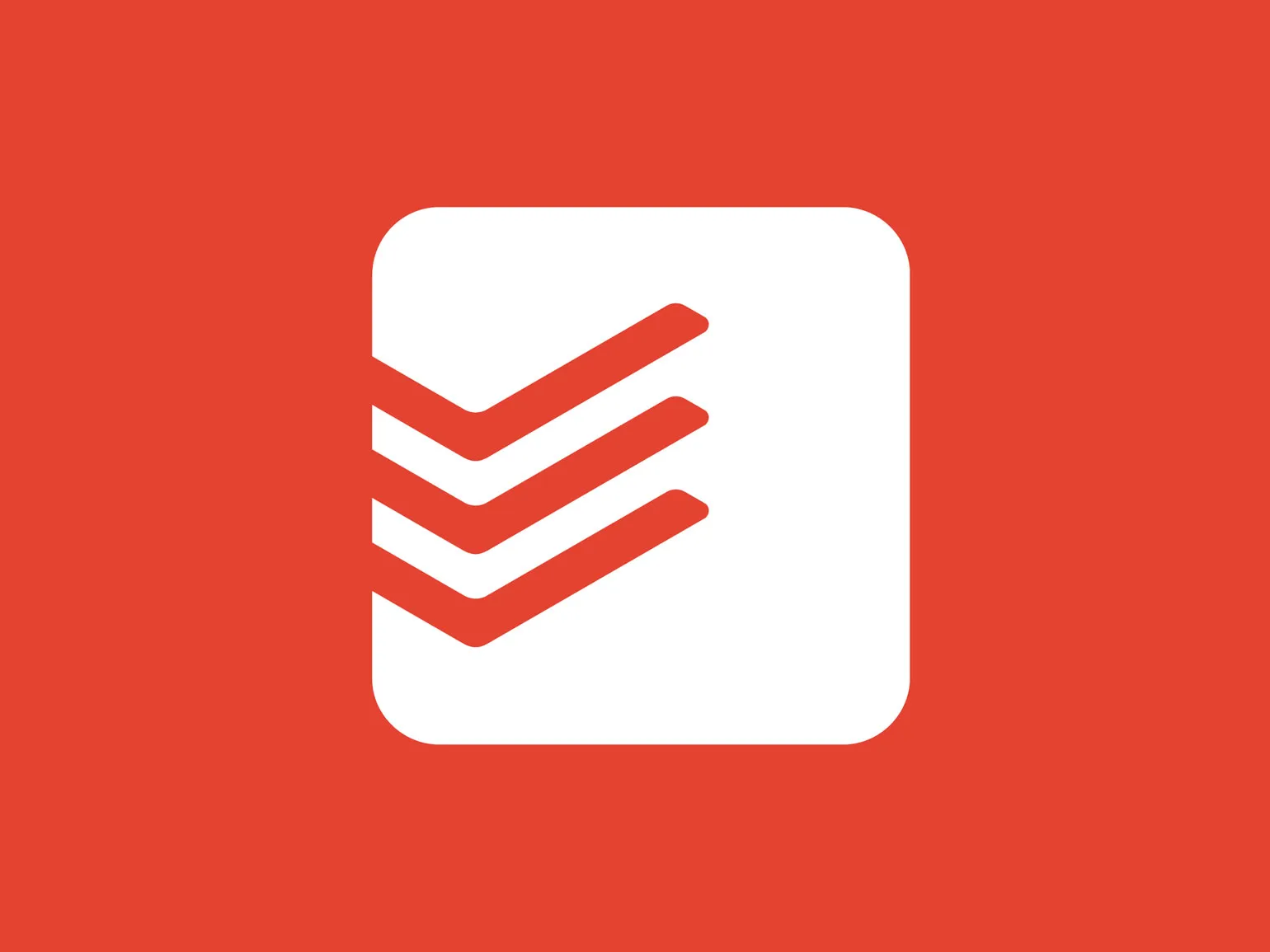
The number three has positive associations in most cultures around the world, making it a popular choice in logo design. The use of three elements arranged in a circle creates a harmonious and dynamic visual impression. These shapes symbolise development, movement, cyclicality and integrity, making them particularly appealing to brands seeking to highlight their values and philosophy. Logos with triple elements are easy to perceive and remember, which helps to form a stable image of the company.
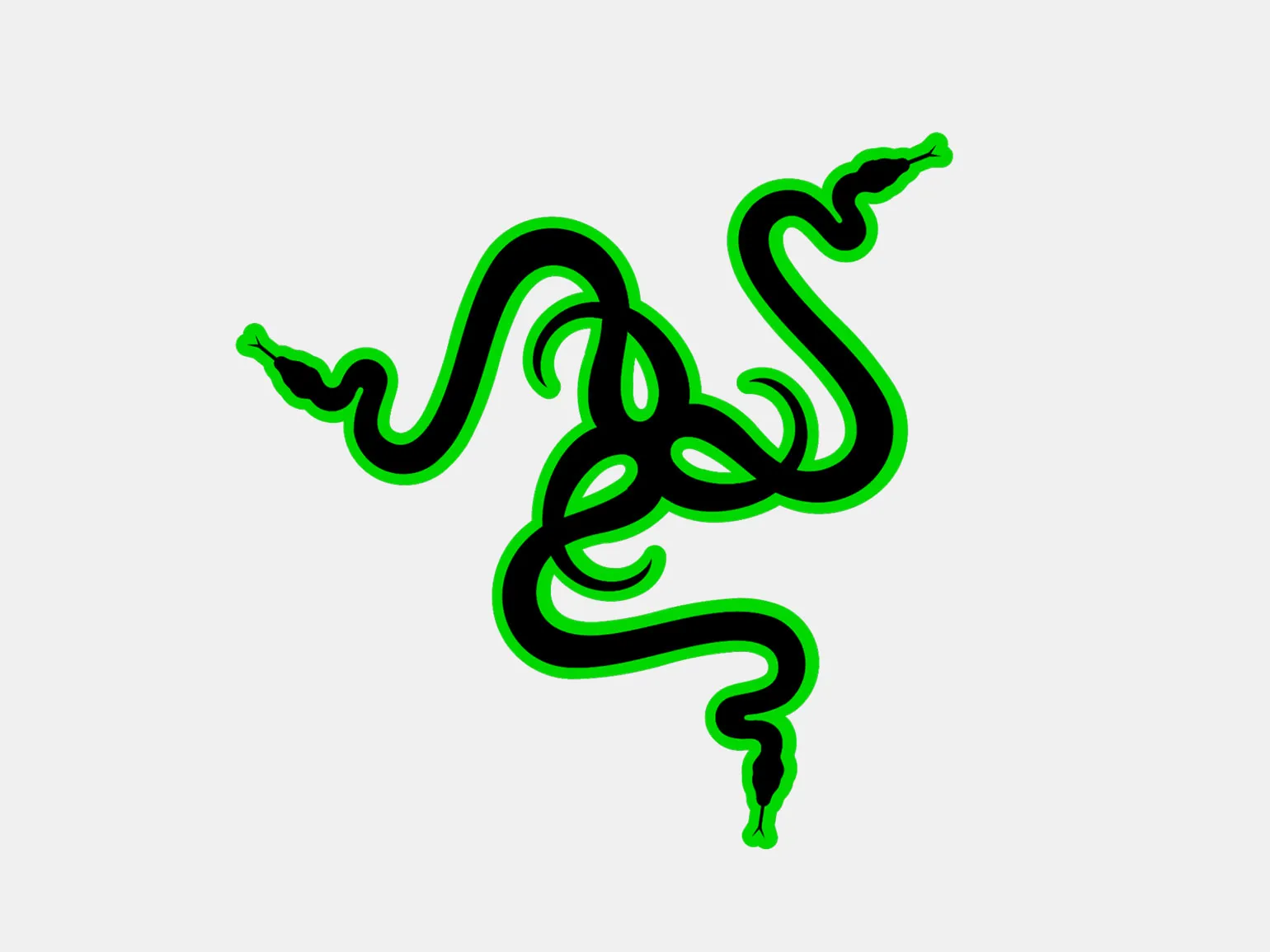
The triskelion is an ancient symbol representing three rays emanating from a single point. This symbol was used by various cultures, including the Celts, Greeks, Etruscans, and Japanese. The triskelion can be found in embroideries and coats of arms, as well as as ornamentation on metal and stone objects. Its meanings vary depending on the culture, but generally symbolize movement, progress, and balance. The exact interpretations of this symbol remain unknown. There are several hypotheses about its meaning. One theory suggests that it symbolizes the sun. It can also be interpreted as representing a lifetime, including three key stages—birth, life's journey, and death. Other researchers view it as a symbol reflecting the combination of the three elements of nature. These interpretations emphasize the multifaceted nature of the symbol and its connection with fundamental aspects of human existence and the world around us.

Asterisk
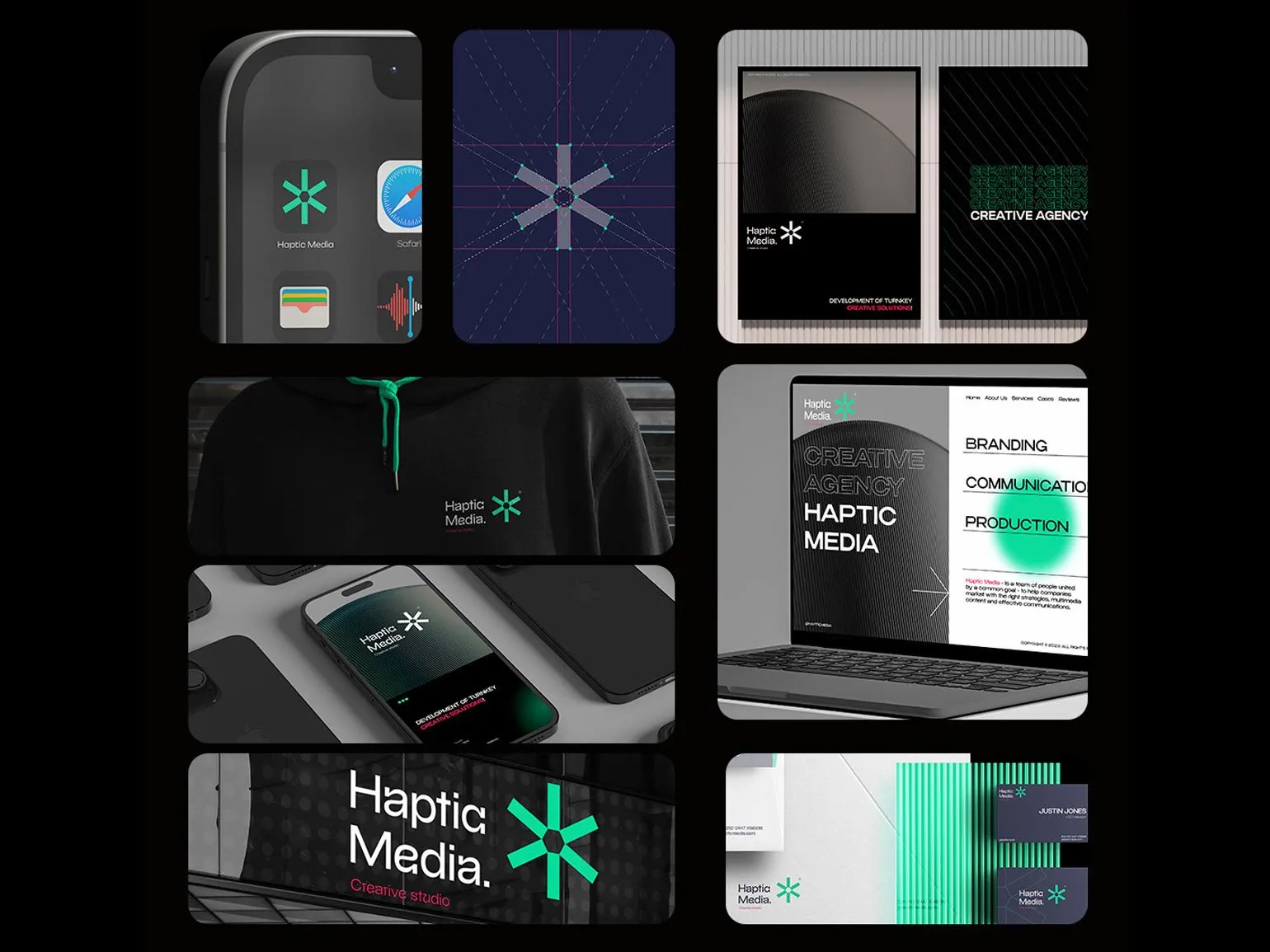
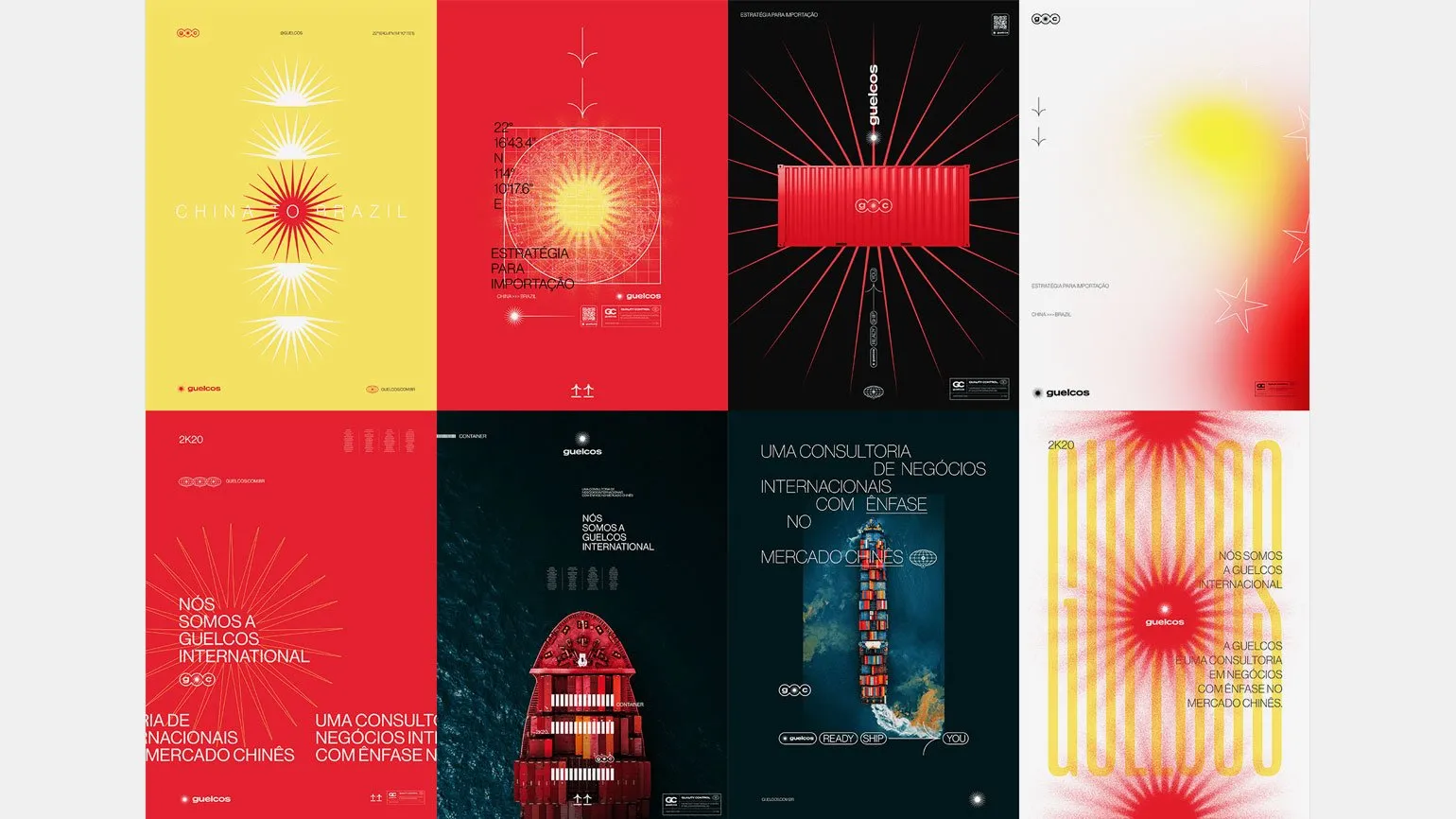
A typographic asterisk, or asterisk, is most often used in text to indicate footnotes or omitted letters in obscene words. In design, its use was limited, but in recent years the situation has changed. Asterisk has become a popular element in various projects and was included in the list of trends of 2021 according to Logolounge. This symbol attracts attention and adds originality to the design, allowing it to stand out from other elements. Using the asterisk in graphics and typography opens up new possibilities for creative solutions and can effectively emphasize key messages or ideas.
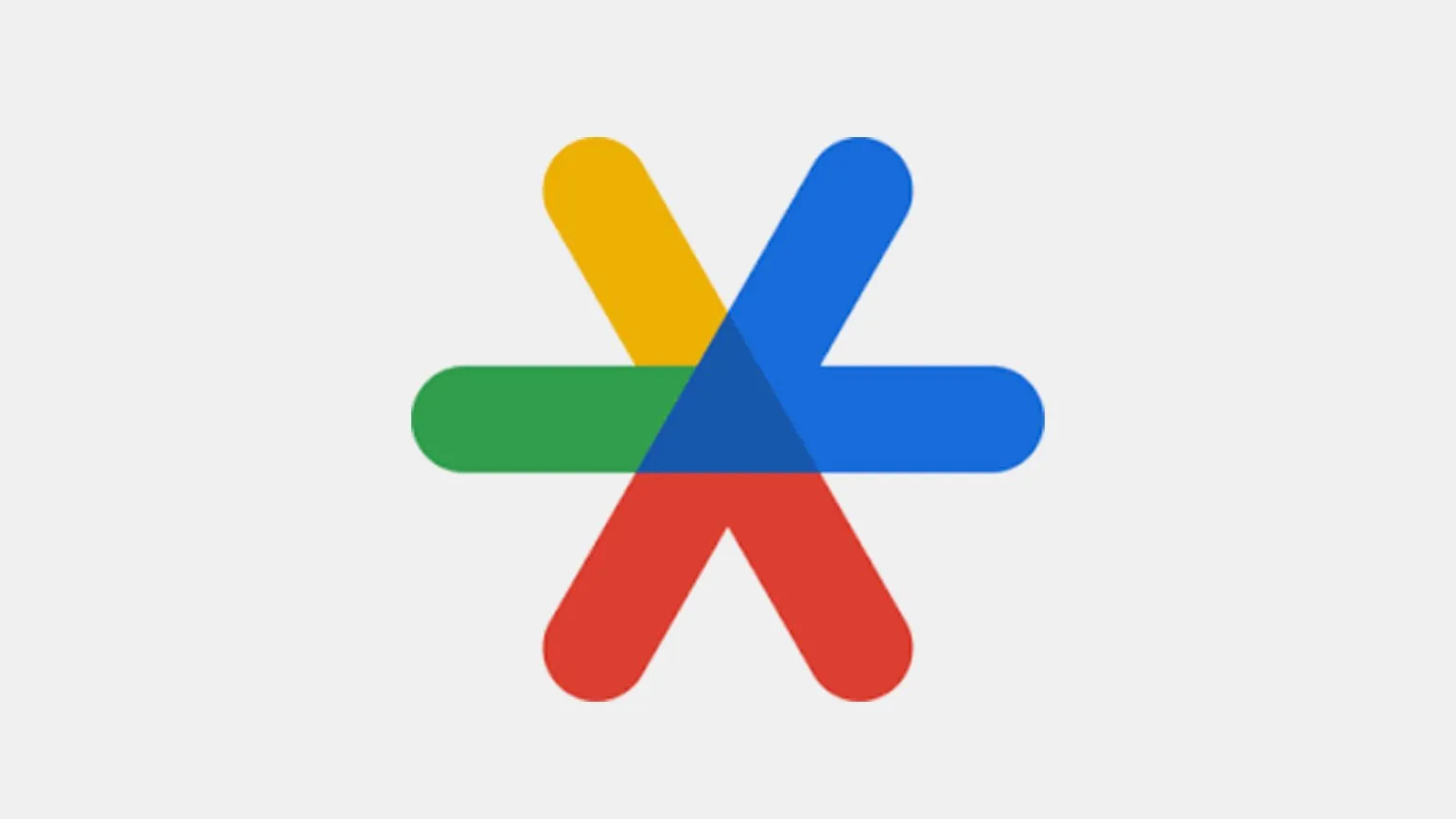
Symbols began to be used in the 2nd century in Alexandria to indicate ambiguities or repetitions in texts. This approach has improved understanding and perception of the content of books, and has also simplified the process of editing and analyzing texts. As a result, the use of symbols became an important element in the development of writing and grammar.

Four-leaf clover
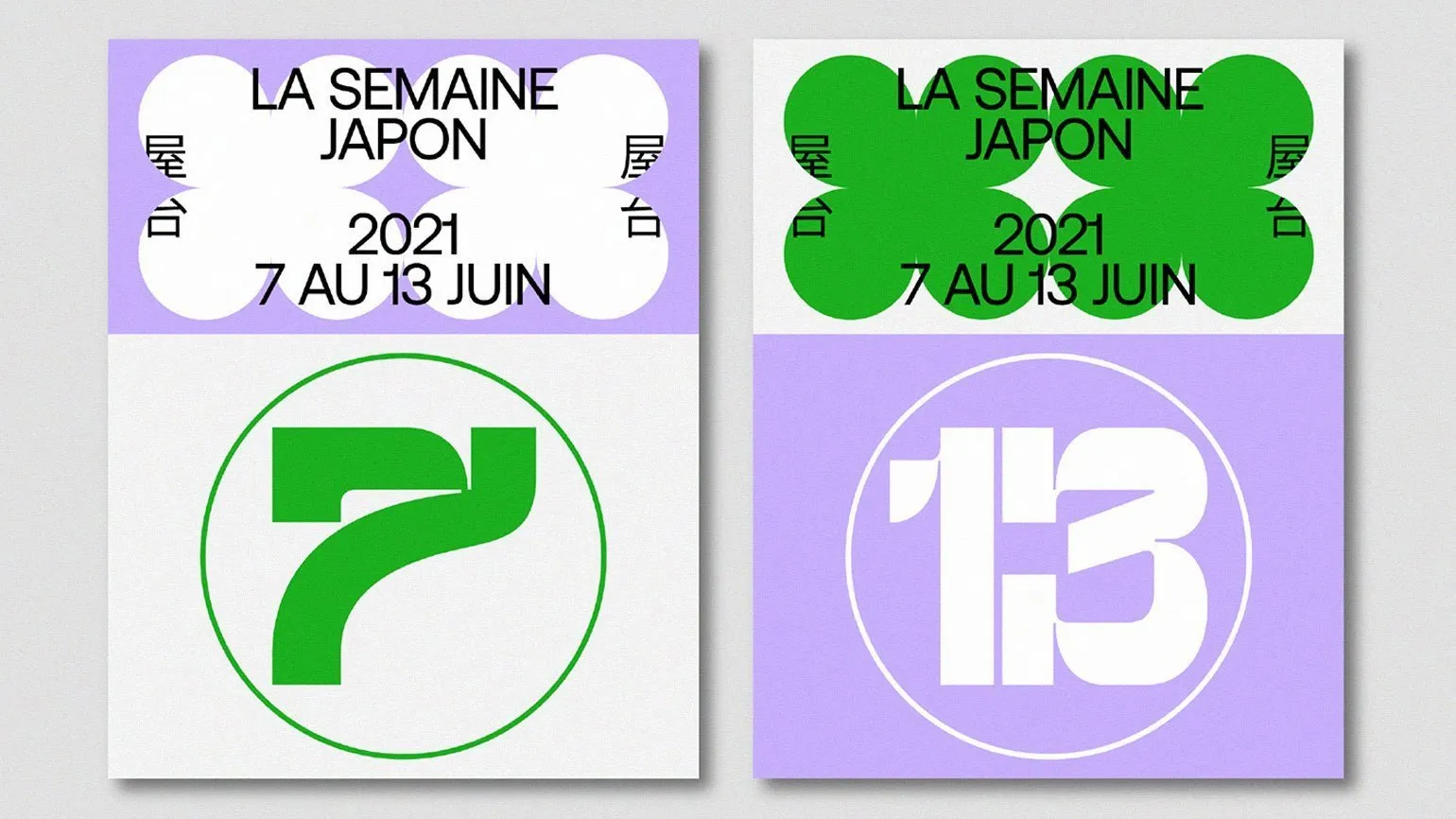
The four-leaf clover is considered a symbol of good luck in European culture. Its image, with four rounded leaves forming a square or diamond, is often used in jewelry, decor, illustrations, and design. This popular motif attracts attention and becomes an integral part of various artistic and visual projects. The four-leaf clover is also associated with hope and prosperity, making it a coveted element in many cultures.

The four-leaf clover is known as a symbol The four-leaf clover has been associated with good luck since the 19th century, when the first written records of it appeared. Before that, its meaning was based on legends and myths passed down orally. Each leaf of the clover is believed to bring its own good fortune: the first—success, the second—love, the third—health, and the fourth—wealth. The four-leaf clover became a popular amulet, and its rarity only reinforces the association with luck and prosperity. Among the Celts, the four-leaf clover symbolized the four cardinal directions and was used in various rituals. Among the Native Americans, this plant symbol was associated with hunting success and a bountiful harvest. The ancient Egyptians, in turn, gave the four-leaf clover to newlyweds as a sign of prosperity and happiness in their life together.
Cross
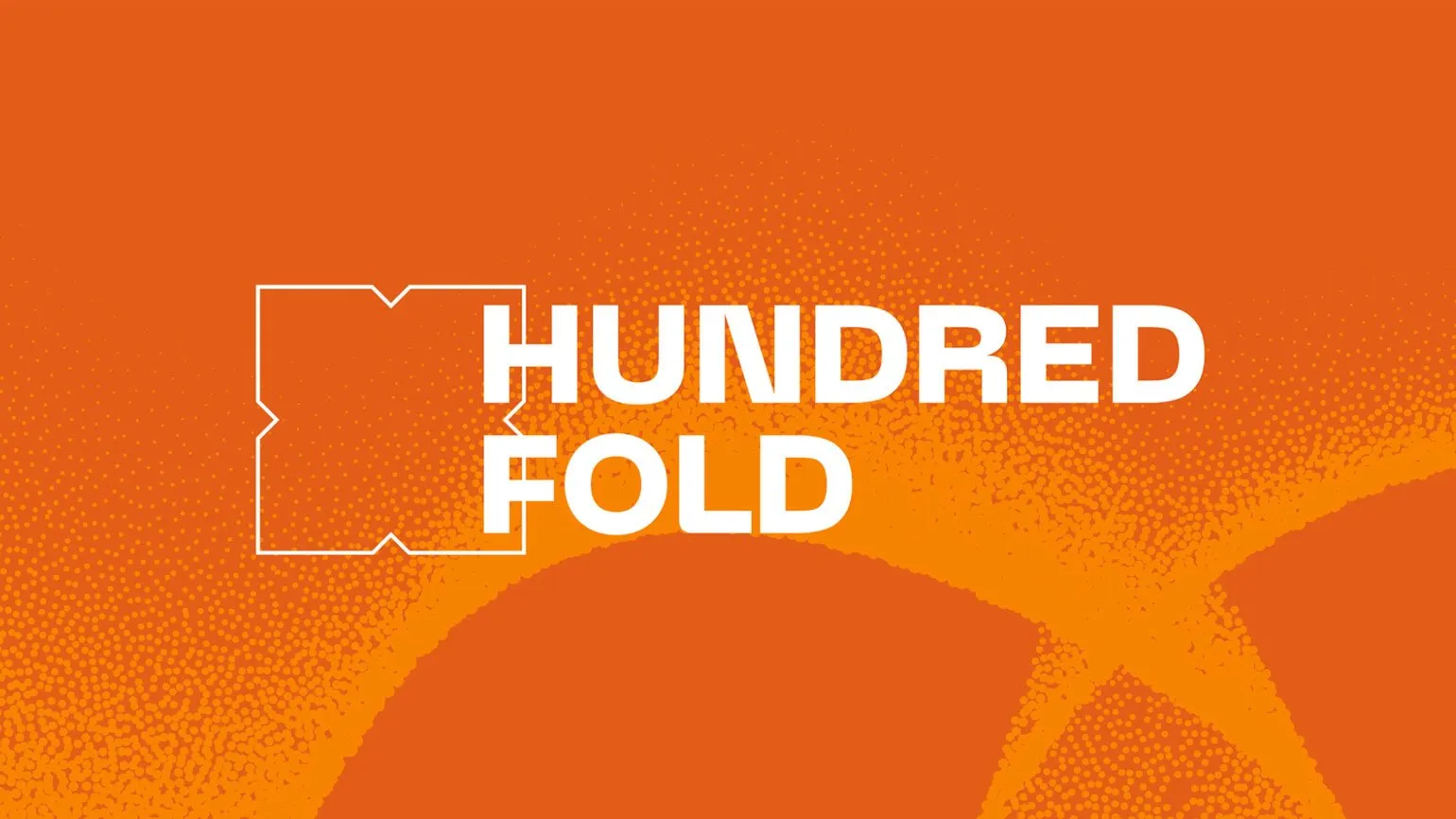
The cross is one of the most well-known signs with a strong emotional meaning. It can be associated with the end, prohibition, or correction of mistakes. In advertising and brand identity, where it's important to attract viewers' attention and evoke an emotional response, this symbol is often used in design. The cross is capable of conveying powerful messages, making it an effective tool in visual communication and branding. Using a cross in design helps create a memorable image that is easily perceived by the audience and can evoke various associations.
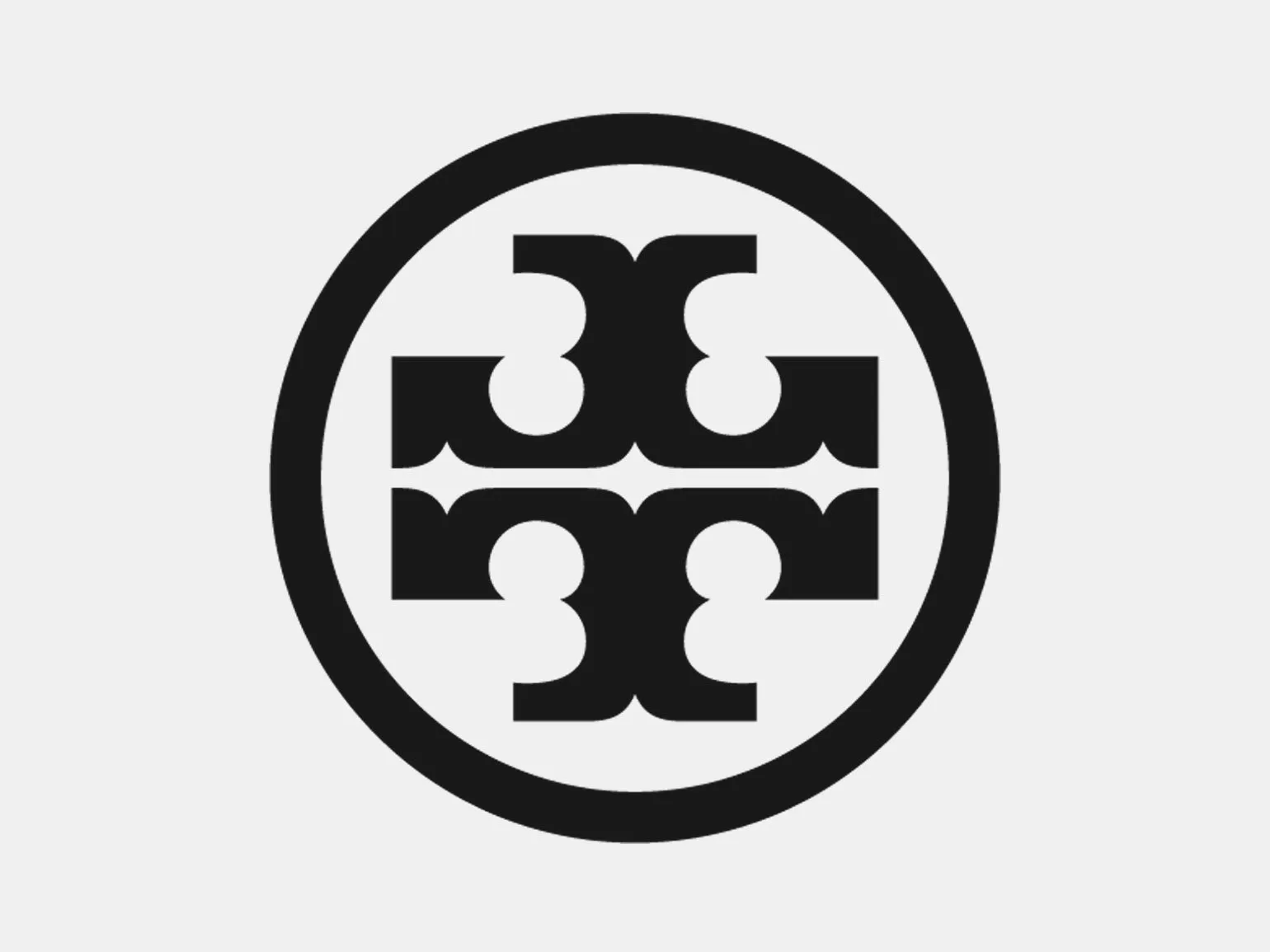
The cross is one of the simplest and most ancient symbols used by mankind. The earliest examples of its use appear on Neolithic artifacts, but the exact meanings of these images remain unclear. The cross has various interpretations across cultures and religions, making it a universal symbol. Its meaning and use have changed over the centuries, but it remains an important element in art, architecture, and spiritual practice.
In Ancient Rome, the cross became a symbol of punishment for crimes. In this regard, special execution instruments in the form of a cross began to be made, which emphasized its role in the justice system of that time.
Among the Celts, the cross had positive meanings, symbolizing fertility and creative power. Among the Indians, this symbol was associated with man. With the spread of Christianity, a vertically elongated cross acquired religious significance. A symbol in the form of a cross with equal diagonals was used to cross out mistakes, which led to the formation of a corresponding meaning.

To achieve the best SEO results, it is important to properly structure and optimize your text content. Try to use keywords related to your topic to increase your visibility in search engines. Pay attention to the uniqueness and usefulness of the information, as well as its relevance to user queries.
If you are interested in other materials on similar topics, be sure to check out our recommendations and articles.
The cross is one of the most universal and meaningful symbols in various cultures and religions. It is an intersection of two lines, symbolizing the interaction of various forces and aspects of life. In Christianity, the cross is a symbol of sacrifice and redemption, personifying the crucifixion of Jesus Christ and his resurrection. In other traditions, the cross can have different meanings: in ancient Greek culture, it symbolized life and death, and in ancient Egyptian culture, eternity.
Beyond its religious context, the cross is also used in contemporary visual arts and design, where it can convey ideas of balance, protection, and spirituality. In architecture and art, the cross is often used as a compositional element, emphasizing importance and grandeur.
Thus, the cross is a polysemantic symbol that has maintained its relevance and significance in various aspects of human life throughout the centuries.
Plus
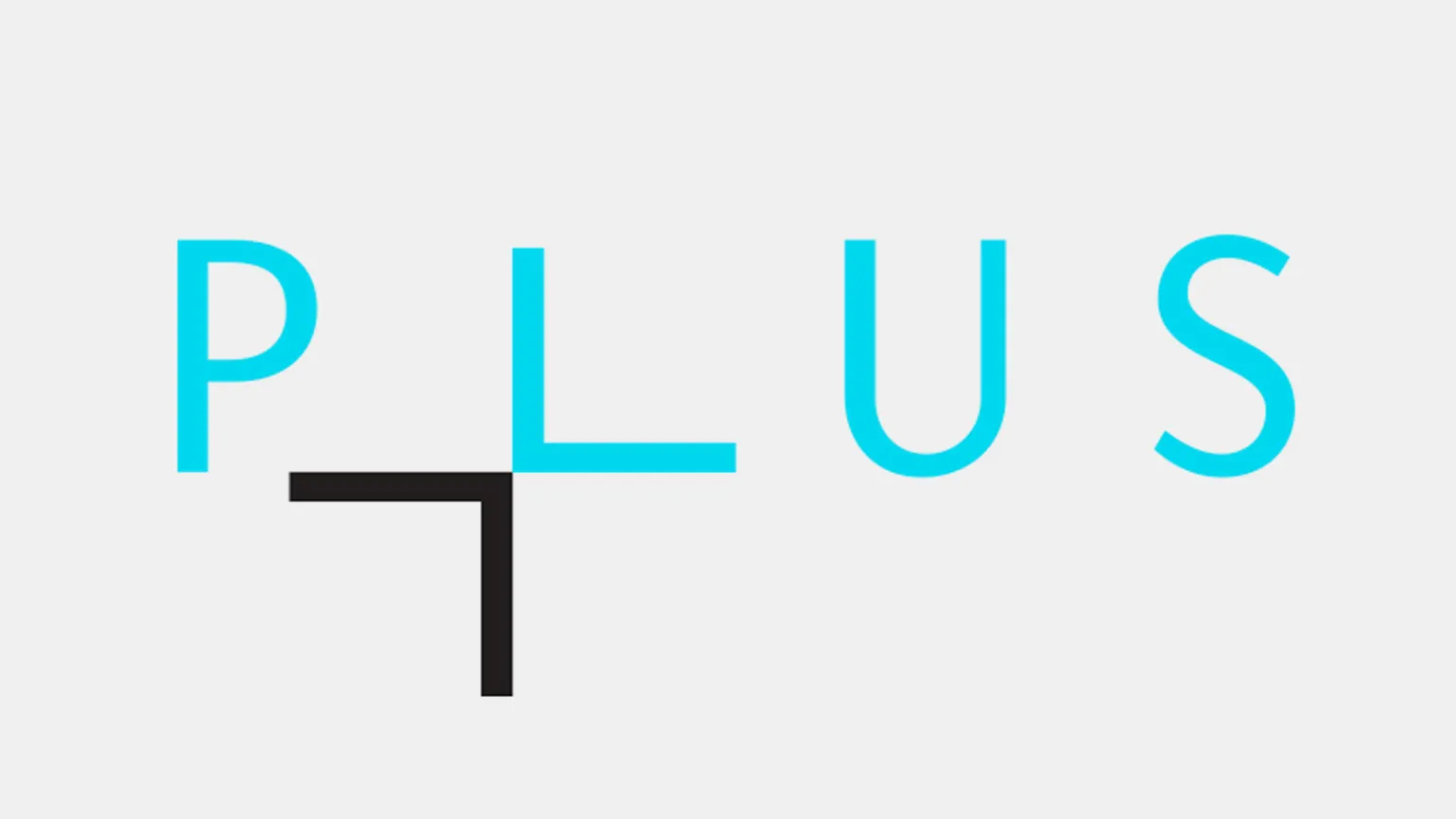
The plus sign is one of the most well-known mathematical symbols and is a variation of the cross. This symbol is widely used in mathematics to denote the operation of addition, as well as in various fields such as physics and economics to denote positive values. The plus sign is essential in mathematical equations and formulas, and its versatility makes it an integral part of educational materials and scientific research.
Until the 15th century, the mathematical operation of addition was denoted by the letter "p". The modern plus sign likely originates from the Latin word "et," which translates as "and." The first recorded use of this sign was by the astronomer Nicole d'Orsme in the 14th century, and German algebraists consolidated it in their practice in the 15th century, beginning to use the plus and minus signs in mathematical expressions. Over time, these notations became the standard in mathematics.

Infinity sign
The mathematical symbol is associated with the concepts of continuity and stability. It is widely used in logos and patterns of various brands, emphasizing their reliability and consistency. This symbol can effectively visualize ideas related to precision and structure, making it a popular choice in design.
The infinity symbol, which is an inverted figure eight, The infinity symbol was first recorded in a theoretical work by the 17th-century English mathematician John Wallis. His work dealt with the concept of infinity, and it was in this work that Wallis used this unique symbol. The reasons for his choice of this particular representation remain unknown. Nevertheless, the infinity symbol became popular and widely used not only in mathematics but also in other fields, such as philosophy and art. Over time, this sign has become a universal symbol of infinity and eternity, embodying ideas that go beyond human comprehension.

Slash
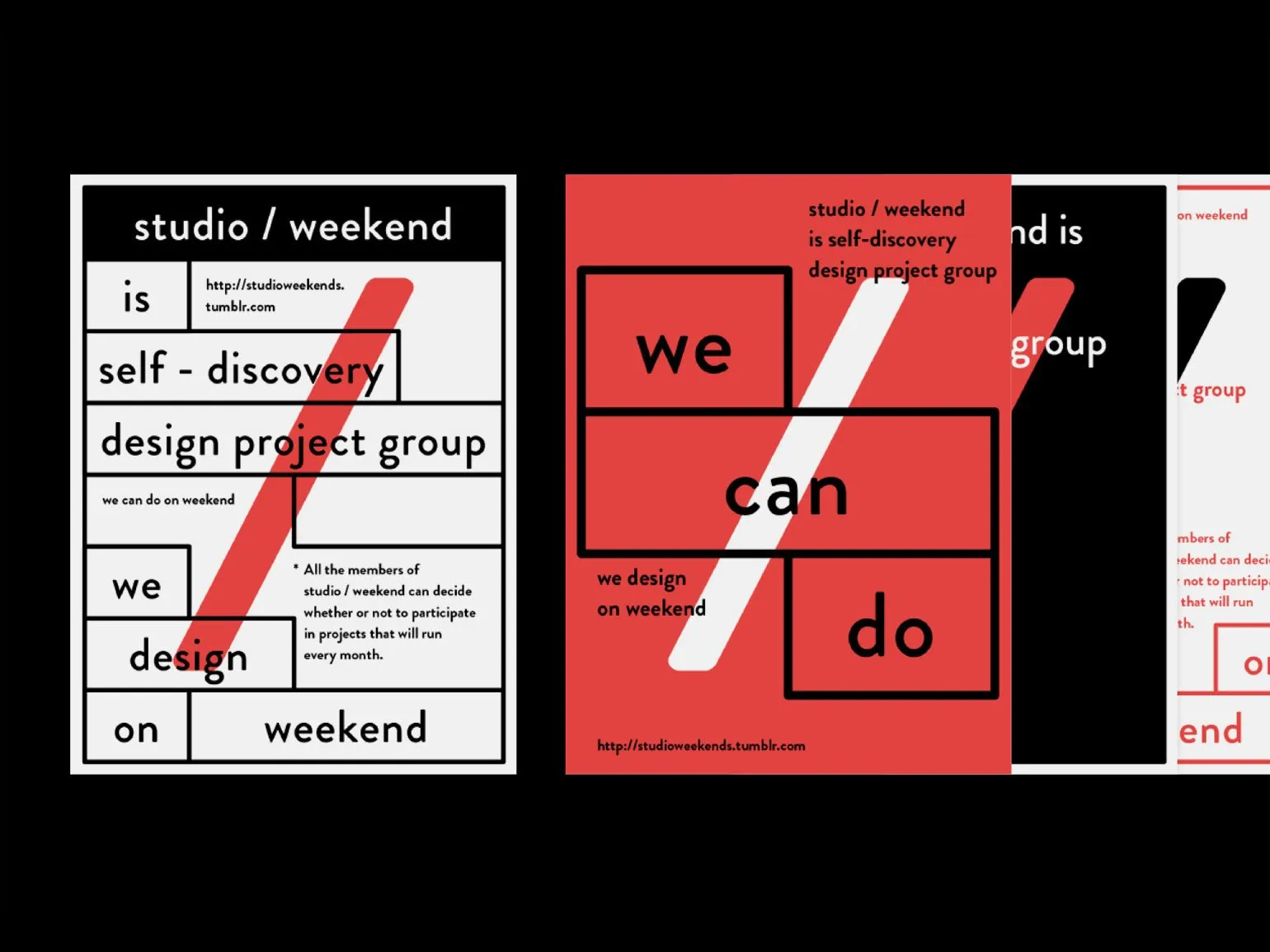
Thanks to modern designers, the slash has evolved from a simple punctuation mark into a conceptual symbol. It serves to unite or contrast concepts, similar to how it is used in texts. Additionally, the slash can indicate the relationship between one concept and another, as happens in website addresses. Using slashes in design and content helps create clear connections between elements, improving information comprehension and navigation.
It is believed that in early European writing, the slash was used as a variant of the dash. Since the Middle Ages, it has been used for the same purposes as the comma, when listing equivalent concepts. This function of the slash is retained in modern text. Using the slash improves readability and structures information, making it an important element in written communication.
The name "slash" is relatively new, although the symbol itself has been in use since the 1970s. The slash has become an important element in various fields, including programming, web design, and text editors. Its use continues to expand, and it plays a key role in formatting URLs, splitting file paths, and creating various syntactic constructs.

Thumb up
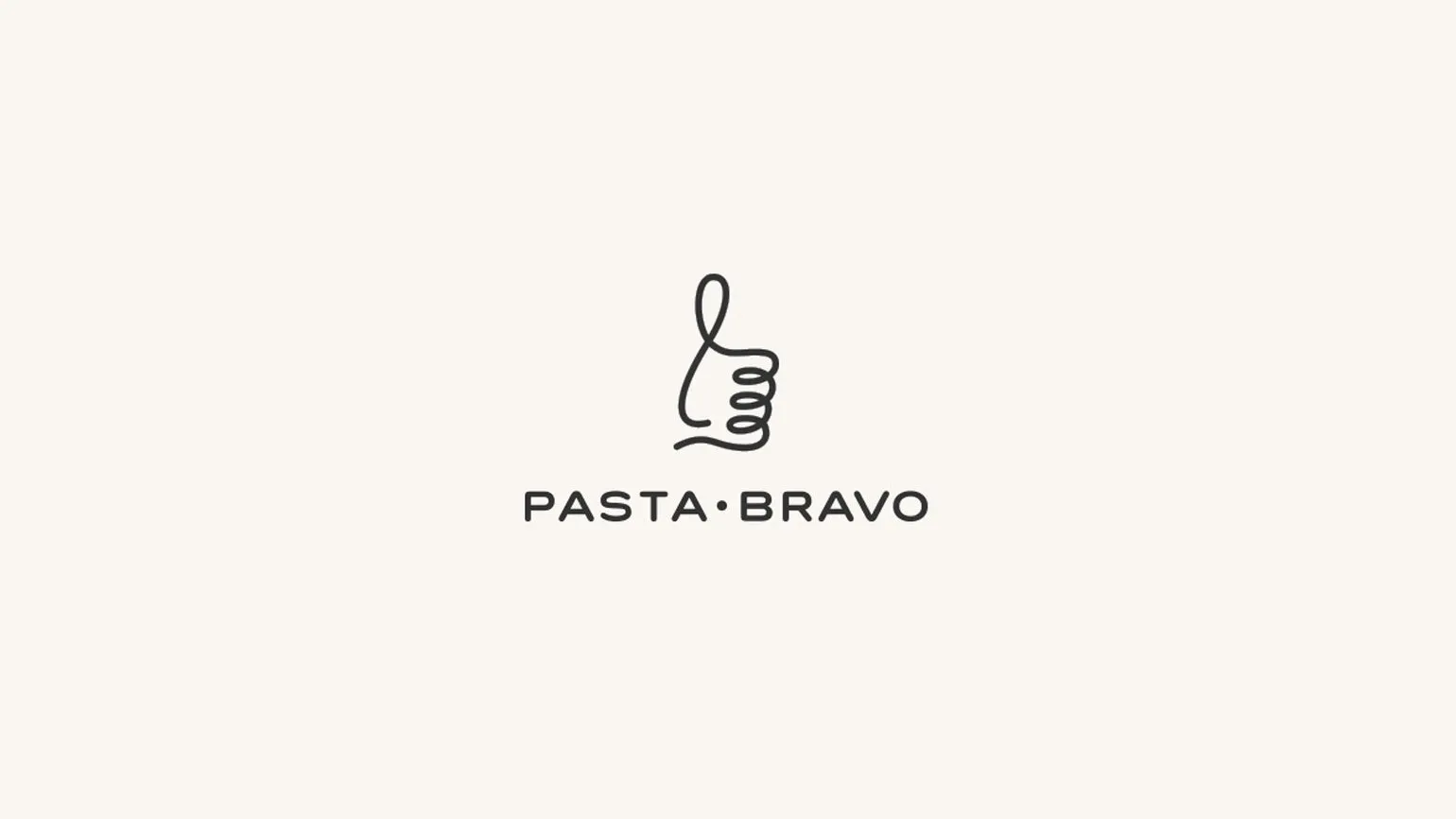
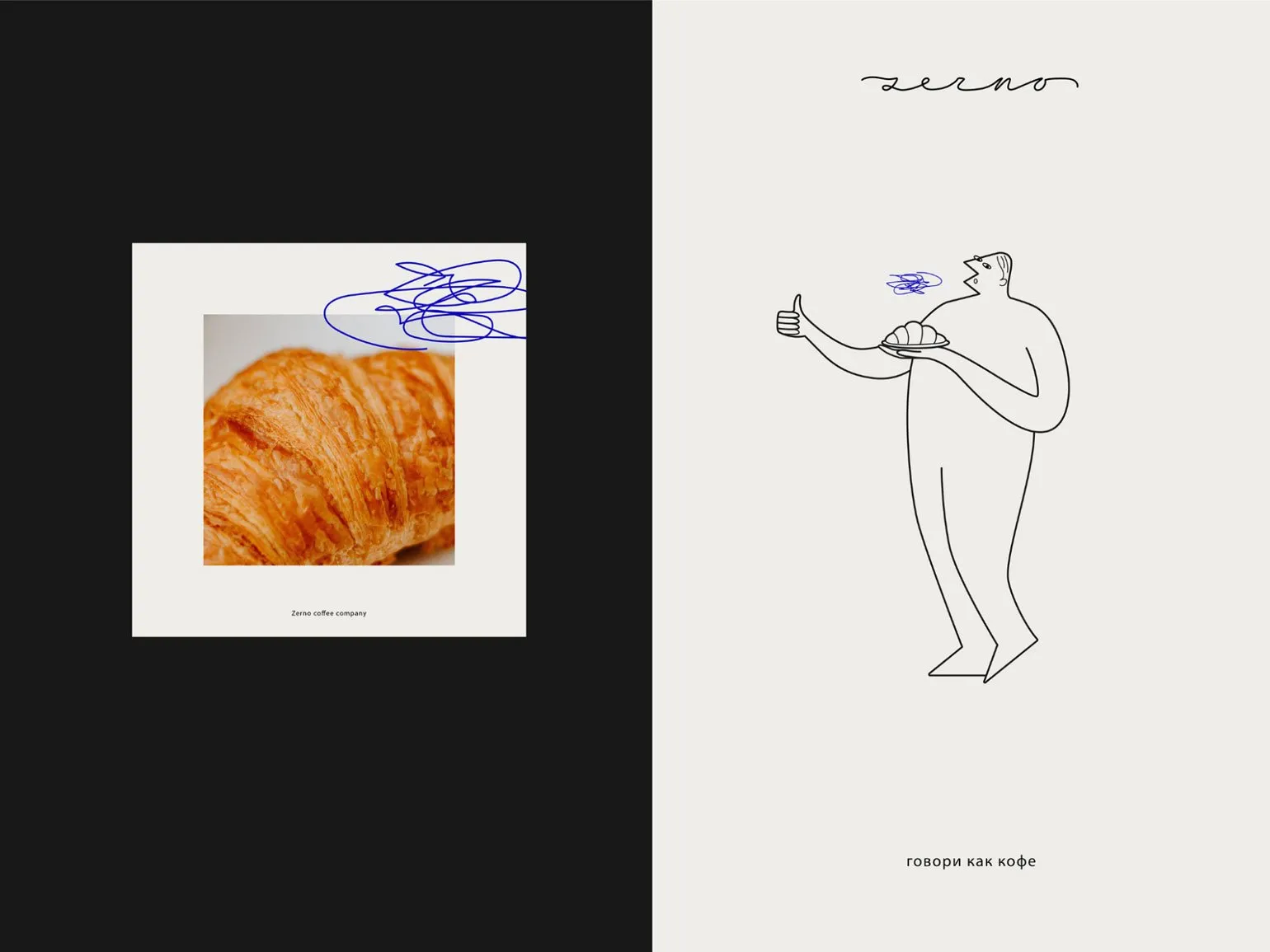
The most popular gesture in design and illustration symbolizes approval and a positive opinion, similar to a “like” on social media. This gesture has become a universal sign of support and recognition, actively used in various visual communications.
It is often used in advertising materials.
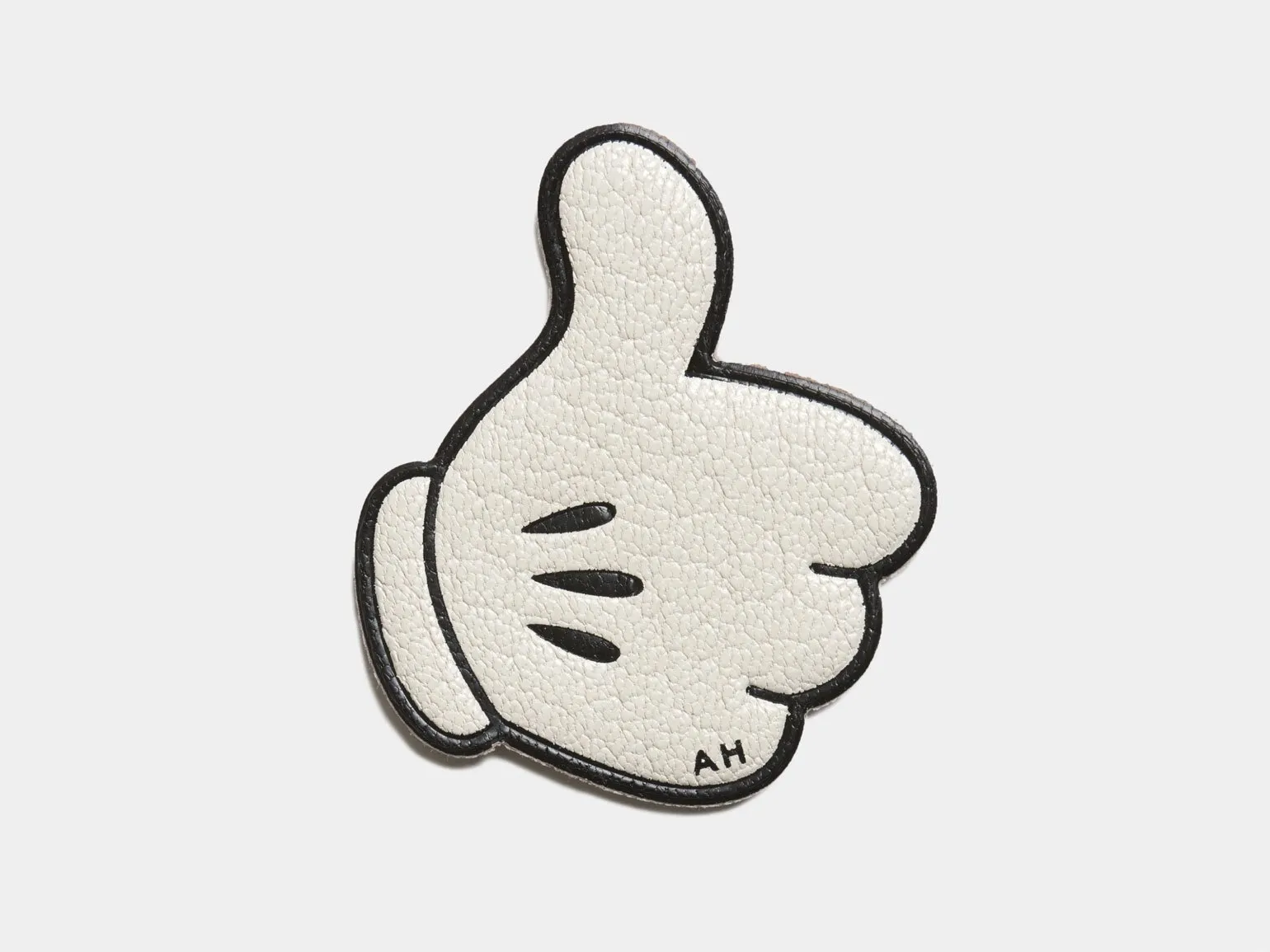
According to one theory, the origin The gesture of raising a finger dates back to Ancient Rome. This gesture was used by spectators to express their desire to spare a defeated gladiator. However, there are other versions, according to which the raised finger could signify a death sentence for the gladiator. Therefore, the authenticity of this legend is questionable, and its true meaning remains unclear.
Currently, in Russia and most European countries, this sign is perceived positively. However, its meaning is not universal - in Muslim countries and in Greece, it is considered offensive.
V-shaped fingers
Two raised fingers is a gesture that has become an important element in the advertising industry. It symbolizes approval and a positive attitude, making it an effective tool for attracting attention and building brand trust. Using this gesture in advertising helps emphasize key messages and create an emotional connection with the audience.

There is a common belief that the word "Victoria" The word "victoria" comes from the Latin "victoria," which translates as "victory." However, this version is controversial among linguists and historians. Some researchers propose alternative theories, linking the origin of this word to other linguistic roots. In any case, the word "victoria" continues to be associated with success and triumph, making it popular in a variety of contexts, from names to brands.
According to one alternative theory, the gesture with the raised middle finger first appeared during the Hundred Years' War in the 15th century. During this period, French troops chopped off two fingers of prisoners, which they used to draw their bowstrings. In response, when the English won battles, their soldiers showed this gesture, emphasizing that their fingers remained intact. This symbol has come to symbolize both contempt and power, and its history continues to generate interest and debate among historians and cultural scholars.
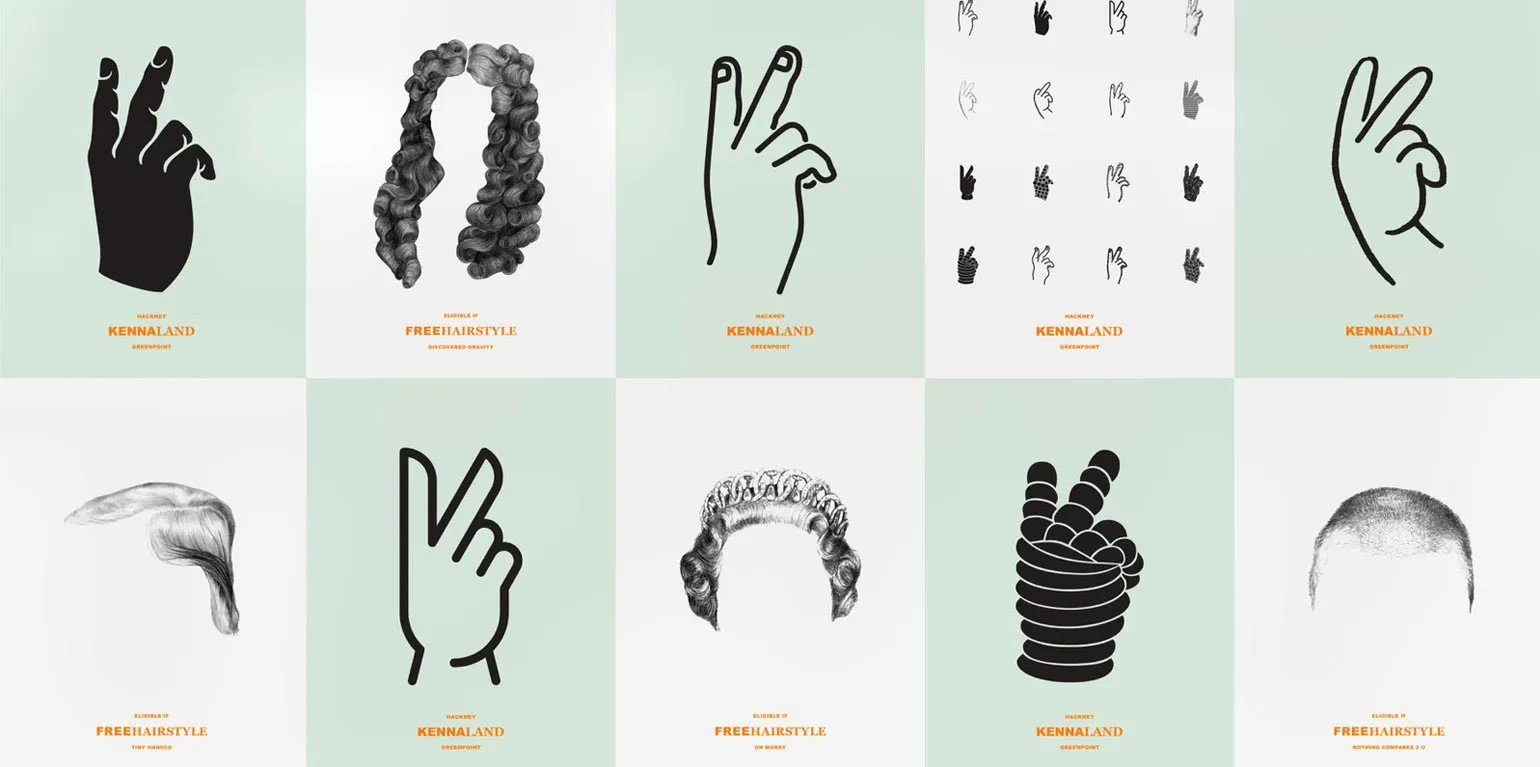
Gesture "OK"
A common gesture in marketing communications—a sign equivalent to the expression "OK." This symbol is used to convey agreement and a positive attitude, making it an effective tool in communicating with clients and partners. Correct use of this gesture can increase trust and improve brand perception.

The expression «OK» is an abbreviation for the English «all correct». There are several theories about its origin: some believe it arose due to illiteracy, while others claim it was a deliberate misspelling in a humorous context. The abbreviation became popular in the early 19th century in the United States. At the same time, the gesture associated with this expression appeared, which was actively used during the election campaign of 1836.
Star
Stars in popular culture and design symbolize radiance and sparkle. They can be interpreted as a sign of quality, renewal, or victory. These visual elements are often used to attract attention and create a positive impression of a product or service. Stars help highlight important moments and denote achievements, making them an essential tool in marketing and design.
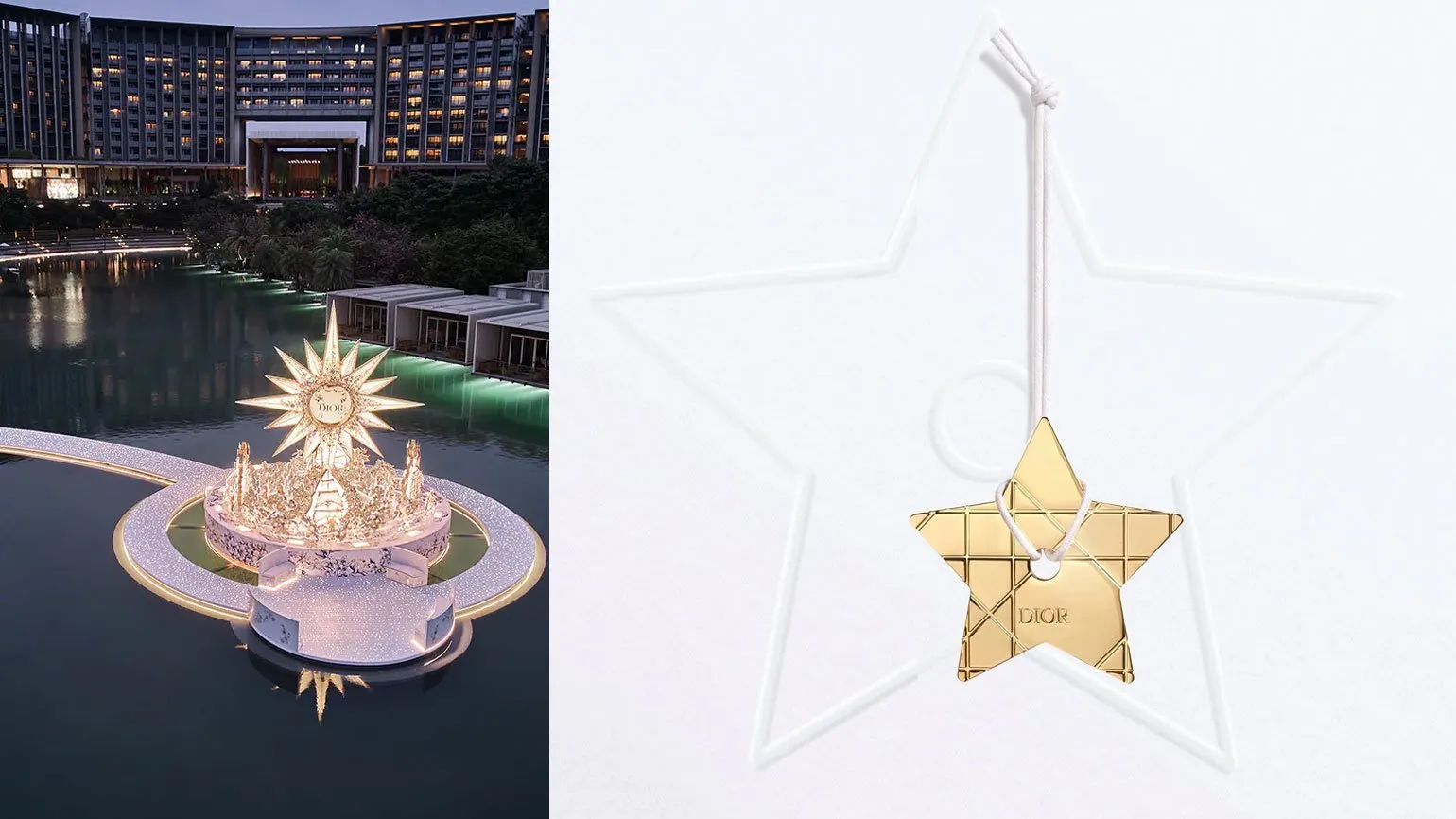
The star symbol has a simple origin. Since ancient times, people have depicted the stars they observed in the night sky in various interpretations. As culture developed, the number of points on the star acquired deep symbolic significance, reflecting aspects of human life and beliefs.
In China, the pentagram served as a symbol of the unity of the five elements, reflecting harmony and balance in nature. The triangular star represents eternity and infinity, denoting the cyclical nature of life. The six-pointed Star of David, an important Jewish religious symbol, symbolizes the struggle between spirit and matter, emphasizing the need for inner balance. These symbols are deeply rooted in cultural and religious traditions, and their meanings continue to be relevant today.
Lamp
An idea is a concept that is difficult to visualize. To make this abstract concept easier to understand, a symbol was created – the light bulb. This image has become a universal sign of inspiration and creativity, associated with moments of insight and new thoughts. The light bulb represents the process of generating ideas and implementing them, making it an important element in the world of innovation and creativity.

Read also:
Anglepoise Lamp: Design History
The Anglepoise lamp is more than just a light source; it's a true design icon that combines functionality and aesthetics. Created in 1932 by British engineer David Knighton, it has become a symbol of modern industrial design. Its unique design with a balancing mechanism allows you to adjust the angle and height, providing optimal lighting.
The Anglepoise was conceived as a task lamp, and its versatile style quickly gained popularity. Over time, it has found application not only in offices but also in residential interiors, making it a true classic. Its recognizable silhouette and variety of colors make the lamp an ideal decorative element for any space.
Modern versions of the Anglepoise maintain the traditions of the original, while introducing new technologies and materials. This allows them to meet the needs of today's users, providing more efficient lighting and energy savings. The Anglepoise lamp remains relevant and in demand, continuing to inspire designers and interior enthusiasts around the world.
The history of the Anglepoise lamp is an example of how a functional product can become a true work of art. Its influence on design and culture cannot be overstated, and it continues to be a symbol of elegance and innovation in the world of lighting.
The fashion for lamps as a symbol of enlightenment appeared in the early 20th century thanks to the American cartoon about Felix the Cat. In this cartoon, the character did not speak, so his thoughts were illustrated visually: various images appeared above Felix's head, including a lamp. This artistic device has become popular and symbolizes creativity and inspiration. The lamp, as a design element and light source, continues to be associated with ideas and new discoveries, a theme that is also relevant in contemporary art and culture.
This device has become an effective metaphor for intellectual thought. Later, his concept was used in numerous cartoons and comics, and is currently finding application in design.
Learn more about design on our Telegram channel. Subscribe to stay up-to-date with interesting content and the latest trends in the design world.
Read also:
- What does a square mean?
- Sign and meaning: about a circle.
- What color can do.
- What is a visual metaphor.
- Sketching for beginners: why is drawing skills important for both managers and designers?
Graphic Designer PRO Profession
You'll learn how to create branding elements and graphics for your business. You'll build a portfolio that reflects your style and demonstrates your design skills. You can begin a career in a studio or as a freelancer.
Find out more