
Contents:

Thinking about a new profession, but don't know where to start? Find out what suits you: IT, design, game development, management or marketing. Take a free career guidance course.
Learn moreThis article will introduce you to the main aspects of the topic we will cover. We will discuss in detail the key points important for understanding and applying in practice. Discover how this knowledge can be useful in your work and everyday life. Join us for a deep dive into the topic and get up-to-date information.
- What is self-irony?
- Self-enhancing humor - what distinguishes it?
- Self-deprecating humor - how to define it?
- Self-irony and self-deprecation - what's the difference?
- How to learn to joke about yourself without humiliation.

Clinical psychologist and author of the popular Telegram channel "Psychologist Writes...," where he shares helpful tips and information about psychology. On his channel, he discusses various aspects of mental health, offers strategies for managing emotions, and helps people better understand themselves and others. By subscribing to the channel, you will gain access to valuable materials that will help you cope with life's challenges and develop personal growth.
We have launched the Telegram channel "How Are You?", where we share useful information about self-development, psychology, and effective learning methods. Our content will help you build a successful career at any age. Join us and receive relevant tips and recommendations. Subscribe to our channel to stay up-to-date with new content!
What is self-irony?
Self-irony is the ability to recognize and accept your shortcomings, imperfections, and limitations, and to express your attitude toward them through humor. This character trait not only helps you accept criticism more easily but also develops emotional stability. Self-irony helps improve relationships with others, as it helps create an atmosphere of trust and understanding. People who possess self-irony are often perceived as more open and sincere, which makes them more attractive in social interactions.
Modern research confirms that self-irony is one of the key qualities of mature individuals. People who possess self-irony are able to better understand not only themselves but also others. They know how to monitor their emotions, express them appropriately, and be critical of their actions and thoughts. These qualities contribute to the development of emotional intelligence, making them more adaptable in social interactions and helping build harmonious relationships. The ability to laugh at oneself and joke is generally considered a positive quality. However, the expression of humor and self-criticism can vary from person to person. Each of us has a unique approach to self-irony and humor, which makes communication more varied and interesting. The ability to self-irony can contribute to improved interpersonal relationships, as it helps defuse tense situations and create an atmosphere of trust. Research shows that there are four main types of humor. Each has its own characteristics and ways of influencing the audience. The first type of humor is irony, which allows one to express the opposite of what is actually meant. The second type is sarcasm, which is sharper and often aimed at criticism. The third type of humor is parody, which uses elements of imitation to create a comic effect. The fourth type is absurd humor, which is based on ridiculous and unexpected situations. Understanding these types of humor can help you better perceive comic works and find common ground with different audiences.
- Associative (affiliative);
- Aggressive;
- Self-enhancing;
- Self-deprecating.
Associative (affiliative) humor is often used to create a positive atmosphere, lift the mood, and relieve tension, which promotes closer rapprochement with others. In contrast, aggressive humor is not focused on the audience's reaction and often includes sarcasm and insults, which can evoke negative emotions and cause offense. Understanding these types of humor is important for successful communication and building healthy relationships with people.
Let's take a closer look at the last two types of humor, which are always focused on the author of the joke. Although the difference between them may seem minor, it still exists.

Rework the text, keeping the main theme and avoiding unnecessary details. Optimize it for SEO and, if necessary, add useful information. Exclude emoticons and unnecessary symbols. Avoid structuring your text into points or sections.
Read also:
A sense of humor is the ability to perceive and create comic situations, as well as the ability to laugh at yourself and the world around you. It plays an important role in social life, helps strengthen relationships, and helps cope with stress. Developing a sense of humor can significantly improve the quality of life, making communication easier and more enjoyable.
You can use various methods to develop a sense of humor. Reading comedic literature, watching humorous films and shows, and participating in stand-up comedy nights or classes can all help in this process. It is also important to practice observation and find humor in everyday life.
A sense of humor helps not only in communication but also in solving life's difficulties. It allows you to look at problems from a different perspective, find creative solutions, and ease stressful situations. Developing this quality can be the key to harmony in your personal and professional life.
Self-enhancing humor—what distinguishes it?
At the end of "The Golden Calf," Ostap Bender faces a serious setback when he is detained by border guards, and his plan to leave the country with a million fails. The master schemer realizes that his only option is to move into the housing and utilities sector: "No need for applause! I'm no Count of Monte Cristo. I'll have to retrain as a housing manager." It's clear that the hero is experiencing frustration and anxiety. To cope with the stress, he tries to turn the situation into a joke and find positive aspects, instead of plunging into self-criticism or despair. This approach helps him maintain inner peace and improve his mood.
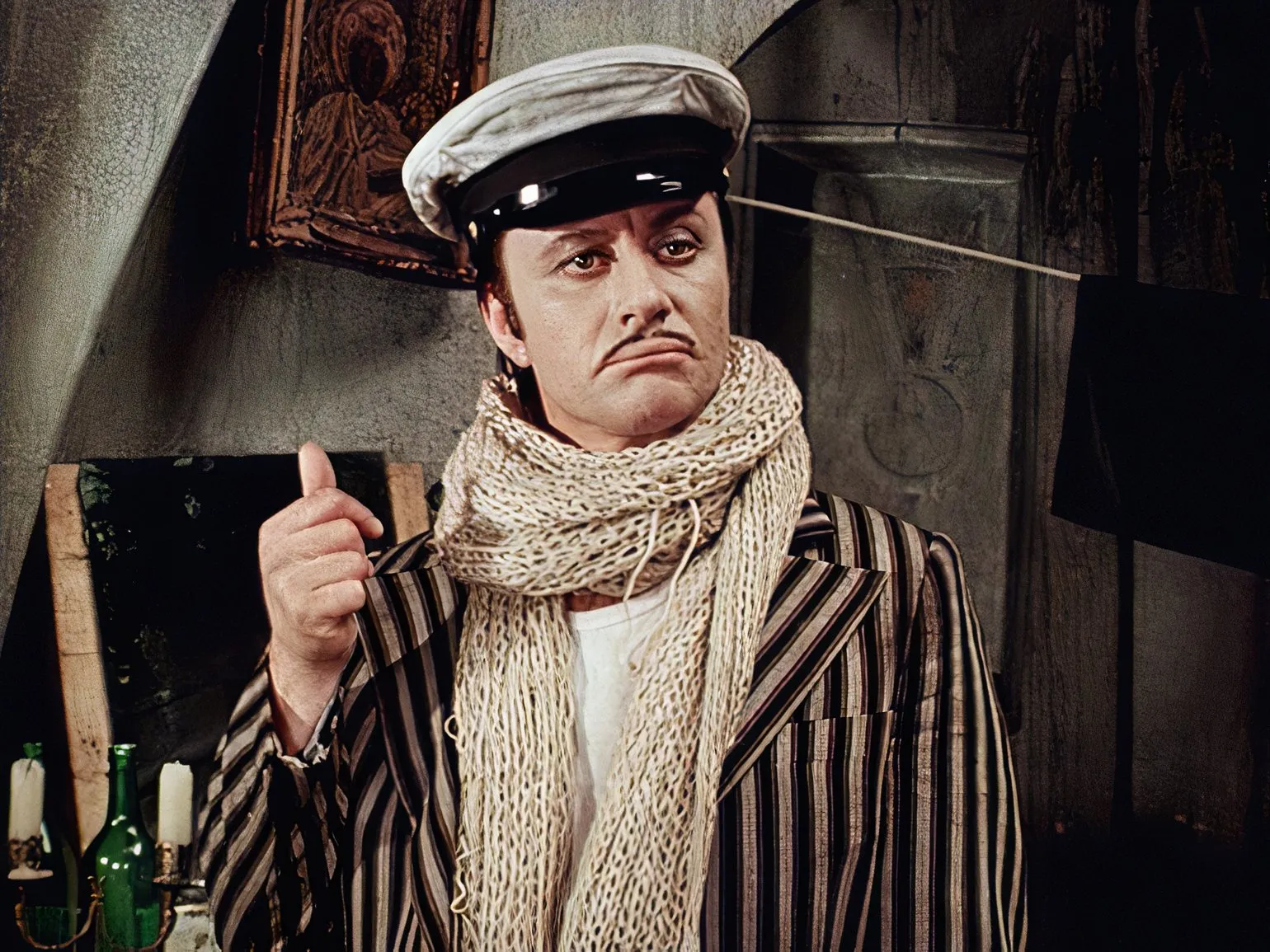
A modern example illustrates the theme of self-enhancing humor. Vera Kotelnikova, a famous stand-up artist, noted in one of her performances: "I am a terribly absent-minded person. "I recently lost my phone and went looking for it on the street, but instead I found my passport." This type of humor demonstrates not only wit but also a person's ability to cope with difficult situations. A sense of humor in this context is a sign of psychological health and maturity, serving as one of the most effective defense mechanisms. Friendly and harmless jokes speak to our self-confidence: "I am aware of my shortcomings and can easily laugh at myself without hurting myself. And you can do it too." This approach contributes to a positive atmosphere and strengthens relationships with others, allowing people to feel more comfortable in social situations. Laughing at yourself is a sign of strength and openness, which helps develop emotional resilience and improves your overall outlook on life. Research shows that self-enhancing humor has a positive impact on psychological health and contributes to an improved emotional state. It helps cope with stress, increases happiness, and strengthens social connections. Using humor during difficult times helps people better understand life's challenges and find positive aspects in difficult situations. Furthermore, self-enhancing humor can help develop resilience to negative emotions and improve overall quality of life.
- Develop a positive mindset. An optimistic outlook on life makes it easier to cope with difficulties, troubles, and stress, and to openly express joy and gratitude.
- Maintain healthy self-esteem. The more often we joke kindly, the higher we value ourselves, and vice versa.
- Strengthen and maintain social connections. When we joke about ourselves without malice, it helps us "build bridges." People around us understand that they can behave naturally in our company and feel comfortable.
- Reduce stress and anxiety. Let's say you're a little nervous before a meeting with a potential business partner. Try joking about it in a dialogue with a friend, season it all with a meme, and voila - you will soon feel the tension in your body decrease or disappear altogether.
- Better understand other people. Joking about yourself is impossible without acknowledging your own shortcomings. By highlighting our own weaknesses, character traits, or appearance, we seem to give others the opportunity to display the same qualities, to be whoever they want, and not to judge any imperfections.
- Prevent others from making mean and hurtful jokes. You don't have to respond seriously to insults and attempts to humiliate. Take the example of the good soldier Schweik, who calmly replied to his opponents: "Yes, I'm an idiot!" An ironic attitude towards himself helped him maintain his self-esteem.
Self-deprecating humor - how to define it?
We all have friends or relatives whose vocal skills leave much to be desired. Imagine a situation where such a person is seriously worried about their singing. Instead of humoring his shortcoming, he bitterly declares, "My voice is so terrible that when I sing, my neighbors' windows close by themselves."
What's wrong with this joke? The tone of the phrase suggests the person is mocking their vocal skills, overly criticizing themselves. Research shows that this type of humor can be classified as self-deprecating. It is often associated with attempts at illusory solutions to problems or avoiding them. In some cases, this may be associated with mental disorders such as anxiety and depression.

This type of humor can negatively affect self-esteem, life satisfaction, and overall psychological health. This type of humor is often referred to as self-deprecating. It can lead to decreased self-confidence and a negative perception of the world around us. It's important to recognize that such jokes can be destructive and have a long-lasting impact on a person's mental state. Avoiding self-deprecating humor and choosing a more constructive approach to humor can significantly improve quality of life and psychological well-being. If you observe that a person not only makes cruel jokes about themselves but also frequently makes mean jokes about others, this may indicate a subconscious desire for self-affirmation. People who use self-deprecating jokes often do so to attract attention, conceal their insecurities, or boost their self-esteem. Such jokes can be a defensive response to internal fears and insecurities. Furthermore, such behavior can serve as a means of communication, allowing a person to connect with others through humor, even if this humor sometimes borders on offensive. Understanding such mechanisms is important for analyzing social interactions and can help improve relationships with others.
- hide or suppress negative feelings, especially guilt, anger, and rage;
- to please other people;
- mask self-doubt and low self-esteem;
- appear calm about their shortcomings, although in fact this is not the case;
- build emotional defenses to avoid feeling vulnerable.
Read also:
Self-flagellation: What It Is and How to Stop
Self-flagellation is the process of negatively evaluating oneself, which can manifest itself in constant self-criticism, derogatory thoughts, and feelings of guilt. This condition can significantly worsen the quality of life, lower self-esteem, and lead to depression.
To stop self-flagellation, it is important to understand its nature and impact on mental health. The first step is acknowledging your negative thoughts and realizing that they do not reflect reality. The practice of journaling can help identify recurring thinking patterns and recognize their destructive impact.
It is also helpful to replace self-criticism with a constructive approach to self-improvement. Instead of focusing on mistakes, it is worth emphasizing achievements and positive qualities. Support from friends and family, as well as working with a psychologist, can greatly assist this process.
It's important to remember that everyone has the right to make mistakes and shortcomings. Accepting yourself and your shortcomings is the key to overcoming self-blame. Instead of judging yourself, learn to treat yourself with understanding and kindness.
Self-irony and self-deprecation — what's the difference?
- Autoaggression. When a person makes fun of himself in a good-natured way, he doesn't feel the desire to "attack" himself. Self-deprecation, on the contrary, contains a negative attitude towards himself — anger, discontent, irritation.
- Self-acceptance. A person who makes fun of himself accepts his shortcomings and isn't angry with himself because of them. "That's the kind of person I am!" — that's how comedians often end their jokes. This means that they accept themselves as they are.
- Internal experiences. A kind joke about yourself always improves your mood and relieves tension. Self-deprecation leads to a deterioration in the emotional state: sadness, helplessness, anger, bitterness, shame, and other similar feelings arise or intensify.
- Attitude of others. In response to a well-intentioned joke, people laugh, and the conversation flows easily. People generally don't support self-deprecating humor. Such a joke can cause awkwardness. And even if they do support it, it creates a tense atmosphere.
How to Learn to Joke with Self-Respect
Developing self-irony requires constant practice and discipline. To learn to joke about yourself and develop a good-natured attitude towards yourself, follow these recommendations. First of all, it's important to recognize your shortcomings and perceive them with humor. Reflect on your mistakes as opportunities for growth and self-development. Regularly practice positive self-talk, replacing criticism with kind words. Communicating with people who have a sense of humor also helps improve self-irony. Don't forget the importance of accepting yourself, including your weaknesses and shortcomings. Gradually, you will learn to perceive yourself with ease and irony, which will make your life more joyful and harmonious.
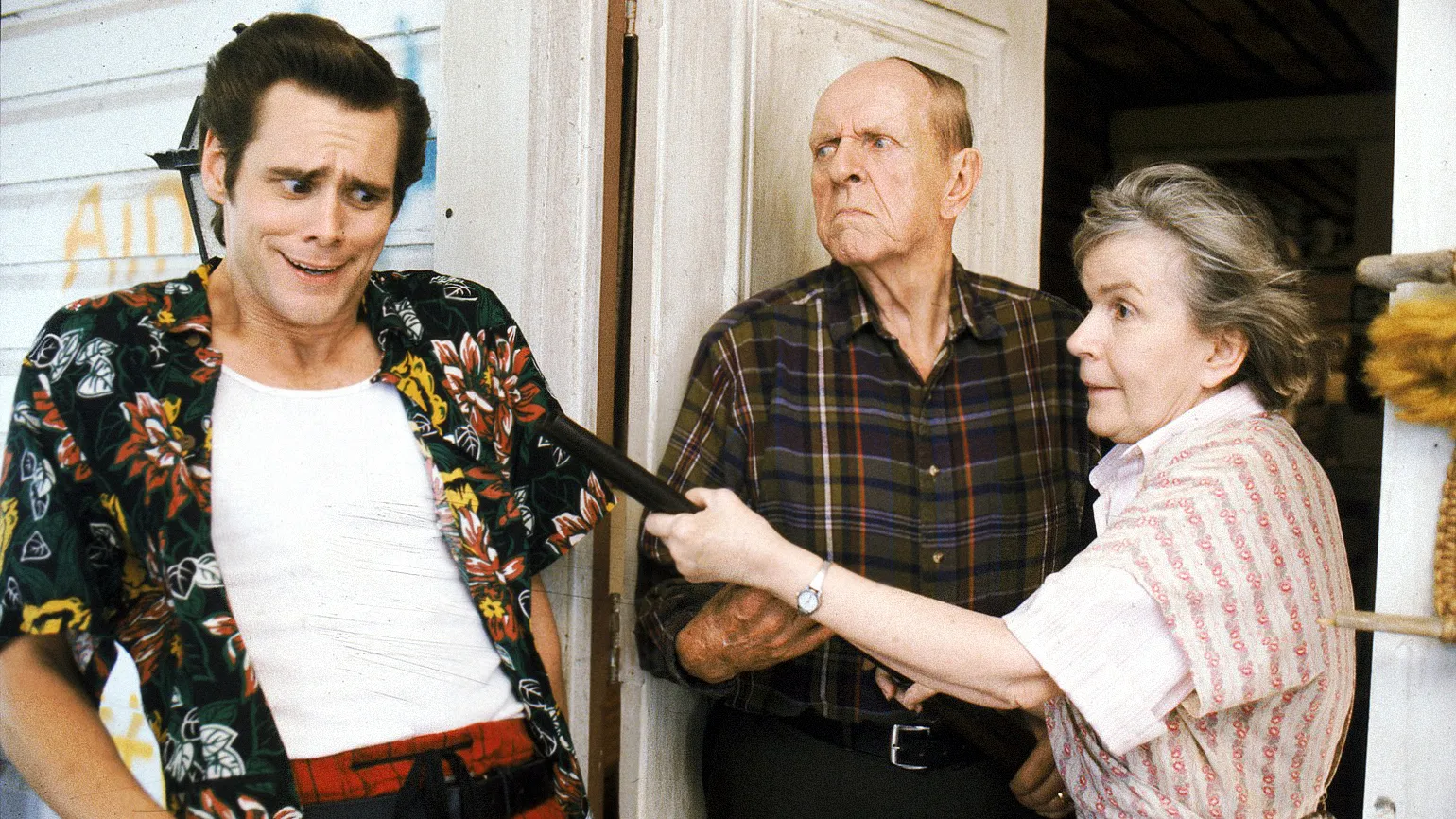
- Explore yourself. Write down on a piece of paper all the traits, characteristics, and qualities you dislike about yourself. Then, honestly write down the words you use to criticize yourself and what you don't accept about yourself. This list is an excellent direction for self-improvement. Look for advantages in what you usually consider your shortcomings, or even better, recall specific situations in which they helped you. For example, being of average height allows you to comfortably fit on a train berth, and wavy hair doesn't need to be washed every day.
- Exercise your associative thinking, imagination, and creativity. Take well-known proverbs and try paraphrasing them. Come up with several unconventional uses for your favorite mug. Reward yourself with something small but valuable for new ideas: a trip to the cinema or an exhibition, a new diary, or something tasty. Walk more and watch people.
- Believe in your ability to be funny. If you consider yourself capable of making fun of yourself, others are more likely to do so too.
- Read books and watch stand-up comedy. Analyze why a particular joke is funny and what meanings it conveys. Try adding your own twist to existing jokes. To do this, you can transfer the subject of the joke to a different context, setting, or even era. Later, this technique will help you simulate situations for your own jokes. Don't be afraid to fantasize in the format of "What if..." Seek inspiration from recognized masters - the range of choice is quite wide. Among American stand-up comedians, Louis C.K. and George Carlin are considered cult, and among Russian ones, Evgeny Chebatkov, Yulia Akhmedova, Irina Myagkova, and others. Fiction also offers examples of self-irony: Chekhov, Averchenko, Zoshchenko, Teffi, Ilf and Petrov, Mark Twain, Woody Allen, O. Henry.
- Observe. Pay closer attention to what's going on around you. You'll quickly begin to notice that absurd, bizarre, ironic, and hilarious things are happening literally around every corner.
Personal therapy with a qualified psychologist is a key way to achieve significant results in self-improvement. Seeking professional help allows you to gain a deeper understanding of your emotions and behavioral patterns, as well as develop effective strategies for solving personal problems. Psychological help not only improves the psycho-emotional state, but also develops the skills necessary for a harmonious life.
Free career guidance
Take a short test and find out which profession is right for you, and then try your hand at your chosen specialty. At the end of the course, you will have a session with a career guidance specialist. It will help you decide on your career path.
Find out more