
Contents:

The Product Director of True Education is responsible for the strategic management and development of educational products. His task is to analyze user needs, create and implement innovative solutions, and optimize product-related processes. Important aspects of the Product Director's work include market research, interaction with the development and marketing team, and the continuous improvement of educational programs. Effective leadership and the ability to adapt to changes in the educational environment allow True Education to remain competitive and offer high-quality learning solutions.
Online learning can learn a lot from marketing, as both fields strive to attract user attention and influence their behavior. While marketing's primary goal is to make a purchase, education focuses on changing learner behavior. The key is not only to get a person to complete a course but also to maintain their motivation and focus on the learning process. Effective marketing strategies, such as creating engaging content, using personalized approaches, and analyzing user behavior, can significantly increase engagement and success rates in online learning.
If course engagement mechanics based on educational methods prove insufficient, it makes sense to supplement them with marketing tools. In this article, I will discuss three such tools that, in my experience, contribute to creating engaging learning. These methods will not only help increase interest in the course but also improve learning outcomes, making it more effective and memorable.
Situational Marketing Techniques
During the development of an educational program, you likely create a Learning Journey Map (LJM). This tool, borrowed from marketing, is known as a Customer Journey Map (CJM). With the help of the LJM, you can plan ways to engage participants in the educational program, as well as note key moments related to changes in learner motivation. This approach allows you to more accurately understand the needs of learners and adapt the course content to improve its effectiveness.
The LJM is only a forecast, and the situation can change at any time. Participants may not like a certain activity, or unforeseen events, such as a pandemic, military conflicts, or global economic crises, may occur. There's also the potential for unscheduled loads to arise, which can cause participants to lose interest in your course. In such cases, it's important to employ marketing and a situational approach that allows you to adapt to changing conditions and maintain audience interest. This will help you respond effectively to challenges and keep your educational offering relevant.
Situational marketing is a strategy based on using relevant news events to attract attention to a product. The main advantage of this approach is that the audience is already in the context of current events, significantly increasing their likelihood of responding to relevant messages. Using situational marketing, brands can effectively engage with consumers without wasting time on pre-warming the audience. This allows you to create relevant and attractive content that generates interest and helps increase sales.
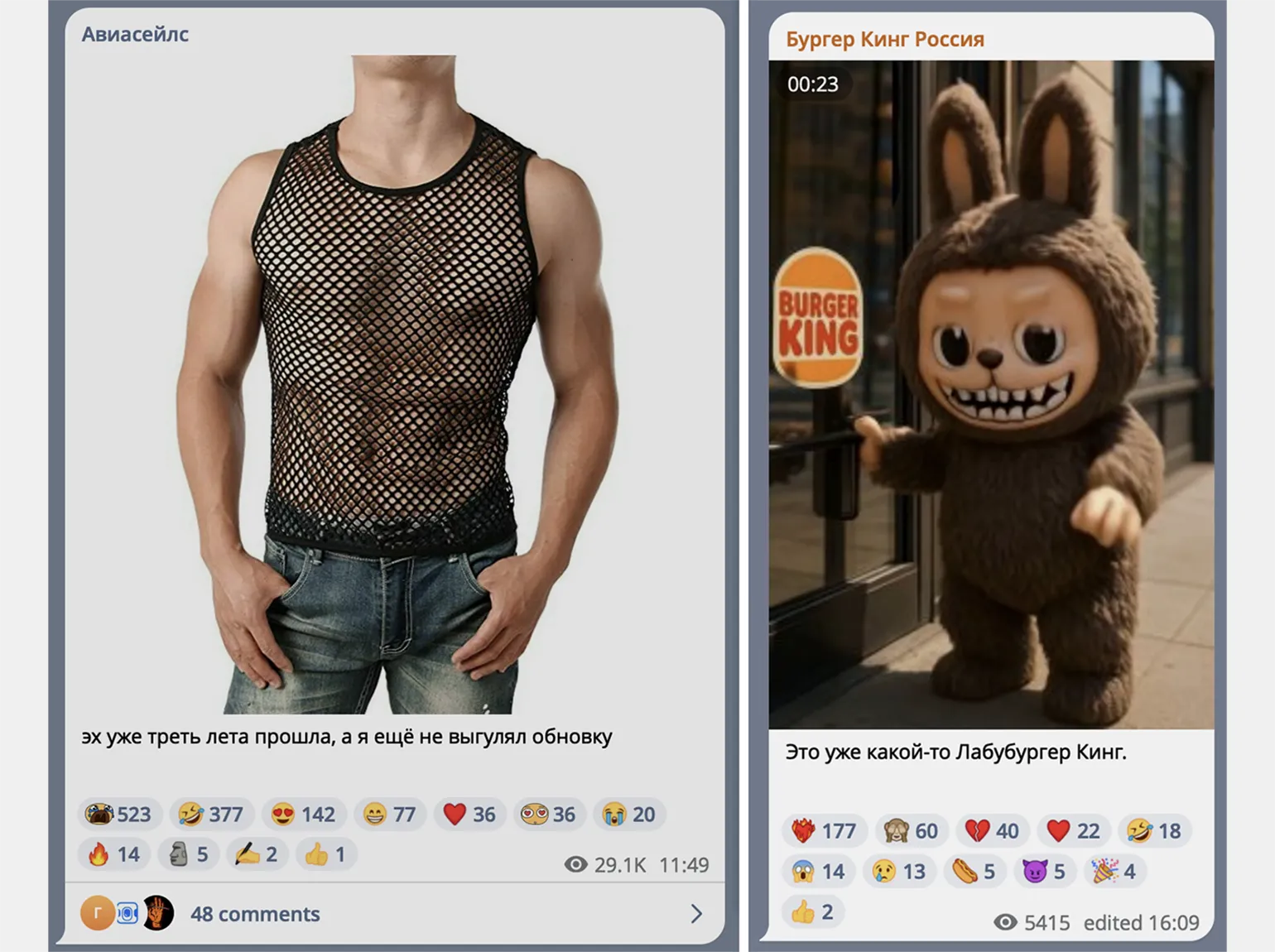
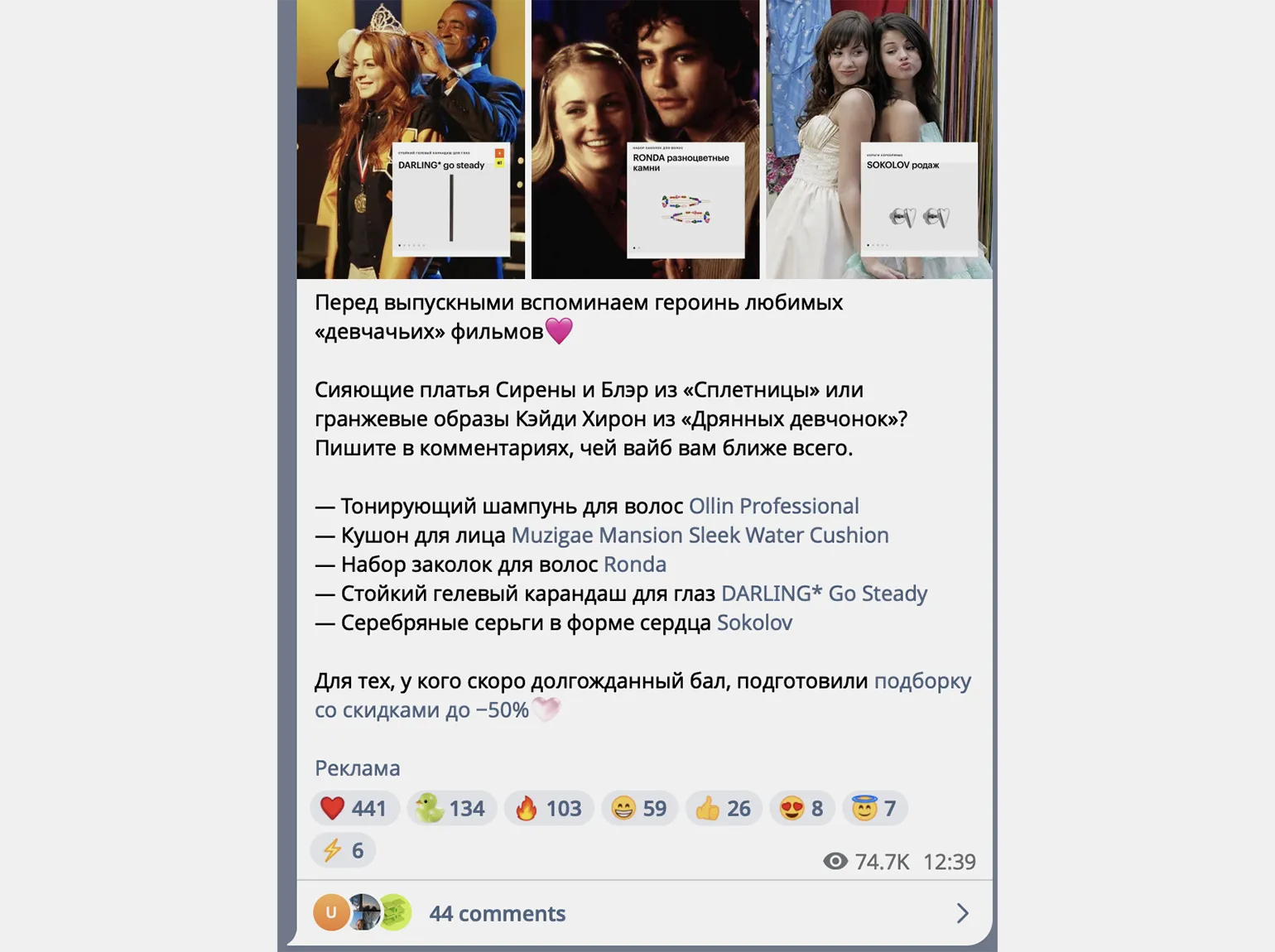
The optimal space for situational engagement is a learning community on social media. It's important to regularly publish posts that reference current events and newsworthy topics. This not only increases interest in the content but also encourages interaction with community members. Utilizing current trends and current topics helps create a more vibrant and dynamic atmosphere, which in turn can increase user engagement and activity. This approach allows the educational community to stay relevant and attract new audiences.
- events happening in the world (the Met Gala, the Oscars, the first commercial space flight, etc.) and in the company (for example, the company's birthday, the transition to an electronic document management system, or any other notable and positive news);
- holidays;
- resonant events in the world of pop culture;
- social media trends.
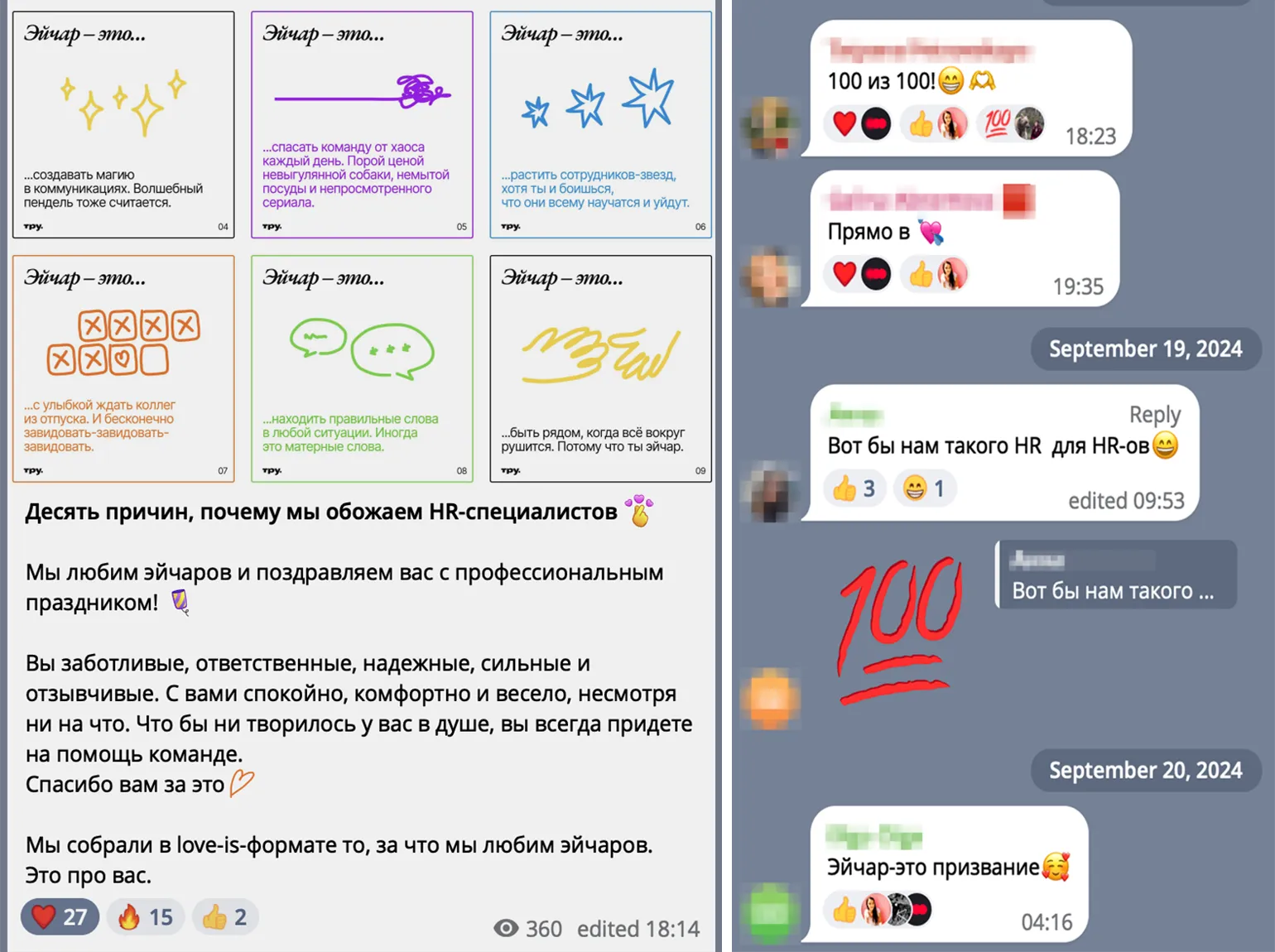
In the chat of the HR Business Academy course for MTS, we created cards dedicated to HR Manager Day. This solution allowed us to establish closer contact with the audience and divert attention from complex expert content, offering something simpler and more understandable. As a result, we received many positive reactions and comments, confirming the effectiveness of this approach in working with participants.
To effectively use situational techniques, you need to deeply understand your audience, capture their mood, track current trends, and be able to quickly adapt to them. In-depth analysis of target audience preferences and constant monitoring of changes in their interests will help create content that resonates with current needs and expectations. A quick response to emerging trends will not only retain attention but also build trust in your brand.
Signs that you need to activate your audience through situational engagement include the following: lack of interest from participants, decreased activity in discussions, monotonous responses, and a lack of questions. If you notice that your audience is losing interest in your content, this is a signal to use engagement methods. Situational engagement helps create a dynamic of communication, awakens curiosity, and promotes deeper interaction. Using this approach, you can significantly increase the level of engagement and interest in your material.
- Activity in the educational community has decreased. If you've noticed a decline in the number of reactions and comments in the training chat, it's time to incorporate lighter formats into your training content.
- The quality of homework assignments has declined, as has their quantity. If you receive fewer and fewer assignments to check with each week of training, and the level of results is declining, it's likely that your audience is tired and needs additional engagement.
- Negative feedback has arrived from training participants. The easiest way to find out how your audience is feeling is to ask them. It's helpful to launch a feedback survey and find out how participants perceive the training materials and lessons, and what they're missing. If motivation and engagement are lacking, you know what to do.
Simply asking your audience's opinion isn't enough; you also need to respond to it. This is an example of situational engagement, which involves assessing the current mood of your audience and taking appropriate action. It's important not only to collect information but also to adapt your strategy based on the data obtained in order to effectively engage with your target audience and increase their satisfaction. Responding to audience feedback builds trust and loyalty, which ultimately drives business growth.
During the MTS course, after the first two weeks of training, we began receiving a variety of feedback. Some students felt there was too much theoretical material, while others felt it was lacking. We took this into account and explained how the program is structured, as well as what changes will be made based on feedback from students.

After implementing the requested changes, we received positive feedback from participants. Collecting feedback to improve the program and being prepared to make decisions based on the feedback received is crucial. This allows participants to feel heard, which, in turn, significantly increases their engagement and the overall NPS score. Actively engaging with the audience and taking their opinions into account contribute to a more effective program and builds trust in it.
Humor, pop culture references, and examples from the world of students
Humor in marketing has proven to be highly effective. According to Oracle, 91% of consumers prefer brands that use humor in their communication with the audience. Additional research confirms that humorous elements in marketing campaigns increase brand attention and contribute to improving its recognition. The use of humor can be a powerful tool for creating a positive image and establishing trust with customers.
Humor plays a key role in learning. Research shows that humor associated with the learning process significantly increases student motivation and interest. It also helps reduce stress and anxiety, while creating a positive atmosphere. The positive emotions evoked by humor contribute to better retention of information, as people more easily absorb emotionally charged events. A similar effect is observed with examples that are relatable to students' experiences. Using humor and relevant examples in teaching can significantly improve results and make the process more engaging.

Reworked text:
Be sure to check out the additional materials:
Humor in serious courses can Humor can be very beneficial. It creates a more relaxed atmosphere, which helps students absorb information better. Introducing humor into the educational process can reduce stress and increase motivation.
To use humor methodically and effectively, it is necessary to consider the context and audience. Jokes should be appropriate and relevant to the topic of the lesson. An effective way is to use lighthearted anecdotes or funny examples that illustrate key concepts.
It is important to remember that humor should not distract from the main topic of the course, but, on the contrary, should enhance the perception of the material. The right balance between seriousness and lightheartedness helps make learning more interesting and memorable.
When creating content, it is important to keep in mind that humor is not a universal tool. What makes one person laugh may not evoke the same reaction in others. Inappropriate jokes or pop culture references that are not understood by participants can negatively affect audience engagement and undermine the credibility of the training course. Therefore, it is important to carefully select jokes and humor, focusing on the target audience and context.
Determining which jokes will appeal to your audience requires thorough research. Analyzing your target group's interests and preferences will help you create content that resonates well. Use surveys, study feedback, and analyze popular topics to understand what triggers laughter and interest. This will allow you to tailor your humor and make it more appealing to viewers.
Educational developers often use a method of creating a generalized profile of the participant, known as a persona model. This profile includes socio-demographic characteristics, profession, values, and demotivators, as well as a description of a typical day in the participant's life. This method is useful for understanding the needs of the target audience, especially when choosing a convenient format for interacting with the product. However, it is important to remember that this approach may not take into account the individual characteristics of each participant, which requires more in-depth analysis and additional audience segmentation to improve the effectiveness of the training.
Persona models may not be effective for designing engaging training. It presents a generalized image of the "average" participant, making it impossible to establish an emotional connection with the audience. To create truly engaging content, you need to see real people with their unique needs and interests behind the standard model. This will allow you to develop a more personalized approach to learning, promoting greater engagement and retention.
For successful content creation, it is important to consider not only the pain points and needs of the target audience but also to research their lifestyle. Studying their hobbies, interests, and preferences in popular culture is key. Find out what your audience watches, what they laugh at, their tastes, and their everyday life. These details will help you tailor your learning to the unique characteristics of your participants, making it more engaging and effective. Understanding your target audience's lifestyle will allow you to create content that is not only relevant but also relatable to each participant.
It is important to consider even random comments. For example, during preliminary interviews conducted during the development of the course for Samolet Group employees, participants mentioned their cover band performing songs by "Korol i Shut," and one employee shared that he had a pet fox. These examples fit seamlessly with the course's theme of company values, one of which is the freedom to be oneself. As a result, we integrated these elements into the course, making the material more engaging and relevant to the audience.
We integrated memes featuring characters from popular TV series beloved by our employees into the Yandex Market course content. This idea came up during the interview process, where we found out the team's preferences and interests.

Rework the text, but stay on-topic. Don't add anything extra. Optimize the text for SEO and supplement its content if necessary. Avoid emojis and unnecessary characters. Don't use sections like 1. 2. 3. and *. Just provide plain text.
Read also:
Poste-irony, meta-irony, and post-ironic memes are important concepts in modern internet content. Post-irony is a style in which humor and irony are used to provoke thought, rather than just laughter. It often includes contextual references and multi-layered meanings, making it relevant in an age of information overload.
Meta-irony, on the other hand, examines ironic statements with an awareness of their irony. This approach allows content creators to play with audience expectations, creating deep and meaningful messages. Post-ironic memes, a product of these styles, often use visual and textual elements to convey complex ideas in an easily digestible format. Understanding these concepts helps one better navigate the modern media landscape and analyze content from different angles. Post-irony and meta-irony are becoming important tools for creating original and memorable content that resonates with audiences and generates interest. Neuromarketing This tool for marketers is based on the principles of psychology and neuroscience. It helps analyze how the human brain makes purchasing decisions and what processes occur during interactions with a brand. Using this data, specialists develop effective marketing strategies aimed at increasing sales and attracting attention to the brand. Understanding the psychological aspects of consumer behavior allows us to optimize advertising campaigns and increase their effectiveness.
In its report, the Socialist agency describes the emergence of a culture of "small joys" among Generation Z. Amid global crises, young people are beginning to seek happiness in small things, acquiring various pleasant things and celebrating their small achievements. Experts argue that this phenomenon is linked to the influence of social media, which promotes a rapid release of dopamine—a hormone and neurotransmitter responsible for feelings of pleasure and reward. This new trend emphasizes the importance of emotional well-being and the desire of young people to find joy in simple things.
Brands are actively using the concept of small joys to attract customers. For example, the grocery delivery app Samokat has a section called "Small Joys." This section includes various desserts, such as cakes and chocolates, as well as personal care products. This approach allows brands not only to diversify their product range but also to create positive emotions in customers, which contributes to increased loyalty to the product and brand as a whole. Neuromarketing has proven itself to be an effective tool for developing engaging learning experiences. In our research, we identified five key hormones and neurotransmitters that can be used to stimulate their action. These biochemicals play a vital role in shaping emotions and motivation, making them useful in educational processes. Using neuromarketing methods can significantly increase learner engagement, improve learning, and create a more productive learning environment.
- Serotonin, often called the "happiness hormone," is associated with positive social interactions and feelings of recognition and respect from others. To activate its production, it's helpful to show people the benefits of completing a course and celebrate their successes.
- Dopamine is also responsible for pleasant sensations and encourages actions that evoke these sensations (as if anticipating future pleasure). Therefore, it motivates people to continue moving toward goals and is associated with the expectation of reward. To leverage this hormone, it's worth adding gamification elements to training, regularly "rewarding" the audience with positive feedback, and introducing vivid storytelling to keep students excited about the rest of the story.
- Cortisol mobilizes the body's resources to cope with a dangerous or stressful situation. In learning, short-term stress (as opposed to long-term, chronic stress) can be beneficial, primarily for memorizing information. Therefore, cortisol production can be stimulated from time to time by offering students challenging tasks and strict deadlines. Oxytocin, on the other hand, promotes relaxation and reduces anxiety, and it also helps people form social bonds. To utilize this hormone in learning, it's important to create conditions for personal interaction between participants, the exchange of experiences, and mutual support. Endorphin also combats the effects of stress, creating an emotional uplift, bringing a feeling of pleasure and euphoria. Its production during learning can be facilitated by humor and lively informal communication. Understanding the functions of hormones and neurotransmitters allows us to effectively manage participant engagement in the educational process, as well as set the desired rhythm and dynamics of learning. This knowledge helps create a more productive and motivating atmosphere, promoting better information absorption and increased interest in the educational material. Optimizing these processes can significantly improve learning outcomes and participant skill development.
We actively incorporate a "serial" element into our courses, presenting educational material in episodes. Using storytelling in an accessible and engaging style, we select characters that reflect the students' real lives. This approach promotes the release of dopamine and endorphins, creating a sense of anticipation and engagement in the audience ("What will happen next?"). Thus, interest in the course is maintained throughout the entire training, which increases its effectiveness and participant engagement.

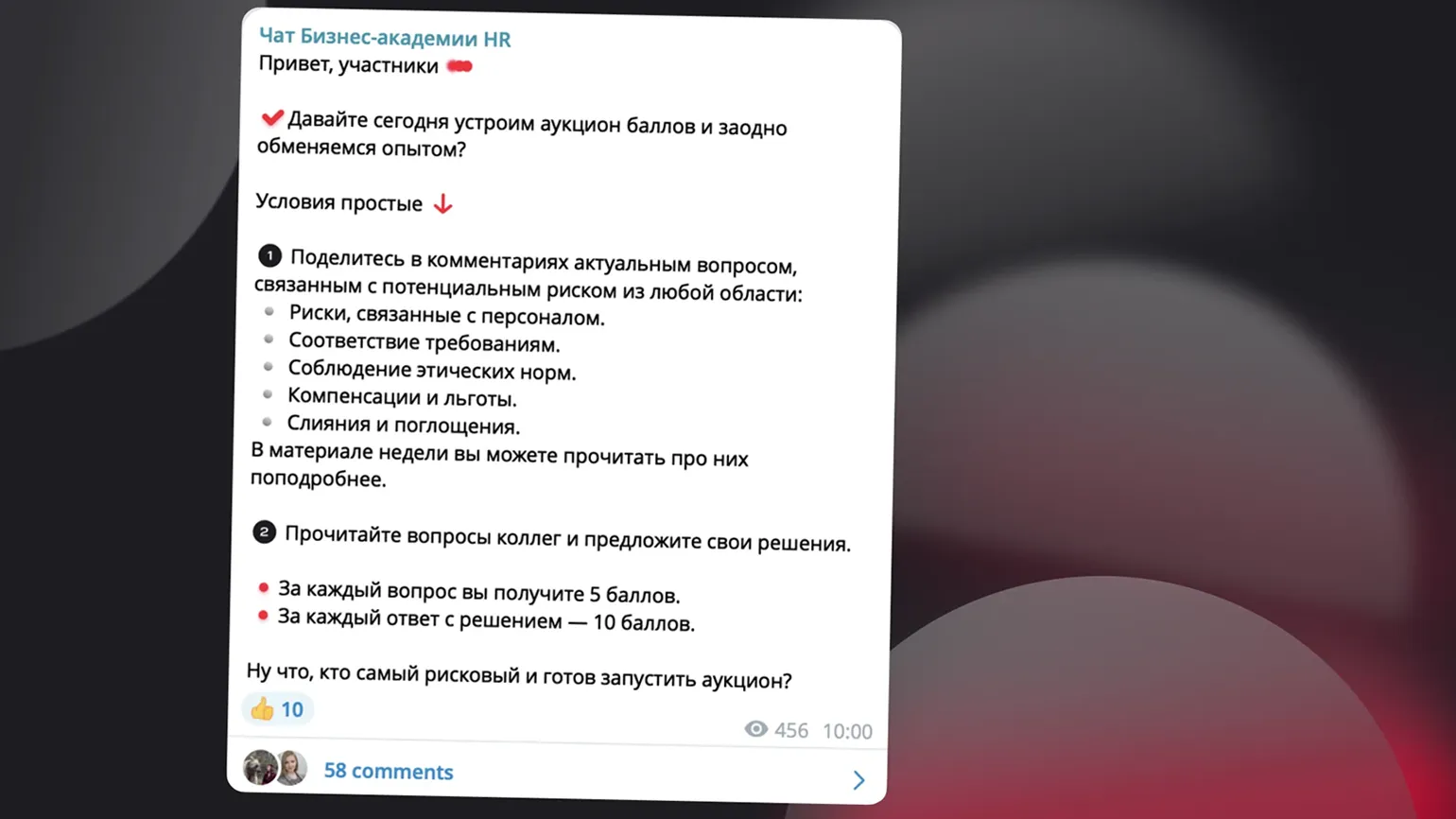
Clients often express a need to create a community of professionals alongside their training. To achieve this, we activate oxytocin, a hormone that promotes stronger social bonds and fosters feelings of attachment. An effective way to achieve this is through active learning chats, as was done in the MTS course. In this course, we used several methods to promote interaction between participants, one of which was a "points auction." This approach involves participants earning points by asking questions of their colleagues and answering questions from other participants. This format of communication helps to establish interaction, support each other and share experiences, which in turn contributes to the creation of a close-knit community of professionals.
A Few Key Tips
- Marketing offers ready-made engagement tools that can be adapted for the educational environment: from situational engagement to working with the emotional background of participants. And they are worth using.
- Plan your LJM engagement methods in advance, but be prepared to flexibly adapt to what happens during the learning process, using a situational approach.
- Use your audience's "cultural code" in your training, familiar references, and humor. But it is very important to do this based on specific data, rather than relying on generalized ideas about the "typical learner."
- Listen and research your audience. This is the main source of ideas for engagement.
- It is useful to use knowledge from neuromarketing: to understand how hormones and neurotransmitters work in the brain in order to build program dynamics and precisely maintain motivation.
Read also:
- 6 engaging microformats for employee training
- How to consider emotions when designing corporate training
- A selection of engaging exercises for adult participants in online training
- How to create engaging training sessions using Yu-Kai Chou's octalization
- The most popular tools for engaging employees in corporate training have been named