Contents:

Practical course: “Management teams"
Find out more
Expert in the field of education and consulting, co-founder of Sunrise Montessori School in Moscow, and also the author of the telegram channel "Sunrise EdCare, a program dedicated to supporting educational institution leaders, actively shares its experience and knowledge, helping to develop and improve educational processes.
Before the start of each new period, whether it's a calendar year for companies or an academic year for educational institutions, it's important to conduct strategic planning. This allows organizations to define goals and objectives in advance and develop ways to achieve them. The need for such planning may also arise mid-year, especially in times of crisis or stagnation, when changes must be made to improve the situation. Strategic planning not only helps adapt to change but also effectively utilize resources, minimizing risks and maximizing opportunities for growth and development.
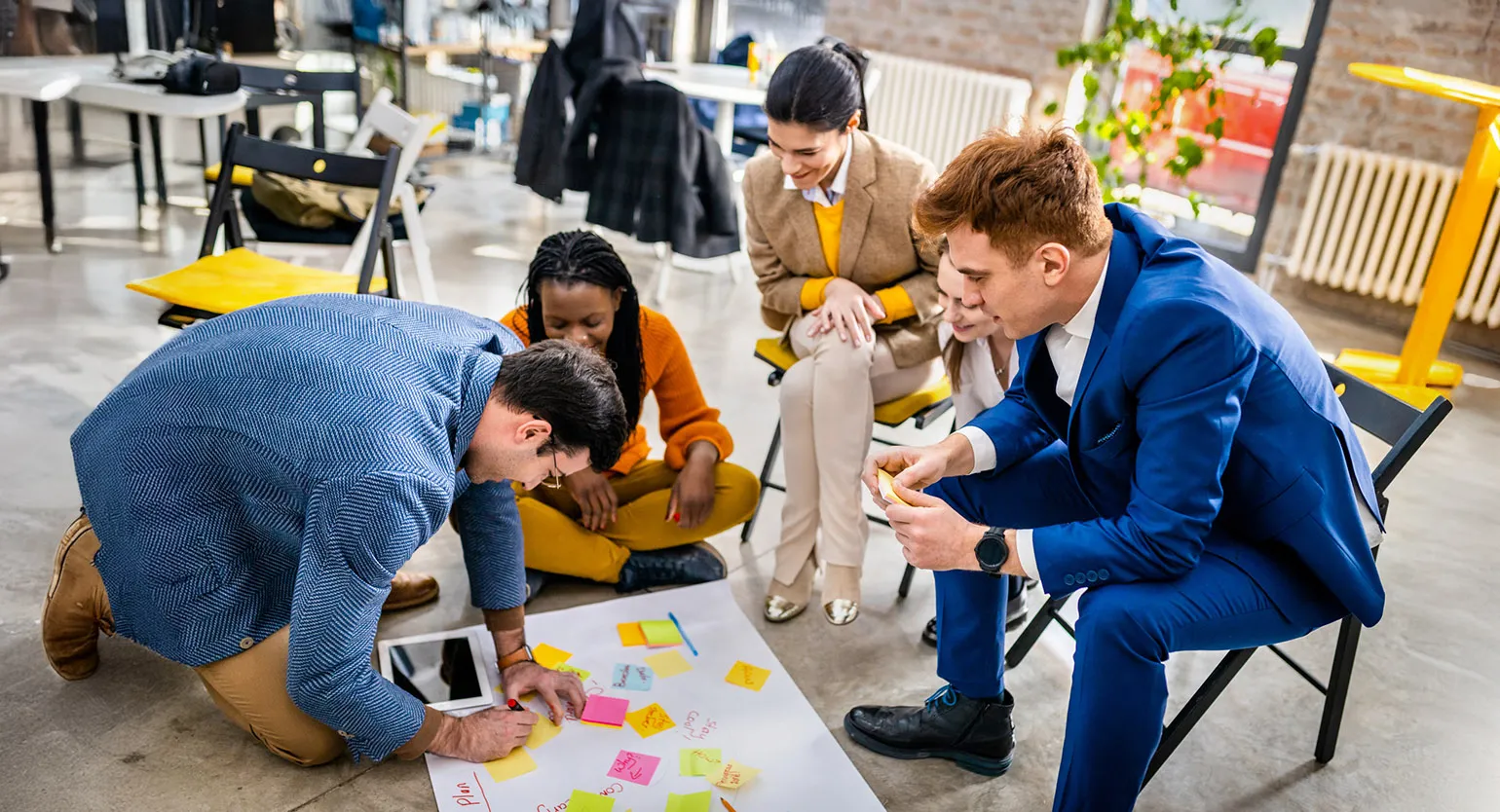
A strategic session is an effective tool for large-scale planning and is suitable for any work team. In this article, we will discuss how to organize a strategic session and its benefits for teams working on educational projects. You will receive a clear mechanism for conducting a strategic session in your team, which will help improve planning and improve work results.
What is a strategic session?
What is a strategic session?
A strategy session is an important meeting of the work team, at which participants discuss the strategic directions of the project development, define goals and ways to achieve them. During the discussion, problems that can hinder the successful implementation of the project are often identified. Removing these obstacles is key to achieving the set goals. A strategy session involves synchronizing opinions, understanding the current situation, reaching agreements, and detailed planning of next steps. An effective strategy session promotes the creation of a shared vision and strengthens team spirit, which significantly increases the chances of successful project implementation.
A strategic session differs from a regular work meeting or conference in the scope of its purpose. It is held for long-term planning. Typically, such sessions are organized at the beginning or end of the calendar year, as well as at the beginning or end of the academic year for educational project teams. However, extraordinary strategic sessions can also be organized if there are significant changes in the external or internal business environment. These meetings allow the team to rethink its strategy and adapt to new conditions, making them an important tool for achieving long-term goals.
Secondly, the strategy session format is distinguished by the opportunity for each team member to offer their ideas. During the discussion, the team selects the best ones and records them for future reference. The meeting follows a pre-established plan and includes specific exercises. The moderator-facilitator ensures equal participation by all team members to avoid duplication of opinions. The main goal of the strategy session is not only to gather ideas but also to reach agreement, which allows for the development of a specific action plan.
Let's examine these two aspects in more detail.
A strategic session, as its name suggests, is associated with long-term planning. A strategy isn't limited to immediate objectives; it's a plan for a year or more. The primary goal of a strategic session is to define the current situation (point A) and outline desired future results (point B). This approach allows organizations not only to evaluate their achievements but also to develop a clear path to achieving their goals. An effectively conducted strategic session helps lay the foundation for the successful development and implementation of business strategies. Examples of possible "point Bs" include: achieving goals, improving financial situation, career development, improving health, creating harmonious relationships, acquiring new knowledge and skills, and finding inner peace and happiness. Each of these points represents a result a person strives for and serves as an important guide in their life. Defining your "Point B" allows you to focus on important aspects and develop a clear action plan to achieve them.
- We want to double our income.
- We want to enter another country's market.
- We are planning to launch a new line of products or services.
- We want to scale up or launch a franchise.
Specific goals help focus the team's efforts and form a clear strategy for achieving results. Clearly defining tasks helps avoid uncertainty and directs the team to effectively achieve their goals.
A strategy session is a collective process that involves not only the manager and coach, but the entire team. To achieve the intended "Point B", it is important that all team members have a common vision and understanding of the current situation. Joint discussion and creativity create a stronger vision than a directive approach in which the team simply follows management's instructions. This process helps increase team engagement and forms a more sustainable strategy for achieving goals.

At first glance, it may It might seem that in a small team of friends and family members who frequently participate in private educational projects, everyone is already on the same page. However, this is a misconception. I want to explain why regular strategy sessions are essential. Even in a close group, it is important to gather periodically to discuss goals, plans, and work methods. This helps identify hidden problems, improve communication, and create a shared understanding of tasks. Strategy sessions foster team development and increase efficiency by allowing each member to contribute to the overall goal. I have experience working with teams of various sizes, from thousands of people to small groups, including teams of three. It is important to understand that even in a small team, time is needed to establish a common focus and align strategies. In teams of 10-20 people, the diversity of viewpoints becomes even more noticeable. Even in small teams, hidden problems in relationships and communication can arise that hinder a shared understanding and joint movement toward goals. An effective team requires attention to internal interactions to ensure productivity and harmony at work.
A strategic session provides an opportunity to deeply analyze the current situation, define key goals, and develop effective strategies to achieve them. This unique format promotes team collaboration, helps identify the strengths and weaknesses of the business, and assess external threats and opportunities. During the session, participants can exchange ideas, develop a common strategy, and agree on next steps, which contributes to more coordinated work and increased business efficiency. A strategic session is an important tool for shaping the vision and direction of the company's development.
- Synchronization. People begin to speak in a common context, rather than each person talking about their own.
- Not only the specific goals themselves, but also the understanding of these goals by team members. A clear "point B" emerges—where exactly you are going.
- Action plan. People imagine what to do today and tomorrow to get to "point B" in a year.
- Escalation of situations. During the process, underlying conflicts of interest, omissions, and personal tensions often surface. It's better to let these emerge in a constructive environment than to let them fester and fester in the work.
- Emotional team unity—a sense of synchronicity, mutual understanding, and trust. All of this is the foundation of a healthy culture, especially in educational projects, where "people are everything."
The effectiveness of a strategic session directly depends on the size and structure of the team. For small educational projects with up to 30 people, it is recommended to invite all or almost all participants. The optimal number of participants for a successful strategic session is 30-40 people. This number ensures active participation and the exchange of ideas, which is critical to achieving the session's goals.
When selecting employees for mandatory invitation, two key criteria should be considered. First, these are the professional skills and experience that the candidate brings to the team. Second, the ability to work in a team and adapt to the corporate culture is important. These factors will help determine which employees are most valuable for participation in a project or event. By paying attention to these criteria, you can build an effective and productive team.
- By position - we invite those who occupy an important position and influence processes.
- By horizon - we invite those with whom long-term cooperation is planned, who see themselves in the team for the long term.
Application of both criteria in a small team involves almost the entire team. This is a positive aspect, since the more employees participate in the session, the more balanced the decisions made become. A high degree of involvement of each team member in strategy development increases the likelihood of its successful implementation, rather than being ignored. Active participation of employees contributes to the formation of a unified approach, which ultimately leads to more effective achievement of goals and objectives.
There is a common misconception that strategy development should be handled exclusively by managers, methodologists, and leading teachers. However, assistants, curators, and ordinary administrators also play a key role in this process. In fact, these employees possess unique expertise and practical experience that may go unnoticed by others. They operate at the most grounded level and can identify important aspects that aren't always visible at higher management levels. During strategic sessions, their opinions can trigger significant changes and shifts in the organization's development. It is important to involve all employees in the strategic planning process to achieve more comprehensive and effective results.
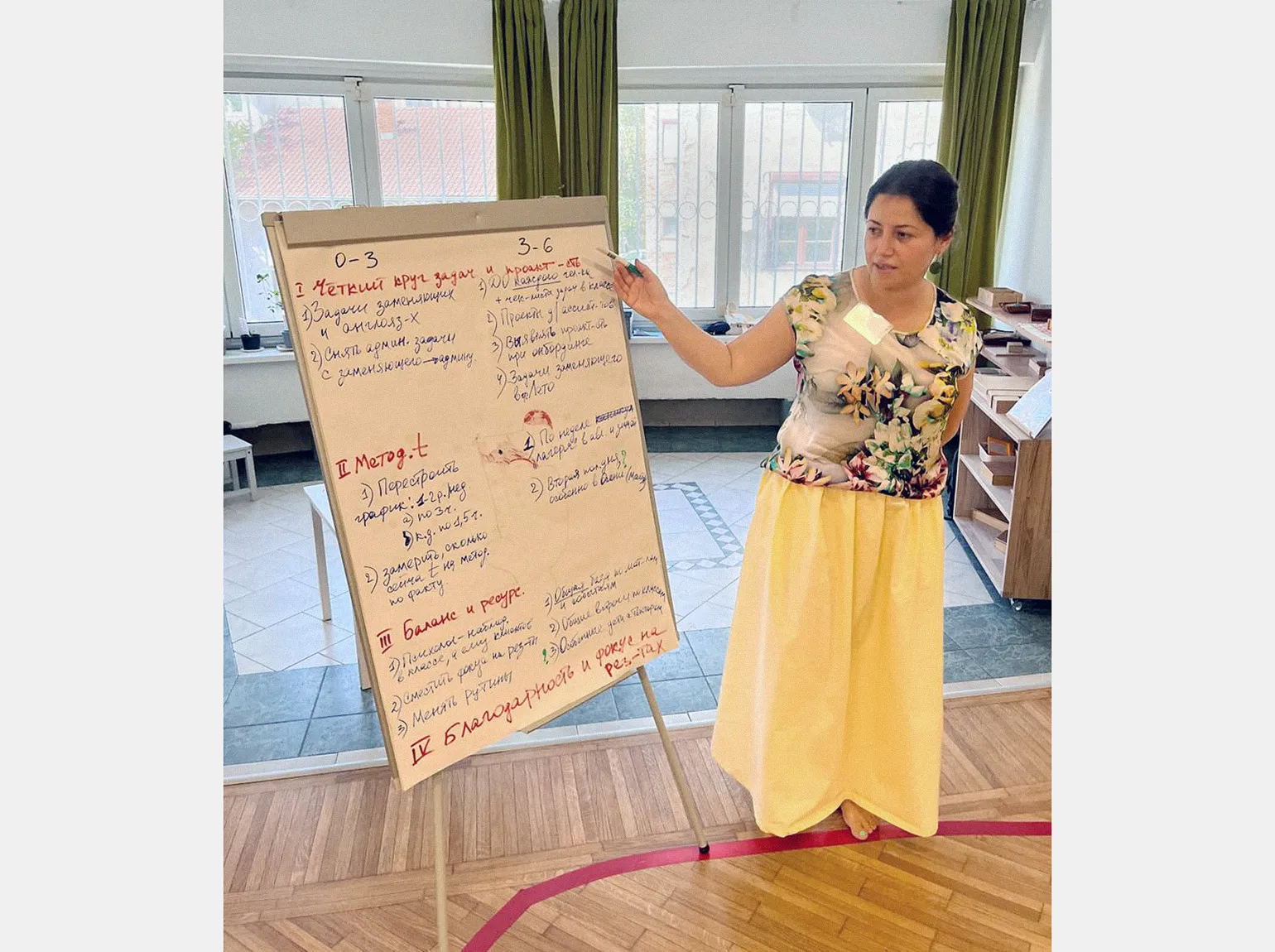
Under normal circumstances, employees rarely express their thoughts and ideas. This is due to the lack of formal opportunities for communication with company management. The absence of such a channel of interaction can lead to misunderstandings and insufficient employee engagement in decision-making processes. Creating an open environment for discussing opinions and suggestions can significantly improve corporate culture and increase team effectiveness.
Employees engaged in routine tasks are most likely to experience burnout. This occurs due to the lack of variety in their work. Instead of wasting resources on constantly searching for new employees and onboarding them, companies could direct these funds to developing their employees and improving work processes. This will not only increase work efficiency but also strengthen team spirit and employee loyalty.
In the third year of operation at Sunrise, a private elementary school I co-founded, we needed to hold a strategic session. The key question was, "What is our core idea?" The goal of the session was to formulate our mission and values, as well as integrate them into operations, marketing, and the team's daily life. We carefully selected participants: key employees and long-time team members participated in the discussion. We excluded temporary employees who had only been at the school for one academic year, as well as those whose contracts were nearing completion. This approach allowed us to deeply analyze internal processes and develop a strategy aligned with our mission and values.
The strategic session is organized and led by a moderator. This can be an invited professional facilitator, but this role can also be assumed by a manager or a key employee if they have facilitation experience and the company has a favorable atmosphere (a lack of tension and a positive perception of the moderator by colleagues). The moderator's primary responsibilities include: managing the discussion process, ensuring the involvement of all participants, and maintaining a constructive dialogue. An effective moderator helps the team achieve its goals by guiding the discussion and ensuring that the schedule is followed. The success of a strategic session largely depends on facilitation skills, so choosing a moderator is a key moment in preparing for the event.
- create a safe, caring space for work (so that people can speak frankly);
- manage the thematic framework of the session, without deviating from the discussion plan and leading the team to the result.
Internal and external moderators at a strategic session: advantages and disadvantages
When conducting a strategic session, the choice of moderator plays a key role in the success of the event. There are two main types of moderators: internal, that is, internal, and external. Each of them has its own pros and cons that should be considered when organizing the session.
Internal moderators are usually well acquainted with the organization and its culture. This allows them to quickly establish rapport with participants and better understand internal processes and nuances. However, a disadvantage can be bias and a lack of objectivity. An internal moderator may be less inclined to criticize existing approaches and solutions, which can limit opportunities for high-quality discussion and the search for new ideas.
On the other hand, an external moderator can bring a fresh perspective and independence to the process. Their experience working with different companies allows them to apply best practices and approaches. However, a disadvantage is the lack of a deep understanding of the specifics of your company, which can lead to misunderstandings or ineffective discussion management.
Thus, the choice between an internal or external moderator depends on the goals of the strategic session, the composition of the participants, and the expected results. It is important to weigh all the pros and cons to ensure the most effective session and achieve the set goals.
An example of a strategic session held at Sunrise, a private elementary school where I co-founded, illustrates the importance of defining the fundamental values and mission of an educational institution. In the school's third year of operation, it became necessary to clearly formulate the main idea. The goal of the session was to clarify the mission and values, as well as integrate them into operational processes, marketing, and the daily life of the team. Participants included key employees and those who had worked on the team for a long time. We decided not to invite temporary employees who had worked for only one academic year, as well as those whose contracts were nearing completion. This allowed us to focus on those who truly understand and share the school's values, which is critical for the successful implementation of strategies and the achievement of set goals.
How to Prepare for a Strategic Session
An effective strategic session requires thorough preparatory work. The quality of this preparation directly impacts the results of the session. The more detailed each stage of preparation is, the higher the likelihood of successfully achieving the goals set during the session.
When developing a long-term strategy for the session, it is important to conduct a market analysis and customer satisfaction assessment in advance. This will create the foundation for further work. For example, if the goal is to increase revenue, the moderator might begin by presenting key market analysis findings. After brainstorming, they can compare the proposed ideas with the real situation, eliminating unrealistic proposals and refining promising ideas based on existing conditions and constraints. The session is often built around a SWOT analysis, which helps identify the company's market position, as well as its strengths, weaknesses, opportunities, and threats. This data forms the foundation for setting specific goals. If an external moderator is invited, you are responsible for collecting the information.
It's important to conduct a survey of employees in advance to gather their opinions on the team's key achievements over the year, as well as to understand what should be retained and what should be changed. It's also worth learning how they envision the project in the future. Based on the collected responses, the most common and significant ideas can be identified, which will form the basis for further work and discussion during the session. This will enable the creation of a more effective development strategy and engage employees in the decision-making process.
In a case study of a strategic session for the Sunrise private school team, a questionnaire allowed the moderator to compile a 15-point statement of the school's mission and values in advance. This document was distributed to participants before the session and served as the basis for further discussion. This approach not only simplifies the preparation process but also facilitates a more productive exchange of ideas during the session, which in turn helps to formulate a clearer vision and goals for the educational institution.
Conducting individual meetings with key employees of a team of 30 or fewer people is an important step before the strategic session. During these meetings, the purpose of the upcoming event should be explained to each participant and the importance of their personal involvement should be emphasized. It is important to ask what each participant would like to gain from the session and under what conditions they will consider it successful. This will not only help better understand employee expectations but also create an atmosphere of engagement. If the strategy session is led by an external moderator, they can communicate with participants beforehand without the manager's presence, which facilitates a more frank exchange of opinions.
During a strategy session, it's important to recognize that employees expect specific work objectives arising from the jointly developed strategy. Time should be allocated for decomposing plans so that each department receives clear actions. If synchronization between departments is necessary, it's important to focus on aligning positions to avoid a situation where everyone understands the task differently and implements it differently. Furthermore, hidden conflicts and issues may surface during the discussion, which, if not resolved, could render any strategy ineffective. In such cases, it may be necessary to adjust the session's objectives, focusing on finding solutions to these issues. This will create a more coherent and productive working atmosphere, which, in turn, will increase the chances of successful strategy implementation.
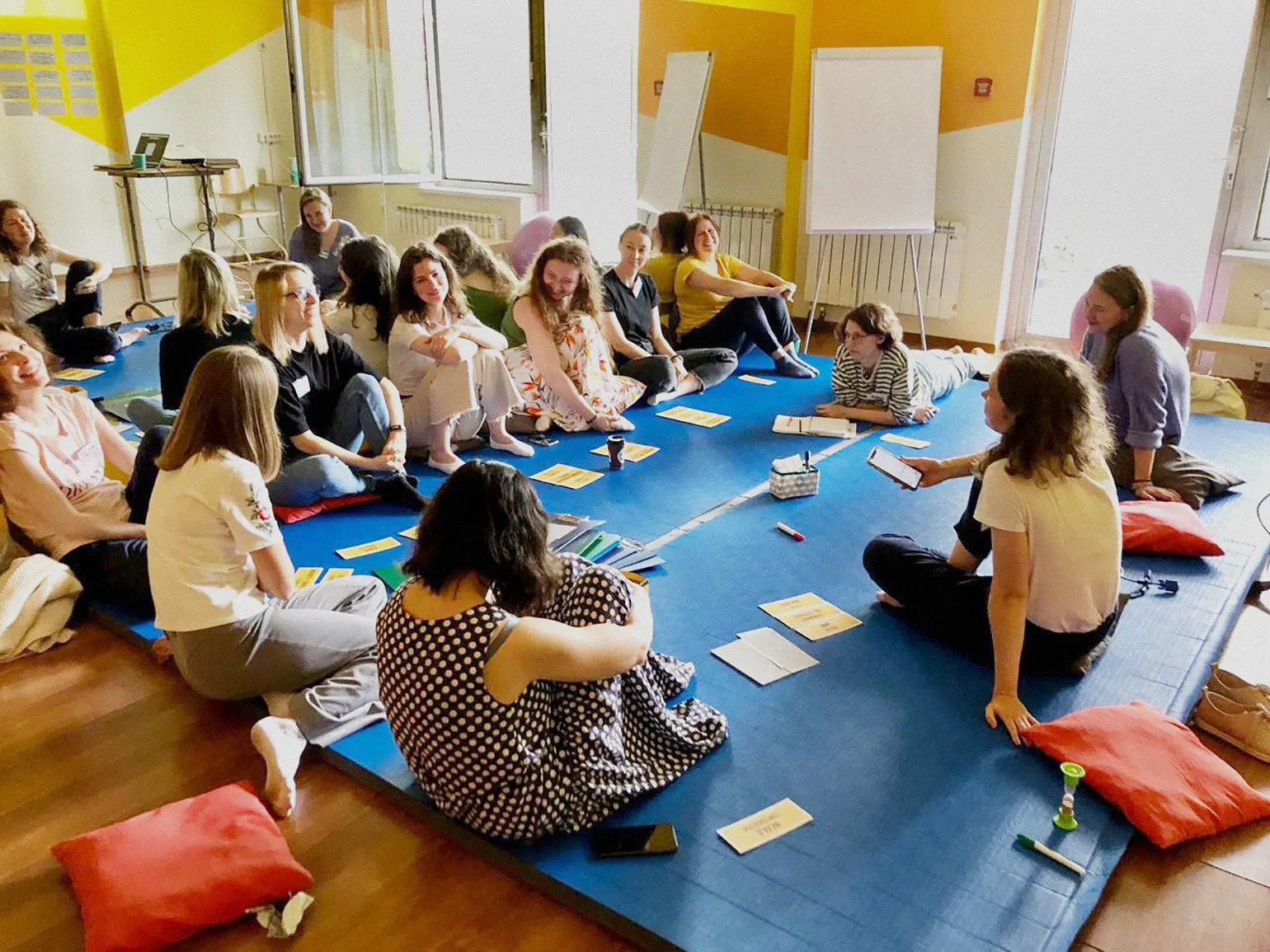
Omitting preliminary meetings can result in strategic session participants not understanding its objectives and their expected roles, especially if this is your first event of this kind. As a result, the meeting may devolve into discussing current affairs instead of focusing on strategic planning. Furthermore, preliminary conversations play an important role in introducing employees to the moderator, especially if they are an invited facilitator, and help establish a trusting relationship, which is critical for the session's success.
When conducting a strategic session with an invited external moderator, the team leader—be it the owner, director, or other key player responsible for advancing the project—should make time for a one-on-one meeting with the moderator. Several meetings may be necessary. Don't skimp on this stage: the depth of your communication will significantly impact the success of the strategic session. The moderator should understand your expectations and long-term vision for the project, including your desired outcome ("Point B"), as well as your priority values, processes, and outcomes. This will help formulate a clear strategy and achieve your goals.
During the strategic session, when the team is defining "Point B," the moderator must align the ideas expressed with your vision as a leader. Otherwise, if the team and the leader are moving in different directions, the session will lose its effectiveness and meaning. It is important that all participants work in the same direction, which will help achieve the goals and ensure the successful development of the project.
During the preparation stage of the strategic session, it is crucial to carefully consider the organizational details. For example, it is inappropriate to start the session at 9 a.m. - it is better to choose a later time so that participants are rested and ready for a productive discussion. It is necessary to provide snacks and lunch so that participants are not distracted by hunger and can focus on developing the project strategy. It is also worth preparing scenarios for short breaks and emotional release, which will help maintain a high level of concentration and engagement throughout the session.
How a strategic session itself proceeds
There are many scenarios, but my basic version usually looks like this.
Opening the strategic session, the moderator begins by setting goals and expectations. They present the agenda, focusing on the key topics for discussion. The moderator creates an atmosphere of open dialogue, encouraging participants to share their opinions and ideas. An important aspect is time management to ensure that all planned issues are addressed. The moderator ensures that the discussion remains constructive and focused, which contributes to more effective decision-making and the achievement of goals. At the end of the session, the moderator summarizes, recording the main findings and identifying next steps for the participants.
- Announces the goals of the day, reminding everyone why everyone has gathered. For example: "To formulate the mission and values of our project." Or: "To think through a strategy for doubling revenue."
- Asks participants to reiterate their key requests.
- Establishes working rules: do not interrupt, speak in the first person (give "I-messages"), respect the opinions of others, minimize distractions from the session (phones - only when necessary).
- Describes the structure and timing of the day: work blocks, coffee breaks, lunch, final conclusion.
Strategic sessions often use various methods to organize the discussion. For example, they establish a rule of raising a hand before speaking or use a ball that is passed around the participants in a circle so that they can speak in turn. In some cases, participants are free to join the conversation. However, the key point is the active involvement of all participants, including those who usually prefer to remain silent. The moderator should directly address such people, asking: "What is your opinion? We want to hear your point of view."
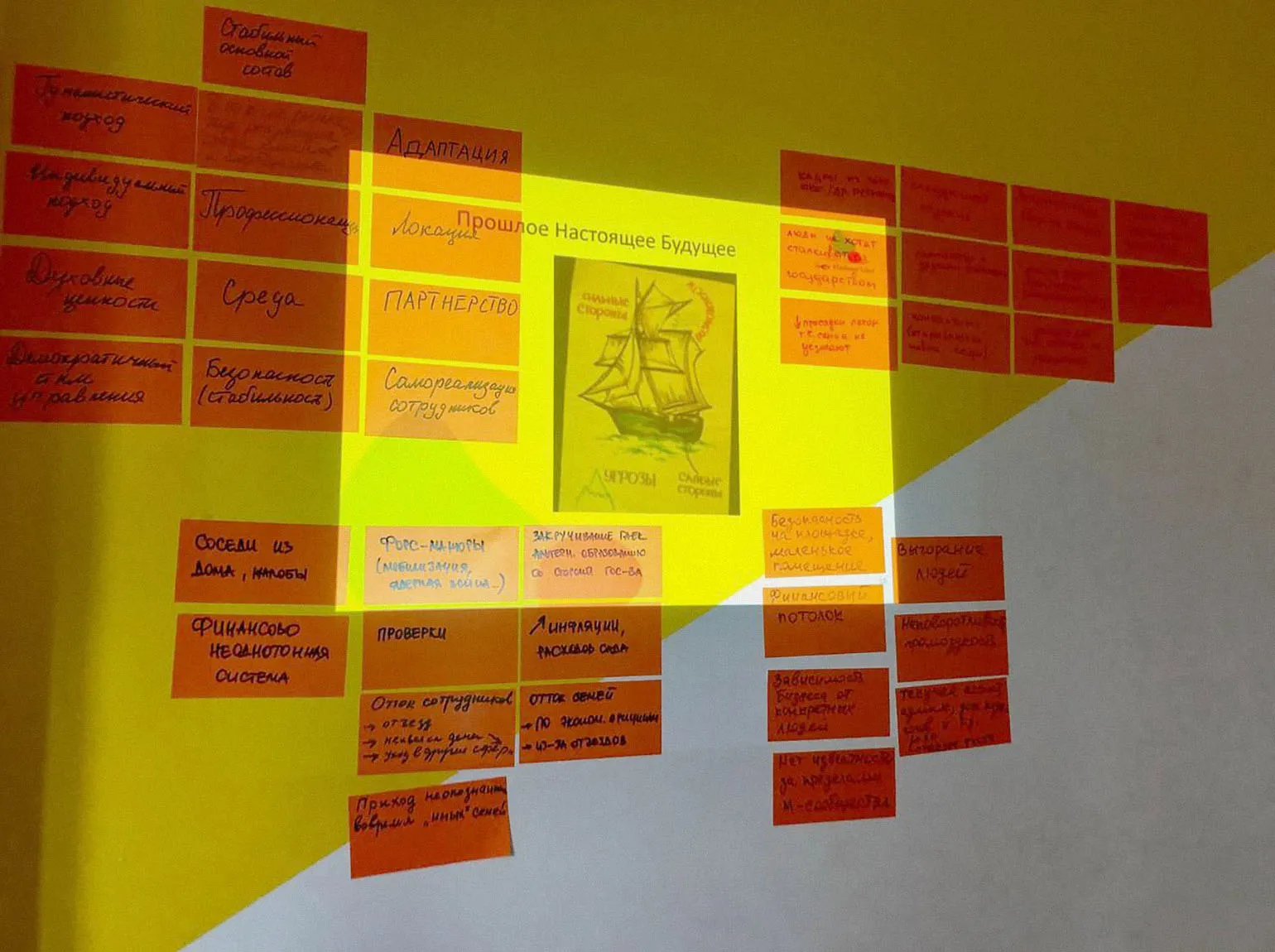
The next step is the resource block. The moderator invites the team to recall and name inspiring events, moments of joy, and professional satisfaction that occurred over the past year or other period. These could include holidays, particularly successful days, or significant project achievements, such as winning a competition. It's also important to discuss personal successes, such as learning progress. It's important to highlight what colleagues value about their project and the team as a whole.
Some may consider this unnecessary, but it's a key technique, as it's essential for achieving successful results.
- Such shared memories relieve tension, create a positive mood and emotional connection within the team;
- This is a good and easy reason to encourage each participant to start speaking during the strategy session;
- These positive memories themselves can become the basis for an conscious choice of what the team should keep in the future.
The moderator should record all the mentioned positive moments on a flipchart or an online board such as Miro, especially those that are repeated by several participants. This will help highlight key ideas. Afterwards, it is worth asking the question: "Which of these would you like to keep for future work?" This approach helps create a productive atmosphere and allows participants to focus on the important aspects of the discussion.
At the strategy session at Sunrise School, participants noted the importance of a warm atmosphere in the team and the opportunity for deep humanistic work with children without the pressure of external control and the need for accountability. These aspects are key to the school's further development and must be preserved.
At this stage, it is important to define a vision of the desired future for a period of one, two, or three years. For this, you can use various methods, depending on your skills and preferences.
- setting goals according to OKR and SMART;
- classical approaches to goal and meaning setting;
- free facilitation based on the requests of the team and the owner voiced at individual meetings.
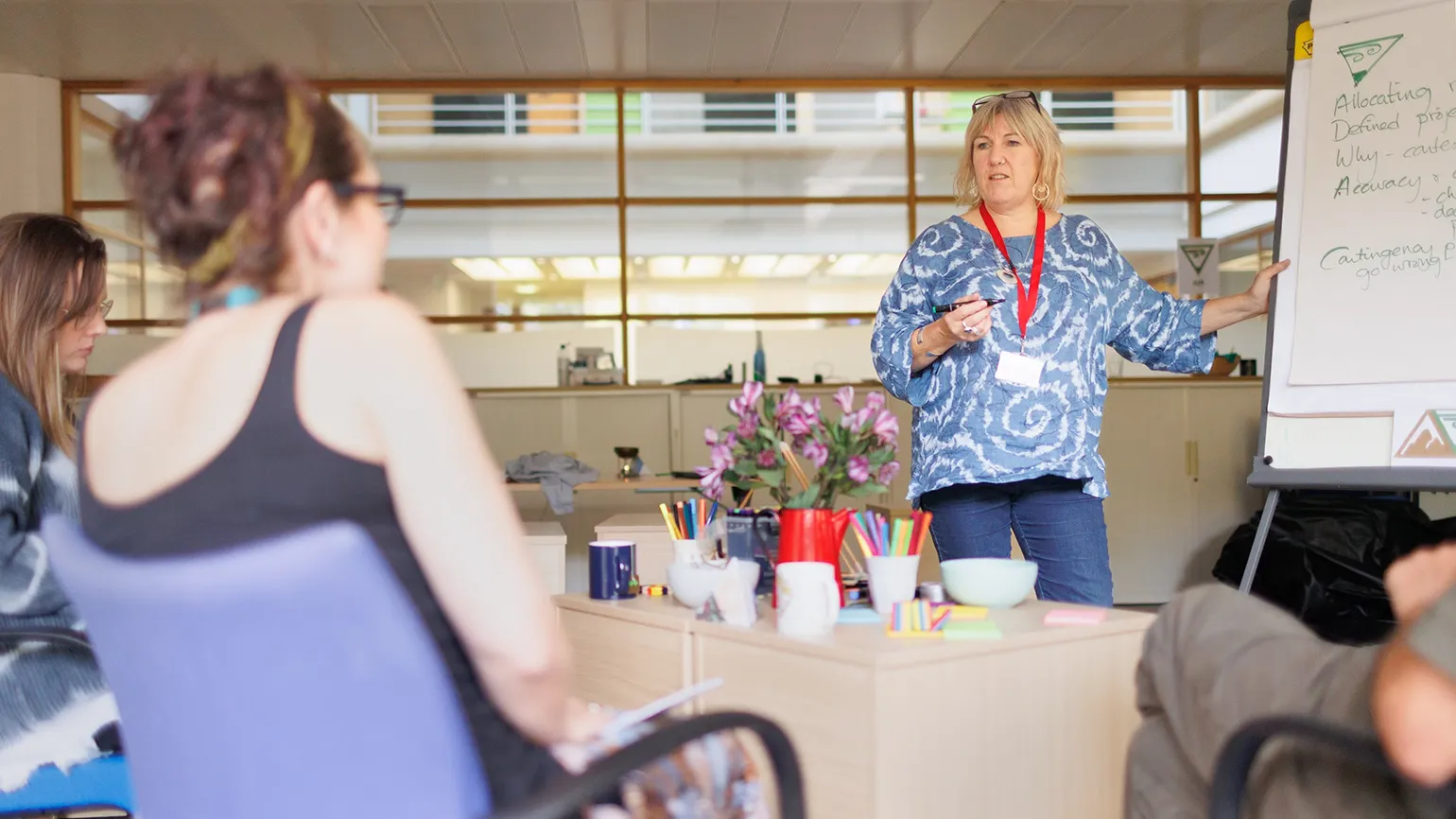
There is no one-size-fits-all template for the discussion process, as its structure depends on the specific team and context. The moderator or leader must select the appropriate tools to achieve the meeting's goals. The key challenge is to effectively manage the scope of the discussion, maintaining focus on the topic and plan, while remaining flexible in the choice of methods and adhering to time constraints. Effective moderation facilitates productive team interaction and enables the achievement of goals.
The format for strategy development depends on many factors, including business goals, target audience, resources, and the competitive environment. It is important to consider which approach will be most effective in achieving the desired results. For example, a strategy can be formed based on data analysis, customer feedback, or current market trends. In addition, it is necessary to consider the internal and external conditions that may influence strategy implementation. Choosing the right format will optimize the process and increase the likelihood of successfully completing the tasks.
- the leader's vision and ambitions;
- information gathered during preliminary individual meetings with team members;
- the number of people participating in the session and their level of preparation (for example, teachers are not managers and are most likely far from business planning tools);
- the time allotted for the session - some have one three-hour block, while others have two five-hour sessions.
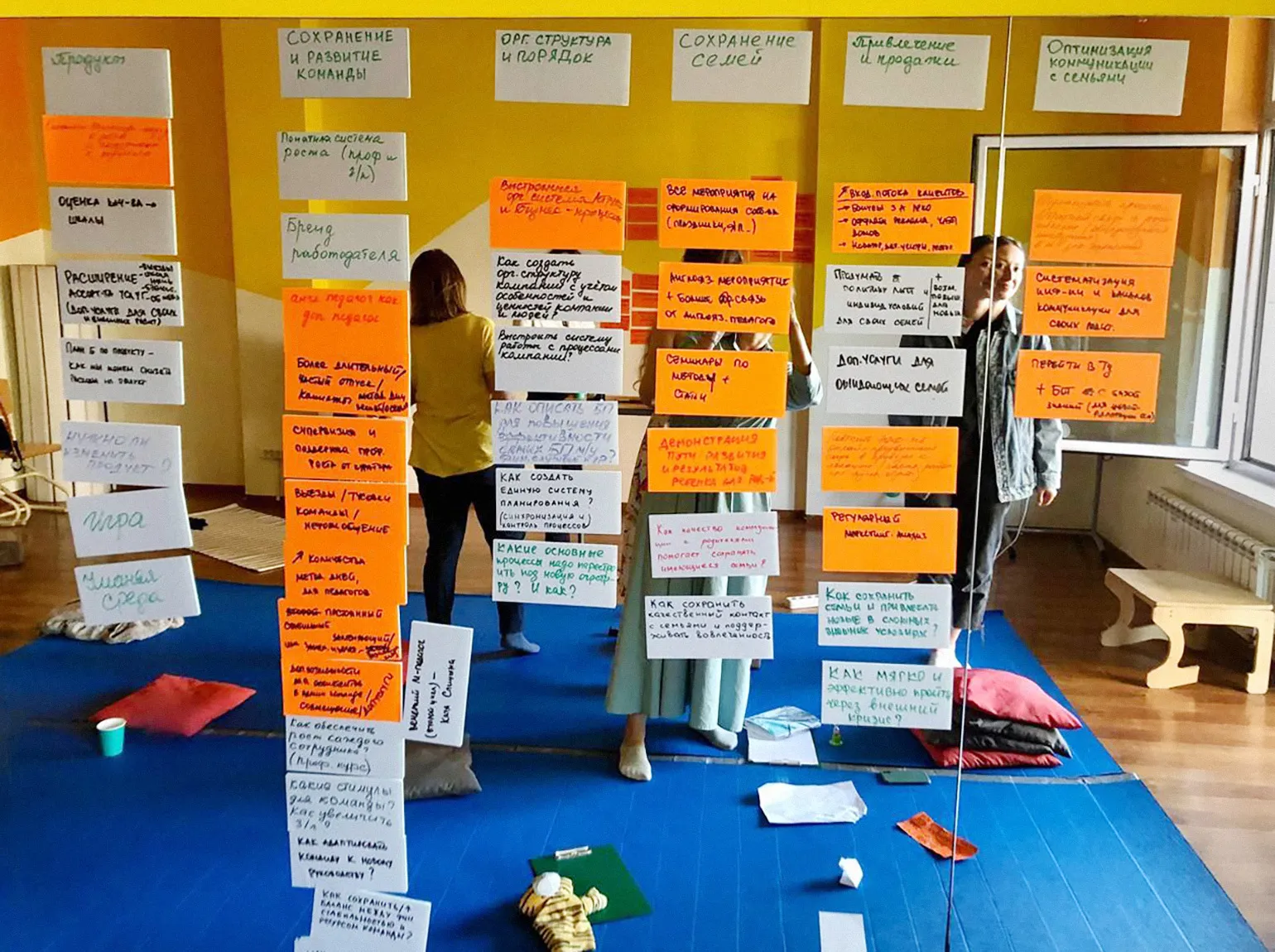
The process of putting forward and discussing ideas is organized in sessions in various ways, but the most effective method involves a few simple steps. First, the moderator gives participants a few minutes to formulate their own ideas or goals. Then, each participant takes turns voicing their thoughts, while the moderator records them on the board or flipchart. As a result, a long list of ideas is generated, which is then grouped by topic, such as methodological tasks, customer service, and internal processes. The team then discusses priorities and votes on the most significant points. The team leader also has the opportunity to add key suggestions. This structured approach facilitates effective brainstorming and helps identify the most important aspects for further discussion and implementation.
During discussions, the use of visualization is crucial, as it serves as an anchor for collective memory. The moderator must systematize all the ideas expressed, summarizing them and recording them visually for the entire team. Flipcharts and online whiteboards can be effective tools for this. If the facilitator has scribing skills or is able to create mind maps, this will significantly improve the process. Notes taken during the strategic session will be useful not only during the discussion but also in the future. Preserved visualization will allow you to restore the context in weeks or months, which will significantly improve the effectiveness of the team's future work.

Find out more:
Facilitation is a key element for achieving productive work in groups. In this article, we will look at nine effective facilitation techniques that will help improve participant interaction and enhance the quality of decision-making.
The first technique is creating a safe atmosphere. Participants should feel comfortable openly expressing their thoughts and ideas. This will help reduce stress and increase engagement.
The second technique is active listening. It is important not only to hear, but also to understand the interlocutor. This includes asking clarifying questions and paraphrasing what was heard, which contributes to better assimilation of information.
The third technique is the use of visual materials. Graphs, charts, and diagrams help participants better perceive information and structure their thoughts.
The fourth technique is working with conflicts. Conflicts can arise in any group, and it is important to be able to resolve them constructively. For this, you can use techniques that help identify the interests of the parties and find compromises.
The fifth technique is setting an agenda. Clearly defined meeting goals and objectives keep participants focused and help avoid distractions.
The sixth technique is engaging all participants. Each group member should be given time to express their opinion. This promotes a more complete coverage of the topic and the identification of different points of view.
The seventh technique is using a timer. Limiting the time for discussing each topic helps maintain the meeting's momentum and promotes more effective use of time.
The eighth technique is summarizing. It is important to record key findings and decisions so that participants can refer to them in the future.
The ninth technique is feedback. After the meeting, it is useful to collect participants' opinions on the process. This will help improve future meetings and enhance facilitation.
Using these facilitation techniques will significantly increase the productivity of group work and improve the quality of joint decisions.
It is important for the moderator and leader to remain realistic when the goals proposed by the team sound inspiring, but in practice may prove overwhelming. For example, a sharp increase in revenue, doubling prices, implementing an international program, and completely overhauling the methodology and marketing strategy within a single year are tasks that require careful assessment. In such situations, it's essential to ask the team frankly: "Can we do this? Or will this lead to burnout?" This approach will help avoid overload and focus on achieving realistic and achievable goals. It's important not only to formulate "Point B" but also to define measurable indicators that will help understand whether the goal has been achieved. In some cases, this is quite simple, for example, if the goal is to double revenue or increase customer satisfaction. However, teams often face difficulty formulating more complex and vague goals, especially if this is their first experience with a strategy session. For example, you might hear a goal like: "Teachers and assistants are resourced, while the quality of the educational process remains high." But what exactly does "resourced" mean? If you ask this question to every participant, you'll discover that everyone has their own understanding of the term. Therefore, it's important not only to set goals but also to clarify them so that everyone has a common understanding of what needs to be achieved. This will help create clear and achievable benchmarks for the team and improve team effectiveness.
To achieve your goals, you need to formulate them clearly and concretely, avoiding abstract generalizations. Clear and precise formulations help you better understand what exactly needs to be achieved and simplify the process of planning and implementing tasks.
During the Sunrise School strategic session, which aimed to define our mission and values, we conducted a thorough analysis of the current needs and expectations of our educational organization. Participants discussed key aspects related to the philosophy of teaching and education and formulated the core principles that will guide our work. This will not only strengthen the school's internal structure but also improve interactions with students and their parents. The session's results will form the basis for the further development and implementation of strategic plans aimed at improving the quality of education and creating a comfortable educational environment.
- We selected key concepts from a variety of options;
- We removed what seemed unnecessary;
- Finally, we formulated the final version of the mission, and analyzed the values in detail, identifying the main ones from 15 points: professionalism and responsibility, ease and joy, respect and acceptance - and deciphered (concretized) them;
- A week later, we held strategic sessions for small groups by area (administration, marketing department, and staff working with children and parents) to ground the values in practical work: from accepting new students and resolving conflicts to HR processes. We then discussed these values with the children in circles, translating them into understandable examples.
Having defined the main goals, it is important to detail them into specific tasks. To achieve this, it's helpful to divide the group into mini-teams, each of which will take on one of the goals corresponding to its functionality. The mini-teams should develop steps to achieve the assigned tasks. At the end of the discussion, the results are presented on flipcharts, and the team jointly makes additions. This approach helps clarify ideas and transform them into a clear action plan. At the end of the strategic session, the team should leave with clear and understandable goals. Participants should have a clear understanding of the project's future development path and their individual tasks. The key outcome of the session will be the agreement on a strategy that will enable effective progress toward the set goals. It is also important that each team member understands their role and responsibility in implementing the strategy, which will increase engagement and accountability. The strategic session should conclude with the formation of an action plan that will serve as a guide for the team in the future.
- with 1-3 strategic goals (depending on the planning period and the scope of the goals);
- a clear list of tasks for each goal (and, if possible, a breakdown of tasks by department);
- if time allows, then a personal priority task for each participant in the context of the overall objectives.
As part of our work with Sunrise School, the team outlined specific steps to improve processes. Marketers suggested revising the annual events calendar, taking into account the articulated values of the school. It was also decided to update the onboarding process for new students and their families, as well as redesign external branding materials. These changes are aimed at increasing the attractiveness of the school and improving interaction with parents and students.
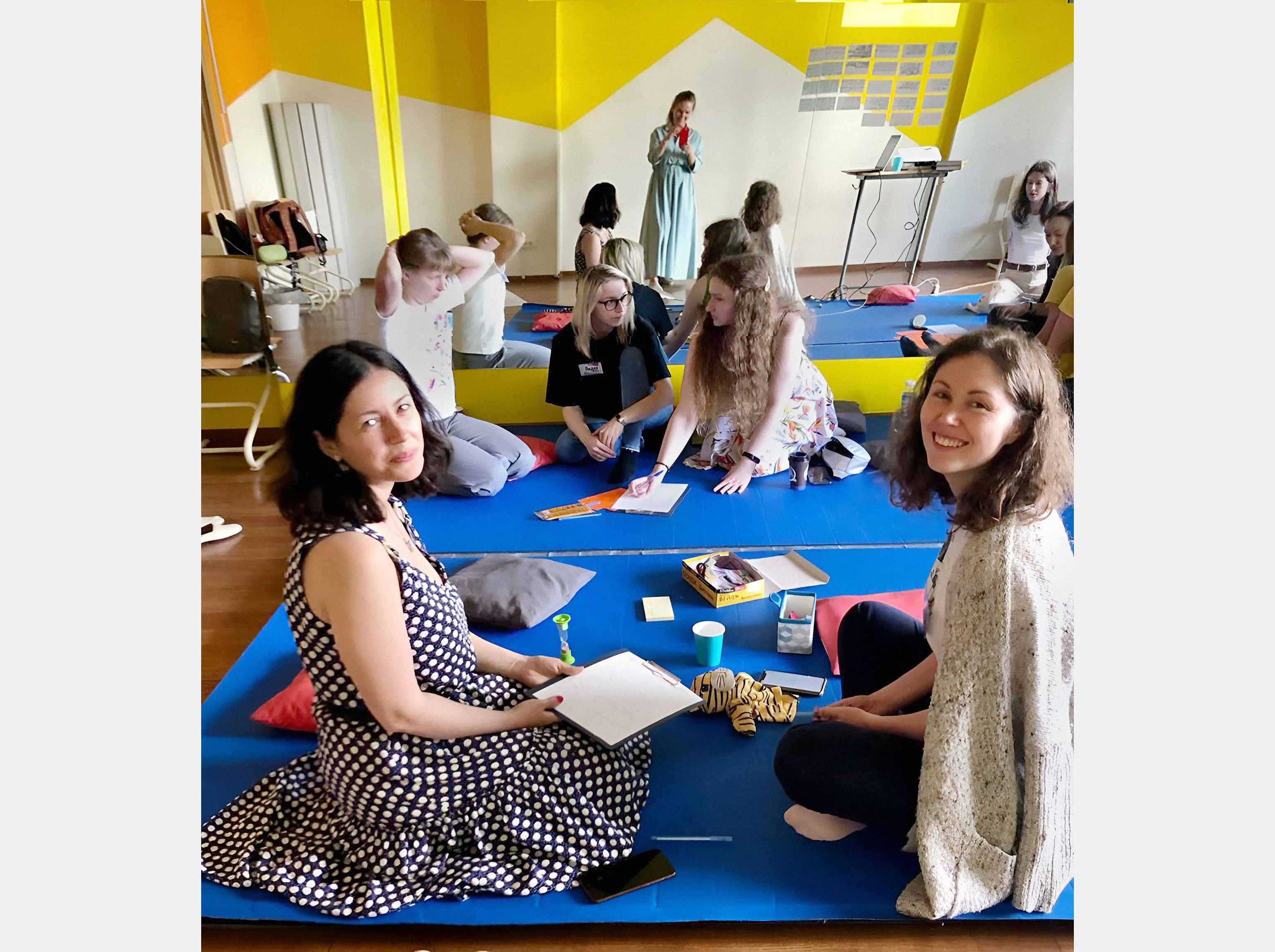
Several examples can be identified from other teams' strategy sessions. Specifically, the kindergarten team encountered the problem that the classrooms had defined a range of tasks for the entire group of children, but not for each individual staff member. This resulted in each staff member not understanding their specific responsibilities, and personal accountability became blurred. We identified this issue as a key area for improvement and formulated a goal: "All staff working with children clearly understand their area of responsibility."
The goal was further specified in the form of objectives:
- create realistic job descriptions;
- post checklists for preparing the group for work;
- systematically improve the quality of new employee onboarding;
- introduce weekly internal meetings (in person during working hours, not in the evenings and via chats);
- conduct mini-training sessions on team management for lead teachers.
During a strategic session at an online school undergoing active growth, it was discovered that the most effective salespeople are those with deep product knowledge, rather than sales managers. This discovery became an important milestone for further business development. As a result, a goal was set: to increase revenue by a certain amount within a year. In this regard, specific tasks aimed at achieving the stated goal were formulated.
- increase the marketing funnel;
- increase conversion at the sales stage;
- develop and implement a training program for salespeople so that they also know the product in detail.
During a strategic session, a feeling of overload may arise. In such cases, it is advisable to schedule an additional session to review priorities, assess available resources, and distribute tasks over time. It is important to determine which tasks are a priority and which can wait. This will allow you to more effectively organize the workflow and achieve the set goals.
At the end of the strategic session, it is important to ask the question: what will happen after all the planned tasks are completed? The answers to this question help the team align goals with personal motivation, as well as understand why each participant, the project as a whole, and the students need this. This creates a deeper connection between the tasks and the end result, which contributes to the successful achievement of the goals.

Reading is an important part of our lives and can significantly impact our development. Books, articles, and other materials expand our horizons and help us better understand the world and ourselves. Regular reading improves cognitive abilities, develops critical thinking, and enriches our vocabulary.
Modern technology offers a variety of ways to access literature: e-books, audiobooks, and online resources. This makes reading more accessible and convenient. It's important to choose a variety of genres and topics to maintain interest and continuously learn.
Whether you read fiction, scientific articles, or specialized blogs, try to set aside time for reading every day. This will not only become a healthy habit but also a source of inspiration and new ideas. Read and develop, discovering new horizons.
Bookshelf: "Co-Active Coaching" - the work of Henry Kimsey-House, Karen Kimsey-House, and other authors. This book is an essential resource for those interested in coaching and personal development. It examines in detail the principles of co-active coaching, which focuses on the interaction between coach and client. The authors share practical methods and techniques for improving coaching effectiveness and achieving significant results. "Co-active Coaching" will be a useful resource for both novice coaches and experienced professionals seeking to deepen their knowledge and skills.
At the strategic session at Sunrise School, participants noted the importance of a warm team atmosphere and the opportunity to conduct deep, humanistic work with children without the pressure of external control and the need to compile reports. These aspects are key and must be preserved for the further development of the educational process.
At the strategic session at Sunrise School, the goal of which was to define the mission and values of the educational institution, we conducted in-depth work. We discussed key aspects that reflect our philosophy and approach to teaching. As a result of a joint brainstorming session, the core principles that will guide our activities were identified. We strive to create an atmosphere conducive to the development of each student's personality, fostering creativity and critical thinking. Our mission is to inspire and support children on their path to knowledge and self-realization, providing a high-quality education and comprehensive development.
- We selected key values from numerous options;
- We removed what seemed redundant;
- Finally, we formulated the final version of the mission, analyzed the values in detail, and from 15 points, we identified the main ones: professionalism and responsibility, ease and joy, respect and acceptance - and deciphered (specifically) them;
- A week later, we held strategic sessions for small groups by area (administration, marketing department, and staff working with children and parents) to ground the values in practical work: from the admission of new students and conflict resolution to HR processes. These values were then discussed with the children in circles, translating them into understandable examples.
Timing: How Much Time is Needed for a Strategic Session
Sessions can vary in length depending on the complexity of the team's requests and expectations, the number of participants, and their level of preparation. In a classic offline format, a session typically lasts two days for four hours, most often on weekends, subject to careful advance preparation. I schedule each day as follows: two hours of work, lunch, and then another two hours of work. The timing looks something like this:
- introduction — 15 minutes;
- retrospective — 45–60 minutes;
- main part — 120–150 minutes;
- conclusion — 30–60 minutes.
To avoid routine, sessions should be held in a non-standard setting. It is recommended to rent a conference room, coworking space, or anti-cafe. It is important that the chosen space is spacious and filled with natural light and fresh air. This will help create a more productive and inspiring working atmosphere.
Online communication requires new approaches, as many experience so-called Zoom fatigue. When interacting via a screen, the brain tires faster than during in-person meetings. In this regard, it is recommended to use various strategies to improve the effectiveness of online communication.
- the session day should be divided into shorter work blocks of one and a half hours each with long breaks between them (up to 40 minutes);
- it is advisable to take a break between two session days (that is, hold the second day of the meeting not the next day, but the day after).
How to consolidate the results
After the session, the moderator prepares a written summary, which is then submitted to the manager for further action. It is important that this document is not ignored. The most serious threat after an inspiring strategic session is that no action will be taken, and everything will remain the same. Therefore, it is necessary to agree on regular progress meetings at the end of the session, which will help monitor the achievement of the set goals and objectives. This will ensure progress and make all planned ideas a reality.
- How often will these progress meetings be held (once every one or two months is sufficient);
- Who is responsible for them (a specific person or role is assigned—for example, a coordinator, administrator, or department leader).
Progress meetings are an effective tool for maintaining focus on achieving goals, rather than a simple bureaucratic format. They help teams evaluate results, analyze current tasks, and adjust strategy based on project changes. Regular progress meetings promote open communication, increase participant accountability, and speed up the decision-making process. Thus, these meetings become an important element of successful project management and achieving set goals.
What are the specifics of strategic sessions in educational teams?
While conducting strategic sessions in various teams, I noted several characteristic features inherent in small educational organizations, such as private schools, kindergartens, and small online projects. These features are important to consider to improve the effectiveness of strategic planning. Teams in such organizations often face limited resources and the need to respond flexibly to changes in the educational environment. Therefore, it is important to create an atmosphere of openness and trust, where each participant can contribute to the overall strategy. Taking these nuances into account will not only improve interaction within the team but also formulate clear and achievable goals, which in turn will lead to the successful implementation of educational programs.
Small educational teams are created based on family values, ideas, and a shared worldview. Such teams are staffed by people who are genuinely passionate about their work, demonstrating a high degree of empathy and engagement. Their motivation lies not only in financial rewards but also in the search for inner meaning and the desire to make a significant contribution to the common good. These teams are distinguished by mutual understanding and support, which contributes to the creation of a positive atmosphere and effective cooperation.
Team members are highly sensitive to the wording, feedback, and intonation of communication. Therefore, it is important to moderate a strategic session with particular care. The right approach to communication can significantly influence the atmosphere and results of discussions, facilitating more effective interactions and decision-making.
In education, the learning process is as important as the end result. This is due to the specifics of teaching. Effective teaching involves not only the transfer of knowledge but also the development of skills, the development of critical thinking, and the maintenance of student motivation. It is important that the learning process is adapted to the needs and interests of students, which facilitates deeper assimilation of the material. Teachers must take into account the individual characteristics of each student to create a comfortable and productive educational environment. Thus, focusing on the learning process allows for higher-quality results and prepares students for real-life situations. With students (especially children), you can't guarantee results "on schedule"; development is unpredictable and uneven; atmosphere and mood are often more important than KPIs. Teachers' strategic thinking also manifests itself in strategic sessions, even when discussing adult goals and objectives. They may have difficulty formulating clear and measurable statements. Therefore, the moderator's key task is to guide participants toward more concrete thoughts and statements, which will lead to more effective discussions. The moderator should help create an atmosphere conducive to open communication so that participants can freely exchange ideas and develop clear strategic plans.
- constantly "translate" the formulation of proposed ideas from process-based to result-based;
- gently but persistently ask the question: "How will we know that we have achieved this? How to measure this?
Also study:
- "Education is essentially a non-profit sphere, and they are trying to make it commercial"
- If the team is on the brink: how to restore productivity to your employees
- How to understand that you are a normal manager
- Bookshelf: "The Art of Systems Thinking", Ian McDermott and Joseph O'Connor
Team Management
You will learn how to work with existing teams and assemble new ones. Learn how to change processes in line with business objectives, set goals, and motivate employees. You will be able to increase your value in the company.
Find out more