Contents:

Course with employment: "The profession of a Methodologist from scratch to PRO"
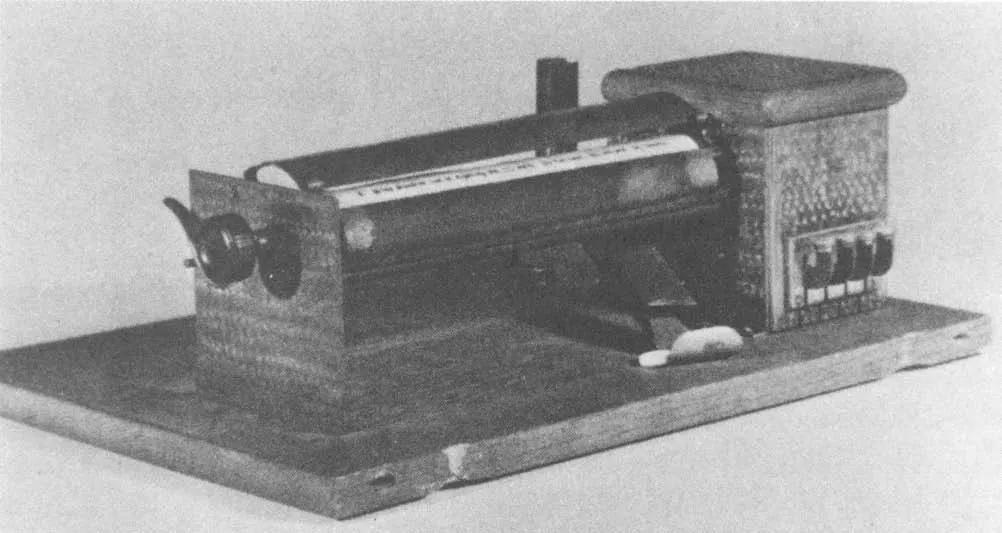
Find out moreEarly attempts are primitive, but The first self-teaching machines appeared at the beginning of the 20th century. At that time, primitive devices were already in use, such as wooden arithmetic blocks and mechanical books that opened new sections only after the previous ones were completed. A similar device was the spelling machine, created in the 19th century. These early technologies laid the foundation for the subsequent development of self-study systems and educational automation, which became an important stage in the history of pedagogy and information technology.
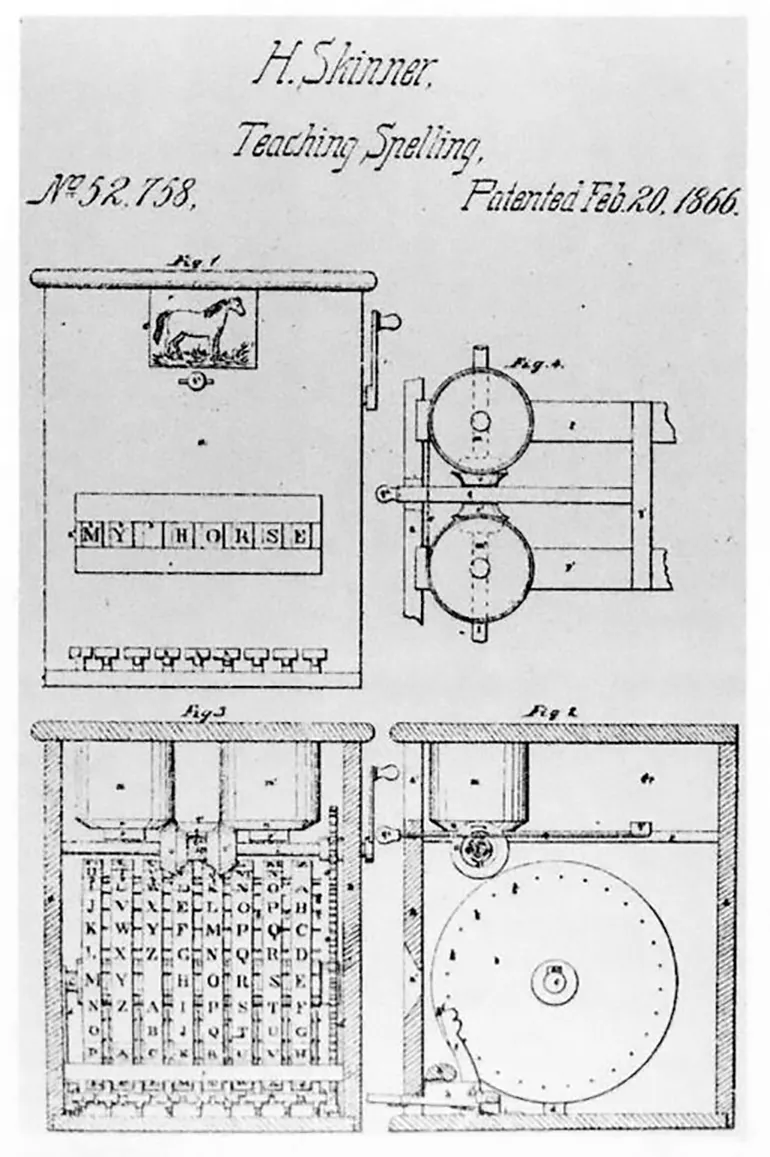
The student looked at an image and had to correctly describe its content. Words up to eight letters long could be entered by pressing keys on the device's panel. However, the machine did not provide feedback on the correctness of the entered answer.
The device, created in 1925 to teach drilling theory, had a function for assessing student knowledge. The device automatically removed a question from the test after it was answered correctly twice. According to the developer, the main advantage of this program was the prevention of excessive relearning and cramming, which contributed to more effective assimilation of the material. This approach to learning became the basis for further developments in educational technology.
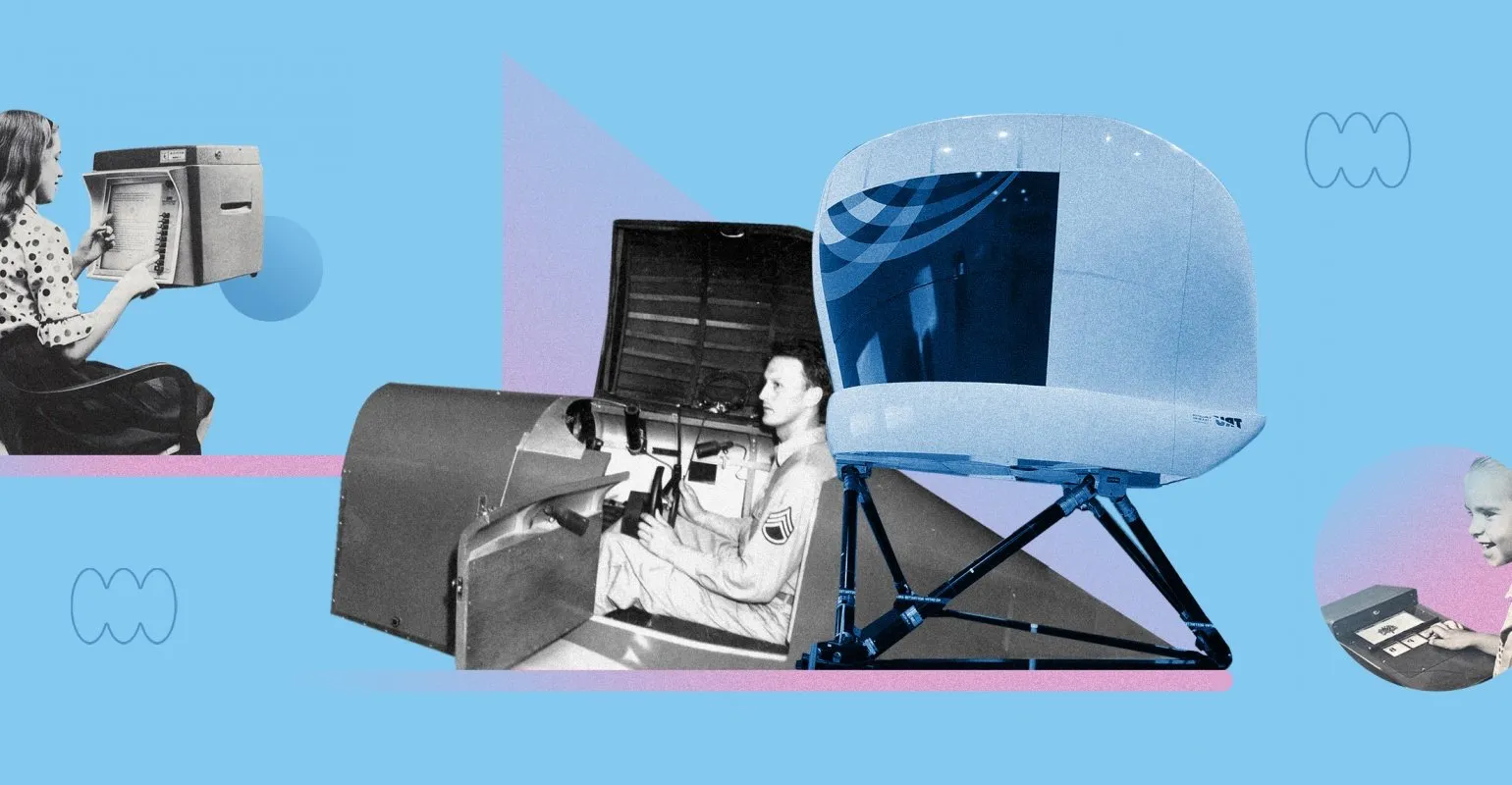
In the early 1940s, American scientists began using more sophisticated training devices. During this period, the first pilot simulators were developed that simulated onboard instrument data. These innovative technologies ushered in a new era in aviation training, allowing pilots to practice skills in a safe environment, significantly improving the quality of training and flight safety.
A Pilot Simulator as Tall as a Five-Story Building
The Link Trainer is one of the first and most famous flight simulators in aviation history. American pilot Edwin Link began developing this device in 1927. As a result of the project's success, he patented his design and introduced it to the market in 1929. The Link Trainer was an important step in pilot training, allowing them to practice flying an aircraft in conditions close to real-life conditions, without having to take to the air.
The idea for a pilot simulator came to Link while working in a musical instrument workshop. Dissatisfied with the existing methods of training pilots, he decided to develop a device that would allow them to practice in conditions independent of weather, the presence of aircraft, and flight instructors. The result was the Link Trainer, an innovative training device consisting of a blue cockpit mounted on a pneumatic platform. A vacuum motor, similar to those used in pianos, rotated the platform, simulating runways, wind, and other factors that pilots encounter in real-life conditions. Inside the Link Trainer, an exact replica of the cockpit was created, complete with a full set of instruments and panels, allowing for the most accurate reproduction of flight scenarios and preparing pilots for real-life challenges.
Aviation flight schools and the US Army Air Forces initially showed no interest in the new device, but this changed in 1934, when the Army received a government contract for airmail flights. Pilots were faced with the need to fly in difficult weather conditions, for which they had not been trained. As a result, about a dozen Army pilots died in the first weeks of mail flights. This tragic event prompted the Army Air Forces to take notice of Link and his simulator. The inventor attended a meeting with the military in New Jersey and impressed them by successfully flying in low visibility. Link attributed this achievement to many hours of practice on the Link Trainer. As a result, the Army decided to purchase six trainers, significantly improving pilot training for flights in adverse conditions.
During World War II, the Link Trainer became a key tool for pilot training. Production of this device reached approximately 10,000 units, which helped train 500,000 new pilots from Allied countries. Almost every U.S. Air Force pilot was trained on the Link Trainer, which underscores its importance in aviation training at that time. The Link Trainer provided realistic flight simulation, which helped improve the skills and confidence of pilots in combat conditions.
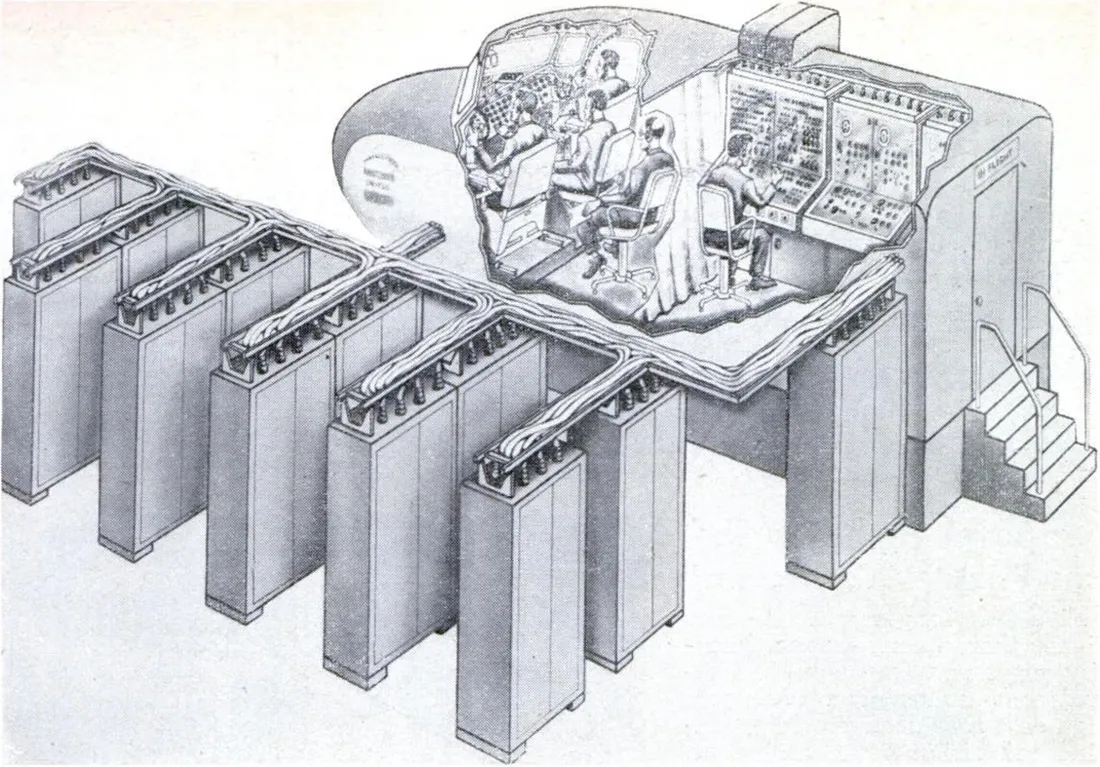
A giant modification of the Link simulator, created during World War II, was used to practice night navigation by the stars. The Link Celestial Navigation Trainer of 1941 was as tall as a five-story building and accommodated the entire bomber crew, including pilot, navigator, and bombardier. This unique simulator allowed aviation specialists to practice navigation skills in low visibility conditions, which was critical for the successful completion of combat missions. The simulator provided a realistic simulation of the starry sky, allowing crews to develop confidence and precision in navigation during night flights.
The dome above the aircraft's cockpit was equipped with numerous lamps that simulated constellations, allowing the navigator to accurately determine the aircraft's position. The movement of the dome simulated changes in the position of the stars depending on the time and flight trajectory. Below the cockpit were moving aerial photographs of the Earth, creating the effect of a real flight for the crew and allowing the bomber to practice engaging targets. This approach to training significantly increased the effectiveness of crew training and improved their navigation skills in real combat conditions.
In 1950, Curtiss-Wright, renowned for its achievements in the aviation industry, introduced the first full-fledged simulator for Pan America Airlines. This simulator became an essential tool for crew training, providing a realistic learning experience. The Boeing 377 Stratocruiser trainer was based on a real aircraft and provided a full-flight simulation, which significantly improved the quality of pilot and crew training. The use of simulators in aviation has become an important step towards improving flight safety and training efficiency.
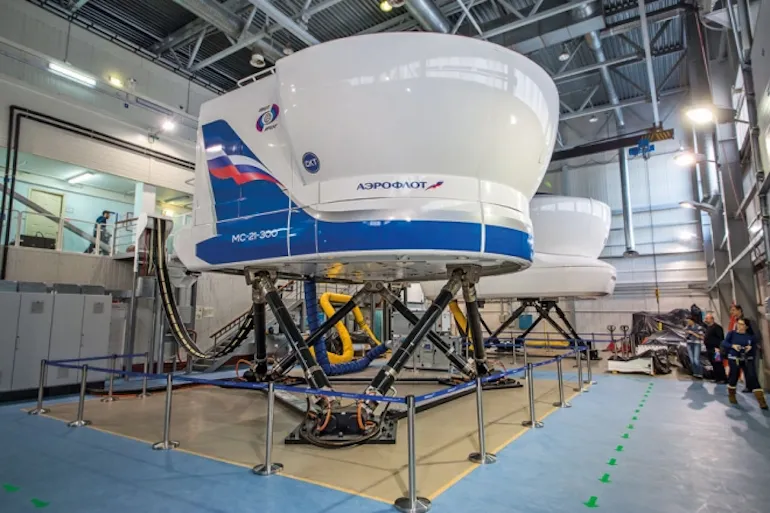
Modern professional simulators significantly surpass their predecessors in portability and functionality. Aeroflot Airlines uses the FFS simulator, which is a complete replica of the cockpit. This platform is capable of simulating G-forces and changes in flight in real time, allowing pilots to gain practical experience in a variety of conditions. Realistic graphics on the monitors allow for flight simulations in clear weather, overcast conditions, and at night. The acoustic system accurately reproduces the sounds a pilot encounters during flight, including engine noise, onboard systems, rain, and landing sounds, such as the landing gear hitting the runway. The use of such simulators allows us to improve the level of pilot training and ensure flight safety.
TICCIT — Interactive Cable Television
Digital educational programs began to develop rapidly in the 1960s and 1970s. One example is the TICCIT interactive cable television system, created in the United States in 1969. This innovative technology allowed images to be transmitted from computers to televisions, while users could control the content using a home telephone. They were able to press buttons and advance lesson slides, which contributed to a more interactive and effective learning experience. These early experiments with digital education became the foundation for the further development of educational technologies and online learning.
In December 1971, the National Science Foundation's Technology Innovation Group awarded a contract to integrate TICCIT into a computer-based instructional system for colleges and universities. The primary goals of this project were to improve the user interface and expand the range of curricula, thereby enhancing student learning and improving the quality of the educational process. The implementation of TICCIT was a significant step in the development of educational technology and contributed to the modernization of approaches to instruction in higher education.
The main innovation of TICCIT is its instructional approach based on David Merrill's component mapping theory. This method places control of learning in the hands of students. Slides present facts, concepts, and principles, and the learning process focuses on remembering, using, and retrieving information. Students have the ability to independently determine the order in which they study the material and can get additional recommendations by clicking on a tooltip on any screen. This approach promotes greater student engagement and improves learning effectiveness.
The TICCIT system ran on a Data General Nova minicomputer, which supported over 100 simultaneous users. Northern Virginia Community College and Phoenix College collaborated on the program's development. After the project's completion, Hazeltine Corporation acquired the rights to commercially exploit TICCIT at these institutions. The company began selling the technology to various sectors, including the military, industrial, and educational institutions. With the development of personal computers, Hazeltine released an updated version of the TICCIT system, MicroTICCIT, adapted for use on PCs.
TICCIT curricula cover a wide range of subjects, including algebra, chemistry, physics, and languages: Danish, English (native and second language), French, German, Italian, Japanese, Norwegian, Portuguese, Spanish, Swedish, and Thai. The training materials developed for TICCIT were adapted for use on Apple II and DOS computers, and were later also released for DVD players. This allows for access to high-quality educational resources for a wider audience.