Contents:

Learn: Profession Methodist from scratch to PRO
Learn moreHow technology has already impacted education
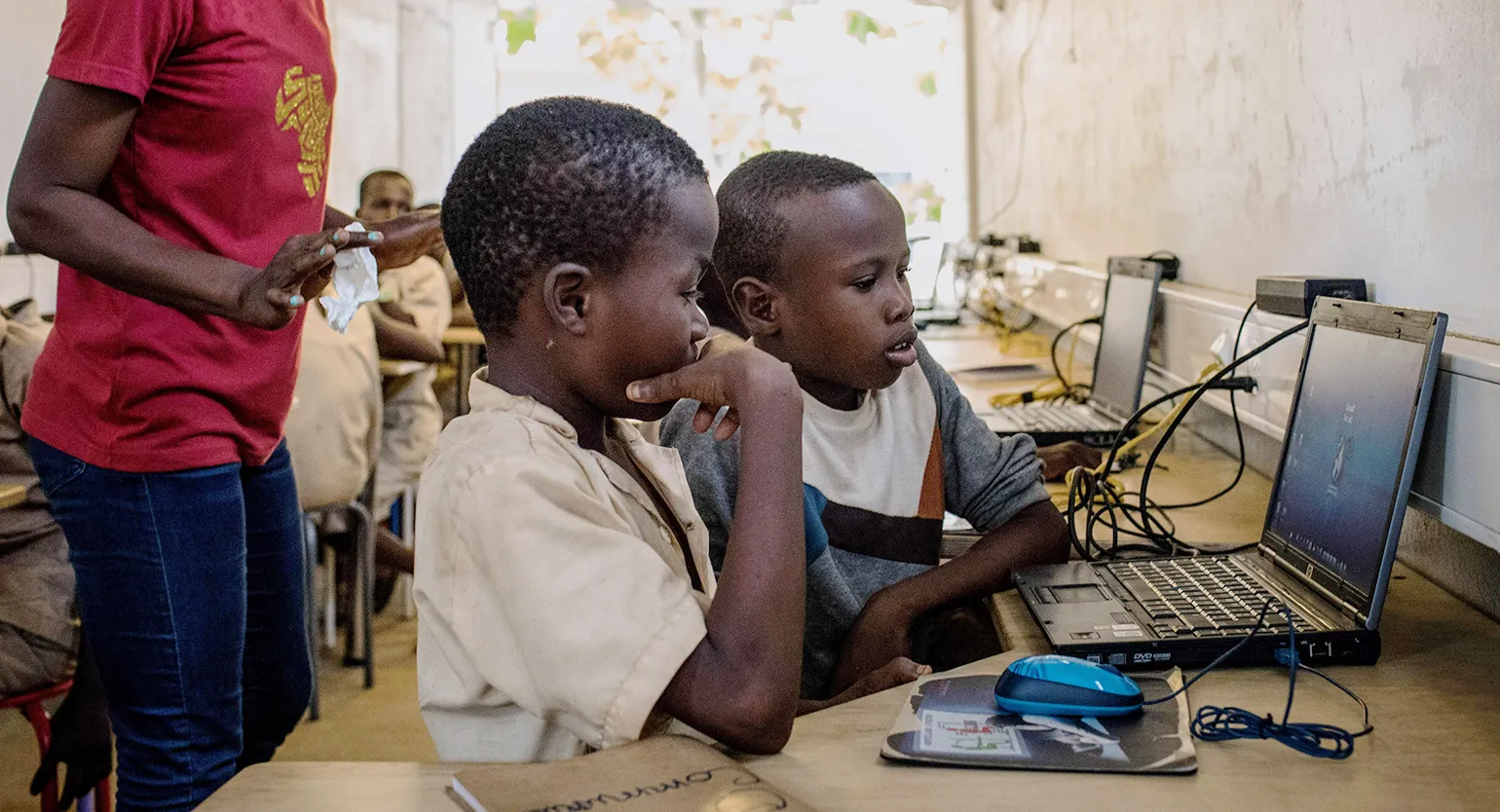
Over the past 20 years, digital tools have had a significant impact on the educational process. The report presents data confirming this fact. The digitalization of education has opened up new opportunities for students and teachers, increasing the accessibility of information and the effectiveness of learning. Interactive platforms, online courses, and educational technologies have become an integral part of the modern educational process. These changes have improved the quality of education and expanded students’ horizons, enabling them to develop new skills and knowledge on their own time.
- In 2021, the number of open online course participants reached 220 million.
- Wikipedia is viewed by at least 244 million users every day.
- In OECD (Organization for Economic Co-operation and Development) countries, more than 50% of schoolchildren study at institutions where online learning platforms are available.
These changes have occurred against a backdrop of rapidly growing internet access. While only 16% of the world’s population had access to the internet in 2005, by 2022 this figure had risen to 66%. This significant growth demonstrates how technology has transformed people’s daily lives and their interactions with information.
Modern methods of obtaining information have undergone significant changes. New approaches to learning and knowledge creation have emerged that emphasize the importance of digital literacy. In the digital world, a functionally literate person must be able to effectively navigate a variety of information. Consequently, school curricula have been updated, introducing new subjects, and the requirements for teachers' professional skills have also changed. These transformations help prepare students for the realities of modern society and enable them to successfully adapt to a rapidly changing world.
The authors of the report believe that the impact of technology on education remains limited. Despite the widespread adoption of digital technologies, the situation is not so simple. Only in countries with a high degree of digitalization are computers and gadgets becoming an integral part of everyday learning.

According to the results of the PISA study In 2018, only 10% of 15-year-olds used digital devices in class for more than one hour per week. It's worth noting that the PISA study primarily involves OECD countries, making the results particularly relevant for the most economically developed countries. This underscores the need to actively integrate digital technologies into the educational process to increase engagement and learning effectiveness. Based on the uneven impact of technology on education, the authors of analytical studies conclude that digital tools have not yet been able to fundamentally transform the educational process. Technology has not yet achieved the same universal position in education as books or the traditional classroom system. Thus, it can be said that the revolution in education has not yet happened.

Also read materials that will help you gain a deeper understanding of the topic and expand your knowledge. We offer a variety of articles, studies, and useful tips that may be useful in your practice. Don't miss the opportunity to explore additional resources to enhance your skills and stay up-to-date with the latest trends.
Will the "death of school" come? Experts analyze the consequences of digitalization in education. In recent years, we have seen the active integration of technology into the educational process, raising concerns about the role of traditional schools. Digitalization of education opens new opportunities for learning, but also raises a number of questions. How will the role of the teacher change? Will students interact less with each other? And how will this affect the quality of education overall? Experts emphasize the importance of finding a balance between traditional methods and new technologies. When discussing the future of education, it is necessary to consider not only the benefits of digitalization, but also the potential risks that may threaten the education system.
What are the benefits of digital technologies in education?
The authors of the report emphasize that the effectiveness of digital tools in the educational process is largely determined by the specific context of their use.
Technology is not a universal solution that automatically improves the quality, usefulness, accessibility, and effectiveness of learning.
EdTech tools have a positive impact in various areas and contexts. They contribute to improving the quality of education by providing access to advanced technologies and teaching methods. Students can use interactive platforms to deeper understand the educational material, which contributes to their engagement and motivation.
Furthermore, EdTech solutions help teachers optimize the learning process by providing tools for analyzing student performance and individualizing the approach to each student. The use of educational technologies also contributes to expanding access to knowledge, allowing people from different regions to receive a quality education, regardless of their geographic location.
Thus, EdTech tools play a key role in transforming the educational process, making it more accessible, effective, and adapted to the needs of modern society.
New educational opportunities for people with disabilities provide broad access to knowledge. Technologies that voice texts have been developed for the blind, allowing them to fully perceive information. Deaf people are offered the opportunity to create subtitles for lectures, which facilitates a better understanding of the educational material. These innovations significantly improve the quality of education and make it more accessible to everyone.
Education is available in regions where there are no face-to-face educational institutions or a shortage of qualified teachers. The use of broadcast lessons via radio, television, and the internet, as demonstrated by the examples of China and sub-Saharan Africa, helps to reduce the knowledge gap between children in rural and urban areas. This approach ensures equal access to educational resources and improves the quality of learning for all children, regardless of their location.
Distance learning cannot completely replace traditional teaching. In Mexico, for example, secondary school lessons have been broadcast on television since 1968. By 2000, 21% of all schoolchildren were enrolled in this program. Without television, many of them likely would not have had the opportunity to become familiar with the curriculum. However, the test scores of these students have always been lower than their peers in traditional schools. This emphasizes the importance of personal communication and interaction with teachers for achieving high educational results.
Access to high-quality books, lectures, and other educational resources is becoming increasingly important. Online libraries, the digitization of books and various sources, and platforms with free courses are actively developing, providing users with a wide selection of open educational materials. Social media also plays a vital role in disseminating educational content: according to research, 80% of 113 leading global universities use YouTube to publish lectures and other educational materials. This provides educators with new opportunities to create and distribute educational content, which contributes to improving the quality of education and accessibility of information. Learning in Emergencies: The transition to distance learning helped avoid a complete disruption of the educational process during the COVID-19 pandemic. According to UNESCO, approximately 90% of education ministries worldwide have implemented various forms of distance learning, affecting over a billion children. In low-income countries, radio programs were the most common tool, while in wealthier countries, online platforms were actively used. This experience demonstrated the importance of adapting educational systems to emergency conditions and the need to implement flexible learning formats to ensure accessibility of education in all situations. Mobile phones have become an important tool for communication and access to information in low-income countries. Research conducted in 24 such countries between 2018 and 2021 found that among the poorest 20% of the population lacked television, while one-third had access to radio. Two-thirds of the population owned mobile phones. This confirms the importance of mobile communications as a source of information and communication for people living in resource-poor settings.
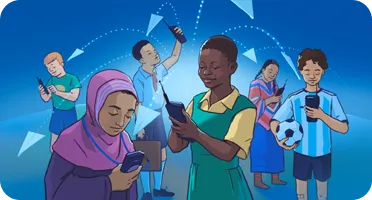
SMS and instant messaging apps have become important tools for teachers, allowing them to effectively communicate with students and their parents. However, specialized educational apps have not yet become widespread in the educational process.
Check out additional materials:
Unusual teaching practice: how and why SMS technologies are used
SMS teaching is becoming increasingly popular in modern educational methods. This form of learning offers a convenient and accessible way to impart knowledge, allowing people to receive information directly on their mobile devices. Using short text messages, you can effectively communicate materials, lesson reminders, and quizzes, significantly increasing learner engagement.
The primary reason for implementing SMS learning is its accessibility. In a rapidly changing world, many people prefer to learn at a convenient time and from any location. The SMS format makes it easy to integrate learning into everyday life, making it attractive to both students and professionals.
Furthermore, SMS learning facilitates rapid information absorption. Brief messages help focus on key aspects, and the ability to receive instant feedback makes the learning process more effective. SMS technologies also enable collaborative learning, where participants can exchange messages and discuss assigned topics.
Thus, the use of SMS in learning opens new horizons for the educational process, making it more flexible and accessible to a wider audience. This isn't just a trend, but a necessity in today's society, where mobility and speed of information play a key role.
The training of specific skills is becoming increasingly important in education. This report presents examples of EdTech products with proven effectiveness. For example, the Ei Mindspark service, popular in India, promotes a deeper understanding of academic topics through homework. Furthermore, a number of apps, such as Quizlet, significantly improve the memorization of foreign words. Virtual and augmented reality also play an important role in vocational education, allowing students to practice skills in a safe environment, which is especially relevant in situations where working with real-world objects can be dangerous. These technologies open up new opportunities for learning and professional development, ensuring deeper assimilation of material and development of practical skills.
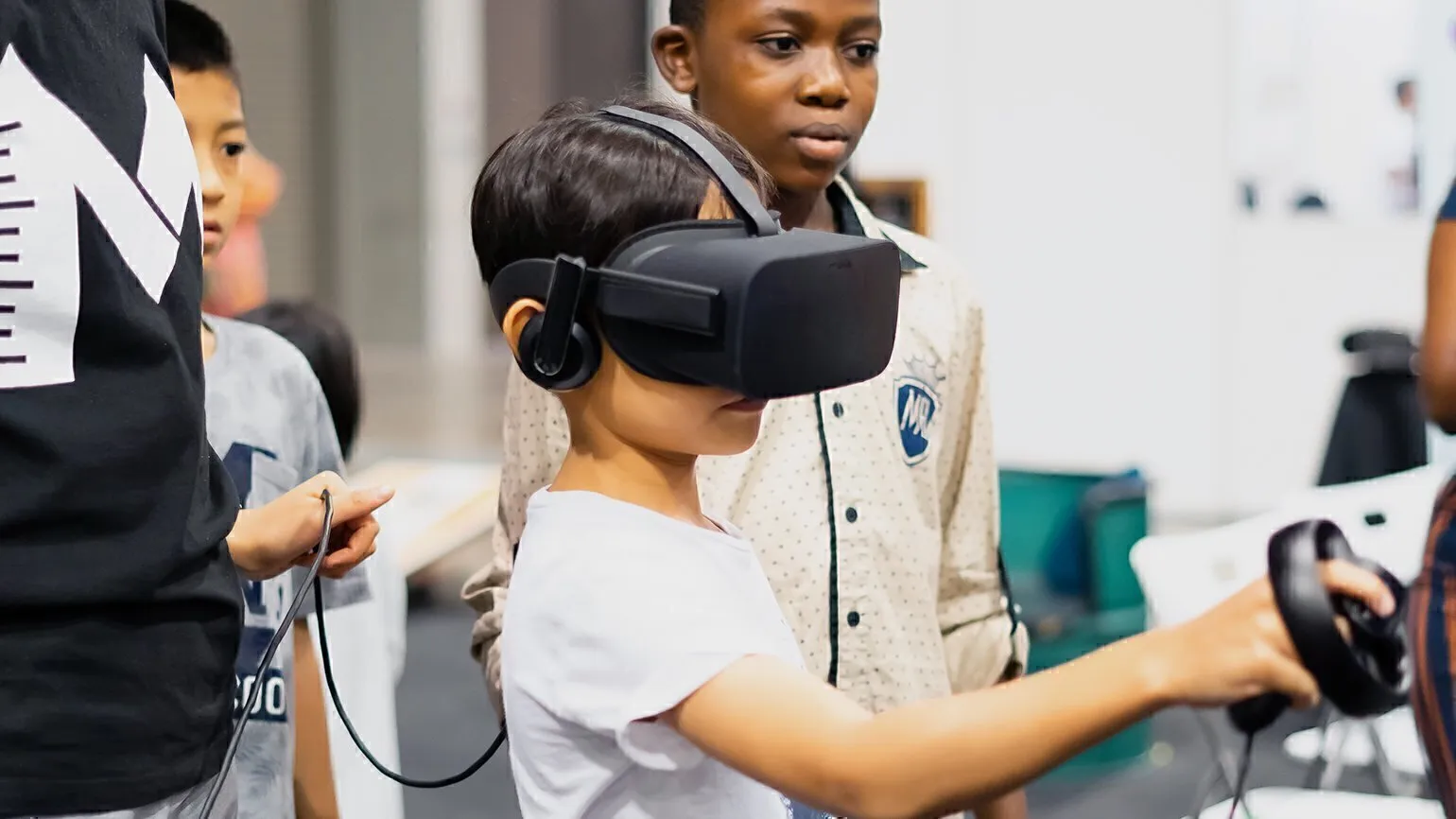
It is important to note that each of the examples cited focuses on developing specific skills within a measurable framework. For example, a student struggling with fractions improves their skills and begins to perform better on tests after online lessons. The authors of the UNESCO report emphasize that the positive effects of learning technologies have only been confirmed in certain conditions. There is no guarantee that a similar result will be achieved in other contexts. This underscores the importance of an individualized approach to learning and the need for careful analysis of the methods used.
Improving education management systems has become a hot topic over the past three decades. In high-income countries, the number of policy decisions based on statistical data has increased 13-fold, while in low-income countries, it has increased five-fold. The application of a data-centric approach to educational practice is already demonstrating its benefits. For example, in China, learning analytics is actively used in primary and secondary education to identify student problems and predict their learning paths. These methods are currently being implemented in Smart Education pilot zones in China, demonstrating a growing interest in using data to improve the quality of education.

Read also:
Doctor's orders: when EdTech benefits schools, and When - No
Technology plays a vital role in the modern educational process. EdTech, or educational technology, can significantly improve learning, but its use requires a balanced approach. In this article, we will consider when educational technology becomes an effective tool for schools, and when its use may be inappropriate.
EdTech is beneficial for schools when it is implemented with the needs of students and teachers in mind. Interactive platforms, online courses, and educational apps can make learning more engaging and accessible. They facilitate individualization of the process, allowing students to learn at their own pace. Technology also helps teachers more effectively track their students' progress and adapt teaching materials.
However, the use of EdTech can be ineffective if it is implemented without strategy and preparation. Without proper teacher training and technical support, the introduction of technology can lead to confusion and a decrease in the quality of education. Furthermore, overreliance on technology can weaken traditional teaching methods, negatively impacting the development of students' critical thinking and social skills.
Thus, the successful use of EdTech in schools depends on a balanced approach that considers both the benefits and potential risks. Educational institutions must carefully plan the integration of educational technologies, providing the necessary training for teachers and support for students.
What are the disadvantages of digital technologies?
The authors of the report note the positive aspects of digitalization, but focus on the existing problems. It is important to consider both the benefits and challenges associated with the implementation of digital technologies. Considering these aspects will help to better understand the impact of digitalization on various areas of life and identify ways to address emerging difficulties.
An important conclusion of the report is that banning the use of smartphones in schools may be justified, especially in certain cases. Educational institutions should limit the use of technologies that do not support the learning process and may negatively impact students. Smartphones are typically considered one of these potentially harmful devices, so their use in the educational environment should be reconsidered.
According to the report, the use of mobile phones distracts students from the learning process. A meta-analysis of studies conducted between 2008 and 2017 in 14 countries confirms their negative impact on academic performance. Having a phone encourages students to frequently switch to texting and other non-academic entertainment, which in turn affects their performance.
The results of the PISA 2018 study conducted in Spain confirm the link between low test scores and frequent use of digital devices across different countries. Data analysis shows that students who actively use technology demonstrate poorer academic results. This underscores the importance of using digital technologies wisely in the educational process to enhance the quality of learning.
With increased internet access among children and adolescents, the problem of cyberbullying has increased, which, according to the authors of the UNESCO report, is an additional argument for restricting the use of smartphones in educational institutions. Cyberbullying negatively impacts students' mental health and creates an unfavorable school environment. Restricting access to smartphones can help reduce aggression and improve student safety.

An analysis of international practice found that One in four countries has laws or regulations regarding the use of digital devices in educational institutions. Some countries, such as Bangladesh, completely ban personal digital devices from classrooms, while Uzbekistan prohibits their use within the school environment. Restrictions on technology use are also observed in Tajikistan, France, Latvia, Portugal, Mexico, Spain, Switzerland, and several other countries. These measures are aimed at creating a safe and focused learning environment, highlighting the importance of regulating digital technology in educational processes.
Russian schools have sanitary regulations that prohibit the use of mobile devices for educational purposes, but their possession is not restricted. There is an opinion that it is worth considering the possibility of limiting this provision as well.

Reading is an important part of our lives. It enriches our minds, develops critical thinking skills and broadens our horizons. Reading books, articles, and other materials promotes personal growth and improves our ability to absorb information. Furthermore, reading helps reduce stress and improves concentration. In today's world, where information is available in vast quantities, the ability to carefully select and analyze what you read is especially valuable. Therefore, devote time to reading to enrich your inner world and increase your overall productivity. Read a variety of genres and topics to develop your interests and deepen your knowledge in various fields.
Smartphones in School: Acceptable and Inappropriate Use
Smartphones are becoming an integral part of today's schoolchildren's lives. However, their use in the educational process raises many questions. It is important to understand that smartphones can be both a useful tool and a source of distraction.
Smartphones are allowed to access educational resources, complete homework, and participate in online lessons. Many schools are introducing special apps to simplify the learning process, making smartphones useful assistants for students.
On the other hand, the use of smartphones in school also has its limitations. Inappropriate use of devices, such as gaming, social media, or watching videos, can distract from the learning process and reduce concentration. Therefore, it is important to establish clear rules about when and how smartphones can be used in the classroom.
Thus, the balance between acceptable and inappropriate use of smartphones in school becomes key to creating a productive educational environment. Students, teachers, and parents must work together to ensure the effective and responsible use of mobile technology in the learning process.
Access to the internet remains uneven, with 66% of users worldwide, 26% in low-income countries and 92% in the richest countries. The situation is slightly better among young people: 39% in poor countries and 99% in rich countries. This highlights existing digital divides and the need to improve internet infrastructure in less developed regions.
During the pandemic, nearly a third of students (31%, or about half a billion people) were unable to take advantage of technology for education. This problem affected even wealthy countries, where students from low-income families faced greater learning difficulties than their wealthier peers. Many of them lacked the necessary devices, comfortable learning environments at home, and experience using technology for educational purposes. Furthermore, parents often lacked the time and skills to help their children master new learning formats.
Inequalities in adult education are also evident: online learning is more often available to those who have already had access to traditional education. Research shows that 80% of participants in massive open online courses (MOOCs) hold a university degree. This underscores the need to remove barriers for those who have not had the opportunity to study previously to ensure equal access to educational resources for all.
The widespread adoption of digital educational solutions without addressing existing challenges could result in only a limited number of students with all the necessary conditions having access to quality education. At the same time, the most vulnerable groups of students will be at a disadvantage and will begin to lag behind in their studies. This could exacerbate existing educational inequalities. Therefore, it is important to develop and implement digital educational solutions that take into account the needs of all categories of students and promote equal opportunities for acquiring knowledge.

Read also:
Digital tools have a significant impact on the educational process, making it more transparent and accessible. However, with the increasing use of these technologies comes a downside: dehumanization. Virtual platforms and data analytics tools allow for tracking student performance and behavior, which, on the one hand, facilitates teachers' work and improves learning. On the other hand, this can lead to a decrease in personal interaction between teacher and student, as well as to the perception of students as data sets rather than individuals. It is important to find a balance between the benefits of digitalization and preserving the human aspect of education to ensure effective and humane learning. The introduction of digitalization into educational systems raises numerous challenges. First and foremost, uncertainty remains regarding what digital skills people need for a fulfilling life and what knowledge should be included in the school curriculum. Although numerous lists and definitions exist, in many countries they are developed by various IT companies. The authors of the UNESCO report emphasize that this leads to the creation of narrow lists and tests, which are often tailored to the devices and software of specific manufacturers. It is important to consider that educational programs must be flexible and adapted to the needs of society in order to prepare students for the challenges of the digital age.
Digital literacy is not only about mastering a few popular tools, but also the ability to effectively use technology to solve specific problems, establish communication, and organize collaboration. It is important to understand that to adequately assess these skills, high-quality tests are needed that could accurately and fairly reflect the level of digital competence of users. The development of such tools is a pressing issue in today's society, where digital technologies play a key role in everyday life and professional activities.
Teachers are not always ready to integrate information and communication technologies (ICT) into the teaching process. According to a 2018 survey, only 43% of teachers worldwide said that after receiving specialized training, they feel confident in using technology for educational purposes. This indicates that most teachers doubt their abilities, even after receiving relevant training. Moreover, 37% of respondents express the opinion that digital technologies distract students from the learning process. Thus, teachers' readiness and confidence in the use of ICT remain significant barriers to their effective use in education.
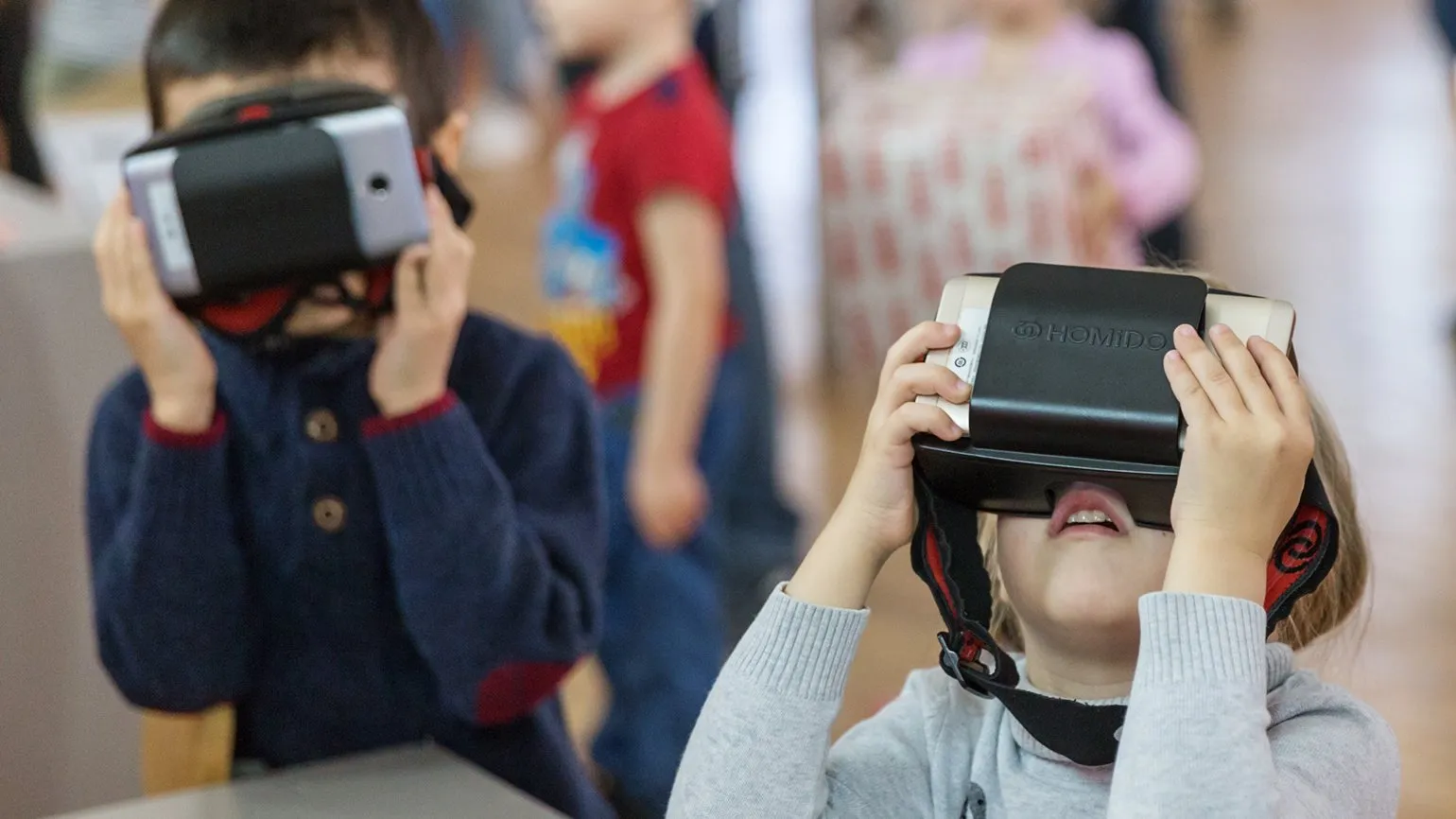
Many Institutions, including universities, that have made significant progress in digital transformation lack the experience to effectively use digital data in management. The report's authors emphasize the decentralized nature of the market for digital solutions for data collection and management. The existing diversity of systems is vast, and solutions from different providers often do not integrate with each other, complicating the data management process. This creates additional challenges for institutions looking to optimize their operations through digital technologies.

Please note the following materials:
Analytics in education: implementation of AI solutions in educational organizations
In recent years, educational organizations have been actively Research and implement artificial intelligence-based solutions. The use of AI in education opens up new opportunities for optimizing the educational process, personalizing learning, and increasing management efficiency.
Analyzing data collected using AI allows educational institutions to better understand student needs, adapt curricula, and offer individualized learning paths. This not only improves the quality of education but also contributes to increased student engagement.
Furthermore, AI technologies help automate routine processes, allowing teachers to focus on creative and educational activities. The implementation of AI solutions is becoming an important step towards creating modern educational ecosystems where technology serves as a tool for achieving high educational results.
Thus, analytics and the implementation of AI solutions in educational organizations are becoming key factors contributing to innovation and improving the quality of the educational process.
The authors of the report emphasize that funding for the digitalization of education is used inefficiently. They cite several examples illustrating the irrational distribution of budgetary funds in this area. This raises serious concerns about the future of educational technologies and their impact on the quality of learning. Efficient use of resources in digital education is a key factor in achieving high results and improving the learning process.
- Educational institutions often purchase subscriptions to services or software and then never use them—according to data for the US, this happens with 67% of licenses.
- In 31% of countries, digital platforms introduced during the pandemic have been completely abandoned—although others have found ways to repurpose them to help those who cannot study in person.
- E-books, which are certainly cheaper than paper books, have not yet become widespread. The main obstacle is that publishers have not found business models for them.
In poorer countries, computers, tablets, and software are also being actively purchased. However, if schools lack basic furniture, experience power outages, and lack access to office supplies, the presence of digital devices does not provide significant benefit. Successful integration of technology in education requires adequate infrastructure and basic resources, which are key to the effective use of computer hardware and software.
In Rwanda, the "One Laptop Per Child" program resulted in many laptops being lost, broken, or stolen. In Ghana, a similar initiative was closed after three years without showing significant positive results. These examples highlight the importance of careful implementation of educational programs and the need to ensure the safety of equipment.
The authors of the UNESCO report, analyzing various case studies, note that in most developed countries, universal secondary education was achieved even before the digital age. This prompts reflection on whether poor countries should follow the proven path of traditional education. However, experts emphasize that limiting students' access to modern technology can negatively impact their ability to develop the skills needed in the modern world. Therefore, they do not advocate preserving chalkboards as the sole method of instruction. Education systems must adapt and integrate new technologies to provide quality education and prepare students for the challenges of the future.

Reworked text:
Study additional materials:
"It was better before": how nostalgia shapes Myths about Past Education
Nostalgia often leads us to idealize the past, including the education system. Many argue that previous teaching methods were more effective and of higher quality. This perception often leads to the creation of myths about how educational practices were better in the past.
Historical evidence shows that education is constantly evolving, adapting to the demands of the times. However, nostalgia can obscure the real achievements and improvements that have occurred in recent decades. Modern technologies, such as online learning and interactive platforms, open up new opportunities for students that may have previously been unavailable.
A critical approach to myths about the past allows us to better understand both the positive and negative aspects of educational systems. It is important to evaluate them in the context of time and sociocultural changes, rather than simply idealize them. Education must evolve and adapt to meet modern requirements and the needs of society.
Among the advantages of digitalization of education, the experts in the report noted the high effectiveness of digital technologies in developing skills at different levels of education. However, most existing technological solutions do not have scientific evidence of their effectiveness, which calls into question their real benefit in the educational process.
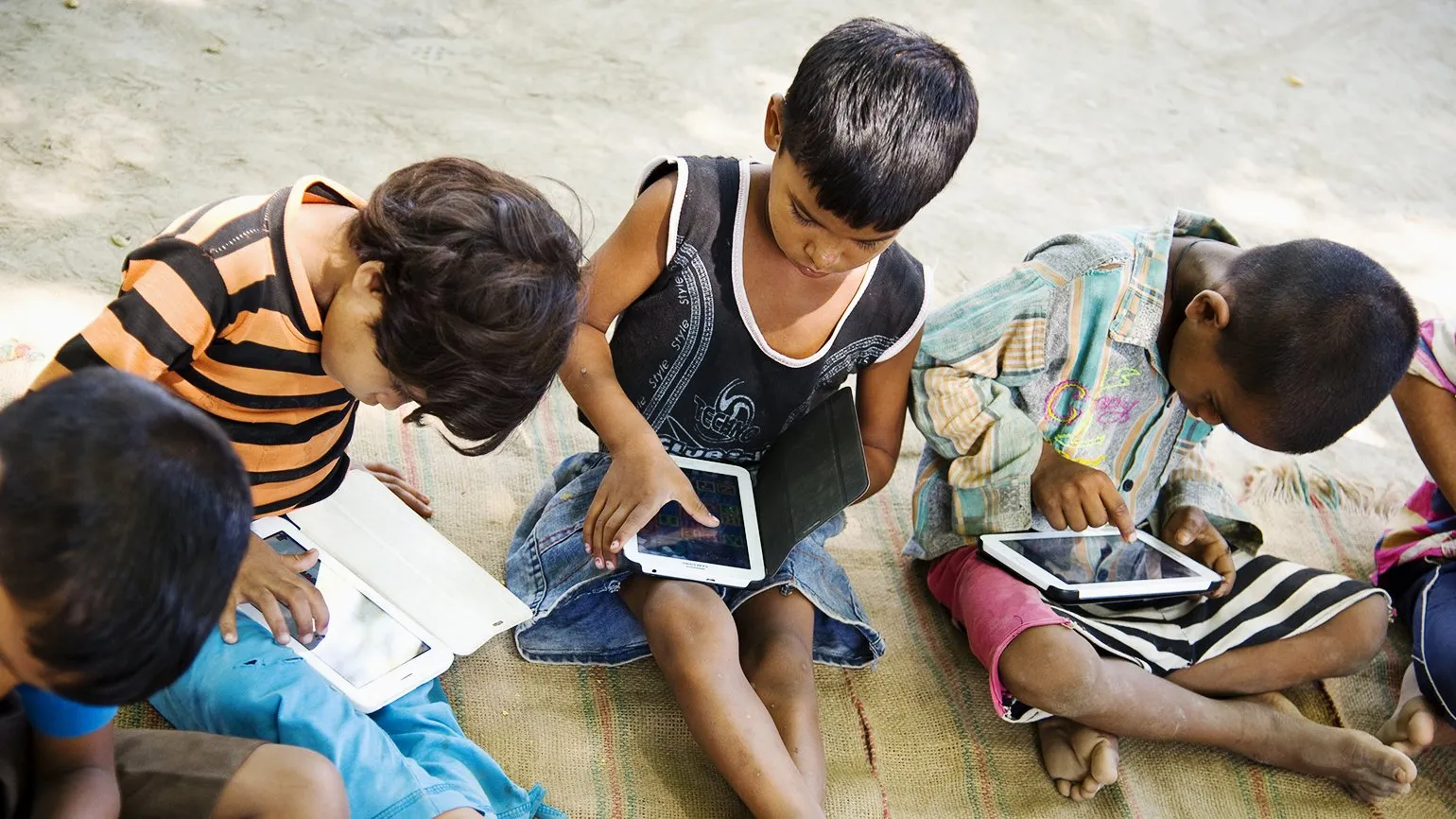
Often It is observed that the impact of technologies is assessed solely by their developers. For example, according to data from the UK, only 12% of EdTech companies use independent certification mechanisms, and only 7% conduct high-quality experimental studies of their products. Such studies are difficult to trust, as their authors have a clear interest in positive results. This highlights the need for more objective and independent evaluations to ensure the quality and effectiveness of technological solutions in education.
Furthermore, conflicts often arise between business goals and the interests of students. According to the report, of the 163 educational products recommended for children during the pandemic, 89% had the ability to collect user data. This information is often used for advertising purposes, raising concerns about the privacy and security of children's data. It is important to consider these aspects when choosing educational technologies to ensure that students' interests are protected and a favorable learning environment is created.
There are objective reasons why information on the impact of technology on the educational process remains insufficient.
- Firstly, technologies are developing so rapidly that there is simply not enough time to thoroughly evaluate all the effects and consequences of their implementation.
- Secondly, full-fledged experiments in education are often impossible in principle. Therefore, it is difficult to assess the impact of technologies on their own—many factors always play a role. Learning outcomes may improve not because a student, for example, studies with an AI tutor, but simply because they began to practice more. And how can we understand what exactly produced the effect?
Systematic reviews of studies conducted in various countries show that technologies have only small or medium effects. In some cases, a trend is observed: the effect of technologies decreases with increasing observation time. Such findings highlight the need for a more in-depth analysis of the impact of technologies on various aspects in order to better understand their real effectiveness and opportunities for optimization.

Check out additional materials:
Evidence-based education is an approach to teaching based on the use of scientific data and research to make informed decisions. This method emphasizes the effectiveness of educational practices based on actual results and statistics. The main goal of evidence-based education is to improve the quality of learning and increase student achievement.
Within this approach, educational institutions and educators analyze existing research to implement best practices and methods in their work. This may include the use of technology, new teaching methods, and adapting curricula depending on the needs of students.
Evidence-based education not only helps educators make more informed decisions but also contributes to the creation of a more effective and efficient educational environment. The implementation of this approach allows for the optimization of resources and time spent on teaching, which ultimately leads to better outcomes for students and educational institutions as a whole.
What solutions do the authors propose?
The main conclusion of the report is that the introduction of technology solely for the sake of technologization does not make sense. Currently, some investments in technology are being made precisely along this principle, based on the widespread belief that digitalization is a positive phenomenon in itself and that progress follows. However, it is important to remember that the effective use of technology should be aimed at solving specific problems and improving processes, and not simply automation for the sake of automation.
The authors emphasize the importance of a thoughtful approach to the introduction of new technologies in education. It is necessary to avoid the mass adoption of tools simply because they have become available. The hasty and uncontrolled introduction of technology into the educational process often occurs due to a lack of sound regulatory practices in this area. Effective integration of technology requires a thorough assessment of its impact on the educational process and adaptation to the needs of students and teachers.
UNESCO experts suggest considering four key issues when developing new educational reforms. These issues will help shape an effective and sustainable education system that meets modern requirements and challenges. It is important to focus on the needs of students, the integration of new technologies, the accessibility of education, and preparation for future challenges. Understanding these aspects will help create a better educational environment that fosters development and innovation.
- Are the technologies appropriate to the current conditions?
- Will all students be able to benefit from the technologies?
- Are the technologies suitable for widespread use in terms of costs and benefits?
- Do they contribute to the sustainable development of education?
It is important to continually evaluate educational innovations in terms of their benefits to students. The social aspects of learning must also be considered. Personalized online learning can be convenient and effective, but some skills cannot be mastered without face-to-face interaction with others. Social skills play a significant role in students' lives and their future, so it is important to integrate elements of live communication into the educational process.
Learn more about current educational trends and useful materials by subscribing to our Telegram channel. Stay up to date with the latest news and grow with us!
Read also:
- Does digital personalization help education or drive you into an information bubble?
- Why study and know something if you can "google" everything?
- Numbers: how students have overtaken teachers in the use of generative neural networks
- Quote of the week: the position of knowledge relay should be replaced by "cognitive engineer"
- How the ChatGPT neural network turned humanities education upside down
The Profession of Methodologist from Scratch to PRO
You will improve your skills in developing curricula for online and offline courses. Master modern teaching practices, structure your experience, and become a more sought-after specialist.
Find out more