Learn: Online Course Producer from Zero to PRO
Learn MoreAgora
One of the most significant approaches to increasing learning engagement is the online learning theory known as Community of Inquiry. This theory emphasizes the importance of student interaction with peers, instructors, and course materials to create a high-quality educational experience. Furthermore, the student's experience of the learning process plays a significant role. Engagement in the learning process promotes a deeper understanding of the material, the development of critical thinking, and improved overall learning outcomes. Using the principles of Community of Inquiry helps create an effective educational environment where each participant has the opportunity to actively participate in discussions and exchange ideas, which ultimately leads to higher achievements.
Social presence is a key element of effective learning. It implies meaningful interpersonal interaction and a sense of connection with real people. When online learners interact through avatars or blank screens, it negatively impacts their engagement. While enabling webcams can improve the situation, it is often insufficient to create a full sense of participation and interaction.
The Monterrey Institute of Technology in Mexico, one of the leading universities in Latin America, is actively developing its online presence by creating innovative educational spaces. The Agora ecosystem, developed by the institute, includes three unique environments for distance and blended learning that promote a high-quality educational process.
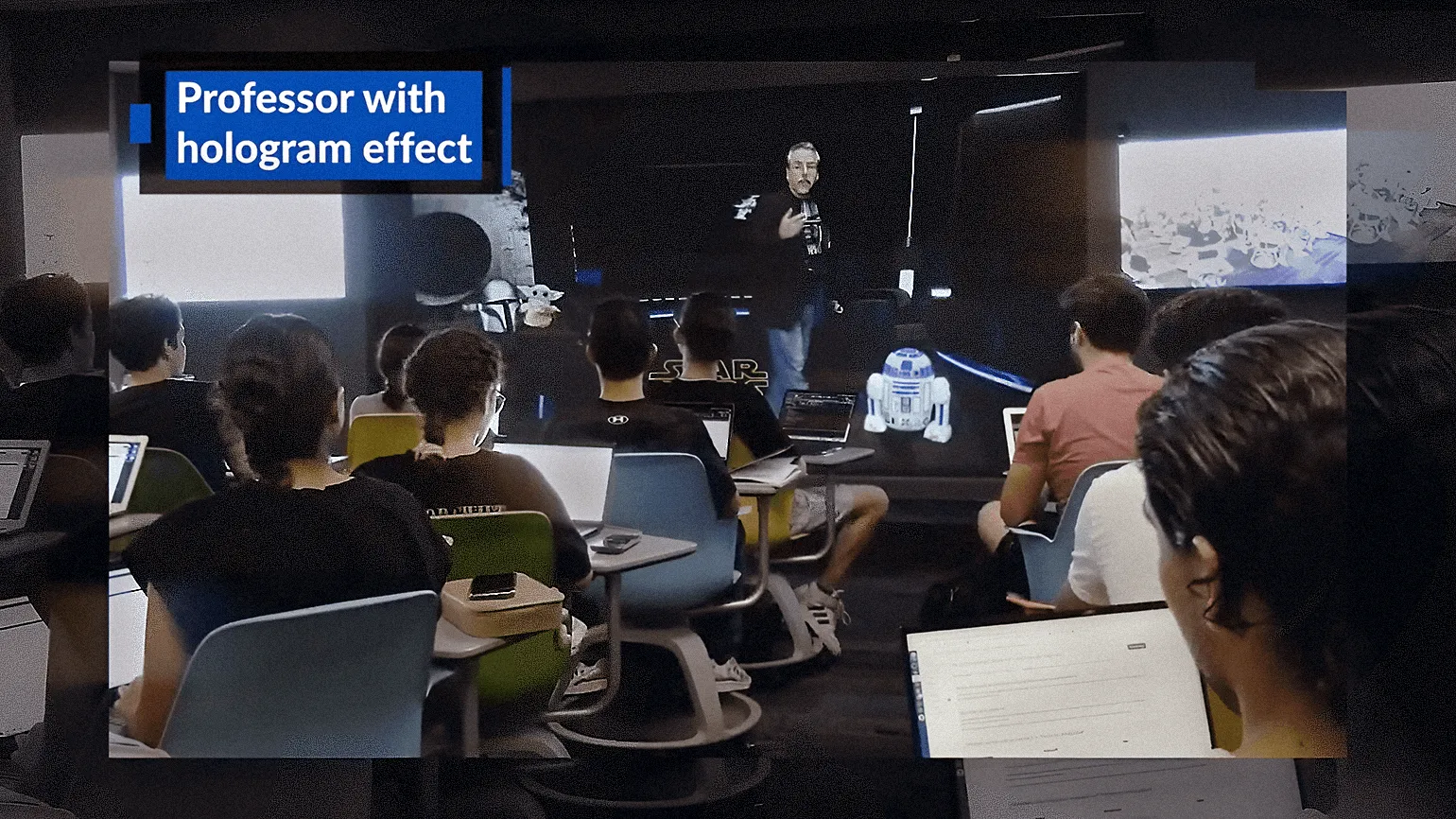
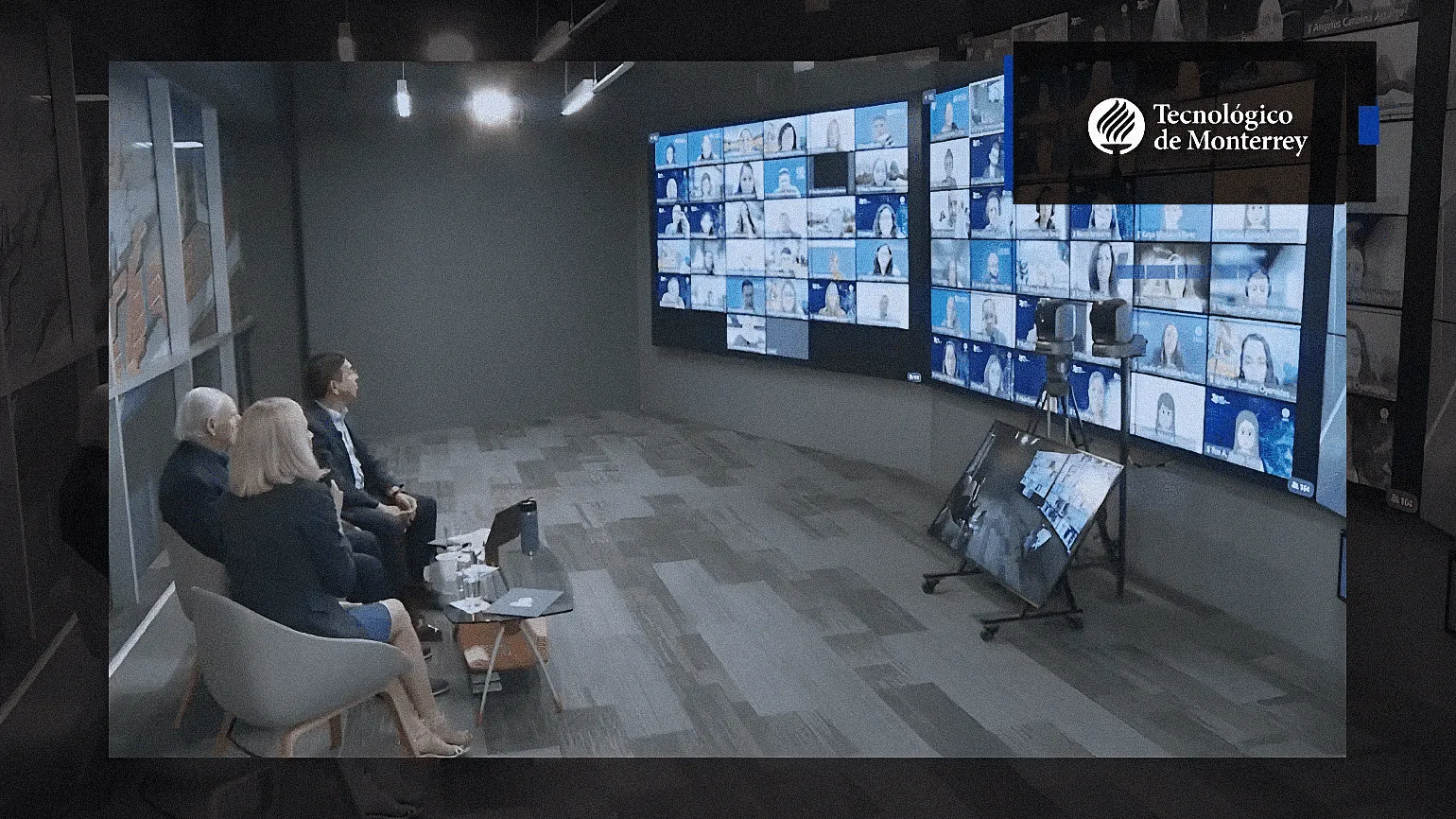
Holoroom is an innovative space created to solve the problem of "talking heads" in online lectures. Students are seated in a classroom equipped with a special screen displaying a life-size holographic 3D projection of the instructor, reminiscent of scenes from Star Wars. The instructor is located in a studio equipped with cameras filming them from multiple angles. They can see and hear the students and interact with them in real time. The precise transmission of the instructor's movements and gestures creates the sensation of their physical presence in the classroom. This technology has been developed and tested by the institute since 2013 and is used not only for teaching but also for remote scientific conferences. Holoroom is a unique solution that combines technology and education, ensuring a high level of interaction between instructors and students. The second type of space is designed to enhance the effect of presence during remote interactions, but for instructors. The speaker, delivering a lecture or presentation, is located in a specially equipped room with professional audio and video equipment. One wall is entirely occupied by screens displaying images from the remote audience's webcams, presentations, online whiteboards, and other digital tools and materials. Using a special panel, the instructor can control what the audience is currently viewing, enabling effective interaction with the audience and maintaining a high level of engagement. This format promotes higher-quality learning and helps create a sense of closeness between instructor and students, despite physical distance.
The third space in the Agora ecosystem is designed for immersive learning in the field of extended reality (XR). Using mobile devices, glasses, and helmets, students can use all available XR technologies. This includes augmented reality (AR), which overlays virtual elements on the real world, as well as full immersion in a virtual environment. These approaches promote deeper learning and increase user engagement in the learning process.
Revised text:
Read also:
This section contains useful information and articles to help you better understand the topic under consideration. We've compiled the best resources to help you deepen your knowledge and get relevant advice. Don't miss our recommendations and articles to help you in your search.
A British university will begin teaching hologram teachers in person. This innovative technology promises to transform the educational process, providing students with a unique experience interacting with virtual lecturers. Holograms can visualize educational material, making it more accessible and understandable. They can adapt to student needs, answering questions and participating in discussions. The implementation of holographic learning opens new horizons for higher education, improving the quality of learning and expanding opportunities for students.
Zerobionic
A robotic arm connected to a laptop impressively translates lecture notes and online STEM classes into sign language for the hearing-impaired. This innovative approach significantly improves the accessibility of educational materials, enabling deaf students to fully participate in the learning process. Technology integrated into educational platforms opens new horizons for inclusion and equity in learning.
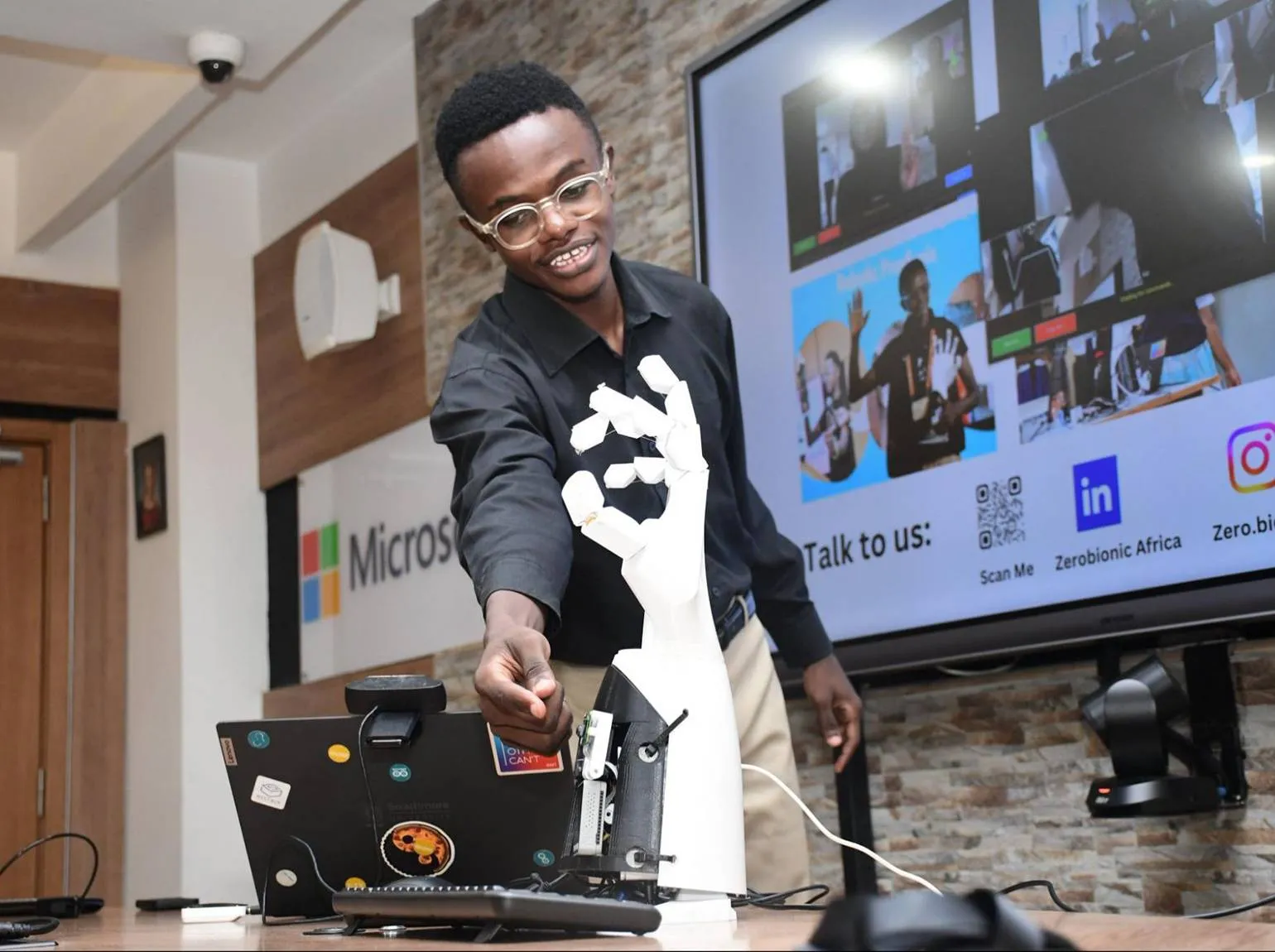
Co-founder Zerobionic, a Kenyan engineer named Maxwell Opondo, showed an interest in robotics and machine learning from an early age. The idea for his project arose in 2020 when, as a student at Strathmore University in Nairobi, he spoke to schoolchildren as part of the Young Scientists of Kenya program. Specifically, Maxwell was invited to teach a class at a school for deaf children. He noticed that learning STEM subjects was nearly impossible for these children due to the lack of teachers who could explain complex concepts, such as data protocols, in sign language. This created barriers to their future careers in engineering and information technology. The Zerobionic project aims to address this problem and open up new opportunities for deaf students in STEM. Four years after Maxwell Opondo's visit, he and a team of students developed a unique technology. This robotic arm not only translates online lesson content into sign language for deaf students but also allows teachers to install a special program on their computers. This program translates student sign language, allowing communication not only through text messages but also in sign language. This innovation significantly improves interaction between students and teachers, opening up new prospects for inclusive education.
MLY
Canadian company Explorance develops technologies that help organizations make data-driven decisions, known as data-driven decision-making (DDDM). In 2021, Explorance introduced BlueML, which was rebranded and renamed MLY in 2023. This tool promotes more efficient data management and process optimization in organizations.
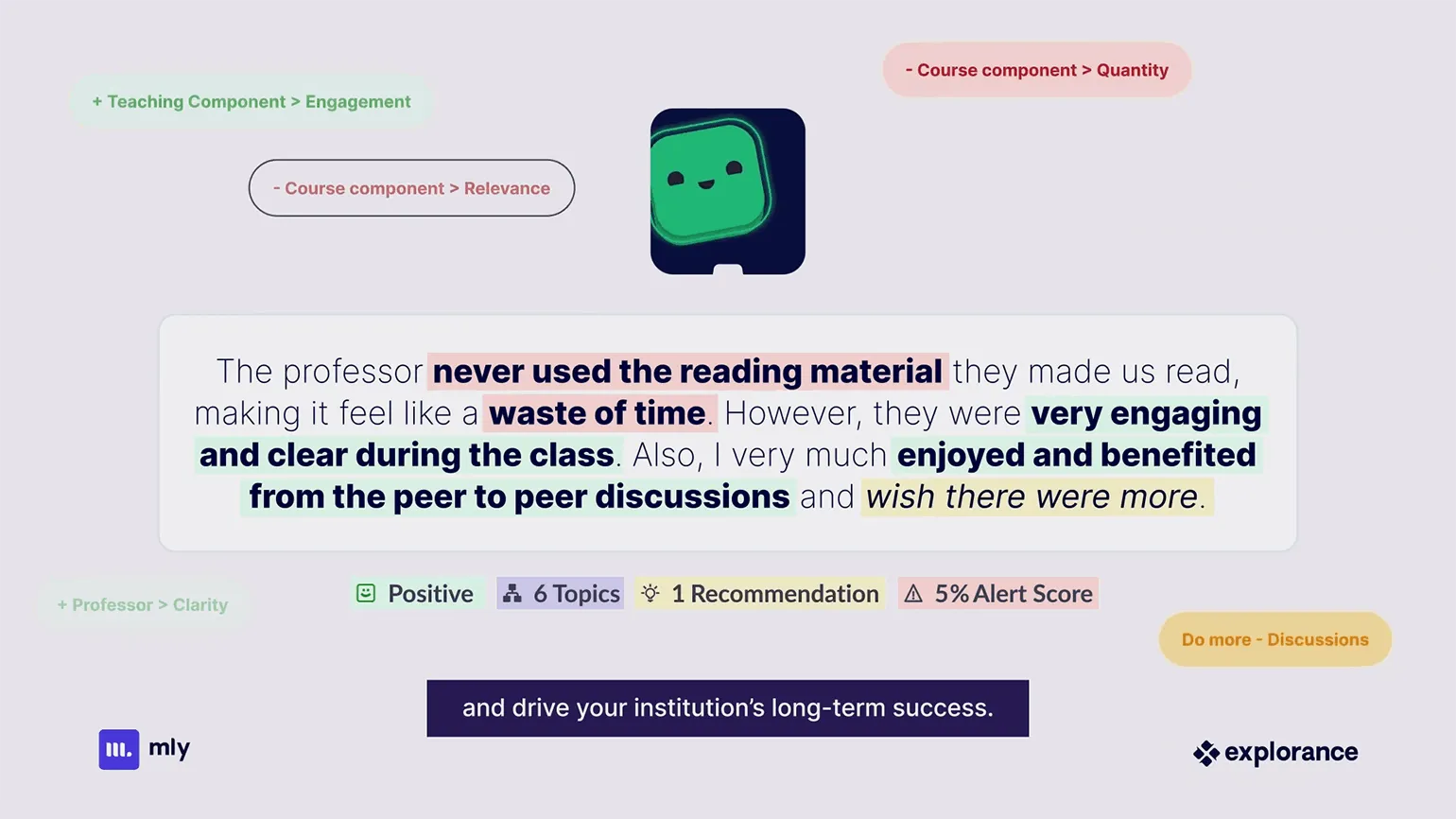
MLY is an innovative platform, Designed for universities and businesses. The platform is based on machine learning technology, which enables the collection of unstructured feedback from various sources. This could include student comments on educational institutions' social media or employer reviews on external resources. MLY not only collects this data but also analyzes it, structuring the information for further use. This approach significantly improves decision-making and helps organizations better understand the needs of students and employees.
The platform analyzes the themes and sentiment of messages and sorts comments based on the socio-demographic characteristics of the authors. It identifies specific issues and determines whether they require urgent intervention. However, MLY's key advantage is that it provides recommendations for addressing identified problems. For example, the platform might recommend increasing the time allotted to students for homework or using group work more frequently. This makes MLY more than just an analysis tool, but an active assistant in the educational process.
The developers claim that their platform provides higher education leaders with valuable insights into student needs. Based on this data, they can make informed decisions aimed at improving the educational process. This, in turn, helps increase student engagement and reduce dropout rates. In the business sector, this platform helps retain employees by promptly responding to their requests and difficulties. The system will also be useful in corporate training. It can help identify current issues faced by staff, evaluate the effectiveness of training programs, and understand which aspects require improvement. Such analytics contribute to the creation of a more effective learning environment in both educational institutions and companies.
Revised text:
Be sure to read the additional information.
Data Analytics in Education: Barriers to Implementation in Universities
The implementation of data analytics in higher education institutions faces a number of significant obstacles. First and foremost is the lack of infrastructure. Many universities do not have the necessary technologies and systems for effective data collection and analysis. Without modern tools, it is difficult to gain valuable insights that could improve the educational process.
Furthermore, the lack of qualified specialists is also a significant barrier. Many educational institutions do not have enough data analysts on staff who can process and interpret the information. This means that even with the data, universities struggle to extract useful insights from it.
Another barrier is cultural resistance. Faculty and administrative staff may not be prepared for the changes that data analytics entails. A lack of understanding of the importance and benefits of analytics can slow down its implementation, which in turn negatively impacts the quality of education.
It is also important to note concerns about privacy and data protection. Universities must ensure the security of the personal information of students and staff, which requires additional resources and attention. This can become an additional deterrent to the implementation of analytical solutions.
Therefore, to successfully implement data analytics in universities, these barriers must be overcome. This includes investments in technology, staff training, cultural change, and data security. Only then will the power of data analytics be harnessed to improve the quality of education and enhance the learning process.
Cogniti
Educational chatbots based on generative artificial intelligence (GAI) are becoming an integral part of modern learning. These tools can explain course material, develop assignments, answer student questions, and provide feedback. Leading EdTech companies are actively implementing them. However, research shows that achieving real learning impact requires thoughtful design and ongoing monitoring by specialists. Otherwise, the use of chatbots may lead to a decrease in student performance instead of the expected increase.
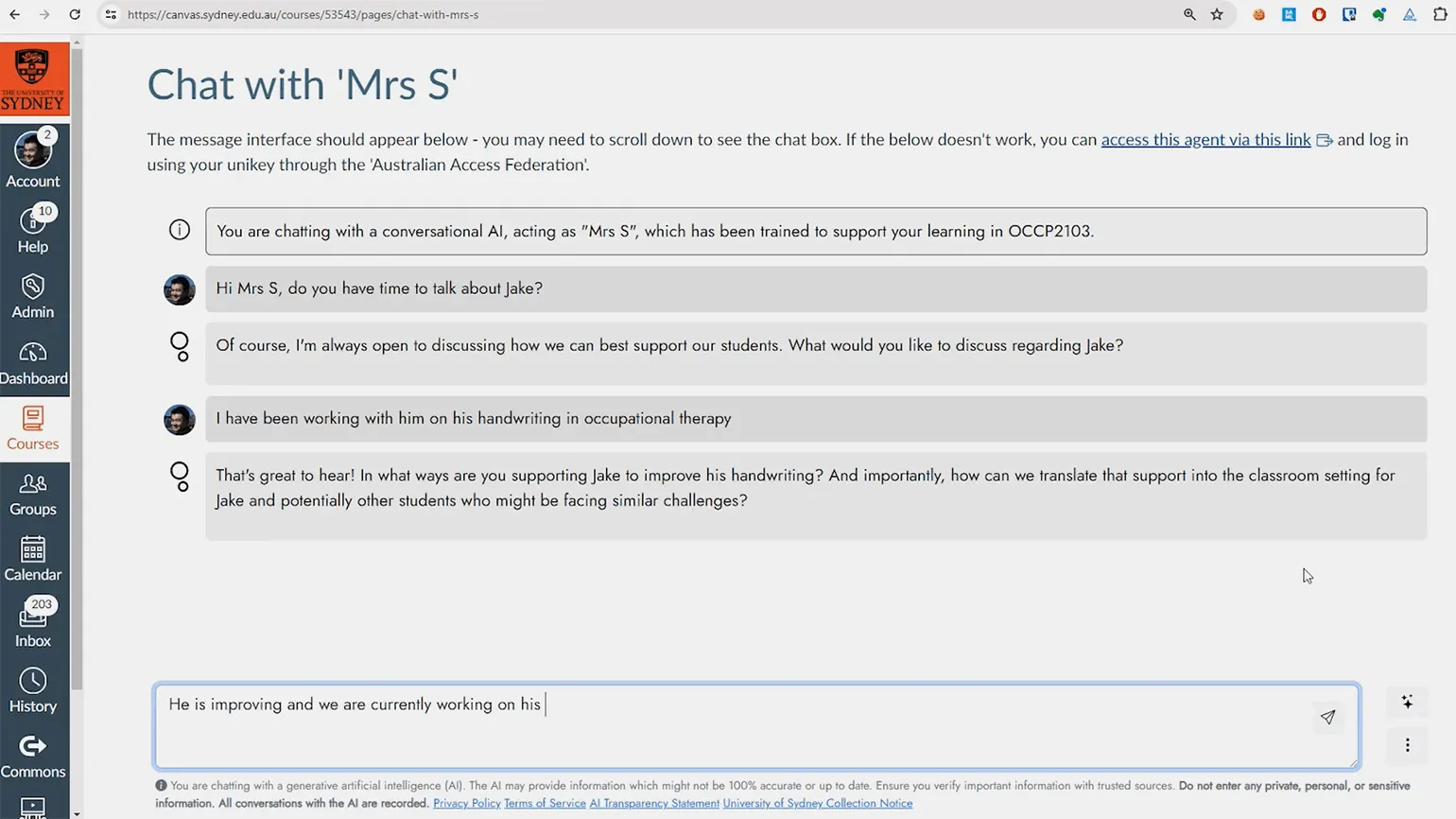
Team A team of developers and faculty at the University of Sydney in Australia has developed an educational chatbot builder called Cogniti. This tool allows for the creation of customized AI bots without the need for programming skills. Faculty can train the bot by uploading verified materials, such as documents, web pages, or video lectures, to the platform. The bot receives clear instructions on how to interact with students. The chatbot developed in this way will not write essays for students, but can help formulate topics and provide feedback on the structure of the paper. Cogniti is an effective solution for the educational process, facilitating improved interaction between faculty and students.
The Cogniti platform allows for the creation of characters, opening up new horizons for the educational process. Faculty at the University of Sydney developed a virtual teacher, "Mrs. S," for an occupational therapy course. In this class, there is a boy who has difficulty writing by hand. Students are tasked with providing "Mrs. S" with recommendations for improving the student's handwriting. It is important that proposals are clear and justified, and evaluated for their practical implementation in a regular classroom. This approach promotes the development of analytical thinking and practical skills in future occupational therapists.
The teacher has access to information about students' requests to the chatbot and the responses it provides. This allows them to modify the bot's instructions, add additional materials to improve the quality of responses, and delve into the topics that students most frequently ask. This approach helps improve learning effectiveness and student satisfaction.
Revised text:
Also study:
Character-bot in education: 4 key tasks it can solve
Character-bots are becoming increasingly popular in educational processes. They can effectively cope with a range of tasks, improving the quality of learning and student interaction. In this article, we'll look at four key applications that can be achieved with a bot character.
First, bot characters can act as virtual assistants, providing students with the information and support they need. They can answer frequently asked questions, provide clarification on course materials, and direct students to the right resources, making learning much easier.
Second, bot characters can help personalize learning. They can tailor materials and assignments to each student's level of knowledge and interests, promoting deeper learning and increased motivation.
Third, using a bot character can significantly improve interactions between students and instructors. Bots can conduct surveys, collect feedback, and conduct statistical analysis, allowing instructors to better understand student needs and tailor instructional delivery.
Finally, bot characters can help create game content and educational simulations. This makes learning more engaging and interactive, promoting critical thinking and practical skills.
In conclusion, the integration of bot characters into the educational process opens new horizons for solving current problems, improving the quality of learning and interaction.
The Hong Kong Polytechnic University's Smart Campus
Omnichannel learning, also known as omni-learning, is a modern trend that has come to the field of education from marketing. This approach allows students to seamlessly interact with educational materials through a variety of channels, providing an educational experience anytime and anywhere. A developed digital infrastructure consisting of interconnected tools and platforms plays a key role in the implementation of omnichannel learning. Thanks to this, students can adapt their learning to their personal preferences and needs, which increases the effectiveness and engagement in the educational process. Omnichannel learning helps create a more flexible and accessible learning environment, which is an important step towards individualizing learning.
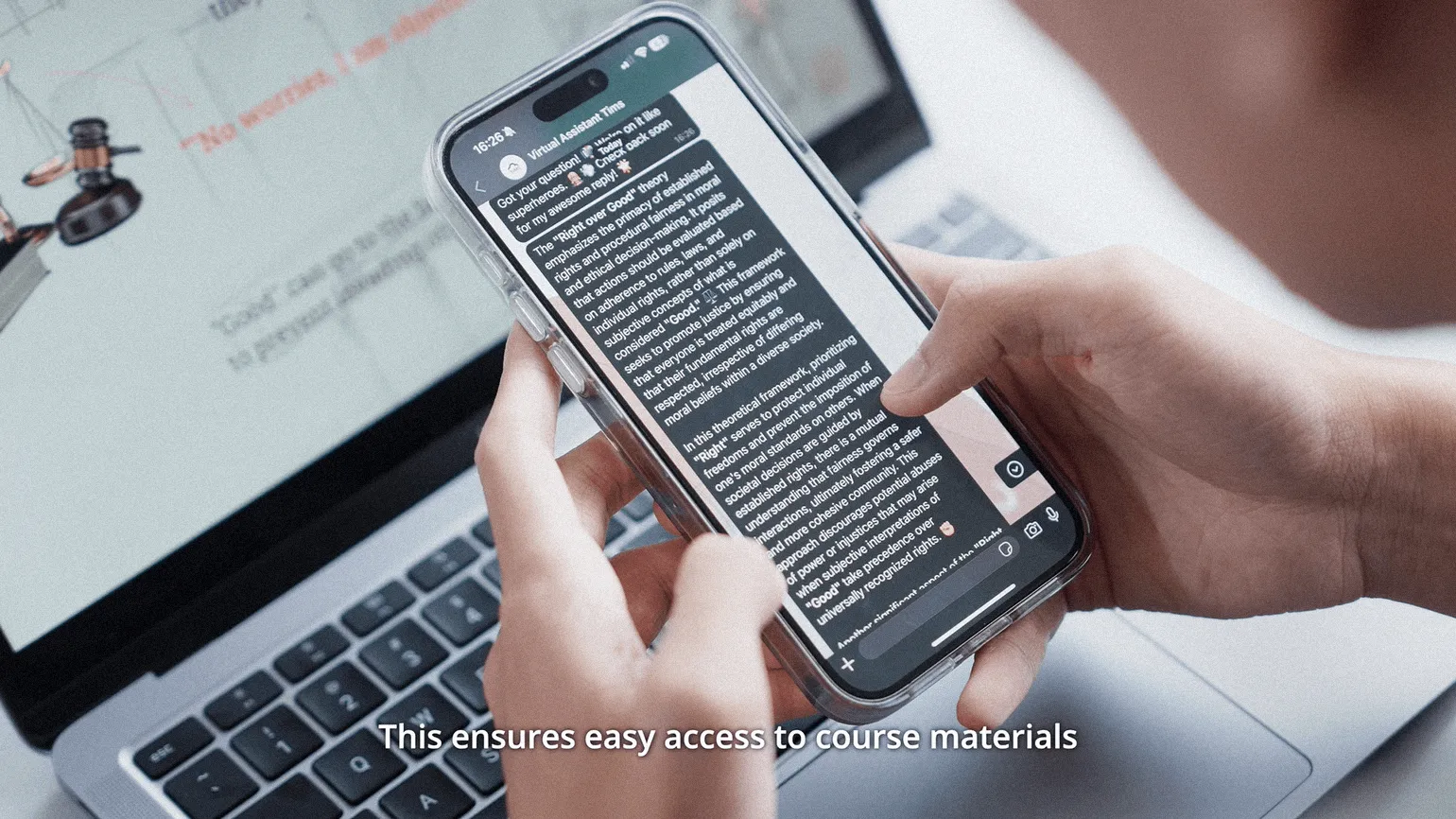
Education at the Hong Kong Polytechnic University (PolyU) is organized according to an interdisciplinary approach. Here, a team of faculty and researchers developed the Smart Campus project, which integrates modern technologies into the educational process. This project aims to create an innovative educational environment that promotes effective student learning and research. Smart Campus combines elements of sustainable development and intelligent systems, which helps improve the quality of education and enhance interaction between students and faculty.
Students do not need to log into the university's distance learning system (DLS) to access educational resources. WhatsApp has become the main platform for educational activities. This application integrates a virtual assistant – the TIMS chatbot, which uses generative artificial intelligence (GAI) technologies. The bot learns from information from the university website, including lecture notes and video recordings.
TIMS is ready to assist students 24/7: it can provide class schedules, share department news, clarify homework assignments, or answer questions about past lectures. The bot can also transform course materials into popular science podcasts, simplifying complex academic terms for easier understanding. If the chatbot's functionality proves insufficient, it can connect students to a teacher via chat.
This approach not only simplifies access to information but also makes the educational process more interactive and accessible for students.
As part of the Smart Campus project, the university developed the AIReAS system—an innovative AI-based tool designed to evaluate written assignments and provide personalized feedback. AIReAS uses academic rubrics, allowing instructors to set clear criteria and describe levels of achievement. The system then analyzes how students' results meet the established criteria and provides constructive feedback, focusing on strengths and weaknesses. This optimizes the learning process and improves the quality of the educational process, providing students with a deeper understanding of their successes and areas for improvement.
The university has significantly expanded the use of RFID tags—radio frequency identifiers embedded in cards and badges. These technologies are actively used in educational institutions to identify students and monitor their attendance. As part of the "smart campus" concept, RFID tags are integrated into the omni-learning system. For example, a student working on a computer project and choosing to use 3D visualization in augmented reality can access a dedicated XR room. Upon entering, the system reads the student's RFID tag and automatically downloads their account data, allowing them to continue where they left off. Thus, RFID technologies facilitate a more efficient and convenient educational process, ensuring seamless integration of various learning formats.
Reading is an important aspect of our lives, promoting the development of thinking and broadening our horizons. It helps us learn new things, deepen our knowledge, and improve our skills. Immersing ourselves in books, articles, and other materials enriches our inner world and promotes personal growth. Reading not only entertains but also strengthens memory, improves concentration, and fosters creative thinking. Regularly reading the recommended materials can significantly improve your life and radically change your perception of the world around you. Experts have identified six key technologies and practices that will shape the future of universities. These areas will help educational institutions adapt to the changing conditions and demands of the modern world. The focus will be on the integration of digital technologies, the development of online education, and the use of innovative teaching methods. Furthermore, the introduction of artificial intelligence into educational processes will be an important aspect, improving the quality of education and increasing the accessibility of knowledge. Emphasis will also be placed on the sustainable development of universities and their interaction with society, which will ensure a deeper connection between theory and practice. Ultimately, these technologies and practices will help universities remain relevant and effective in a rapidly changing educational landscape.
Merlyn
Merlyn is a virtual assistant developed using generative artificial intelligence, specifically designed to support school teachers in their daily activities. Its uniqueness lies in its adaptation to the challenges that arise in the classroom, making it an indispensable aid in the educational process. In addition, the assistant is equipped with a voice control function, which allows teachers to interact with it more effectively and conveniently.
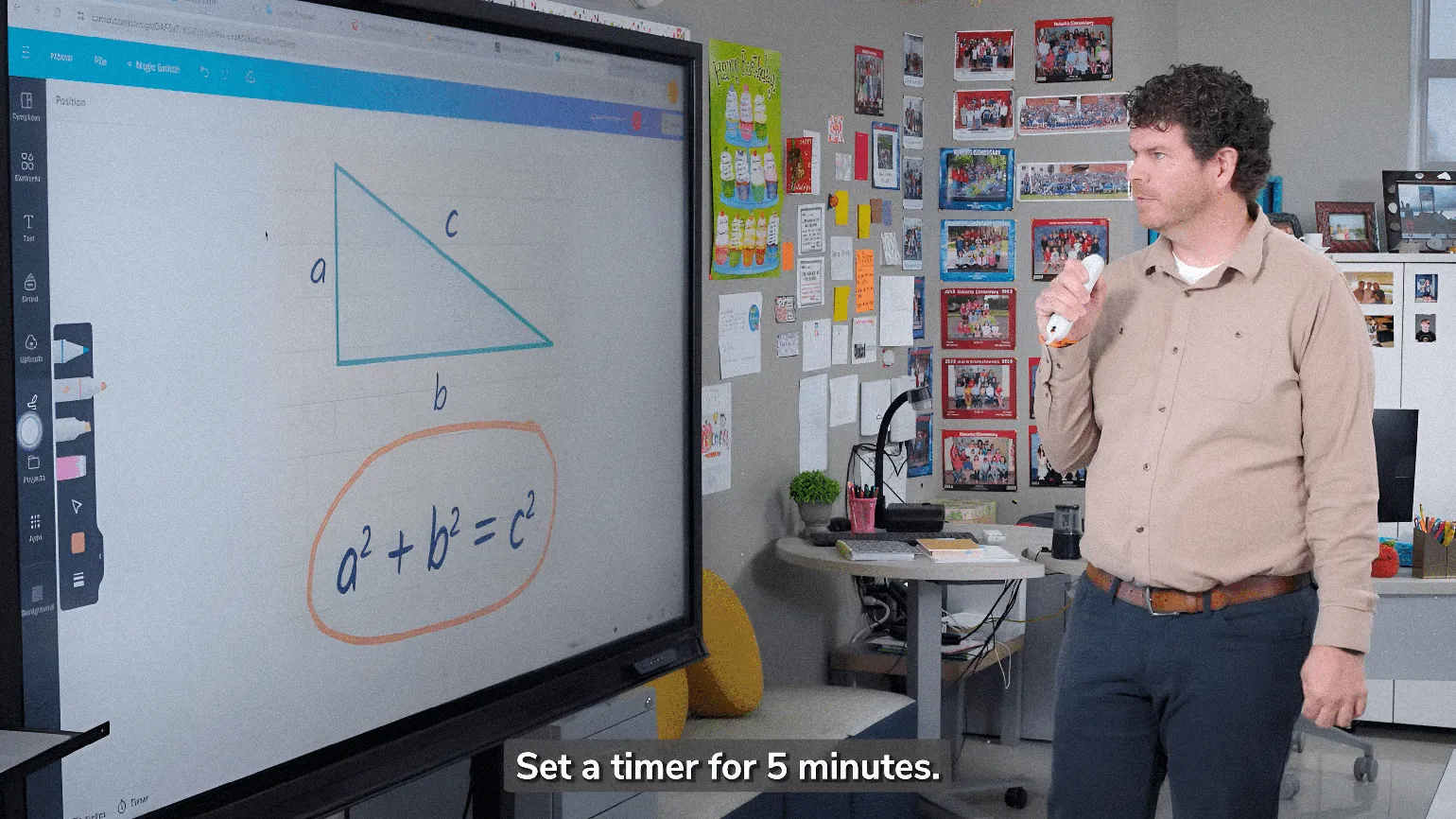
The American IT company Merlyn Mind has developed an assistant that integrates with Google and Microsoft services. To use it, connect a USB receiver to a computer, which will receive a signal from the remote control for voice input, and install a special extension in the Chrome browser. After these simple steps, the teacher can display the image from the computer on the smartboard and begin the lesson. This innovative solution significantly simplifies the teaching process, enabling the effective use of digital technology in the educational process.
Merlyn is an intelligent assistant that understands natural language commands. It can perform a variety of tasks, such as taking screenshots, setting timers, opening presentations from cloud storage, playing videos, and sending assignments to Google Classroom. However, Merlyn's capabilities are not limited to organizational functions. It can independently find necessary illustrations and diagrams to visualize educational material, answer questions, and generate assignments to test student knowledge. Merlyn also provides assistance with lesson planning, including creating lesson plans and developing criteria for grading assignments and written work. Merlyn makes learning more efficient and organized. Merlyn's developers emphasize the safety and ethical use of their neural network. This system is trained exclusively on verified educational materials, significantly reducing the likelihood of "hallucinations." Furthermore, Merlyn always provides links to sources of information, ensuring transparency and data reliability. The neural network also strictly avoids generating content that may be inappropriate in the educational environment.
Online course producer from scratch to PRO
You will learn how to launch profitable courses and webinars with minimal investment. You'll understand how to turn existing EdTech projects into profits and make money from online learning.
Learn more