

Learn: The Profession of a Methodologist from Scratch to PRO
Find out moreModern gadgets have a significant impact on the learning process, and much has been said about this. There are calls for a temporary abandonment of technology to ease the burden on students. However, no less important is the question of the state of teachers, who also experience pressure, and sometimes even more. João Batalheiro Ferreira, a professor at the European University of Lisbon, addresses this issue in his article "Burned Out and Not Doing Enough? The Productivity Paradox of Modern Academia," published on the ScienceDirect platform. In the article, he analyzes how the modern realities of the academic environment affect the productivity and psychological state of teachers, emphasizing the need to find a balance between the use of technology and psycho-emotional health in the educational process.
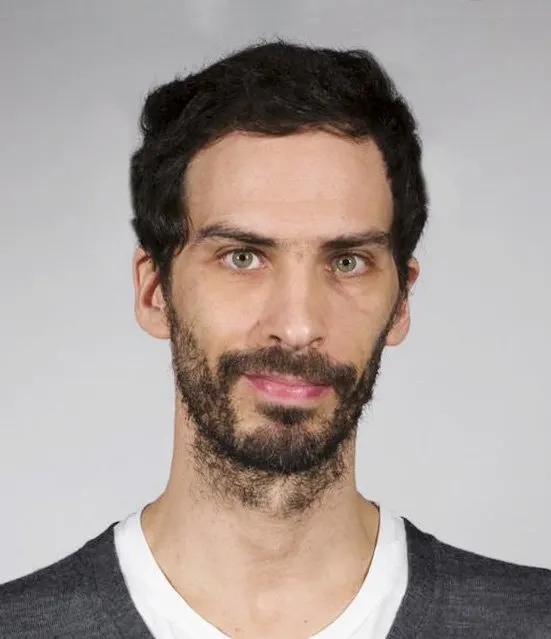
The professor at the European University in Lisbon is an outstanding specialist in his field. He is actively engaged in scientific research and teaching, making a significant contribution to the academic environment. The university is renowned for its high level of education and international collaboration, which allows students to gain unique experience and knowledge. The professor also participates in various conferences and seminars, sharing his expertise with colleagues and students. His work contributes to the development of scientific thought and strengthens the university's position on the international stage.
What's Wrong with Digital in Higher Education
Ferreira frankly admits that his ideas about professorship were romantic. He dreamed of hours spent in the library preparing for lectures, days dedicated to research, and leisurely conversations with students. In his imagination, the professor resembled Tolkien from famous photographs—an elderly man sitting under a spreading tree in Oxford, dreaming of distant worlds or creating new languages. However, the reality turned out to be different, and Ferreira faced unique challenges and responsibilities that did not always align with his idealized vision of academic life.
Reality turned out to be far from the idealized notions of the past. Ferreira soon realized that a significant portion of his working time was spent on routine tasks, such as responding to emails. For the first six months of 2020, he received an average of about 40 emails per day. If you spend at least five minutes on each message, that amounts to about three hours per day. Some emails require a more thoughtful and thorough response. Then there are instant messaging, which also takes up time. It's easy to waste hours on "operational" communication with colleagues, which significantly impacts productivity.
The expert notes that this problem affects not only universities but all modern knowledge workers. However, it's worth emphasizing that professors are not office workers.
Academia represents a unique segment of the knowledge sector. Professors are obliged to generate new and meaningful knowledge that can benefit society. However, this task often misaligns with the practices of organizations, including universities, that manage intellectual labor. Ferreira emphasizes that the need to create valuable knowledge in academia collides with the challenges inherent in traditional organizational structures. This misalignment requires a rethinking of management approaches in educational institutions to ensure more effective interaction between academia and society. Such a rethinking could contribute to more significant achievements in science and education, which, in turn, will improve the overall level of intellectual labor. Scientists and researchers engage in deep work, which underscores the importance of this practice. Deep work has three key components: it is unique and difficult to replicate, it promotes personal skill development, and it creates value. A key element of deep work is the ability to focus. This state is similar to the concept of flow described by Mihaly Csikszentmihalyi. Deep work requires discipline and concentration, which enables significant research results. For professors, deep work is an essential aspect, adding value to both their personal development and the university's mission. Continuously creating new and meaningful knowledge fosters professional growth and enables them to contribute to the academic community. However, the path to true understanding and discovery is not straightforward. There is no quick way to navigate the complexities of exploring complex ideas or insights. Deep immersion in work requires time and a mindful approach. Focusing on a single task without distractions may seem unusual, but it is precisely this process that enables them to achieve significant results and unlock their potential. Several factors can hinder immersion in work. The professor notes that spontaneous communication in the digital space, which is becoming increasingly popular, is a distraction. A poor management culture also plays a significant role in this process. Furthermore, constant fatigue, high anxiety, and unrealistic task loads, including administrative ones, exacerbate the situation. These aspects make it difficult to focus on work responsibilities and increase stress levels, which can ultimately negatively impact productivity.

The modern understanding of productivity is closely linked to the digital environment. Previously, scientists, although considered productive, worked slowly and their motivation was the simple pleasure of explaining the issues that interested them. To achieve insights, they needed not only problem-solving skills but also the ability to detach and think intuitively and calmly. However, in today's information overload, when people are bombarded with vast amounts of data and require rapid decision-making, this becomes significantly more difficult. Research shows that certain conditions are necessary for intellectual insights, and stress, conversely, hinders this process. Therefore, it's important to find a balance between intense work and time for reflection to maintain productivity in the modern world. Ferreira notes that productivity should be measured not by the speed of using new technologies, but by the quality and depth of the ideas generated. What matters most is the ability to create meaningful and original concepts that can lead to real change and improvement. Productivity lies in intellectual contribution, not in the amount of time spent using tools.
How to change the approach?
The professor cites the example of scientist Peter Higgs, who was awarded the Nobel Prize in Physics in 2013. Higgs is known for his research in the field of elementary particles and the development of a theory explaining the mechanism that gives particles mass. His work has become an important contribution to modern physics and significantly expanded our understanding of the structure of matter.
In a rare interview, Peter Higgs shared that in the current academic environment, he would hardly be able to demonstrate his productivity. Higgs is known for his "disconnectedness" from technology: he does not have a computer, a mobile phone, and there is no talk of having email. This phenomenon is unusual for the era of Nobel laureates. The Royal Swedish Academy of Sciences encountered difficulties contacting Higgs to inform him of the award. Ultimately, the academy had to issue a public statement before they could notify the scientist himself. Nobel laureates provide unique role models. Their achievements and approaches to work can serve as valuable guidance for aspiring professors. Ferreira argues that it's worth considering their behavior as a template for your own development. It's important to learn from those who have achieved outstanding results in their field to successfully build a career and develop your professional skills.
Ferreira cites the example of Olympic figure skating champion Nathan Chen, who became known not only for his athletic achievements but also for his refusal to use a smartphone during competitions. This decision helps him avoid the overload of endlessly scrolling news feeds. The professor emphasizes an important lesson: technology requires conscious control. If even elite athletes struggle with digital overload, what about professors and researchers who also need to focus on their work?
Ferreira puts forward a bold idea: "Universities should view professors as cognitive athletes, not as email-fueled hyperclerks." This proposal could radically change the face of universities if taken seriously. A reimagined approach to the role of faculty can lead to greater engagement in the classroom, innovation in teaching methods, and improved educational quality overall.
Ferreira is not alone in speaking out against the "tyranny of email" in academia. For example, Georgetown University Associate Professor Cal Newport emphasizes the need to rethink faculty-student communication policies at universities. Stanford University Professor Emeritus Donald Knuth also maintains a strict approach to correspondence, responding to emails only once every six months and only through his secretary. Knuth chose this restriction to focus on his research and avoid distractions. Examples such as these raise important questions about the balance between faculty availability and their need for deep work.
Also read articles to help you delve deeper into the topic. We offer a variety of content that covers key aspects and current issues. Check out our helpful tips and recommendations, which can significantly improve your understanding and practical skills. Don't miss the opportunity to learn more and expand your knowledge in the area of interest to you.
- How the usual subordination between teachers and students has been erased
- An unexpected look: close partnership between universities and businesses can lead to disaster
- Bookshelf: "University in Ruins", Bill Readings
Methodologist Profession from Beginner to Advanced
You will develop skills in developing curricula for online and offline courses. You will master modern teaching practices, structure your experience, and become a more sought-after specialist.
Find out more