Contents:
Learn: Profession Management in Online Education
Learn MoreThis article will introduce you to the main aspects of the topic that will be covered. We will discuss key points in detail to ensure a complete understanding of the material. You will learn about the importance and significance of the issues discussed, as well as how they can impact your work. We will focus on practical recommendations and useful tips that will help you in the future. Read on to deepen your knowledge and gain valuable insights.
- What is blended learning and why you shouldn't confuse it with hybrid learning;
- How has blended learning developed from the 1960s to the present day;
- What models of blended learning exist;
- What advantages does blended learning have;
- What difficulties do those who want to implement a blended approach in the educational process often face.
What is blended learning?
Blended learning, or blended learning, is a methodology that combines traditional face-to-face teaching with online formats. Different researchers may define this term differently, but an international team of researchers in the review "Preparing for the Digital University" argues that all definitions have a common essence: blended learning integrates the physical presence of teachers and students with digital resources and technologies. This approach creates a more flexible and adaptive learning environment where students can manage their own time and pace of learning. This format promotes deeper learning and the development of self-regulation skills, which is especially important in the modern educational system. Blended learning is becoming an integral part of the educational process, allowing institutions to adapt to the demands of the digital age.
Blended learning is a methodology that combines various face-to-face and online learning formats. This approach enables effective interaction between students, instructors, and educational resources, which contributes to the improvement of the educational process. Blended learning provides flexibility in learning, adapting to student needs and providing access to a variety of materials and tools. This learning format can increase student engagement, improve learning, and develop self-study skills.
Blended learning typically involves students spending part of their time in the classroom and the other part online, both synchronously and asynchronously. However, blended learning also includes situations where a course is delivered entirely in a traditional format, but the curriculum and communication are built using digital resources, such as learning management systems (LMS). Additionally, blended learning is considered to be distance learning that utilizes both synchronous and asynchronous methods. This approach allows for the flexible combination of different learning formats, which promotes more effective learning and increases student engagement.
This term is often incorrectly perceived as synonymous with hybrid learning. However, there is an important difference between the two. Hybrid learning involves a synchronous format, where the entire group of students participates in classes simultaneously. Some students are present in the classroom, while others study remotely through online platforms. This allows for flexibility in learning by combining traditional methods and digital technologies.
In blended learning, activities can be both synchronous and asynchronous. For example, the entire group first attends a lecture in the classroom, and then students complete an electronic test or assignments on an online platform to reinforce the material covered. In practice, hybrid and blended approaches are often combined, allowing for more efficient use of training time and resources. This approach provides a variety of formats, which promotes better information absorption and increases student engagement in the learning process.
How Blended Learning Emerged and Developed
Blended learning emerged long before the spread of the internet. HR and personnel development expert Josh Bersin, in his book "The Blended Learning Playbook: Best Practices, Proven Methodologies, and Lessons Learned," examines four key stages in the development of this learning method. Blended learning combines traditional methods and modern technologies, allowing for more effective and flexible learning processes. This approach is becoming increasingly popular in modern organizations, providing the ability to adapt training to the specific needs of employees and improving learning outcomes.
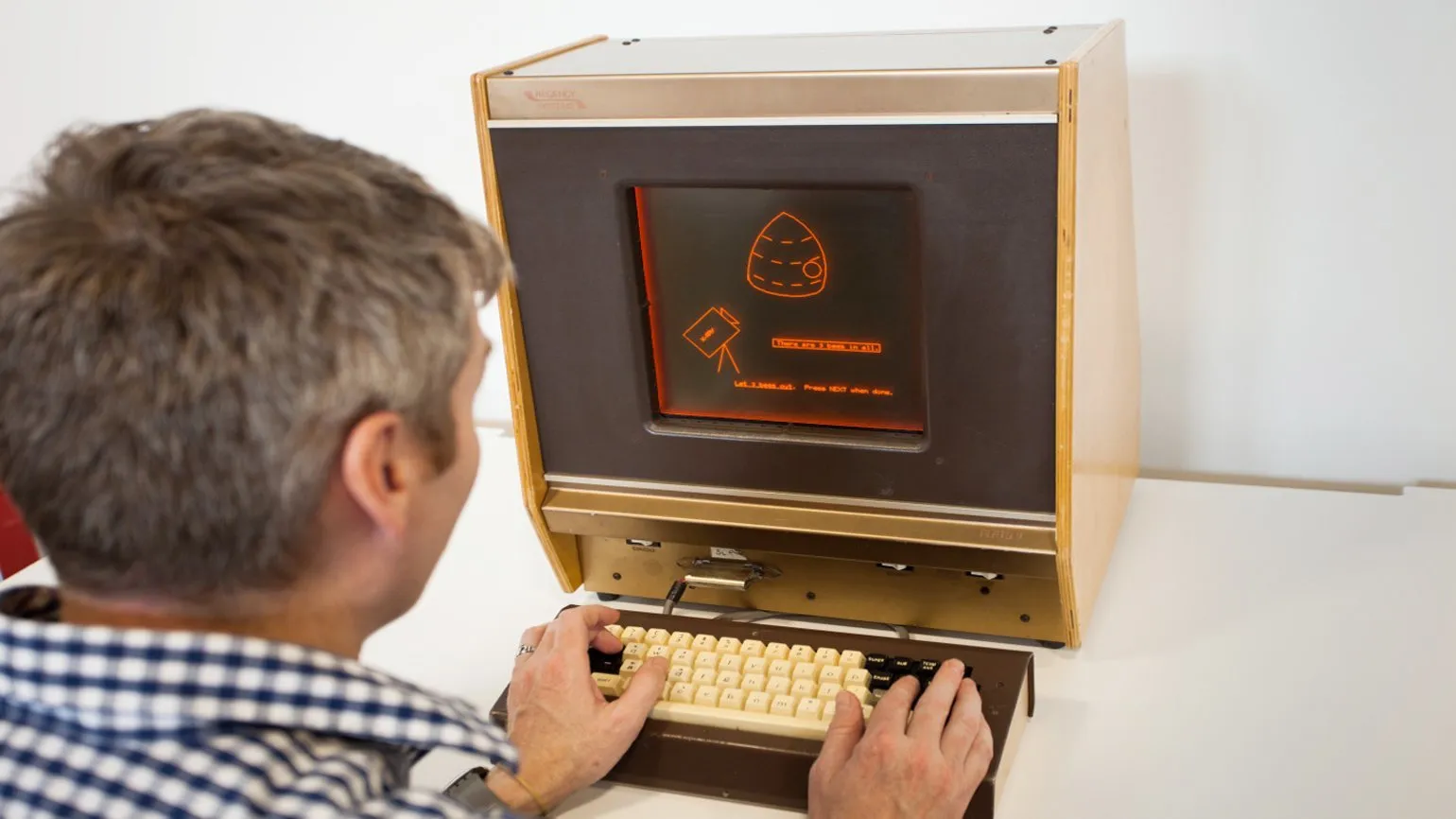
One of the first examples of high technology in education is the PLATO computer system, created by the University of Illinois. This platform offered educational courses in a variety of subjects, including mathematics and music, and was used for teaching in schools, universities, and even prisons. Interestingly, it was PLATO, which operated until 2006, that first introduced features such as electronic tests, forums, chats, screen sharing, and online games. This system has had a significant impact on the development of e-learning and educational technologies, opening up new horizons for interactive interaction between students and teachers.
In In the 1970s, video broadcasting via satellite began to gain popularity in the United States. Large companies began organizing training sessions where employees gathered in classrooms and were taught by an instructor appearing on-screen. Participants could ask questions using specialized technology. Universities such as Stanford also used this technology to broadcast professors' lectures, allowing distance learning students to receive a high-quality education. Thus, video broadcasting became an important tool in employee training and professional development, as well as in the academic process.
With the advent of affordable personal computers, online learning gained popularity. Educational providers began using high-quality video and audio, which significantly improved the learning experience. Furthermore, interactive features made learning more engaging and effective. For example, Boeing developed CD-ROM courses for its employees, which they were required to complete before attending in-person training. This approach facilitated deeper learning and prepared employees for practical exercises.
The first steps in online education involved uploading educational content, originally developed for CD-ROM, to the internet. However, this practice did not ensure the required quality of the educational process due to slow internet connections and other technical limitations. Over time, instructors have acquired modern tools that have significantly improved the educational experience. New technologies enable the effective integration of learning both in and outside the classroom, providing students with access to high-quality resources and interactive materials.
What are the different models of blended learning?
There are many models that utilize blended learning. This flexible approach gives teachers, methodologists, and trainers the opportunity to adapt the learning process to meet the specific educational goals and needs of the audience. Blended learning combines traditional teaching methods with modern digital technologies, which helps increase student engagement and improve learning outcomes. This approach allows for the efficient use of resources and individualization of learning, making it relevant for a variety of educational institutions and programs.

There are seven main models that do not contradict each other each other and can be combined in various ways.
This is a classic classroom or lecture hall model of teaching, in which the teacher periodically integrates online activities. These online elements serve to replace, expand, or complement traditional teaching methods, making the process more interactive and effective. The introduction of digital resources helps students better absorb the material and actively participate in learning.
Students move sequentially from one type of activity to another according to a predetermined schedule. An important part of this process is online learning. For example, after a lecture in the classroom, students can work on a project in groups and then participate in an educational online game or take a test. This approach, characterized by the systematic nature of online classes, allows for the integration of various forms of learning and promotes deeper assimilation of the material.
When using a computer lab for teaching, where students move to after traditional classes, this method is called lab rotation. This approach effectively integrates digital technologies into the educational process, providing students with opportunities for practical application of knowledge and improving interaction with the learning material. Lab rotation promotes the development of digital skills and a deeper understanding of the subject matter.
This learning model is similar to format rotation, but with the added element of group work. The teacher divides the class into groups, each of which completes its own learning task. After a certain period of time, the groups switch positions, which allows for a more varied learning process. For example, while one group works with the teacher, another works on a project independently, and a third group masters the material online. This approach is typically implemented in a single room, with dedicated areas created for each activity. This promotes more effective learning and the development of collaboration skills among students.
The rotation of work areas can occur within the framework of individual educational trajectories that take into account the results and goals of each student. This approach is known as the individual rotation model. This model allows for the educational process to be tailored to the unique needs of each student, which facilitates more effective learning and achievement of goals.
Under the flipped learning model, students master theory independently using teacher-prepared materials, such as pre-recorded online lessons or entire courses. In class, they discuss complex issues and apply their acquired knowledge in practical applications. Thus, homework and classwork are interchanged. This approach has many benefits, including deeper understanding of the material and active student engagement. However, the teacher faces an additional burden: it is necessary not only to prepare content for independent study, but also to develop effective practical or interactive lessons, which requires considerable effort and time.


Check out additional materials:
Flipped learning: concept and benefits
Flipped learning is an innovative approach in education that changes traditional teaching methods. Within this concept, students first get acquainted with the educational material on their own, using videos, articles, and other resources. In the classroom, the emphasis is on the practical application of knowledge, discussion, and interaction with the teacher and peers.
This method allows for more efficient use of classroom time, as the teacher can focus on problem-solving and deepening understanding of the topic. Students, in turn, have the opportunity to study the material at their own pace, which promotes better information absorption.
Flipped learning is actively used in various educational institutions, from schools to universities. This approach helps develop critical thinking skills, independence, and responsibility in students, which is especially important in the modern world.
Thus, flipped learning is an effective method that can significantly improve the educational process and enhance the quality of knowledge acquisition.
This option is suitable for independent learners, including adults and high school students. They can voluntarily supplement traditional in-person classes with online courses. This is especially relevant for those seeking to deepen their knowledge in specialized subjects or explore elective courses not offered at their school or university. Online courses allow students to expand their educational horizons and gain access to unique materials and resources, fostering a deeper understanding of the topics being studied. This learning model differs significantly from traditional approaches and is not widely used. Students independently plan their learning time, which is primarily conducted online. Although they attend school, they are not constrained by a rigid schedule or limited choice of activities. In this model, the teacher acts as a tutor and mentor, conducting individual consultations or small group classes and providing necessary support. This approach promotes the development of independence and responsibility in students, which makes them better prepared for the modern demands of the labor market.

Read also:
Modern education in high schools abroad: three examples
The education system in high schools abroad is undergoing significant changes, adapting to the demands of the times. Let's look at three examples that illustrate approaches to education in different countries.
In the United States, the emphasis is on individualization of the learning process. Various methods are used here, such as project-based learning and active student engagement in discussions. This helps develop not only critical thinking but also collaboration skills.
In the UK, the focus is on preparation for exams such as A-levels. The curriculum here includes in-depth study of subjects, which promotes a more thorough understanding of the material and prepares students for university. Students also have the opportunity to choose subjects that match their interests and career goals.
In Finland, education is focused on equality and accessibility. Schools here offer flexible curricula that allow students to learn at their own pace. Active collaboration between students and teachers creates a supportive atmosphere conducive to learning and development.
These examples demonstrate the diversity of approaches to teaching in high schools abroad, each with its own characteristics and advantages.
In this approach, students learn primarily through an online platform, allowing them to acquire knowledge remotely. However, the educational process also includes face-to-face consultations with a teacher or tutor, which are held both according to a predetermined schedule and as needed. This combination of online learning and face-to-face meetings provides a deeper understanding of the material and support from teachers.
What are the benefits of blended learning?
Blended learning combines the benefits of face-to-face and distance learning, combining the most effective practices to achieve students' educational goals. This methodology optimizes the learning process by providing flexibility and accessibility of materials, as well as direct interaction with teachers and peers. As a result, students are able to deeply absorb knowledge and develop essential skills in a format that suits them.
A recent study of university students by Chinese researchers found that blended learning is inferior to traditional in-person learning in many ways, but superior to fully remote learning. The exception is student satisfaction, where the blended format demonstrates superior results. This is explained by the fact that blended learning offers students greater flexibility and convenience in organizing the learning process.
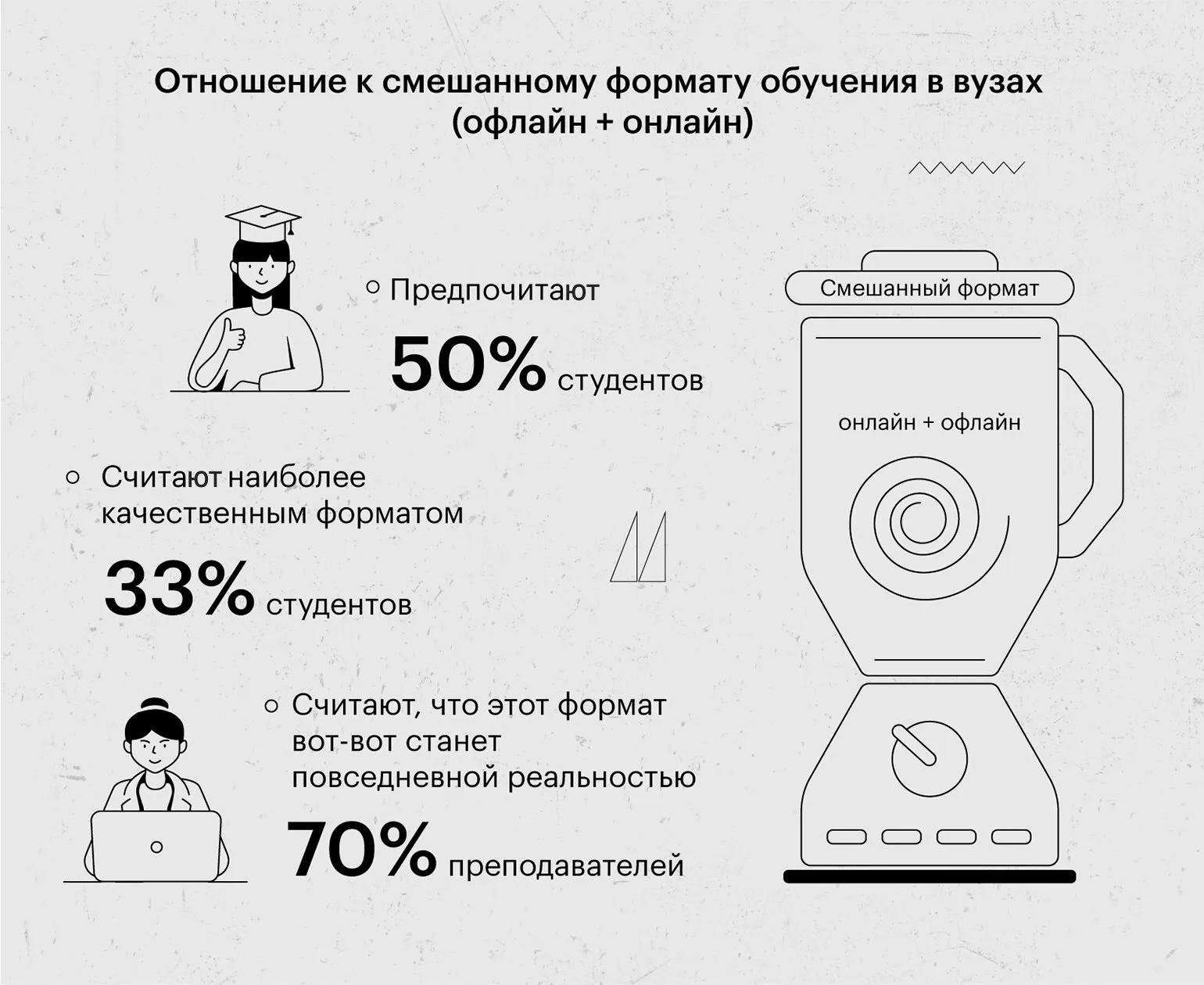
The Russian Ministry of Education and Science conducted a survey among students and faculty on their perceptions of the blended learning format. The results of the study showed that respondents rated digital learning methods higher last year than in 2020. This indicates a growing interest and positive attitude towards modern educational technologies in the Russian educational process.
Researchers from Turkey conducted an analysis of 44 scientific Studies comparing the effectiveness of blended learning and traditional approaches have been conducted. The results showed that blended learning has the greatest positive effect at the basic general education level. Within the academic disciplines, the best results were achieved in the acquisition of natural sciences. The findings of the study highlight the importance of implementing blended learning to improve the quality of education in schools.
Blended learning has a significant impact on student academic achievement, but further research is needed to draw definitive conclusions. Nevertheless, the advantages of blended learning over traditional teaching methods that have already been identified are noteworthy. This approach combines elements of online and face-to-face learning, allowing students to acquire knowledge in a more flexible and individualized manner. Blended learning promotes critical thinking, improves student motivation and engagement, and allows for better adaptation to different learning styles.
The flexibility of a blended format is in demand in corporate training. A survey conducted by the British company Elucidat shows that today's employees desire greater freedom in their choice of training formats and highly value modern technologies such as Virtual Instructor-Led Training (VILT). These methods allow training to be tailored to individual employee needs, which contributes to increased effectiveness and engagement. Integrating such approaches into corporate training programs is becoming a key factor in successful employee development and achieving business goals.
When explaining a new topic at the board, the teacher focuses on the average pace of learning. However, introducing independent study using online resources can significantly optimize this process. Each student will be able to progress at their own pace: those who absorb information quickly won't waste time repeating what they already understand, and the teacher will be able to devote more attention to those who need support and additional explanations. Thus, the combination of traditional learning and modern technologies can increase the overall effectiveness of the educational process.

In the previous section, we discussed the choice of online electives within An expanded face-to-face learning model. This approach is relevant for all levels and types of education. Digital technologies provide access to educational materials, courses, and educational tools, regardless of the student's geographic location. This significantly expands learning opportunities and allows everyone to find the right resource for their development.
Teachers can use digital tools to actively engage students and develop their soft skills, digital literacy, and other universal competencies. For example, instead of traditional essay writing, students can be asked to create a script for a short video. They can then film and edit it using a smartphone. This approach not only fosters creativity but also helps students master modern technology and teamwork skills.
A blended approach is effectively combined with active learning methods, such as task-centered learning. This method promotes deeper learning, as students actively participate in the process, solving practical problems and applying theoretical knowledge. Blended learning leverages students' full potential by combining online and offline learning to achieve superior results.

That's right, there are important aspects to consider that can improve your web content. Optimizing your text for search engines is a key element in successfully promoting your website. Make sure your text contains keywords that match the interests of your target audience. This will not only improve search engine visibility but also attract more visitors.
It's also important to structure your text so it's easy to read. Use subheadings, lists, and highlighting important points to make the information easier to digest. Don't forget about meta tags and descriptions, which also impact SEO. Regularly update your content with new data and facts to keep it relevant and interesting for users.
Remember that quality content isn't just about text; visual elements can also reinforce your message. Use images, graphics, and videos to make your website more engaging and informative.
By following these recommendations, you can significantly improve the effectiveness of your content and improve your website's ranking in search engines.
Problem-based learning (PBL) is an educational method that emphasizes using real-world problems as a basis for learning. Instead of a traditional approach where a teacher imparts knowledge, PBL encourages students to actively engage in solving complex problems, which promotes the development of critical thinking and independent information search skills.
This teaching method allows students not only to assimilate theoretical materials but also to apply them in practice, significantly increasing the depth of understanding. Through problem solving, students learn to work in a team, analyze information, hypothesize, and find optimal solutions.
Problem-based learning is widely used in various educational institutions and disciplines, helping students develop practical skills that are essential for professional work. Integrating PBL into the educational process helps prepare future professionals capable of effectively addressing the challenges of the modern world. Digital blended learning utilizes technology to collect data on student performance, providing insights to teachers, parents, and the students themselves. Learning management systems (LMS) track student activity by recording login times and self-paced learning. Furthermore, online quizzes that automatically grade students' performance provide instant feedback, significantly saving teachers time and increasing the effectiveness of the educational process. Such technologies facilitate a more in-depth analysis of the educational process and help to tailor training to the individual needs of each student.
The profession of Management in online education
You will learn how to launch in-demand online courses, manage a team and generate a stable profit. You can create an educational project from scratch or scale an existing one.
Find out more