Contents:

Learn: The Profession of a Methodologist from Scratch to PRO
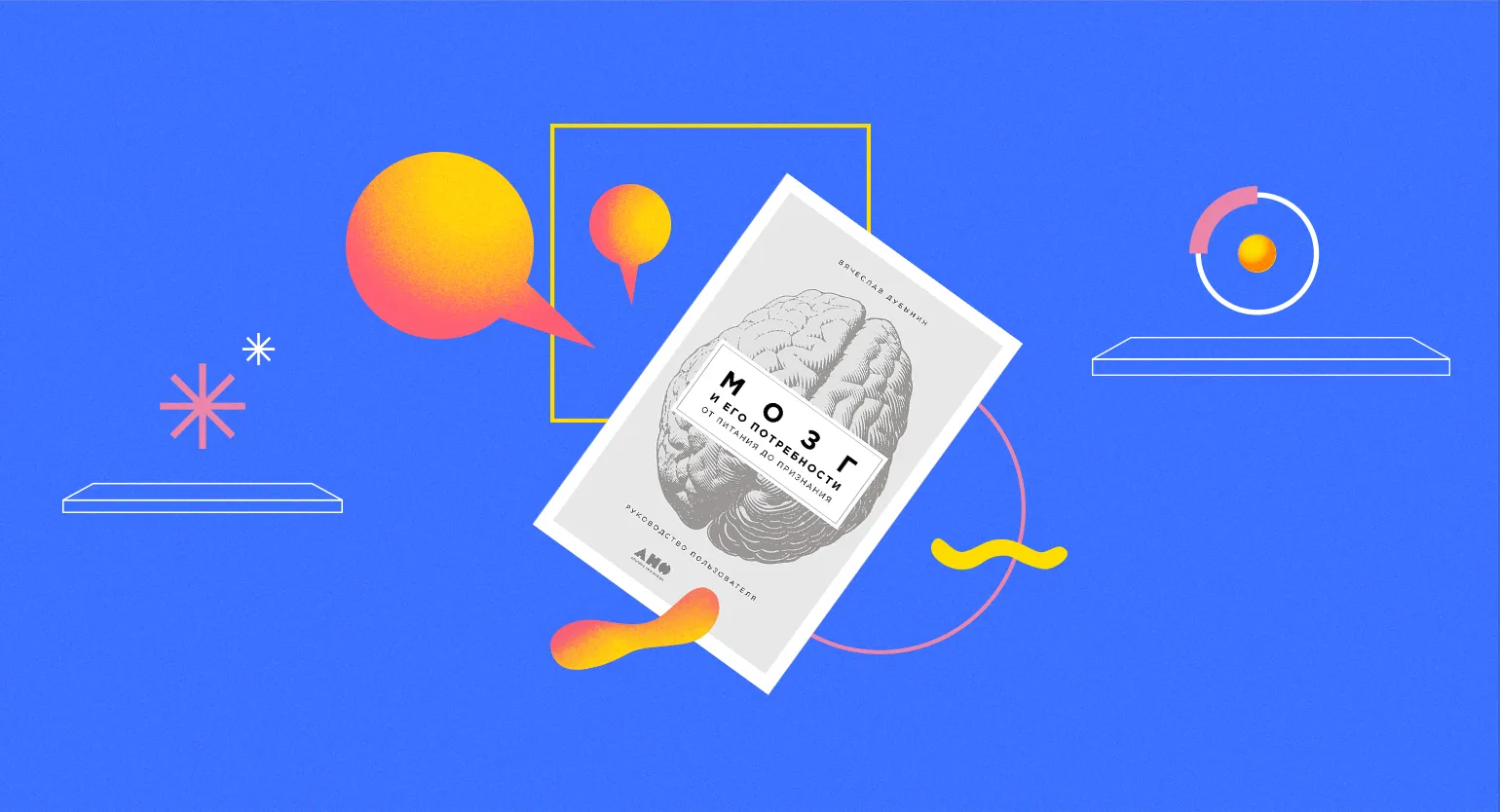
Learn MoreFull title of the book: "The Brain and Its Needs. From Nutrition to Recognition." This publication explores the most important aspects of human brain functioning, including its needs for nutrients and social recognition. This book highlights how proper nutrition and emotional support influence cognitive function and overall brain health. It offers readers valuable guidance on optimizing their diet and improving psychological well-being. By exploring the interactions between physical and social factors, the author reveals how they shape our thoughts, feelings, and behavior. This book will be a useful resource for anyone who wants to better understand how to care for their brain and improve their quality of life. Alpina Non-Fiction Publishing House is one of the leading Russian publishers specializing in non-fiction literature. It offers a wide range of books covering topics such as business, psychology, self-development, and modern technology. The publishing house actively collaborates with renowned authors and experts in various fields, which allows them to create relevant and in-demand publications. Alpina Non-Fiction books are distinguished by high-quality printing and design, making them attractive to readers. This publisher's selection of books will help you expand your knowledge and improve your skills in various areas of your life.
Published: 2021.
Neuroscience plays a vital role in understanding learning at the brain level. If you want to deepen your knowledge in this area, consider this book by Vyacheslav Dubynin, a renowned physiologist, neurobiologist, and science popularizer. It introduces readers to the basic concepts and processes necessary for understanding brain function. Studying neuroscience will help you better understand the mechanisms that influence learning and memory and provide valuable insights for applying this knowledge in educational practice.
The human brain contains mechanisms that stimulate certain actions—these are needs. In an effort to satisfy them, people develop both short-term and long-term plans. For example, they might plan a trip to the supermarket to buy groceries for dinner, decide where and how to study, and plan a career path to achieve a high position within a team. While searching for the most effective ways to satisfy their needs, people begin to learn and develop from an early age, which shapes their personality and professional skills.
Biological needs, thoroughly studied in biology and physiology, are fundamental to every person. These needs are genetically encoded in the brain and can manifest with varying degrees of intensity. The book "The Brain and Its Needs" is devoted to these aspects, exploring how biological needs influence human behavior and functioning. Understanding these needs can help improve quality of life and optimize daily functioning. These needs represent the basic programs embedded in our brain, and their implementation is essential for full functioning. When a person satisfies their needs, they experience positive emotions; when they don't, negative ones arise. People, like animals, strive to organize their lives so as to experience positive emotions more often and encounter negative ones less often. Needs act as a beacon, guiding us throughout life. Emotions arising from the satisfaction or dissatisfaction of needs play a key role in the process of learning and development. Understanding your needs and emotional reactions can significantly improve quality of life and promote personal growth. The brain and its needs are a key topic in neuroscience and psychology, studied by Vyacheslav Dubynin. Understanding the needs of the brain is necessary for optimizing cognitive functions and improving quality of life. The brain requires a constant supply of information, a variety of stimuli, and a balanced diet to function effectively.
Oxygen and glucose are the primary resources required to maintain brain activity. Physical activity and adequate sleep are also important, as they promote the restoration and strengthening of neural connections. Emotional state and social interactions also influence brain health. Meeting these needs not only improves cognitive abilities but also promotes overall well-being.
The importance of studying the brain's needs is that it opens new horizons for developing methods to improve learning efficiency and prevent neurodegenerative diseases. The information presented by Vyacheslav Dubynin can be useful for both specialists and the general public seeking to improve their brain function.
The book consists of twelve chapters, and in the first, introductory section, the author discusses the basic principles of brain structure and function. He also presents a classification of biological needs based on the research of Academician Pavel Simonov. These needs are conventionally divided into three groups, allowing for a better understanding of their impact on human behavior and life.
- Vital needs are essential for the organism's survival. These include feeding behavior, ensuring safety and cleanliness of the body.
- Zoosocial needs are associated with interaction with other members of the species. These include behavioral programs for reproduction and care of offspring, imitation of others through empathy, the desire to lead and protect territory.
- Self-development needs, including exploratory and play behavior, the freedom reflex (it explains why we do not tolerate restrictions in freedom of movement well), and also imitation again, only this time not at the emotional level, but at the level of behavioral reactions.
The following chapters examine the mechanisms of various needs, including hunger, fear, the desire for submission and leadership. It is especially important for those involved in learning to pay attention to the chapter "Brain and Curiosity." This chapter discusses in detail the processes of speech formation and learning through emotions, as well as the desire for novelty and the pleasure of acquiring new information. This knowledge is critical for understanding motivation for learning and the reasons why some people have a desire for continuous learning, while others do not.

Vyacheslav Dubynin explores how brain function influences the control of internal organs and the maintenance of health. He examines such important aspects as thermoregulation and the endocrine system, as well as the mechanisms of sleep and wakefulness. In the final chapter, the author focuses on biologically active substances known as neurotransmitters and their impact on human emotions and behavioral responses.
Dubynin argues that the balance of each person's needs significantly shapes their personality, including temperament. However, this does not mean that we, like automatons, should mindlessly follow predetermined algorithms. Dubynin compares the nervous system to computer hardware loaded with a "program," while the human mind acts as the "user." The neurophysiologist believes that knowledge about the functioning of our brain, its strengths and weaknesses, will help us become more conscious and effective users of our hardware. Understanding these aspects can significantly improve quality of life and promote personal development.
This content will be useful to anyone interested in the neurophysiology of learning and brain function. Studying these topics allows for a deeper understanding of the mechanisms underlying perception, memory, and learning. Understanding how the brain works can help develop effective teaching methods and also contribute to the improvement of cognitive functions.
Learn more about education in our Telegram channel. Subscribe and stay up-to-date with the latest news and interesting content!
To improve SEO and text content, it's important to stick to keywords and ensure a logical structure. Here's the revised text:
We recommend reviewing additional materials on this topic. This will help deepen your understanding and expand your knowledge. Accessing a variety of information sources contributes to a more complete understanding of the issues under consideration. Don't miss the opportunity to explore other articles that you might find useful and informative.
- Learning, the Brain, and DNA: How Learning Affects Us Physiologically
- "The Brain Only Works at 10%" and Seven More Unscientific Neuromyths
- How Can Neuroscience Achievements Affect Education?
- Neuroscience in Education: What Is It and Why Do Teachers Need It?
Methodologist Profession from Beginner to Advanced
You will develop skills in developing curricula for online and offline courses. You will master modern teaching practices, structure your experience, and become a more sought-after specialist.
Find out more