
Contents:

Learn: School with pleasure: how to teach a child to learn
Find out moreA two-part discussion on the topic "What do they teach in school? Dialogues on the content of education" was held at the IX Moscow International Education Fair (MIEF-2022). Various experts participated in the discussion on the first and second days of the event. The moderator was Yuri Eelmaa, curator of the MMSO.Online platform and the MMSO General Education Cluster. Despite the diversity of school subjects discussed, all participants noted common challenges facing modern education.
A recording of the discussions is available in the MMSO VK group. This report presents the key topics and conclusions of the discussion.
- why did we even start talking about the content of school subjects;
- which subjects suffer most from bloated curricula;
- which courses have the most repetitions;
- how many decades ago were our textbooks developed;
- what modern elements do they lack;
- why school history is a tangled web of contradictions;
- is it possible to solve these problems "from below";
- who will benefit from updating the curricula.
Why the content of school subjects raises questions
Thematic curators of conferences that have been held on the MMCO platform over the past year and a half actively participate in the discussion at the education salon. These conferences were devoted to various subjects and had names reflecting their content, for example, "MMSO.Euler" for mathematics and "MMSO.Karamzin" for history. Participants represent the interests of subject teachers, which allows for a productive dialogue and exchange of educational experiences.
Yuri Eelmaa put forward a hypothesis at subject conferences that attracted the attention of specialists and researchers. This hypothesis is based on an analysis of current trends and problems in a particular field, opening up new perspectives for further study. Discussion of this hypothesis can lead to significant discoveries and improvements in relevant research.
Modern school subjects related to human activity often reflect outdated ideas about the world. We strive to engage children in active collaboration, personalize learning, motivate them, and utilize elements of gamification. However, the content of the curricula remains several decades behind, requiring updating and adaptation to modern realities.
Eelmaa invited participants in the discussions on the topic "What is Taught in School" to analyze why the content of school subjects is structured the way it is. It is important to understand the factors that influence the choice of teaching materials and how they meet modern educational requirements. This analysis will help to identify how relevant and useful the knowledge offered is for students, and how it contributes to the development of the necessary skills for future life.

Russian educational conferences often discuss organizational issues such as student assessment and motivation, as well as creating a comfortable environment for the educational process. While these aspects are significant, attention to the core content of education—what children actually learn in school—is insufficient. It is important to focus on the quality of the educational process and the real-world knowledge students receive to ensure their successful future.
Only a few school subjects were considered during the discussion, including literature, geography, history, social studies, Russian and English languages, mathematics, and primary education. Natural science disciplines such as physics, chemistry, and biology were not discussed, leaving uncertainty about whether similar problems exist in these areas.
Too Much Information
The discussion actively addressed the problem of content overload. Subject teachers are faced with the need to cover all curriculum topics, but this often leads to a superficial study of the materials. Instead of a deep understanding of the subject, lessons turn into a quick run through of topics, which does not allow students to fully assimilate knowledge and skills. Limited lesson hours become a serious obstacle to high-quality learning. The need to reduce the volume of information in favor of a deeper understanding of topics is a pressing issue for educational institutions. Anton Skulachev, editor-in-chief of the SberClass literature platform, curator of the MMSO.Pushkin conference, and literature teacher at Moscow School No. 1514, identifies two main models of teaching literature. The first model is the traditional approach, where students are introduced to texts of Russian and, to some extent, world literature in chronological order. The educational process begins with mythology and Ancient Rus', gradually moving on to works of the second half of the 20th century. However, as practice shows, modern literary works often remain overlooked. Skulachev expresses serious criticism of this traditional model, emphasizing the need for a deeper and more relevant approach to the study of literature that takes into account contemporary realities and students' interests. Getting to know a text means more than just knowing its title. Unfortunately, many limit themselves to the interpretation presented in textbooks and a summary. It is important to understand the depth and context of a work, its ideas and symbolism. True familiarity with a text requires analysis, critical thinking, and the ability to appreciate its diversity. Understanding a text opens new horizons and allows for a better understanding of its significance in literature and culture.
The speaker presented a model aimed at developing reading skills in students. The goal of this model is to enable students to explore their personalities, better understand others, and engage in constructive dialogue through literature. This model does not limit instruction to a sequential study of the entire legacy of Russian literature. Instead, it emphasizes the study of individual genres, allowing students to develop a deeper understanding of them and express their thoughts. Specific themes are also explored, providing opportunities for discussion, such as analyzing and interpreting historical events after reading works such as "War and Peace."
Moderator Yuri Eelmaa expressed the opinion that this approach deemphasizes the content of children's reading. In response, Skulachev noted that what children read is actually becoming even more important. This is because both teachers and students are beginning to better understand the purpose of reading. Understanding the purpose of reading promotes deeper comprehension and understanding of what is read, which in turn influences the development of critical thinking and analytical skills in children.
In the skills-based model, each text is selected not only for familiarization but also with the goal of developing a specific life skill, intellectual, or personal growth. The traditional model fails to focus on skills, notes Skulachev. This underscores the importance of a skills-based approach, which promotes deeper understanding and practical application of acquired knowledge. This approach helps develop sustainable skills necessary for successful life and professional life.
When texts are arranged in a sequence "from Adam to Potsdam," an understanding of their significance is lost, especially considering that studying historical and literary subjects in fifth and sixth grades is impossible. At this age, a ideological foundation that could connect the elements of the historical and literary course is lacking, making it difficult to comprehend.
The problem of content overload is also relevant to other school subjects, but it causes different complications. Excessive information can hinder learning, reducing student attention and increasing their cognitive load. This necessitates optimizing educational materials to make them more accessible and understandable. Effective content organization and a focus on key concepts will help students better cope with large volumes of information and improve their educational outcomes.
Pyotr Mazaev, thematic curator of the "MMSO.Karamzin" conference and a teacher at the Letovo School, emphasizes to history teachers that the Federal State Educational Standard (FSES) requires the development of written and oral communication skills, as well as group work in the classroom. However, the large number of dates and events in the curriculum makes it difficult to implement projects and study essays in depth. Mazaev noted that the history course differs significantly from other academic disciplines. This difference manifests itself both in the content of the material and in the required skills. For example, essays on history or social studies represent a separate genre that is not directly related to Russian language lessons. This separation can negatively impact students' overall level of preparation, as they do not acquire the writing skills necessary to successfully complete assignments in various subjects. It is necessary to integrate historical knowledge with the skills acquired in Russian language lessons to improve the quality of education and develop critical thinking in students. In geography lessons, students often have to memorize large amounts of information without a clear purpose, says Dmitry Nesterenko, geography teacher, thematic curator of the MMSO.Mercator conference, and methodologist at SberClass. He emphasizes that this approach does not promote a deep understanding of the subject or develop critical thinking. It is important to rethink teaching methods to make geography learning more meaningful and relevant for students.
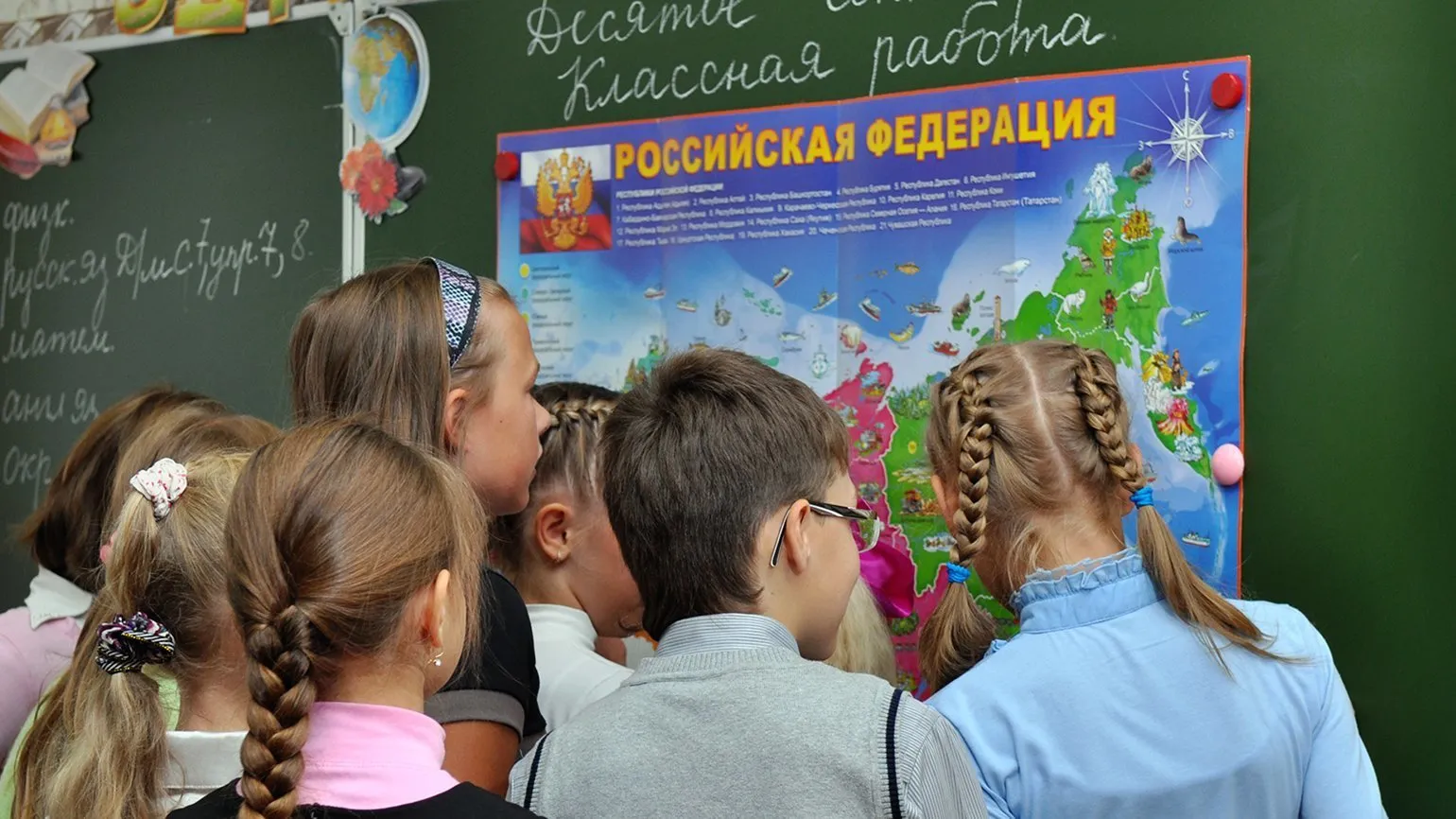
The speaker shared his personal experience: at school, he studied the list of countries with the largest populations, in University is different. Today, the world has changed again, and this list has been updated. Political maps and climate are constantly changing, and memorizing quickly outdated facts takes a lot of time. However, this does not mean that geographical knowledge is unimportant for children, because despite the availability of information on the internet, the ability to navigate geography remains a relevant and useful skill.
Dmitry Nesterenko emphasizes that knowledge and skills should not be opposed, as they are interconnected. Skills are formed on the basis of knowledge, and it is important to realize that the study of geography is not limited to memorizing capital cities. The goal is to understand that, when hearing the name of a country, for example, "Burundi," this state is located in Africa, and "Kiribati" is in Oceania. This approach allows the atlas to be used for a deeper understanding of the geography and context of countries, rather than simply rote memorization of facts.
The question "why is this necessary?" remains unanswered not only for elementary school teachers, but also for specialists in other fields. Maria Smirnova, thematic curator of the "MMSO.Ushinsky" conference, creator of the website Nachalka.com, and deputy director for educational content at the V.V. Mayakovsky School, analyzed the current state of the primary education program and emphasized the importance of understanding its goals and objectives. It is crucial that educational initiatives be clearly justified and align with modern requirements, which will improve the quality of education and meet the needs of students and parents. Children, their parents, and teachers often invest significant time in developing skills that have no practical application in either school or life. For example, a year of literacy instruction may be spent mastering the sound analysis of words using diagrams, but these diagrams are not subsequently used. This highlights the need to rethink approaches to teaching and focus on skills that will truly be useful in the future. Effective education should focus on the practical application of knowledge, which will help children better prepare for real-life and academic challenges. As a result, a lack of time impacts the development of key skills, such as cognitive initiative, independence, and student agency. Primary school focuses on solving standard problems, which limits students' opportunities to develop critical thinking and creativity. A change in approach to teaching is needed to devote more time to developing these important competencies, which will contribute to successful learning in the future. According to Anna Vybornova, thematic curator of the MMSO.Zaliznyak conference, a Russian language teacher at Letovo School, an expert on the Basic State Exam (OGE), and the author of courses on literature and functional literacy, Russian language textbooks are highly fundamental. They contain extensive material requiring memorization, as well as numerous exercises to reinforce rules. However, in some cases, a more effective approach is not rote memorization, but rather an understanding of the reasons and purposes for writing words and sentences. Vybornova emphasizes that answering the question "why" can help us take a fresh look at punctuation. For example, the use of colons and dashes becomes more meaningful if we understand what we want to convey. This approach helps deepen students' understanding of the Russian language and develop functional literacy. Evgeny Lichkin, thematic curator of the "MMSO.Shakespeare" conference and an English teacher at School No. 1570, noted that English faces a similar problem. Throughout their school years, students learn and practice individual grammar rules, but the time allocated to live communication in the target language is minimal. This leads to students being unable to apply their knowledge in real-life situations, which, according to the speaker, completely devalues the process of learning a foreign language. Speaking correctly is important, but the key point remains the process of communication itself. Even if you have a thorough knowledge of all four types of conditional sentences, a lack of practice using them in conversation will negate all your knowledge. Effective communication requires not only theoretical knowledge but also the ability to apply it in real-world situations. Therefore, it's important not only to study grammar but also to actively practice speaking so that the skills become natural and intuitive.
Kirill Medvedev, director of the New School Alumni Foundation and thematic curator of the MMCO.Euler conference, noted that overload can even be found in mathematics. This demonstrates the diversity of approaches and opportunities that this science provides.
When In the study of Russian and English, as in mathematics, the primary focus is on student skills. However, routine calculations can seem boring, and their practical significance is not always obvious. For example, teachers often refer to the mathematics course for grades 5 and 6 as the "Dark Ages," as monotonous calculations consume a significant portion of the time. This highlights the need to find more interesting and effective teaching methods that can make learning mathematics more engaging and useful for students. Medvedev argues that the problem lies not in the redundancy of certain topics, but in the volume and depth of their study. An excessive number of routine tasks leads many students in grades 5 and 6 to lose interest in mathematics. This decline in curiosity can negatively impact their subsequent learning and understanding of the subject. It is important to find a balance between quantitative and qualitative approaches to teaching in order to maintain students' interest and develop their skills in mathematics.
Outdated Structure
Kirill Medvedev believes that the excessive emphasis on computational skills in mathematics is a legacy of outdated approaches. In the modern world, for engineers of all specialties, calculations are most often performed using programs such as Excel. At the time the structure of the school curriculum was formed, the available computational tools were completely different. According to Medvedev, some topics in the school curriculum are rooted in old ideas about the nature of engineering activity. At the same time, more relevant areas such as modeling, forecasting, probability, and mathematical statistics are not adequately reflected in the curriculum. This creates gaps in the training of future specialists who must be ready for modern challenges in engineering and other fields.
The problem of an outdated structure is also observed in other school subjects. According to Petr Nesterenko, the geography course inherited not only the practices of 50 years ago but also the methods of naturalists of the late 19th and early 20th centuries. At that time, academic geography was a descriptive science, and school textbooks still strive for encyclopedicity, attempting to fit every detail about each country into the curriculum. This leads to information overload and a decline in the quality of learning. The approach to teaching geography needs to be updated to make it more relevant and practice-oriented, which will help students better understand the modern world. Russian faces a similar problem. Textbooks on the subject reflect science, but they are primarily linguistics, as Anna Vybornova notes, citing the time of Vinogradov and Avanesov. For a student aspiring to become a linguist, such textbooks are clearly unsuitable. As a result, despite their fundamental basis, Russian language textbooks do not help prepare schoolchildren for the study of linguistics at universities and for careers in the scientific field. This creates a need for more relevant and specialized resources that can effectively prepare the younger generation for research in language and linguistics.
According to Yuri Eelmaa, English language teaching methods date back to the training of military translators, who studied the language of a potential enemy. Evgeny Lichkin disagrees with this point of view, emphasizing that new technologies for teaching foreign languages are difficult to implement in Russian schools. For example, not every school teacher is familiar with the CLIL (content and language integrated learning) method, which involves studying another subject in a foreign language. Lichkin believes that the introduction of CLIL technology could significantly improve the level of live communication in English in schools. Moreover, language is viewed not as a set of abstract rules, but as a tool for mastering new and interesting things. The use of CLIL could contribute to a deeper understanding of the language and its practical application in real-life situations.
School history content faces the problem of an outdated structure. According to Petr Mazaev, many history textbooks in schools practically duplicate the content of similar publications from the 1970s and 1980s. Although the texts have been revised, there is no obvious copy-paste. However, the selection of topics remains the same, which limits the educational process and does not reflect contemporary realities. Updating the content of history textbooks is necessary to develop a more relevant and in-depth understanding of historical events and their significance in schoolchildren.
Soviet authors provided a systemic analysis from the perspective of historical philosophy based on Marxism and Leninism. However, such an approach is currently lacking. At the same time, the volume of information for study continues to grow, as Mazaev notes. This creates a need to develop new methodological foundations for analyzing historical processes that take into account contemporary realities and approaches.
Our educational system has implemented a historical and cultural standard concerning Russian history. We recommend that you familiarize yourself with it and pay attention to those figures about whom you have no information. We assure you that you will not know about 80% of them. It is important to note that textbook authors are faced with the need to integrate these figures into their materials. As a result, history textbooks often contain phrases like: "Also active during this time were...", followed by a long list of names. This underscores the importance of expanding knowledge about the key figures influencing our past.
Lack of Academic Consensus
Teaching Russian history faces serious problems related to its structure and redundant content. These difficulties become especially evident in light of the opinion of Petr Mazaev, who emphasizes that the current curriculum represents an unsustainable compromise. As a result, students may experience difficulty mastering the material, which negatively impacts the quality of education. A reform aimed at simplifying and systematizing the content is needed to ensure more effective learning and a deeper understanding of Russian history. Changing the current course could spark significant controversy. On the one hand, there will be calls to remember all the saints of the Russian Orthodox Church of the early 20th century, while on the other, voices will emerge recalling the significance of pioneer heroes. Such discussions highlight the importance of historical memory and different approaches to interpreting the past. It is important to recognize that each point of view has a right to exist and can enrich our understanding of history. Mazaev suggested that it might be better to leave things as they are. Yuri Eelmaa recalled that in the teaching of history in any country, there is always a value dichotomy. The question is: why teach children history: to develop critical thinking or to shape national identity? It is impossible to achieve both goals simultaneously at the school level. Thus, the problems of teaching history in schools remain a tangled web of contradictions, Eelmaa concluded.
Text for SEO should be informative and contain keywords that will help improve search engine visibility. Try to focus on the main topic, avoiding unnecessary words and characters. For example, if your text is about travel, you can mention popular destinations, trip planning tips, and important aspects that tourists should pay attention to.
Read also:
An expert criticized the introduction of history into the curriculum from first grade. He believes that such an early introduction to the subject can be ineffective and does not promote full assimilation of the material. It is important to consider the age characteristics of children and their readiness to perceive historical facts. The critic also emphasized the need for a more thoughtful approach to educational standards to ensure that history education is not only informative but also engaging for students.
Teachers Unprepared to Manage Content
Teaching materials are important, but the quality of instruction depends largely on the teacher. Teachers choose which topics to cover quickly and which to delve into, and also determine which additional sources of information will be useful. The decisions teachers make influence the effectiveness of the educational process and help create a deeper understanding of the subject in students.
Maria Smirnova emphasized that the importance of a textbook as a tool in a professional teacher's arsenal cannot be denied. However, she noted that few teachers are willing to demonstrate the courage to go beyond the limits established by the authors of recommended teaching aids. This means that textbooks set the boundaries for the content of the entire educational process in school, limiting opportunities for creativity and innovation in teaching.
Read also:
Teachers truly believe that their work has a significant impact on student achievement. Teachers' professional approach and personal engagement can foster not only knowledge but also motivation, confidence, and interest in learning. Effective interaction between teacher and student plays a key role in the educational process. Numerous studies confirm that support and attention from teachers contribute to improved academic performance and the development of critical thinking in children. Thus, the role of teachers in the educational process cannot be overestimated, and it is they who largely determine how students will perceive knowledge and apply it in the future.
Discussion participants noted that teachers often lack both the opportunity and the desire to independently develop subject content. Ilya Lobanov, Deputy Head of the Laboratory of Social and Humanitarian General Education at the Institute for Education Development Strategy of the Russian Academy of Education, highlighted this problem using social studies as an example. While preparing a model curriculum for the subject, he repeatedly asked teachers and methodologists from various regions which topics should be excluded from the school social studies curriculum. However, no suggestions were received. Lobanov attributes this situation to the poor quality of teacher training, which, in turn, negatively impacts the educational process and limits the ability to update curricula. Not all teachers are able to freely navigate the content of the educational process. Most teachers prefer clear guidelines and instructions. I assure you, changing this approach will be extremely difficult in the near future. No one can fundamentally change the thinking and habits of these specialists. Lobanov emphasizes the importance of pre-selecting the subject content of textbooks before they are delivered to schools. This will ensure the quality and relevance of the materials, which in turn will positively impact the educational process. The selection of topics and content should be based on modern learning requirements and student needs to ensure more effective knowledge acquisition.

Rework the text, keeping the main topic, and optimize it for SEO by adding the necessary keywords. Avoid adding unnecessary content, emoticons, and special characters. Avoid using bullet points. Keep the text clear and easy to read.
Read also:
Future Studies and Professional Examinations as Key Elements for Improving Teacher Training
Modern education requires teachers not only to have deep knowledge but also to be able to adapt to a rapidly changing world. Future studies are becoming an important tool for developing the competencies necessary for successful teaching. Instead of traditional theory, an emphasis on practical aspects and real-world situations allows future teachers to develop critical thinking and innovative approaches.
Professional examinations can serve as an effective way to assess teachers' readiness for the real challenges of the educational process. They not only test theoretical knowledge but also evaluate practical skills and the ability to apply them in the classroom. This approach contributes to improving the quality of education and preparing specialists capable of working effectively in a variety of settings.
Integrating future studies and professional examinations into teacher training programs helps create a more dynamic and relevant educational environment. This, in turn, contributes to the development of qualified teachers prepared for modern challenges and facilitating the successful learning of their students.
Presentations from other participants demonstrate that teachers are uninitiated in developing relevant subject content due to the difficulty of integrating new approaches into overloaded curricula. Evgeny Lichkin noted that the most popular resource among English teachers is the "Reshu USE" website. This is despite the opportunity to draw on methodological experience from around the world, as English is studied in many countries. However, teachers remain within the traditional approach, focusing on teaching linguistic clichés necessary for successful passing of the USE. Developing live communication skills in a foreign language is not a priority for most teachers. This approach limits students' opportunities for real-world use of the language, which undoubtedly requires a revision of educational strategies.
Kirill Medvedev raises an important topic concerning the teaching of mathematics in Russia. He notes that the Russian education system has retained one of its strengths—an emphasis on geometry. The school curriculum devotes sufficient time to geometry so that students not only memorize theorems but also learn to prove them, which leads to a deeper understanding of the subject. However, mathematics teachers, like teachers of other subjects, face a lack of time. Lessons can be missed due to holidays, and some classes are spent preparing for the Basic State Exam (OGE), leaving insufficient time for quality study. According to Medvedev, this leads teachers to skimp on proofs, which in turn fosters a fear of geometry in students—without a thorough analysis, the material becomes incomprehensible. Consequently, this strength of the teaching remains underutilized.
Some experts have different opinions on this issue. Pyotr Mazaev noted that he is unaware of any research confirming that Russian history teachers adapt the subject's content to suit their personal views. It is important to analyze curricula and teaching methods to understand how historical consciousness is formed in students in Russian schools.
Cyclicity
Ilya Lobanov expressed the most positive feedback on the content of the discussion. In 2018, an updated teaching concept was adopted for the subject "Social Science", which he evaluates as successful. The developers retained the main elements of the course and added new topics, focusing on financial and media literacy. This allows students not only to deepen their knowledge but also to prepare for modern societal challenges.
He also identified several problems, including the cyclical nature of the course. The Constitution is studied twice: in general middle school and high school. With the introduction of an advanced level of social science study for senior grades, it will be necessary to develop a new approach to teaching the Constitution. This can lead to duplication of materials and complicate the educational process.
The issue of cyclical Russian language learning is becoming increasingly relevant, as Anna Vybornova emphasized in her presentation. She noted that each year, students are again faced with the task of learning to write correctly, but progress is not observed. Many spelling and punctuation rules are taught in elementary school, but fifth-grade curriculum materials often don't connect with previous knowledge, and the learning process essentially starts from scratch. Each new school year sets students the goal of mastering the same rules, but, as Vybornova previously noted, without an answer to the question "why" and without relying on modern advances in linguistics, this process remains ineffective. It is important to integrate current linguistic concepts into the educational process to make learning more meaningful and effective.
Out-of-touch with the Modern World in Detail
The discussion began with the assumption that the educational program presented to schoolchildren is outdated. As the discussion progressed, it became clear that the problem lies not only in the fact that school subjects do not promote the development of necessary skills or that too much attention is paid to irrelevant topics. There are also a number of basic difficulties related to the content of educational texts. These texts do not always meet modern requirements and students' interests, which complicates their learning and perception of the material.
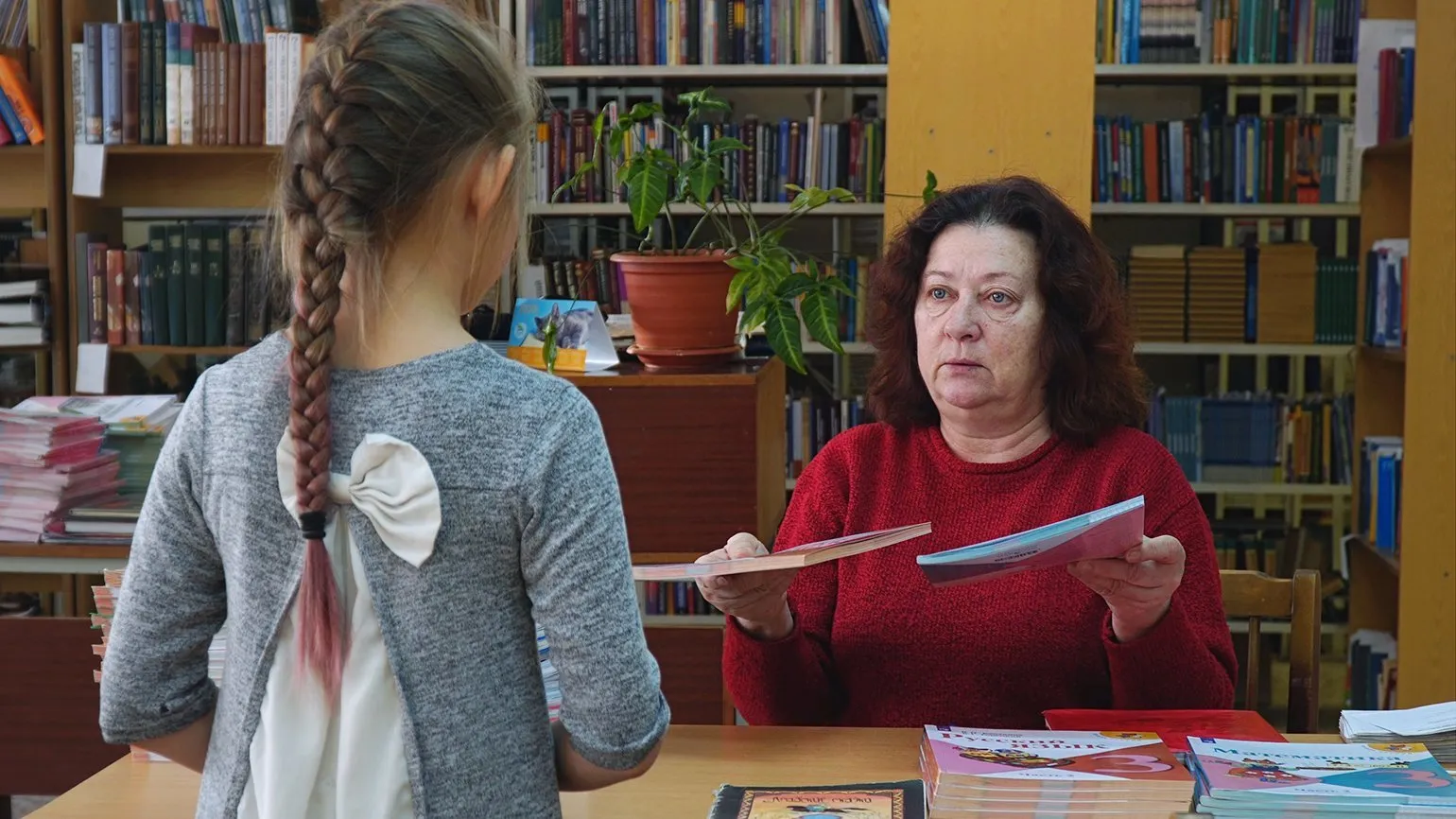
Students often don't realize the importance of studying the political map of the world, but textbooks available at school feature examples, paragraphs, and illustrations that cover regions they're less familiar with. This becomes noticeable as early as elementary school, according to Maria Smirnova. Knowledge of the political map of the world not only broadens horizons, but also fosters an understanding of international relations and global processes. It's important for students to not only memorize the names of countries and their capitals, but also to understand the significance of this knowledge for their lives and future careers.
When you open the textbook "The World Around Us" on the topics "Types of Transport" or "The Three Pillars of Economics" for grades 2-3, you'll notice that the content of these textbooks hasn't changed much since the time the grandmothers of today's students studied with them. This demonstrates that teaching methods and topics remain relevant, but it is important to update and adapt teaching materials to modern realities. Providing students with up-to-date knowledge of transport and economics is key to their development and understanding of the world around them.
English textbooks do not always keep up with current changes in the language. As Evgeny Lichkin noted, "a teacher learns new English through Russified English slang from their students." He cited the word "cringe" as an example, which is actively used in modern communication. This emphasizes the importance of updating teaching materials and adapting them to real-world language practices. To effectively learn English, it is necessary to take into account new words and expressions that appear in colloquial speech so that teaching is relevant and in line with modern trends.
According to Dmitry Nesterenko, the geography curriculum does not sufficiently emphasize the key task of introducing students to the global world. He notes that the important context in which we exist is often overlooked. For example, the Russian national project "Ecology" aligns with one of the UN Sustainable Development Goals—"Life on Land,"—but it is rarely mentioned. This isolation, he believes, is a relic of the Soviet era, when geography dissertations on foreign countries and continents were defended by people who had never visited those places. It is important to rethink the approach to teaching geography to better understand and consider global processes and ecosystems, which will help foster a more conscious attitude toward the world around us and its problems.
Who is ready for change?
During the first part of the discussion, moderator Yuri Eelmaa noted that, despite the need to change the content of many subjects, none of the parties involved shows real interest in this process. Textbook authors, as a rule, are not inclined to rewrite their works from scratch. Scientific schools, whose concepts shape the content of academic subjects, are unwilling to compromise, raising the question: is this truly necessary for science? Teachers risk losing a significant amount of accumulated experience if they make changes to the content. Parents, along with society, are uninterested in changes in the educational system. According to Eelmaa, their position is often based on nostalgia. "Competencies and Federal State Educational Standards... We received high-quality education in Soviet times! That's why today school is perceived as 'even worse,'" he describes the typical parental attitude toward schooling. Failure to recognize modern approaches to education and the desire to return to traditional methods can negatively affect the development of students and their readiness for new challenges.

Please note the following recommendations:
Students of the past: myths about the golden
Education has always evoked nostalgia, and many argue that today's students are significantly different from those who studied in the past. Intergenerational comparisons often exacerbate myths about how things were better in the past. Memories of school years are colored by emotions, and they often idealize the educational process, forgetting its shortcomings.
There are stereotypes that students of the past were more disciplined, diligent, and respected teachers. However, it is worth remembering that every era has its own challenges and problems. It is important to consider what changes have occurred in the educational system and how they have affected students. Modern technology, access to information, and changed teaching methods are shaping a new generation that adapts to the demands of the times.
Nostalgia for the past can obscure the real achievements of today's students. They possess unique skills that allow them to work effectively in the modern world. Comparisons with previous generations should be based on facts, not romanticized memories. Education continues to evolve, and it's important to consider changes in society and technology. Students are falling victim to outdated and ineffective educational materials that don't align with current scientific advances. Anton Skulachev cites a study by the Tochka Psi Center for Psychological Support in Education, in which students were asked questions about topics they had previously studied. The results were depressing. Skulachev emphasizes that the school system lacks an explanation of why students study certain topics and what skills they should develop. As a result, students don't understand the purpose of their learning, which is critical for their future. Developing relevant and targeted educational content will help students understand the importance of education and prepare them for real-life challenges. It is crucial for students to understand their goals and developmental directions. Understanding why they are engaged in the learning process helps determine their zone of proximal development. This knowledge opens up opportunities for self-discovery and the realization of one's potential in life. Awareness of one's capabilities allows students to plan for the future and make informed decisions.
Dmitry Nesterenko emphasized that changes to school curricula are typically initiated at the highest level, as there are not enough initiatives at the local level. However, he noted that the process of updating educational standards is not as daunting as it might seem at first glance. Updating curricula can lead to more modern and effective teaching, which, in turn, will positively impact the quality of education and prepare students for the challenges of the modern world.
At the "New School," we analyzed and updated our secondary school curriculum. As a result, it turned out that approximately 60% or even 70% of the topics remained unchanged. This confirms the importance of classical educational content and its relevance for modern students. We strive to preserve key elements of the curriculum while adapting them to new requirements and approaches to ensure a high-quality education for every student.
Radical changes to the school curriculum, based on new principles, do not imply the complete elimination of old knowledge and materials. It is important to integrate successful elements of traditional learning into modern educational practices. This will preserve the value of previous experience and ensure a harmonious combination of old and new teaching methods, which in turn will improve the quality of education and the adaptability of the school curriculum to the demands of the times.
Currently, there are no attempts to radically change school curricula. The Ministry of Education is focused on aligning the content of educational programs with a unified standard. In this regard, standard work programs and curricula for teachers are proposed, which helps to simplify the teaching process and ensure the quality of education.
Read also:
- It has become known what awakens teenagers' interest in certain school subjects
- How calendar-skills planning changes the composition of lessons
- “We load children up as if they had an infinite resource”
- “Why is the sea dirty?”: how phenomenon-based learning teaches how to solve real-world problems
School with pleasure: how to teach a child to study
You will get acquainted with different forms of education and determine which one is right for your child. Help him overcome academic difficulties and stop worrying about his performance.
Find out more