Contents:

Learn: Educational Methodist
Learn moreA regular seminar on the interdisciplinary field of "Educational Neuroscience" has begun at the Higher School of Economics. Every three weeks, researchers will discuss current discoveries and challenges related to this developing scientific field. The seminar provides a platform for the exchange of knowledge and ideas, promoting a deeper understanding of the impact of neuroscience on educational processes and methods. Participation in the seminar will allow researchers to expand their horizons and contribute to the development of neuropedagogy.
The meetings bring together not only scientists and students aspiring to a scientific career, but also university professors, school teachers, and other specialists in this field. In this report, you will become acquainted with the main aspects discussed at such events, and learn about the importance of the participation of various professionals in scientific discussions and the exchange of experiences.
- What is this field - educational neuroscience;
- What are the methods of studying the brain;
- How can neuroscience be useful for schools and universities;
- How to bring science and practice closer together;
- And why do teachers need "neuroliteracy".
What does educational neuroscience study?
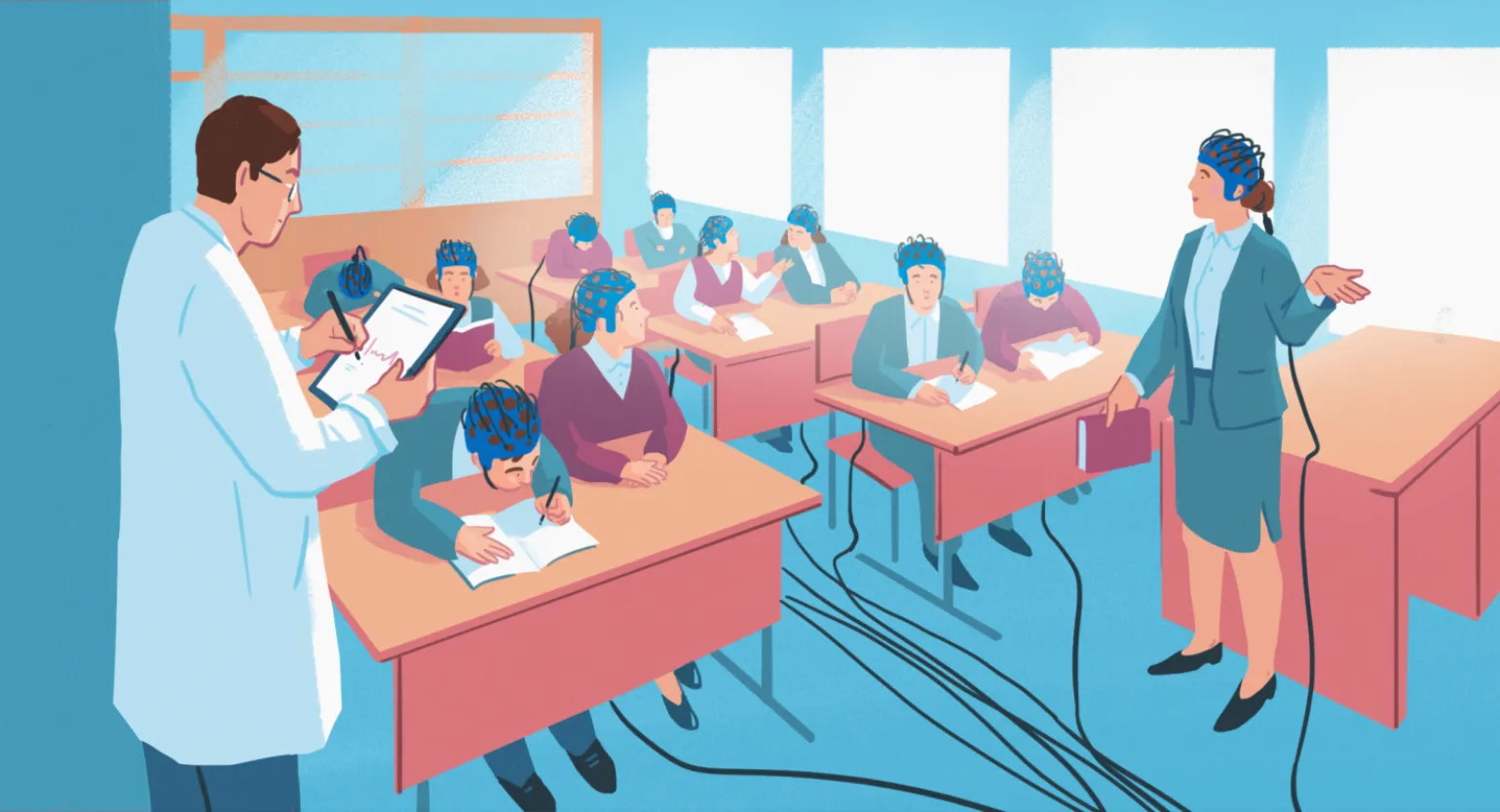
The regular seminar on educational neuroscience is an innovative initiative in a rapidly developing field of research. At the opening of the seminar, psychologist Anastasia Petrakova, a research fellow at the Institute of Education, emphasized the relevance and significance of this topic. Educational neurosciences explore how cognitive processes influence learning and development, which can lead to new approaches in educational practice. This seminar creates a platform for the exchange of knowledge and experience among specialists, which contributes to the development of this important field and improves the quality of education. According to her, there is currently no specialized community dedicated to educational neurosciences. Existing specialists either study the brain in the context of educational processes, are educational psychologists interested in the functional aspects of the brain, or represent other scientific disciplines. One of the seminar participants was Andrey Faber, a postgraduate student in the HSE Department of Psychology and a trained medical physicist. What unites various specialists in the fields of neuroscience and education? Anastasia Petrakova identified the key goals that researchers in this field strive to achieve. First, they strive to understand how the brain works in the context of learning and development. Second, researchers focus their efforts on developing effective educational methods based on scientific evidence. Third, they analyze the influence of external factors on the learning process, including emotional state and the social environment. These goals help create more effective educational programs and improve the quality of learning, which in turn contributes to the development of both individual students and the educational system as a whole.
- First, transfer the results of research on the neural mechanisms of learning to educational practice. Neuroimaging studies (read more about them below) reveal the brain activity that accompanies the learning of new information, memory, resting states, and other actions. Perhaps the neuroscience of education will be able to transform knowledge about how connections between groups of neurons appear, strengthen, or disappear into new approaches to learning.
- Second, study how education affects the nervous system, including the brain. The brain changes following any experience, including educational one. How exactly this or that learning affects it and what this leads to remains to be understood.
- Third, combine neuroscience, educational research, and psychology. Many of the questions being asked today by researchers in the emerging field of educational neuroscience have long been addressed by traditional educational disciplines. And the chances of getting the right (and practically useful) answers will be higher if neuroscientists, psychologists, teachers, and other specialists work together or at least take into account the results of related disciplines.

Reading is an important part of our life and development. It not only enriches knowledge but also helps improve thinking and communication skills. Regularly reading books, articles, and research papers helps broaden your horizons and deepen your understanding of various topics. It is important to choose a variety of genres and authors to gain a well-rounded understanding of the world. In addition, reading can be an excellent way to relax and relieve stress. Investing in reading will yield long-term results, promoting personal and professional growth. Don't miss the opportunity to enrich your life through literature.
Effective Learning: 10 Principles from a Neuroscientist
Research in neuroscience provides valuable insights into how learning and remembering information occurs. Applying these principles can significantly improve the effectiveness of the educational process.
The first principle is to actively engage the student in the process. Participation in discussions and completing practical tasks contribute to better assimilation of the material. The second principle emphasizes the importance of repetition. Regular repetition of information helps to consolidate knowledge in long-term memory.
The third principle involves using a variety of formats for presenting information. Visual, auditory, and kinesthetic learning methods help encompass different learning styles. The fourth principle talks about the importance of context. Linking new material to previously learned material makes it more memorable.
The fifth principle is the use of metacognition. Learners should be aware of their own learning processes and evaluate their effectiveness. The sixth principle points to the importance of emotional engagement. Positive emotions associated with learning contribute to better assimilation of information.
The seventh principle emphasizes the need for oral explanation of the material being studied. Discussing topics with others helps to better understand and remember information. The eighth principle is about creating conditions for independent search for solutions, which develops critical thinking.
The ninth principle emphasizes the need for variety in learning. Using a variety of methods and approaches prevents boredom and promotes better assimilation. Finally, the tenth principle talks about the importance of rest. Taking breaks during learning helps the brain process and consolidate information. By following these ten principles, you can significantly improve the learning process and increase its effectiveness.
What technologies do scientists use to study the brain?
Andrey Faber, a doctoral student and research intern at the HSE Laboratory of Neurobiological Foundations of Cognitive Development, discussed which neuroscience methods can be applied to solving educational problems. These methods open new horizons for understanding cognitive processes and their impact on learning. Research in neuroscience helps to identify how brain function is related to educational methods, which allows us to optimize learning processes and increase the effectiveness of educational programs. The use of neuroscience data in pedagogy contributes to the creation of more adaptive and personalized approaches to learning, which in turn leads to improved student outcomes.
Exclusively non-invasive methods that do not require penetration into the skull are used for educational research. Fortunately, there are many such methods that allow us to effectively study learning processes and cognitive functions without surgical intervention.
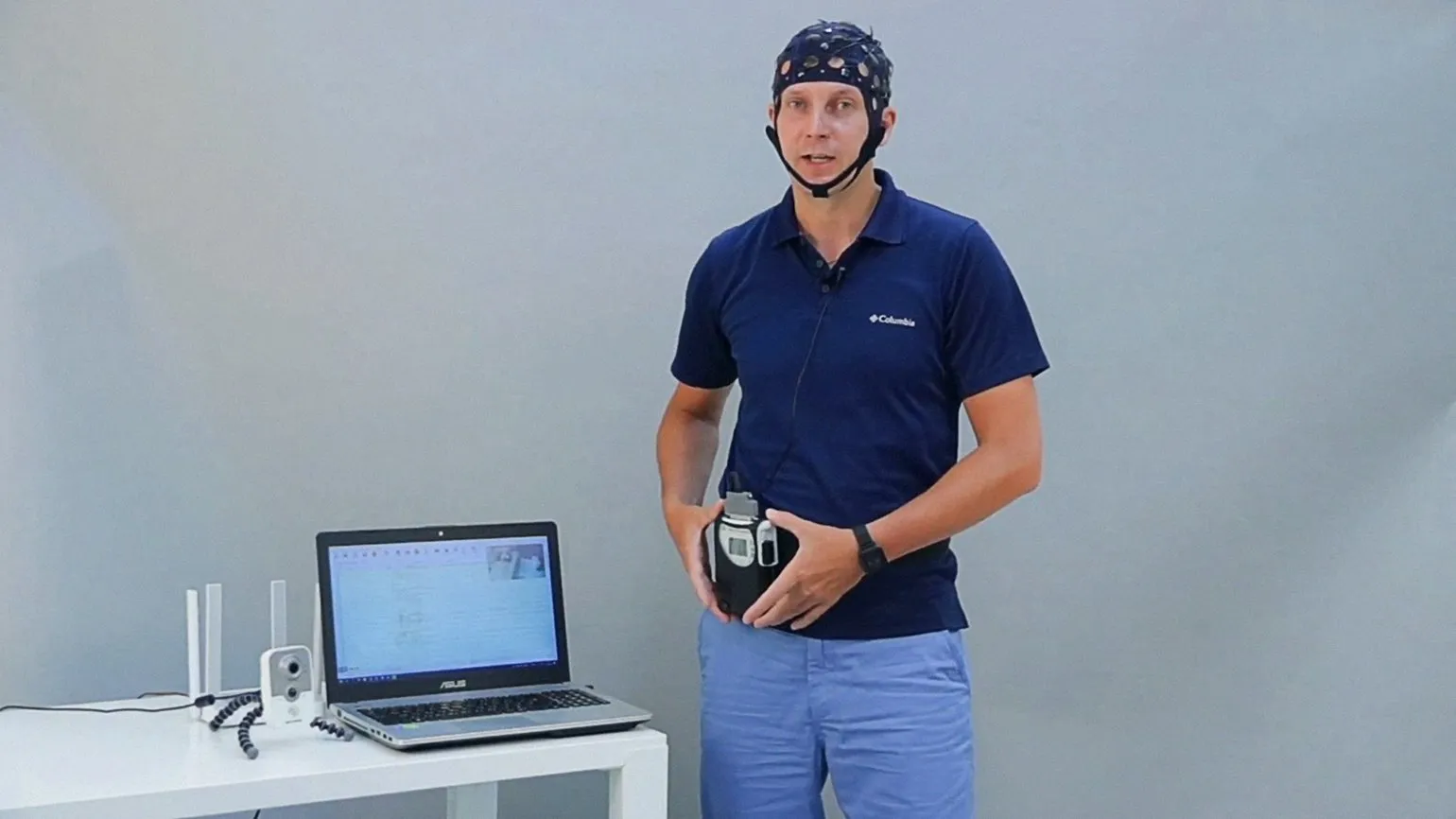
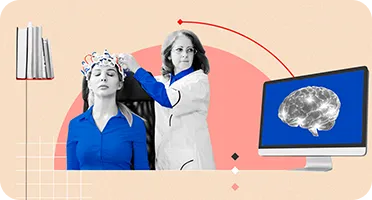
Electroencephalography (EEG) is a method of recording the electrical activity of the brain using electrodes placed on the scalp. In recent years, there has been significant progress in the development of portable EEG devices, which allow subjects to move freely and behave more naturally. These devices are equipped with fewer electrodes, which, in turn, can reduce the quality of the data obtained compared to traditional EEG systems. Portable EEG devices are widely used in research, medical practice, and neuropsychology, providing new opportunities for studying brain function in real-world settings. This method allows for recording changes in the brain in near real-time, but has limited spatial resolution. Electroencephalography (EEG) can accurately determine the moment of change in brain activity, but only approximately localize its source. This makes EEG a useful tool for studying neurophysiological processes, although more detailed mapping of brain activity requires additional methods.
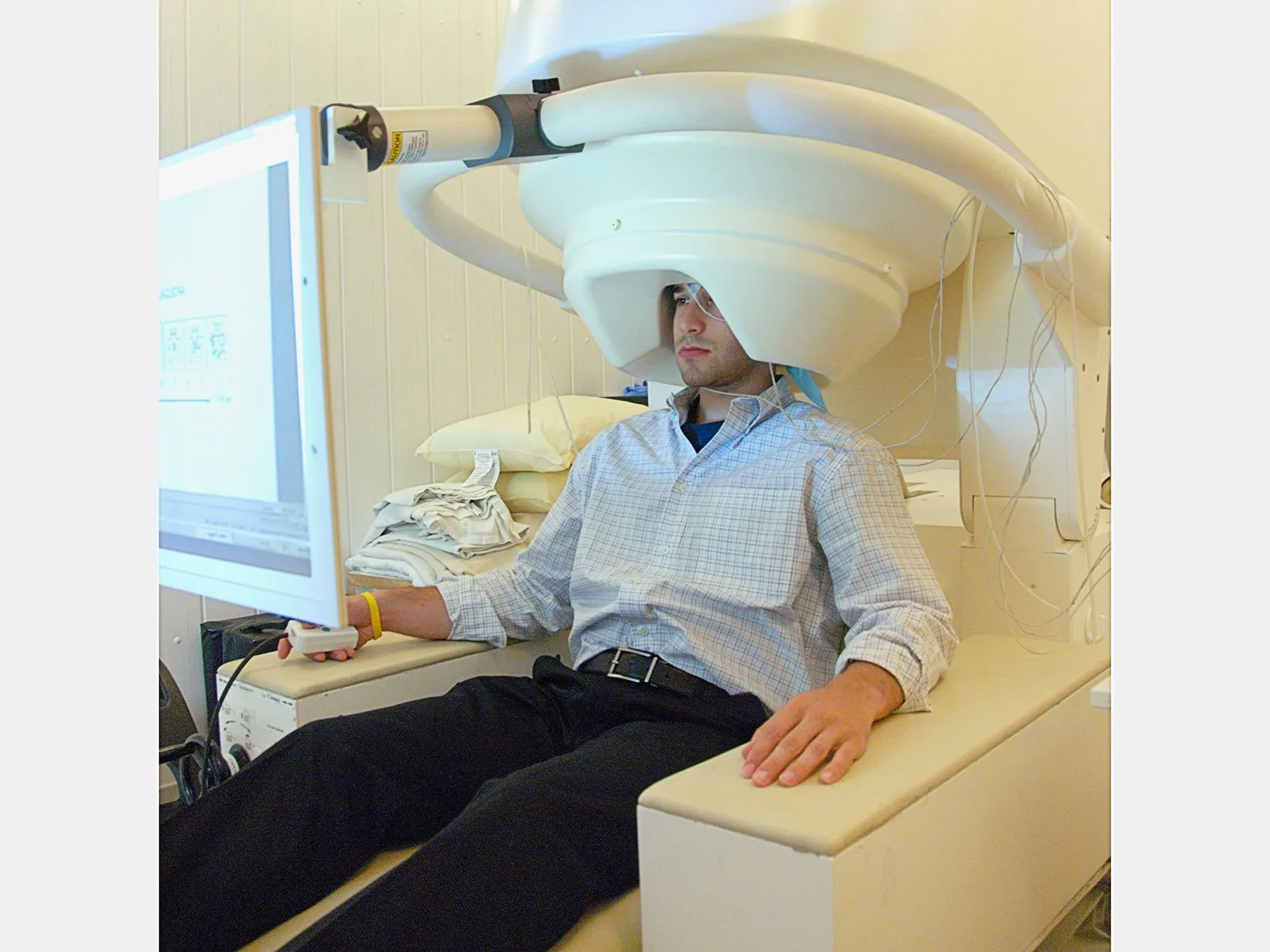
Method of magnetic The field generated by electrical impulses in the brain allows for precise data collection without the need for sensors attached to the head. All necessary sensors are contained within a special helmet worn by the subject. Despite its high accuracy, this method is expensive, and not every research center can afford such equipment. In addition, magnetic encephalography (MEG) systems cannot be transported, which limits their use, for example, in educational institutions.
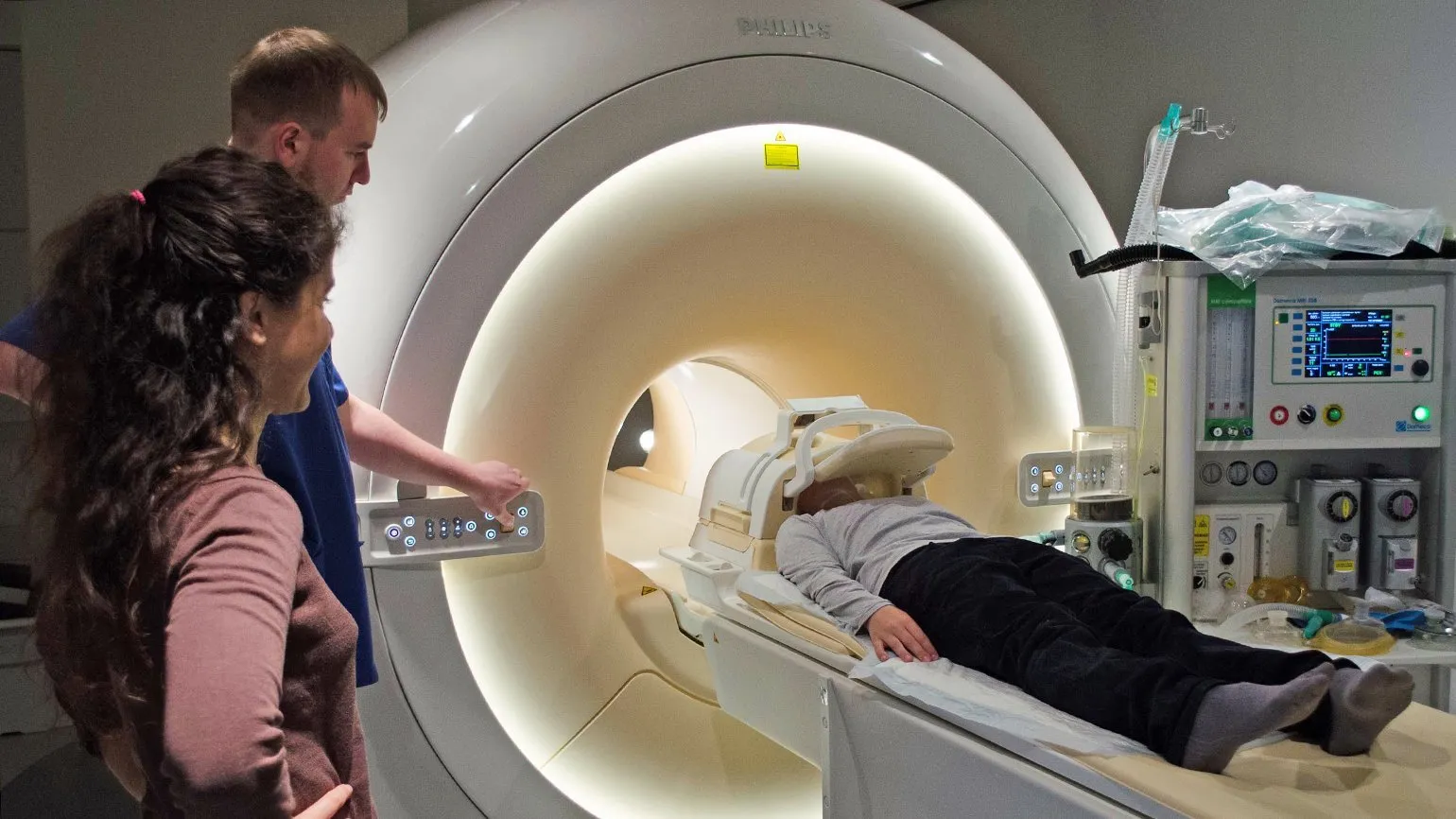
Nuclear magnetic resonance (NMR) produces high-quality images of internal organs. This method is based on the phenomenon in which the nuclei of hydrogen atoms, which are found in large quantities in the human body, particularly in water, are excited by electromagnetic waves of a safe frequency. The energy released by the nuclei is then recorded, creating a detailed image. NMR is an important tool in medical diagnostics, providing accurate visualization and diagnosis of diseases.
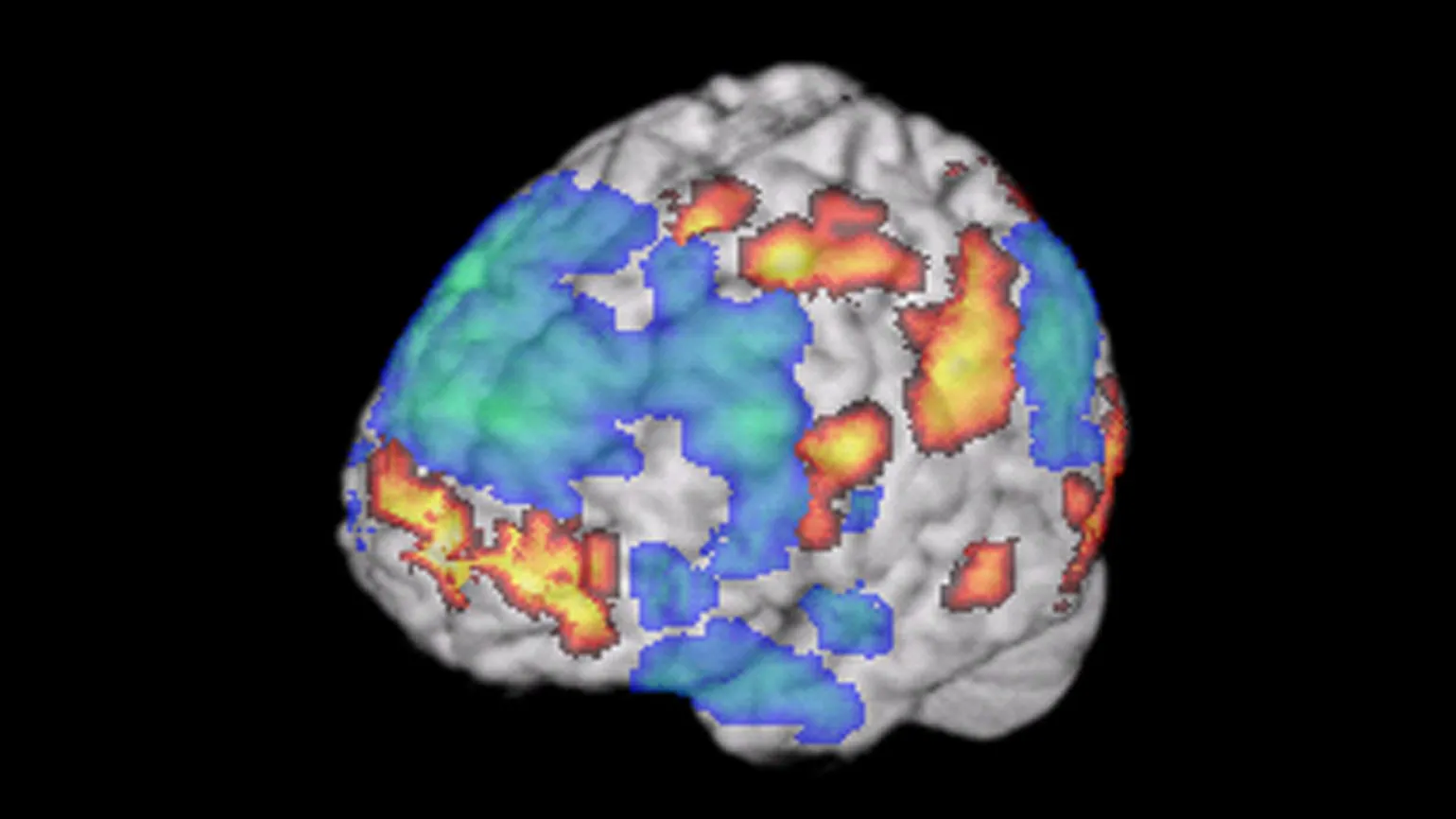
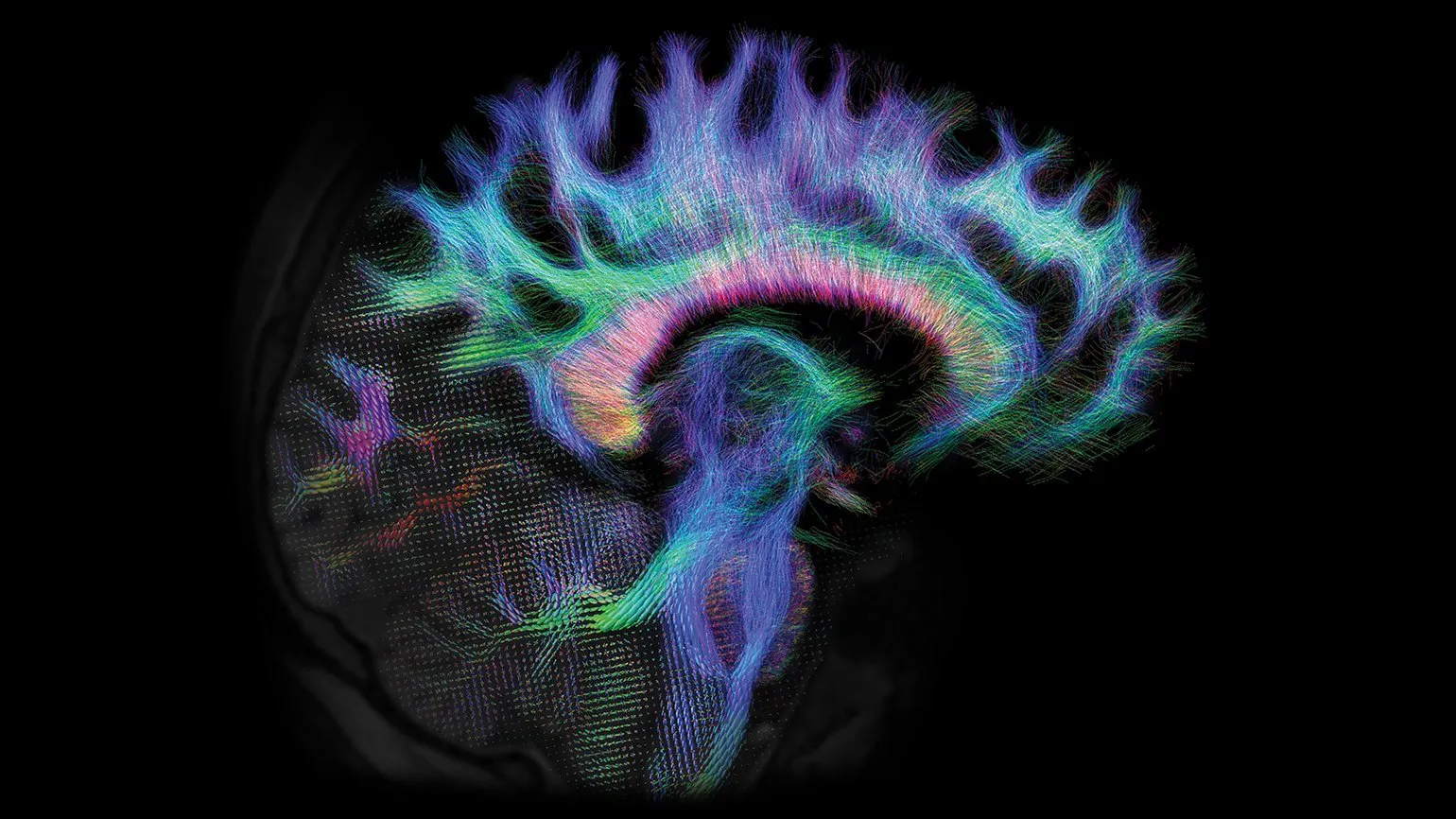
Various types of magnetic resonance imaging (MRI) of the brain play an important role in educational research. These methods provide a deeper understanding of functional and structural changes in the brain, which significantly contributes to the study of learning processes and cognitive development. The use of MRI in educational research helps to identify how various factors, such as age, education level, and environment, influence neuroplasticity and cognitive abilities. Thanks to these technologies, scientists can analyze the activity of various parts of the brain, which opens up new horizons in understanding educational processes and developing effective teaching methods.
- anatomical (structural) - static "snapshots";
- functional - almost "video" in which brain reactions are visible in dynamics;
- diffusion tensor - visualization of brain pathways.
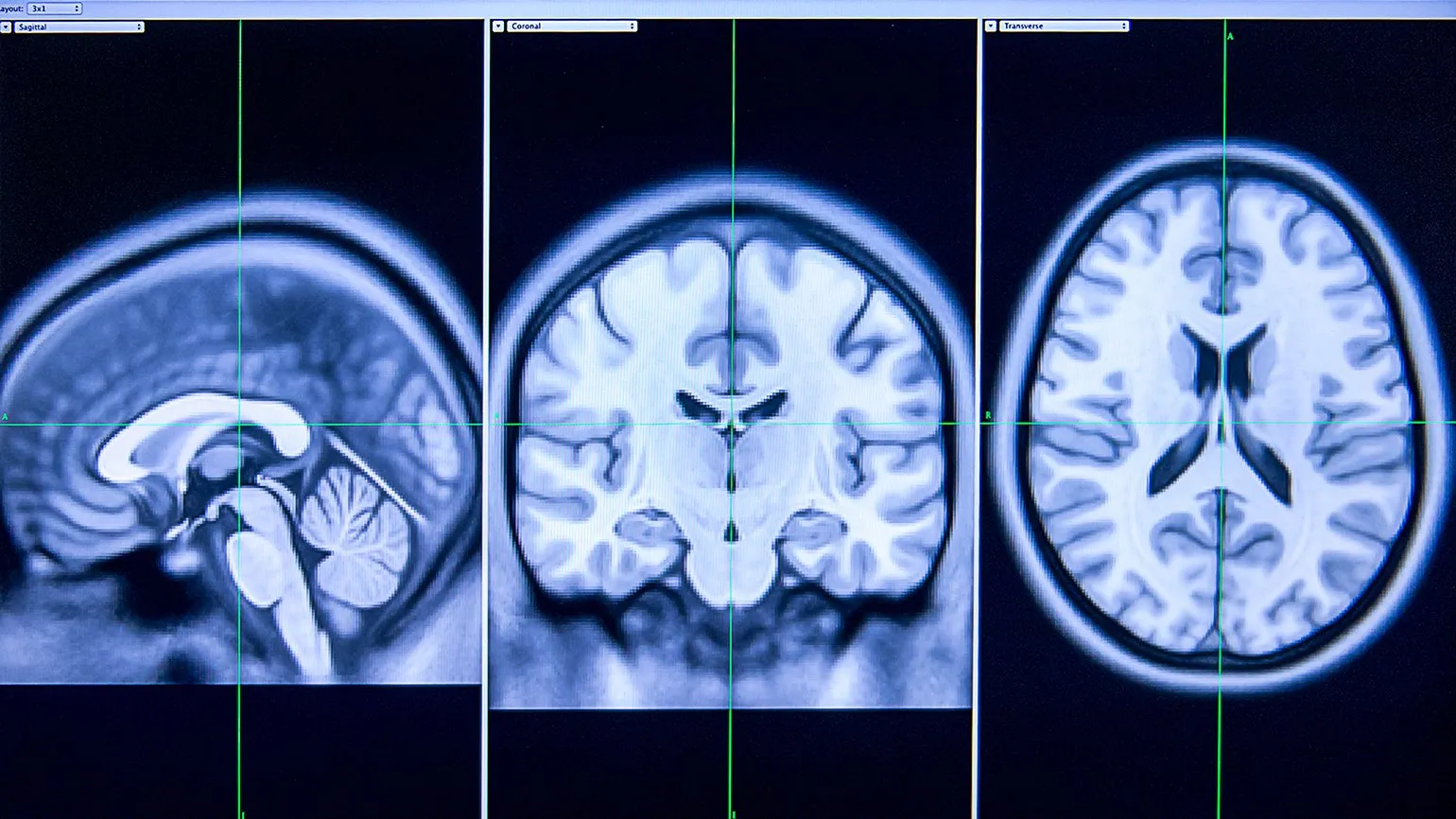
Anatomical magnetic resonance imaging (MRI) provides detailed information about brain structure. This method helps identify individual characteristics that may influence differences in cognitive abilities. Anatomical MRI is an important tool in neuropsychology and neuropsychology, as it helps investigate the relationship between anatomical characteristics of the brain and functional measures of cognitive processes.
Diffusion tensor magnetic resonance imaging (MRI) allows visualization of connections between groups of neurons and assessment of the strength of these connections. This method is an important tool in neuroimaging, allowing the study of structural changes in the brain and their impact on functional activity. Diffusion tensor MRI can reveal connections between different areas of the brain, contributing to a better understanding of neuropsychological processes and pathologies. Functional magnetic resonance imaging (fMRI) is a method based on measuring blood flow in the brain's vessels, which is directly related to neuronal activity. Unlike electroencephalography (EEG), fMRI provides more precise spatial data on brain activity. However, it should be noted that fMRI has a slight lag in temporal resolution, which may limit its use in some cases. Thus, functional MRI is an important tool in neuroscience and psychology for studying processes occurring in the brain. During functional magnetic resonance imaging (fMRI), subjects find themselves in conditions significantly different from their usual learning environment. Solving problems while lying down in a scanner is not comparable to the learning process in a classroom. For this reason, cognitive scientists are particularly interested in resting-state fMRI. This method allows them to record neural network activity during moments of "mind-wandering," when the subject is not focused on a specific task or is distracted from it. Studying such conditions can provide valuable information about cognitive processes related to memory, attention, and creativity.

Ultrasound examination of the cerebral vessels is a highly effective diagnostic method that provides information on the condition of blood vessels, blood circulation, and the identification of possible pathologies. The brain is protected by strong cranial bones, making visualization difficult. However, there are certain areas, such as the temporal zones, where ultrasound can be used. This method allows for non-invasive assessment of vascular health, which is especially important for the timely detection of diseases and the prevention of complications. Ultrasound diagnostics of the cerebral vessels is safe and can be used to monitor the condition of patients with various neurological disorders.
Transcranial Doppler ultrasound, like magnetic resonance imaging, has a functional version. It allows for monitoring changes in brain blood flow during various tasks. The ultrasound equipment used in transcranial Doppler ultrasound is more compact than MRI scanners or magnetic resonance imaging systems, but is primarily used in laboratory settings. This technique provides valuable information about the dynamics of cerebral circulation, which can be useful for the diagnosis and study of various neurological conditions.
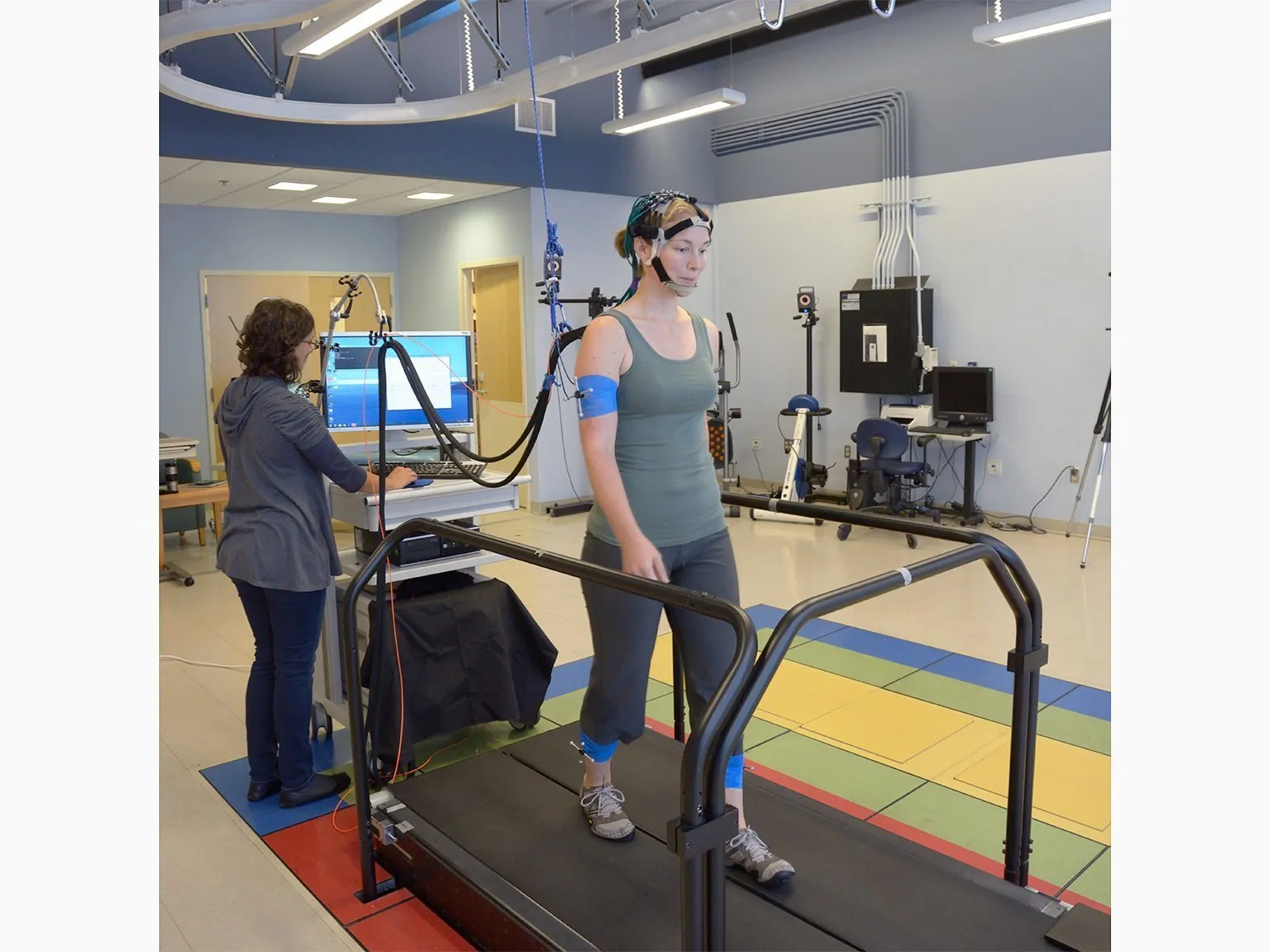
Functional near-infrared spectroscopy (fNIRS) is a modern method for studying brain activity. It is similar to electroencephalography (EEG) but does not require metal electrodes, making it more comfortable for subjects. Instead of electrodes, fNIRS uses light guides that direct infrared waves into the brain. Special detectors record the return light. The resulting data allows us to assess the level of oxygen in the blood, as well as the intensity of blood flow in various areas of the brain. Based on these indicators, brain activity can be analyzed during various tasks and actions. This method has wide application in neuroscience, psychology, and rehabilitation, providing a safe and non-invasive way to study brain function.
Neuromaging methods, including various technologies, make it possible to create and analyze images of the brain. In neuroscience research on education, traditional tasks and questionnaires are also used, as well as eye tracking (oculography). This technology records eye movements during various actions and is simple and accessible to use. For example, eye tracking is actively used in studies related to the reading process, which allows for a deeper understanding of the mechanisms of information perception and cognitive processes.

Read also:
How people learn and teach others: 20 answers based on 2021 research
Learning is an important aspect of human life and development. Research in 2021 provided many answers to questions about how people learn and transfer knowledge. Research papers identified key factors influencing the learning process, including motivation, teaching methods, and individual characteristics.
An important aspect is the active participation of students in the process. Research shows that interactive teaching methods, such as group discussions and hands-on assignments, promote deeper learning. Effective teachers adapt their approaches to accommodate different learning styles, allowing each student to find their own path to knowledge.
The importance of emotional intelligence in the educational environment is also emphasized. Teachers with high levels of emotional awareness are better able to support and motivate their students. Furthermore, creating a safe and supportive atmosphere promotes a more open exchange of knowledge.
Research indicates that regular feedback and assessments help students better understand their strengths and weaknesses. This, in turn, allows them to focus on areas that need improvement and develop their skills.
In 2021, the role of technology in learning was also emphasized. Online courses and educational platforms provide access to resources and materials that can significantly enrich the learning process. The flexibility and accessibility of these tools make learning more personalized and effective.
Thus, research in 2021 opens new horizons in understanding how people learn and teach others. This knowledge can be useful for both educators and students striving for more effective learning.
What types of research are there and why are they difficult to conduct?
Neuroscience in education aims to integrate methods based on neurocognitive research into the educational process. Understanding how the brain functions contributes to the effective teaching and support of various audiences, including children with neurophysiological disorders and disabilities, as well as the elderly. Developing and implementing approaches that take into account individual differences in perception and learning can significantly improve the quality of education for these groups.
The second line of research focuses on assessing the effectiveness of both traditional and new educational methods. An important aspect is the study of their impact on a person at the neurophysiological level. This allows for a deeper understanding of how different approaches to learning affect the brain and nervous system, as well as how they facilitate the acquisition of knowledge and the development of skills. Analysis of such interactions can help optimize educational programs and create more effective teaching methods.
The third line of research is of great importance not only for the educational process but also for maintaining brain health. The research focuses on questions regarding factors that facilitate or hinder the performance of cognitive tasks. Ways to reduce the impact of negative factors on the brain are also considered. Understanding these aspects allows us to develop effective strategies for improving cognitive function and overall mental health.
To successfully develop any of these areas, it is necessary to increase the neuroscientific literacy of all participants in the educational process. This will allow for a better understanding of the mechanisms of learning and information perception, which in turn facilitates more effective implementation of educational strategies and methods. Neuroscientific knowledge will help teachers adapt their approaches, and students... : Take a conscious approach to the learning process, which will lead to improved results and higher quality of education.
Revised text:
Be sure to check out additional materials that may be useful for your understanding of the topic. These resources contain up-to-date information and recommendations to help you gain a deeper understanding of the topic. Don't miss the opportunity to expand your knowledge and improve your skills in this area.
Advances in neuroscience are having a significant impact on education, changing approaches to learning and teaching methods. Modern research in neuroscience helps us better understand how students' brains function, which in turn allows us to develop more effective educational strategies. Neuroscience provides valuable information about how memory, attention, and perception occur, helping educators tailor their methods to the individual needs of students.
Furthermore, neuroscience facilitates the implementation of innovative technologies in the educational process, such as adaptive learning programs and games that are aimed at improving cognitive skills. These technologies make learning more interactive and engaging, which increases student motivation.
Educational institutions that incorporate advances in neuroscience can create more effective learning environments that foster critical thinking and creativity. It's important that teaching practices be grounded in scientific evidence to prepare students for the challenges of the modern world. Integrating neuroscience into the educational process thus opens new horizons for improving the quality of learning and developing future leaders.
Neuroscientific research in education faces numerous obstacles. Improving neuroscientific literacy is a complex task. Integrating a neuroscience fundamentals course into teacher training programs requires special attention. Teachers are already under significant pressure, and finding time to master new, complex information is becoming virtually impossible. To successfully integrate neuroscience into educational programs, it is necessary to consider these factors and develop effective strategies.
The isolation of neuroscience and researchers from the educational system creates significant problems. Scientists often face difficulties in assessing the feasibility of implementing new approaches in practice. Each test and experiment, even the smallest, represents an individual research project, requiring the allocation of resources, human resources, as well as the documentation and publication of results. This leads to a slower integration of scientific advances into educational practice and reduces the effectiveness of educational processes. A closer connection between science and education is needed to ensure a more rapid and effective application of the latest scientific research in the educational process.
It is important to remember that neurocognitive research is subject to ethical restrictions. In the field of education, especially in the teaching of children, these restrictions are even more stringent. Individual disciplines from which specialists move into educational neuroscience have already developed their own ethical principles. However, a unified system that could guide university ethics committees when making decisions about conducting neuroscientific experiments in the educational environment does not yet exist. This creates a need for the development of unified ethical standards that will ensure the safety and protection of research participants.
Revised text:
Also study:
Research has identified effective methods for improving information retention. Scientists propose a variety of techniques that can significantly increase the level of assimilation and retention of material. One of the key aspects is active participation in the learning process, which allows for better integration of new information into existing knowledge. The use of visual and audiovisual materials, as well as regular repetition and testing, are also recommended, which contribute to the consolidation of what has been learned. These methods can be useful not only for students but also for anyone seeking to improve their cognitive skills and increase the effectiveness of their learning.
Neuroscience in education has a long way to go. Faber noted that neuroscience, cognitive psychology, and educational research are currently developing mainly in isolation, following their own directions. Combining these disciplines could open new horizons for understanding learning processes and improving educational methods.
Feedback from participants in the seminar, which attracted over 570 people, mostly teachers, suggests doubts about the practical value of modern neuroscience for the educational process. Many aspects of the research seem too theoretical and distant from real-world practice. For example, what useful conclusion can a teacher draw from the fact that students retain material better when their brain activity is synchronized with the teacher's? Educators already understand the importance of student engagement in the learning process. Complex methods, such as attaching electrodes to each student to achieve synchronization, are unrealistic. More accessible and practical solutions are needed to help effectively use the achievements of neuroscience in education.

Read also:
Pedagogical research at school plays an important role in the development of the educational process. They help identify effective teaching methods, understand student needs, and adapt educational programs. Research allows teachers to analyze the results of their work, improve the quality of teaching, and find innovative approaches to learning. Moreover, these studies contribute to the development of teachers' professional competencies and the improvement of the level of education in general. In the context of modern changes in the educational system, conducting pedagogical research is becoming especially relevant, as it helps adapt to new challenges and requirements. Thus, pedagogical research is necessary for ensuring high-quality education and creating an effective educational environment.
How neuroscientists and educators can "build bridges"
The seminar participants agreed that the integration of neuroscience and educational practice is possible through the creation of mutually beneficial relationships. On the one hand, neuroscientists should adapt their research approaches, making them more convenient for participants and closer to real learning conditions. On the other hand, education specialists should formulate more specific research questions. For example, instead of general questions about brain function, it is necessary to focus on the difficulties in mastering specific topics in adolescents of a certain age with different characteristics. This approach will allow for a better understanding of how neuroscience can contribute to improving educational methods and increasing the effectiveness of learning.
To ask relevant questions of scientists and adequately evaluate the results of their research, educators need neurobiological literacy. This knowledge allows them to dispel neuromyths—common but false ideas about brain function. For example, there is a myth that a person uses only 10% of their brain, as well as the misconception that one hemisphere is responsible for creativity and the other for logic. Both of these statements are untrue. Understanding how the brain truly works will help improve educational practices and enhance the quality of learning.
Currently, there are no neurobiology courses specifically aimed at teachers in the Russian-language segment; at least, the seminar participants were unable to recall any. This prompted the idea of creating a course, for example, an introduction to neuroscience for students of pedagogical universities. Neuroscience in the context of education is currently being studied within one of the master's programs at the Institute of Education at the Higher School of Economics—"Teaching and Assessment as a Science." This course could be an important step in integrating neurobiological knowledge into teaching practice, which, in turn, will contribute to improving the quality of education. The seminar organizers plan to create a specialized platform for collecting links to high-quality popular science resources on the brain, such as "PostNauka" and "Neuronovosti," as well as useful books on the topic. You can follow news about this initiative and upcoming seminars on neuroscience in education on the HSE Institute of Education's VKontakte page.
In our "Bookshelf" and "New Books" sections, we have repeatedly featured books devoted to key aspects of neurophysiology and cognitive psychology that are essential for education. These works offer in-depth analysis and relevant research that reveal the mechanisms of learning and the development of mental abilities. We recommend reading a number of them for a more complete understanding of the impact of neurophysiology and cognitive science on the educational process.
- "Drive." What Really Motivates Us by Daniel Pink
- Remember Everything by Peter Brown, Mark McDaniel, and Henry Roediger
- Think Again by Adam Grant
- Cognitive Adaptations by Cecilia Hayes (available in English only)
- Why Don't Students Like School? by Daniel Willingham
Educational Program Methodologist
You will go through the full cycle of creating an educational product from scratch. Learn to design curricula for online and offline courses. You will become a universal specialist - you can launch your own project or get a job as a methodologist in a large company.
Find out more