

Learn: Methodologist of educational programs
Find out moreThe educational sphere covers a wide range of areas and approaches that can be classified in various ways. One of the most universal methods is the concept of the educational triad, which includes three key types of education: formal, non-formal, and informal. Formal education refers to formal educational institutions and programs, non-formal education involves learning outside traditional classrooms, and informal education encompasses everyday experiences and self-study. This classification helps to better understand how different forms of education interact and complement each other, creating a holistic system of learning.
The definitions of the three main types of educational activity were set out in the International Standard Classification of Education (ISCED) of UNESCO in 2011. These definitions serve as a basis for understanding and analyzing educational processes in different countries. ISCED provides a unified approach to the classification of educational programs and institutions, which facilitates international cooperation and the exchange of experience in the field of education.
In Russia, the education system is divided into general, vocational, and supplementary, and also includes vocational training, according to Article 10 of the Federal Law "On Education in the Russian Federation." Supplementary education is subdivided into general developmental, pre-vocational, and vocational, which includes advanced training and professional retraining. Vocational training, while not considered a level of education, is aimed at developing professional competencies necessary for working with specific equipment, technologies, and other professional tools. It also facilitates the acquisition of qualifications for blue-collar jobs and positions, as well as the assignment of qualification grades, classes, and categories without changing the level of education. Thus, the education system in Russia provides a variety of opportunities for acquiring knowledge and skills, promoting professional growth and development.

According to Russian legislation, there is a concept of educational activities, which in essence resembles additional education, but does not relate to it, since it does not imply the presence of an educational program. Lawyers note that it is not always possible to clearly determine whether a lecture course, webinar, master class, or training program constitutes a continuing education program or falls under the category of educational activity. This distinction is not always obvious and has no clear boundaries. It is important to understand that educational activity can include various learning formats, but does not have the official status of an educational program, making it unique in the context of the Russian education system. Let's examine the relationship between formal, non-formal, and informal education. Formal education involves acquiring knowledge within official educational institutions, such as schools and universities, with an established curriculum and certification. Non-formal education encompasses learning that takes place outside of traditional educational institutions, including courses, seminars, and training sessions aimed at developing specific skills. Informal education, on the other hand, encompasses self-education and learning in everyday life, where a person learns through experience, communication, and interaction with the world around them. Understanding these categories is important to appreciate the diversity of educational approaches and methods that can be used for personal and professional growth.
What is Formal Education
Formal education includes educational programs at various levels, from basic to higher education, offered by public educational institutions or private institutions recognized by the state. These programs operate within a framework of strict regulations and standards, which ensure their quality and compliance with established requirements. Formal education plays an important role in the development of personal and professional competence, providing the necessary knowledge and skills for a successful career.
Studies on these courses are focused on the acquisition of a specific qualification, upon completion of which an official educational document is issued. These qualifications are mandatory for progression to the next level of education, for example, a high school diploma is required for admission to a university. In addition, having a relevant diploma, for example, a medical or pedagogical one, is necessary for employment in a professional field, such as working as a doctor or teacher.
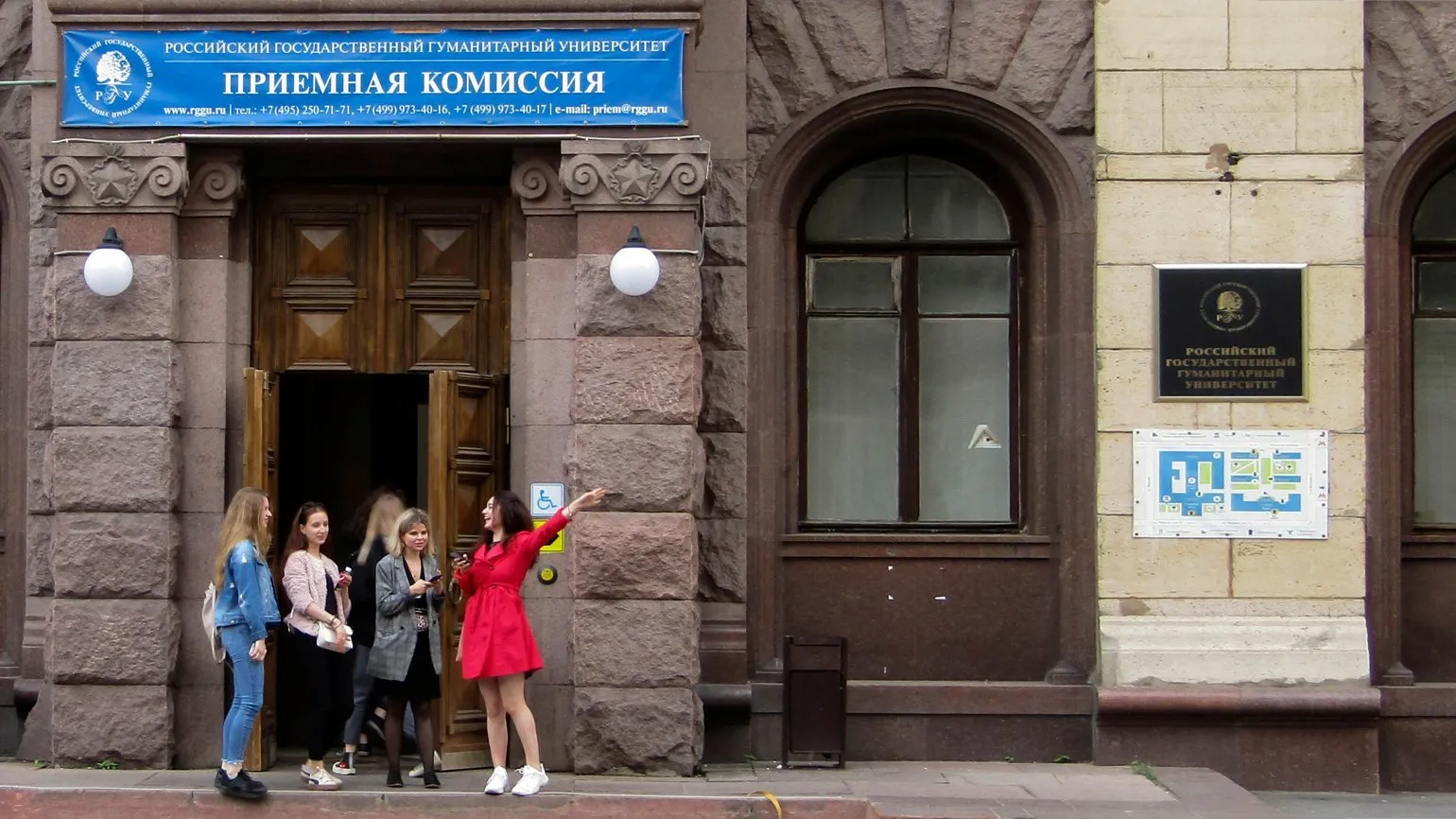
Formal education primarily represents the preliminary training people receive before entering the labor market. In Russia, the formal education system includes high school, vocational, and higher education. These levels of education play a key role in preparing specialists, providing the necessary knowledge and skills for a successful career.
Non-formal Education
Non-formal education is a broad category that includes alternative and additional courses, trainings, and programs that complement the formal education system. Such initiatives are organized by specialized institutions, but graduates, as a rule, do not receive the formal qualifications necessary for moving on to the next level of education. The results of non-formal learning are not always recognized by employers, which can limit their use in the labor market. Nevertheless, non-formal education plays a significant role in the educational ecosystem, promoting personal and professional development.
It is important to note that non-formal education does not imply illegal activities. Supplementary education in Russia is integrated into the general education system, which is confirmed by Article 10 of the Federal Law "On Education in the Russian Federation". A license is required to carry out any educational activity. As already mentioned, educational activities include everything that includes educational programs, which emphasizes the importance of complying with legislation in this area.
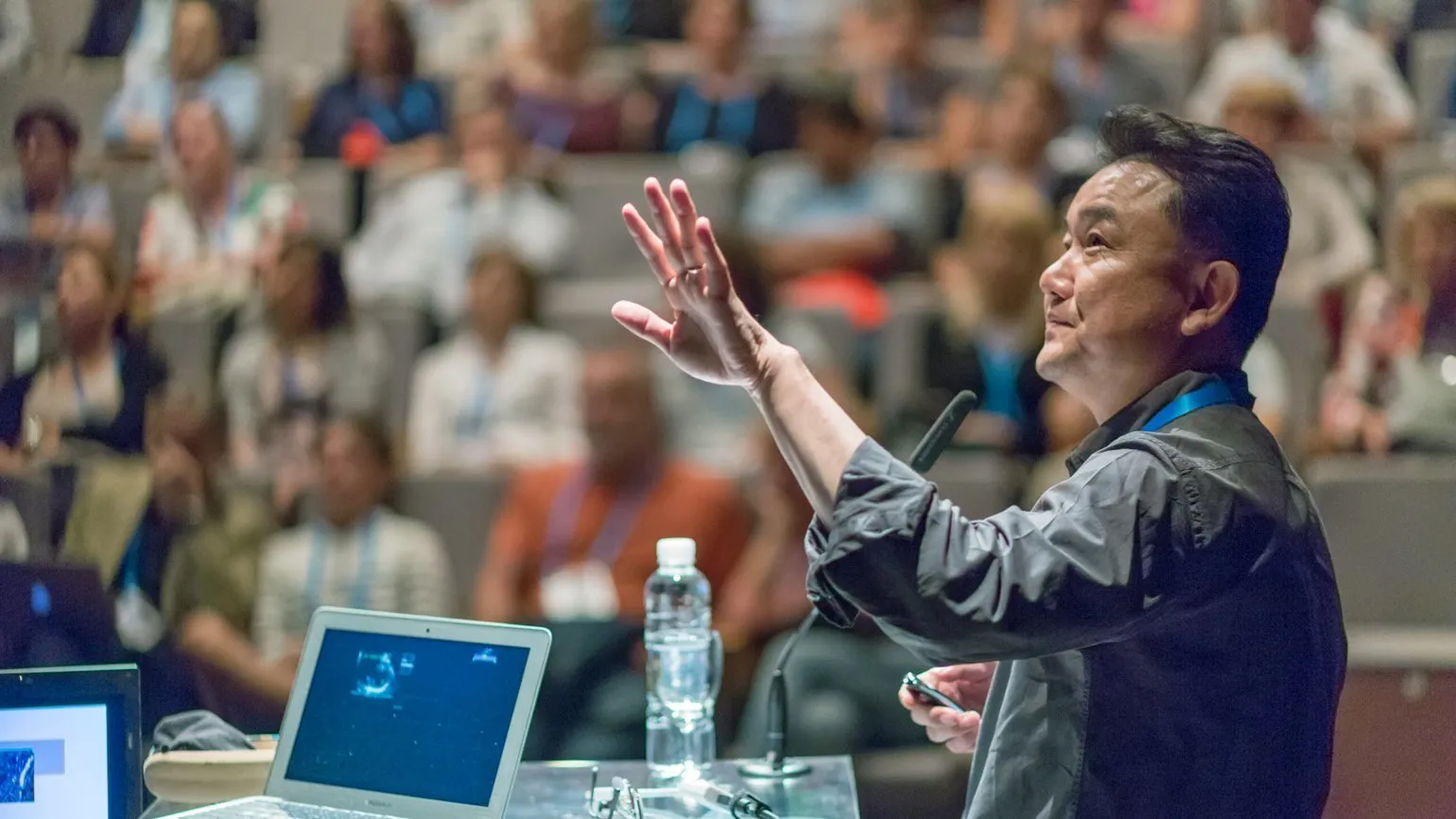
In Russia Non-formal education covers a wide range of programs, including continuing education, corporate training, workshops and master classes, and online courses. These formats allow for the development of skills and knowledge outside the traditional educational system, providing flexible opportunities for learning and professional growth. Non-formal education is becoming increasingly popular as it meets the demands of the modern labor market and helps people adapt to rapidly changing conditions.
Informal Education
Informal learning is characterized by a low level of organization and structure. It is not planned by specialized educational institutions and is not based on state standards. Instead, learning is initiated by the individual, family, or other community. Informal education occurs in a variety of settings, such as the workplace, home, and everyday life, and also includes self-education. The results of such learning are not recorded in official documents or qualifications, which makes it more flexible and adaptable to individual needs and interests. Informal learning plays a vital role in developing skills and knowledge, enabling individuals to develop outside of traditional educational systems.
UNESCO distinguishes informal education from incidental and unsystematic learning. In the latter case, new knowledge arises as a byproduct of everyday activities, such as socializing, reading, or watching films, but without a clear educational purpose. In contrast, informal education involves the purposeful acquisition of knowledge and skills outside of formal educational institutions, making it an important aspect of modern learning and personal development.
In research, activities related to the acquisition of new knowledge and skills are often referred to as informal education or self-education. The statistical compendium "Education Indicators" defines this concept as encompassing various forms of independent learning. This includes studying literature, such as books and magazines, using audio and video materials, and internet resources. Informal education can also include participation in exhibitions and theater performances, as well as learning under the guidance of relatives, friends, and colleagues.
In Russia, this category includes educational activities aimed at disseminating knowledge and information among the population. Educational work contributes to the development of education, increases literacy, and fosters critical thinking. This is an important aspect of cultural and social progress, allowing people to better navigate the modern world and make informed decisions.
Learn more about education on our Telegram channel. Subscribe to stay up-to-date with the latest news and interesting content!
Also read:
The text you're reworking should be more structured and optimized for search engines. It's important to use keywords and phrases that are relevant to the topic to improve search engine visibility.
The focus should be on clarity and conciseness. Make sure your text answers user questions and provides them with the information they need. It's also helpful to add internal links to other relevant content to improve navigation and increase visitor time on the site.
Properly formatted text will not only attract the attention of readers, but also increase the page ranking in search engines.
- Harsh Russian lifelong learning
- What is transformative adult learning?
- What is EdTech?
- What is instructional design and who is an instructional designer?
Educational Program Methodologist
You will go through the full cycle of creating an educational product from scratch. Learn to design curricula for online and offline courses. You will become a universal specialist - you can launch your own project or get a job as a methodologist in a large company.
Find out more