Contents:
- Who worked in the tsarist universities
- How the work of the teaching staff was organized
- What was the gradation of academic degrees and positions
- How difficult was it to build a university career
- How much did a university teacher earn?
- What standard of living did such a salary imply?
- Which of the teachers had a hard time?
- What benefits did the status of a university teacher provide?

Learn: Online Tutor
Learn MoreIn this article, you will get information about:
- representatives of which classes taught at pre-revolutionary universities;
- how heavy was the workload of university teachers;
- was it easy to make a career at the university and achieve the rank of professor;
- how much did professors and other teachers earn;
- what was their standard of living.
Who worked at the tsarist universities
The first higher education institution in Russia was the University of the St. Petersburg Academy of Sciences, which was founded by Peter I in 1724. However, it was the founding of Moscow University in 1755 under Empress Elizabeth Petrovna that is considered the true beginning of higher education in the country. Moscow University played a key role in the development of science and education in Russia, laying the foundations for subsequent educational institutions and the formation of the country's educational system.
For a long time, the legal status of higher education institutions in Russia was unclear. The first charter of Russian universities was adopted only in 1804, during the reign of Emperor Alexander I. This document became the basis for the further development of the higher education system in the country and established the basic principles of functioning of universities.
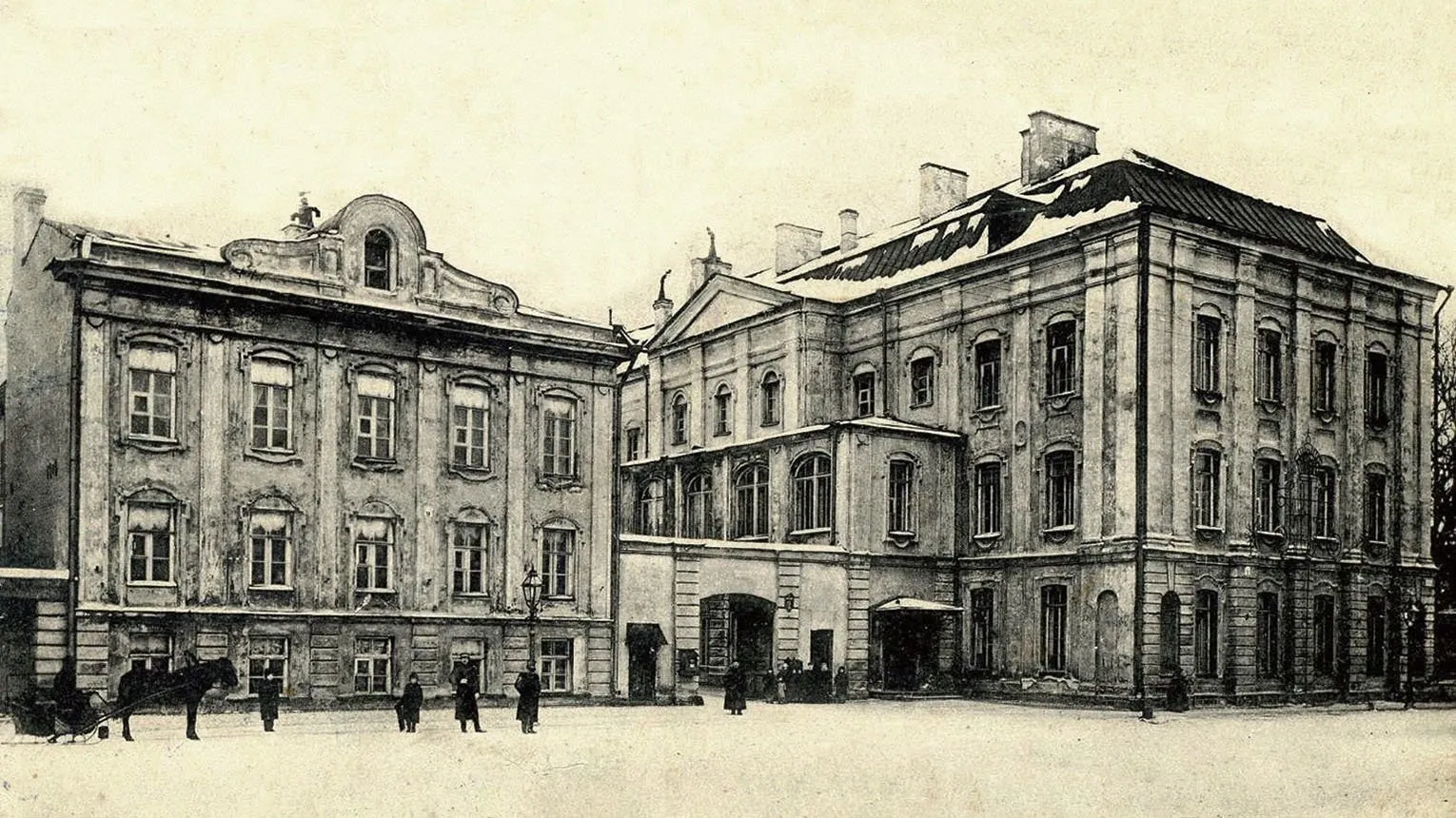
By the beginning of the 20th century, there were only 11 universities in the Russian Empire. Between 1884 and 1916, these educational institutions employed approximately 587 faculty members. By 1917, the total number of higher education institutions in Russia had risen to 124, of which 65 were public and the rest private. This growth testifies to the developing higher education system in the country and its commitment to education and scientific achievement.
According to the statistics of the National Research University Higher School of Economics “Russian Education in Figures”, in the 2020/2021 academic year, there were 710 universities in Russia, of which 497 were public. The total number of faculty members was 223,100. At Moscow State University named after M.V. Lomonosov currently employs more than 10,000 people. These figures underscore the importance of higher education in the country and the significance of the faculty for the educational process.
The profession of university teacher was quite rare in the late 19th and early 20th centuries. At a time when only 27% of the population was literate by the end of the 19th century, university teachers, especially professors, were perceived as the intellectual elite of society. These specialists played a key role in shaping educational standards and scientific progress, contributing to the development of culture and knowledge in the country.
Not all higher education teachers in Russia by 1917 belonged to the upper class—the nobility. Only 33% of teachers were of noble origin, while the proportion of landowners among professors and teachers was only 6%. This indicates that science and teaching attracted people not only from the wealthy strata of society, for whom salaries were insignificant. Faculty members came from a variety of social classes, including the bourgeoisie, clergy, commoners, and merchants, highlighting the diverse social backgrounds of academics.
Although examples of professors from the lower social classes are rare, they do exist. One such case is Ivan Khristoforovich Ozerov (1869–1942), a distinguished economist who came from a peasant family. His outstanding abilities and the support of caring teachers helped him gain admission to the gymnasium, which he graduated with a gold medal. Ozerov then entered Moscow University and became a full professor in 1903. His story is inspiring and serves as an example that talent and perseverance can overcome social barriers.
Read also:
Teachers in the Russian Empire faced a variety of living conditions and pay. Teachers' salaries varied depending on the region, type of educational institution, and skill level. In cities, teachers could earn more than in rural areas, but even in large cities, their incomes were often low.
In addition to salaries, teachers faced problems with a lack of resources, which hampered the teaching process. Many teachers worked in conditions of a shortage of textbooks and materials, which affected the quality of education.
The social status of teachers in society was also ambiguous. On the one hand, the teaching profession was considered respected, but on the other, many teachers experienced financial difficulties. To improve their lives, some of them earned money by tutoring or engaged in additional activities.
Thus, the life and work of teachers in the Russian Empire were full of challenges, and their earnings often did not correspond to the importance of their role in society.
How the work of the teaching staff was organized
By the beginning of the 20th century, the number of faculties at universities was limited. This time was characterized by a narrow range of academic disciplines and specialties offered by higher education institutions. Universities mainly focused on classical areas such as humanities, natural sciences, and law. Existing faculties did not always meet the demands of modern times, and many students sought a more diverse and specialized education. As a result, starting in the 20th century, there has been an active development of university faculties, which led to the emergence of new disciplines and the expansion of educational programs. An important aspect of this process was the desire of universities to adapt to a rapidly changing world, which contributed to the formation of the modern educational landscape.
- historical and philological;
- legal;
- physics and mathematics;
- oriental languages;
- medical.
Each faculty had a commission consisting of professors. Members of the commission could be either actively teaching, or retired, or not teaching classes. Their main responsibilities included selecting new professors and assistant professors, identifying students suitable for continued studies at the faculty, distributing budgetary funds, developing curricula, and conferring academic degrees.
University professors not only taught but also headed departments and served on university councils. Until 1905, rectors appointed by the Ministry of Public Education governed these councils. After 1905, university councils were given the opportunity to independently elect rectors, which changed the management structure and increased the autonomy of educational institutions.
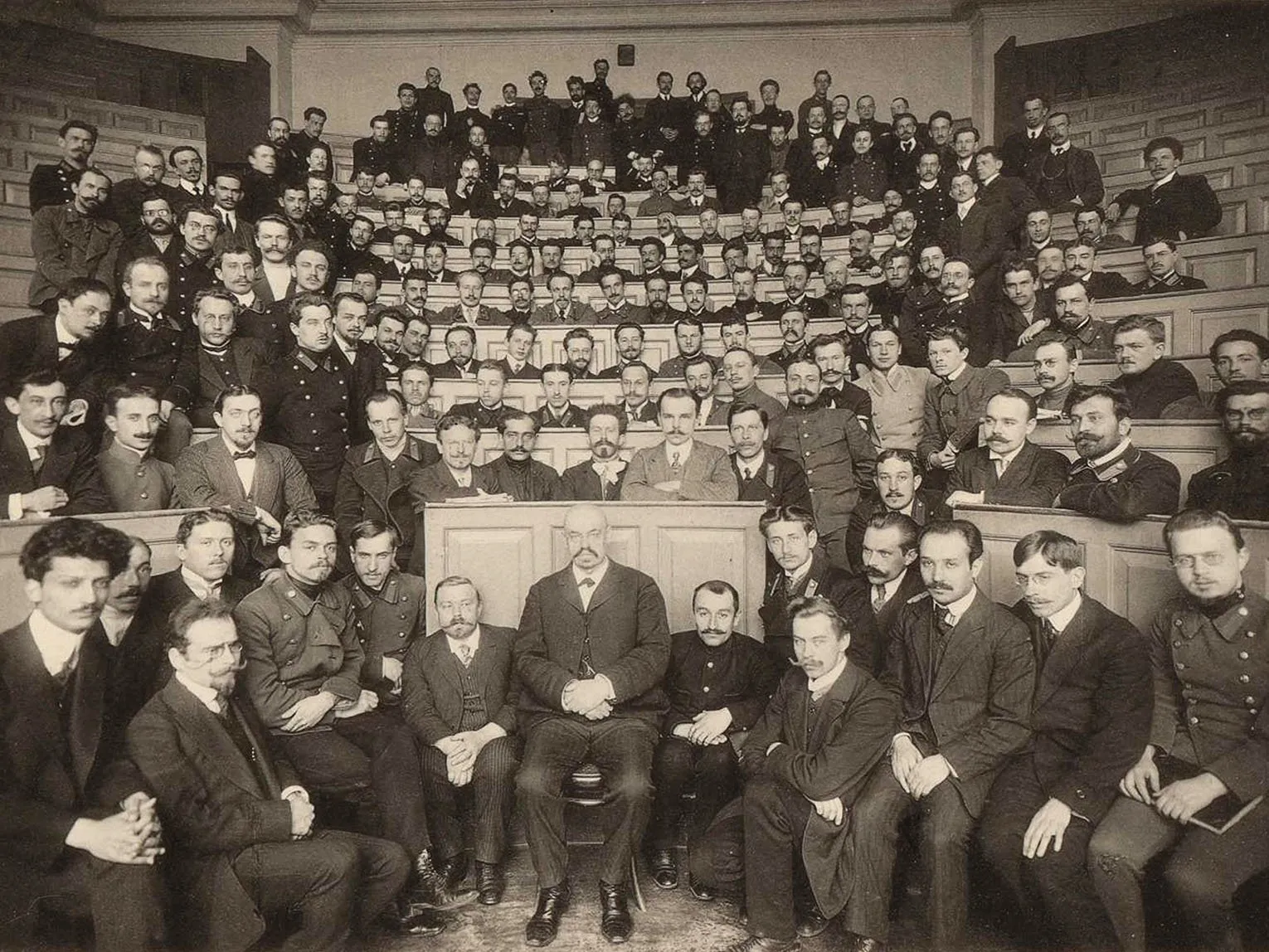
Before the adoption of the University Charter of 1835, faculty teaching loads were not clearly regulated. As a result, a professor could lecture for only three to four hours a week, depending on the subject. The Charter, approved under Nicholas I, eliminated this problem by establishing a minimum teaching load of eight hours per week. However, in 1884, this requirement was relaxed, and the workload was reduced to six hours per week.
What was the gradation of academic degrees and positions?
The university education system in imperial Russia largely borrowed elements of the German model, which was considered one of the most progressive at the time. This approach contributed to the development of higher education in Russia, allowing for the introduction of modern teaching and research methods. Borrowed principles and structures played an important role in shaping the academic environment and training qualified specialists.
The structure of positions in Russian universities has undergone several changes throughout its existence. The modern form of the hierarchy was finally established with the introduction of the statute of 1884. At that time, university positions could be conditionally classified into junior and senior, as well as full-time and part-time. The hierarchy of positions was built from the lowest to the highest, which determined the distribution of duties and the level of responsibility.
- Privat-docents (junior, part-time position) — these were graduates who wanted to make a university career. They taught courses not included in the main program. It was assumed that it was from them that the full-time teaching staff would be replenished.
- Lecturers (junior, full-time) gave public lectures.
- Extraordinary professors (senior, part-time) — like privat-docents, they taught courses not included in the program, could not hold departments, and were not members of the council. In fact, they were assistants to ordinary professors. Despite the part-time nature of the position, extraordinary professors, unlike privat-docents, were paid a salary.
- Ordinary professors (senior, full-time) — the university elite: only they of all the university teachers were members of the university council and held departments. They also taught courses that were part of the mandatory curriculum.
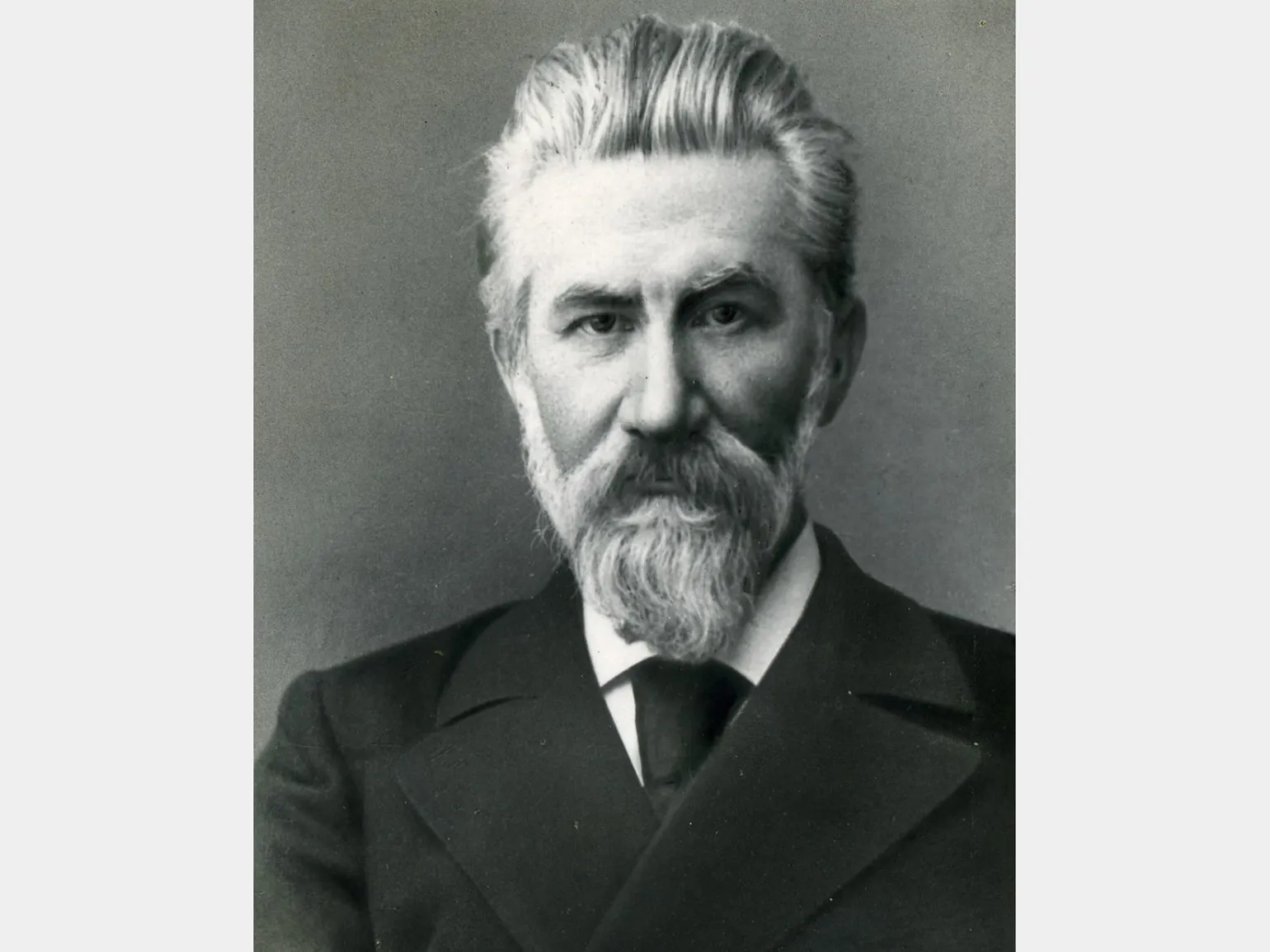
Thus, only full-time professors and lecturers with authority were full-time faculty members. At the same time, the number of part-time faculty exceeded the number of full-time faculty members. This is explained by the lack of full-time positions necessary to teach all the courses to the required extent for students.
Everyone who begins a teaching career strives to achieve a professorship. This requires obtaining the academic title of doctor, which requires defending a doctoral dissertation. In addition, at least two years of work as an extraordinary professor are required. The most difficult stage is waiting for a suitable vacancy, as the number of professorships at 11 universities is limited. This makes the path to a professorship not only long but also competitive.
If a talented teacher did not yet have a degree, they could be appointed as an acting full or extraordinary professor. This appointment allows them to temporarily fulfill the responsibilities associated with a higher academic status, opening up new opportunities for development and professional advancement. Such appointments often occur in academia when replacement or support is needed in teaching and research.
Privatdozents and lecturers typically held a master's degree or were in the process of obtaining one. Teaching could begin even before completing their master's degree: obtaining the position of privatdozent required passing a special examination, which included giving a demonstration lecture. Nevertheless, the master's degree remained an important stage in career development at the university. Preparing a dissertation served as the primary motivation for continuing to work at an academic institution after completing a course of study, and a master's degree opened the door to pursuing a doctoral dissertation. A typical successful teaching career begins with graduation, after which the graduate may remain with the faculty as a professorial fellow. This dissertation preparation stage is the precursor to modern doctoral studies. This is followed by a path to the position of privatdozent, then extraordinary professor, and finally, full professor. However, not everyone who chooses a teaching career succeeds in this path. Many factors, such as competition, lack of funding, and the lack of necessary scientific publications, can become an obstacle on this path.
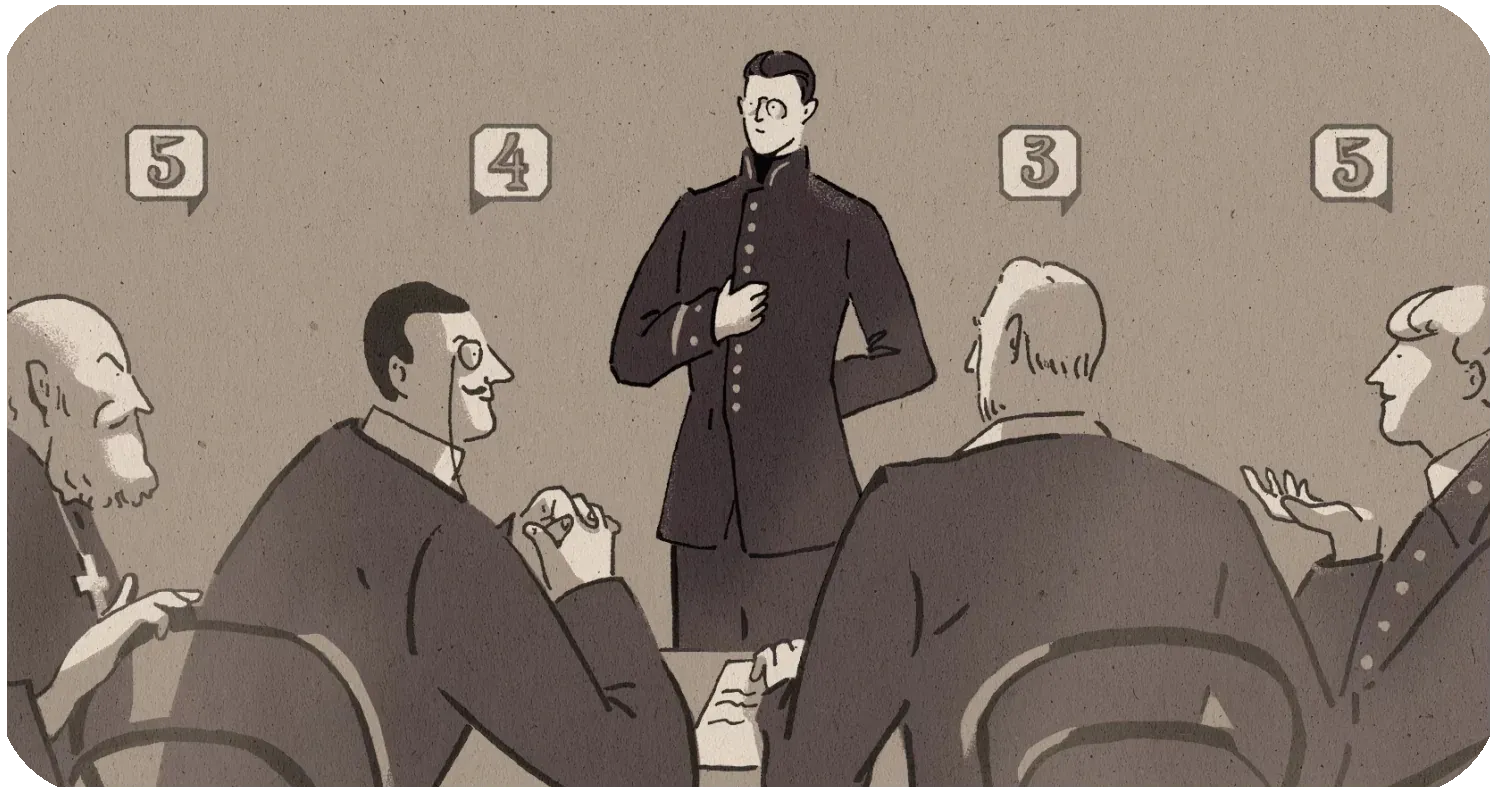
Learning new topics and gaining useful information is an important aspect of development. We recommend paying attention to additional materials that can expand your knowledge and deepen your understanding of the issues under consideration. Reading articles, research, and other sources of information will help you stay informed about the latest trends and find practical solutions. Don't miss the opportunity to learn more to improve your skills and enhance your qualifications.
Long before the introduction of the Unified State Exam: How university entrance exams were administered in Tsarist Russia
In Tsarist Russia, the university admissions system was significantly different from today's. The exams taken by applicants played a key role in the admissions process. First, candidates had to pass preliminary examinations, including exams in core subjects such as Russian language, mathematics, and history. These tests were often held in gymnasiums and served as a sort of selection for further admission.
After successfully passing the preliminary examinations, applicants could count on taking university entrance exams. At that time, exams were administered orally, and candidates underwent a detailed analysis of their knowledge and skills. Teachers asked questions covering not only academic subjects but also general cultural and scientific knowledge.
The admissions process was complex and competitive, requiring serious preparation and perseverance from young people. Successful passing of the exams opened the door to higher education and new opportunities. The examination system in Tsarist Russia laid the foundation for modern approaches to assessing students' knowledge and skills, despite significant changes in the educational system since then.
How difficult was it to build a university career?
The University Council selected candidates for professorial scholarships from among interested students. These were usually the most talented students, but sometimes scholarships were awarded based on connections. For example, Moscow professor Mikhail Bogoslovsky noted that a scholarship recipient was sent to his department solely because of his family ties—he was the son of a professor at Kazan University. This highlights how personal connections could sometimes influence students' academic achievements and opportunities.
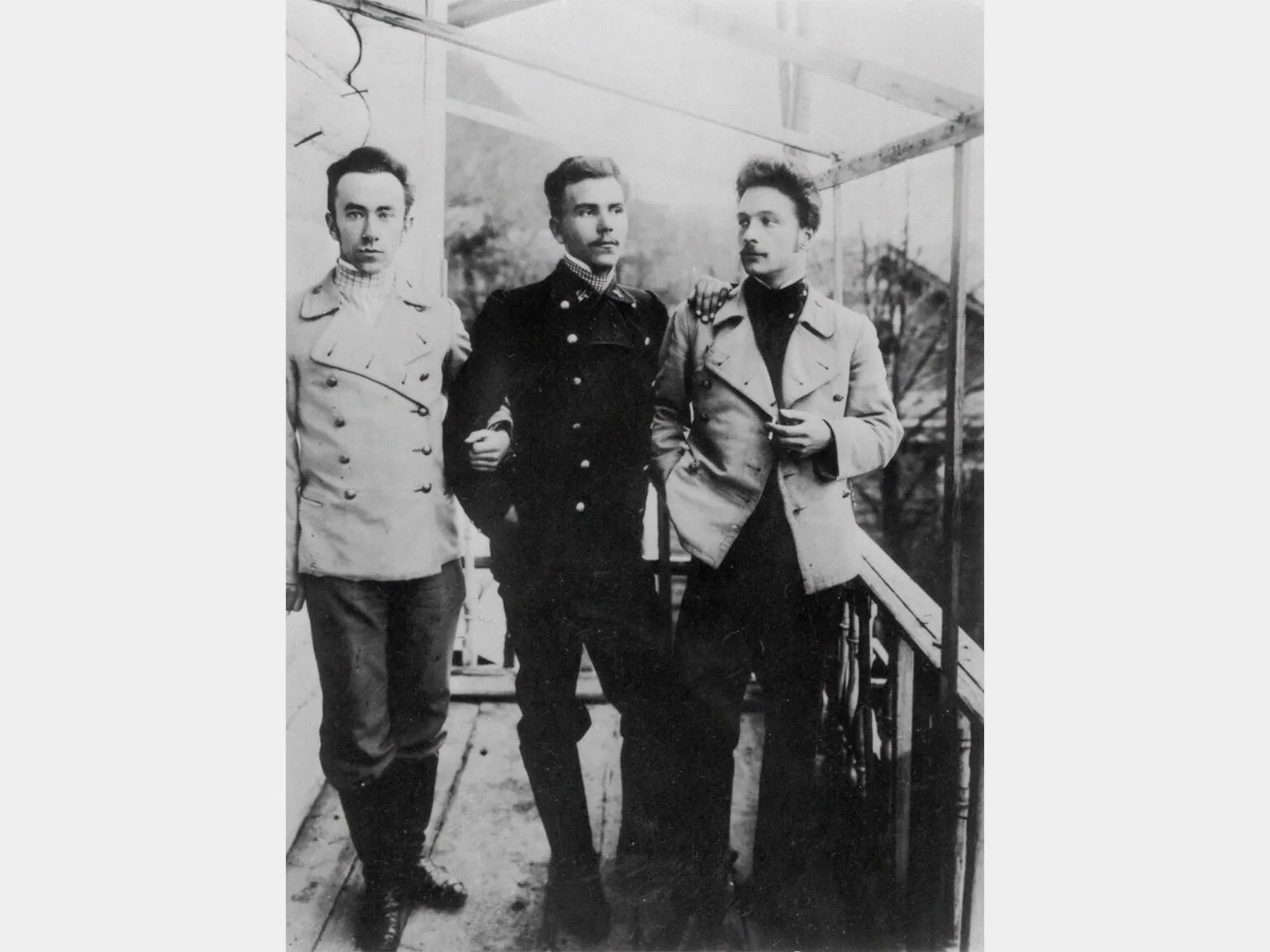
Young people who remained at the university were provided a special stipend of 600 rubles per year. Funding for the training of new teachers was provided by the state, but, as a rule, the funds were only enough for half of the graduates retained in the faculty. This limited funding highlights the pressing problem of a lack of resources for the training of qualified personnel in the field of education.
Students for whom scholarships are insufficient are forced to seek alternative sources of funding. This may include receiving a stipend from their educational institution, attracting philanthropy, or earning their own money. Finding additional financial resources becomes an important part of student life, allowing them to ensure the necessary standard of living and focus on their studies.
Completing a master's thesis on time presents a significant challenge. Students often go on business trips abroad to search for the necessary information or create their own laboratory and technical conditions for conducting experiments. As a result, the dissertation process can take three to six years instead of the planned two. This means that a master's degree is awarded, on average, at the age of 32–33. Writing a doctoral dissertation typically takes even longer, highlighting the complexity and demands of high-level research. Few have achieved such results. According to historian Mikhail Gribovsky, only 20–25% of recipients of professorial scholarships completed their master's dissertation. Finding a tenured teaching position can be challenging, especially given the limited number of universities and a shortage of tenured positions. As a result, beginning professors often find themselves in the role of privatdozent, which is associated with an uncertain career path and instability in their professional lives. This situation requires young professionals to adapt and seek alternative opportunities to advance their careers in academia.
Privatdozents did not have a fixed salary—their income depended on the number of students attending their classes. They taught courses that were not part of the mandatory curriculum, allowing students to attend at their own discretion. If a privatdozent did not teach for six months, they lost their status. This problem became especially acute after 1912, when privatdozents were prohibited from teaching courses that duplicated the mandatory courses of professors. This significantly reduced student interest in additional classes and complicated the financial situation of many teachers.
A young teacher could fill a vacant position in two ways: through appointment by the Minister of Public Education or by decision of the university council. However, before this could happen, the position had to become vacant.
Professors, both ordinary and extraordinary, were in no hurry to leave their positions or change jobs. As a result, privatdozents could wait for years for their turn, but never received an opportunity to fill vacancies. Vacancies rarely arose, especially with the opening of new universities, such as Tomsk University, founded in 1878. This created additional pressure on the academic position distribution system and limited career prospects for many faculty members.
Revised text:
Also read:
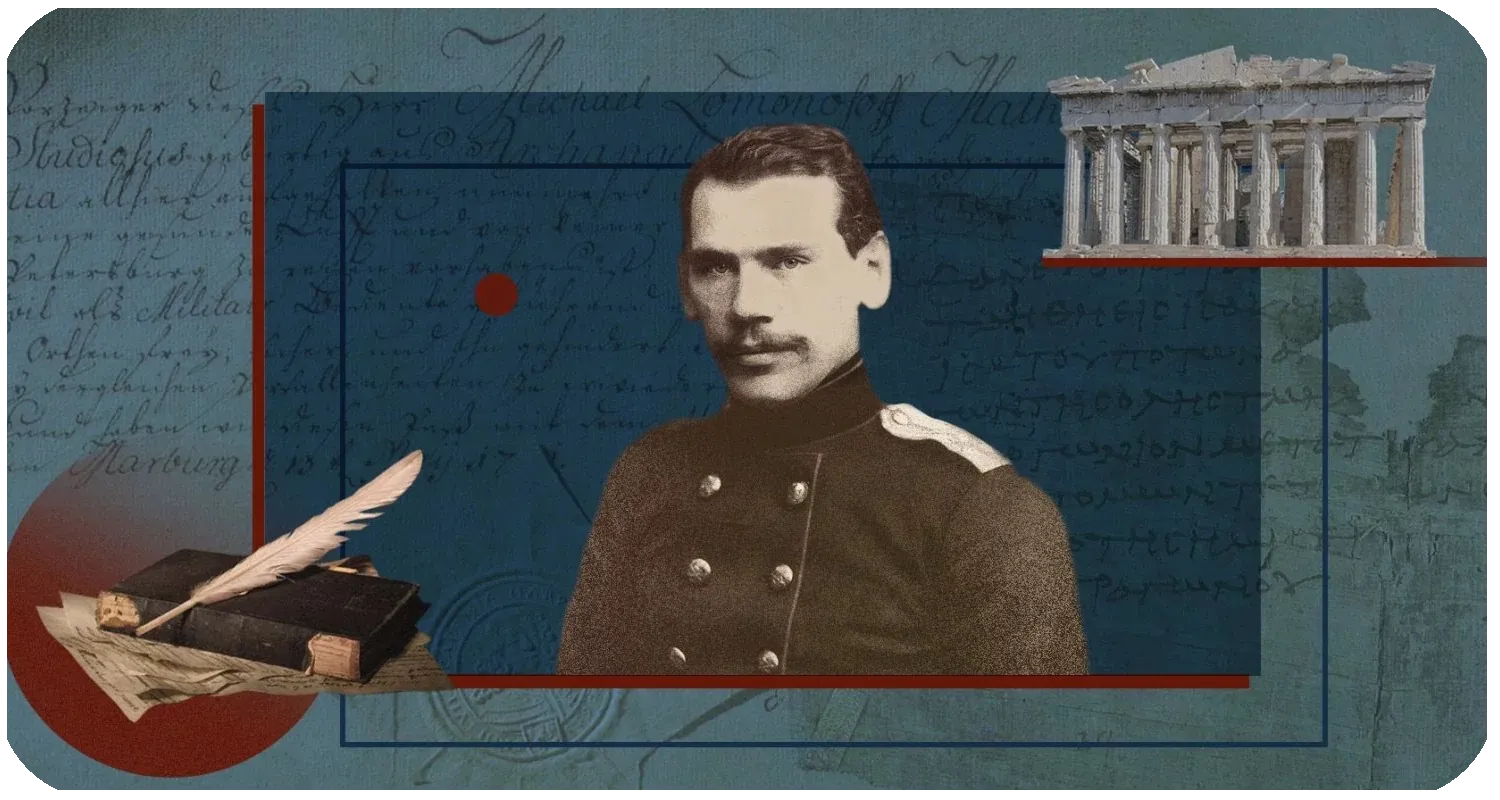
Leo Tolstoy, in his reflections on university lectures, emphasizes that they are nothing more than an "amusing rite." He is critical of traditional teaching methods, believing that lectures do not always promote a deep understanding of the material. Tolstoy emphasizes that true knowledge is formed not in classrooms, but through personal experience and interaction with life. In his view of education, it is not the form that is important, but the content, which should be aimed at developing students' critical thinking and independence. Thus, Tolstoy calls for a rethinking of the approach to education, making it more practical and vital for students. According to data, of the 448 new university faculty members hired between 1884 and 1916, only 54, or 12%, achieved the rank of professor. On average, they spent about seven years in the privatdozentura stage. Thus, most of them became professors by the age of 40 or later. This demonstrates the long process of career advancement in the academic environment of that time.
Alexander Presnyakov, a 23-year-old graduate student, noted that one of his professors managed to achieve a professorship at the age of 34. Meanwhile, Presnyakov himself only became a professor after the Revolution, when he turned 48. This highlights the diversity of career paths in academia and how circumstances can influence educational achievement.
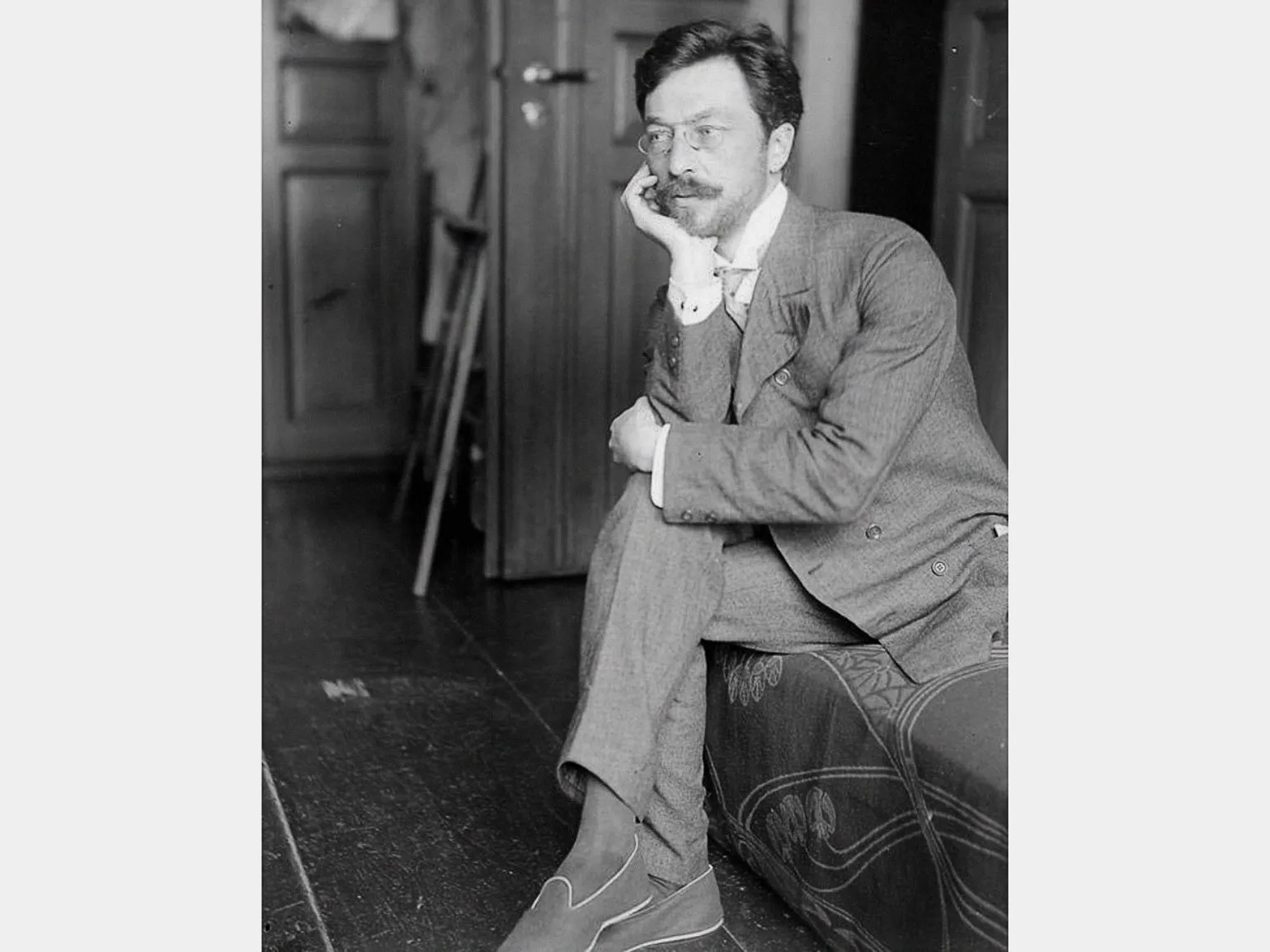
The career of Wassily Wassily Kandinsky includes examples that deviate from the usual path. Before devoting himself entirely to painting, Kandinsky successfully completed a law degree at Moscow University and became an associate professor a year later. At the age of 30, in 1896, he received an offer to take a professorship at the University of Dorpat, but declined the opportunity, choosing art instead. This step proved decisive in his life and career, determining his future creative destiny.
Ivan Khristoforovich Ozerov, mentioned earlier, completed his studies at Moscow University, receiving a master's degree at the age of 29. Just two years later, he successfully defended his doctoral dissertation, and a year later he was appointed extraordinary professor. At the age of 34, Ozerov achieved the rank of full professor, which underscores his outstanding achievements in the academic field.
Iosef Alekseevich Pokrovsky, a renowned legal scholar, began his teaching career as a privat-docent at the age of 26, in 1894. Just eight years later, at the age of 34, he became a full professor, similar to his colleague Ozerov. Pokrovsky made significant contributions to the development of jurisprudence and continues to be an important figure in this field.
It is important to note that the examples given are not standard, but rather striking exceptions.
How much did a university teacher earn?
In 1884, the General Charter of Universities was established, which determined the amount of annual salaries for teaching staff. This document became the basis for the formation of a remuneration system in higher education institutions, which had a significant impact on the development of education in the country. The Charter established the rules concerning the financial support of teachers, which contributed to the attraction of qualified specialists and the improvement of the quality of the educational process.
- Ordinary professor — 3,000 rubles;
- Extraordinary professor — 2,000 rubles;
- Lecturer — 1,000 rubles;
- Dean and Rector — 600 and 1,500 rubles as a supplement on top of the salary, respectively.
Privat-docents did not have a fixed salary and received a salary based on the number of classes they taught and the number of students attending these classes. This created a dependence of their income on the activity and popularity of their courses, which in turn influenced the quality of teaching and motivation to work.
In 1902 and 1913, in response to rising prices, supplements to professors' salaries were introduced. A draft of a new university charter was discussed, which provided for increasing the salaries of ordinary and extraordinary professors to 4,500 and 3,000 rubles, respectively. However, this draft was not approved. Nevertheless, at the new universities opening during this period, salaries corresponded to a standard that had never been adopted at the national level. These changes emphasize the importance of adapting the educational system to economic conditions and the need for equitable compensation for faculty. Professors receive not only a basic salary but also an additional honorarium for lecturing. These payments are formed from funds paid by students for the right to study various courses, regardless of whether they are core or elective. The amount of the honorarium varies depending on the number of students and the position of the course in the curriculum. Typically, such a bonus does not exceed 300 rubles per year, but for professors of law faculties it can reach 12,000 rubles per year.
Faculty members working at universities, with the exception of Tomsk and Warsaw, received a 20% bonus on top of their salaries if they did not exceed 1,000 rubles per year. This measure proved particularly beneficial for faculty members in less popular faculties, such as History and Philology and Asian Studies. The bonus helped improve the financial situation of faculty members and increase the attractiveness of these faculties for students.
Salary bonuses of 20% and 40%, respectively, are provided for five and ten years of service. Additional payments are also provided for faculty members raising children, which helps support family values and improve the standard of living of those working in the education sector.
Some bonuses were provided for work in remote regions. For example, professors and instructors at Tomsk University received salaries at one and a half times the standard salary. This helped attract qualified specialists to educational institutions located in remote locations.
Pre-revolutionary professors were able to supplement their income through additional sources, such as part-time jobs and royalties for research, educational publishing, and literary work. Some were so active in teaching that they lectured up to 30 hours a week. Historian Ivan Linnichenko, as researchers Yaroslav Kuzminov and Maria Yudkevich note in their book "Universities of Russia: How It Works," ironically called such instructors "gramophones." This highlights the high workload and variety of work faced by university professors in the pre-revolutionary period.
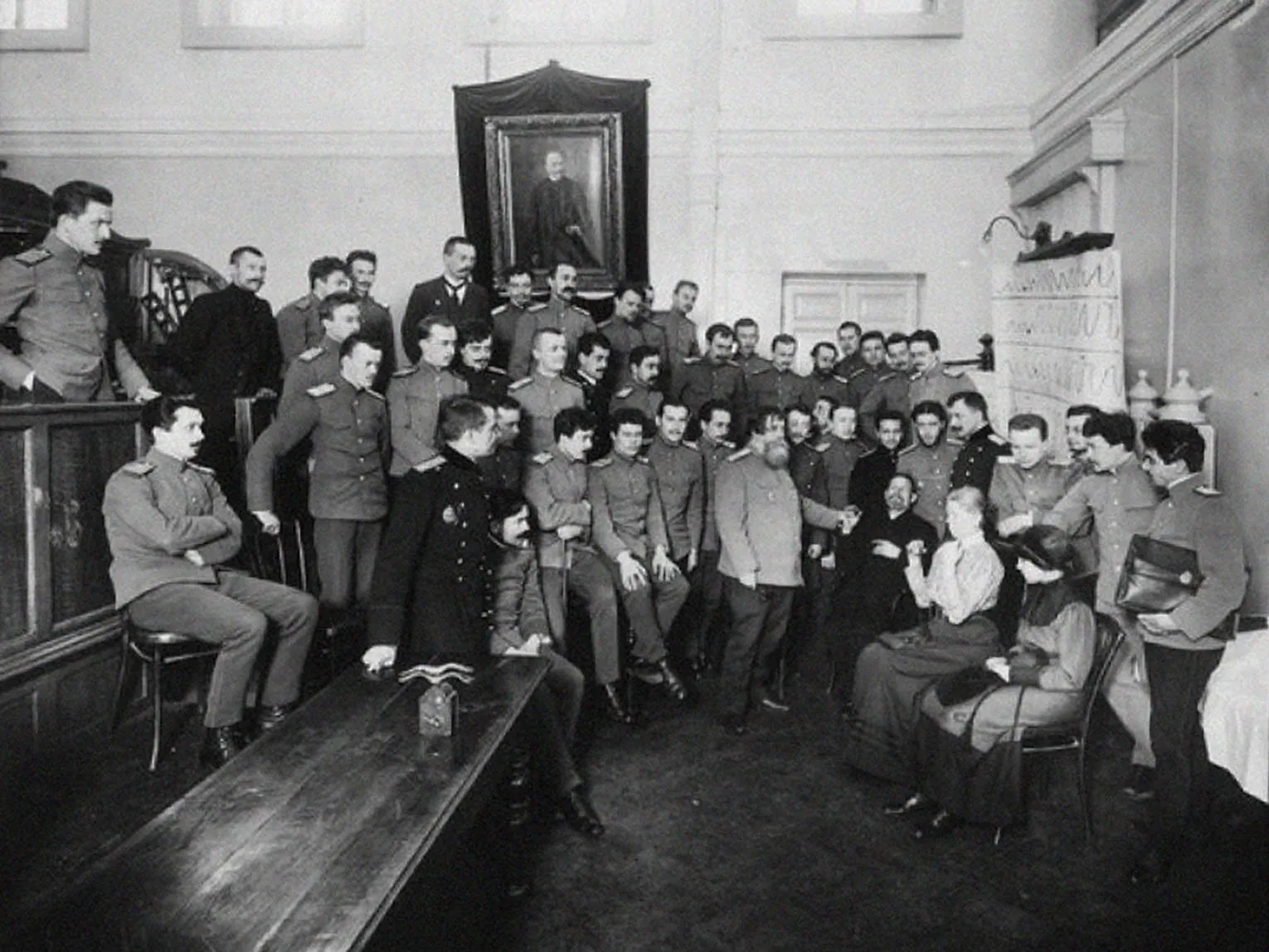
Junior lecturers' salaries were significantly lower than those of their senior colleagues, but they had opportunities for additional income. For example, assistant professors could hold positions as laboratory assistants or office custodians, which allowed them to increase their income by 600–800 rubles per year. They also received additional payments within the honorarium system, which contributed to the improvement of their financial situation.

Also study:
We present the new book "Universities in Russia" by Yaroslav Kuzminov and Maria Yudkevich. This publication analyzes the state and prospects of higher education in Russia. The authors examine the role of universities in modern society and their impact on the country's economic and social development. The book offers readers a deep understanding of how educational institutions function and how they interact with government agencies and businesses. "Universities in Russia" will be useful to both education specialists and the general public interested in the development of higher education in the country.
What standard of living did such a salary imply?
After taking into account all allowances, the average salary of a full professor in the late 19th and early 20th centuries was approximately 3,300 rubles per year, equivalent to 275 rubles per month. This amount reflects the financial realities of professors at the time and underscores their status in academia.
In the 1890s, the annual income of a regiment commander in military service was approximately 3,711 rubles. As of 1907, the annual salary for various military ranks was as follows: generals received 2,100 rubles, lieutenant generals 1,800 rubles, major generals 1,500 rubles, and colonels 1,200 rubles. It is important to note that in addition to their basic salary, officers also received additional payments, known as mess allowances, as well as other allowances. Taking these additional funds into account, the annual income of a general reached approximately 8,000 rubles, a lieutenant general 6,000 rubles, a major general 4,800 rubles, and a colonel 2,500 rubles. These data highlight the significant differences in income among military ranks, as well as the importance of additional payments in shaping their overall earnings. Full professors occupied an income level intermediate between colonels and major generals. Moreover, they retired significantly earlier than military personnel, after 25 years of service, as opposed to 35 years for military personnel. This testifies to the high status of professors in the academic community and emphasizes the importance of their role in the educational process.
The income of lecturers can be compared with the salaries of captains, and among civil servants - with the earnings of teachers of classical gymnasiums, who received on average from 1,200 to 1,500 rubles per year.
For comparison, it is worth noting that engineers, representing one of the most complex and scarce professions of that time, earned from 2,000 to 3,000 rubles per year in factories in the 1910s. This information emphasizes the high value and importance of engineering personnel in the industrial society of the early 20th century, when technological development and production required qualified specialists.
Mikhail Gribovsky's article presents a table of the living expenses of a professorial family of four, including two teenagers, in Kharkov in the 1890s. It accounts for the basic expenses of the middle class of the time: rent, heating, lighting, servants (possibly a maid and a cook, or one person performing both functions), food, clothing, and footwear, as well as carriage services and children's education. The total expenses amounted to 347.7 rubles, exceeding the average monthly income of a university professor of 275 rubles. Meanwhile, expenses for "pleasure" and charity were minimal – about 20 rubles per month, while rent was 58 rubles. This indicates that, to maintain such a standard of living, the professor likely pursued additional activities, such as lecturing part-time or having other sources of income.
Which faculty members had a hard time?
This payment system had significant drawbacks.
While professors and lecturers in popular departments and in-demand courses receive decent compensation, associate professors face financial difficulties. It is especially difficult for those who work in less popular departments or teach irrelevant courses. Even associate professors who actively lecture receive significantly less for their work than full professors. This creates inequality in the higher education system and raises questions about the fair distribution of financial resources among faculty.
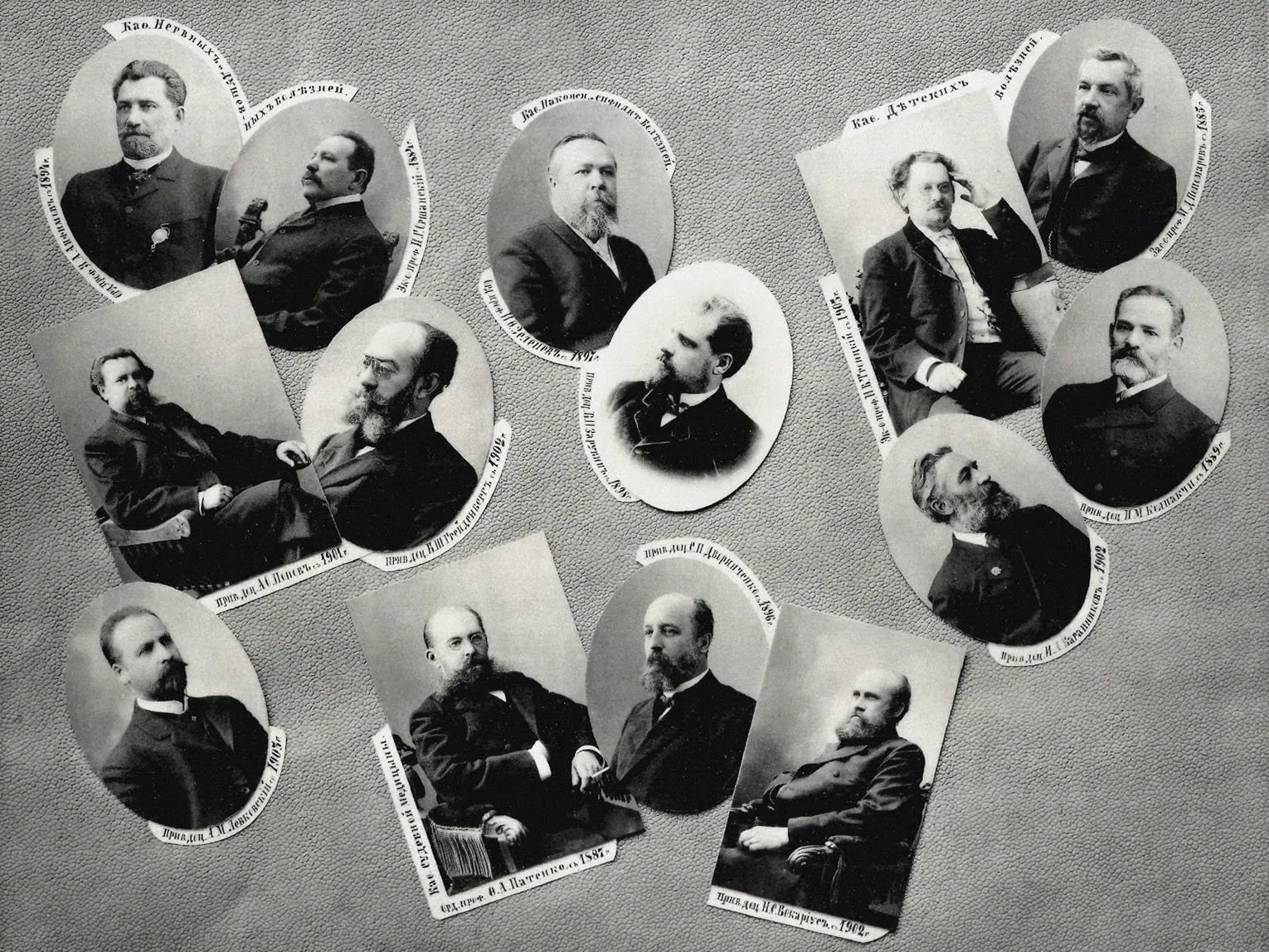
The wife of historian Sergei Fedorovich Platonov, who then held the position of privat-docent, expressed dissatisfaction in her diary with the fact that her husband was forced to teach a general course for 800 rubles a year. At the same time, the professor of the department received 3,000 rubles a year, practically not participating in the educational process, limiting himself only to conducting exams and participating in debates. This contrast in pay and responsibilities highlights the problems in the education system and the fairness of the distribution of the workload among teachers.

Read also:
Leo Tolstoy on the uselessness of exams in schools and universities
Leo Tolstoy, the famous Russian writer and thinker, expressed his critical views on the education system, particularly school and university exams. He emphasized that exams often do not reflect students' true knowledge and skills, but serve only as a formal step to be overcome.
According to Tolstoy, education should be aimed at developing critical thinking and creativity, not memorizing information for grades. Exams, in his opinion, create artificial pressure and stress, which negatively impacts the learning process and student motivation.
Tolstoy called for reform of the educational system, emphasizing the importance of an individual approach to each student. He believed that true knowledge is formed not through rote memorization, but through a deep understanding of the subject and its practical application.
Thus, Leo Tolstoy's ideas remain relevant today, emphasizing the need to rethink traditional assessment methods in educational institutions.
In 1903, junior lecturers founded the St. Petersburg Society for Mutual Aid of Associate Professors and Laboratory Assistants of Higher Education Institutions to protect their rights. This society sought to defend not only their material interests, but also to achieve the participation of junior lecturers in university councils. In 1905, they succeeded in achieving this at St. Petersburg University. However, changes to the university charter were not made, which made their participation in the councils effectively meaningless.
What benefits did the status of a university lecturer provide?
Imperial universities were viewed as state institutions, and their employees were classified as civil servants. These educational institutions played a key role in the country's educational system, providing training for specialists in various fields. University officials were responsible for the development of science and education, as well as the introduction of new teaching methods. Thus, the imperial universities not only contributed to the advancement of education but also exerted a significant influence on social development.
In the 19th century, the correspondence between the positions and academic degrees of university teachers and the civil service classes, as defined by the Table of Ranks, underwent significant changes. These changes reflected not only the development of the educational system but also changes in the social structure and civil service. As a result, university teachers found themselves in a situation where their academic ranks constantly adapted to the requirements of the state apparatus, which affected their status and career opportunities.
By the beginning of the 20th century, this represented a unique phenomenon. The state of society, culture, and the economy underwent significant changes, leading to the formation of new social and political views. During this period, active technological development was observed, which contributed to an improvement in the quality of life and the emergence of new professions. External and internal factors influenced public sentiment, forming the preconditions for future transformations. This stage became an important starting point for subsequent events that determined the course of history.
- Dean, ordinary professor — 5th class (state councilor);
- Extraordinary professor — 6th class (collegiate councilor);
- Lecturer, privat-docent, doctor — 7th–8th class (court councilor, collegiate assessor);
- Master — 9th class (titular councilor).
Read also:
What characterizes a university graduate? This is an individual who is actively engaged in learning, striving for knowledge and development. They are immersed in an academic environment, where the exchange of ideas, critical thinking, and research become the main aspects of their life. A university graduate often participates in discussions, seminars, and research projects, which contributes not only to their personal but also professional growth. It is important to note that such a person discovers new horizons, developing teamwork and communication skills. In addition, they understand the importance of continuous self-education and are ready for the challenges of the modern world. This is a person who understands that education is not only about obtaining a diploma, but also about the formation of a full-fledged personal and professional identity.
Each level of the class system granted its holder the status of personal nobility. However, only the rector could claim hereditary nobility.
According to the pension provisions, ordinary and extraordinary professors, as well as privatdozents, are entitled to an annual pension equal to their full annual salary, provided they have completed 25 years of service and retired. Emeritus professors can also receive a pension even if they continue teaching or move to a new position. This creates additional opportunities for stability and financial security in higher education.
A university professor who has served in their position for ten years and is unable to continue working due to health reasons is entitled to a lifetime pension equal to 50% of their annual salary. If their length of service reaches 15 years, the pension increases to 75% of their salary. A full pension is provided to faculty members who have worked for 20 years or more, ensuring their financial stability in retirement.
In the event of a faculty member's death while in office, the state provides pension payments to their widow and children. These measures are aimed at supporting the family and ensuring financial stability during difficult times. Pension payments are an important part of social protection, ensuring that loved ones can cope with financial difficulties after the loss of a breadwinner.
Children of university faculty members are exempt from tuition fees at higher education institutions. This rule helps maintain accessibility for families working in higher education and promotes the development of the academic environment. Tuition exemption also creates additional opportunities for students, allowing them to focus on their studies and research without financial hardship.
University faculty members had the opportunity to receive orders that provided the right to a pension of varying amounts. Pensions ranged from 86 rubles per year for holders of the Order of St. Stanislav, 3rd class, to 600 rubles per year for holders of the Order of St. Vladimir, 1st class. Awarding orders was common; for example, in 1877–1878, 399 of the 500 full-time university faculty members held them. Such awards not only recognized the achievements of faculty but also contributed to raising the status of university education.
Learn more about education by subscribing to our Telegram channel. We share current news, helpful tips, and interesting materials to help you stay informed about the latest trends in education. Join us and expand your knowledge!
Primary sources of information play a key role in building knowledge and understanding of various topics. These sources include books, research articles, official websites, specialized journals, and other reliable resources. Using a variety of sources allows you to gain a more complete and objective understanding of the subject at hand. When selecting sources, it is important to pay attention to their authority and relevance, which helps to improve the quality of the data obtained. A systematic approach to collecting information from various sources will help in creating an in-depth analysis and ensure a higher degree of reliability.
- Goncharov M. A. "Socio-legal status and financial situation of gymnasium teachers in Russia in the 19th century" / "Science and School".
- Gribovsky M. V. "Material well-being of professors and university lecturers in Russia in the late 19th - early 20th centuries" / "Bulletin of Tomsk State University".
- Gribovsky M. V. "Difficulties of a university career in Russia in the late 19th - early 20th centuries" / "Sociology of science and technology".
- Dushenko K. V. "Rustem Vakhit. The Fates of the University in Russia: Imperial, Soviet, and Post-Soviet Distribution Multi-Institute" / "Bulletin of Cultural Studies".
- Kapralova E. V., Golovanova V. F. "Political and Legal Regulation of Higher Education Institutions in Pre-Revolutionary Russia" / "Bulletin of the N. I. Lobachevsky University of Nizhny Novgorod".
- Kudinov O. A. "Salaries of Professors in Pre-Revolutionary Russia" / "Economics of Education".
- Kuzminov Ya., Yudkevich M. "Universities in Russia: How It Works". Moscow, 2021.
- The First General Population Census of the Russian Empire of 1897. General summary for the Empire of the results of the development of data from the First General Population Census, conducted on January 28, 1897. St. Petersburg, 1905.
- Rostovtsev E. A., Barinov D. A. “The Teaching Corps of 1884–1916: Main Features and Problems of Collective Biography” / The Teaching Corps of Russian Universities 1884–1917: Research and Documents.
- Shipilov A. V. “The Salary of a Russian Professor in Its Present, Past and Future” / Alma Mater. "Higher School Bulletin."
Online Tutor
It doesn't matter what you teach - English, CrossFit, yoga, vocals, or culinary arts. Everything you used to teach in schools, studios, and offices can now be taught online. Promote your knowledge and skills and earn money from anywhere in the world.
Find out more