Contents:
Learn: The World of the Suffering Middle Ages
Learn MoreThis article will provide you with information on key aspects of the topic. We will cover key points that will help you better understand the subject matter. You will be able to learn about best practices, important details, and current trends related to the topic. Reading this article will help you expand your knowledge and deepen your understanding of the issue under consideration.
- representatives of which classes became teachers in the Russian Empire, what advantages and limitations did they have;
- under what conditions did teachers work;
- how much did teachers of different categories earn;
- was a teacher's salary enough to live on;
- what helped low-income teachers stay afloat.
Where did pre-revolutionary teachers work?
The school education system in Russia began to actively develop in the 1780s, during the reign of Empress Catherine II. During this period, public schools began to open in cities and districts, which became an important step towards the formation of the modern educational process in the country. These institutions played a key role in making education accessible to the general population, laying the foundation for the further development of the educational system in Russia.
The system of primary and secondary education began to take shape under Catherine II's grandsons, Alexander I and Nicholas I. Primary educational institutions included district schools, both urban and rural, as well as public schools, which in the 1860s were transformed into zemstvo schools. The main goal of these institutions was to teach literacy and numeracy. District schools also taught the basics of history, geography, and physics. Secondary education was provided by real schools, gymnasiums, and progymnasiums, where students received a more in-depth knowledge of both the natural sciences and the humanities. The development of these educational forms was an important step towards improving the quality of education in Russia.
The division between primary and secondary schools in Russia was not only functional but also class-based. Public schools educated the children of peasants and poor townspeople. District schools, which later became city schools, admitted students from wealthier families, such as merchants, artisans, and wealthy peasants. Gymnasiums and progymnasiums were elite, fee-paying educational institutions, attended primarily by the children of nobles and officials. At the beginning of the 20th century, gymnasium students also included children from commoners, who were able to receive an education through charity. There were also real schools, the predecessors of modern physics and mathematics schools and engineering classes, whose graduates, wanting to continue their education, often entered technical institutes.
Learn more about our current topics and news. We offer useful articles and materials to help you stay up to date with the latest events and trends. Don't miss the opportunity to expand your knowledge and gain valuable advice. Discover new horizons of information and stay one step ahead.
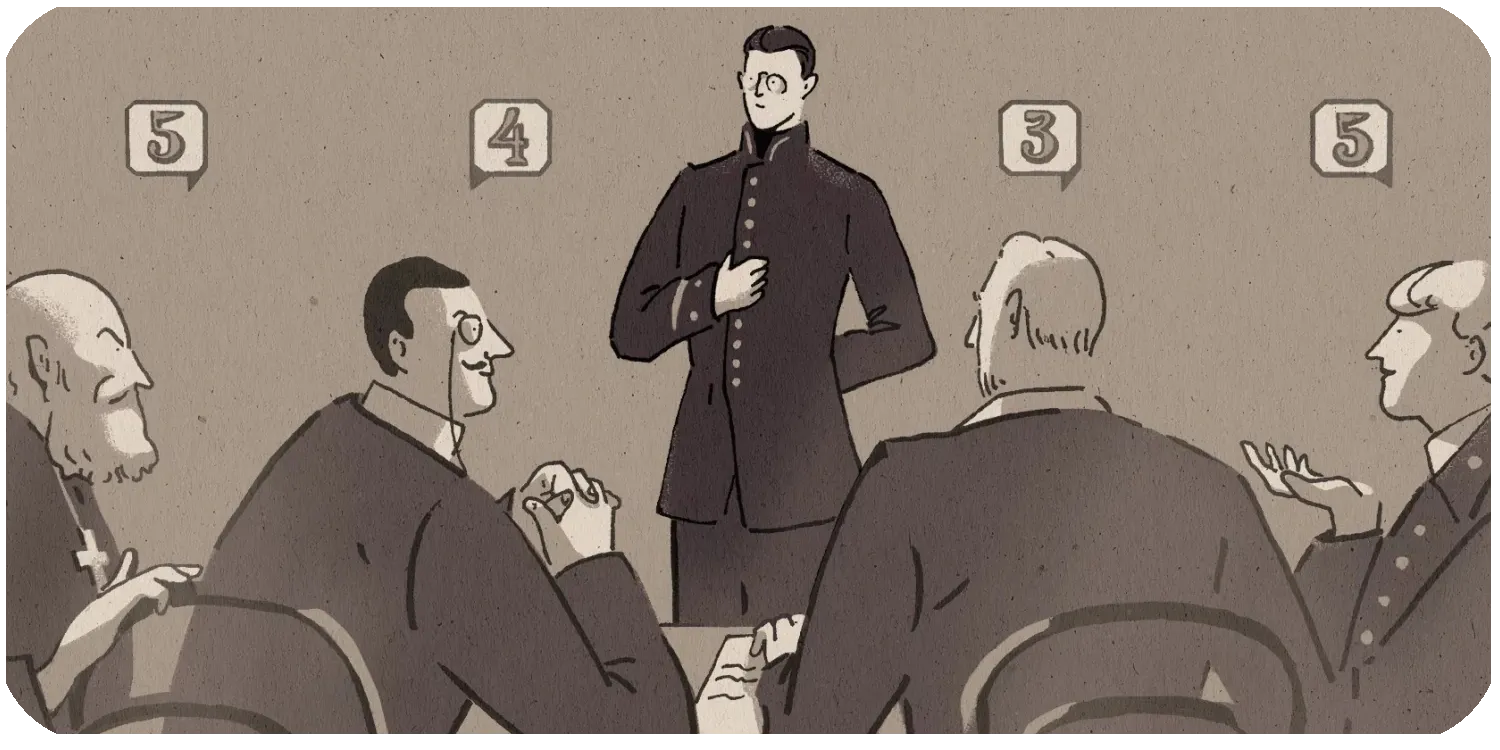
Passing exams for admission to universities in Tsarist Russia was an important stage in the educational system of the time. The student admission process included strict requirements and standards that had to be met. Exams were administered in both oral and written forms and covered a wide range of subjects, including mathematics, physics, history, and languages.
Applicants prepared for the exams for many months, studying course materials and taking preparatory courses. Successful completion of the exams was necessary for the opportunity to study at an institution of higher education and opened the door to future professional careers.
The examination system at universities in Tsarist Russia was characterized by strict control and a high level of competition. Students who passed the selection had the opportunity to receive a high-quality education and subsequently occupy important positions in society. Thus, passing university entrance exams in Tsarist Russia was not only a test of knowledge but also an important step in the careers of future specialists.
What classes did teachers come from?
Teachers, like doctors and other intellectual professionals, formed an important stratum of the Russian intelligentsia. This category was not an estate, but rather a social group in pre-revolutionary society. The intelligentsia played a key role in shaping public opinion and the cultural life of the country, influencing the development of education and science.
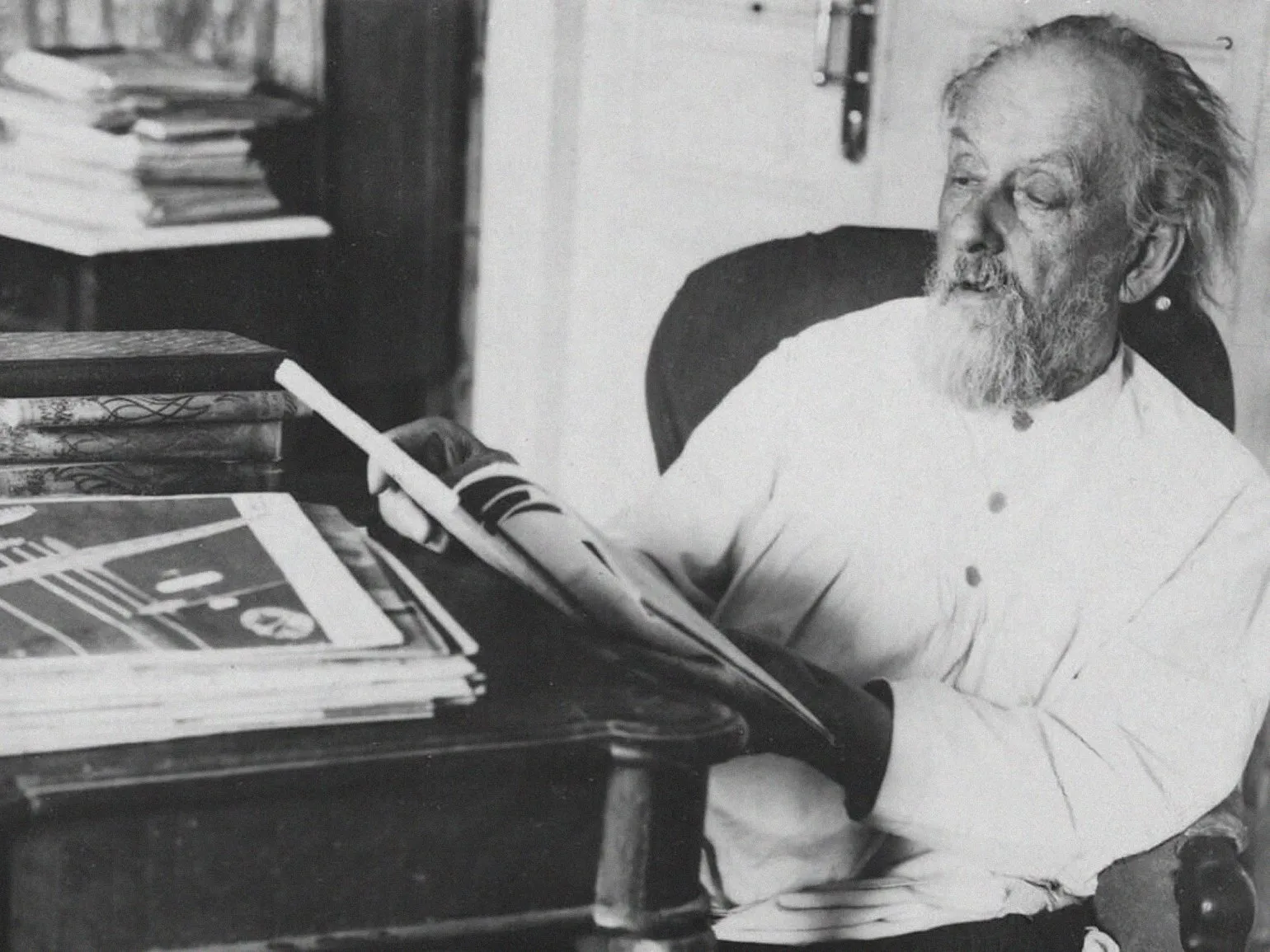
Teachers at schools and gymnasiums constituted a significant portion of the educated population of the Russian Empire. Even by the end of the 19th century, only 27% of the country's inhabitants could read and write, or possessed at least one of these skills. Only a few, including teachers, could boast of a higher education. This underscores the level of the educational system of that time and the importance of teachers in shaping a literate society.
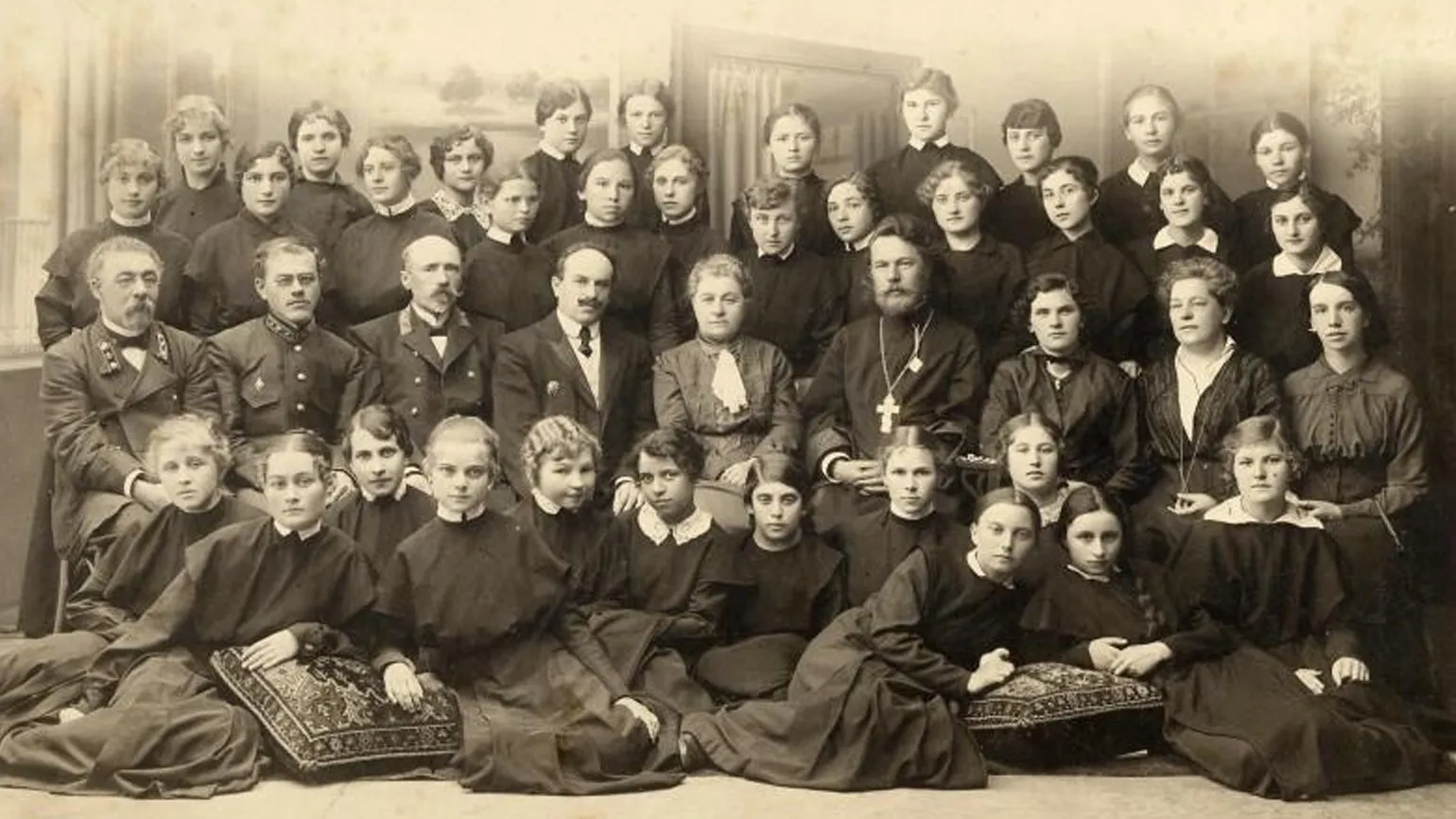
Gymnasium teachers enjoyed the highest status among educators, especially subject teachers, who were called "science teachers." Gymnasiums also employed "arts" teachers, who taught penmanship, drawing, music, handicrafts, and dancing. Science teachers, or "nauchniki," stood out as a privileged group among their colleagues, as they typically held a university education.
Teachers at public schools occupied the lowest status among educators. They most often came from the lower classes, such as peasants and commoners. This highlights the social structure of the time and shows how educational opportunities were limited for certain groups.
Unlike gymnasium teachers, most teachers at that time completed their training in teacher training seminaries, courses, or pedagogical institutes. It is important to note that pedagogical institutes should not be confused with universities, as the training period at institutes was significantly shorter. Some teachers even completed their education at home. According to an 1874 decree of the Ministry of Public Education, certificates or course completion certificates were not required to obtain the title of city school teacher. Successfully passing an exam before a special commission was sufficient. The examinations covered such subjects as the Law of God, Russian language and literature, history, geography, natural science, physics, as well as arts disciplines, including drafting, drawing, and calligraphy.
It is known that among the graduates of the Voronezh State Teachers' Seminary, who studied between 1875 and 1910, only 57% chose a teaching career. The remaining graduates sought success in other fields where literate and educated specialists were in demand. This indicates that education provided a variety of opportunities for professional growth, which is important to consider when analyzing the historical context of the formation of the educational system in Russia.
In girls' gymnasiums, in addition to the main 6th and 7th grades, there were additional 8th grades. After completing the 8th grade, girls received the right to teach both in girls' gymnasiums and in the first four grades of boys' schools. Those who did not continue their education in the 8th grade were left with the opportunity to work only as home teachers. This created certain career prospects for gymnasium graduates and contributed to the expansion of their educational opportunities.
By the end of the 19th century, there was a noticeable trend towards attracting women to teaching. Over time, they began to predominate among teachers, especially in elementary schools, although the situation was different in other educational institutions. For example, in 1909, in the Tobolsk province, more than 76% of elementary school teachers were women. This phenomenon, however, does not indicate progress in women's rights to work, but rather indicates the low prestige of the teaching profession in primary educational institutions.
What advantages and limitations did the status of a teacher provide?
Many teachers working in gymnasiums and state schools were civil servants. This provided them with a number of benefits, such as stable status, advancement in rank, the possibility of acquiring personal or hereditary nobility, as well as career advancement and retirement prospects. Furthermore, teachers at state educational institutions could count on housing with reimbursement for heating and lighting costs. These conditions contributed to the attraction of qualified specialists to the field of education and the improvement of the quality of teaching.
Of course, I'm happy to help with text editing. Please provide the text itself that needs reworking, and I'll work on optimizing it for SEO.
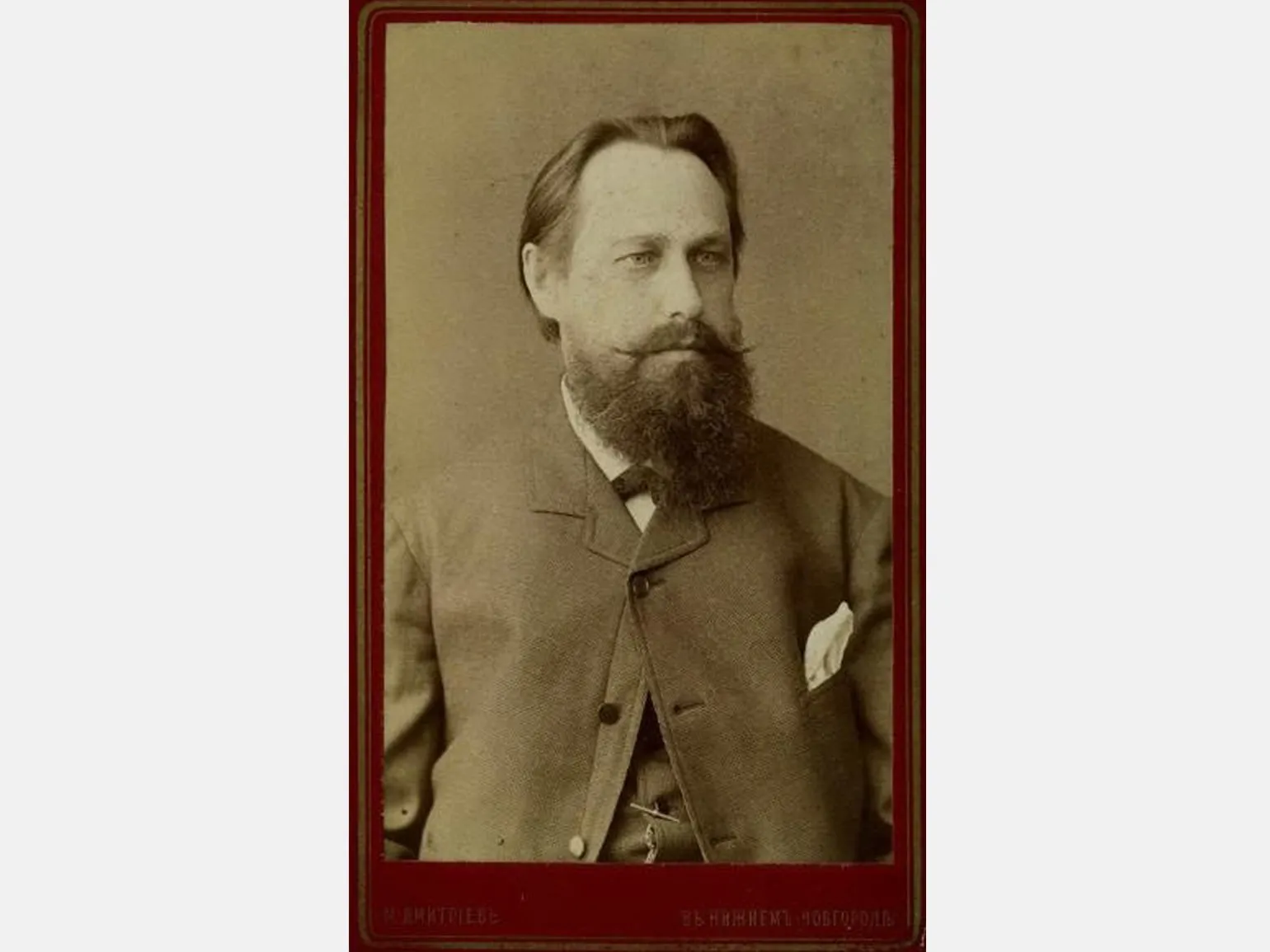
A rank of class XIV in the Table of Ranks conferred personal nobility. For example, a teacher at a parish school could receive this rank upon entering the service. Thus, a person had the opportunity to move from a lower to a higher class, but this was only possible if they were not a serf. Personal nobility extended only to the person themselves and their spouse and was not hereditary. Furthermore, personal nobility did not have the right to vote in noble assemblies. In contrast, hereditary nobility had no such restrictions and was granted to officials of class VIII. A teacher could only receive it if they worked in a gymnasium.
The position of "sovereign people" limited the freedom of teachers, as the state viewed them as bearers of state ideology. According to official requirements, a gymnasium teacher had to be religious, loyal, and devoted to the throne, which was confirmed by an appropriate oath. Upon entering the workforce, many teachers were required to sign a written pledge refusing to participate in political activity. These strict conditions emphasized the role of education as an instrument of state propaganda and controlled the personal beliefs of educators, which negatively impacted their professional independence and freedom of expression. Since 1864, teachers in gymnasiums and colleges were required to wear uniforms. The uniform served as a clear sign that the teacher was a representative of a state structure. The uniform emphasized the teacher's status and role in the educational system, creating a certain image of the teacher as an official responsible for the upbringing and education of the younger generation. The uniform for female teachers initially lacked clear regulations. Only in 1900 was it established that female teachers in gymnasiums and progymnasiums were required to come to work wearing blue dresses. The difference in treatment of men and women in the profession is not surprising, as women were denied access to public service.
Teachers of gymnasiums and progymnasiums enjoyed special privileges and the right to a pension, with the exception of teachers of preparatory classes, music, painting, dance, and handicrafts. Mentors of gymnasium students had the opportunity to educate their children free of charge at the educational institutions where they themselves worked. To receive this benefit, a parent had to work at the gymnasium for a specified period of time. Such measures helped maintain the teaching staff and improve the quality of education in gymnasiums and progymnasiums.
Gymnasium teachers could receive official state awards for their achievements. After three years of service, a teacher had the right to be nominated for the Order of St. Stanislav. After 12 years of service, teachers could apply for the Order of St. Anne, and after 35 years, for the Order of St. Vladimir. However, only the principal of the gymnasium was eligible for the St. Vladimir Award, as it was awarded only to individuals holding positions no lower than Class V in the Table of Ranks. Unfortunately, this rule did not apply to female teachers, who could only count on various medals.
The Order did not provide additional monetary compensation for its recipients; instead, it required the payment of a certain contribution. However, upon reaching retirement age, recipients were entitled to an annual pension, the amount of which varied from 50 to 600 rubles. This provided financial support in old age, despite the initial costs.
Education workers were also eligible for a pension. However, teachers outside of gymnasiums only began receiving pension payments in the early 20th century. The size of the pension and the conditions for receiving it depended on the teacher's length of service.
- those who had served from 10 to 20 years received a lump sum payment in the amount of one annual salary;
- from 20 to 25 years - annual payments in the amount of half the annual salary;
- 25 years and more - an annual pension in the amount of a full salary.
Revised text:
Visit our website to learn more about our products and services. We offer a wide range of products that meet the highest quality standards. Our team of professionals is always ready to help you choose what you need. Don't miss the opportunity to check out current promotions and special offers. Follow the news to stay informed about the latest updates and trends in our industry.
Read also:
Seven awards and two honorary titles have been established in the field of education. These awards and titles help recognize the achievements of teachers and educational institutions, and also increase motivation for the development and improvement of the educational process.
What conditions did teachers work in?
According to the Charter adopted in 1871, the standard workload for teachers was 12 hours a week. However, they were allowed to work an additional 12 hours. Thus, the maximum workload for teachers should not exceed 24 hours a week. These standards were established to ensure high-quality education and maintain the health of teachers.
The living and working conditions of teachers, especially in rural areas, often remain unsatisfactory. A lack of modern resources, low salaries, and a lack of social guarantees significantly complicate their professional activities. This leads to many teachers leaving their positions, which negatively affects the quality of education in the regions. Improving teachers' working conditions is an important task requiring a careful approach from the state and society.
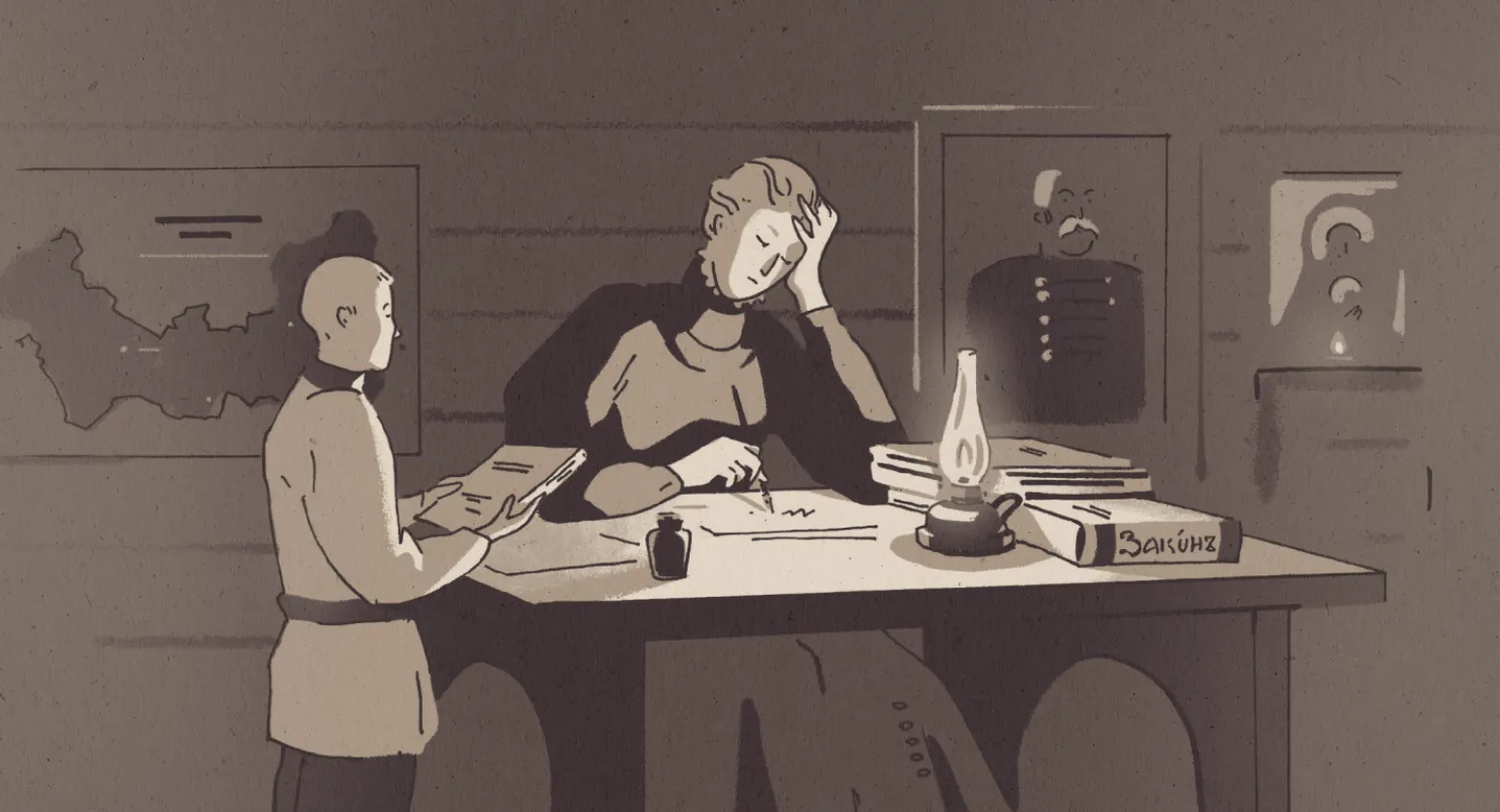
Most schools in the provinces faced serious problems related to the lack of proper premises, overcrowding, or undersupply of students. This was due to the lack of an effective student placement system. Even gymnasiums, elite educational institutions, often failed to meet basic hygiene, space, and lighting requirements. District schools and colleges faced even more difficult conditions. Classrooms were often dark, cramped, damp, and cold. In such unfavorable conditions, students and teachers were forced to spend five to six hours a day in class, which negatively impacted the quality of education. The need to improve school infrastructure and create a comfortable educational environment is becoming an urgent task for raising the level of the educational process.
Some district teachers were unable to rent or buy housing, so they lived directly in schools. The low standard of living often affected their health. For example, the Society for Mutual Assistance to Teachers and Educators of the Tula Province once paid for a former teacher to move to Pyatigorsk, where there were healing springs. After 11 years of teaching, she suffered from severe rheumatism and could only move with crutches. This story highlights the importance of providing decent working conditions for teachers to prevent deterioration in their health and maintain the quality of education.
The low salaries of primary school teachers force them to seek additional sources of income. Popular options for additional income include part-time work, tutoring, publication in newspapers and magazines, and publishing their own books. These extracurricular activities not only help teachers improve their financial situation but also expand their professional horizons.
Teachers often lacked the funds to purchase books for self-education. One teacher put it this way: “I try not to think about books, magazines, and newspapers so as not to get upset because I don’t have the money.” This highlights the problem of underfunding education and the need to support teachers in their pursuit of professional development. Investing in resources for self-education can significantly improve the quality of education and broaden students’ horizons.
In rural schools, working conditions were significantly worse, leading to teachers not staying in their jobs for long. Low salaries forced teachers to either change professions or seek additional sources of income. This situation echoes Dmitry Medvedev’s statement from 2016: “It’s a personal choice. I’m often asked about this—both about teachers and about lecturers… It’s a calling. And if you want to earn money, there are plenty of opportunities for that in other areas, such as business.” This highlights the difficulty of choosing between vocation and financial stability in education.
The lack of qualified teachers negatively impacted the quality of education, as older students spent the remainder of the school year teaching. This reduced the level of material acquisition and could lead to knowledge gaps in younger students.
In some counties, teachers were paid only for the school months. The school year, depending on the type of educational institution and region, began in September-October and ended in April-May. This circumstance forced teachers to look for additional sources of income, including private lessons, work in offices, or even in agriculture.
Study additional materials:
Leo Tolstoy on the wrong school: the emphasis is on teachers, not on children
Leo Tolstoy, the great Russian writer A writer and educator, he criticized the education system of his time, emphasizing that it was focused on the interests of teachers rather than the needs of children. In his works, Tolstoy emphasized that a real school should be a place where children can develop, learn, and explore the world, rather than simply follow the strict rules and demands of adults. He advocated for an educational process that takes into account the individual characteristics of each child, their interests, and abilities. Tolstoy believed that education should be aimed at developing the individual, not at the rote memorization of facts and rules. His ideas remain relevant today, as many educators and parents continue to discuss the importance of creating a comfortable and inspiring educational environment for children.
Tolstoy called for a rethinking of traditional teaching methods and the implementation of a more humanistic approach that would foster creativity and critical thinking in students. Ultimately, his views on education emphasize the need to create a system where children are at the center of the learning process, with teachers acting as mentors and facilitators.
How Much Did Teachers Earn?
Teachers' financial security was determined by many factors, including their place of work, their salary, which depended on their position and rank, and any additional payments included in their annual salary. Their place of residence, whether in the capital, a large city, or the provinces, also had a significant impact on their financial situation. The difference in prices between the center and the regions was significant. For example, in Saratov, the same amount of money could buy four times more than in the capital, St. Petersburg. This economic disparity significantly impacted teachers' living standards and opportunities.
In the 19th and early 20th centuries, the teacher remuneration system underwent significant changes. In 1871, with the introduction of the new Charter of Gymnasiums and Progymnasiums, a more structured system of teacher compensation was established. During this period, teachers' salaries ranged from 250 to 3,500 rubles per year, with the average income being 1,200–1,500 rubles. This income was considered relatively high compared to other professions, such as provincial and zemstvo doctors, who earned significantly less—from 200 to 700 rubles per year. Thus, the salaries of gymnasium teachers stood out from other spheres, emphasizing the importance of education in society at that time.
Gymnasium teachers were divided into "science" and "arts" teachers. Teachers of "science" were highly respected and highly valued, which was reflected in their salaries, which could reach twice the amount of those of "arts" teachers. This difference in pay emphasized the importance of science in the gymnasium educational system.
Teachers of boys' gymnasiums were paid according to a set salary, which increased with seniority. Meanwhile, teachers of girls' gymnasiums received compensation based on the number of classes they taught per year. This payment system reflected the differences in approaches to education and the financing of educational institutions at the time.
In addition to their basic salary, teachers received additional payments. These included payments for class leadership and for grading notebooks. The latter amounted to 100 rubles per year and was assigned primarily to language teachers. This was comparable to the earnings of seasonal workers who toiled in the fields. Additional payments for teachers played an important role in stimulating their professional activity and ensuring financial stability.
Since 1876, gymnasium teachers' right to conduct additional classes was restricted. This was due to cases where classes were held for their own gymnasium students seeking to prepare for final exams. This practice aroused suspicion and was associated with a legalized form of bribery, which led to the need to change the rules. Limiting additional classes was an important step in the fight against corruption in the educational system.
Some gymnasium teachers ended up earning more than associate professors at universities. Compared to blue-collar workers, history teachers' salaries exceeded their income by 6-8 times. Interestingly, teachers with families in gymnasiums received higher salaries than their single colleagues.
Additional payments were provided for working in sparsely populated and remote areas of the empire. Income level also depended on the presence of a higher education. Gymnasium teachers received lower salaries than lecturers, while primary school teachers earned less than high school teachers.
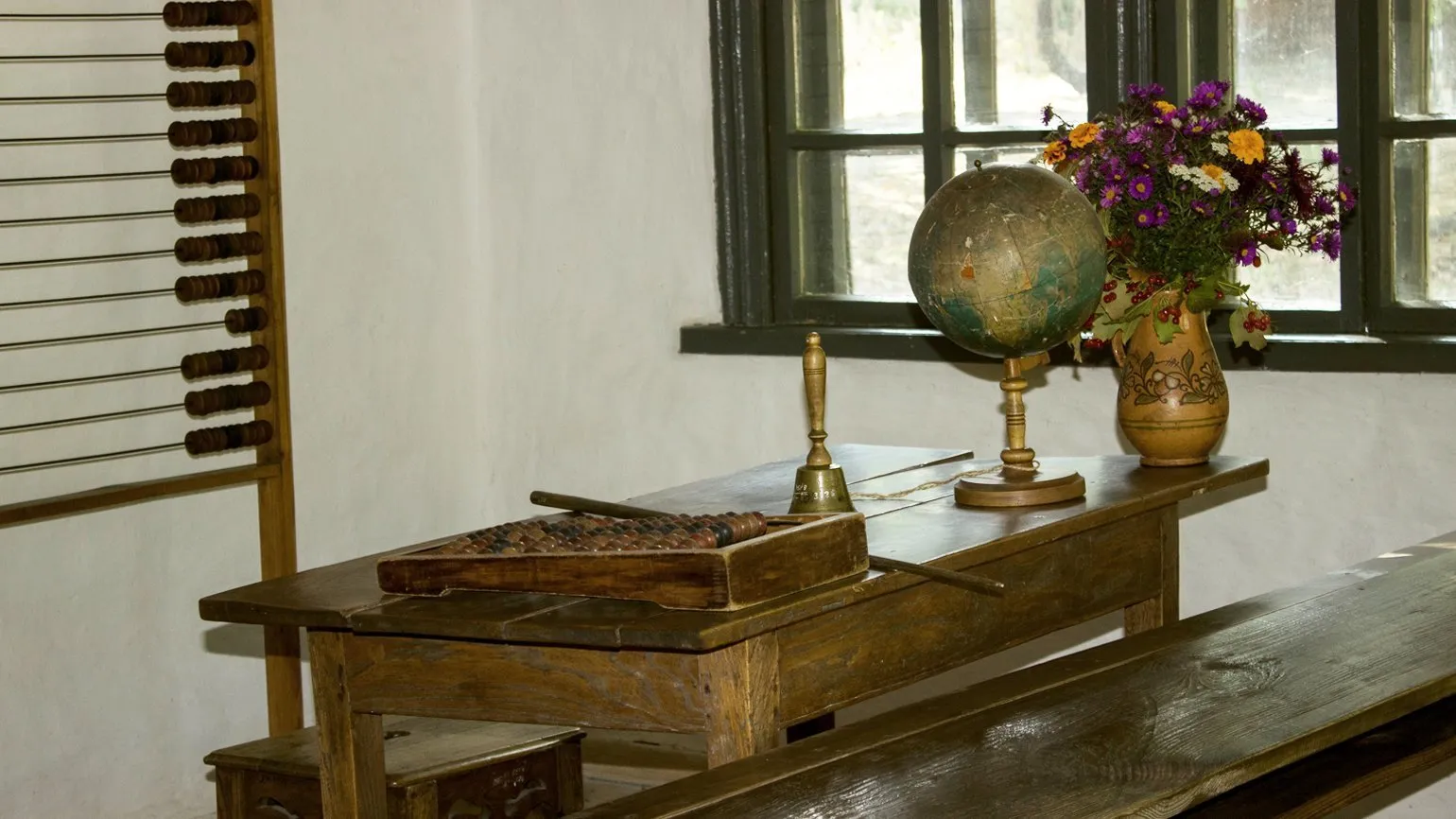
After 1871, for thirty years, the salaries of gymnasium teachers remained unchanged, despite a significant increase in prices, which during this time amounted to almost 100%. Only in 1902 did the government decide to increase the salaries of secondary school employees, and in 1903 the corresponding financial resources were allocated to implement this decision.
Read also:
A pilot project dedicated to the teacher remuneration system has been developed. This project is aimed at optimizing and improving working conditions for teachers, as well as creating a fairer and more transparent remuneration system. The initiative plans to introduce new approaches to evaluating the work of teachers, which will improve their motivation and the quality of the educational process. The project's main goal is to create an effective model that will take into account various aspects of teachers' work and promote the development of the educational sector.
In 1909, the Ministry of Public Education initiated an increase in salaries and additional payments for gymnasium teachers, but the State Duma only approved this proposal in 1912. From then on, the minimum salary for a gymnasium teacher was 900 rubles, and the maximum could reach 3,550 rubles per year. Such a high salary was available to teachers with a higher education and 20 years of experience, who taught 12 standard classes and six overtime classes per week. A teacher with such indicators earned significantly more per month than the average worker in an entire year – 296 rubles versus 188 rubles. Even a beginning gymnasium teacher, without a higher education and without taking additional lessons, earned three times more than the workers. These data highlight the importance and value of the teaching profession at that time.
In primary schools, as already mentioned, salaries were significantly lower than in gymnasiums. This difference in pay is explained by different levels of education and qualification requirements for teachers. In primary schools, teachers often faced limited resources and a lower status, which also affected their income level.
In the late 19th and early 20th centuries, teachers in rural and urban schools received relatively decent salaries, especially those working in educational institutions of the Ministry of Public Education. In cities, their income was 615 rubles, and in rural areas, 330 rubles. In addition, teachers in rural areas were provided with state-owned housing, which improved their living and working conditions. Thus, financial support and social guarantees contributed to the attraction of qualified specialists to the educational field.
Most primary schools at that time were zemstvo and other non-governmental institutions. Teachers at these schools received significantly lower salaries than established standards. These educational institutions lacked a clear salary system, which created additional difficulties for teachers. Furthermore, housing was not provided, and lighting and heating costs were not reimbursed, which negatively impacted teachers' working and living conditions.
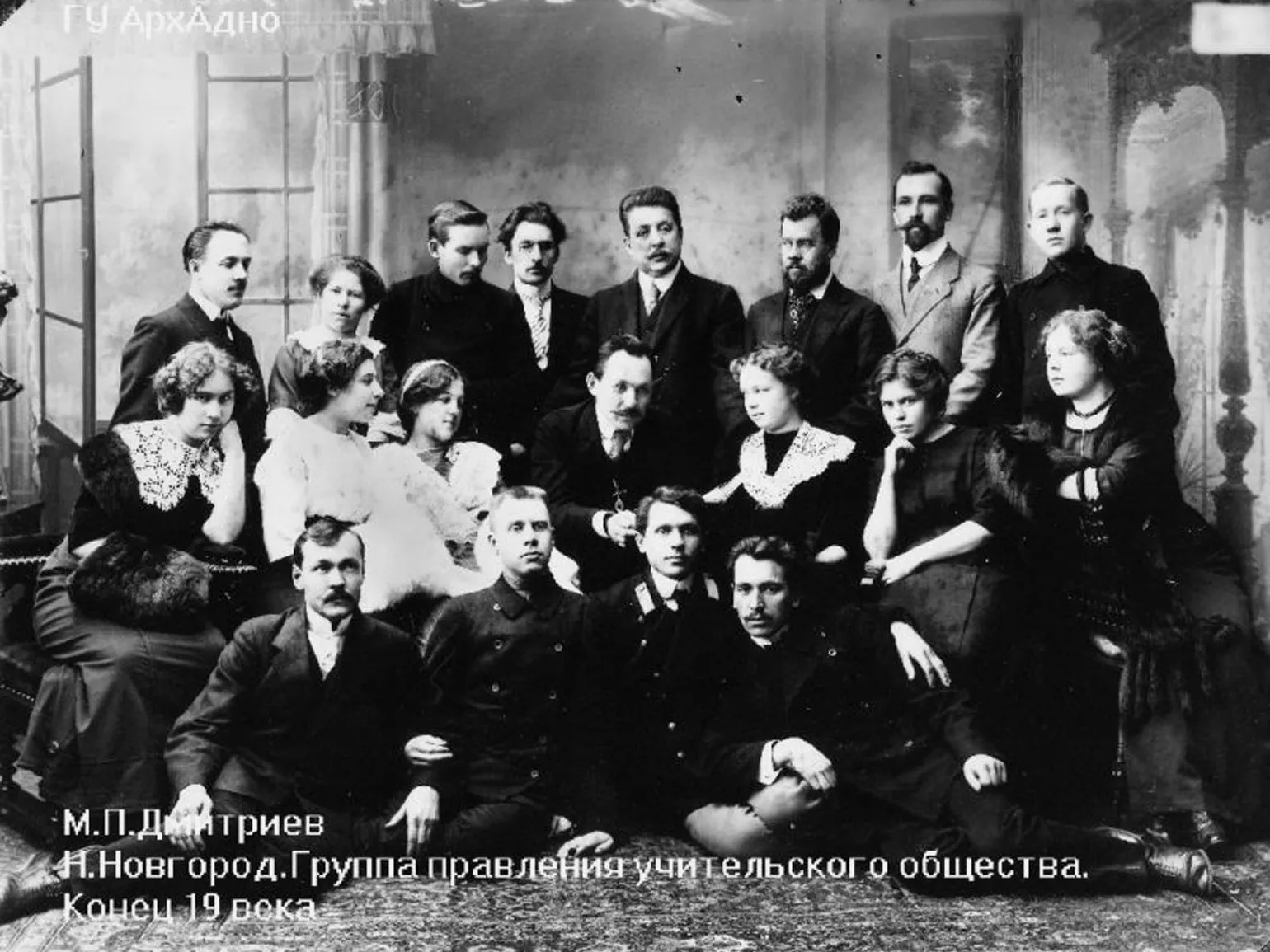
In 1882, at the Teachers' Congress held in Novgorod, a minimum annual budget for teachers was established at 380 rubles. However, even 14 years later, in 1896, the average teacher salary had not reached this figure. During this period, male teachers earned an average of 270 rubles, and female teachers even less—only 252 rubles. Significant differences in salaries were observed between different provinces: for example, in the Taurida Province, teachers were paid more than twice as much as their colleagues in the Tula Province. These data highlight significant regional disparities in teacher salaries at the end of the 19th century.
As of 1896, a significant proportion of teachers, about a third, earned less than 200 rubles per year. A quarter of them received less than 100 rubles, and many teachers earned less than 50 rubles. Some teachers received no monetary compensation at all: their work was compensated in food. This situation highlights the low level of material support for teachers during this period and emphasizes the importance of reforming the education system and increasing teachers' salaries.
In terms of income, a zemstvo teacher was on par with zemstvo and provincial doctors, who constantly expressed dissatisfaction with their financial situation.
The government took measures to improve the situation in primary education. In 1908, a law was passed that provided for increased funding for this sector. In accordance with this law, the minimum wage for teachers was set at 360 rubles per year, equivalent to 30 rubles per month. This decision was an important step toward raising the status of the teaching profession and improving the quality of education.
Between 1912 and 1913, a survey of zemstvo teachers across 279 counties of the Russian Empire revealed that only 178 counties' teachers' salaries met the established minimum of 360 rubles. In 15 counties, salaries exceeded this minimum, while in the remaining regions, salaries remained below the specified limit. In two counties, salaries were half the minimum, not even reaching 180 rubles. This indicates that the law on increasing teachers' salaries was not enforced in most cases.
The government continued its policy of raising salaries for primary education workers. Mandatory bonuses for five years of service were introduced in primary schools, which contributed to improving teachers' working conditions. In 1914, the State Duma passed a law setting the minimum salary for teachers at no less than 480 rubles per year. However, with the outbreak of World War I, the implementation of this initiative was under threat.
Was a teacher's salary enough to live on?
In 2016, the Accounts Chamber of the Russian Federation published data on incomes of various categories of the population in 1913, converted to modern money, on social media. This allows us to evaluate the purchasing power of salaries at that time in comparison with the purchasing power of 2016. These studies are of interest to economists and historians, as they show changes in the standard of living and income of the population over a period of more than a century. Analysis of these indicators helps to better understand the economic and social changes that have occurred in the country, as well as their impact on modern society.
The average salary of a gymnasium teacher in 1913, according to department data, was 85 rubles per month, which in annual terms was equal to 1,020 rubles. Converted to modern prices of 2016, this amount is equivalent to 128,669 rubles.
This salary exceeded the salary of the average civil servant, who earned 62 rubles per month, and a mechanic, who received 56.8 rubles. This amount significantly exceeded the income of such professions as a dyer, whose earnings were 27.9 rubles, and a janitor, who received only 18 rubles.
A comparison of the salaries of zemstvo teachers with other professions reveals a disadvantageous position for educators. Zemstvo teachers earned only 30 rubles per month, which is significantly lower than the salaries of mid-level officials, which were twice this amount. Even mechanics received higher wages, and dyers' salaries were only slightly lower than teachers'. Taking into account the purchasing power of a zemstvo teacher, as calculated by the Accounts Chamber, their monthly salary is equivalent to approximately 45,500 rubles in today's terms. This highlights the inequality in wages in education and other sectors.
In 1913, the average family spent approximately 25 rubles per month on food, equivalent to 30,000-38,000 rubles in today's terms. This amount constituted a significant portion of a zemstvo teacher's salary. Renting a small apartment in Moscow cost at least 15-20 rubles (22,000-30,000 rubles). Additionally, it was necessary to factor in heating costs, which amounted to 3-5 rubles (4,500-7,500 rubles), and lighting, which cost approximately one ruble (1,500 rubles at today's exchange rate). These data highlight the high cost of basic necessities in the early 20th century. Family maintenance, rent, and essentials ranged from 44 to 51 rubles. These data demonstrate that gymnasium teachers were well able to afford these expenses. It is important to note that the state provided support for teachers: it increased salaries for family workers, provided housing, and reimbursed the cost of candles and firewood. However, most teachers working in zemstvo schools did not have access to such benefits. Their official minimum wage did not cover even the most basic needs, and their actual income often fell short of the established level.
What helped teachers stay afloat
In these difficult times, charitable funds became a significant support for teachers. Both private and public organizations provided assistance to teachers. One of the main forms of such support is scholarships and allowances, which help improve teachers' financial situation and working conditions.
During their training, future teachers had the opportunity to receive both state and private scholarships. Private scholarships were generally significantly higher than state scholarships. At pedagogical seminaries and institutes, scholarship recipients were selected based on entrance examination results. At zemstvo schools, anyone could apply for a scholarship, provided they paid zemstvo fees. It is important to note that receiving a scholarship, especially a state one, obliged students of pedagogical educational institutions to work for a certain period of time in the field of education.
We recommend that you familiarize yourself with additional materials:
Ushinsky became a student of the Smolny Institute thanks to his desire for education and talents. Seeking opportunities for development, he chose this educational institution, renowned for its high level of training. Smolny Institute provided a unique atmosphere conducive to creative and intellectual growth. Here, Ushinsky was able to deepen his knowledge and lay the foundations for his future career. His studies at Smolny Institute became an important stage, significantly influencing his subsequent work in teaching and science.
The state provided direct financial support to educational institutions. Benefits from the Ministry of Public Education were distributed to teachers and schools through provincial and district school councils. These councils were also responsible for approving reports from public school inspectors, appointing teachers to positions, and dismissing unreliable teachers. Thus, they served as "higher guardians" of educational organizations, ensuring oversight and support in the field of education.
Honorary trustees at educational institutions were traditionally the wives of high-ranking officials. In 1909, the governor's wife became the honorary trustee of the Samara Girls' Gymnasium, emphasizing the importance of the connection between government and education at that time.
During their service, rural and some urban teachers were excluded from the taxable class. This decision provided them with certain advantages, lifting part of the tax burden. However, this exemption also deprived them of the opportunity to participate in the organization responsible for distributing benefits and paying pensions, which created additional difficulties in their financial support.
Another important source of support for teachers in need became mutual aid organizations, founded by educators themselves. These initiatives made it possible to pool resources and provide assistance to colleagues in need of professional and material support. Teachers united to share experiences, knowledge, and resources, which contributed to the strengthening of their community and the improvement of the quality of education.
In 1899, the "Mutual Aid Society of Former Pupils of the St. Petersburg Teachers' Institute" was founded. The main goal of this organization was to provide assistance to needy teachers in urban schools. The society provided financial support both in emergency situations and on an ongoing basis, such as in the event of a teacher's illness. Repayment was mandatory only if the teachers who received the benefits were able to do so. Otherwise, repayment was perceived as a "moral obligation." The activities of such societies faced serious restrictions from the Ministry of Public Education. The Ministry prohibited the opening of branches in districts, basing its standard charter on a provincial-level organization. This ban drew sharp criticism from zemstvos and educators, who emphasized its negative impact on the development of education and enlightenment in the regions. The Ministry's restrictions significantly hindered the development of educational initiatives at the local level and hindered access to knowledge for a wider audience. Overall, despite the many sources and forms of financial assistance, support for teachers in the Russian Empire remained insufficient and irregular. The mutual aid society was unable to fully develop its activities due to existing restrictions, and private donors tended to provide assistance to individual educational institutions without considering their specific needs. Government support was also selective, which exacerbated the situation.
Learn more about education by joining our Telegram channel. Subscribe to stay up-to-date with interesting facts, current news, and useful tips in the field of education. We share valuable materials that will help you stay informed about current trends and develop your knowledge.
Primary sources of information play a key role in building knowledge and understanding of various topics. These include books, research articles, online resources, specialized journals, and research. These sources provide access to current data and research that helps develop a deeper understanding of issues of interest.
Books remain an important source of knowledge as they offer structured and in-depth information on various topics. Research articles published in peer-reviewed journals present the latest research and discoveries, making them indispensable for studying new trends and technologies.
Online resources, including blogs and educational platforms, allow you to quickly find the information you need and exchange opinions with experts and like-minded people. Specialized journals cover narrow areas of knowledge, providing readers with up-to-date data and analytical materials.
It is important to take a critical approach to choosing sources, checking their reliability and relevance. Using a variety of sources helps to get a complete picture of the topic and contributes to a deeper understanding.
- T. A. Veprentseva. The financial situation of teachers and doctors in the Russian provinces in the second half of the 19th century. Bulletin of Tula State University. Humanities.
- I. L. Khokhlova. Public and private initiatives in assisting needy teachers of the Russian Empire in the second half of the 19th century. Bulletin of Samara State University.
- M. A. Goncharov. Social and legal status and financial situation of gymnasium teachers in Russia in the 19th century. Science and school.
- A. Shipilov. Financial situation of teachers in pre-revolutionary Russia. Pedagogy.
- V. S. Sulimov. Teacher's salaries in Tobolsk province in 1917-1919. Modern scientific research and innovation.
- Salaries in pre-revolutionary Russia. Profile of the Accounts Chamber of the Russian Federation on Facebook*.
- The First General Population Census of the Russian Empire of 1897. General summary for the Empire of the results of the development of data from the First General Population Census, conducted on January 28, 1897. St. Petersburg, 1905.
The World of the Suffering Middle Ages
You will plunge into the Middle Ages: study the way of life of the people of that time, their worldview and value system. Expand your horizons and be able to maintain a dialogue on new interesting topics.
Find out more