
Contents:

Learn: Profession Methodist from scratch to PRO
Learn MoreThis article will provide you with information on key aspects of the topic. We will cover the main points that will help you better understand the subject matter and its significance. We will also delve into important details that can be useful for both beginners and experienced specialists. Read on to expand your knowledge and skills in this field.
- What is the current demand for Asian scholars in the labor market?
- What do future Asian scholars study and why is it outdated?
- Do future Sinologists need to learn Chinese from school?
- What do future Asian scholars actually need to study?
- What other specialists will be in great demand in the near future?
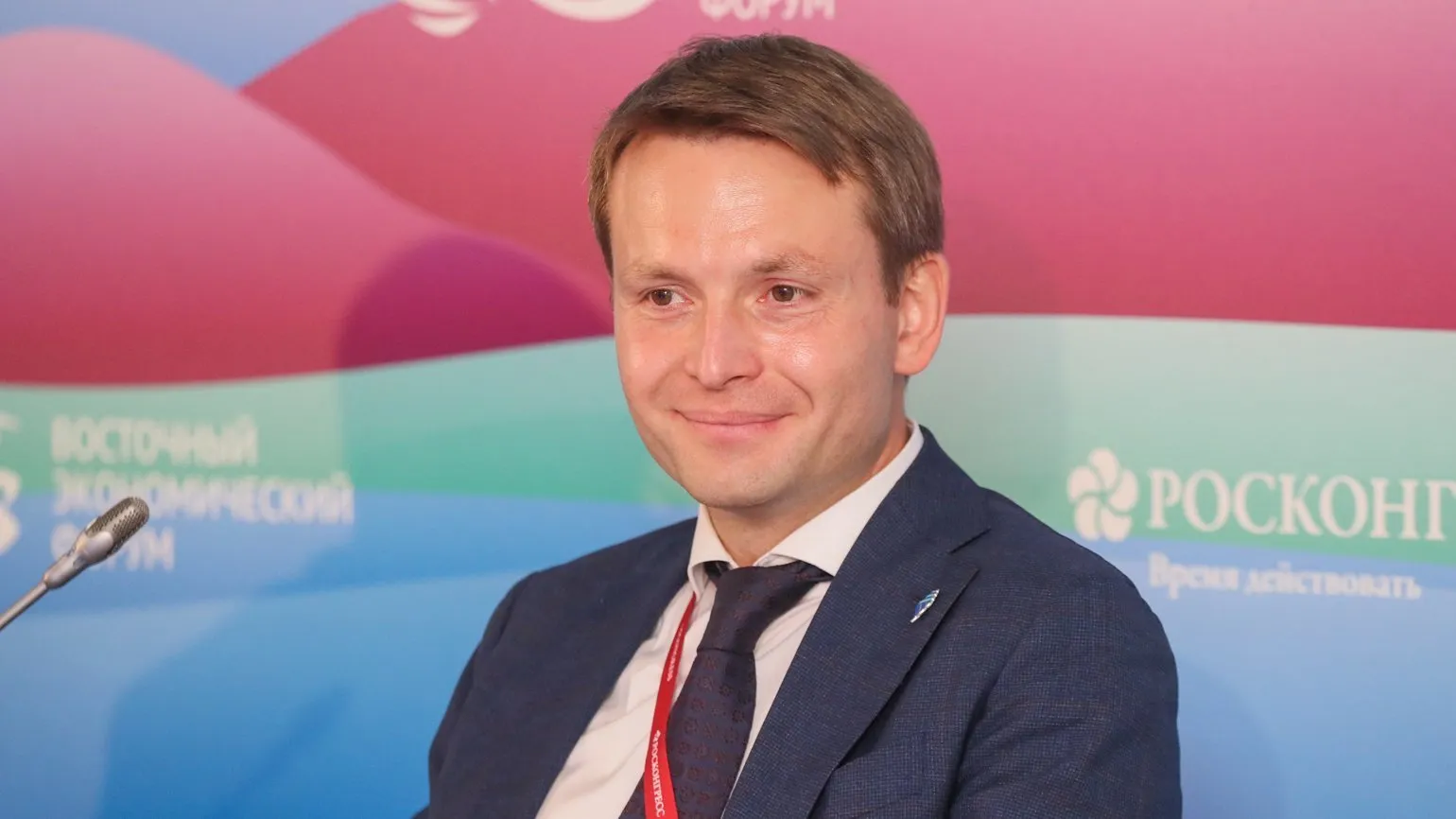
Every year, the Eastern Economic Forum in Vladivostok discusses the development of the Far East and Russia's cooperation with the countries of the Asia-Pacific region. In 2023, the relevance of the second topic has increased, due to global economic changes and the need to strengthen ties with neighboring countries. The forum provides a platform for the exchange of ideas and experiences, which facilitates investment and the development of new projects in the region.
To successfully develop international contacts, the organization requires staff with knowledge of the languages, market specifics, and legislation of partner countries. The training of such specialists was discussed at the World Economic Forum session "Knowledge of the East: The Asian Vector of Education." Training personnel capable of interacting effectively in a global environment is becoming a key aspect for achieving competitive advantages in the international arena.
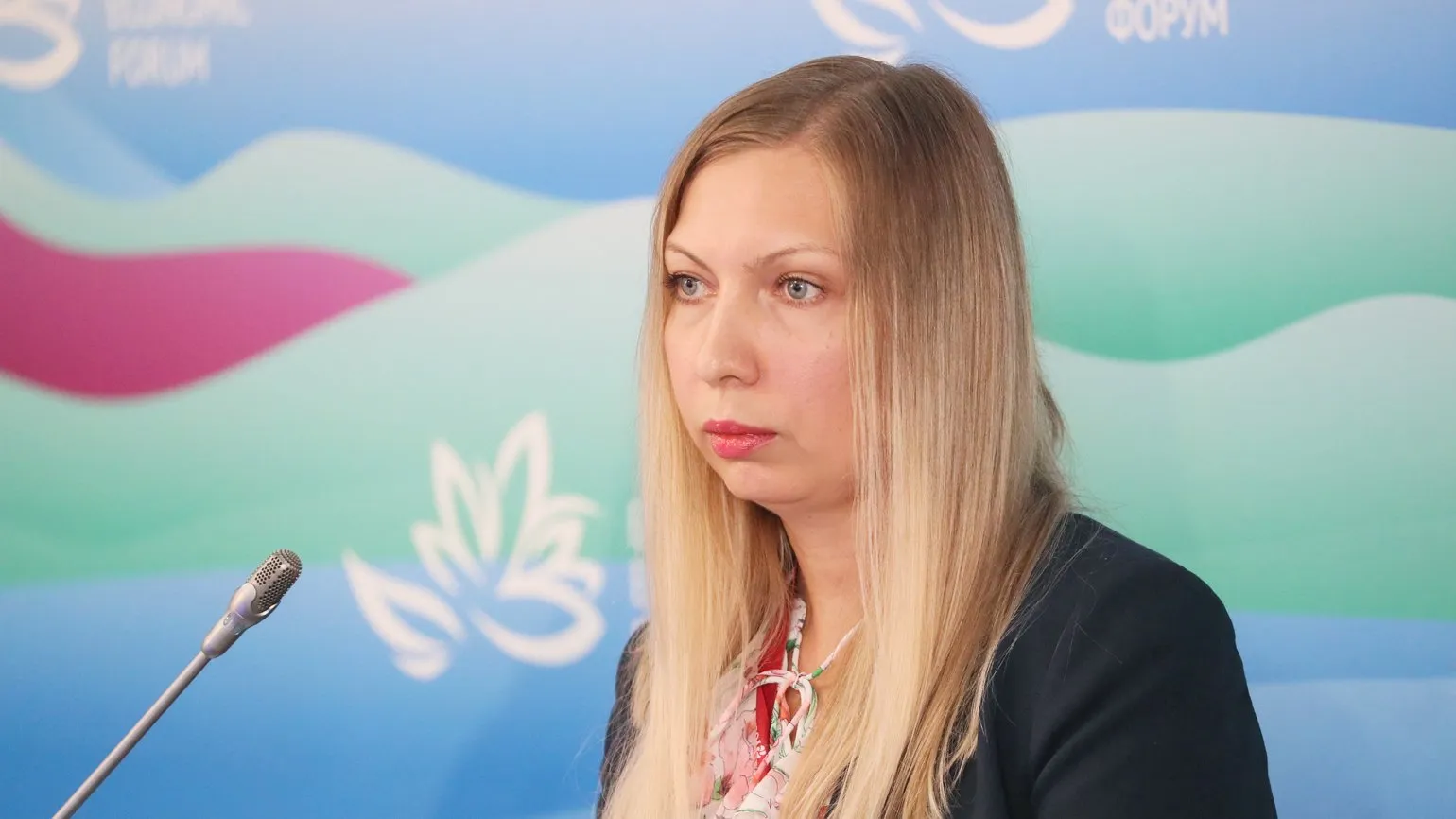
At the beginning of the discussion, moderator Lyudmila Veselova, associate professor at the Higher School of Economics, focused on the contradictory nature of the current situation.
Oriental studies and African studies have a long history in Russia, dating back to the 18th century. According to the Ministry of Education and Science, as of June 2022, more than 22,000 Russian students are studying Chinese. The "Oriental Studies" program is becoming increasingly popular among applicants, as evidenced by the high passing scores at Russian universities. Oriental studies opens up a variety of opportunities for students, including careers in international relations, business, and culture.
According to Veselova, the demand for Chinese studies specialists in the Russian labor market has currently increased by 60% compared to February 2022. This is due to changes in international politics and economics. Against this backdrop, there is also an acute shortage of personnel in the field of Oriental studies. To overcome this situation, a number of measures must be implemented, including modernizing educational programs and actively collaborating with employers. An important question is why the labor market is short of graduates with majors in Asian studies. It is necessary to analyze the reasons why new specialists are unable or unwilling to fill vacancies in this field.
What do Asian scholars study and why are their programs outdated?
Aleksey Maslov, Director of the Institute of Asian and African Studies (IAAS) at Lomonosov Moscow State University, emphasizes that one of the main problems in training Asian scholars is the discrepancy between university education and modern labor market requirements. The education system is failing to adapt to rapidly changing conditions and employer needs, leading to a shortage of qualified specialists capable of working effectively in an international environment. It is important to revise curricula and introduce practical elements of learning to prepare students for the real-world challenges and opportunities of Oriental Studies. Oriental Studies emerged from the discipline of historical philology and has undergone significant development. In the 18th and 19th centuries, a thorough understanding of Eastern cultures was achieved through proficiency in a language such as Chinese or Arabic, as well as knowledge of the history and traditions of the respective people. However, over time, Oriental Studies became limited by this narrow tradition, which influenced its further development. In the modern context, Oriental Studies requires a broader approach, including interdisciplinary research, which allows for a better understanding of the complex social, economic, and cultural interactions in Eastern countries. The economic and legal approaches to Oriental Studies have a long history, but in recent years they have become perceived as less significant. The primary focus in Oriental Studies education is on the historical and philological disciplines. As a result, less than 30% of graduates with Asian studies majors find jobs in their field, Maslov noted. This highlights the need to rethink the content and structure of Asian studies programs to improve their relevance in the labor market.
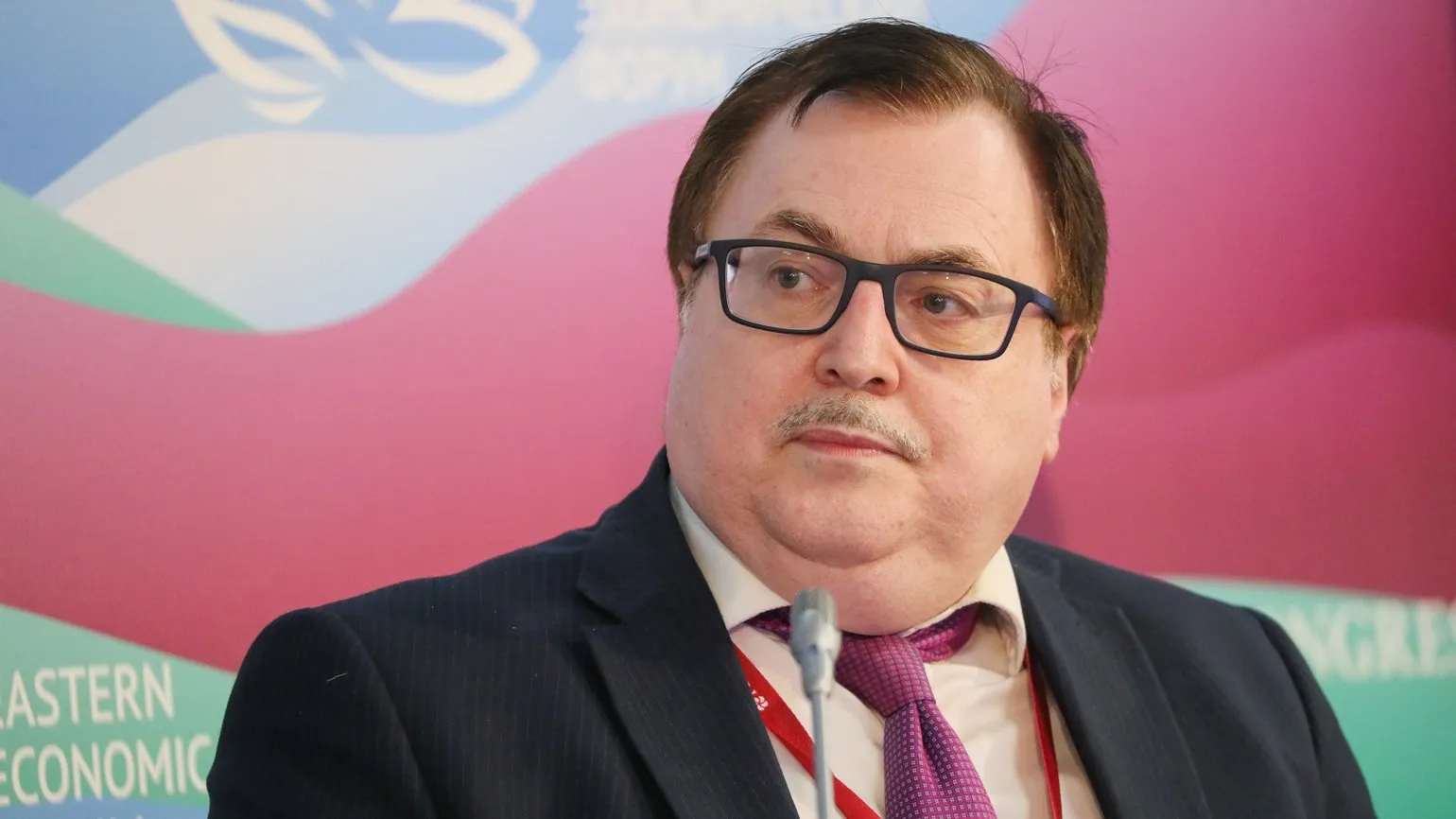
To improve the training of orientalists, it is necessary to consider the balance between classical subjects historical and philological focus and more modern disciplines such as economics and law. However, simply replacing one subject with another is not enough. Alexey Maslov and other experts emphasize that without a deep understanding of the history, traditions, and culture of Asian countries, the training of orientalists will be incomplete. Such knowledge is the basis for forming a comprehensive understanding of the region and its characteristics, which in turn influences the quality of research and practical work of specialists.
According to Mikhail Kuznetsov, Director of the Eastern Center for State Planning, knowledge of the culture and history of the country with whom the conversation is taking place contributes to the establishment of a respectful attitude on the part of the interlocutor. This knowledge also allows for a deeper understanding of the fundamental ideas and beliefs characteristic of that country.
The discussion participants concluded that it is necessary to combine the classical approach and modern methods in the training of orientalists. Alexey Maslov emphasized that updating educational programs is possible without abandoning the traditional foundation. This is due to the fact that teaching methods are constantly evolving. For example, modern approaches to learning foreign languages make it possible to master material that previously required five years in just three years. This demonstrates that the integration of traditional and innovative methods can significantly improve the effectiveness of Asian studies education.
The Director of the Institute of Asian and African Studies (IAAS) presented his concept for renewing Asian studies. He emphasized that his approach is supported by colleagues, including Mikhail Piotrovsky, Dean of the Faculty of Asian Studies at St. Petersburg State University. This initiative aims to rethink Asian studies and adapt its teaching to the current demands and challenges facing researchers and students in this field.
- To consolidate Asian studies as an academic specialty. It is not included in the current nomenclature, so it is impossible to study in graduate school in the specialty "Oriental Studies."
- Update the programs with courses on business and entrepreneurship, political and military elites, and the characteristics of different regions of the countries studied.
- Open hubs for training specialists in the East in several regions, primarily in the Far East—for example, in Vladivostok and Khabarovsk. This may require a consortium of several universities.
- Create network educational programs that will combine the best developments from various Russian universities, as well as network programs with Chinese and other foreign universities.
- Conclude agreements with employers for targeted training of specialists. For example, one program could incorporate the Ministry of Industry and Trade's requirements for future employees of Russian trade missions, while another could incorporate the Institute of Oriental Studies of the Russian Academy of Sciences' requirements for future historians.
To implement the proposed ideas, a comprehensive program to support modern Oriental studies is needed, possibly with the participation of the Ministry of Education and Science. The development and implementation of such a program would take approximately five to six years. While this is not the fastest path, it would ensure the training of qualified specialists in Oriental studies while simultaneously preserving and developing domestic traditions in this field.
Maslov was supported by other university leaders participating in the discussion. Among them are Boris Korobets, Acting Rector of the Far Eastern Federal University; Sergei Ivanchenko, Rector of the Pacific National University; and Nurgun Maksimov, Vice-Rector for International Cooperation at the M.K. Ammosov North-Eastern Federal University.
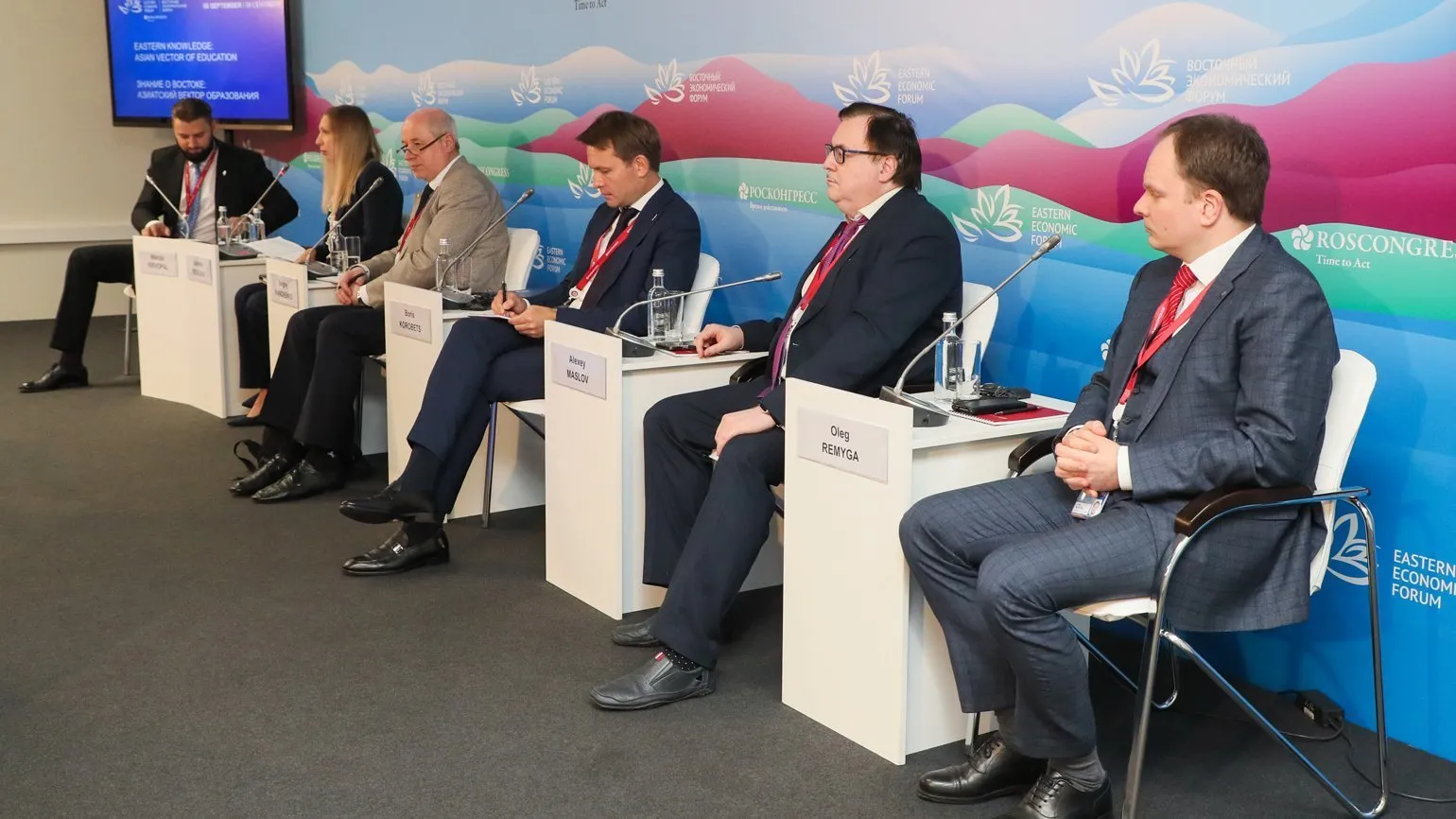
Oleg Remyga, Head of the China Program at the Skolkovo Moscow School of Management, noted that the professional development of an orientalist, like that of any other specialist, is a long-term process. He emphasized that after six years of intensive study in a fundamental program at a university, it is necessary to continue education - be it additional courses, training at a business school, or on-the-job training. This is a natural stage in the career of every professional.
Current university programs need to be reviewed. Remyga emphasizes the importance of attracting practitioners and professionals with business experience who are willing to share their knowledge. In his opinion, it is precisely such specialists who can help bridge the gap between educational institutions and the demands of the labor market. However, finding such people is not easy, which poses a serious challenge for universities.
Do I need to study Chinese in school to become a Sinologist?
Alexey Maslov and Oleg Remyga propose options for training Orientalists that require long-term study—from six to ten years. Considering that the training of modern Orientalists must be deep and comprehensive, the idea arises to begin this process at the school level. If high school students can learn an Oriental language to a basic level, they will be able to enter university with an existing foundation for further in-depth study. This will allow graduates to more quickly adapt to university programs and more effectively master specialized areas of Oriental studies.
The practical implementation of the idea of teaching Chinese is already underway in schools, where the Unified State Exam in this subject has been offered since 2019. However, as Nurgun Maksimov reports, the results so far are not impressive. At the initiative of North-Eastern Federal University, a network of schools was created in Yakutia where Chinese is actively taught. As the university's vice-rector, Maksimov regularly interacts with Chinese teachers, allowing him to stay informed about their professional difficulties and challenges. The need to improve the quality of teaching and increase interest in language learning remains a pressing topic of discussion among educational institutions.
- Chinese is mainly taught for an hour or two a week, and serious study of the language is not being discussed. At best, it's an elective, and it doesn't yet compete with English.
- The Basic State Exam (BSE) in Chinese isn't yet offered, meaning there's no consistency in preparation—even if a student is extremely interested in the subject, they'll have to spend a significant amount of time preparing for an exam in some other subject in ninth grade.
- The teaching materials for teachers have only been developed for grades five through nine, and there are no materials for high school.
- Teachers also lack opportunities to improve their Chinese language skills. Maksimov noted that there are very few specialists with a good knowledge of Chinese.
Alexey Maslov believes that introducing oriental languages into school curricula could create additional problems. He cites the example of Chinese language learning: according to his observations, high school graduates have a very low level of language proficiency, and ideally, they shouldn't study it at all in school. Maslov is confident that similar difficulties will arise with other Eastern languages, such as Vietnamese or Korean. He emphasizes that university professors will find it more difficult to work with graduates who have completed such programs than with those who have no language experience at all.
Perhaps Oriental studies should be studied in the East?
A discussion at the Eastern Economic Forum (EEF) raised the important issue of training Orientalists. One effective training method is sending students abroad. Practical immersion in the culture and language of a country significantly improves professional skills and understanding of the specifics of work in a given field. Studying and living in another country are becoming indispensable factors contributing to the development of qualified specialists capable of successfully interacting with the unique aspects of Eastern culture and economics.
Experts disagree with this approach. Alexey Maslov cited the experience of the ISAA leadership, arguing that graduates from Chinese universities do not become qualified teachers of Asian studies. He believes that China, like other countries, is not interested in providing a full understanding of its culture and history. According to Maslov, the optimal path to training specialists is a combination of a Russian bachelor's degree followed by an internship or master's degree in the country of the target language. This approach will provide deeper knowledge and understanding, which is essential for developing competent specialists in the field of Asian studies.
Other participants in the discussion also believe that outsourcing the training of Asian studies specialists is the wrong decision. If graduates are expected to work in Russian government agencies and companies, then their training should take place in Russia. This will ensure that the educational process meets the requirements and needs of the domestic labor market.
The question of graduates from Chinese and other foreign universities returning to Russia remains open. The experience of higher education institution leaders shows that a significant number of students prefer to remain in the countries where they received their education. Currently, many graduates of Asian studies are successfully pursuing careers abroad, with no plans to apply their knowledge and skills in the Russian labor market. This could lead to a drain on intellectual resources, which will negatively impact the development of various economic and scientific sectors in Russia. Acting Rector of the Far Eastern Federal University, Boris Korobets, expressed some optimism regarding the situation for young scientists. In his opinion, although Chinese universities offer $50,000 grants for young professionals, this does not mean that those who left Russia will remain emigrants forever. If attractive jobs, opportunities to implement ideas, and create significant projects become available in the country, young scientists may return. It is important to create conditions that will facilitate the return of talent and the development of science in Russia.
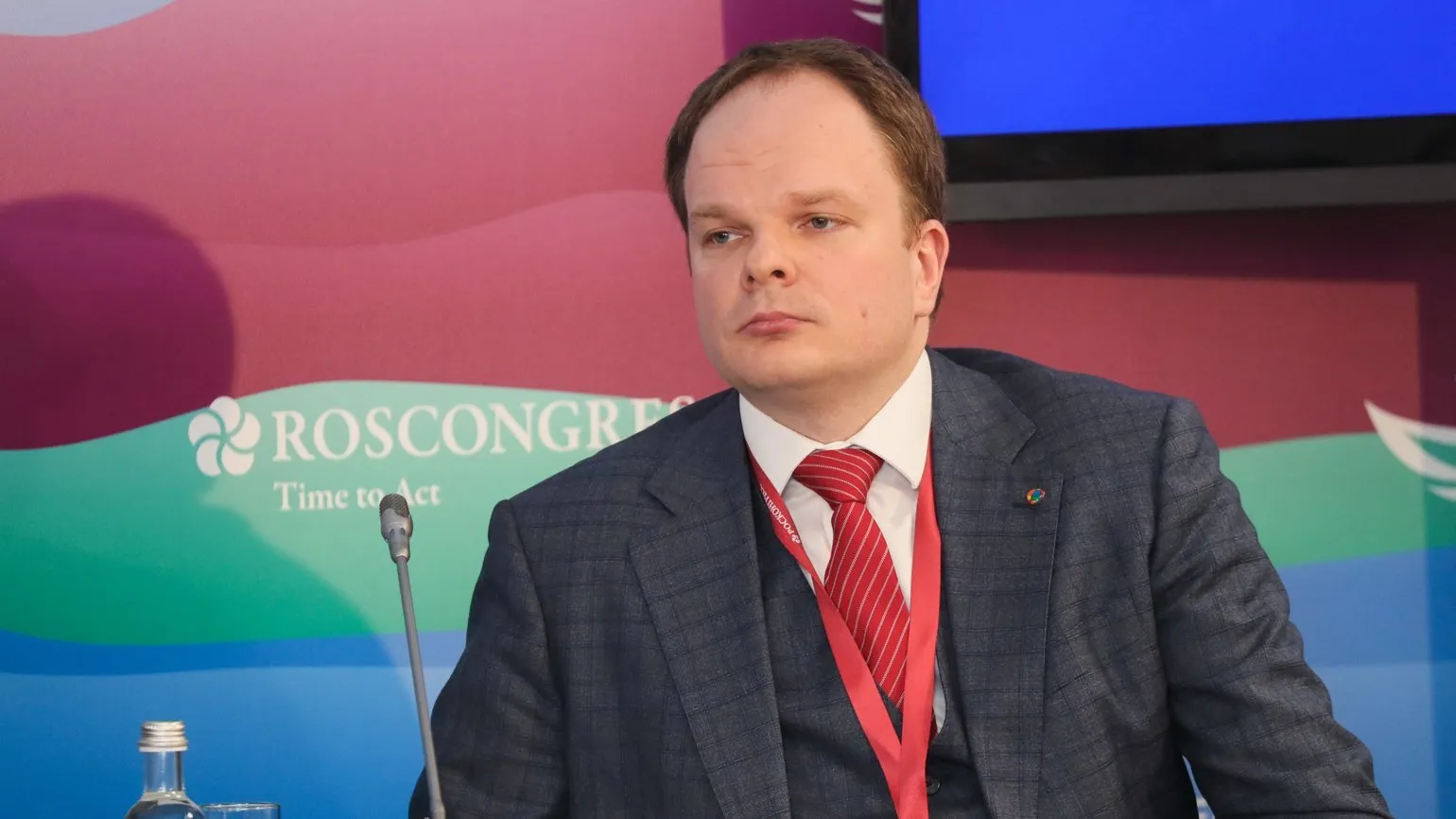
At the moment Educational emigration is predominantly directed to China, not from it. A relatively small number of students from China come to Russia. According to Oleg Remyga, Russian universities are losing out in the competition for students from Asian countries due to a lack of customer focus. This creates obstacles to attracting international students, which affects the international reputation of Russian universities. Improving service and adapting curricula to the needs of international students can help change this situation and attract more students from China and other countries in the region.
The university's lack of a WeChat page negatively impacts its attractiveness to Chinese students. Furthermore, the lack of customer service representatives capable of communicating in Chinese at the initial stage is also a significant drawback. It is important that the campus be adapted to the needs of Chinese students, otherwise it may affect their choice of educational institution. Adapting the educational environment and communication to cultural specifics helps create a comfortable environment for international students and increase the university's competitiveness in the education market.
Attracting students from Asian countries is an important aspect of Russia's "soft power," according to Remyga. He warned that if we ignore this, in 30 years we could face a new generation for whom Russia will be an unfamiliar country, invisible on the map. Increasing the number of international students from Asia will not only strengthen international ties but also help create a positive image of Russia abroad. Investments in educational programs and cultural exchanges with Asian countries can play a key role in fostering long-term relationships and mutual understanding.
Boris Korobets noted that, in addition to customer focus, the reputation of Russian education is an important aspect. In some fields, such as medicine, Russian education is recognized for its quality in many countries. However, in engineering fields, attracting international students to Russia is significantly more difficult. Increasing soft power and attracting students from abroad is a serious task, the solution of which will require time and a comprehensive approach.
So what should future Asian studies students study?
Participants at the Eastern Economic Forum confidently noted that the training of Asian studies students is being commissioned by both state-owned companies and private Russian businesses, as well as government agencies. Specialists in interactions with Southeast Asian countries and other regions are becoming increasingly in demand. Oleg Remyga emphasized that the new geography for Russian business encompasses not only Southeast Asian countries, but also all BRICS countries, as well as the Middle East, with a particular emphasis on Iran and Turkey. Thus, the demand for professionals in the field of Asian studies continues to grow, which opens up new opportunities for training and career advancement in this field.
In a discussion of key competencies, Remyga identified four areas of specialist training that are most in demand by employers.
- in logistics and supply chains;
- in finance and law;
- in technology transfer;
- in import-export operations.
Mikhail Kuznetsov, Director of Vostokgosplan, noted several more key competencies that will be in demand in Russia's relations with its Asian partners. He emphasized that it is extremely important for orientalists to have skills in working with data in oriental languages, as well as knowledge of the information systems used in various countries. In addition, an understanding of the specifics of negotiating with eastern partners and the differences in business activities and the investment market is necessary. This knowledge and skills will help improve interaction and strengthen Russia's economic ties with Asian countries.
Alexey Maslov noted that the labor market will soon face a shortage of specialists fluent in the languages of Indonesia, Vietnam, and Myanmar, as well as various regional languages of Africa, including Amharic and Hausa, from Ethiopia to Nigeria. This creates new opportunities for professionals who can offer their skills and knowledge in these fields. In the context of globalization and the growing interconnectedness of countries, the need for such specialists will only increase.
The Director of the Institute of Asian and African Studies (ISAA) proposed a new model for developing and implementing educational programs that will allow universities to more quickly prepare in-demand specialists. The essence of this approach is to create educational programs in advance and keep them in a "dormant" state. As soon as interest in a particular specialty is expressed in a given region, universities can quickly activate the programs and begin recruiting students. This strategy will help improve the effectiveness of the educational process and meet labor market needs.
To operate effectively, universities must identify the needs of ministries and agencies and understand general development trends. This requires overcoming the closed nature of Asian studies and rejecting outdated stereotypes about modern Asian and African countries based on ideas formed decades or even centuries ago. It is important to adapt educational programs to the current realities and needs of the international community, which will allow graduates to successfully integrate into the global labor market.
Read also:
- How the approach to learning foreign languages has changed
- Where university graduates work and what are their salaries
- What is the strength of a university brand and how to promote it
- How to attract students to a master's program
Profession Methodologist from scratch to PRO
You will improve your skills in developing curricula for online and offline courses. Master modern teaching practices, structure your experience, and become a more sought-after specialist.
Find out more