Contents:

Learn: Profession Methodist from scratch to PRO
Learn moreRussian school teachers are aware of their main problems: a high workload, including paperwork that distracts from teaching, low salaries, and limited opportunities for career advancement. But what about these issues in other countries? For analysis, we will use international statistics and data from foreign media. It is important to understand what approaches are used in other educational systems and what measures can help improve the situation for teachers in Russia.
In this article, you will receive information on the key aspects of the topic. We will consider the main ideas and approaches that will help you better understand the subject of discussion. You will be able to deepen your knowledge and receive practical recommendations for application. Keep reading to learn more and expand your horizons.
- where teachers work 11 hours a day;
- in which countries teachers have the highest salaries;
- where teachers' work is valued more - in rich or poor countries;
- why teachers are paradoxical people;
- how often teachers suffer from attacks from students and their parents;
- what do teachers' work problems lead to.
What is the workload of teachers in different countries?
The standard teaching load for teachers, according to the Organization for Economic Co-operation and Development (OECD), varies from 500 to 1,000 teaching hours per year, depending on the country. The total working time of teachers ranges from 1,200 to 1,800 hours per year. This range is significant; however, given the differences in the number of school days across countries, the average is approximately four hours of instruction per day. These data highlight the importance of considering the specifics of educational systems when analyzing teacher workloads and can serve as a basis for further research in the field of education.
Teacher Workload in 2020
In 2020, teacher workloads underwent significant changes due to the transition to distance learning and new requirements for the educational process. Due to the COVID-19 pandemic, teachers were faced with the need to adapt their curricula, which impacted the volume and structure of their work.
An important aspect was the increase in time spent preparing materials for online lessons and interacting with students through digital platforms. This required teachers to master new technologies and teaching methods. At the same time, despite the additional time investment, many teachers noted the positive impact of the remote format on the flexibility of the educational process.
The standard workload also includes administrative duties, such as lesson planning, report writing, and interacting with parents. Under the conditions of remote learning, these tasks have become more complex and time-consuming, which is reflected in the overall level of stress among teachers.
Thus, in 2020, the standard workload of teachers changed, requiring them not only to be professional but also to be able to quickly adapt in a situation of uncertainty. It is important to continue to analyze and optimize work processes to ensure high-quality education and support for teachers in their professional work.
The data presented in this document is based on information collected by the Organisation for Economic Co-operation and Development (OECD). The OECD is an authoritative source of statistical information and analytical materials concerning economic growth, social policy, and other key aspects of development in member countries. Using OECD data provides relevant and reliable information that can be useful for research, policy development, and informed decision-making in a variety of areas.
These are merely general guidelines that vary across countries. Even authors who include such data in statistical compilations treat them with caution.
The latest UNESCO Global Education Monitoring Report suggests that countries with low annual teacher workloads, such as Israel, which records only 1,200 hours of work per year, likely do not account for many tasks not directly related to teaching. Since this work is not reflected in official statistics, it can be assumed that compensation for it is also not provided. This underscores the importance of more fully accounting for all aspects of teachers' work to adequately assess their workload and compensate them accordingly.
Read also:
The study revealed what proportion of teachers' working time in different countries is devoted directly to teaching. It is important to note that the data varies by country, level of education, and other factors. This allows for a better understanding of how the educational process is organized and what approaches are used in different education systems. Analyzing this data can help optimize teachers' working hours, which, in turn, will improve the quality of education.
Teachers around the world face excessive workloads. According to a 2023 survey, teachers in the United States work an average of 53 hours per week, which is longer than the work hours of employees in other professions. In the UK, teachers also experience pressure, working 4.5 hours more than the established standard. Japan shows particularly high rates: in 2023, many teachers worked 11 hours a day. Moreover, about one-third of teachers had a weekly workload of over 60 hours, despite the established limit of 38 hours and 45 minutes. These data highlight the need to review teachers' working conditions and implement effective strategies to reduce working hours, which in turn can positively impact the quality of the educational process.
In Japan, there is an official limit for teachers to work overtime, indicating recognition of the problem of excessive work in this sector. According to regulations, teachers should not accumulate more than 45 overtime hours per month. However, in practice, many teachers face much higher workloads, reaching 95 hours of overtime per month. As a result, instead of the standard 160–170 working hours, they are forced to work around 260 hours. This situation highlights the need for further reforms in the education system to ensure more balanced working conditions for teachers.
Japanese teachers often work without days off, spending Sundays at school. During this time, they organize extracurricular activities and maintain order. Such overloads inevitably lead to burnout. According to statistics, about 1% of teachers take leave annually due to mental health issues. The Japanese education system demands significant effort from teachers, which puts their well-being and psycho-emotional state at risk.
In Japan, as of 2021, the average class size was 32 students, making it one of the countries with the highest rate among high-income countries. In contrast, Finland has the smallest average class size—just 19 students. These data highlight the differences in education systems and approaches to teaching across countries. The high student density in Japanese classes may impact the level of individual attention given to each student, while the lower class sizes in Finnish classes promote better interaction between teachers and students.
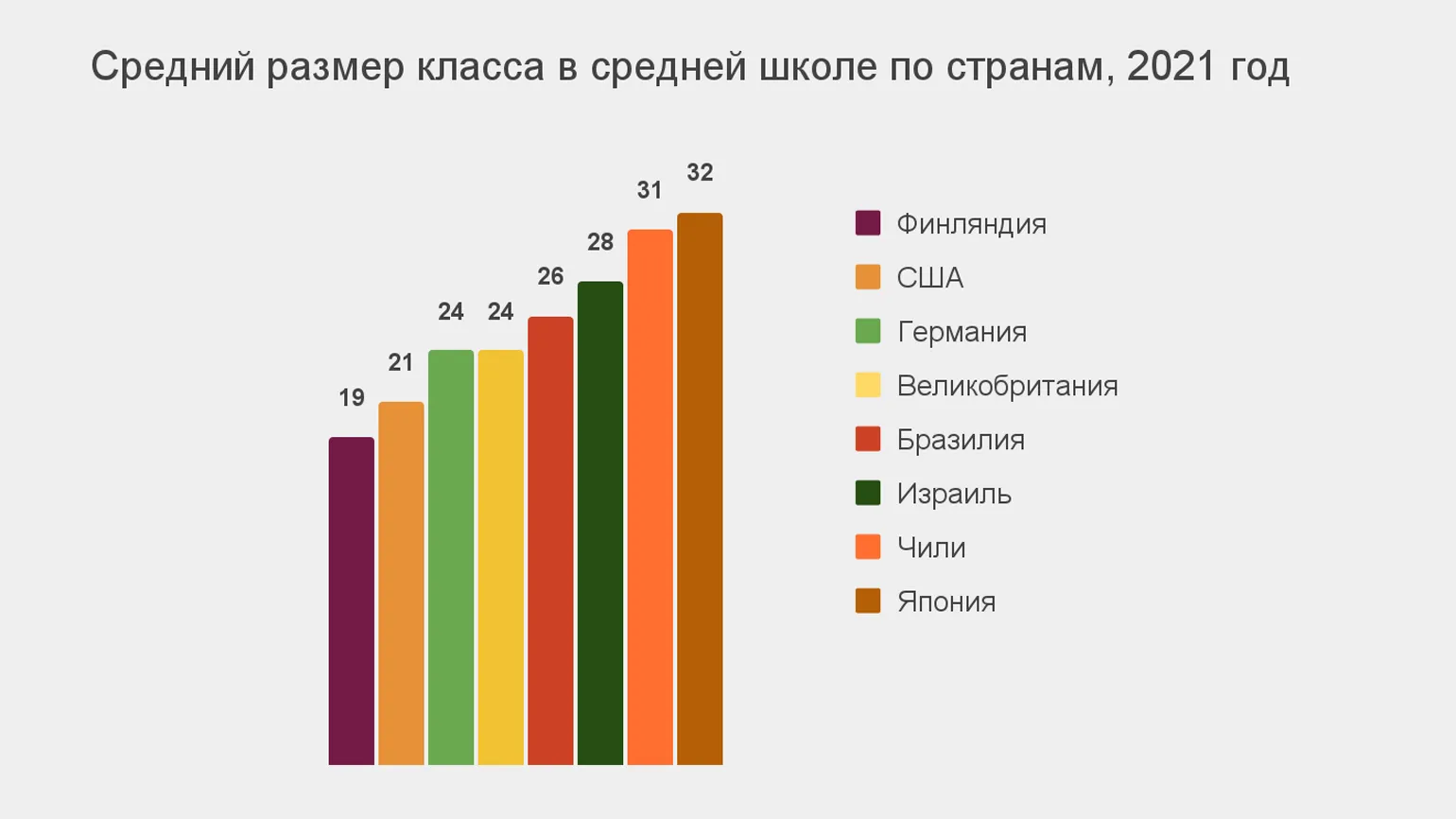
In countries belonging to the Organisation for Economic Co-operation and Development (OECD), the average student-teacher ratio is 23 per class. This indicator reflects general trends in education and may vary depending on the specific country and its education system.
What Causes High Workloads
High workloads for teachers are often the result of a shortage of qualified personnel. Most countries in the world are experiencing a shortage of education specialists. With a limited number of teachers, educational institutions are forced to increase the workload of existing staff, which leads to each teacher performing the duties of several specialists at once. This negatively affects the quality of the educational process and can lead to teacher burnout.
The situation with the shortage of teachers in education remains critical, especially in sub-Saharan Africa and South Asia. According to UNESCO data from 2022, 90% of secondary schools in these regions suffer from severe teacher shortages. In primary schools, the ratio of students to teachers is 55, significantly higher than the global average. Globally, the average primary teacher ratio is 26 students, while in European countries and North America, the ratio is 15 students per teacher. These data highlight the need to improve conditions for teacher training and professional development in the most vulnerable regions.

In wealthy countries, where, it would seem, there should be no problems with Teacher training and recruitment are challenging, leading to a teacher shortage. In 2022, the number of unfilled positions in Europe reached tens of thousands. The teacher shortage was particularly acute in the Netherlands, France, Lithuania, and the United Kingdom. In Australia, 90% of school leaders reported a teacher shortage, while in the United States, according to some estimates, there was a shortage of approximately 28,000 teachers. This situation underscores the importance of addressing the shortage in the education system, which could negatively impact the quality of education and the future prospects of children.
Read also:
Teacher Shortage in Russia: Analysis of the Current Situation
Russia is experiencing a significant teacher shortage, which is negatively impacting the educational process. According to recent research, many regions are experiencing a shortage of qualified teachers, which is leading to overwork of existing workers and a decline in the quality of education.
The main reasons for the shortage are low salaries, high workloads for teachers, and a lack of attractive working conditions. It's also worth noting that many young professionals don't remain in the profession after graduating, which exacerbates the problem.
To address this issue, comprehensive measures are needed, including higher wages, improved working conditions, and programs to attract young people to the profession. These steps will not only help reduce the teacher shortage but also improve the overall level of education in the country.
Therefore, addressing the teacher shortage in Russia requires attention from the government, educational institutions, and society as a whole.
According to American experts, the pandemic has exacerbated the problems with teacher recruitment in schools, as more and more teachers, like specialists in other fields, prefer more convenient remote work options. This trend may also be relevant to other countries where remote work has also become popular. Furthermore, in most cases, jobs requiring a teaching qualification pay significantly higher than positions within the school system.
How Much Do Teachers Earn Around the World?
Teacher income levels vary by country, and this significantly impacts how salary information is perceived. Typically, data on the average salary for a country is published, which may not be entirely accurate, as it is like the average temperature in a hospital. In Russia, information on the average teacher salary often causes confusion among those earning significantly less or, conversely, more than the stated figure. According to Rosstat, the average salary of a public school teacher in 2023 is 51,772 rubles. These figures highlight the income gap and raise questions about the fairness of teacher pay.
Comparing average salary data in different countries provides a general idea of how the performance of specialists in the same profession is assessed differently. This allows us to analyze the factors that influence income levels and professional value in different regions, which may be useful for job seekers and employers.
In the United States, the average salary for school teachers is approximately $5,400 per month, equivalent to over 530,000 rubles at the Russian Central Bank exchange rate as of early October. In Japan, teachers earn an average of $3,000, equivalent to 295,000 rubles. In Tajikistan, the average teacher salary is approximately $100, or less than 10,000 rubles. These data demonstrate significant differences in teacher salaries across countries, which may be due to both economic conditions and the education system.
There is significant variation in salaries across European countries. In Hungary, the starting annual salary for a teacher in 2021 was €13,500, equivalent to approximately 116,000 rubles per month. Meanwhile, in Spain, the Netherlands, and Austria, teachers earn over €30,000 per year, or approximately 259,000 rubles per month. In Germany, the average teacher salary exceeds €50,000, or 432,000 rubles per month. This salary gap can be due to various factors, including the countries' economic situation, the level of education funding, and the qualification requirements for teachers.
Teachers' living standards depend not only on salaries but also on their purchasing power and their relationship to the cost of living in a particular country. For example, the average teacher salary in the United States may seem high, but many educators there also face difficulties meeting their basic needs. It is important to keep in mind that even with high incomes, the costs of housing, healthcare, and education can significantly reduce the real standard of living.

Revised text:
Study current topics and expand your knowledge. Maintain interest in new ideas and approaches. Receive fresh information and stay up-to-date on the latest events and trends. Apply your acquired knowledge in practice to achieve better results. Discuss interesting issues with like-minded people and share experiences to enrich each other.
Read also:
Teachers in the Russian Empire: Income Level and Living Conditions
Teachers in the Russian Empire faced various economic and social conditions that significantly impacted their lives and earnings. Income levels varied depending on the region and type of educational institution. In cities, teachers could receive higher salaries than in rural areas, where education funding was limited.
Teachers' salaries ranged from 200 to 800 rubles per year, depending on their qualifications, length of service, and location. In large cities such as St. Petersburg and Moscow, salaries were higher, which attracted more specialists. However, even in large cities, many teachers struggled financially due to high housing and living costs. Working conditions for teachers were also far from ideal. Most worked in overcrowded classrooms, where they faced shortages of teaching materials and low salaries. Teachers often took on additional work to provide for their families, which negatively impacted their health and professional performance. Overall, the lives of teachers in the Russian Empire were difficult and demanding, both professionally and personally. Despite this, many remained dedicated to their work, understanding the importance of education for future generations. A comparison of teacher salaries by purchasing power, presented by UNESCO in 2022, reveals significant differences. In Western Europe and North America, teachers earn two to three times more than their colleagues in Eastern Europe and Latin America. Teachers earn the highest salaries in Switzerland and Luxembourg, underscoring the economic stability and value of education in these countries.
To assess the adequacy of teacher compensation, teachers' salaries are compared with the average income of workers with a similar level of education. It is difficult to speak of the prestige of a profession if teachers earn less than ordinary office workers. Unfortunately, this situation is observed even in economically prosperous countries. According to UNESCO, in more than half of the world's countries, namely six out of ten, teachers' salaries are lower than those of specialists with a comparable level of education. This underscores the need to reconsider approaches to education financing and to enhance the status of the teaching profession.
In poor, low-income countries, the situation with teacher salaries differs from that in more affluent regions. In such countries, teacher salaries often appear quite attractive compared to other professions. For example, in Liberia, teachers earn three times more than specialists with a similar level of education in other fields. The general trend is that as average salaries in a country rise, the teaching profession becomes less competitive. However, there are exceptions. In highly developed Singapore, teachers earn more than other professionals with comparable levels of education. Meanwhile, in Sierra Leone, one of the world's poorest countries, teachers face the problem of underpaying. Thus, teachers' salaries in different countries depend on the economic situation and social status of the profession.
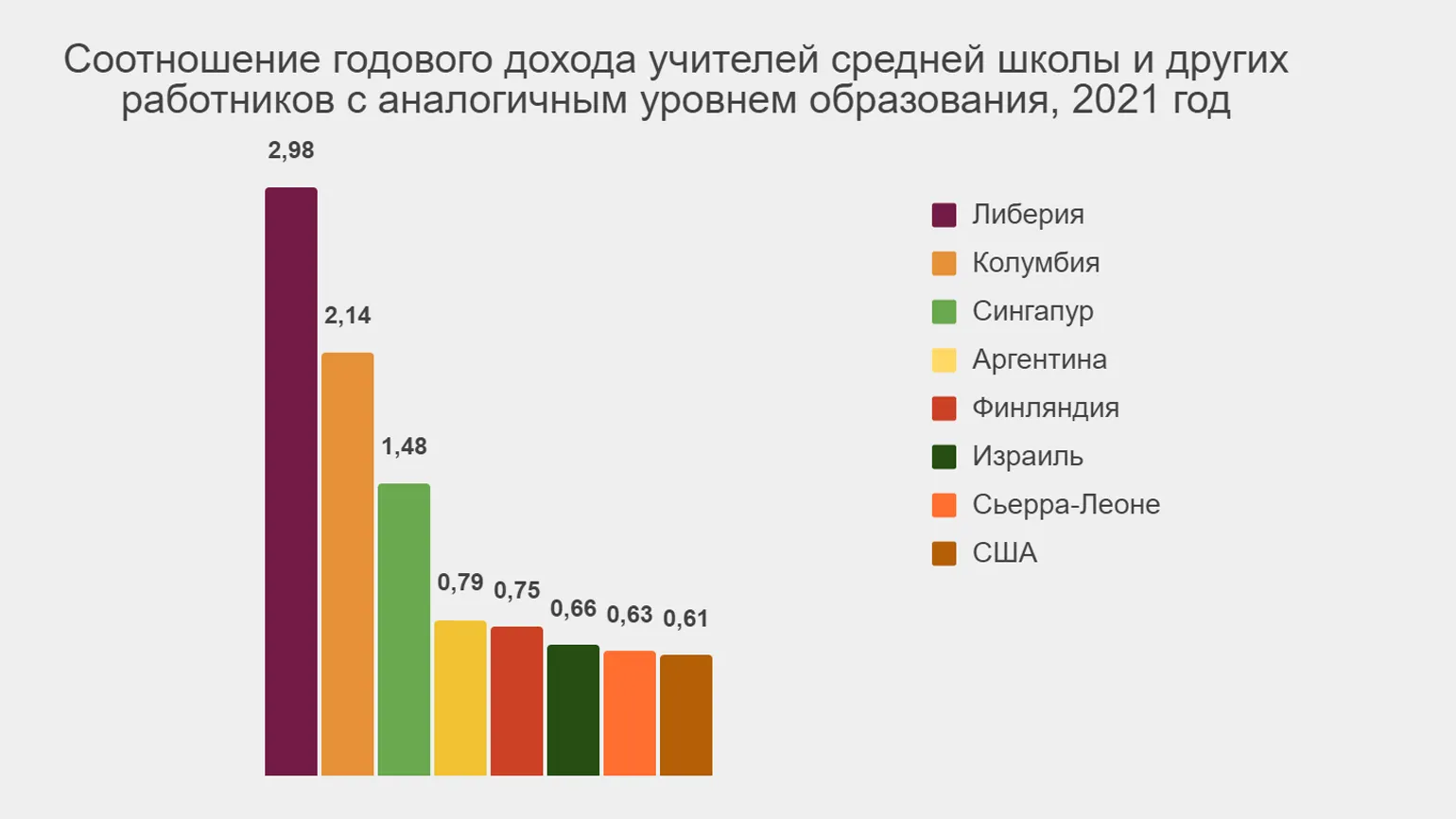
In many countries, teaching offers lower financial returns than other knowledge-based professions, despite comparable training requirements and a significant workload. This explains the shortage of mathematics and science teachers in educational institutions around the world. A recent UNESCO Education Monitoring Report notes that the salary gap for these subjects in schools and other sectors of the economy is significantly higher than the market average. Professionals with education in engineering, science, and mathematics have the opportunity to find work in sectors that are willing to reward them much more, leading to a shortage of qualified personnel in school education.
Read also:
Rostrud conducted a study and identified which subjects in Russian schools are suffering from teacher shortages. The main difficulties with recruitment are observed in areas such as mathematics, physics, and foreign languages. This creates serious problems for the educational process and impacts the quality of instruction. Given the teacher shortage, the importance of attracting and retaining qualified specialists is especially pressing. Ensuring a sufficient number of teachers in key subjects is a priority for the education system, requiring a comprehensive approach and effective solutions.
Teacher salaries tend to grow slowly and do not keep pace with inflation. For example, in 2021, real teacher incomes in England were 11% lower than ten years ago. According to OECD data, in most member countries, teacher salaries increased by less than 1% per year from 2015 to 2021. In some countries, adjusted for inflation, teacher salaries have declined significantly: the largest declines have been seen in Greece, where salaries have fallen by more than 30% since 2010, and in Costa Rica, where teacher salaries have fallen by 19-40% depending on the level of schooling since 2015. These data highlight the need to reconsider approaches to education funding and support for teachers in order to ensure decent working conditions and attract new professionals to the education system.
What are teachers' career and income opportunities?
Low teacher salaries contribute to widespread poverty and increased fatigue, as many are forced to take on additional workloads or seek part-time work outside of school. According to a survey conducted in the spring of 2023 by the National Education Union in the UK, 34% of teachers under 29 are forced to save on food to cope with financial difficulties, and about 20% are working part-time. These factors negatively impact not only the quality of teaching but also the overall well-being of teachers, causing stress and burnout. It is important to find ways to increase salaries and improve working conditions for teachers to prevent further deterioration of the situation in the education system. Not all teachers are underpaid, as there is a significant gap between the minimum and maximum salaries of teachers in every country. In OECD countries, for example, the average starting salary for a high school teacher is $38,000 per year, which is equivalent to approximately 3.7 million rubles. Upon reaching the highest qualification, the salary can exceed $51,000, which is approximately 5 million rubles. To reach the maximum salary in their profession, teachers often need many years of dedicated work. For example, in France, teachers reach their peak income after an average of 35 years. This lengthy process is driven by a number of factors, including experience, qualifications, and professional development requirements.
There is no universal rule regarding teacher salary growth. In countries such as Scotland, Denmark, New Zealand, and Australia, a young professional can reach their peak income in less than ten years. However, according to the Organisation for Economic Co-operation and Development (OECD), it is more common for teachers to expect relatively high salaries only after significant experience.
Reaching leadership positions in educational institutions is a challenging task for teachers, especially women. This problem exists even in countries with high female participation in the teaching profession. According to 2019 UNESCO data, the situation remains inequitable in countries such as Japan, South Korea, and Turkey. In these countries, women make up approximately half of all secondary school teachers, but their share among school principals is significantly lower: less than 20% in South Korea and less than 10% in Japan and Turkey. This highlights the need for increased attention to gender equality and support for women in educational institutions.
In many countries, teachers face career instability in education due to their use of fixed-term contracts. This approach allows schools to fill vacancies with less qualified professionals. Contract teachers are not full-time employees and therefore lack social security and stability, which negatively impacts the quality of education and professional development.
In several African countries, such as Niger, Chad, and Burkina Faso, between 60 and 80% of teachers work on short-term contracts. This practice is also observed in more developed countries. For example, in Italy in 2021, one in six teachers worked on a short-term contract. Short-term contracts in education are becoming increasingly common, raising concerns about the stability and quality of teaching.
Another way to address staffing shortages when salaries cannot be raised is to hire students from pedagogical universities who do not yet have the necessary qualifications. Tajikistan plans to implement this measure to improve the educational situation. This approach will attract young professionals who can bring fresh ideas and update teaching methods, while gaining practical experience.

In the latest OECD report on education, experts emphasize that low salaries significantly reduce the attractiveness of the teaching profession. Although this profession is traditionally considered noble and attracts people with the desire to make a difference and do what they love, the reality is different. Young people who want to become teachers and have the necessary abilities face a real threat of financial instability. This prospect of poverty becomes a serious factor forcing them to consider alternative career options. Therefore, to increase interest in the teaching profession, it is necessary not only to improve working conditions but also to increase salaries.
How attractive is the teaching profession?
Teachers often rate the prestige and demand for their profession low. According to the TALIS 2018 international teacher survey, conducted in OECD countries and some of the organization's partners, only 26% of respondents believe that their work is valued in society. More than half of teachers share this opinion in only a few countries, such as Vietnam, where over 90% of teachers believe their work is valuable, as well as in Singapore, the United Arab Emirates, and Finland. This situation highlights the need to elevate the status of the teaching profession and recognize its contribution to education and societal development.
The paradoxical situation is that less than half of teachers consider their profession highly valued in society. At the same time, more than 80% of respondents are satisfied with their current working conditions, and 60% express satisfaction with their professional activities in general. This indicates that, despite the low valuation of the profession by society, many teachers find satisfaction in their work and the conditions in which they work.
An international teacher survey conducted in 2021 yielded results similar to previous studies. Nearly 8,000 teachers from countries including France, Belgium, Canada (mainly the province of Quebec), Morocco, Gambia, and Mexico participated in the survey. In most countries, with the exception of Gambia, respondents disagreed with the statement that the teaching profession is highly valued in society. In particular, 79% of French teachers disagreed with this opinion. Interestingly, the statement that the positive aspects of a teacher's job outweigh the negative ones received greater approval, although in wealthier countries such as France, Belgium, and Quebec, a majority of teachers also expressed disagreement with this position.
Respondents from various countries rated their level of autonomy in their work positively, as well as their interactions with school administration, students, and their parents. About half of those surveyed expressed satisfaction with their professional activities and confirmed a desire to choose this profession again.
The majority of teachers, ranging from 70% in France to 89% in Gambia, reported having been victims of workplace violence in the past year. This violence often occurred at the hands of students or their parents. In a 2023 small survey of US teachers, 36% of respondents expressed concerns about potential conflicts with disgruntled parents and the threat of physical violence. The situation with violence in the educational environment requires attention and proactive measures to ensure the safety of both teachers and students.
Conflicts between teachers and parents in South Korea reached a critical point this year. Three young teachers committed suicide within a short period of time, and public opinion links these tragic events to tense relationships between teachers and parents. At the beginning of the school year, teachers organized large-scale rallies in memory of their deceased colleagues, drawing attention to the issue. This led to the passage of a new law that expands educators' powers. Under this law, teachers will not be punished for using measures such as temporarily removing a student from class, even if it requires physical force. Such changes highlight the need to protect educators in the face of increasing pressure from parents and society.

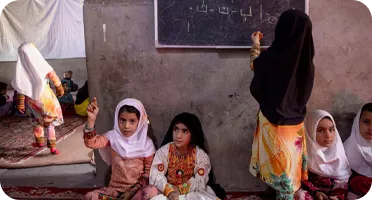
Around the world, teachers and students face threats due to armed conflicts based on ethnic or religious hatred. According to data from the UNESCO Institute for Statistics, from 2013 to 2021, schools in countries such as Myanmar, the Democratic Republic of the Congo, Afghanistan, Palestine, Mali, and Burkina Faso were the targets of frequent armed attacks. Importantly, the teaching profession often makes them targets, especially when extremist groups attack educational institutions where girls are educated. Education in these regions is at risk, undermining the ability of future generations to gain knowledge and skills.
See also:
Female education in Afghanistan has undergone significant changes in recent years. Since the Taliban came to power in 2021, women's access to education has worsened. Many girls' schools and universities have closed, sparking international condemnation and domestic protests. However, despite these challenging conditions, women continue to fight for their rights to education. They are creating clandestine educational initiatives to ensure access to the knowledge and skills needed for the future. Education for women and girls remains a major issue on the international stage, and its restoration is key to Afghanistan's sustainable development. Supporting female education in the country can lead to long-term change and an improved status of women in society, contributing to the creation of a resilient and prosperous nation.
What are teachers' work problems leading to?
International survey results show that teachers, despite the existing difficulties, continue to express satisfaction with their jobs. This may create the impression that the profession as a whole is in good shape. Yes, the workload is significant, but for educators, this is the norm. Salaries are indeed low, but many people don't come to school for the money. Despite all the difficulties, every year there continue to be people willing to dedicate their lives to this important and noble profession.
The declining attractiveness of the teaching profession is already having a negative impact on the education system. In some countries where education unions are active, teachers and lecturers periodically go on strike, leading to school closures and disruption of the educational process. These situations highlight the need to enhance the status of teachers and improve working conditions to prevent further problems in the education sector.
In recent years, the UK has become the scene of large-scale strikes, particularly among teachers. In the autumn of 2022, Scottish teachers began mass protests, which by the spring of 2023 led to a significant salary increase of 12.3%. Meanwhile, in England, in February and April-May, teachers also announced general strikes. These protests are estimated to have affected the majority of schools in the country, causing temporary closures. The situation highlights the growing discontent among education workers and their desire for improved working conditions.
English teachers received a 6.5% salary increase, with the starting salary now being at least £30,000 per year, equivalent to approximately 3.6 million rubles at the Russian Central Bank exchange rate in September, and around 300,000 rubles per month. However, this did not resolve the problem of a teacher shortage in British schools by the start of the autumn term.
In May and June 2023, a general strike of secondary education workers took place in Romania, involving approximately 150,000 teachers and 70,000 other school staff. This largest labor conflict in 18 years led to the closure of schools across the country. As a result, the authorities passed a law increasing teachers' salaries by 25% from June 1, 2023, with a further 50% increase expected from January 1, 2024. In addition, teachers' starting salaries will be aligned with the national average. These changes are aimed at improving working conditions and attracting new professionals to the education sector.
At the end of September, Lithuanian teachers went on strike, expressing dissatisfaction with low salaries, which fall below the national average. They also point to problems with overcrowded classrooms and high workloads caused by a teacher shortage. Teacher protests have also begun this academic year in Poland and Portugal. Similar protests took place in Australia in August, and in Israel in February. Teachers around the world are uniting to draw attention to education issues and improve working conditions.
Teacher strikes can be successful, but not in all countries. In some places, such actions are prohibited by law, and trade unions face restrictions. This leads to a decline in young people's interest in the profession and an aging workforce, despite the low likelihood of improvement. For example, in the United States, the number of students entering teacher training programs fell by nearly 100,000 between 2012 and 2020. Furthermore, the percentage of those completing these programs is also declining.
The table below summarizes data from the Organisation for Economic Co-operation and Development (OECD) on the age distribution of teachers at all levels of school education in various countries across Western and Eastern Europe, North and Latin America, and Asia. Most countries exhibit a relatively balanced age distribution among teachers. However, Italy stands out, where, despite incomplete data, the age structure of teachers is significantly skewed toward the older generation. In this country, only 2% of teachers are under 30, while in Poland this figure is 5%. For comparison, in Russia, according to a report from the Ministry of Education for the 2022/2023 academic year, the proportion of teachers under 30 reaches 14.6%. These data highlight the importance of analyzing the age composition of the teaching staff for understanding educational trends and formulating an effective strategy for the development of the education system.
Distribution of Teachers by Age Category, %
The age structure of teachers plays an important role in the educational process. Analyzing the distribution of teachers by age allows us to identify changes in the teaching staff and assess the level of professionalism in educational institutions. It is important to consider that different age groups have their own characteristics, which directly impact the quality of education. Trends in the distribution of teachers can help in planning personnel policy and improving the effectiveness of the education system.
This analysis presents data on teachers in primary, secondary, and high school. In countries where the sum of the values does not reach 100%, this indicates that information on the age of some teachers was not provided.
Data provided by the Organisation for Economic Co-operation and Development (OECD).
Many teachers do not intend to remain in the profession until retirement, as confirmed by the results of the 2018 TALIS survey, according to which 25% of respondents plan to leave their profession within the next five years. Similarly, a McKinsey study shows that approximately one-third of American teachers are considering leaving the profession, and the annual attrition of teachers, including those retiring, is 8%. In Australia, according to a 2022 survey, approximately 30% of participants also plan to change professions within five years. At the same time, the number of young professionals is declining: only 50% of student teachers complete their studies. On average, the global outflow of teachers from the secondary education system is 5% annually, according to UNESCO.
Reworked text:
Please pay attention to the following materials:
- Teachers explained why they chose their profession
- It's not just about salary: why there are not enough young teachers
- How a teacher can cope with stress: advice from a psychologist and tutor
- How the role of a teacher is changing in the era of digitalization of education
Profession Methodologist from scratch to PRO
You will improve your skills in developing curricula for online and offline courses. Master modern pedagogical practices, structure your experience and become a more sought-after specialist.
Find out more