Contents:
- "Build a bridge between what is known in neuroscience and what is useful for education"
- "We need problems that a person of any age and with any training will solve more or less the same way"
- "We cannot yet create an individual neurobiological profile of a specific student"
- "If children are ready to learn some knowledge earlier, we need to give them this opportunity"
- "There is no reason to deprive students of diversity and focus on any one format"
- "The brain is a complex and multifaceted system, and teachers need to take into account how it is developing"

Learn: The Profession of a Methodologist from Scratch to PRO
Find out more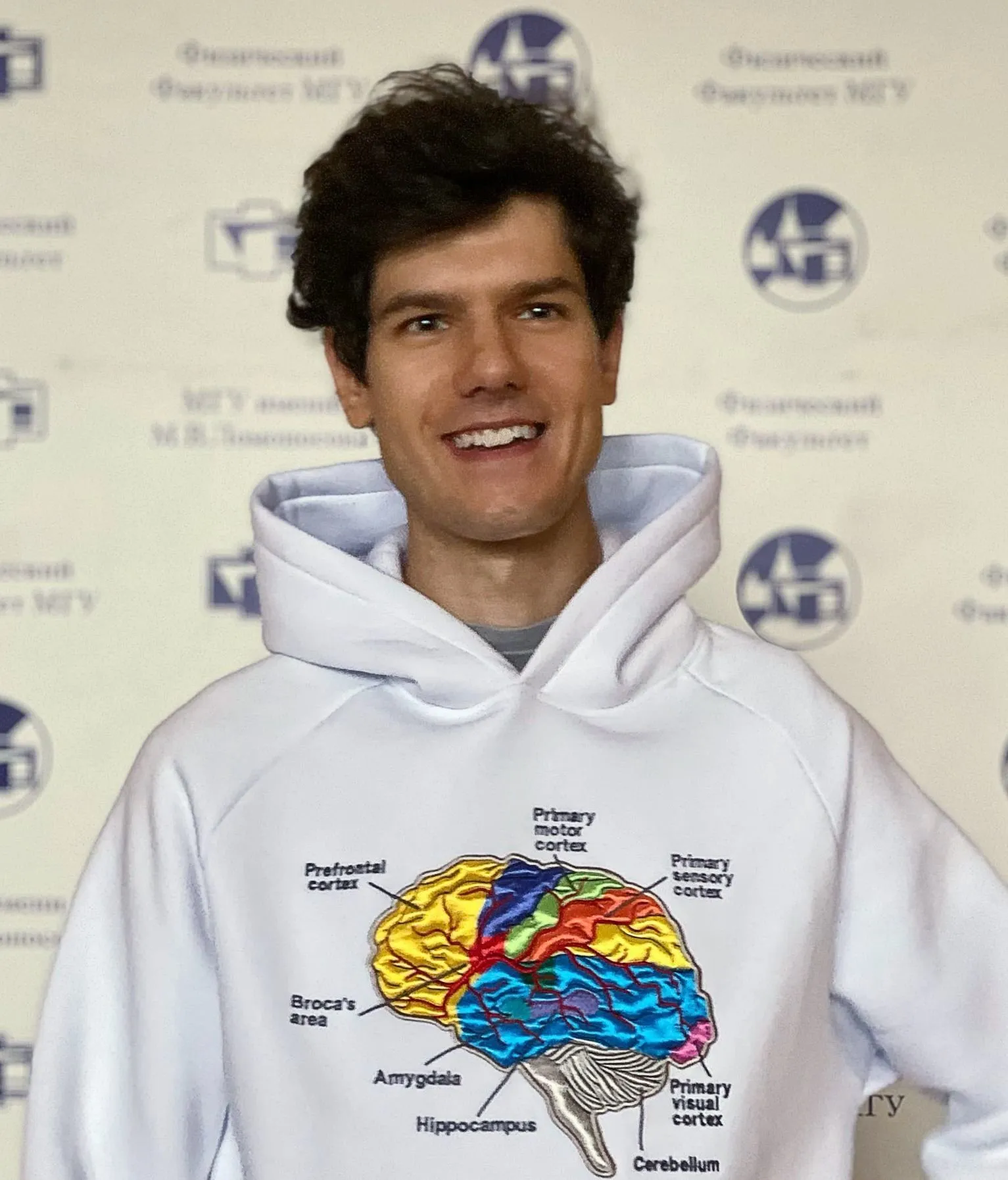
Postgraduate student and researcher at the Laboratory of Neurobiological Foundations of Cognitive Development at the Faculty of Social Sciences of the Higher School of Economics. He also teaches mathematics and physics, combining research with practical teaching.
In this interview, you will learn about:
- what important issues for teachers are not even considered by neurobiologists;
- why most math problems are not suitable for studying brain function;
- what participants in neurocognitive experiments do while lying in the scanner;
- what is the danger of cramming from a neuroscience perspective;
- why career guidance based on brain activity data is no better than reading coffee grounds;
- what myths about learning and the brain should not be trusted;
- what neuroscience will be able to tell us about school education in the near future;
- what determines learning outcomes more - genes or the environment;
- why it is worth introducing teachers to neuroscience.
"Bridging the gap between what neuroscience knows and what's useful for education"
I became involved in educational neuroscience because I've always been interested in learning and how the brain processes information. Understanding the neurobiological foundations of learning allows us to create more effective teaching and learning methods. Neuroscience research opens new horizons for improving educational practices, tailoring courses to individual student needs, and increasing their motivation. I strive to use scientific evidence to develop approaches that help students learn material more effectively and enjoyably.
My path to cognitive neuroscience was not an easy one. Initially, I received a training in medical physics and intended to develop methods of proton beam therapy for cancer treatment. However, due to a fire at the particle accelerator where the therapy was performed and my thesis was planned, I encountered unexpected challenges. As a result of this incident, I was forced to rethink my professional goals and fully immersed myself in teaching. This experience opened new horizons for me and became the foundation for my further research in the field of cognitive neuroscience.
I taught mathematics and physics as an assistant at the Specialized Scientific Center of Moscow State University, as well as in private schools. I opened courses to prepare for Olympiads and the Unified State Exam. Currently, my main activity is related to scientific research, but I continue to be actively involved in teaching. Teaching children is my main passion and a strong motivator that inspires me in my scientific career.
I was drawn to cognitive neuroscience because of questions that arose during the teaching process. I have always been interested in why some students require slow repetition of an algorithm and repeated returns to its beginning, while others grasp the material the first time. I wondered to what extent such abilities depend on memory capacity, attention level, and age. Perhaps motivation and engagement play a key role in this process, with factors such as memory capacity and age being of secondary importance. Studying these aspects can help better understand how to optimize educational methods and approaches to make learning more effective for all students.
Have you expressed interest in neurobiological answers to your questions?
I once attended a lecture by Marie Arsalidou, who is currently my PhD supervisor. The topic of the lecture was the development of cognitive abilities, and I learned that components of working memory develop with age, increasing their capacity throughout life. This discovery underscores the importance of ongoing learning and mental activity in maintaining and improving cognitive function over time.
Working memory is a cognitive process that allows you to not only hold information in your mind for a short period but also process it simultaneously. Unlike short-term memory, which focuses on the temporary storage of data, working memory involves the active manipulation and use of information to complete various tasks. It's a key element in learning, decision-making, and problem-solving, as it allows us to integrate new information with existing knowledge. Working memory plays a vital role in everyday activities and in the development of cognitive skills such as attention, reasoning, and self-regulation. Imagine a situation: a jigsaw puzzle is scattered in front of us in a dark room, and we have a flashlight. Our goal is to solve the puzzle, but the flashlight only illuminates a limited portion of the pieces. The process of illuminating the pieces with a beam can be compared to short-term memory. Simultaneously illuminating the pieces with one hand and solving the puzzle with the other illustrates working memory. This way, we can see how memory works and understand that we need to be able to use both forms of memory skillfully to perform tasks effectively.

In this analogy, the dark room symbolizes the vast amount of information coming into our brain, and the flashlight beam represents the focus of our attention. The size of the light spot reflects working memory capacity, which increases with age. At the neurobiological level, this process is associated with several factors, including the thickening of the cerebral cortex and its level of coverage with protein and fatty substances that wrap around the processes of neurons through which nerve impulses pass. Recent research also highlights the importance of synaptic pruning processes in improving the efficiency of memory and information processing. Synaptic pruning processes are an important mechanism in neuroscience, responsible for optimizing neural connections in the brain. During nervous system development, an excess number of synapses is formed early in life, but not all of them are preserved. Synaptic pruning allows the body to remove unnecessary or ineffective synapses, which improves signal transmission between neurons. This process is especially active during childhood and adolescence, when the brain is most susceptible to change. Synaptic pruning plays a key role in the formation of cognitive functions, learning and memory, as well as in the brain's adaptation to the environment. Understanding the mechanisms of synaptic pruning may aid in the study of various neurological disorders and the development of treatments.
Pruning is a horticultural term that refers to the pruning of excess branches, as is done on rose bushes. Without pruning, roses begin to grow wider, which leads to reduced flowering and weakening of the plant. Ultimately, this can lead to its death. Proper pruning not only maintains the health of the plant but also improves its ornamental qualities, increasing the number and size of flowers. The main goal of pruning is to create optimal conditions for growth and development, providing roses with the necessary amount of light and air.
A similar process occurs in the human brain. Between the ages of one and two years, millions of synapses, or neural connections between neurons, are formed. Then, through several waves of pruning, ineffective synapses are "trimmed." This process is essential for the development of cognitive abilities and influences learning and information acquisition in the future.
When I learned about this, I became interested in why synaptic pruning occurs more rapidly and intensely in some children, while it is slower and less pronounced in others. However, it soon became clear that neuroscientists do not yet have definitive answers to these questions, and such studies are extremely rare. This underscores the need for a more in-depth study of the mechanisms that influence brain development in childhood. Understanding variations in synaptic pruning can open new horizons in the fields of neuroscience and developmental psychology.
I became interested in the field of Educational Neuroscience—the neurosciences devoted to education. This new scientific field arose from the study of the relationships between neurophysiological processes and the learning process. In 2021, the Higher School of Economics launched the English-language Master's program "Science of Learning and Assessment," conceived by Marie Arsalidou. I also participated in its development. The main goal of the program is to establish a connection between modern achievements in neuroscience and practical aspects of education, thereby improving educational approaches and assessment methods.
Did you need additional preparation to transition from medical physics to neuroscience?
I began my studies in the English-taught Master's program at the Higher School of Economics called "Cognitive Sciences and Technologies: From Neuron to Cognition." The program was developed by Vasily Klyucharev's team and focuses on neurotechnology and research into the mechanisms that determine human behavior. During my studies, I gained fundamental knowledge in neurobiology, mastered modern neuroimaging methods, and met like-minded people. Because the program is interdisciplinary, it attracts specialists from various fields, including linguistics, psychology, engineering, programming, physics, and biology. This creates a unique environment for the exchange of knowledge and ideas, which contributes to the development of innovative approaches in the study of cognitive processes.
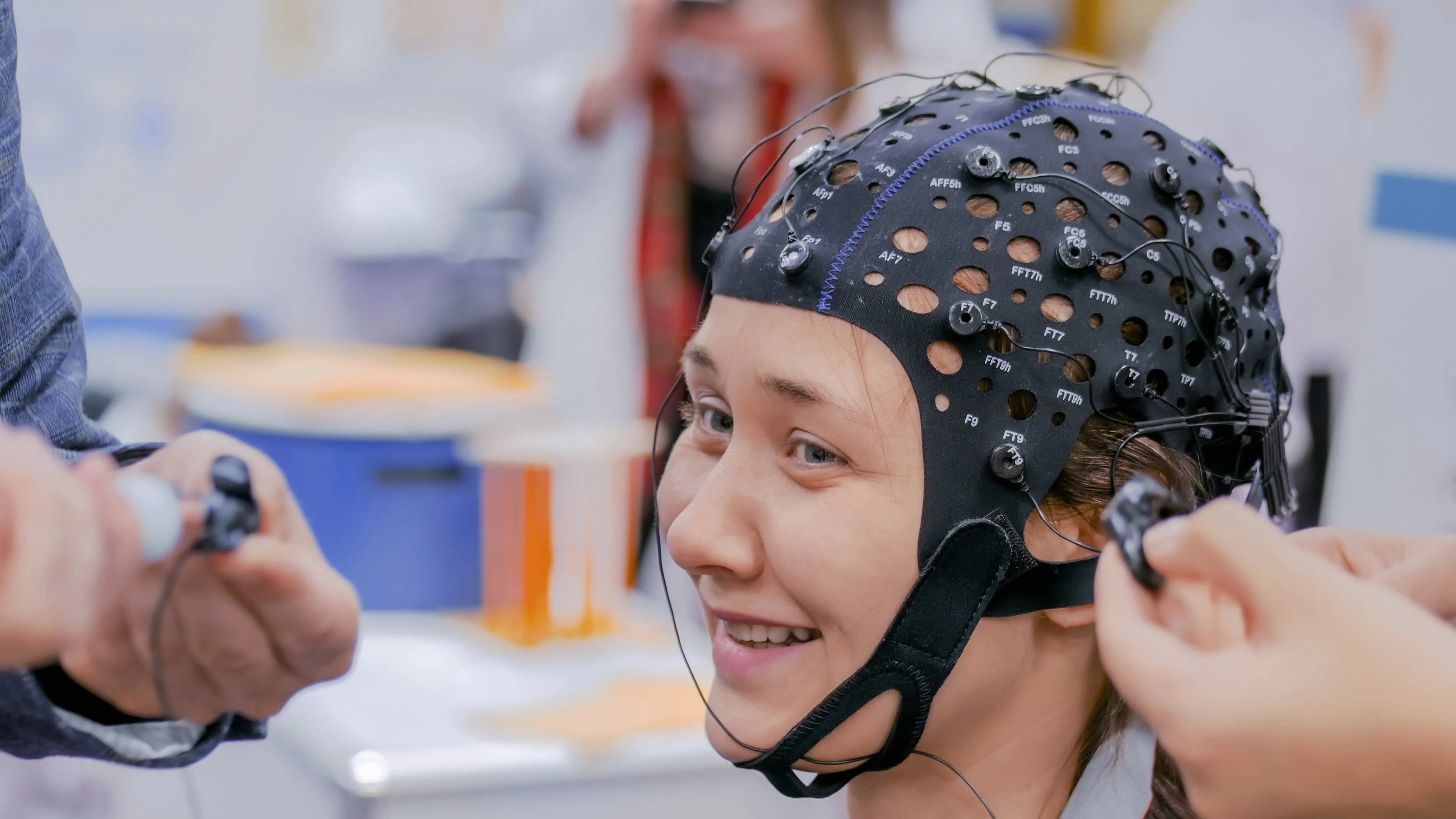
Interdisciplinarity is one of the key characteristics of brain research. This approach brings together knowledge from various fields, such as neuroscience, psychology, cognitive science, and medicine, to gain a deeper understanding of the brain's function and structure. Research in this area requires collaboration between specialists from various disciplines, which facilitates a more comprehensive analysis and the development of effective treatments for neurological diseases. Thus, an interdisciplinary approach not only enriches scientific knowledge but also opens up new horizons for the practical application of the acquired knowledge.
Absolutely correct. Complex and engaging research is especially effective when specialists from various fields work together as a team: psychologists, biologists, linguists, engineers, and programmers. The Master's program "Cognitive Sciences and Technologies" gave us a unique opportunity to become familiar with each of these professions and, most importantly, provided us with the necessary materials for developing key skills. This created a favorable foundation for an interdisciplinary approach to research.
One of the key skills is the ability to convey the essence of the research in a clear and accessible form. Neuroscientists are often well-versed in conducting experiments, analyzing data, and writing scientific papers. However, they struggle with explaining their research results. Instead of simply showing complex graphs and data tables, as well as obscure brain clusters, they should focus on the essence and significance of the research to make the information more understandable to listeners. My master's degree played a key role in preparing me for a career in science. It provided me with the deep knowledge and skills necessary for successful scientific work. The master's program helped develop critical thinking, research skills, and data analysis. These qualities are fundamental to working in science and contribute to professional advancement. The experience gained during training allows you to confidently move forward in your career and reach new heights in scientific activity.

Explore additional materials:
Educational neuroscience is an interdisciplinary field that studies the relationship between neurobiology and educational processes. This discipline examines how brain functioning influences learning, information perception, and the development of cognitive skills. Educational neuroscience helps us understand how different teaching methods and environments can optimize learning and improve student outcomes. This field includes the study of the mechanics of memory, attention, motivation, and emotional intelligence, enabling the development of more effective pedagogical approaches and strategies. Understanding the neurobiological foundations of learning can significantly improve the quality of education and the adaptability of curricula, which is especially relevant in a rapidly changing world.
"We need tasks that people of any age and background can solve more or less equally well."
During my graduate studies, I focused on researching specific aspects of my topic. The primary focus was on analyzing the key factors influencing outcomes in this area. I explored both theoretical and practical aspects, which allowed me to gain a deeper understanding of the subject matter. I also conducted a comparative analysis of existing methods and approaches to identify their advantages and disadvantages. This research not only deepened my knowledge but also provided the opportunity to make a meaningful contribution to the scientific community.
Initially, even before starting my master's program, I was interested in the question: how can we determine from a neurobiological perspective at what age certain mathematical concepts should be introduced to children? It is important to understand that at different ages, children are able to retain a different number of steps in their working memory when solving algorithmic problems. My goal was to measure brain activity to understand how the cognitive abilities necessary for solving mathematical problems develop. Studying these aspects can help develop effective mathematics teaching methods focused on the age-specific characteristics of children and their neuropsychological capabilities.
At the time, I did not realize that I was formulating an incorrect scientific question. When solving a mathematical problem, it is possible to measure the subject's brain activity. However, how can we determine exactly what part of the activity is associated with the problem and the specific steps of its solution? Each person has their own unique algorithm, as well as background activity, which can influence the results. For example, a subject may simply be looking at numbers, letters, colors, or shapes, or may even be distracted by extraneous thoughts. This complicates the analysis of neural activity and makes it difficult to isolate purely cognitive processes associated with problem solving.
Why can't we simply subtract background activity from total activity to determine how much time is spent solving a problem? This approach may seem simple, but it doesn't take into account many factors that influence productivity. Background activity can include important elements that also require attention and time. To get a more accurate picture of time allocation, it is necessary to analyze each activity category separately, taking into account their impact on task completion. This will optimize the workflow and increase efficiency.
This approach can help solve some problems, especially in mental arithmetic problems, but it will not work for word problems of valid experiment. Word problems often contain multiple steps, and each solver may approach them differently. Consider the problem of a boat that first moves with the current and then against it. In this problem, two speeds of the boat are known, and the current speed must be determined.
Some people internalize ready-made formulas for solving problems and instantly recall them as patterns. This indicates the presence of crystallized intelligence, which includes erudition and accumulated knowledge. This approach allows for the effective application of familiar methods to new situations, significantly simplifying the learning and problem-solving process. Not everyone has studied formulas, and some solve problems in their own way. They can independently find the necessary formulas through equations or intuitively apply various actions. This approach relies less on memorized knowledge and makes much greater use of fluid intelligence. This method of solving problems promotes the development of creative thinking and the ability to adapt to new conditions.

Brain activity does not allow us to accurately determine which algorithm was used to solve the problem. Even if we collect written solutions, we won't be able to isolate which components of activity are associated with searching for the desired pattern in long-term memory, and which are associated with searching through options or solving an equation. Therefore, to study brain function, we need tasks that people of any age and skill level can solve in approximately the same way. This will allow us to obtain more accurate data on the cognitive processes and mechanisms involved in solving various problems.
Do such tasks really exist?
Yes, such tasks do exist, and they pertain to cognitive research, not mathematics. An example is n-back tasks, in which the participant is sequentially shown a series of objects, which can be geometric, numeric, alphabetic, or auditory. The task is to determine whether a given object has been previously presented one position back (1-back), two positions back (2-back), and so on. These tasks help explore working memory and attention, which play an important role in the study of cognitive processes.
In my study, I use the 1-back color-matching task developed by Marie Arsalidou. Participants are shown images of colorful clowns for a short period of time. They are then asked to compare the current image with the previous one and determine whether the colors match, while their arrangement among the clothing elements changes. At the highest difficulty level, the task includes eight different colors, which significantly increases the challenge, as they must simultaneously retain the colors from the previous image and find them in the next one. This research provides a better understanding of the mechanisms of visual memory and color recognition.
This study focuses on working memory and its importance in the professional activities of professionals such as radiologists, drivers, and airport dispatchers. For these professions, it is critical to effectively retain visual information and quickly respond to changes in the environment. Although working memory in adults has been studied in considerable detail, research on children and adolescents remains limited. More information is needed on how the brain regions associated with working memory develop with age. The primary goal of my research is to address this gap and deepen our understanding of the mechanics of working memory at different stages of development.
We recruit participants for our studies through a variety of channels, including social media, specialized platforms, and partner organizations. The main factors that motivate people to participate in studies include the opportunity to contribute to the scientific community, receiving rewards, and a personal interest in the research topic. Participants also value the opportunity to expand their knowledge and skills, as well as gain experience participating in scientific projects.
Most often, I find participants for experiments through my students and teacher friends. I can ask colleagues, "Do you have any children interested in experiments?" And such children are always there. The main motivation for participating in our experiments is the opportunity to see scientists in action. We explain the process and purpose of our experiments in detail, while providing interesting information, which turns participation into a full-fledged excursion. In addition, we send each participant an anatomical MRI scan of their brain. While this scan is not suitable for diagnosing most diseases, a repeat scan after several years can reveal how certain brain structures have changed. Before the pandemic, we had no difficulty recruiting subjects.
"We are not yet able to create an individual neurobiological profile of a specific student."
Research into working memory provides valuable insights into the educational process. Understanding the mechanisms and limitations of working memory can help develop effective teaching methods that take into account the individual characteristics of students. For example, using strategies aimed at improving concentration and memorization of information can significantly improve student performance.
Furthermore, knowledge about how working memory works allows us to create educational materials that are optimally structured and divided into manageable parts, which promotes better information absorption. Using active learning methods and hands-on tasks can also improve working memory, as these approaches promote deeper processing of acquired knowledge.
Therefore, integrating working memory research findings into educational practices can significantly improve the quality of learning and enhance the effectiveness of the educational process.
Studying the impact of age on working memory capacity allows us to understand how changes in the brain correlate with this ability. This research helps determine when the brain reaches physiological readiness to absorb large amounts of information and solve complex problems. Understanding these processes can significantly improve teaching methods and the development of cognitive skills at different stages of life.

Some classes of mathematical problems cannot be explained to children aged eight or nine years. At this age, they are not able to maintain the focus of their attention on algorithms consisting of four or more actions. As a result, while the child is focused on the final steps of the problem, they lose touch with the initial stages. Returning to the beginning, they forget the final reasoning, and the algorithm loses its integrity. In many problems, to begin the solution correctly, it is necessary to construct a sequence of actions that will lead to the answer. If this chain is not retained in memory, the problem becomes insurmountable, and the child does not know where to begin. This emphasizes the importance of adapting educational material to children's level of comprehension to facilitate their successful learning of mathematics.
Rom-memorization can be an effective way to overcome learning difficulties. Children can learn to classify problems and memorize ready-made algorithms corresponding to each type. These patterns will be stored in long-term memory, which will help relieve working memory and improve overall learning efficiency. Using such methods promotes better assimilation of the material and improves problem-solving skills.
Rom-memorization can lead to negative consequences. It hinders the development of non-standard problem-solving skills and prevents the development of their own algorithms. These skills are crucial for successfully participating in Olympiads and achieving high scores on the Unified State Exam. Without the ability to analyze and apply knowledge in new situations, students will have difficulty coping with the challenges they will face in exams and competitions. Therefore, it is important not only to memorize information but also to actively apply it to solve various problems.
In my opinion, cramming is an ineffective teaching method. It does not promote the development of creative thinking, either in mathematics or in other fields. If the goal is to teach a person to solve new problems and make discoveries, then in childhood it is necessary to focus on developing their own algorithms. It is important for the child to learn to retain these algorithms in their mind and complete tasks. This will help develop analytical skills and creativity, which are key to successful learning and future work.
Read also:
An expert explained which factors influence children's mathematical abilities. Research shows that the development of mathematical skills depends not only on a child's individual abilities but also on external conditions. Factors such as the quality of education, parental support, and the environment play a significant role. Teaching methods and access to resources that promote the development of mathematical thinking also have a significant impact. It is worth noting that early involvement of children in mathematical games and problems can significantly increase their interest and abilities in this area. Neuroscience can provide information about the development of a specific child's cognitive abilities. It helps determine whether a child is ready to master new educational tasks or whether it would be more appropriate for them to repeat a grade. At this time, it is impossible to say with certainty that the results of neuroscience research can be applied to a specific individual. The problem is that we work with large amounts of data, such as EEG and MRI, and generalize to a wide population. Creating an individual neurobiological profile of a student that can predict their cognitive abilities based on brain activity remains a complex task. The main reason for this is that data on the neural activity of one individual does not provide the necessary statistical significance for accurate prediction. Thus, despite advances in neuroscience, individual analysis of neurobiological parameters requires further research and development.
We found that the child exhibited significant differences in the activation of the prefrontal cortex when solving problems compared to other children of his age. However, the statistical significance of these differences does not allow us to draw definitive conclusions about the development of neural networks in the cerebral cortex of this child and does not provide grounds for a decision on the need to repeat a grade.
Not all specialists take a responsible approach to conclusions based on brain activity. In the United States, for example, there are companies that provide career guidance to children using not only questionnaires but also data on brain activity during cognitive tasks. I am convinced that such studies are pseudoscientific. This can be compared to fortune telling with cards or coffee grounds, only with the use of expensive and complex neurotechnologies.
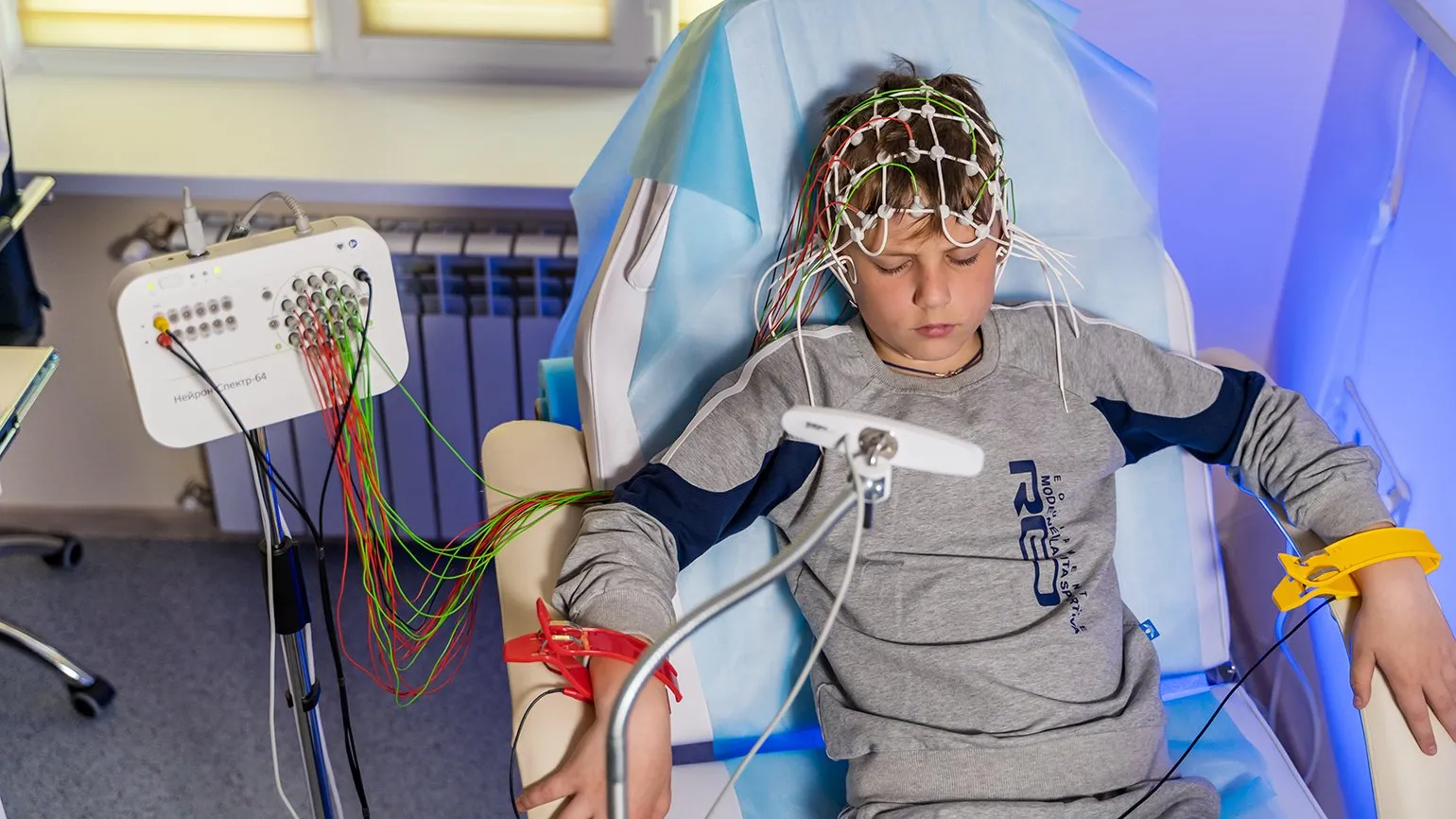
Are there not enough technologies to create an individual neurobiological profile for each student? This is a key question that requires careful analysis. Modern methods and tools can significantly improve our understanding of the neurobiological characteristics of each individual. Effectively developing such profiles requires the use of advanced data collection and analysis technologies. This will allow for a deeper understanding of the unique needs and abilities of students, which in turn will facilitate the creation of individualized educational programs.
The issue of technology in neuroscience remains relevant, as it is necessary to increase the computing power and resolution of modern methods. However, today, the main challenge is the development of new experimental paradigms. We have achieved some success in accurately measuring and isolating brain activity in laboratory settings, but these experiments are primarily based on specially designed cognitive tasks that do not reflect real-life school situations. To achieve a deeper understanding of brain activity, it is necessary to implement innovative research approaches and revise experimental designs. This process requires careful planning and is in its early stages of development.
Accumulated generalized data sets represent an invaluable tool for analysis and decision-making in various fields. They can be used to identify trends, patterns, and anomalies, allowing for more effective market navigation. They assist in predicting future events, analyzing customer behavior, and optimizing business processes. These data sets can serve as the basis for creating analytical reports, improving service quality, and developing new products. Understanding the structure and content of aggregated data sets opens up new possibilities for their application in marketing, finance, healthcare, and many other fields. Using such data facilitates more accurate and informed decision-making, which ultimately leads to increased competitiveness and business efficiency. Machine learning is one of the most promising areas in science and technology today. By analyzing brain activity data from thousands of study participants, scientists can train models that predict cognitive ability based on individual brain activity data. Although initial successes in this field have already been achieved, many methodological issues remain to be addressed for further progress. The development of more accurate and reliable algorithms will improve our understanding of cognitive processes and their relationship with neural activity, opening up new possibilities for the diagnosis and treatment of various cognitive disorders.
Critics of cognitive neuroscience often argue that the findings from brain research do not provide significant practical knowledge. They point out that many discoveries are already known in the field of behavioral psychology. Thus, in their view, neuroscientists are merely confirming obvious facts, while spending significant resources on the development of neurotechnologies. In some respects, this assertion is justified: to date, fundamentally new discoveries have not been made that could change approaches to education. However, the current level of research allows us to ask more precise questions about the relationship between neurobiological parameters and cognitive abilities. This opens new horizons for understanding the learning process and improving educational practices, making neuroscience research relevant and important for the further development of pedagogy.
From a practical standpoint, it is indeed clear that the memory capacity of young children is limited compared to that of adults. С возрастом когнитивная нагрузка в образовательных учреждениях увеличивается. Ранее эти выводы основывались на эмпирическом опыте и наблюдениях, однако теперь мы можем подтвердить их с помощью данных о функционировании мозга. Исследования показывают, что развитие памяти и когнитивных навыков у детей происходит постепенно, что влияет на их способность усваивать информацию и решать задачи. Эти данные помогают лучше понять, как адаптировать образовательные методики для разных возрастных групп, обеспечивая более эффективное обучение.
We are just beginning to understand how brain function can explain phenomena that educational psychologists considered obvious long before the advent of neurotechnology. By leveraging advances in neuroscience, we can not only better understand existing facts but also discover new knowledge in the fields of education and psychology. This research will help deepen our understanding of learning and development processes, which can lead to improved educational methods and approaches.
"If children are ready to learn something earlier, we need to give them the opportunity."
What applied issues important for the educational process should be discussed with neuroscientists? Modern research in neuroscience and cognitive science reveals key aspects that can significantly influence the development of teaching methods and educational strategies. For example, how do memory and attention mechanisms work, and how can they be used to improve material acquisition? What neurobiological factors influence student motivation and their ability to learn? It's also important to consider how individual differences in brain activity may influence learning approaches. Research in this area can help create more effective educational programs tailored to the unique needs of each student. Collaboration between neuroscientists and educators and school administrators can lead to the implementation of evidence-based practices in the educational process. Let's consider a real-world example related to mathematics. In mainstream schools, sixth-graders are often not asked to solve systems of equations with two variables. However, it's worth asking whether this is an established tradition, and whether such problems should be introduced as early as sixth grade. At the same time, students' knowledge of geometry can be deepened. It would be interesting to hear the opinion of a cognitive neuroscientist on whether sixth-graders have sufficient cognitive abilities to master such material. This can open new horizons in education and significantly improve the level of mathematical training of schoolchildren.

Physics and mathematics schools demonstrate that sixth-graders can successfully solve complex problems, including systems of equations and geometry. This raises the question of the existence of limitations at the brain level. However, only the most talented and motivated students are admitted to such schools. It is interesting to know whether there are neurobiological differences between them and students who follow the standard curriculum. If so, are they determined by genetics, environment, or targeted training? These factors may be key to helping struggling students. These questions represent important areas of research for neuroscientists and may lead to improved educational outcomes.
Brain research suggests that children can begin learning more complex mathematics early. However, this raises the question: why? What is the purpose of accelerated learning? Early math can have a positive impact on cognitive development, but it is important to consider that rushing learning is not always justified. Children should be able to develop at a comfortable pace to maintain interest in the subject and avoid stress. Deliberate and consistent instruction in mathematics at an early age can help build a strong foundation, but it is important to remember that the quality of the education is much more important than the speed at which it is received.
Good question. I believe that the faster children develop and learn to work with large amounts of information, the sooner they will be able to decide on a career path. Modern science is becoming increasingly complex, and becoming, for example, a nuclear physicist, a genetic engineer, or a neurosurgeon requires extensive training. A successful career in these fields requires not only deep knowledge but also the ability to analyze, think critically, and apply this knowledge in practice. Therefore, it is important to create conditions for children's early exposure to science and technology to prepare them for the challenges of the future.
Today's professionals are faced with the need to absorb significantly more knowledge than professionals 50-100 years ago. This requires changes in the educational system, particularly the school curriculum. If students are capable of mastering certain subjects and concepts at an earlier stage, then they should be given this opportunity. Updating curricula to meet the needs of modern society will help prepare children for the challenges of the future and ensure their competitiveness in the labor market.
To help children identify their interests and choose a direction for further education, they need to achieve a certain level of knowledge in school subjects as early as possible. This will allow them to understand the work of specialists in fields such as nuclear physics, genetic engineering, or neurosurgery. Early recognition of professional opportunities gives children more time to choose and set educational goals. A clearly defined goal promotes motivation for learning, and an informed choice of a career reduces the risk of disappointment in the future.
Not all children will choose a career in science, and not everyone needs rapid development. For some children, mastering a standard level of knowledge can be a challenge. Neuroscience can offer solutions to support these students. Research in neuroscience helps us understand how the brain develops and which teaching methods may be most effective for children with various disabilities. This knowledge can form the basis for developing individualized learning approaches that will help struggling children cope with the curriculum and achieve their goals.
Scientific research does not confirm that teaching children knowledge beyond the standard school curriculum can negatively impact their development. The main factors influencing effective learning are time management and motivation. It is important to consider that the right approach to learning can contribute to the harmonious development of a child, allowing them to master new knowledge without harming their emotional and psychological state.
I believe that people should strive for creativity in the broadest sense, including science. Teachers, doctors, and psychologists, although not always engaged in scientific activities, can nevertheless apply scientific approaches in their work. For these professions, development and movement towards a goal are important, which emphasizes the importance of a creative approach in all areas of life.
I believe that in the future, machines and algorithms will be able to take over routine and complex work, allowing you to focus on the educational process. This is especially true for children who have difficulty learning. Neuroscience offers solutions for conditions such as dyslexia and math anxiety. Numerous studies have been conducted on how to support children with special educational needs, opening up new opportunities for their development and learning.
"There is no reason to deprive students of diversity and focus on a single format."
There are common misconceptions about how the brain works that can negatively impact learning. For example, many believe that we only use 10% of our brain. This statement is untrue and creates a misconception about human abilities. There is also a myth that people have a fixed mindset, which limits their ability to learn and develop. In fact, the brain is highly plastic, allowing it to adapt and change in response to new knowledge and experience. Understanding these aspects of brain function can significantly improve teaching strategies and enhance the effectiveness of the educational process.
I often encounter teachers and parents who believe that certain children are either humanities students or techies. There's a belief that some children should learn creatively, while others need to focus more on memorizing information. It's often erroneously believed that these differences are due to the functions of the hemispheres: one is supposedly responsible for creative thinking, while the other is responsible for logical thinking. This misconception stems from a misinterpretation of old research. I believe that categorizing children in this way limits their development, creates bias in teachers, and hinders the harmonious development of their individuality. It is important to understand that every child is unique and has potential in different areas, and it is the job of adults to support them in this.

Is there a scientific basis for the division into technical sciences and humanities? For example, could genes influence a predisposition to one of these fields? Research in genetics and psychology suggests that heredity can play a role in shaping a person's interests and abilities. Some studies suggest that certain genetic factors may influence cognitive abilities, which, in turn, may predetermine a predisposition to technical or humanities disciplines. However, it is important to consider that, in addition to genetic factors, upbringing, social environment, and personal experiences also influence career choices and fields of study. Thus, while genetics may play a role, it is not the only factor determining career preferences. While it is possible to categorize people based on a variety of criteria, such categorizations are often arbitrary and not particularly useful. A more practical approach is to organize students by specialization in high school, when they are choosing their future fields of interest. This approach allows for focusing on relevant and interesting areas, which contributes to better preparation for further education and professional careers.
Sequences associated with mental arithmetic ability, as well as high achievement in mathematics and foreign language learning, have been identified in the genome. However, this data is insufficient to definitively state that genes determine success in specific subjects. Many factors must be considered, including the environment and educational opportunities, which also play a significant role in the development of skills and abilities.
There is a common division of people by learning styles, which includes auditory, visual, and kinesthetic learners. Auditory learners perceive information better through hearing, while visual learners require visual materials such as images and graphs. However, this division is considered a neuromyth, as research shows that most people learn using a combination of different styles. Scientific evidence indicates that effective learning depends not only on perceptual preferences but also on context, motivation, and approach to learning. A proper understanding of the peculiarities of information perception can help develop more effective teaching methods.
This is a common misconception. It is impossible to clearly classify neural networks into such categories. They all operate on the basis of common mechanisms, such as attention and working memory, which process information from all the senses. Moreover, studies have not found statistically significant differences in the ability to remember visual and audio information. This underscores the complexity and interconnectedness of the processes occurring in neural networks, which is important to consider when studying and applying them.
Students should not be limited to a single format of educational materials. It is important to provide a variety of information, since the use of different formats promotes more effective perception. The more receptors involved in the process of transmitting information to the cerebral cortex, the more neurons are activated in the neural network. This enhances the impact on students and increases the likelihood of successful assimilation of the material. Diversity in learning helps create deeper and stronger connections between knowledge, which, in turn, has a positive impact on the overall educational process. Neuroscientists have a well-known saying: "Neurons that fire together, wire together." This statement emphasizes that neurons that are frequently activated during information processing form new connections between themselves. This process plays a key role in learning and memory, facilitating the creation of stable neural networks. The more frequently neurons interact, the stronger their connections become, which in turn improves information transfer and the efficiency of data processing in the brain. Understanding these mechanisms is important for developing teaching methods and therapy for various neurological disorders.

Read also:
Teaching auditory, visual, and kinesthetic learners requires an individual approach. Each style of information perception affects the effectiveness of learning. Auditory learners perceive information better by ear, so it is important for them to use audio recordings, discussions, and lectures. Visual learners, on the other hand, prefer graphics, diagrams, and images, making visual materials key to their learning. Kinesthetic learners learn through practice and movement, so they require active tasks and experiments.
Given the differences in learning styles, it is important to adapt teaching methods for each type of learner. This will not only improve retention but also make the learning process more engaging and effective. Introducing a variety of methods that match the preferences of each type promotes deeper understanding and retention of information. Therefore, it is worth considering differentiating teaching approaches to achieve better results.
Popular advice that massaging certain points on the forehead can activate the limbic system and improve concentration is often classified as neuromyths. These claims have no scientific basis and can be misleading. Scientific research shows that the brain works much more complexly, and simple manipulations such as massage cannot significantly change its functionality. It's important to approach such advice critically and rely on proven data to understand how to truly improve concentration and cognitive function.
Such advice can be useful, but only if it's based on rigorous, validated, and reproducible research. Many such studies suffer from insufficient statistical power, questionable analysis methods, and disregard for experimental limitations. However, they often draw sweeping and unambiguous conclusions. It's important to approach information critically, relying on high-quality data and proven scientific methods. This will help you avoid misconceptions and make more informed decisions.

Read also:
Finding and reading research on effective teaching and education is an important step for educators, students, and anyone interested in improving educational processes. To effectively find the materials you need, start by using specialized academic databases such as Google Scholar, JSTOR, and ResearchGate. Эти платформы предлагают доступ к рецензируемым статьям, диссертациям и другим научным публикациям.
При поиске учитывайте ключевые слова, связанные с вашей темой, такие как «эффективные методики обучения», «образовательные технологии» и «психология обучения». Это поможет сузить результаты и найти наиболее релевантные исследования. Обратите внимание на авторов и их репутацию в области образования, а также на дату публикации, чтобы использовать актуальные данные.
Чтение исследований требует внимательности. Начните с аннотации, чтобы понять основные выводы и цели работы. Затем переходите к введению и заключению, которые часто содержат ключевые идеи и результаты. Не забывайте о методологии исследования, чтобы оценить его достоверность. Если исследование содержит графики или таблицы, они могут помочь лучше понять представленные данные.
Не бойтесь делать заметки и выделять важные моменты во время чтения. Это поможет вам быстрее усваивать информацию и использовать её в своей практике. Также стоит рассмотреть возможность взаимодействия с авторами исследований через платформы и конференции, чтобы обсудить их работу и задать вопросы.
Thus, a systematic approach to finding and analyzing research on effective teaching and education will allow you to deepen your knowledge and apply it in practice to achieve better results in the educational field.
"The brain is a complex and multifaceted system, and educators need to take into account how it develops."
Discoveries in the field of cognitive neuroscience, although they have not led to revolutionary changes in educational practice, still contain many interesting aspects. The most surprising for me was the understanding of how the brain processes information and the mechanisms underlying learning. For example, research shows that neuroplasticity allows the brain to adapt and change throughout life, which opens new horizons for the implementation of effective teaching methods. These findings emphasize the importance of an individualized approach to education and the need to create conditions that promote active learning. Understanding cognitive processes also helps develop strategies to help students better remember and retain material.
Isolating one specific discovery is difficult, but I was most impressed by research in related fields such as behavioral genetics and epigenetics. Meta-analyses are now available that include the genetic data of millions of children. These studies have shown that genetic factors explain about 50% of the variation in cognitive ability, while environment contributes only 25-30%. Rather than delve into the details of monozygotic and dizygotic twin studies, I recommend watching the documentary "Three Identical Strangers." It beautifully illustrates the interaction of genes and environment without giving away key plot points.
Genes play a key role in shaping our behavior and health, but the influence of the environment cannot be underestimated. Research shows that the interaction between genetic factors and lifestyle determines personality development and predisposition to disease. Thus, while heredity is an important aspect, environment also significantly influences our development and choices. It is important to consider that genetics and environment work in tandem to shape the unique qualities of each individual.
When I began teaching, I believed that the environment in which children grow up played a key role in shaping their abilities. Family, school, teachers, and classmates seemed to be the determining factors. However, research has shown that monozygotic twins raised in different environments demonstrate similarities in cognitive development. Accepting this fact has proven difficult.
Research confirms that environment plays a significant role in the development of children's cognitive abilities, comparable to the influence of genetics. However, this is only possible in a rich environment that offers numerous opportunities for learning and development. Such conditions include educated parents with a high income, access to a quality education, and a variety of extracurricular activities. Providing children with such resources can significantly enhance their intellectual potential and promote successful development.
In resource-limited settings, intellectual development is largely determined by genetic factors.
I continue to believe in the power of environment for children. I am convinced that every child's genome contains a wealth of talents that can only be developed in the right environment. Having motivated classmates and engaged teachers is already a positive influence. When a child struggles with academic tasks, the support of determined peers and mentors helps them persevere and move forward. Creating a supportive educational environment is key to developing every child's potential.

The question of whether environment matters remains relevant and debated. Scientific research shows that the environment does influence human development and behavior. Factors such as social conditions, cultural traditions, and the physical environment can have a significant impact on an individual's personality and capabilities. Thus, it can be argued that environment plays a significant role in shaping a person and their life paths.
I would like to draw attention to the use of the term "proven." This is not a theorem that can be unambiguously confirmed. In the scientific approach, it is customary to speak of accepting or rejecting a hypothesis based on a certain level of statistical significance. The question of the influence of environment and genetics cannot be considered in isolation, as their interaction is complex and multifaceted.
Genetically determined giftedness can significantly increase a child's chances of entering a prestigious school where potential talents can be demonstrated. The question of which is more important—environment or genes—can be considered in terms of their interaction. Genetic potential would not be sufficient without an appropriate educational environment, but the lack of high-quality education also limits the development of abilities. Thus, genes and environment are interrelated and influence each other, creating the conditions for success.
This simplified example illustrates only one side of the issue, but it is important to consider many other factors, such as family, nutrition, sleep quality, and interaction with peers. Research conducted in the UK shows that genetic factors and family socioeconomic status combined explain approximately 60% of the variance in academic and career achievement. This highlights the importance of a comprehensive approach to analyzing the factors that influence success.

Read also:
The Unified State Exam (USE) was introduced to create equal conditions for all students in the process of receiving education. The main goal of this exam is to eliminate educational inequality between regions and schools. However, despite the results achieved, many experts believe that the Unified State Exam (USE) does not fully achieve this goal.
On the one hand, the USE provides an opportunity for all graduates, regardless of their place of residence, to demonstrate their knowledge at a uniform level. This contributes to a more objective assessment of academic achievements and helps universities make fair admissions decisions. On the other hand, differences in student preparation, access to additional educational resources, and the quality of teaching remain significant.
Furthermore, in some regions, educational institutions may provide more opportunities for USE preparation, which also affects exam results. Thus, despite efforts aimed at equalizing educational opportunities, completely eliminating inequality remains a difficult task.
In conclusion, the USE as a tool for reducing educational inequality has its pros and cons. It is important to continue working to improve the education system to ensure equal opportunities for all students.
The study of neuroscience has provided a unique opportunity to rethink the teaching experience. Understanding how the brain works and how learning occurs allows us to adapt teaching methods more effectively. Neuroscience reveals how information is processed and remembered, which in turn can improve approaches to teaching and interaction with students. This knowledge contributes to the creation of a more productive educational environment where the emphasis is placed on the individual characteristics of each student and their perception of information. Thus, neuroscience not only enriches a teacher's theoretical foundation but also directly influences the practical aspects of the educational process.
Have I rethought my views on teaching? Probably not. I never considered it from that perspective. My views on learning developed gradually, without any drastic changes, even despite my deepening study of neuroscience. My interest in neuroscience also developed over time, as I was fascinated by human physiology from an early age. At university, studying medical physics further directed my thoughts toward explaining human behavior through the lens of the brain. Understanding how the brain functions has gradually changed my perception of students' abilities, their successes and failures, and approaches to solving problems.
The neuroscience of learning is an important field that can significantly enrich the educational process. A neuroscience course for teachers should include key facts about how the brain works during learning. For example, it is important to explain how neuroplasticity influences students' ability to acquire new knowledge and skills. Educators must understand that learning is not a linear process, but a dynamic adaptation that involves different areas of the brain.
Furthermore, it is worth considering the influence of emotions on learning. A student's emotional state can significantly affect their ability to remember and perceive information. Individualized approaches to learning based on neurobiological principles can improve the effectiveness of teaching.
A neuroscience course for teachers is truly essential, as it helps educators understand how knowledge about brain function can be applied in practice to improve the educational process. Understanding the neuroscience of learning contributes to the development of more effective teaching methods and helps to take into account individual student differences. This, in turn, can lead to improved learning outcomes and student development.
I would like a neuroscience course to cover not only factual data but also in-depth knowledge of brain development and cognitive abilities. It is important to understand how these two processes are interconnected and how they influence learning and perception of information.
Every teacher should be aware of the changes that occur in children's brains at different stages of their development. Understanding how age affects the number of neurons and neural connections is essential for effective teaching. Teachers should understand the differences between working and long-term memory and how knowledge is consolidated in the brain. It is also important to consider the limits of working memory and realize that long-term memory is not subject to the same limitations as is commonly believed. These aspects help create more effective teaching methods and promote better learning by students.
It is important to explain to teachers how neural connections, or synapses, influence the process of knowledge formation in children. During the first two years of life, a child actively explores the world around them, which contributes to the formation of many new synapses in their brain. These neural networks, although cumbersome, allow for the assimilation of a huge amount of information and the accumulation of life experiences. Between the ages of two and six, the first wave of synaptic pruning begins, when the child's brain gets rid of ineffective neural connections and restructures its neural networks. As a result of this process, the child may lose some memories, but at the same time, they begin to perform certain actions automatically. Understanding these processes will help teachers better adapt educational methods to the developmental characteristics of children.
The question of the importance of early development remains relevant. At first glance, it may seem pointless to intensively educate young children if they can only memorize information like a parrot and then lose it due to synaptic pruning. However, it is important to understand that early development is a time when the basic skills and abilities necessary for further learning are formed. During this period, the child's brain is actively creating neural connections, and it is on this foundation that further development is built. Although some knowledge may be lost, other, more complex ones can emerge from the initially learned information. Effective early development includes not only the memorization of facts but also the development of critical thinking, creativity, and social skills, which serve as the foundation for successful future learning. Fortunately, the skills and information we frequently use that are essential for survival will remain accessible. This knowledge will not disappear and will continue to be relevant in any environment. The neural networks used to process and access information will have fewer neurons and connections, which will lead to lower energy costs and increased signal transmission speed. Therefore, there is no reason to believe that overloading a child with new information can be harmful. On the contrary, the correct introduction of new knowledge promotes the development of cognitive abilities and improves learning.
It is important to understand that neurons and synapses in neural networks are subject to degeneration, and the pruning process is unavoidable. Our brain strives to optimize its performance by removing elements that are unused or functioning ineffectively. This natural process improves the overall efficiency and performance of neural networks, allowing them to adapt and improve their functions. Understanding these dynamics is key to developing more advanced and efficient artificial intelligence.
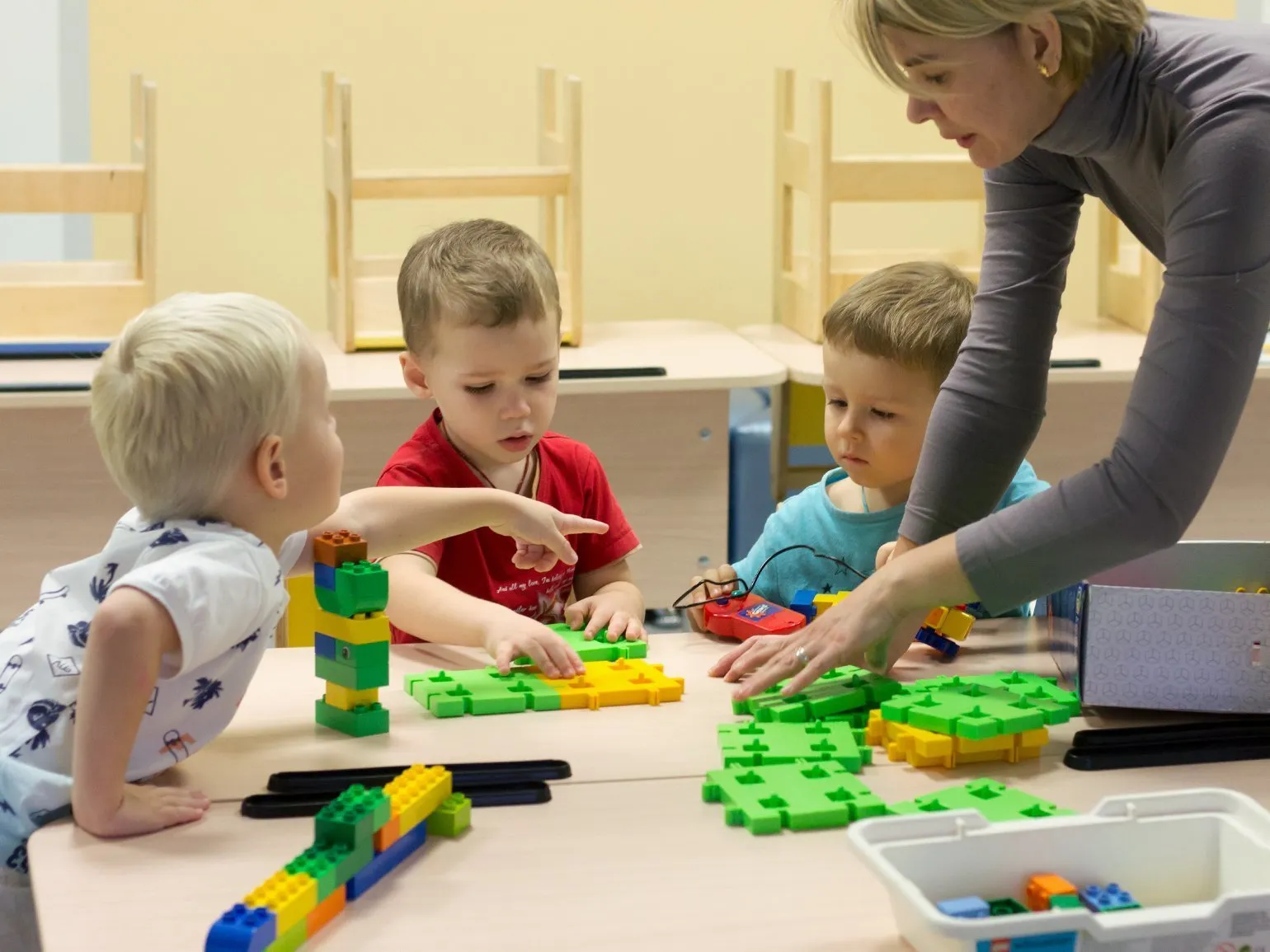
During adolescence, an important process of synaptic pruning occurs, which, along with hormonal changes, significantly affects the development of cognitive abilities. Educators need to recognize that the brain is a complex and multifaceted system, and it is important to consider its development in the educational process. Understanding these processes will help create more effective teaching methods adapted to the characteristics of adolescence.
Future teachers do study developmental psychology, but knowledge of the basics of neuroscience can significantly deepen their understanding of learning and development. Neuroscience provides data on how the brain functions at different ages, which can complement traditional psychological theories. Understanding neuropsychological aspects can help educators better tailor their teaching methods to the individual needs of each student. Thus, integrating knowledge from neuroscience and developmental psychology allows future teachers to create more effective teaching and interaction strategies with children.
Developmental psychology traditionally relies on theories that do not always take into account modern data on brain development. This may lead to the need to revise some of these theories. Neuroscientific research in developmental and educational psychology is just beginning to develop, and its beginnings are often associated with testing established hypotheses. Much interesting work lies ahead. It will be useful if new generations of teachers have basic knowledge about the functioning and development of the brain, which will certainly help improve educational processes and approaches to teaching.
Read also:
- How can achievements of neuroscience influence education?
- How to help students remember information?
- Do schools need pedagogical research?
Profession: Methodologist from scratch to PRO
You will improve your skills in developing curricula for online and offline courses. Master modern teaching practices, structure your experience, and become a more sought-after specialist.
Find out more