

Learn: The Profession of a Methodologist from Scratch to PRO
Find out moreFull title of the book: "Janusz Korczak. Life before the Legend." This work is dedicated to the life and work of Janusz Korczak, an outstanding teacher, doctor and writer. The book reveals key moments in his biography that formed the basis for the creation of his legendary image. The author describes in detail his teaching methods, humanistic ideas, and contribution to the development of children's literature. The reader will better understand how Janusz Korczak's personal experiences and professional convictions influenced his approach to raising children and his active stance on children's rights. The book is of interest not only to educators but also to anyone interested in learning more about the life of a man who became a symbol of the fight for children's rights.
Molodaya Gvardiya Publishing House is one of Russia's leading publishers specializing in young adult literature and fiction. Since its founding, it has established itself as a reliable source of quality literature, offering readers a variety of genres and themes. The publishing house actively supports new authors and strives to introduce their works to a wider audience. Thanks to the high level of editorial work and attention to detail, the books of the Young Guard resonate with readers and occupy a worthy place on bookshelves.
Year of publication: 2023.
Janusz Korczak was an outstanding physician, writer, and educator who demonstrated true courage by sharing the fate of his charges in the gas chamber of the Treblinka concentration camp. His life, full of devotion to children, deserves in-depth study. Andrei Maksimov's book, "Janusz Korczak: Life Before the Legend," details his path from medicine to pedagogy, how he became the director of the Orphanage, and the principles that formed the basis of his unique approach to education. This year, this edition was published by the Young Guard publishing house, giving readers the opportunity to learn more about the life and legacy of Janusz Korczak.
With the permission of the publisher, we present an excerpt from the biography of Janusz Korczak dedicated to his unique system of comrades' court. This system, developed by a teacher, allowed children in the orphanage to defend their rights and seek justice. The comrades' court became an important tool in raising children, instilling in them a sense of responsibility and fairness, as well as developing critical thinking and collaboration skills. Janusz Korczak believed that children were capable of resolving their conflicts independently, which contributed to strengthening their personal responsibility and self-confidence. Thus, the comrades' court not only resolved problems but also taught children the fundamentals of legal culture and social justice.
5
Janausz Korczak's main pedagogical achievement is the children's comradely court. Korczak believed that this court could become the basis for children's equality, contribute to the creation of a constitution and encourage adults to proclaim a declaration of the rights of the child. This is not just a fictitious idea, but a key element of his pedagogical system, which emphasizes the importance of children's participation in decision-making and the formation of fair relations in society. This approach helps develop a sense of responsibility and justice in children, which is significant for their further development.
For people of my generation, the phrase "comradely court" evokes negative associations. This concept is associated with trials in which alcoholics, parasites and those who had cheated on their partners were dealt with. In the eyes of the Soviet leadership, such actions were considered necessary to maintain order and morality. Thus, the comradely court became a symbol of a repressive system where punishment often mattered more than justice.
Korczak developed a unique approach that allowed him to assert that a single trial could reveal a student's personality far more deeply than many days of observation. This discovery underscores the importance of context in the upbringing and education process, and demonstrates how stressful situations reveal a person's true qualities.
What is this remarkable court? Let's explore its characteristics and significance.
Korczak realized that a child, especially if he is inactive, shy, or modest, has no means of defending himself. He cannot stand up for himself either in the face of cruel peers or unfair teachers. A mechanism is needed to help this abused child defend their rights honestly and openly.
6
Korchak developed the concept of a children's friendly court to facilitate the complaints process among children. To appeal to the court, a child simply wrote an explanation on a designated board, indicating the name of the abuser and the reason for their grievance. This approach contributed to the development of a sense of justice and responsibility in children, and helped them learn to resolve conflicts in a safe and supportive environment.
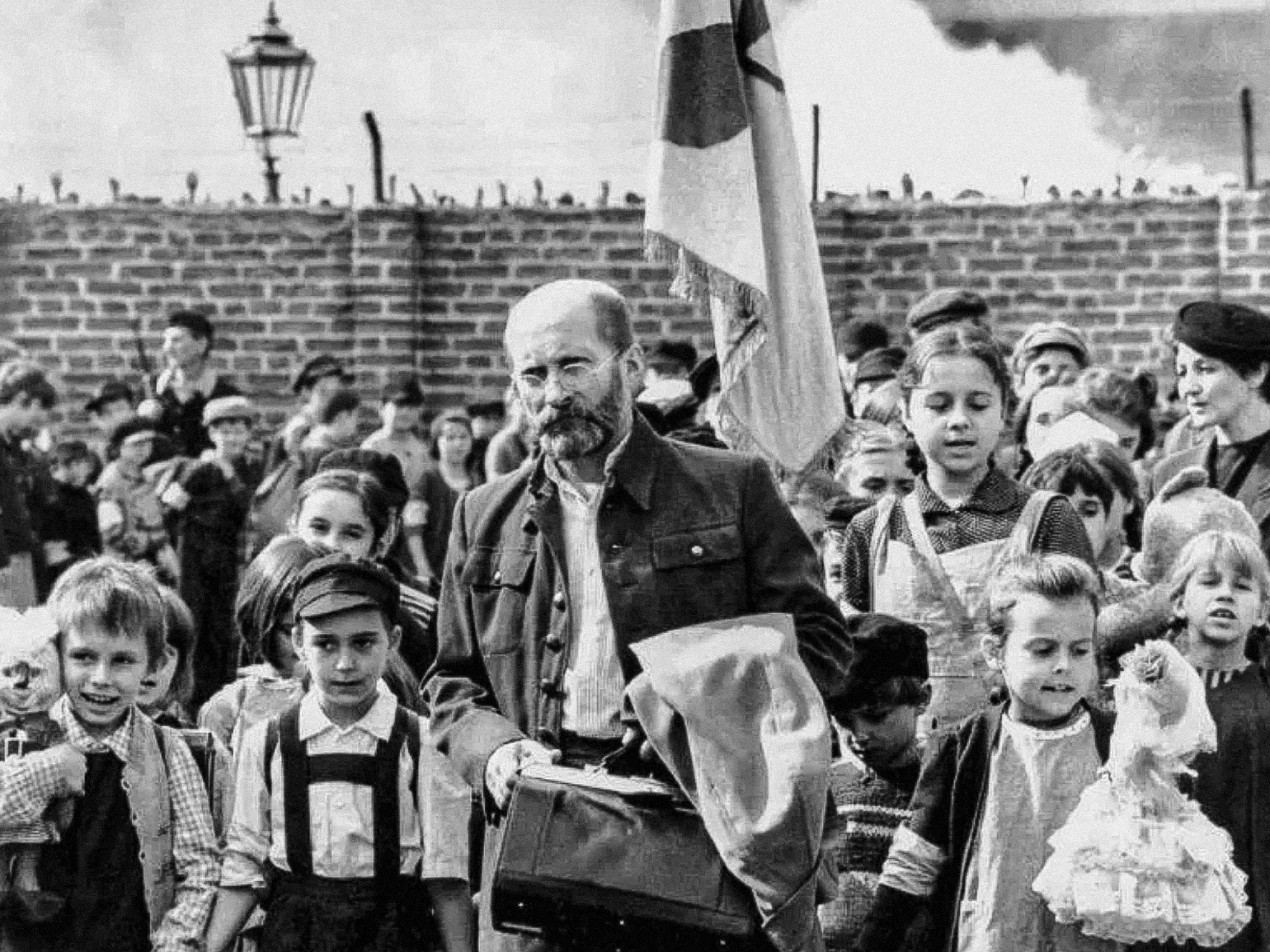
A student had the opportunity to complain about anyone: a teacher, a classmate, and even about themselves if they were unable to cope with the consequences of their misconduct on their own. In addition, they could file a complaint with the school principal and his deputy. The teacher-secretary recorded all complaints in a special book, and they were considered at a meeting once a week.
When Korczak announced the opening of the court and the possibility of filing petitions, no one believed in the reality of his promises. As a result, no appeal to the court followed. To change the situation, Korczak himself initiated the first complaint against himself. The court considered the principal's case, and he lost. After that, the court began to function actively and attract the attention of citizens.
Let's discuss the topic of the court in detail. This is important for two main reasons. First, understanding the judicial system helps citizens protect their rights and interests. Secondly, understanding the procedures and basic principles of the court contributes to a more fair resolution of conflicts.
Janusz Korczak's discovery represents a significant contribution to pedagogical practice, reflecting his personality and unique teaching method. Understanding the functioning of the judicial system and its practical aspects reveals profound truths about life in the Orphans' Home. This knowledge allows for a more complete understanding of Korczak's approach to the upbringing and development of children, as well as his philosophy that underlies his work with children left without parental care. His ideas remain relevant today, emphasizing the importance of a humane and fair attitude towards each child.
Second. Perhaps some schoolchildren will want to repeat the experience of our hero. I do not rule out the possibility that such legal proceedings could be organized at home, among the family. Why not? This can help prevent many conflicts and misunderstandings.
7
In this context, the pupils became judges. Five people were selected by lottery from among children who had not experienced court proceedings for a long time. Thus, a judge—the person who makes important decisions—could be either a confident leader or someone who had never imagined themselves in this responsible position. Using the popular expression "social mobility," it can be said that this system functioned successfully at the Orphanage. This underscores the importance of providing opportunities for self-realization and development in children, which contributes to the development of confidence and responsibility.
The court secretary acts as an educator, maintaining order in the courtroom. They control the atmosphere, as emotions can sometimes get out of control, and keep minutes of the hearing. It is important to note that the secretary has no right to interfere in the decision-making process. All decisions are made exclusively by the participants in the proceedings, which emphasizes the importance of their role in the judicial system.
Court decisions to punish or acquit pupils are often based on their own perception of justice. However, true justice must be based on objective laws, not subjective opinions. That is why Janusz Korczak developed a code, essentially reminiscent of a criminal code, which clearly spells out punishments for various offenses committed by pupils or teachers. The preamble plays an important role in this code, not only explaining the principles of the court's work but also revealing the philosophy of life in the Orphanage. This document became the basis for the creation of a fair and transparent system that promotes an understanding of responsibility and moral standards among pupils.
Of course, I am ready to help you with editing the text. Please provide the text itself that you wish to change.
The court must protect those who cannot stand up for themselves, so that the strong do not have the opportunity to offend them. The court is obligated to support conscientious and hardworking people, so that they are not hindered by the irresponsible and lazy. It is important for the court to maintain order, since it is kind, quiet, and hardworking people who suffer most from chaos and disorder.
With the code, Korczak carefully formulated the rules by which the Orphanage would operate. This document became the foundation for creating a safe and supportive environment, ensuring children not only protection but also the opportunity to develop in a loving and caring environment. Korczak understood the importance of clear norms and principles that would promote harmonious coexistence and the development of responsible citizens. The code became more than just a set of rules, but a philosophy aimed at the upbringing and development of each child in the Orphanage.
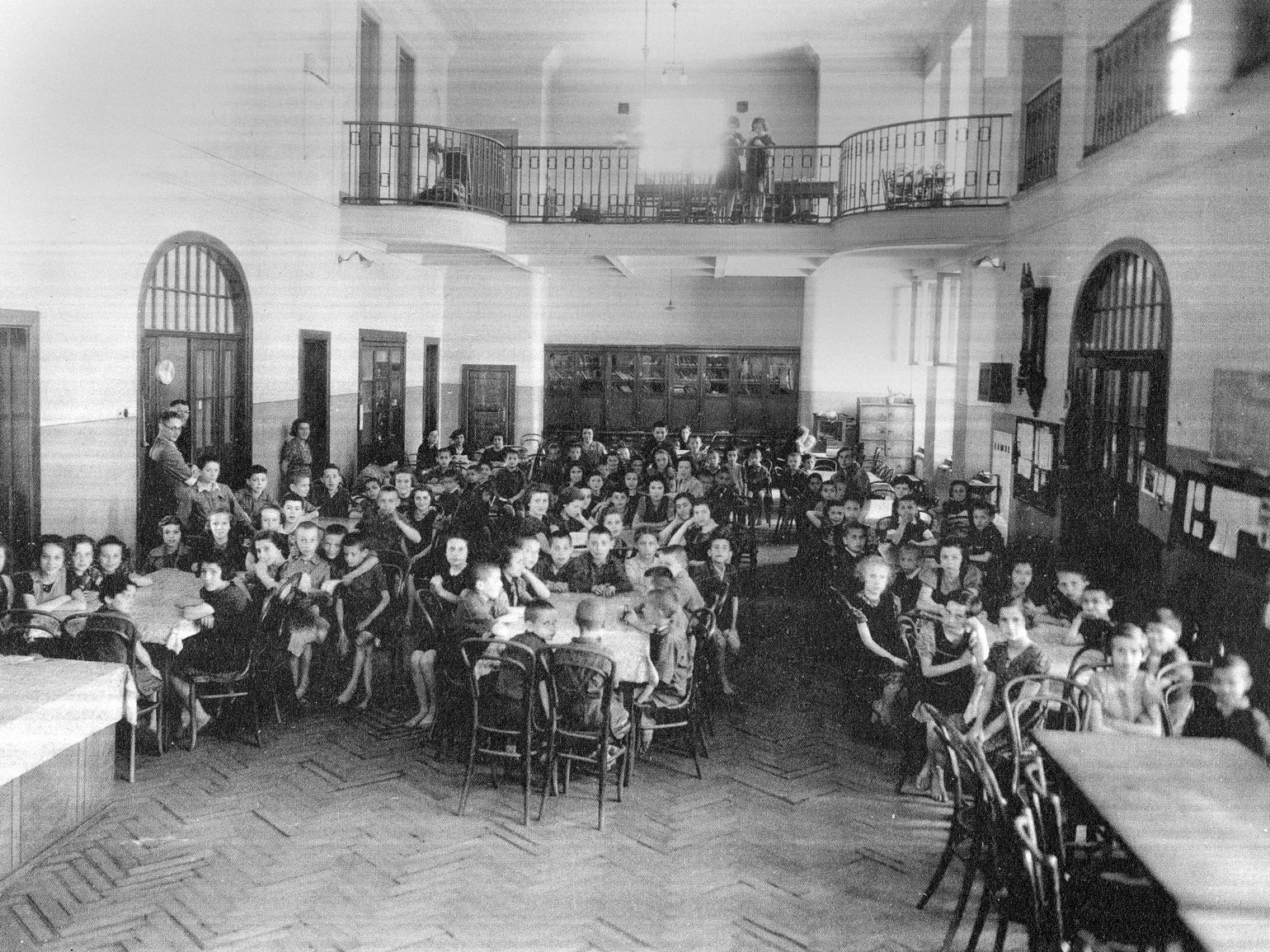
For Korczak, the court is not a trial or a platform for demonstrating the superiority of some children over others. This is an opportunity to build proper relationships between students and teachers. In his understanding, the court is not a way to resolve conflicts; it is an effective protection mechanism that promotes harmony and mutual understanding in the educational environment.
The Code in question is in many ways similar to the criminal code, but its preamble is an expanded version of the Constitution, emphasizing the moral laws of life in the Orphanage. It is important to note the key ideas set out in the preamble: "If someone has committed an offense, it is best to forgive him. If he committed an offense out of ignorance, now he knows. If the offense was accidental, he will become more attentive. If someone committed an offense because of difficulties in changing their habits, they will try to adapt. If the offense was the result of peer influence, they will no longer listen to them." These words illustrate not so much legal norms as fundamental principles of life and interaction, making this code more of a moral guide than a set of rules for the court.
The art of forgiveness remains an important topic in raising children, but many of us don't think about how to instill it. Which schools or families teach this skill? Do we consider the importance of forgiveness in our children's lives? It is important that they not only be able to defend their point of view but also be willing to listen to the opinions of others. Do we discuss these aspects with them? Forgiveness is a key component of emotional intelligence, promoting harmony in relationships and social adaptation. It is necessary to create an atmosphere in which children learn to forgive and understand that this is not a sign of weakness, but a sign of strength and maturity.
Paradoxically, the court teaches not only how to judge, but also how to forgive. The ability to listen to others, put yourself in their shoes, and distinguish between moments when punishment is necessary and moments when forgiveness is necessary are important life skills that Janusz Korczak sought to develop. It was through the concept of a comradely court of honor that he tried to form these values.
The Profession of Methodologist from Scratch to PRO
You will improve your skills in developing curricula for online and offline courses. Master modern teaching practices, structure your experience, and become a more sought-after specialist.
Find out more