Contents:
- What was the situation with admission to universities before the revolution
- How everyone was allowed into universities
- Why nothing good came of it
- What are workers' faculties and how did they appear
- How students began to be selected not by ability, but by social status
- Why Krupskaya spoke out against student filtration
- How talent and academic performance began to matter again

Learn: The Methodologist Profession from Zero to Pro
Learn MoreIn this article, you will learn methods and strategies that will help you achieve your goals. We will discuss important aspects that must be considered for successful completion of tasks. You will receive useful tips and recommendations that will help you optimize the process and increase its efficiency. Learn how to properly plan and implement your ideas to achieve maximum results.
- After the October Revolution, all requirements for admission to universities were abolished, but nothing good came of it;
- Then the Soviet government invented workers' faculties;
- Students began to be selected not by ability, but by social status, but Nadezhda Krupskaya spoke out against this;
- Talent and academic performance began to matter again.
What was the situation with admission to universities before the revolution?
In Tsarist Russia, obtaining higher education was a serious task. Although the right to study was not strictly limited by estates, in fact, representatives of the nobility and merchants predominated among students. Students from peasant backgrounds were extremely rare, highlighting the social barriers and difficulties faced by those seeking higher education.
The main obstacle to higher education in Russia was educational qualifications. The country offered various types of schools with significantly different curricula. Admission to universities required passing exams in the classical male gymnasium curriculum, which was considered the most advanced. A key factor here was Latin, which was taught only in gymnasiums and seminaries, and this subject often became a serious obstacle for applicants.
At the beginning of the 20th century, obtaining the necessary level of education was accessible to only a few. In 1915, there were only 354 state-run and 46 private classical male gymnasiums operating in Russia. Furthermore, in 1913–1914, the number of seminaries reached 57. This period was characterized by limited opportunities for most citizens to obtain a quality education. Thus, access to knowledge and educational institutions was a serious barrier for the general public.
State gymnasiums, like private educational institutions, were fee-based. Not everyone could afford tutors. Furthermore, women's access to universities was limited. The history of women's education has been long and complex, and we have already covered this issue in detail.
In addition to classical universities, Russia also had specialized institutes, such as polytechnics, pedagogical, agricultural, and medical schools. Admission to these educational institutions also required a certain level of preparation. To enter popular technical universities, one had to have an education equivalent to a realschule, of which there were 256 state and 41 private ones in the country. Competition among applicants was intense. However, before the revolution in Russia, there was no compulsory secondary or even primary education, which limited access to higher education for a significant portion of the population.
With the Bolsheviks coming to power as a result of the October Revolution, the country underwent dramatic changes. The new government began to implement socialist ideas, which influenced all aspects of society. The political system, economy, and social relations underwent significant transformations, which determined the further path of Russia's development.
How everyone was allowed into universities
In March 1918, the People's Committee for Education (Narkompros) initiated an education reform aimed at eliminating the elitism of higher education. The main goal of the reform was to form a new intelligentsia from students and future specialists who supported the existing regime. To achieve this goal, it was necessary to ensure access to universities for representatives of the working class and peasantry. This change in educational policy was an important step towards creating a more inclusive and accessible system of higher education in Russia.
In August of the same year, a new decree of the Council of People's Commissars came into force, which allowed any citizen over the age of 16 to become an auditor at any university without having to pass entrance examinations. This decision opened the doors to higher education to a wide audience, regardless of social status and educational background. Thus, the decree became an important step in democratizing access to knowledge and strengthening the country's educational system.
- gender,
- nationality,
- possession of a high school diploma (i.e., education).
Auditors received the opportunity to become full-fledged auditors in the future. At the same time, admission to the first years, conducted through a competition of certificates, was recognized as invalid.
The contingent of auditors is formed from people with the required experience. The university also admits individuals without academic experience as auditors. These auditors have the opportunity to eventually become full students. The university's primary goal is to introduce a wide audience to the fundamentals of science.
The minutes of the meeting of the State Commission on Education of the People's Commissariat for Education of the RSFSR, held on April 20, 1918, contain important decisions and recommendations regarding the educational policy of the time. The document discusses key issues related to reforming the education system, introducing new educational standards, and ensuring access to knowledge for all segments of the population. Measures to improve the quality of teaching and training of personnel for educational institutions are also considered. The minutes emphasize the need to create a unified educational system that promotes the development of culture and education in the country.
The decree also abolished tuition fees at the university, meaning that fees already paid for the first semester were refunded. Students were given the opportunity to participate in the governance of the university, including the right to elect and be elected to its board. In addition, they could initiate the dismissal of unsuitable professors representing outdated views. This change significantly increased the level of student engagement in academic life and the management of the educational process.

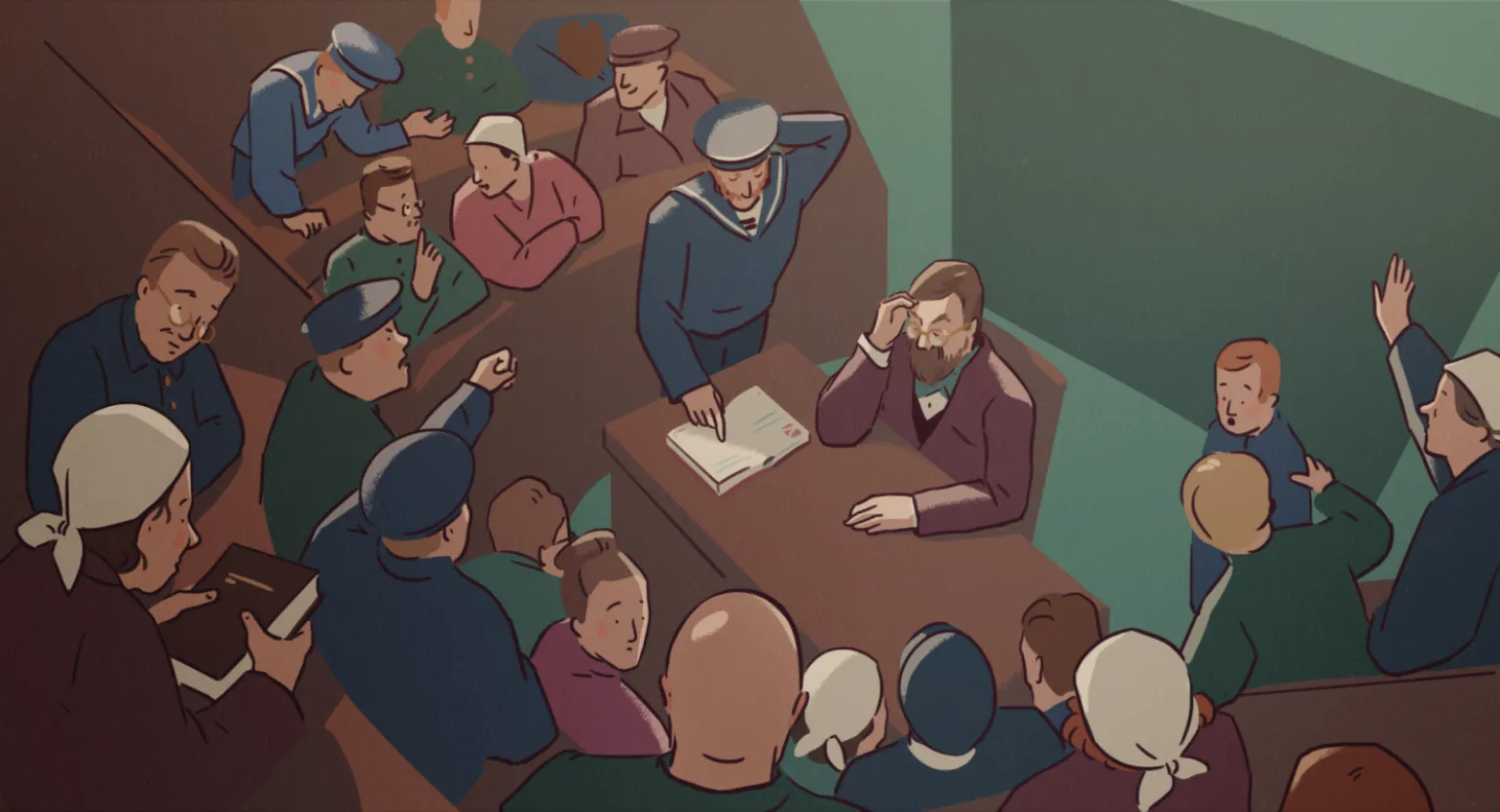
Reading literature is an important aspect of personal and professional development. Reading not only helps broaden one's horizons but also improves critical thinking skills. Books provide an opportunity to immerse oneself in different worlds, understand diverse perspectives, and gain new insights. Furthermore, reading helps improve vocabulary and grammar skills. In today's world, where information is readily available, the ability to filter and analyze data is especially valuable. Regular reading can also reduce stress and improve concentration. It's important to choose a variety of genres and authors to enrich your experience and develop a love of literature. Science and education in the military have always been controversial and controversial. Many sailors expressed dissatisfaction with officer training methods, considering them ineffective and even absurd. While sailors faced real challenges at sea, officers, in their opinion, were engrossed in theoretical materials that had no practical application. This conflict between theory and practice highlights the importance of adapting educational programs to real-world service conditions. Understanding and respecting the experiences of sailors can significantly improve officer training, making it more focused and relevant. Therefore, it is important to consider the perspectives of all stakeholders in the military to improve the quality of education and training.
Why Nothing Good Came of It
Providing higher education opportunities for a wide segment of the population, including the least advantaged groups, seems like a promising initiative. However, in practice, this reform has encountered serious difficulties.
Following the abolition of entrance examinations and educational qualifications, universities have seen a significant increase in the number of applicants. This is due to the fact that, as directed by the authorities, admission to higher education institutions was open throughout the entire 1918/1919 academic year. This move opened up new opportunities for young people seeking higher education and led to increased competition among students. Importantly, this process changed the educational landscape and contributed to expanding the availability of higher education for a wide segment of the population.
The Physics and Mathematics Faculty of Moscow University set a record for the number of students, reaching 13,400 students this year. By comparison, in 1917, the total number of students in higher education institutions in Russia was 135,000. This growth testifies to the growing interest in the physical and mathematical sciences and the increasing importance of education in these fields.
Of course, I am ready to help. However, so that I can revise the text, please provide it.
The lecture halls became overcrowded, which created serious difficulties in teaching, especially for students in the natural sciences and medicine. Due to the massive influx of students, some lectures had to be held two or three times. Students experienced discomfort sitting in lecture halls that were so crowded that they resembled a church during Easter matins. These memories are recounted in the memoirs of astrophysics professor Vsevolod Stratonov in his book "On the Waves of Life."
The popularity of this difficult faculty is explained by the fact that many who aspired to get into the medical school but failed the selection process were admitted to it. Admission to the Faculty of Medicine was indeed limited, which created a certain amount of competition. The Faculty of Physics and Mathematics included a Faculty of Natural Sciences, which became an attractive alternative for those hoping to transfer to the Faculty of Medicine in the future.
In 1917, 1,072 students were studying at Saratov University. In 1918, the number of students increased to 2,250, and in 1919, it reached a significant mark of 10,242. These data demonstrate the rapid growth of student numbers at the university in the post-revolutionary period, indicating an increased interest in higher education and its accessibility at that time.
The main problem was that a significant portion of new students experienced difficulty in assimilat-ing new knowledge. Many of them had a low level of literacy.
In November 1918, the People's Commissariat of Education decided to abolish all state examinations, diplomas, and certificates, which led to significant changes in the educational system. When some professors tried to test students' knowledge to identify those who were unable to learn, the move was banned. The ban on exams was part of a broader education reform aimed at eliminating class barriers and ensuring equal access to knowledge.
Read also:
In the past, it was believed that for conscious proletarians, such as Sailors, exams are not necessary. This statement emphasized the belief that work practice and life experience are more important than formal tests. The existence of such views reflects the sociocultural changes that have occurred in society and affect education and vocational training. Proletarians were considered the bearers of practical knowledge, which called into question the need for traditional examinations. This opinion remains relevant in modern discussions about the importance of practical training and informal education.
This process could not continue indefinitely, and students who were not prepared for the educational process gradually began to drop out.
Vsevolod Stratonov noted that the lack of practical classes and seminars led to students not feeling prepared to perceive the information voiced from the department. As a result, some of them began to leave the educational institution, and within a year the number of students decreased to a normal level of seven or eight thousand.
The economic crisis in the country forced many students to leave educational institutions. The famine and high inflation significantly reduced financial aid for students from low-income families. This led to many young people being unable to continue their education, which, in turn, worsened the situation in the labor market and increased unemployment.
As a result, the number of students completing their studies was extremely low during those years. For example, in 1925, only 10% of admitted students successfully completed their course.
Only those students who had sufficient academic preparation to succeed remained at the university. These were not representatives of the working class. The authorities realized that simply opening the doors of universities to everyone would not lead to a change in the social composition of the student body. As a result, new mechanisms were developed to regulate access to higher education.
What are rabfaks and how did they come about?
The idea of sending proletarians interested in higher education to preparatory courses was discussed during the development of educational reform. However, at that time, it did not receive sufficient support. When the initiative for free admission to universities turned out to be unsuccessful, this proposal was returned to. Preparatory courses can be an important step in creating equal opportunities in higher education and improving the quality of education.
In early 1919, the first workers' faculties, known as rabfaks, were opened. These educational institutions were intended to provide workers and peasants with the basic knowledge necessary for further education in traditional university faculties. Initially, the preparatory period was planned for six months, but it was soon extended to two years, and then to four years. Workers' faculties (rabfaks) played a vital role in expanding educational opportunities for workers, facilitating their integration into higher education and providing access to the knowledge necessary for professional advancement. Workers' faculties (rabfaks) were most often established at higher educational institutions. Admission was limited to those who possessed special certificates from factory committees or communist organizations. These certificates indicated that the holder belonged to the worker or peasant class, did not exploit the labor of others, and supported the political program of the Soviet government. Rabfaks played a vital role in the educational system, providing access to higher education for representatives of the working class. This was analogous to the certificate of trustworthiness required for university admission during the Tsarist era. Back then, young people were required to confirm that they were not under police surveillance, specifically that they were not associated with the revolutionary movement. Such documents were an important condition for obtaining an education and confirmed the applicant's reliability in the eyes of educational institutions.
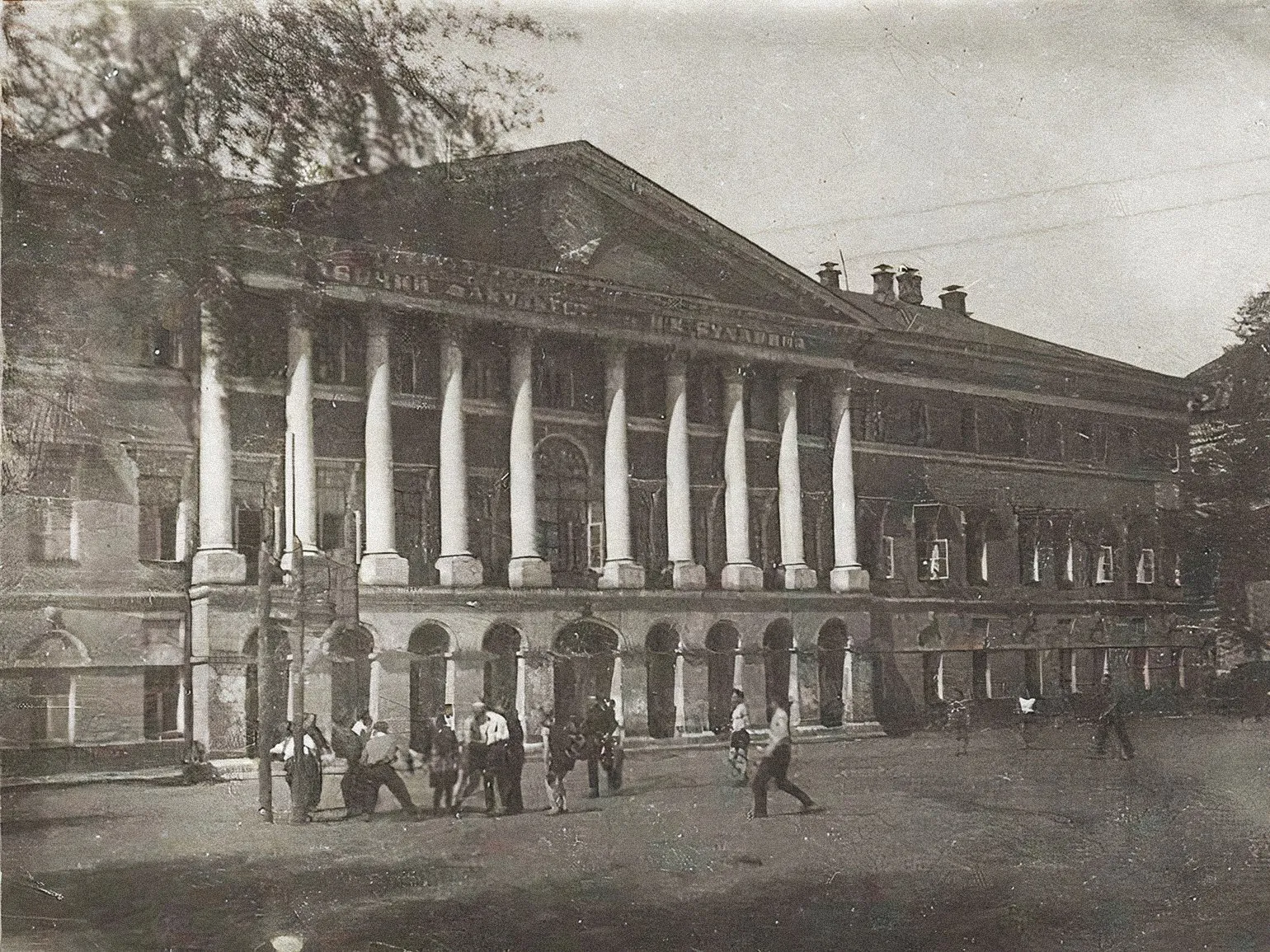
Young people aged 18 to 30 with three to six years of work experience, depending on their age, could become Bukharin Workers' Faculty students: the older the candidate, the more work experience was required. This requirement allowed for the selection of the most experienced and prepared candidates for participation in the program.
Graduates of the workers' faculties had the opportunity to enroll in regular university faculties without having to pass exams. A certain number of places were allocated for them, which facilitated further education and contributed to raising the educational level. This measure facilitated the integration of students who had acquired professional skills into the higher education system.
Students at workers' faculties received stipends and rations from the Red Army. If the workers' faculties were affiliated with a higher education institution, they had all the rights of students, including participation in the election of council and board members, as well as access to classrooms and equipment. However, this sometimes led to conflicts. For example, Vsevolod Stratonov noted that workers' faculties sometimes forcibly occupied the best classrooms and interfered with classes in the main departments.
By 1927-1928, there were 147 workers' faculties in the USSR, with over 49,000 students enrolled. By 1933, the number of workers' faculties had increased to 926, and the number of students exceeded 352,000. Workers' faculties existed until 1940, playing an important role in the education and training of specialists for the country's economy.

Reading is an important part of our lives, and it opens up many opportunities for us. By reading, we not only gain new knowledge but also develop critical thinking. Regular reading helps improve vocabulary and literacy skills. It's important to choose a variety of genres and topics to broaden your horizons and deepen your understanding of various aspects of life. Consider contemporary books and classic works that can inspire and provoke thought. Reading not only entertains but also enriches your inner world, shaping your personality. Don't forget to share what you've read with others, discussing books and exchanging opinions. This not only strengthens social connections but also allows for a deeper understanding of what you've read.
The story of how revolutionary self-love became a powerful driver of learning reveals important aspects of human motivation. This sense of striving for self-improvement and personal growth, which arose against the backdrop of social change, inspired many people to actively pursue knowledge. Revolutionary ideas inspired people to strive for new heights, shaping the desire to learn and develop.
Ego, in the context of revolutionary change, contributed not only to personal motivation but also to the creation of new educational initiatives. The emergence of new approaches to learning and access to information became important factors in this process. The desire to meet new ideals and demands of society largely determined the educational aspirations of many people.
Thus, revolutionary self-love not only contributed to individual development but also became a catalyst for change in the educational sphere, forming a new culture of learning and the pursuit of knowledge.
How students began to be selected not by ability, but by social status
Workers' faculties were initially educational institutions oriented towards the proletariat, while traditional university faculties remained under the influence of the old regime intelligentsia. This intelligentsia generally supported the revolution as the overthrow of Tsarism, but viewed the Bolshevik regime with caution. The Soviet government recognized this and took steps to change the situation. As a result, preferential admission to universities was established for members of the working class, and strict student selection measures were subsequently introduced. These changes contributed to the formation of a new educational context, with an emphasis on proletarian values and ideals.
In 1921, the practice of secondment was introduced, whereby party, Komsomol, and trade union organizations sent their members for training. Those seconded enjoyed priority admission, with selection based on class. The main requirement for participation in this internship was a level of preparation equivalent to the second stage of school, which included the senior classes of gymnasiums, realschule (real schools), or workers' faculties.
Next year, the number of students entering without "business trips" will be significantly reduced, and some universities will completely stop accepting such students. The Russian Ministry of Education and Science has begun strictly distributing places at universities among organizations that provide business trips. They will now determine who will become future students. This change could impact access to higher education and increase competition among applicants, as places will be granted only to those associated with certain organizations.
The Politburo resolution "On Anti-Soviet Groups Among the Intelligentsia," adopted on June 8, 1922, significantly limited the admission of applicants without proletarian origins. Furthermore, students already enrolled at universities and admitted without a business trip were subject to a security background check. This marked the beginning of a large-scale filtration process that led to a wave of mass expulsions. These measures reflected the government's desire to control the educational process and exclude potentially unreliable elements, which had a serious impact on the country's intellectual environment. Applicants' origins became a key factor in admission to educational institutions, leading to the coining of the term "red student." This concept reflects the social status and privileges associated with origin, which influence educational opportunities. The "Regulations on Higher Education Institutions," approved by the Council of People's Commissars in 1922, identified one of the key goals of universities as "the dissemination of scientific knowledge among the broad proletarian and peasant masses." The interests of these groups were to be a priority in the activities of higher education institutions. This provision emphasizes the importance of the social responsibility of universities and their role in educating and enlightening society. Higher education institutions should not only train qualified personnel but also actively participate in the dissemination of knowledge, which contributes to the development of society as a whole.
To enter university, some students from the "wrong" classes took jobs in manufacturing. This allowed them to become part of the proletariat and gain the opportunity for the coveted study trip.
Why Krupskaya opposed student filtration
The new inequality provoked a controversial reaction even among devoted communists. A conflict erupted in the newspaper Pravda between two heads of the People's Commissariat of Education departments – the well-known Chekist Varvara Yakovleva and Nadezhda Krupskaya. This dispute reflected deep divisions within the party, raising important questions about social justice and equality in society, which remains relevant in the modern context.

The first argued that only workers and peasants were capable of building a new world, and they should be allowed to receive education. Meanwhile, Krupskaya criticized the mass proletarianization of universities, calling it "inverted noble policy" and a new "class privilege." She believed that such approaches contradicted the basic principles of the revolution.
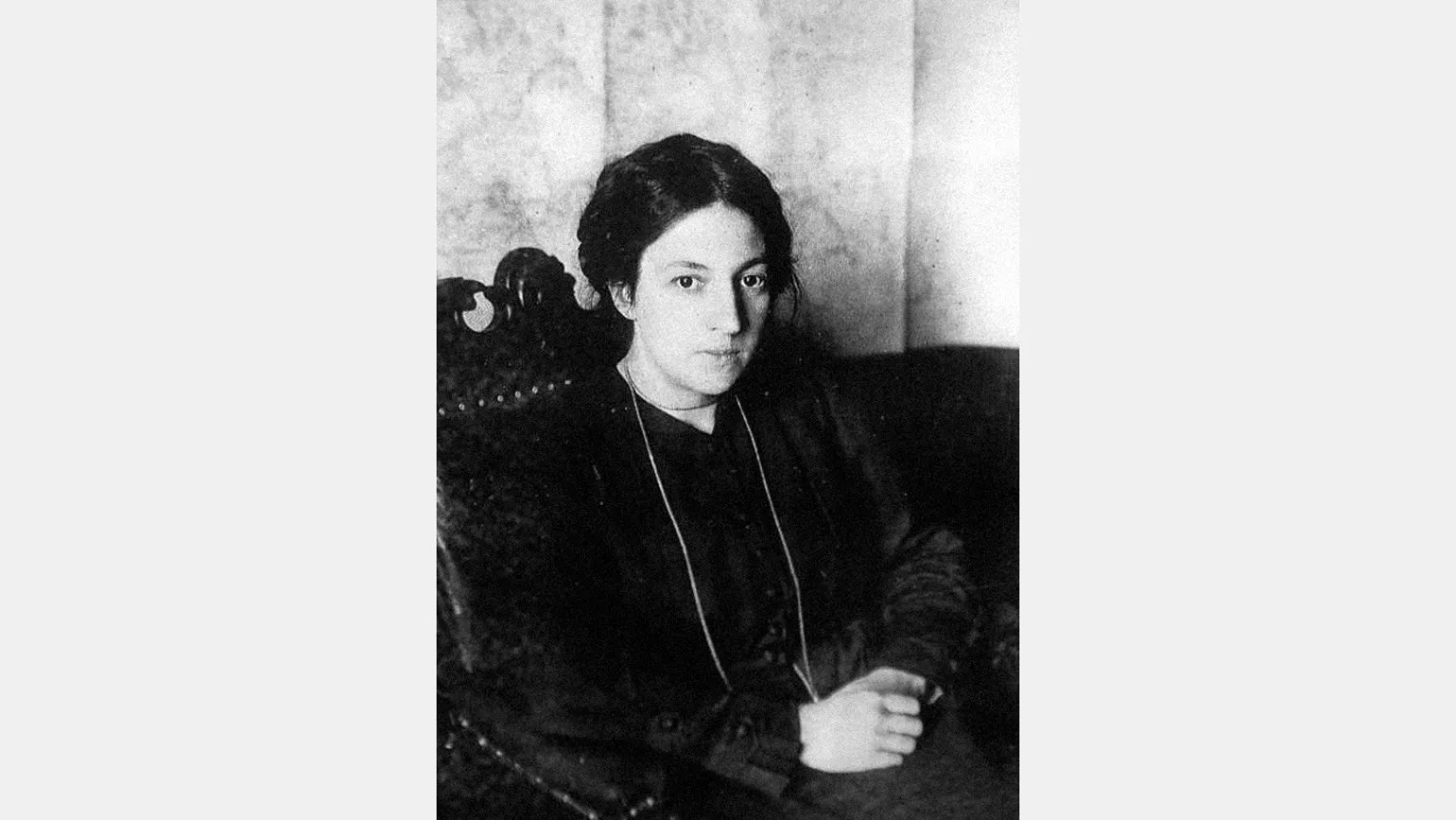
She supported the idea of a flexible policy in education, emphasizing the need to provide higher education to both workers and peasants, as well as talented children from the "non-working elements." Krupskaya believed that the proper organization of the educational process could contribute to their re-education. As examples, she cited Marx, Engels, and Lenin, who, despite their non-proletarian origins, became leaders of the working class. It is worth noting that Nadezhda Konstantinovna herself came from a noble family, which emphasizes her unique approach to issues of education and social justice.
Krupskaya was supported by People's Commissar of Education Lunacharsky and the First Conference of Leningrad Proletarian Students. This support played an important role in shaping the educational policy of that time and contributed to the development of progressive ideas in the field of education. Krupskaya actively advocated for improving learning conditions and making education accessible to all segments of the population, which found a response among representatives of the student community and senior management.
How Talent and Academic Performance Began to Matter Again
In 1923-1924, the policy of proletarianization in higher education began to soften. Along with proletarians, the children of professors, teachers, and other university and school employees received the right to enter universities on preferential terms. These groups became known as the "working intelligentsia." At this time, a category of places for talented applicants, regardless of their social status, was introduced. Students' proletarian origins were still welcomed, but no longer a requirement. If in 1922, 85% of university places were allocated to members of trade unions, the party, and the Komsomol, by 1925 this figure had dropped to 45%. These changes reflected a gradual shift toward a more open and inclusive approach to education, which contributed to the development of higher education during the Soviet period.
In 1924-1925, the People's Commissariat of Education and the Soviet press declared the end of the proletarianization process in the country. However, in reality, this was less about the social status of students than about overcoming pre-revolutionary university and student traditions. This change reflected the Soviet authorities' desire to create a new educational space, free from the old order.
Historians argue that the main reason for relaxing the policy of strict filtering of applicants by social status was the acute shortage of specialists in the USSR. Continuing to select students based on class affiliation would not have allowed for the rapid training of qualified personnel necessary for the country's development.
Of course, I am ready to help you with editing the text. Please provide the source text you would like me to revise.
In 1926, Fyodor Kiparisov, a member of the Central Committee for Workers' Education, emphasized the importance of engineers' professional qualities for economic development at a meeting. He noted that the presence of a qualified engineer is far more significant than the presence of an engineer from a working-class background who may not possess the necessary skills. This idea remains relevant today, when the successful development of industries depends on competent specialists capable of effectively solving complex problems. Engineering education and professional skills play a key role in progress and innovation, which confirms the need to invest in training and development.
Determining the status of applicants proved a difficult task. Of the approximately 7,400 students at Petrograd University, the origins of 2,200 could not be determined. Even in the workers' faculties, according to a report by the head of the department of workers' faculties of the Main Directorate of Vocational Education, 29% of students belonged to the category of "persons of unspecified professions," which meant that they were neither workers nor peasants. Situations sometimes took a comical turn: nurses could be recorded as "persons of physical labor" or classified as "non-labor elements," depending on the circumstances.
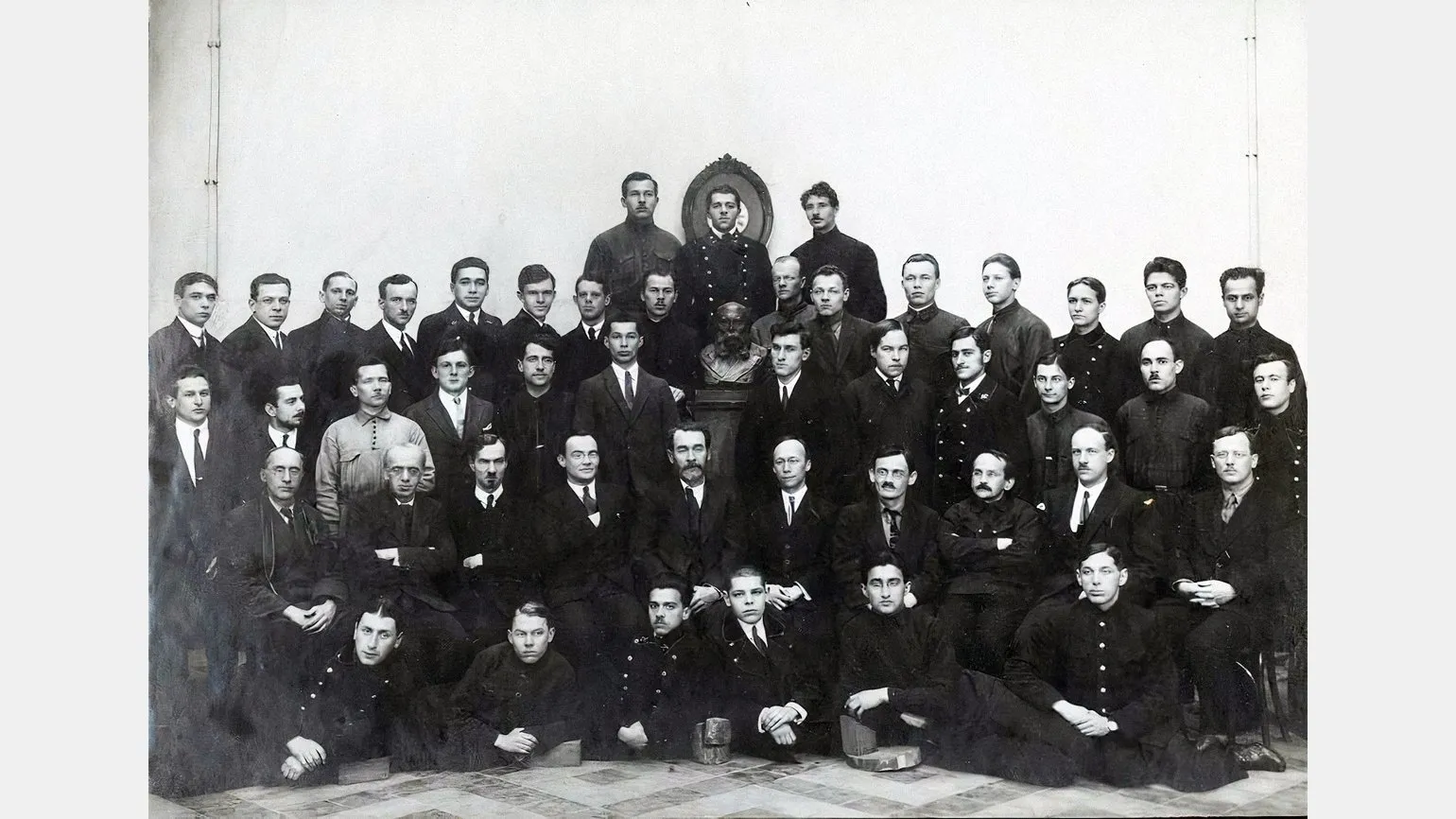
Soon, the competitive system of student admission was restored, as the number of places began to decrease significantly due to the increase in study trips provided by trade unions and other bodies. This was caused by a shortage of state funds for the maintenance of higher education institutions. Entrance examinations now determined the fate of future students. From 1925, admissions rules became even more stringent, even in workers' faculties, which led to a decrease in the number of first-year students enrolled in universities.
The Soviet higher education system went through a full cycle in seven years, beginning with the complete abolition of entrance selection and ending with the introduction of competitive selection. This change reflects the evolution of approaches to education, emphasizing the importance of the competitive process in the higher education system.
In the late 1920s, the Soviet leadership did not completely abandon the idea of proletarianization, striving to increase the proportion of proletarians in higher education institutions to 65%. An example of this is the fate of Lev Gumilyov, the son of the renowned poets Anna Akhmatova and Nikolai Gumilyov. In the early 1930s, he was unable to enroll in university due to his noble origins, and his father was executed in 1921 on charges of participating in a counterrevolutionary conspiracy. As a result, Lev Gumilyov found work as a laborer in the Railway and Current Service, then became a collector in the Geological Committee and participated in several geological and archaeological expeditions. After four years of work, he was finally accepted into Leningrad State University. This story illustrates the challenges faced by members of the intelligentsia during the Soviet era and highlights the importance of proletarianization in the educational policy of that period.
Primary sources of information play a key role in the formation of knowledge and making informed decisions. These include scholarly articles, books, specialized journals, and data from reliable online resources. Referring to authoritative sources improves the quality of research and ensures the reliability of the information presented. It is important to remember to approach source selection critically, as not all materials are equally reliable. Using a variety of sources allows for a more complete understanding of the topic and avoids a one-sided view. In an age of information overload, the relevance and quality of sources become especially important for successful analysis and interpretation of data.
- Avrus, A. I. History of Russian Universities. Essays. — M., 2001.
- Andreev D. A. Proletarianization of Higher Education: the "New Student" as an Instrument of Educational Policy // Schedule of Changes: Essays on the History of Educational and Scientific Policy in the Russian Empire - USSR (late 1880s - 1930s). — M., 2012.
- Berlyavsky L. G. The Role and Functions of the People's Commissariat of Education // Schedule of Changes: Essays on the History of Educational and Scientific Policy in the Russian Empire - USSR (late 1880s - 1930s). — M., 2012.
- Demidova E. I., Zakharov A. V., Efimova E. A. Institutionalization of Soviet Higher Education in Russia in the 1920s. // Archivist's Bulletin.
- Zubkov I. V. Zemstvo schools, gymnasiums and real schools // Schedule of changes: essays on the history of educational and scientific policy in the Russian Empire - USSR (late 1880s - 1930s). - M., 2012.
- Ivanov A. E. Students of Russia in the late 19th - early 20th centuries. Social and historical fate. - M., 1999.
- Ivanov K. V. New education policy in 1917-1922. Higher education reform // Schedule of changes: essays on the history of educational and scientific policy in the Russian Empire - USSR (late 1880s - 1930s). - M., 2012.
- Kuzminov, Ya. I., Yudkevich, M. M. Universities in Russia: how it works. — M., 2021.
- Savin A. I. Higher education in the RSFSR as an elevator of social mobility (1918–1936) // Humanities in Siberia.
- Safronov P. A. “To sensitively reflect all the demands of the revolution”: the Soviet university in the 1920–1930s // Issues of education.
- Stratonov V. V. On the waves of life. Volume 2. - Moscow, 2019.
- Tikhonov I. L., Zhukovskaya T. N. How They Entered the University 200 Years Ago // St. Petersburg University.
- Williams K. In the Fight Against Elitism: Proletarianization of Science in Russia in 1917-1953 // Bulletin of Udmurt University (Series: History and Philology).
Methodologist Profession from Beginner to Advanced
You will develop skills in developing curricula for online and offline courses. You will master modern teaching practices, structure your experience, and become a more sought-after specialist.
Find out more