Contents:

Learn: Educational Methodist
Learn moreIn this article, you will get information about…
- what are 4K competencies;
- what specific qualities and skills include critical thinking, creativity, communication and cooperation;
- how to assess the level of development of these competencies in students;
- what tasks help to develop 4K competencies - with examples of such lessons;
- what prevents schoolchildren from developing the necessary competencies;
- how a teacher can cope with these obstacles or reduce their impact.
Soft skills play a key role in today's world, which is becoming increasingly unpredictable. The ability to analyze information, effectively solve complex problems, and work in a team will significantly increase today's students' chances of success both academically and professionally. Developing these skills not only facilitates better learning but also develops the personal qualities necessary for adapting to the rapidly changing labor market. It is important to recognize that soft skills are becoming an integral part of personal and professional competencies, making their development a priority for every student.
The HSE Center for Regional Cooperation organized a webinar during which teachers studying for a master's degree in Pedagogical Education shared methods for developing 4K competencies in comprehensive schools. These competencies include critical thinking, creativity, communication, and collaboration skills. The key recommendations presented during the webinar will help teachers integrate these skills into the teaching process. A recording of the webinar is available on YouTube for anyone interested in viewing the materials.
What are the 4K competencies?
The term "4K" refers to key competencies in the cognitive, metacognitive, social, and emotional spheres. These competencies include cooperation, communication, critical thinking, and creativity. They are an integral part of meta-subject learning outcomes, which are reflected in federal educational standards. For example, paragraph 8 of the Federal State Educational Standard for Secondary General Education emphasizes the need for "the ability to navigate various sources of information, critically evaluate, and interpret the data obtained"—an important aspect of critical thinking. Developing these skills helps develop students' analytical skills, which is extremely important in the modern educational process.
History and Social Studies Teacher Svetlana Shagraeva and foreign language teacher Anna Vladychina discussed how skills and competencies manifest in schoolchildren, as well as ways to develop and assess them in the classroom. They highlighted key methods that help develop critical thinking, communication skills, and cultural awareness in students. Developing effective assignments and actively engaging students in the learning process facilitates better learning and the development of essential competencies. Assessing the development of these skills allows teachers to adapt their methods and approaches, creating a more productive learning environment. Anna Vladychina emphasizes that critical thinking has become especially relevant in the digital age. With a constant flow of information and a diversity of opinions, it is essential to be able to evaluate, analyze, and interpret data. This ability facilitates the formation of informed conclusions and the making of rational decisions in both personal and professional life. Critical thinking helps people navigate a complex information environment and makes them more confident in their choices.
Referring to Marina Pinskaya and Alexandra Mikhailova's manual "4K Competencies: Development and Assessment in the Classroom," Anna emphasized that social interaction is the optimal environment for developing critical thinking. In such settings, participants can jointly pursue the truth, which facilitates a deeper understanding and analysis of information.
Critical thinking is a broad concept, so the speaker suggested considering it as a set of specific skills. These skills can be observed in students and their development can be monitored during the learning process.
- analysis — the ability to find logical connections between statements, questions, and arguments;
- evaluation — the ability to evaluate the persuasiveness and reliability of arguments;
- explanation — the ability to argue one's point of view;
- hypotheses — the ability to identify a lack of information and, based on this, independently draw conclusions;
- self-regulation — self-testing, correction of conclusions, and reflection.

To improve SEO and correct the text, you can rewrite it as follows:
«Also study the following materials, which will help you deepen your knowledge on this topic. These sources contain up-to-date information and useful tips that will be useful for your understanding of the issue.»
New book «Think Again» Author Adam Grant offers a unique perspective on the importance of rethinking our beliefs and approaches. Grant, a renowned psychologist and organizational expert, explores how openness to change can lead to personal and professional growth. The book explores methods for reexamining your views and making more informed decisions. Readers will learn how critical thinking and flexibility can help them solve everyday problems and develop their careers. "Think Again" inspires active questioning of their beliefs and encourages them to embrace change. This book is essential reading for anyone striving for self-improvement and effective interaction with others.
In her definition of creativity, Anna Vladychina emphasizes that researchers associate this process with divergent thinking, which manifests itself in the ability to generate ideas and find unconventional solutions. An important aspect of creativity are personal qualities such as self-confidence and openness to new ideas. Anna identified several components that shape creativity.
- Curiosity—interest in the world around us and a desire to learn more about it, independent search for information and answers to our own questions;
- Imagination—the ability to generate a variety of ideas, originality of the ideas we come up with;
- Development of ideas—evaluation of ideas from different perspectives, search for their strengths and weaknesses, the ability to quickly restructure our activities in changing conditions and with the emergence of new information.
Read also:
Research confirms that empathy can be learned. This discovery also points to the possibility of developing creativity. The ability to understand the emotions and feelings of others not only improves interpersonal relationships, but also promotes a deeper perception of the world around us, which in turn stimulates creative thinking. Empathy and creativity are interconnected and can be developed simultaneously through practice and special techniques. Empathy training can include various exercises aimed at improving active listening and mindfulness skills, which ultimately leads to more effective creative solutions and innovation.
Svetlana Shagraeva presented the following formulation:
Communication is the ability to clearly express and interpret thoughts, feelings, and facts, both verbally and in writing. It involves effective interaction in various social and cultural contexts, making it a key element in establishing rapport and building relationships. The ability to communicate effectively fosters deeper understanding between people and influences success in personal and professional life.
Developed communication skills include confidence in communication and the ability to initiate dialogue. It is important not only to ask questions but also to be able to answer them. Adaptation to the purpose and context of communication, as well as to the interlocutor, plays a key role. Svetlana also emphasizes that effective communication requires the use of both verbal and nonverbal means to achieve desired results, including persuasive skills. The ability to correctly interpret nonverbal cues and adapt communication style to a specific partner significantly strengthens communication skills.
Svetlana Shagraeva defines cooperation as the ability to effectively interact with others and work as a team to achieve a common goal. This is a key aspect of successful collaboration, which contributes to increased productivity and the quality of tasks performed. Cooperation allows for the pooling of efforts, skills, and resources, leading to more effective problem solving and project implementation.
Quality is manifested through several interrelated skills. These skills are essential for achieving high results and effectively completing tasks. Each plays a role in shaping the overall level of quality and contributes to the successful achievement of goals. Developing these skills not only improves personal productivity but also increases the overall effectiveness of the team.
- the ability to adopt common goals as your own;
- social interaction, that is, discussing common goals, the ability to negotiate, coordinate your actions with the actions of other people;
- fulfilling your obligations;
- independence and initiative.

You'll find a wealth of useful resources on our blog. We offer articles to help you understand current topics and trends. Our experts share their knowledge and experience so you can receive relevant information and advice. Subscribe to updates to avoid missing new publications and stay up-to-date on the most important events. We strive to provide high-quality content that will be interesting and useful for you. Don't miss the opportunity to expand your knowledge and gain first-hand insights.
Students' personal qualities and soft skills play a vital role in their educational process. These characteristics can significantly impact their academic performance and overall educational experience. Key qualities include motivation, responsibility, organization, and teamwork. Motivation helps students set goals and achieve them, while responsibility helps them complete assignments on time.
Being organized allows you to effectively manage your time and resources, which is especially important in a multitasking environment. Teamwork develops collaboration and communication skills, which are an integral part of modern education.
Furthermore, emotional intelligence and critical thinking also have a significant impact on the learning process. Emotional intelligence helps students better understand themselves and others, which contributes to a positive classroom atmosphere. Critical thinking allows you to analyze information and make informed decisions, which is especially important in a rapidly changing world.
Developing these qualities and skills not only helps students achieve high academic results but also prepares them for future careers. Teachers and parents can support the development of these soft skills by creating a favorable environment for learning and communication. Thus, students' personal qualities and soft skills are key factors for success in their studies and life in general.
How to Assess Progress in Developing 4K Competencies
Assessing critical thinking, creativity, cooperation and communication, as well as other soft skills, is a complex task. This is due to the fact that it is impossible to directly measure the level of development of a particular competency in a student. For a more accurate assessment, it is necessary to use a variety of methods, including observation, self-assessment, and group projects. This approach allows for a more complete understanding of the development of soft skills and their impact on the learning process and personal growth. Effective assessment tools can include tests, problem-solving assignments, and projects that require collaboration and communication.
In this situation, as the authors of the work "4C Competencies: Formation and Assessment in the Classroom" note, indicators that represent the manifestations of various competencies in human behavior can be useful. Pinskaya and Mikhailova described this assessment approach as "authentic" because it presents students with tasks that reflect real-life situations and require the application of specific skills or abilities. This method not only makes the learning process more relevant and meaningful but also facilitates a deeper assessment of students' competencies in the context of practical application of knowledge.
Anna Vladychina presented a list of key indicators that students with developed 4C competencies demonstrate when solving similar problems. These indicators include critical thinking, creativity, teamwork, and communication skills. Students with these competencies are able to find innovative solutions, work effectively in a group, and express their thoughts clearly and convincingly. Developing 4K competencies helps improve academic performance and prepare students for today's challenges.
- Communication: students ask questions and answer their classmates' questions, ask for clarification on unclear points in another person's reasoning, explain their ideas, and avoid or resolve conflict situations.
- Cooperation: students ask for help, listen to others' arguments and agree with suggestions, integrate their actions into group work, determine their contribution to the overall effort, and invite classmates to respond or speak.
- Critical Thinking: students analyze information, propose hypotheses and solution options, provide arguments, and evaluate.
- Creativity: students propose ideas, value ideas proposed by others, apply basic skills in non-standard situations, find original solutions, and continue searching for new ideas and solutions even after completing a task.
As these competencies develop, students move from passively completing tasks to active initiative and independence. This process can be assessed using indicators, observing changes in student behavior and tracking progress from lesson to lesson. This approach not only helps identify the student's level of engagement, but also promotes their personal and educational growth.

Read also:
Assessing Student Success: Unconventional and Effective Approaches
Assessing Success Student assessment is an important part of the educational process. Traditional methods, such as testing and exams, often fail to reflect students' true achievements and abilities. Let's consider several innovative and effective assessment methods that will help determine students' knowledge and skills more accurately.
One such method is a portfolio, which collects students' work over a certain period. This allows you to see the progress and development of each student, as well as evaluate their creative and analytical abilities. In addition, self-reflection can be a useful tool. Students can analyze their achievements and set goals, which promotes personal growth and responsibility for their own learning.
Another interesting approach is the use of game-based methods. Games and simulations not only make the learning process more engaging but also allow you to assess students' skills in a real-world setting. For example, role-playing games can demonstrate how students apply knowledge in practice.
Feedback from peers is also important. Assessing each other's work helps develop critical thinking and collaboration skills, and also provides an opportunity to see one's own weaknesses from the perspective of others.
These methods of assessing student progress not only add variety to the process but also promote a deeper understanding of the material. They help teachers more accurately identify areas that require additional attention and how best to support each student in their learning.
How to Develop a Lesson That Develops 4K Competencies
Anna Vladychina noted that competencies such as critical thinking, creativity, communication, and cooperation often develop interrelatedly. An assignment aimed at developing critical thinking and creativity will likely also contribute to the development of communication and cooperation skills. However, Anna emphasized that the process of developing such lessons, from concept to implementation, requires significant time and energy from teachers. Therefore, she recommends beginning the implementation of 4K competencies by using individual elements of assignments within traditional lessons. This will allow for the gradual integration of innovative approaches into the educational process without significant difficulties.
- a task that involves more than one or multiple solution options (a problem situation or case);
- a task that involves working on a mini-project or designing a product using non-standard tools;
- a task that involves working in a group and also includes subtasks for autonomous or paired work so that each student can demonstrate their individual abilities;
- a task that requires independent search for the necessary information in open sources;
- a task that involves searching for and using knowledge from other subject disciplines.

Read also:
High school students shared their opinions about the lack of certain subjects in the school curriculum. According to them, some disciplines would be useful for preparing for adult life and a future profession. Among the most in-demand subjects are financial literacy, the basics of entrepreneurship, psychology, and critical thinking. These skills will help students better navigate modern realities, make informed decisions, and develop entrepreneurial abilities. It is important for educational institutions to listen to the views of older students and adapt their curricula to meet the needs of young people.
Anna and Svetlana presented a number of example lessons that effectively illustrate key concepts and teaching methods. These examples can serve as a useful resource for educators seeking to improve their lessons and make them more engaging for students.
Example #1
In this section, we will consider important aspects related to the topic and provide practical recommendations. The focus is on the key factors influencing success in this area. We will analyze existing approaches and propose strategies to help achieve the desired results. Using relevant data and real-world examples will provide a better understanding of the issues under consideration. Pay attention to details, as they can significantly impact the final result. Taking the time to analyze and plan will significantly improve the effectiveness of your actions.
Eighth-grade students have begun studying a new module, the purpose of which is to introduce them to vocabulary related to this topic. The lesson focused on developing critical thinking and creativity, which is especially important for developing analytical and creative skills in adolescents. Teaching vocabulary not only enriches vocabulary but also promotes a deeper understanding of the subject, which in turn facilitates further learning. The lesson was conducted in groups of four to five people. Each team was familiarized with the names of adverse climate events and was given a set of keywords from which they had to create complete definitions of these events. This approach encouraged teamwork and a deeper understanding of climate processes. The teacher presented images of various natural events to the students and encouraged them to discuss the likelihood of each in teams. Following the discussion, team members individually presented an incident probability rating, justifying their opinions. This exercise promoted the development of critical thinking and argumentation skills and deepened the students' understanding of the nature of events. Example #2 is a visual aid that illustrates specific aspects of the topic. It focuses on key elements that can be useful for learning and understanding. This example helps to better understand the subject and its key characteristics. By studying this example, you will be able to see how theoretical concepts are applied in practice. A clear understanding of Example #2 promotes deeper understanding and effective assimilation of the material.
After mastering new vocabulary and grammar, Anna asked the students to read eyewitness accounts of natural disasters and identify the authors of these stories - vacationers, rescuers, journalists, or doctors. In the next lesson, she assigned them to divide into teams and create videos in a reportage format, sharing their own experiences with adverse natural phenomena. This assignment contributed to the development of teamwork skills, creativity, and a deeper understanding of the topic.
The children independently assigned roles in the project, including director, screenwriter, cameraman, and actors. The videos were filmed on mobile phones and edited using their favorite apps. Since this task was part of an English lesson, the focus was on the correct use of vocabulary and grammatical structures. This allowed schoolchildren not only to develop their creativity but also to improve their English skills through practical application.

Read also:
The Flipgrid service effectively engages a new generation of students familiar with the TikTok format. With short videos becoming the primary means of sharing information, Flipgrid offers a platform that allows students to create and share video responses. This creates an interactive and engaging learning space where students can express their thoughts and ideas in a familiar format.
Using Flipgrid promotes communication and critical thinking skills and creates a community where every student can hear and discuss the opinions of others. The platform also supports a variety of content formats, allowing learning to be adapted to different learning styles. Thus, Flipgrid is becoming an essential educational tool that responds to the challenges of the modern world and the needs of the new generation.
Example #3 is an important element that illustrates the main aspects of the topic under consideration. This example highlights key points that allow for a better understanding of the material covered. The use of specific data and facts strengthens the argument and makes the information more persuasive. Importantly, examples like this help readers clearly grasp complex concepts and apply them in practice. Applying this example to the overall topic creates a deeper understanding and encourages further learning.
Svetlana Shagraeva shared her experience focusing on developing communication and cooperation in history, social studies, law, and economics classes for tenth-graders. She noted that fostering communication and interaction between students was especially important, as many of them had previously studied in different classes. The main goal was to teach students the ability to reason and argue their point of view, which contributes not only to their personal growth but also to an overall improvement in the classroom climate.
Svetlana developed a unique program, "Court Hearing," designed for two lessons, which helps students immerse themselves in the world of criminal proceedings. Participants were given access to actual case materials, including prosecution evidence and witness testimony. The class was divided into four groups: two groups represented the prosecution, and the other two acted as defense attorneys. Using their knowledge of criminal law and procedure, the teams had to prepare arguments to support their position. At the end, the students voted to determine whether the accused deserved punishment or acquittal. This program not only develops critical thinking but also fosters a deep understanding of the legal system.
Svetlana anticipated that the children would have difficulty beginning to work effectively in teams. To help them, she prepared group worksheets outlining roles and tasks for each team. She then invited the children to assign roles among themselves. After the first lesson, Svetlana noticed that the children began interacting more frequently with those they had previously excluded to a certain extent. This demonstrates that a structured approach to group activities improves communication and interaction among participants.

Read also:
An American teacher has taken an original approach to teaching history, turning lessons into exciting detective investigations. This unusual practice allows students to gain a deeper understanding of historical events and personalities using elements of play and critical thinking. Instead of traditionally learning facts and dates, students become researchers uncovering the secrets of the past. This method not only increases interest in the subject but also develops analytical and teamwork skills. Using a detective story format in history lessons helps students better absorb the material and makes learning more interactive and memorable.
Example #4 demonstrates effective methods that can be used to achieve these goals. In this example, we will consider key aspects, including strategic planning, data analysis, and the implementation of innovative solutions. Using these approaches not only optimizes processes but also increases overall productivity. Importantly, regular monitoring and strategy adjustments help adapt to market changes and ensure sustainable growth. Applying these methods in your practice can significantly improve your results.
The 90-minute lesson, taught by Svetlana, was aimed at deepening knowledge of the laws of supply and demand, as well as pricing and economic mechanisms. Students were divided into teams, each of which developed a unique concept for a product or service. After completing their projects, teams presented their ideas and critiqued their "competitors'" designs. The lesson format fostered critical thinking, as it required market analysis, and creativity, as participants had to develop not only a product idea but also an advertising strategy. Furthermore, the lesson encouraged cooperation and communication among participants, which is an important aspect of the learning process.
Example #5
In this example, we will examine effective strategies for optimizing content for SEO. The focus will be on keywords, meta tags, and text structure, which are important for increasing a website's visibility in search engines. Using relevant keywords in headings and subheadings, as well as their natural distribution throughout the text, will help improve search rankings. Furthermore, it is important to properly format meta tags, such as title and description, to attract user attention and increase click-through rates. A clear text structure, including paragraphs and lists, makes it easier to read and increases time spent on the page. By following these guidelines, you can create high-quality content that is not only informative but also effective for SEO.
Svetlana decided to increase the complexity of group interaction for schoolchildren so that they could practice completing assignments from the Unified State Exam in social studies. The focus was on creating plans and writing essays on assigned topics. This approach promotes the development of critical thinking and analytical skills in students, which are important components of successful exam preparation.
Svetlana combined tenth- and eleventh-grade students, creating mixed groups for more effective learning. Eleventh-graders with high scores in social studies became mentors for their younger peers. Senior students who were struggling with the assignments had the opportunity to practice with tenth-graders. As a result of this work, Svetlana noted that this approach to teaching proved very effective. Each student wrote five essays and created five plans during the course, significantly improving their proficiency in the subject.
Read also:
The question of whether soft skills or hard skills are more important for employment is a source of much debate among professionals and employers. Hard skills are specific professional skills and knowledge that can be measured and assessed, such as programming skills, foreign language proficiency, or accounting knowledge. These skills are often confirmed by certificates and diplomas.
On the other hand, soft skills relate to personal qualities and social skills, such as communication, teamwork, critical thinking, and time management. These skills are essential for successful teamwork and effective task completion.
The modern labor market requires applicants to combine both types of skills. Hard skills ensure technical competence, while soft skills help adapt to a dynamic work environment and build productive relationships with colleagues. Employers are increasingly paying attention to candidates' personal qualities, as they can be the deciding factor when choosing between several potential employees.
Therefore, to successfully find employment, it is necessary to develop both hard and soft skills. A combination of these skills increases the chances of landing a desired position and facilitates career advancement.
What hinders the development of 4K competencies
Svetlana Shagraeva noted that certain barriers can hinder the development of key qualities and competencies. Teachers need to create conditions in the classroom that will help eliminate these barriers or minimize their impact. Effective learning requires a thoughtful approach to organizing the learning process so that students can develop their skills and qualities without unnecessary difficulties.
How to Encourage the Development of 4K Competencies
Svetlana Shagraeva discussed the key conditions that create a favorable educational environment for the development of critical thinking, creativity, communication skills, and cooperation among students. These conditions promote students' active participation in the learning process and the development of their ability to analyze and solve problems. An effective learning environment includes teacher support, a variety of teaching methods, and an atmosphere conducive to open discussion and collaboration.
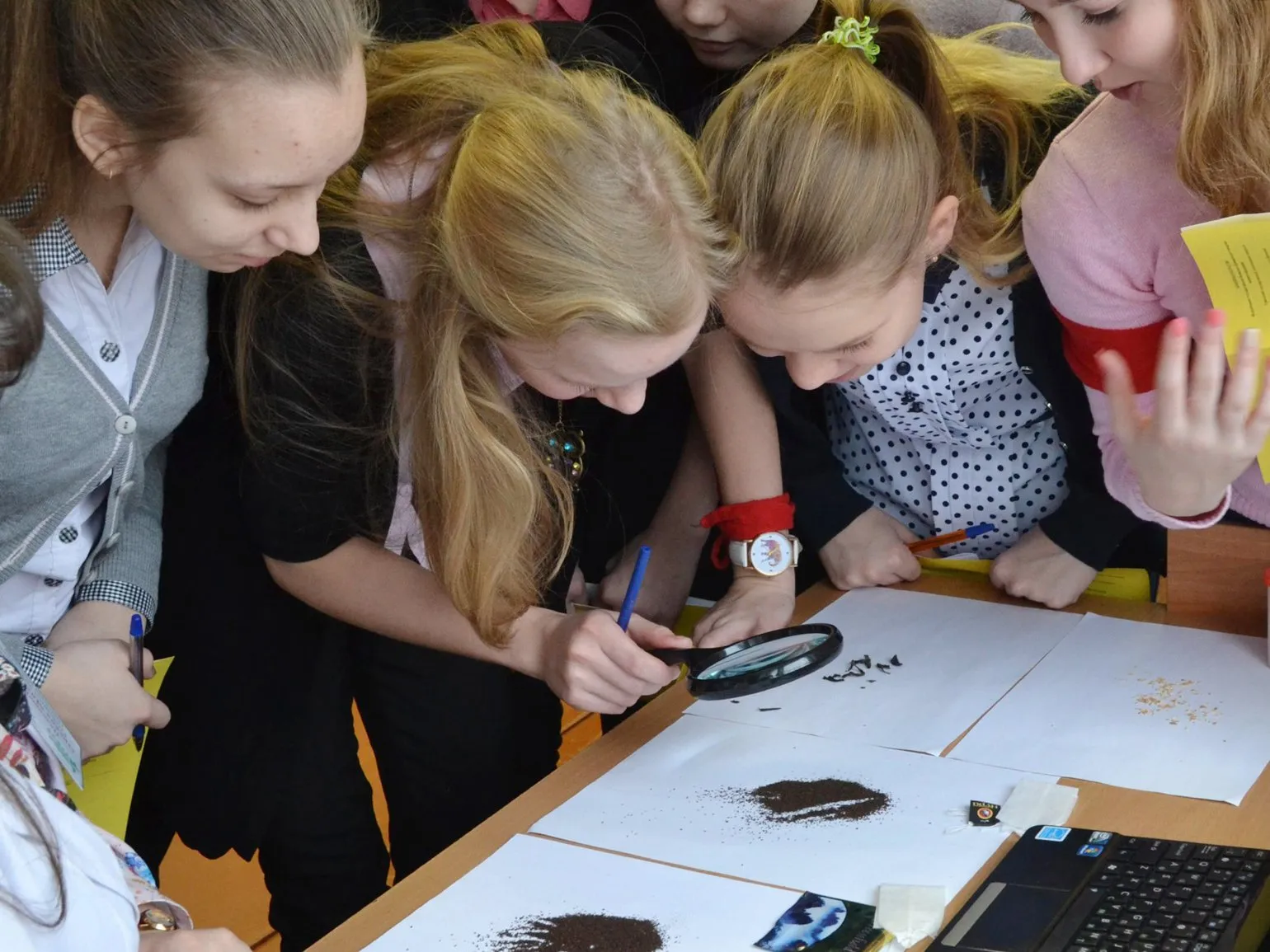
The teacher is advised to take a consultative stance, avoiding establishing strict rules and algorithms for solving problems. It is important to create an atmosphere in which students can freely express their ideas and thoughts without fear of judgment, even if they are wrong. This can be achieved if the teacher is constructive and kind in criticizing students' statements. This helps develop students' confidence and encourages their active participation in the learning process.
Svetlana believes that fear of assessment can be overcome by working with students to create assessment criteria. Encouraging self-assessment and peer assessment among students is also an important step. These methods contribute to a more comfortable learning atmosphere and help students better understand their achievements and areas for growth.
The importance of sharing experiences between students, as well as encouraging group work and mutual support, cannot be overstated. The teacher noted that if there are students in the class who are passive during group work, it is useful to assign them to present the results of their joint activities. This allows even those who are not actively participating to delve into the overall project and prepare to present it to the class. This approach helps to increase the involvement of all students and strengthens team spirit.
Reworked text:
Study also:
- How to evaluate and improve the quality of general education
- Are 21st century skills really taught?
- “A school without desire is a school of violence”
Educational Methodist programs
You will go through the full cycle of creating an educational product from scratch. Learn to design curricula for online and offline courses. You will become a universal specialist - you can launch your own project or get a job as a methodologist in a large company.
Find out more