Contents:

Practical course: "Online course producer from scratch to PRO"
Learn more
Intellectual Property Lawyer Claims provides professional services aimed at protecting and managing intellectual property rights. Specializations include copyright, patents, trademarks, and trade secrets. Our team of experts helps clients develop strategies to protect their intellectual assets and represents them in litigation. We provide legal support at all stages, from registration of rights to dispute resolution. By contacting Claims, an intellectual property lawyer, you gain a reliable partner capable of protecting your interests and rights as effectively as possible.
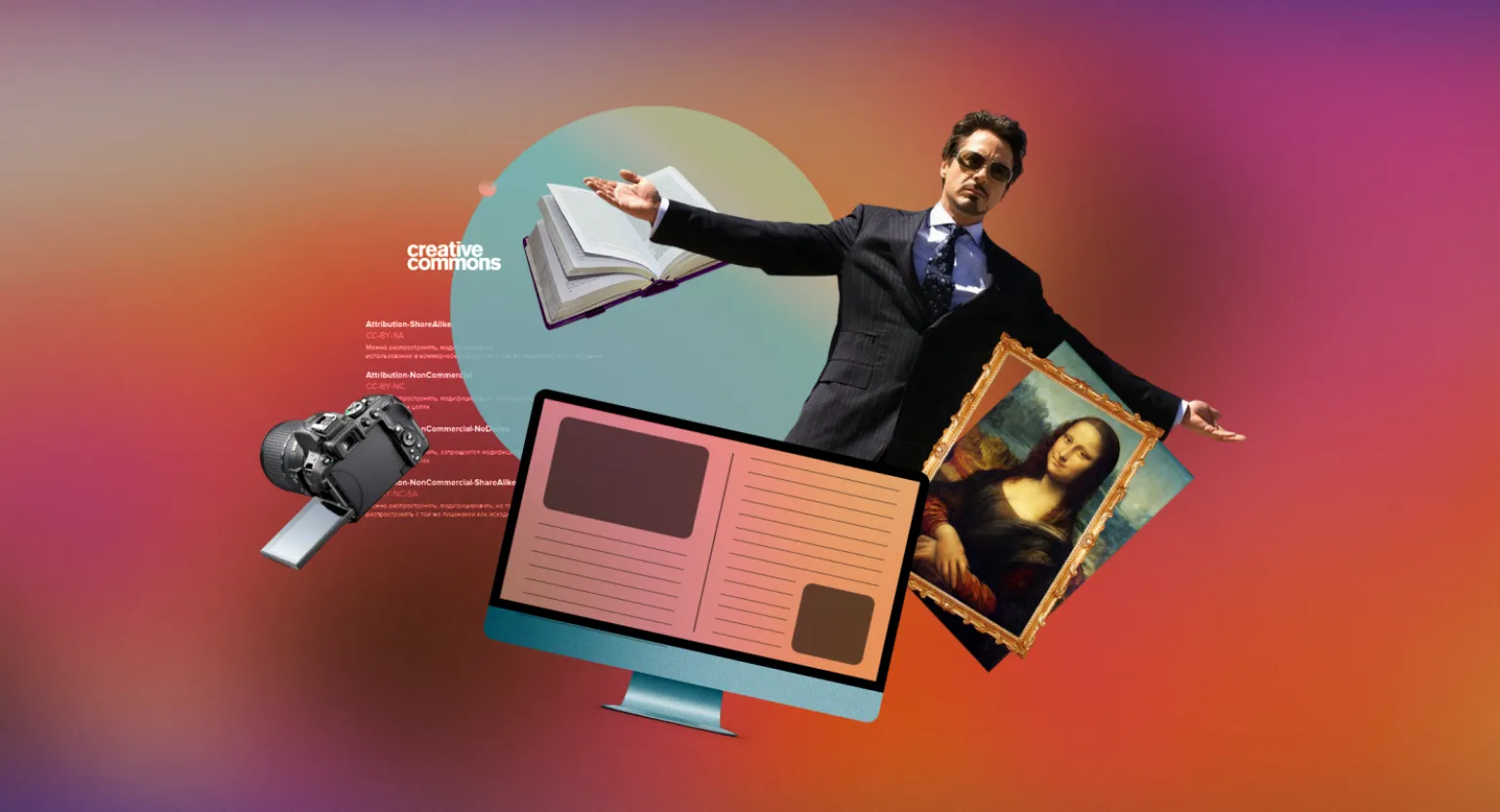
This article will provide you with information on the most important aspects of the topic. We will cover key points that will help you gain a deeper understanding of the material and apply the acquired knowledge in practice. Stay tuned for helpful tips and recommendations.
- How to legally include excerpts from other people's books and articles in your course;
- What to do if you need to attach not just an excerpt, but the full text of an article or an entire chapter of a textbook;
- How to legally use photographs "from the Internet", images of famous paintings and memes, or film stills;
- Why you can't just take and use photos from social networks;
- What does the Creative Commons open license actually allow;
- What is the penalty for using other people's images, texts, and videos.
Using other people's content is possible subject to certain conditions. According to the law, in particular the Civil Code, there are a number of exceptions that allow the use of other people's materials without the consent of the copyright holder. Articles 1273–1279 of the Civil Code specify the cases in which this is permitted. For example, the use of quotes from other people's works is permitted for informational, scientific, educational, and cultural purposes, as well as for disclosing the author's creative intent (Article 1274 of the Civil Code). Therefore, to legally use quotes from other people's works for educational or informational purposes, the following requirements must be met:
- indicate the author's name or pseudonym. If you don't know the author's name, you can use the author's username on the social network where they posted the photograph or other image as a pseudonym (here is an example of a legal dispute where this very situation occurred);
- indicate the source of the borrowing. You must cite the original source (the book or article's publication details, a link to the author's YouTube channel, the author's personal page on a social network, etc.), not just a link to the first website with a copy of the work. Simply put, where it was first published is important;
- Cite no more than is required by the context for educational purposes. What citation volume is considered sufficient depends on the specific circumstances, but in any case, posting, for example, an entire book is certainly not "citing."
For an online course aimed at learning, you have the right to use quotes from other authors' works, provided you provide a link to the original source and author. This not only enriches your content but also respects copyright. Proper citation increases the credibility of your course and improves its SEO ranking, as search engines take into account quality links and the originality of materials.
The best way to use someone else's content is to obtain permission from the copyright holder. This can be done in writing, via email, or via instant messaging. This approach not only ensures copyright compliance but also builds trust between content creators.
Using someone else's content is possible, but certain conditions must be met. As a general rule, using someone else's materials without the copyright holder's permission is prohibited. However, there are exceptions in the law, described in Articles 1273–1279 of the Civil Code. For example, it is permissible to use quotes from other works for informational, scientific, educational, and cultural purposes, as well as for the purpose of revealing the author's creative intent, as specified in Article 1274 of the Civil Code. Therefore, when using quotes for educational or informational purposes, it is important to consider the following: correctly cite the source, respect the quotation volume, and not distort the meaning of the original text.
- indicate the name or pseudonym of the author. If you don't know the author's name, you can use the author's username on the social network where they posted a photo or other image as a pseudonym (here's an example of a lawsuit where this exact situation occurred);
- Indicate the source of the borrowing. You must cite the original source (the publication details of a book or article, a link to the author's YouTube channel, the author's personal page on a social network, etc.), and not a link to the first website with a copy of the work that comes up. Simply put, where it was first published is important;
- Cite no more than is required by the context for educational purposes. What amount of citation is considered sufficient depends on the specific circumstances, but in any case, posting, for example, an entire book is certainly not "quoting."
For online courses aimed at education, it is permitted to use quotes from the works of other authors, provided that the original author and source are referenced. This allows for copyright compliance and maintains ethical standards in the educational process. Proper citation deepens knowledge and understanding of a topic, and also demonstrates respect for the work of other researchers.
The Best Way to Use Other People's Content The key to legally using copyrighted material is to obtain permission from the copyright holder. This can be done in writing, via email, or via instant messaging. Requesting permission not only respects copyright but also creates the opportunity for mutually beneficial cooperation.
If the copyright holder grants you permission, you can use their content for your own purposes. It's important to remember that respecting copyright and obtaining the appropriate licenses is a prerequisite for legally using materials. Ensure you have clear documentation confirming the permission you received to avoid potential legal repercussions. Proper copyright compliance will not only protect you from fines, but also strengthen your reputation as a responsible content user.
- you will be able to use the content without restrictions, that is, not just quotes, but the entire text (of course, provided that this is indicated in the permission);
- in the event of a dispute, you will not have to prove that you are using the content specifically for educational or informational purposes (you will have permission, and that is enough), and in general, you can not worry about claims being made against you;
- there will be no risk that quoting will be recognized as exceeding the permitted restrictions.
Authors will be pleased to receive recognition for their creative work, which will help avoid potential conflicts.
Of course, I will help you with editing the text. Please provide the original text that you want to change.
If the copyright holder grants you permission, you will be able to use their content for your own purposes. This may include the ability to copy, distribute, or modify the materials. Be sure to clarify the terms under which this permission is exercised to avoid possible legal consequences. Proper registration and compliance with copyright will help you legally use content and protect you from infringement.
- you will be able to use the content without restrictions, that is, not only quotes, but the entire text (of course, provided that this is indicated in the permission);
- in the event of a dispute, you will not have to prove that you are using the content specifically for educational or informational purposes (you will have permission, and that is enough), and in general, you can not worry about claims;
- there will be no risk that quoting will be recognized as exceeding permissible restrictions.
Authors will be pleased to receive recognition for their creative work, which will help avoid potential conflicts. Respect for their work contributes to a positive atmosphere and increases motivation to create high-quality content.
Quoting materials does not depend on the purpose of use, which is confirmed by the provisions of the Civil Code. The law does not stipulate that legal quoting must have an exclusively non-commercial purpose. Even if the content is paid for, this does not mean that you lack an educational purpose. In the event of a lawsuit, the court is unlikely to rule that quotation is inadmissible due to the commercial nature of the content.
For the court, it is important not only to have a purpose for use, but also to prove that the borrowed fragment is indeed a quote. A key aspect is determining whether the purpose was specifically quoting, and not simply copying the content. The correct formatting and context of the quotation play a significant role in determining the legality of using materials.
According to the Civil Code, a non-commercial purpose for quotation is not a mandatory requirement. Even if the content is paid for, this does not mean that there is no educational purpose. In the event of a lawsuit, it is unlikely that the court will rule that quotation is inadmissible due to the commercial nature of the content. It's important to remember that the law grants certain rights to use materials, and proper quotation formatting can help avoid legal consequences.
For the court, it's important not only to demonstrate the intended use but also to prove whether the borrowed fragment constitutes a quotation. It's necessary to establish whether the intended purpose was quotation, rather than simply copying someone else's content. Correct interpretation of these aspects can significantly influence the court's decision in copyright infringement cases.
Copying entire chapters and articles exceeds the permitted citation limits, so without obtaining permission from the copyright holder, this action is illegal.

Without permission, you may use only the necessary fragments of articles or chapters, and they must be accompanied by the author's commentary. For example, you can indicate whether the approach presented in the article is correct, consider its advantages and disadvantages, and discuss alternative views of theorists on these concepts. This approach will not only respect copyright but also deepen the analysis of the presented material.
Copying entire chapters and articles violates the norms of acceptable citation length. Without the prior permission of the copyright holder, such action is unacceptable. To avoid legal consequences, it is important to always clarify the possibility of using protected content. Proper copyright compliance promotes respect for the work of authors and maintains fair publishing practices.

Without permission, you can use only limited fragments of articles or chapters, supplemented by the author's commentary. For example, it is important to indicate whether the approach presented in the article is correct, as well as to highlight the pros and cons of the concepts discussed in the textbook chapter. Alternative views of theorists on these concepts can also be considered, which will allow for a deeper analysis of the topic and broaden its understanding.
The use of materials for critical or educational purposes is permitted in accordance with Article 1274 of the Civil Code. However, it is important to avoid abusing this rule. Examples of successful and unsuccessful texts may be cited only to the extent necessary for illustration. In this case, the author's name and source must be indicated. This not only respects copyright but also promotes fair and ethical use of the content.
The use of materials for critical or educational purposes is permitted in accordance with Article 1274 of the Civil Code. However, it is important to remember that this rule should not be abused. Examples of successful and unsuccessful texts may be cited only to the extent necessary for demonstration. In this case, it is necessary to indicate the author's name and the source of the borrowing in order to respect intellectual property rights.
The author is the person who created the intellectual property, for example, the person who wrote a book, article, or took a photograph. It is important to understand that copyright protects original creations by granting authors exclusive rights to use and distribute their works. This determines not only intellectual property rights but also contributes to the development of culture and creativity in society. Every author has the right to recognition and protection of their work, which emphasizes the importance of intellectual property in the modern world.
The author of a work is the original copyright holder. By transferring rights to one's work, for example, through sale or other means, another person, such as the buyer of the rights or the author's employer, may become the copyright holder. It is important to note that the right to be called the author of a work remains with the author and cannot be transferred. If the author has transferred exclusive rights to use their work, for example, to a publisher, it is necessary to cite the details of this publisher as the source of the original content, including the imprint of the article or book. It is also important to obtain the publisher's consent to use the material. Furthermore, it is essential to include the author's name or pseudonym to respect copyright and ensure correct citation.
An author is a person who has created an intellectual property object, such as a person who wrote a book or article, or someone who took a photograph. Authorship covers a wide range of creative works, including literature, art, music, and scientific works. Copyright protection provides authors with the exclusive right to use and distribute their works, which helps recognize their contribution to the cultural and scientific development of society.
The author of a work is the original copyright holder. However, when selling or transferring rights to their work, another person, such as the purchaser of the rights or an employer, may become the copyright holder. It is important to note that the right to be called the author of a work cannot be transferred to another person. If the author has transferred exclusive rights to use their work, for example, to a publishing house, it is necessary to cite the details of this publishing house as the source of the original content, including the imprint of the article or book. In addition, the author's name or pseudonym must be included. This is important to respect copyright and ensure the correct use of the work.
If no author information is provided when citing, the copyright holder's name must be included. This is often the case with content created by companies, such as commercials and corporate media. For example, in the case of the documentary "IP-Dostoevsky," which is presented on the Claims channel, the copyright holder is Claims itself, despite the fact that specific authors are not indicated. In such cases, the copyright holder's name should be emphasized to respect copyright.
Content is often created by multiple authors and copyright holders. For example, in the case of audiovisual works such as films and videos, there are usually multiple authors, as each work includes different elements, each of which has its own creator. Similarly, books and articles can also have multiple authors. If the rights have not been transferred to a single copyright holder, such as a publishing house, consent must be obtained from all copyright holders, not just one, in accordance with paragraph 3 of Article 1229 of the Civil Code. This is important to ensure copyright compliance and the legitimate use of content.
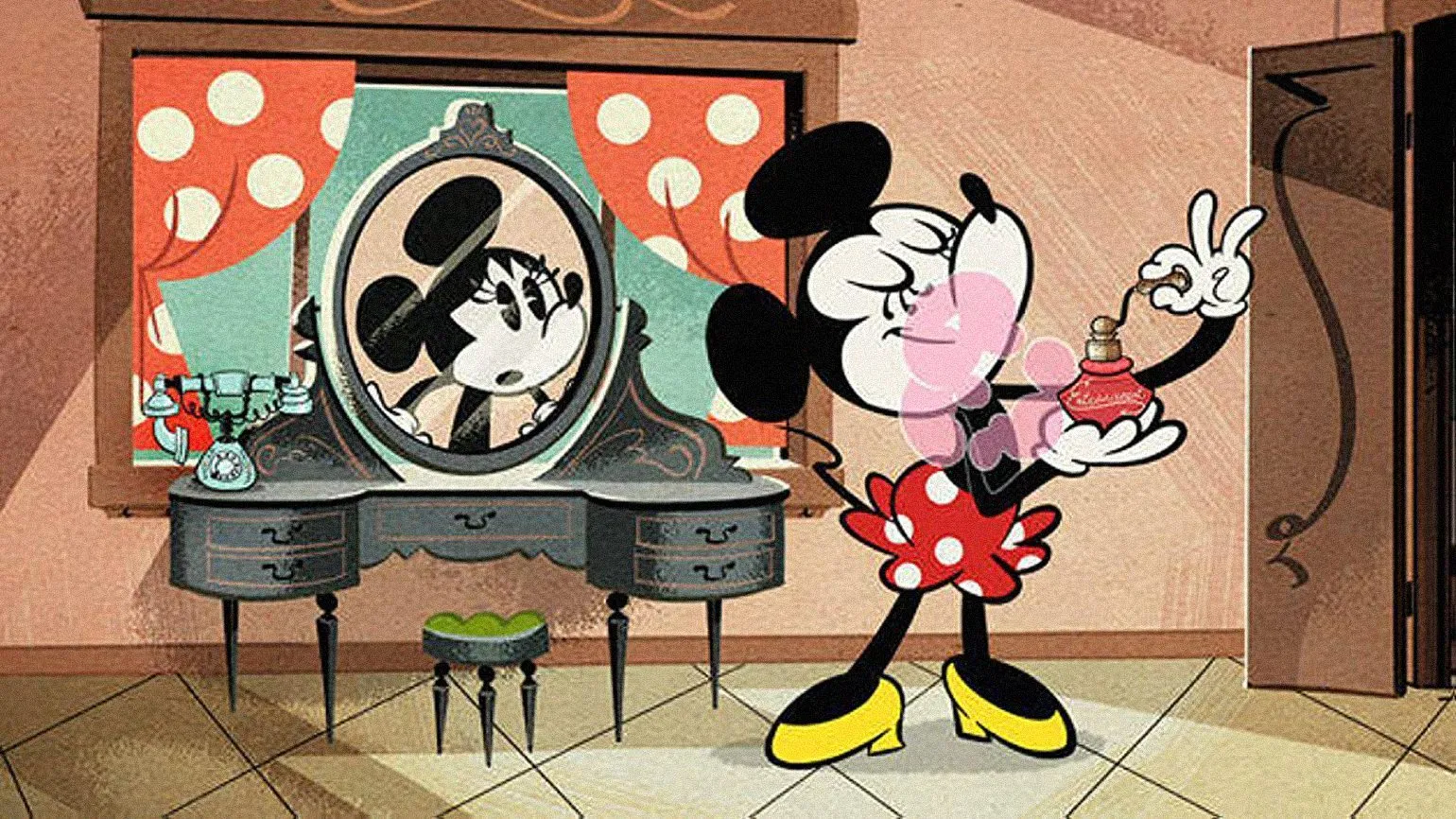
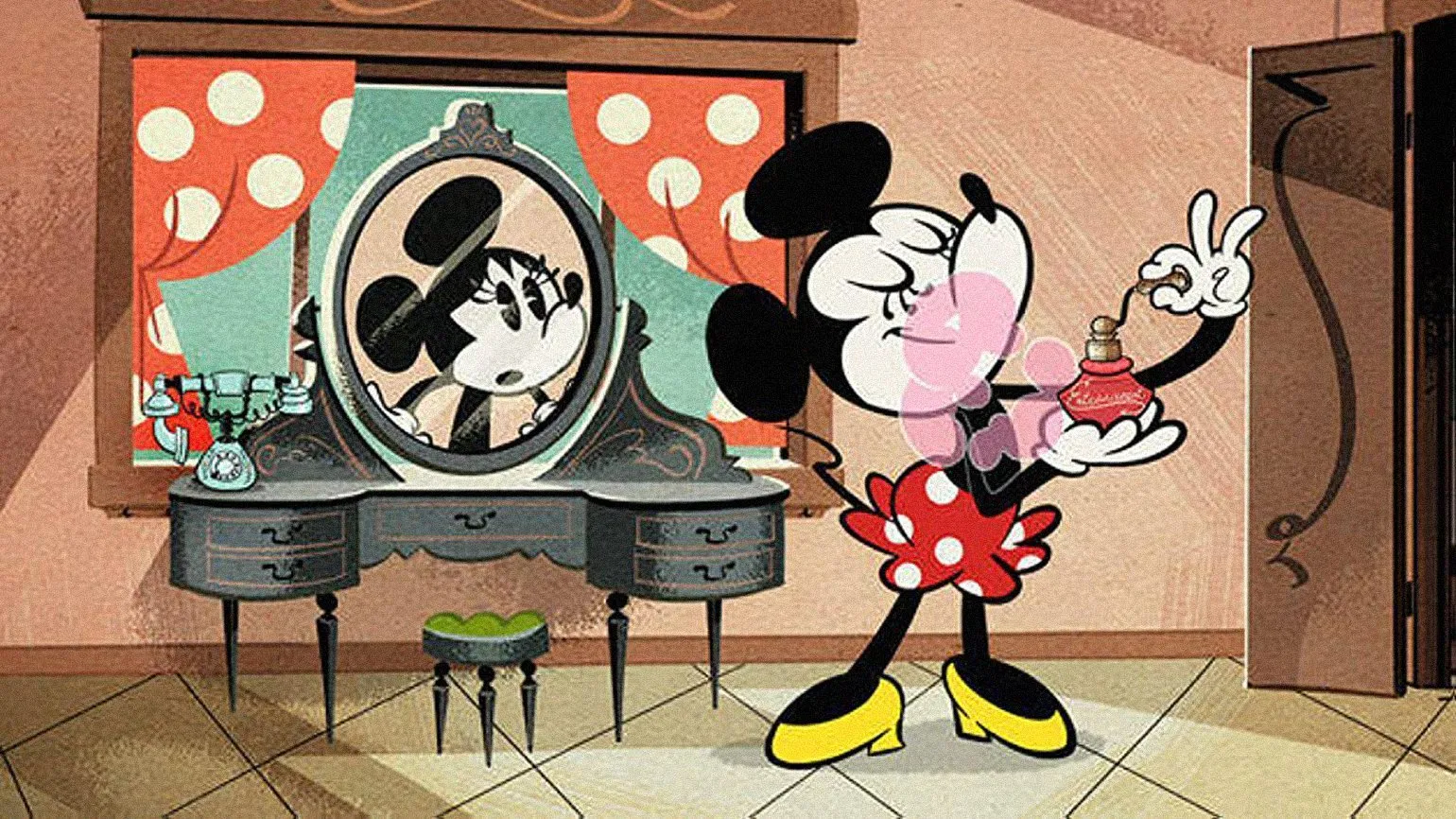
Using cartoon characters created by teams of creators presents a particular challenge. Often, the rights to such characters are not owned by a single company, complicating the process of identifying the creators. It can be impossible to determine who developed and designed a specific character. In addition, publicly available information about rights and authors is often incomplete or contains errors, which complicates the legal aspects of using such images.
Of course, please provide the text to be edited.
If there is no author information, it is important to include the copyright holder's name when citing. This is especially true for content created by companies, such as commercials and corporate media. For example, in the case of the documentary "IP-Dostoevsky," which is presented on the Claims channel, the copyright holder is the company itself, although specific authors are not indicated. Therefore, in situations like these, it is recommended to include the copyright holder to ensure the correct link to the content.
Content is often created by multiple authors and copyright holders. For example, audiovisual works such as videos and films typically involve multiple authors, as each work consists of various elements, each with its own creator. Similarly, books and articles may be written by multiple authors. Unless all authors have transferred their rights to a single copyright holder, such as a publishing house, the consent of all copyright holders, not just one, is required to use the content. This is regulated by paragraph 3 of Article 1229 of the Civil Code. Therefore, it is important to consider collective authorship and the need to obtain permission for the legal use of content. Using a cartoon character created by a group of authors presents a significant challenge, especially if the rights are not held by a single company. In such cases, it is difficult to identify all the authors and determine who developed and designed a particular character. Furthermore, publicly available information is often incomplete or inaccurate, further complicating the process. This highlights the importance of carefully researching copyright and usage rights for such characters to avoid legal disputes and preserve the integrity of the work.
In Russia, exclusive rights to works generally expire 70 years after the author's death, according to Article 1281 of the Civil Code. However, there are exceptions, for example, if the term of protection for a work is 50 years and this term expired before January 1, 1993. It is important to take these aspects into account for a proper understanding of copyright and the terms of protection for creative works.
After the copyright expires, the work enters the public domain in accordance with Article 1282 of the Civil Code. This means that no permission is required to use it, and there is no need to control the volume of citation. The public domain opens up new opportunities for creativity and the dissemination of information, allowing everyone to freely use, copy, and adapt works.
The term of copyright protection begins on January 1 of the year following the year of the author's death. To correctly determine the year when a work enters the public domain, it is necessary to add 71 years to the year of the author's death, and not 70, as is often mistakenly believed. For example, Alexander Solzhenitsyn died in 2008, meaning his works will only become available for use without the permission of his legal successors starting in 2079. It's important to note that this information applies only to Russia—in other countries, the copyright term for Solzhenitsyn's works may expire earlier or later than in Russia.
Article 1281 of the Civil Code of the Russian Federation describes additional circumstances under which copyrights are terminated within specific timeframes. In the case of an author's posthumous rehabilitation following repression, the copyright term is 70 years, beginning with the year following the year of rehabilitation. Furthermore, for authors who worked or participated in the events of the Great Patriotic War, the term of exclusive rights is extended to 74 years, rather than 70. These nuances are important for protecting the rights of authors and their heirs, as well as for properly understanding the terms of copyright in various situations.
Different countries have different copyright terms, which depend both on the legislation of a particular country and on the date of publication of the work or the death of its author. For example, in the United States and Mexico, the terms of copyright protection vary: for some works they are 50 years, while for others they can be up to 100 years after the death of the author. These differences in terms of protection are important for the legal order and the protection of intellectual property at the international level.
In Russia, according to Article 1281 of the Civil Code, exclusive rights to works expire 70 years after the death of the author. However, there are exceptions. For example, if the term of protection for a work is 50 years and this term expired before January 1, 1993, then such a work is protected for only 50 years. These nuances are important for understanding copyright and the terms of intellectual property protection in Russia.
After the copyright term expires, a work enters the public domain in accordance with Article 1282 of the Civil Code. This means it can be used without the need for permission or citation controls. The public domain provides free access to cultural and scientific resources, facilitating their dissemination and use for educational and creative purposes.
The term of copyright protection begins on January 1 of the year following the year of the author's death. To correctly determine when a work enters the public domain, one must add 71 years to the year of the author's death, not 70, as many mistakenly believe. For example, Alexander Solzhenitsyn died in 2008, meaning his works will only become available for use without the permission of his legal successors starting in 2079. It's worth noting that rules may differ in other countries, and Solzhenitsyn's works may fall into the public domain sooner or later than in Russia.
Article 1281 of the Civil Code describes additional cases in which copyright may be terminated within specific timeframes. Specifically, if the author was posthumously rehabilitated following the purges, the copyright term is considered to be 70 years from the year following the year of rehabilitation. Additionally, for authors who worked or participated in the Great Patriotic War, the term of exclusive rights is 74 years instead of the standard 70 years.
Copyright protection periods vary by country and can depend on the work's publication date or the author's date of death. For example, the United States and Mexico have different terms of protection for different categories of works: in some cases, protection lasts 50 years, while in others, it lasts up to 100 years after the author's death. These differences are important to consider when working with other people's works, as they directly affect the legality of using the content.
If the copyright holder provides content under a Creative Commons (CC) license, it can be used without obtaining separate permission. However, it is important to indicate the author, source, and license type. Information about the license is usually posted on the website where the content is published, for example, in articles. It is important to remember that Creative Commons includes several different licenses (such as CC0, CC BY 4.0, and others), and some of them allow commercial use, while others do not. If the license name includes the designation NC, this indicates a prohibition on commercial use, meaning such content cannot be used in paid courses. If the copyright holder indicates that the content is available "under a Creative Commons license" but does not specify which license is applied, it is recommended to refrain from using it to avoid copyright infringement.
If the copyright holder distributes content under a Creative Commons (CC) license, its use is possible without obtaining additional permission. It is important to remember that when using such content, it is necessary to indicate the author, source, and license type. License information is usually provided on the website where the content is hosted, for example, in articles. It's worth noting that Creative Commons encompasses several different licenses (such as CC0, CC BY 4.0, and others), each with its own terms of use. Some licenses allow commercial use, while others have restrictions. For example, if the license name includes the letters NC, it prohibits commercial use, making it impossible to use such content in paid courses. If the copyright holder indicates that their content is available "under a Creative Commons license" but does not specify the type of license, it is recommended to refrain from using it to avoid potential copyright infringement.
Quoting photographs became possible thanks to a 2017 Supreme Court decision in the case of Ilya Varlamov v. Archi.ru. The court recognized that not only text but also images can be quoted. This means that it is possible to use both fragments of photographs and entire images. When the Supreme Court makes such decisions, lower courts typically follow this practice. Support for this position was further confirmed in the Resolution of the Plenum of the Supreme Court of the Russian Federation dated April 23, 2019, No. 10. Thus, it can now be confidently stated that citing photographs is a legal and accessible tool for use in various publications.

To legally use other people's photographs, you must adhere to basic copyright laws. First and foremost, it's important to obtain permission from the copyright holder to use the image. This can be done through a direct request or by purchasing a license. It's also worth considering that some images may be in the public domain or distributed under licenses that allow free use, such as Creative Commons. It's important to carefully review the terms of such licenses to avoid violations. Furthermore, it's always recommended to attribute the author and source of the image, which not only respects the author's work but can also enhance your online reputation. Compliance with these rules will help avoid legal consequences and violations of intellectual property rights.
- It must be a citation for one of six purposes: scientific, polemical, critical, informational, educational, with the aim of revealing the creative intent of the authors;
- You can quote only as many photographs or their fragments as required for the stated purpose;
- The author must be mentioned;
- The source of the photographs must be indicated.
Photographs can be the subject of citation. Although the term "quoting photographs" may seem unusual, in 2017, the Supreme Court in the case of Ilya Varlamov v. Archi.ru established that images are also subject to citation along with text. The court recognized that not only fragments of photographs can be cited, but also entire photographs. This legal position, enshrined by the Supreme Court, provides confidence that lower courts will follow similar principles. The importance of this decision is confirmed by the Resolution of the Plenum of the Supreme Court of the Russian Federation of April 23, 2019, No. 10, which once again emphasized the possibility of citing images.

To legally use someone else's photo, you must meet a number of general requirements. First and foremost, it's important to obtain permission from the copyright holder. This can be done through a license agreement or written consent. Also, keep in mind that some images may be in the public domain or licensed under a Creative Commons license, which allows free use as long as the terms are met. It's also recommended to include attribution, even if it's not required, to show respect for the creator's work. Compliance with these rules will help avoid legal consequences and support the ethical use of content.
- This should be a citation for one of six purposes: scientific, polemical, critical, informational, educational, or to reveal the creative intent of the authors;
- You can cite only as many photographs or their fragments as required for the stated purpose;
- The author must be mentioned;
- The source of the photographs must be indicated.
The use of content in online courses is subject to the same rules as in other fields. If the course creators are accused of copyright infringement, for example, for using an image without permission, an argument like "we just wanted to amuse the audience after a boring lecture" will not be an excuse. It's important to comply with copyright laws and obtain the necessary permissions for any content used to avoid legal repercussions and preserve the reputation of the course.
There is one exception that allows the use of someone else's content for entertainment purposes: parody and caricature, according to paragraph 4 of Article 1274 of the Civil Code. Including a comical still from a film in a presentation can be considered a caricature, especially if there is an unexpected and amusing juxtaposition between the still and the text of the slide it accompanies. Arguing that it's a caricature is often effective, as in the Zhdunya case discussed in Arguments and Facts. It is important to note that in such cases, the law does not require indicating the authors of the film and the source of the image, which makes the use of such elements easier and more accessible for content creators.
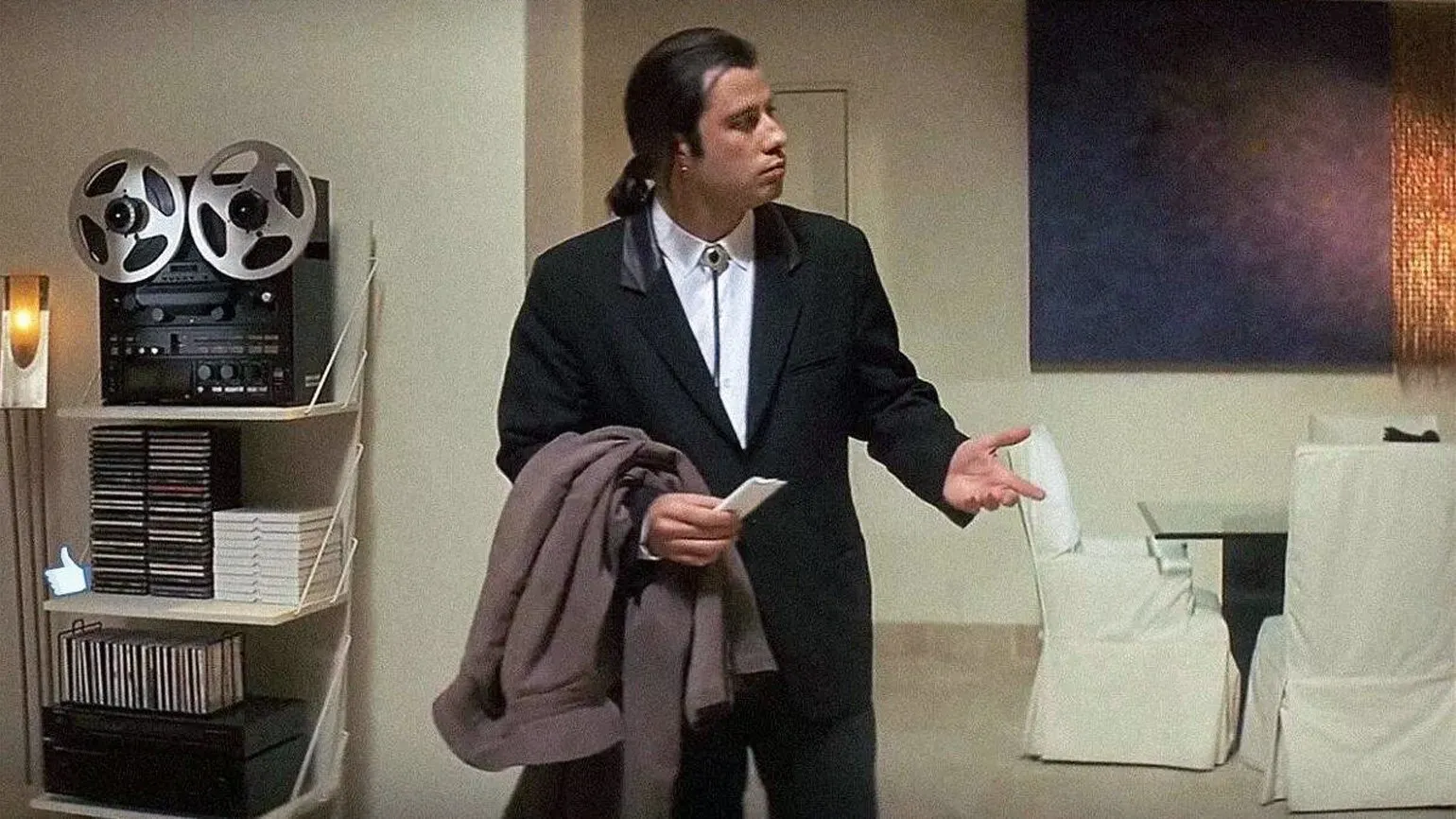
When using film fragments for educational or critical purposes, or to reveal the author's intent, it is important to adhere to certain conditions to avoid liability. Only the portion of the material actually necessary for illustration should be used; otherwise, it will no longer be considered a quotation. The author's name and source must also be indicated. When inserting a film still, not only the film's title but also its creators, including the director, screenwriter, and composer, must be indicated, in accordance with Article 1263 of the Civil Code. If the authors are unknown for any reason, the copyright holder must be indicated. Information about the creators or copyright holders can be found in the film's credits, as well as in the Register of Film Distribution Certificates. Proper adherence to these rules will help avoid copyright infringement and ensure the legal use of the materials.
The same rules apply to the use of such content. If the creators of an online course are accused of using an image without permission, they can't justify it with a phrase like, "We just wanted to amuse the audience after a boring lecture." It's important to remember that respecting copyright is the foundation of legal content use. Violating these rights can lead to serious legal consequences. Therefore, it's always a good idea to check image licenses and obtain the necessary permissions before using them in educational materials. There is one exception that allows the use of someone else's content for entertainment purposes: parody and caricature, according to paragraph 4 of Article 1274 of the Civil Code. Including a comical still from a film in a presentation can be considered a caricature, especially if it creates an unexpected and amusing juxtaposition between the image and the content of the slide. Arguing that it's a caricature is often effective, as demonstrated by the Zhdun case in Arguments and Facts. It's important to note that the law does not require attribution of the film's creators or the source of the still in such cases. Using such elements can significantly increase interest in the material and make it more memorable for the audience.
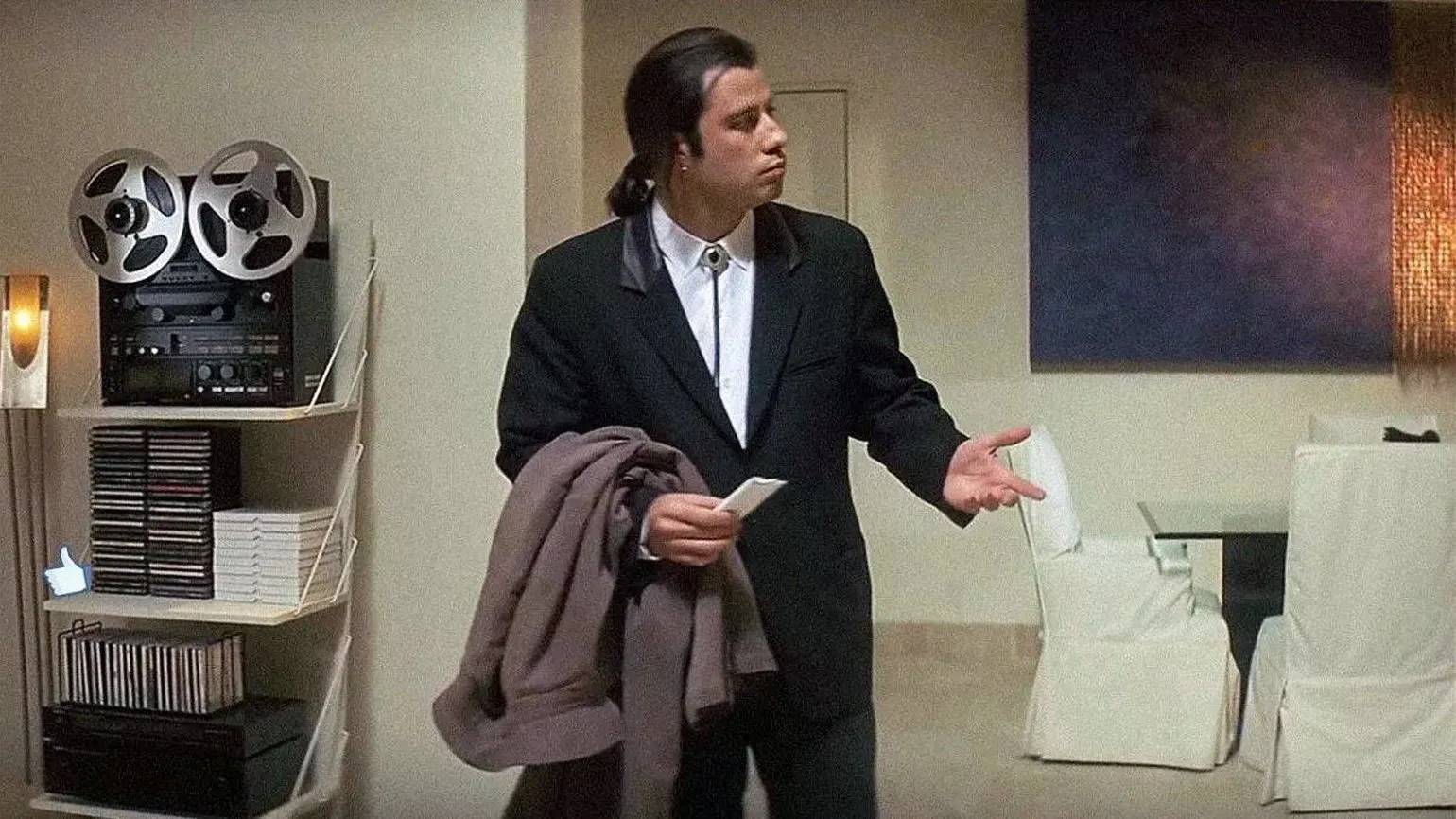
If a film fragment is used for educational or critical purposes, or to reveal the author's intent, certain conditions must be met to avoid legal liability. First, no more material should be used than is necessary for illustration (otherwise it will be considered an infringement). Second, it is important to indicate the author's name and source. When inserting a film still, it is necessary to indicate not only the film's title but also the names of the authors, including the director, screenwriter, and composer, in accordance with the requirements of Article 1263 of the Civil Code. If the authors are unknown, the copyright holder must be indicated. Information about the authors and copyright holders can be found in the film's credits, as well as in the Register of Film Distribution Certificates. Compliance with these requirements will help avoid legal problems and promote respect for copyright.
If a film belongs to a Russian museum, its use is permitted only with the permission of that museum. According to Article 36 of the Law "On the Museum Fund of the Russian Federation," the commercial use of works of art held in the Museum Fund of the Russian Federation is under the control of the museum that owns the painting. This rule remains in effect regardless of how many years have passed since the artist's death and even if the painting has entered the public domain, meaning the copyright has expired.
The famous case of Iya Yots v. The Hermitage set an important precedent in the field of copyright. The owner of a St. Petersburg designer clothing store commissioned an artist to create a replica of Thomas Gainsborough's "Lady in Blue," which would feature a portrait likeness of her. The work was posted on the store's website and displayed at the entrance to the establishment. However, the Hermitage, which holds the rights to the original painting, demanded that the use of the image be stopped. Ultimately, the museum won all the court cases, which highlights the importance of upholding copyright and protecting intellectual property.
In Russia, museums have the right to sue for commercial use of images of paintings without permission. Therefore, it is best to avoid this risk. However, it is worth noting that in most cases, especially when it comes to state museums, they usually only demand that the infringement cease and desist, rather than compensation.
If the painting is in a foreign museum, it is necessary to take into account the legislation of the specific country. For example, France has museum rights rules similar to those in Russia. However, such cases abroad are rare. It is important to note that museum rights, unlike copyright, do not apply outside the country of their registration. If the copyright on a work has expired and a painting from a foreign museum is declared public domain (usually this is designated as "in public domain"), it can be used without special permission. It is important to remember that in one country a painting may be considered public domain, while in others it may still be under copyright protection.
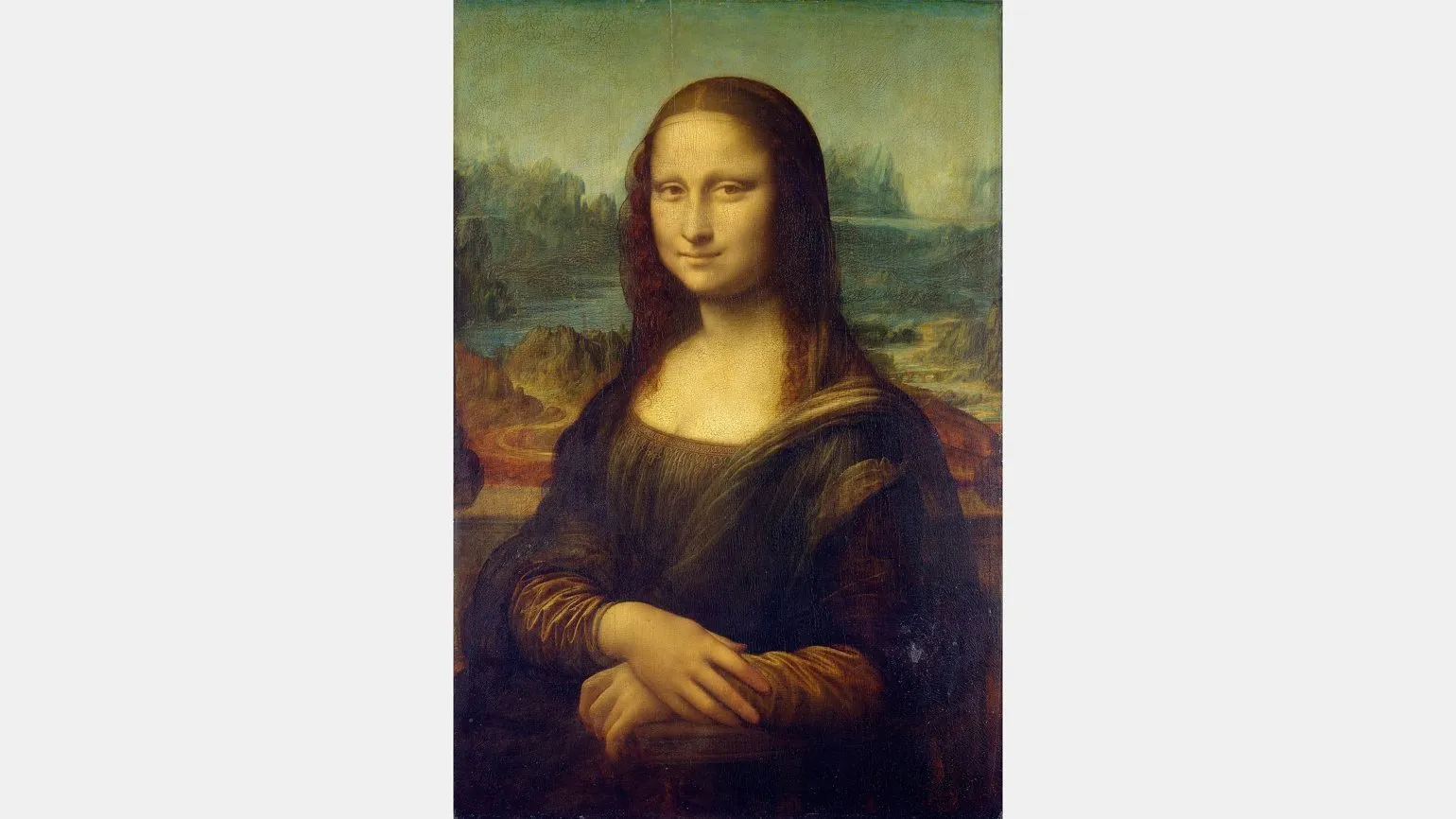
Using works of art in the public domain does not require attribution. However, if the painting is in the public domain and belongs to a Russian museum, it is necessary to agree on the terms of its use with that museum in advance. This will avoid potential legal conflicts and ensure compliance with all requirements related to the use of museum collections.
If a painting is owned by a Russian museum, its use is impossible without permission from that museum. According to Article 36 of the Law "On the Museum Fund of the Russian Federation," the commercial use of works of art in the Museum Fund of the Russian Federation is under the control of the museum-holder. This rule remains in effect regardless of how many years have passed since the author's death, and even if the painting is considered public domain, that is, the copyright has expired.
The famous case of Iya Yots v. The Hermitage concerns the use of Thomas Gainsborough's painting "Lady in Blue." The owner of a designer clothing store in St. Petersburg commissioned a replica of this painting from an artist, seeking to create a portrait resembling her own face. The image was posted on the store's website and displayed at the entrance. However, the Hermitage demanded that the use of the image be stopped and won all legal proceedings. This case highlights the importance of respecting copyright and obtaining permission to use works of art.
In Russia, museums have the right to sue for the commercial use of images of paintings without prior permission. Therefore, it is recommended to avoid such actions. However, it is worth noting that in most cases, especially when it comes to state museums, they prefer to demand only the cessation of infringement rather than compensation. Nevertheless, to protect your rights and interests, it is important to respect copyright and obtain the necessary permissions before using images of works of art.
If the painting belongs to a foreign museum, it is important to consider the legislation of the specific country. For example, France has museum rights rules similar to those in Russia. However, such cases abroad are rare, and museum rights, unlike copyright, do not have international force. If the copyright has expired and the painting from a foreign museum is in the public domain, which is usually designated as "in public domain," it can be used without the need for permission. It is important to remember that public domain status can vary from country to country: a painting may be in the public domain in one country, while it may still be protected by copyright in another.
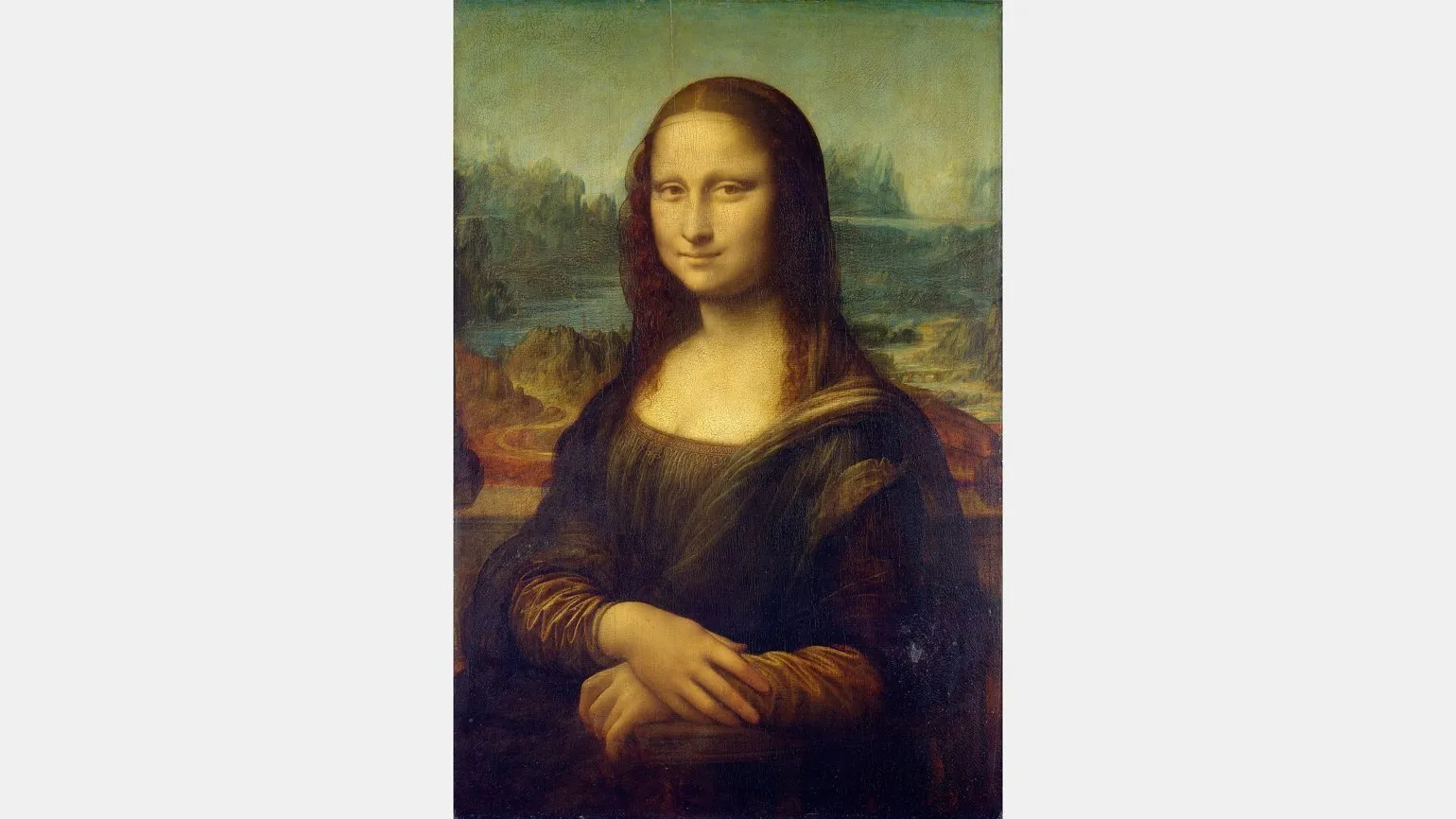
When using paintings in the public domain, attribution is not required. However, if the artwork is in the public domain and belongs to a Russian museum, the terms of use must be agreed upon with that museum in advance. This is important to comply with copyright and respect cultural heritage.
Free use of images depends on the specific circumstances. There are two main restrictions: the individual's right to their own image and the copyright of photographers. Established rules apply to the rights of photographers and other copyright holders, such as photo banks. It is necessary to indicate the source of borrowing and the author, and to ensure that the citation is justified. This is important to comply with legal requirements and protect intellectual property.
The individual's right to one's own image is regulated by law, in particular, Article 152 of the Civil Code. In general, the use of other people's photographs without their consent is prohibited. However, there is an important exception: permission to use images is not required if it is done in the public interest, as confirmed by paragraphs 43–49 of Resolution No. 25 of the Plenum of the Supreme Court dated June 23, 2015. This rule opens up opportunities for the use of photographs in various fields, such as journalism, scientific research, and social projects, provided that it does not violate personal rights.
Photographs of celebrities can be used in online courses without their direct permission if they consent to being photographed and do not object to the publication of their images. For example, if a public figure poses on the red carpet of a film festival, this implies consent to the use of such photographs. However, if the photograph is taken in an informal setting, for example, in a supermarket, such use may violate the right to privacy. Properly understanding the boundaries of consent to the use of celebrity images is important for copyright compliance and ethical standards.
The use of images depends on the specific circumstances and is governed by two main principles: the individual's right to their image and the copyright of photographers. Established rules apply to the rights of photographers and other copyright holders, such as photo banks. The source and author's name must be indicated, and citations must be justified. Compliance with these rules helps avoid infringements and protect the rights of both authors and people depicted in the photographs.
Individual rights to their own images are regulated by law, and the basic rule is that using other people's photographs without their consent is prohibited. This rule is set out in Article 152 of the Civil Code of the Russian Federation. However, there is an important exception: according to paragraphs 43-49 of Resolution No. 25 of the Plenum of the Supreme Court of June 23, 2015, the consent of citizens is not required in cases where photographs are used in the public interest. Thus, subject to certain conditions, it is possible to legally use images without prior permission.
Photographs of celebrities may be used in online courses without their express permission, provided they consent to being photographed publicly and are aware of the possibility of subsequent use of these images. For example, if a public figure poses on the red carpet at a film festival, this is considered a consensual act. However, if the image was taken in an informal setting, such as in a supermarket, where the celebrity did not expect to be photographed, such use of the photograph may violate their privacy. It is important to consider the context and conditions under which the photograph was taken to avoid legal consequences and respect individual rights.
When using photographs and text from social media, you must follow the same rules as when using images and materials from other sources. When quoting, be sure to cite the author and source, including a link to the social media page. If you plan to use text or an image in full, you must obtain the appropriate permission from the copyright holder. Respecting copyright not only respects the work of content creators but also contributes to the positive reputation of your resource.
Posting your own image on social media does not automatically imply permission for its use by everyone. This is confirmed by the position of the Supreme Court. It is important to follow the rules of a specific social network, as they may contain conditions under which users agree to certain rules by uploading photographs. For example, in some cases, it may be stated that by posting an image, users only permit its distribution within that social network, but not outside it. You should carefully review the terms of use of content to avoid copyright infringement.
When using photographs and text from social networks, you must adhere to the same rules as when working with images and text from other sources. When quoting, it is important to indicate the author and a link to the social network page. If you plan to use the text in full, you will need to obtain permission from the copyright holder. This will avoid copyright infringement and ensure the legality of using the content.
Posting your own images on social networks does not automatically grant anyone the right to use them. This is confirmed by the position of the Supreme Court. It is important to familiarize yourself with the rules of a specific social network, as they may contain important conditions. For example, in some cases, by posting photos, users agree to the platform's terms, which may permit other users to distribute the images within the social network itself, but not outside it.
There are examples confirming the possibility of collecting compensation for copyright infringement. According to the law, violators may be required to pay an amount from 10,000 to 5,000,000 rubles or twice the cost of using someone else's photographs, books, and other works (Article 1301 of the Civil Code). As can be seen, the range of amounts is significant. Below are several examples of actual cases of compensation for copyright infringement.
In March 2021, the copyright holder sued the Federal State Institution "Roads of Russia" for the unauthorized use of his photographs in a presentation. The organization claimed that the images were used for informational purposes, but the court did not uphold this justification. Moreover, the presentation did not properly indicate the author's name and the source of the photographs. As a result, the court ordered the Federal State Institution "Roads of Russia" to pay 50,000 rubles, which corresponded to the amount claimed by the plaintiff. This case highlights the importance of copyright compliance and the need to obtain permission to use materials.
A St. Petersburg entrepreneur who developed online courses on legal and accounting issues for businesses was able to recover 350,000 rubles from a competitor for the use of her content. The court found the infringer's actions unacceptable, despite her attempts to justify herself by arguing that she simply took the materials from the internet. This case highlights the importance of protecting copyright and original content in online education.
The amount of compensation depends on many factors, including the commercial value of the copied materials, the duration and extent of the copyright infringement, and the damages incurred by the copyright holder. These aspects play a key role in determining fair compensation for intellectual property infringement.
Reading is an important part of our lives, providing access to new knowledge and ideas. It promotes critical thinking and broadens our horizons. Books, articles, and blogs are sources of information that help us understand the world around us and make informed decisions. Regular reading not only develops imagination but also improves writing and speaking skills.
Modern technology offers a variety of reading platforms, such as e-books and online resources, making access to information more convenient and faster. Read a variety of genres and topics to improve your skills and deepen your understanding of various aspects of life.
Don't forget to share your impressions of what you read; this will help you consolidate your knowledge and stimulate discussions with other readers. Reading not only entertains, but also enriches our inner world.
- Protecting the rights to an online course: what to do if someone stole your content?
- Copyright for a designer: a big overview
Online course producer from scratch to PRO
You'll learn how to launch profitable courses and webinars with minimal investment. You'll understand how to turn existing EdTech projects into profits and make money from online learning.
Find out more