Contents:

Learn: Profession Methodist from scratch to PRO
Learn MoreThis article will provide you with information on key aspects of the topic. We'll cover important details and provide helpful tips for a deeper understanding. You'll also learn practical examples and recommendations to help you improve your knowledge and skills in this area. Read on for valuable information and recommendations.
- How the first tutors appeared in Oxford and Cambridge;
- Why students needed to be supervised at medieval universities;
- Why English students needed academic advisers;
- How the practice of tutoring gave rise to such a form of classes as tutorials.
Who are tutors?
Today, a tutor is a professional mentor in the field of education. Their main task is to support students in their development, help them unlock their potential and identify the causes of failures, as well as overcome difficulties. A tutor facilitates the formation and implementation of an individual educational route, taking into account the unique interests and goals of each student. Tutors work with both children and adults, providing services both in educational institutions (schools, universities) and in private consulting settings. This makes them indispensable assistants in the educational process, contributing to the achievement of high results.
Tutors often face confusion about their role. They are often mistaken for psychologists, career counselors, or tutors. However, in reality, a tutor is none of these things. A tutor serves as a personal coach in the educational process, helping students develop and achieve their goals. They provide individual support, guide them on the right path, and promote a deep understanding of the educational material. The role of a tutor is to create a comfortable educational environment where each student can reach their potential.
The concept of "tutor" may be new to many, but the first educational assistants existed as far back as the Middle Ages. The word "tutor" comes from the English word "tutor," which as a noun translates as "mentor" or "guardian," and as a verb means "to instruct" or "to treat someone with strictness." A related word is "tutorial," which refers to a manual or step-by-step guide for students, helping them master various tasks. Tutoring involves a specific format of instructional sessions aimed at developing students' reflective and communication skills, making it an important element of the modern educational process. Tutors support students in their learning, fostering a deeper understanding of the material and developing independence. Tutoring originally encompassed all of these meanings simultaneously. This term combines the functions of mentoring, teaching, and support, making it an essential element of the educational process. Tutoring promotes a deeper understanding of the material and the development of skills in students, allowing for an individualized approach to learning.

Explore additional materials:
A tutor is a specialist who helps students achieve their educational goals. Their primary role is to provide individualized support to students, tailoring the learning process to their needs. Tutors can work both within and outside educational institutions, providing support in various forms: from homework assistance to consultations on complex topics. A tutor's primary responsibilities include planning the learning process, time management, assessing student progress, and providing feedback. They may also conduct training sessions and seminars to develop study skills. Tutors play a vital role in creating a comfortable and productive learning environment, which facilitates deeper learning. Additionally, tutors can assist in choosing a career path by providing information on various educational programs and employment opportunities. Thus, a tutor is not just a mentor, but also a guide in the world of knowledge, facilitating successful learning and personal development.
When and how did the first tutors appear?
The tutoring system, similar to modern methods, began to develop in medieval English universities such as Oxford and Cambridge. These educational institutions laid the foundations for an individual approach to learning, which became an important part of the academic tradition. Tutoring at these universities contributed to a deeper assimilation of knowledge and the development of critical thinking in students. The historical legacy of the tutoring system continues to influence modern educational practices, shaping an individualized approach to learning and student development.
The oldest universities in Great Britain were founded in the 12th and 13th centuries. Like all medieval educational institutions, they arose as associations of people striving for joint learning and mutual support in everyday life. During this period, colleges began to emerge, providing students with accommodation and opportunities for independent study outside the classroom. These colleges also housed faculty, facilitating closer interaction between students and their instructors. These institutions became the foundation for the development of higher education in Britain, laying the foundations for modern universities.
Over time, these halls of residence became important centers of university life. Here, students not only live but also actively interact with one another, organize events, and form friendships. Halls play a key role in shaping student culture and fostering communication and collaboration skills.
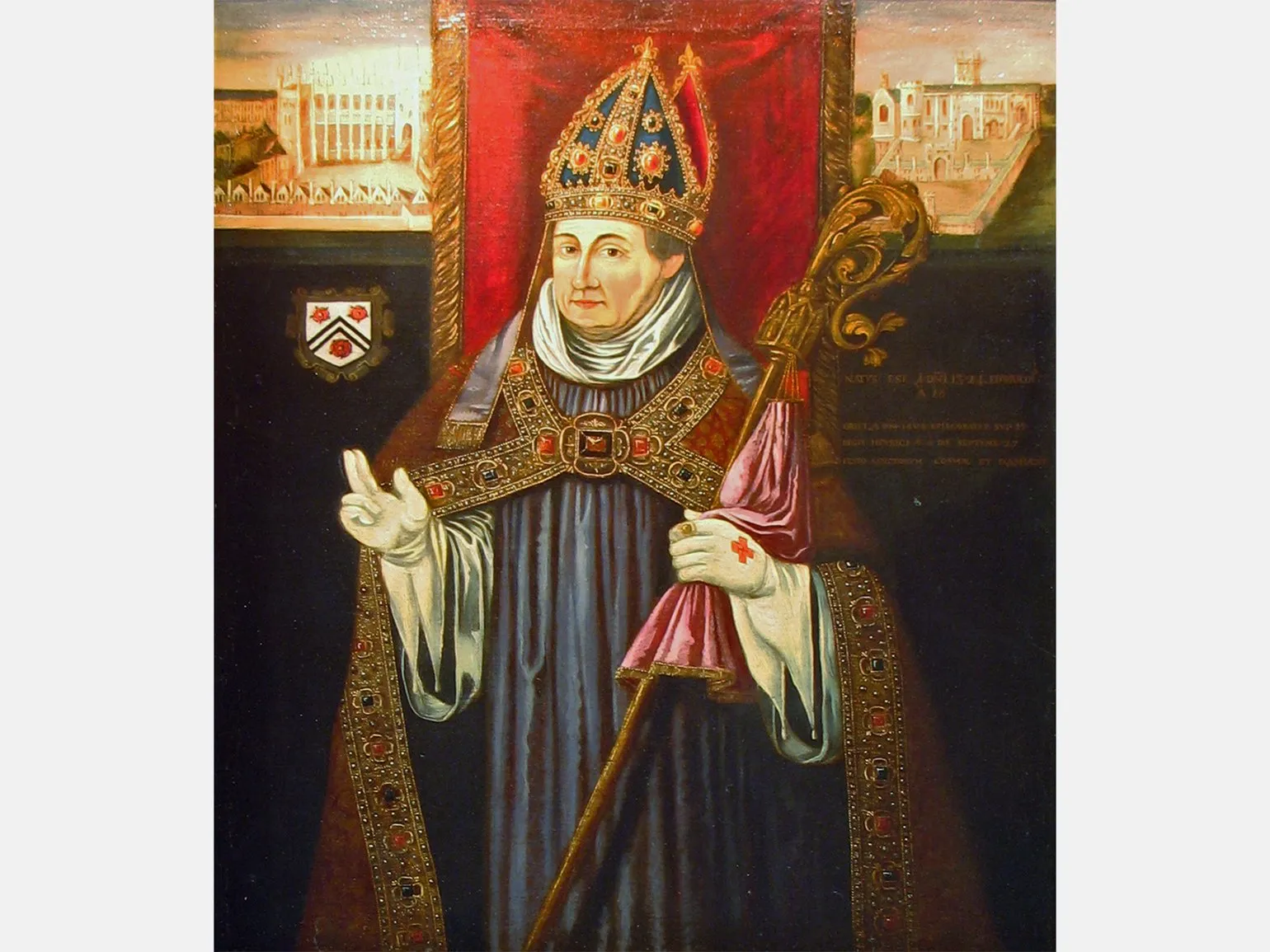
Tutors first appeared in colleges, where older students began to support younger students. In their book, Centuries of Tutoring: A History of Alternative Education in America and Western Europe, Edward and Elaine Gordon describe the founding of Winchester College in Oxford in 1379. Bishop William of Wykeham introduced the tutoring system, which was an important step in the development of educational practices. This tradition has had a significant influence on the approach to teaching and supporting students in the future, contributing to the creation of a more individualized and effective educational process.
By that time, the democratic structure of English universities had weakened significantly. Education ceased to be an effective social elevator, as under the growing absolute power of the monarchy, key positions began to be distributed among members of the aristocracy. This led to a decrease in opportunities for the general population to gain access to high positions, which negatively impacted social mobility and equality in the educational system.
Colleges began to see many graduates with degrees but no corresponding positions. Some of them continued their studies at their alma mater, striving for a higher degree. These students remained part of the university community and found employment, for example, as mentors for younger students. Thus, the system of tutoring was formed in the oldest English universities. The first documented mentions of tutors date back to the 15th century, but it is quite possible that such a practice existed earlier. Tutoring became an important part of the educational process, contributing to both the academic and personal development of students.
What did medieval tutors do?
At the end of the 19th century, Russian legal scholar and historian Nikolai Suvorov noted that the main task of tutors was to monitor students' behavior. They monitored whether students attended church, what they wore, whether they attended lectures, and whether they disturbed the peace at night. Tutors even accompanied students on their holidays. The role of tutors in the educational system of that time was important, as they not only taught but also shaped the moral principles of young people.
Supervision of younger students at that time was not excessive. Most applicants entered universities at the age of 14–15. Finding themselves far from home and without family supervision, many of them sometimes forgot their main goal—study—and became engrossed in entertainment. Young students' love of alcoholic parties often led to conflicts with local residents, sometimes culminating in fights, which negatively impacted the reputation of educational institutions.
In 1355, a tragic incident occurred in Oxford when university students and local residents became involved in a mass brawl that ended in a massacre. As a result of this conflict, approximately 63 students and 30 townspeople died. The cause of the clash was a minor quarrel that broke out in a local tavern. This conflict became an important event in Oxford's history, highlighting the tense relations between students and the city's residents.
The issue of monitoring student behavior became a pressing issue, which led to the introduction of the practice of tutor supervision during the first three years of study. Under this system, tutors, or students, were required to report weekly to their tutors. Tutors, in turn, received a fee of five shillings for each student under their care and could supervise several students simultaneously. This tradition contributed to more effective teaching and maintained discipline among students.
Tutors played an important role in the educational process, providing support to students in their academic activities. Their main task was to guide and motivate students, helping them better assimilate the material and develop the necessary skills. Tutors contributed to the creation of a comfortable and productive learning atmosphere, which allowed students to achieve higher results.
English universities were initially distinguished by their unique characteristics, focusing on the development of students, rather than solely on their education. It was generally accepted that a university graduate should become a gentleman, possessing a broad knowledge and a classical education. Such a person must be able to understand Latin and engage in discussions of classical literature, which emphasized the importance of cultural and intellectual development within the educational process.
English universities long resisted the creation of specialized departments, a consequence of the growth and complexity of the sciences. As a result, students found themselves in a situation where the formation of their curriculum was entirely up to them. This meant that the students themselves were the ones who determined the extent of their knowledge and the professions they would find fulfilling. This approach promoted independence and critical thinking, but at the same time created challenges within the framework of systemic education.
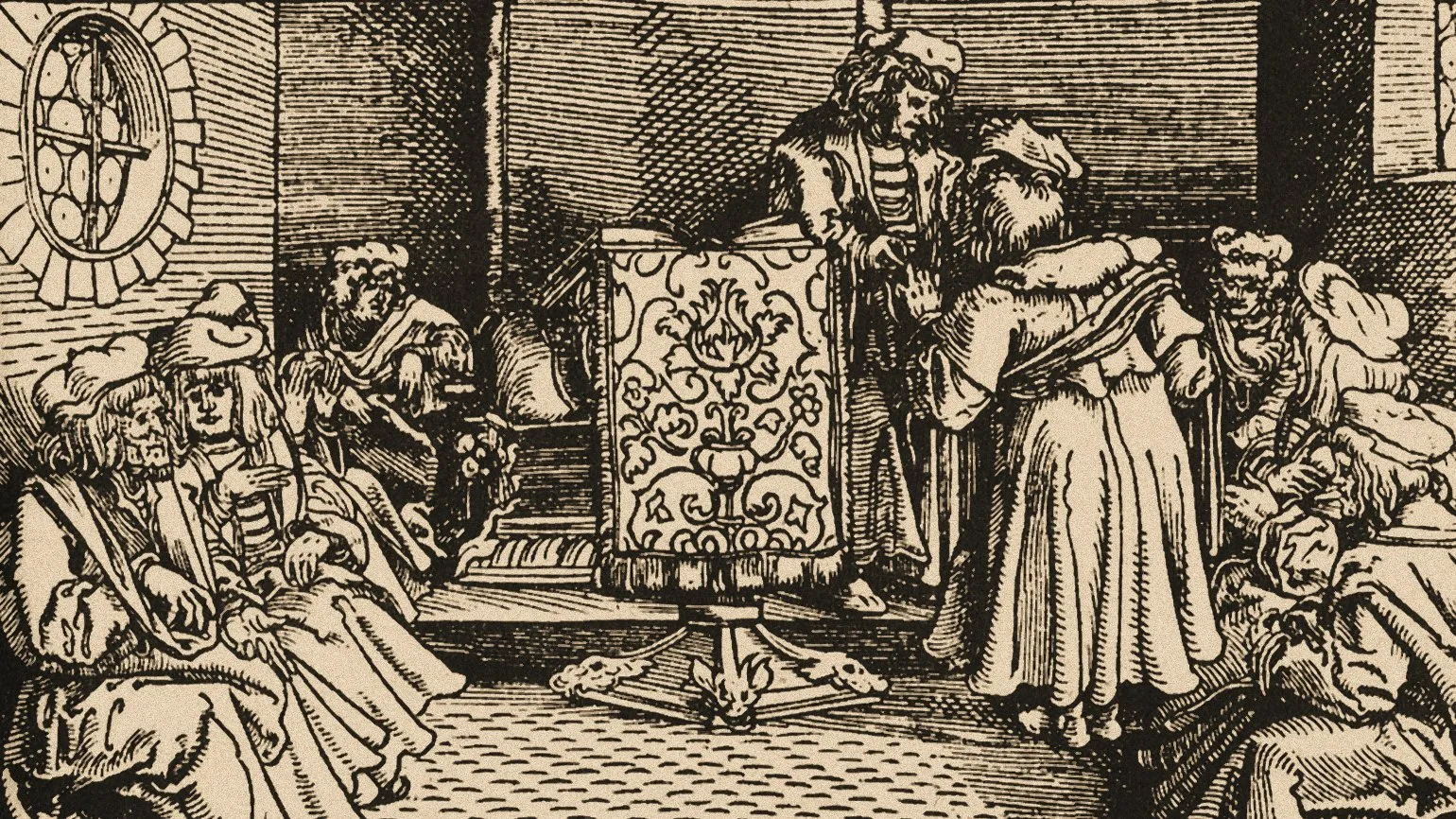
Until the 19th century, Britain maintained a medieval education system. Instruction took the form of lectures, where the teacher read aloud the classics and analyzed the issues raised in detail. Teaching was based on so-called summa—collections of commentaries. Often, the various interpretations and opinions of church authorities on certain issues significantly exceeded the volume of the text being discussed. This educational system was characteristic of its time, but soon began to change under the influence of new ideas and approaches to teaching.
Teachers chose their own approach to lectures, giving students the opportunity to attend classes at their discretion. However, successfully passing exams remained the primary requirement. In this situation, it was difficult for the young man to determine which teacher to consult, which interpretations to study, and which authorities to consider in order to effectively prepare for the exam. It is important to develop a strategy for choosing lectures and rely on the opinions of experienced students to optimally allocate time for studying the material and successfully pass the assessment.
Tutors play an important role in the educational process, acting as intermediaries between students and teachers. Their job is to help students effectively master the course material and also to establish communication with professors. Tutors support students in their academic endeavors by providing essential resources and advice, which contributes to a deeper understanding of the subject and improved academic performance.
How Tutoring Developed
In the 16th and 17th centuries, tutors became an important part of the education system. Not only did mentors recommend lectures worth attending, but they also helped students organize their study time effectively. They supervised their preparation, guiding students toward exam success. Thus, tutors contributed to the formation of an individual educational path by sharing their knowledge and experience. This mentoring role became key in creating a more personalized approach to learning.
Tutors typically continue their education, mastering new levels of knowledge. This contributes to the formation of trusting relationships between them and their tutors. Tutors are perceived not only as mentors but also as wise friends, which significantly enhances the learning and interaction atmosphere. This approach helps create a more productive educational environment where each participant can grow and develop.
It is believed that the development of tutoring in the 15th and 16th centuries contributed to the shift in student interests from traditional disciplines such as law, medicine, and theology to the humanities. This change reflects the evolution of educational priorities and the needs of society at the time, as humanities studies became more attractive to students.
Tutors gradually gained credibility in preparing students for examinations. In the 17th century, tutoring was officially recognized as an integral part of the English university system. This recognition contributed to the development of educational methods and improved the quality of student preparation for examinations.
By the mid-19th century, tutoring acquired clear forms, such as tutorials, which became the primary teaching method, surpassing lectures and seminars in importance. The basic idea is that students participate in individual lessons, where the tutor, through questioning, encourages the development of independent thinking. This approach allows for deeper learning and the development of critical thinking, making tutoring an important element of the educational process. Professor Benjamin Jowitt significantly influenced the development of tutorial methodology. He drew on the Socratic approach, which encouraged his students to engage in independent learning and critical thinking. In 1882, Jowitt was appointed Vice-Chancellor of Oxford, where he developed and implemented this method as a key element of the university's educational process. This contributed to the formation of effective teaching methods that remain relevant in modern education.

Read also:
A tutor is a person with high reflection and a complex fate. His work requires a deep understanding of the learning process and the ability to analyze their own actions and the actions of students. Tutors play a vital role in the educational environment, helping students not only master the material but also develop critical thinking and independence. They are able to adapt to the individual needs of each student, making them indispensable mentors in modern education.
What Tutors Do Today
In the 1960s, the active process of opening new universities began in the UK. At this time, the tutoring method of teaching began to be criticized as ineffective and unsuitable for modern conditions due to its elitist nature. Nevertheless, at the universities of Oxford and Cambridge, the tutoring method was persistently defended and continues to be used to this day. This testifies to its importance and effectiveness in the educational process, making these universities unique in their ability to combine tradition with modern learning requirements.
Universities continue to experiment with formats, but the basic essence of tutoring remains unchanged. Groups of one to three students meet regularly with their tutors for one to two hours per week. Tutors can be specialists in a particular field or members of colleges, such as PhD candidates and holders. Tutors may also include junior research fellows or representatives from other colleges. Students interact with a variety of tutors throughout their studies, which facilitates a deeper understanding of the subject and the development of essential skills. Tutoring sessions help create a personalized approach to learning, which enhances the quality of education and promotes student success. At Oxford, classes are held in a format called tutorials, while at Cambridge, this format is known as supervisions. These educational approaches allow students to study the material in depth and receive individual attention from their tutors. Tutorials and supervisions promote the development of critical thinking and analytical skills, which are an essential part of studying at these prestigious universities.
Preparation for tutorials and supervisions involves studying specific materials, writing essays, or analyzing specific problems. These assignments are ungraded, allowing them to be used for experimenting with ideas and exploring personal interests. During mentored sessions, students have the opportunity to deepen their knowledge, discuss their work and assumptions, and receive regular and constructive feedback. This not only helps develop skills but also fosters critical thinking and confidence in their abilities.
Tutors and supervisors value their students' opinions and actively discuss the learning process with them. They don't limit themselves to simply pointing out right or wrong answers; they strive to understand students' thoughts and ideas. Instead of simply asking them to retell material, they can suggest new topics for study, facilitating a deeper understanding of the subject. Tutors also assign independent work assignments that help students develop skills and deepen their knowledge between classes. This approach promotes more effective learning and the development of critical thinking in students.

The purpose of the meetings is to develop critical thinking, the ability to clearly express and defend one's point of view, as well as the ability to listen to others and accept constructive criticism. These skills cannot be fully developed within standard lectures, making such meetings indispensable for personal and professional growth.
Tutoring at Oxford and Cambridge remains a core teaching method today. Universities view the mentoring system as one of their key advantages. Tutoring is often called the "jewel in the crown" of British education. This teaching model has been adopted by some universities in the United Kingdom and other Western countries, confirming its effectiveness and relevance. Mentoring promotes a deep understanding of the subject, an individual approach to each student, and the development of critical thinking, making it attractive to educational institutions around the world.
Tutoring, as a format for educational activities, is evolving in many countries, becoming a unique form of support for students in the learning process. This approach is not simply subject-specific mentoring but interdisciplinary support that helps schoolchildren and students identify the causes of their learning difficulties. Tutors assist in choosing individual educational paths, especially where the curriculum allows for this. Skillbox Media highlights the work of tutors in educational institutions, demonstrating their role in academic success. Primary sources of information play a key role in shaping our understanding of various topics. They can include books, research articles, online resources, and research and reports from experts in a particular field. Quality sources provide reliable data and help us gain a deeper understanding of the issues that interest us. It is important to be able to critically evaluate information and select only those sources that are trustworthy. This allows us not only to expand our knowledge but also to make informed decisions based on facts. The correct choice of information sources can significantly affect the quality of your work and increase its value.
- Barkova V. V., Tsilitsky V. S. Formation of the concept of "tutoring activity" in the philosophy of education of the Middle Ages // Society and power.
- Gordon Edv., Gordon El. Centuries of tutoring: the history of alternative education in America and Western Europe. - Izhevsk, 2008.
- Ignatovich V. History of English universities // Journal of the Ministry of Public Education. Part CX, CXI. - 1861.
- Kovaleva T. M., Sukhanova E. A., Gulius N. S. Transition to the tutoring model of a modern university: prerequisites, precedents, management tasks // University management: practice and analysis.
- Miroshnikova O. Kh. Formation of the language infrastructure of a European university. — Rostov n / D., 2014.
- Proskurovskaya I. D. An attempt to reconstruct the historical foundations of tutoring (based on the history of English universities) // Bulletin of Tomsk State University. Philosophy. Sociology. Political Science.
- Skripnik K. D. Formation of traditions of higher education in the first universities of Western Europe // Actual problems of humanitarian and natural sciences.
- Suvorov N. S. Medieval universities. — Moscow, 2012.
- Uvarov P. Yu. University // Dictionary of medieval culture. — Moscow, 2003.
- A History of the University in Europe. Vol. 1. Ed. by H. de Ridder-Symoens, W. Rüegg. — Cambridge University Press, 2004.
- A History of the University in Europe. Vol. 2. Ed. by H. de Ridder-Symoens, W. Rüegg. - Cambridge University Press, 2004.
- Cobban A. B. The Medieval English Universities. Oxford and Cambridge to C. 1500. - Taylor & Francis, 2017.
- Personalised learning // University of Oxford.
- Rashdall H., Rait R. S. New College. - F. E. Robinson, 1901.
- Rashdall H. The Universities of Europe in the Middle Ages: Volume 1, Salerno, Bologna, Paris. - Cambridge University Press, 2010.
- Rashdall H. The Universities of Europe in the Middle Ages: Volume 2, Part 2, English Universities, Student Life. — Cambridge University Press, 2010.
- Teaching and learning // University of Cambridge.
- The History of the Tutorial // Greene’s tutorial college.
- The Tutorial System // New College University of Oxford.
- Whewell W. On the principles of English university education. — London, 1837.
The Profession of Methodologist from Scratch to PRO
You will improve your skills in developing curricula for online and offline courses. Master modern teaching practices, structure your experience, and become a more sought-after specialist.
Find out more