Contents:
Learn: Profession Management in Online Education
Learn MoreThis article will introduce you to the key aspects of the topic, including key facts and useful information that will help you better understand the subject matter. We will cover important points related to the topic in detail and provide practical recommendations. Read on to get a full understanding of the issue at hand and its significance.
- What is hybrid learning and how to distinguish it from blended learning;
- What advantages does hybrid have over other learning formats;
- Why is hybrid learning challenging to implement;
- How to overcome these challenges and deliver an effective hybrid lesson.
How is hybrid learning different from blended learning?
During the lockdown, many educational institutions, including schools and universities, switched to full distance learning. However, with the end of restrictions, many of them began to implement hybrid models that combine elements of traditional and online learning. This new learning system allows for adaptation to the needs of students and teachers, providing a more flexible and effective learning process. Hybrid learning approaches can improve interactions between students and instructors and foster student independence and responsibility.
Hybrid learning is an innovative format that combines traditional teaching methods with modern technology. In this format, classes are held in specially equipped classrooms, with some students present and others participating remotely via video streaming. This approach allows for effective interaction with instructors and classmates, ensuring flexibility and accessibility. Hybrid learning is becoming increasingly popular because it allows for the adaptation of the learning process to different student settings and needs.
Tatyana Bekisheva of Tomsk Polytechnic University defines "hybrid" as a combination of various elements or approaches that create something new and effective. In this context, hybrid can refer to teaching methods, technologies, or even the integration of scientific research into practical activities. This concept is relevant in today's environment, where innovation and interdisciplinary approaches are becoming key to achieving success in various fields. Hybrid solutions optimize processes and improve results, which is especially important in education and science.
Hybrid learning is a synchronous process in which students are divided into two groups: those who participate in the class in person and those who connect remotely via video conferencing. This approach combines traditional teaching methods with modern technology, ensuring flexibility and accessibility of the educational process. Hybrid learning promotes more effective learning and also allows for a wider audience by engaging students in remote areas. It is important to note that this format requires both teachers and students to adapt to new conditions, which can improve the overall effectiveness of the learning experience.
Hybrid learning is distinguished by its real-time synchronization, unlike blended learning, which includes both synchronous and asynchronous formats. In blended learning, students can initially view educational videos at their own convenience, allowing them to study independently. Then, in face-to-face classes, they collaborate with the instructor to discuss challenging topics, fostering a deeper understanding of the material. Hybrid learning thus enables active interaction between students and instructors in real time, enhancing the learning process.
Hybrid and blended approaches in education can be successfully combined. One example of such integration is the HyFlex model. This flexible version of hybrid learning combines online and offline classes, as well as asynchronous and synchronous activities. The model is already actively used in universities both abroad and in Russia, offering students the opportunity to choose the learning format that best suits their needs and preferences.

Find out more:
A new version of hybrid learning, HyFlex, is being introduced in higher education institutions. This format combines elements of both in-person and remote learning, allowing students to choose the most convenient way to participate. HyFlex is important because it provides flexibility, adapting the educational process to student needs. This approach helps increase accessibility, improve student engagement, and create more personalized learning. Given the current challenges associated with the pandemic and changes in educational technologies, the HyFlex format is becoming a relevant tool for improving the quality and effectiveness of learning.
What are the benefits of hybrid learning?
A hybrid approach to learning may be perceived as a temporary measure, relevant only in difficult epidemiological situations when some students cannot attend classes due to illness or quarantine. However, hybrid learning offers significant advantages over traditional in-person and asynchronous distance learning. A study by a team of researchers from Belgium and the Netherlands, titled "A Systematic Literature Review on Synchronous Hybrid Learning: Gaps Identified," highlights the key organizational and pedagogical advantages of hybrid learning. These aspects make it an effective solution in the modern educational process, providing flexibility in learning and the ability to adapt to the diverse needs of students. Hybrid learning provides a unique opportunity for students to study regardless of their physical location. This format is especially relevant in a situation where some students may be in quarantine, while others continue their classes in the traditional mode. A university offering hybrid learning opens its doors to students from different regions and countries, allowing them to receive an education without having to move to a dorm. This creates flexibility and accessibility, which is especially important in the modern educational process.

The hybrid education model is becoming especially relevant for educational institutions launching highly specialized courses, as well as for universities experiencing a shortage of applicants. In situations where a given region is unable to enroll a sufficient number of students, the option to participate in online courses significantly expands the audience and attracts more students. This solution not only increases the number of students but also improves the accessibility of educational programs, which in turn enhances the competitiveness of the educational institution in the market. A hybrid approach integrates traditional learning with modern digital technologies, making education more flexible and tailored to student needs.
A hybrid approach to learning is especially relevant for the corporate sector, when it comes to training a distributed team with offices located in different cities, or when some employees work in the office and others work remotely. According to research by the international research company Gartner, by 2023, 40% of companies will implement a hybrid learning format. This approach effectively integrates online and offline methods, promoting more flexible and accessible learning for all participants, regardless of their location. Hybrid training helps optimize the process of knowledge and skills transfer, improving employee engagement and enhancing their professional competencies.
Read also:
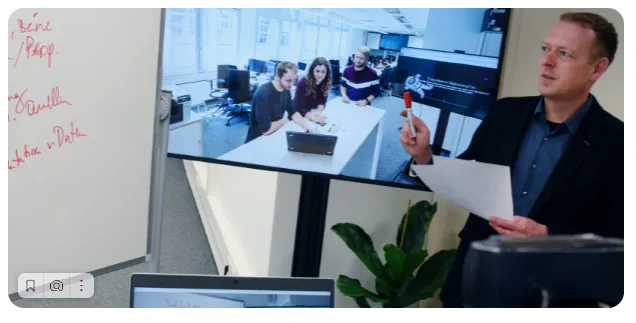
Hybrid training combines elements of face-to-face and distance learning, which allows it to adapt to different conditions and needs of participants. To successfully organize a hybrid training, it's important to consider several key aspects. First, define clear goals and objectives for the training so that all participants have a clear understanding of what they are expected to achieve. Second, select appropriate technologies for communication between in-person and remote participants to ensure high-quality interaction. It's also important to create an interactive environment where all participants can actively engage in discussions and exercises. Don't forget the importance of preparing materials for all participants so they can easily follow the training content. Also, consider participants' time zones and schedules to ensure maximum participation. Finally, collect feedback after the training to analyze its effectiveness and improve future events. These tips will help you organize a successful hybrid training and achieve your goals. A hybrid learning format differs from asynchronous online learning in that the instructor can maintain high-quality interactions with both the in-class audience and remote learners. Teachers can monitor the engagement of all students, ask questions, receive answers, and observe their reactions. This allows teachers to quickly identify areas requiring further clarification, significantly increasing the effectiveness of learning.
Students develop technical skills and new methods of teamwork. Mikhail Pavlovets, Associate Professor at the School of Philology, Faculty of Humanities, HSE and a literature teacher at the HSE Lyceum, shared the experience of his students, who independently organized broadcasts for their classmates during self-isolation. This experience highlights the importance of initiative and collaboration among students and demonstrates how modern technologies can facilitate learning under restrictions.
Asynchronous online learning places high demands on students, including developed planning skills, independence, and responsibility for the learning process. In cases where significant teacher support and supervision are required, the hybrid approach demonstrates effectiveness comparable to in-person learning. This format allows us to combine the benefits of online learning with the need for personal interaction, which promotes deeper absorption of the material and increases student motivation.

Revised text:
We recommend that you familiarize yourself with additional materials:
The book “We teach in any "Educational Learning in a Different Environment" by Douglas Fisher, Nancy Frey, and John Hattie is an essential resource for educators and education professionals. It explores effective teaching methods that can be applied in a variety of settings. The authors share practical tips and strategies that help adapt educational processes to different situations and student needs.
This work emphasizes the importance of creating a supportive learning environment, as well as the importance of an individual approach to each student. In a modern education environment, where technology and teaching methods are constantly changing, this book offers relevant solutions for improving the quality of learning. Readers will find recommendations for implementing innovative practices in the educational process, which contributes not only to better assimilation of material but also to the development of critical thinking in students.
"Teaching in Any Conditions" is an indispensable source of information for those seeking to improve their teaching skills and provide their students with the maximum opportunity for academic success.
What are the challenges of implementing a hybrid learning format?
Despite its advantages, the hybrid learning format has certain disadvantages and challenges. These issues affect both organizational and technical aspects and pedagogical elements of the educational process. It is important to consider these nuances for the effective implementation of hybrid learning and achieving the best results.
For effective teaching in a hybrid model, teachers, instructors, and trainers need to reconsider their methods and ways of engaging students. Techniques that work well in a traditional format may be ineffective when part of the group is studying remotely. Therefore, the successful implementation of hybrid learning requires developed digital competencies, a willingness to experiment with new methods, and the ability to objectively evaluate their effectiveness in each specific situation. Adaptation to new conditions and continuous skill improvement will be key factors for successful learning in the hybrid model.

Be sure to check out other materials:
Teachers select and master hybrid learning tools based on the needs of their students and the specifics of the educational process. It is important to consider available technologies that can support both in-person and remote learning. When choosing tools, teachers consider their functionality, ease of use, and accessibility for students.
Key factors include the ability to integrate with existing educational platforms and the availability of teacher training resources. Successful implementation of hybrid learning requires teachers to continually improve their skills and adapt to new teaching methods. They actively participate in webinars, courses, and communities to share experiences and identify best practices.
The use of technology in hybrid learning helps create a more interactive and personalized learning environment, which increases student motivation and engagement. Thus, teachers strive to create a harmonious blend of traditional and digital teaching methods, which contributes to a high-quality educational process.
This point naturally follows from the previous one. In a hybrid format, the teacher interacts with two audiences simultaneously: one group of students is present in the classroom, and the other is connected remotely via video link. This creates a unique learning dynamic and requires a high degree of adaptability and management skills from the teacher. Hybrid learning allows for the effective use of modern technologies to ensure a high-quality educational process for both full-time and distance learning students.

To ensure equal To ensure the quality of the educational experience for all students, it is important to give equal attention to both offline and online groups during class. Without a technical assistant, teachers are left to deal with potential technical issues on their own. This complex coordination requires teachers to develop advanced multitasking skills, which can lead to increased stress and significant fatigue. Effective time management and the use of modern technology can help minimize these difficulties and create a more comfortable learning environment for all participants. Providing students with the maximum presence effect through technology while participating in distance learning is challenging. Research shows that high-quality audio transmission plays a key role in this process. Clear and reliable audio is essential for comfortable interaction between students, teachers, and peers. This not only improves information comprehension but also creates an atmosphere conducive to active participation in the learning process. Therefore, it's important to choose modern technologies that provide high-quality audio and facilitate effective online learning.
Technical devices can create certain inconveniences for both teachers and students in the classroom. For example, the need to speak exclusively into a microphone can limit the ability to engage in active discussion. Furthermore, the awareness that a camera is constantly recording what's happening can create feelings of awkwardness and discomfort for both teachers and students. It is important to consider these aspects when introducing technologies into the educational process in order to create a comfortable atmosphere for interaction and learning.

Dutch researcher Annelies Ras notes that, Analyzing research on hybrid learning, she found that students studying online are less engaged in the learning process than those who attend in-person classes. They often simply watch the video stream without actively participating in the learning process. Research shows that students in online groups feel distanced from the teacher and their peers, creating a feeling of exclusion from the learning process. This aspect is important for understanding the challenges educational institutions face when implementing hybrid learning formats. Online students often find it difficult to communicate their desire to answer a question to the teacher. This creates certain difficulties and negatively impacts engagement in the learning process. Furthermore, distance learning requires independence and self-control, which not all students have. Developing effective methods of interaction between students and teachers, as well as assistance in developing the necessary skills, can significantly improve the quality of online learning.
Please note the following materials:
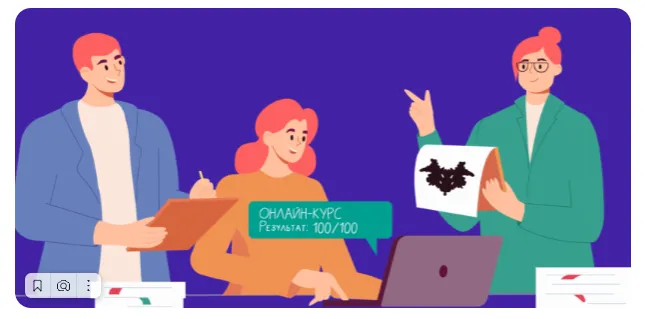
Psychological factors play a key role in the effectiveness of online learning. They influence student motivation, material comprehension, and engagement. Understanding these factors helps develop more effective educational programs and improve the learning experience.
One of the main factors is motivation. A high level of intrinsic motivation promotes better learning and more active participation in the learning process. Unlike traditional learning, where the presence of a teacher can increase student responsibility, in the online format, it is important to create conditions that promote independent motivation.
Another significant aspect is self-efficacy. Students' confidence in their ability to cope with learning tasks directly affects their success. If students feel they can handle the material, they are more likely to actively learn and overcome difficulties.
It is also worth considering the impact of social isolation, which can occur in online learning. The lack of direct communication with teachers and classmates can reduce engagement and the desire to participate in the learning process. It is important to create virtual communities and forums where students can interact with each other and receive support.
Furthermore, the emotional state of students also matters. Stress, anxiety, or depression can negatively impact information comprehension and learning ability. Supporting students' psycho-emotional state, as well as creating a comfortable and safe educational environment, contribute to the effectiveness of online learning.
In conclusion, psychological factors such as motivation, self-efficacy, social support, and emotional state significantly influence the effectiveness of online learning. Understanding these aspects allows us to create more productive and adaptive educational programs that meet the needs of students and help them achieve their goals.
How to effectively organize learning in a hybrid format
In an ideal scenario, a hybrid classroom is equipped with high-resolution cameras and high-quality microphones that provide clear sound without echo and delays. The classroom includes an interactive whiteboard and a large screen that displays video from the webcams of remote students. Each student in the classroom has a tablet for easy interaction. A dedicated staff member oversees the technical aspects of the process, allowing the teacher to focus on educational activities and enhance the quality of learning.
Reality often differs from the ideal, especially when considering educational institutions that lack access to high-tech equipment for hybrid classes. However, this does not mean that the opportunities for effective learning in a hybrid format can be ignored, even with limited resources. With the right approach and creative use of available tools, high-quality classes can be organized that meet student needs and ensure productive interaction.
The authors of the "Systematic Literature Review of Synchronous Hybrid Learning" presented recommendations aimed at reducing the negative effects associated with this form of learning. English teacher and blended and hybrid learning expert Jo Szoke offered a number of tips for improving the student experience, especially in cases where the classroom's technical equipment does not meet modern requirements. These recommendations will help optimize the educational process and make it more effective, even in resource-limited settings.
To reduce technical issues, it is recommended to test the equipment in advance. It's important to ensure that the teacher's laptop camera is functioning properly and that there are no audio issues. It's recommended to allow students to connect to the platform in advance so they can test their cameras and microphones, as well as familiarize themselves with the chat and virtual hand-raising features. It's helpful to provide detailed instructions on creating an account on the platform, logging into the lesson, and other important aspects. This will help avoid problems during the lesson and make the learning process more effective.
To reduce the organizational and technical burden, delegate some tasks. For example, you could ask one student to take on the role of chat moderator. This role includes monitoring questions from remote students and voicing them. The student can also act as a technical support person, whom online group members can contact in case of broadcasting issues. Research by American scientists shows that this practice allows students to gain greater control over the educational process, which, in turn, positively impacts their engagement. Delegating tasks improves interaction in the learning environment and enhances the quality of remote learning. Having a clear learning goal is key for all students, especially those studying online. They need to clearly understand the purpose of joining video classes. To avoid losing focus, it's important to prepare assignments for the remote group in advance in case of connection issues or other technical problems. It is also worth discussing with students possible actions in such situations, which will help them stay engaged in the learning process and increase the overall effectiveness of the learning process.

If possible, it is preferable Use electronic versions of textbooks instead of printed ones. This allows you to share the material with all students, both in-person and remote, via screen sharing. To record important information during the lesson, we recommend using a virtual whiteboard, available through many online services. This provides convenience and allows all students to follow the learning process. In addition, images from the online whiteboard can be easily saved and shared with students, which promotes better assimilation of the material and improves interaction in the learning process.
A variety of interactive methods, such as polls, tests, quizzes, and educational mini-games, can significantly increase student engagement and interest. Group activities, including brainstorming, also have a positive impact on the learning process, promoting the exchange of ideas and the development of critical thinking. Using these methods helps create a dynamic learning environment in which participants are actively involved in the process and better assimilate the material.
Research shows that audience interaction is a key element of successful learning. Frequent questions and attentive listening to students' responses encourage active participation in discussions related to the lesson topic. Encouraging chat interaction is also important, as it helps bridge the gap between students in offline and online groups. When students interact with each other, share opinions and comment on them, it creates a supportive atmosphere, which has a positive impact on the learning process.
Read also:
- How teachers choose and master tools for hybrid learning
- 5 features of children's online classes that are important for educators to consider
- What the doctor ordered: when EdTech is useful for schools, and when it is not so much
- 5 ways to make lessons interesting and engaging
Profession Management in Online Education
You will learn how to launch in-demand online courses, manage a team, and generate a stable income. You can create an educational project from scratch or scale an existing one.
Find out more