Contents:

Learn: Educational Programs Methodologist
Learn MoreA brief overview of the topic. This section provides basic information and key aspects that will help you better understand the subject. Important facts and data presented here will help you navigate the issue and delve deeper into the material. Pay attention to key points that may be useful for further analysis and discussion.
Marina Kharahordina has been a methodologist since 2017. Since June 2019, she has worked at Skillbox, where she has achieved the position of Head of the Methodology Department. Her responsibilities include the development and implementation of methodology for all educational programs at the online university. Together with the Skillbox team, she created the School of Methodologists and teaches the "Educational Program Methodologist" course, sharing her experience and knowledge with new specialists in the field of educational methodology.
In the interview, Marina Kharahordina shared her thoughts and experience. She discussed important aspects of her professional career, as well as personal achievements. Marina touched on topics related to current trends in her field and spoke about the challenges she faced. Her advice and recommendations can be useful for both beginners and experienced professionals. Marina's experience inspires others to develop and improve themselves.
- What does a methodologist do and how to become one;
- Why pre-recorded courses work better than webinars;
- How much does a methodologist earn;
- How to create a comfortable environment for experts;
- Is a classic diploma suitable for online work?
A brief summary is concise information on a specific topic, allowing you to quickly familiarize yourself with the main aspects. It can include key facts, statistics, historical data, or current events. Brief summaries are useful for students, researchers, and anyone who needs quick access to information. Their goal is to simplify the process of gaining knowledge and speed up the study of the material. It is important that the brief summary is structured, understandable, and informative, which promotes better assimilation of information and makes it easier to find answers to questions that arise.
Marina Kharakhordina has been a methodologist since 2017. Since June 2019, she has worked at Skillbox, where she has achieved the position of Head of the Methodology Department. In this role, Marina is responsible for the methodology of all educational programs at the online university. Together with the Skillbox team, she founded the School of Methodologists and teaches the "Educational Program Methodologist" course.
A Methodologist is a guide to the world of online education
An online course methodologist is a specialist responsible for the development and organization of distance learning curricula. Their primary task is to create high-quality educational content that will be accessible to students online. A methodologist analyzes the needs of the target audience, develops teaching materials, and selects appropriate teaching methods and technologies. They also monitor the learning process, evaluate the effectiveness of courses, and make any necessary adjustments to improve the quality of education. Thus, a methodologist plays a key role in ensuring a high level of online education and student satisfaction.
An online course methodologist plays a key role in achieving students' educational goals. They act as a guide who directs and supports learners on their path to mastering knowledge and skills. The comparison to a mountain guide who helps them conquer Everest is very appropriate. A methodologist, like an experienced guide, clearly understands each student's ultimate goal and helps them overcome difficulties along the way. A professional in their field, a methodologist ensures the structure and organization of the learning process, which significantly increases the chances of successful course completion. With in-depth knowledge and experience, a methodologist creates effective educational strategies tailored to the individual needs of students.
A guide understands your needs, whether you are a mother with three children or an Olympic champion. Based on this information, they plan a route, choosing the number of stops, suitable rest areas, and the optimal pace. Their main goal is to ensure a comfortable and rapid achievement of the highest standards.
A methodologist analyzes the needs of the target audience and their demands, developing a program that allows students to effectively master new skills or professions.
The profession associated with the development of educational programs has several names, such as instructional designer, educational experience architect, and methodologist. Each of these names reflects different aspects and approaches to creating effective learning. An instructional designer focuses on the design of educational materials and courses using modern technologies and methodologies. An educational experience architect focuses on creating a holistic educational process that takes into account the needs of students and the learning context. A methodologist organizes and analyzes the educational process, providing methodological support to teachers. Despite the differences in titles, all these specialists work towards the same goal - improving the quality of education and creating effective learning conditions.
There are indeed many definitions in this field. Relevant terms include educational technologist, educational experience designer, methodologist, and designer. Curriculum designers have the opportunity to independently define their job titles and define areas of responsibility. This allows them to more accurately reflect their role and contribution to the creation of effective education.
Methodologists, educational architects, and instructional designers play a key role in developing holistic educational programs. They create structured pathways that help students achieve their goals. Their responsibilities include defining the necessary learning stages, thereby ensuring the effective acquisition of knowledge and skills. Thanks to their work, educational programs become more organized and targeted, which contributes to the successful learning and development of students.
The methodologist develops specific lessons, interacts with experts, collects practical assignments and additional materials to improve the quality of education.

The student should strive to achieve his goals independently. However, students often purchase courses in the hope that someone else will take responsibility for their success. It's important to help students understand that a proactive approach and personal initiative are key factors in the learning process. It's important to create an atmosphere in which they feel engaged and motivated, set specific goals, and develop a plan to achieve them. This can include regular self-assessments, feedback from instructors, and opportunities to interact with like-minded peers. This way, students will understand that their success depends on their own efforts and active participation in the learning process. Learning is not the sole responsibility of experts, methodologists, or students. It's a process that requires the collaborative efforts of all participants. Each participant contributes to the educational process, which allows for better results and an effective learning environment. The methodologist should design the course in a way that allows students sufficient time to reflect on their actions and self-reflection. We provide all the necessary tools to help people move from a passive client position to active participation. For example, we organize webinars, discuss the learning process, and share recommendations for improving the learning process. Each student receives support from a teacher, who provides feedback on completed homework. This promotes a deeper understanding of the material and active engagement in the learning process.
How to become a methodologist
Tell me, how did your desire to become a methodologist arise?
While studying foreign languages, I was introduced to communicative teaching methods in one of the courses. 70% of the classes were interactive, where we worked on projects both in teams and individually. This experience had a significant impact on me and inspired me to strive to make teaching in Russian more comfortable and engaging using modern methods. I believe that innovative approaches to teaching can significantly improve language acquisition and make it accessible to everyone.
Over time, I took an online course that was just beginning to gain popularity. However, the teaching methods didn't fully meet my expectations. Realizing that I had the opportunity to realize my dream, I stayed with the company as a volunteer to improve the course I had taken. As a result, I was offered full-time employment and began coordinating several online courses.
The most rewarding part of this job was the feeling of achieving results and the opportunity to see how your efforts impact the overall success of the team. The satisfaction of completing tasks and solving complex problems brought joy and motivation. In addition, interacting with colleagues and sharing experiences and knowledge created an atmosphere of collaboration and support, which made the work process more engaging and productive.
Analyzing student teaching methods and techniques has always been particularly interesting to me. One day, I took on a full range of methodological responsibilities, which allowed me to gain a deeper understanding of the teaching process. In this context, knowledge of English has proven invaluable, as much of the literature in the field remains untranslated. This opens up additional opportunities for exploring and implementing new approaches to teaching.
Today, I serve as the Head of the Methodology Department at Skillbox. In this role, I not only develop courses but also oversee the work of other employees. My goal is to create high-quality educational content that meets modern requirements and student expectations. We actively work to improve our methodological materials, ensuring their relevance and effectiveness, which allows us to offer our clients the best educational solutions.
I am not directly involved in the development of new courses, although I strive to be so. Every quarter, I set a goal to create a new course, but more pressing issues arise. It is crucial for me that each course, regardless of the target audience, meets our values and key quality criteria.
Our department is rapidly expanding, which requires significant time spent on recruiting and onboarding the team, as well as organizing internal processes. Team leads play a vital role in this process, responsible for resolving methodological issues and monitoring key performance metrics.
Every quarter, not only the number of products but also their diversity increases. Previously focused on continuing professional education courses, we now offer a wide range of higher education, business education, and B2B training programs. This allows us to meet the needs of diverse target audiences and provide high-quality education for professionals in various fields.
For an online school with courses to thrive, several key aspects must be considered. First, it's essential to continually update and improve course content to ensure it remains relevant and in line with market demands. This may include adding new materials, regularly revising existing modules, and integrating student feedback.
Second, it's essential to actively engage new students. Effective marketing strategies such as SEO optimization, content marketing, and targeted advertising will help increase the visibility of your online school and attract your target audience.
Furthermore, it's worth developing a community around your school. Creating forums, social media groups, or webinars will not only maintain interest in your courses but also build student loyalty.
It's also important to implement new technologies and learning tools, such as interactive elements and gamification, to increase student engagement and improve their learning experience.
In conclusion, regularly analyzing results and adapting your strategy based on the data obtained will help your online school not only avoid stagnation but also actively grow and develop in a competitive environment.
It is important to regularly experiment with new methods and strive to find optimal solutions for students. The more we try, the more successful cases we will be able to collect. These examples will be integrated into the school's overall methodology, which will allow us to continue our development and improve the educational process.
Instead of traditional final diplomas, we gave students the opportunity to work on real-life briefs from well-known companies. We noted that such assignments are completed with great interest and enthusiasm. This methodology has been successfully applied in other courses, and the results confirm its effectiveness. Now we are actively implementing this approach in all our educational programs, striving to make training more practical and focused on real-world conditions.
You have many responsibilities, and you cope with them alone. How do you manage such a large responsibility?
I try to vary my activities, which helps me stay productive. Hobbies like playing the piano, drawing, and learning foreign languages allow me to switch off and return to work with renewed energy. I prefer to write down all my tasks on paper or create maps on an online board in Miro. This visual representation helps me better organize my tasks, understand their priorities, and determine what can be delegated or postponed. This approach promotes more effective time management and improves overall work efficiency.
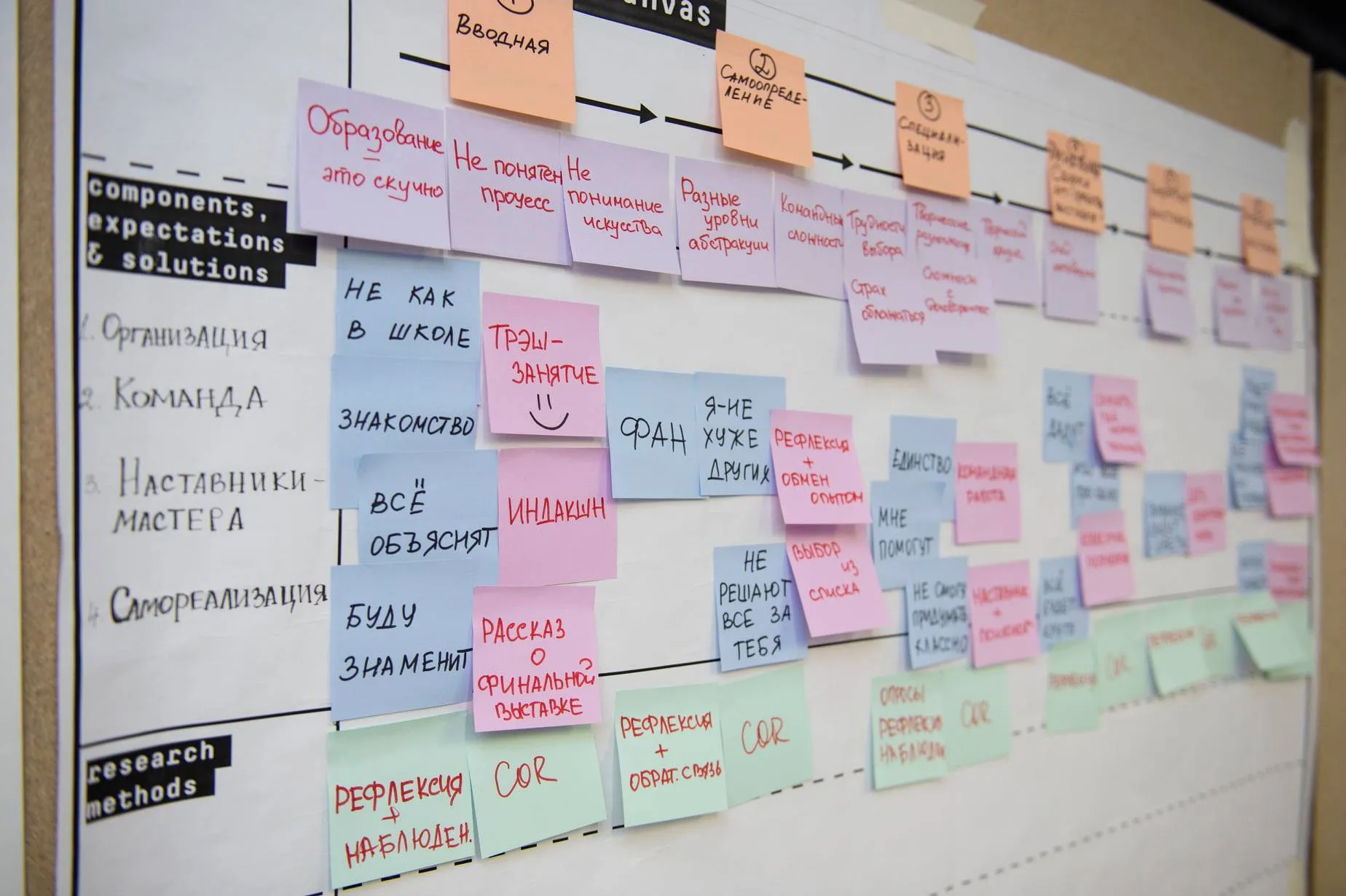
Course Design. The ADDIE Model
The Methodology Department carries out the full cycle of work with the course, starting with the idea and ending with its release. The key stages of course development include idea generation, target audience research, curriculum creation, content development, testing, and final implementation. At each of these stages, it is important to consider learners' needs and current trends in the educational field. This approach allows us to create a high-quality and in-demand course that will effectively impart knowledge and skills.
We develop almost all courses based on the ADDIE design algorithm. This approach is the most effective for our school. Using the ADDIE framework allows us to create high-quality educational materials that help students achieve their educational goals.
ADDIE is a methodological model consisting of five key stages: analysis (A), design (D), development (D), implementation (I), and evaluation (E). This framework is widely used in the educational process and curriculum development, providing a systematic approach to creating effective learning solutions. Each stage of the ADDIE model plays a significant role, from needs analysis to results evaluation, which contributes to improving the quality of learning and increasing its effectiveness. Using the ADDIE model helps educational institutions and companies optimize their training programs, adapting them to specific goals and audiences.
Analysis is a key element in understanding the target audience, context, and stakeholders. It allows for a deeper exploration of the target audience's needs and identifies competency requirements for specialists in the professions we teach. Understanding these aspects contributes to the creation of more effective educational programs and improved training quality.
During the program design stage, we create a structure that ensures students acquire all the necessary knowledge and skills to effectively solve problems. The concept is transformed into a curriculum, which is then divided into modules. During the development stage, each module is developed with the participation of qualified experts who record lectures as video. This approach guarantees high-quality educational content and helps students absorb the material more deeply.
The Implementation stage includes course launch, selection of evaluators, and posting information about the course on our resources. The final stage, Evaluation, is dedicated to assessing the created and released product. We analyze whether we have achieved the set goals. It is important to receive feedback, analyze it, and, if necessary, make changes to improve the quality of the course.
The average duration of course development depends on the complexity of the topic and the volume of material. Typically, this process takes from several weeks to several months. During the planning stage, it is important to take into account the time for research, content creation, structuring, and testing. It is also important to allow time for receiving feedback and making edits. Effective course development includes not only the creation of educational materials but also their adaptation to the target audience, which also affects the deadlines.
The course recording process usually takes 1-2 months, but this time may increase if you need to wait for the speaker to be available to record modules. In general, the full cycle of creating a turnkey course can take up to three months.
The ADDIE model is one of the main approaches in designing educational courses. However, in addition to ADDIE, there are other effective algorithms that can be applied to curriculum development. For example, the SAM (Successive Approximation Model) focuses on an iterative development process, allowing for changes and improvements at each stage. Another popular model is the Dick and Carey model, which emphasizes a systematic approach and includes an analysis of learner needs, goal formulation, and outcome evaluation. Also worth mentioning is the Kemp model, which offers a flexible and multifaceted approach to course design, considering a variety of factors that influence learning. Each of these models has its own characteristics and can be selected depending on the specific goals and context of the course development.
When developing a goal-oriented course, we clearly define the knowledge and skills students need to acquire. Based on this goal, we select appropriate forms of assessment, effective models and teaching methods, and carefully select the learning content. This approach allows us to create a structured and targeted educational process that best meets learner needs and market demands.
To test students' cake-baking skills, we organize a culinary competition. To ensure participants are properly prepared, we conduct webinars. During these webinars, we discuss in detail the ingredients needed for a cake, the right chocolate to choose, and also share baking and cake layer assembly tips. This allows students not only to master the theory but also to apply their acquired knowledge in practice.
There is also a design algorithm based on a "problem-first" approach. This method begins the design process with a thorough analysis of existing problems. First, key difficulties and shortcomings are identified, then the goals that need to be achieved to eliminate them are formulated. This approach allows for the creation of effective solutions that meet real user needs and market demands, while also minimizing the risks associated with developing new products or services. Designing "problem-first" provides a deeper understanding of the context in which the final product will function.
Designing a course "problem-first" requires a thorough understanding of the needs of the target audience and the current problems they face. It is important to begin by analyzing existing difficulties and issues that may be of interest to your audience.
Identify the key problems the course will address and formulate learning objectives. Develop a course structure that logically connects to the identified problems and proposes solutions. Include real-world examples to help students easily apply the knowledge they gain in practice.
Use active learning methods, such as case studies and group discussions, to engage participants and help them gain a deeper understanding of the problem. Remember to regularly collect feedback and adjust the course based on student needs. This way, you can create an effective learning environment focused on solving real-world problems.
Problem-based design is a complex process that requires an in-depth analysis of the subject area. It is important to view it as a set of problems faced by professionals in the field. Based on these problems, it is necessary to select appropriate content. This approach ensures the creation of more targeted and effective solutions, which in turn improves the quality and relevance of the developed materials.
The student needs to master problem-solving skills in a variety of contexts. For example, it's important to learn how to bake a cake not only for a wedding, but also for a birthday party or small cakes. By practicing cake baking in different settings, students will develop the ability to adapt to changing circumstances and find optimal solutions in any situation. This approach will help them become more flexible and confident in their culinary skills.
The effectiveness of algorithms is difficult to evaluate, as they are designed to achieve different results. Each algorithm is developed with specific tasks and conditions in mind, making comparisons difficult. Therefore, it is important to analyze them in the context of their application, not just by general metrics.
Several effective methods can be used to assess a student's progress in the curriculum and their understanding of the material. First, regular tests and quizzes can help assess knowledge and understanding of topics. Second, student feedback through surveys or interviews can help identify difficulties in mastering the material. It is also useful to conduct midterm assessments, which will provide a more complete picture of student progress. It's important to consider the individual needs of each student, as learning speeds can vary significantly. Using these methods will not only allow you to monitor progress but also promptly adjust your learning approach.
Each course has its own grading system, which is divided into two main types: formative and summative. Formative assessment tracks student progress, assessing their understanding of the material throughout the course. Successful completion of homework assignments and passing grades indicates readiness for the next stage of study. Ultimately, students complete a final assessment, presenting a thesis project in which they demonstrate all the knowledge and skills acquired during their studies.
Skillbox's teaching methods stand out from other online courses thanks to their practical focus and individualized approach. Each course is designed to meet current market demands and includes real-world projects, allowing students to apply their acquired knowledge.
Skillbox's training combines theory and practice, fostering a deeper understanding of the material. The instructors are practicing professionals, guaranteeing the relevance and quality of the content. Furthermore, Skillbox offers a flexible schedule, allowing students to manage their own time and learn at their own pace.
Interactive learning formats such as webinars, online lessons, and masterclasses create the opportunity for feedback and discussion of complex topics. Access to learning materials is also maintained long-term, allowing you to return to them as needed.
Thus, Skillbox offers unique teaching methods that make mastering new skills effective and convenient.
Skillbox offers an extensive collection of pre-recorded video courses, making learning more flexible and accessible. We use webinars sparingly, allowing students to access high-quality video content at any time. After watching the videos, students can immediately begin practical assignments, promoting better assimilation of the material. The theoretical foundations of the courses are supported by real-world cases, helping students apply their knowledge in practice and develop the necessary skills for a successful career.
We also have the Gamebox project, a hands-on lab for students who have completed a course in game development. At Gamebox, participants form teams and develop projects for real clients under the guidance of experienced mentors. This is an excellent opportunity to apply acquired knowledge in practice, gain valuable experience working in a team, and create a product that can be presented to potential clients.
This is a wonderful opportunity for students: immediately after training, they can apply their acquired skills on real-world projects and build an impressive portfolio. Group work contributes to the development of important soft skills, such as teamwork and creative thinking. We strive to include group projects in each educational program, which will allow students not only to deepen their knowledge but also to prepare for the demands of the modern labor market.
How to motivate a team
In our team of methodologists, I use several approaches to motivating employees. First of all, I strive to create an atmosphere of openness and trust, where everyone can express their ideas and suggestions. Regular meetings allow us to discuss achievements and set new goals, which promotes engagement. I also emphasize professional development, offering opportunities for professional development and participation in specialized events. Furthermore, I maintain a balance between work and personal life, which has a positive impact on the overall level of employee satisfaction. It is important that each team member feels valued and understands the impact of their work on the overall result. My team currently has over 20 methodologists. I interviewed each one, as it is important to me that they can grow and develop in their professional work. The main motivation lies in the opportunity to learn and improve through work tasks. To ensure that each team member understands their areas of growth and the skills they need, we initiated an internal project - the School of Methodologists. As part of this school, we develop individual development plans, exchange experiences, and hold regular meetings. The project helps attract and develop the best specialists in the field of methodology. One of our latest projects is the "Skillset of a Methodologist." This is a guide to creating educational projects, which was developed as a result of the collaboration of team leads of methodological teams from several companies.

Every methodologist should have their own "favorite" project that inspires them to creativity and self-improvement. This is a task that they are ready to develop and perfect for hours, striving to achieve the maximum result. It is important to find a balance between mandatory work and what you truly enjoy. This approach contributes to the improvement of the quality of work and the development of professional skills.
The methodologist is responsible for the development and implementation of educational programs, as well as the quality of the provided educational materials. They analyze and evaluate the effectiveness of teaching methods, conduct training and consultations for teachers. The methodologist is also responsible for adapting the educational process to modern educational requirements and standards, provides support to students in their learning activities, and monitors compliance with educational norms and standards. Thus, their role in the educational process is key to achieving high results.
Effective planning and accurate assessment of your workload are key aspects of successful work. It is important to be able to promptly report problems that arise and openly admit your mistakes. Mistakes and difficulties are a natural part of any process, and there is no need to fear them. The real problem arises when a person tries to hide their shortcomings and does not learn from them. Accepting mistakes as an opportunity for growth contributes to professional development and improved results.
A methodologist at Skillbox has significant growth prospects. This is primarily due to the company's expansion and the increase in the number of educational programs. A methodologist can develop not only within their professional field but also in related areas, such as project management or course development. Career advancement opportunities also include advancement to more senior positions, such as Senior Methodologist or Educational Project Manager. Furthermore, Skillbox actively supports employees in their professional development through training and participation in conferences. Therefore, a methodologist at Skillbox can expect a dynamic career with diverse opportunities for growth and development. We have developed a grading system that helps newcomers start with a basic position and gradually develop. Each employee has the opportunity to improve their skills and advance their career, for example, to the level of team lead. Furthermore, each year our company introduces new areas in which employees can prove themselves and take on additional responsibilities. We are confident that this practice will continue to develop in the future, opening up new horizons for career advancement.
Our team consists of professionals with a variety of skills: some write articles, others teach, conduct research, and present at conferences. Methodologists can also serve as speakers at specialized courses. We strive to create an environment in which everyone can develop their professional competencies and reach new heights in their careers.
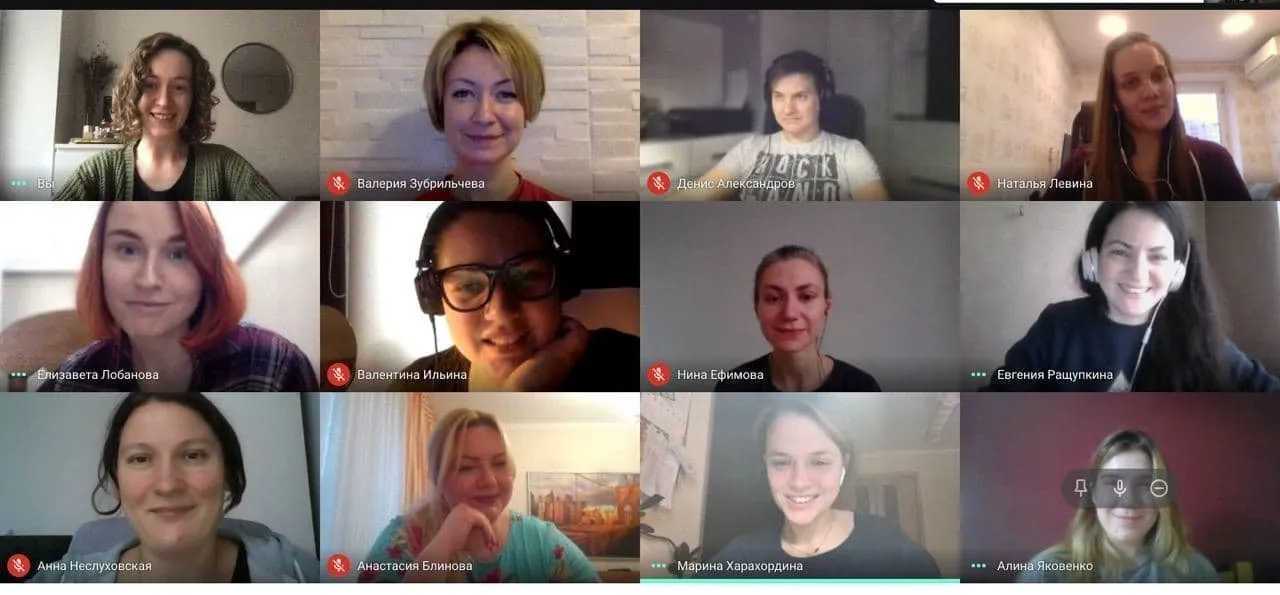
Skillbox methodologists present a variety of courses and areas, but they are united by a desire for high-quality training and the use of modern approaches. Each methodologist brings unique experience and expertise to the relevant field, which allows us to create relevant and in-demand programs. All of them are focused on the practical application of knowledge, which facilitates successful mastery of the material and the development of skills in students. The unifying idea is the desire to prepare specialists prepared for the challenges of the modern labor market and able to effectively apply their knowledge in practice.
A willingness to support one another, a commitment to high-quality task completion, and a desire to constantly develop are important aspects of a successful team. These qualities contribute not only to professional growth but also to the creation of a positive working atmosphere. Sharing experience and knowledge helps each team member improve, which in turn affects the overall result.
If you decide to become a methodologist, it is worth considering the potential income level after gaining experience. Initially, with minimal experience, the salary can range from 30,000 to 50,000 rubles per month. Over time, as you improve your qualifications and acquire practical skills, your income can increase to 70,000 rubles and above. Experienced methodologists working in large organizations or educational institutions can expect a salary of up to 100,000 rubles or more. It is also important to consider that earnings may vary by region, type of institution, and specifics of the job. Advancement in this area can open doors to new opportunities and increased income.
According to available market data, salaries in the range of 60,000 to 130,000 rubles per month are reasonable. The specific amount depends on the position and company characteristics.
How to Convince an Expert of Your Rightness
Beginning methodologists often encounter a number of common mistakes in their practice. One of the most common problems is insufficient development of methodological materials. This can lead to ineffective training and a lack of understanding by students of the topics presented. Methodologists also sometimes ignore the individual characteristics of students, which hinders the adaptation of the educational process to their needs.
Furthermore, beginning specialists may underestimate the importance of feedback. Ignoring students' opinions and suggestions deprives methodologists of the opportunity to improve their methodological approaches and make teaching more effective. Inappropriate time management and insufficiently structured lessons can also cause learning difficulties.
It is also important to note that beginning methodologists sometimes do not pay sufficient attention to updating their knowledge and skills, which leads to the outdated use of methods. Success in methodological work requires continuous professional growth and a willingness to adapt to changes in the educational environment. Studying the latest approaches and sharing experiences with colleagues can significantly improve the quality of a methodologist's work.
Mistakes in defining the target audience can lead to project failure. For example, if you are developing a course targeting one group of people, you can imagine how they successfully master the material and how this positively affects the group dynamics. However, if other students who do not fit the originally intended audience come to the course, they may encounter difficulties. A program tailored to a different group may prove too complex or uninteresting, reducing the effectiveness of the learning experience and the overall course experience. Therefore, it is important to thoroughly research and understand the target audience before developing training materials.
In the initial stages, it is often difficult to establish a clear connection between learning outcomes, assessment methods, and teaching methods. A lack of such a connection can lead to students not achieving their goals, and we will not be able to know about it. It is important to ensure the integration of these elements to create an effective learning environment where each aspect is interconnected. This will allow students to better understand their achievements and improve the quality of learning.
The challenges we face can be varied and relate to various aspects of the work. The most common problems include a lack of resources, poor communication within the team, and difficulties in time and task management. Situations often arise where uncertainty in client expectations or changes in the project lead to disruptions in planning. It is also worth noting that a lack of the necessary skills among employees can become an obstacle to achieving the set goals. Solving these problems requires a systematic approach that includes team training, improving communication processes, and optimizing resource management.
A key challenge at every stage of course development is interaction with experts. Creating a high-quality educational product requires close collaboration between subject matter experts and methodologists. This collaboration allows for the incorporation of current knowledge and practical experience, which ultimately leads to the creation of an effective course.
Practitioners possess deep knowledge in their field, but they are not always able to clearly explain their ideas and convey this knowledge to students. This phenomenon is known as the "curse of knowledge." Experts often fail to realize that their level of understanding may differ significantly from that of novices and may mistakenly assume that what seems obvious to them will also be clear to others. To overcome this obstacle, it is important to develop communication skills and adapt your explanations to the audience's level of knowledge.
Therefore, it becomes necessary to regularly consult with experts for additional clarification. Not everyone is prepared for this process. It is often difficult to find solutions that would facilitate effective collaboration and the creation of a high-quality product. In such cases, it is necessary to explore different approaches and working methods.
The curse of knowledge is a phenomenon in which experts lose the ability to see situations through the eyes of novices. This can make it difficult to explain complex concepts and ideas. To overcome this, it is important to develop empathy skills and active listening. It is useful to ask clarifying questions to understand the level of knowledge of the interlocutor. It is also worth using simple and clear metaphors to make the material more accessible. Practicing explaining in the same words as the novice will help establish a connection and improve the perception of the information. It is important to remember that everyone has their own learning path, and patience in this process is the key to success.
I always apologize in advance to the expert with whom I collaborate. I warn them that I can be very demanding and pay attention to detail. I explain that this approach will ultimately help convey the essence of the topic to the student more effectively.
Some experts may react negatively to this approach. It is important to be able to note these moments and, if necessary, pause the conversation if aggressive responses arise. However, it is important to return to the core of the question to extract the necessary information. Otherwise, the student risks not receiving the full material or not fully understanding the topic. This can lead to knowledge gaps, which will negatively impact their learning.
To convince the expert of your point of view, it is important to be prepared and demonstrate a deep understanding of the topic. Research facts and data that support your point of view, and be prepared to present your arguments logically and persuasively. Effective communication and active listening play a key role in this process. Try to find common ground and use it to build a dialogue. Respecting the expert's opinion and being open to discussion will help create a favorable atmosphere for persuasion.
I always strive to justify my question, backing it up with research, so the expert understands that my request is not random. In some cases, I provide examples of completed courses, clearly demonstrating how to effectively convey information. This allows for a deeper understanding of the topic and improves the quality of interaction.
We always adapt to the expert's needs. For some, recording videos in the morning, when the mind is most active, is optimal, while others prefer to work on weekends and draw on paper. By creating a comfortable environment for the expert, we significantly simplify the process of obtaining the necessary material for the methodologist. This allows for better results and improved content quality.
Lifelong learning
According to information on the internet, the profession of a methodologist is one of the most in demand in the online education market. Is this really true?
There is currently a high demand for specialists in the field of teaching methods, both for my team and for colleagues from other online projects. Large companies are actively developing their corporate universities and are constantly looking for qualified methodologists. More participants took our "Educational Program Methodologist" course than we initially planned. I am confident that the demand for such specialists will continue to grow in the near future.
The profession offers the opportunity for easy retraining, which is a significant advantage. You can move into service design, production, or research. This opens up new horizons and allows you to develop a variety of skills, making your career more flexible and adaptable to changes in the labor market.
A diploma in classical methodologist can be relevant for work in online education. However, it is important to keep in mind that this format requires the adaptation of traditional methods to the digital environment. It is important for a specialist to master modern technologies, platforms, and approaches to teaching in order to effectively interact with students. Proper integration of classical methods with online tools can significantly improve the quality of learning and student engagement. Thus, a diploma in classical methodology will provide a solid foundation, but will require additional knowledge and skills to successfully work in the online space. Online education is truly based on a unified theoretical framework. The key is to master the models and methods used in this field. Understanding these principles allows for the effective use of modern technologies for teaching, which in turn contributes to the improvement of the educational process and the quality of knowledge. The situation with online and offline courses differs dramatically. Traditional courses offer a variety of methods and approaches, allowing instructors to effectively adapt materials to student needs. At the same time, online courses face limited capabilities, making it difficult to use a variety of methods. However, with the development of technology and online services, these limitations are expected to be overcome, opening new horizons for distance learning. The concept of lifelong learning, or "education throughout life," is becoming increasingly relevant in the modern world. In a rapidly changing labor market and rapidly advancing technology, the need for continuous learning and self-improvement is becoming increasingly clear. Lifelong learning encompasses not only formal education but also informal methods of acquiring knowledge, such as courses, webinars, reading professional literature, and sharing experiences with colleagues.
This concept allows people to adapt to new conditions, master new skills, and increase their competitiveness. It is important to understand that learning is a continuous process that does not end with graduation. People who actively engage in self-education have more opportunities for career advancement and personal development.
Therefore, lifelong learning is not just a trendy phrase, but a necessity for those who want to remain relevant and successful in their field.
The modern world is rapidly changing, and this creates unique opportunities for learning and self-discovery. It is important to use the concept of continuous education to adapt to new conditions and find your calling. Continuously developing skills and knowledge not only allows you to remain competitive but also opens new horizons for personal growth and professional success.
I can't call it fundamentally new. Fifty or a hundred years ago, goal-oriented people strove to develop in their profession and discover new things. They constantly learned at work and at home, drew conclusions, and improved. However, there have always been and will always be people for whom this doesn't matter. They are more comfortable staying in one position throughout their lives, and this is also a normal choice.
Lifelong learning in the context of online learning is becoming a new reality. Online education provides access to knowledge to people in the most remote corners of the world, including areas lacking libraries and qualified specialists. Now, to gain knowledge from experts in an interesting field, you just need to turn on your computer and be ready to learn. Online formats allow you to learn new topics and skills anytime and anywhere, significantly expanding opportunities for professional and personal growth.
Stereotypes about the profession also apply to methodologists. They are often perceived as people solely involved in developing curricula and teaching materials. However, the reality is much broader. Methodologists play a vital role in the educational process; their work includes not only creating programs but also developing innovative approaches to teaching, analyzing the effectiveness of educational processes, and supporting teachers. These specialists often act as a link between educational institution administration and teachers, ensuring the high-quality implementation of educational standards. Thus, the stereotype of methodologists as simple performers does not reflect the full complexity and diversity of their work.
Many underestimate the profession of a methodologist, but they play a key role in the creation of courses, textbooks, and the development of experts in their field. A methodologist ensures the quality of education and helps make the learning process more effective and focused. Without their contribution, it is impossible to imagine the successful mastery of materials and the development of professional skills.
Many people do not understand the specifics of the methodologist's profession and mistakenly believe that this work is effortless. In fact, a methodologist plays a key role in the educational process, developing curricula, conducting analytical work, and creating methodological materials. This profession requires a high level of responsibility, creativity, and a deep understanding of the subject area. Methodologists are actively involved in improving the quality of education and helping to implement innovative approaches in teaching.
Future methodologists are advised to pay attention to literature that will help develop professional skills and deepen their understanding of teaching methods. It is useful to familiarize yourself with books on modern educational technologies, educational psychology, and active learning methods. Good sources of information include textbooks on the subject area, the works of renowned educators, and articles in specialized journals. It is also worth studying materials related to curriculum development and student assessment. Reading professional literature will not only expand your knowledge but also help you develop your own approach to teaching. Julia Dirksen's "The Art of Teaching" is a beautifully organized and visually appealing resource. It's suitable for anyone with no experience in teaching. This work is useful for anyone seeking to improve their teaching and learning skills. Lee LeFever's "The Art of Explaining" is a valuable resource for anyone wanting to learn how to effectively communicate information to their audience. The author shares practical methods and strategies for making complex ideas understandable and accessible to listeners. This work is especially useful for teachers, trainers, and anyone involved in communication. A proper explanation promotes better assimilation of the material and increases interest in the topic.

I love my job because it brings me satisfaction and the opportunity to develop. Every day I face new challenges that help me improve my skills and expand my knowledge. Work allows me to interact with interesting people, exchange ideas and gain new perspectives. It's a source of inspiration that motivates me to achieve my goals and overcome challenges. I also value the opportunity to contribute to a common cause and see the results of my efforts, which gives meaning to my work.
I adore my profession because I enjoy bringing order to chaos and creating a system. I am interested in formulating ideas and developing logical schemes, which allows me to organize information effectively.
Educational Program Methodologist
You will go through the full cycle of creating an educational product from scratch. Learn to design curricula for online and offline courses. Become a versatile specialist — you can launch your own project or get a job as a methodologist at a large company.
Find out more