Contents:
Learn: 3D Artist Profession
Learn MoreAnton is a 3D artist and 3D technology expert at Skillbox. His professional activities focus on creating high-quality 3D graphics and teaching students modern working methods in this field. Anton shares his experience and knowledge, helping beginners master 3D modeling and texturing skills, as well as develop their creative thinking and artistic flair.
He began his career in 2013 as a 3D artist at Datcroft Games, a mobile game developer. He later moved to St. Petersburg, where he worked for outsourcing companies and rose to the rank of lead character artist. He co-founded the Overturn studio with a friend, allowing him to focus on his passion projects and realize his creative potential.
Over the course of his career, Anton has gained a variety of experience, working in an office, mastering freelancing, and organizing business processes in his own studio. This path allowed him not only to develop professional skills but also to understand how to effectively manage time and resources to achieve successful results.
Anton shares information about the work of a 3D artist, including key aspects necessary for successful employment. He discusses how to properly create a portfolio to stand out from other candidates and explains the importance of developing soft skills for career advancement in this field.
The question of what is more important—the ability to generate creative ideas or software knowledge—is relevant in today's environment. Creativity allows you to find unique solutions and develop original projects, which is critical for success in any field. At the same time, software knowledge ensures the correct application of these ideas in practice and allows you to effectively implement your plans.
Thus, a harmonious combination of creative thinking and technical skills is the key to successful work. The ability to come up with innovative concepts combined with the ability to use modern tools and programs creates a powerful potential for achieving high results. Ultimately, both creativity and software knowledge have their own significance and complement each other in the process of creating successful projects.
The question of the importance of technical skills and creativity in the work of an art director is the subject of much debate. The opinions of experts in this field often differ. Some argue that software knowledge is key, as without technical literacy, it's difficult to bring an idea to life. Meanwhile, others believe creativity is paramount, as the ability to generate new ideas is the foundation of successful design. Learning to use software is easier than developing creative thinking. Therefore, a balance between technical skills and creativity becomes an important factor for achieving success in art direction.
My experience confirms that learning to program doesn't always lead to the desired result, even if a person has a high level of creativity. Likewise, having a deep knowledge of software doesn't guarantee the development of artistic skills. It's important to keep in mind that creativity and technical skills can develop independently, and a combination of both is necessary for success in the creative field.
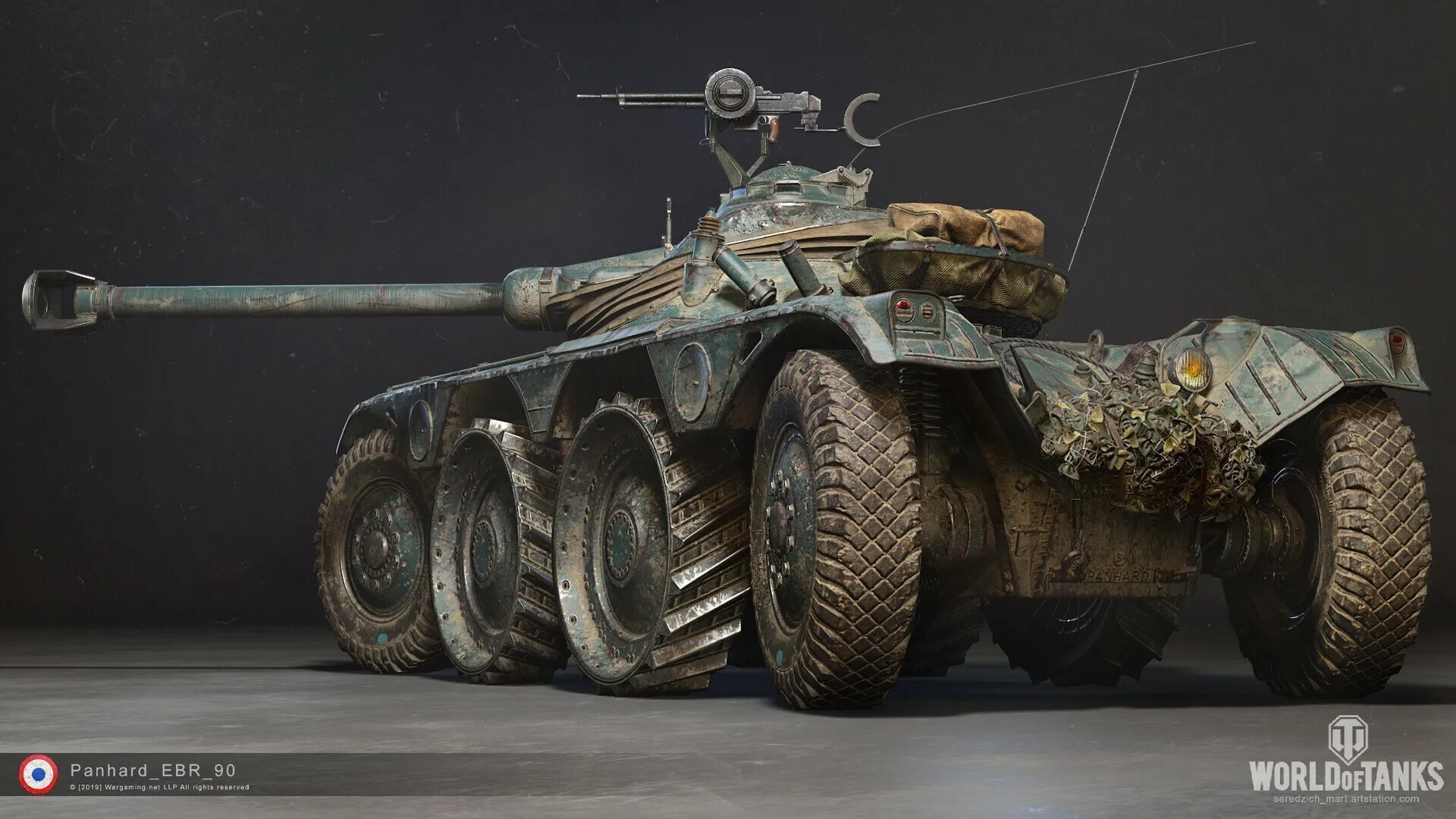
Much depends on the individual skills of the specialist and the specifics of a specific project. For example, when developing tanks or weapons from drawings, technical skills and attention to detail are much more important. At the same time, for stylized projects, it is crucial that the 3D artist has a sense of atmosphere and style that matches the given concept. Therefore, successful project implementation requires a combination of technical expertise and artistic vision, which allows for the creation of high-quality and harmonious content.
The optimal option is a combination of realism and artistic design. Even mud stains on a tank should be positioned so that they appear natural and aesthetically pleasing. When developing stylized games, it's important to consider the technical specifications to avoid delays and minimize errors. Striving for a balance between the artistic component and the requirements of the project allows us to create a high-quality and attractive product.
3D modelers often have the opportunity to express their creativity within projects, but this depends on the specific requirements and working conditions. In some cases, deviating from the assigned task can be perceived negatively, especially if the project has a strict deadline and budget. However, many companies value innovative ideas and original approaches, allowing modelers to incorporate their own creative elements into their work. It is important to find a balance between meeting the assigned tasks and the freedom for creative expression to achieve the best results in 3D design.
Creating 3D models often comes with its own challenges, especially when working with concepts. Concept art isn't a precise drawing, which can make it difficult to grasp the overall idea and details. This makes the process of interpreting a concept challenging for 3D artists, as they must not only understand the concept but also visualize it in three dimensions. Success in this field requires a deep understanding of artistic principles and technical skills to effectively convey the concept's intent through 3D modeling.
A few years ago, this really irritated me. Imagine this situation: you receive images in which the front view doesn't match the back view, the details are poorly developed, and the overall shape looks as if the artist is unfamiliar with basic physics, anatomy, and logic. And as a result, you, as a modeler, are tasked with reproducing this awkward image. This creates many challenges and requires significant effort to achieve realism and consistency in the final product.
Over time, I realized that the main job of a concept artist is to convey an idea, not to create an exact drawing. This is especially important when it comes to stylized characters or monsters. The modeler must be able to see and understand this idea, preserving it when creating the model. During the process, they will also have to refine or change some details, relying on their knowledge of the composition, the overall style of the project, and the intent embedded in the concept.
It is important to realize that the finished 3D model does not always accurately reflect the original concept. However, it should convey the emotions inherent in it. The creativity of a 3D artist lies not in creating new ideas, but in interpreting and implementing existing concepts in accordance with their own vision. This allows for the creation of unique works that preserve the soul of the original while imbuing them with a fresh perspective and individuality.
An experienced 3D artist must be able to effectively interpret a concept, regardless of its quality. Knowledge of artistic fundamentals plays a key role in this process: understanding the concept artist's intentions allows for a more accurate reproduction of their ideas. Beginners may find this task challenging, so initially, it's best to focus on creating a model that closely matches the original concept. It's also important to feel free to ask questions if any details raise doubts. This approach will help you develop your skills more quickly and improve the quality of your work.
In some cases, work on a project may begin without a pre-developed concept. This often happens when the task requires creating an object that doesn't require much attention. In such situations, the task can be handed over directly to the modeler, bypassing the conceptual design stage. A similar approach may also be necessary when redesigning a car to minimize its resemblance to the real-life prototype and avoid potential licensing issues. Getting a job depends on the skill set you develop. Many employers value versatility and the ability to solve a variety of problems, so basic knowledge in various fields can be useful. However, specialization in one area often provides a competitive advantage, especially in highly skilled fields. Professionals with deep knowledge and experience in a specific field tend to have a better chance of finding employment and earning a higher salary. It's important to find a balance between a broad knowledge base and in-depth specialization to meet the demands of the modern labor market. To succeed in any endeavor, it's crucial to focus on a specific goal and avoid distractions. If your goal is to create realistic characters, dedicate yourself to this and actively develop your skills in this area. Spending time working on technology or environments can slow your progress in the direction you're interested in. Focusing on the essentials will help you achieve your desired results faster and improve the quality of your characters.
If you haven't yet decided on a direction, it's worth exploring different options to see what suits you best. A good knowledge base will help you solve a variety of problems, but specializing in a specific area is an important step. Developing skills in one area will require significant time and effort. For example, character creation requires a deep understanding of anatomy, the fundamentals of composition, and topology. You also need to confidently master hand-sculpting clothing and learn Marvellous Designer clothing simulation software. These skills will help you achieve high results and stand out in your chosen field.
Other fields also have many nuances, so it's impossible to learn "everything at once" to a level sufficient for confident work. However, sometimes you can find generalists who possess a wide range of skills and do everything quite well. However, such professionals are rare, as their knowledge is backed by vast experience and countless hours of practical work.
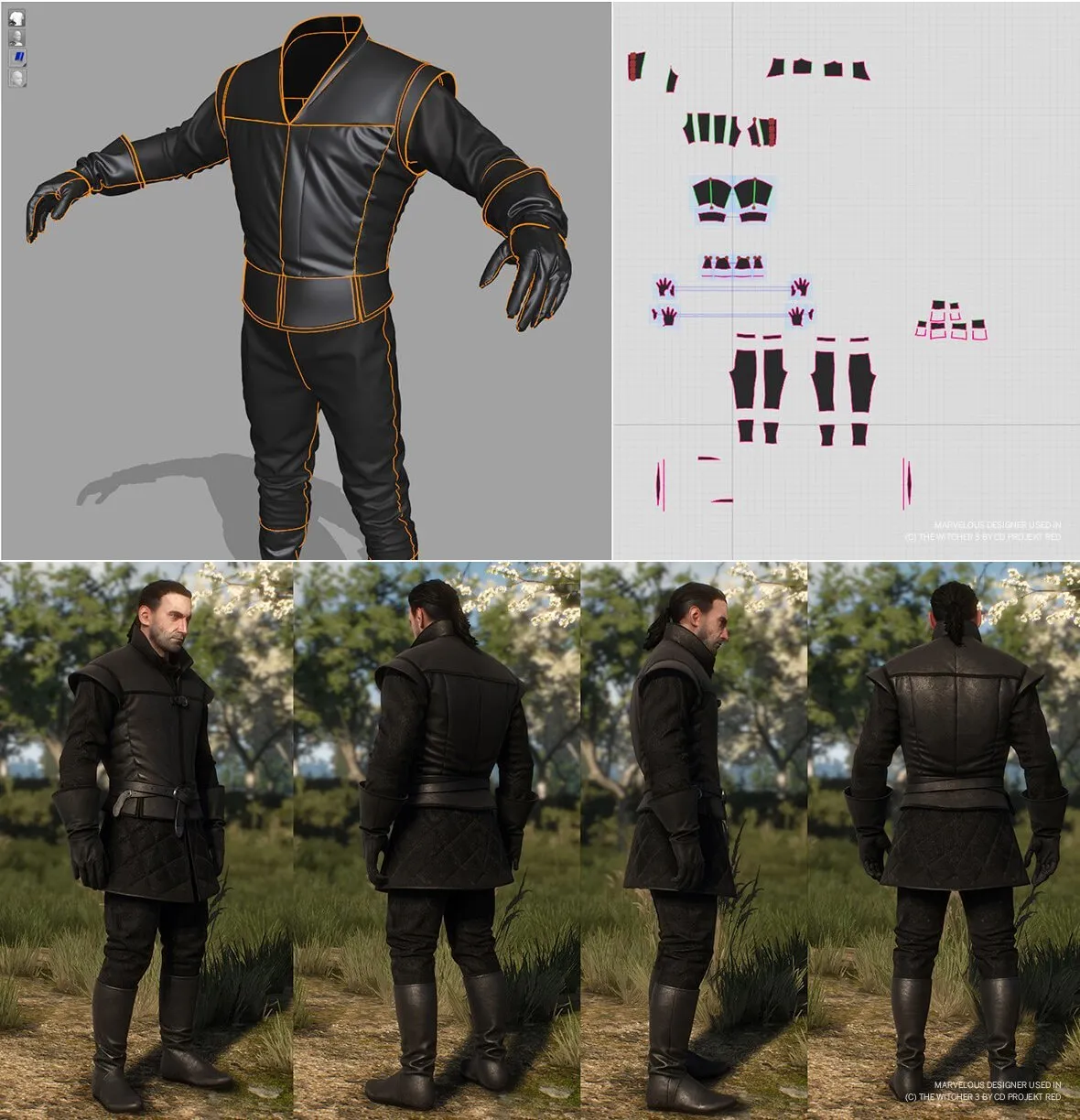
This problem most often affects beginners. Experienced professionals, whether working in a studio or freelancing, already have a clear understanding of their preferences, and this is reflected in their portfolio. Regardless of whether they create stylized characters, realistic technology, sci-fi robots, or other areas, choosing a niche is a key step. By focusing on a specific area, you can significantly simplify the process of building a portfolio and attracting clients. Clients interested in specific types of work will come to you specifically, making your work more productive and enjoyable.
I recommend taking the time to prepare the final render. It's crucial that your work looks complete and professional. It's common to see screenshots from Maya or other software used instead of a high-quality render. This significantly detracts from the work's impact and makes it less noticeable compared to more impressive projects. Clients and potential employers may overlook such projects, which negatively impacts your chances of success. Therefore, pay attention to the quality of the final render and its presentation to ensure your work attracts attention and stands out from the crowd.
To showcase your technical skills, we recommend using Marmoset Viewer. This tool effectively presents 3D objects and textures, making it an ideal choice for designers and developers. Marmoset Viewer supports various file formats and provides high-quality display, highlighting your professional capabilities. Use Marmoset Viewer to create interactive presentations to impress clients and colleagues.
Note these two similar projects with different approaches to presentation. In this case study, the author focused not only on the model but also on the design of the project, which gives it an impressive appearance. Meanwhile, the other project shows room for improvement.
There are several effective ways to quickly improve your portfolio. One of the most effective methods is participating in collaborations and joint projects with other professionals. Such collaborations will not only enrich your portfolio with new examples but also allow you to expand your professional network. Furthermore, collaborating with other professionals will help you share experiences and knowledge, which in turn will enhance your qualifications and appeal to potential clients. It is important to choose partners whose skills and working style complement yours to create a high-quality and engaging result.
Collaboration can take various forms. In one case, this may be a group of people working on a common project. In another, it may involve engaging highly-expert specialists to receive feedback and recommendations for improving your work. In the second option, you create the project yourself, receiving valuable advice along the way, which helps develop your skills and improve the quality of the final product.
To successfully expand your portfolio, you don't necessarily have to focus exclusively on large projects. Creating one such piece takes a significant amount of time, which can result in a portfolio that remains incomplete. This is especially important for beginners, who develop rapidly and often outgrow their earlier work. It is more effective to demonstrate the progression of your skills than to focus on one large project, which can always be flawed. A high-quality portfolio should reflect your growth and diversity of skills, which will help attract the attention of potential clients and employers.
I also went through this experience and came to the conclusion that creating large cases solely for the portfolio is an ineffective approach. Instead of one large piece, it is much more productive to complete 4-5 smaller projects. Firstly, this will allow you to go through the entire development process multiple times, improving both the quality and speed of task completion. Secondly, such progress will be visible in your portfolio, which is especially important for entry-level professionals. Having a variety of work demonstrates skills and the ability to grow, which attracts the attention of potential employers. When applying for a more senior position, it's important not only to demonstrate your skills but also to focus on several key aspects. Employers look for candidates with experience that demonstrates their ability to handle more complex tasks and take on additional responsibilities. It's important to showcase successfully completed projects in which you played a significant role, as well as your achievements and results from previous positions. A good portfolio should reflect not only technical skills but also teamwork, project management, and problem-solving skills. It's also worth paying attention to your professional development, such as courses and certifications that highlight your dedication to the industry. Ultimately, a combination of experience, skills, and personal achievements will help you stand out from other candidates for more senior positions.
The lead position requires strong social skills and developed leadership qualities. A lead must have the ability to make decisions and take responsibility for the team's results. They cannot constantly rely on the art director for decision-making, but must independently direct artists and ensure that assigned tasks are completed. The ability to effectively communicate and motivate a team is a key aspect of a successful lead's work.
One of the main challenges most leaders face is the ability to delegate tasks. Delegation is an important aspect of management, but it can be intimidating, as it requires entrusting the execution of significant processes to less experienced employees. Effective delegation allows you to optimize work processes and increase productivity, so it is important to develop this skill. The ability to trust others and delegate responsibility contributes not only to the leader's personal development but also to the growth of the team as a whole.
Specialists often face the problem of non-disclosure of information (NDA): there are many projects, but it is impossible to share them. In such cases, it's important to find alternative ways to showcase your skills and achievements. Consider creating case studies that don't violate the NDA, or highlight your work methods and problem-solving process. It's also helpful to develop your personal brand through published articles, participation in conferences, and webinars. This will help demonstrate your experience and build trust with potential clients without disclosing confidential information.
If you can't publish your work, you can still showcase a list of projects you've worked on. This will help potential clients and employers assess your experience and skills. Include the project title, your role, and a brief description of the tasks you completed. This approach will not only increase your visibility but also draw attention to your professionalism.
Freelancing requires a highly valued reputation. High-quality and timely completion of tasks helps clients return for new services and recommend you to their friends. Consistent attention to quality work and meeting deadlines will help strengthen your position in the freelance market and attract more clients.
Networking plays a crucial role in successful networking. It's important to start networking early, as building useful connections takes a significant amount of time. Effective contacts can significantly facilitate the achievement of your goals and open up new opportunities.
A portfolio requires regular updating and careful monitoring, preferably at least once a year. This will help keep your work relevant and demonstrate your professional growth. Regularly updating your portfolio allows you to highlight new achievements and skills, which helps attract potential clients and employers. Don't forget the importance of presenting your projects well for successful advancement in your professional field.
Attending industry-specific events really does help with job searches. Such events provide excellent networking opportunities, allowing you to establish useful contacts with potential employers and colleagues. Such events often feature master classes, lectures, and panel discussions, where participants can learn about the latest trends in their field and improve their professional skills. Participating in industry-specific events also helps create a positive image and demonstrate your activity in the professional community, which can be important when looking for a job. Ultimately, active participation in such events increases your chances of successful employment.
Personally, I have not had a positive experience with such events, but it is worth noting that they provide an excellent opportunity to expand your network and connect with useful people. These events typically offer job boards where you can find current openings. Additionally, there's a chance to meet art directors from leading studios, which can significantly impact your career growth and professional development.
I recommend focusing on events that align with your interests and goals. If you want to expand your knowledge, attend conferences and seminars in your professional field. Trade shows and networking events are great for networking. If you're looking for entertainment, check out cultural events such as concerts, theater performances, or art exhibitions. It's important to choose events that will not only help you gain new knowledge but also make useful connections and have a productive time.
GDC is the largest event in the games industry, and many professionals aspire to attend. However, you can start with local events: major cities in every country regularly host significant CG events. It is also important to follow the news and announcements, as sometimes it is worth attending not only large-scale events, but also more informal meetings, for example, at a bar. Such events are often announced on social networks such as VK and Facebook. Participating in them can be an excellent opportunity for networking and exchanging experiences with industry colleagues.
Making useful connections in the industry is key to professional growth. Directly pitching your services can be effective, but creating high-quality case studies and actively maintaining social media is often more productive. High-quality content and successful projects attract attention and facilitate the natural formation of connections. It's important not only to showcase your skills but also to actively engage with colleagues, share experiences, and participate in discussions. This will not only strengthen existing connections but also attract new partners and clients. A direct approach to finding work in the gaming industry is often ineffective. Clients typically seek out contractors, not the other way around. Therefore, it's important to be visible and actively work on your portfolio. Using popular platforms, social media, and interacting with industry peers can significantly improve your chances. A good portfolio can attract attention and lead to recommendations, which in turn will open up new opportunities for collaboration.
3D Artist Profession
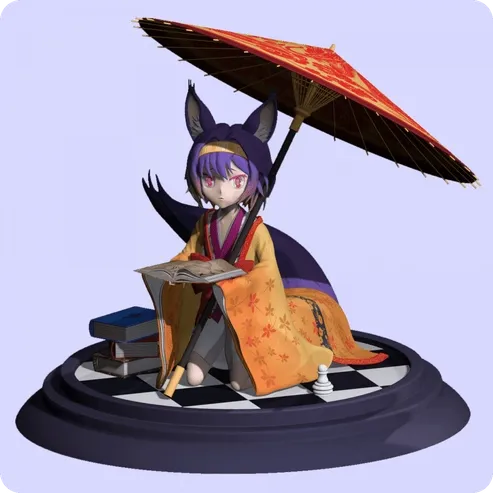
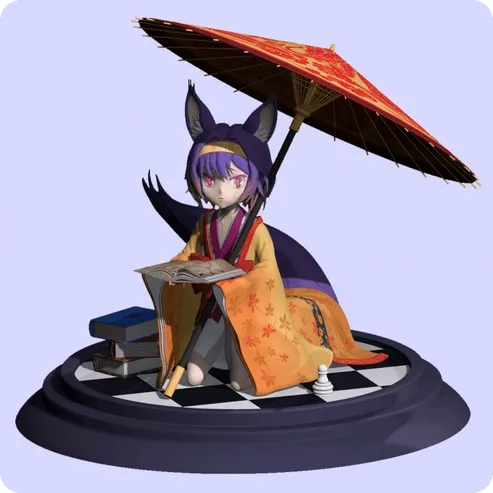
During this course, you will learn Autodesk Maya, Blender, Houdini, Substance Painter and Photoshop from scratch to a professional level. Learn 3D modeling and add more than 20 practical works to your portfolio, and become a sought-after 3D artist. In a year, you will master a profession in demand in the film and gaming industries. In the picture: the work of course participant Dmitry Danilov.
Find out more