Contents:
Learn: Profession Narrative Designer
Learn more
When a dispute arises about the accuracy of a translation, it is important to remain calm and objective. First of all, it is worth listening carefully to the opinion of the other side and understanding what arguments are given in support of their point of view. Using authoritative sources, such as the original text or recommendations from translation professionals, can help clarify the situation. It's also helpful to consider the context in which the translation is being used, as this can significantly influence its interpretation. It's important to remember that translation isn't just about conveying words; it also takes into account the cultural nuances and style of the original. If necessary, it's best to seek the assistance of a qualified translator for an expert opinion. Respect and an open dialogue will help us find common ground and reach a consensus.
Anna: Throughout our collaboration with colleagues, we've always found common ground. There's always an editor on the team who makes the final decision. I believe these moments are the most challenging part of an editor's job.
Alfina: It's important to be able to articulate your point of view and respect the hierarchy within the team. Effective collaboration with colleagues helps minimize disagreements that could be perceived as catastrophic for the project. Smaller challenges should be taken more calmly. Don't get hung up on the little things.
Fluency in a foreign language is an important, but not sufficient, requirement for a high-quality game translation. A translator must have a deep understanding of the game context and specific terminology. Knowledge of cultural specifics is essential to convey the atmosphere and emotions of the original. Furthermore, it's crucial to have the skills to adapt the text so it sounds natural to the target audience. Understanding game mechanics and genres also plays a significant role in a successful translation. Therefore, in addition to language skills, a translator must have cultural awareness and experience in gaming.
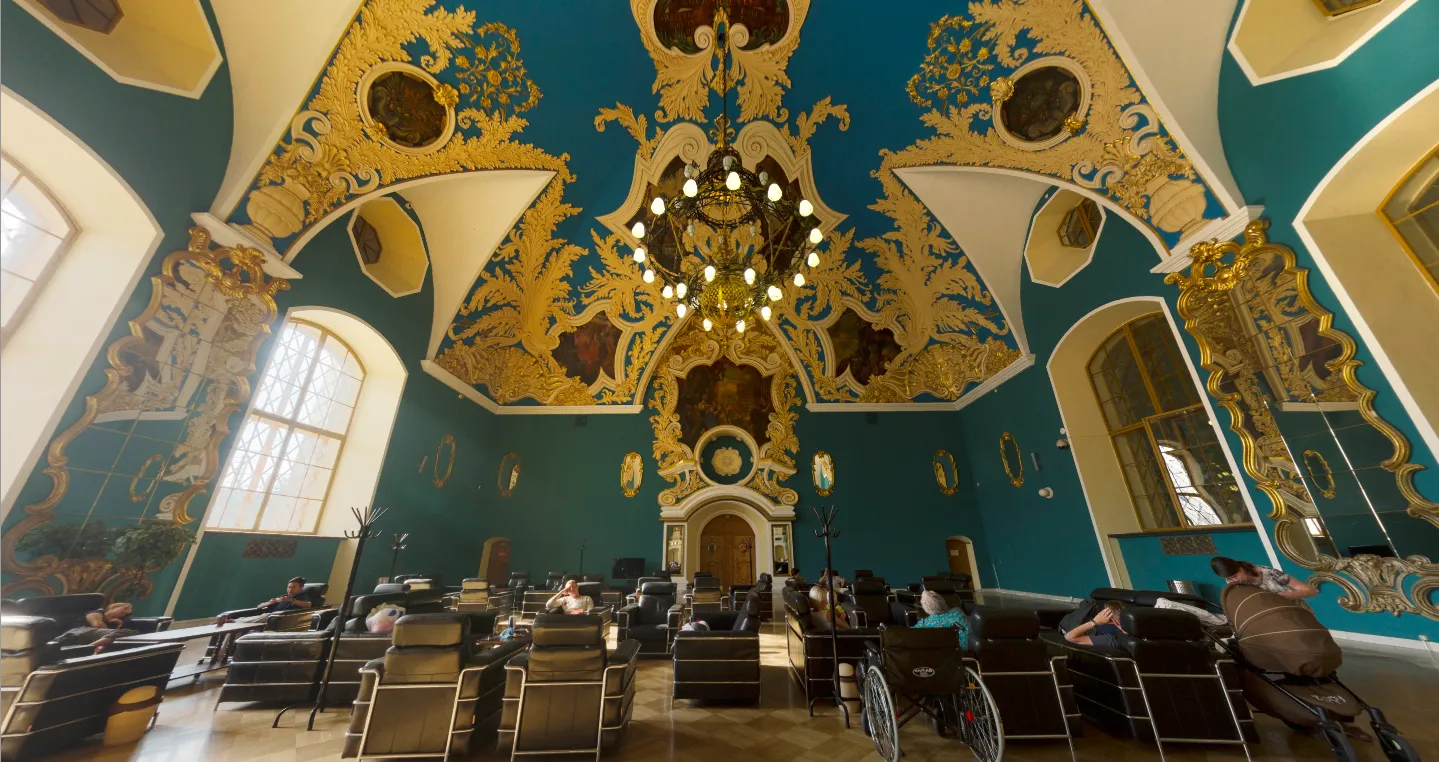
Fluency in a language does not always mean the ability to translate accurately and clearly. Throughout my practice, I have come to the conclusion that a key translator skill is a deep knowledge of the native language. It is also crucial to be able to understand the vocabulary and communication styles of different social groups. For example, it is necessary to understand how a medieval vassal might speak and how a homeless person at Kazansky Station communicates. This understanding allows us to create an adequate and accurate translation, reflecting the nuances and context that are important to convey the meaning.
For a successful game localization, it's not necessary for every member of the translation team to have played it. However, knowledge of the game's plot, mechanics, and atmosphere can significantly improve the quality of the translation. This will allow translators to better capture the spirit of the original, adapt cultural references, and ensure consistency with terminology. It's important that at least key team members are familiar with the gameplay and content, which will improve the overall accuracy and naturalness of the localization.
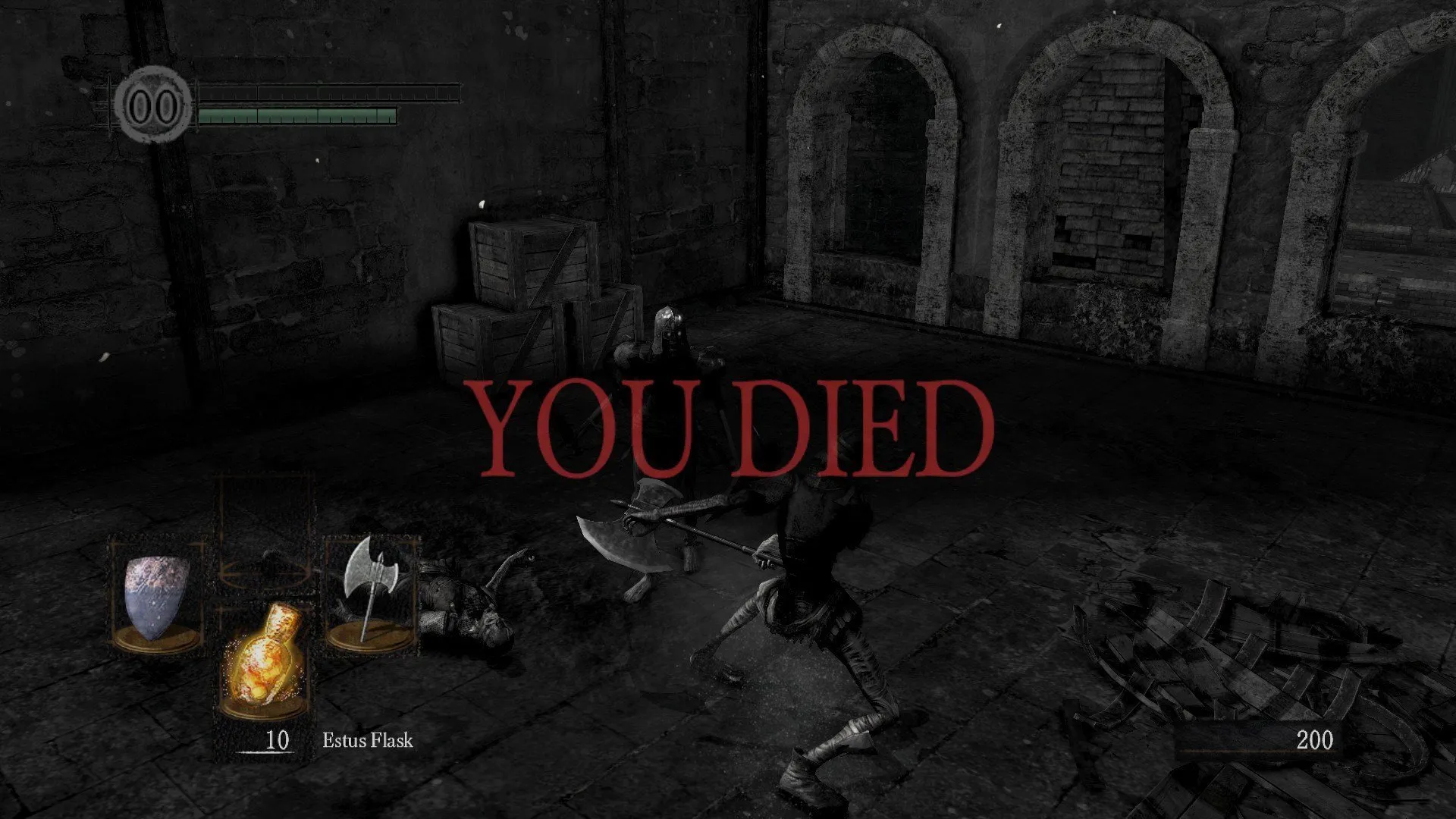
Anna: I wouldn't force every translator to play Dark Souls, so I can confidently say that it's not mandatory. Sometimes it's simply not possible. Ideally, of course, it's best to delve into the gameplay, study the art and lore—all available materials. But if opportunities are limited, then at least watching Let's Plays will be useful for understanding the game.
Alfina: It's important to have a deep understanding of the game—to recognize what's a priority and what can be considered secondary. It's essential to clearly distinguish between moments that should be vibrant and emotional, and those that require a calmer approach. It's important to consider where the literal meaning should be preserved, and where imagery and style are more appropriate. To achieve this understanding, it's helpful to familiarize yourself with the game, although completing it isn't necessary. Responsible developers often provide additional materials that help you better navigate the action: they explain what's happening and where, and also show the connections between elements. In some cases, they even create videos, share design documents, and open access to the game engine.
Translating video games has its own unique characteristics that distinguish it from translating other media formats. Firstly, in video games, not only the text is important but also the context in which it is used. Gameplay, mechanics, and player interaction require a clear understanding of the game world. Secondly, the translator must consider technical limitations, such as the number of characters available for interface text, which requires a creative approach to adapting phrases and dialogue. Thirdly, video games often contain humor, cultural references, and slang, requiring the translator to have a deep knowledge of both the source and target cultures. Localization is also important, as it involves adapting not only the language but also cultural elements such as names, traditions, and customs to make the game more understandable and appealing to the target audience. It's important to note that the quality of translation can significantly impact how players perceive a game, so a professional approach to video game translation is crucial for a product's success in the international market.
Anna: Translating quests, RPGs, and action games is in many ways similar to translating cartoons and TV series, which is why I came to game localization. The film industry faces more technical challenges. Dubbing requires special "layout," which is quite painstaking work. Each sentence must be adapted to match the actor's articulation onscreen. In the gaming industry, such requirements arise only in video inserts, and currently, subtitles are most often used, which simplifies the localization process.
Alfina: Gaming applications use variables, as well as phrases that are programmatically formed from various fragments. Translation strings can often contain special characters, making them a kind of linguistic constructor. Working with such texts differs from translating fiction and TV series, which can come as a surprise to novice game translators.
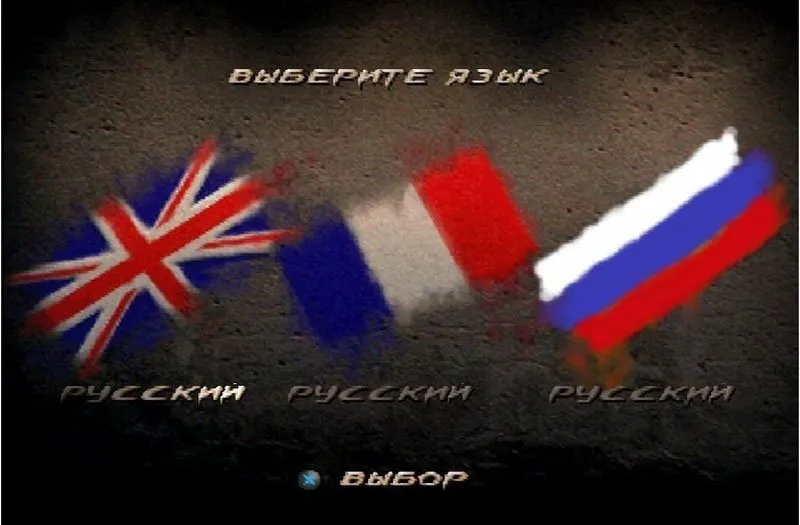
The Russian language is distinguished by its complex structure, including cases, countable forms, and gender endings. Developers often fail to take this richness into account, resulting in a lack of case-specific variable variations. Explaining to foreigners that one agreement is used for the numerals 2–4 and another for 5–9 can be difficult. This language feature requires flexibility and creativity in wording. Otherwise, we can end up with unnatural phrases like "You've received 5 items that increase Magic Power." Therefore, it's important to consider Russian grammar rules when developing software and content.
"Well, men, you've obviously been deceived. They've been playing on your emotions. — (Stroke the bow of an imaginary violin.) — You stood by and watched while they acted."
"This is unbearable!" exclaims Glen. — "We're not going to just sit and watch someone mess around!"
Profession Narrative Designer
You will learn from scratch how to create scripts for games, invent characters, write dialogues, and convey ideas through gameplay. You can earn money in game development and implement the game project you've always dreamed of.
Find out more