Contents:

Learn: The Profession of a Methodologist from Scratch to PRO
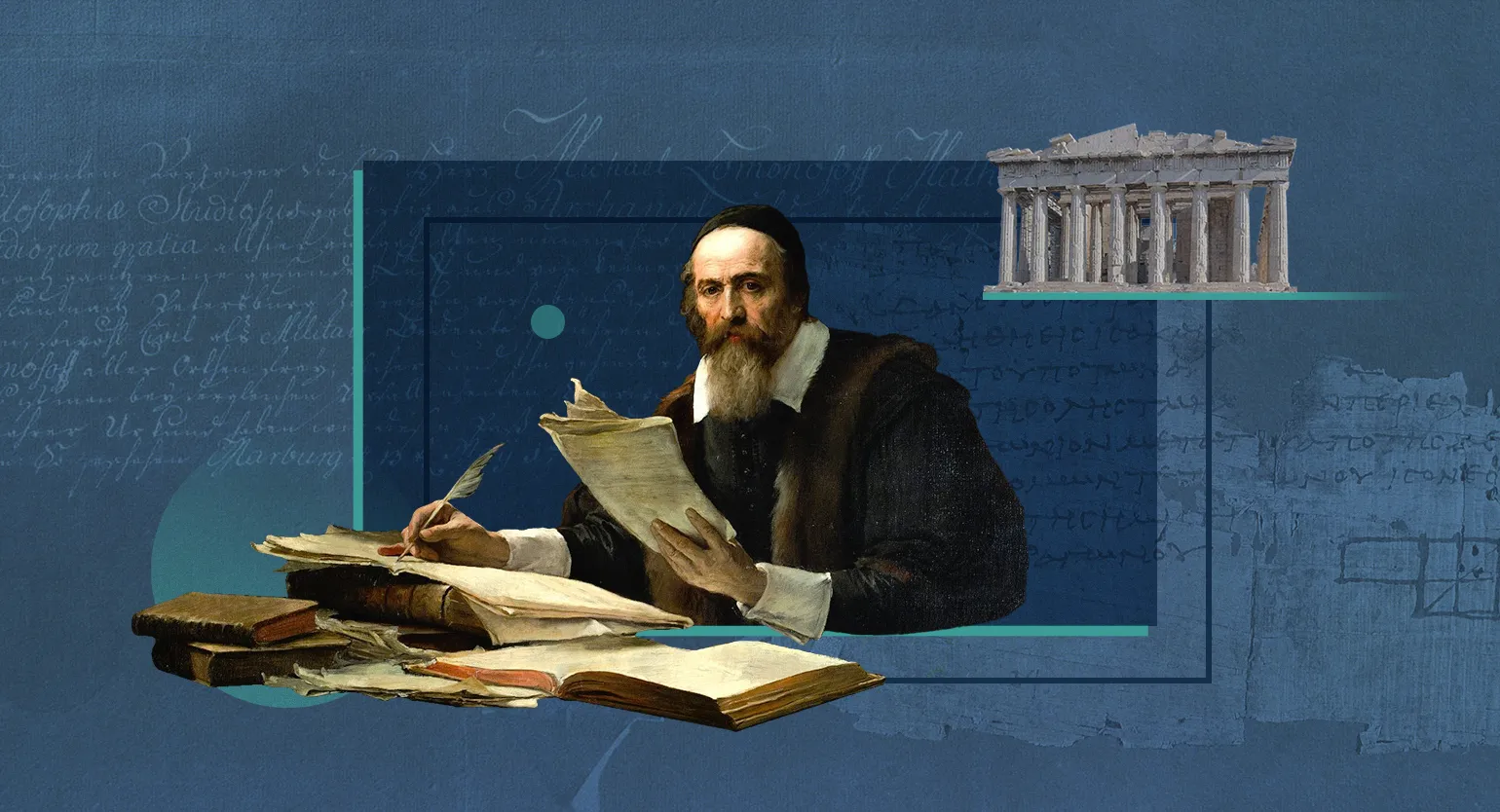
Learn MoreJan Amos Comenius (1592–1670) was born in what is now the Czech Republic, but he frequently changed his place of residence throughout his life. This was due to his affiliation with one of the Protestant communities persecuted by the Catholic Church. Comenius became an outstanding educator and philosopher, significantly influencing the development of the educational system. His ideas on the importance of education and teaching methods remain relevant in the modern world.
Jan lived during the Great Plague, which radically changed his fate. As a child, he became an orphan, losing not only his parents but also his sisters. As he grew older, Jan faced new tragedies: he lost his first wife and children. Despite all the trials, he was able to obtain an education at the prestigious Herborn Academy and Heidelberg University, which became his support during difficult times.
He worked as a school teacher and a priest in his religious community, but his main quality was his humanistic philosophical views. These ideas formed the foundation of his teaching practice and defined his approach to teaching and education.
Janus Comenius, a prominent educator and philosopher, is known for his major works: "The Great Didactics," "The Mother School," and "The Pansophic School." These works had a significant influence on the development of education and pedagogical methods. In "The Great Didactics," Comenius examines the principles of effective teaching and education, emphasizing the importance of a systems approach to education. In "The Mother School," he emphasizes the importance of early education and nurturing children in a home environment, which contributes to their harmonious development. The Pansophic School represents a concept of comprehensive education, where knowledge and wisdom are considered key elements in the formation of the individual. These works remain relevant today, inspiring educators to search for new methods of teaching and education.
The Pedagogical Ideas of Jan Comenius, the Father of Didactics
Modern pedagogy is largely based on the ideas of Jan Comenius. His principles formed the basis of the structure and approaches used in modern educational institutions. Comenius laid down fundamental concepts that continue to influence the organization of the educational process in schools.
Jan Comenius's ideas, which are perceived as natural and obvious today, were a real breakthrough in the educational system in his time. To understand this, imagine a typical school of that time: children of different ages study together, studying a variety of subjects without any clear structure. The teacher decides what to teach, and each child can have their own activities at the same time. For example, one child is learning to read while a teenager is solving a math problem, and their neighbor is studying Latin. Class attendance leaves much to be desired, and compulsory education, even in literacy, is neglected. Furthermore, specialized textbooks are lacking, and children learn to read from complex religious texts, such as the Book of Psalms. Physical punishment serves as motivation for the students.
Comenius proposed to systematize education, making it accessible and understandable to everyone, which significantly increased its effectiveness. His ideas on universal education and the use of specialized teaching materials became the basis for modern educational practices.
Comenius developed a system that brought order to the brutal chaos. His methods helped organize the learning process and knowledge management, making it more accessible and structured. This system became the basis for many educational reforms aimed at improving the quality of education and upbringing.
He formulated the key principles of didactics, the science of learning and information perception. Among them, the main principle known as the "golden rule of didactics" - the principle of clarity - stands out. This principle states that information should be presented in a way that can be perceived through various senses. Comenius emphasized the importance of using visual, auditory, olfactory, and tactile stimuli to maximize student engagement. Providing a variety of learning formats promotes more effective acquisition of knowledge and development of skills.
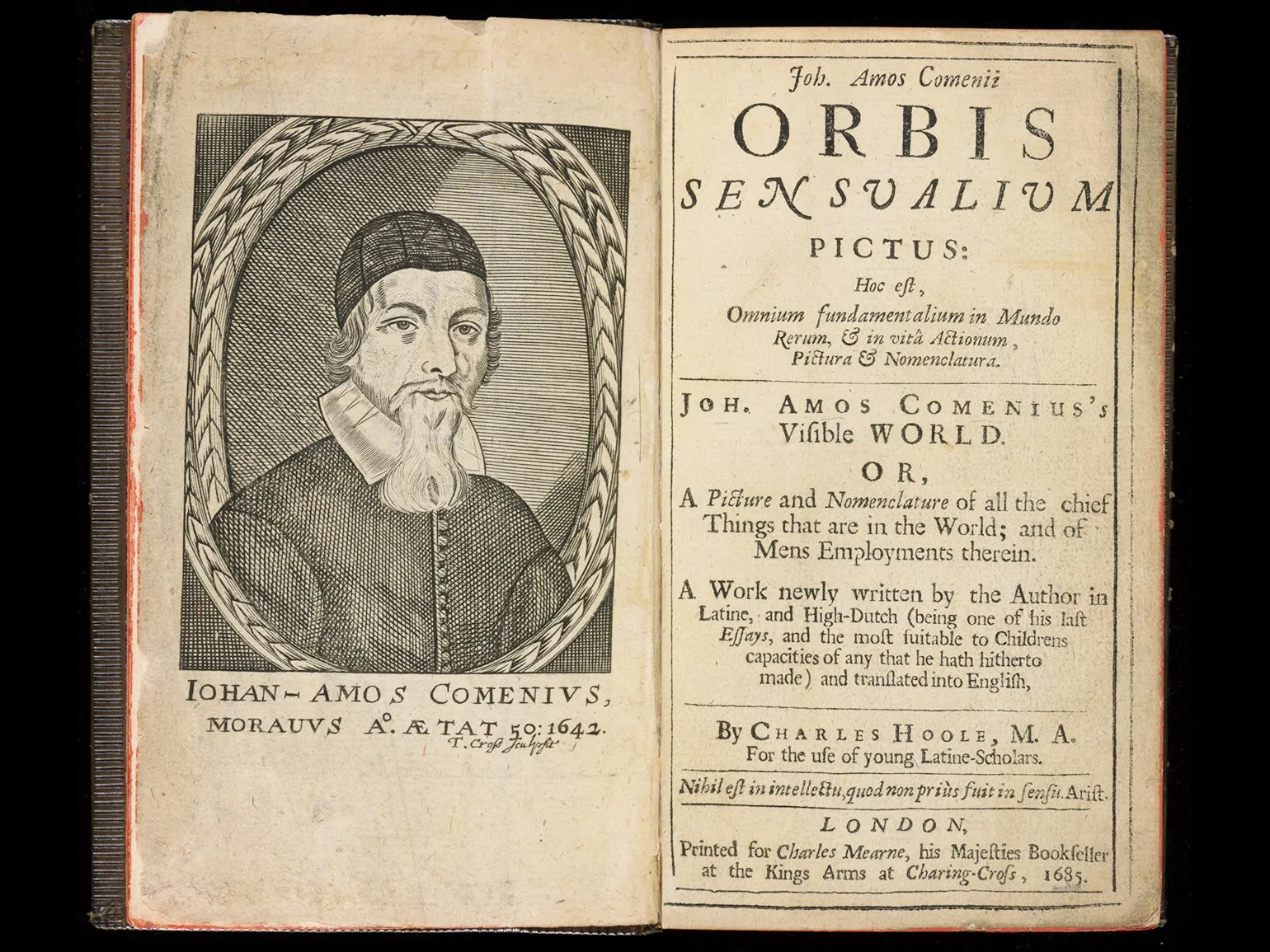
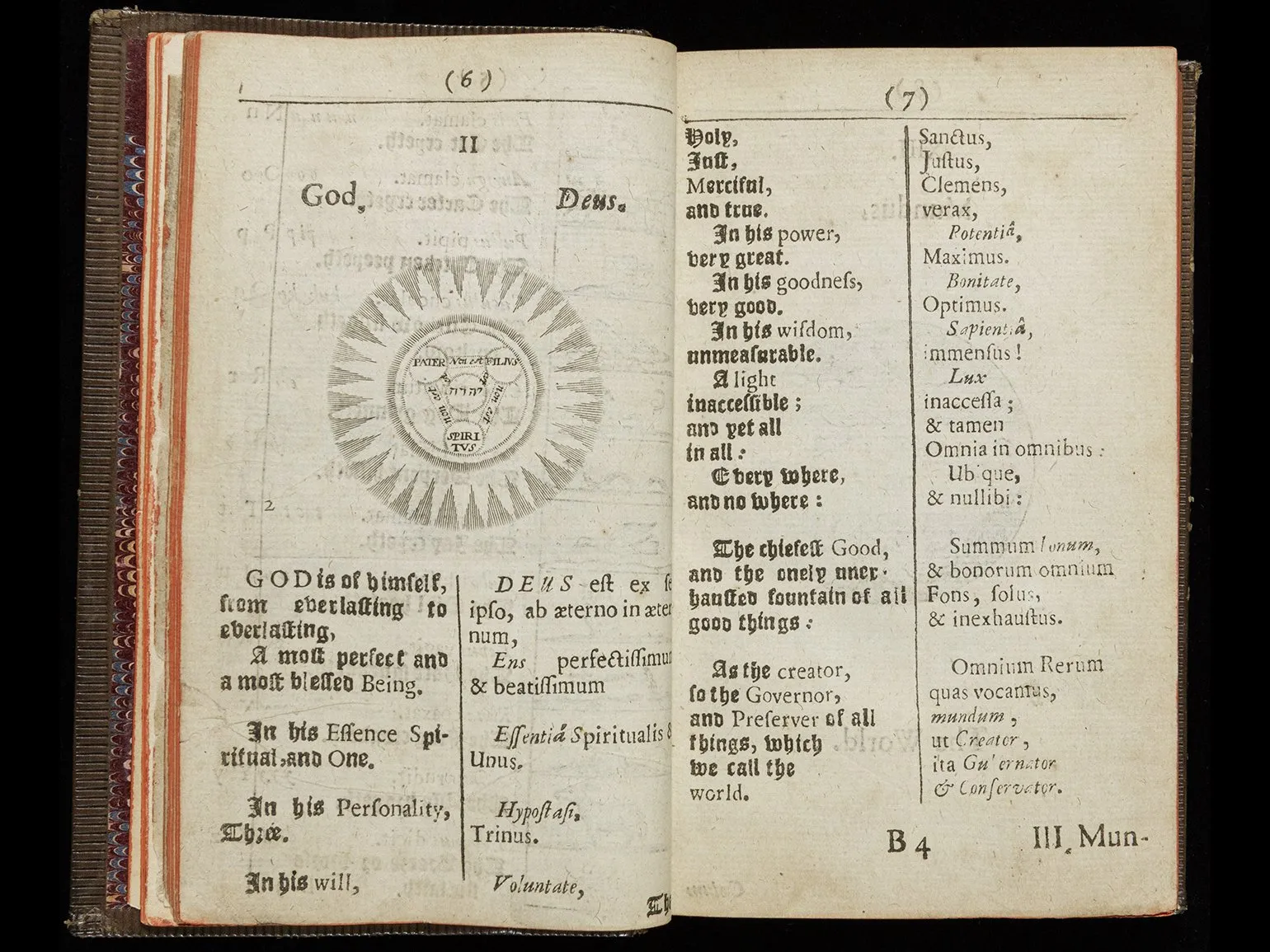
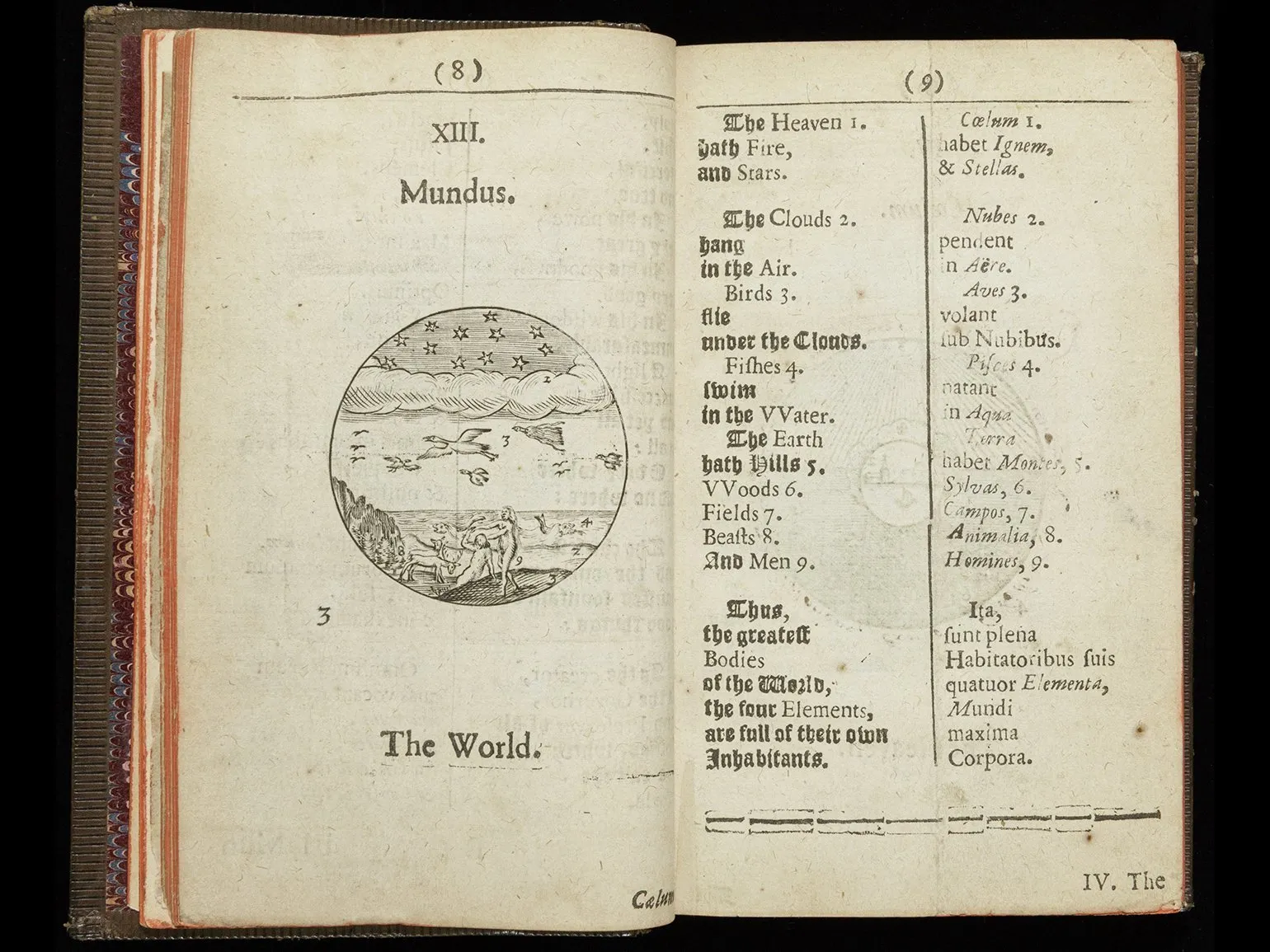
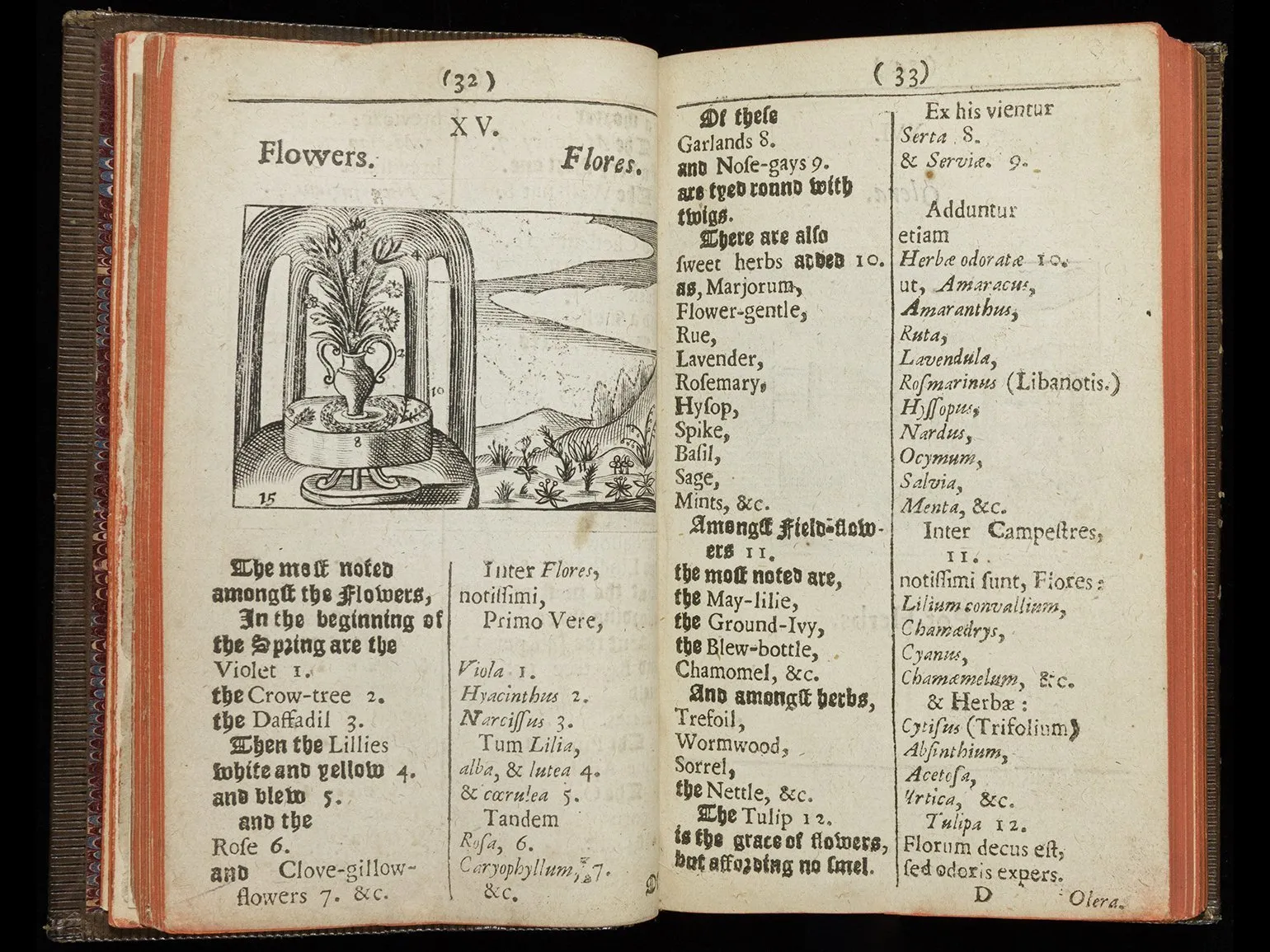
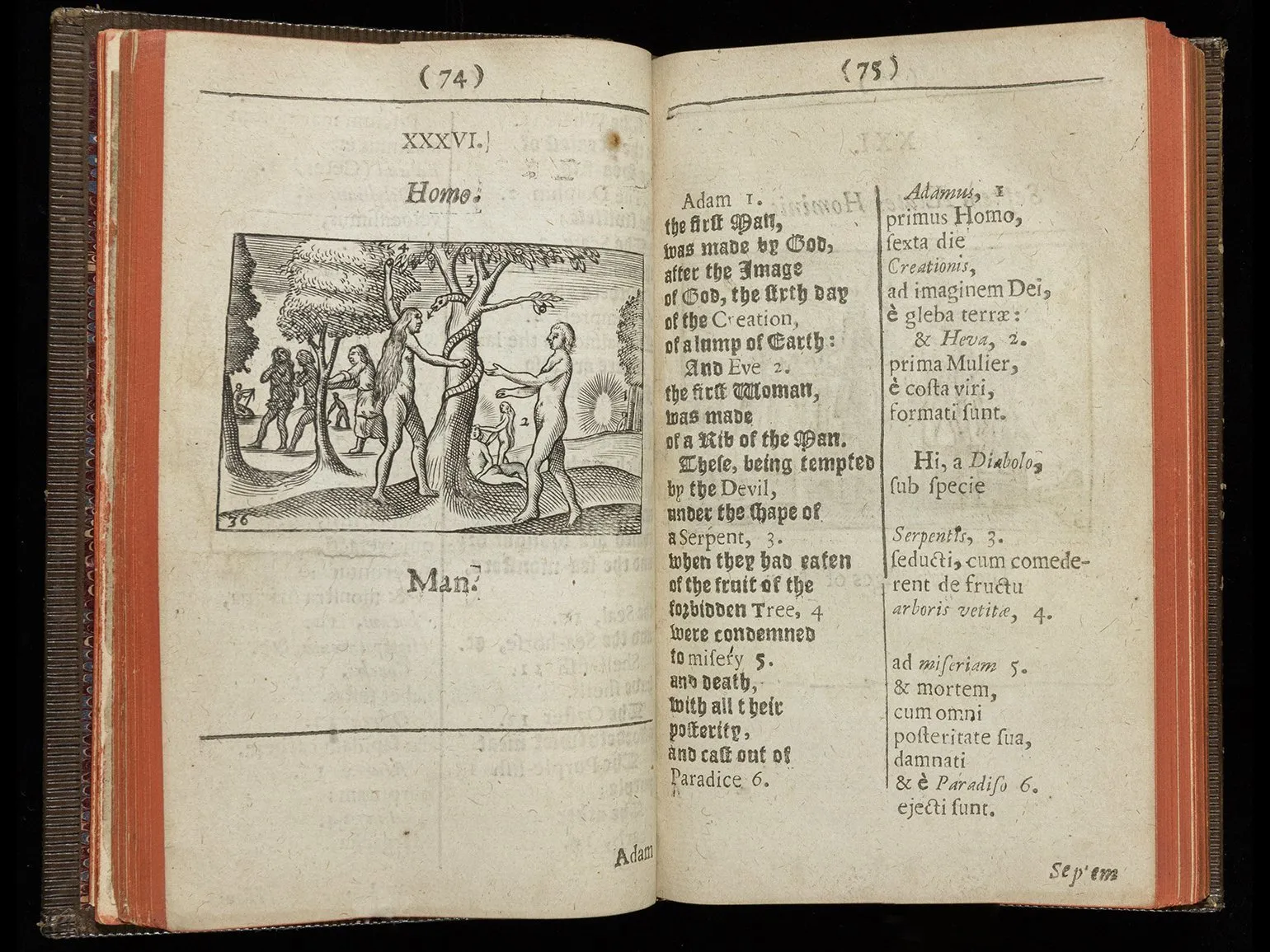
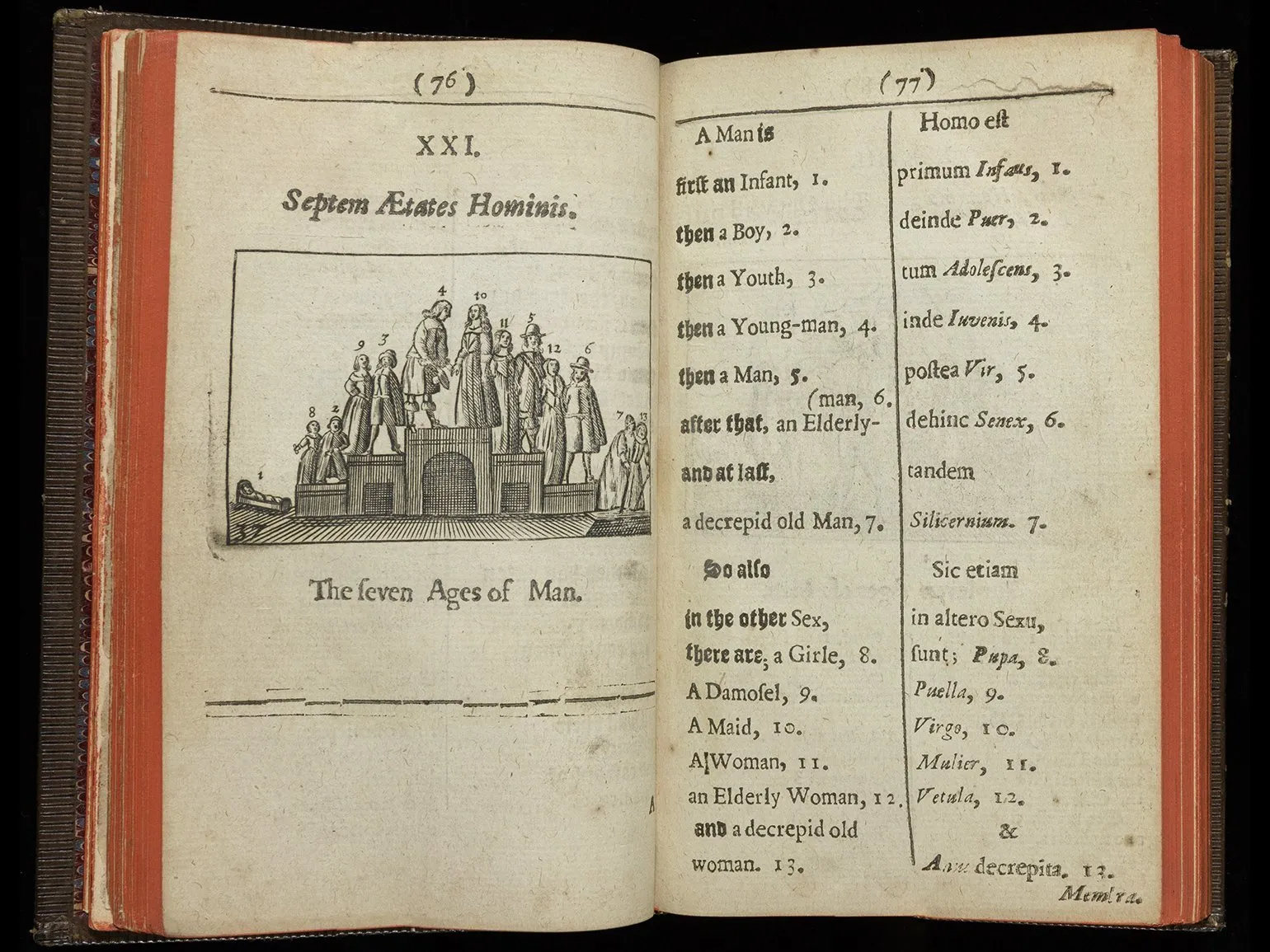
According to this principle, he independently created and illustrated a textbook called "The Sensual World in Pictures". This textbook was intended to teach children to read and get acquainted with the world around them. Comenius also wrote several other textbooks, including materials on physics and astronomy, as well as a guide to learning languages, as he himself taught Latin. These works became important contributions to teaching practice and contributed to the development of educational methods.
The principle of conformity to nature, put forward by Jan Amos Komensky, is one of the key concepts of his pedagogical theory. He emphasizes that as people grow older, they develop specific educational goals and age-related characteristics, which Komensky calls "nature." Taking these factors into account is crucial for effective learning. It is important to adapt educational methods and content to the natural stages of personal development, which facilitates deeper knowledge acquisition and the harmonious development of students. Applying the principle of conformity to nature in the educational process allows for the creation of optimal conditions for the development of skills and abilities in accordance with the natural needs and capabilities of each age.
He introduced the concept of the classroom-lesson system into education. He argued that instruction should be consistent and systematized, divided into specific subjects. Each subject requires a lesson plan and schedule. In addition to explaining the material, the teacher should also check students' mastery of the material. Regular school attendance and the distribution of children into classes are also important aspects of this approach.
According to Jan Amos Komensky, it is important to group students with similar academic abilities into one class. This allows for more effective guidance toward a common learning goal, which contributes to the creation of a unified educational environment. Each class should have a separate room, and the school year should be clearly defined. Komensky emphasized that an adapted annual course should be developed for each class, corresponding to the average ability of students. This course should be accessible for assimilation within a single school year, so that both fast- and slow-learning students can successfully complete it within the same timeframe. This approach promotes more uniform and high-quality learning, taking into account the individual characteristics of students.
Komensky emphasized the importance of including interesting facts in educational materials to make learning engaging for children. This idea remains relevant in the modern educational process, where capturing students' attention plays a key role. In his works, he also proposed using game elements for learning, which can be seen as an early form of gamification of the educational process. Comenius wrote several plays that could be used in school lessons in a game format, thereby encouraging active student participation and improving learning.
Jan Amos Comenius's pedagogical ideas led to the concept of pansophism, which represents the dream of a universal school. In this school, children, regardless of their background and social status, should be taught all the subjects necessary for a full life in the present and future. Comenius emphasized the importance of this approach for the development of society. This idea of universal education appeared long before state authorities began to care about it. Importantly, Comenius' concept remains relevant today, emphasizing the need for equal access to quality education for all.
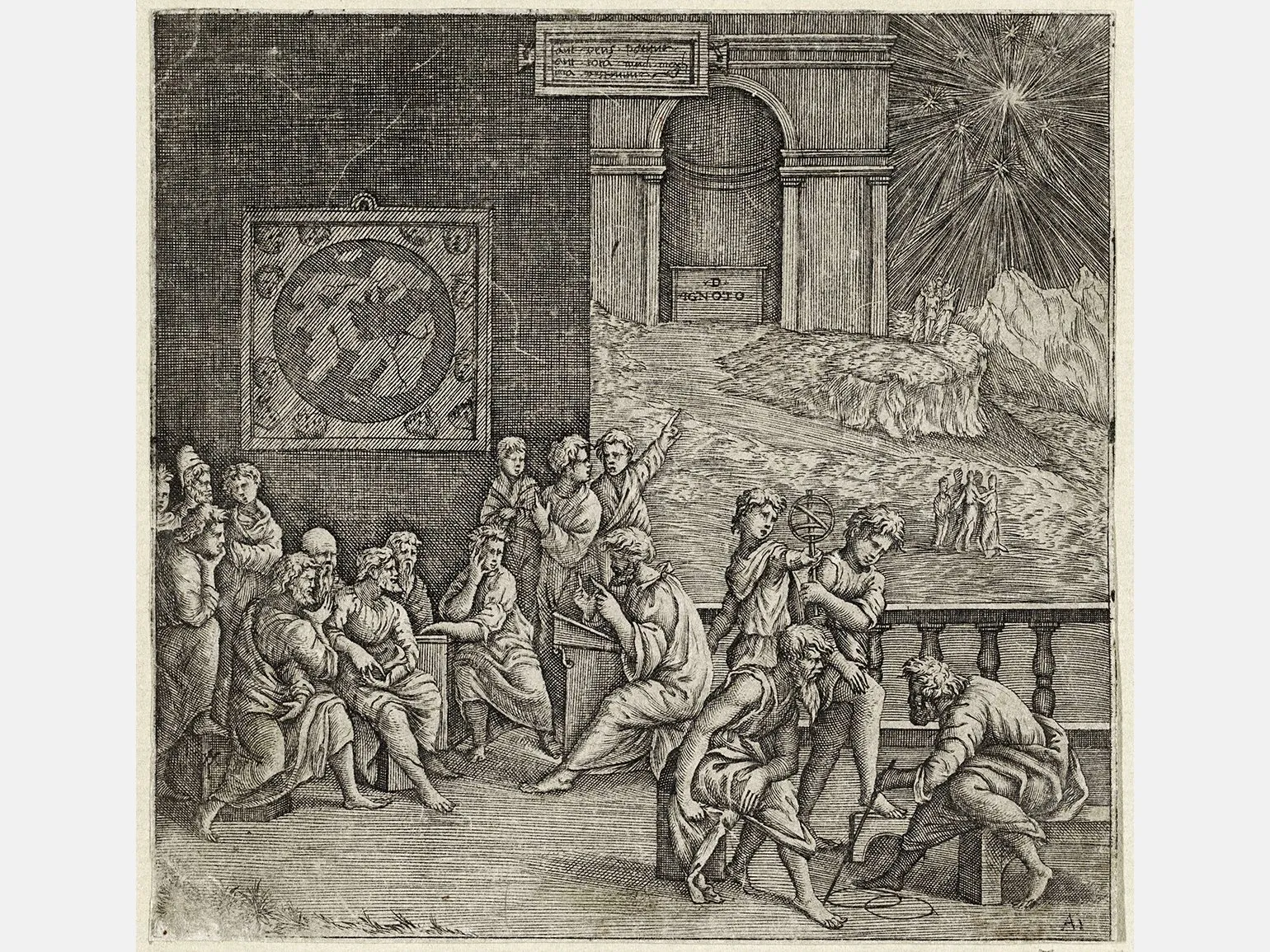
Comenius believed that schools should not only impart knowledge and practical skills, but also promote moral development, becoming "workshops for people." The main principles of the pansophical school are that education should be oriented towards life, and not just the academic process. He argued that "let young men come out of here capable of any work, skillful and diligent, who can be trusted with any life's tasks." The second principle is that education should take place in a pleasant and easy atmosphere, without violence, so that all participants in the educational process experience joy in their efforts and their results.
Quotes from Jan Comenius
Of course, I am ready to help you with editing the text. Please provide the source text you wish to revise.
Interesting facts about Jan Komensky
- Komensky or Comenius – which is the correct stress? Jan Amos was Czech, so from a Czech perspective, the correct stress is on the first syllable. But when he wrote his last name in Latin, he called himself "Komenius," and the stress then fell on the second syllable. So both versions are used.
- Komensky's interests were not limited to pedagogy. He was also a keen linguist and compiled the dictionary "Treasury of the Czech Language."
- Although Comenius is now widely known primarily as the author of "The Great Didactic," he himself would probably have called "The General Council for the Correction of Human Affairs" (Latin: De rerum humanarum emendatione consultatio catholica) his life's work. There, he conceived nothing less than a system for reorganizing the entire society—he described a utopian, yet beautiful, model for educating all people and the means for developing human society toward the triumph of progress, humanism, and common sense.
- Comenius did not have the opportunity to fully implement his principles for organizing an ideal pansophical school. However, he did partially test this idea in a school he opened in Transylvania at the invitation of a local prince. True, Comenius's tenure there was only brief.
- Although Comenius is considered a humanist educator, his humanism would be highly questionable in our era. Yes, he condemned physical force, and for that time, this was revolutionary. But in his "Great Didactics," for example, he recommended the following student motivation measures: "Look how attentive this or that one is, how he understands everything correctly! And you sit there like a blockhead!" "Look at that simpleton—you don't understand such an easy thing!"
Learn more about the world of education on our Telegram channel. Subscribe to stay up to date with the latest news, trends, and helpful tips in training and development.
Read also:
- When and how the first universities appeared in Europe and Russia
- 9 facts about the first universities