Contents:

Learn: Profession Methodist from scratch to PRO
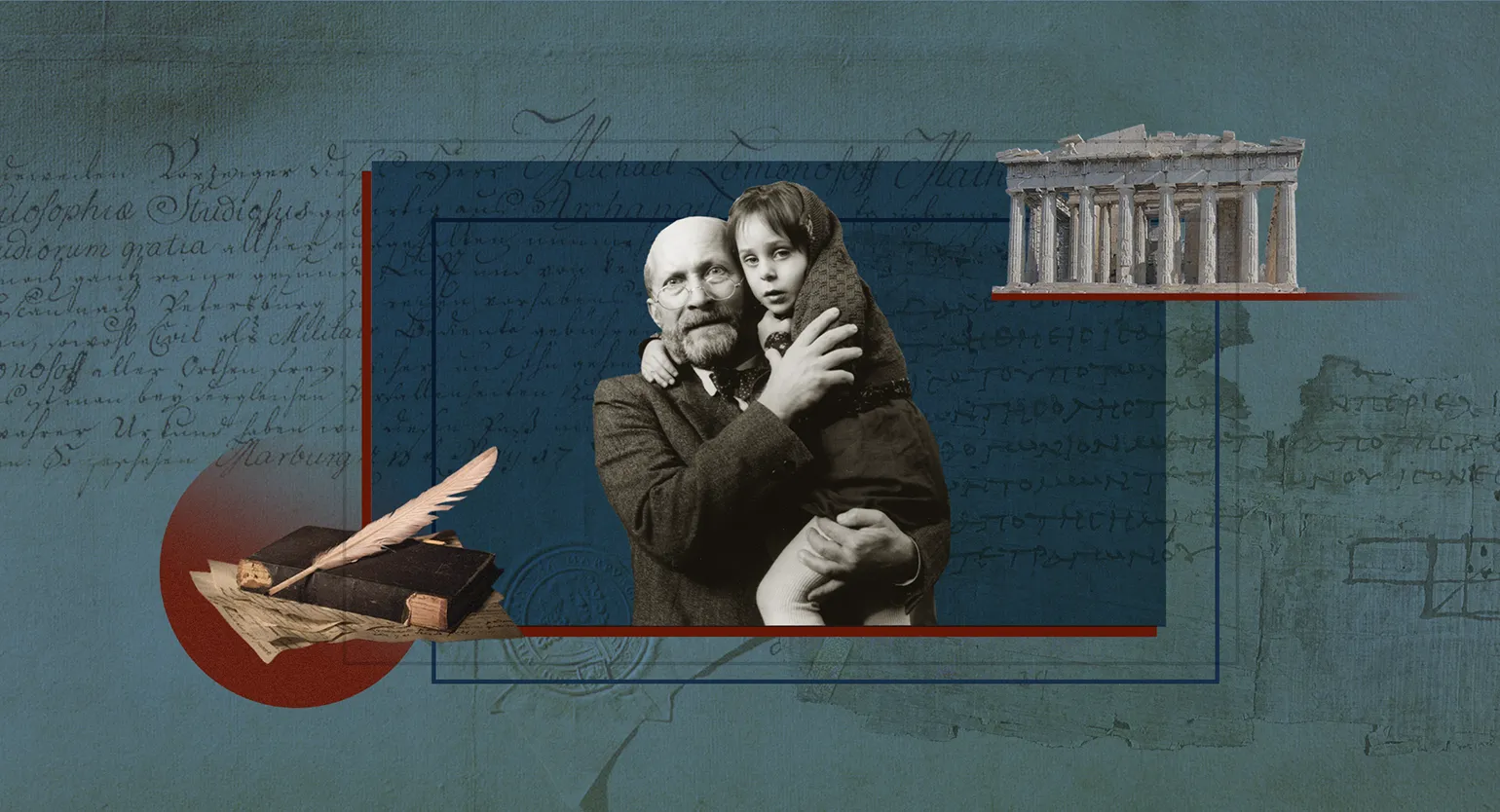
Learn moreJanusz Korczak (1878–1942) was a prominent Polish pediatrician and educator who dedicated much of his life to helping children. From an early age, as a student, he actively supported children from poor families. Gradually, Korczak came to the realization that his influence could be much more significant than just his role as a doctor. He sought to bring light and hope into the lives of orphans and children from disadvantaged families, helping them avoid criminal paths and finding them opportunities for a better future. Korczak became a symbol of a humane approach to raising and protecting children's rights, and his ideas and principles remain relevant today.
Korczak left his first profession and began working in an orphanage. In 1912, he used donations to open his first orphanage for street children. He later founded another institution, continuing his noble mission of helping children. Janusz Korczak, known not only as a teacher but also as a talented writer, gained popularity in literary circles long before his teaching career. He wrote novels and stories for both children and adults, and in his youth, he also wrote poetry. Among his most famous works are "King Matt the First" and "When I Am Little Again." Interestingly, the pseudonym Janusz Korczak was chosen in honor of his literary work. His real name was Henryk Goldszmit. Korczak thus left a significant mark on both pedagogy and literature, making his figure significant for both fields.
Korczak's Orphans' Homes: What They Are Famous For
Korczak rejected the traditional orphanage model, which resembled prison conditions, and created a unique children's republic. This space included a self-government council, a legislative sejm, and a comradely court. The legal code developed for children was distinguished by its humaneness: most violations of the rules could be corrected through forgiveness. This innovative approach fostered responsibility and mutual assistance among the pupils, creating an atmosphere of trust and support.
Despite the democratic conditions, establishing contact with difficult and prickly children who had already experienced many hardships was not immediately possible, but over time, this was achieved. Many people were skeptical of this experiment and considered Korczak an eccentric. However, young teachers subsequently trained at his orphanage, which testified to the significance of his approach and methods of working with children.
Korczak sought to convey his educational ideas to a wider audience. He actively spoke on the radio and published articles, becoming a prominent media figure of his time.
The last two years of Janusz Korczak's life were spent in prison and the Jewish ghetto, where he and his charges were sent after the occupation of Poland by Nazi Germany. Janusz Korczak, a renowned educator and writer, tirelessly cared for the children despite the appalling living conditions. Ultimately, he and his charges were deported to the Treblinka concentration camp. There are reports that Korczak was offered two or three opportunities to escape, but only on the condition that he go alone. However, devoted to his charges, Janusz Korczak could not abandon them and shared their fate in the gas chamber. His actions became a symbol of courage and devotion, and he will forever be remembered as a hero who put the lives of children above his own.
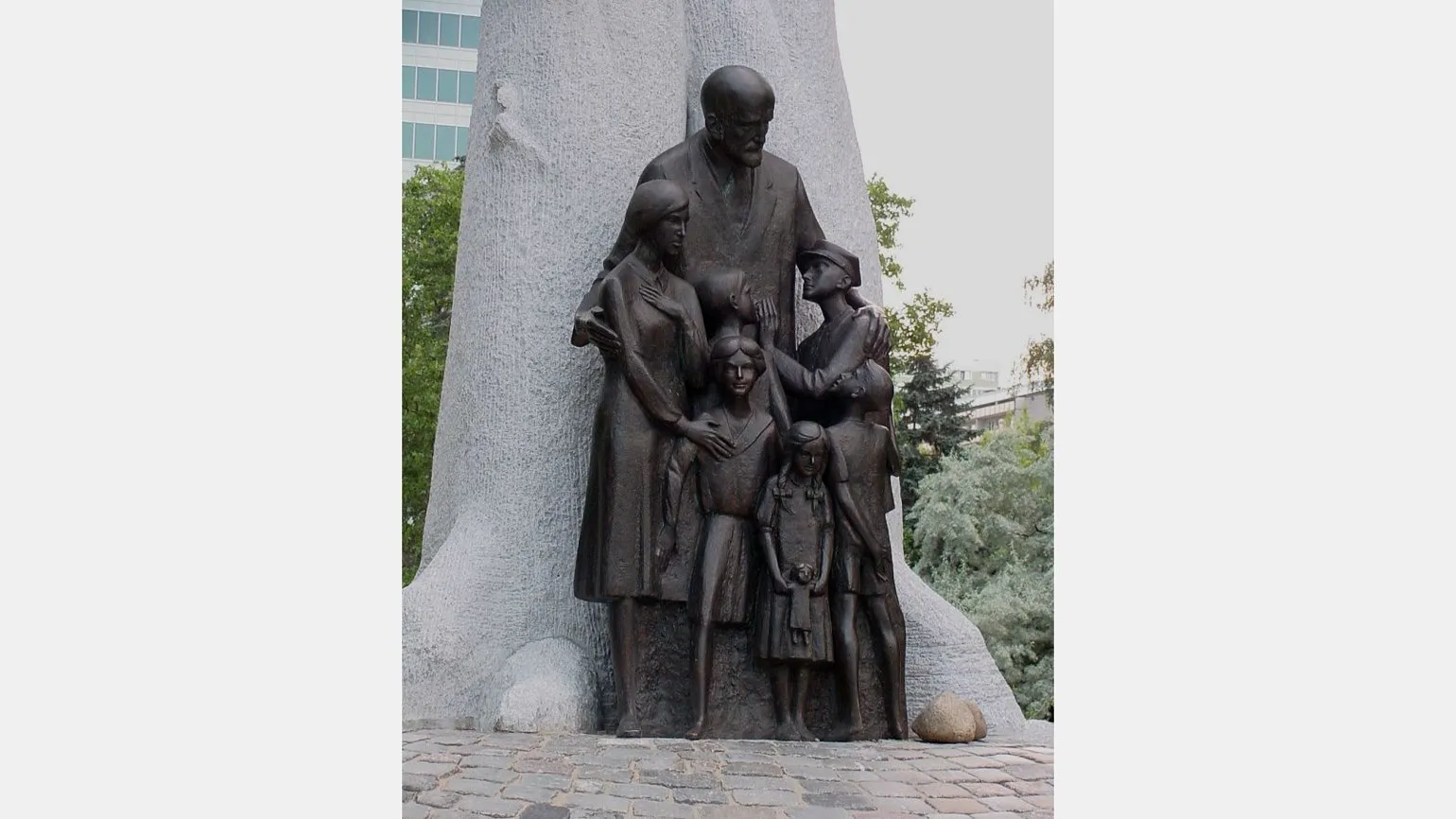
Korczak had no family of his own, and raising and caring for other people's children became not just a profession for him, but a true calling. His dedication and desire to create a warm atmosphere for his students emphasize the importance of family values and love in the life of every child.
Korczak is an outstanding teacher and writer who left a significant legacy in the field of education and pedagogy. His major works, such as "How to Love a Child," "The Child's Right to Respect," "Rules of Life," "Educational Moments," and "Joke Pedagogy," continue to be relevant and in demand. These books offer an in-depth analysis of the relationship between adults and children and substantiate the importance of respect for the child's personality. Korczak's works help parents and teachers better understand the needs of children and build trusting relationships with them. Reading these books will enrich your approach to parenting and the educational process.
Janusz Korczak's Pedagogical Ideas
Korczak was the first in the history of pedagogy to advocate viewing children as full-fledged individuals deserving of respect. He called children "little people," emphasizing their rights. Korczak emphasized the importance of recognizing the individuality of each child, their needs, and desires. In his works, he argued that children have the right to freedom, expression, and participation in decisions that affect their lives. This innovative approach initiated changes in the educational system aimed at creating a more humane and respectful interaction between adults and children.
- love;
- recognizing the importance of their lives now, and not when they become adults (childhood is not just a preparatory stage for adulthood, Korczak believed, but is a valuable period in itself, and it should be happy);
- individuality - a child can be what he is, he is not material from which educational methods can mold the "right" adult;
- respect at any age, attention to character, values, emotions;
- to mistakes and failures, because without mistakes it is impossible to gain experience;
- to death - that is, the right to risk, possible dangers and failures, without which it is impossible to explore the world. In doing so, he condemned what we now call overprotection: "Out of fear that death will take our child from us, we take the child from life. Not wanting him to die, we do not let him live."
Janusz Korczak distinguished between the concepts of a "good" and a "convenient" child. He believed that a teacher's main tools are observation and personal experience. Korczak recognized the right to make mistakes not only for children, but also for teachers and parents. He believed that mistakes shape the boundaries of experience and contribute to its expansion.
Korczak became an innovator in the field of moral education, introducing a method of collective and self-education of children based on child self-governance. His system was so effective that for 200 orphanages, there were only four adults, including a cook and a watchman. Most of the household tasks were performed by the children themselves, which was organized through a system of work shifts developed by Korczak. This approach contributed to the development of independence and responsibility in children.
Quotes by Janusz Korczak
Of course, I am ready to help you with editing the text. Please provide the source text you want to edit.
Interesting facts
During his studies at the university, at the Faculty of Medicine, Korczak encountered the opinion of professors who claimed that his high sensitivity to other people's pain was a disadvantage for a doctor. However, Korczak could not understand how anyone could remain indifferent to the suffering of other people. His inner desire to empathize and help others in their difficult situations became the basis of his future activities. Empathy, as an important quality of a doctor, plays a key role in providing medical care and establishing trusting relationships with patients.
Janusz Korczak, together with his students, created a real newspaper, which became a supplement to the local adult newspaper. Children served as editors, journalists, and reporters for this unique publication. They independently chose topics and wrote about their concerns, which made the newspaper especially appealing. This publication was popular and became an important part of community life, allowing children to develop their writing skills and self-expression.
As a young man, Korczak took part in military action, albeit briefly. He first fought in the Russo-Japanese War, when Poland was part of the Russian Empire, and then in World War I. While in China during the Russo-Japanese War, Korczak witnessed a teacher punishing children with rods. He decided to buy this instrument of punishment to prevent further beatings and protect the children. This act vividly demonstrates his humanistic approach to education and concern for the well-being of children.
Korczak demonstrated a deep interest in religious matters throughout his life. He was actively involved in Theosophical and Zionist societies, and was also a member of a Masonic lodge. These interests reflect his desire to find meaning and understand the spiritual aspects of life.
Learn more about the world of education by subscribing to our Telegram channel. Here you will find current news, useful tips, and interesting facts about learning and development. Don't miss the opportunity to stay up-to-date on the latest trends and developments in education. Subscribe and stay in touch!
Reworked text:
We recommend that you familiarize yourself with other materials on the topic.
- Leo Tolstoy on the wrong school, which is for teachers, not for children
- Leo Tolstoy on the spirit of the school and his teaching mistakes
Methodologist Profession from Beginner to Advanced
You will develop skills in developing curricula for online and offline courses. You will master modern teaching practices, structure your experience, and become a more sought-after specialist.
Find out more