
Contents:
- Makov and Partners
- Beginning: Law School, Army Discipline, and Survivorship Bias
- Growth: From Ten Students to a Thousand
- The Unified State Exam Preparation Market: Parasites, "Special Forces," and Parents
- Anti-School, Where There's No Place for "Stuffy" Teachers
- Why Career Guidance Is Needed in Unified State Exam Preparation Courses
- Why Bad Feedback Is More Important Than Good Feedback
- Return to the State startup and future plans

Course with employment: "Profession Methodologist from scratch to PRO»
Learn more«Makov and Partners»
The essence of the project is to create an innovative solution aimed at meeting the needs of the target audience. We focus on developing a product that combines high quality and affordability. Our team is committed to implementing modern technologies and methods, which allows us to remain competitive in the market. We are convinced that this project will be an important step towards improving the lives of users and will make a significant contribution to the development of the industry. Our mission is to provide effective tools that will help people achieve their goals with minimal investment of time and resources.
The Unified State Exam preparation courses offer the ideal combination of strict discipline and a careful approach to the educational process. We understand that successful preparation requires not only knowledge but also a comfortable atmosphere conducive to effective learning. Our programs are designed to meet current exam requirements and incorporate a variety of methods to help students maximize their potential. Focus on high-quality preparation for the Unified State Exam (USE) with courses that guarantee results and support students at every stage of their learning.
The project launch year is an important milestone that marks the beginning of its life cycle. This date not only reflects the beginning of work but also serves as a benchmark for analyzing the project's further development and success. A proper understanding of the launch year helps evaluate the progress achieved since its inception and set forecasts and goals for the future. Knowing the launch year can also be useful for marketing and promotion, as it allows you to build a brand's history and strengthen its market position.
The year 2014 saw many significant events in various spheres, including politics, economics, and culture. This year was marked by important global events, such as the crisis in Ukraine, which led to a reshaping of the political map of Europe, and the conflict in Syria, which continues to impact international relations. The economic year of 2014 saw fluctuations in stock markets and a drop in oil prices, which impacted global economic processes. In culture, 2014 was a year of remarkable achievements in film and music, with the release of numerous successful films and albums that left their mark on history. This year was significant in various ways, shaping events that shaped the future. Our training covers a wide range of topics and disciplines. Our courses are developed with modern requirements and trends in various industries in mind. We focus on the practical application of knowledge, enabling our students to effectively apply their acquired skills in real-life situations. Our instructors are experts with years of experience who are ready to share their knowledge and expertise. We offer training for both beginners and professionals seeking to improve their skills. As a result, our students receive a high-quality education that opens new opportunities for career growth and personal development.
Offline courses for schoolchildren provide a unique opportunity for in-depth study of various subjects and preparation for a future profession. Career guidance consultations help teenagers identify their interests and inclinations and choose the right university. Participation in such courses and consultations promotes a more informed career choice and increases the chances of successful admission to educational institutions. Provide your child with reliable support in choosing a career and university with our offline courses and professional consultations.
Makovand.ru is your reliable source of information and services in marketing and promotion. We offer a wide range of business solutions, including SEO optimization, content marketing, and social media management. Our team of professionals will help you increase your website's visibility in search engines and attract your target audience. We understand that every business is unique, so we develop customized strategies that align with your goals and objectives. Trust us, and we will help you achieve success in the digital space. Choose Makovand.ru for effective promotion of your business in the market.

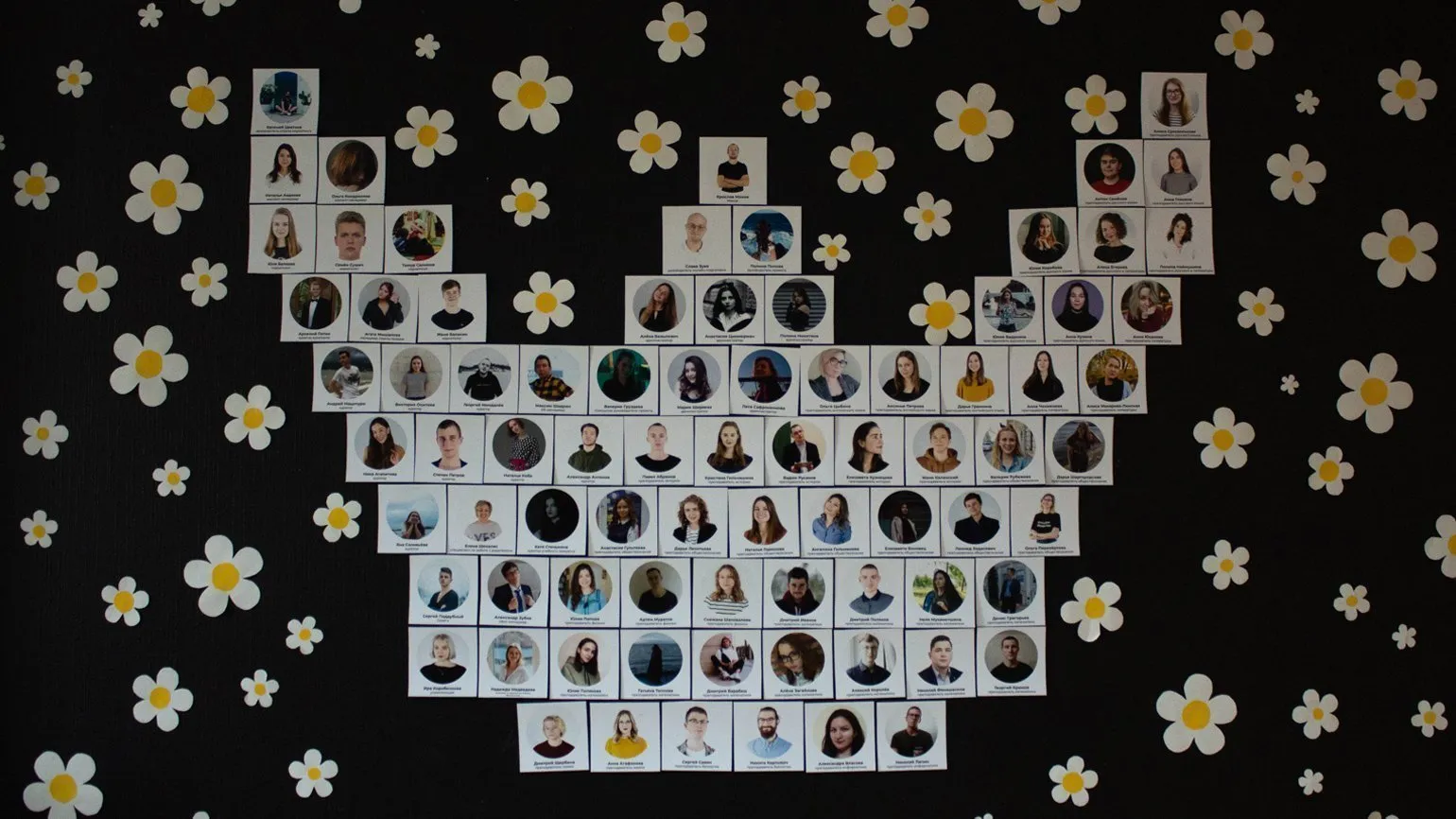
Memes, banter, and discipline—a combination rarely found in reviews of Unified State Exam preparation centers. However, Makov & Partners' courses stand out from the crowd. Teachers must pass a rigorous selection process, including testing for the necessary qualities and confirming their knowledge through annual exams. It is precisely this approach that generates unique and memorable reviews from schoolchildren.
Beginning tutor Yaroslav Makov sought out his first students through social media messages when numerous courses preparing schoolchildren for the Unified State Exam (USE) already existed in St. Petersburg. Most of them relied on the reputation of experienced teachers and experts. Makov didn't have such a team at the start, only a rented classroom, ten students, and the conviction that the traditional school approach and self-assured "educational giants" were doing more harm than good. Thus, his courses, "Makov and Partners," were born. They offer an innovative approach to teaching and help schoolchildren effectively prepare for the USE.
Over the past six years, several thousand students have attended the courses, demonstrating high results, earning 80 points on the exams. Many of them call these courses an "anti-school" and express admiration for their teachers. Here, teenagers are prepared not only for the USE, the value of which Yaroslav doesn't believe, but also for adult life. Career guidance is provided, the features of various universities are discussed, and assistance is provided in choosing the right path in life.
Yaroslav shared the story of his course development with Skillbox Media and described the process of their creation. He described in detail the stages, from idea to implementation, and also shared his teaching methods and approaches. Yaroslav explained the importance of the experience and knowledge he imparts to his students and how he adapts the materials to meet the needs of his audience. This allows us to create high-quality and relevant courses that help students achieve their goals and develop in their chosen field.
- how he entered one of the best law schools in the country, but ended up studying education rather than law;
- why he considers tutors to be market parasites, although he himself was a tutor;
- how he identifies “stuffy” teachers who do not understand that a lesson is a mix of stress and a show;
- that his approach to teaching was shaped by his school problems;
- how career guidance influences motivation for preparing for the Unified State Exam;
- why he prefers the offline format and considers bad feedback important.
The Beginning: Law School, Army Discipline, and Survivorship Bias
In 2012, I graduated from school and passed A USE score of 281 or 283. At the time, this was considered an excellent result, but now it's considered "adequate." I enrolled in a tuition-free program at the Faculty of Law at St. Petersburg State University and began working as a tutor in social studies and Olympiad Law in my first year. I recruited students through my VKontakte page. Despite my friends' jokes, I continued tutoring and developing my skills. At first, my students were classmates a year younger than me who had entered the 11th grade. Word of mouth worked, and by the second year of tutoring, I had many students—ten regular students and even more occasional ones who came at their parents' request or wanted to study once a month. Constantly traveling to each student became tiring, so I decided to rent an office. I explained to the students that, according to experts, the effectiveness of group classes could decrease and suggested increasing the lesson length from two to five hours.
I purchased envelopes in which I placed educational materials and workbooks. The students opened them during each lesson, reminiscent of the Unified State Exam (USE). I brought them pies, and at the beginning and end of lessons, they shared new memes with me. However, at the center of it all was strict discipline—I prepared the students to understand and review basic knowledge, in the best traditions of the Israeli army.
The idea to move from a private tutor to creating USE prep courses came to me almost by accident after one of my lessons. I conceived it as a New Year's resolution, and by February I had launched the courses. The first teachers were my classmates. The students came from high-quality schools, and we put in a lot of effort, which ultimately led to outstanding results: all of our graduates achieved high scores, most of them scoring 95 or higher on their exams. We gained confidence in our teaching abilities, although in reality we were simply tweaking our methodology.
Growth: from ten students to a thousand
We started with a small office rented by the hour, and after a year, we moved to a full-fledged space and began expanding our range of courses. For the first four years, I combined teaching and entrepreneurship—a common path for many startups. Working myself to the bone, I juggled several roles simultaneously, and our profits depended in part on this multitasking approach. However, in the third year, we ran into financial difficulties. Growing haphazardly, we forgot about quality: we hired teachers without proper training and did not engage them in the process. As a result, the number of students dropped sharply, and the office we rented became redundant. This experience was a real lesson for us: we reduced our team to three or four people, and the remaining team members worked without pay, waiting for the situation to improve.
We have about a thousand students enrolled in our monthly courses at a time. During intensive courses, which we call "boosters," before the Unified State Exam, the number of participants increases to two or three thousand. While a stable team of 30-35 teachers teaches, we have over 40-50 specialists, allowing us to effectively respond to increased demand during peak periods.
Before the pandemic, similar projects began to transition to distance learning, while we continued to operate in person. I am convinced of the importance of traditional education, as it is essential for many people who find online formats more difficult to grasp. The pandemic forced us to move online, but even during this period, we lost only 1-2% of the total number of students, which indicates a high level of trust in our product.


The Unified State Exam Preparation Market: Parasites, "Special Forces," and Parents
Tutors are often perceived as parasites in the education market, as competition in this field is minimal. Almost anyone can become a tutor, which lowers the overall level of professionalism. Many people choose tutors based on personal recommendations, which sometimes leads to services that don't meet their expectations. Students are often content with just one lesson per week, even if a significant portion of it is spent on non-essentials like tea. This creates the illusion of productivity, while the quality of instruction remains questionable.
Among tutors, there are true experts who effectively conduct lessons from their own homes. Such specialists constitute only a small portion of the total number of tutors. They have all the necessary materials and methods, which allows them to provide high-quality instruction. Turning to such professionals is preferable to participating in mass courses. However, given their small number, it's worth considering the feasibility of searching for tutors in general. Using online resources or specialized learning platforms may be more effective.
Parents turn to tutors not so much to prepare their children for the Unified State Exam, but to relieve anxiety about their child's future. They tend to shift the responsibility they've taken on themselves onto the tutor, thereby distancing themselves from the learning process. This is due to the often poor quality of education in schools. In this situation, a tutor who simply displays a positive attitude and politeness is perceived as something unusual and valuable.
An anti-school, where there is no place for "stuffy" teachers
We initially positioned ourselves as rigorous preparation courses for the Unified State Exam. Currently, we don't have a clear unique selling proposition, but we have maintained rigor in some aspects while simultaneously focusing on the quality of the user experience. We have access to water and tea, an administrator who connects with students, and we offer extracurricular activities. However, I can't claim that our brand has a distinct character, like cars, for example. I find it difficult to say whether Makov & Partners is the equivalent of a Lada Kalina, a BMW, a Range Rover, or even a helicopter. Students often call us an anti-school, and this truly reflects our essence. We strive to create an atmosphere in which learning is not only effective but also comfortable, which makes us unique in the field of Unified State Exam preparation.
I've changed schools five times, and I can't say that at any of them I understood why I was there. This certainly has to do with my motivation, but in each school, my needs were not addressed. No one thought about how to make learning interesting and engaging. That is why our approach to teaching is based on my personal experience and the problems I faced at school. I strive to create an atmosphere where every student will be interested and comfortable, and I try to avoid the mistakes made during my educational journey.
Our educational system does not have "stuffy" school teachers, since they are not strictly selected. I am sure that such teachers are unable to establish contact with the audience and hold their attention. Many of them believe that their presence at the board alone is a basis for respect and attention. However, this is not the case. It's important to present the material in an engaging and accessible manner, as well as how you interact with students. Otherwise, the teacher becomes a static figure, and the lesson turns into a webinar. You might as well just watch educational videos on YouTube.
At the beginning of our activity, we worked with an established team of teachers. However, two or three years ago, we began recruiting new specialists through advertisements. Some candidates, at first glance, successfully conducted the first lesson, but soon the students began complaining that such teachers did not arouse interest and called them "stuffy." They could not explain what exactly was wrong - the lessons simply seemed boring. We realized that these teachers did not fit the concept of our courses.
In our practice, we use the "focus group" method for selecting teachers. Each candidate has a test lesson with students, since it is important to us that the lessons are interesting and engaging. Teaching is not just the transfer of knowledge; it is a combination of stress and show. A teacher should not rely only on words; This approach won't produce results, otherwise the classes would resemble military discipline. Establishing rapport with the audience is key. We closely monitor the teacher's behavior: if they can't hold the attention of children distracted by their phones and begin to insist on the need for a lesson, this is a sign that they are not a good fit for our team.
Our team currently has an open position, for which 18 people are applying. To join our team, you must have at least two years of tutoring experience. This period is optimal, as it allows you to acquire sufficient skills and knowledge. If a candidate has more than three to five years of experience preparing for the Unified State Exam, this may be a problem, as the freshness of the exam fades over time. We believe that teachers should have recent personal experience taking these exams. However, it is important to consider the candidate's age: we will most likely not accept first- or second-year university students. The optimal period to begin working with our team is between the third year and completion of a master's degree.
Teachers must have a Unified State Exam (USE) score of 90 or higher. We require candidates to pass an exam, which is assessed by a leading teacher in each subject area. At the end of the academic year, all our teachers also take the USE to confirm their professional level. This ensures high-quality education and compliance with modern standards.
Entrance testing is organized similarly to a regular exam: candidates take it in the presence of a member of our staff and pass through metal detectors. Initially, this was perceived as a marketing ploy, but now this process serves as a test of compatibility with the teacher. If a candidate expresses dissatisfaction and asks, "Why do I need this?" they should not prepare for the USE. The exam is a serious test that must be approached with respect and understanding. If you view the process students go through with cynicism, you won't be able to provide them with the help they need.
Previously, we focused exclusively on achievement: getting high grades from students was all that mattered. However, I've come to understand that results depend on the right process. A tutor's work involves many roles and functions that must be fulfilled. A tutor should be not only a teacher, but also a support system, a friend, and sometimes even a clown to create a comfortable atmosphere. How these roles are structured and how they impact learning are crucial. The effectiveness of a tutor lies in the proper organization of the educational process, which promotes not only the acquisition of knowledge, but also the development of the student's personal qualities.
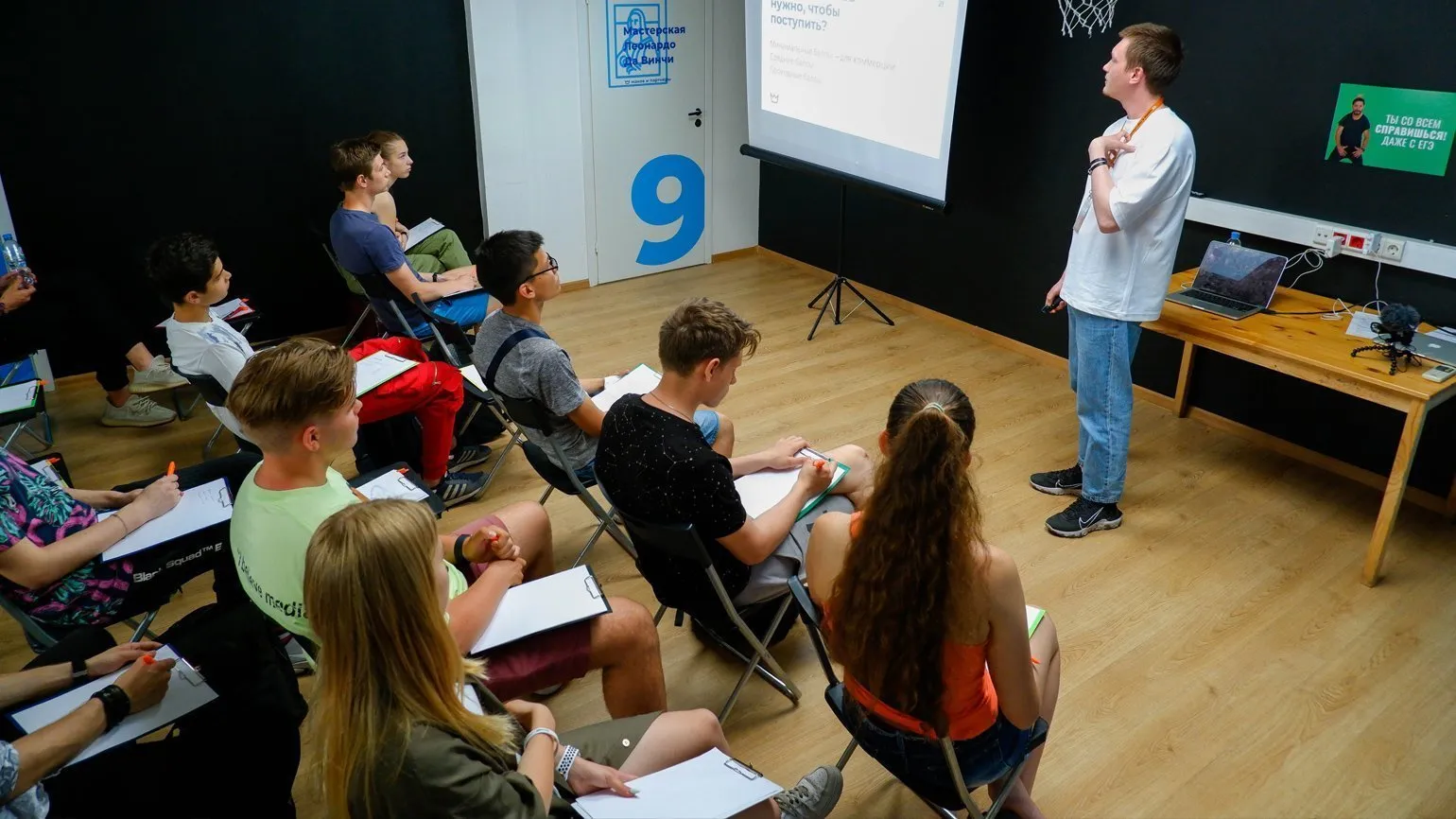


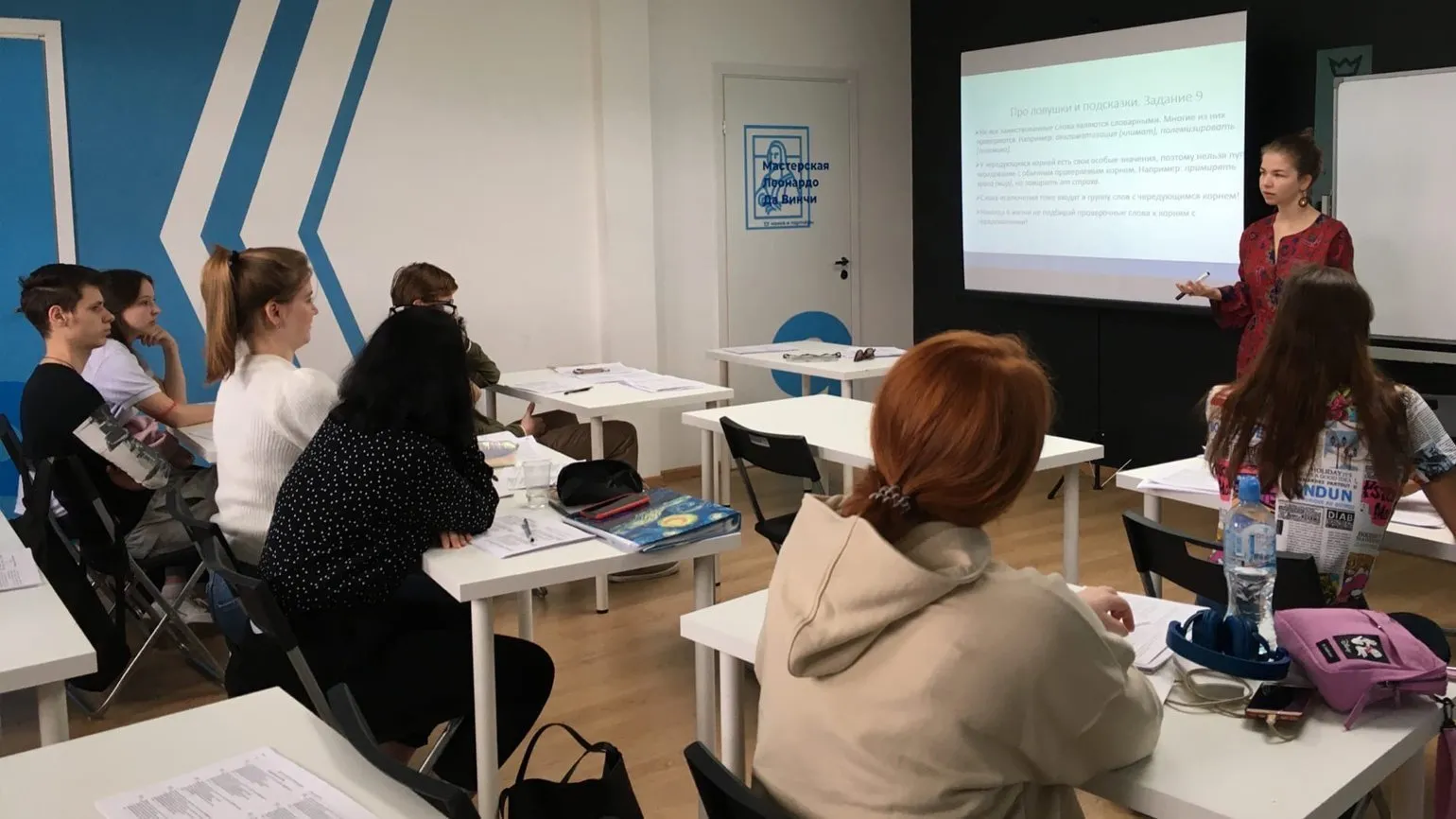
Why Career Guidance in Unified State Exam Preparation Courses Is Necessary
Our company's mission is to inspire people to achieve great goals. I believe that the Unified State Exam is just a temporary obstacle that does not have a decisive meaning in life, in school education, and even in the process of entering universities. The value of the exam itself is questionable to me. I prepare for the Unified State Exam solely because of market demand: courses on thinking development, for example, won't sell for 150,000 rubles per year. For me, preparing for the Unified State Exam is a monetization strategy that provides the opportunity to develop the company in more interesting and meaningful directions.
We've introduced a new product to our courses: career guidance and admissions consultations. These programs, developed with the help of a psychologist, will help participants better navigate their future career choices. This step is an important milestone in our development, allowing us to become a fully-fledged educational company that doesn't rely solely on the Unified State Exam (USE).
Career guidance plays a key role in the process of preparing for university admission. It significantly changes thinking and approach to life, which in turn helps young people better determine their career choice. Advice received today can prove useful over the next five to seven years, influencing their choice of educational institution and future career. Proper career guidance facilitates a more informed choice of study, which, in turn, leads to successful professional fulfillment.
Career guidance helps students understand the path to university admission and the subjects they need to take. However, most importantly, students enjoy the preparation process and understand the purpose of their efforts. This not only increases motivation but also promotes deeper learning, which can ultimately lead to successful admission and the selection of a suitable profession. The right approach to career guidance helps students develop a conscious attitude toward their studies and future careers. We educate our students not only about the aspects of university admissions but also about the specifics of the educational process. It should be noted that only a small number of people are truly satisfied with the quality of higher education. Often, those who are satisfied simply do not realize how high the level of education can be. Our goal is to reveal to students all the nuances and details of the educational process, not to expose them, but to prepare them for reality. For example, the Faculty of Law at St. Petersburg State University offers a course on public speaking, but the exam is written rather than oral. This is because the university strives to protect its reputation and thus formalizes the examination process so that years later it can demonstrate: "We don't cheat." This detail clearly illustrates the level of education and approach to learning at the university.
About 50-80% of our students receive career guidance consultations, depending on the season. For example, if students enroll in February, many are confident they have already chosen the right path and the right university, and we do not seek to impose our recommendations. Career guidance helps them make an informed choice of a future career, taking into account individual interests and abilities.
Why bad feedback is more important than good feedback
We collect feedback from our students monthly. Although sincere, it is not always the most effective. During the training, we meet teenagers' basic needs for knowledge, so they do not need to express negative emotions. Moreover, when they receive feedback, they have not yet completed the course and have not yet had time to evaluate the results of their learning. This underscores the importance of receiving more in-depth analysis and feedback after the program ends, when students can truly assess their achievements and make constructive suggestions. Student reviews of our courses, posted on VKontakte, are a vital source of information for prospective students. We value the opinions of those who have successfully completed their studies and passed the Unified State Exam. These reviews are a sincere reflection of their experiences and achievements over the past year. Summer reflections on the journey become the basis for honest and detailed feedback, which helps new students make an informed choice. For a project with a distinct character, it is important to receive both positive and negative feedback. It is impossible to please everyone, so extreme opinions are necessary, ones that either evoke strong approval or sharp dissatisfaction. Negative feedback is especially valuable to me. I use it to formulate the terms of the problems, which helps determine directions for future work, or to correct specific problems. This allows us to improve the project and make it more attractive to the target audience.
Returning to a Startup State and Future Plans
When we first started, our project was based on educational values, but they weren't generating income. I was striving for real results and the opportunity to earn money, so the focus of change shifted. I started setting goals, like the character in "The Wolf of Wall Street," defining specific financial targets by the end of the month. As a result, we achieved financial success, but at the same time felt a lack of emotional satisfaction in our work.
I moved on to a new project, and only after a year and a half did I realize that money and values can coexist and are not in conflict with each other. This realization prompted me to return. In January, we decided to start from scratch, as a startup. I realized that everything we had done before had become an important lesson for me and our team about what not to do, and at the same time, it had provided useful experience. I'm grateful for this experience.
We continue to develop actively, and the entire team works as a single mechanism. This applies to both new and experienced employees. We learn from each other, sharing knowledge and experience. The main sign of our progress is that every week we realize that we were working on ineffective tasks the previous week, which stimulates growth and the development of our thinking.
Our main area of development is currently career guidance. What is our ideal goal? We strive to ensure that our students, after training, do not settle for a low level of education. For example, if a graduate enters a low-quality university, they should say, "I won't study here," because they are already familiar with a high standard of education. To achieve this goal, it is necessary for the levels of education to differ significantly, like comparing an iPhone and a feature phone. Currently, we are, figuratively speaking, a touchscreen phone, but not yet an iPhone, while feature phones still exist. While differences between educational levels are already noticeable, we strive to create a more significant gap that will allow students to realize the benefits of quality education.
We intend to expand our audience in the near future so that career guidance is available not only to schoolchildren, but to everyone. Our top priority is not exams and the prestige of education, but a deep understanding of one's capabilities, inclinations, and desires. We believe that everyone deserves the chance to consciously choose their path and development.
Revised text:
Explore our content for valuable information. We offer a variety of materials to help you gain a deeper understanding of the topics that interest you. Check out our articles, where we explore current issues and provide helpful tips. Our goal is to provide readers with only high-quality, verified content that is relevant and useful. Don't miss the opportunity to deepen your knowledge and broaden your horizons.
- How to create an educational project that has no analogues on the market
- Moving to the village to teach children: romance or a conscious choice?