Contents:
- What are neuromyths and what harm do they cause?
- Left- and right-hemisphere people differ intellectually.
- Auditors, visuals, and kinesthetics need to be taught differently.
- Special exercises strengthen connections between the hemispheres and develop literacy.
- Listening to classical music develops children's intelligence.
- Some skills a child can master only no later than a certain age.
- For the intellectual development of children, it is necessary to specially "enrich the environment."
- Information in the brain is stored the same way as files on a hard drive.
- The brain is only used at 10%.

Learn: The Profession of a Methodologist from Scratch to PRO
Learn MoreNeuroscience has become a hot topic in all media formats. Popular science materials about the functions and mechanisms of the brain are gradually replacing traditional psychology in bookstores. The latest neuroscience research is discussed in numerous blogs and podcasts in various languages, demonstrating the high interest in this field. Neuroscience is surrounded by numerous myths, many of which are based on distorted interpretations of scientific research. Misunderstandings and superficial conclusions have led to the viral spread of these myths. It is important to debunk these misconceptions to more accurately understand the nature of brain function and its influence on behavior and cognition. Real scientific data can help shape a more accurate understanding of neuroscience and its implications for various fields, including psychology and medicine. In this article, we will examine eight common neuromyths and debunk them. Neuromyths are false ideas about how the brain works that can be misleading and interfere with understanding the real processes occurring in neurophysiology. We will analyze each of these myths, providing scientific explanations and facts that will help you better understand how our brain functions. Understanding the true mechanisms of the brain is essential for developing effective learning methods, increasing productivity, and improving quality of life.
- Left- and right-brain people are intellectually different;
- Auditory, visual, and kinesthetic learners need to be taught differently;
- Special exercises strengthen the connections between the hemispheres;
- Listening to classical music develops children's intelligence;
- Some skills a child can only master no later than a certain age;
- For the intellectual development of children, it is necessary to specially "enrich the environment";
- Information in the brain is stored in the same way as files on a hard drive;
- The brain is only used at 10%.
What are neuromyths and what harm do they cause?
In 2002 In 2015, the Organisation for Economic Co-operation and Development (OECD) introduced a definition of neuromyth. Neuromyths are popular but often incorrect beliefs about how the brain works that can be misleading and distort understanding of neuroscience. These myths often arise from the oversimplification of complex scientific concepts or from their misinterpretation in popular culture. Understanding true neurobiology and how the brain works is important for developing evidence-based understanding of cognition and learning. Dispelling neuromyths is essential for improving educational practices and increasing the effectiveness of teaching methods.
A misconception arises from a misunderstanding, misinterpretation, or distortion of facts that have been scientifically established through brain research.
Misconceptions often arise when scientific research findings are adapted for educational or other applications. This occurs when study authors or others seek to explain how scientific findings can be used in practice. Misinterpretations arise for several reasons. First, the complexity of scientific language can lead to misunderstandings. Second, the context in which the results are applied may differ significantly from the conditions in which the research was conducted. This emphasizes the importance of careful interpretation and communication of scientific information to avoid misunderstandings and ensure the correct application of scientific findings.
- First, the conclusions of far from every study are applicable to practice. Many scientific papers are merely individual building blocks in the edifice of scientific knowledge. Their results help other researchers understand what is happening, but nothing more. Moreover, in biological research, the first experiments are conducted on cell cultures, then on animals. And in the early stages, there is no certainty at all that the obtained results also apply to people.
- Second, there is always the problem of translating scientific language into everyday language. To make scientific facts understandable to a non-specialist, their explanations are greatly simplified. In the process, important nuances are inevitably lost.
- Third, research becomes outdated: previous discoveries are refuted or conclusions are revised. This is especially typical for such a rapidly developing field as neuroscience. But once ideas based on research have become mainstream, stopping their spread after the findings have been refuted is nearly impossible. The myth lives on.
Neuromyths generally pose no serious threat and cause no direct harm. However, they can become dangerous if they begin to convince people to refuse necessary medical care or take medications without consulting a specialist. It is important to recognize the potential risks associated with the dissemination of misinformation about how the brain works to avoid negative health consequences.
The indirect harm of neuromyths in education is obvious. For example, they can negatively affect a child's mathematical abilities by placing them within the confines of the humanities. Research shows that some neuromyths have become part of educational practices in schools across various countries, including official references in educational psychology textbooks. These myths are supported by teacher training and specialized programs. In the 1990s and 2000s, the United States saw a boom in different learning styles, which also contributed to the spread of these misconceptions. For the educational system, such innovations represent unnecessary expenses and a waste of time that could be used to develop truly effective teaching methods and student development.
In this article, we will examine the most common neuromyths that have become popular among educators both in Russia and abroad. Neuromyths represent false ideas about how the brain works that can influence educational practices and approaches to teaching. We will analyze which of these myths are most widespread and how they can affect teaching. Understanding these myths will help educators approach the educational process more consciously and use scientifically based teaching methods.
Left- and right-brained people are intellectually different
Supporters of a popular neuromyth claim that the left hemisphere of the brain is responsible for logical thinking, while the right is associated with creativity. This view suggests that a person's abilities and inclinations depend on the dominant hemisphere. Therefore, it is suggested that teachers should consider the hemisphericity of their students when explaining material and assignments. For example, creative students with right-brain tendencies may have difficulty understanding mathematics, while left-brain students may not exhibit the same creativity. However, it is important to note that neuroscience does not support this simplistic conception, and a person's abilities are shaped by many factors, including education and personal experiences.
Based on this myth, a new trend has emerged: right-brain drawing training. This method emphasizes using creativity and an intuitive approach to art. Right-brain drawing promotes creativity, improves self-expression skills, and builds self-confidence. In these classes, participants learn to perceive the world from a different perspective, discovering new horizons in art and life.
The left and right hemispheres of the brain have physiological differences, which affects their function and perception. In most right-handed people, the left hemisphere, responsible for logical thinking and analytical abilities, is dominant. At the same time, the right hemisphere, which is most often dominant in left-handers, is associated with creativity and emotional perception. These differences in the functioning of the hemispheres play an important role in the formation of an individual's style of thinking and perception of the surrounding world.
In their review of neuromyths, German researchers Finja Grospič and Isabelle Lins emphasize that no important cognitive process related to learning is carried out in isolation in one hemisphere of the brain. For example, although the areas responsible for speech are mainly located in the left hemisphere (in most people), intonation processing occurs in the right. Thus, when solving a math problem or writing an essay, the entire brain is activated. This underscores the importance of a holistic approach to learning that takes into account the interactions between different brain structures.
According to a 2021 study commissioned by the Ministry of Education, over 90% of teachers surveyed in Russia agree that brain hemispheres influence individual differences between people and should be taken into account in the educational process. This confirms the importance of adapting teaching methods to the unique perception and thinking of each student, which, in turn, can significantly improve the effectiveness of the educational process.
According to the survey results, 69% of university teachers support this opinion. The data were presented at an open seminar at the Institute of Education at the Higher School of Economics by Olga Frolova and Maria Maximova, specialists from the Online Learning and Data Analysis Laboratory in Education at the Institute of Online Education at the Financial University.
A study on the prevalence of neuromyths among teachers was conducted in several countries using the methodology of British neuropsychologist Paul Howard-Jones. The results showed that the misconception about brain hemisphere differences is one of the most widespread myths in the education sector. The belief that student abilities depend on the dominance of one hemisphere is shared by 91% of teachers in the UK, 86% in the Netherlands, 79% in Turkey, 86% of school principals in China, and up to 72% of higher education workers, including teachers, instructional designers, and administrators, according to a 2019 international study. These findings highlight the need to raise awareness among educators about the real mechanisms of the brain and how to develop students' potential without being tied to outdated myths.
Auditors, visual learners, and kinesthetic learners need to be taught differently
This widespread neuromyth has already been discussed. Its essence is that each person supposedly has a specific learning style, which can be determined by the preferred format for perceiving information. Visual learners tend to perceive through images, auditory learners absorb information better through hearing, verbal learners prefer reading and writing, and kinesthetic learners rely on touch and smell. It is believed that learning will be most effective if tasks are presented in a format that matches each learner's individual preferences. Learning styles theory is not supported by research in behavioral psychology and neuroscience. People do have preferences for learning formats; for example, some prefer audiobooks, while others prefer videos. However, these personal preferences do not influence learning outcomes. Numerous psychological studies demonstrate that learning in a preferred format does not provide greater effectiveness than other methods. Experience confirms this: over the years, learning styles have been tested in the United States and other countries, this approach has not demonstrated significant results. Therefore, it's important to focus on universal teaching methods that can be effective for everyone, regardless of individual preferences. From a neuroscience perspective, classifying people by learning styles is unfounded, as the neural networks responsible for different sensory processes are interconnected. As Andrey Faber, a researcher at the Higher School of Economics, noted in an interview with Skillbox Media, a more effective approach is to use a variety of learning formats for each student. The more neural pathways are activated, the better the information is absorbed. It is important to consider that this approach promotes not only a better understanding of the material, but also the development of cognitive skills, which ultimately improves the quality of education.
The idea of the dominant hemispheres of the brain and learning styles remain popular neuromyths. According to a 2015 study, 97% of teachers in China, Turkey, and Greece agree that students learn more effectively when information is presented in a format that matches their learning style. These findings highlight the importance of an individualized approach to education and confirm the need to adapt teaching methods to different learning styles.
In Spain, China, and Russia, more than 90% of surveyed school teachers agree with this point of view. In Russia, among university teachers, according to a survey by the Financial University, 80% support these learning styles.
Special exercises strengthen connections between the hemispheres and develop literacy
Supporters of this point of view associate many problems in children and adolescents, such as motor disorders and difficulties with reading and writing, with the incoordinated functioning of the hemispheres of the brain. This view emphasizes the importance of harmonious interaction between the hemispheres for the successful development of cognitive and motor skills. Exercise programs known as "BrainGym" or "educational kinesiology" are aimed at developing connections between the left and right hemispheres of the brain. These exercises are believed to improve motor coordination and, as a result, contribute to academic success. Examples of these exercises can be seen in the video below. It is believed that regular practice of these tasks can have a positive impact on children's academic achievements, improving their ability to learn and perceive information.
A review of popular neuromyths conducted by German researchers emphasizes that the hemispheres of the brain constantly interact and act synchronously. Disruptions in this process occur only with damage to the corpus callosum, which connects both hemispheres. Learning problems are most often caused by differences in working memory capacity, lack of concentration, motivational difficulties, or ineffective learning methods. However, many people find the idea that everything can be corrected with simple physical exercises more appealing. This misconception emphasizes the importance of understanding the real causes of learning difficulties and the need to apply scientifically proven methods to overcome them.
Coordination exercises play an important role in the development of motor skills and have a positive effect on overall physical fitness. Good health and well-being contribute to the learning process. However, it should be noted that specialized gymnastics does not activate the formation of new neurons and connections between the hemispheres of the brain. Therefore, for full development, it is important to combine coordination exercises with other methods that stimulate neuroplasticity and cognitive function.
Studies conducted among teachers used two false claims: the first concerned improving the integration of the hemispheres of the brain with specialized exercises, and the second concerned their impact on literacy. Overall, the proportion of teachers who agree with these claims is significantly lower than those who believe common myths about learning styles and hemisphericity. However, the number of those who support these myths remains significant.
According to surveys, 56% of Greek teachers believe that coordination exercises promote communication between the hemispheres of the brain. More than 72% of study participants believe in the positive impact of such exercises on literacy. In most published surveys, between 70% and 90% of respondents support the idea of the benefits of specialized gymnastics for the brain. These data highlight the importance of physical activity and its impact on cognitive function, which may be useful for educational institutions and parents seeking to improve children's mental development.
The neuromyth about the benefits of physical exercise for integrating the hemispheres of the brain is quite popular among Russian school teachers. According to survey results, over 95% of teachers believe in the effectiveness of physical exercise in improving the interaction of the hemispheres. In addition, over 90% of teachers believe that physical activity helps improve students' literacy. These figures underscore the importance of integrating physical activity into the educational process, despite scientific debate about the actual impact of such methods on learning.
Listening to classical music develops children's intelligence
The authors of a Russian study of neuromyths in education believe that the myth about the influence of Mozart's music on the development of intelligence in infants can be classified as harmless. The essence of this myth is that listening to classical music, especially Mozart, improves brain function and promotes high intelligence in the future. Despite this popular claim, scientific research does not support its effectiveness. It is important to approach child development issues from a scientific point of view and rely on proven methods.

Scientific research shows that Listening to and playing music does not significantly impact children's academic achievement. Scientists argue that there is no convincing evidence to support the so-called "Mozart effect." Nevertheless, the concept remains popular among parents and educators. Although its effectiveness has not been proven, using music in the educational process is unlikely to cause harm. Surveys of school teachers around the world have found no evidence of a "Mozart effect," but the concept remains relevant. In a 2019 international study, 85-89% of university staff confirmed that listening to classical music improves cognitive abilities. In Russia, similar views are also supported: 59% of teachers agree with this idea, according to a study by the Financial University, and more than 50% of teachers also expressed a positive opinion. This indicates that classical music continues to be perceived as a means of promoting the development of intellectual skills.
Some skills can only be mastered by a child no later than a certain age
There is an opinion that the development of human cognitive abilities occurs most actively in the early years of life. Supporters of this belief argue that a significant number of neural connections are formed in the first years, which makes this period optimal for acquiring new knowledge and skills. If the foundation for skills such as reading or mental arithmetic is not laid during this time, it may be difficult to fill this gap later. Such a critical period of learning should not be missed, as it plays a key role in further human development.
In the first years of a child's life, there are indeed sensitive periods for the acquisition of certain basic skills. For example, if a child has not heard human speech before six months, it will be significantly more difficult for him to learn to speak. However, there is no convincing evidence that skills such as reading or writing also have sensitive or "critical" periods. This means that while early exposure to these skills may be beneficial, mastering them is also possible at a later age.
Academic skills build on simpler knowledge and abilities, so adverse childhood conditions can significantly delay intellectual development over a long period. This is especially true when a child's development is clearly affected by negative factors, such as a lack of support, stressful situations, or a lack of learning resources. Timely intervention and the creation of a supportive environment can help compensate for these delays and promote the child's full development.
Research conducted in various countries confirms that the myth of critical periods for the development of certain skills is not widespread. In 2012, 33% of British teachers and 52% of Dutch teachers believed this myth. In Turkey, a 2015 study found that 68% of teachers shared this opinion. In China, a 2019 study found that 29% of school principals also shared this view. These findings highlight the need for further study and discussion of this topic in the educational environment.
For the intellectual development of children, it is necessary to deliberately "enrich the environment"
The concept of an enriched environment became popular after the publication of a key scientific paper. In the 1960s, American zoologists conducted research and found that rats with access to toys and various stimulating objects demonstrated more pronounced brain development compared to regular lab rats. These results highlight the importance of an enriched environment for the optimal cognitive and physical development of animals.
The study became a striking example of neuroplasticity, demonstrating how small changes in the environment can physically transform the brain. The brains of young children are highly plastic, opening up opportunities for development. Based on the concept of enriched environments, proponents of this approach argue that children need to be provided with varied and appropriate learning stimuli, such as classical music, and their environments should be actively enriched to promote healthy brain development.

The idea of an enriched environment is based on common sense. Children should not grow up in isolation or in conditions that deprive them of diversity. Interaction with adults and a variety of external stimuli are important. However, as with critical periods of development, it is not advisable to artificially enrich the normal environment, for example, by purchasing numerous educational toys. Correcting serious developmental deficiencies with the help of specialists is necessary, but there is no universal solution that can make a normally developing brain even more effective. It is important to understand that the natural environment and interaction with it play a key role in a child's development.
Studies on rats included a process of "enrichment" of a poor laboratory environment, which was aimed at creating conditions as close as possible to the natural habitat of these rodents. However, it is important to note that these conditions were not aimed at creating "intellectual rats." The main goal was to improve the living environment, which allowed for a better study of the animals' behavior and cognitive abilities in conditions close to their natural life.
Most educators around the world believe in the positive impact of an enriched environment on child development. According to the study, 95% of teachers in the UK, 89% in China, and 97% in Greece support this point of view. Perhaps the reason for this unanimity lies in the wording of the question: if you disagree that children need an enriched environment, are you choosing an environment that lacks the necessary stimuli for their development? An enriched environment promotes not only cognitive but also emotional development, which is especially important in the modern educational process.
Information is stored in the brain in the same way as files on a hard drive
During magnetic resonance imaging (MRI), researchers can observe the activity of different areas of the brain of a subject performing certain tasks. This sometimes leads to the simplistic conclusion that information on a particular topic is stored in a strictly defined area of the brain and processed there. Therefore, with advances in technology, it may be possible to pinpoint the specific "cell" of the brain where a particular memory resides. However, it is important to remember that the brain functions as a complex system, and simply localizing information may not reflect the full depth and complexity of its functioning. Research shows that the brain is not a set of independent modules that function separately from one another. Although different areas of the brain perform their own specific functions, completely isolated "islands" do not exist. This assertion is supported by the phenomenon of neuroplasticity, which demonstrates the brain's ability to recover from injuries and strokes. In such cases, the functions of damaged brain areas can be compensated for by other areas, highlighting the interconnectedness of various areas. Furthermore, each memory, even the most insignificant, is processed and stored within a complex neural network, implying the active participation of multiple brain regions. Thus, the brain functions as a unified whole, where the interaction of its various parts is critical for proper functioning.
According to a survey by the University of Finance, 55% of teachers agree that each memory is stored in a separate, tiny region of the brain. Interestingly, the researchers found no direct correlation between the respondents' educational level and their professional activities. This means that teachers working in the medical sciences endorse neuromyths just as often as their colleagues in other fields.
In teacher surveys, the neuromyth of comparing the brain to a computer is quite rare. For example, in a 2015 study, 59% of Greek teachers expressed agreement with this idea. This suggests that similar beliefs about the brain are also common in other countries.
The Brain is Only Used at 10%
In most functional magnetic resonance imaging (fMRI) scans, active areas of the brain only occupy a small portion. This creates the false impression that only these areas were functioning at the time of the scan, while the rest were "resting." The authors of the neuromyth review argue that this is how the popular idea that people use only 10% of their brain potential may have arisen. This mythology can be misleading, distracting attention from the true functioning and capabilities of the human brain.
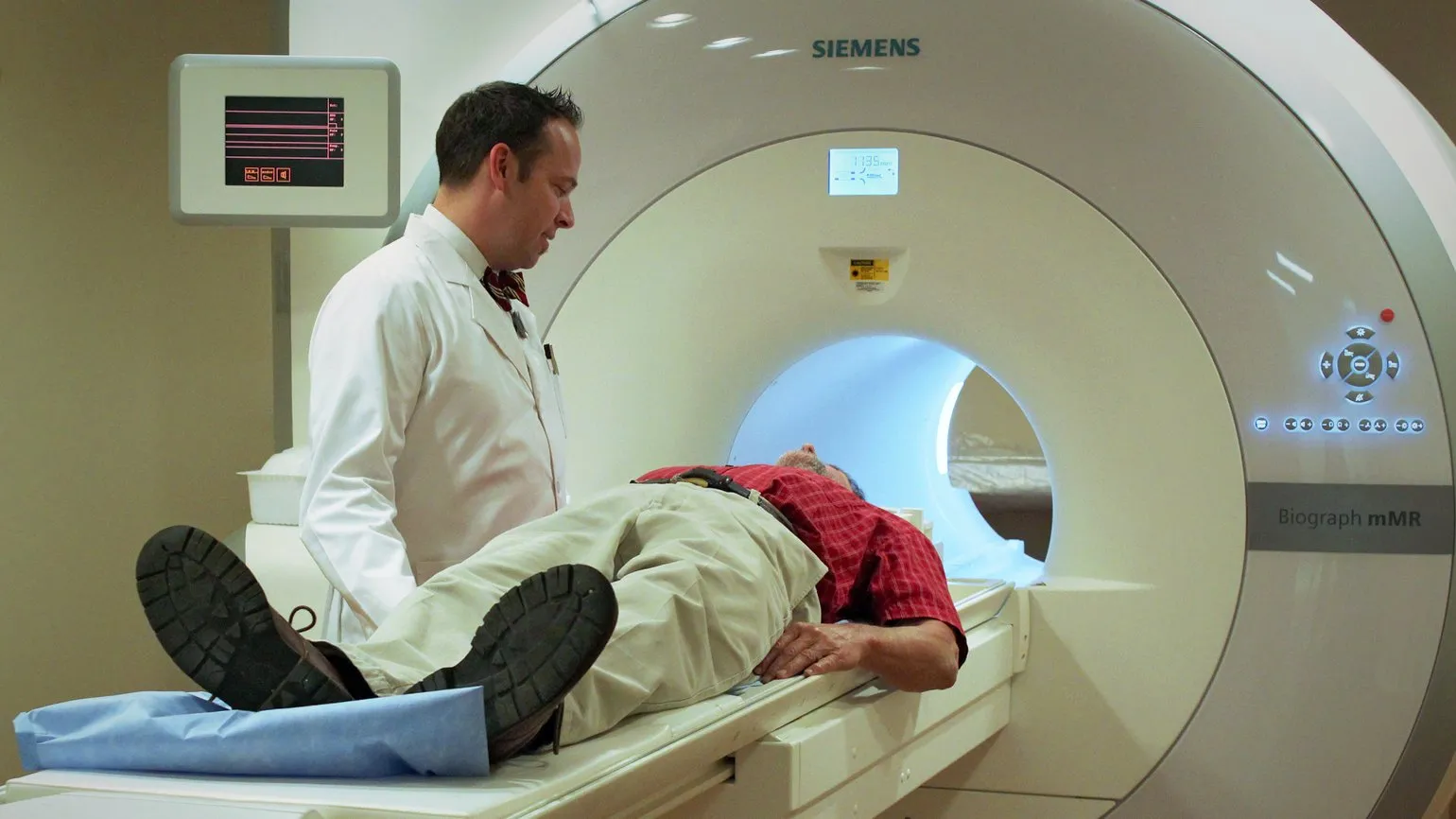
Functional magnetic resonance imaging (fMRI) images do not support the conclusion that certain areas of the brain are completely inactive. These images are formed based on specific characteristics, and areas not visible in the final image continue to function. fMRI focuses on other aspects of brain activity. Furthermore, it is worth noting that a significant portion of the body's energy consumption is spent on brain activity. If 90% of the brain were truly useless, there would be no need for such high levels of energy expenditure.
The myth that humans use only 10% of their brain has little popularity among educators compared to other neuromyths. This is due to the fact that this myth is often debunked in the media, and its prevalence in pop culture, for example, in the plot of the film "Limitless", contributes to its constant mention. Many people intuitively sense the absurdity of this statement, which also influences its perception. According to surveys, the belief that the brain only functions at 10% capacity is supported by only 28% of Brazilian teachers, 44% of Spanish educators, 45% of Russian university professors, and up to 53% of higher education workers in a 2019 international study. In a 2021 Russian study, this figure reached 57% among teachers at various levels. This demonstrates the need to dispel myths about how the brain works and to increase the level of scientific literacy in the educational environment.
Also study:
- Cognitive approach in education: what is it?
- Cognitive load theory in education
- What is neuroscience in education?
- Why do teachers need neuroscience: an interview?
Profession Methodologist from scratch to PRO
You will improve your skills in developing curricula for online and offline courses. Master modern teaching practices, structure your experience, and become a more sought-after specialist.
Find out more