Content:

Learn: The Profession of a Methodologist from Scratch to PRO
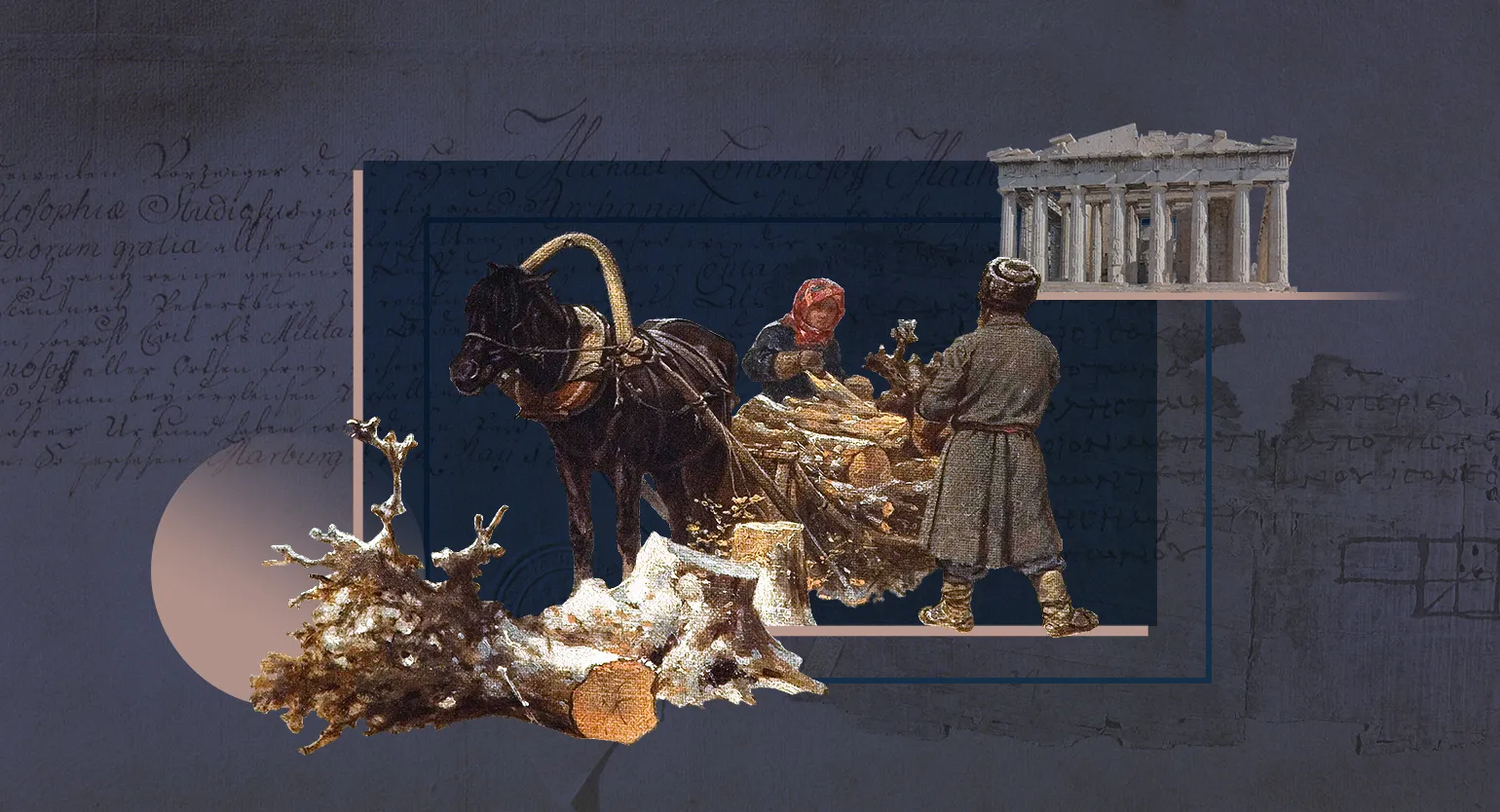
Learn MoreNovember 7, 1915 is a significant date in history. On this day, important events occurred that influenced the society and politics of that time. The world war that raged at that time led to changes in the strategies and alliances of countries. It's important to note that the events of November 7th marked a turning point for many nations, shaping their subsequent actions. This date also became a symbol of hope and the struggle for freedom for many peoples. Studying the events surrounding November 7th, 1915, helps us better understand the context of world history and the consequences they had for future generations. Saturday. Following the lecture, there was a discussion with I. I. Ivanov about Russia's foreign policy in the 19th century, followed by a meeting of the Council, at which M. K. Lyubavsky reported on his trip to Petrograd regarding fuel supply issues. During the meeting, he reported that he had been denied any assistance in Petrograd. Genzel, assistant to P. I. Novgorodtsev, who was responsible for fuel, described the difficult situation: there was ample firewood in the forests, but its removal was hampered by the lack of horse feed—all oats had been requisitioned. There's a surplus of coal in the Donetsk Basin, but it's also being hampered by a shortage of railcars. Furthermore, cases of abuse have been reported. Listening to these reports, Professor Rozanov expressed concern, noting that he was getting cold, even though the temperature in the room filled with 51 people barely reached 12 degrees Celsius. Despite all the difficulties, the meeting participants hope that the situation will eventually improve. Sometimes situations arise when it seems there's no way out, but people find a way out. This is what's happening with the University. Six horses have already been purchased, and now the University will be responsible for transporting firewood from the stations itself. In the evening, there was a feeling of fatigue at home.
In his diaries (1913–1919), M. M. Bogoslovsky provides unique historical material, which is kept in the State Historical Museum. These records are a valuable source of information on the socio-political life of Russia at the beginning of the 20th century. Editor-in-chief S. O. Schmidt collected and prepared for publication this important archival document, which will help researchers and those interested in history better understand the events of that time. The publication was published in 2011 and remains relevant for the study of Russian history.
Context
The author of these chronicles is Mikhail Mikhailovich Bogoslovsky (1867–1929), a prominent representative of the Moscow school of historians and a student of the famous historian Vasily Klyuchevsky. From 1911, he held the position of head of the Russian History Department at Moscow University. The diaries contain entries made during the crisis years, spanning the period from July 1915 to November 1917. These chronicles are an important source for studying Russian history during the era of revolutionary change, providing a unique perspective on the events of that time.
The scholar did not share the euphoria surrounding the revolutionary events, viewing them as unrest that would lead to even greater problems. His entries regularly document various episodes of these unrest. Sometimes, because of a tram stoppage, he could not get to a lecture on time, sometimes because of street unrest, students did not show up for classes. Nevertheless, the educational process continued.
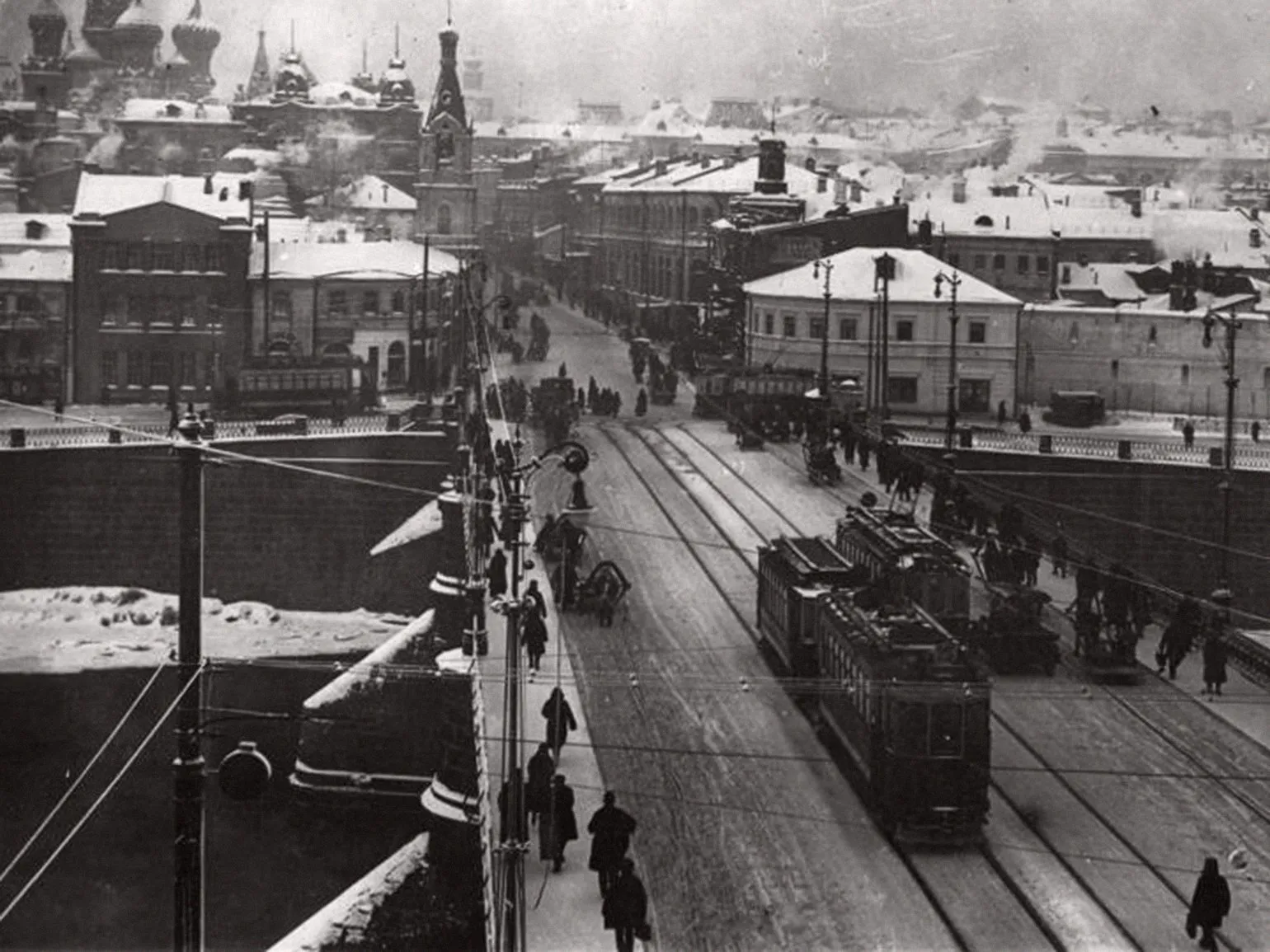
Two days after Bogoslovsky's publication, in which he shares the difficulties of removing firewood, the wife of the famous Historian Sergei Fyodorovich Platonov describes a similar situation at Petrograd University.
There are not enough horses and carts to organize transportation. Draymen demand 10-12 rubles for each cart for transport from the station to the university. Therefore, the university decided to create its own transport train. However, this requires stockpiling hay and oats, which also poses significant challenges.
In winter, Bogoslovsky regularly notes low classroom temperatures in his diary: sometimes the room does not exceed 10 degrees Celsius, and at other times he lectures "at North Pole temperatures." Cold weather at the university becomes a common occurrence, and only 5-10 students attend classes. The professor explains the low attendance by saying that out-of-town students are unable to get to Moscow due to high prices, while local students are busy with various services in the zemstvo and city unions. During the First World War, revolutionary unrest mounts, Moscow experiences a bread shortage, and people face a host of other concerns that interfere with their studies. Unsurprisingly, the prospect of sitting in an unheated room with temperatures outside at -20-25 degrees Celsius also affects students' willingness to attend classes. For example, on a day when, according to the professor, the university is "very warm" at +14°C, more than 30 people attend lectures.
After the Revolution, winter heating remained a problem. To cope with the cold, residents used portable cast-iron stoves on legs, the pipes of which often ran directly out the window. The famous potbelly stoves were often heated by pre-revolutionary furniture, as there was no other fuel. For example, the fictional zoology professor in Mikhail Bulgakov's novella "Fatal Eggs" lectures to eight students in sub-zero temperatures in 1920. Returning home, he warms himself by the stove, which is heated by "gilded chairs." After suffering from pneumonia, the professor continues his lessons "in galoshes, a hat with earflaps, and a scarf, exhaling white steam." This image vividly illustrates the difficulties people faced during that time and emphasizes the importance of heating in everyone's lives.
Documentary chronicles of that time present a truly surreal spectacle. According to the anonymous memoirs of a professor at the Law School of Kharkiv University, gusts of wind would billow smoke from the stoves in the classrooms, filling the space. Kerosene lamps, known as "kopitelki," flickered dimly in the smoke. Students, still wearing their worn-out fur coats and overcoats, sat waiting for lectures, and felt boots on their feet were considered a true luxury. That period left a lasting impression on people, reflecting the difficult living and studying conditions. The most comfortable student was probably the one who constantly stood next to the stove, ensuring the supply of firewood never ran out. But how did they get this firewood?
Read also:
We once thought that you belonged to the bourgeoisie. However, having learned of your status as a professor, our views changed.
Educational institutions had to independently organize not only transportation, but also timber procurement. A Kharkiv professor mentions this in his memoirs. A few kilometers from the city, the university was allocated a plot of forest, where the professors set out to clear-cut trees. The description of this expedition is striking in its tragicomic quality: the scholars, unprepared for such physical labor, armed themselves with blunt government axes. Wearing winter hats that couldn't provide adequate warmth, as furs had been exchanged for food, they, belted with ropes and colorful sashes, set out into the forest with a certain solemnity.
The forest was shrouded in silvery light, a majestic and quiet force. In this silent grandeur, our group of professors had gathered to fight for the warmth these magnificent oaks could provide. We came armed with only modest means to fight the cold.
“What a pity that such a forest has to be cut down,” said the professor of Roman law, whose science found no application at the socialist university. He had an impressive professorial beard and a noble bearing, though his attire did not match his status. Icicles sparkled and played on his venerable beard.
The professors and associate professors were unable to cope with the oaks, and eventually local village men, possessing the necessary skills and good tools, came to their aid. Their help was not selfless; They agreed to split the firewood equally, which was considered an illegal "counterrevolutionary" deal. It's important that the university received the necessary fuel for its needs.
Reading is an essential aspect of personal development and knowledge enrichment. It helps broaden horizons, improve skills, and enhance understanding of various topics. Regularly reading books, articles, and research contributes to the development of critical thinking and analytical skills. In today's world, access to information has become easier thanks to the internet, making reading even more accessible and diverse. Take advantage of the opportunity to learn new materials and share them with others to enhance your education and personal growth.
- The Past: How a Graduate of the Gymnasium in 1918 Chose a Faculty
- "The student body of the early 20s was one of the brightest phenomena of that sorrowful era"
- How revolutionary pride served as a special motivation for study
- The Past: How a Student Became a Rector, but Failed to Cope
The Methodologist profession from scratch to PRO
You will improve your skills in developing curricula for online and offline courses. You will master modern pedagogical practices, structure your experience and become a more sought-after specialist.
Find out more