Content:

Learn: Online Course Producer from Scratch to PRO
Learn MoreHe always stood out, like many St. Petersburg professors, in a skillfully tailored frock coat from local tailors and a black tie. For him, lectures weren't just routine, but real events, and we students treated them with the same reverence. Gessen taught the history of philosophy, ethics, logic, and pedagogy. His lectures were held in the largest auditorium, which was always overflowing with students from all departments, even from the Technological Institute. Like other professors, he also led seminars. Lenya and I regularly attended all of Gessen's seminars. We even visited him at home; once he invited us to eat a goose, which he said he'd gotten from somewhere. We enjoyed his lectures and truly loved him.
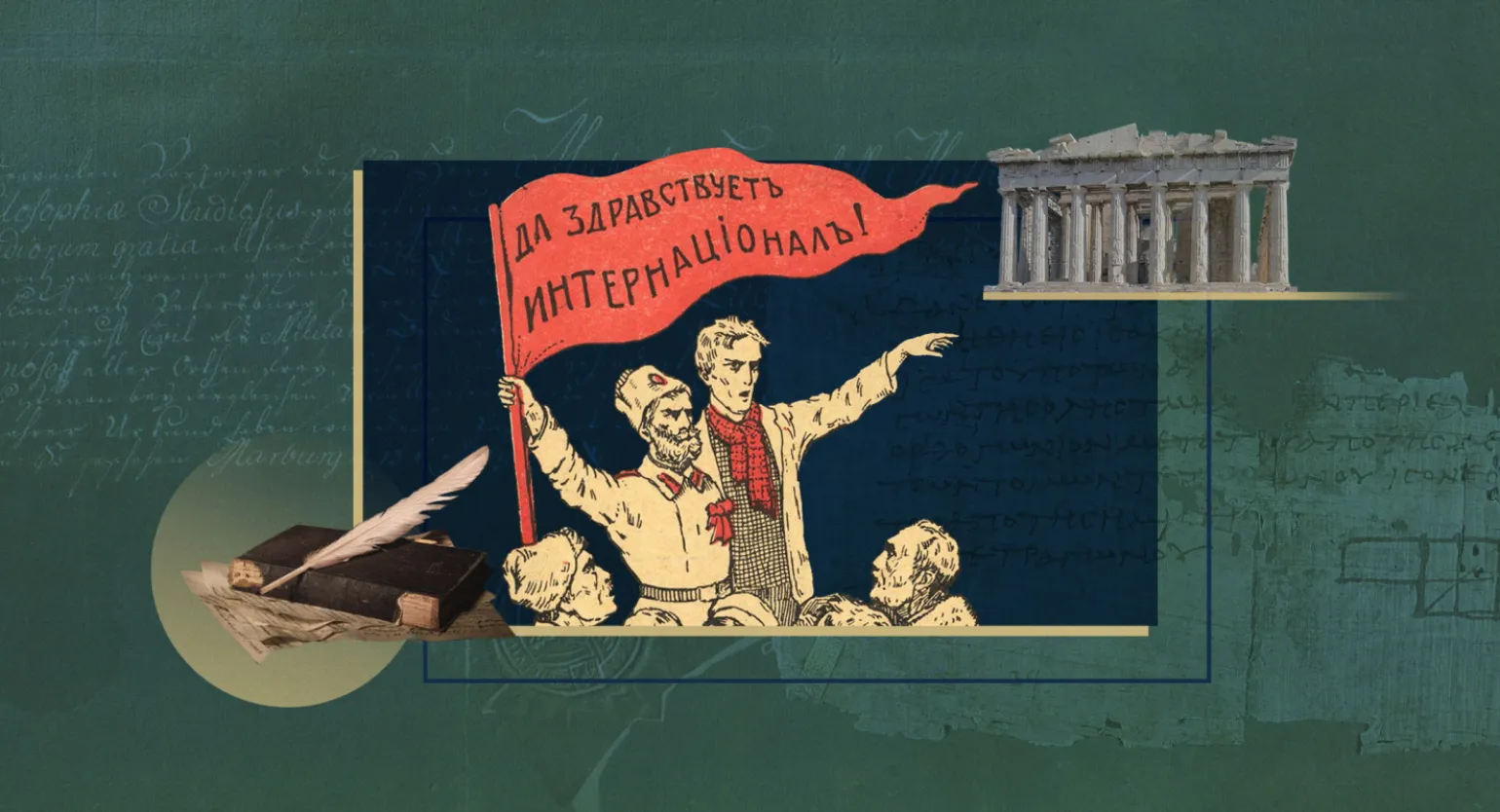
Once, during Kolchak's reign, we attended a lecture and sat in the back rows of the amphitheater. Gessen entered and ran up to the podium after everyone had already sat down. Lenya, who remained standing, said that today was May Day, and the entire working world was celebrating this day, so classes should be canceled. Gessen thought for a moment and replied that this was not sufficient reason to cancel classes. He called on the students who wished to leave the auditorium to do so. Only five or six students stood up—his best students, among whom was I. Many of them were already communists, and I also joined them not only out of "consciousness" but also because I did not want to lag behind Lenya. Gessen never mentioned this episode, and there were no consequences for us.
V. In her autobiography, "My Life," published in 2022 in Moscow by Novoye Literary Obozreniye, A. Florenskaya shares unique moments from her life. She recounts her personal experiences, creative pursuits, and the significant events that shaped her as a person and an artist. The book immerses the reader in the atmosphere of the author's time and provides a better understanding of her views and philosophy. Florenskaya describes in detail not only her achievements but also the challenges she faced. This work will be of interest not only to fans of her work but also to anyone interested in the lives and destinies of artists. The autobiography is an important contribution to modern literature and is valuable for studying the cultural context of Russia.
Context
The author of these memoirs is Vera Alexandrovna Florenskaya (1900–1996). In 1918, she and her fiancé, Leonid Ginzburg, known as Lyonya, completed their studies at gymnasiums and entered Tomsk University. At that time, the university was home to many professors from Petrograd, who had left the capital in search of safety. However, the revolution still caught up with them in Siberia.
The Kolchak era was characterized by an influx of St. Petersburg professors and renowned scholars into the universities. Among them were such prominent figures as Khvostov, Lyubomudrov, and Protasova, who, fleeing the revolution, first moved to Perm and then to Tomsk. However, Soviet power soon overtook them. Despite their fears, the scholars were not subject to repression. These professors possessed a high level of professionalism and sincere dedication to their work, which allowed them to carry out their duties efficiently. The educational process was rich in knowledge, and students were able to receive training from experienced specialists.
Among the outstanding teachers of that time, Sergei Iosifovich Gessen (1887–1950), a renowned philosopher, educator, legal scholar, and publicist, stands out. From 1913 to 1917, he held the position of privat-docent at St. Petersburg University. Later, at Tomsk University, Gessen headed the Department of Pedagogy, where he made a significant contribution to the development of the educational system and pedagogical science. His works and ideas continue to influence modern education and law.
The events in question took place during the period when Tomsk was under the control of the White Movement. This was not the most opportune time for celebrating May Day. The instructor who taught the classes was very popular among the students, and his lectures were distinguished by their engaging content. As a result, the young people had no compelling reason to skip classes other than youthful maximalism and rebellious spirit. The instigator of this act of protest was Leonid Ginzburg, an ardent admirer of Karl Marx's "Capital." Despite his fascination with Bolshevism, he continued to excel in his studies. Moreover, in parallel with his studies at the law faculty, he also studied at the conservatory. Ultimately, Ginzburg successfully completed his studies at both the law faculty and the conservatory, becoming a professor of law.
Check out additional materials:
- The past: the story of a little schoolboy’s first bad grade
- “The Tsar abdicated, there will be no lessons”: a former schoolgirl’s memories of 1917
Producer of online courses from scratch to PRO
You will learn how to launch profitable courses and webinars with minimal investment. You will understand how to turn existing EdTech projects into profit and make money from online learning.
Learn more